How I Finally Stopped My Dog From Pulling on the Leash (5 Practical Tips That Actually Work)
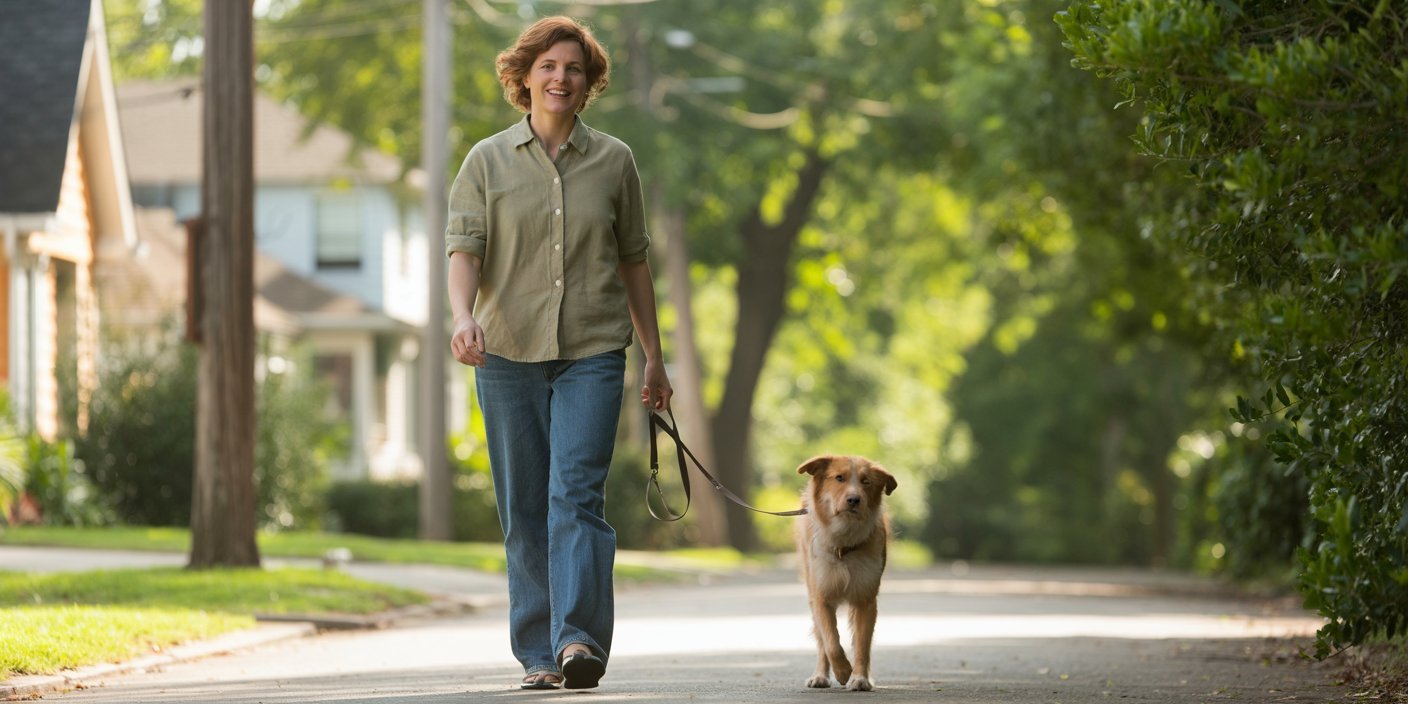
When I first brought my dog home, I had a very clear picture in my head. Calm walks around the neighborhood. A relaxed leash. Both of us enjoying the time together.
What I actually got was a dog that treated every walk like a sled race, pulling so hard it stopped being enjoyable altogether.
If you’ve ever felt stressed, frustrated, or even tempted to skip walks because your dog pulls nonstop, you’re not alone.
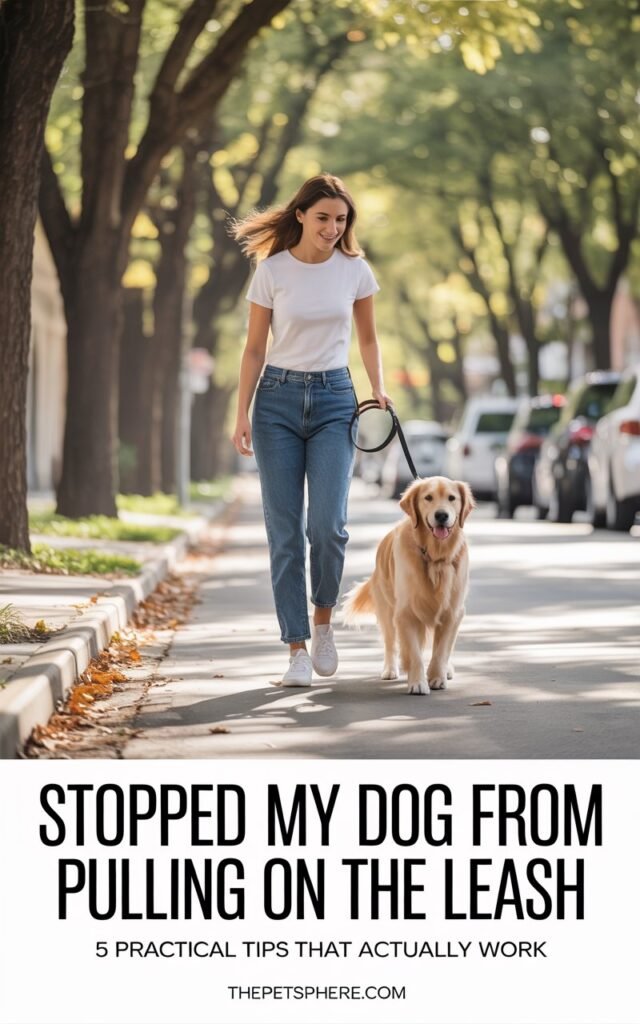
This is one of the most common questions dog owners ask, and for good reason. Walking shouldn’t feel like a workout you didn’t sign up for.
After learning from professional trainers at McCann Dogs and applying these techniques consistently, leash pulling finally stopped being a daily battle for me.
Below, I’m breaking down the same five tips that made the biggest difference, explained clearly and practically so you can start using them right away.
Why Dogs Pull on the Leash in the First Place
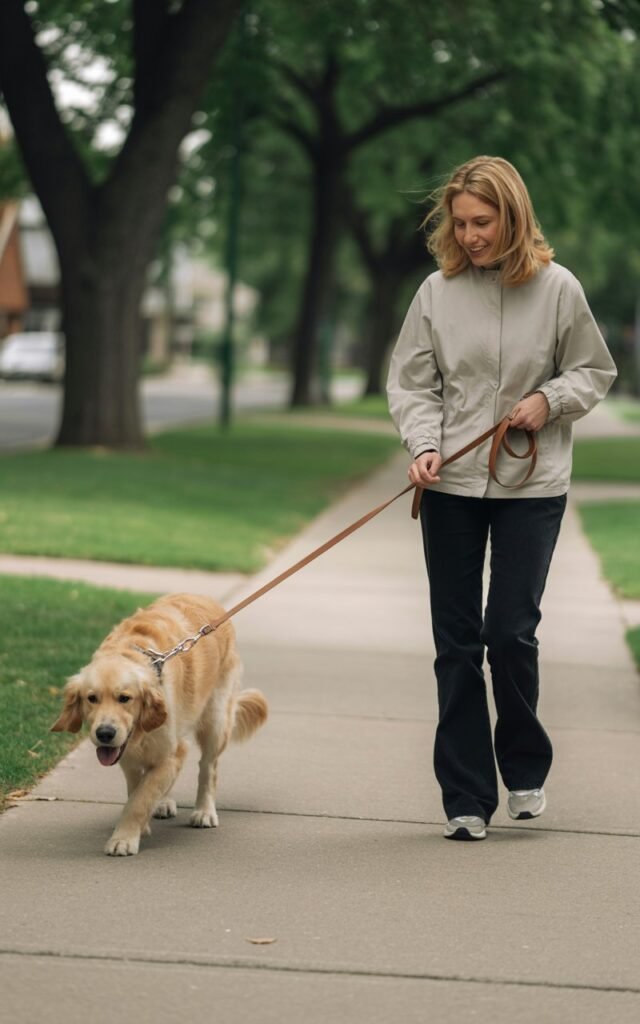
Before I could fix the problem, I needed to understand why my dog was pulling.
Most dogs don’t pull out of misbehavior—they pull because walking on a leash is exciting, stimulating, or confusing for them.
Common reasons dogs pull:
- Excitement and curiosity: Everything outside smells, moves, and demands attention.
- Lack of leash training: Puppies or dogs never taught to walk politely often pull instinctively.
- High energy levels: Active breeds have more energy to burn and may pull to release it.
- Seeking control or attention: Some dogs pull to lead the walk or get to something they want.
Understanding the root cause was a game-changer for me.
Once I knew why my dog pulled, I could focus on strategies that actually worked, instead of just reacting to the tug-of-war.
Tip 1: Make Sure Your Dog’s Collar Is Properly Fitted
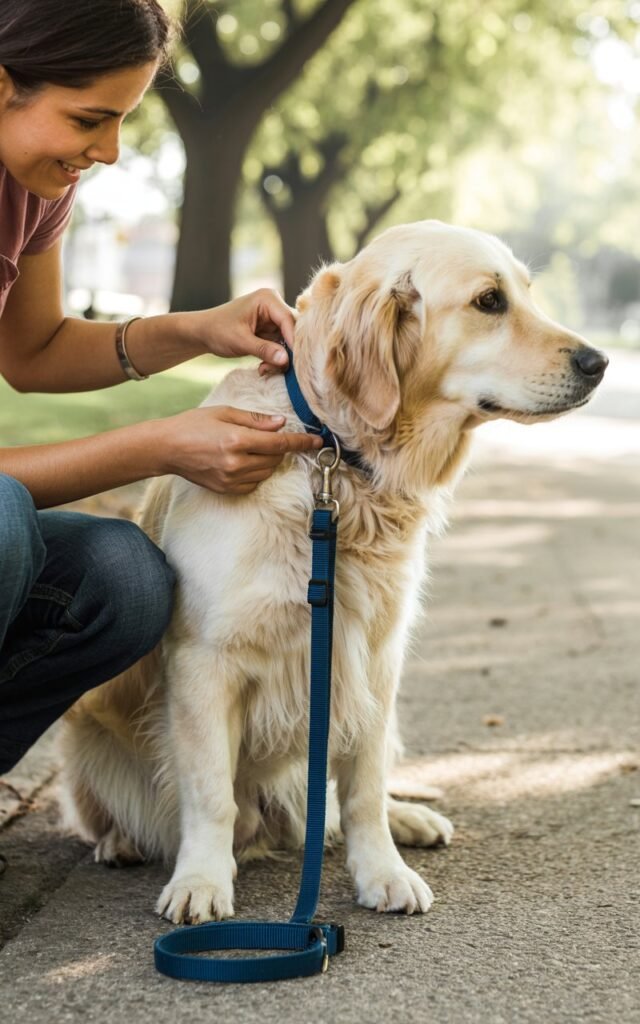
The first step in stopping leash pulling is ensuring your dog’s collar fits correctly and comfortably.
I learned quickly that even the best training techniques won’t work if the collar is too loose, too tight, or causing discomfort.
What I do:
- Use a collar that sits snugly but allows two fingers to fit between the collar and your dog’s neck.
- Check the collar regularly to make sure it hasn’t slipped or loosened over time.
- Consider a harness or head halter for dogs that pull hard or have respiratory sensitivities.
Why it matters:
A properly fitted collar gives you better control during leash training and prevents injuries while walking.
It also makes it easier to apply positive reinforcement training techniques effectively, helping your dog learn polite walking behavior faster.
Why Harnesses Can Make Pulling Worse
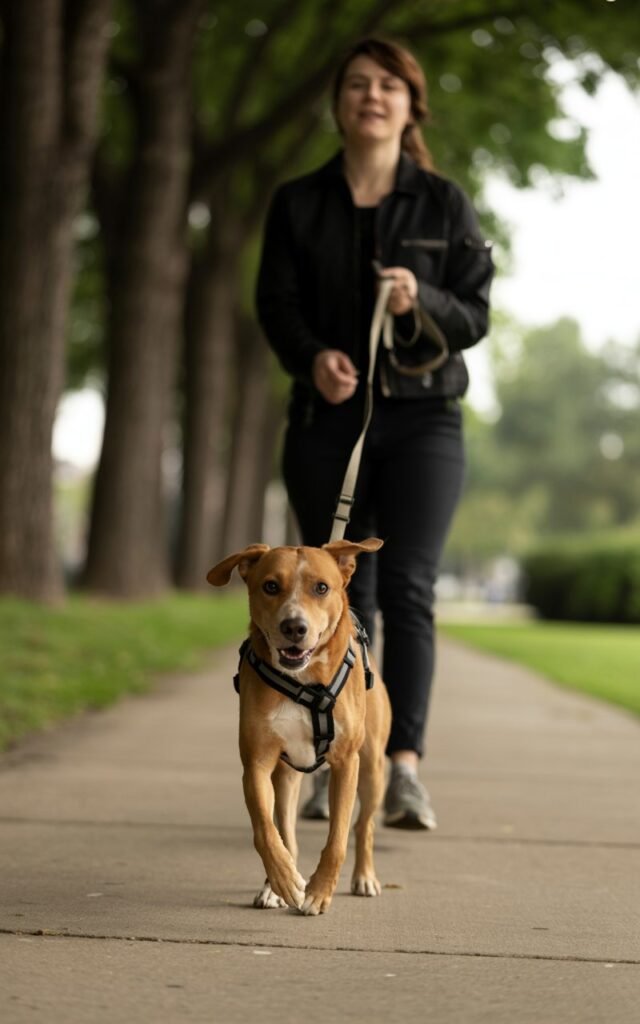
When I first switched to a harness to stop my dog from pulling, I assumed it would solve the problem immediately—but I quickly learned that not all harnesses reduce pulling.
Some actually encourage dogs to pull harder.
Here’s why:
- Front-clip vs. back-clip: Back-clip harnesses can make pulling easier because dogs can lean into the leash, increasing their forward momentum.
- Comfort can be misleading: Dogs feel secure in a loose, padded harness and may think they can pull without consequences.
- Reinforcing the behavior: If pulling lets your dog get where they want faster, a harness without proper training can unintentionally reward the behavior.
What I do now:
- I use a front-clip harness or a well-fitted collar for leash pulling training.
- Combine the harness with consistent reinforcement like stopping or changing direction when my dog pulls.
- Focus on teaching polite walking habits rather than relying solely on gear.
Understanding how different harnesses affect pulling helped me stop leash pulling for good and turn walks into calm, enjoyable experiences.
Tip 2: Keep Slack in the Leash at All Times
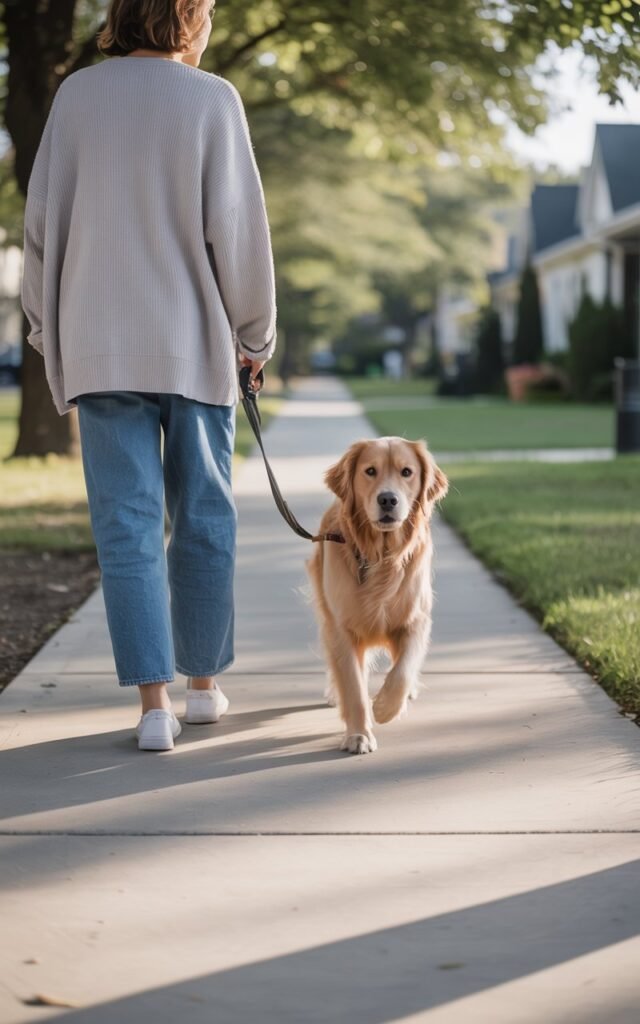
One of the biggest mistakes I made early on was letting tension build in the leash.
I quickly realized that a tight leash actually encourages my dog to pull, while keeping slack teaches them to walk calmly.
How I do it:
- I keep the leash loose between my hand and my dog, only giving gentle guidance when needed.
- When my dog starts to pull, I stop walking or change direction immediately, teaching them that pulling doesn’t get them anywhere.
- I combine this with positive reinforcement, rewarding my dog when they walk with slack and stay by my side.
Why it works:
- A loose leash signals to your dog that pulling is unnecessary, making leash training more effective.
- It reduces tension and prevents strain on both you and your dog during walks.
- Keeping slack reinforces polite, calm walking habits and sets the stage for long-term leash manners.
Over time, I noticed my dog walking beside me naturally, without constant tugging, making our walks much more enjoyable.
Tip 3: Teach Your Dog to Move With You, Not Against You
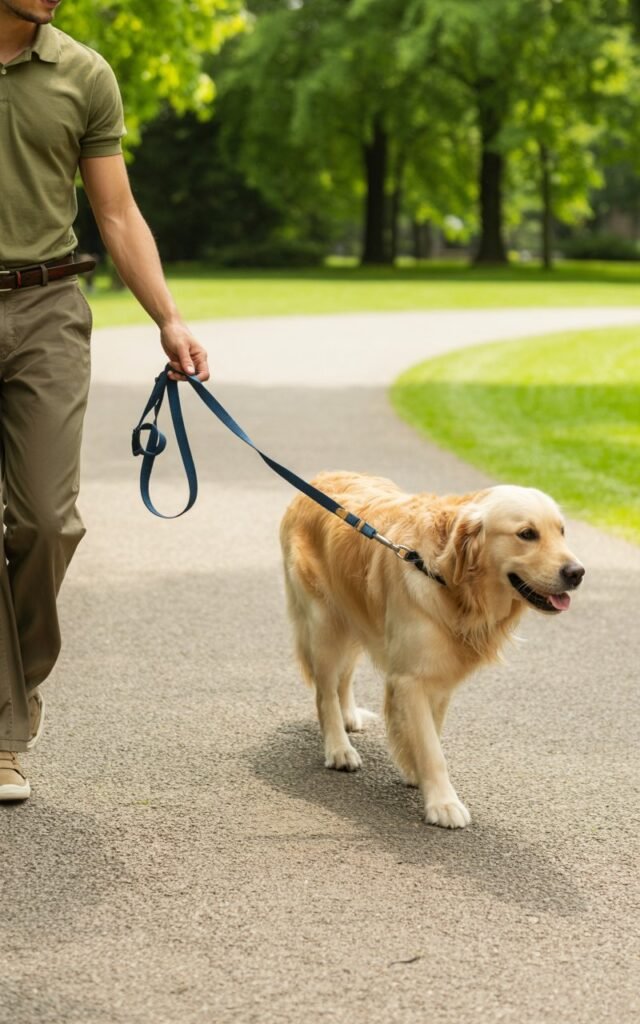
One of the biggest breakthroughs in my leash training journey came when I focused on teaching my dog to walk with me, rather than pulling ahead.
It’s not just about stopping pulling—it’s about creating a partnership during walks.
How I do it:
- I use commands like “heel” or “let’s go” to signal that we move together, keeping my dog by my side.
- If my dog pulls ahead, I stop walking or change direction, showing that pulling doesn’t get them anywhere.
- I reward calm walking with treats and praise whenever my dog matches my pace and stays beside me.
Why it works:
- Dogs naturally want to explore, but teaching them to move with you helps them understand boundaries and proper leash manners.
- It reinforces positive leash behavior, making walks calmer and safer.
- Over time, walking together builds trust and strengthens your bond, while eliminating constant tugging and frustration.
This method transformed our walks from stressful tug-of-war sessions into relaxed, enjoyable strolls, and my dog now anticipates walking politely, not pulling ahead.
Tip 4: Use the Gentle Leader for Strong Pullers
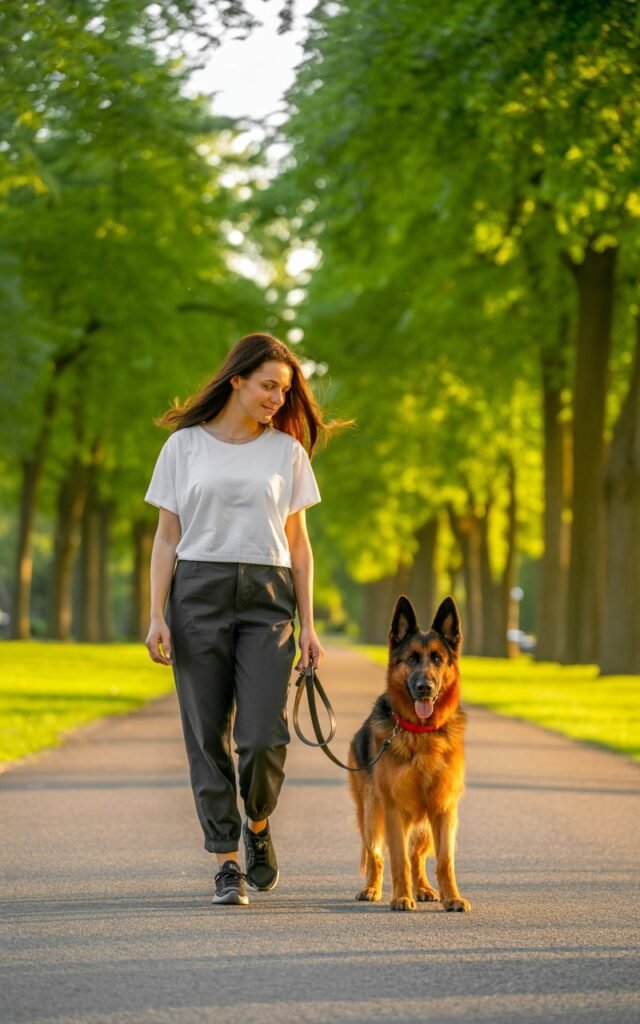
When my dog was still pulling hard despite training, I found that a Gentle Leader made a huge difference.
It’s a head halter designed to redirect pulling behavior safely without causing discomfort.
How I use it:
- Fit the Gentle Leader snugly but comfortably around the dog’s nose and behind the ears.
- Pair it with short, consistent leash guidance to teach polite walking habits.
- Combine its use with positive reinforcement—treats and praise whenever my dog walks calmly by my side.
Why it works:
- The Gentle Leader gives you more control over strong pullers, reducing forward momentum and making walks safer.
- It doesn’t hurt the dog; instead, it gently redirects attention back to you during leash training.
- Using it consistently reinforces calm walking behavior and helps break the habit of pulling.
For my dog, combining the Gentle Leader with training commands like “heel” and reward-based reinforcement finally made walks calm, controlled, and enjoyable.
Tip 5: Never Let Your Dog Pull Toward What They Want
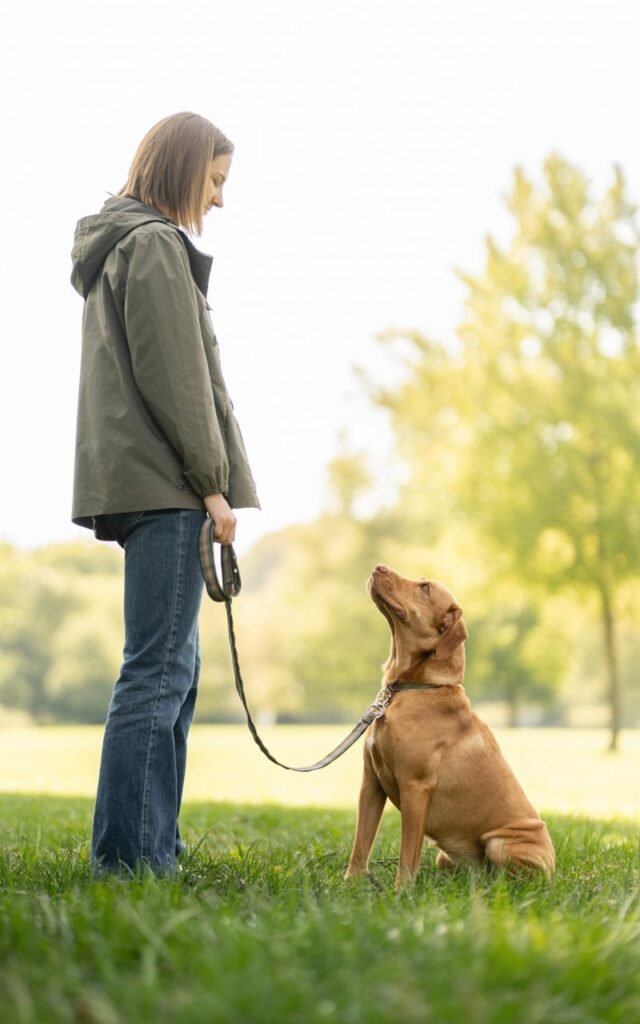
One of the hardest lessons I learned was never giving in when my dog pulled toward something interesting—whether it was another dog, a person, or a tempting scent.
Giving in even once reinforces pulling and undoes all the leash training progress.
How I do it:
- If my dog starts to pull toward something, I stop walking immediately or change direction, showing that pulling doesn’t lead to rewards.
- I wait until my dog calms down and walks politely before continuing.
- I reward calm, attentive behavior with treats and praise, reinforcing positive leash manners.
Why it works:
- Dogs quickly learn that pulling doesn’t get them anywhere, which reduces persistent tugging.
- It teaches patience and self-control, crucial for long-term leash training success.
- Combined with Gentle Leader use, slack leash techniques, and side-by-side walking, this method finally made our walks stress-free and enjoyable.
This tip transformed our walks completely—my dog now walks calmly, stays focused, and enjoys exploring without constant pulling.
The Most Important Rule: Be Consistent
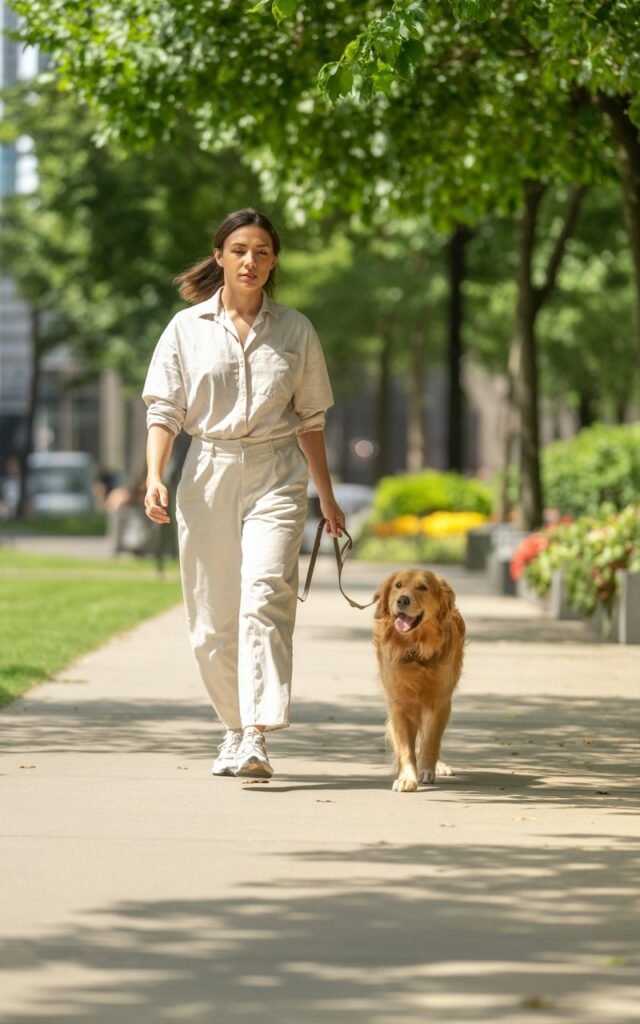
If there’s one thing I’ve learned from training my dog to stop pulling on the leash, it’s that consistency is everything.
Even the best techniques won’t work if they’re applied only sometimes or inconsistently.
How I stay consistent:
- I apply the same methods—slack leash, Gentle Leader, stop-and-go, and side-by-side walking—on every walk.
- Commands like “heel,” “sit,” and “stay” are used consistently so my dog always knows what’s expected.
- Rewards for calm walking are given every time, reinforcing positive leash behavior and preventing confusion.
Why it matters:
- Dogs learn fastest when rules don’t change. Inconsistent responses can lead to confusion, repeated pulling, and frustration.
- Consistency builds self-control, polite walking habits, and long-term leash manners.
- Over time, following the same approach makes walks calm, predictable, and enjoyable for both me and my dog.
Being consistent turned our walks from chaotic tug-of-war sessions into relaxed, controlled, and fun experiences—and it’s the single most important rule for successful leash training.
Final Thoughts
Walking my dog used to feel like a constant battle, but following these tips transformed our walks completely.
By understanding why dogs pull, using the right collar or Gentle Leader, keeping a slack leash, teaching your dog to walk by your side, and never giving in to pulling, I finally enjoy calm, stress-free walks every day.
The key takeaway is that patience, consistency, and positive reinforcement are essential.
No matter the dog’s breed, age, or energy level, these methods work if applied regularly and correctly.
With time and practice, your dog will learn polite walking manners, making walks more enjoyable for both of you—and turning a once stressful activity into a bonding experience full of calm, controlled, and happy moments.