

If you’ve ever stood in the pet aisle reading ingredient labels like you’re shopping for your own dinner, then you already understand my struggle.
I love my dog. He’s part of our family. He’s there during early mornings, late nights, messy kitchens, quiet weekends, and chaotic days with kids running around the house.
So when it comes to treats, I’ve always felt torn between convenience and doing what’s actually good for him.
That’s exactly how I ended up discovering beef and vegetable chew sticks for dogs — and why they’ve now become a regular part of our routine.

This post isn’t coming from a vet or a big pet brand. It’s coming from a real dog owner who has tried the cheap treats, regretted it, read labels, dealt with stomach issues, and finally found something that works.
If you’re wondering whether beef and vegetable chew sticks are worth it, safe, or even enjoyable for dogs, I’ll walk you through everything I’ve learned from experience.
Amazon Shopping List: Beef and Vegetable Chew Sticks for Dogs
1. Beef & Vegetable Chew Sticks for Small Dogs
Soft, easy to chew, and gentle on digestion. Ideal for small breeds and senior dogs.
BUY NOW ON AMAZON
2. Beef & Vegetable Dental Chew Sticks
Textured chews that help reduce plaque and support fresher breath.
BUY NOW ON AMAZON
3. Grain-Free Beef & Vegetable Chew Sticks
Made without grains for dogs with sensitive stomachs or food allergies.
BUY NOW ON AMAZON
4. Long-Lasting Beef & Vegetable Chew Sticks
Designed for power chewers who need a tougher, longer-lasting treat.
BUY NOW ON AMAZON
5. Bulk Pack Beef & Vegetable Chew Sticks
Best value option for multi-dog homes or frequent treat use.
BUY NOW ON AMAZON
Why I Started Paying Attention to Dog Treat Ingredients

For the longest time, I didn’t think much about dog treats. I bought what was affordable, what had cute packaging, or what was on sale. My dog didn’t complain, so I assumed everything was fine.
But over time, I noticed small things:
- Occasional upset stomachs
- Bad breath that didn’t improve with brushing
- Chew treats that smelled strongly artificial
- Ingredients I couldn’t pronounce
Once I started paying attention, I realized many popular dog chews are packed with fillers, artificial flavors, added colors, and mystery by-products.
That’s when I decided to start choosing treats the same way I choose food for my family — simple, recognizable ingredients that actually serve a purpose.
What Exactly Is a Beef and Vegetable Chew Stick?
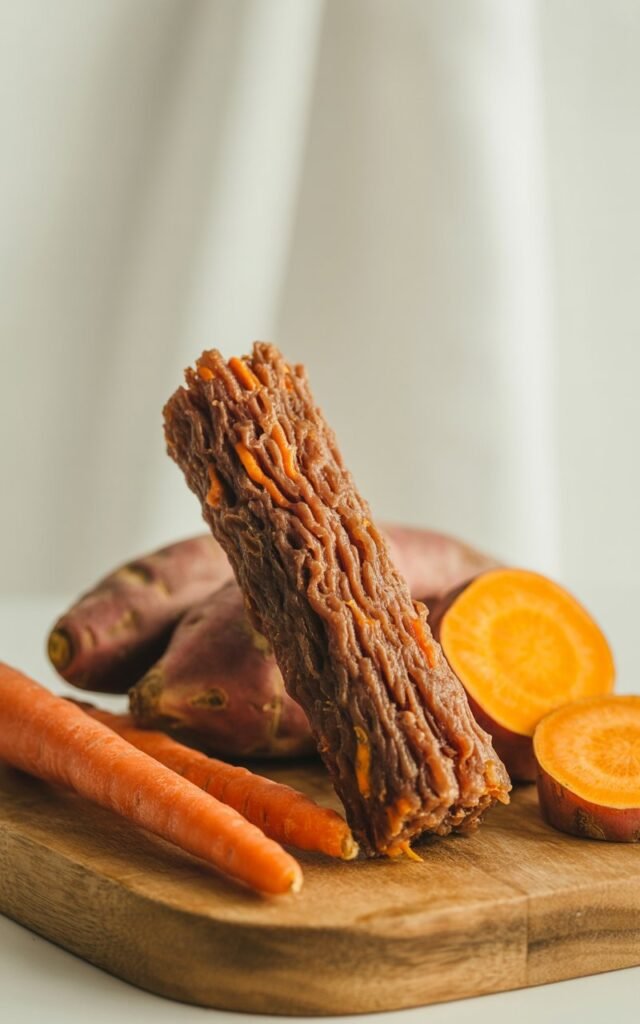
A beef and vegetable chew stick is a dog treat made primarily from real beef combined with dog-safe vegetables. Unlike rawhide or highly processed chews, these sticks are designed to be:
- Easier to digest
- More nutritious
- Safer for chewing
- More satisfying for dogs
The best ones usually contain:
- Beef or beef meal as the main protein
- Vegetables like carrots, sweet potatoes, peas, or spinach
- Natural binders instead of chemical adhesives
When done right, they’re chewy enough to keep dogs busy but soft enough not to damage teeth.
Why Beef Is a Great Protein for Dogs

One thing I’ve learned is that dogs thrive on quality protein, and beef is one of the best options when sourced and prepared properly.
Beef provides:
- High-quality amino acids for muscle support
- Natural iron for healthy blood circulation
- Zinc to support skin and coat health
- Energy for active dogs
When beef is listed as the first ingredient, that’s usually a good sign. It means the treat is protein-forward, not carb-heavy or filler-based.
My dog is more energetic, his coat looks shinier, and he stays fuller longer after chewing on beef-based treats compared to grain-loaded alternatives.
How to Make the Treat at Home
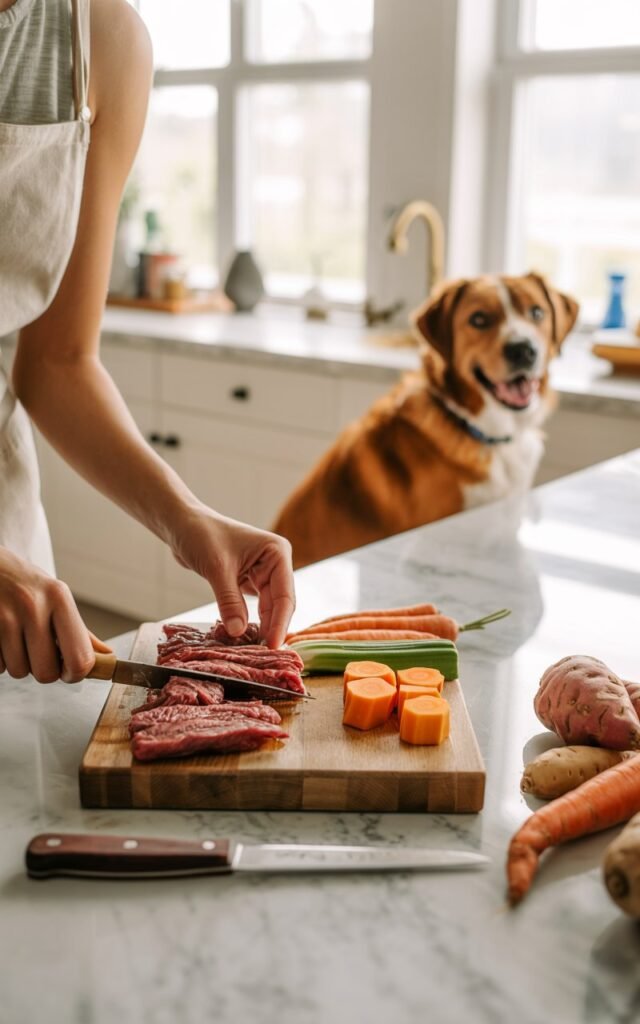
After trying many store-bought options, I also started experimenting with homemade beef and vegetable chew sticks.
Honestly, it’s easier than it sounds, and it gives me full control over what goes into my dog’s treats.
Plus, there’s something really satisfying about seeing him happily chew a treat I made myself.
Here’s what I usually do:
- Choose the ingredients carefully – I use lean ground beef and dog-safe vegetables like carrots, sweet potatoes, or peas.
- Mix and bind – I mash the vegetables slightly and mix them with the beef, sometimes adding a small amount of oats as a binder.
- Shape the sticks – I roll them into chew-stick shapes or use a silicone mold for consistency.
- Bake or dehydrate – Depending on the recipe, I bake them at a low temperature or use a food dehydrator until they’re firm but not too hard.
- Cool and store – I let them cool completely and store them in an airtight container. They usually last a week or two in the fridge.
Making treats at home also allows me to adjust the size for my dog’s breed and chewing habits.
I love knowing exactly what he’s eating, and honestly, he seems to enjoy them even more than some store-bought options!
The Benefits of Adding Vegetables to Dog Treats

I’ll admit, I used to think vegetables in dog treats were just a marketing trick. But after doing some research and watching how my dog reacts, I changed my mind.
Vegetables add real value when used correctly.
Common dog-safe vegetables in chew sticks include:
- Carrots for vitamin A and dental support
- Sweet potatoes for fiber and digestion
- Peas for plant protein
- Spinach for antioxidants
Vegetables help balance the richness of beef, making the chew stick easier on digestion. I noticed fewer stomach issues once we switched to beef and vegetable chews.
How Beef and Vegetable Chew Sticks Support Dental Health

One unexpected benefit I noticed was improved dental health.
Chewing naturally helps:
- Reduce plaque buildup
- Massage gums
- Freshen breath
Unlike brittle biscuits that shatter or rawhide that can splinter, beef and vegetable chew sticks tend to soften gradually as dogs chew. That makes them safer and more effective for cleaning teeth naturally.
I still brush my dog’s teeth, but I’ve noticed less buildup and better breath overall since introducing these chews.
Are Beef and Vegetable Chew Sticks Safe for All Dogs?

This is one of the most common questions — and a valid one.
From my experience, beef and vegetable chew sticks are generally safe for:
- Adult dogs
- Small to large breeds (size-appropriate sticks matter)
- Dogs without beef allergies
However, they may not be suitable for:
- Puppies under 3–4 months
- Dogs with known beef sensitivities
- Dogs with severe dental issues
I always supervise chewing sessions, especially when introducing a new treat. Even the safest chew should never be left unattended.
How Often I Give My Dog Beef and Vegetable Chew Sticks
Treats are treats, no matter how healthy they are.
In our house:
- Chew sticks are given 2–3 times a week
- Usually after walks or training
- Never replace full meals
I treat them as enrichment tools rather than daily snacks. This keeps them exciting and prevents overfeeding.
What I Look for When Buying Beef and Vegetable Chew Sticks
Not all chew sticks are created equal. Here’s my personal checklist before buying:
- Beef listed as the first ingredient
- Real vegetables, not “vegetable by-products”
- No artificial colors or flavors
- No rawhide
- Clear feeding guidelines
If the ingredient list looks like a chemistry exam, I skip it.
Homemade vs Store-Bought Chew Sticks
I’ve tried both, and honestly, each has its place.
Homemade chew sticks:
- Give full ingredient control
- Are great for dogs with allergies
- Take time and proper dehydration
Store-bought chew sticks:
- Are convenient
- Have longer shelf life
- Are safer when sourced from reputable brands
On busy weeks, store-bought beef and vegetable chew sticks are a lifesaver. On calmer weekends, I sometimes make my own as a fun project.
How My Dog Reacted After Switching to Beef and Vegetable Chew Sticks
This was the biggest confirmation for me.
After switching:
- He became more excited during treat time
- He chewed longer and more calmly
- No digestive issues
- Less begging for extra snacks
The chew sticks actually satisfy his chewing instincts instead of just disappearing in seconds.
Common Mistakes Dog Owners Make With Chew Treats
I’ve made these mistakes myself, so I’m sharing honestly.
- Giving chews too frequently
- Not adjusting meal portions
- Leaving dogs unattended while chewing
- Choosing size-inappropriate sticks
Even healthy treats can cause problems if not used correctly.
Are Beef and Vegetable Chew Sticks Worth the Price?
They usually cost more than basic biscuits, but for me, the value is clear.
You’re paying for:
- Better ingredients
- Fewer vet visits
- Improved digestion
- Happier chewing behavior
I’d rather give fewer high-quality treats than lots of cheap ones that do nothing for my dog’s health.
Final Thoughts: Would I Recommend Beef and Vegetable Chew Sticks?
Absolutely — and I don’t say that lightly.
Beef and vegetable chew sticks strike the perfect balance between:
- Nutrition
- Enjoyment
- Safety
- Convenience
They’ve become part of our dog-care routine in a way that feels responsible, not indulgent.
If you’re a dog parent who cares about ingredients, digestion, and overall well-being, this is one treat category I genuinely recommend exploring.
Your dog might not be able to say thank you — but you’ll see it in their wagging tail, calmer chewing, and happier days at home.