
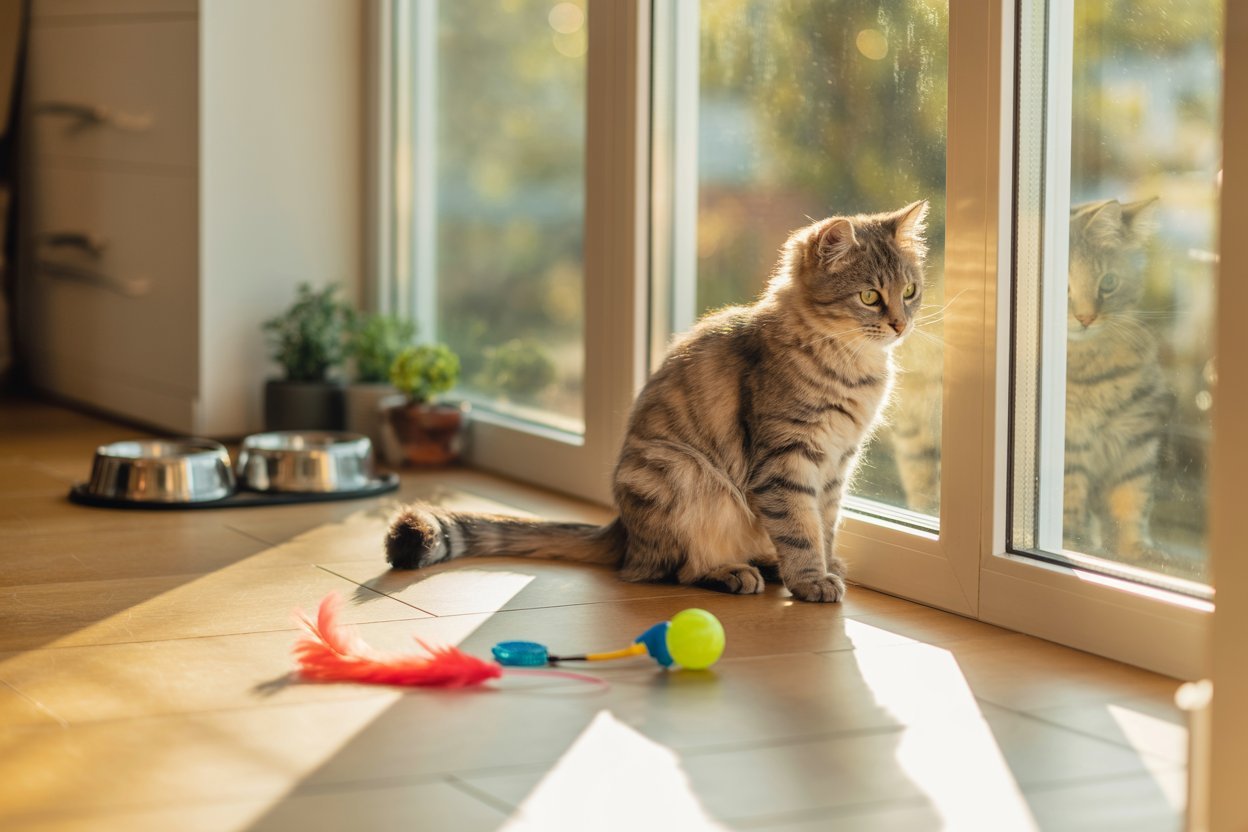
I’ve always loved cats — their curiosity, playful energy, and those quiet moments of companionship that make a house feel like home.
But being a cat owner isn’t just about cuddles and cute Instagram photos.
Over the years, I’ve realized that keeping my furry friend truly happy and healthy requires attention, consistency, and understanding what they really need.
At first, I made all the typical mistakes: feeding the wrong foods, neglecting playtime, or not paying enough attention to their mental stimulation.
Slowly, through trial, error, and a lot of research, I discovered simple habits that make a world of difference — not just for my cat’s well-being, but for the joy of living with them every day.
In this post, I’m sharing 8 simple, practical tips for happy and healthy cat ownership — things you can easily fit into your daily routine.
These aren’t just generic tips; they’re strategies I’ve applied myself, and they’ve made my cat healthier, more active, and, honestly, even more lovable.
What Really Matters for Your Cat’s Happiness and Health
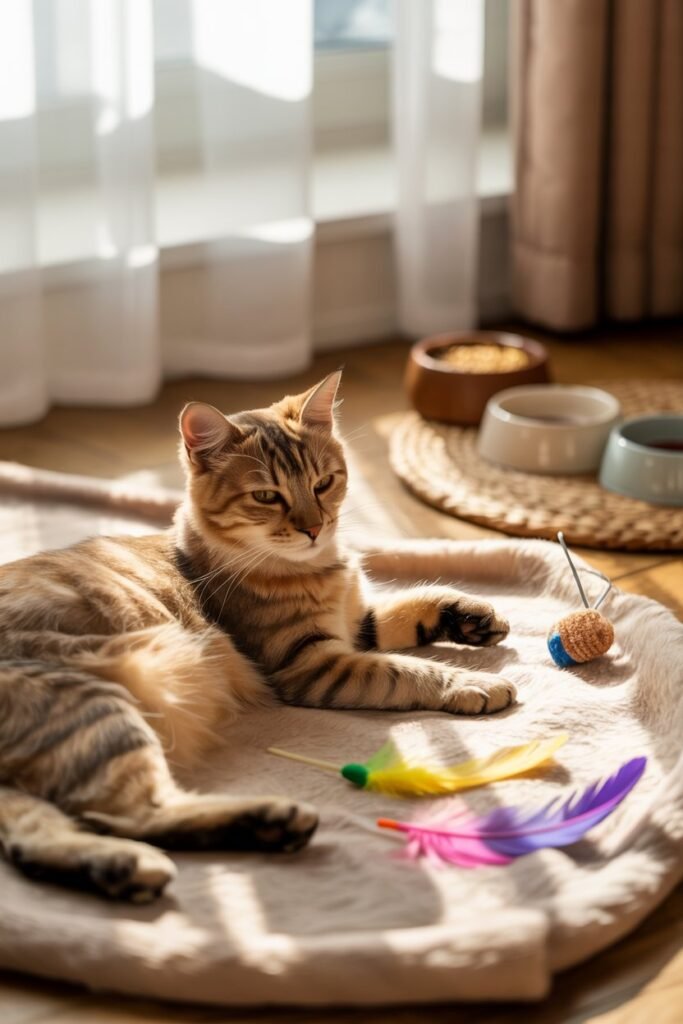
Being a happy and healthy cat owner isn’t just about feeding them and scooping the litter box.
It’s about understanding their needs, creating a stimulating environment, and building routines that support both their physical and mental well-being.
Cats may seem independent, but they thrive on consistency, attention, and the right care.
Overlooking small details — like playtime, hydration, or mental stimulation — can quietly affect their mood, energy, and overall health.
The good news is that keeping your cat happy doesn’t have to be complicated or time-consuming. It’s often the small, daily habits that make the biggest difference.
From nutrition and exercise to mental enrichment and emotional bonding, the right approach can help your cat live a longer, more joyful life — while also making your life as a cat owner more rewarding.
Think of this section as a gentle reminder: happy cats lead to happy owners.
Once you understand the basics, applying the tips that follow will feel natural and achievable — not overwhelming.
1. Prioritize Balanced Nutrition
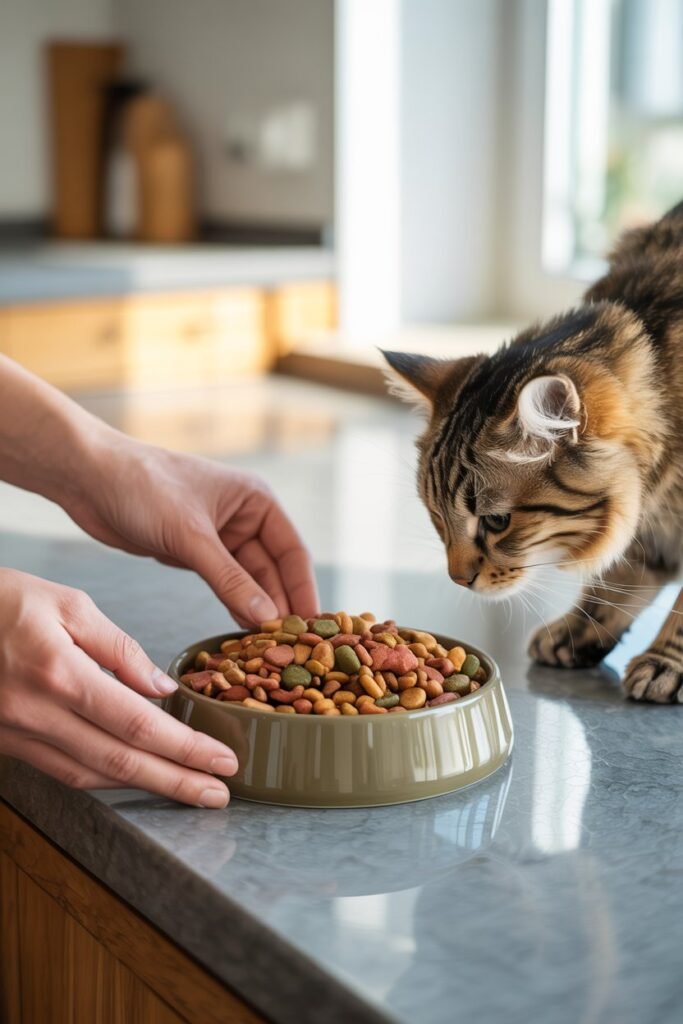
When I first got my cat, I thought any “cat food” would do — as long as it filled the bowl. I quickly learned that not all foods are created equal.
Just like us, cats need a balanced diet to thrive, with the right mix of protein, fats, and essential nutrients.
Feeding your cat high-quality, species-appropriate food affects everything: their energy levels, coat shine, digestion, and even mood.
I started paying attention to labels, checking for real meat as the first ingredient, and avoiding fillers like corn or unnecessary grains.
I also learned to adjust portions according to their age, activity level, and weight.
Overfeeding can lead to obesity, while underfeeding can leave them lethargic and prone to health issues.
Small adjustments in nutrition made a huge difference. My cat became more playful, active, and noticeably healthier in just a few weeks.
Simple takeaway: Invest in high-quality cat food, monitor portions, and consider age-appropriate formulas. Balanced nutrition is the foundation of a happy, healthy cat.
2. Keep Fresh Water Accessible at All Times
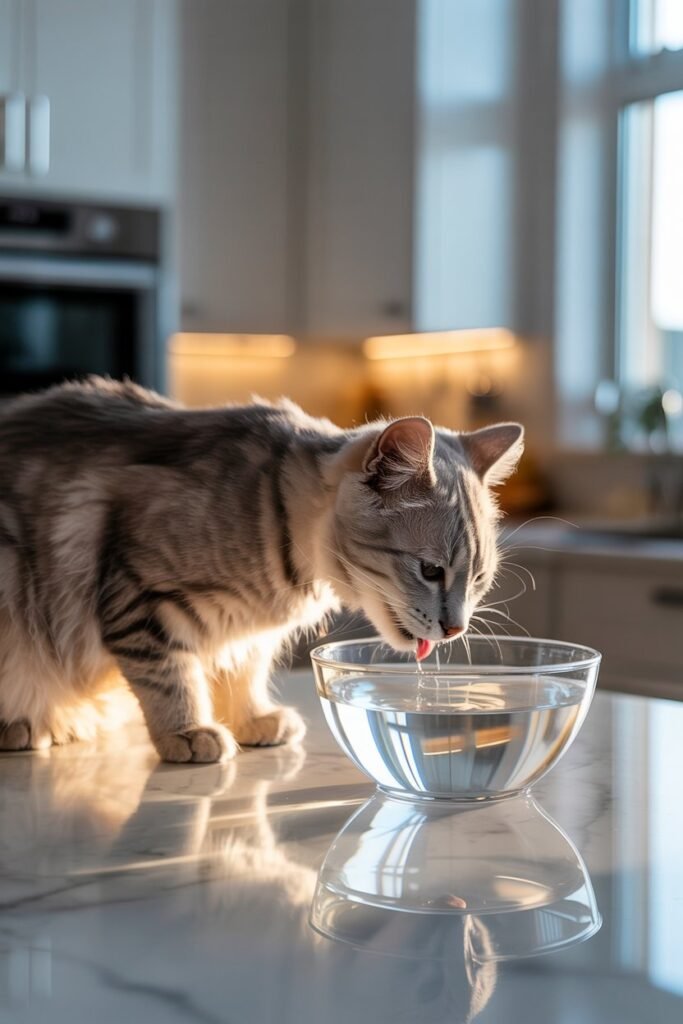
One thing I underestimated when I first became a cat owner was how important water really is.
My cat would often ignore a full bowl if it wasn’t fresh, and I didn’t realize how much dehydration could affect her health — from urinary tract issues to low energy levels.
I quickly learned that cats prefer clean, fresh water that’s easily accessible.
I started refilling her bowl multiple times a day and even added a small water fountain, which she loved.
The flowing water encouraged her to drink more, and I noticed improvements in her hydration, activity, and even her coat’s shine.
Placement matters too. Keep water bowls in quiet, low-traffic areas, separate from the litter box, and away from food if possible — many cats like to have their drinking area distinct from where they eat.
Simple takeaway: Fresh, accessible water is essential. Make it easy for your cat to drink regularly — it’s a small change that greatly impacts their health and happiness.
3. Encourage Daily Play and Exercise for a Healthy Cat

When I first brought my cat home, I assumed she’d get enough activity on her own — chasing shadows, batting at random objects, and napping in the sun.
I quickly realized that without regular cat exercise and daily play, cats can become bored, gain weight, or develop behavioral issues.
Incorporating interactive playtime has made a huge difference for both her physical and mental health.
Simple activities like wand toys, laser pointers, puzzle feeders, or even crumpled paper can keep a cat active, engaged, and mentally stimulated.
I aim for at least 10–15 minutes of play a couple of times a day.
Play isn’t just about exercise — it’s also mental enrichment for cats.
Cats are natural hunters, and giving them opportunities to chase, pounce, and explore mimics behaviors they would do in the wild.
This keeps them fit, alert, and happy, while also strengthening the bond between you and your pet.
Simple takeaway: Make daily play and exercise part of your routine.
Even short, interactive sessions improve your cat’s fitness, prevent boredom, and support a happy, healthy cat lifestyle.
4. Keep Their Litter Box Clean and Accessible
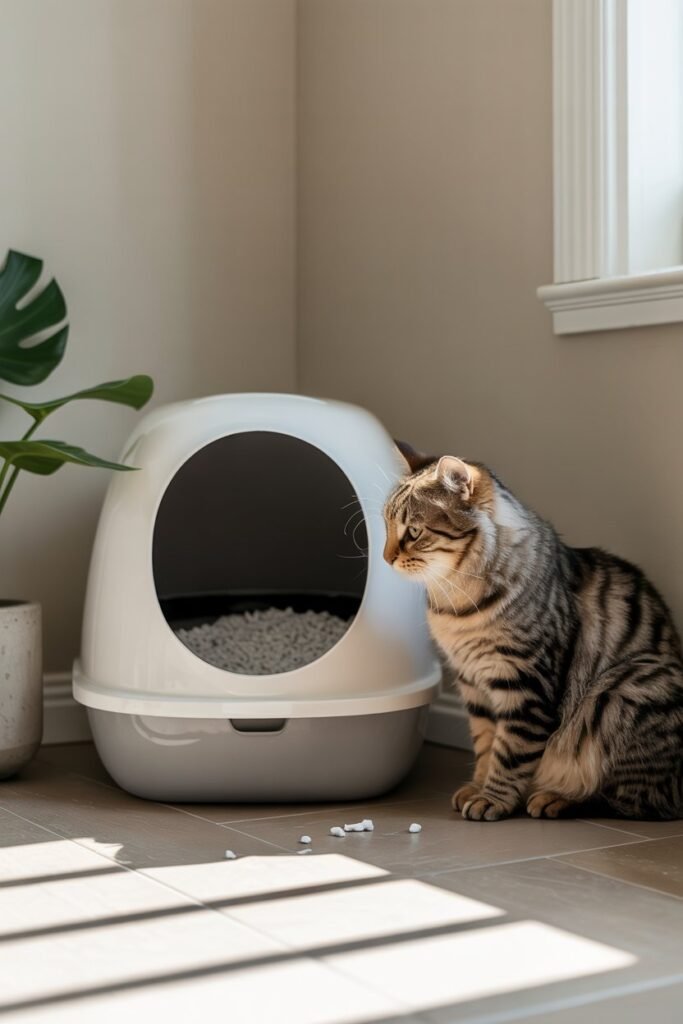
One thing I underestimated when I first became a cat owner was how much litter box care affects a cat’s happiness and health.
At first, I thought as long as there was litter in the box, she’d be fine — but I quickly learned that cleanliness and accessibility are essential.
Cats are naturally very clean animals.
A dirty or hard-to-reach litter box can cause stress, accidents, or even urinary health problems. I now scoop hers at least once a day and completely change the litter regularly.
I also make sure the box is in a quiet, low-traffic area, away from food and water bowls, so she feels safe and comfortable using it.
If you have multiple cats, it’s a good idea to have one litter box per cat plus one extra. This prevents territorial disputes and ensures every cat has access when they need it.
Simple takeaway: Keeping the litter box clean, accessible, and appropriately placed is a small step that makes a huge difference in your cat’s comfort, happiness, and urinary health.
5. Schedule Regular Vet Checkups for a Healthy Cat
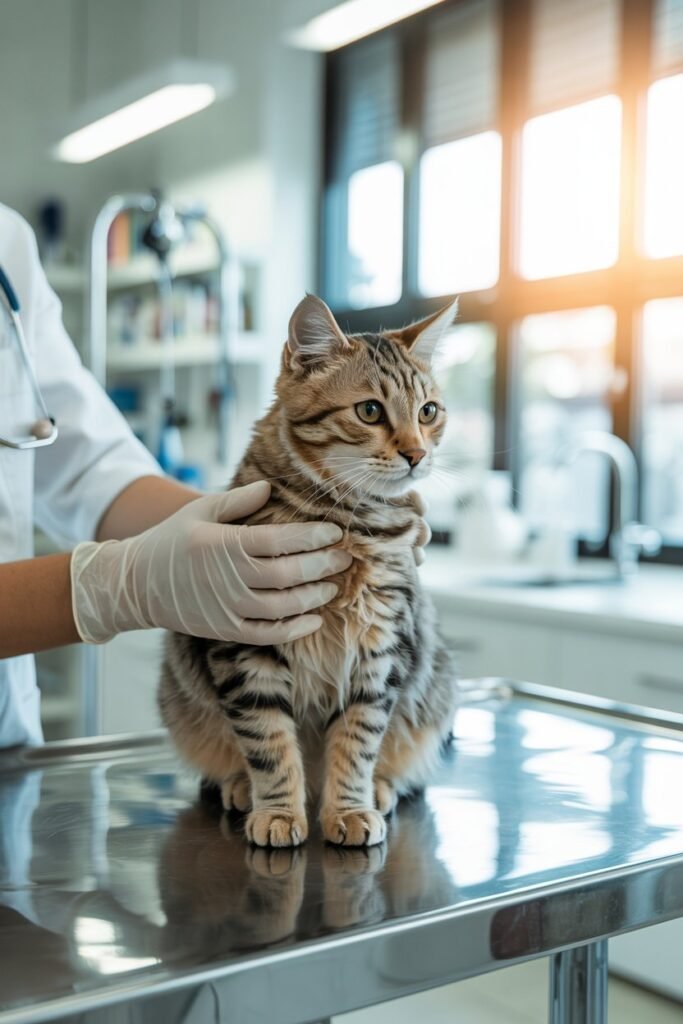
When I first became a cat owner, I used to think a trip to the vet was only necessary when my cat seemed sick.
I quickly learned that preventive cat care is essential for a happy, healthy cat and can prevent long-term health issues.
Regular veterinarian visits for cats help catch potential problems early, ensure vaccinations and boosters are up to date, and monitor your cat’s weight, dental health, and overall well-being.
I now schedule at least one checkup per year, and more often for older cats or if I notice any changes in behavior or appetite.
These visits also allow you to discuss nutrition, supplements, and behavioral guidance with a professional.
Having a trusted veterinarian makes cat care easier and ensures my furry friend stays active, healthy, and happy year-round.
Simple takeaway: Don’t wait for illness to strike. Routine vet checkups, preventive care, and professional guidance are vital for your cat’s long-term health, happiness, and overall wellness.
6. Provide Mental Stimulation and Enrichment for Your Cat
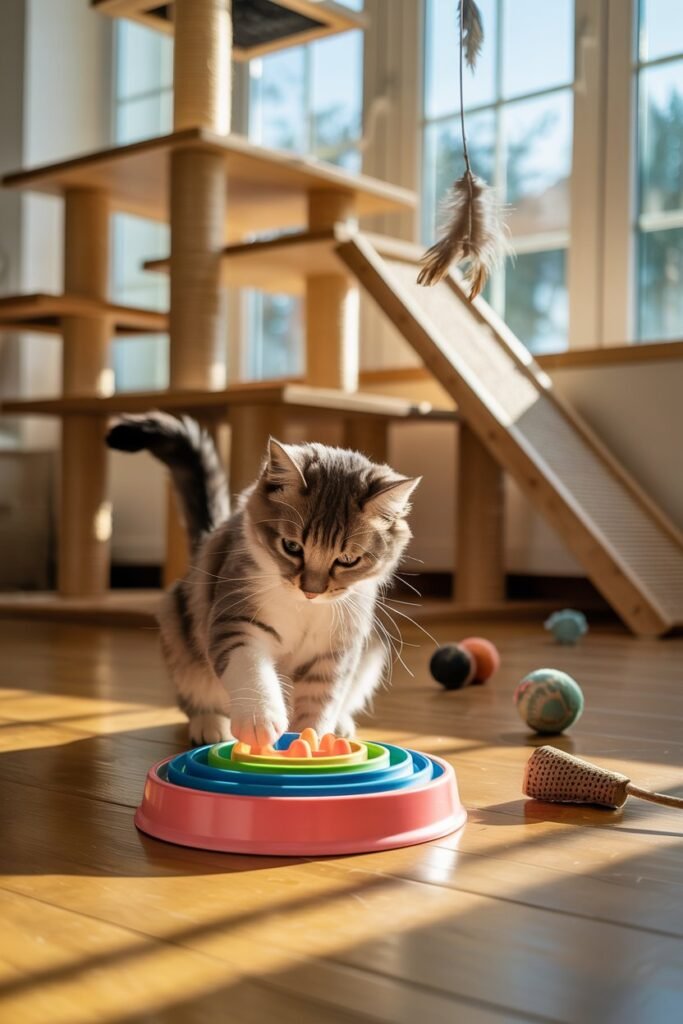
I quickly learned that keeping my cat physically healthy isn’t enough — mental stimulation and enrichment for cats is just as important for a happy, healthy cat.
Without these activities, cats can become bored, stressed, or develop unwanted behaviors like scratching furniture or overeating.
I started introducing interactive toys, scratching posts, puzzle feeders, and climbing structures into her daily routine.
Even simple strategies like hiding treats, rotating toys, or creating small climbing areas made a huge difference. She became more active, alert, and playful.
Cats are natural hunters, so enrichment activities that mimic hunting and exploring are ideal.
This not only keeps them entertained but also reduces stress, prevents boredom, promotes mental and physical well-being, and supports a healthy cat lifestyle.
Simple takeaway: Incorporate daily mental stimulation, enrichment activities, and interactive play into your cat’s life.
A mentally active and engaged cat is healthier, happier, and more connected to you.
7. Groom Your Cat Regularly for Health, Comfort, and Well-Being
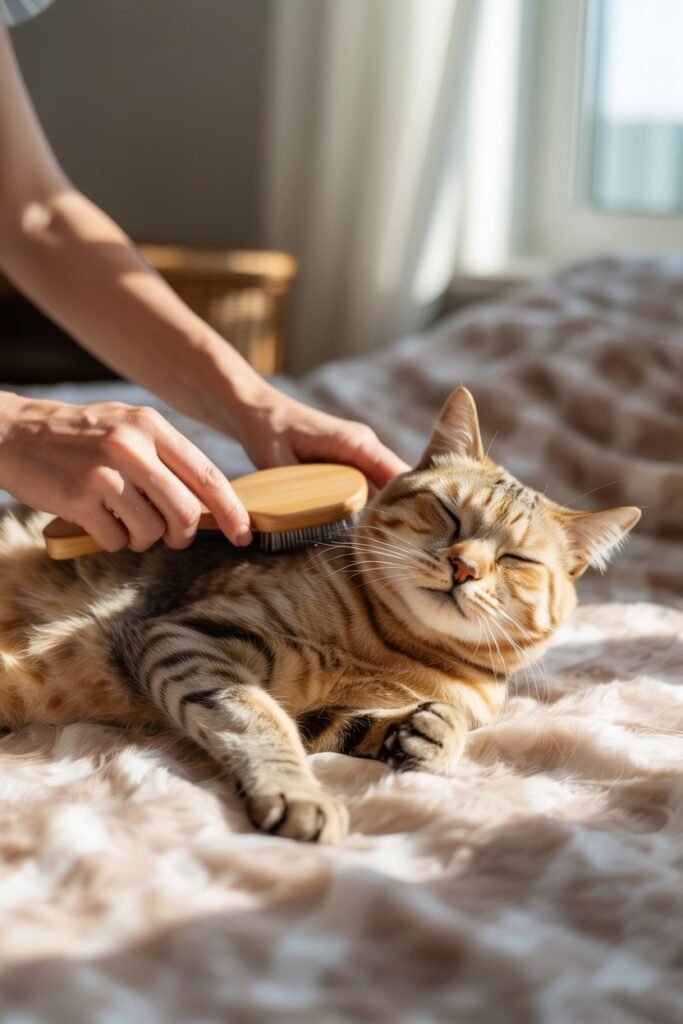
One thing I didn’t fully appreciate at first is how much regular cat grooming impacts a cat’s happiness, comfort, and overall health.
At first, I thought cats could handle grooming entirely on their own, but I quickly realized that brushing, nail trimming, and occasional baths make a huge difference for a happy, healthy cat.
Brushing your cat regularly not only prevents hairballs, matting, and fur shedding but also stimulates circulation, reduces stress, and strengthens the bond between you and your pet.
I make it a point to brush her coat a few times a week, and it’s amazing how much she enjoys the attention — plus, her fur stays shiny, healthy, and soft.
Don’t forget nail care and paw health. Trimming your cat’s nails regularly prevents scratching injuries to furniture, keeps claws healthy, and improves comfort.
For cats that tolerate it, occasional baths with cat-safe shampoo help maintain clean, healthy fur and prevent skin problems.
Simple takeaway: Regular cat grooming, brushing, hairball prevention, nail care, and fur maintenance supports your cat’s physical health, mental well-being, and overall happiness, while also keeping your home cleaner and stress-free.
8. Prioritize Routine, Sleep, and a Calm Environment for Your Cat
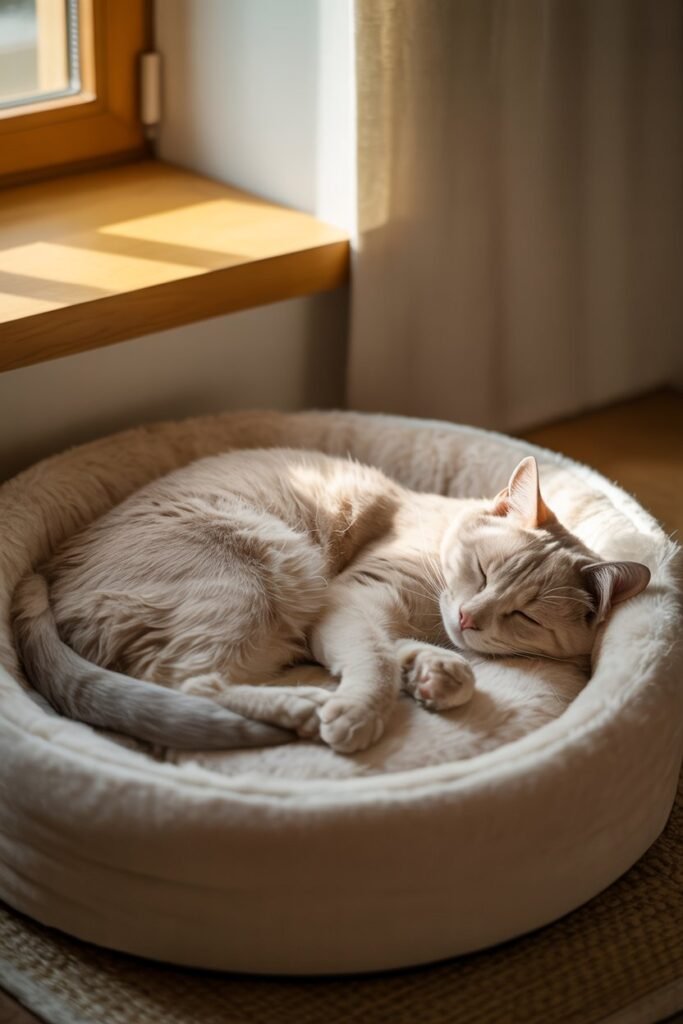
The biggest lessons I’ve learned as a cat owner is that cats thrive on routine, a calm environment, and plenty of restful sleep.
At first, I didn’t realize how sensitive my cat was to noise, sudden changes, or a disrupted schedule.
Over time, I noticed how these small adjustments made her calmer, happier, and physically healthier.
Cats naturally need 12–16 hours of sleep a day, and having quiet, safe spaces helps them rest fully.
I make sure she has cozy spots around the house — from sunny window sills to soft beds in low-traffic areas.
Maintaining a consistent feeding schedule, play routine, and litter box habits also keeps her stress low and her behavior positive.
A calm, predictable environment supports not only her mental well-being but also her physical health.
Reducing stress can prevent behavioral problems, overeating, aggression, and anxiety, while encouraging a happy, active, and healthy cat lifestyle.
Simple takeaway: Prioritize a daily routine, secure resting spots, and sufficient sleep.
Cats that feel safe and relaxed are more playful, affectionate, mentally stimulated, and healthier overall.
Final Thought:
Becoming a cat owner taught me that keeping a cat happy and healthy isn’t about doing everything perfectly — it’s about paying attention to the little things every day.
From balanced nutrition and fresh water to interactive play, grooming, and regular vet care, each habit contributes to your cat’s well-being, happiness, and longevity.
I’ve seen firsthand how small changes — like adding puzzle feeders, maintaining a calm environment, or sticking to a consistent routine — can transform a cat’s behavior, energy, and overall health.
And the best part? These tips don’t just benefit your cat — they make your life as an owner more joyful, rewarding, and stress-free.
Remember, a happy, healthy cat is curious, playful, affectionate, and confident.
Implementing these simple, practical strategies every day strengthens your bond, reduces stress, and helps your furry friend thrive physically and emotionally.
Start with one or two changes today — maybe a new play routine or brushing session — and build from there.
Over time, you’ll notice the difference: a healthy, active, and content cat, and a happier, more fulfilled cat owner.