
Cats fill our homes with love and laughter, but cat pee smell can turn that joy into frustration fast.
Recently, our Bengal struggled to adjust to the newest rescue kitten, and she marked her territory in all the wrong places—bedding, boxes, and even corners of the house. The odor quickly became impossible to ignore.
As a family who cares deeply for our furry friends, I wanted a solution that was natural, safe, and truly effective—something that removes the smell rather than just masking it.
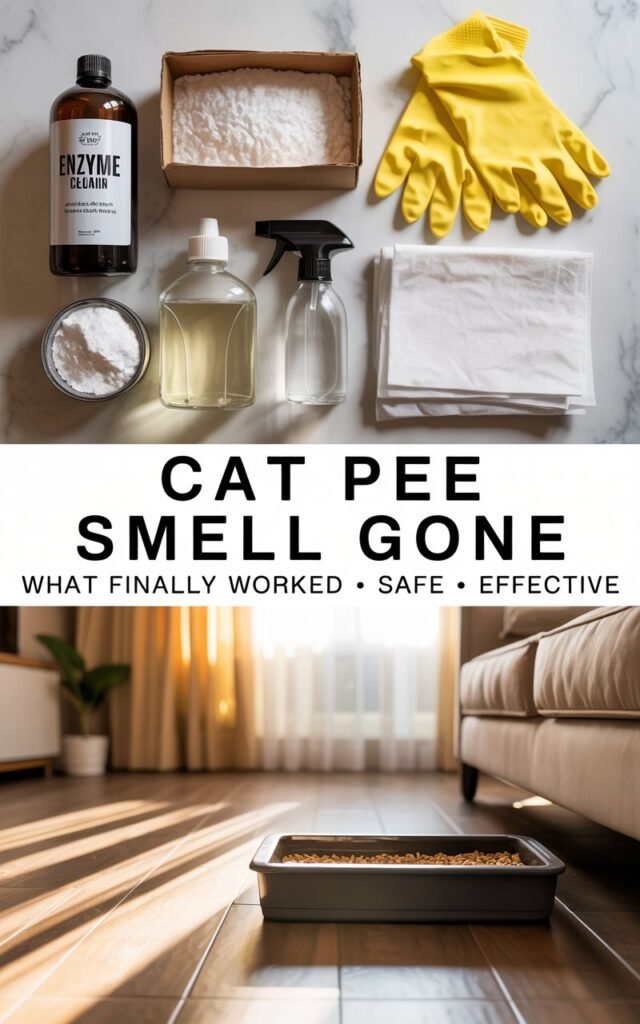
After trying countless pet store sprays, vinegar, and essential oils, I finally found a simple homemade method that completely neutralizes cat urine odor.
In this post, I’ll walk you through step-by-step instructions, show you how to locate hidden spots, and share extra tips that keep our home smelling fresh—even with two playful cats around.
If you’re battling stubborn cat pee smells, this guide will help you reclaim a clean, odor-free home.
The Cat Pee Dilemma at Home
Cat urine odor can be one of the most stubborn smells in a home.
I quickly realized that cat pee isn’t just about the surface—it soaks into carpets, furniture, and even baseboards, making it difficult to fully eliminate.
• Why It Smells So Strong
Cat urine contains highly concentrated ammonia and pheromones that are designed to mark territory.
This is why the smell lingers long after cleaning.
• Common Problem Areas
In my experience, the most frequent spots are carpets, rugs, upholstery, corners, and under furniture.
Even when my cat uses the litter box regularly, accidents can happen, especially with older cats or kittens.
• Emotional Stress Factor
The lingering odor can make a home feel less inviting and even stressful for both humans and pets.
I knew tackling it required more than just wiping it up—it needed a targeted, thorough approach.
Why Most Cat Urine Cleaners Fail
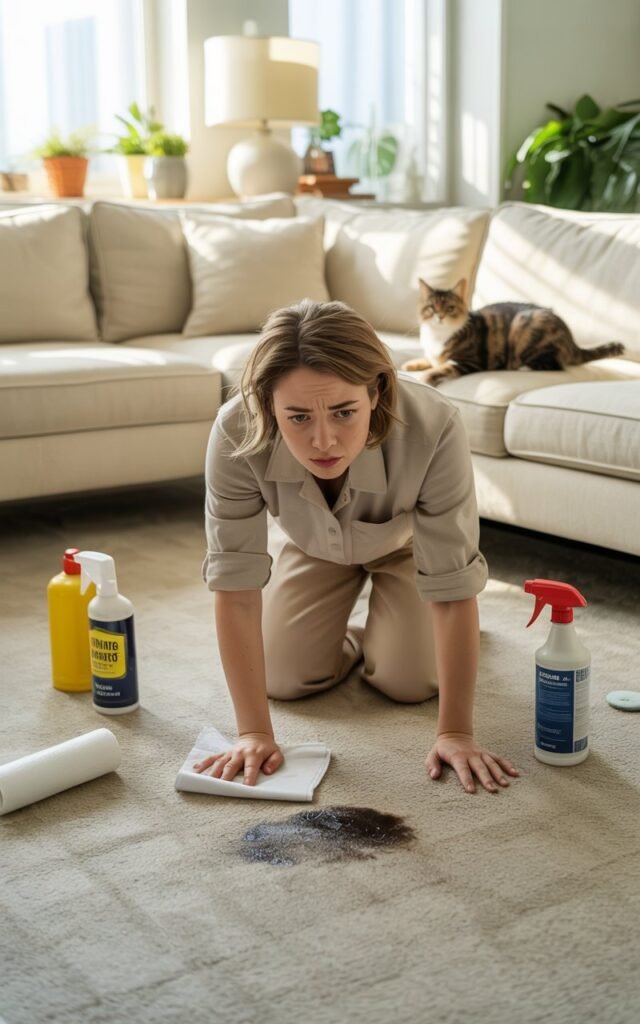
When I first tried getting rid of cat pee odor, I was frustrated to find that many cleaners didn’t work. Here’s why:
• Surface Cleaners Only
Many products just mask the smell or clean the top layer.
Cat urine soaks deep into carpets, padding, and furniture, so surface-only cleaning leaves the odor behind.
• Harsh Chemicals Can Make It Worse
Some cleaners use ammonia-based formulas that actually smell similar to cat urine.
Instead of removing the odor, they attract cats back to the same spot.
• Ignoring the Source
Cats often urinate in the same areas due to stress, medical issues, or territorial instincts.
Cleaning without addressing the behavior doesn’t prevent repeat accidents.
• Lack of Enzymatic Action
The most effective cleaners use enzymes to break down urine molecules. Products without enzymes often fail to fully neutralize the smell.
My Secret Homemade Cat Odor Solution
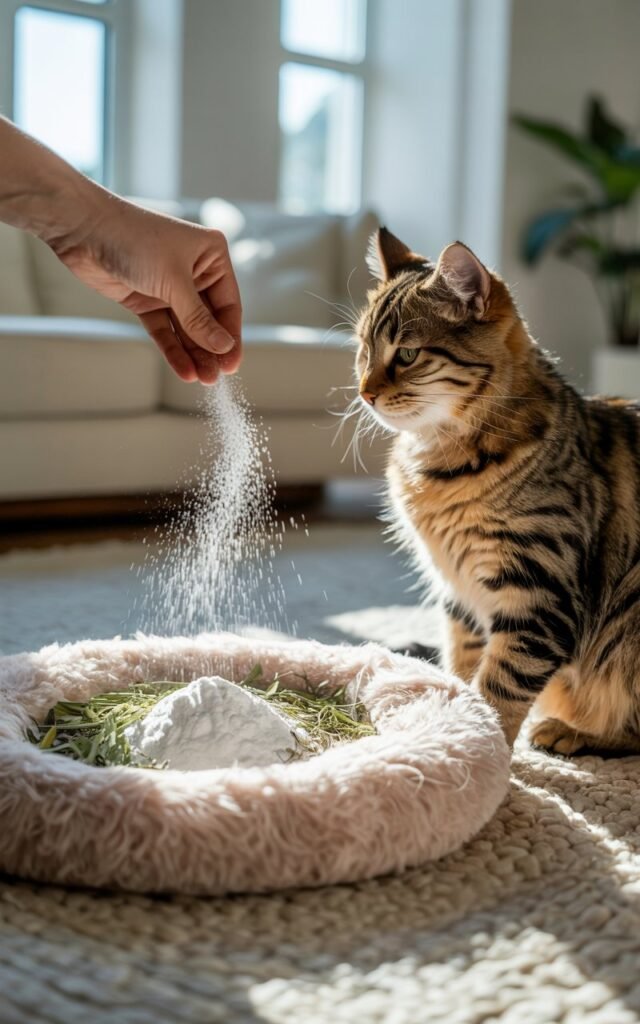
After a lot of trial and error, I discovered a simple, safe, and effective mixture that removed cat urine smell completely—and it’s made from ingredients you probably already have at home:
You’ll Need:
- 16 oz bottle of hydrogen peroxide
- 1 tablespoon of baking soda
- A few drops of gentle dish soap
- Spray bottle
How to Mix:
- Pour hydrogen peroxide into the spray bottle.
- Add the baking soda and dish soap.
- Shake gently to combine.
How I Use It
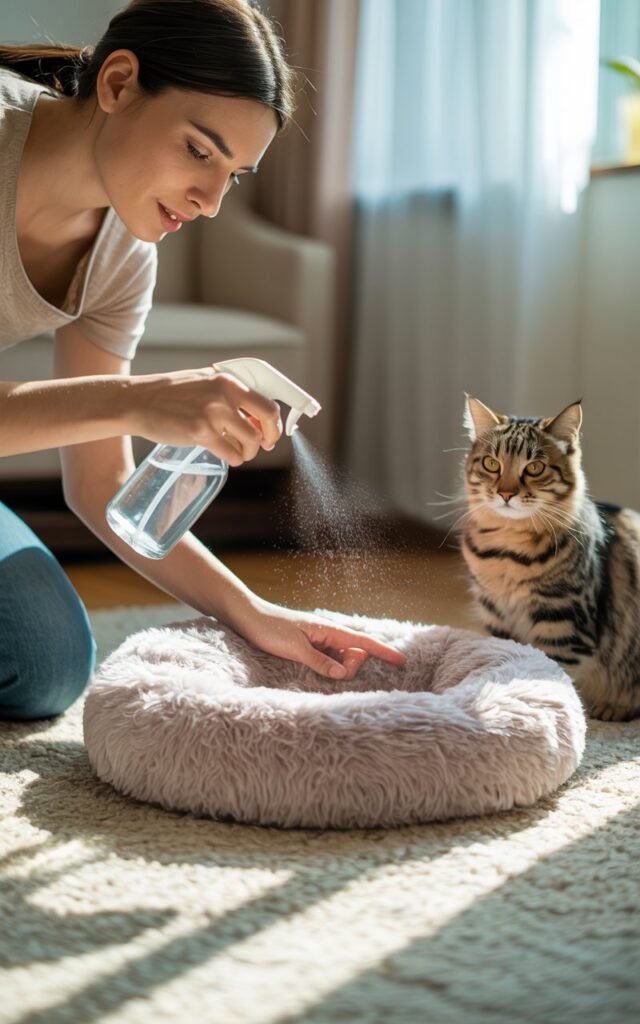
Once I discovered enzymatic cleaners, I learned the right way to apply them to finally get rid of cat pee smell. Here’s my approach:
• Blot First
I start by blotting up any fresh urine with paper towels or a clean cloth. Press gently—don’t rub, or it will spread the stain deeper.
• Apply the Cleaner Generously
I spray the enzymatic cleaner directly onto the affected area, making sure it soaks deep into carpets, rugs, or upholstery.
For hard floors, a light application works well.
• Let It Sit
I leave it for at least 10–15 minutes, or longer for older stains. This gives the enzymes time to break down urine molecules and neutralize odors completely.
• Blot Again and Air Dry
After the time is up, I blot any excess cleaner and let the area air dry naturally. Avoid heat, as it can set the odor.
• Repeat if Necessary
For stubborn or old stains, I repeat the process. Consistency is key to completely eliminating cat urine smell.
Tips for Finding Hidden Spots
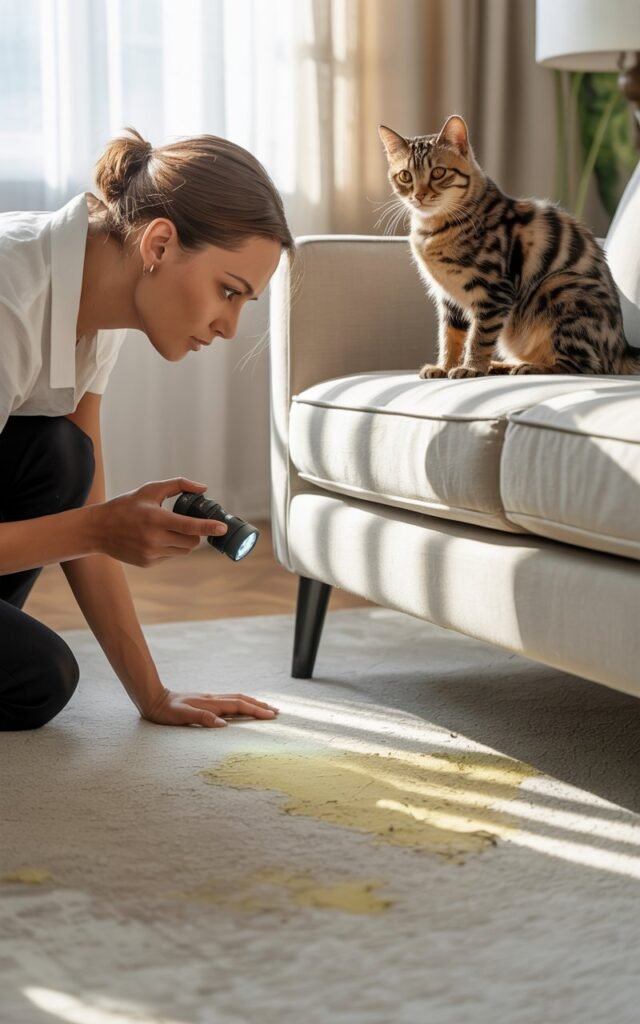
One of the biggest challenges in eliminating cat pee odor is locating every hidden spot. Over time, I developed a few strategies that really help:
• Use Your Nose
Cats often urinate in the same areas repeatedly.
I walk around slowly and follow the faint scent—even if it’s barely noticeable, it’s usually a problem spot.
• Blacklight Inspection
A UV blacklight is a lifesaver. Cat urine fluoresces under UV light, making hidden stains on carpets, rugs, furniture, and corners easy to spot.
• Check Common Hiding Places
I always inspect under furniture, behind appliances, along baseboards, and inside laundry piles, as these are typical spots where cats sneak off to.
• Observe Behavior
Sometimes my cat gives hints—circling, sniffing, or lingering in certain areas. I use these behavioral cues to pinpoint overlooked spots.
• Keep a Checklist
After identifying problem areas, I make a list of spots to treat so I don’t miss any when cleaning.
Why This Works Better Than Store-Bought Cleaners
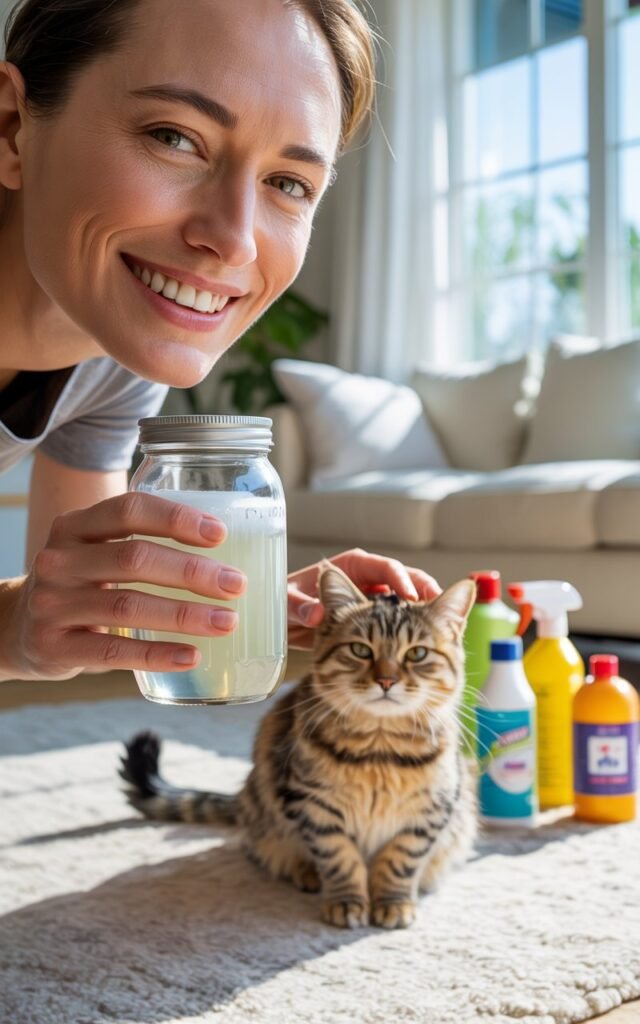
After trying countless products, I realized that my approach actually removes cat pee odor instead of just masking it. Here’s why it works better than most store-bought cleaners:
• Enzymes Break Down Urine at the Source
Unlike chemical cleaners that only cover up the smell, enzymatic cleaners break down the proteins and uric acid in cat urine, eliminating odor completely.
• Reaches Deep into Carpets and Upholstery
I make sure to saturate the affected area, allowing the solution to penetrate deep layers where urine often soaks. Many store-bought sprays only clean the surface.
• Safe for Pets and Home
Most chemical cleaners contain harsh ingredients that can irritate pets or damage flooring.
My method uses pet-safe, non-toxic enzymatic solutions, making it safe for repeated use.
• Addresses Behavioral Reinforcement
Since the odor is truly gone, my cat isn’t attracted back to the same spot, reducing repeat accidents.
• Works on Old and Stubborn Stains
Even set-in urine stains respond when I combine proper spotting, enzyme application, and patience—something most generic cleaners can’t handle.
Extra Tips for Keeping Your Home Smelling Fresh
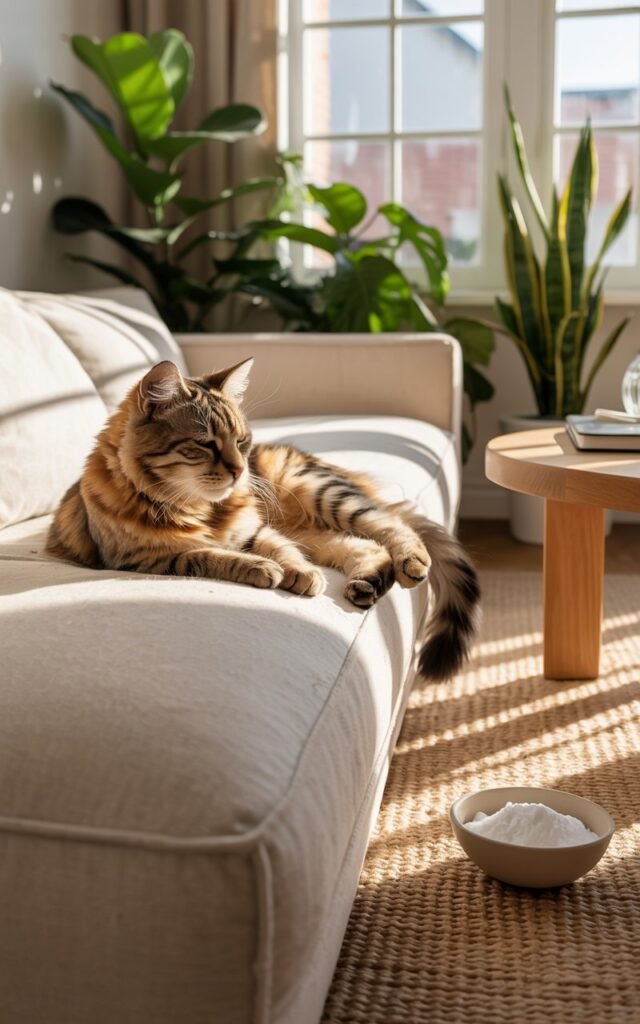
Once I tackled the cat pee odor, I focused on preventing future smells so my home stays fresh without constant cleaning. Here’s what I do:
• Regular Litter Box Maintenance
I scoop the litter box daily and wash it weekly with mild soap and warm water.
Using clumping, odor-controlling litter also helps reduce smell.
• Wash Fabrics Frequently
Dog and cat beds, blankets, rugs, and cushion covers get regular washes.
I sometimes add baking soda or white vinegar for extra odor-fighting power.
• Keep Air Circulating
I open windows when possible and use fans or air purifiers to maintain fresh airflow.
Good ventilation prevents odors from settling.
• Use Natural Deodorizers
I keep activated charcoal bags, baking soda, or houseplants around rooms where pets spend the most time.
They naturally absorb lingering smells.
• Monitor Your Pet’s Health
Sometimes persistent odor can indicate health issues like urinary infections or digestive problems.
Regular vet checkups help prevent odor at the source.
A Happy, Fresh Home
After implementing these strategies, I finally enjoy a home that feels clean, fresh, and pet-friendly.
The lingering cat pee smell is gone, and everyday life feels more comfortable and inviting.
• Peace of Mind
Knowing that every hidden spot is treated and odors are neutralized gives me confidence that my home stays fresh no matter what.
• Comfortable for Everyone
My cat can roam freely without stress, and I don’t have to worry about lingering smells affecting guests or family members.
• Sustainable Routine
Using natural, safe cleaning methods has made maintenance easy and eco-friendly.
It’s not just about removing odor—it’s about creating a healthy, happy environment for both my pets and myself.
Preventing Future Accidents: Tips to Keep Your Home Odor-Free
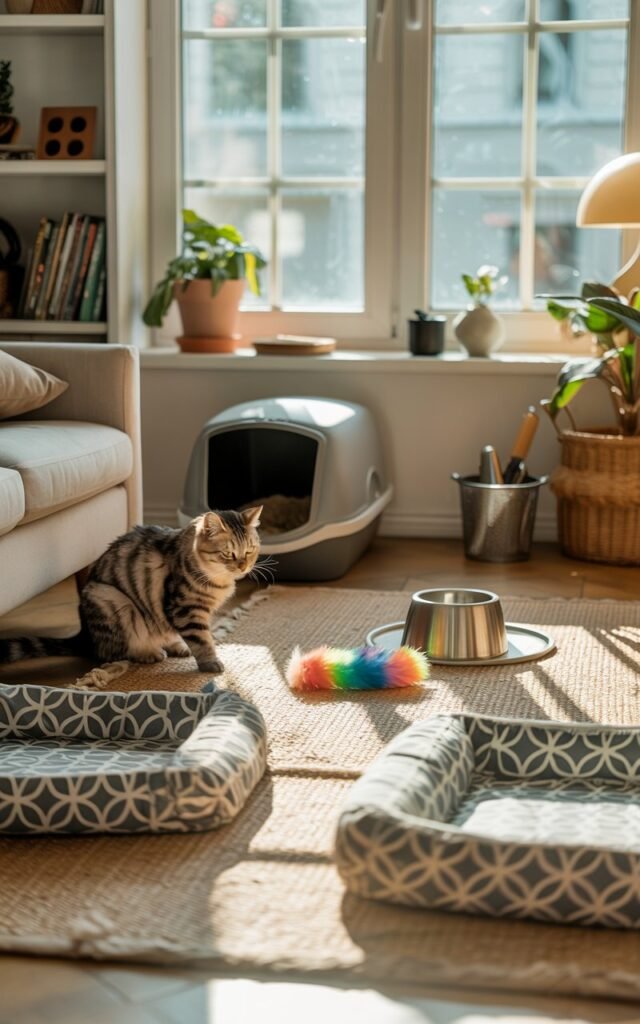
Even after successfully eliminating cat pee smell, prevention is key to maintaining a fresh, clean home. Here’s what I do to stay ahead:
• Multiple Litter Boxes
I keep one litter box per cat plus one extra, placed in quiet, accessible spots. This prevents territorial issues and reduces the chance of accidents.
• Positive Reinforcement
Whenever my cat uses the litter box correctly, I reward them with praise or small treats. This encourages consistent behavior.
• Monitor Stress Triggers
I pay attention to changes in my cat’s environment, like new pets, guests, or loud noises, which can trigger urination outside the litter box.
Reducing stress keeps accidents to a minimum.
• Clean Accidents Immediately
If a mistake happens, I act quickly with enzymatic cleaners and odor-neutralizers. Prompt action prevents lingering smells and discourages repeat behavior.
• Consistent Routine
Maintaining a regular feeding and litter schedule helps my cat feel secure and less likely to have accidents.
Choosing the Right Products for Long-Term Freshness
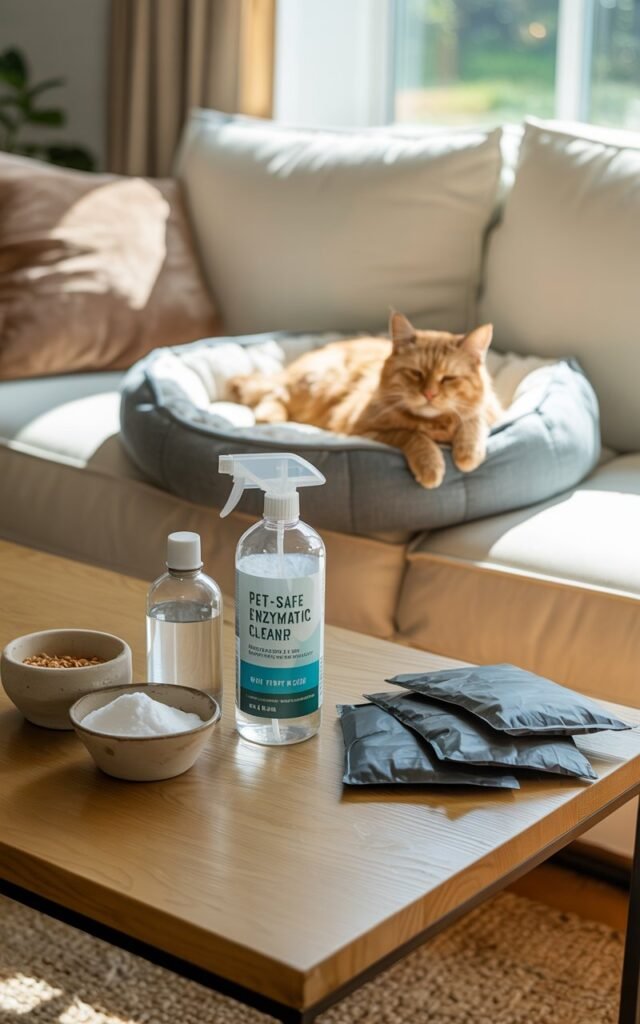
After dealing with persistent cat pee odor, I realized that selecting the right cleaning and maintenance products makes all the difference in keeping my home fresh over time.
• Enzymatic Cleaners
I stick to high-quality, pet-safe enzymatic cleaners that break down urine molecules completely rather than just masking smells.
• Natural Deodorizers
I use baking soda, vinegar, and activated charcoal regularly to maintain a clean, odor-free environment naturally.
• Pet-Safe Air Fresheners
Instead of chemical sprays, I rely on essential oil diffusers (cat-safe oils only) or natural air purifiers to keep the air smelling fresh without harming my pet.
• Durable, Washable Items
I choose washable cat beds, rugs, and furniture covers, which makes routine cleaning easier and prevents long-term odor buildup.
• Consistency Matters
Regular use of these products, combined with daily cleaning habits, keeps my home consistently fresh and comfortable for both me and my cat.
Final Thought
Dealing with cat pee odor was frustrating at first, but taking a systematic, natural, and pet-safe approach made all the difference.
By understanding the sources of odor, using enzymatic cleaners, keeping litter boxes and fabrics clean, and maintaining consistent routines, my home is now fresh, comfortable, and welcoming.
The key is prevention, patience, and the right products—once these are in place, you can enjoy living with your cat without worrying about lingering smells.
A little effort goes a long way in creating a happy, healthy, and odor-free home for both you and your feline friend.