
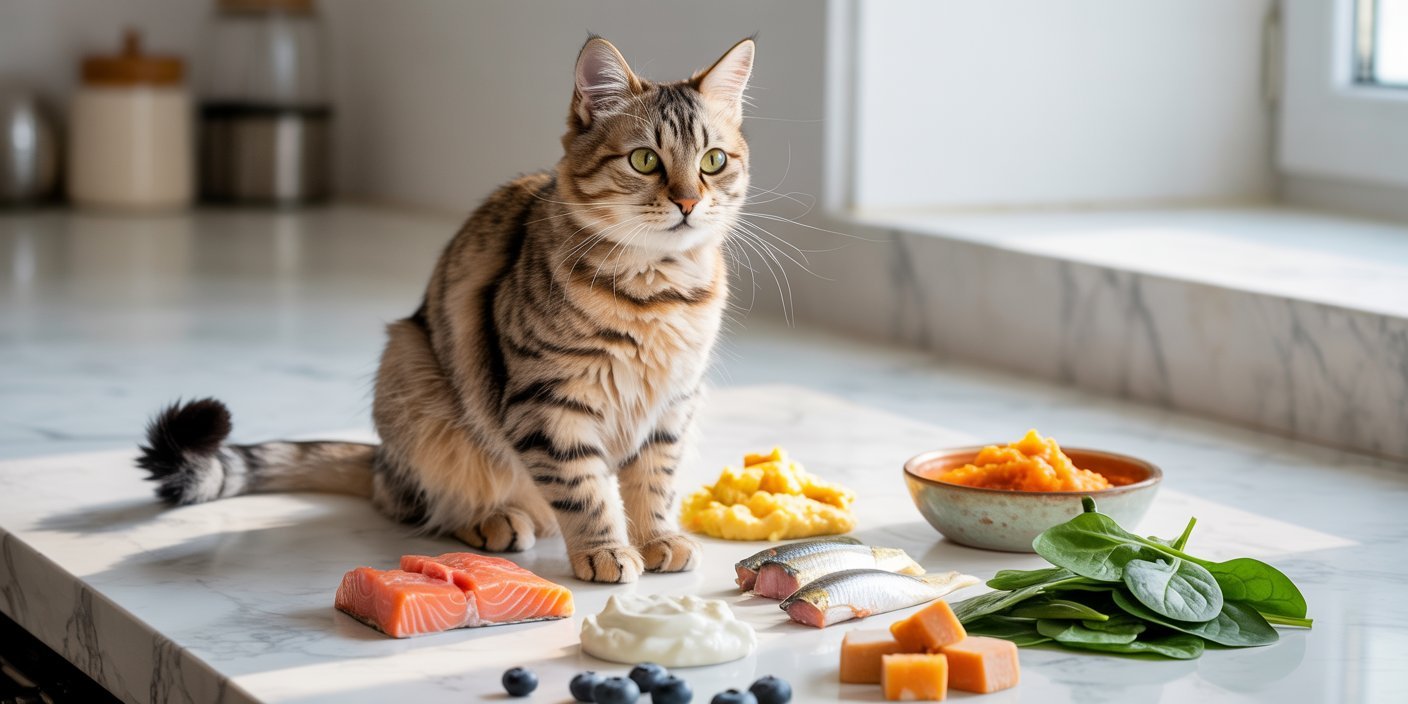
When I first became a cat parent, I thought feeding my cats was simple—just a bowl of commercial cat food, right? I quickly realized I was wrong.
Cats, like tiny furry humans, thrive on specific nutrients that most store-bought foods barely touch.
Through trial, error, and a lot of research, I discovered superfoods that completely transformed my cats’ energy, coat shine, and even their moods.
Here’s the thing nobody really talks about: cats are natural hunters, and their bodies are designed to thrive on nutrient-dense, whole foods—but we often overlook these in favor of convenience.
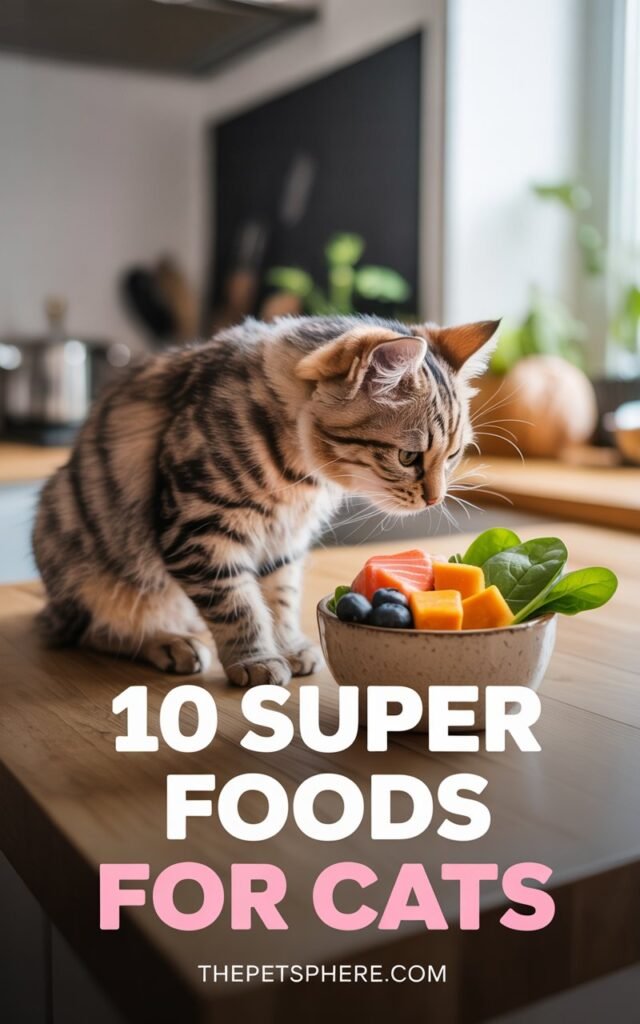
Certain ingredients, when added in tiny, safe amounts, can boost immunity, aid digestion, and even sharpen their senses, making them more playful, alert, and happy.
In this post, I’m sharing my personal discoveries—the superfoods that my cats actually love and benefit from—and the surprising ways these foods improve their health.
These aren’t your everyday “cat treats”; these are foods that work on a cellular level, feeding their bodies like nature intended.
By the end, you’ll know how to elevate your cat’s diet beyond kibble and give them a life full of energy, vibrancy, and health—without expensive supplements or gimmicks.
1. Salmon – The Omega-3 Game-Changer
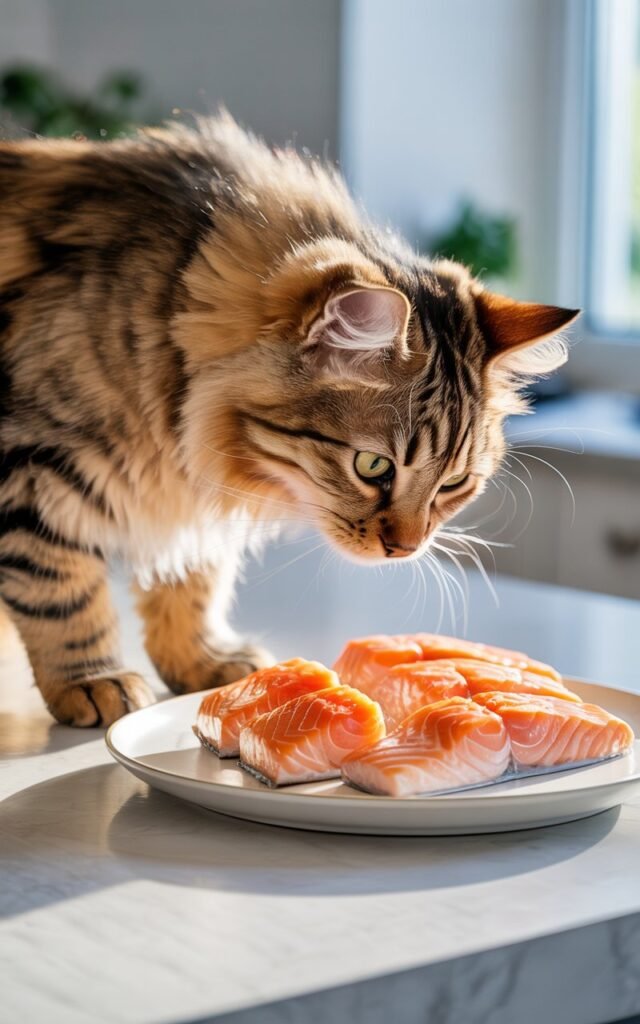
When I first gave my cat a small bite of cooked salmon, I thought it would be just a tasty treat.
Within a few weeks, I noticed her coat gleaming like silk and her energy jumping noticeably during playtime.
Most people know salmon is good for humans, but here’s the secret most cat owners don’t realize: cats can absorb omega-3s far more efficiently than we do, and even tiny amounts can improve joint health, reduce inflammation, and support cognitive function—especially in older cats.
Prep & Serving Instructions:
- Choose fresh salmon – wild-caught is ideal. Avoid smoked or seasoned salmon.
- Cook fully – either bake or steam for 8–10 minutes, until the flesh is opaque.
- Remove bones carefully – even small ones can choke a cat.
- Cool before serving – cats are sensitive to hot food.
- Portion – serve 1–2 teaspoons per week for an average-sized cat. Freeze small portions to use gradually.
Unique Tip: Freeze a small portion of cooked salmon for a few hours before serving.
This slightly concentrates the flavor and naturally makes your cat more excited to eat it without adding anything artificial.
2. Pumpkin – The Digestive Whisperer
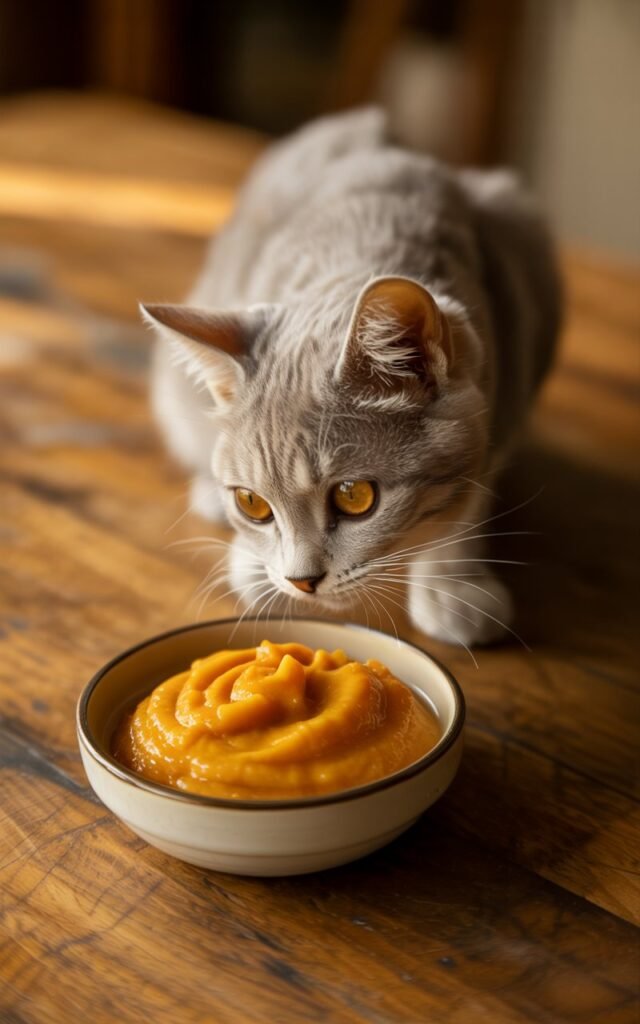
I never believed a simple squash could make such a difference—until I added a teaspoon of plain canned pumpkin to my cat’s meals.
Within days, her digestion became smoother, and I noticed she bounced around more instead of napping all day.
Most cat owners think pumpkin is only for “tummy troubles,” but here’s the secret: pumpkin acts like a natural prebiotic, feeding the good bacteria in your cat’s gut and helping them absorb nutrients more efficiently.
That’s why it subtly boosts energy and immune resilience, even in cats with perfectly normal digestion.
Prep & Serving Instructions:
- Use plain canned pumpkin – never pumpkin pie mix.
- Warm lightly (optional) – microwaving for 5–10 seconds releases aroma and entices picky eaters.
- Mix into food – blend ½–1 teaspoon into wet or dry food.
- Optional enhancement – sprinkle a tiny pinch of turmeric (if approved by your vet) for joint and heart support.
- Start slow – watch for digestive reactions and adjust portion accordingly.
Unique Tip: Combining pumpkin with a touch of turmeric not only supports digestion but also adds anti-inflammatory benefits, something most cat owners don’t consider for their pets.
3. Blueberries – Tiny Antioxidant Bombs
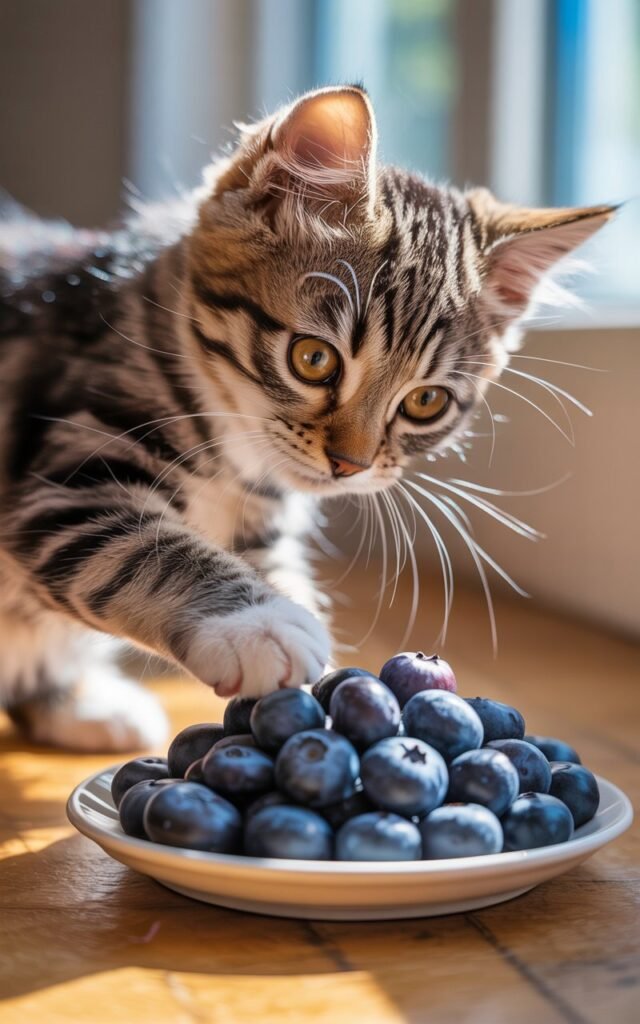
I never thought my cat would enjoy berries, but when I offered her a few fresh blueberries, she immediately sniffed them out and nibbled curiously.
Beyond being a fun treat, blueberries are packed with antioxidants that help neutralize free radicals, supporting immune function and overall cellular health.
Most people think antioxidants are only for humans, but cats benefit too—even in tiny amounts!
Prep & Serving Instructions:
- Wash thoroughly – fresh or frozen blueberries must be clean to remove pesticides.
- Mash slightly – makes them easier to eat and digest, especially for older cats.
- Portion carefully – 1–2 blueberries a few times per week is enough.
- Serve as a treat or mix in food – sprinkle over wet food or offer alone as a mini snack.
Unique Tip: Freeze one or two blueberries and lightly crush them before serving.
The cold texture stimulates curiosity and play—turning snack time into a mini enrichment activity. My cat goes wild for this little “frozen treasure hunt”!
4. Eggs – Protein-Packed Energy Boost
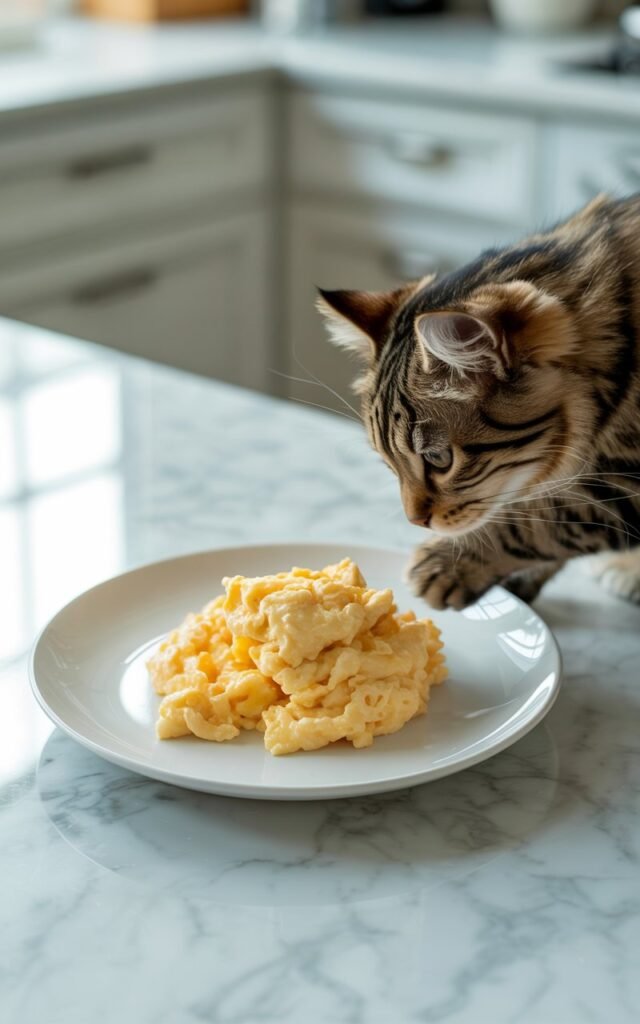
Eggs are one of my cats’ favorite superfoods.
I first tried giving my cat a small piece of scrambled egg, and she became instantly more energetic and playful afterward.
Eggs are loaded with high-quality protein and essential amino acids, which help maintain muscle tone, healthy skin, and a sharp mind—especially important for indoor cats who may be less active.
Prep & Serving Instructions:
- Cook fully – scramble, boil, or poach eggs. Never feed raw eggs due to salmonella risk.
- No seasoning – avoid salt, oil, or spices. Plain is safest.
- Cool before serving – cats are sensitive to hot food.
- Portion small – about a teaspoon of scrambled egg a few times a week is enough.
- Mix or serve alone – can be folded into wet food or offered as a small treat.
Unique Tip: For extra nutritional punch, I occasionally whisk a tiny bit of pureed pumpkin or mashed salmon into scrambled eggs.
It adds flavor and nutrients, and my cat always finishes it.
Most people don’t realize eggs can be a versatile vehicle for other superfoods!
5. Spinach – The Vitamin-Rich Green
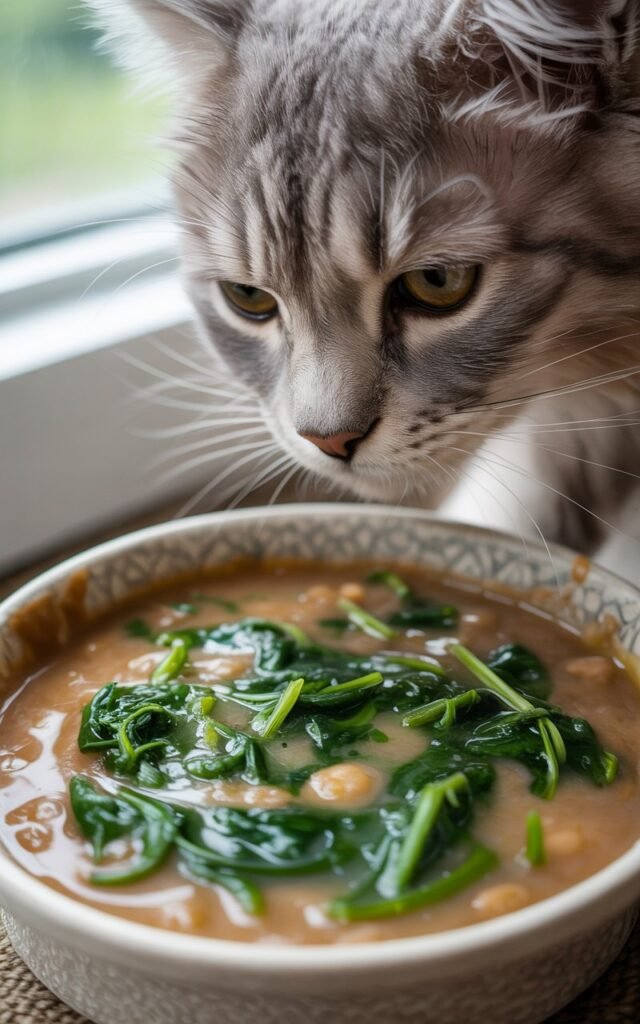
I was hesitant to give my cat spinach at first—after all, cats are obligate carnivores.
But when I finely chopped a small amount into her wet food, I noticed she seemed perkier and even her eyes looked brighter.
Spinach is packed with iron, vitamins A, C, and K, and fiber, all of which support overall health, from boosting energy to helping digestion.
Prep & Serving Instructions:
- Wash thoroughly – remove dirt and pesticides.
- Cook lightly – steam or blanch spinach for 1–2 minutes; raw can be hard to digest.
- Chop finely – cats need small pieces to swallow easily.
- Mix into wet food – start with ½ teaspoon and observe tolerance.
- Frequency – 1–2 times per week is enough.
Unique Tip: Spinach contains oxalates, so avoid feeding it to cats with kidney problems. I rotate spinach with kale or zucchini to keep nutrients varied.
Most cat owners don’t realize greens can be safely included in small amounts to improve gut health and nutrient absorption.
6. Sardines – Tiny Fish, Big Benefits
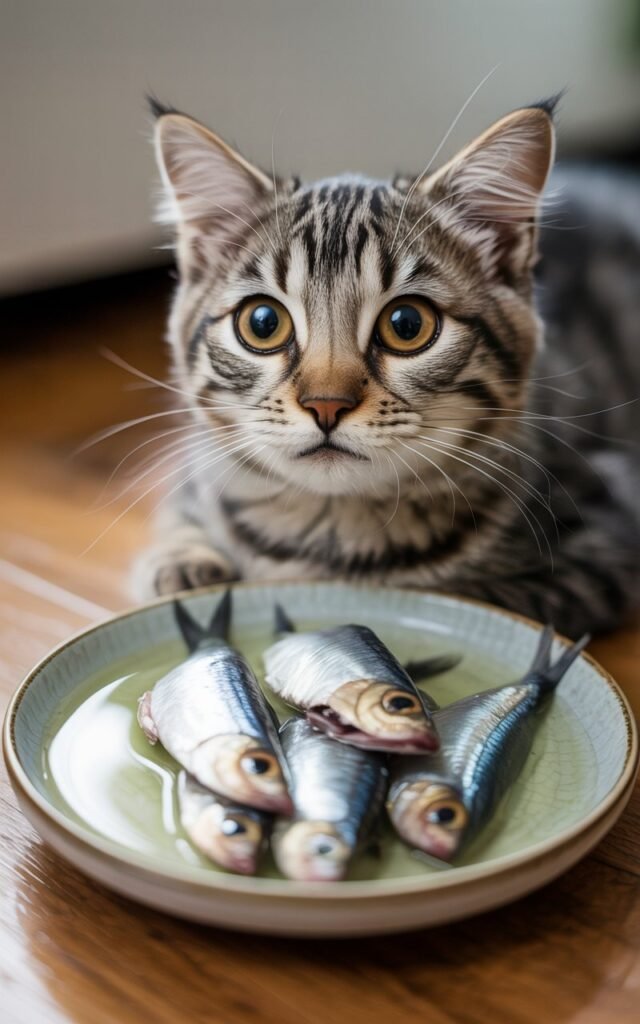
Sardines became a game-changer for my picky eater.
When I added a small piece to her meals, she practically danced with excitement.
Sardines are rich in omega-3 fatty acids, calcium, and vitamin D, which support heart, brain, and eye health.
Unlike salmon, sardines are smaller, easier to portion, and come with natural calcium if fed with tiny soft bones.
Prep & Serving Instructions:
- Choose sardines in water – avoid added salt, oil, or sauces.
- Check bones – most canned sardines are soft, but remove large bones to prevent choking.
- Portion carefully – 1–2 small sardines per week, depending on your cat’s size.
- Serve as a treat or mix – can be flaked over wet food or given on its own.
- Optional enrichment – slightly warm the sardine to release aroma and entice picky eaters.
Unique Tip: Sardines aren’t just for occasional treats—they’re a stealth way to boost omega-3 intake without supplements.
I occasionally mix a tiny amount into eggs or pumpkin, and it’s a flavor combo my cat absolutely loves, something most people would never think to do.
7. Chicken – Lean Muscle Builder
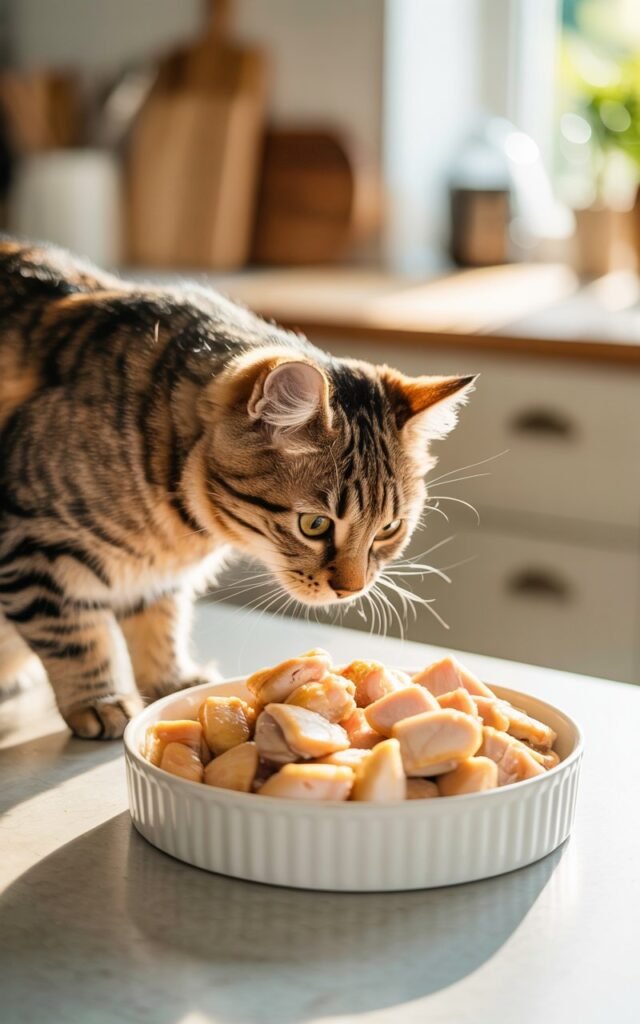
Chicken has always been a staple in my cats’ diet, but I didn’t realize just how versatile it could be until I experimented with different preparations.
It’s packed with high-quality protein and essential amino acids that help maintain lean muscle, support energy, and keep your cat active—especially indoor cats who don’t get as much exercise.
Prep & Serving Instructions:
- Choose plain chicken – skinless breast or thigh meat is best.
- Cook fully – boil, steam, or bake; never feed raw chicken due to bacteria risk.
- Remove bones – even small ones can pose a choking hazard.
- Cut into small pieces – ½–1 teaspoon per serving works well as a supplement to their regular diet.
- Serve plain or mix – fold into wet food or offer as a small treat.
Unique Tip: I like to rotate chicken with other superfoods like salmon or eggs.
This not only keeps meals exciting but also ensures a broader nutrient profile.
Most cat owners don’t realize that rotating proteins can reduce food sensitivities and improve overall health.
8. Yogurt – Gut-Friendly Treat
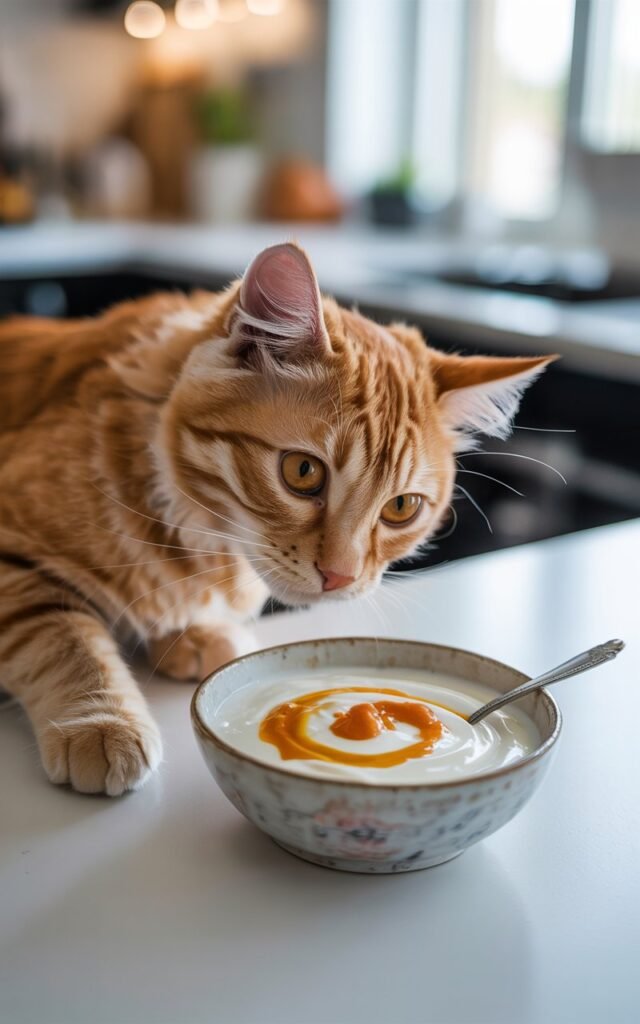
I was skeptical at first about giving my cat yogurt, but adding a tiny spoonful to her meals made a noticeable difference.
Yogurt is rich in probiotics, which help balance gut bacteria, support digestion, and even boost the immune system.
Cats with sensitive stomachs often benefit the most.
Prep & Serving Instructions:
- Use plain, unsweetened yogurt – avoid flavored varieties with sugar or artificial ingredients.
- Portion small – ½ teaspoon per serving, 1–2 times a week.
- Optional mix-ins – combine with a bit of mashed pumpkin, egg, or blueberry to entice picky eaters.
- Observe reactions – some cats are lactose sensitive; stop if you notice diarrhea or upset stomach.
Unique Tip: I sometimes freeze tiny yogurt cubes and serve them as a mini enrichment snack.
This creates a fun texture and slows down eating, which is great for mental stimulation.
Most people don’t think of yogurt as a “play food” for cats, but it can double as both a probiotic and a treat.
9. Sweet Potato – Vitamin & Fiber Booster
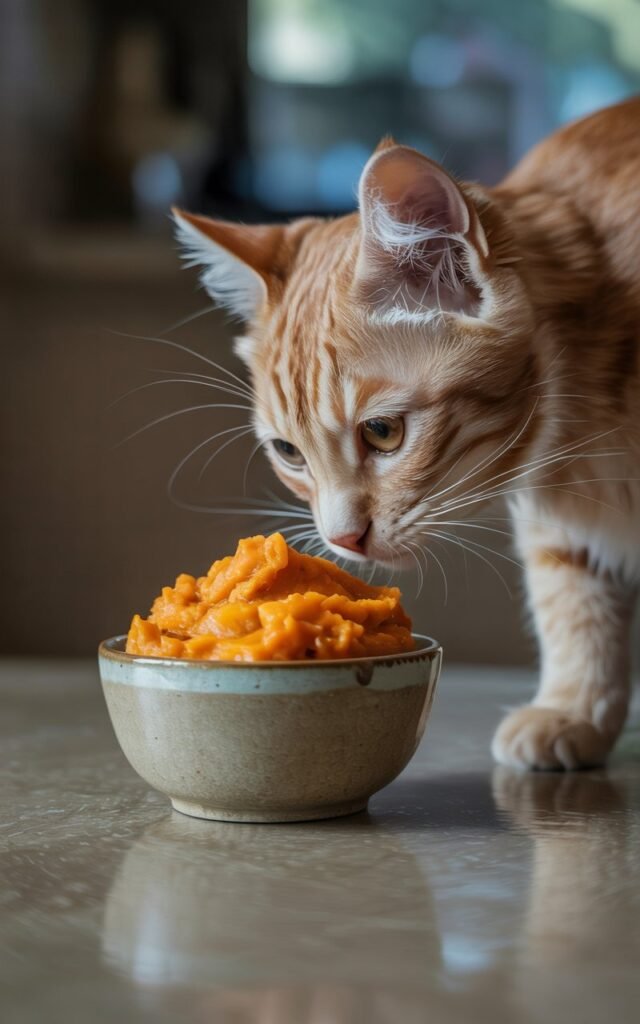
Sweet potato became one of my favorite additions after I noticed my cat’s digestion improved and she seemed more energetic after a small amount was added to her meals.
It’s rich in fiber, beta-carotene (vitamin A), and vitamin C, which support digestion, skin, coat, and immunity.
Many cat owners overlook sweet potato, but it’s a gentle, nutrient-packed carbohydrate that cats can safely enjoy in moderation.
Prep & Serving Instructions:
- Cook thoroughly – boil or steam until soft.
- Mash into a smooth consistency – this makes it easier for cats to digest.
- Portion carefully – ½–1 teaspoon mixed into meals a few times per week.
- Serve plain – no salt, sugar, or spices.
- Optional mix-ins – combine with a tiny bit of cooked chicken or pumpkin for extra flavor and nutrients.
Unique Tip: I sometimes bake small sweet potato cubes and freeze them.
They double as a mini enrichment snack, giving my cat something fun to nibble while also boosting her nutrient intake.
Most cat owners never think of using sweet potato as both food and enrichment.
10. Sardine & Pumpkin Mash – A Hidden Superfood Combo
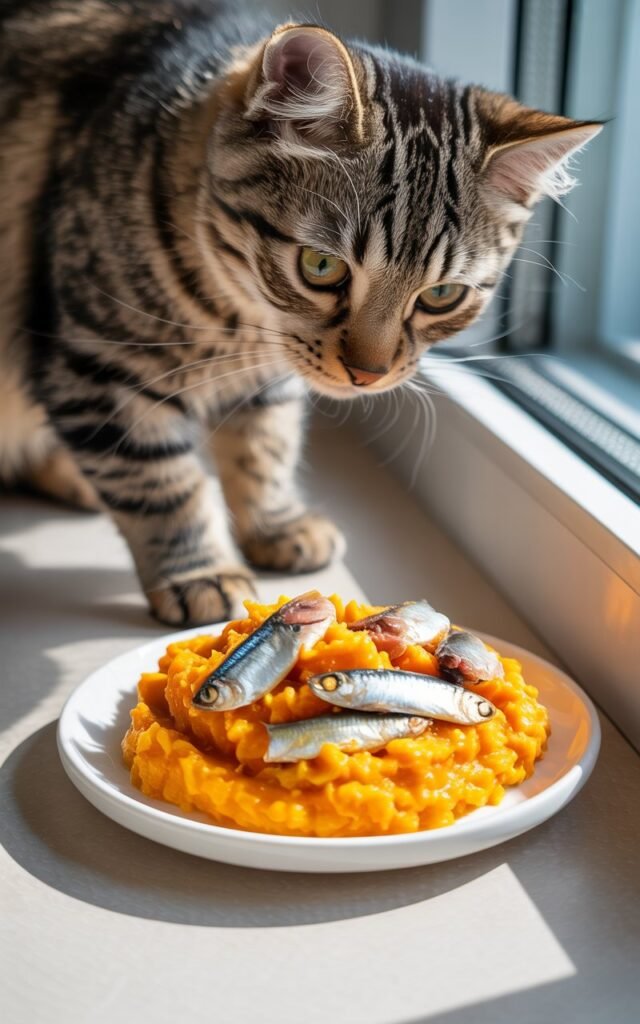
This is a personal secret that transformed snack time for my picky eater.
By combining tiny flaked sardines with a small amount of mashed pumpkin, I created a nutrient-dense mini meal packed with omega-3s, fiber, vitamins, and minerals.
The combination supports digestion, skin, coat, and overall energy—without overloading her with fat.
Prep & Serving Instructions:
- Flake a small sardine (in water, no salt or oil) into tiny pieces.
- Add ½ teaspoon of plain pumpkin – mash thoroughly.
- Mix together – ensure a uniform texture for easy eating.
- Serve as a mini treat – 1–2 times per week.
- Observe reactions – start small to see how your cat tolerates the combo.
Unique Tip: I sometimes warm the mix slightly to release aroma—it turns a simple snack into a “gourmet meal” for my cat.
Most cat owners never learn that small combinations like this can pack huge nutritional benefits.
Safety & Feeding Tips for All Superfoods
- Introduce gradually – give a tiny amount first and watch for any digestive upset.
- Avoid toxic foods – onions, garlic, chocolate, grapes, raisins, avocado, and alcohol are dangerous for cats.
- Portion carefully – superfoods are supplements, not replacements for balanced cat food.
- Consult your vet – especially if your cat has health issues, allergies, or dietary restrictions.
- Rotate superfoods – gives a broader nutrient profile and reduces risk of sensitivities.
- Fresh is best – whenever possible, use fresh or minimally processed ingredients.
Final Thoughts
Feeding cats isn’t just about filling their bowls—it’s about enhancing their health, happiness, and vitality.
Adding these ten superfoods to my cats’ diet has made a noticeable difference in their energy, coat shine, digestion, and overall mood.
Small, thoughtful additions go a long way, and with careful preparation, you can give your cat a diet that truly mirrors nature’s best intentions.