
How To Learn to Solve Any Dog Behavior Problems
I didn’t wake up one day knowing how to handle dog behavior problems. If anything, I learned the hard way, usually while standing in my kitchen with muddy floors, a barking dog, kids asking questions at the same time, and dinner halfway done on the stove.
Living with a dog is beautiful, but it’s also very real, very noisy, and sometimes very overwhelming.
Our dog became part of our family during a season of life that was already full. The kids were younger, the house always felt slightly messy, and my days were split between caring for everyone else and trying to keep some kind of routine for myself.
When behavior issues started showing up, I quickly realized that fixing them wasn’t about control. It was about understanding what was actually happening in our home.
Disclaimer
This post may contain affiliate links. As an Amazon Associate, I earn from qualifying purchases at no additional cost to you. I only recommend dog-safe training tools that I genuinely find useful for working on everyday behavior and training. Every dog is different, and sudden or severe behavior changes can have medical or other underlying causes. For persistent, aggressive, fearful, or concerning behavior, consult your veterinarian and a qualified positive-reinforcement dog trainer or veterinary behaviorist.
Shop on Amazon With 50% Discount On Your Orders
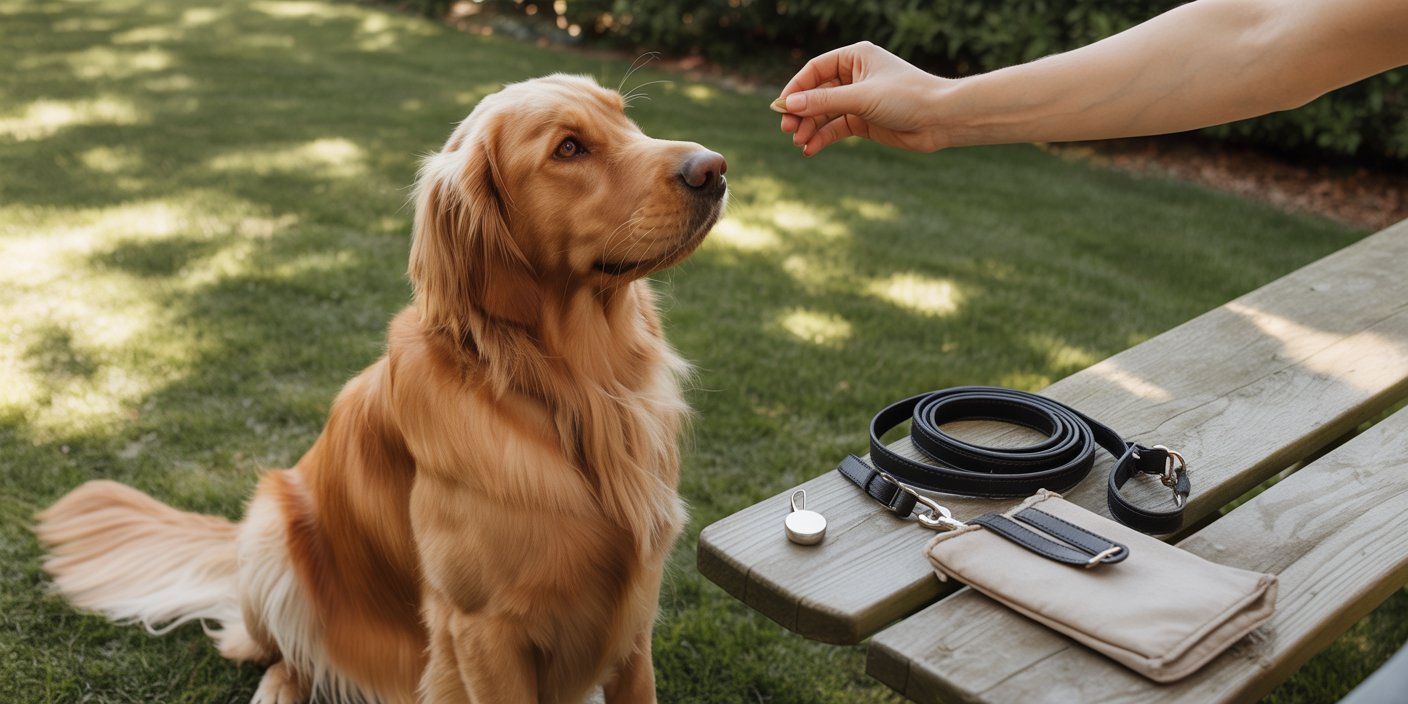
- Dog Training Treat Pouch – I use one to keep small training rewards within easy reach during short practice sessions.
- Long Training Leash – I use a long leash for controlled recall practice and other exercises where my dog needs more room to move safely.
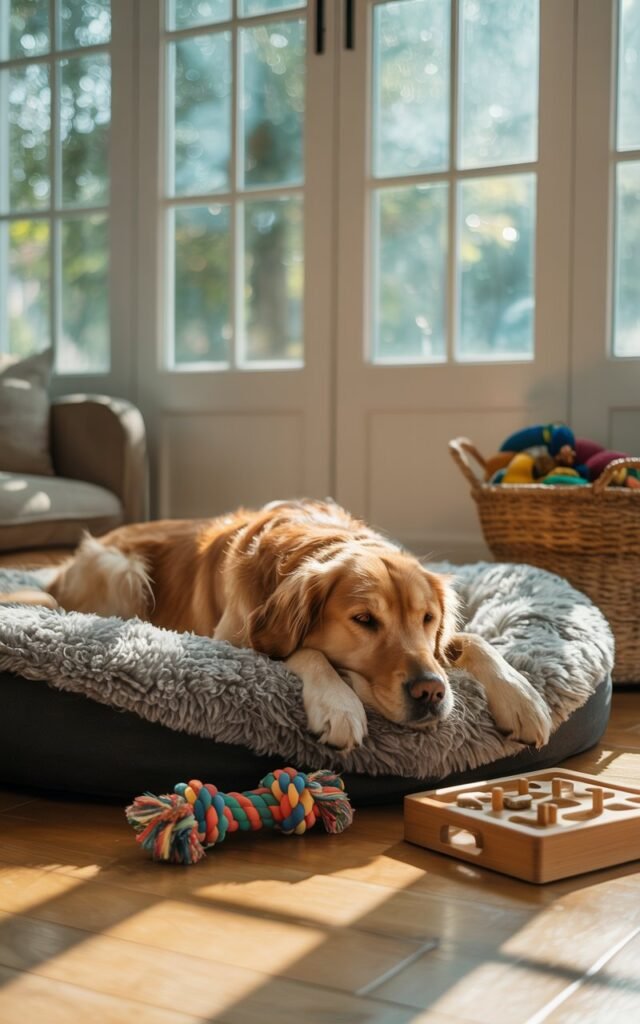
- Interactive Dog Puzzle Toy – I use puzzle toys to provide mental stimulation and give dogs an appropriate outlet for problem-solving and engagement.
The First Signs Something Was Off

The early problems didn’t look dramatic at first. It started with constant barking whenever someone walked past the house. Then came pulling on the leash during school drop-off walks. Shoes went missing.
Cushions were chewed. And one afternoon, after cleaning the living room for the third time, I sat on the couch and felt completely defeated.
What surprised me most was how closely our dog’s behavior mirrored the energy in our house. On hectic days, things were worse.
On calm mornings, everything felt easier. That’s when it clicked for me that solving behavior problems had as much to do with our lifestyle as it did with training.
How Our Daily Schedule Affected Behavior

Mornings in our home are busy. Kids getting ready, breakfast dishes piling up, backpacks by the door, and me trying to sneak in a quick cup of coffee.
Our dog used to pace and whine during this time, which I first thought was disobedience. Looking back, it was anxiety and confusion.
I started making one small change. Before the morning rush, I took five quiet minutes outside with the dog.
No phone. No distractions. Just a short walk or calm sitting time. That single habit reduced morning chaos more than I expected.
Dogs thrive on predictability. Once I became more consistent with feeding times, walks, and rest periods, behavior problems softened on their own.
Why Exercise Wasn’t the Only Answer
Everyone says dogs need exercise, and that’s true, but I learned it’s not just about physical movement.
Some days we walked plenty, yet restlessness still showed up at home. That’s when I added mental stimulation into our routine.
Simple things made a difference. I rotated toys instead of leaving them all out. I let our dog sniff during walks instead of rushing.
I even involved the kids by turning training into a family game, which helped them bond and taught responsibility at the same time.
Those moments became part of our evenings, right after homework and before dinner prep. The house felt calmer, and so did I.
How I Handled Chewing and Destructive Habits

Chewing was one of our biggest struggles. At first, I reacted emotionally, especially when it was something important.
Over time, I learned that punishment only created fear, not understanding.
I dog-proofed areas the same way I child-proofed when my kids were toddlers. Shoes went into baskets.
Cords were tucked away. I introduced safe chew options and praised calm behavior instead of only correcting bad moments.
Once the environment changed, the behavior followed.
Barking, Guests, and Social Situations
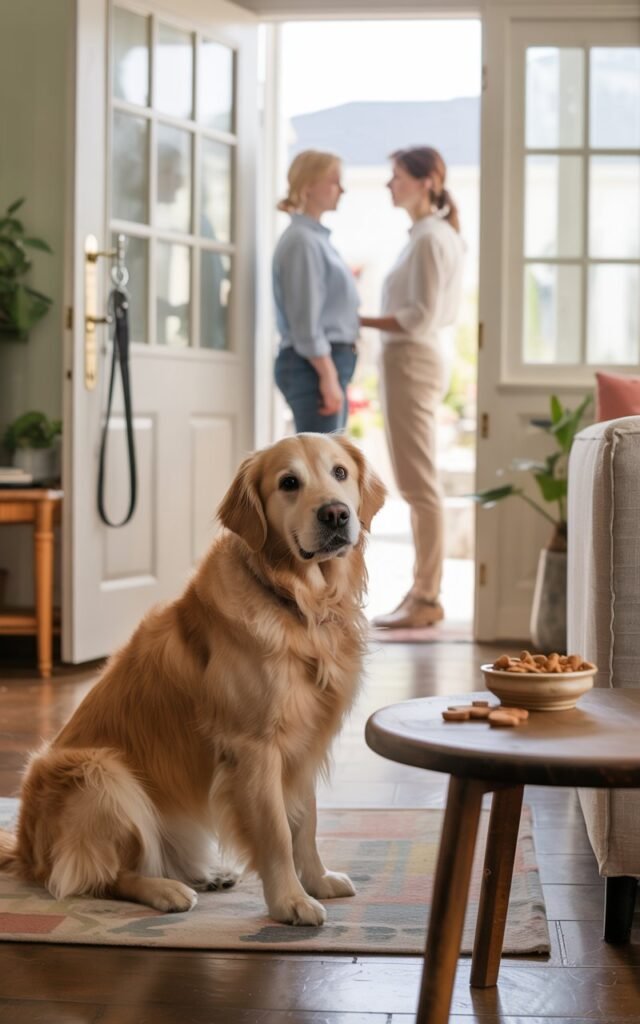
We’re a social family. Friends drop by, kids have playdates, and the house is rarely silent. Our dog struggled with visitors, which made hosting stressful.
Instead of forcing calmness, I practiced preparation. Before guests arrived, we went for a walk. I created a comfortable space with a familiar blanket and toy.
I asked friends to ignore the dog at first instead of overwhelming them with attention.
Over time, visits became peaceful. The dog learned what to expect, and I stopped dreading the doorbell.
What Worked Better Than Any Quick Fix

The biggest lesson I learned is that there is no instant solution. Dog behavior problems don’t disappear overnight, just like parenting challenges don’t. Progress came from consistency, patience, and adjusting my expectations.
I stopped comparing our dog to others. I stopped listening to advice that didn’t fit our household. I focused on what worked for our family, our schedule, and our energy.
Some days were still messy. Some days I still felt tired. But overall, our home felt more balanced.
How This Changed My Relationship With My Dog

Once the behavior improved, our bond did too. Walks became enjoyable. Evenings felt calmer. The kids felt more connected and confident.
Our dog wasn’t just living with us anymore, they were truly part of the rhythm of our lives.
Solving behavior problems didn’t require perfection. It required awareness, routine, and compassion.
Final Thoughts From My Home to Yours
If you’re dealing with dog behavior challenges, know that you’re not failing. You’re learning.
Every small adjustment matters. Your dog is responding to the environment you create, just like children do.
Start with one habit. Observe instead of react. Build trust before rules. And give yourself grace along the way.
Life with a dog is never flawless, but when things finally click, the calm is worth every effort.






One Comment