How to Teach Your Dog to Focus on You Outdoors (Step-by-Step Guide)
I still laugh every time I think about the day I took my dog to the park for the first “big walk.” I had visions of calm strolls, the two of us enjoying the breeze… and then he spotted a squirrel, a butterfly, and three joggers in under five minutes.
Let’s just say, I spent more time running after him than actually walking.
That’s when I realized: if I wanted my dog to enjoy outdoors with me — instead of treating the whole world like a distraction buffet — I had to teach him to focus.
And trust me, it’s not about strict commands or long, boring sessions. It’s about making it fun, rewarding, and a little playful.
Whether it’s tossing a treat to get his attention, turning a walk into a mini game, or just learning to pause and watch him notice the world calmly, you can teach your dog to focus outdoors.
In this post, I’m sharing simple, effective steps that worked for me, my dog, and even my friends’ pups — so your walks, park days, and outdoor adventures can finally be relaxing and fun.
Step 1: Teach Your Dog That You Matter Outside (Foundation Focus)
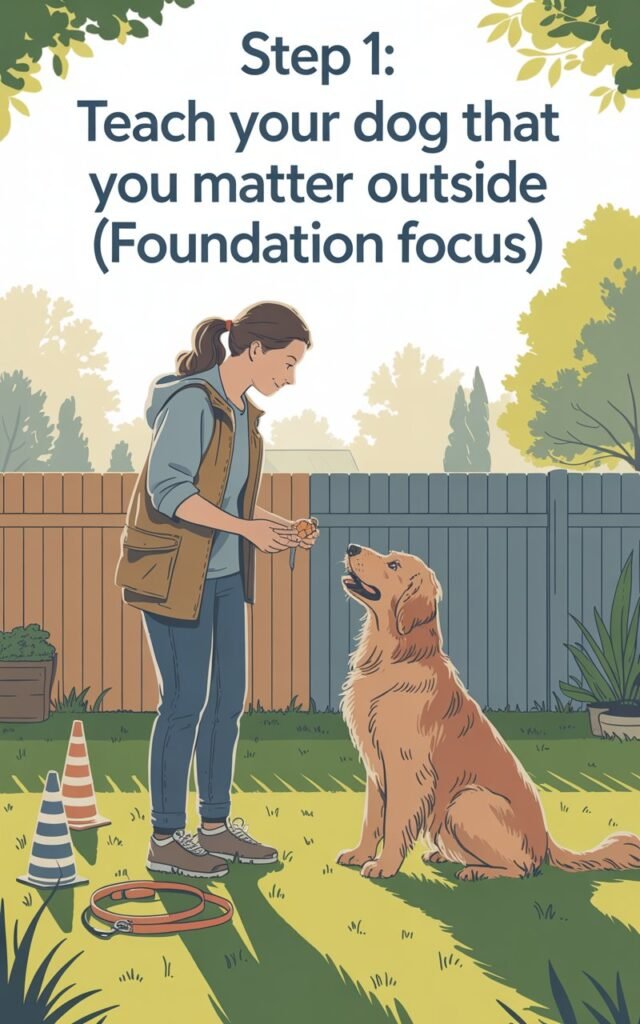
The biggest mistake I made at first was expecting my dog to focus on me outside the same way he did indoors. Outdoors is louder, brighter, and full of smells.
So instead of starting with commands, I started by building value in myself.
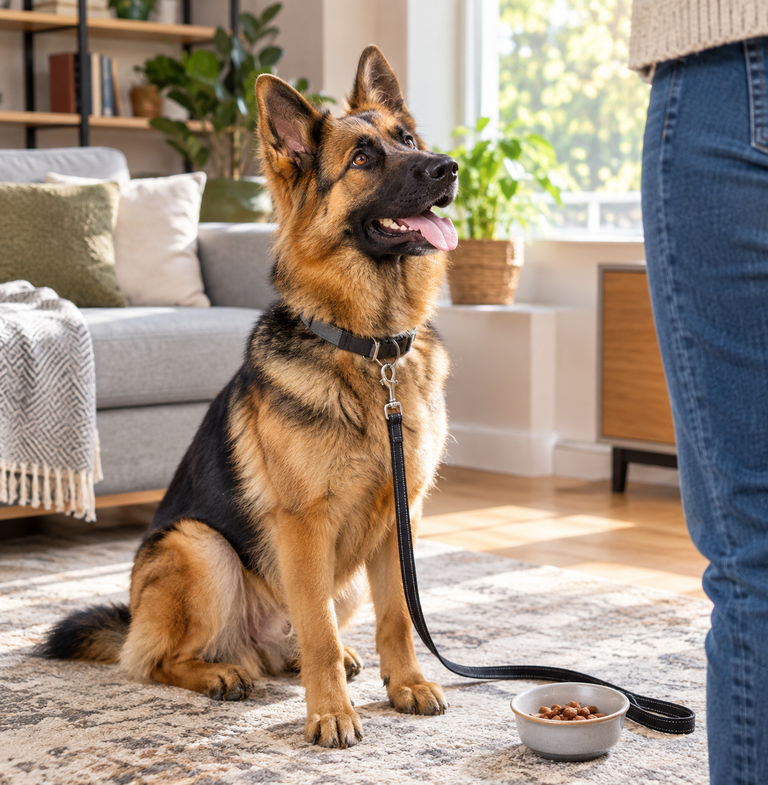
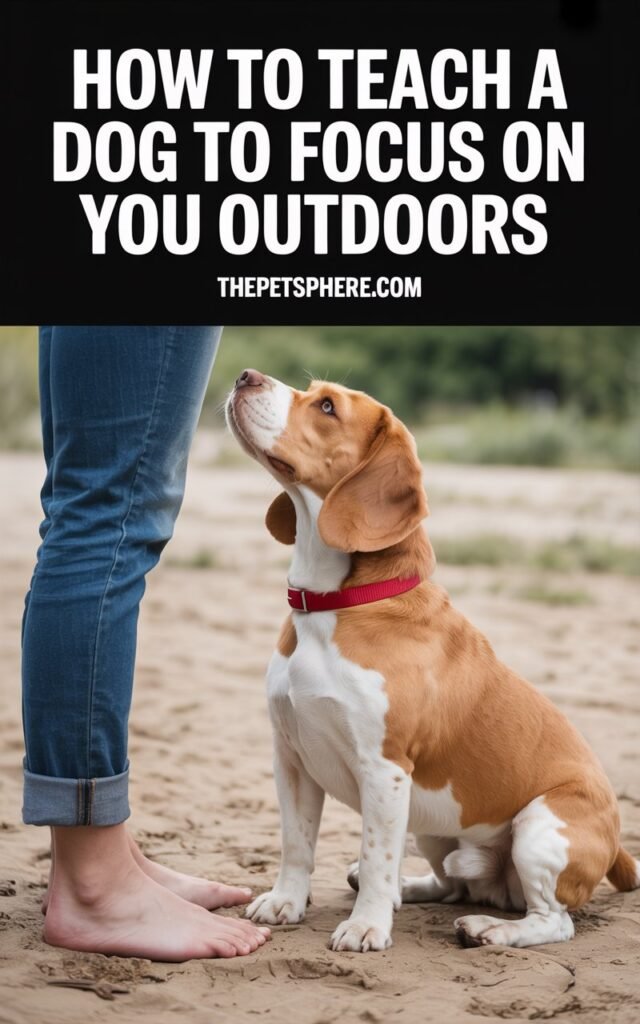
I took my dog to a quiet outdoor spot and stood still with treats in my pocket. I didn’t call his name right away. I waited.
He sniffed the ground. He looked around. Then, for just one second, he glanced at me.
I immediately praised him and gave a treat.
That tiny moment matters more than people realize.
I repeated this every day for a few minutes. Soon, my dog began checking in with me on his own. That’s when I knew we were making progress.
Here’s what really helped:
- Don’t rush this stage. If your dog won’t look at you, just wait calmly.
- Reward even one-second eye contact.
- Keep sessions short (3–5 minutes).
- Use soft, high-value treats so your dog stays interested.
- Stay relaxed — dogs feel your mood.
This step teaches your dog something powerful: you are part of the outdoor experience, not background noise.
Once your dog starts offering eye contact without being asked, you’re ready to move forward.
Step 2: Teach the “Look at Me” Game
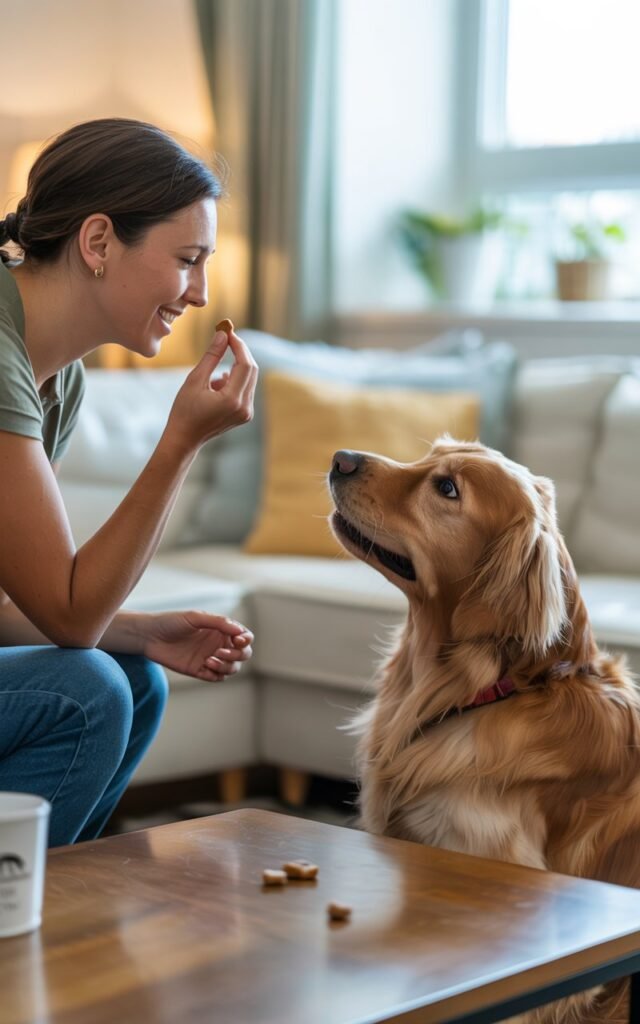
Once your dog starts checking in naturally in quiet spaces, the next step is turning that attention into a fun, reliable game.
I like to call it the “Look at Me” Game.
Here’s how I did it with my dog:
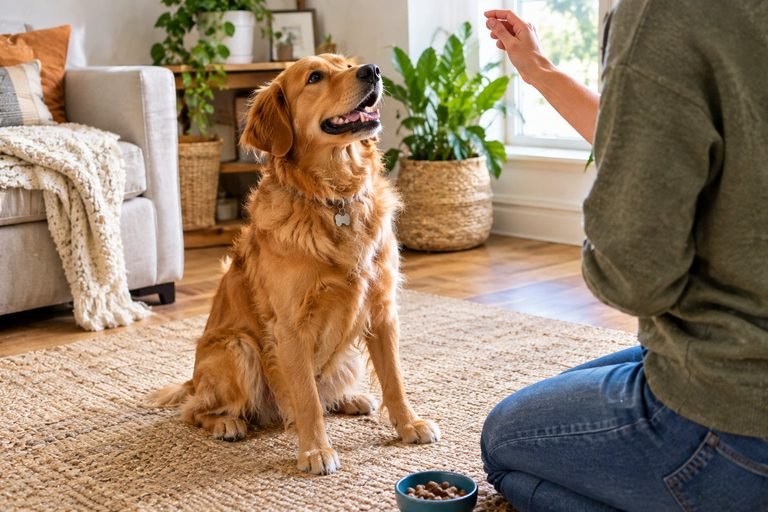
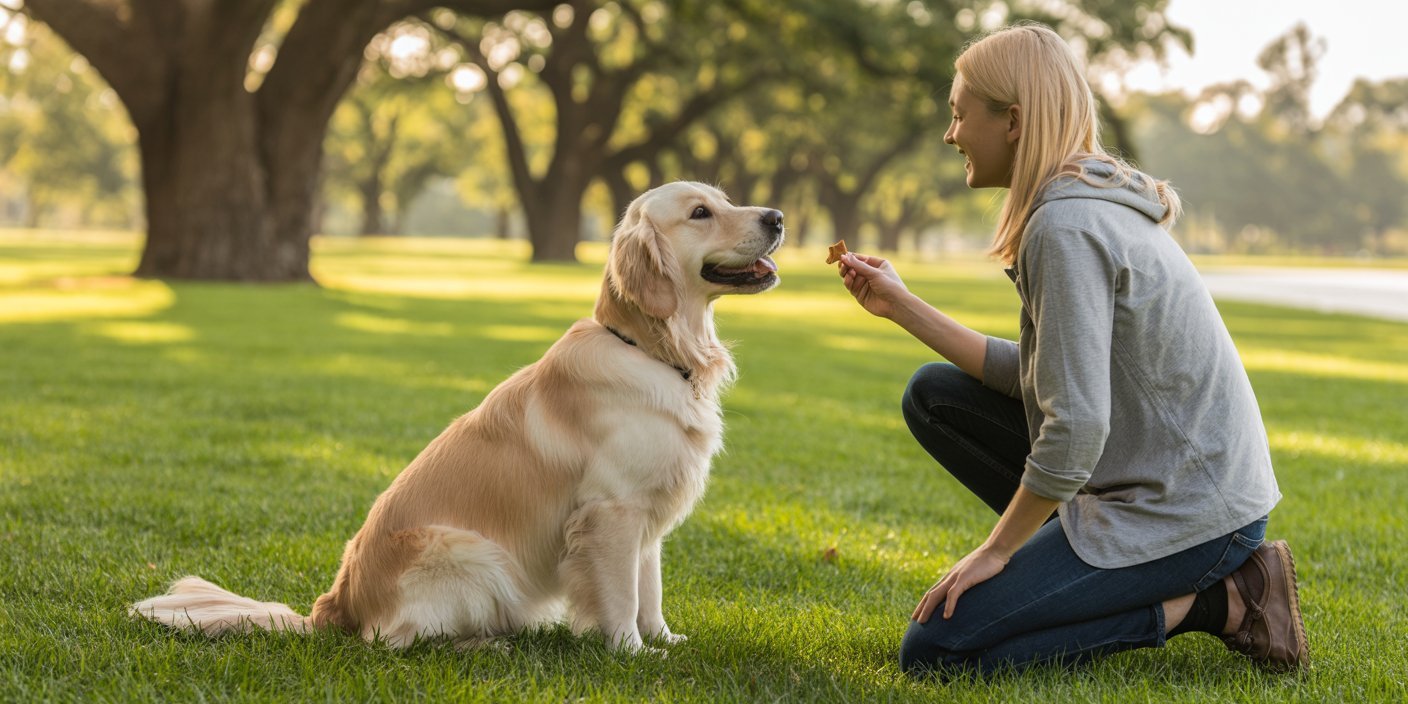
- Hold a treat near your face and say your dog’s name or the cue “look at me.”
- The first time he glances at your eyes, immediately reward him. Don’t wait — speed is key.
- Repeat several times, then take a step backward or sideways, and ask again. Reward every correct focus.
From experience, I noticed two things:
- Dogs learn faster when the reward is really valuable — tiny pieces of cheese, chicken, or hot dog work better than regular kibble.
- Moving slightly while practicing makes it easier to transfer focus to walks later. My dog quickly learned: following my eyes and attention = treats and fun.
Tips that really helped me:
- Keep each session short (3–5 minutes) to avoid boredom.
- Make it playful: use happy tones, gentle pats, or a game of “follow me” between rewards.
- Practice in different spots of your yard so your dog learns to focus even with small distractions.
After a few days, my dog started looking at me before I even asked. That’s when I knew this game was working.
Step 3: Use High-Value Treats Outdoors
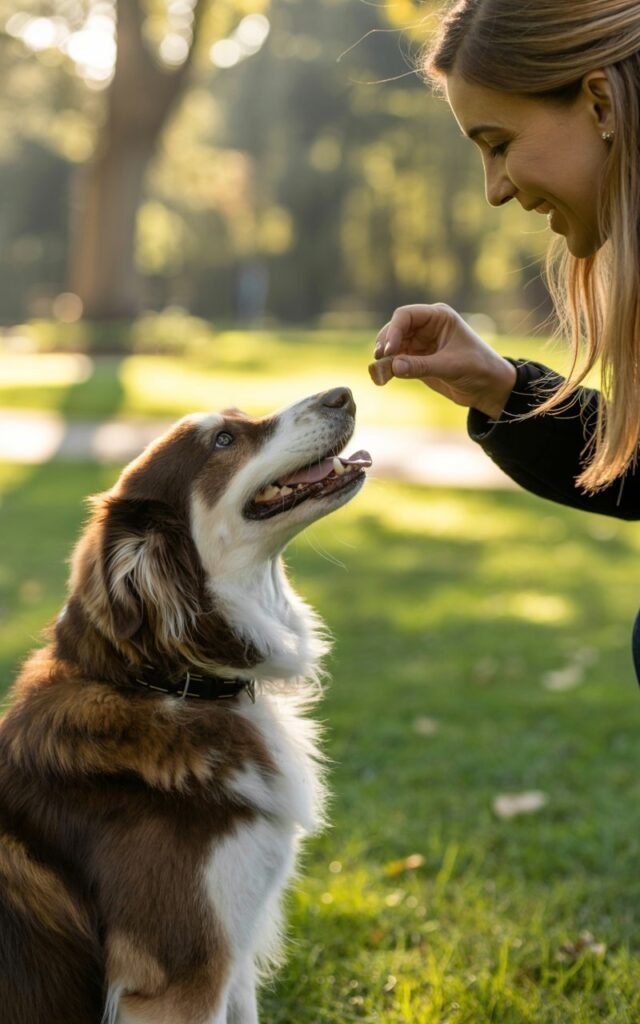
One of the biggest lessons I learned is that not all treats are equal outside. Indoors, my dog would focus for kibble or small training treats.
But outside? A squirrel, bird, or even a leaf blowing in the wind suddenly seemed way more interesting than me.
The trick: high-value treats that your dog truly loves — things they rarely get except for training.
What worked for my dog:
- Small pieces of chicken or turkey
- Bits of cheese
- Tiny slices of hot dog or sausage
- Soft, sticky training treats
How to use them:
- Keep them in a treat pouch or pocket for easy access.
- Reward immediately when your dog looks at you, even for just a second.
- Break treats into tiny pieces — outdoors, they’re more about motivation, not full meals.
- Pair treats with happy praise, gentle pats, or a fun “yes!” cue.
From my experience, high-value treats make the difference between your dog ignoring you and actually checking in, especially in new environments.
Pro tip: Switch up treats occasionally. My dog gets bored if he knows exactly what’s coming. A little variety keeps him motivated and curious about me, instead of the world.
Step 4: Practice Focus During Walks
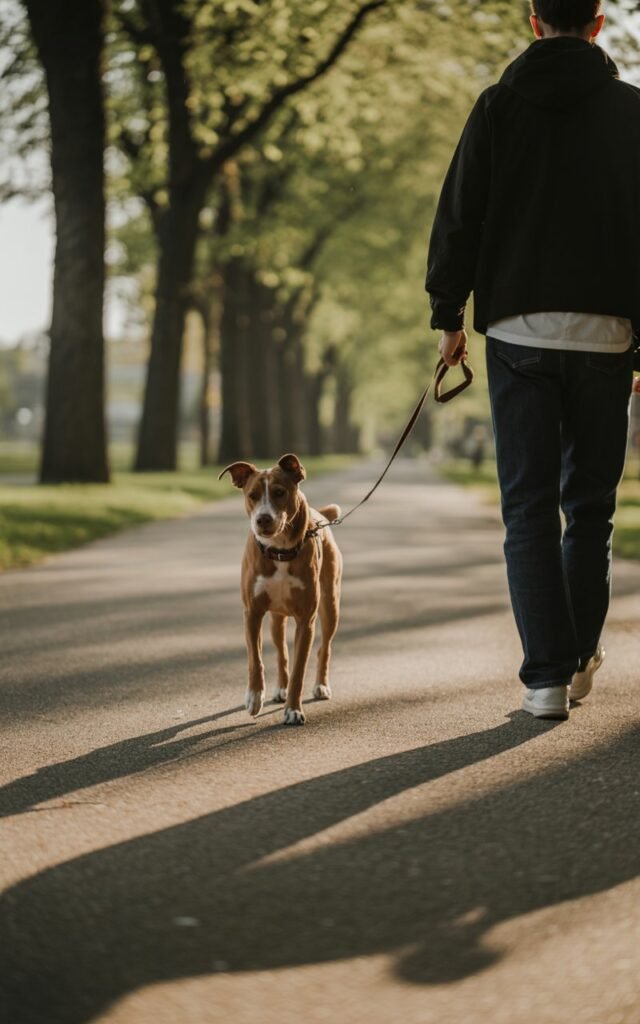
Once your dog starts offering attention in quiet spaces, it’s time to bring that focus onto actual walks. This is where many people struggle — distractions are everywhere!
Here’s what worked for me and my dog:
- Stop Instead of Pulling
If your dog pulls toward something interesting, don’t yank the leash. Stop walking. Wait calmly. Once your dog looks at you, even briefly, give a treat or praise, then continue walking.- This teaches: staying focused = we keep moving.
- Use Short Bursts of Practice
On walks, every 5–10 steps, ask for eye contact. Reward immediately. Over time, your dog starts looking at you before you even ask. - Mark Good Behavior
I use a consistent cue like “Yes!” or a clicker. The moment my dog looks at me, he knows it’s correct. Timing is everything. - Gradually Add Distractions
Start on quiet streets. Once your dog can focus there, move to slightly busier areas — maybe a local park with a few people or dogs. Reward every success. - Keep It Positive
I always end walks on a good note, even if my dog only looked at me once toward the end. Positive reinforcement builds trust and motivation.
From personal experience, patience and consistency matter more than long walks. Even 10–15 minutes of focused practice daily improved my dog’s attention dramatically.
Step 5: Turn Focus into Fun Games
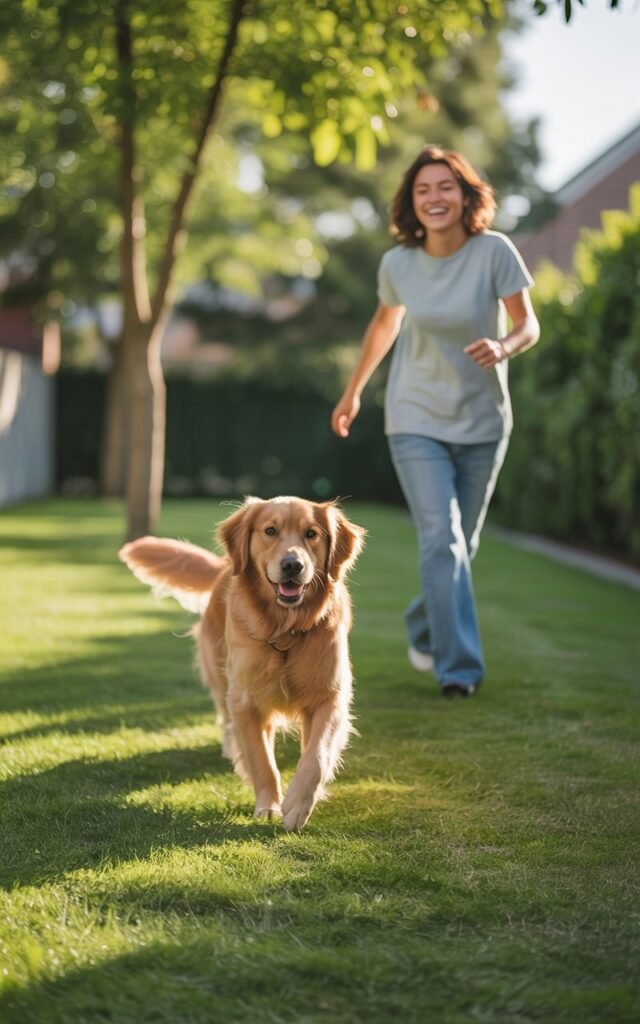
One thing I learned quickly is that dogs focus better when it feels like play. If training feels like a chore, your dog will ignore you — especially outdoors. That’s why I turned focus exercises into little games.
Here are the games that worked best for me:
1. Name Game
- Say your dog’s name clearly.
- When they look at you, reward immediately with a treat or praise.
- Repeat several times, gradually increasing distractions.
2. Follow Me
- Take a few steps backward or sideways.
- Encourage your dog to follow you.
- Reward them for staying by your side and keeping focus.
3. Find Me
- Step a few feet away, hide slightly behind a tree or bush.
- Call your dog’s name.
- Reward when they locate you and make eye contact.
4. Short Pause Games
- During walks, occasionally stop and ask for a “look at me” or a brief sit.
- Reward calmly and continue walking.
- My dog learned that pauses are fun, not boring, and I’m worth paying attention to.
From my experience, these games keep your dog engaged, happy, and motivated. They also strengthen the bond between you two — I noticed my dog started checking in with me even before I asked, just to see what fun might happen next.
Step 6: Slowly Add Real Distractions
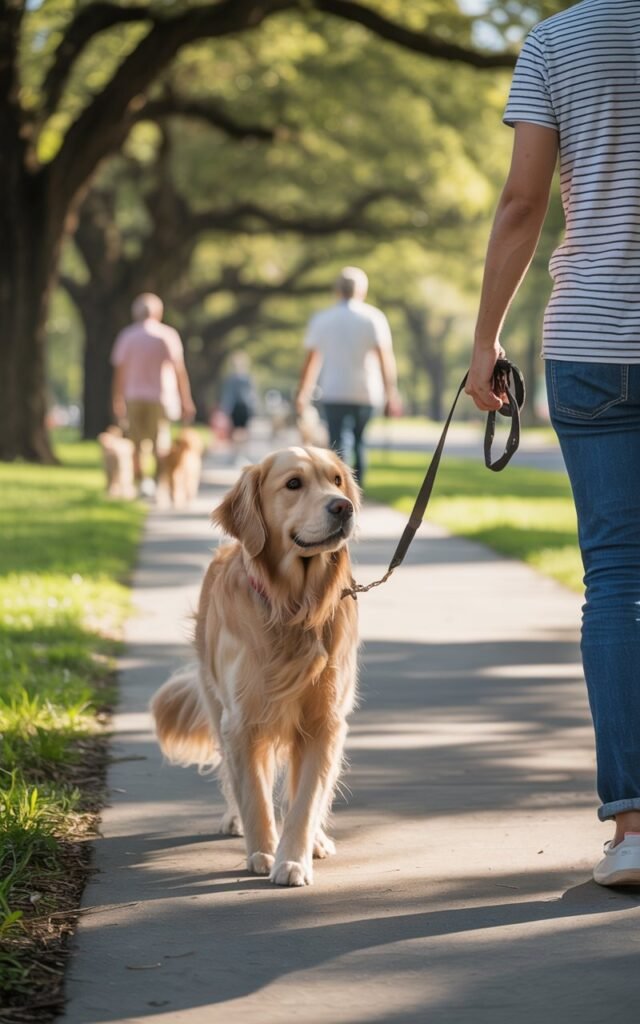
After your dog is focusing during short games and quiet walks, the next step is introducing real-world distractions. This is where training becomes challenging — but also where it truly pays off.
Here’s what I learned from my own walks:
- Start Far Away
- Begin at a distance from distractions like other dogs, people, or moving cars.
- Reward your dog for noticing you first, even if the distraction is visible.
- Gradually Move Closer
- As your dog succeeds, step closer to the distraction while maintaining focus.
- Reward heavily for every successful “look at me” or calm behavior.
- Stay Calm and Patient
- If your dog gets overexcited, step back to an easier situation.
- Avoid scolding — positive reinforcement works far better than frustration.
- Keep Sessions Short and Fun
- 5–10 minutes is plenty when distractions are high.
- End on a positive note, even if it’s one small success.
From my experience, consistency is key. I started with quiet streets, then the local park, then busier sidewalks. Each time my dog successfully focused amidst distractions, I rewarded generously.
Over a few weeks, walks became calmer, and my dog started checking in automatically, even in exciting environments.
The secret? Progress slowly, reward generously, and always make your presence more interesting than the world around.
Step 7: Keep Sessions Positive and Celebrate Wins
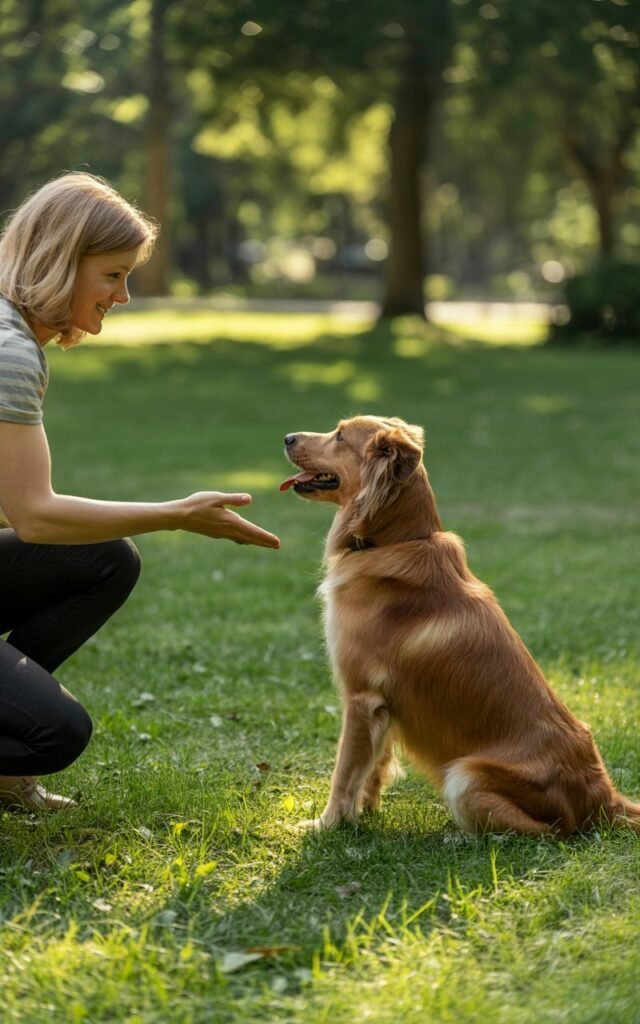
One of the most important lessons I learned is that consistency is only half the battle — positivity is the other half.
Here’s how I make every training session successful:
- Short, Frequent Sessions
- Even 5–10 minutes of focused practice outdoors is better than a long, frustrating hour.
- My dog responds faster when sessions are brief and fun.
- Always Reward Attention
- Treats, praise, belly rubs, or a quick game — whatever motivates your dog.
- The moment they focus, reward immediately. Timing matters.
- Celebrate Tiny Wins
- First eye contact outside? Success.
- First calm walk past a squirrel? Celebrate.
- Each small victory builds confidence and trust.
- End on a Positive Note
- Even if the session wasn’t perfect, finish with a calm praise or favorite treat.
- This keeps your dog motivated for the next session.
From my experience, patience and encouragement work wonders. My dog now checks in naturally on walks, even with dozens of distractions.
We can enjoy the outdoors together without constant pulling, chasing, or frustration — and walks have become one of our favorite bonding moments.
Remember: teaching focus outside isn’t about perfection. It’s about building a strong connection and making yourself the most interesting part of your dog’s outdoor adventures.
Closing Thoughts
Watching my dog finally focus on me outdoors was one of those little victories that made me smile like a proud parent.
The walks became calmer, more fun, and way less stressful — and honestly, I think he enjoys them even more now.
Teaching your dog to pay attention outside isn’t about being strict or controlling; it’s about patience, fun, and making yourself the most interesting part of their day.
Start small, reward every success, and celebrate even the tiniest wins. Before you know it, your walks will feel like peaceful adventures, full of connection, laughter, and a dog who actually listens to you — instead of the squirrels. And trust me, those moments are priceless.