8 Super Easy) Ways To Mentally Stimulate Your Dog – Dog Sense
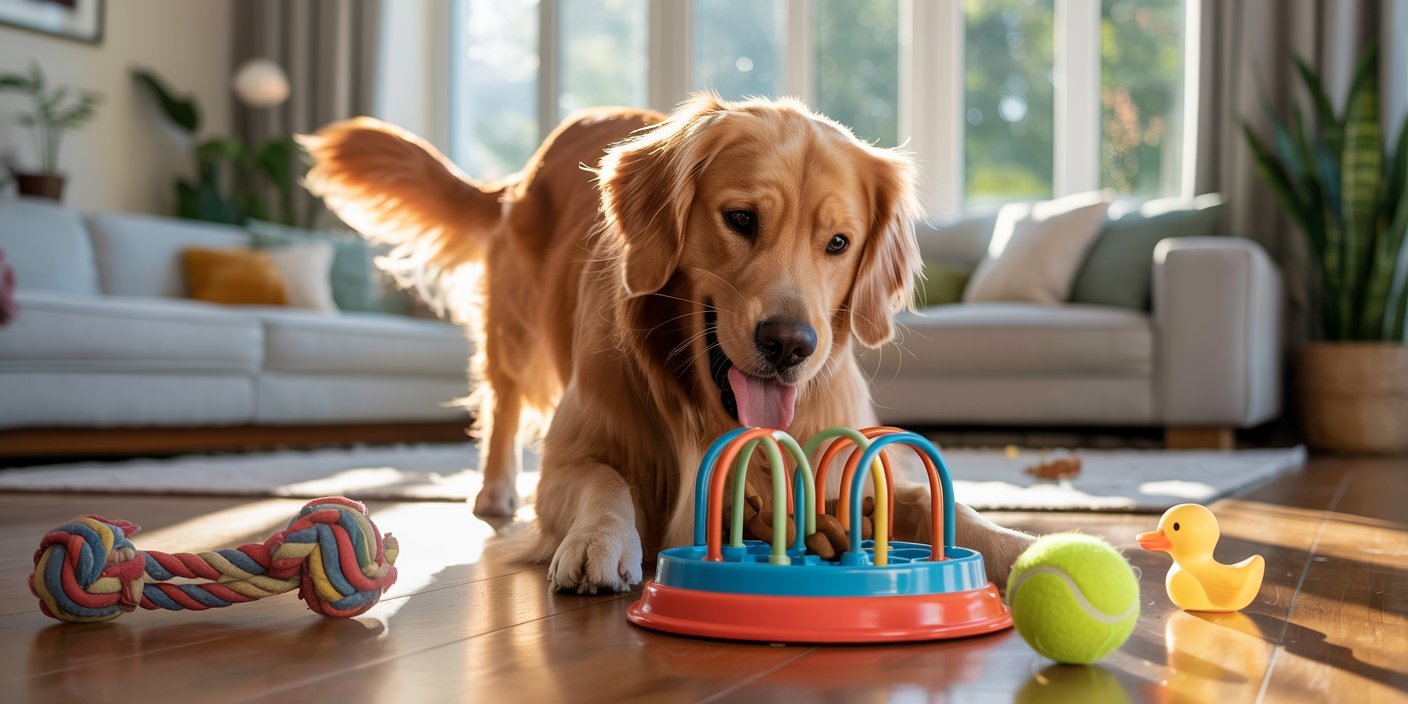
Mental stimulation is one of the most overlooked parts of keeping a dog healthy and happy.
Most of us naturally focus on daily walks, good food, and regular vet visits, but many dogs need something more than physical exercise. Their brains need a workout too.
I learned this lesson with my own dog. Even after a long walk, he still seemed full of energy.
He would follow me from room to room, chew on things he knew he wasn’t supposed to, and constantly look for something to do.
At first, I assumed he simply needed longer walks. It turned out he wasn’t physically tired. He was mentally bored.
Once I started introducing simple enrichment activities into our daily routine, I noticed an incredible difference.
He became calmer in the evenings, listened better during training, and even seemed more confident when exploring new places.
The best part was that most of these activities took less than fifteen minutes and used things I already had around the house.

Dogs are naturally curious animals. In the wild, they spend much of their day searching for food, solving problems, exploring scents, and interacting with their environment.
Our pets may live much more comfortable lives, but those natural instincts are still there.
Without enough opportunities to use their brains, many dogs create their own entertainment, which often involves chewing furniture, digging in the yard, barking excessively, or getting into mischief.
The good news is that mentally stimulating your dog doesn’t have to be complicated or expensive.
A few simple games and activities each day can help reduce boredom, improve behavior, strengthen your bond, and make life more enjoyable for both of you.
In this guide, I’ll share eight easy ways to keep your dog’s mind active, along with practical tips that work for puppies, adult dogs, and seniors alike.
Disclaimer
This post may contain affiliate links. As an Amazon Associate, I earn from qualifying purchases at no additional cost to you. I only recommend dog products that I genuinely believe can help keep your dog happy, engaged, and mentally stimulated. The information in this article is for general informational purposes only and is not a substitute for professional veterinary advice.
Amazon Shopping List You Need
- Interactive Dog Puzzle Toy – I love using puzzle toys to keep my dog entertained and mentally challenged.
- Snuffle Mat for Dogs – I use this to turn mealtime into a fun scent game.
- KONG Classic Dog Toy – One of my favorite toys for stuffing with treats to keep my dog busy.
- Lick Mat for Dogs – I always reach for this when I want to help my dog relax.
- Treat Dispensing Ball – A great way to encourage problem solving while rewarding your dog.
- Dog Training Treat Pouch – I keep one handy for training sessions and brain games.
- Natural Training Treats – These are my go to rewards for keeping training fun and motivating.
Why Mental Stimulation Is Just as Important as Physical Exercise
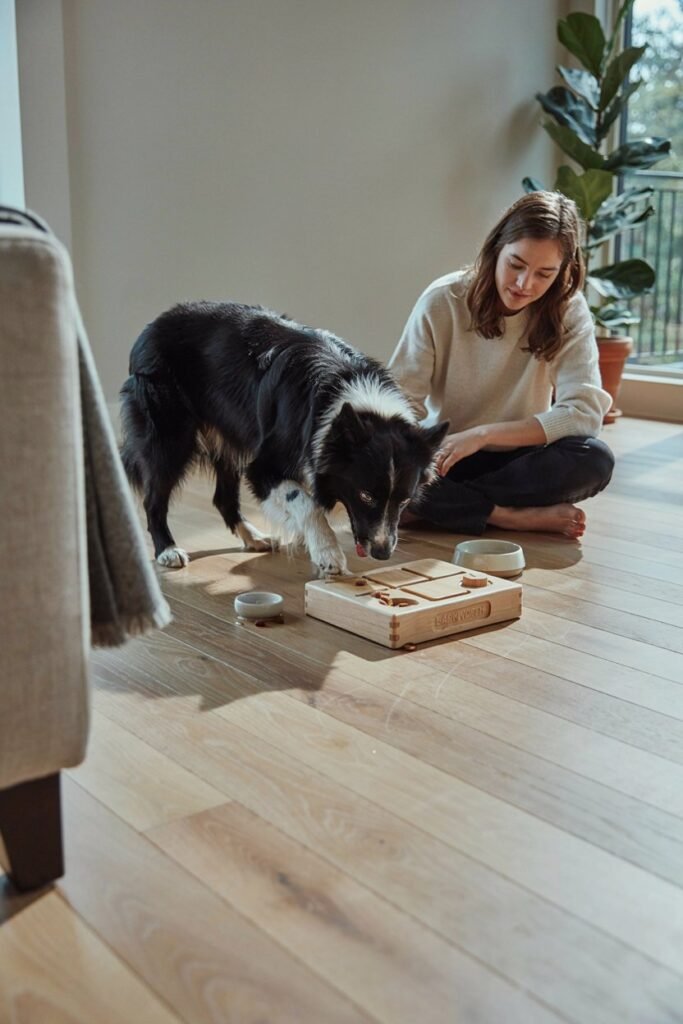
When most people think about exercising a dog, they picture long walks or trips to the dog park.
While physical exercise is important, mental exercise deserves just as much attention.
Think about how tired you feel after solving a challenging puzzle, learning a new skill, or concentrating on an important project.
Your body may not have moved very much, but your brain feels pleasantly exhausted. Dogs experience something similar.
Giving your dog opportunities to think, solve problems, and use their natural instincts provides benefits that go far beyond simple entertainment.
Regular mental enrichment can help:
- Reduce destructive chewing around the house.
- Prevent boredom during rainy days.
- Lower stress and anxiety.
- Improve focus during training sessions.
- Build confidence in shy or nervous dogs.
- Slow cognitive decline in senior dogs.
- Provide healthy outlets for high-energy breeds.
- Strengthen the bond between you and your dog.
Mental exercise is especially valuable if you live in an apartment, work from home, or have days when long outdoor adventures simply aren’t possible.
Even ten to fifteen minutes of focused brain work can leave many dogs feeling more satisfied than an extra half hour of walking.
Signs Your Dog May Need More Mental Stimulation

Sometimes dogs tell us they’re bored in ways we don’t immediately recognize.
If you’ve noticed any of these behaviors, adding more enrichment activities may help.
- Constantly begging for attention
- Following you everywhere around the house
- Excessive barking without an obvious reason
- Digging holes in the yard
- Destroying toys unusually quickly
- Chewing shoes, furniture, or household items
- Restlessness after walks
- Stealing socks or random objects
- Pacing around the house
- Difficulty settling down in the evening
While these behaviors can have other causes, boredom is often a major contributor.
Fortunately, the solutions are usually simple.
1. Turn Mealtime Into a Fun Puzzle
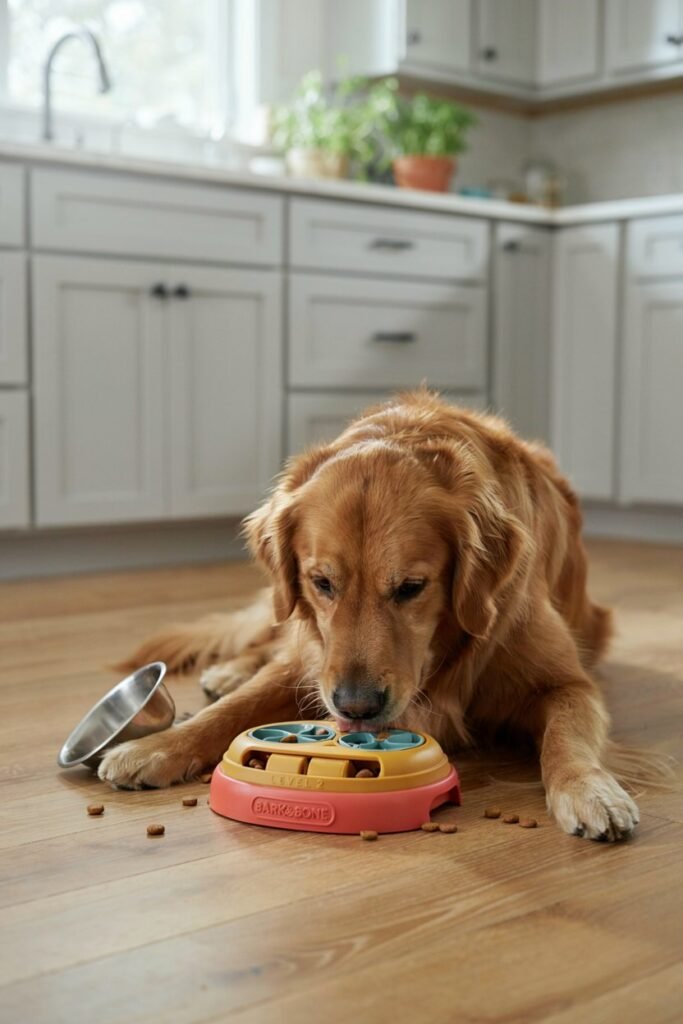
Instead of pouring food into a regular bowl every day, turn your dog’s meals into an exciting challenge.
Dogs naturally enjoy working for their food.
Searching, sniffing, and figuring out how to earn every bite satisfies instincts they’ve had for thousands of years.
Why It Works
Puzzle feeding encourages your dog to slow down, think through problems, and stay focused.
Rather than finishing dinner in under a minute, your dog may spend fifteen to twenty minutes solving the challenge.
This mental effort leaves many dogs feeling pleasantly tired afterward.
How to Try It
There are countless ways to make meals more engaging.
You can:
- Use a treat dispensing ball.
- Fill a puzzle feeder with kibble.
- Scatter kibble across your lawn for your dog to sniff out.
- Hide small portions of food around one room.
- Roll treats inside a towel for your dog to unwrap.
If your dog has never used a puzzle feeder before, begin with something simple so they build confidence.
As they improve, gradually increase the difficulty.
Best For
- Puppies
- Adult dogs
- High-energy breeds
- Fast eaters
- Dogs left alone for short periods
Safety Tip
Always supervise your dog when introducing a new puzzle toy.
Choose products that are the right size to prevent choking, and remove any damaged toys immediately.
Dog Sense Tip
Try freezing plain yogurt, mashed banana, or dog-safe peanut butter inside a puzzle toy during hot weather.
It lasts longer, keeps your dog occupied, and provides a refreshing treat on warm afternoons.
2. Play Hide and Seek With Treats
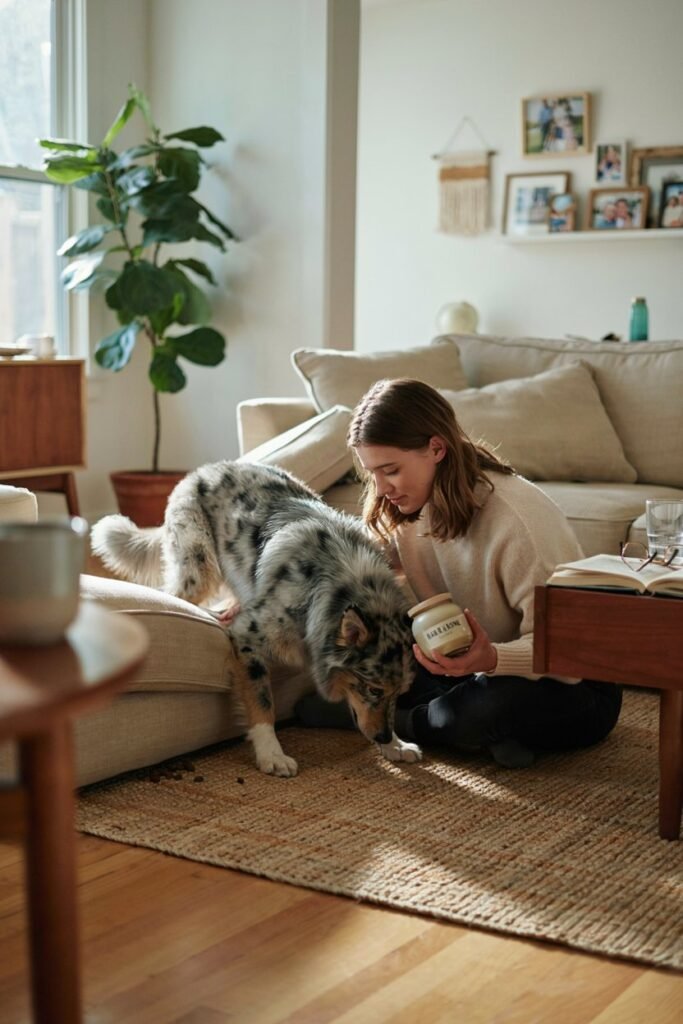
One of the easiest brain games requires almost no equipment at all.
Your dog’s nose is incredibly powerful, and using it is one of the most mentally rewarding activities they can do.
Instead of handing over treats directly, hide them around the house and encourage your dog to find them.
Why It Works
Dogs experience the world primarily through scent.
Sniffing activates parts of the brain responsible for problem solving and decision making.
A simple scent game taps into natural hunting instincts and provides excellent mental exercise.
Many dogs become completely absorbed in searching every corner until they’ve found every hidden reward.
How to Play
Begin by hiding treats in easy locations where your dog can clearly see you placing them.
As they learn the game, increase the difficulty by hiding treats:
- Under cushions
- Behind furniture legs
- Around tree trunks
- Inside cardboard boxes
- Beneath towels
- Around your backyard
Eventually, you can hide several treats throughout your home while your dog waits in another room.
Watching them carefully work through each scent trail is surprisingly entertaining.
Best For
- Curious dogs
- Food-motivated breeds
- Rainy day activities
- Apartment living
- Dogs recovering from minor injuries that limit vigorous exercise
Safety Tip
Only hide treats in places that are safe for your dog to reach.
Avoid unstable furniture, electrical cords, or areas containing household cleaners.
Dog Sense Tip
Use different treats occasionally so your dog learns to identify a variety of scents instead of relying on the same smell every time.
3. Teach One New Trick Every Week
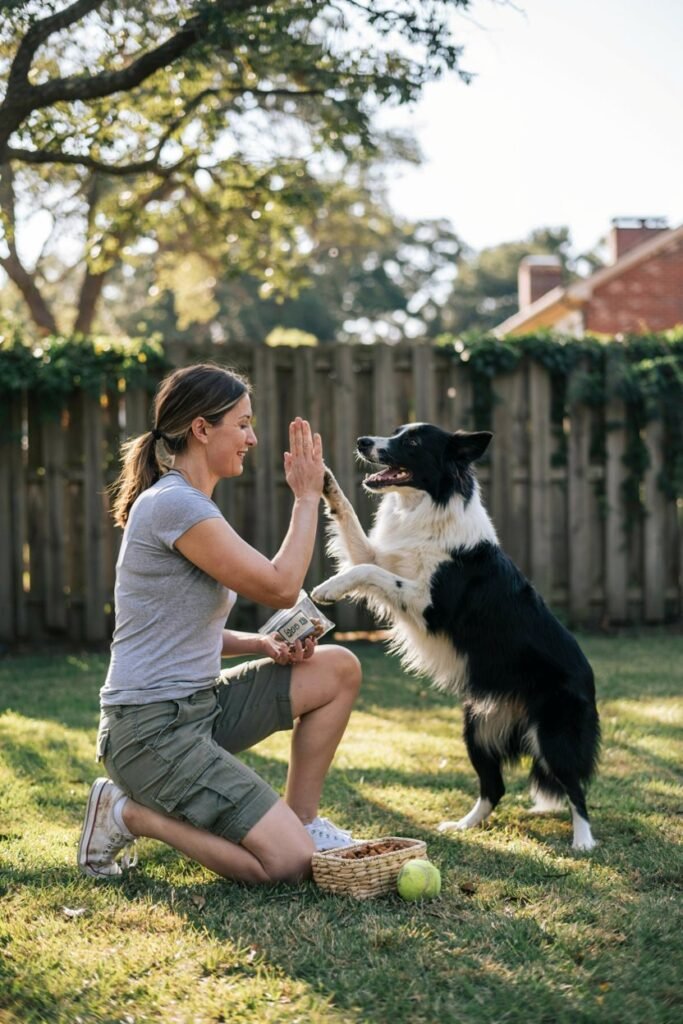
Training isn’t just about obedience.
Learning something new challenges your dog’s brain, builds confidence, and creates valuable bonding time between the two of you.
The trick doesn’t have to be complicated.
In fact, short, fun sessions are usually more effective than long training marathons.
Why It Works
Every time your dog learns a new behavior, they’re solving a problem.
They begin making connections between your cues, their actions, and the rewards they receive.
That process strengthens memory and keeps the brain active.
Dogs of every age continue learning throughout their lives.
Easy Tricks to Start With
- Spin
- Shake paws
- High five
- Roll over
- Touch your hand
- Weave through your legs
- Crawl
- Bow
- Ring a bell
- Put toys away
Spend five to ten minutes practicing once or twice a day.
Always finish before your dog becomes frustrated so training remains something they genuinely enjoy.
Best For
- Puppies
- Adult dogs
- Senior dogs
- Rescue dogs building confidence
- Intelligent working breeds
Safety Tip
Avoid repetitive jumping tricks for puppies or older dogs with joint issues.
Choose age-appropriate activities and reward generously with praise as well as treats.
Dog Sense Tip
End every training session with a trick your dog already knows well.
Finishing on a success helps build confidence and keeps them excited for the next session.
4. Create a Simple Indoor Obstacle Course
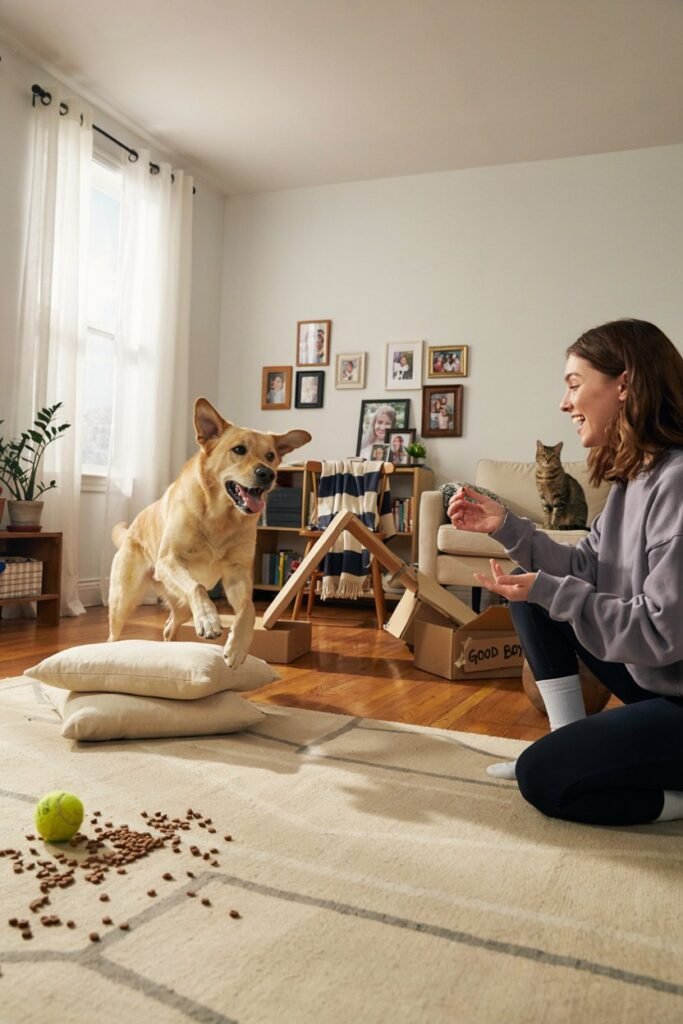
You don’t need expensive agility equipment or a large backyard to give your dog an exciting mental workout.
Some of the best obstacle courses are made using everyday household items.
Setting up a simple course encourages your dog to think about where to go, how to move around obstacles, and how to follow your guidance.
Every new setup becomes a different challenge, keeping the activity fresh and engaging.
Why It Works
Obstacle courses combine physical movement with problem solving.
Your dog has to pay attention, remember directions, and carefully navigate each obstacle instead of simply running around.
This builds confidence while improving coordination and focus.
It’s also a fantastic bonding activity because your dog learns to trust your guidance throughout the course.
How to Make One at Home
You probably already have everything you need.
Try using:
- Dining chairs to weave through
- Broomsticks balanced on boxes for very low jumps
- Pillows to step over
- Blankets draped over chairs to create a tunnel
- Cardboard boxes to walk around
- Laundry baskets as markers
- Hula hoops for stepping through
Guide your dog through the course using treats and plenty of praise.
As they become more comfortable, rearrange the course every few days to keep it interesting.
Best For
- Active adult dogs
- Intelligent breeds
- Dogs that enjoy training
- Rainy days
- Apartment living
Safety Tip
Avoid obstacles that require high jumps or difficult landings, especially for puppies, senior dogs, or breeds prone to joint problems.
Keep all surfaces non-slip and remove anything that could tip over.
Dog Sense Tip
Instead of timing your dog like a competition, focus on confidence and fun.
Let them explore each obstacle at their own pace.
5. Rotate Your Dog’s Toys Instead of Leaving Them All Out
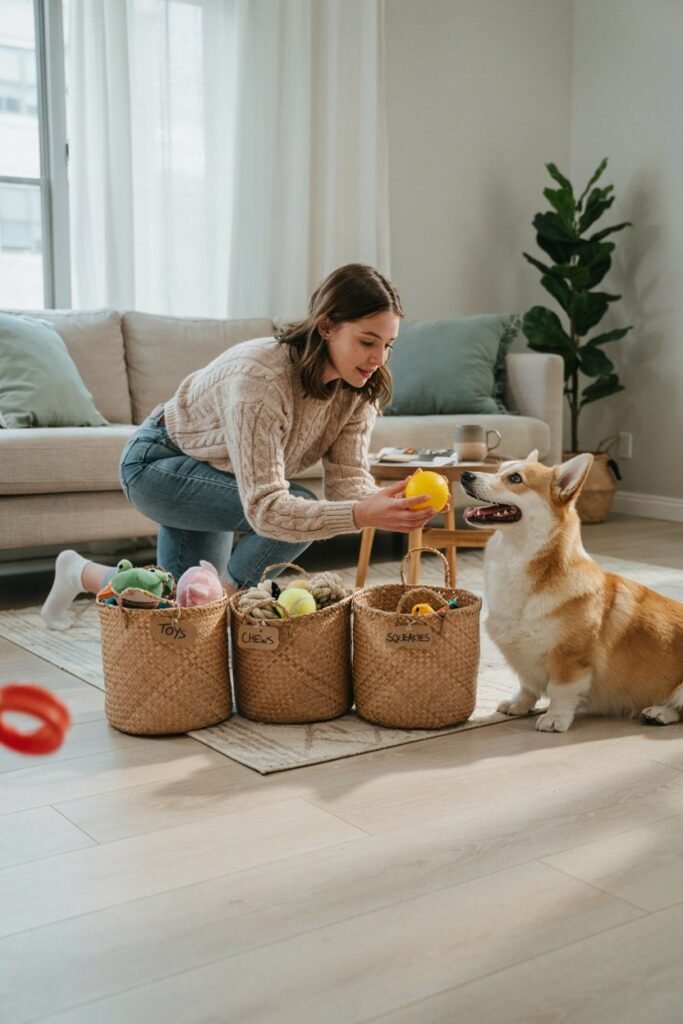
Many dog owners buy lots of toys, toss them into one basket, and leave them there all year.
The problem is that dogs quickly become used to seeing the same toys every day. Eventually, they stop finding them exciting.
A simple toy rotation can make old toys feel brand new again.
Why It Works
Novelty stimulates your dog’s brain.
When a favorite toy disappears for a week or two and then suddenly returns, many dogs become just as excited as they were when it was brand new.
Rotating toys also prevents boredom without requiring you to constantly buy new ones.
How to Do It
Separate your dog’s toys into three or four groups.
Every week:
- Put one group away.
- Bring out a different group.
- Mix chew toys with plush toys.
- Include interactive toys and puzzle toys.
- Wash toys before bringing them back out.
This simple habit keeps your dog interested while reducing clutter around your home.
Best For
- Puppies
- Dogs with lots of toys
- Indoor dogs
- Dogs left alone during work hours
Safety Tip
Inspect every toy before giving it back. Throw away toys with loose stuffing, broken plastic pieces, or damaged squeakers that could become choking hazards.
Dog Sense Tip
Pair a “new” toy with a short play session. Your excitement helps make the toy even more rewarding for your dog.
6. Let Your Dog Use Their Nose on Every Walk
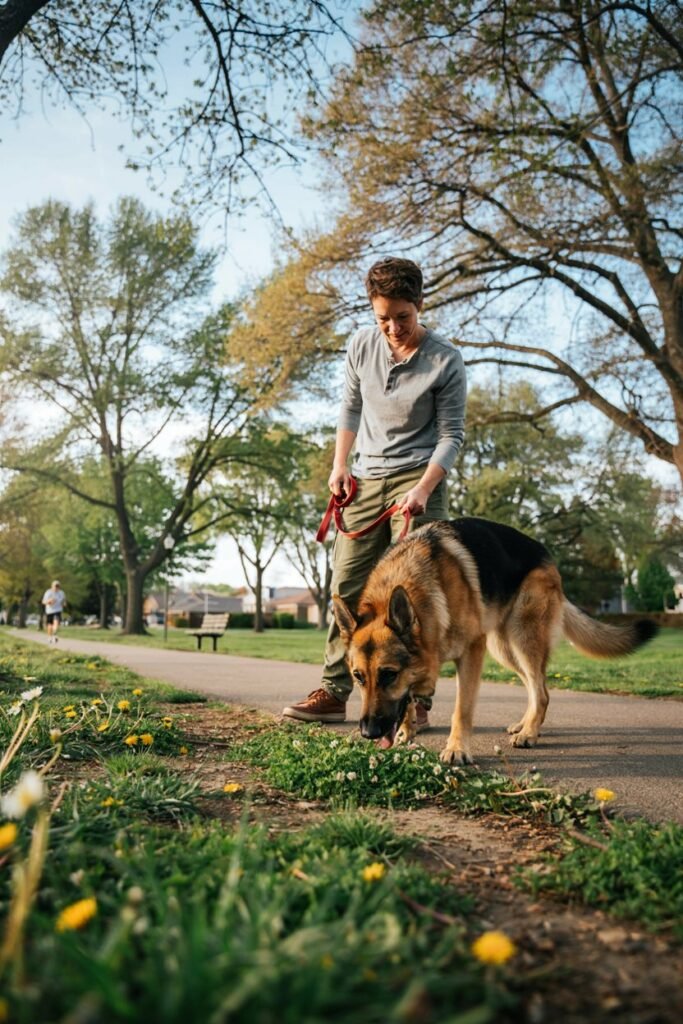
Many people think a successful walk means covering as much distance as possible.
Dogs often disagree.
For them, the walk is less about exercise and more about exploring the world through scent.
Every tree, mailbox, patch of grass, and sidewalk tells a story that only your dog can fully understand.
Why It Works
A dog’s sense of smell is extraordinary.
Depending on the breed, their noses can be tens of thousands of times more sensitive than ours.
Every sniff gathers information about other animals, people, and the environment.
Allowing your dog time to investigate these scents provides valuable mental enrichment that many owners unintentionally rush past.
How to Turn Walks Into Brain Games
Instead of hurrying through the neighborhood:
- Let your dog stop and sniff.
- Explore new walking routes each week.
- Visit parks with different scents.
- Walk at different times of day.
- Allow safe opportunities to investigate interesting smells.
- Occasionally scatter a few treats in the grass for your dog to find.
These slower “sniff walks” are incredibly satisfying for many dogs.
Best For
- All breeds
- Senior dogs
- High-energy dogs
- Rescue dogs
- Puppies learning about the world
Safety Tip
Always keep your dog on a leash where required, and prevent them from sniffing unknown substances, litter, mushrooms, or anything that could be harmful.
Dog Sense Tip
Even a 20-minute sniff walk can leave your dog calmer than a fast-paced one-hour walk where they aren’t allowed to stop and explore.
7. Introduce Interactive Chew Toys and Lick Mats
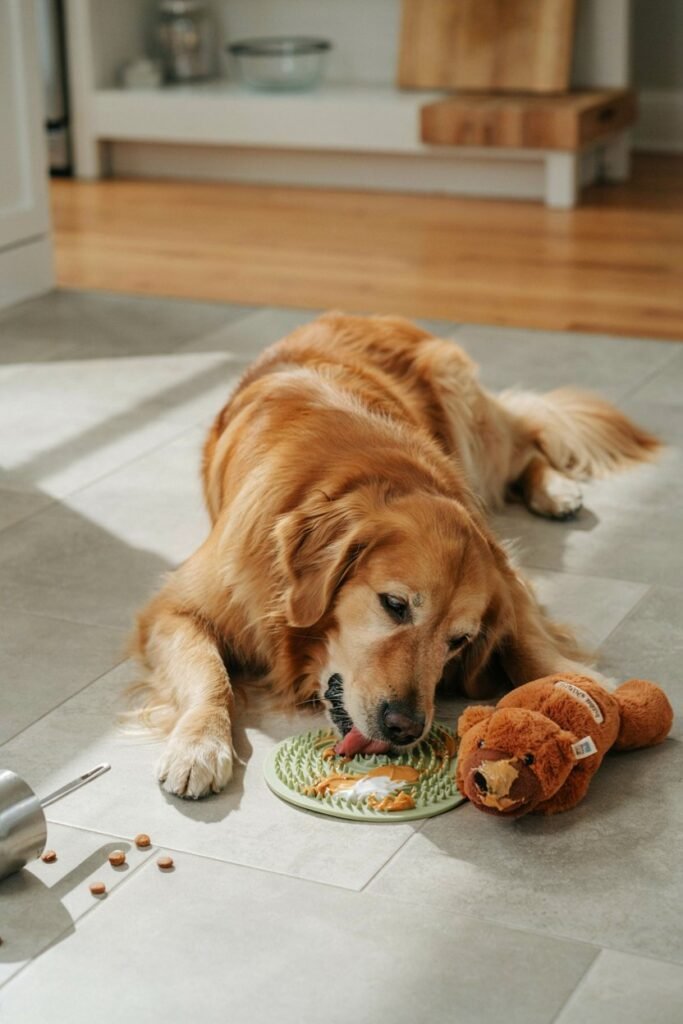
Chewing and licking are two natural behaviors that help many dogs relax.
When combined with a challenge, these activities become an excellent source of mental enrichment.
Instead of giving your dog a plain chew toy, make it more interesting by filling it with healthy treats or freezing it before offering it.
Why It Works
Interactive chew toys encourage your dog to think, lick, chew, and problem solve at the same time.
Unlike treats that disappear in seconds, these toys can keep many dogs happily occupied for much longer.
Licking also has a naturally calming effect on many dogs, making this activity especially helpful during stressful situations like thunderstorms, fireworks, or when guests visit.
How to Do It
Try filling a durable toy or lick mat with dog safe foods such as:
- Plain Greek yogurt
- Unsweetened pumpkin puree
- Mashed banana
- Dog safe peanut butter without xylitol
- Wet dog food
- Soaked kibble
For an extra challenge, freeze the toy for a few hours before giving it to your dog.
Best For
- Puppies
- Adult dogs
- Dogs with separation anxiety
- Dogs recovering from surgery with limited activity
- High energy breeds
Safety Tip
Always choose toys that match your dog’s size and chewing style.
Replace damaged toys immediately, and never leave aggressive chewers unattended with toys that can break apart.
Dog Sense Tip
Prepare several stuffed toys at the beginning of the week and keep them in the freezer.
You’ll always have a quick boredom buster ready whenever you need one.
8. Spend Time on Short Daily Training Challenges
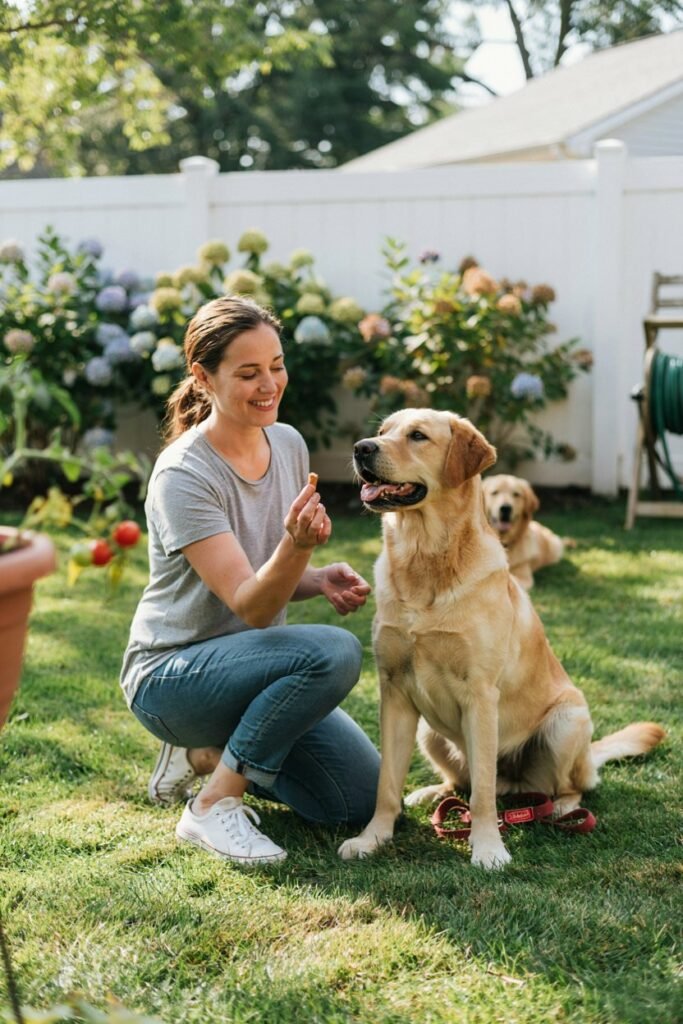
Many people stop training once their dog learns basic commands like sit, stay, and come.
But learning shouldn’t end there.
Continuing to teach new skills throughout your dog’s life keeps their brain active while strengthening your relationship.
Why It Works
Every new command encourages your dog to think, make decisions, and remember previous lessons.
Training also improves communication between you and your dog, making everyday life easier.
Even practicing commands they already know helps reinforce good habits while providing mental stimulation.
Fun Challenges to Try
Teach your dog to:
- Put toys into a basket
- Find a specific toy by name
- Close a cabinet door
- Ring a bell when they need to go outside
- Wait patiently before eating
- Walk around objects on command
- Bring you a leash
- Touch different objects with their nose
Keep each session fun, positive, and rewarding.
Best For
- Dogs of every age
- Intelligent working breeds
- Rescue dogs
- Family pets
- Senior dogs who enjoy learning
Safety Tip
Never punish your dog for getting something wrong. If they’re struggling, make the task easier and reward every small success.
Dog Sense Tip
End every session while your dog is still having fun. Leaving them wanting one more game helps keep training exciting.
Common Mistakes Dog Owners Make When Providing Mental Stimulation
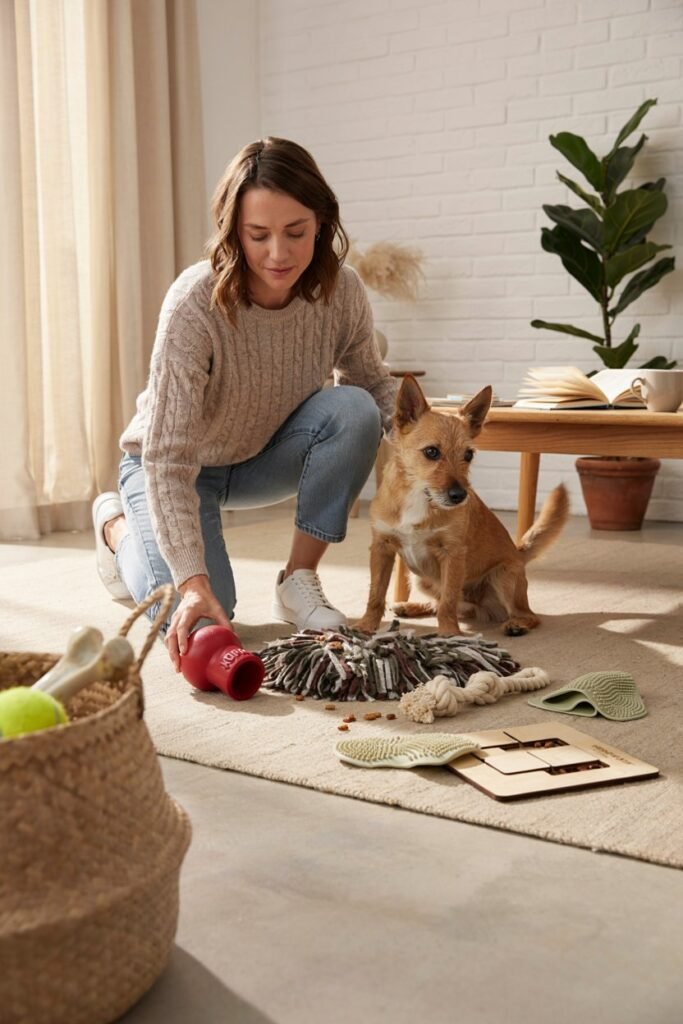
Mental enrichment should be enjoyable, not frustrating.
A few simple mistakes can make activities less effective or even discourage your dog from participating.
Here are some of the most common ones to avoid.
Making Puzzle Games Too Difficult
Many owners buy advanced puzzle toys right away.
If your dog can’t figure out how to earn the reward, they’ll often give up.
Start with easy challenges and slowly increase the difficulty as your dog becomes more confident.
Doing the Same Activity Every Day
Imagine solving the exact same crossword puzzle every morning.
Eventually, it becomes predictable.
Dogs enjoy variety too.
Rotate games, toys, walking routes, and training exercises to keep their brains engaged.
Sessions That Are Too Long
Long training sessions often lead to frustration for both you and your dog.
Most dogs learn better during short sessions of five to fifteen minutes.
It’s better to have several brief, successful sessions throughout the week than one exhausting marathon.
Forgetting About Scent Games
Many owners focus only on fetch or obedience training.
While those activities are great, they don’t fully satisfy a dog’s strongest natural instinct: using their nose.
Adding scent games every week creates a more balanced enrichment routine.
Not Celebrating Small Successes
Dogs learn best through encouragement.
Every time your dog solves a puzzle, finds a hidden treat, or learns a new trick, celebrate with praise, affection, or a reward.
Positive experiences make them eager to participate again.
Dog Sense Quick Tip
You don’t need to spend an hour every day entertaining your dog.
Mixing just two or three enrichment activities throughout the week is often enough to keep their mind active and prevent boredom.
Think of mental stimulation the same way you think about your own hobbies.
A little variety goes a long way, and consistency matters more than doing everything at once.
The Best Enrichment Toys Worth Having
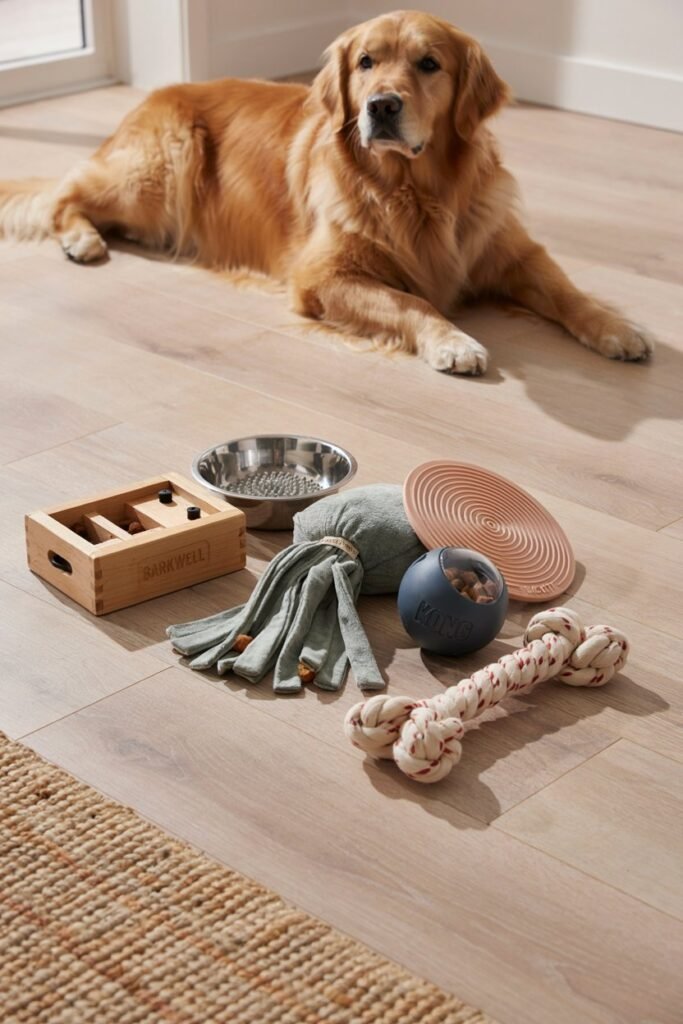
You don’t need to fill your home with expensive gadgets, but having a few quality enrichment toys can make a big difference.
Some of my favorites include:
Puzzle Feeders
Perfect for turning mealtime into a brain game while slowing down fast eaters.
Snuffle Mats
These encourage natural foraging behavior by hiding kibble or treats inside fabric strips.
Treat Dispensing Balls
Great for active dogs that enjoy chasing and solving problems at the same time.
Durable Stuffable Toys
Excellent for frozen treats and long lasting entertainment.
Lick Mats
Ideal for calming nervous dogs during grooming, bath time, or stressful situations.
Tug Toys
Interactive play with you provides both mental and physical exercise while strengthening your bond.
Rather than buying lots of inexpensive toys, invest in a few durable, high quality options and rotate them regularly to keep things interesting.
A Simple 20 Minute Daily Mental Enrichment Routine
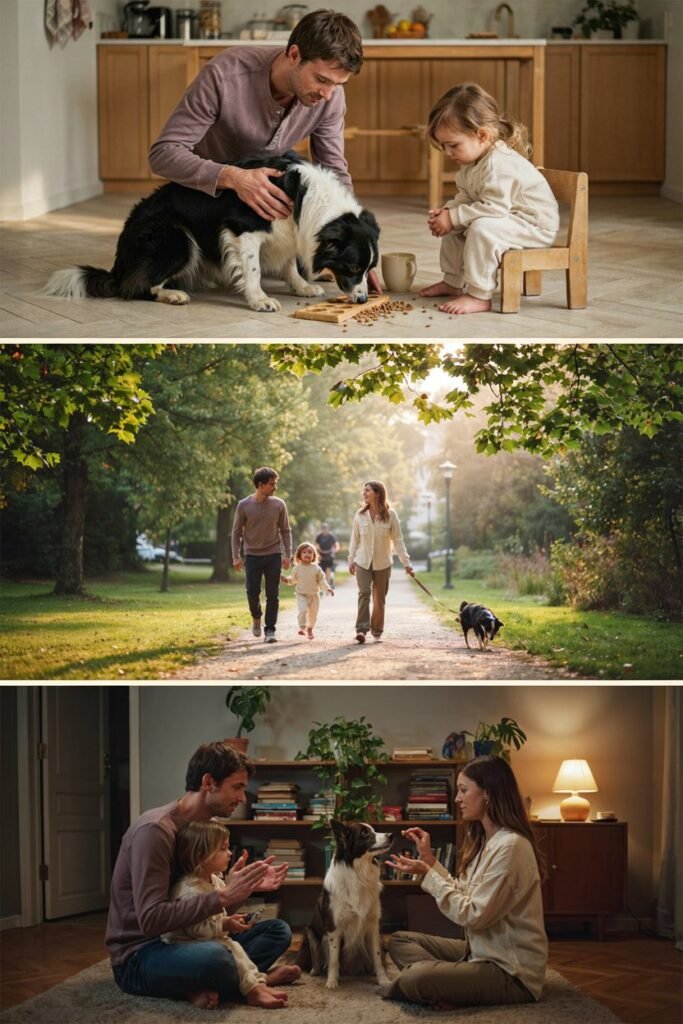
If you’re wondering where to start, here’s an easy routine that works well for many dogs.
Morning
Spend five minutes practicing one or two basic commands before breakfast.
Serve breakfast in a puzzle feeder instead of a regular bowl.
Afternoon
Take a relaxed sniff walk and let your dog explore new scents instead of rushing through the route.
Evening
Hide a few treats around the house or yard and encourage your dog to search for them.
Finish the day with five minutes of play or learning a new trick.
This simple routine provides plenty of variety without requiring hours of your time.
Frequently Asked Questions
Can mental stimulation replace daily walks?
No.
Mental exercise and physical exercise work together. Walks provide opportunities for movement, fresh air, and socialization, while enrichment activities challenge your dog’s brain. A healthy routine includes both whenever possible.
How much mental stimulation does my dog need each day?
Every dog is different, but many benefit from at least fifteen to thirty minutes of focused mental enrichment each day.
High energy and working breeds often need even more.
Are brain games suitable for senior dogs?
Absolutely.
Mental stimulation can help keep older dogs engaged and may support cognitive health as they age.
Choose gentle activities that don’t place unnecessary stress on aging joints.
What if my dog loses interest quickly?
Try changing the activity.
Rotate toys, introduce new scent games, practice different tricks, or move activities outdoors. Variety keeps enrichment exciting.
Can puppies do mental enrichment activities?
Yes.
In fact, puppies learn incredibly quickly.
Keep sessions short, positive, and age appropriate. Focus on simple games that build confidence rather than difficult challenges.
Do enrichment toys have to be expensive?
Not at all.
Some of the best mental stimulation activities use everyday household items like cardboard boxes, towels, muffin tins, paper towel rolls, or hidden treats around the house.
Creativity often works just as well as expensive products.
Final Thoughts
One of the biggest lessons I’ve learned as a dog owner is that a tired dog isn’t always a happy dog.
A dog can come home from a long walk and still feel restless if their mind hasn’t been challenged.
That’s why mental stimulation has become such an important part of our daily routine.
Whether it’s hiding treats around the house, practicing a new trick, slowing down for a sniff walk, or filling a puzzle toy before dinner, these small moments give my dog a chance to use the instincts that come so naturally to them.
You don’t need to try all eight ideas at once. Start with one or two activities that fit your schedule and your dog’s personality.
As you discover what they enjoy most, you can gradually add more variety.
Over time, you’ll likely notice more than just a happier dog.
You may see fewer unwanted behaviors, better focus during training, increased confidence, and a stronger bond built through shared experiences.
At the end of the day, mentally stimulating your dog isn’t about keeping them busy every minute.
It’s about giving them meaningful opportunities to think, explore, solve problems, and enjoy the world in the way dogs were naturally designed to.
A few minutes of enrichment each day can make a lasting difference, and your dog will thank you for it with a wagging tail, a calmer mind, and a happier life.