
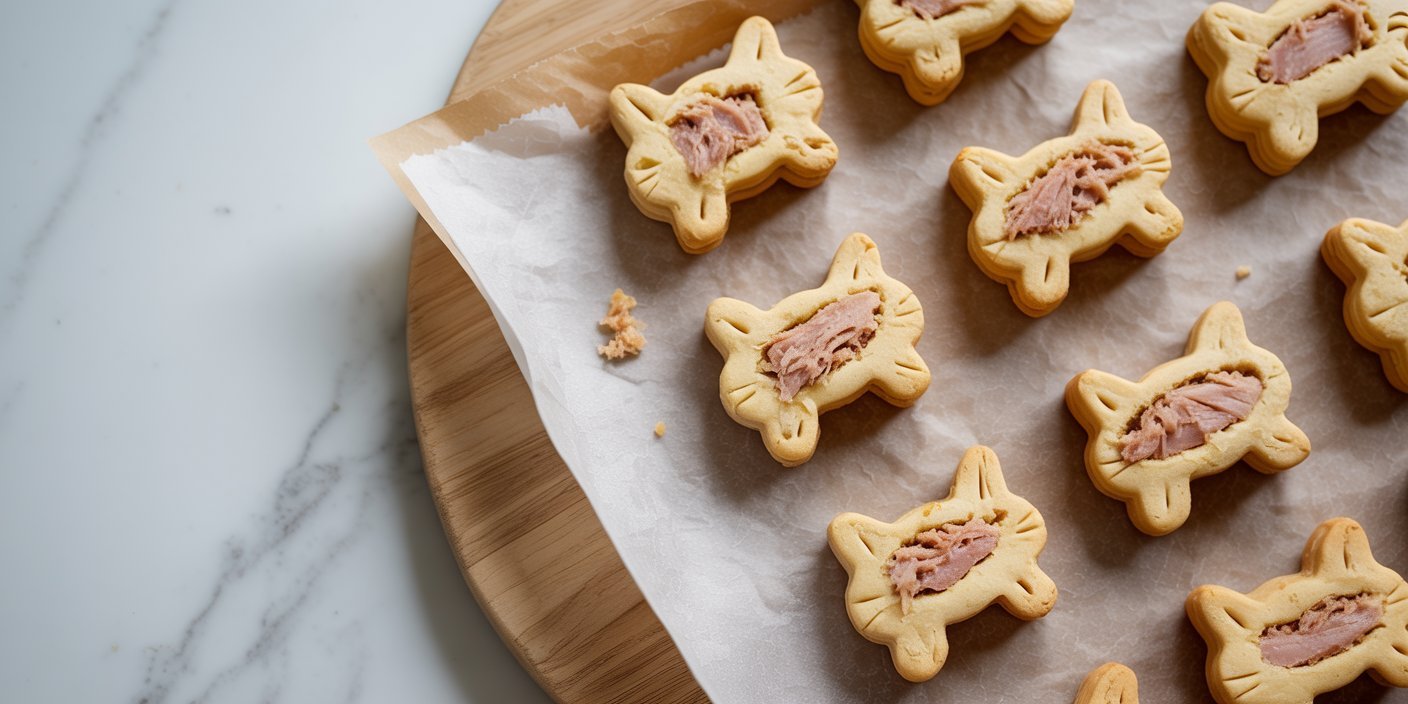
Hey everyone, so today we’re going to be making a baked tuna cat treat.
You’re going to need one can of tuna, one egg, one and a quarter cups of flour, half a cup of water, a rolling pin, a cookie sheet lined with parchment paper, a food processor, and something to cut your treats out with, such as a bottle cap or we use a treat corer to cut our treats. Let’s get started.

Okay, so we’re going to start out by mixing our tuna, egg, flour, and water in the food processor.
After your dough is mixed, check it and see if it’s sticky.
If it’s still a little too sticky, add a little bit more flour to it.
Affiliate Disclaimer: This post contains affiliate links. I may earn a small commission at no extra cost to you.
Amazon Shopping List: Homemade Tuna Cat Treats Essentials
- Canned Tuna in Water (No Salt Added)
High-protein, flavorful base for healthy homemade cat treats.
BUY NOW ON AMAZON - Whole Wheat or Oat Flour
Provides structure and fiber for baked treats that hold together.
BUY NOW ON AMAZON - Eggs
Helps bind ingredients and adds extra protein for your cat.
BUY NOW ON AMAZON - Silicone Cat-Shaped or Small Cookie Molds
Makes treats fun and easy to portion for your kitty.
BUY NOW ON AMAZON - Airtight Treat Storage Container
Keeps homemade cat treats fresh and crunchy for longer.
BUY NOW ON AMAZON
Mixing the Dough to the Right Consistency
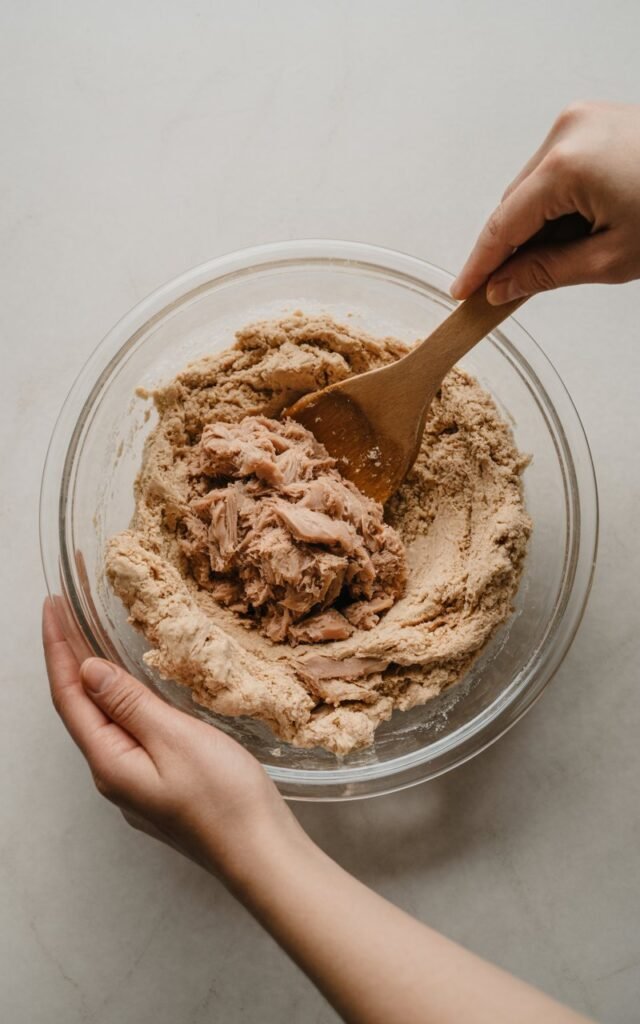
When adjusting the dough, it’s important not to add too much flour at once.
Add a small amount, mix again, and then check the texture.
You’re aiming for a dough that is no longer sticky but still soft and workable.
If you add too much flour, the dough can become dry, which makes it harder to roll out and can affect the final texture of the treats.
Once the dough feels right, remove it from the food processor and get ready to roll it out.
Preparing Your Work Surface
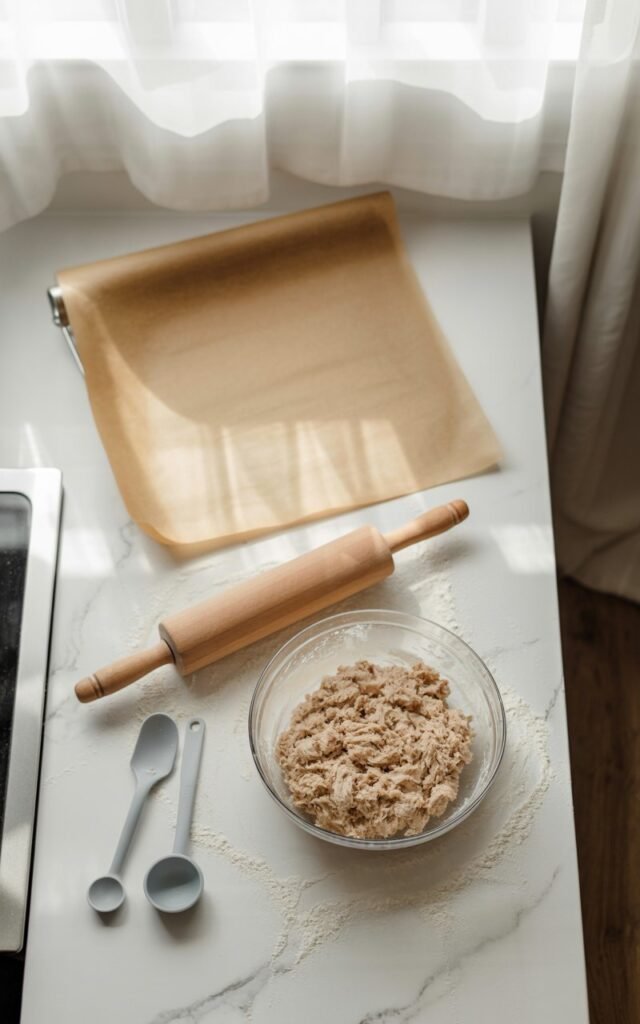
Before rolling out the dough, lightly dust your work surface with flour.
This step helps prevent sticking and makes the dough much easier to handle.
Remember, these are cat treats, not dog treats, so the size and thickness matter to keep them safe and easy for cats to eat.
At this point, it’s also important to note that you should have your oven preheated to 350°F (175°C).
This ensures the oven is ready as soon as the treats are cut and placed on the baking sheet.
Rolling Out the Dough
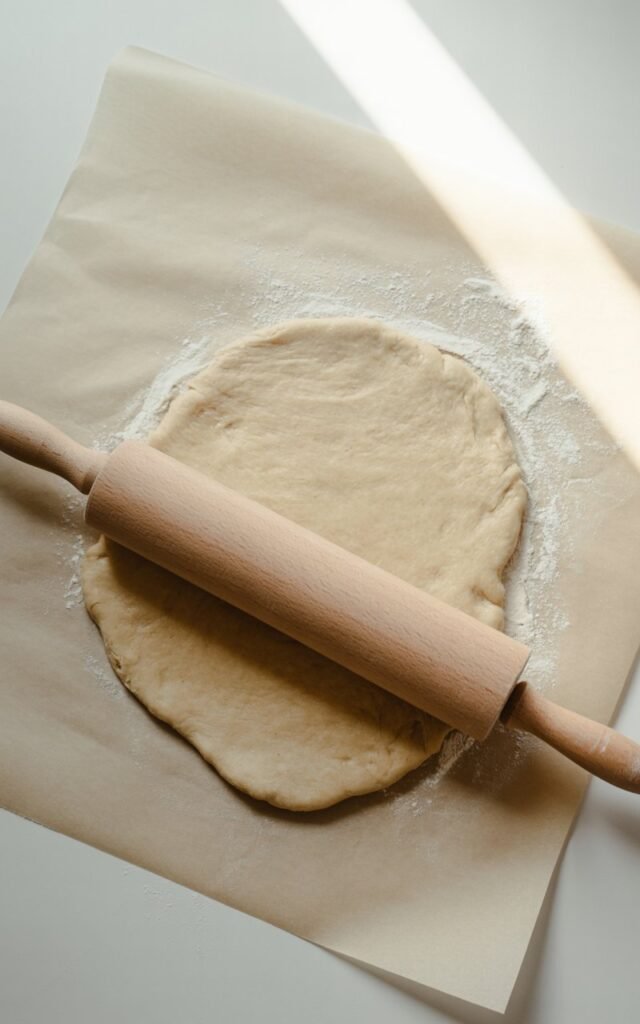
Roll the dough out evenly to approximately three-eighths of an inch thick.
Using an adjustable rolling pin is very helpful here, as it allows you to set the exact thickness and prevents you from rolling the dough too thin.
Consistent thickness helps the treats bake evenly and prevents some from becoming too hard while others remain undercooked.
Take your time during this step to ensure the dough is smooth and evenly rolled.
Cutting Out the Cat Treats
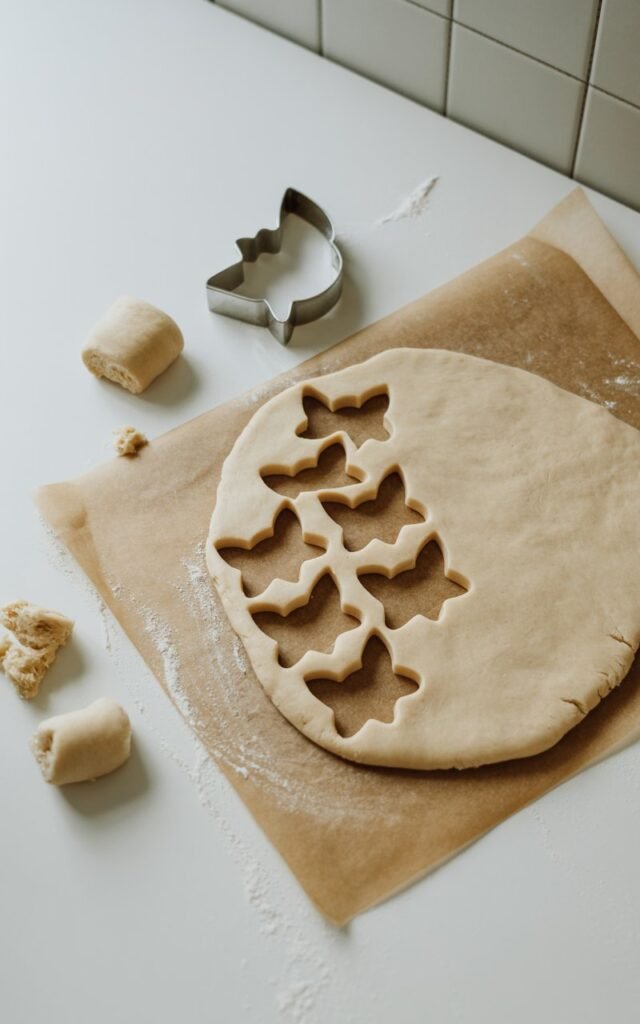
Once the dough is rolled out, it’s time to cut the treats.
You can use a bottle cap, but a treat corer works especially well for creating uniform, bite-sized pieces.
Cut out the treats and place them directly onto a cookie sheet lined with parchment paper.
When you’ve cut as many as you can from the rolled dough, gather the remaining dough, roll it back into a ball, and roll it out again.
Repeat this process until all the dough has been used.
After rolling and cutting the dough a few times, this batch produced about 160 treats, which is plenty for multiple cats or for storing and using over time.
Baking the Tuna Cat Treats
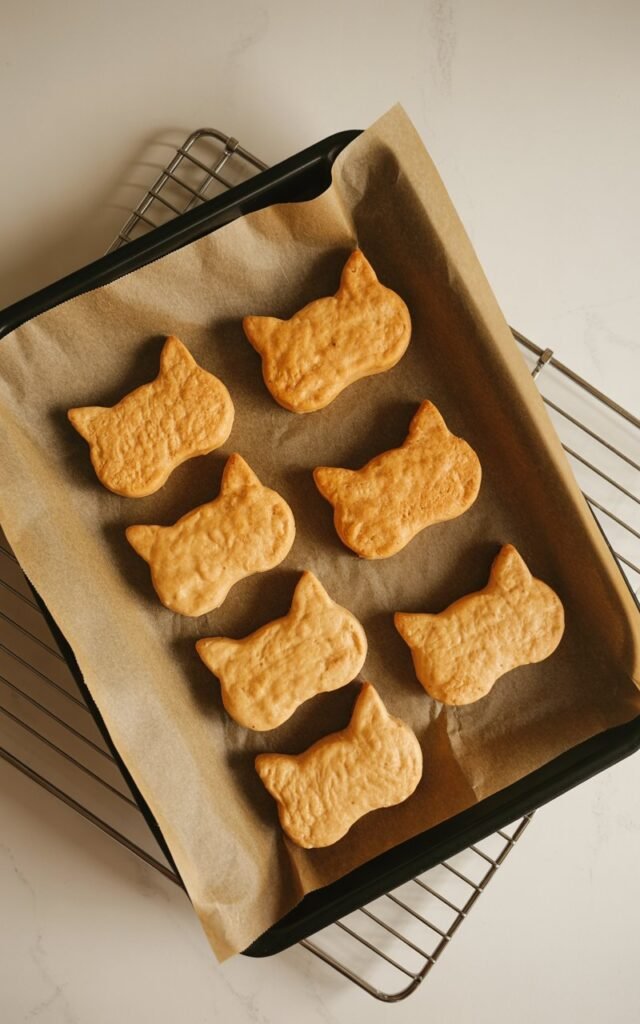
Place the cookie sheet into the oven and bake the treats at 350°F for 15 to 20 minutes. Keep a close eye on them toward the end of the baking time.
It’s very important not to overbake these treats. If they stay in the oven too long, they can become too hard, making them difficult for cats to chew comfortably.
Once they’re done, remove them from the oven and allow them to cool completely before serving.
Cooling and Taste Testing
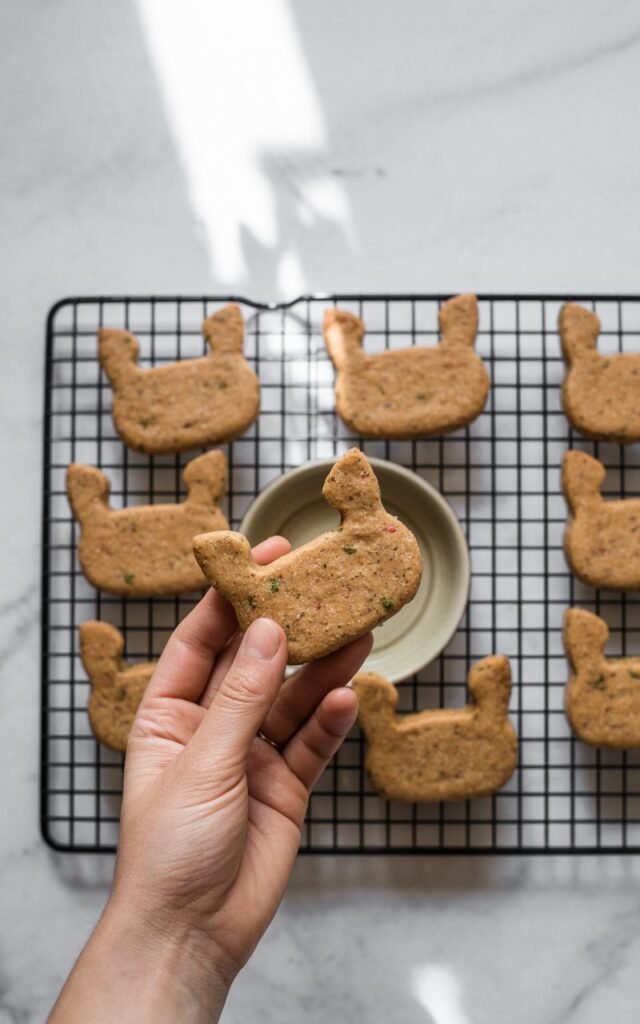
After the treats have cooled, it’s time for the taste test.
Offering one treat at a time allows you to see how your cats respond.
In our case, Sebastian was eager and clearly enjoyed the treat, while the other cats were less interested at first.
This is completely normal with cats. Some are more adventurous eaters, while others take time to warm up to something new.
The initial response was still a success, and the remaining treats can be offered again later.
Final Thoughts on Homemade Tuna Cat Treats
These baked tuna cat treats are simple to make, require only a few basic ingredients, and produce a large batch.
Making treats at home gives you control over what your cat is eating and eliminates unnecessary additives often found in store-bought options.
This recipe is a great starting point for anyone interested in homemade cat treats and is easy to repeat once you’ve done it once.