
As I’ve gotten older, I’ve noticed how much quieter my mornings have become.
The kids are grown enough to manage their own routines, the house doesn’t feel as chaotic as it once did, and my days move at a slower, gentler pace.
During this season of life, companionship feels different. It’s less about noise and more about presence.
That’s when I started paying closer attention to dogs and how much comfort they bring, especially for seniors.
I’ve watched older family members, neighbors, and even close friends thrive emotionally once they welcomed the right dog into their lives.

Not a demanding pet that needs constant running or training, but one that fits naturally into a calm routine.
Choosing the right dog matters more than choosing any dog at all, especially when energy levels, mobility, and daily habits change.
This post is based on real experiences I’ve seen up close, conversations I’ve had, and the quiet moments where a dog became more than a pet. It became a steady companion.
What Makes a Dog a Good Match for Seniors
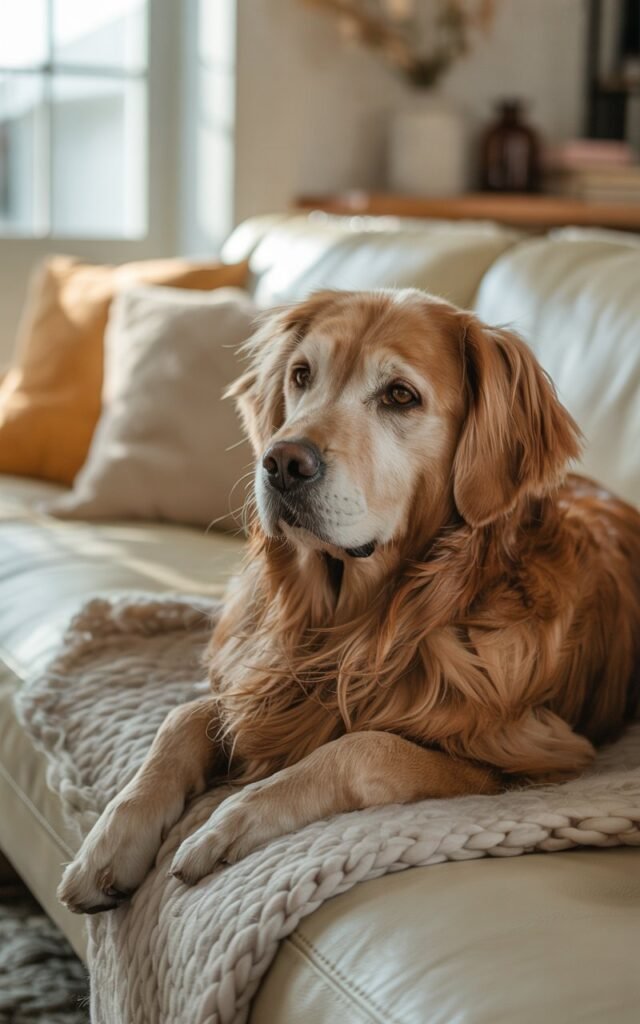
Before getting into specific breeds, it helps to understand what usually works best for older adults.
Most seniors I know appreciate dogs that are gentle, predictable, and emotionally intuitive.
A good match often means a dog that doesn’t require long outdoor adventures, is easy to manage indoors, and enjoys relaxed interaction.
Temperament, size, grooming needs, and health considerations all play a role. The best dogs for seniors often bring calm energy rather than excitement.
Cavalier King Charles Spaniel
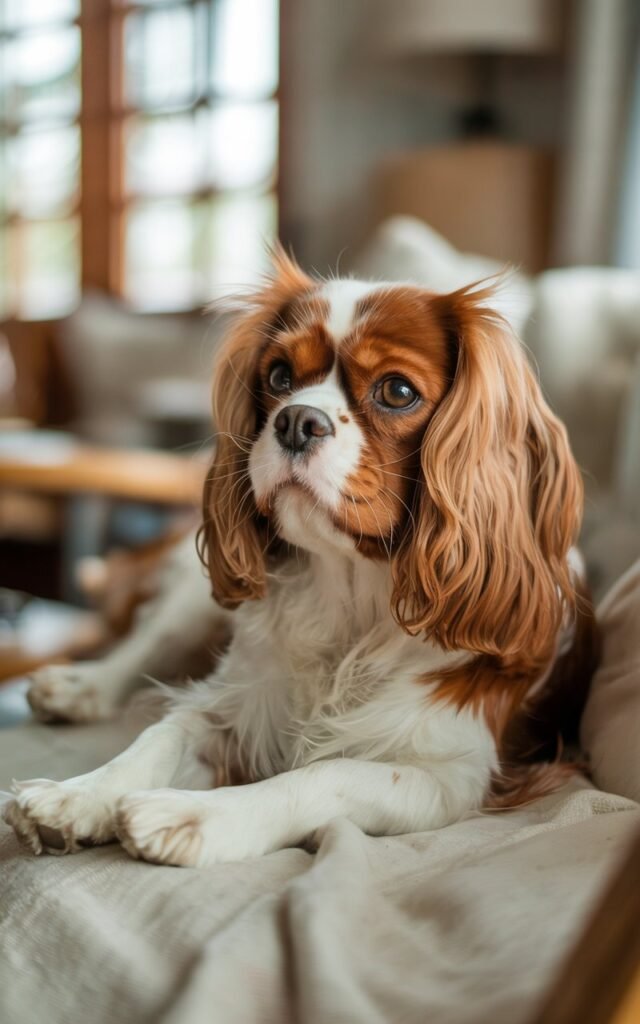
One of my neighbors adopted a Cavalier after losing her husband, and I’ve never seen companionship look so natural.
This breed is affectionate without being overwhelming.
They enjoy sitting close, following their owner from room to room, and offering quiet comfort.
Cavaliers are small enough to manage easily but sturdy enough not to feel fragile.
They don’t need excessive exercise and are happy with short walks and indoor play.
Their gentle nature makes them especially comforting for seniors who spend more time at home.
Shih Tzu

Shih Tzus have a way of fitting into daily life without disrupting it.
A close family friend adopted one after retirement, and the dog quickly became part of her daily rhythm.
Morning tea, light cleaning, afternoon rest, and evening television all included the dog curled nearby.
They are friendly, calm, and adapt well to apartment living.
While grooming requires some attention, many seniors enjoy that routine because it creates bonding time and structure.
Poodle (Toy or Miniature)
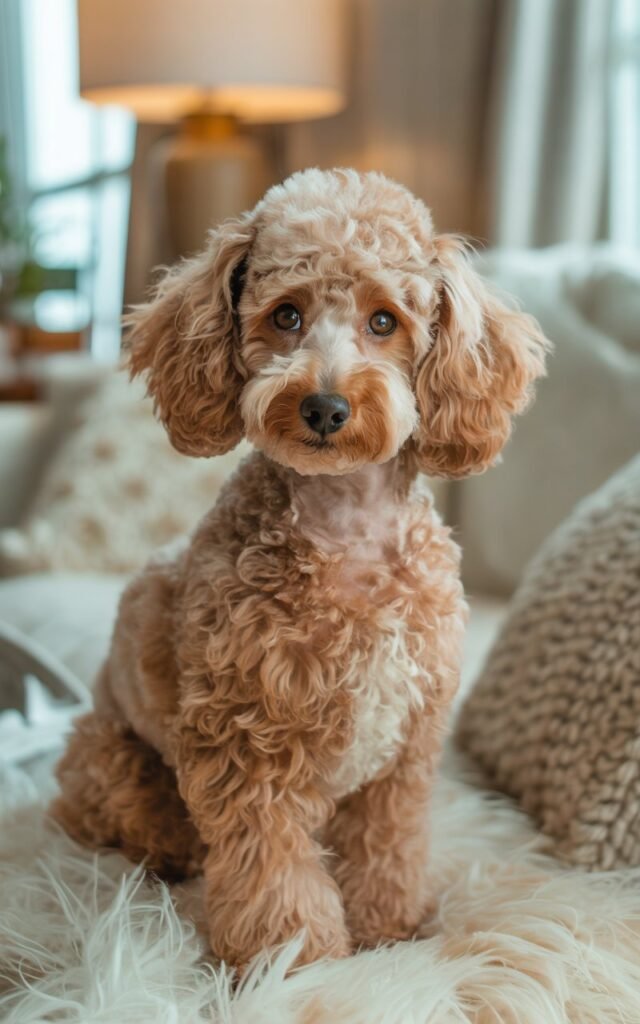
Poodles are often overlooked, but they are incredibly smart and intuitive.
I’ve seen how well they respond to emotional cues, especially with older adults.
They tend to form strong bonds and are very attentive without being demanding.
Toy and Miniature Poodles are easy to train, low shedding, and generally adaptable to quieter lifestyles.
For seniors who enjoy light mental stimulation and simple routines, this breed fits beautifully.
French Bulldog
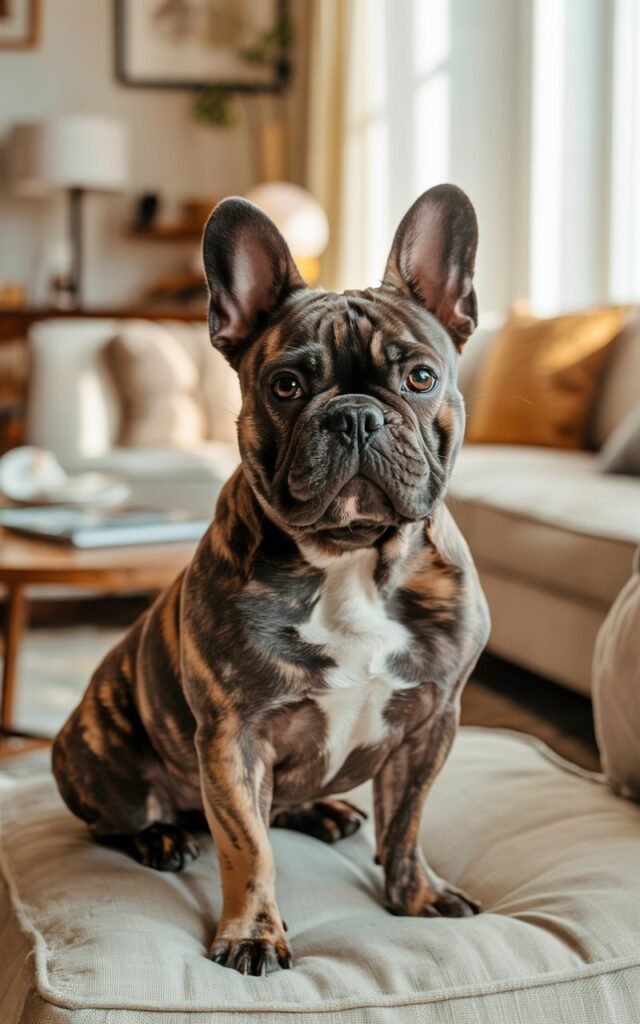
French Bulldogs are ideal for seniors who want a dog with personality but minimal physical demands.
They enjoy lounging, short walks, and staying close to their owner throughout the day.
What I love about French Bulldogs is how content they are simply being near their person.
They don’t need constant activity, and their sturdy build makes handling easier than very small breeds.
Bichon Frise

The Bichon Frise brings warmth into a home in a soft, cheerful way.
I’ve seen this breed lift moods without requiring high energy output. They enjoy companionship and thrive on gentle attention.
Their size is manageable, and their temperament is friendly without being hyper.
Seniors who enjoy having visitors often find this breed welcoming and social without becoming overstimulated.
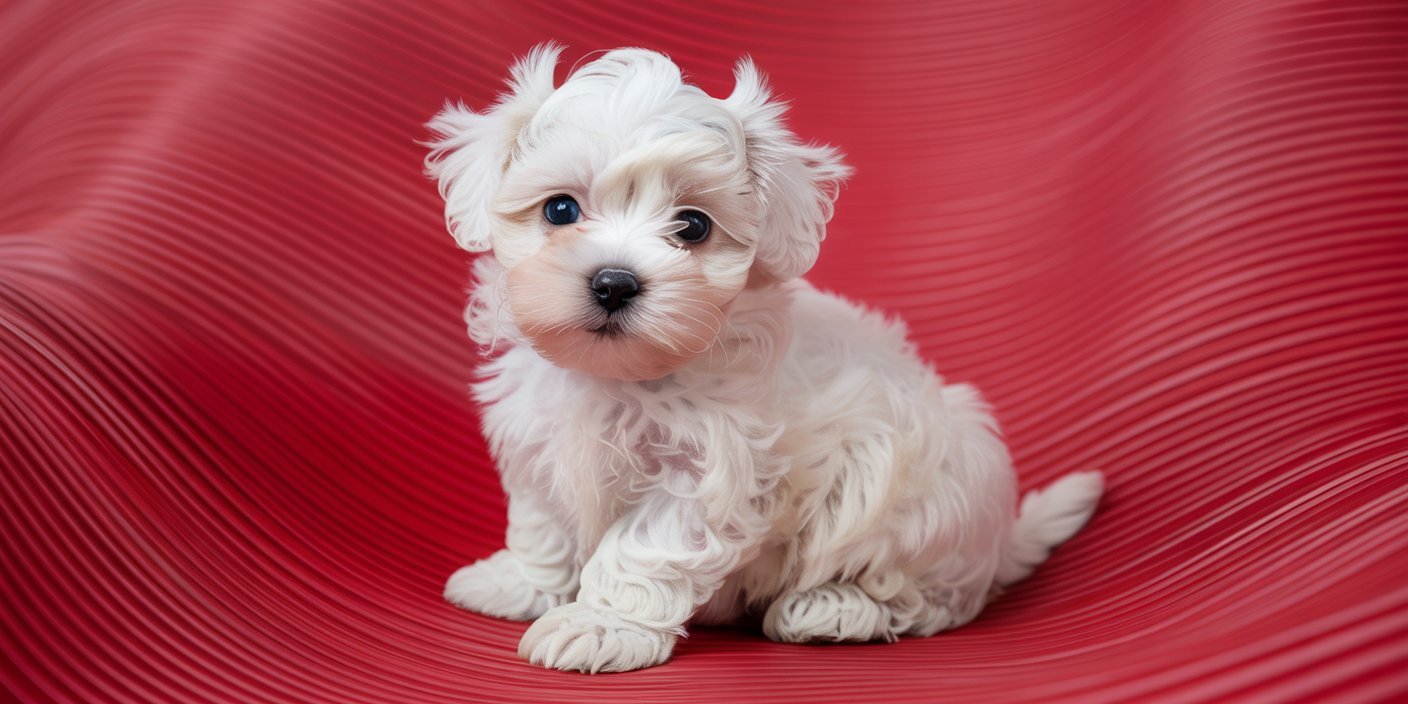
Maltese

Maltese dogs are often deeply loyal and thrive on closeness.
They love being held, sitting on laps, and staying near their owner throughout the day.
This breed is especially suitable for seniors who enjoy quieter environments and lots of one-on-one bonding.
Their small size and calm nature make them easy to care for indoors.
Why Companionship Matters More Than Activity
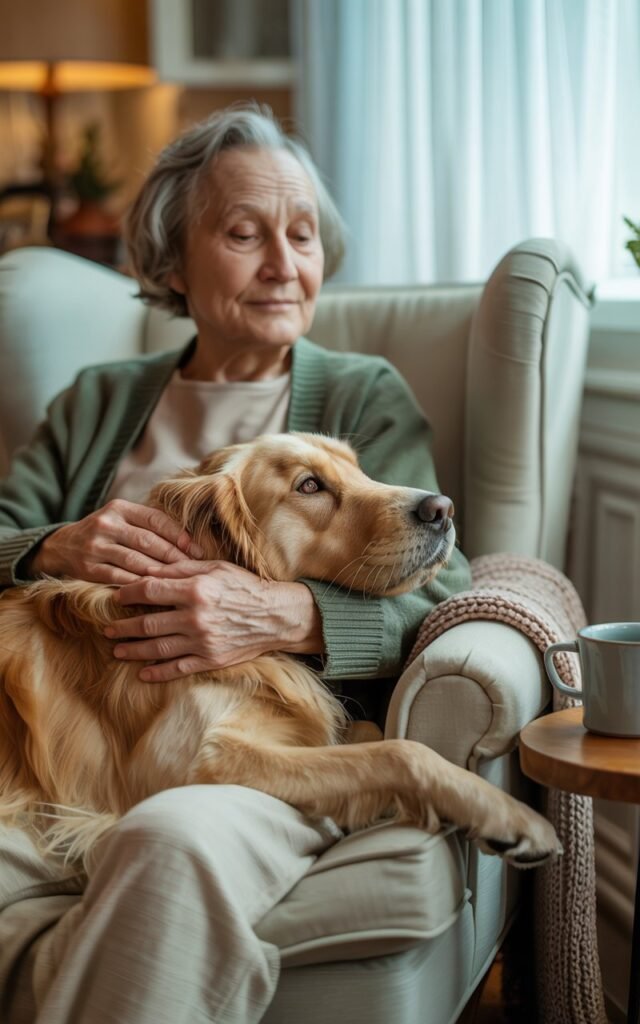
What I’ve noticed most is that seniors don’t necessarily want a dog to fill their schedule.
They want one to fill the quiet spaces.
The right dog offers emotional stability, routine, and a reason to smile during ordinary moments.
Dogs like these don’t need constant entertainment.
They simply need consistency, kindness, and presence.
Things to Consider Before Adopting
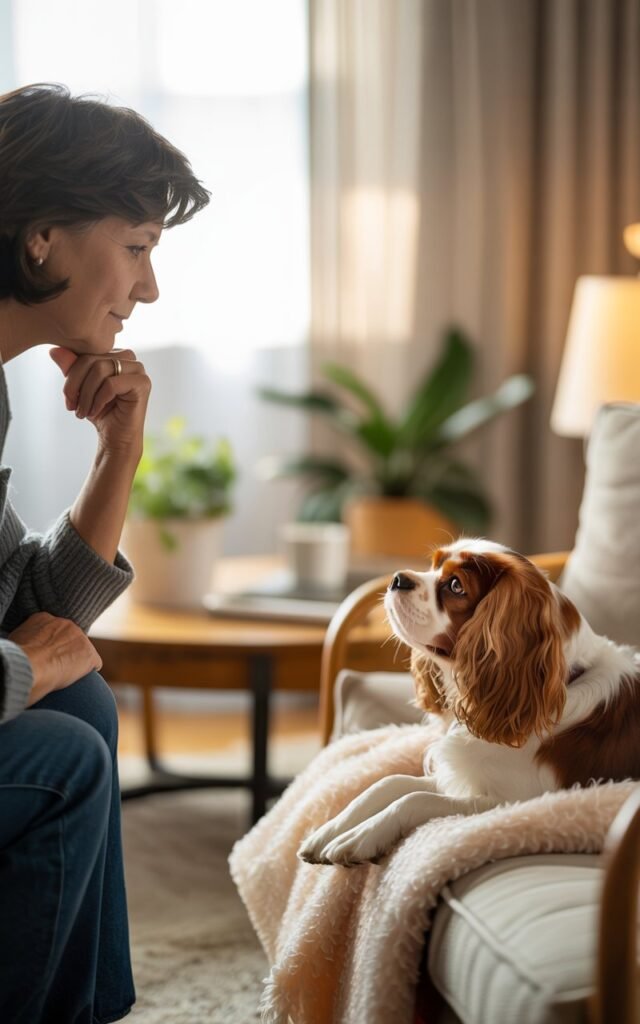
Every senior’s situation is unique. Health, mobility, living space, and support systems all matter.
I always encourage older adults to think about daily responsibilities, vet visits, grooming needs, and long-term care before choosing a dog.
Sometimes adopting an older dog rather than a puppy can be a wonderful option.
Many adult dogs already have calm temperaments and are looking for a peaceful home.
Final Thoughts
The right dog can change how a home feels. I’ve seen loneliness soften, routines become more meaningful, and days feel fuller just because a dog was there.
For seniors, choosing a dog that matches their lifestyle makes all the difference.
It’s not about having the most popular breed.
It’s about finding one that fits naturally into daily life and brings comfort without complication.