Homemade Pumpkin Pie for Dogs: A Complete Fall Treat Guide
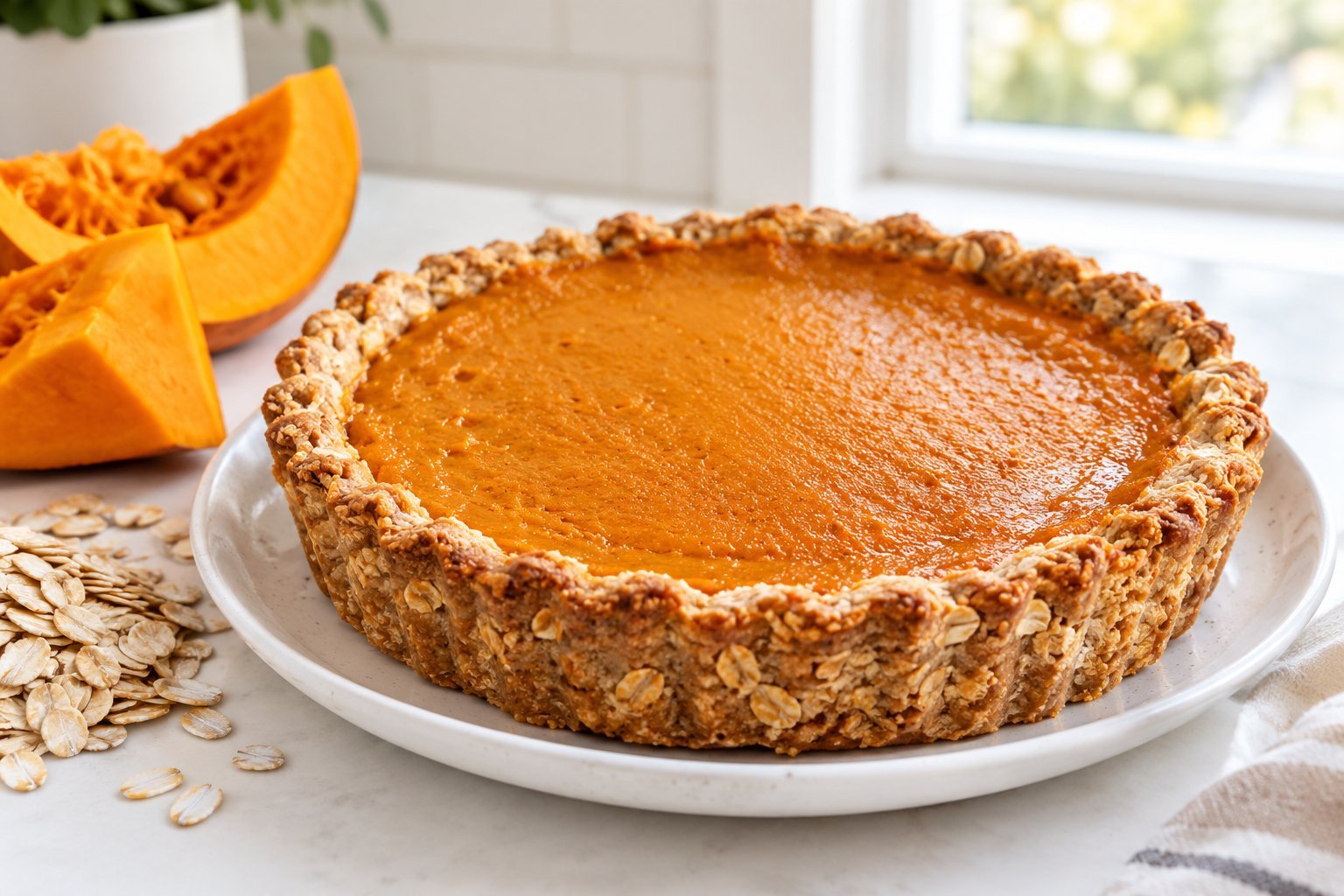
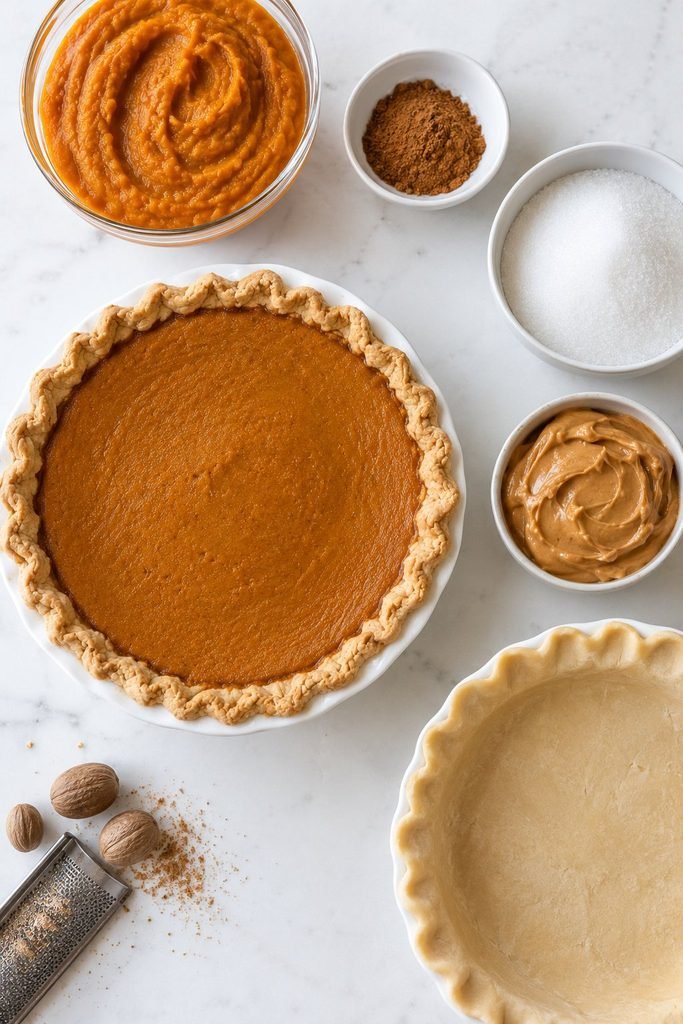
Last October, I made a pumpkin pie for a family get-together and set it on the counter to cool.
By the time I turned back around, my beagle had both front paws on a chair, nose inches from the crust, looking at me with the kind of guilt-free confidence only a beagle can manage.
I didn’t let him have any, obviously, human pumpkin pie is loaded with sugar, cinnamon in large amounts, nutmeg, and a buttery crust that’s rough on a dog’s stomach. But it got me thinking: there’s no reason he couldn’t have a version made just for him.

That fall, I made my first batch of dog-safe pumpkin pie. No sugar, no nutmeg, no risky crust ingredients, just real pumpkin and a few safe, simple additions baked into something that actually holds together like a pie. He finished his slice before I’d finished mine.
This guide covers everything you need to make pumpkin pie for your dog safely, why pumpkin is genuinely good for them, which ingredients to avoid completely, and several full recipes depending on what kind of treat you’re after, from a simple baked pie to bite-sized frozen pumpkin cups.
Can Dogs Eat Pumpkin Pie?
Not the kind made for people. Traditional pumpkin pie typically contains:
- Sugar, in amounts far beyond what’s healthy for a dog
- Nutmeg, which is toxic to dogs in larger quantities and present in most pie spice blends
- Evaporated or condensed milk, which can cause digestive upset in dogs who are lactose sensitive
- A butter-based crust, high in fat and difficult for many dogs to digest
- Cinnamon, which is safe in small amounts but often used more heavily than a dog should have
Plain pumpkin, on the other hand, is not only safe for dogs, it’s something many vets actively recommend in small amounts. The trick is rebuilding “pie” around that one safe core ingredient instead of borrowing a human recipe and hoping for the best.
Why Pumpkin Is Good for Dogs
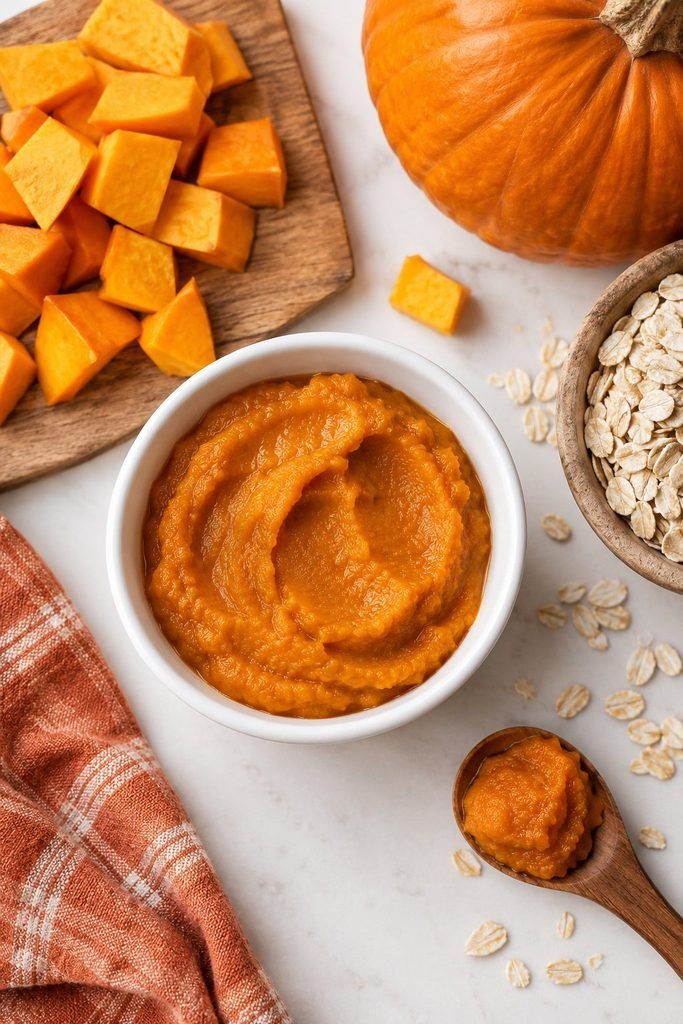
Pumpkin shows up constantly in homemade dog treat recipes for good reason.
Supports Digestion
Pumpkin is high in soluble fiber, which can help firm up loose stool and, in different amounts, also ease mild constipation. It’s one of the most commonly recommended home remedies for minor digestive upset.
Low in Calories
Compared to many treats, plain pumpkin is low-calorie, which makes it a reasonable option even for dogs managing their weight.
Source of Vitamins
Pumpkin contains vitamin A, which supports eye health and immune function, along with smaller amounts of vitamin C and potassium.
Hydrating
Pumpkin puree has a high water content, which adds a small amount of extra hydration to a treat, something dry treats don’t offer.
Ingredients That Are Safe
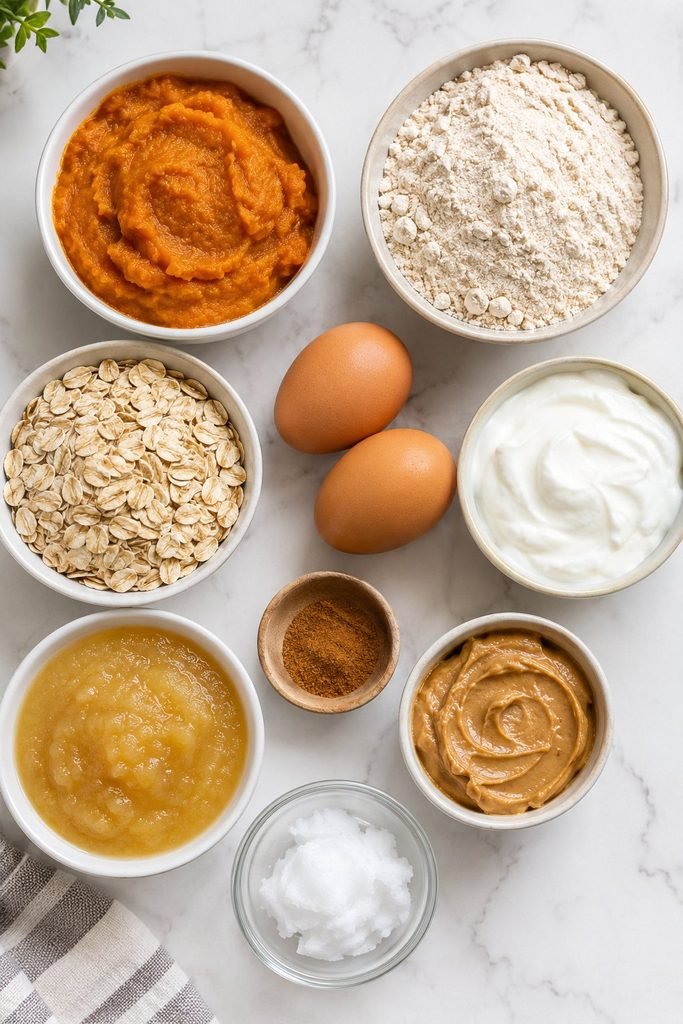
| Ingredient | Why It Works |
|---|---|
| Plain pumpkin puree (not pie filling) | The core ingredient; fiber and vitamins |
| Plain oat flour or rolled oats | Safe, gentle binder and crust base |
| Eggs | Help bind the filling and crust |
| Plain Greek yogurt (unsweetened, no xylitol) | Adds creaminess, good topping option |
| Unsweetened applesauce | Adds natural sweetness without sugar |
| Cinnamon (small amount) | Safe in small quantities, adds warmth |
| Peanut butter (unsweetened, no xylitol) | Flavor boost, use sparingly due to fat content |
| Coconut oil (small amount) | Optional, adds richness to the crust |
Ingredients to Avoid Completely
- Pumpkin pie filling (as opposed to plain puree) — contains added sugar and spices
- Nutmeg — toxic to dogs in quantity, and even small repeated amounts aren’t worth the risk
- Refined sugar — unnecessary and unhealthy for dogs in any dessert
- Xylitol — found in some peanut butters and “sugar-free” products; extremely toxic to dogs
- Chocolate — never appropriate in any dog treat
- Evaporated or condensed milk — too rich and often triggers digestive upset
- Store-bought pie crust — typically made with butter, sugar, and sometimes preservatives not meant for dogs
- Raisins or grapes — sometimes used as pie garnish for humans; toxic to dogs
Always check pumpkin puree labels specifically. Some brands blend in spices by default, so look for one that lists only pumpkin as the ingredient.
Essential Tools
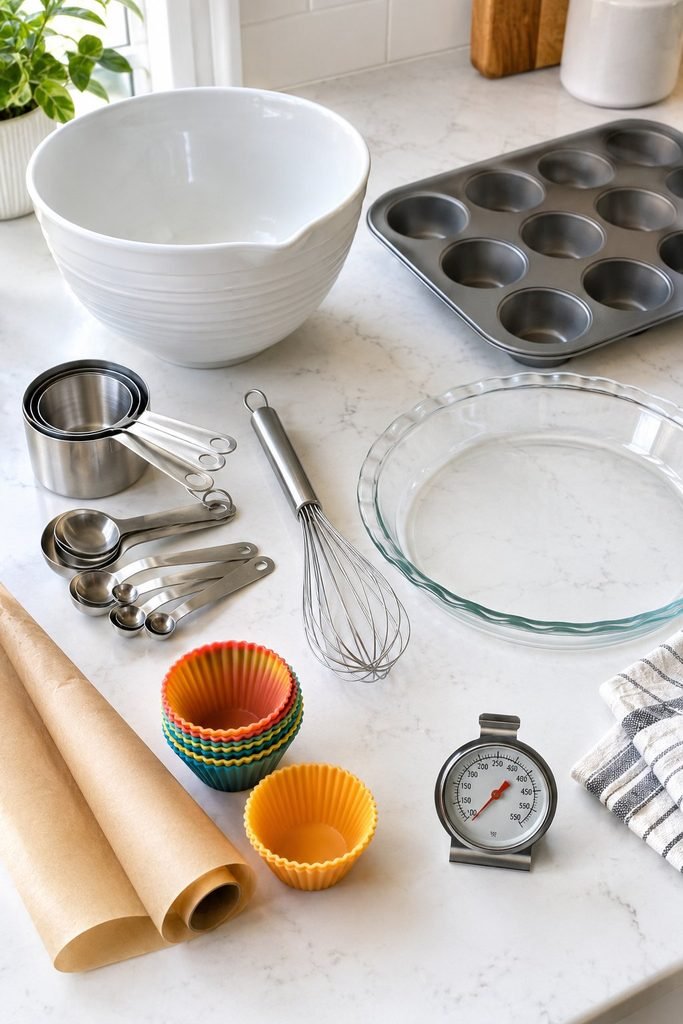
- Mixing bowls
- A 9-inch pie pan or a muffin tin for mini portions
- Measuring cups and spoons
- A hand mixer or whisk
- Parchment paper, to prevent sticking
- Silicone muffin molds, ideal for frozen versions
- An oven thermometer, for consistent baking results
The Recipes
1. Classic Baked Dog-Safe Pumpkin Pie
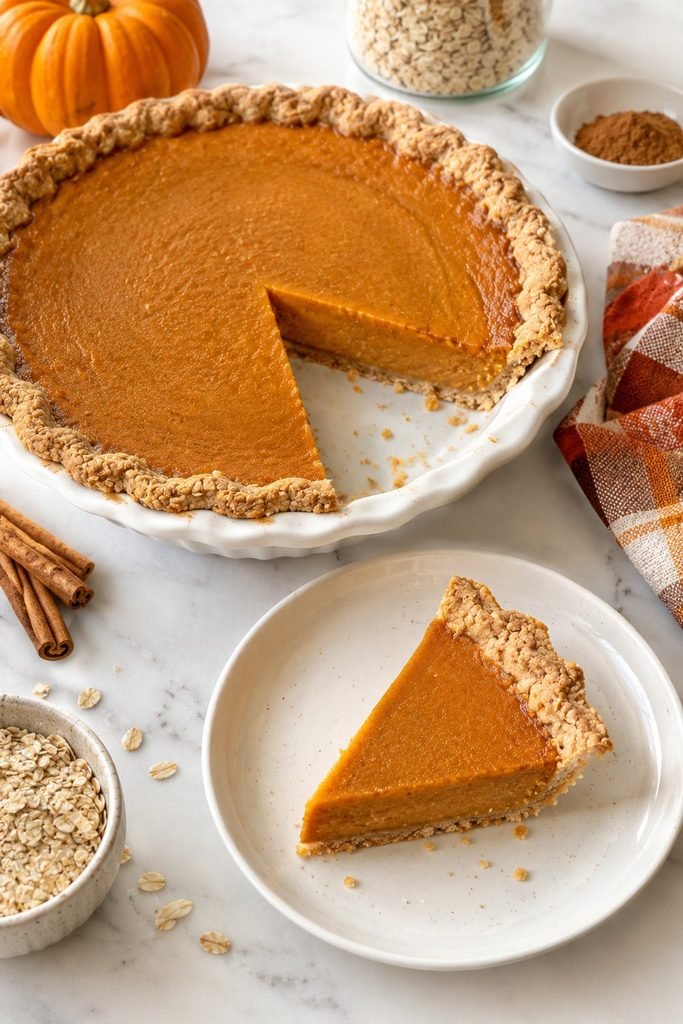
A full-sized pie, best sliced and portioned out over several days or shared among multiple dogs.
Prep time: 15 minutes Cook time: 35 minutes Servings: Approximately 8 slices
Crust Ingredients
- 1 1/2 cups oat flour
- 1/4 cup coconut oil, melted
- 2 tbsp water
Filling Ingredients
- 1 1/2 cups plain pumpkin puree
- 2 eggs
- 1/4 cup unsweetened applesauce
- 1/2 tsp cinnamon
Instructions
- Preheat oven to 350°F.
- Mix oat flour, melted coconut oil, and water until a soft dough forms.
- Press the dough evenly into a pie pan, building up slightly along the edges.
- In a separate bowl, whisk together pumpkin puree, eggs, applesauce, and cinnamon until smooth.
- Pour the filling into the crust.
- Bake for 30–35 minutes, until the filling is set and no longer jiggles in the center.
- Cool completely before slicing and serving.
Storage: Refrigerate up to 5 days in a sealed container. Freezing: Freezes well for up to 2 months; slice before freezing for easy portioning. Estimated calories: ~70 per slice (1/8 of pie) Best for: Sharing across multiple dogs, special occasions, holiday treats Substitutions: Almond flour can replace oat flour if your dog tolerates it well Serving note: Treat as an occasional dessert, not a daily food, due to calorie content.
2. Mini Pumpkin Pie Bites (Muffin Tin Method)
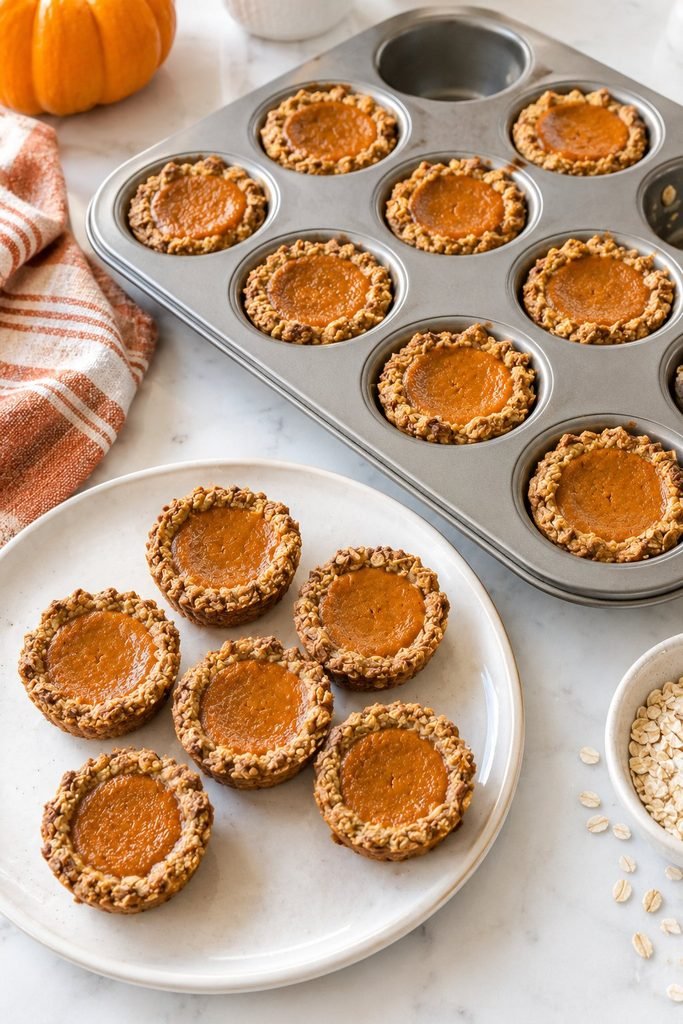
Individually portioned, easy to grab-and-go, and simpler to bake evenly than a full pie.
Prep time: 10 minutes Cook time: 20 minutes Servings: 12 mini pies
Ingredients
- 1 cup plain pumpkin puree
- 1 egg
- 1/2 cup rolled oats, finely ground
- 1 tbsp unsweetened peanut butter (xylitol-free)
Instructions
- Preheat oven to 350°F and line a muffin tin with silicone liners or lightly grease it.
- In a bowl, mix pumpkin puree, egg, ground oats, and peanut butter until fully combined.
- Spoon the mixture evenly into the muffin tin, filling each cup about three-quarters full.
- Bake for 18–20 minutes, until set and lightly firm to the touch.
- Cool completely before removing from the tin.
Storage: Refrigerate up to 5 days. Freezing: Freezes well for up to 2 months. Estimated calories: ~30 per mini pie Best for: Small dogs, portion-controlled treating, training rewards Substitutions: Unsweetened applesauce can replace peanut butter for a lower-fat version Serving note: A great option when you want treat-sized portions rather than a full dessert.
3. No-Bake Frozen Pumpkin Pie Cups
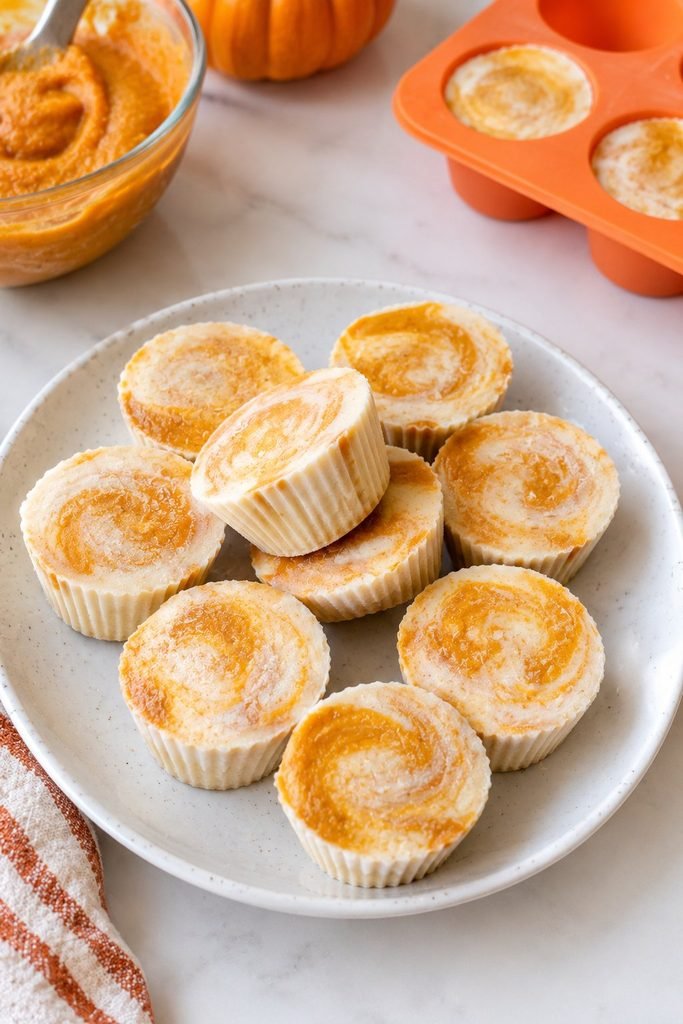
A cool, refreshing version that’s especially popular in warmer weather or as a lighter treat.
Prep time: 10 minutes Freeze time: 3–4 hours Servings: 10–12 cups
Ingredients
- 1 cup plain pumpkin puree
- 1/2 cup plain Greek yogurt (unsweetened, no xylitol)
- 1 tbsp unsweetened applesauce
- Pinch of cinnamon
Instructions
- In a bowl, whisk together pumpkin puree, Greek yogurt, applesauce, and cinnamon until smooth.
- Spoon the mixture into a silicone mold or small paper cups.
- Freeze for 3–4 hours, or until fully solid.
- Pop out of the molds and store in a sealed container in the freezer.
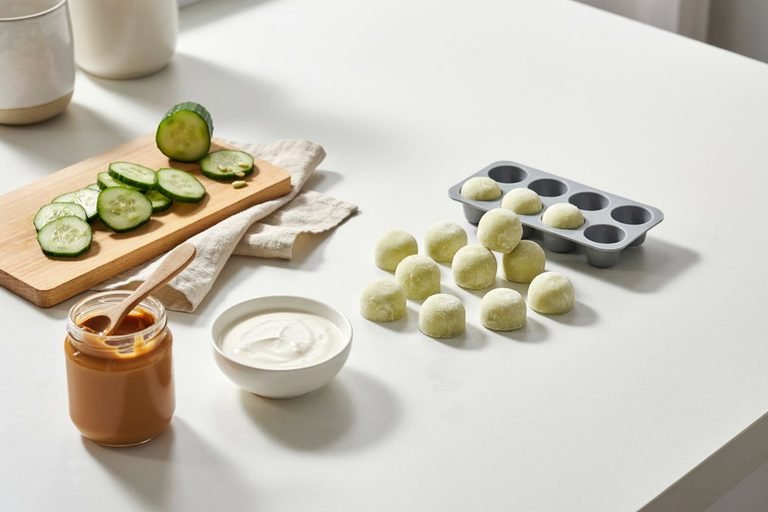
Storage: Keep frozen; thaw individual portions for about 10 minutes before serving. Freezing: Keeps well for up to 2 months. Estimated calories: ~15 per cup Best for: Hot weather, dogs who enjoy frozen treats, low-calorie options Substitutions: Plain cottage cheese can replace Greek yogurt Serving note: A good lower-calorie alternative to the baked versions above.
How Much Pumpkin Pie Can Dogs Have?
Even a dog-safe recipe is still a treat, not a meal, and should be portioned accordingly.
| Dog Size | Suggested Serving |
|---|---|
| Small dogs (under 20 lbs) | 1 mini bite or 1 frozen cup |
| Medium dogs (20–50 lbs) | 1–2 mini bites, or a small slice of full pie |
| Large dogs (50+ lbs) | 2–3 mini bites, or a standard slice of full pie |
As a general guideline, treats, including homemade ones, shouldn’t make up more than about 10% of a dog’s daily calorie intake. For dogs with diabetes, pancreatitis, or weight management needs, check with your vet before adding any pumpkin pie treat to their routine.
Storage Guide
- Refrigerator: Baked versions keep 5 days in a sealed container; frozen cups should stay frozen until just before serving.
- Freezer: Both baked and frozen versions keep well for up to 2 months.
- Thawing: Thaw baked portions overnight in the fridge; frozen cups only need about 10 minutes at room temperature before serving.
- Signs it’s spoiled: An off smell, visible mold, or a notably sour taste in the yogurt-based version. When unsure, don’t serve it.
Common Mistakes to Avoid
- Using pumpkin pie filling instead of plain puree. The filling contains added sugar and spices not meant for dogs.
- Adding too much cinnamon. A pinch is fine; a tablespoon is not.
- Using a store-bought crust. Most contain butter, sugar, and sometimes preservatives that aren’t dog-safe.
- Using sweetened yogurt or peanut butter. Always check the label for xylitol, which is extremely toxic even in small amounts.
- Serving a full slice as a regular snack. These recipes are treats, not substitutes for balanced meals.
A Roundup of More Fall Flavored Treats
If you’re building out a seasonal lineup, these other fall recipes are worth adding alongside this one.
Perfectly Baked Apple Pie Dog Treats brings that same pie inspired flavor using grated apple and cinnamon in a crunchy biscuit.
Cinnamon Roll Overs Dog Treats are a fun, spiral shaped treat with a light cinnamon topping.
Carrot Cake Dog Treats offer a cake inspired option with a light cream cheese topping, great for a fall birthday.
Homemade Apple Crisp Cracker Dog Treats bring a crisp, cracker like crunch with apple and oats.
Frequently Asked Questions
Can dogs eat canned pumpkin? Yes, as long as it’s 100% plain pumpkin puree with no added sugar or spices, not pumpkin pie filling.
Can dogs have cinnamon? In small amounts, yes. A pinch in a full recipe is safe; larger amounts aren’t necessary and can cause stomach upset.
Is nutmeg really that dangerous for dogs? Yes. Nutmeg contains a compound called myristicin that can cause symptoms ranging from stomach upset to tremors and seizures in larger amounts. It’s safest to leave it out of dog treats entirely.
Can puppies eat pumpkin pie treats? In very small amounts, generally yes, but check with your vet first, especially if your puppy is still being introduced to new foods.
Can I use pumpkin pie spice blend instead of individual spices? No. Most pre-made pie spice blends include nutmeg and sometimes clove, both of which should be avoided.
Can dogs eat the crust? Only a dog-safe crust like the oat flour version in this guide. A traditional butter-based crust is too rich and unnecessary for a dog’s treat.
How long does homemade pumpkin pie for dogs last? About 5 days refrigerated, or up to 2 months frozen, depending on the recipe.
Can diabetic dogs have pumpkin pie treats? Only with veterinary guidance. Even sugar-free versions contain natural carbohydrates that need to be factored into a diabetic dog’s diet.
Final Thoughts
Pumpkin pie doesn’t have to be a once-a-year treat your dog only gets to smell from a distance.
With a few safe swaps, real pumpkin instead of pie filling, oats instead of a buttery crust, and no added sugar or nutmeg, it’s easy to make a version that’s just as exciting for your dog as the original is for you.
Start with the mini bites if you’re testing the waters, and work your way up to a full pie for the next holiday get-together. Your dog won’t know the difference, except that this time, they actually get a slice.
More Homemade Treat Ideas
For even more fall inspired baking, check out Homemade Pumpkin Dog Treats and 7 Healthiest Homemade Dog Foods.