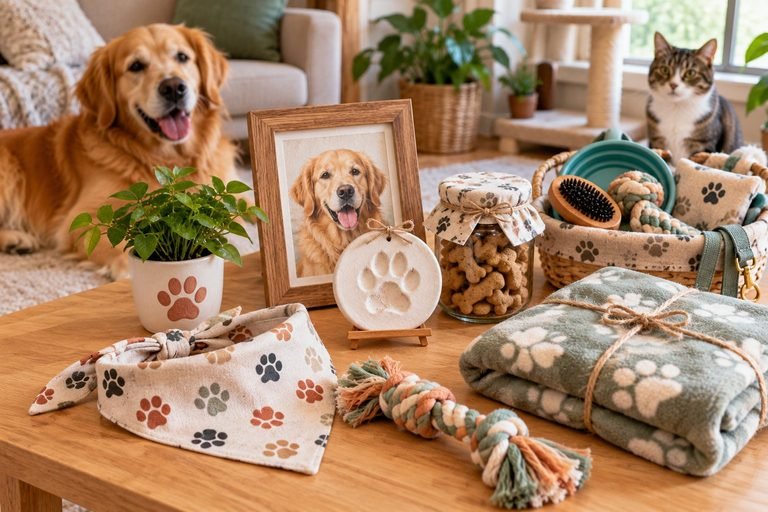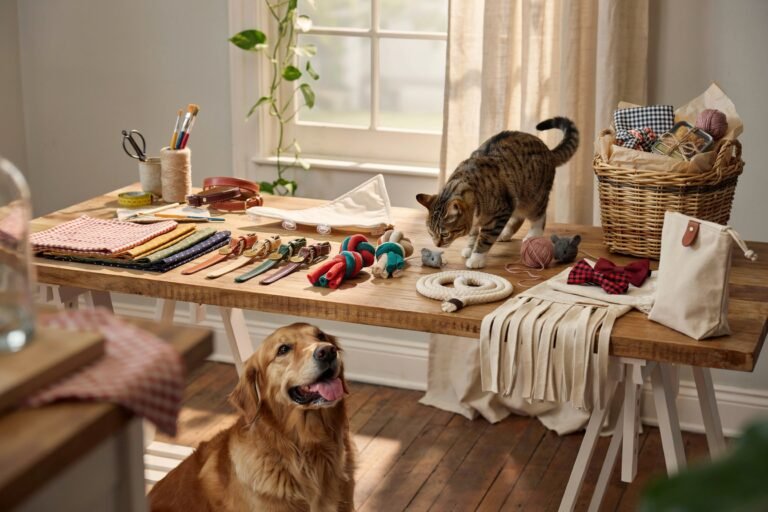
Make Dog Crafts That Pet Owners Will Buy
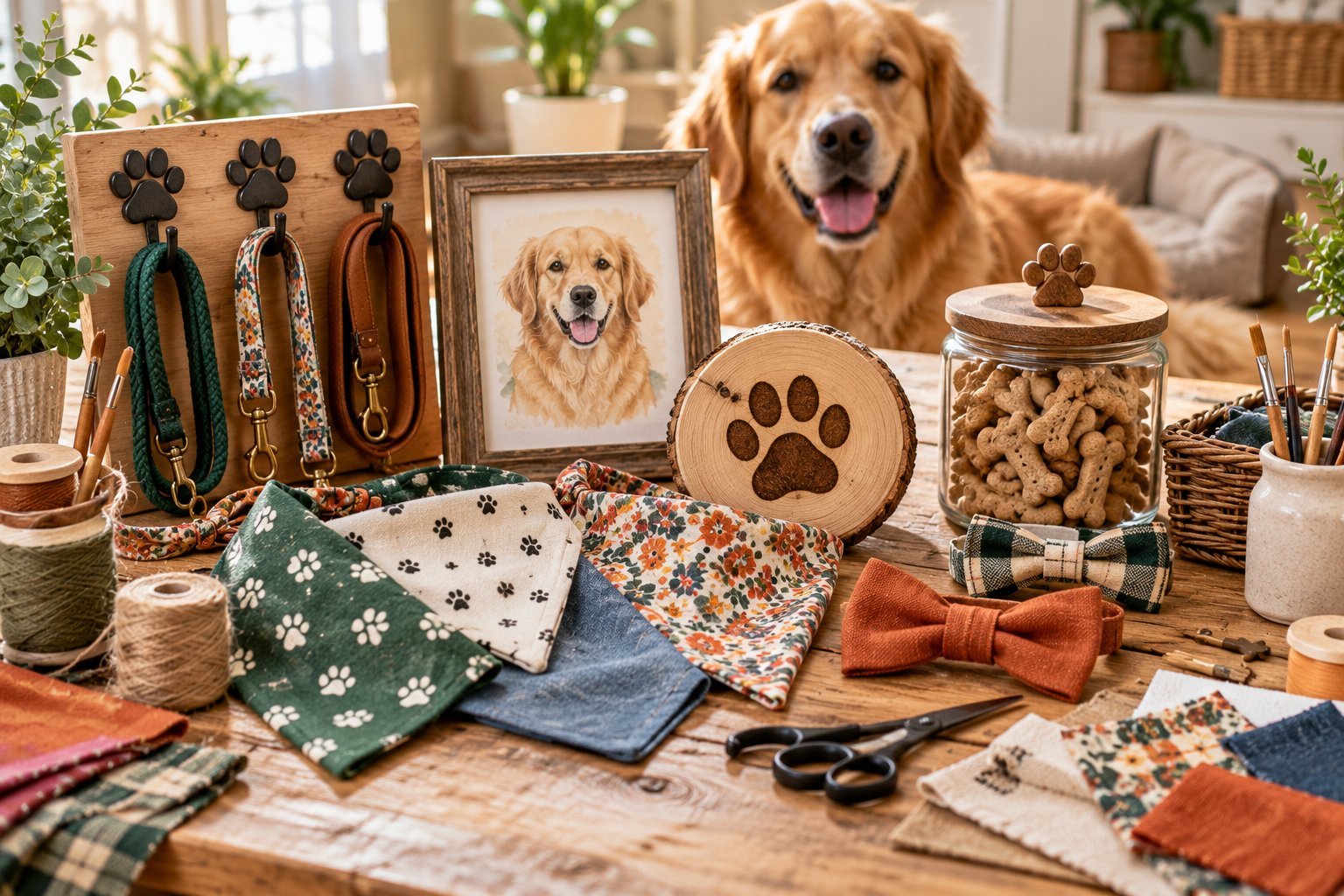
Dog lovers enjoy finding creative ways to celebrate their pets, and handmade products can make those moments even more special.
From personalized dog bandanas and paw print keepsakes to decorative leash holders and custom pet ornaments, there are plenty of dog crafts that can appeal to buyers looking for thoughtful gifts or useful accessories.
The key is choosing projects that look attractive, serve a purpose, and are practical enough to make without spending too much on supplies.
If you are thinking about starting a small handmade business, dog crafts can be a promising place to explore.
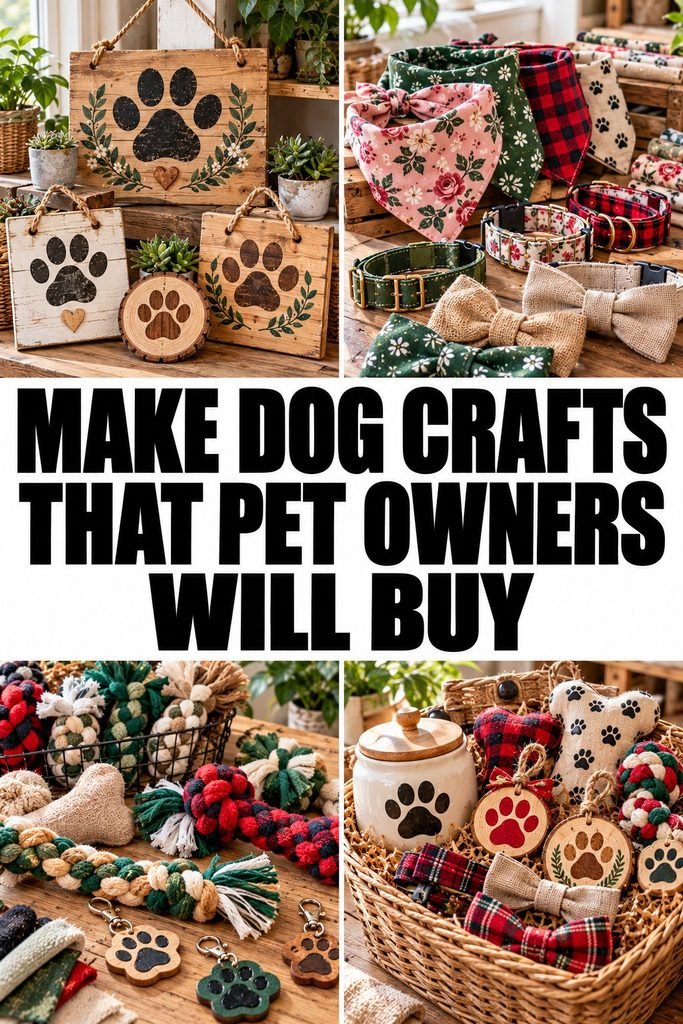
You can begin with a few simple designs, test what people respond to, and gradually develop products that reflect your style.
I would focus on crafts that combine personalization with everyday usefulness because pet owners often appreciate items made specifically for their dogs.
In this guide, you will discover creative dog crafts to make and sell, the materials you may need, and practical ways to make your products stand out.
Whether you sell at local markets, through an online shop, or on handmade marketplaces, these ideas can help you get started.
Easy Dog Crafts to Make and Sell
1. Personalized Dog Bandanas
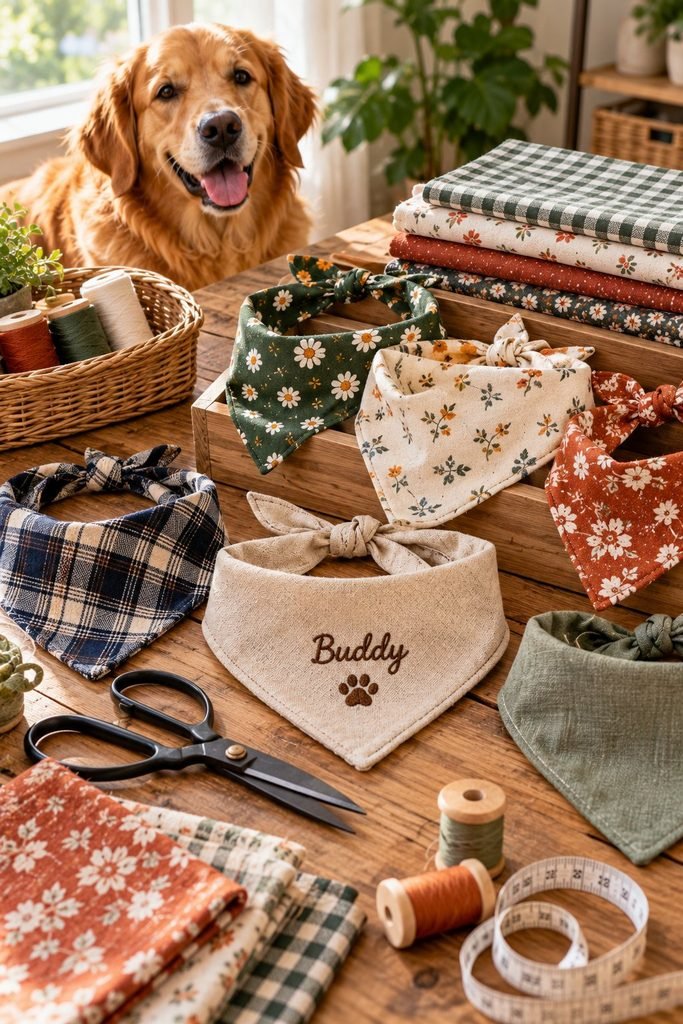
Personalized dog bandanas are a great craft to consider if you want to make something attractive, useful, and relatively simple to customize.
They can be designed for birthdays, holidays, family photographs, everyday walks, or special occasions such as welcoming a new puppy.
One reason this product is worth exploring is that you can create several styles without changing the basic design.
Different fabrics, patterns, colors, names, and seasonal themes give customers plenty of choices.
For example, you could make a classic plaid bandana for everyday use, a floral version for spring, or a birthday bandana featuring the dog’s name.
Matching designs for multiple pets in the same household can also make an appealing product option.
Materials You Need
To make a basic fabric dog bandana, gather:
- Cotton fabric in your chosen prints and colors.
- Fabric scissors or a rotary cutter.
- A measuring tape or ruler.
- Matching thread and a sewing machine or hand sewing supplies.
- Fabric marking chalk.
- Optional personalization materials, such as suitable fabric lettering or embroidery supplies.
Choose fabric that is comfortable against a dog’s coat and easy for the owner to wash. Avoid rough edges, loose embellishments, and decorations that could become choking hazards.
How to Make a Dog Bandana
Start by measuring the dog’s neck area and deciding how the bandana will attach.
A simple over the collar design is often practical because it slides over the dog’s existing collar rather than requiring a separate fastening system.
Cut your fabric according to the intended design, allowing extra material for seams. Fold and press the edges, then sew them neatly to create a finished appearance.
If you are making an over the collar bandana, create a suitable channel that accommodates the intended collar width.
Before selling the finished product, inspect every seam and check that the collar channel is wide enough. The bandana should not interfere with the dog’s collar fit, identification tag, or movement.
For personalization, consider embroidered names or securely applied fabric lettering. Wash the finished item according to its care instructions to make sure the fabric and decoration hold up properly.
How to Make Your Bandanas More Appealing to Buyers
Offer a small selection of coordinated designs instead of producing too many variations at once.
Seasonal prints, neutral everyday colors, birthday themes, and personalized name options give customers a useful starting point.
Take clear photographs showing the bandana on a comfortable, appropriately supervised dog. Include close ups of the stitching, fabric pattern, and personalization so buyers can understand the quality of the product.
Selling tip: Offer several sizes and publish clear measurement instructions. A bandana that looks attractive but does not fit properly can lead to disappointed customers. Avoid claiming that a design fits every breed or neck size.
Best for: Beginners, sewing enthusiasts, pet gift sellers, and handmade businesses looking for a customizable product.
2. Handmade Paw Print Keepsakes
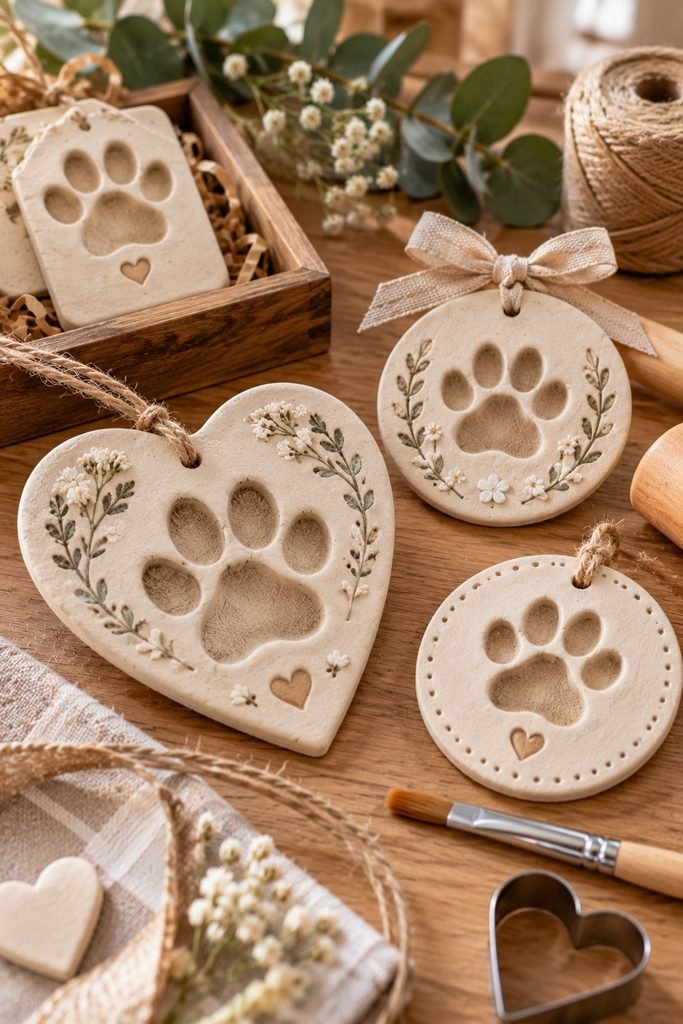
Paw print keepsakes appeal to people who want to preserve a memory of their dog or celebrate a special moment. They can be purchased as gifts for new puppy owners, birthdays, adoption anniversaries, or remembrance occasions.
Unlike everyday accessories, keepsakes are often chosen because of their emotional meaning. A carefully presented paw print ornament, framed impression, or personalized plaque can become a treasured item for a pet owner.
There are several ways to create these products, depending on your crafting skills and the materials available. You could make a decorative plaque with a paw print design, a framed artwork featuring a dog’s name, or a keepsake using a suitable pet safe impression kit.
Materials You Need
For a decorative paw print craft, you may need:
- Air dry clay or another material specifically suitable for the intended keepsake.
- A rolling pin and a smooth work surface.
- A paw shaped cutter or another suitable shaping tool.
- Letter stamps for names or dates.
- Ribbon or hanging hardware appropriate for the finished item.
- Paint or sealant that is suitable for the craft material and fully cured before handling.
If you are taking an actual impression of a dog’s paw, use only materials specifically confirmed to be safe for that purpose. Never force a dog to participate, and stop if the animal shows signs of stress. A decorative paw print made with a stamp or stencil is a useful alternative when direct contact is unsuitable.
How to Create a Decorative Paw Print Keepsake
Begin by preparing the clay or chosen crafting material according to its instructions. Roll it to an even thickness, then shape it into a circle, heart, or plaque.
Create the paw design with a suitable stamp or shaping tool. If you want to include a name or date, position the lettering carefully before the material hardens.
Allow the keepsake to dry or cure according to the manufacturer’s directions. Once fully set, finish it with suitable decorative details and add hanging hardware if the design requires it.
Check the finished item for sharp edges, cracks, loose components, and weak hanging points. These products are intended as decorations, so market them clearly as keepsakes rather than dog toys.
Ways to Personalize Paw Print Crafts
Personalization can help distinguish your products from generic decorations. Consider offering a dog’s name, adoption year, a short message, or a choice of shapes and colors.
You can also develop gift packaging with a small card explaining how the item was made and how to care for it. For remembrance products, use thoughtful language and avoid making assumptions about a customer’s circumstances.
Selling tip: Photograph the finished keepsake against a simple background and include a close up of the lettering and texture.
Explain whether the product uses an actual impression, a stamped design, or a printed paw illustration so buyers know exactly what they are purchasing.
Best for: Gift makers, personalized craft sellers, and businesses creating keepsakes for dog lovers.
3. DIY Dog Leash Holders
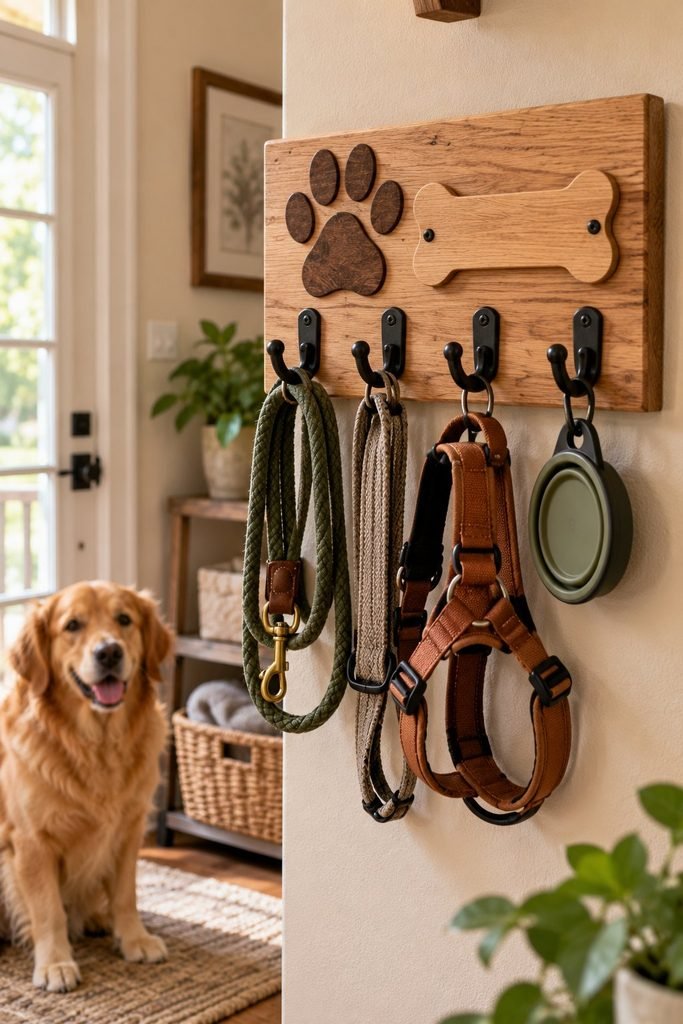
A handmade dog leash holder combines decoration with everyday usefulness. Pet owners often need a convenient place to keep leads, harnesses, and walking accessories, particularly in busy households where small items can easily be misplaced.
This craft can be customized to match different home styles, from farmhouse inspired wooden signs to minimalist wall hooks and colorful personalized designs. It can also be sold as a gift for someone who has recently adopted a dog.
The most important part of this project is making sure the finished holder is sturdy enough for its intended use. A decorative board may look beautiful, but weak hooks or poor mounting hardware can make it impractical.
Materials You Need
Gather the following supplies:
- A suitable wooden board or sturdy base.
- Sandpaper and an appropriate finish.
- Hooks designed for the intended load.
- Screws and compatible mounting hardware.
- Paint, stencils, or lettering materials.
- Measuring tools and a screwdriver or drill.
Choose a board that is free from significant cracks and splinters. Sand the edges carefully, and use finishes suitable for indoor decorative products. Follow all curing and ventilation instructions before packaging the item.
How to Make a Leash Holder
Start by deciding how many hooks the holder needs. A design with two or three hooks may suit a household with one dog, while a larger version may work for owners with several pets.
Sand the board until the surface is smooth. Apply your chosen paint or finish, allowing it to dry fully before adding lettering or decorative elements.
Measure the spacing for the hooks and install them securely using hardware appropriate for the board. The mounting system should also be suitable for the wall type on which the holder will be installed.
Personalize the front with a dog’s name, a paw print motif, or a simple phrase about walking. Keep the lettering easy to read and leave enough room around the hooks for practical use.
How to Make Your Design Stand Out
Consider offering several finishes, such as natural wood, white paint, or dark stained wood. Buyers can then select a design that suits their entryway, mudroom, or utility area.
You could also offer different hook arrangements for leashes, harnesses, collars, and small walking accessories.
However, state the intended use and avoid claiming a weight capacity unless you have properly tested the complete product and mounting arrangement.
Selling tip: Include photographs showing the holder installed in a real home, along with a clear image of the hooks and finish.
Provide the dimensions, mounting requirements, included hardware, and any installation limitations in the product description.
Best for: Woodworking beginners, DIY enthusiasts, home decor sellers, and makers who want to offer practical dog themed gifts.
Creative Dog Crafts With Personalization and Gift Appeal
4. Decorate Personalized Dog Treat Jars
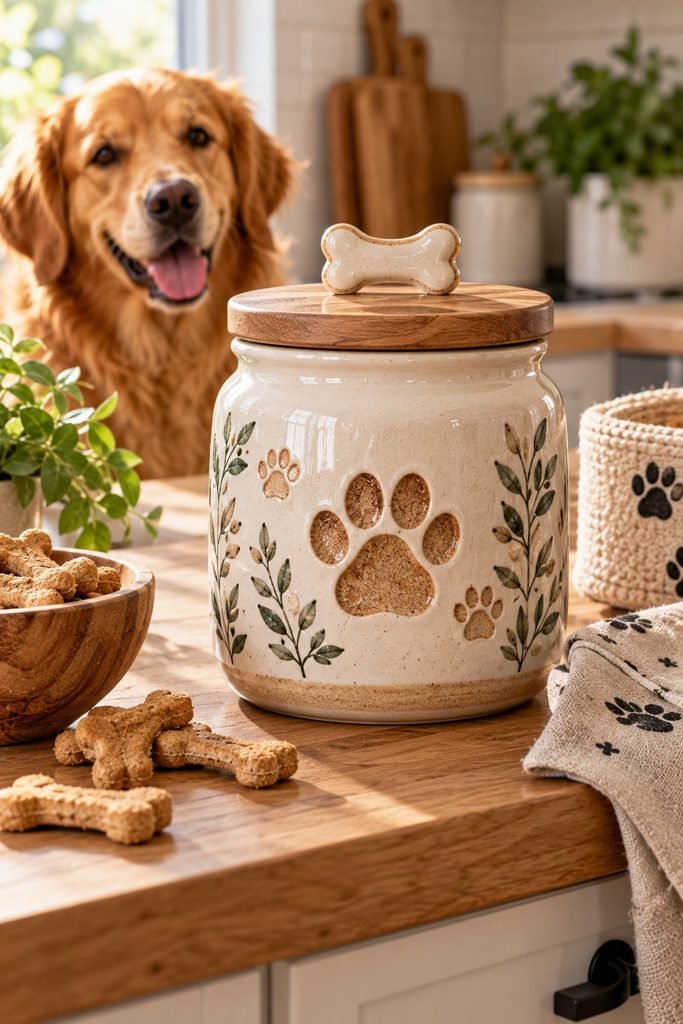
Personalized dog treat jars are a practical craft that combines pet accessories with home decor.
Many dog owners keep treats near the kitchen, feeding station, or entryway, so a well designed jar can be both useful and attractive.
This project is also flexible because you can create different styles without changing the basic method.
A clear glass jar with a simple name label may appeal to someone who prefers minimalist decor, while a painted container with paw print details might suit a more playful home.
I would focus on making the jar easy to clean, simple to open, and attractive enough to display on a shelf or countertop.
Buyers should be able to tell immediately that the product is intended for storing dog treats.
Materials You Need
Gather these supplies before starting:
- A food safe storage jar with a secure lid.
- Suitable adhesive vinyl or a compatible labeling material.
- A cutting machine or scissors, depending on your design.
- A ruler and transfer tape if required.
- Decorative materials suitable for the outside of the container.
- A cleaning cloth and appropriate surface preparation supplies.
Choose a container with a smooth surface and an opening that makes it easy to access the treats. If you use glass, consider the weight and breakage risk, particularly in homes with children or large dogs.
How to Make a Personalized Treat Jar
Start by cleaning the outside of the container and allowing it to dry completely. Decide on the design before applying any lettering or decoration.
You could use the dog’s name, a simple paw print, or a short label such as “Dog Treats.” Measure the available space carefully so the lettering sits neatly on the front.
Apply the label according to the material manufacturer’s instructions. Smooth out air bubbles and check that the edges are firmly attached. If you paint the outside, use products suitable for the surface and allow them to cure fully before selling the finished item.
Keep decorative materials away from the inside of the container and any surface that will directly contact the treats. The container itself should be suitable for food storage.
How to Make Your Jars More Appealing
Offer different label styles, font choices, and color combinations. You could create matching sets for treats and dry food, provided each container is appropriate for its intended use.
Gift packaging can also make a difference. A simple protective box with a care card helps the product feel ready to give as a present.
Selling tip: Show the jar empty and filled with treats in separate photographs. Include the capacity, dimensions, materials, cleaning instructions, and any limitations. Make it clear whether the jar is glass, ceramic, or another material.
Best for: Personalized gift sellers, vinyl craft beginners, and makers who enjoy home decor projects.
5. Make Handmade Dog Toys
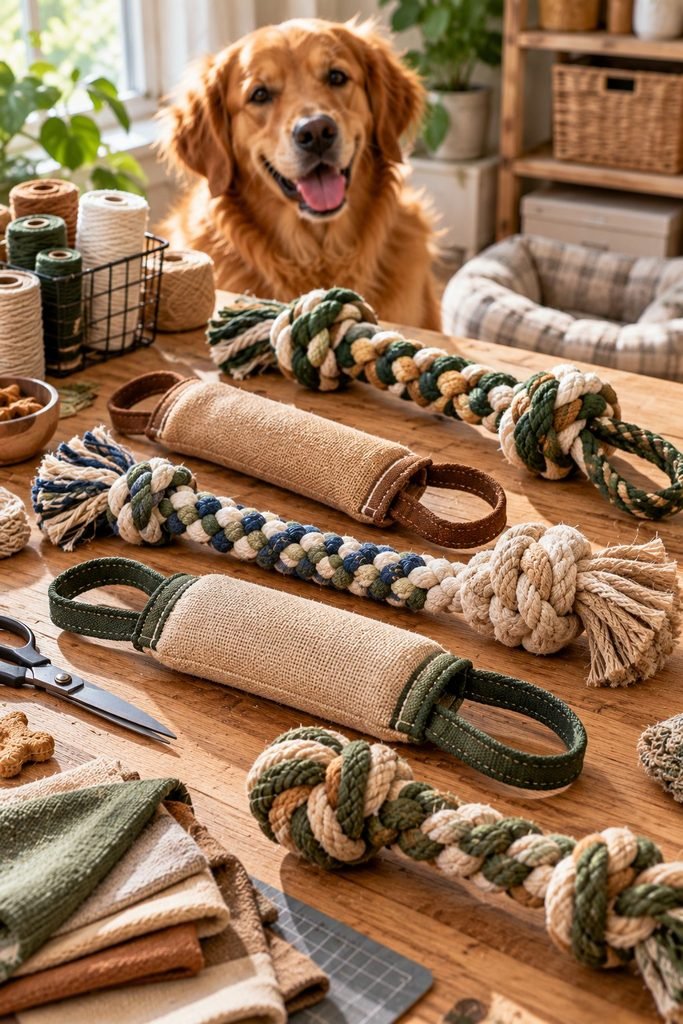
Handmade dog toys can be attractive products for pet owners, particularly when they offer interesting textures, appealing colors, and practical designs.
However, toys are different from ordinary decorative crafts because dogs may pull, chew, shake, and sometimes swallow parts of them.
If you want to sell dog toys, safety should come before appearance. A colorful product is not a good choice if it has weak stitching, loose decorations, small detachable parts, or materials that are unsuitable for chewing.
For beginners, a simple fabric tug toy or a basic braided design may appear easier to produce than a complex plush toy.
Even so, every design needs to be assessed for the type of dog and style of play it is intended to support.
Materials to Consider
Depending on the toy design, you might use:
- Durable fabric specifically suitable for the intended product.
- Strong thread and appropriate sewing equipment.
- Suitable braiding materials designed for pet products.
- Scissors and measuring tools.
- Packaging materials that explain the toy’s intended use.
Avoid materials with unknown coatings, toxic dyes, weak adhesives, or components that can easily detach. Do not assume that ordinary household rope, recycled fabric, or children’s craft materials are automatically safe for dogs.
How to Create a Simple Tug Toy
Choose a design intended for supervised tug play and select materials appropriate for the size and strength of the intended dog.
Cut the material to consistent lengths, then braid or assemble the pieces according to your design. Secure the ends using a method suitable for the material and intended use. Inspect the entire toy for loose fibers, weak joints, exposed sharp components, and parts that could be pulled free.
Before offering the toy for sale, evaluate the finished construction and establish clear limitations. A toy intended for gentle interactive play should not be advertised as indestructible or suitable for every dog.
No homemade toy is safe for every chewing style. Buyers should supervise play and remove the product if it becomes damaged.
How to Sell Handmade Dog Toys Responsibly
Use clear photographs to show the toy’s shape, size, texture, and construction. Explain whether it is designed for tugging, gentle play, or another specific purpose.
Include appropriate supervision instructions and advise buyers to choose a toy suitable for their dog’s size and behavior. Avoid unsupported claims such as “100 percent safe,” “unbreakable,” or “indestructible.”
If you are not confident that a design can withstand the intended type of play, consider making decorative dog themed crafts instead. A product that does not expose animals to unnecessary risk is more valuable than one that simply looks good.
Selling tip: Develop a consistent quality control process and research the applicable product safety and labeling requirements in the market where you intend to sell.
Best for: Experienced crafters, makers familiar with pet product materials, and small businesses willing to prioritize construction quality and safety.
6. Create Custom Pet Portraits
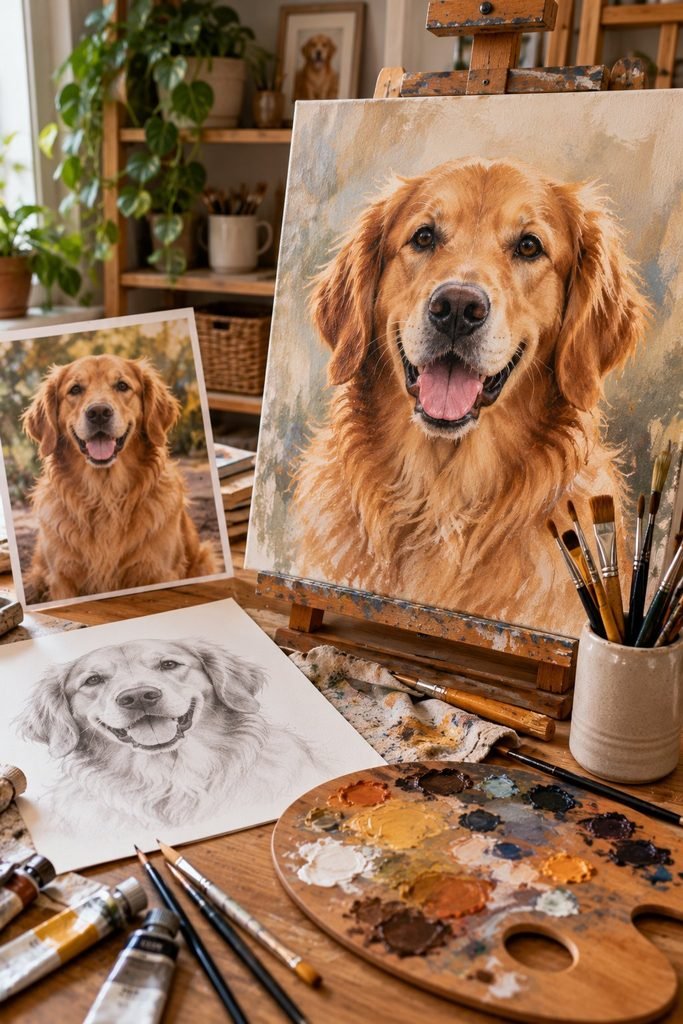
Custom pet portraits are a popular craft concept for people who want artwork featuring a beloved dog. They can be sold as birthday gifts, housewarming presents, adoption gifts, or memorial artwork.
Unlike some physical pet accessories, portrait products can be offered in several formats. You might create hand painted canvases, framed illustrations, watercolor style portraits, or digitally designed artwork printed on suitable materials.
This variety makes the idea accessible to different skill levels. If you enjoy painting, you can work directly on canvas or paper. If you prefer graphic design, you could create a digital illustration and arrange for professional printing.
The main selling point is personalization. Customers are not simply buying a generic picture of a dog. They want an artwork that resembles their own pet and reflects its personality.
Materials You Need
Your materials will depend on the format you choose. A hand painted portrait might require:
- Suitable drawing paper or canvas.
- Pencils and erasers.
- Paints and brushes.
- A reference photograph supplied by the customer.
- A suitable frame or protective packaging.
For digital artwork, you may need illustration software, a drawing tablet, or another tool that supports your preferred style. Printed products will also require a reliable printing service or suitable printing equipment.
How to Create a Personalized Pet Portrait
Ask the customer to provide a clear photograph of the dog. Ideally, the image should show the face or body in good lighting, with enough detail to identify the dog’s markings and features.
Confirm the preferred size, background, artistic style, and whether the customer wants the dog’s name included. Establish these details before beginning the artwork so both sides understand what will be delivered.
Create the portrait using the agreed style, paying particular attention to the dog’s eyes, coat markings, and facial proportions. If you work digitally, review the final image at the intended print size before sending it to production.
Package physical artwork carefully to protect it from bending, moisture, and surface damage. For digital files, explain the file format, resolution, permitted uses, and delivery method.
Ways to Make Your Portraits More Appealing
Offer a small number of clear styles instead of promising every possible artistic effect. For example, you could provide minimalist line drawings, colorful illustrated portraits, and realistic painted designs.
You might also offer optional backgrounds, multiple pets in one image, or personalized text. Make sure additional requests are reflected in your pricing and delivery time.
Always clarify how customer photographs will be used and stored. Obtain permission before sharing a customer’s pet portrait or reference photograph in your portfolio or on social media.
Selling tip: Build a portfolio using your own pets, photographs you have permission to use, or original sample illustrations. Buyers are more likely to trust a custom portrait service when they can see examples of your actual work.
Best for: Artists, illustrators, digital designers, and craft businesses specializing in personalized gifts.
More Dog Craft Ideas and How to Turn Them Into a Small Business
7. Make Personalized Dog Christmas Ornaments
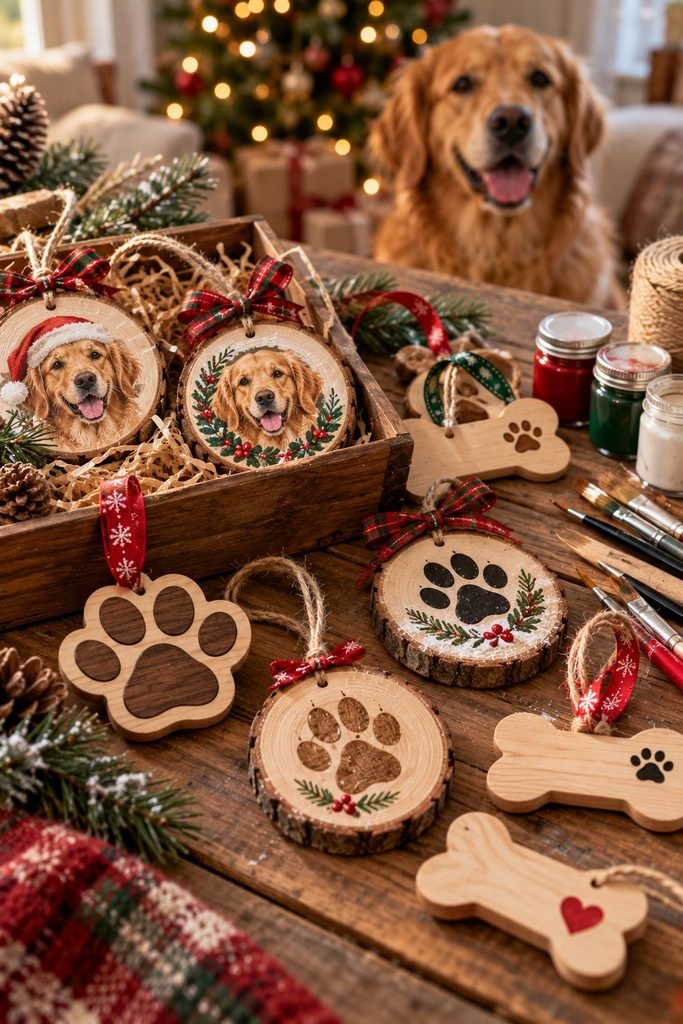
Personalized dog Christmas ornaments are a lovely craft idea for pet owners who want to include their dogs in holiday celebrations. They can also make thoughtful gifts for friends and family members who treat their pets as part of the household.
One advantage of this craft is that you can reuse the same basic design throughout the holiday season while changing the names, colors, and decorative details. You might create wooden paw print ornaments, personalized acrylic decorations, or clay ornaments featuring a dog’s name.
The key is to make the finished product look polished enough to hang on a Christmas tree or display on a decorative shelf.
Materials You Need
Depending on the design, you may need:
- Wooden blanks, acrylic shapes, or suitable ornament making materials.
- Paints and brushes appropriate for the chosen surface.
- Lettering materials or engraving tools.
- Ribbon or suitable hanging hardware.
- Protective packaging for shipping.
Choose materials that can be finished neatly and packaged securely. If you use acrylic, glass, or ceramic, consider the possibility of breakage and provide appropriate handling instructions.
How to Make a Personalized Ornament
Start with a simple shape, such as a circle, bone, or paw print. Prepare the surface according to the manufacturer’s instructions, then add your decorative design.
Include the dog’s name, a year, or a short holiday message. Keep the lettering clear and appropriately sized so it remains easy to read on a small ornament.
Allow paint, adhesives, and finishes to cure fully before packaging. Check the hanging hole and attachment point to ensure the ornament is suitable for its intended decorative use.
These ornaments should be marketed as decorations, not chew toys. Keep them out of reach of pets when they are not securely displayed.
How to Make Your Ornaments More Appealing
Offer a few color combinations, including neutral designs for minimalist homes and traditional holiday colors for customers who prefer a festive look.
You can also offer matching ornaments for multiple dogs in one household. A simple personalization form can help buyers provide the correct spelling of names and any dates they want included.
Selling tip: Begin preparing holiday products well before the busiest shopping period. Photograph each design clearly and state the dimensions, materials, customization options, and estimated processing time.
Best for: Seasonal craft sellers, personalized gift makers, and people who enjoy producing small decorative items.
8. Create Handmade Dog Bow Ties and Collar Accessories
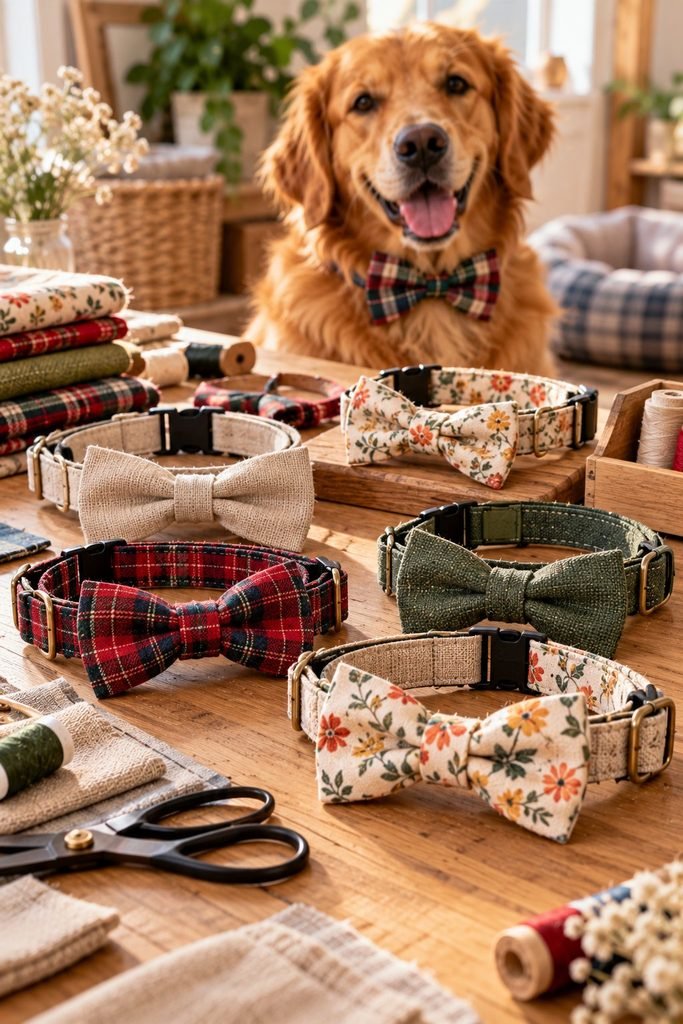
Dog bow ties and collar accessories can be attractive additions to a handmade pet product collection. They are often purchased for birthdays, photographs, celebrations, and everyday style.
This craft is particularly useful if you already make fabric bandanas because you may be able to use some of the same fabrics and sewing equipment. Matching accessories can also help you create a coordinated product collection without starting every project from scratch.
However, the attachment method is important. A bow tie should not restrict the dog’s movement, interfere with its collar, or contain loose components that could become dangerous if chewed.
Materials You Need
You may need:
- Fabric suitable for pet accessories.
- Matching thread and sewing supplies.
- Measuring tools and scissors.
- A secure attachment mechanism designed for the intended collar.
- Optional embroidery or suitable fabric lettering materials.
Choose soft materials and finish the edges carefully. Avoid sharp decorative components, loose beads, and attachments that can easily break away.
How to Make a Dog Bow Tie
Cut the fabric to the dimensions required for your design. Fold and sew the material to create a neat rectangular shape, then gather the center to form the bow.
Secure the center using a suitable fabric wrap or stitching method. Attach the finished bow tie to a properly fitted collar using an appropriate fastening system.
Inspect the stitching and attachment point carefully. Make sure the accessory cannot easily slide into a position that interferes with the dog’s movement or comfort.
Offer several sizes and explain how customers can check whether the accessory is suitable for their dog’s collar. The bow tie should be treated as a supervised fashion accessory rather than a chew toy.
How to Make These Accessories More Marketable
Develop a small collection of designs, such as classic plaid, floral prints, simple neutral colors, and birthday patterns.
Matching bandanas and bow ties can create a more complete product offering. You could also provide coordinated accessories for multiple pets.
Selling tip: Show the accessory attached to a suitable collar in your product photographs, but include a close up of the fastening mechanism as well. State the measurements and explain exactly what the buyer receives.
Best for: Sewing enthusiasts, pet fashion makers, and small handmade shops offering personalized dog accessories.
9. Design Personalized Dog Welcome Signs
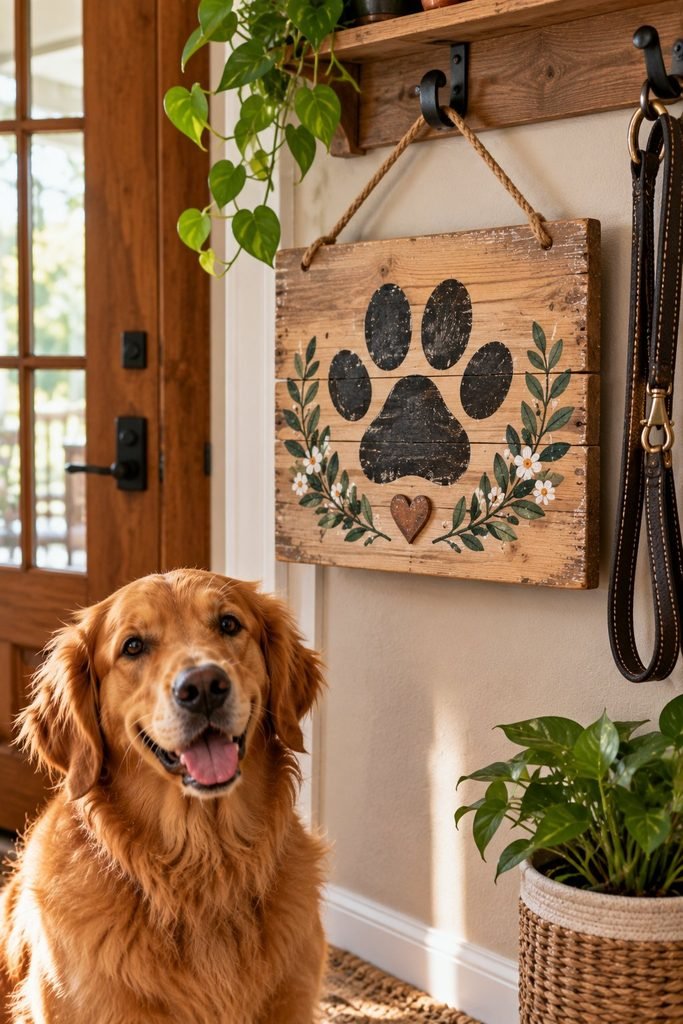
Personalized dog welcome signs are a useful option for crafters who enjoy working with wood, paint, stencils, or vinyl lettering.
They can be displayed near a front door, in an entryway, or in a dedicated pet area inside the home.
These signs can range from simple wooden plaques featuring a dog’s name to decorative pieces with paw prints and short messages.
Because the product is intended for display, you can focus on appearance, personalization, and the quality of the finish.
This craft can also complement dog leash holders and other pet themed home decor products.
Materials You Need
Depending on the style, you might use:
- A wooden plaque or suitable sign blank.
- Sandpaper and appropriate finishing products.
- Paint, stencils, or adhesive lettering.
- Measuring tools and brushes.
- Suitable hanging hardware.
- Protective packaging.
Choose a stable base and make sure the finish is appropriate for the intended indoor or outdoor use. If you plan to advertise the sign as weather resistant, use materials designed for that purpose and follow the manufacturer’s instructions.
How to Create a Dog Welcome Sign
Prepare the surface by sanding it if necessary and removing dust. Apply the base coat, allowing it to dry completely before adding the main design.
Add the dog’s name, a paw print, or a short welcome message. You can use stencils for consistent lettering or create a more artistic design by hand.
Finish the sign according to the material instructions, then attach suitable hanging hardware if required. Check for rough edges, loose components, and any areas where the lettering may peel.
How to Give Your Signs a Professional Look
Use a consistent layout with enough space around the lettering. Too many decorative elements can make a small sign look crowded.
Offer a limited number of fonts, background colors, and personalization options. Clear choices make it easier for customers to order and easier for you to produce each item consistently.
Selling tip: Photograph the sign in a realistic entryway or beside a leash holder. Include a separate close up that shows the finish and lettering, along with the exact dimensions and installation instructions.
Best for: DIY enthusiasts, woodcraft makers, and sellers who want to build a collection of dog themed home decor.
How to Price Your Dog Crafts for Profit
Creating attractive products is only one part of running a craft business. You also need to understand your costs and set prices that allow you to earn a reasonable return on your work.
A common mistake is pricing a handmade item based only on the cost of its materials. That approach can leave you underpaid because it ignores labor, packaging, equipment, platform fees, and other business expenses.
Calculate the Full Cost of Each Product
Start by adding up the materials required to make one item. Include fabric, paint, blanks, labels, packaging, and any components that are used up during production.
Next, estimate how much time it takes to complete the product. Include cutting, assembly, personalization, finishing, inspection, and packaging.
You should also account for relevant business expenses, such as marketplace fees, payment processing, shipping supplies, and equipment maintenance.
For example, if a product costs $4 in materials, requires $6 worth of labor at your chosen hourly rate, and uses $2 in packaging and allocated expenses, your total cost is $12 before any additional selling costs.
A selling price of $20 would leave $8 before any selling fees or other costs not already included in the calculation.
Research Similar Products
Look at products with similar materials, customization, quality, and size. Compare what other sellers actually offer rather than assuming that every item with the same general name is equivalent.
Do not automatically choose the lowest price. A personalized item with careful finishing, attractive packaging, and clear product information may appeal to a different customer than a mass produced alternative.
Start with a price that reflects your costs and the value of your work. Review the results after you have received feedback and gathered information about how long production takes.
Where to Sell Your Dog Crafts
You have several options for reaching people who buy handmade pet products. The right choice depends on your location, budget, available time, and the type of customer you want to reach.
Online Handmade Marketplaces
Marketplaces such as <Entity value=”Etsy” category=”company” disambig=”online marketplace for handmade and vintage goods”/> can help you reach shoppers looking for personalized gifts and handmade products. Before opening a shop, review the current seller rules, fees, payment availability, and shipping requirements for your country.
Use clear product titles, detailed descriptions, accurate measurements, and photographs that show the actual item. Explain which parts can be personalized and how buyers should submit their preferences.
Your Own Online Store
A dedicated website gives you more control over your branding, product presentation, and customer experience. You can organize your products into collections, offer matching accessories, and publish helpful articles about caring for handmade pet items.
However, you will need a plan for attracting visitors, processing payments, handling customer questions, and fulfilling orders. It is worth starting with a manageable product range before building a large catalog.
Social Media and Local Markets
Social platforms can help you show how products are made, present finished orders, and demonstrate personalization options. Short videos of the crafting process may be particularly useful for visually appealing items.
Local craft fairs, pet events, and community markets can also give you an opportunity to meet customers and receive feedback directly. Check the event rules and any relevant business requirements before selling.
How to Make Your Dog Crafts Stand Out
The handmade pet market includes many different products, so thoughtful presentation and consistent quality matter.
Offer meaningful personalization. Names, colors, dates, and coordinated designs can help customers find products that feel specific to their pets.
Use clear photographs. Show the full product, close up details, available variations, and the item in a realistic setting. Avoid editing photographs in ways that misrepresent the actual materials or colors.
Make ordering easy. Provide clear instructions for submitting names, measurements, photographs, or other information needed to customize an order.
Keep quality consistent. Use a repeatable production process and inspect every product before shipping. Check seams, edges, attachments, lettering, and packaging.
Package products carefully. Choose packaging that protects the item in transit and reflects the type of product you are selling. Decorative keepsakes may need more protection than fabric accessories.
Be honest about materials and safety. Explain how a product should be used, cleaned, stored, and supervised around pets. Avoid unsupported claims about durability, safety, or suitability for all dogs.
Frequently Asked Questions
What dog crafts are easiest to make and sell?
Personalized fabric bandanas, decorative paw print keepsakes, treat jars, and dog welcome signs can be accessible starting points, depending on your crafting skills and equipment.
Choose a product you can make consistently and price appropriately. It is often better to begin with a few well finished designs than to offer many products before you understand their costs.
Do I need sewing skills to make dog crafts?
No. Several options, including personalized treat jars, decorative signs, paw print artwork, and custom pet portraits, can be made without sewing.
If you want to create fabric accessories or sewn toys, basic sewing skills will help you produce consistent finishes. You can learn through practice, but allow time to test your designs before accepting customer orders.
Can dog crafts become a profitable small business?
They can generate income, but profitability depends on demand, production costs, pricing, marketing, and the time required to fulfill orders.
Calculate your costs before setting prices, and test a small collection to see which products attract genuine interest. Remember that revenue is not the same as profit.
What dog crafts make good gifts?
Personalized paw print keepsakes, custom pet portraits, dog Christmas ornaments, fabric bandanas, and engraved or painted welcome signs can make thoughtful gifts.
The best choice depends on the recipient’s preferences and the occasion. Make sure buyers understand the dimensions, materials, and personalization options before ordering.
How can I make my dog crafts look more professional?
Focus on neat finishing, consistent sizing, readable lettering, accurate product photographs, and protective packaging.
A small collection with a consistent visual style can look more polished than a large assortment of unrelated products. Clear descriptions and reliable communication also help establish customer confidence.
What should I avoid when making crafts for dogs?
Avoid small detachable decorations, sharp edges, toxic materials, weak fastenings, and components that could become choking hazards. Products intended for chewing or active play require particular care because dogs can damage them during use.
Decorative products should be clearly identified as decorations, while pet accessories should be designed for their intended purpose. Research applicable product safety requirements before selling items intended for animal use.
Final Thoughts
Making dog crafts that pet owners will buy starts with choosing products that combine thoughtful design, useful features, and reliable quality.
Personalized bandanas, paw print keepsakes, treat jars, custom portraits, and dog themed home decor all offer different ways to serve people who enjoy celebrating their pets.
My recommendation is to begin with two or three products that match your existing skills. Calculate the cost of making each item, create a few samples, photograph them clearly, and ask potential customers for honest feedback before investing heavily in supplies.
As you learn which products attract interest, you can refine your designs, improve your production process, and introduce complementary items. Pay particular attention to safety whenever a craft is intended for direct use by a dog.
You do not need a huge collection to get started. A small range of well made products, clear personalization options, and dependable customer service can provide a more practical foundation for a handmade dog craft business.