
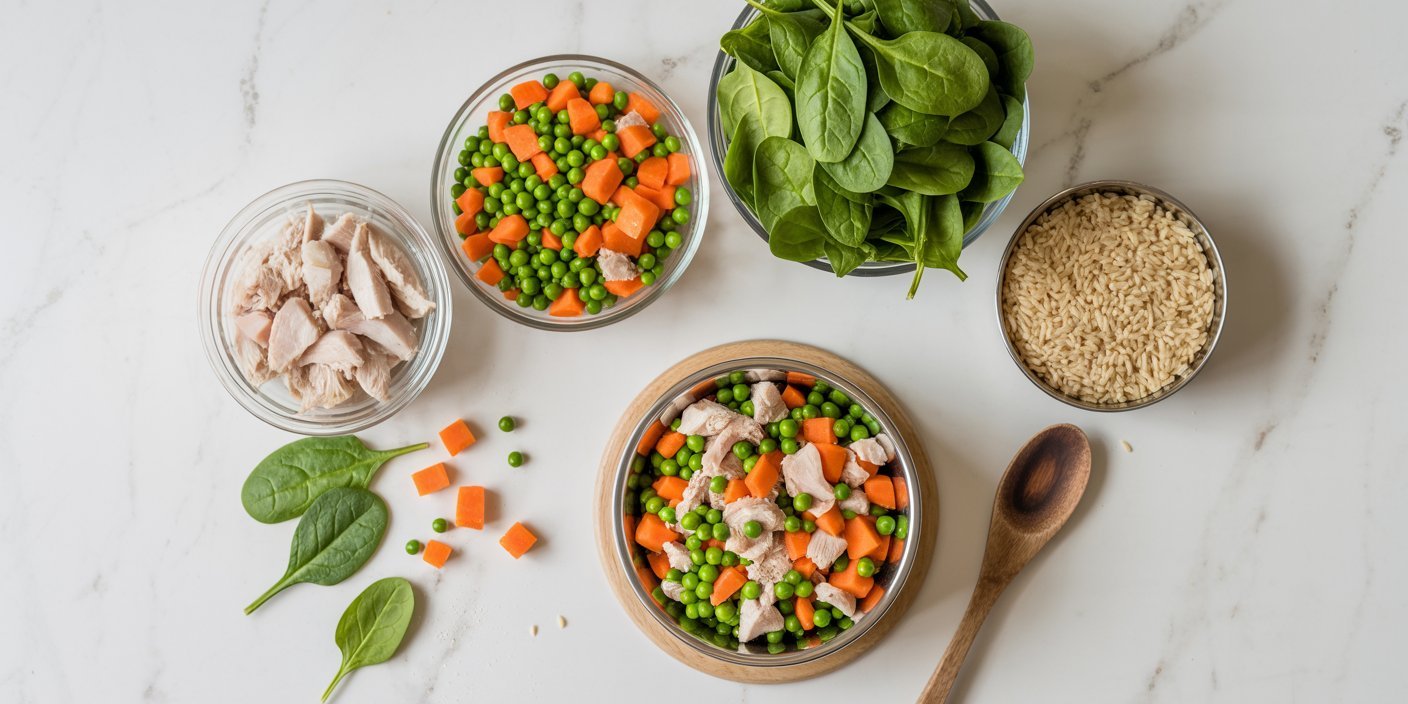
Feeding your dog a homemade diet can be one of the best choices for their health.
While commercial kibble claims to be “balanced,” many pet parents—including myself—prefer knowing exactly what goes into their dog’s meals.
Homemade dog food allows you to provide fresh, wholesome ingredients without toxins or unnecessary fillers.
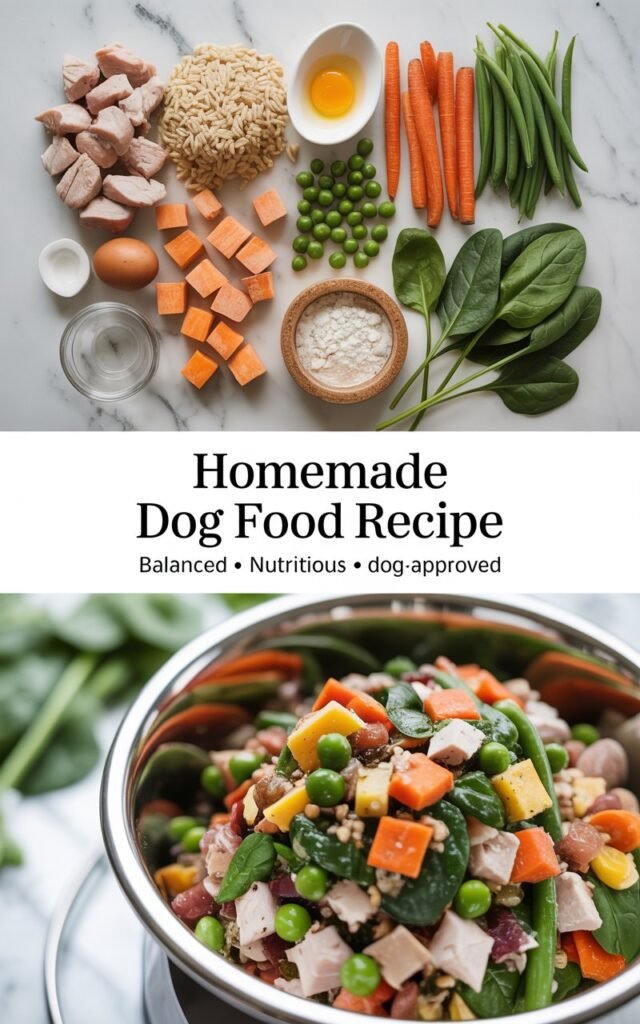
Recently, one of my readers asked me to create a blog post detailing what exactly needs to go into a homemade dog food recipe, and today I’m sharing all of it.
Whether your goal is better digestion, shinier coat, or simply a healthier lifestyle for your dog, this guide covers everything from proteins to essential vitamins.
Disclaimer: This post contains affiliate links. If you make a purchase through these links, we may earn a small commission at no extra cost to you.
Amazon Shopping List For Homemade Dog Food Recipe.
- Stainless Steel Mixing Bowls Set
Perfect for preparing and mixing homemade dog food ingredients safely.
BUY NOW ON AMAZON - Measuring Cups & Spoons Set
Helps ensure accurate portions for a balanced and nutritious dog diet.
BUY NOW ON AMAZON - Food Storage Containers (Airtight)
Keeps homemade dog food fresh and properly stored.
BUY NOW ON AMAZON - Non-Stick Cooking Pot or Pan
Ideal for cooking meats, vegetables, and grains for your dog’s meals.
BUY NOW ON AMAZON - Dog Food Serving Scoop
Makes portioning meals easy and consistent for your pet.
BUY NOW ON AMAZON
Step 1: Choose High-Quality Protein
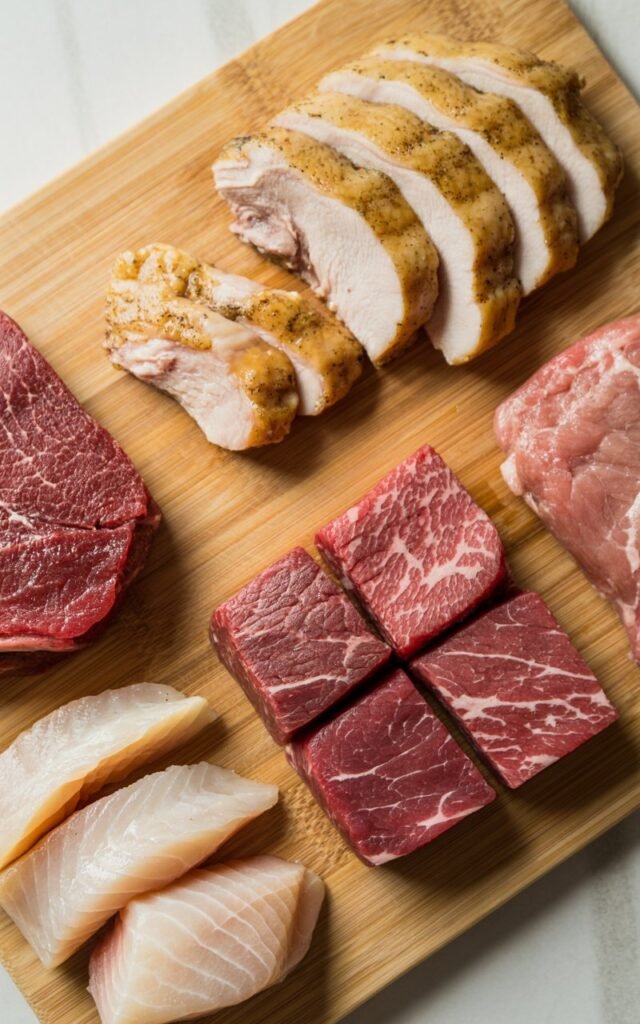
Protein is the most important part of your dog’s homemade diet.
It supports muscle development, energy, immune function, and overall health, so it should always be the main focus of every meal.
I always make sure this is the first thing I get right before adding anything else.
Best protein sources:
- Chicken (boneless, fully cooked)
- Turkey (lean and easy to digest)
- Beef (rich in nutrients, great for active dogs)
- Fish like salmon (supports skin and coat health)
- Eggs (highly nutritious and easy to prepare)
Key guidelines:
- Protein should make up 40–50% of the total meal
- Always cook meat thoroughly and serve it plain
- Remove bones to avoid choking or injury
What to avoid:
- Processed meats (sausages, deli meats)
- Seasoned or salty foods
- Fried or oily meats
Keeping protein clean, simple, and in the right proportion ensures your dog gets the essential nutrients needed for a strong, balanced diet.
From experience, once this part is done right, the rest of the meal becomes much easier to build.
Step 2: Add Healthy Carbohydrates
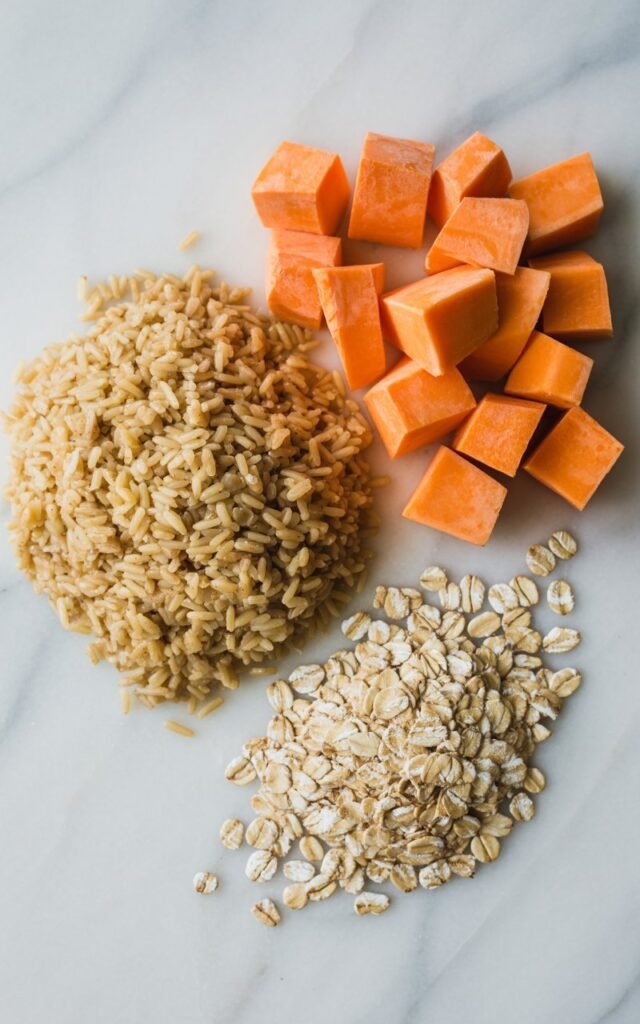
Carbohydrates are an important part of a balanced homemade dog diet.
They provide a steady source of energy, support digestion, and help keep meals filling and satisfying.
I always include the right type of carbs to keep the meal well-rounded.
Best carbohydrate sources:
- Brown rice (easy to digest and filling)
- Sweet potatoes (rich in fiber and vitamins)
- Oats (gentle on the stomach)
- Quinoa (a nutrient-dense alternative)
Key guidelines:
- Carbohydrates should make up 25–35% of the total meal
- Always cook carbs properly before serving
- Keep portions balanced—not too much, not too little
What to avoid:
- White bread and processed grains
- Sugary foods or additives
- Heavily seasoned or fried carb sources
Keeping carbohydrates simple and properly portioned helps maintain your dog’s energy levels while supporting healthy digestion.
Once I’ve added the right carbs, the meal starts to feel complete and balanced.
Step 3: Include Healthy Fats
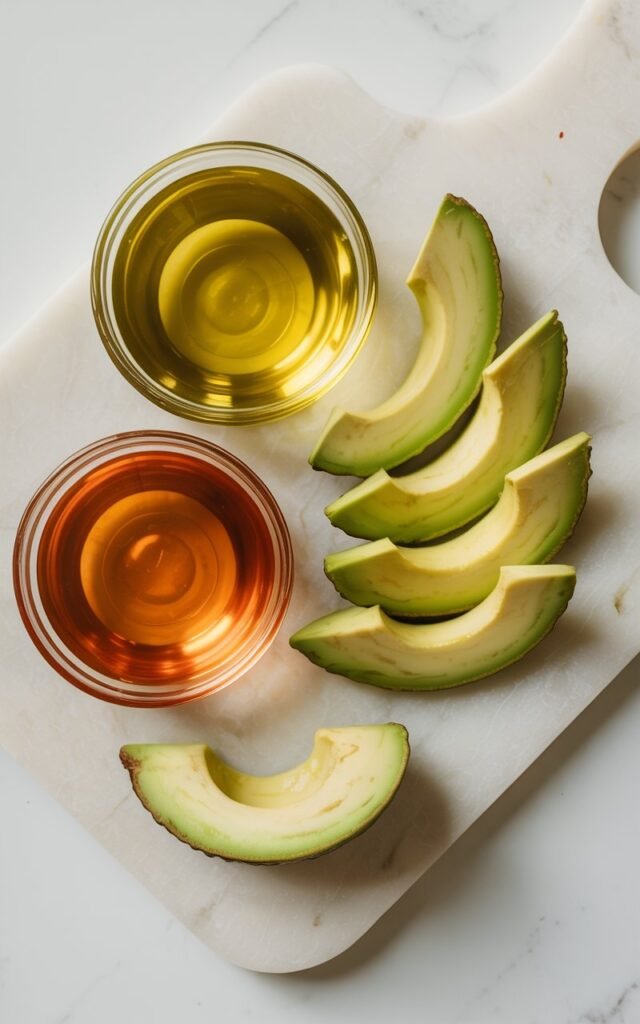
Healthy fats are essential in a homemade dog diet.
They provide long-lasting energy, support brain function, and keep your dog’s skin and coat shiny and healthy.
I always make sure to add fats in the right amount—too little can leave your dog lacking essential nutrients, and too much can cause weight gain.
Best fat sources:
- Fish oil (rich in omega-3s for skin and coat health)
- Coconut oil (small amounts for digestion and energy)
- Olive oil (a gentle, healthy option in moderation)
Key guidelines:
- Fats should make up 5–10% of the total meal
- Add fats in measured amounts—overdoing it isn’t necessary
- Combine with protein and carbs for better absorption
What to avoid:
- Butter and margarine
- Fried foods or greasy leftovers
- Artificial oils or heavily processed fats
Including healthy fats in the right proportion ensures your dog gets essential nutrients while keeping meals flavorful and nourishing.
It’s a small addition that makes a big difference in overall health.
Step 4: Supplement with Calcium
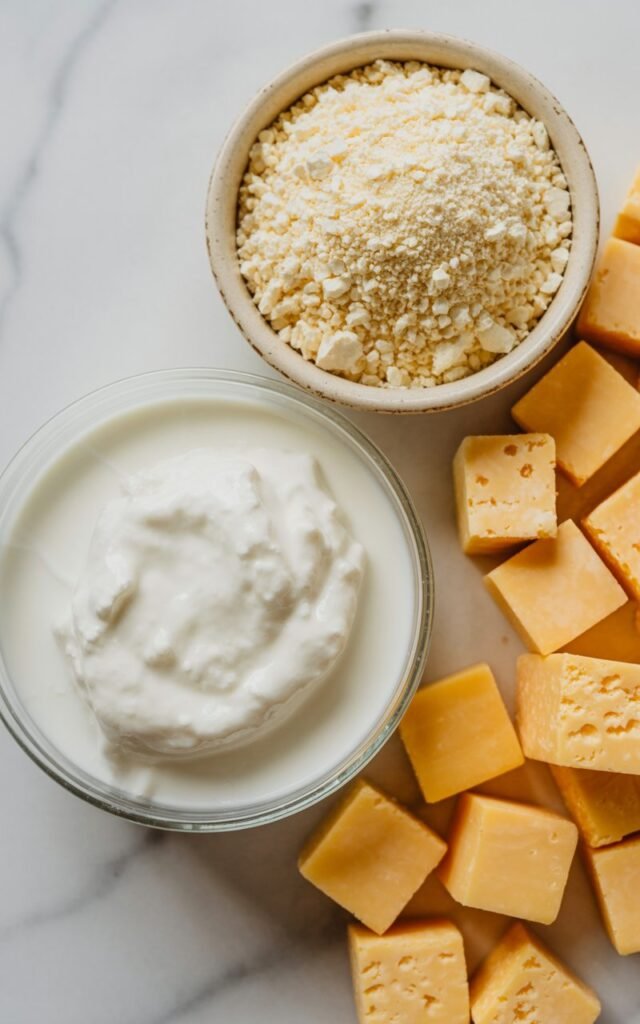
Calcium is essential for strong bones and teeth, as well as proper muscle function.
When preparing homemade dog food, it’s important to make sure your dog gets enough, since most home-cooked meals don’t naturally provide all the calcium they need.
Best calcium sources:
- Crushed eggshell powder (easy to mix into meals)
- Plain yogurt (unsweetened, full-fat)
- Cottage cheese (small amounts as a treat)
Key guidelines:
- Calcium should be measured carefully—too much or too little can cause health issues
- Mix supplements thoroughly into the meal for even distribution
- Consult your vet if you’re unsure about the right amount for your dog’s size and age
What to avoid:
- Calcium from supplements meant for humans without vet guidance
- Excess dairy if your dog is lactose sensitive
Adding calcium properly ensures your dog’s bones and teeth stay strong and healthy while supporting overall muscle function.
It’s a small step that completes the nutritional balance of a homemade meal.
Step 5: Add Vegetables for Vitamins and Fiber

Vegetables are an important part of a homemade dog diet.
They provide essential vitamins, minerals, and fiber that support digestion, immunity, and overall health.
I always make sure to include a variety of veggies to keep meals nutritious and balanced.
Best vegetable choices:
- Carrots (rich in beta-carotene and fiber)
- Spinach (packed with iron and antioxidants)
- Green beans (low-calorie and full of vitamins)
- Pumpkin (great for digestion and gut health)
Key guidelines:
- Vegetables should make up 15–25% of the total meal
- Lightly steam or boil vegetables to make them easier to digest
- Chop or mash veggies so they’re easy for your dog to eat
What to avoid:
- Onions, garlic, and leeks (toxic to dogs)
- Raw potatoes or large amounts of starchy vegetables
- Any heavily seasoned or fried vegetables
Including vegetables adds essential nutrients and fiber, helping your dog stay healthy, energetic, and satisfied after every meal.
It’s an easy way to boost nutrition without adding unnecessary calories.
Step 6: Include Additional Fiber
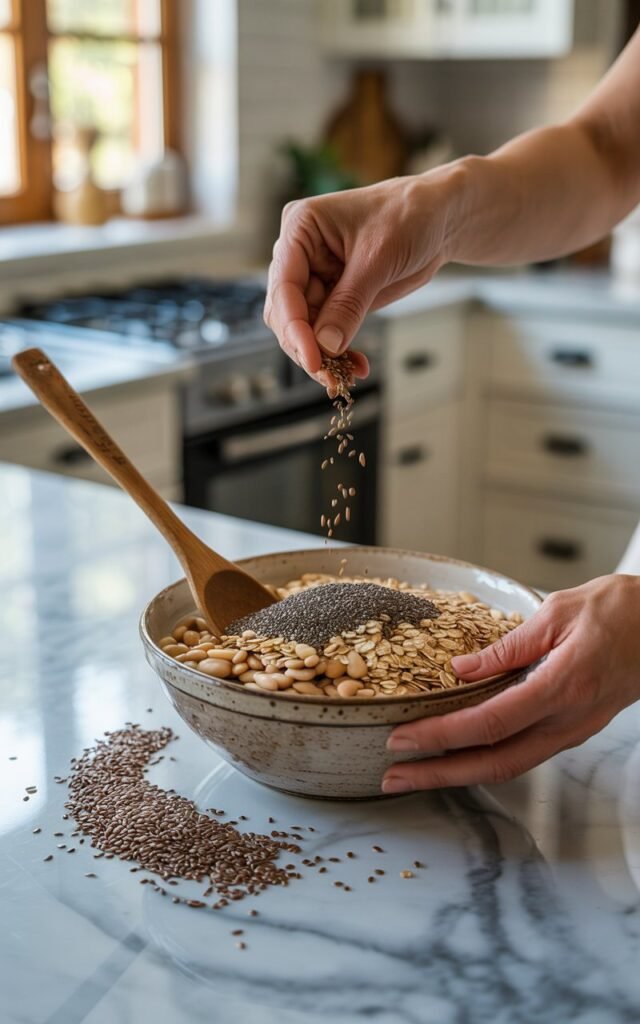
Fiber is an often-overlooked component of a homemade dog diet, but it plays a crucial role in digestion and maintaining healthy bowel movements.
I make it a point to include natural fiber sources to keep my dog’s digestive system running smoothly.
Best fiber sources:
- Pumpkin (also supports gut health)
- Sweet potatoes (rich in soluble fiber)
- Carrots (good for digestion and low in calories)
- Oats (gentle on the stomach and filling)
Key guidelines:
- Fiber should be included in moderate amounts, as too much can cause loose stools
- Combine fiber with protein and carbs for balanced digestion
- Lightly cook or mash fiber-rich foods to make them easier to digest
What to avoid:
- Foods high in artificial fiber or fillers
- Raw beans (can be hard to digest and toxic in some cases)
- Large amounts of cruciferous vegetables like broccoli or cabbage, which may cause gas
Adding the right fiber helps regulate digestion, keeps your dog feeling full, and supports overall gut health.
It’s a simple step that makes homemade meals more effective and nourishing.
Step 7: Cover All Essential Vitamins and Minerals
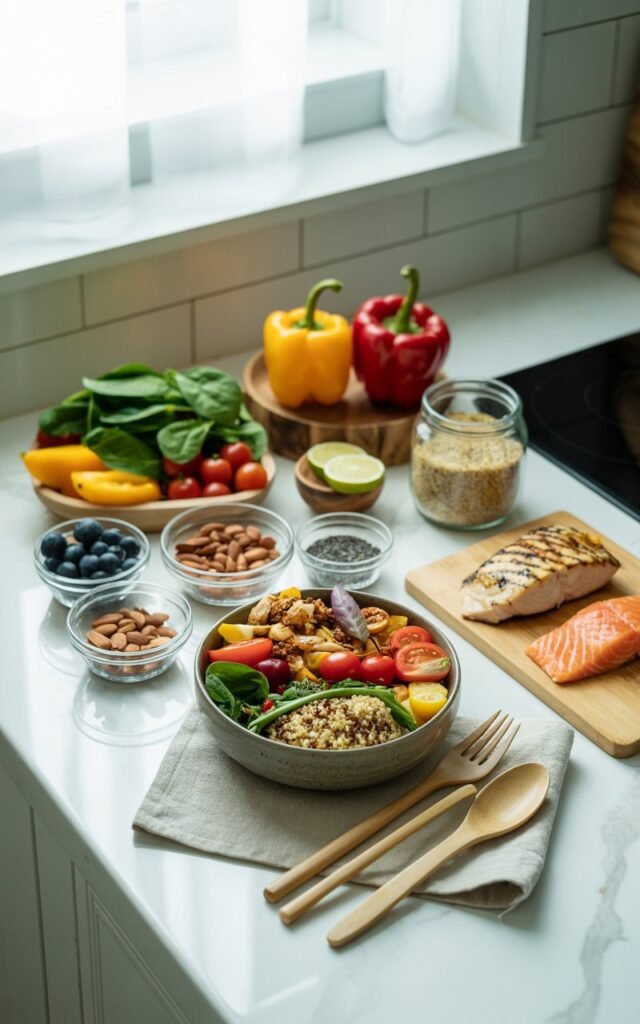
Even with protein, carbs, fats, calcium, and fiber, a homemade dog meal can still fall short without the right vitamins and minerals.
These nutrients support immunity, energy, bone health, and overall well-being.
I always make sure my dog’s meals are fully balanced to prevent deficiencies.
Best sources for essential vitamins and minerals:
- Vegetables like spinach, pumpkin, and carrots (vitamins A, C, K, and iron)
- Fruits like blueberries and apples in small amounts (antioxidants and vitamin C)
- Eggs (vitamins D, B12, and selenium)
- Fish (omega-3 fatty acids and minerals like iodine and zinc)
Key guidelines:
- Rotate fruits and vegetables to cover a variety of nutrients
- Use natural, whole-food sources whenever possible
- Consult your vet before adding supplements to ensure proper amounts
What to avoid:
- Synthetic vitamins without veterinary guidance
- Over-supplementing, which can cause toxicity
- Foods toxic to dogs (grapes, onions, garlic, etc.)
Ensuring all essential vitamins and minerals are included makes homemade meals complete, supporting your dog’s long-term health and vitality.
It’s the final step that turns a simple homemade dish into a truly balanced diet.
Optional: Use a Canine Multivitamin
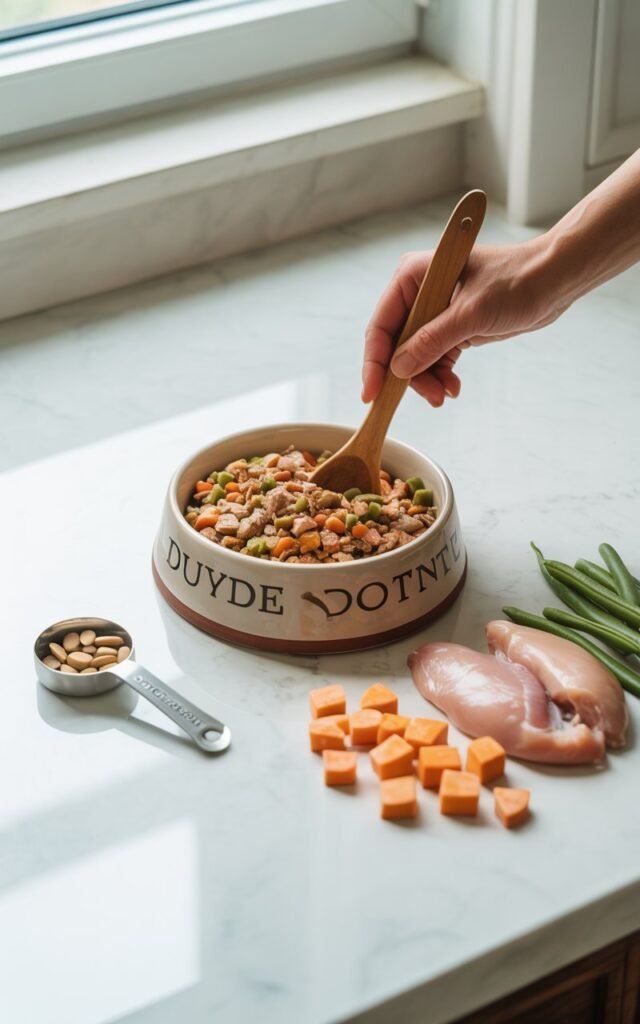
Even with carefully prepared meals, sometimes it’s hard to cover every single nutrient your dog needs.
That’s where a canine multivitamin can be helpful.
I consider it an optional safety net, especially for dogs with higher activity levels, seniors, or picky eaters.
Key points to keep in mind:
- Choose a multivitamin specifically formulated for dogs
- Follow the recommended dosage on the label or your vet’s guidance
- Use it to supplement, not replace, a balanced homemade diet
What to avoid:
- Human multivitamins (can be harmful to dogs)
- Over-supplementing, which can cause toxicity
- Relying solely on vitamins instead of providing real, whole foods
Adding a canine multivitamin can provide extra peace of mind, ensuring your dog gets all the essential nutrients for long-term health and vitality.
It’s a simple step for extra nutritional security.
Final Homemade Dog Food Recipe Summary
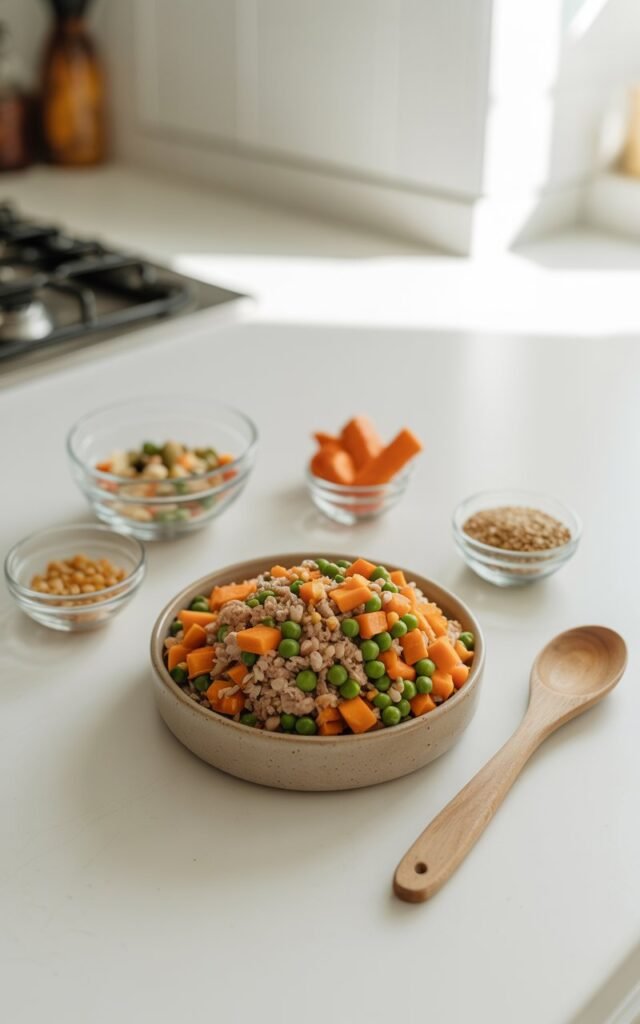
Here’s a simple, balanced recipe you can follow:
- Protein: 1 lb ground turkey + 1–2 eggs
- Carbs: 1 cup sweet potato (or potato/rice)
- Fats: 1 tablespoon sunflower or coconut oil
- Omega-3s: 1 krill oil tablet per 20 lbs of body weight (added after cooking)
- Calcium: ½ teaspoon ground eggshell per pound of meat
- Vegetables: 1 cup kale or spinach, lightly steamed
- Optional Fiber: 1–2 teaspoons ground flax
This combination provides a nutritionally complete, safe, and healthy homemade dog food that covers protein, fat, carbohydrates, fiber, vitamins, and minerals.
Conclusion
Creating a balanced homemade dog diet doesn’t have to be complicated.
By focusing on high-quality protein, healthy carbohydrates, essential fats, calcium, fiber, and a variety of vitamins and minerals, you can provide meals that truly nourish your dog from the inside out.
Keeping ingredients clean, natural, and properly portioned ensures your dog stays healthy, energetic, and happy.
Optional additions like a canine multivitamin can help cover any gaps, but the foundation is always real, whole foods.
With consistency and attention to detail, homemade meals can become a simple, rewarding part of your dog’s daily routine—giving them the nutrition they need while letting you feel confident about every bite.