
Homemade Dog Food Recipe: Essential Ingredients for a Balanced Diet
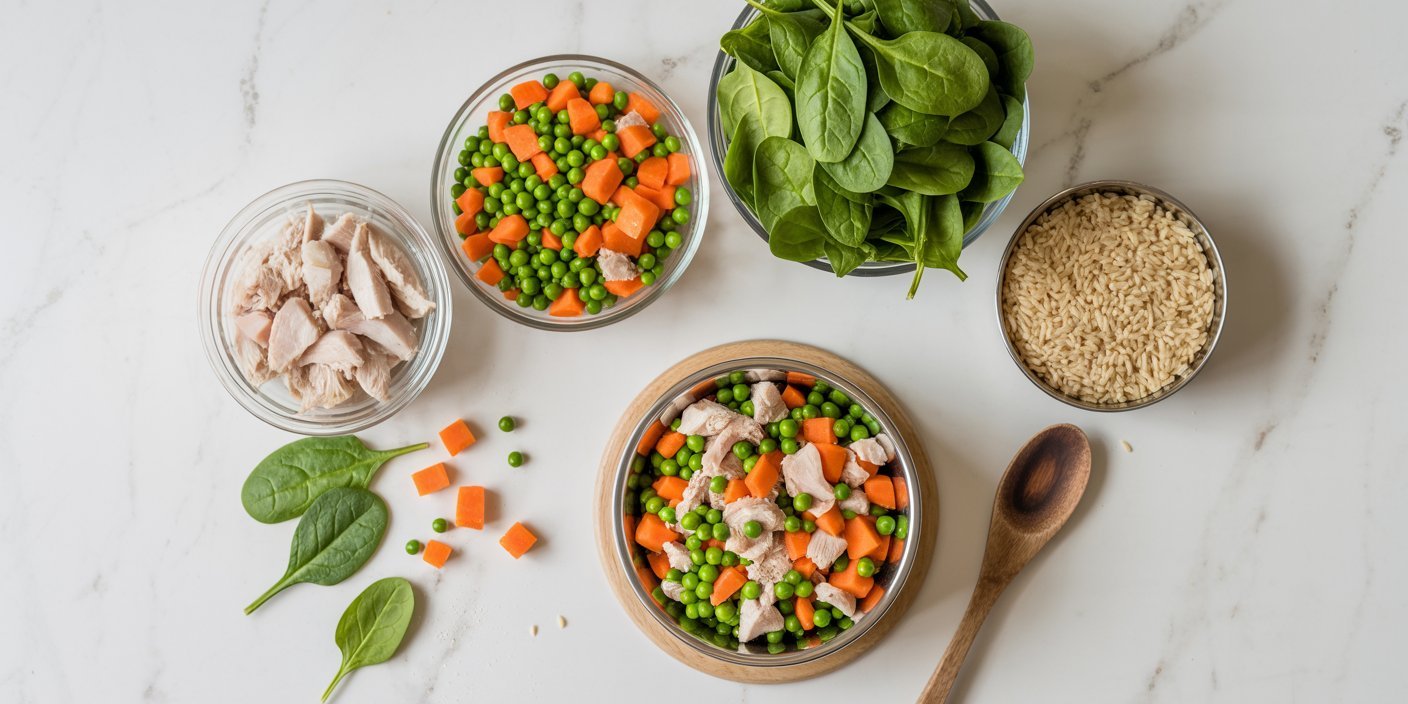
See what ingredients every balanced homemade dog food recipe should include and how to prepare fresh, nutritious meals your dog can enjoy.
In this guide, I will share the ingredients I use most often, explain why each one is important, and help you understand what goes into making homemade dog food that is both wholesome and well balanced.
I started making homemade dog food because I wanted to have more control over what my dog was eating.
While shopping for dog food one weekend, I spent several minutes comparing ingredient labels and realized I recognized only some of the ingredients.
That experience made me curious about preparing fresh meals at home using simple foods I already trusted in my own kitchen.
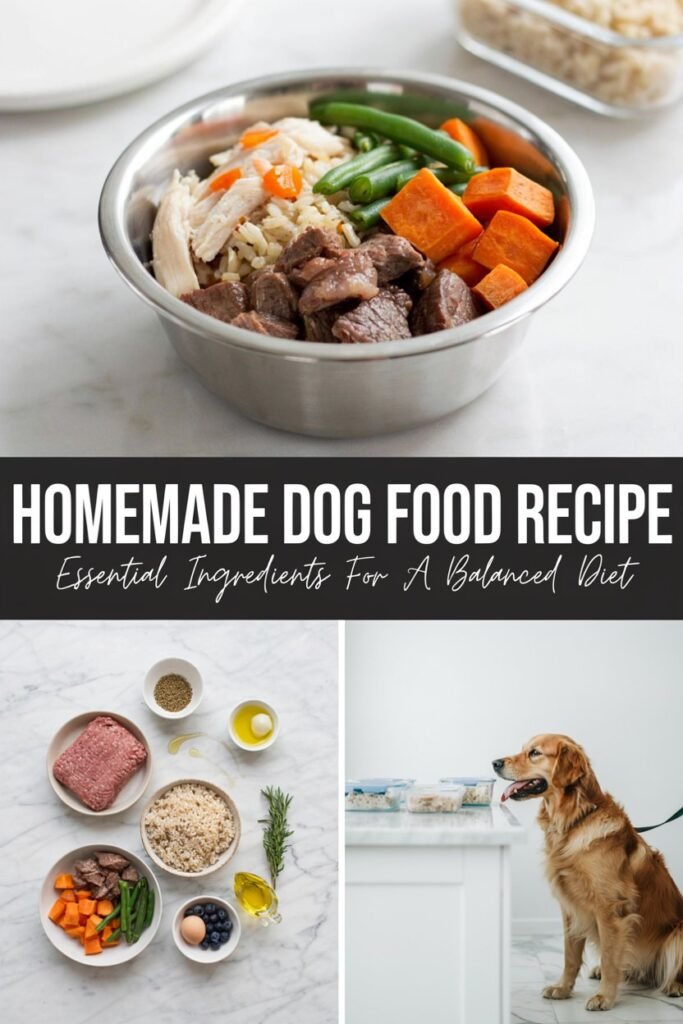
The first thing I learned was that homemade dog food is about much more than cooking meat and adding vegetables.
Dogs need the right combination of protein, healthy fats, carbohydrates, vitamins, and minerals to support their overall health.
Once I understood how each ingredient contributed to a balanced diet, preparing homemade meals became much easier and much more rewarding.
Now I usually spend one afternoon every couple of weeks making a large batch, dividing it into meal sized portions, and storing them in the freezer.
It saves time during busy weeks, and I enjoy knowing exactly what goes into every bowl I serve.
Disclaimer: This post contains affiliate links. If you make a purchase through these links, we may earn a small commission at no extra cost to you.
Amazon Shopping List You Need
- Stainless Steel Mixing Bowls Set
Perfect for preparing and mixing homemade dog food ingredients safely.
BUY NOW ON AMAZON - Measuring Cups & Spoons Set
Helps ensure accurate portions for a balanced and nutritious dog diet.
BUY NOW ON AMAZON - Food Storage Containers (Airtight)
Keeps homemade dog food fresh and properly stored.
BUY NOW ON AMAZON - Non-Stick Cooking Pot or Pan
Ideal for cooking meats, vegetables, and grains for your dog’s meals.
BUY NOW ON AMAZON - Dog Food Serving Scoop
Makes portioning meals easy and consistent for your pet.
BUY NOW ON AMAZON
Is Homemade Dog Food Healthy?

Yes, homemade dog food can be a healthy choice when it is prepared with balanced nutrition in mind.
Dogs need more than just meat to stay healthy.
A complete homemade meal includes quality protein, healthy fats, vegetables, carbohydrates, and important vitamins and minerals.
Each ingredient works together to support healthy muscles, strong bones, a healthy immune system, good digestion, and steady energy.
If you plan to feed homemade food as your dog’s primary diet, it is always a good idea to speak with your veterinarian.
They can help ensure your dog’s nutritional needs are being met based on age, breed, size, and activity level.
Why I Love Making Homemade Dog Food

Making homemade dog food has become one of my favorite meal prep routines.
It takes a little planning, but the process is simple once you get into the habit.
Here are a few reasons I continue making it.
- I know exactly what goes into every meal.
- Fresh ingredients are easy to find.
- The recipe can be prepared in large batches.
- Individual portions freeze well.
- It is easy to adjust portions based on my dog’s size and activity level.
- My dog gets excited every time I prepare a fresh batch.
What Makes a Balanced Homemade Dog Food Recipe?
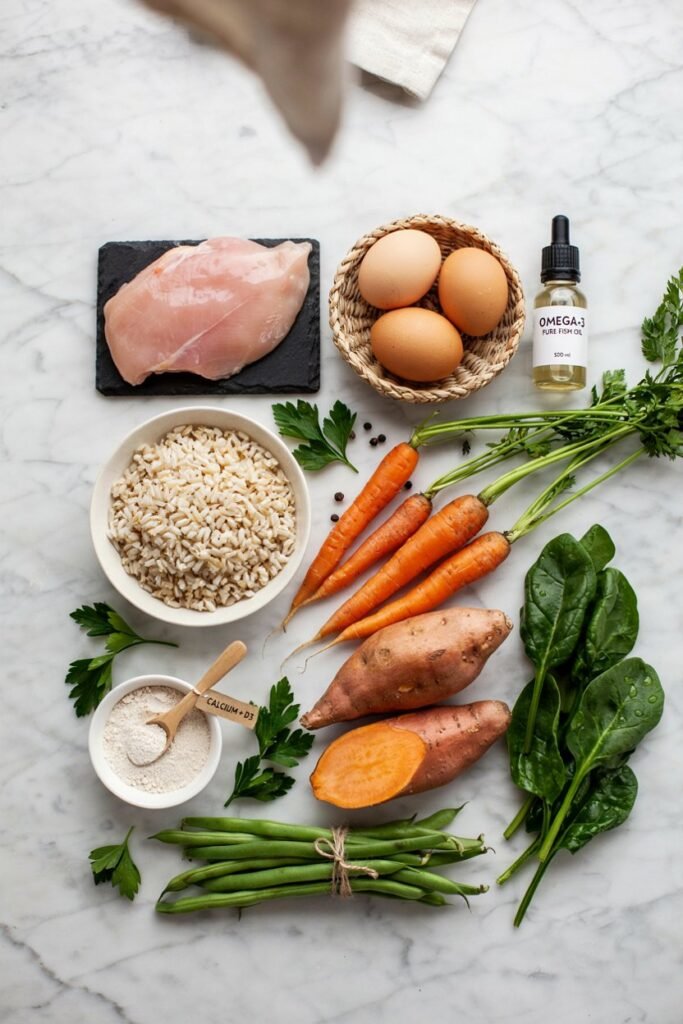
One of the biggest misconceptions about homemade dog food is that meat is all a dog needs.
While protein is extremely important, it is only one part of a balanced meal.
A nutritious homemade dog food recipe includes several key components that work together to provide complete nutrition.
High Quality Protein
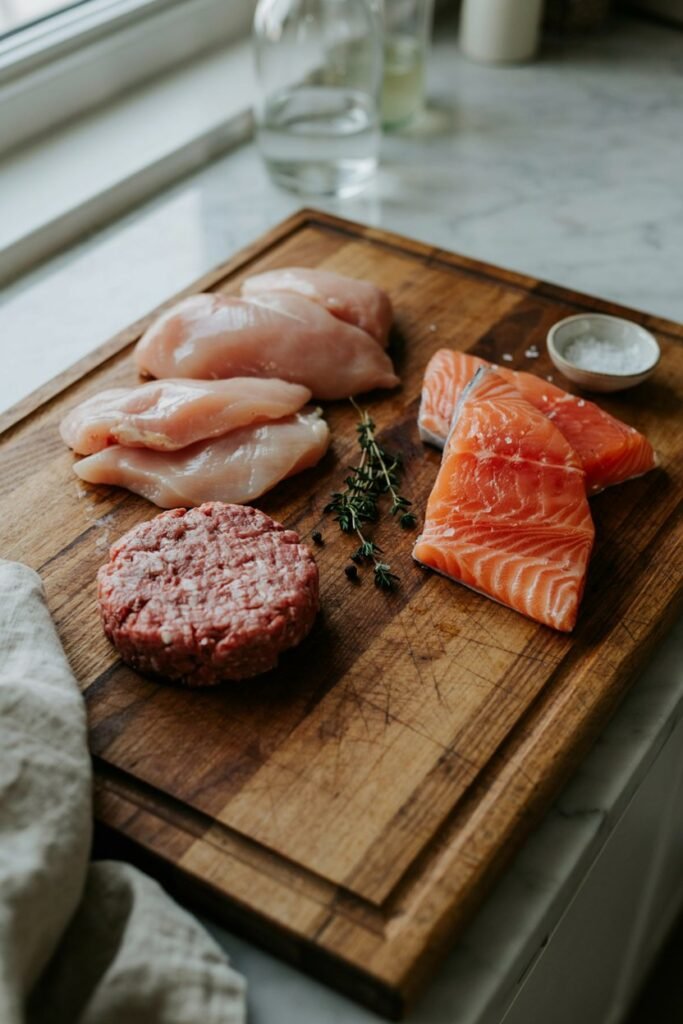
Protein is the foundation of every homemade dog food recipe.
It helps build and maintain muscles, supports healthy organs, repairs body tissues, and provides energy for everyday activities.
Some of my favorite protein choices include chicken, turkey, lean beef, and salmon because they are easy to prepare and provide excellent nutrition.
Healthy Fats

Healthy fats provide concentrated energy while supporting healthy skin, a shiny coat, brain function, and the absorption of important vitamins.
Adding healthy fats also makes homemade meals more satisfying for many dogs.
Healthy Carbohydrates
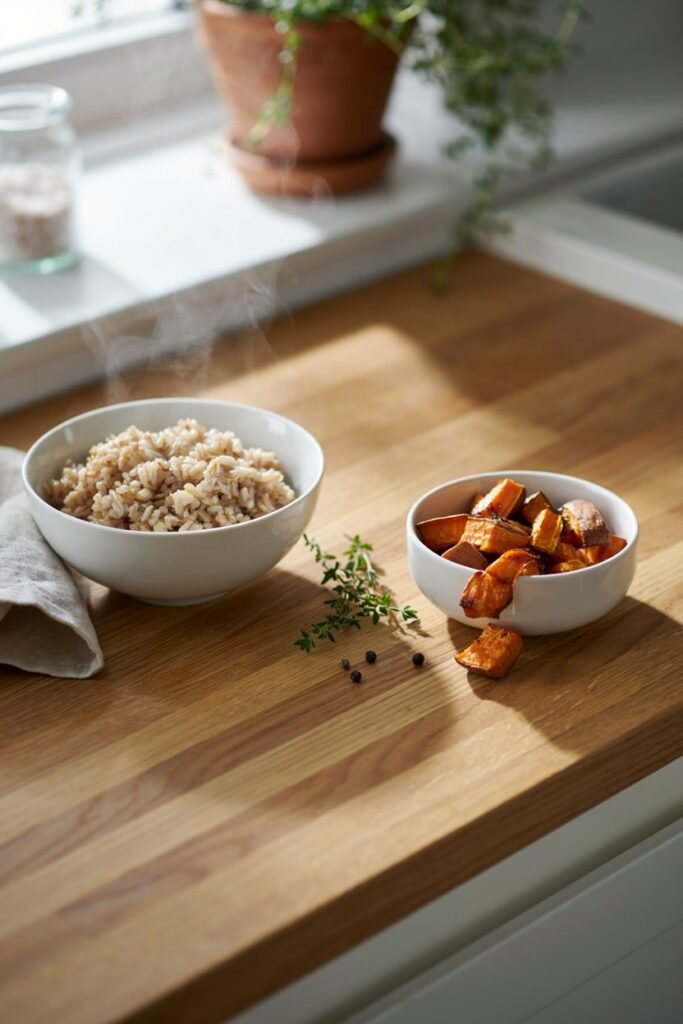
Unlike cats, dogs can digest healthy carbohydrates very well.
Ingredients such as brown rice, sweet potatoes, oats, and pumpkin provide energy while adding fiber that supports healthy digestion.
I like using sweet potatoes because they are easy to cook, naturally rich in vitamins, and my dog always seems to enjoy them.
Vegetables
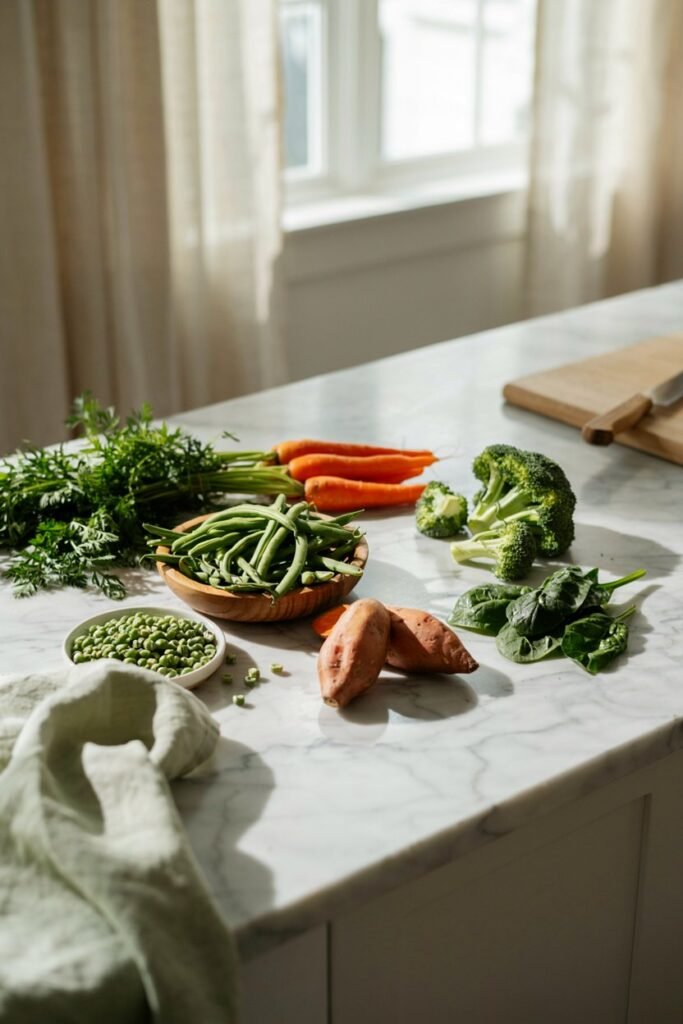
Fresh vegetables add vitamins, minerals, antioxidants, and fiber to homemade meals.
Some of my favorite vegetables include carrots, green beans, peas, spinach, and broccoli because they are simple to prepare and add natural nutrition without unnecessary fillers.
Vitamins and Minerals
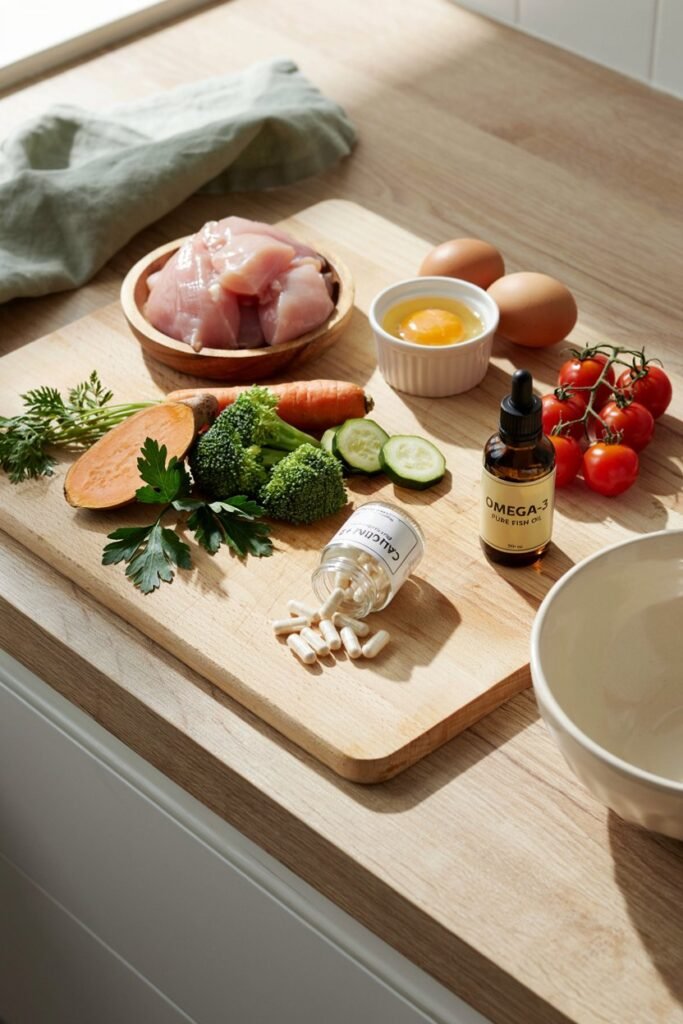
Even when using fresh ingredients, homemade meals still need the proper balance of vitamins and minerals.
Calcium is especially important for healthy bones and teeth, while other nutrients support everything from the immune system to healthy muscles and metabolism.
Understanding this was one of the biggest lessons I learned when I first started making homemade dog food.
Who This Guide Is For
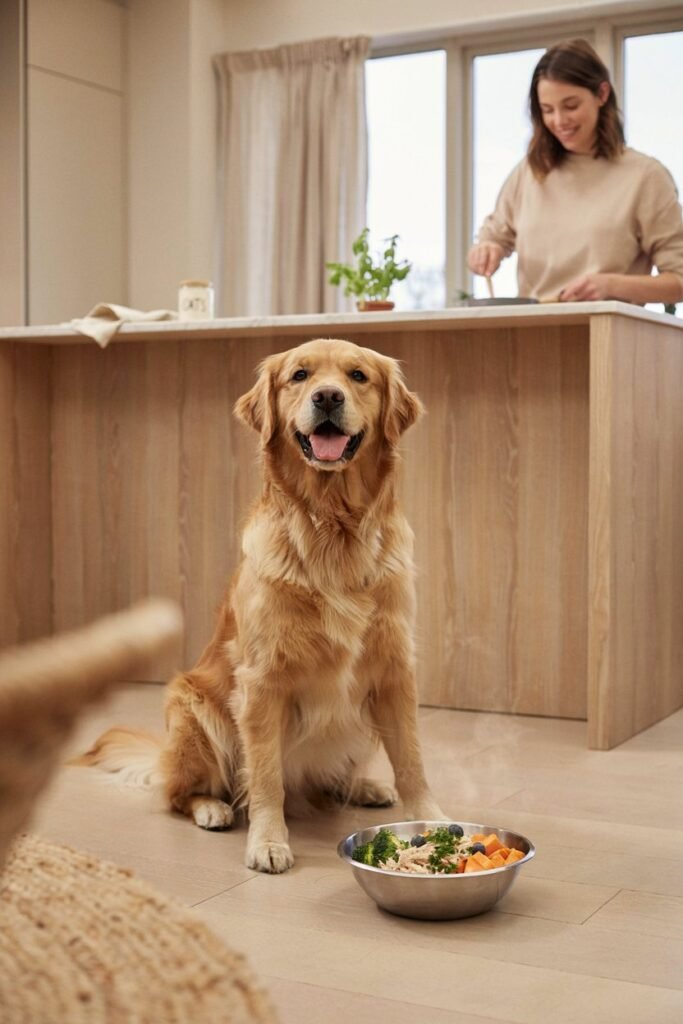
This guide is perfect for dog owners who want to learn more about preparing fresh homemade meals using wholesome ingredients.
Whether you are making homemade food for the first time or looking to improve your current recipe, understanding the purpose of each ingredient is the best place to start.
If your dog has food allergies, chronic health conditions, or requires a prescription diet, always speak with your veterinarian before making significant dietary changes.
Before We Start
One thing I have learned is that the best homemade dog food recipes are not the ones with the longest ingredient lists.
They are the ones that use simple, nutritious ingredients in the right balance.
In the next section, I will walk you through the essential ingredients I use, explain why each one matters, and show you exactly how to prepare a balanced homemade dog food recipe step by step.

Essential Ingredients for a Balanced Homemade Dog Food Recipe
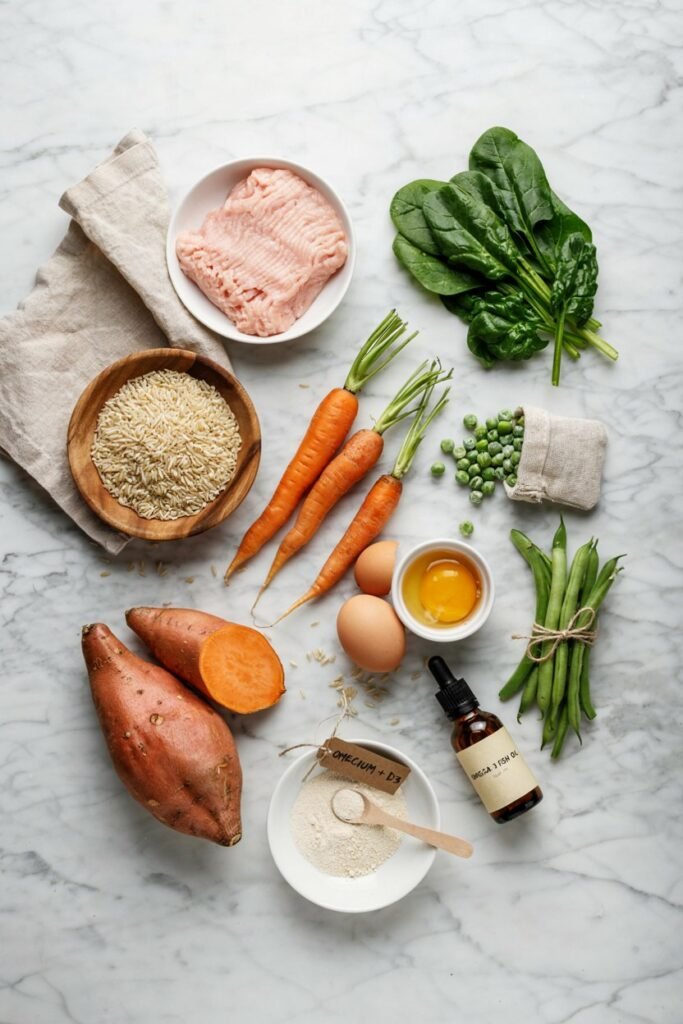
One of the things I enjoy most about making homemade dog food is choosing fresh ingredients that each have a purpose.
Instead of adding random foods together, I like knowing that every ingredient contributes something valuable to my dog’s health.
Over time, I have found that keeping the recipe simple makes meal preparation easier while still providing a nutritious and satisfying meal.
Lean Protein
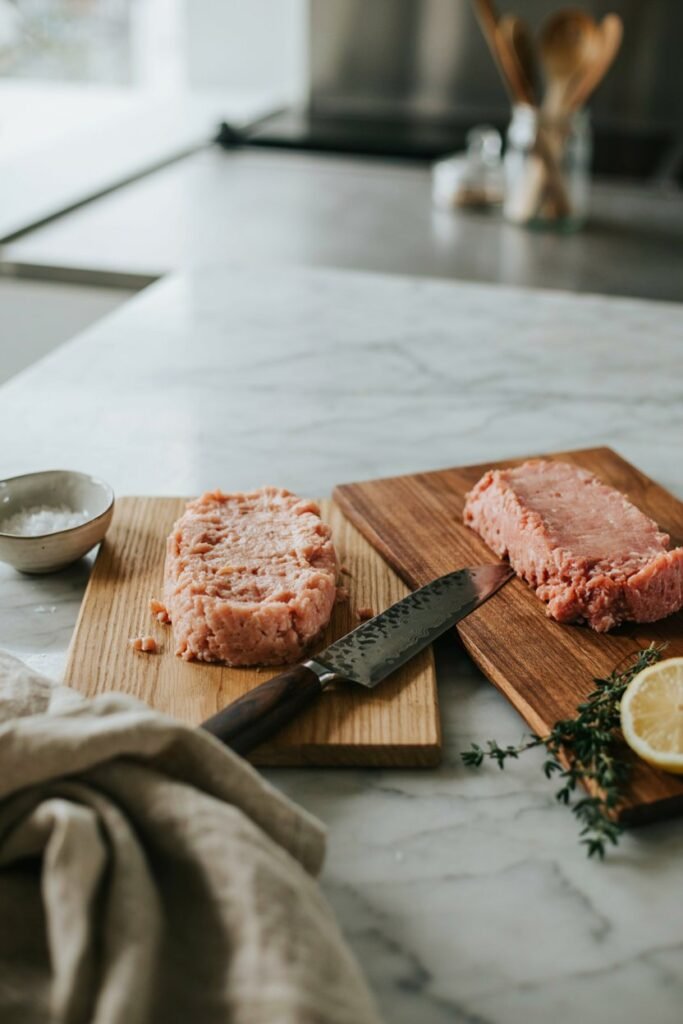
Protein is the most important ingredient in homemade dog food because it helps build strong muscles, supports healthy organs, repairs body tissues, and provides energy.
I usually choose lean proteins that are easy to digest and readily available.
Some excellent options include:
- Chicken
- Turkey
- Lean ground beef
- Salmon
- Lean pork
I often use chicken because it is affordable, cooks quickly, and my dog always finishes every bite.
Brown Rice
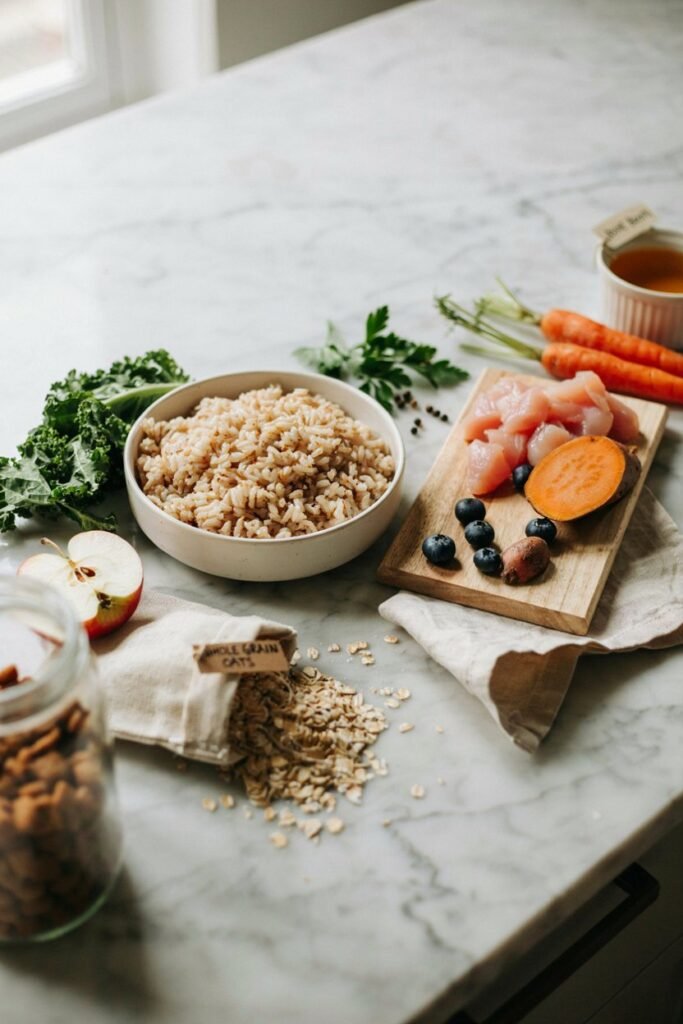
Brown rice is one of my favorite carbohydrates to include because it provides steady energy while being gentle on most dogs’ stomachs.
It also contains fiber, which supports healthy digestion and helps keep meals filling without being too heavy.
If your dog has trouble digesting grains, you can speak with your veterinarian about suitable alternatives.
Sweet Potatoes
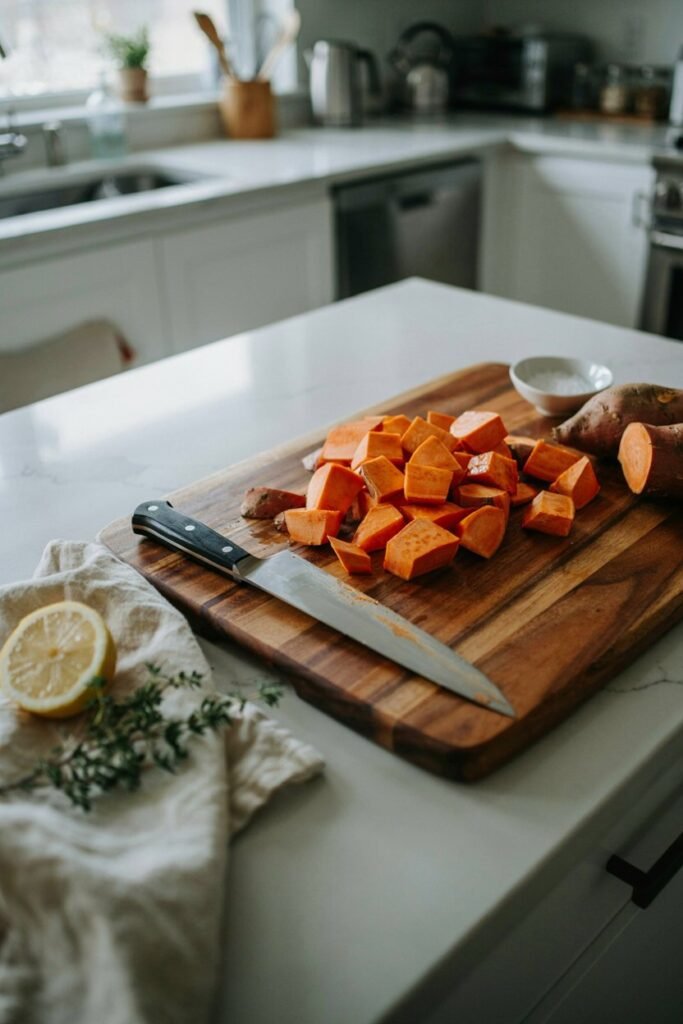
Sweet potatoes are packed with vitamins, minerals, and fiber.
They provide natural carbohydrates for energy while also supporting digestive health.
I like how they add a naturally soft texture that blends well with the rest of the ingredients.
Carrots
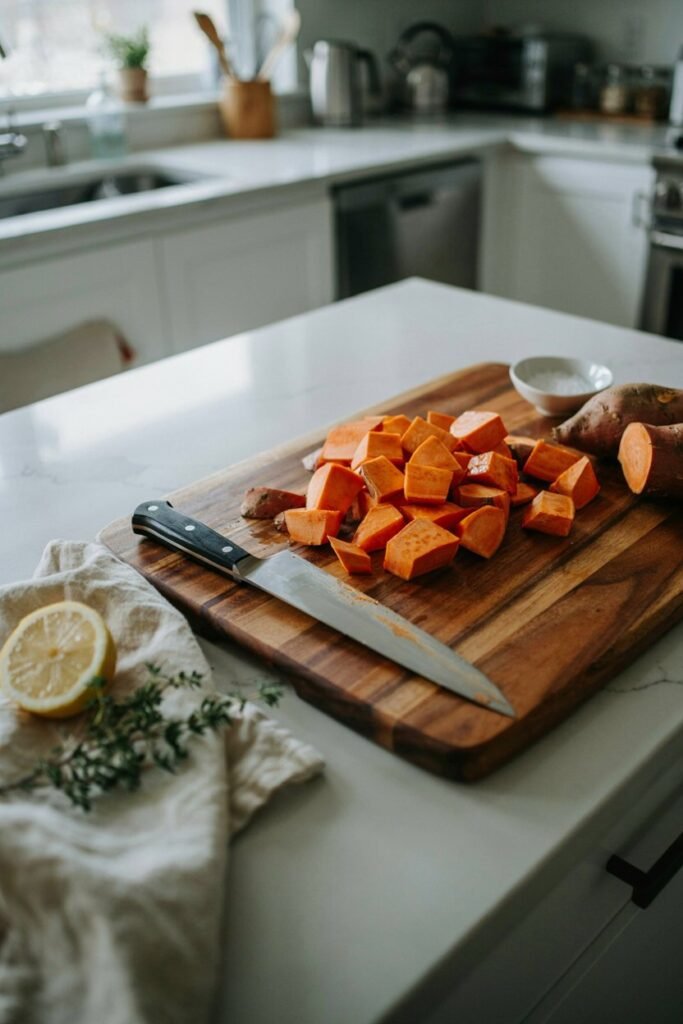
Carrots add natural sweetness along with important nutrients like vitamin A and antioxidants.
I usually dice them into small pieces so they cook evenly and mix well throughout the recipe.
Green Beans
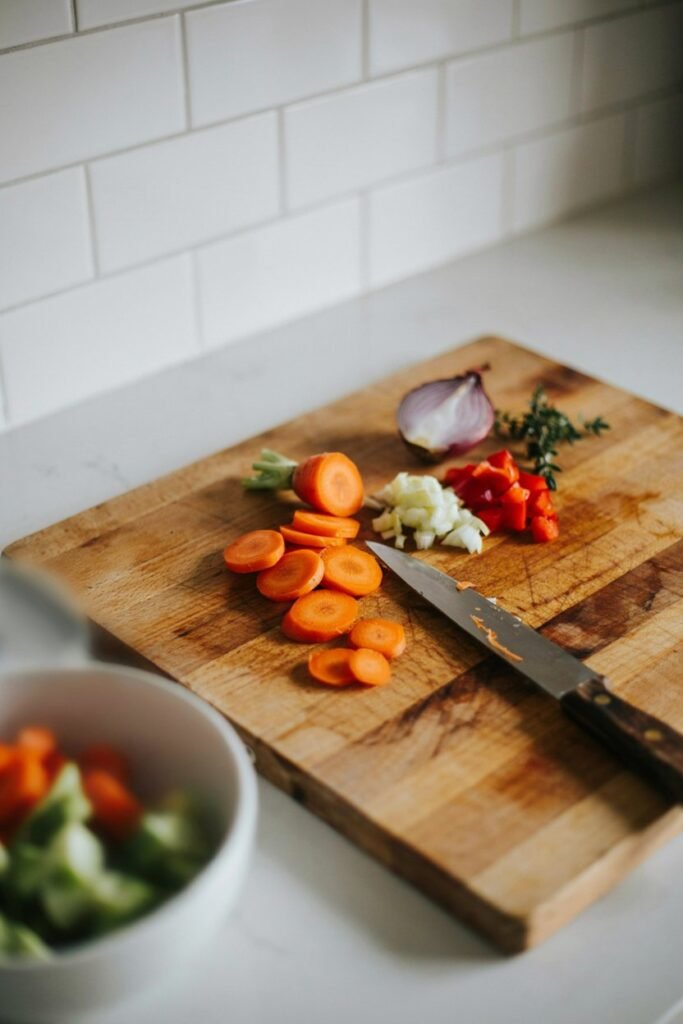
Green beans are low in calories but high in fiber, vitamins, and minerals.
They add texture to the meal while helping dogs feel satisfied.
Fresh or frozen green beans both work well.
Peas
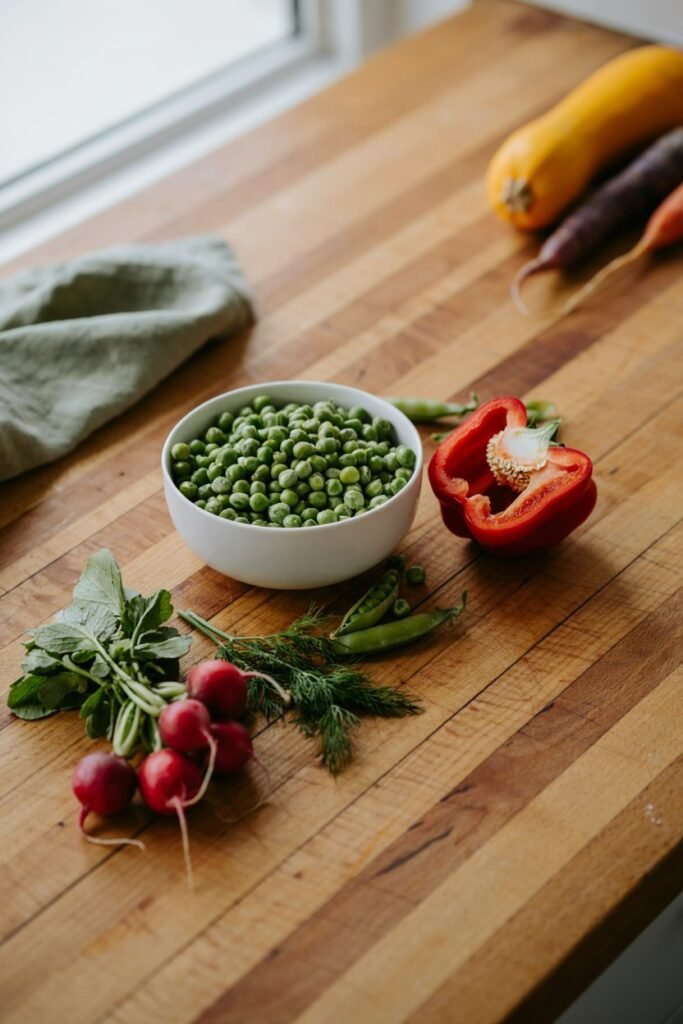
Peas provide plant based nutrients along with fiber and small amounts of protein.
They also add a little color to the finished meal, making it look fresh and appetizing.
Spinach
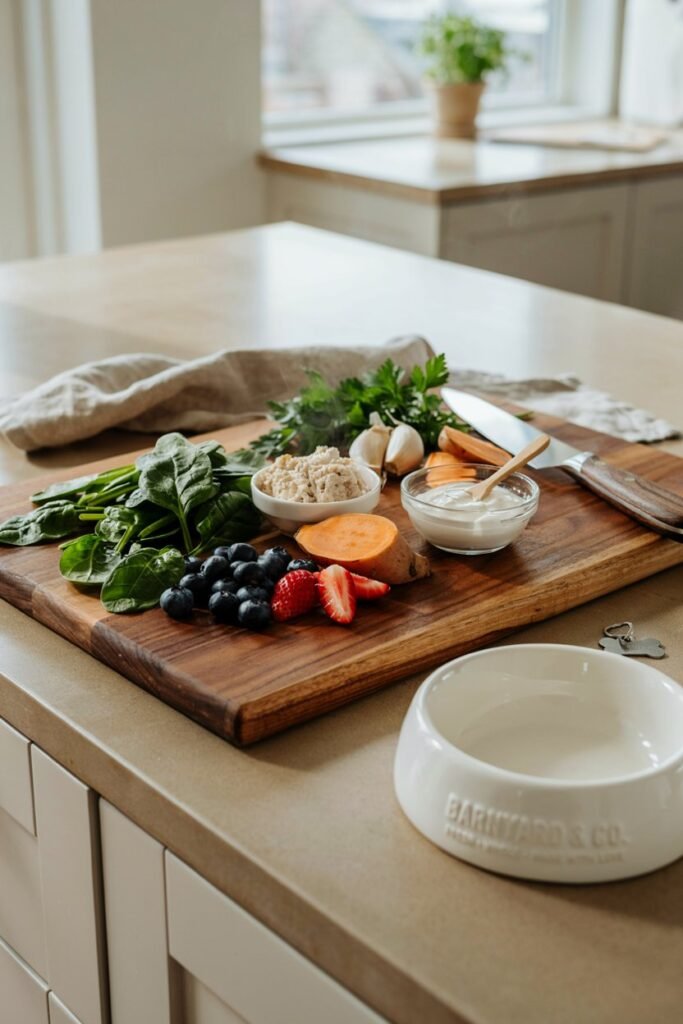
Spinach contains vitamins, minerals, and antioxidants that support overall health.
Since a little goes a long way, I use it in moderation as part of a balanced recipe.
Eggs
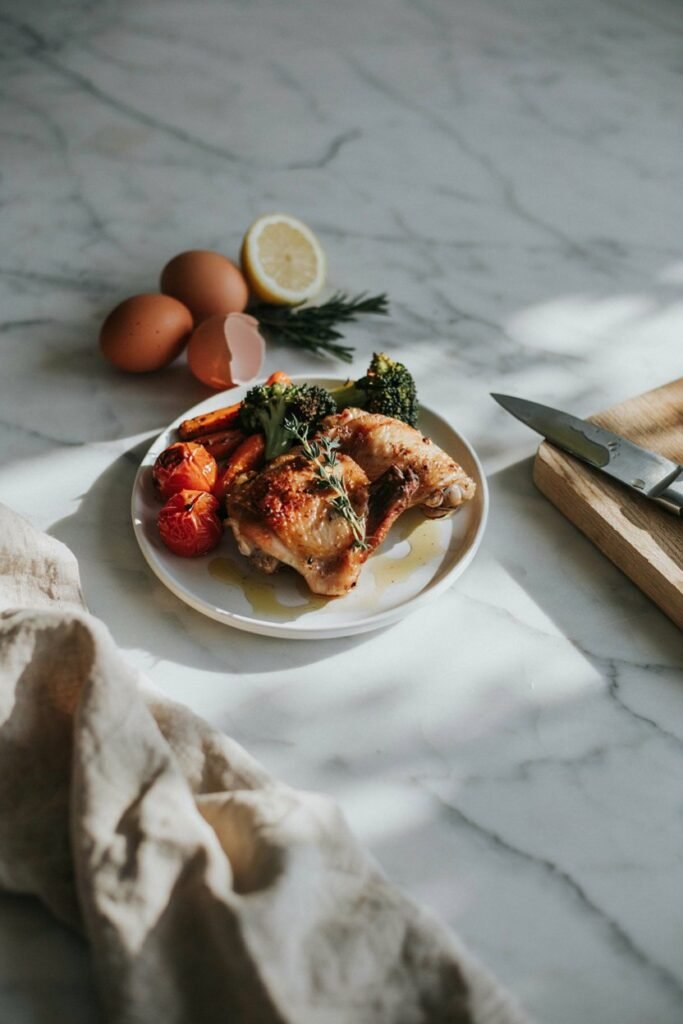
Eggs are one of my favorite ingredients because they are rich in high quality protein, healthy fats, and essential amino acids.
They are also easy to prepare and blend nicely into homemade meals.
Fish Oil

Fish oil is an excellent source of omega three fatty acids.
It helps support healthy skin, a shiny coat, brain function, joint health, and heart health.
After regularly adding fish oil to homemade meals, I noticed my dog’s coat looked healthier and softer.
Calcium
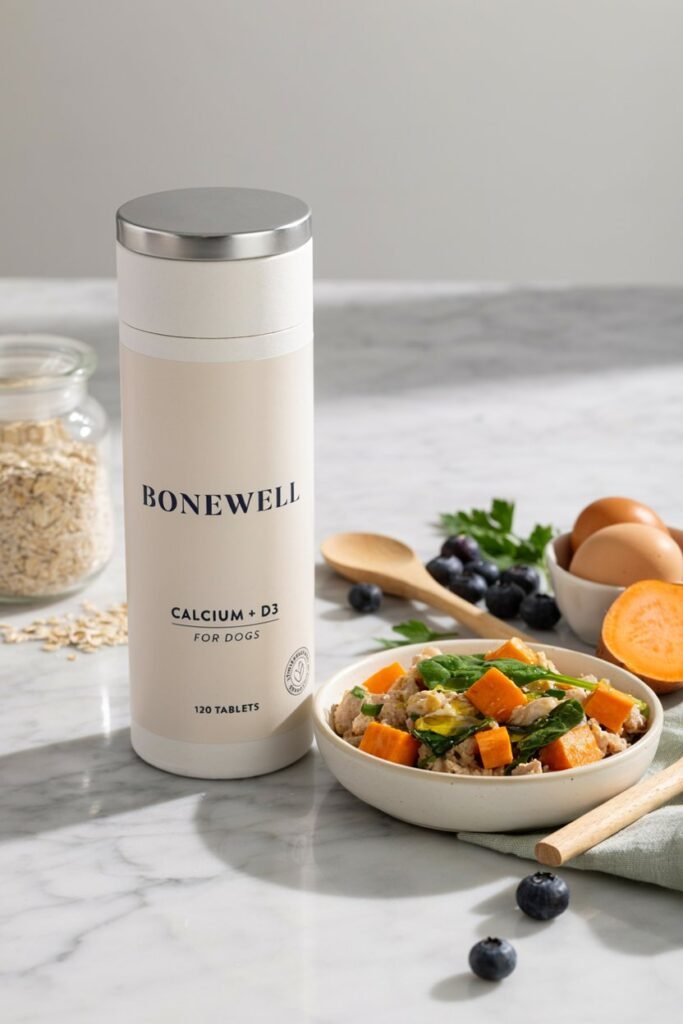
Calcium is essential for healthy bones and teeth.
When I first started making homemade dog food, I learned that meat alone does not provide enough calcium.
Adding a suitable calcium source helps create a more balanced meal.
Ingredients List
- 2 pounds lean ground chicken or turkey
- 2 cups cooked brown rice
- 2 medium sweet potatoes, peeled and diced
- 1 cup chopped carrots
- 1 cup chopped green beans
- 1 cup peas
- 1 cup chopped spinach
- 2 large eggs
- 1 tablespoon fish oil
- Calcium supplement according to the manufacturer’s directions
Kitchen Tools
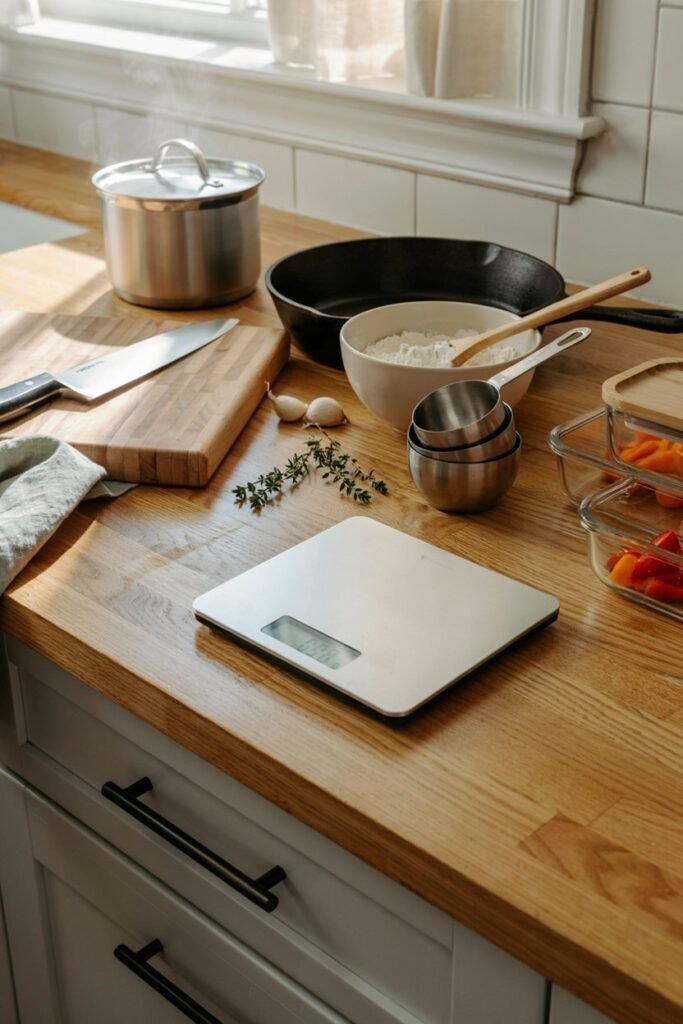
Preparing homemade dog food does not require special equipment.
These are the tools I use every time.
- Large pot
- Large skillet
- Sharp knife
- Cutting board
- Mixing bowl
- Wooden spoon
- Measuring cups
- Airtight meal prep containers
How to Make This Homemade Dog Food

I usually make this recipe on a quiet weekend when I have a little extra time.
Preparing one large batch means I do not have to cook every few days, and it is always nice knowing I have fresh homemade meals ready in the refrigerator or freezer whenever my dog needs them.
Step 1
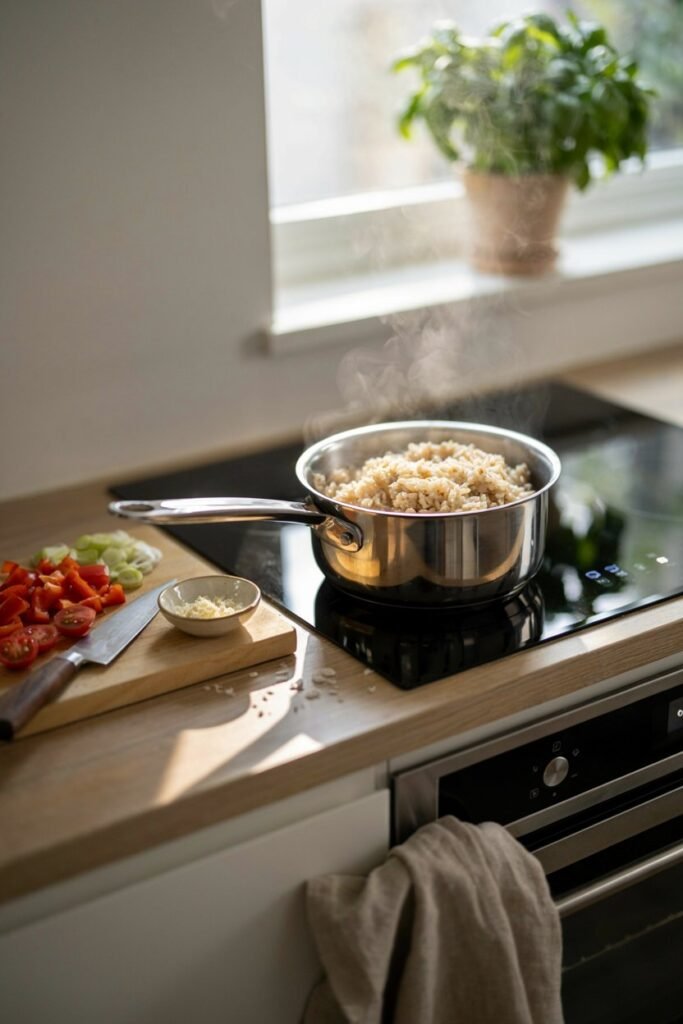
Cook the brown rice according to the package directions until it is tender.
Once it is finished, set it aside to cool while you prepare the rest of the ingredients.
Starting with the rice helps everything come together much faster later.
Step 2
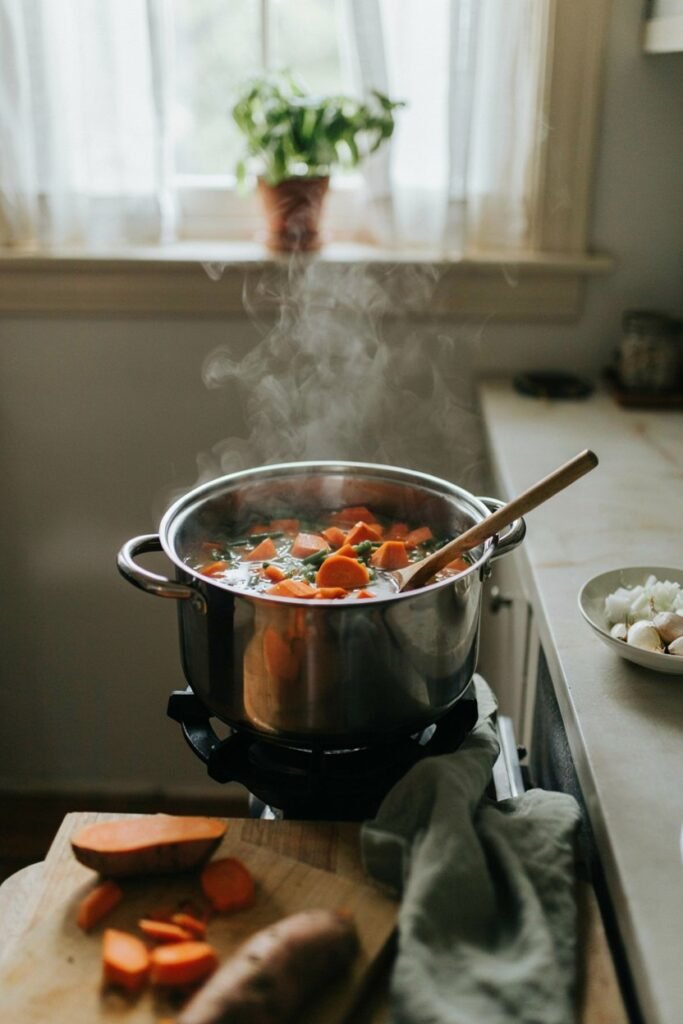
Peel the sweet potatoes and cut them into small, evenly sized cubes.
Steam or boil them until they are soft enough to mash easily with a fork.
At the same time, cook the carrots and green beans until they are tender but not overly soft.
I like leaving a little texture because they mix nicely with the other ingredients while still holding their shape.
Step 3
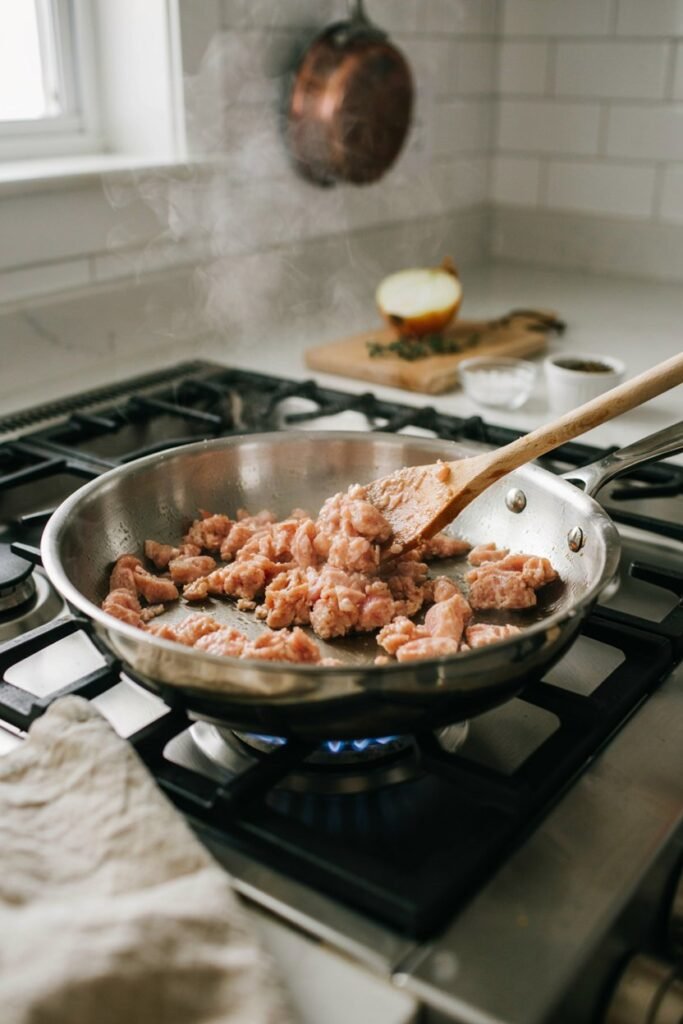
Heat a large skillet over medium heat and cook the ground chicken or turkey until it is completely cooked through.
Break the meat into small crumbles as it browns so it combines evenly with the vegetables later.
If there is excess fat after cooking, drain it before moving to the next step.
Step 4
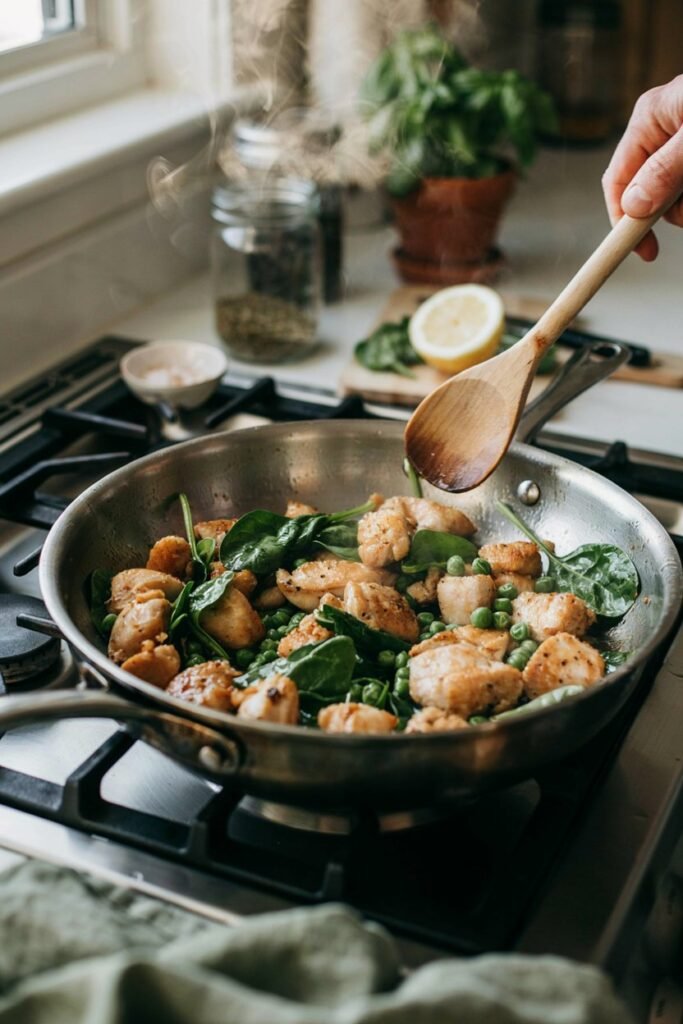
Add the spinach and peas to the cooked meat and stir everything together.
Cook for another two to three minutes, just until the spinach wilts and the peas are heated through.
This step adds extra color, texture, and nutrients to the finished meal.
Step 5
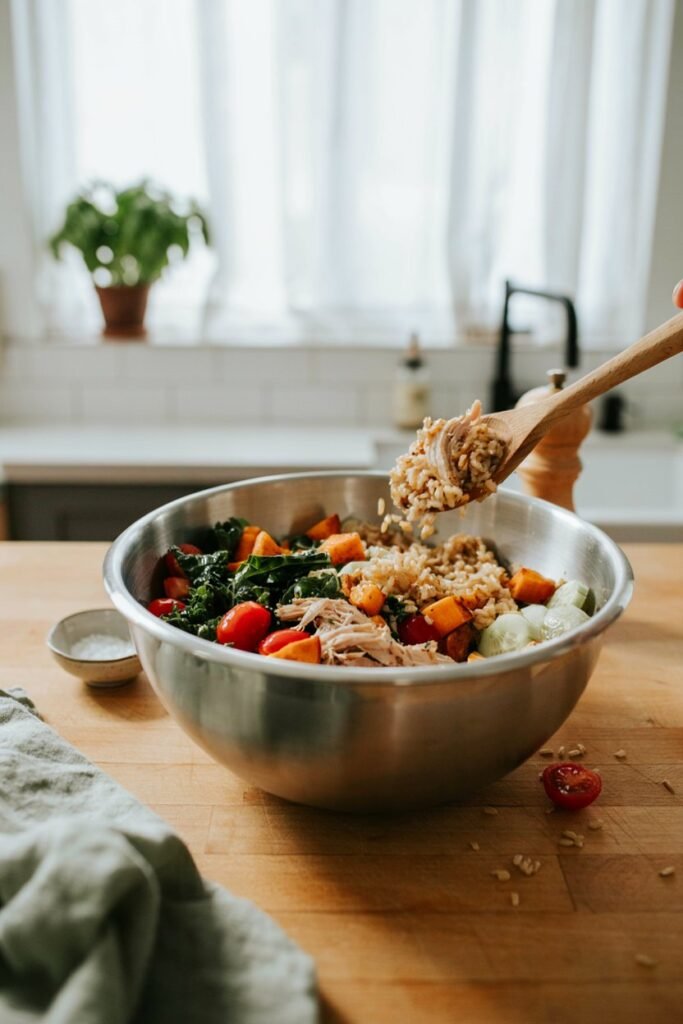
Transfer the cooked meat and vegetables to a large mixing bowl.
Add the cooked brown rice and tender sweet potatoes, then stir everything together until the ingredients are evenly distributed.
Every scoop should contain a balanced mix of protein, vegetables, and carbohydrates.
Step 6

Cook the eggs separately, then chop them into small pieces before folding them into the mixture.
Once the food has cooled to a warm or room temperature, stir in the fish oil and the calcium supplement according to the serving directions on the label.
Mixing them in after the food has cooled helps preserve their nutritional value.
Step 7
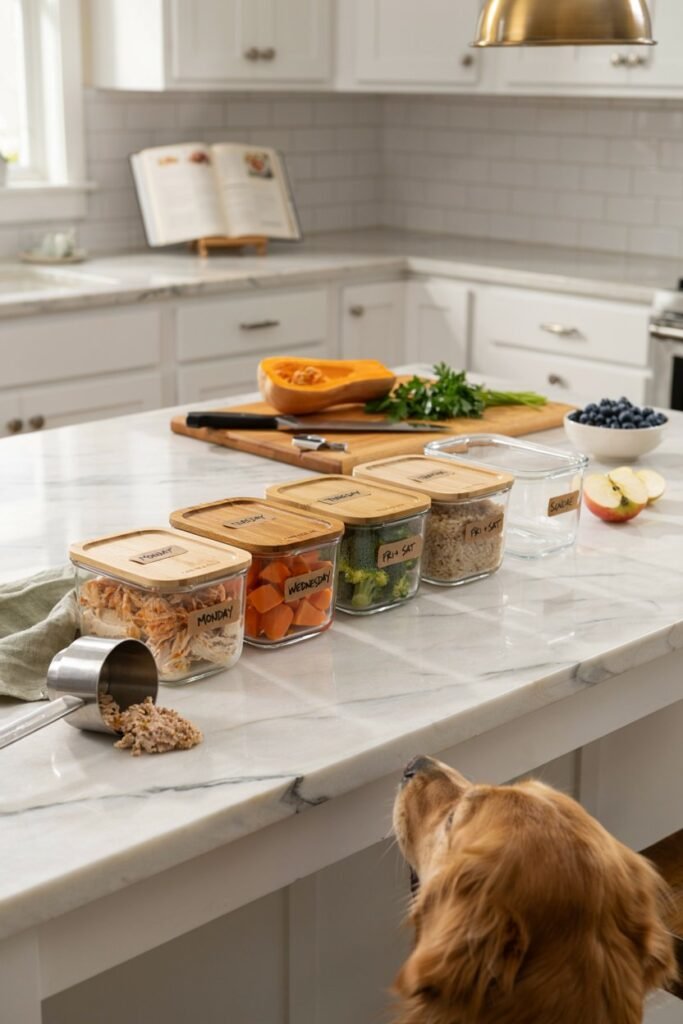
Allow the finished food to cool completely before portioning it into meal sized containers.
I usually store a few days’ worth in the refrigerator and freeze the remaining portions.
Having homemade meals ready to thaw makes feeding time much easier, especially during busy weeks.
Tips for the Best Results
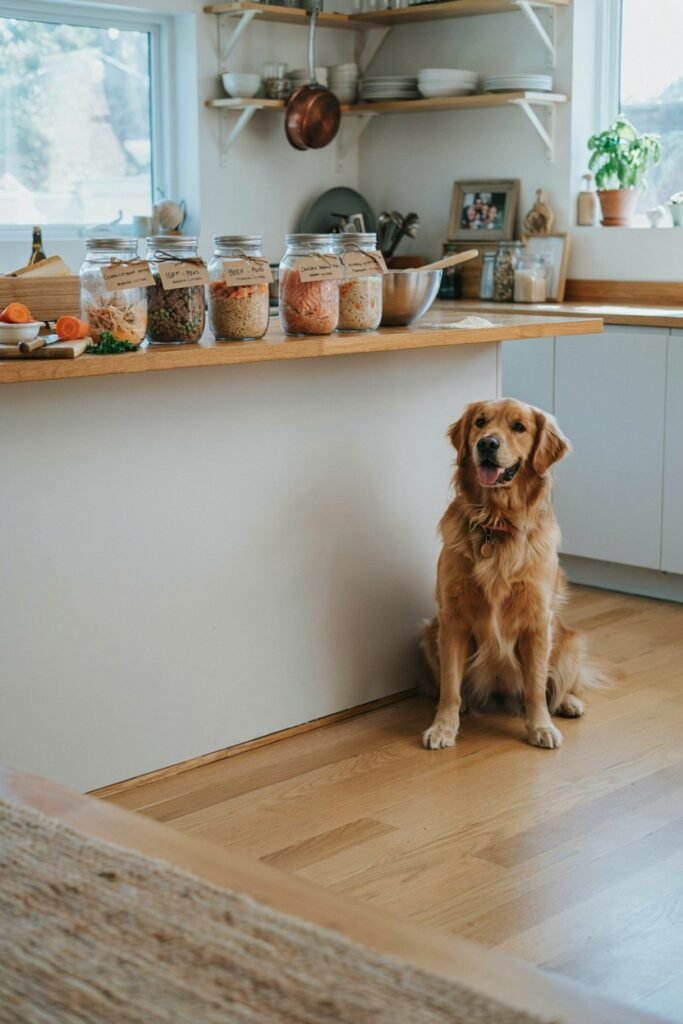
These simple habits have helped me make homemade dog food more consistently.
- Use fresh ingredients whenever possible.
- Cut vegetables into small pieces for easier digestion.
- Avoid adding salt, onions, garlic, or seasonings.
- Let the food cool before storing it.
- Label containers with the preparation date.
- Introduce homemade food gradually by mixing it with your dog’s current food over several days.
Every time I make this recipe, my dog seems to know exactly what is happening.
The moment I start chopping vegetables, I usually have a happy face watching me from across the kitchen, hoping it is time for another fresh homemade meal.
How Much Homemade Dog Food Should You Feed?
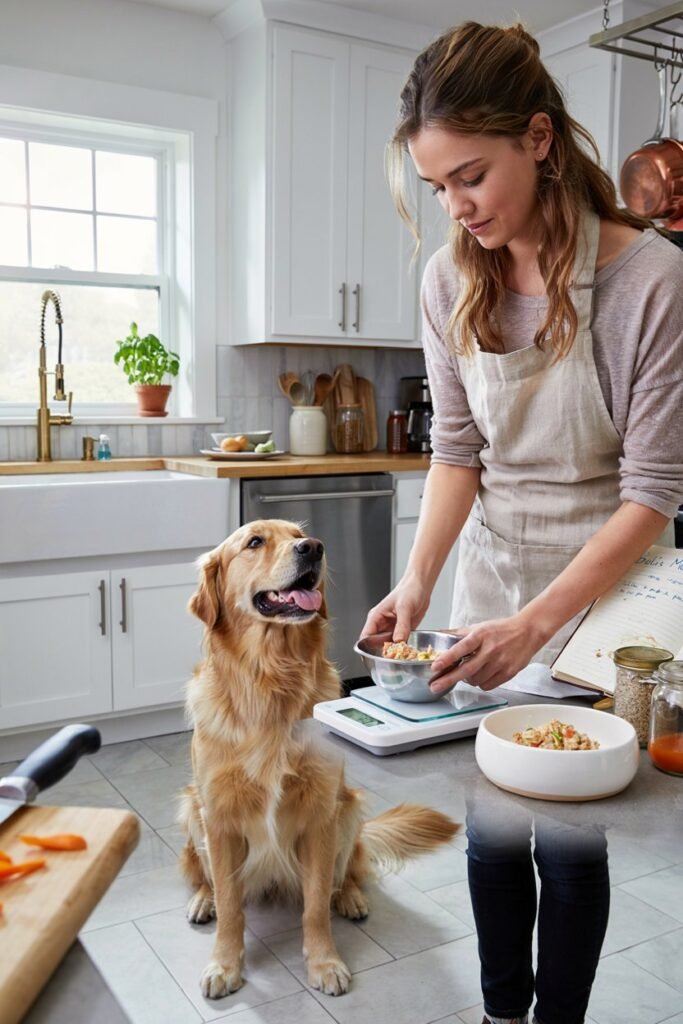
One of the first questions I had when I started making homemade dog food was how much to serve.
I quickly learned that there is no single answer because every dog is different.
A dog’s size, age, activity level, and overall health all affect how much food they need each day.
As a general guide, most healthy adult dogs eat about 2 to 3 percent of their body weight in food each day, divided into two meals.
Highly active dogs may need a little more, while older or less active dogs may need slightly smaller portions.
I always keep an eye on my dog’s weight and body condition. If I notice any changes, I adjust the portion size gradually and continue monitoring how my dog responds.
No matter what diet your dog eats, fresh drinking water should always be available.
How to Store Homemade Dog Food
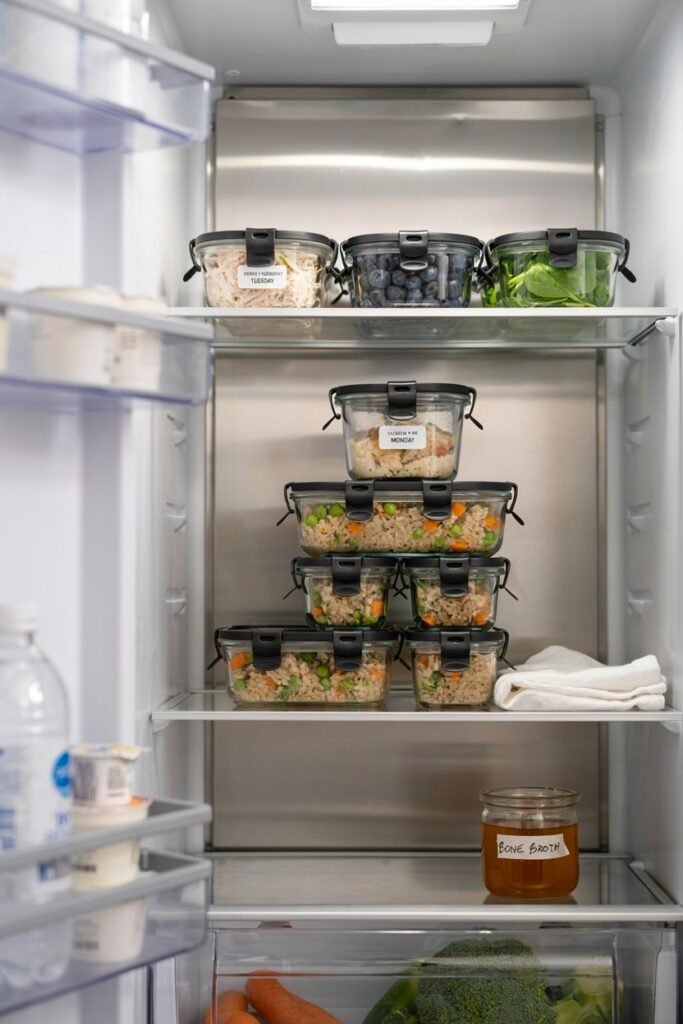
One of my favorite things about this recipe is that it is perfect for meal prep.
After the food has cooled completely, I divide it into individual meal sized containers.
This makes feeding quick and convenient because I only need to thaw one portion at a time.
Homemade dog food can be stored in an airtight container in the refrigerator for up to four days.
For longer storage, freeze individual portions for up to three months.
When I need a frozen portion, I move it to the refrigerator the night before. Thawing it slowly helps maintain both the texture and freshness of the food.
Can You Customize This Recipe?
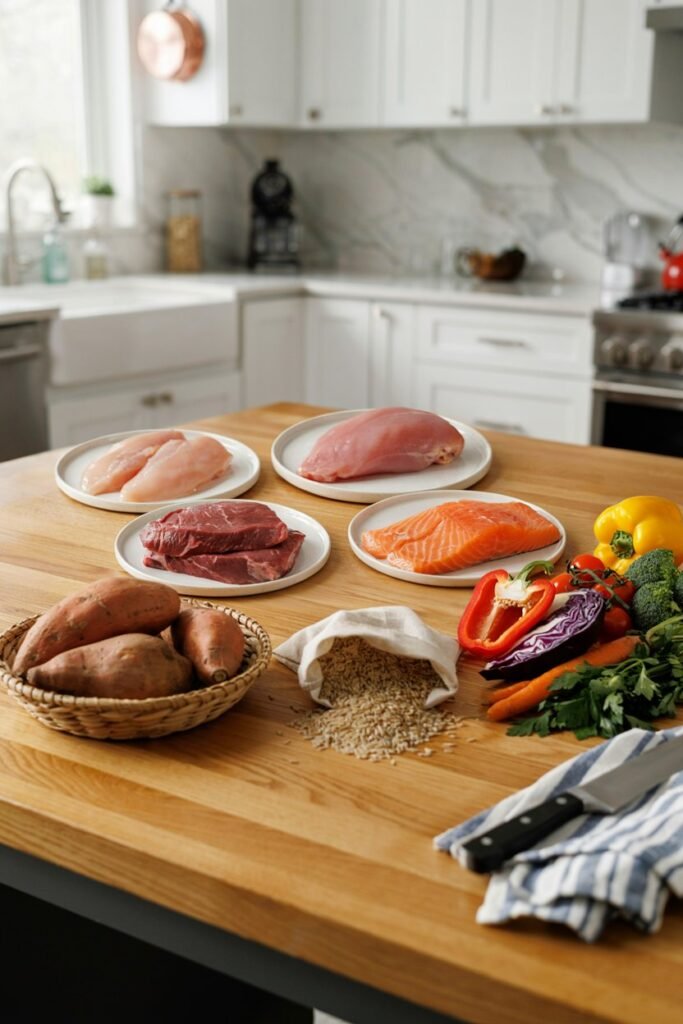
One of the great things about homemade dog food is that you can make small adjustments based on your dog’s preferences.
If your dog does not enjoy chicken, you can often use turkey or lean beef instead.
You can also rotate different vegetables to add variety while keeping the meal balanced.
Whenever I introduce a new ingredient, I only change one thing at a time.
That way, if my dog has any digestive upset, it is much easier to identify the cause.
If your dog has food allergies or a medical condition, always speak with your veterinarian before making ingredient substitutions.
Common Mistakes to Avoid
Making homemade dog food is fairly simple, but there are a few mistakes that are worth avoiding.
Feeding Only Meat
Many people assume dogs only need meat, but a balanced homemade diet also includes vegetables, healthy carbohydrates, healthy fats, vitamins, and minerals.
Forgetting Calcium
Calcium is an important part of a balanced homemade diet.
Meat alone does not provide enough calcium to support healthy bones and teeth.
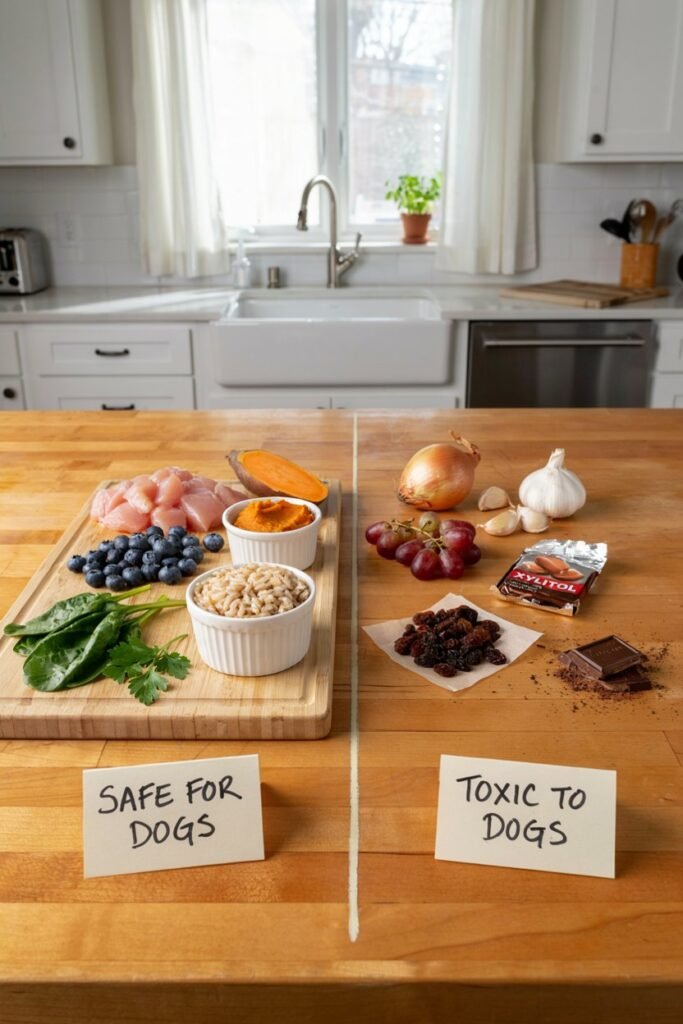
Using Unsafe Ingredients
Some foods that are safe for people can be harmful to dogs.
Avoid ingredients such as onions, garlic, grapes, raisins, chocolate, xylitol, excessive salt, and heavily seasoned foods.
Keeping the recipe simple is always the safest approach.
Overfeeding
Homemade food is nutritious, but serving too much can still lead to weight gain.
I always measure portions instead of guessing, especially when introducing a new recipe.
Changing Foods Too Quickly
Whenever I switch foods, I mix small amounts of the homemade recipe with my dog’s current food over several days.
This gradual transition helps support healthy digestion.
Frequently Asked Questions
Can dogs eat homemade food every day?
Yes, as long as the recipe is complete and balanced for your dog’s nutritional needs.
If homemade food will become your dog’s regular diet, your veterinarian can help ensure the recipe provides everything your dog requires.
Can I freeze homemade dog food?
Absolutely. Freezing individual portions is one of the easiest ways to save time.
Properly stored portions can be frozen for up to three months.
Can I use ground beef instead of chicken?
Yes. Lean ground beef is an excellent source of protein and works well in this recipe.
Just be sure to drain any excess fat after cooking.
Are vegetables necessary?
Vegetables provide fiber, vitamins, minerals, and antioxidants that help support overall health.
Including a variety of dog safe vegetables makes the meal more nutritious.
Can puppies eat this recipe?
Puppies have different nutritional needs because they are growing quickly.
Speak with your veterinarian before feeding homemade meals to a puppy.
How do I know if my dog enjoys the recipe?
A healthy appetite, good energy levels, normal digestion, a shiny coat, and maintaining a healthy weight are all encouraging signs that the recipe is working well for your dog.
Can I make a larger batch?
Yes. I usually double the recipe and freeze individual portions.
It saves time and means I always have homemade meals ready for busy days.
Homemade Dog Food Recipe
Ingredients
Equipment
Method
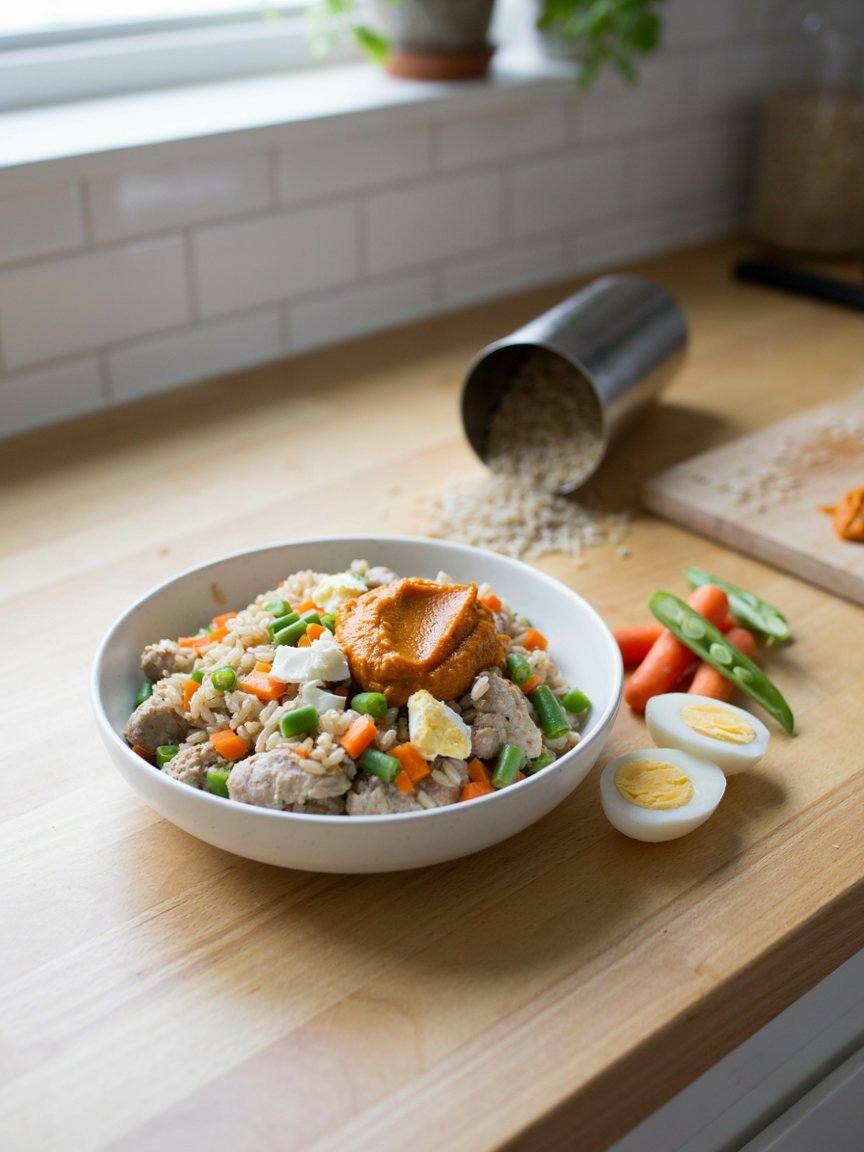
- Cook the ground turkey thoroughly in a large skillet over medium heat. Do not add salt, onion, garlic, or seasonings.
- Cook the eggs separately until fully set. Allow them to cool slightly and chop them into small pieces.
- Prepare the brown rice until tender.
- Cook the carrots and green beans until soft and easy for your dog to eat.
- Add the cooked turkey, rice, carrots, green beans, pumpkin, and eggs to a large mixing bowl.
- Gently stir until all the ingredients are evenly distributed.
- Allow the food to cool completely before serving or portioning for storage.
- This recipe includes several useful food groups, including animal protein, carbohydrates, vegetables, and egg, but those ingredients alone do not guarantee a nutritionally complete and balanced diet.
- For dogs eating homemade food regularly, nutritional requirements vary based on factors such as age, size, activity level, and health status. A veterinarian or veterinary nutritionist can help formulate a diet that meets those needs.
- Use only plain ingredients and avoid onion, garlic, excessive salt, seasoning blends, and cooked bones.
Final Thoughts
Making homemade dog food has become one of my favorite ways to care for my dog.
It allows me to choose fresh ingredients, prepare meals with confidence, and know exactly what goes into every serving.
While high quality commercial dog food can certainly provide complete nutrition, I enjoy making homemade meals because they give me another way to add fresh, wholesome ingredients to my dog’s diet.
Seeing the excitement every time I place a bowl of freshly prepared food on the floor reminds me why I keep coming back to this recipe.
If you are thinking about making homemade dog food, start with simple ingredients, focus on balance rather than complexity, and introduce new meals gradually.
With a little planning and the right combination of ingredients, homemade dog food can become a healthy and rewarding part of your dog’s routine.
There is nothing quite like watching your dog happily enjoy a meal you prepared yourself, and knowing every bite was made with care makes the time spent in the kitchen well worth it.

3 Comments