Homemade Peanut Butter Dog Treats: A Complete Guide (Plus an Easy No Bake Recipe)
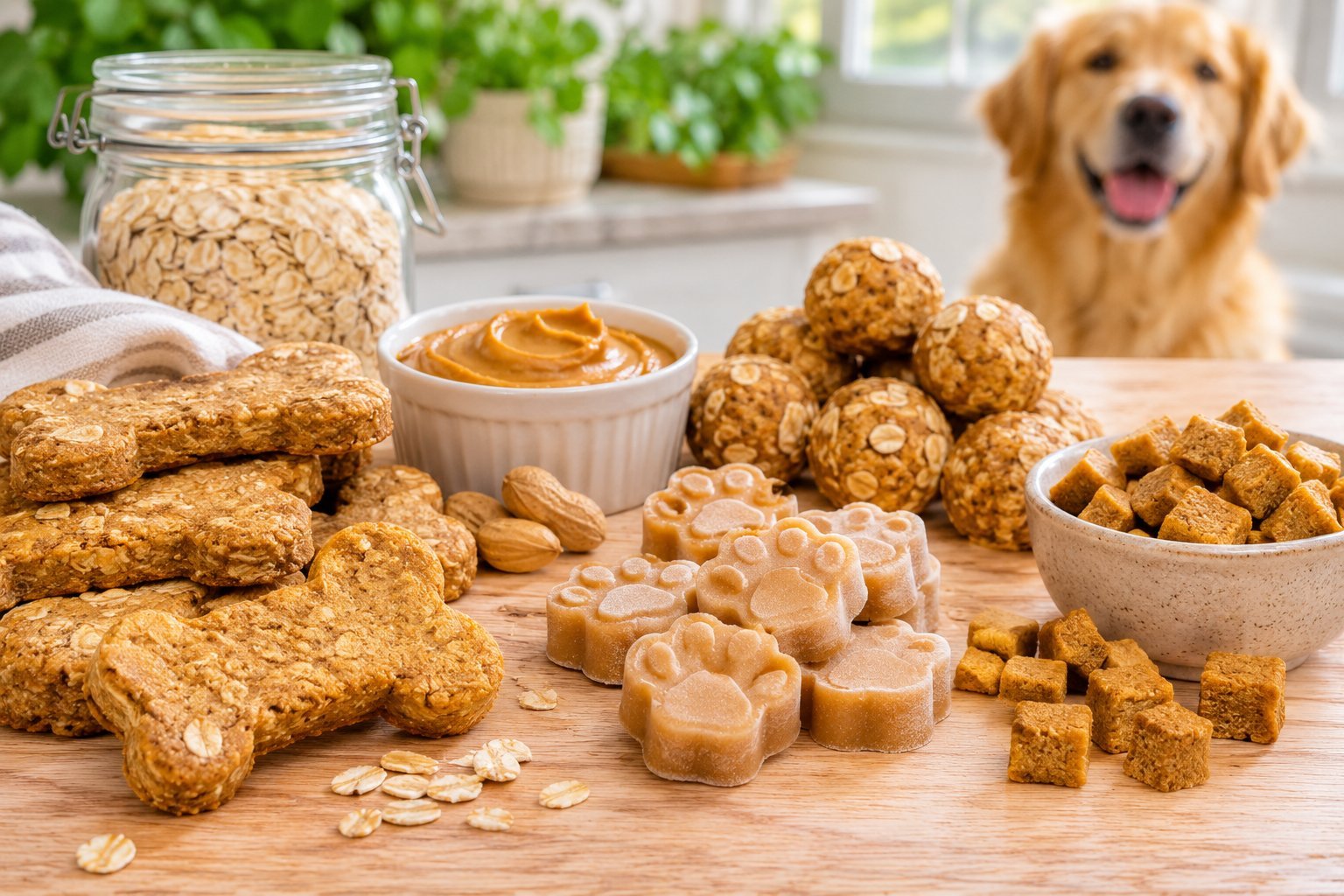
Ask a dog what flavor they’d pick for every treat, and most would say peanut butter. It’s creamy, savory, a little sweet, and almost impossible for a dog to ignore.
It’s also easy to bake with, which is why peanut butter shows up in so many homemade dog treat recipes.
This guide is your starting point. You’ll learn how to choose a safe peanut butter, how much is too much, and which treat style suits your dog, from crunchy biscuits to frozen pops to soft cakes.
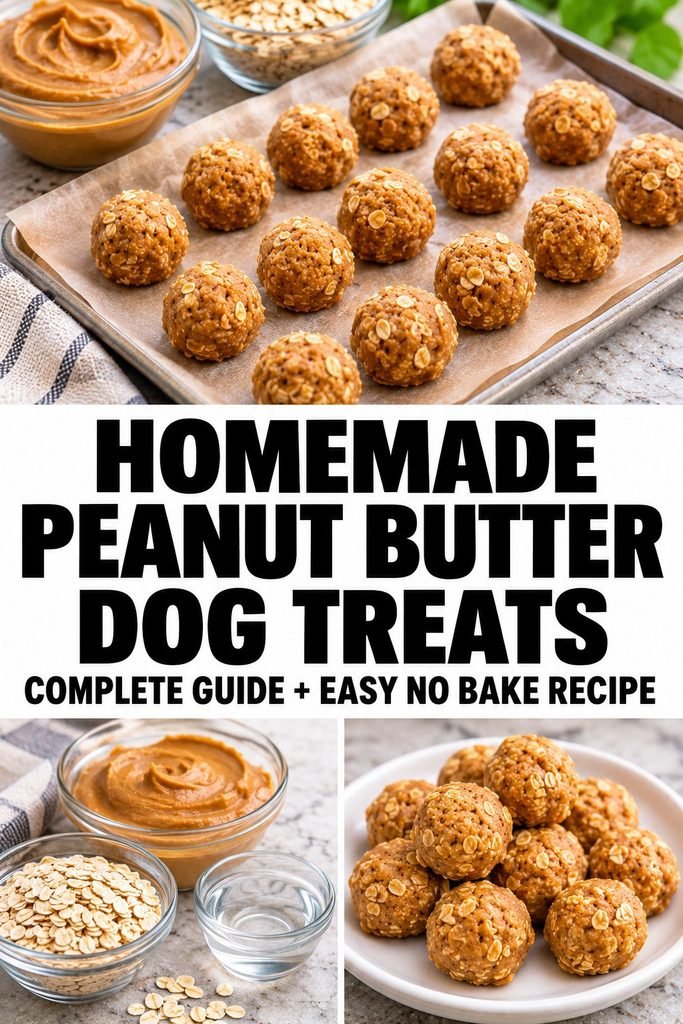
You’ll also get one quick, no bake peanut butter oat bite recipe you can make in 10 minutes, and links to my other peanut butter recipes so you can pick the next one.
Every dog is different, so ask your veterinarian about your dog’s diet, especially for puppies, seniors, and dogs with allergies, weight concerns, or pancreatitis.
The Most Important Rule: Check for Xylitol
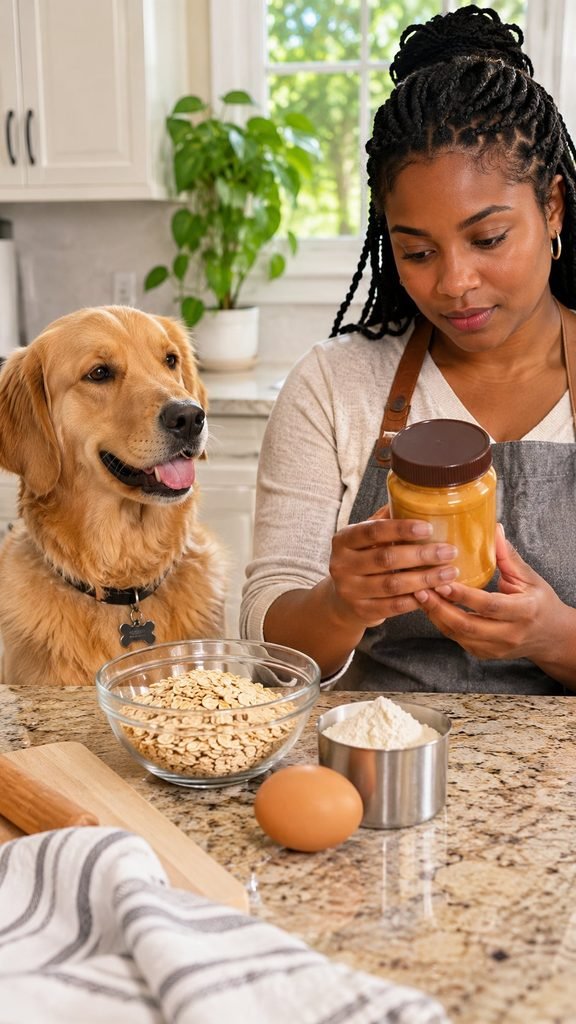
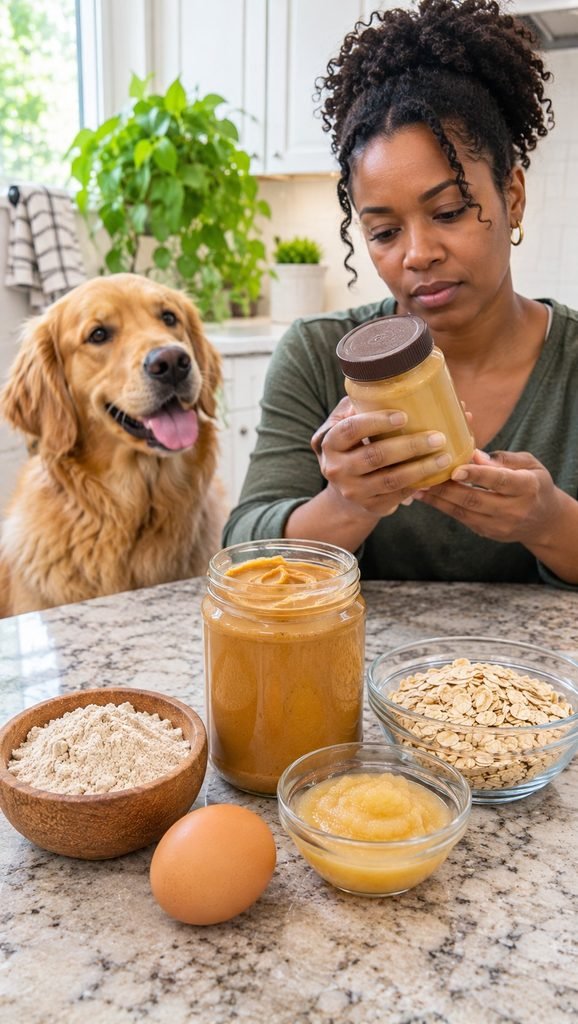
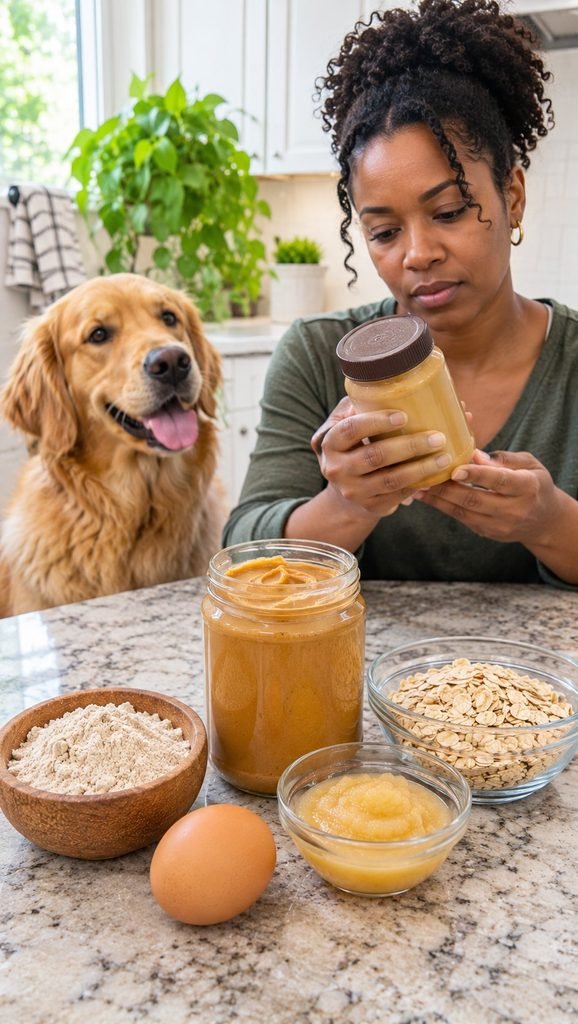
Before anything else, read the peanut butter label.
Xylitol, sometimes listed as birch sugar, is a sweetener found in some “sugar free,” “low sugar,” or specialty peanut butters.
It is highly toxic to dogs, even in small amounts, and can cause a dangerous drop in blood sugar and liver damage.
Read the full ingredient list every time. Brands change their recipes, so check each jar.
If your dog eats something with xylitol, call your veterinarian or an emergency clinic immediately. Don’t wait for symptoms.
How to Choose a Dog Safe Peanut Butter
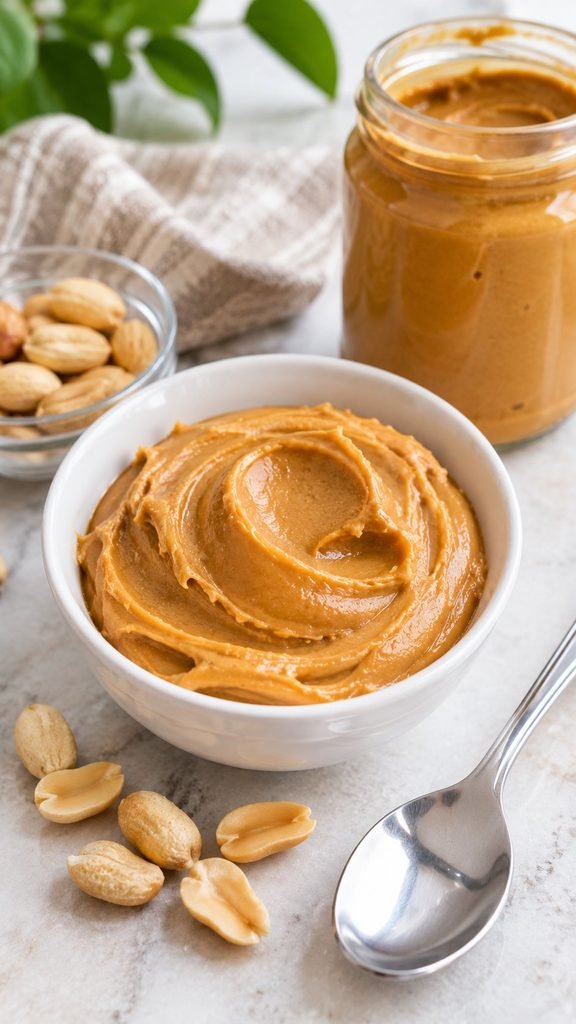
Xylitol free. Non negotiable.
Simple ingredients. Ideally just peanuts, or peanuts and a little salt.
Unsalted if possible. Salt isn’t helpful for dogs.
No added sugar or sweeteners. Dogs don’t need them.
No chocolate, raisins, or other mix ins. Skip flavored butters.
Creamy works best for baking. Crunchy is fine for some recipes, though pieces can be a choking risk for very small dogs.
Natural versions may separate. Stir the oil back in before measuring.
How Much Peanut Butter Is Safe?
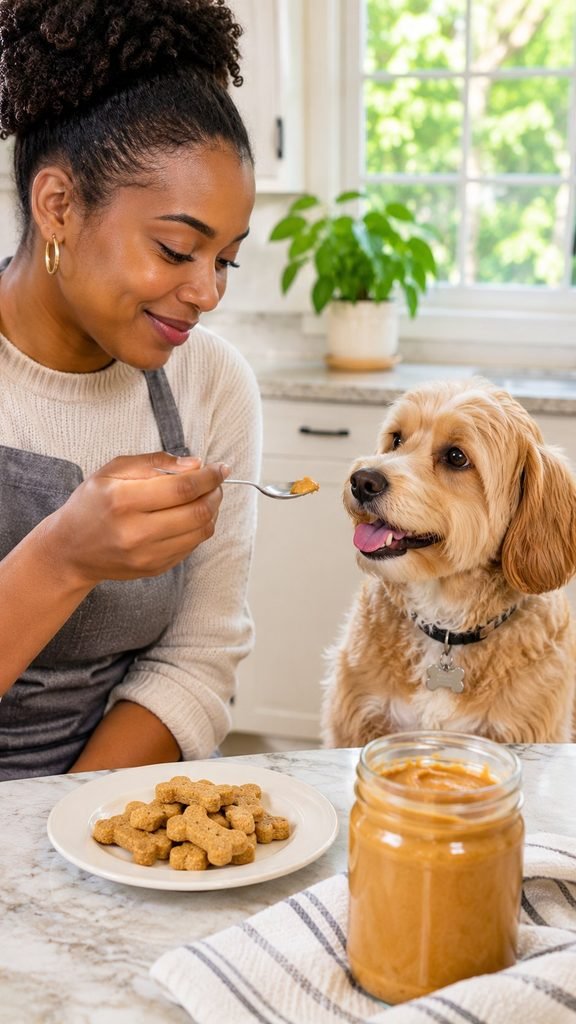
Peanut butter is rich and high in fat.
A little is fine for most dogs, but too much can upset the stomach and, in susceptible dogs, trigger pancreatitis.
Count treats toward your dog’s daily calories, and keep portions modest.
Ask your veterinarian how much is right for your dog, especially for small dogs, overweight dogs, and dogs with a history of pancreatitis.
Watch for allergies. Peanut allergies are uncommon in dogs but possible. Stop feeding and call your veterinarian if you see itching, swelling, vomiting, or diarrhea.
Skip it if advised. Dogs on low fat or prescription diets may not be able to have peanut butter.
Choosing the Right Peanut Butter Treat
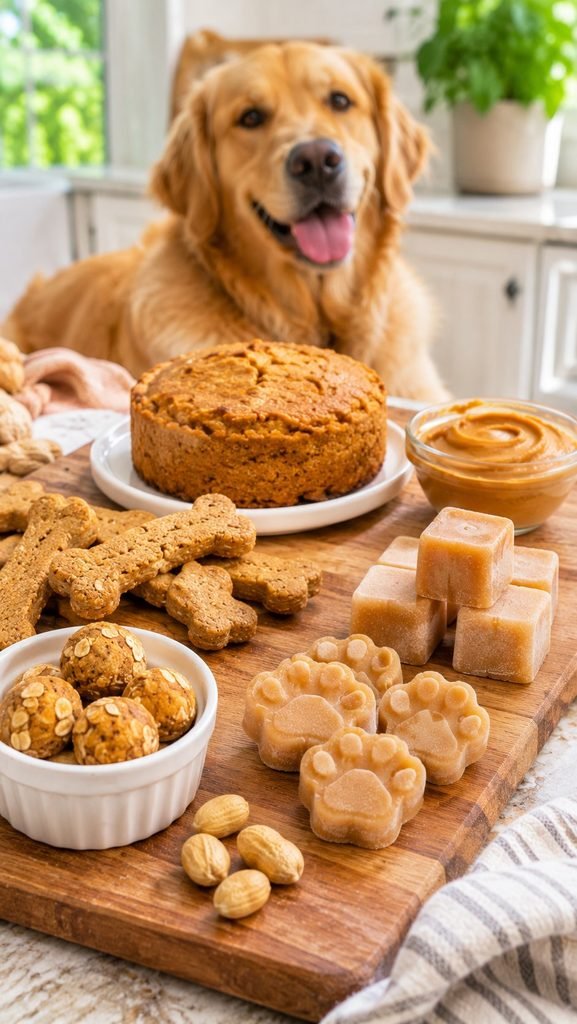
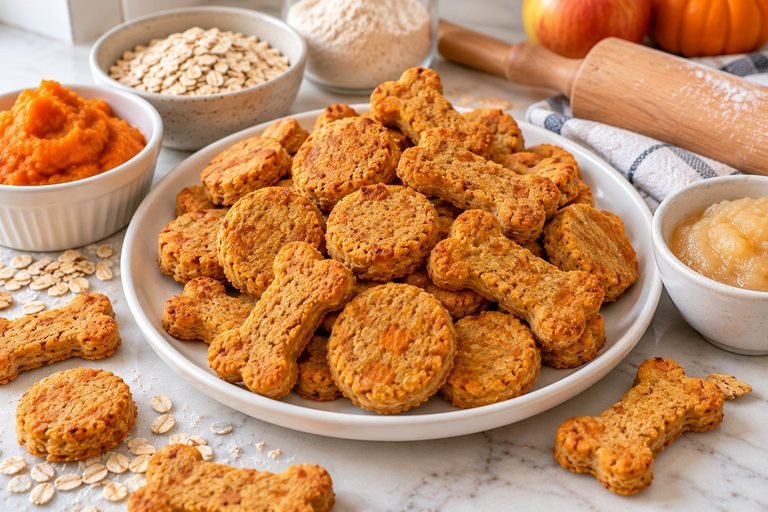
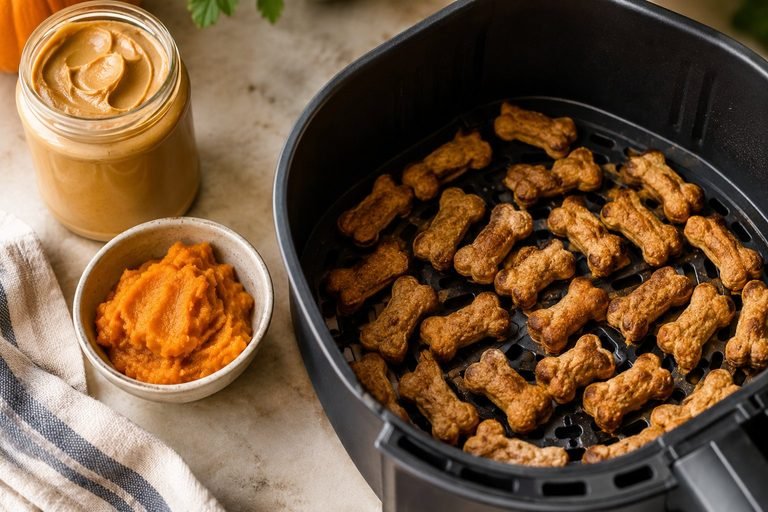
Crunchy biscuits. Great for training, dental chewing, and long storage.
Soft treats. Easier on small mouths and seniors.
Frozen treats. Perfect for hot days.
Cakes and cupcakes. For birthdays and celebrations.
Stuffed toys. Smearing peanut butter into a toy keeps dogs busy.
Medicine delivery. Peanut butter based pockets hide pills, with your vet’s okay.
Easy No Bake Peanut Butter Oat Bites
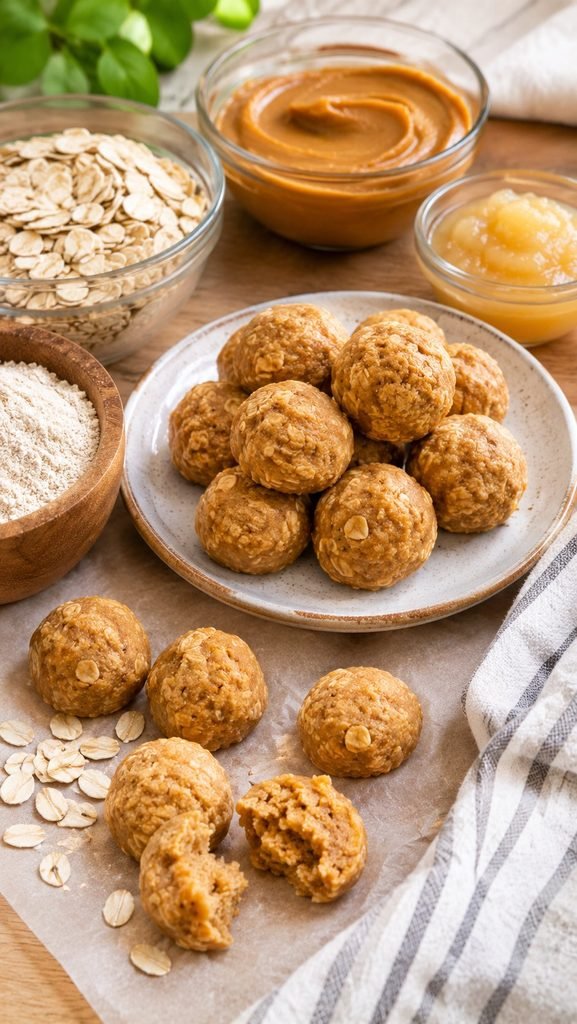
This is the quick recipe to start with. Three ingredients, no oven, and a soft, chewy bite.
Ingredients
- 1 cup oat flour (grind plain rolled oats in a blender until fine)
- 1/2 cup natural, unsweetened, xylitol free peanut butter
- 1/4 cup unsweetened applesauce
- 1 to 2 tablespoons water, only if needed
How to Make Them
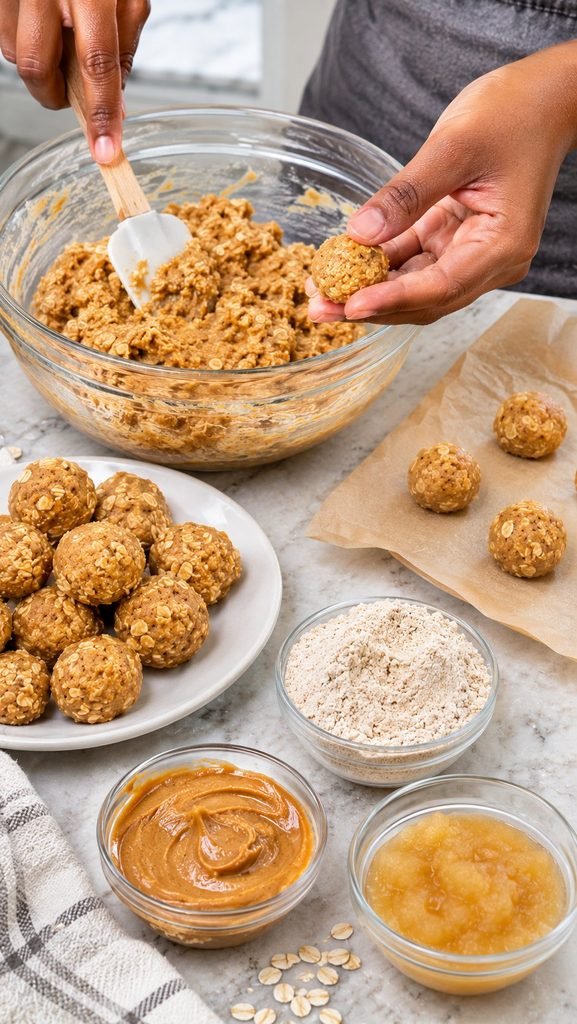
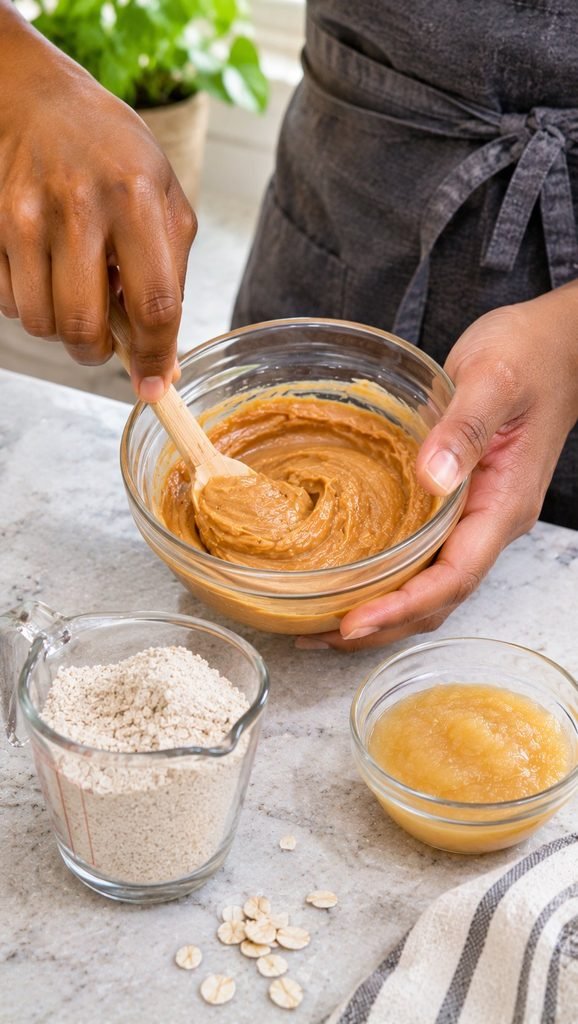
- Mix the wet ingredients. Stir the peanut butter and applesauce until smooth and creamy. Warm the peanut butter for a few seconds if it’s stiff.
- Add the oat flour. Stir until a thick, pliable dough forms.
- Adjust the dough. If it’s too sticky, add a tablespoon of oat flour. If it’s crumbly, add water a teaspoon at a time.
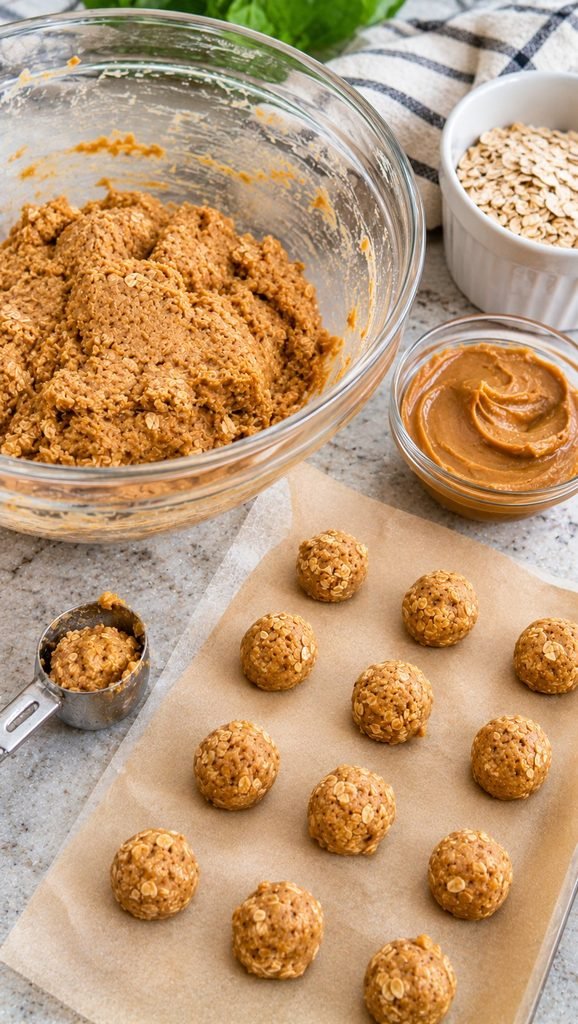
- Shape. Roll into small balls, about the size of a marble for small dogs or a grape for larger dogs.
- Chill. Refrigerate for 20 minutes to firm up.
- Serve. Offer one or two, depending on your dog’s size.
Storage. Keep in an airtight container in the refrigerator for up to five days, or freeze for up to three months.
Safety notes. Use unsweetened applesauce with no xylitol, sugar, or spices. Keep portions small.
Peanut Butter Dog Treat Recipes by Type
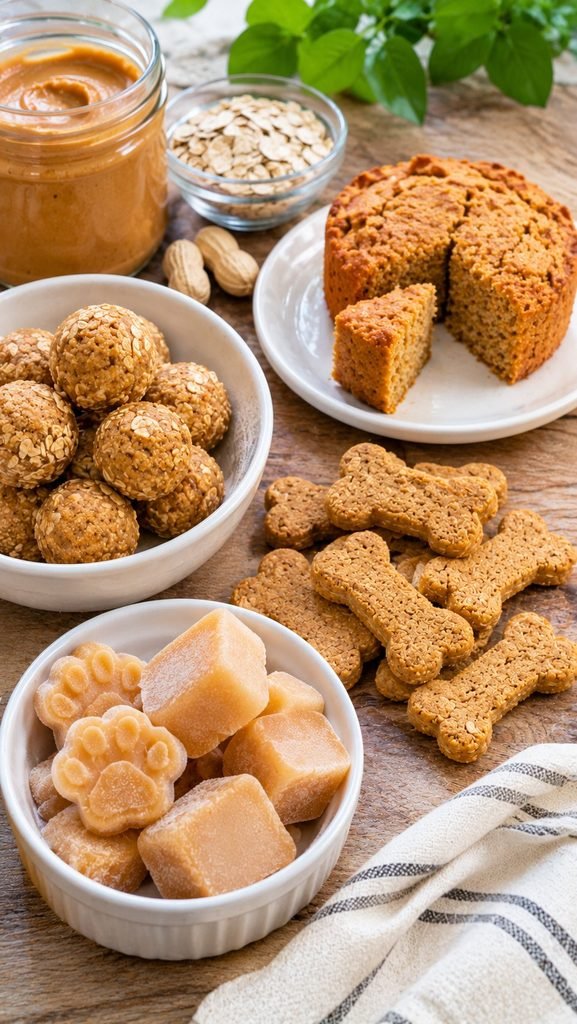
Crunchy Biscuits and Cookies
- Peanut Butter Dog Cookies: a classic, simple cookie
- Peanut Butter Banana Dog Biscuits: a crunchy cut out biscuit
- Banana, Peanut Butter, and Blueberry Dog Biscotti: a twice baked treat
- Peanut Butter Bacon Dog Biscuits: for dogs who love savory flavors, in small amounts
Soft and Chewy Treats
- Banana Peanut Butter Chew Sticks for Dogs
- Homemade Peanut Butter Pumpkin Soft Dog Treats
- Easy Pumpkin Peanut Butter Dog Treats
- Pumpkin Peanut Butter Pretzel Dog Treats
Frozen Treats
- Peanut Butter Popsicles for Dogs
- Peanut Butter Berry Pops for Dogs
- Frozen Peanut Butter Yogurt Bites
- Homemade Peanut Butter Frozen Dog Treats
No Bake Treats
- No Bake Peanut Butter and Pumpkin Dog Treats
- Watermelon Peanut Butter Dog Treats
- Peanut Butter Sandwiched Dog Treats
Cakes and Celebrations
- Peanut Butter Dog Cake
- Dog Birthday Cookies with Sprinkles
- 3 Ingredient Homemade Christmas Dog Treats
Other Uses
- Homemade Dog Pill Pockets: peanut butter based pockets for medicine, with your veterinarian’s approval
Ways to Use Peanut Butter Beyond Baking
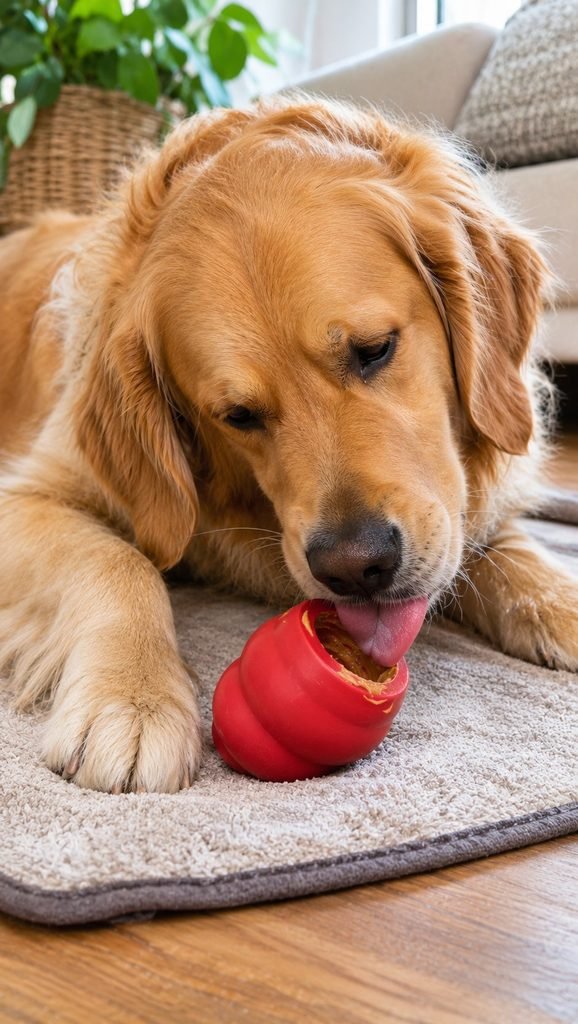
Stuffed toys. Smear a thin layer inside a sturdy, dog safe rubber toy. Freeze it for a longer lasting treat.
Lick mats. Spread a thin layer on a lick mat, which helps calm anxious dogs.
Training reward. A tiny dab off a spoon works for quick rewards.
Pill help. Ask your veterinarian first, since not every medicine mixes well with food.
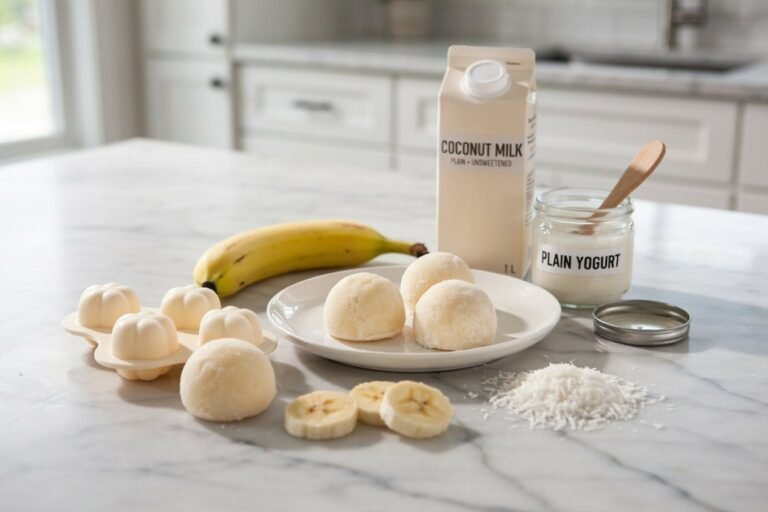
Frozen cubes. Mix with plain yogurt or pumpkin and freeze in a tray.
Keep portions small, since the fat adds up.
Mix Ins That Pair Well With Peanut Butter
Banana. Natural sweetness and moisture.
Pumpkin. Plain puree, never pie filling.
Apple. Unsweetened applesauce, or finely grated apple with no seeds.
Blueberries and strawberries. Small amounts, washed.
Oats and oat flour. Structure and fiber.
Carrot. Finely grated.
Plain yogurt. Plain, unsweetened, and xylitol free, for dogs who tolerate dairy.
What to Avoid in Peanut Butter Treats
Xylitol. In any form.
Chocolate and cocoa. Toxic.
Raisins and grapes. Toxic.
Macadamia nuts. Toxic to dogs.
Added sugar and sweeteners. Not needed.
Salt, onion, and garlic. Skip them.
Nutmeg and pie spices. Not safe.
Large amounts of fat. Bacon, oils, and extra butter add up.
Tips for Better Peanut Butter Treats
Stir the jar. Natural peanut butter separates.
Warm it briefly. A few seconds in the microwave makes it easy to mix.
Measure carefully. Too much makes treats greasy.
Cool completely before storing. Trapped steam breeds mold.
Cut small. Small treats mean small portions.
Dry for crunch. Let baked treats sit in the cooling oven.
Freeze extras. It keeps them fresh.
Common Mistakes to Avoid
Skipping the xylitol check. The most important step.
Using sweetened or flavored peanut butter. Choose plain.
Feeding too much. Peanut butter is calorie dense.
Ignoring your dog’s health. Ask about pancreatitis, allergies, and weight.
Storing treats warm. They spoil quickly.
Using the same treat every day. Rotate flavors.
Giving to puppies without asking. Check with your veterinarian.
Storage Guide
Fully dried, baked biscuits. Airtight container, about a week at room temperature, or up to two weeks in the refrigerator.
Soft and no bake treats. Refrigerate for up to five days.
Frozen treats. Freezer for up to two to three months.
Check before serving. Discard any treats with mold, an off smell, or unusual texture.
More Homemade Dog Treat Ideas
- Peanut Butter Dog Cookies
- Peanut Butter Banana Dog Biscuits
- Peanut Butter Berry Pops for Dogs
- Peanut Butter Dog Cake
- Master Dry Mix for Dog Treats
Frequently Asked Questions
Is peanut butter safe for dogs? Plain peanut butter without xylitol is generally safe in small amounts. Always check the label.
What brand of peanut butter is best? I don’t recommend brands, since recipes change. Look for plain peanut butter with no xylitol, sugar, or additives, and read each jar.
Can dogs eat crunchy peanut butter? Many can, though pieces may be a choking risk for very small dogs.
How much peanut butter can a dog have? It depends on size and diet. Keep it modest and ask your veterinarian.
Can puppies have peanut butter? Ask your veterinarian first, since puppies have sensitive stomachs.
Can dogs be allergic to peanut butter? It’s uncommon but possible. Watch for itching, swelling, or digestive upset.
Is peanut butter bad for dogs with pancreatitis? It’s high in fat, so ask your veterinarian before feeding it.
What if my dog ate peanut butter with xylitol? Call your veterinarian or an emergency clinic immediately.
Can I use powdered peanut butter? Check the label for xylitol and added sugar, and ask your veterinarian.
Can I use other nut butters? Stick with plain peanut butter unless your veterinarian says otherwise. Macadamia nuts are toxic, and some nut butters contain xylitol.
Easy No Bake Peanut Butter Oat Bites Recipe Card
Prep time: 10 minutes
Chill time: 20 minutes
Total time: About 30 minutes
Yield: About 24 small bites
Storage: Refrigerator, up to 5 days, or freezer, up to 3 months
Ingredients
- 1 cup oat flour
- 1/2 cup natural, unsweetened, xylitol free peanut butter
- 1/4 cup unsweetened applesauce
- 1 to 2 tablespoons water, only if needed
Instructions
- Stir the peanut butter and applesauce until smooth.
- Mix in the oat flour until a thick dough forms.
- Roll into small balls.
- Refrigerate for 20 minutes.
- Serve one or two, depending on your dog’s size.
Notes
Check labels for xylitol. Peanut butter is high in fat, so keep portions small. Treats should be a small part of your dog’s daily diet. Ask your veterinarian before feeding new treats to puppies, seniors, or dogs with health conditions.
A Final Note on Peanut Butter Dog Treats
Peanut butter is a wonderful, motivating ingredient when it’s chosen carefully and used in moderation.
Check labels, keep portions sensible, and pick the treat style that fits your dog.
Start with the no bake bites, then work your way through the recipes above.
For a wider look at feeding your dog well, check out my 7 Healthiest Homemade Dog Foods.