
Easy Frozen Coconut Dog Treats for Summer
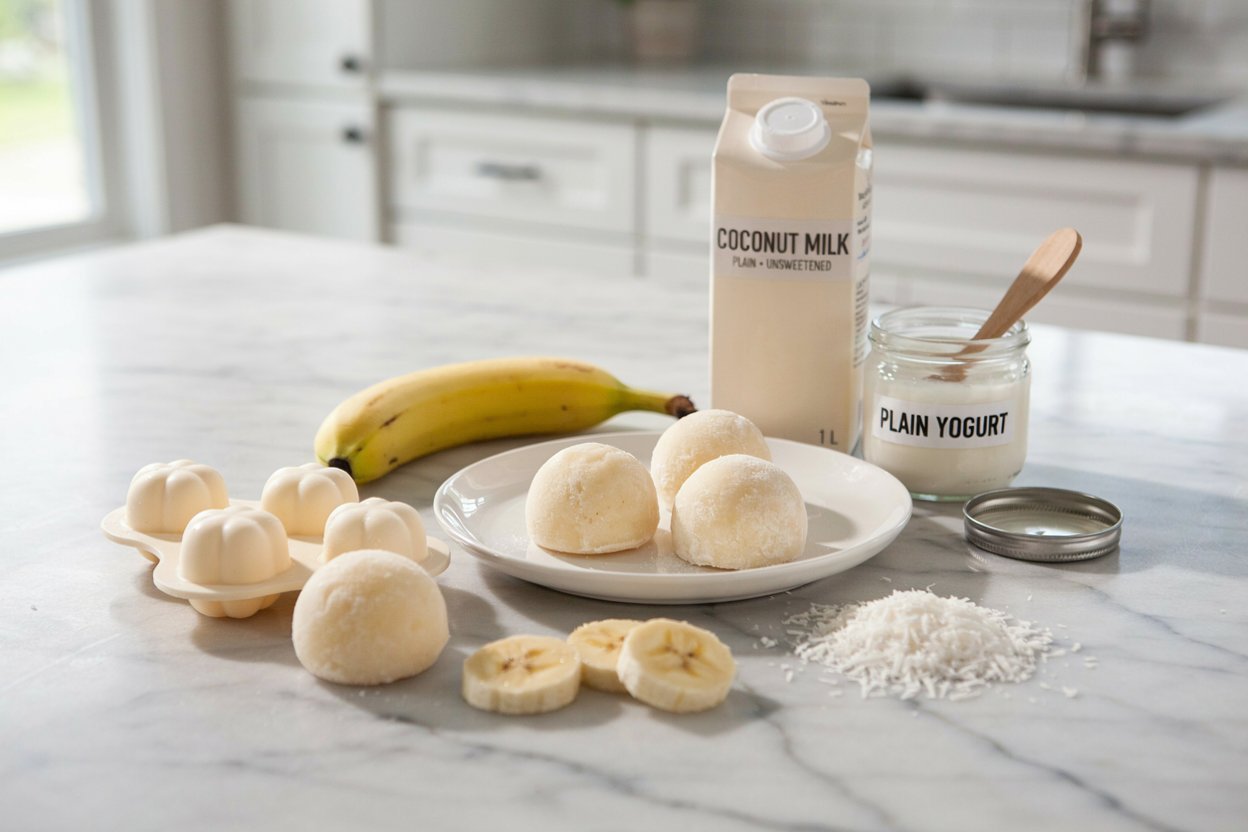
When the weather gets hot, I always find myself looking for simple ways to help my dog stay comfortable, especially during the warmer afternoons when even a normal day outside can leave him looking for the coolest spot in the house.
One of my favorite little treats to make during summer is frozen coconut dog treats because they are incredibly easy, require only a few simple ingredients, and give my dog something cold and refreshing without spending much time in the kitchen.
I started making homemade frozen dog treats because I wanted something I could prepare myself and keep in the freezer for those especially warm days. These coconut treats quickly became one of the recipes I kept coming back to because they are simple enough to make in a few minutes and easy to portion into small servings.
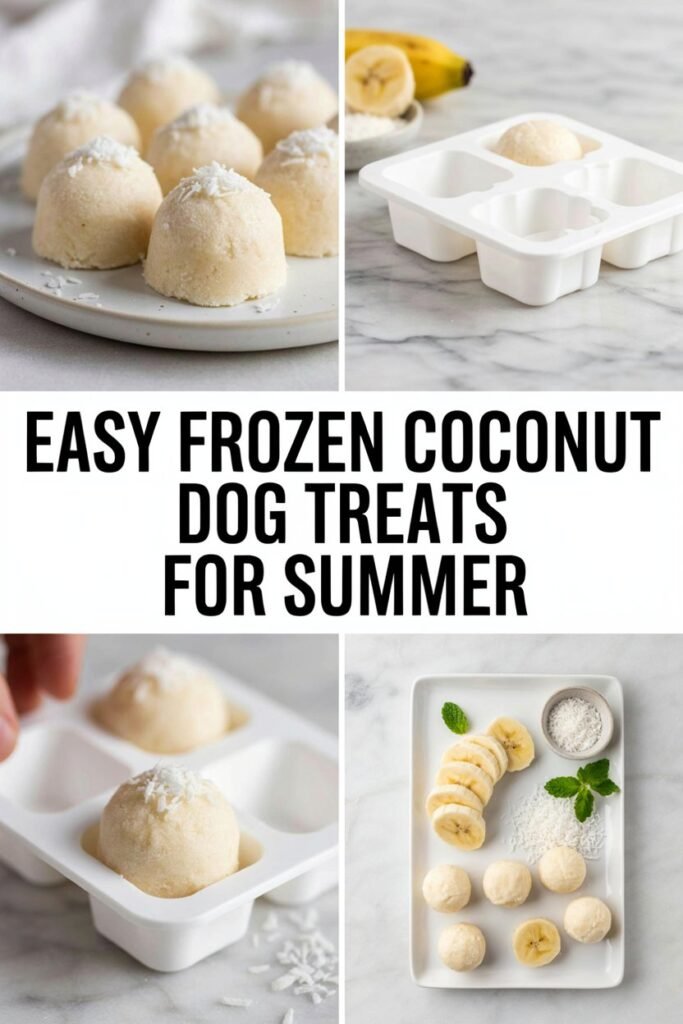
I also like that I can control exactly what goes into them instead of relying on packaged treats with ingredients I do not necessarily need.
For this recipe, I use plain unsweetened coconut ingredients and avoid added sugar, artificial sweeteners, chocolate, or anything else that is unsafe for dogs. The result is a creamy frozen snack that works especially well as an occasional summer treat.
My dog enjoys them straight from the freezer, and I like having something ready whenever the temperature climbs. If you have been searching for easy homemade dog treats, healthy summer dog treats, frozen dog treats, coconut dog treats, or simple recipes for dogs, this is a great recipe to keep in your collection.
Why I Like Making Frozen Dog Treats in Summer
Summer can completely change my dog’s routine. There are days when he still wants to play and follow me around the house, but I can tell he is feeling the heat much more than usual. Instead of giving him extra snacks throughout the day, I like making small frozen treats that feel more refreshing.
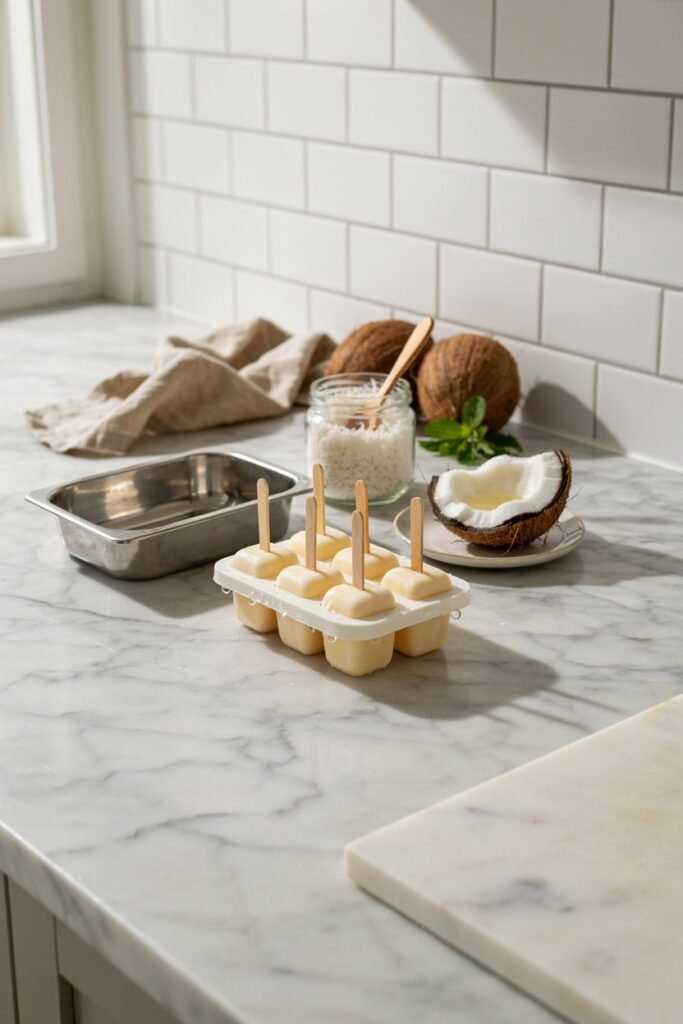
The biggest advantage for me is how little preparation these treats require. I can mix everything together, pour the mixture into a small silicone mold, and put it straight into the freezer. There is no complicated cooking process and very little cleanup afterward.
I also like being able to make a batch ahead of time. Once the treats are frozen, I can keep them stored in the freezer and take out one or two whenever my dog deserves a special snack.
These are treats rather than a replacement for your dog’s regular balanced food, so I keep the portions small and give them as an occasional addition to his normal diet.
What You Need
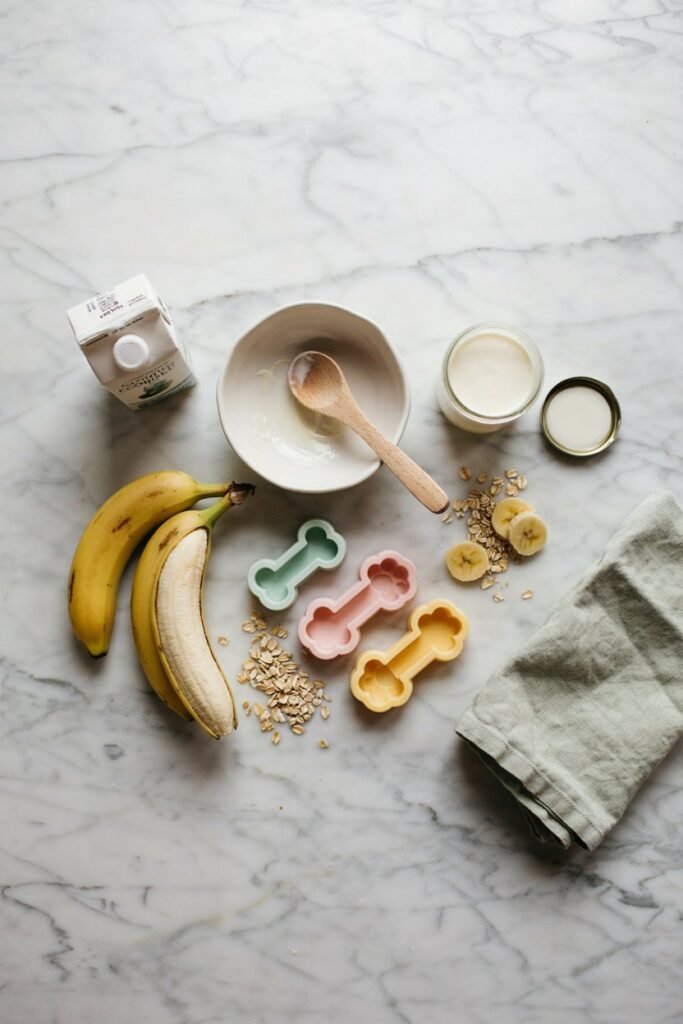
You only need a few simple ingredients for these frozen coconut dog treats.
Plain Unsweetened Coconut Milk
I prefer using plain coconut milk without added sugar or flavoring. Check the ingredient label carefully because coconut products can vary considerably.
Plain Yogurt
A small amount of plain yogurt can give the treats a smoother, creamier texture. If your dog does not tolerate dairy well, you can leave it out or choose an appropriate dairy free alternative.
Always choose plain yogurt without added sugar, artificial sweeteners, or other unnecessary ingredients.
Banana
Ripe banana adds natural sweetness and helps give these frozen treats a soft texture once your dog starts eating them.
I usually use a small amount because the banana is there for flavor and texture rather than making the treats overly sweet.
Important Ingredient Check Before You Start
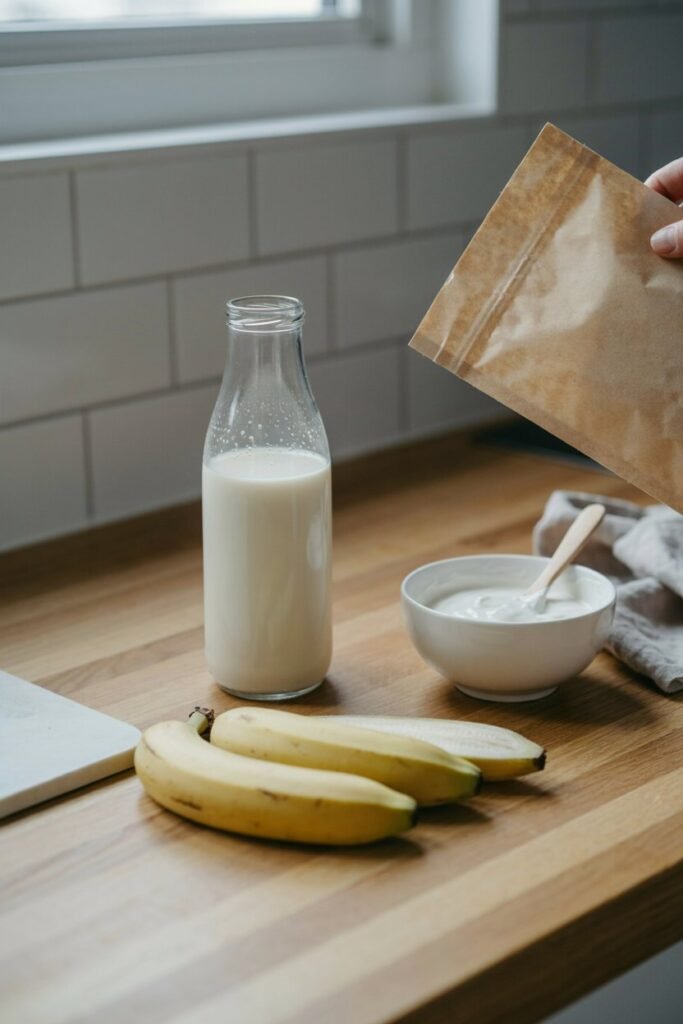
One thing I have learned from making homemade treats is that simple does not automatically mean every ingredient is suitable for every dog.
Always check the labels of packaged ingredients before using them.
Most importantly, never use anything containing xylitol, which is extremely dangerous for dogs. Avoid sweetened coconut products, chocolate, macadamia nuts, excessive added sugar, and flavored products containing ingredients that are unsuitable for dogs.
If your dog has food allergies, digestive sensitivities, pancreatitis, diabetes, or another condition requiring dietary restrictions, check with your veterinarian before introducing a new treat.
For a healthy dog, these treats are best viewed as an occasional snack rather than something to replace meals.
How I Make Frozen Coconut Dog Treats
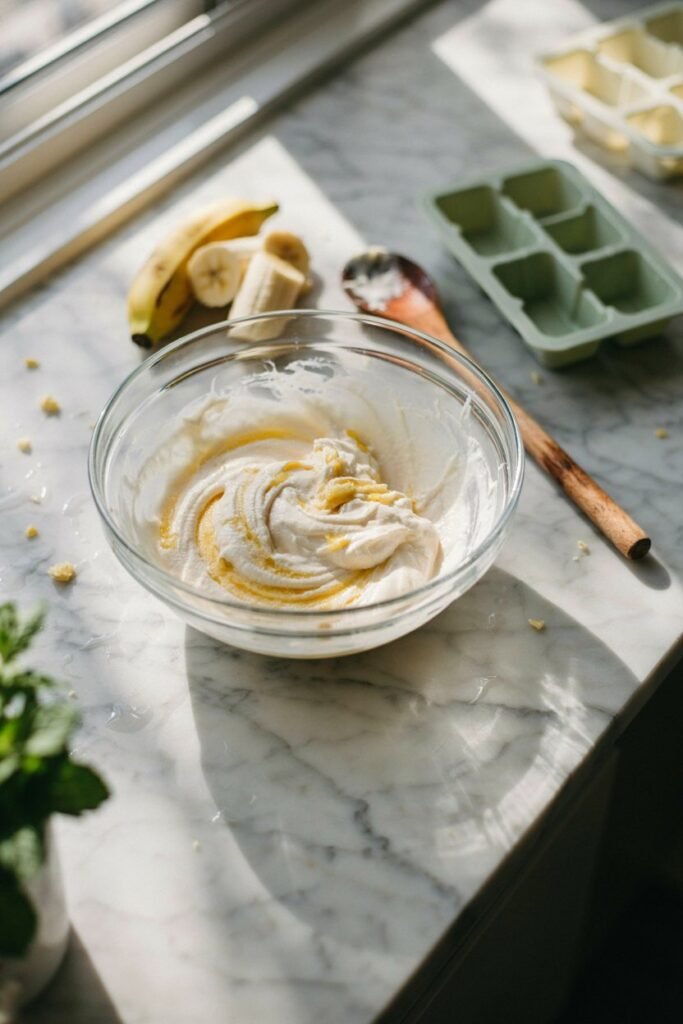
I start by preparing the banana. I peel it and mash it until it is mostly smooth. It does not have to be perfectly blended because a few tiny pieces can add some texture.
Next, I add the plain coconut milk and yogurt.
I mix everything until the ingredients are well combined and creamy. If I am making a larger batch, I sometimes use a blender because it creates an especially smooth mixture, but a bowl and spoon work perfectly well for a small batch.
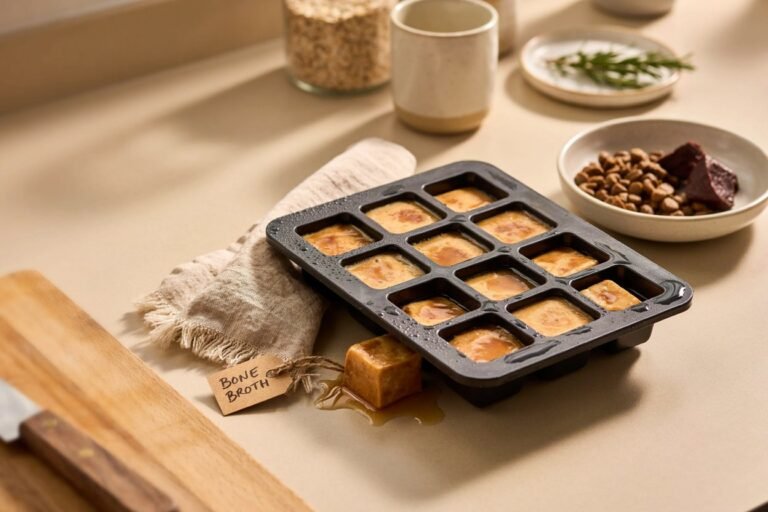
Once the mixture is ready, I pour it carefully into small silicone molds.
I prefer smaller molds because they make portion control much easier. You can also use an ice cube tray if you do not have silicone treat molds available.
I place the filled molds on a flat surface in the freezer and let them freeze completely.
Depending on the size of the molds and the temperature of your freezer, they generally need several hours to become solid. I usually prefer making them ahead of time so I do not have to wait when I want to give my dog one.
The Small Mold Trick I Prefer
I used to think bigger frozen treats would be more exciting for my dog, but I have found that smaller portions are much easier to manage.
Small silicone molds also make the treats easier to remove from the freezer without having to break apart a large frozen block.
They are particularly useful if you have a small dog because you can give a suitable portion without accidentally offering more food than intended.
For larger dogs, you can simply offer more than one small treat when appropriate rather than making each frozen treat oversized.
How to Serve Them
When the treats are completely frozen, I remove one from the mold and let it sit for a short moment before giving it to my dog.
I do this because the treat can be extremely hard immediately after coming out of the freezer.
I also like to supervise my dog while he enjoys frozen treats, especially if the pieces are larger than a normal bite.
On very warm days, I sometimes give one after we have finished playing outside and my dog has settled down indoors. It makes the treat feel like a little part of our summer routine rather than something he gets constantly throughout the day.
The most important thing is to remember that frozen treats are still treats. They should fit into your dog’s overall daily food intake.
Why Homemade Treats Work So Well for Me
The biggest reason I keep making homemade dog treats is control.
When I make them myself, I know exactly what I am putting into the bowl. I can keep the recipe simple, adjust the portion size, and avoid ingredients I do not want my dog eating.
There is also something satisfying about opening the freezer and already having homemade treats waiting for a hot afternoon.
I do not need to prepare anything when my dog wants a little snack. I simply take one out, let it soften slightly, and serve it.
That convenience is what makes this recipe one I genuinely recommend for busy dog owners who want an easy summer treat without turning treat making into a big project.
A Few Things I Would Keep in Mind
Coconut products can be high in fat and calories, so I would not make these a large part of a dog’s daily diet.
Start with a small portion if your dog has never had the ingredients before and watch for any digestive upset.
I also would not assume that because a recipe is homemade it automatically counts as a healthy everyday food. Dogs have different nutritional needs from humans, and their regular meals should provide the balanced nutrition they need.
For me, the best homemade dog treats are the ones that stay simple, are given in moderation, and complement my dog’s normal diet rather than replacing it.
How to Make These Frozen Coconut Dog Treats Even Easier
One of the reasons I keep this recipe in my summer routine is that there is very little preparation involved. When I am already busy with normal household tasks, I do not want a dog treat recipe that leaves me with a sink full of dishes.
I usually prepare everything on a day when I am already in the kitchen. I mash the banana, add the other ingredients, mix everything together, and fill the molds.
That is basically it.
I then put the molds in the freezer and leave them alone until the treats are completely solid.
If you want to make your own frozen dog treats regularly, I recommend keeping a few small silicone molds specifically for homemade pet treats. They are easy to wash, easy to store, and make it much easier to create consistent portions.
Choosing the Right Coconut Milk
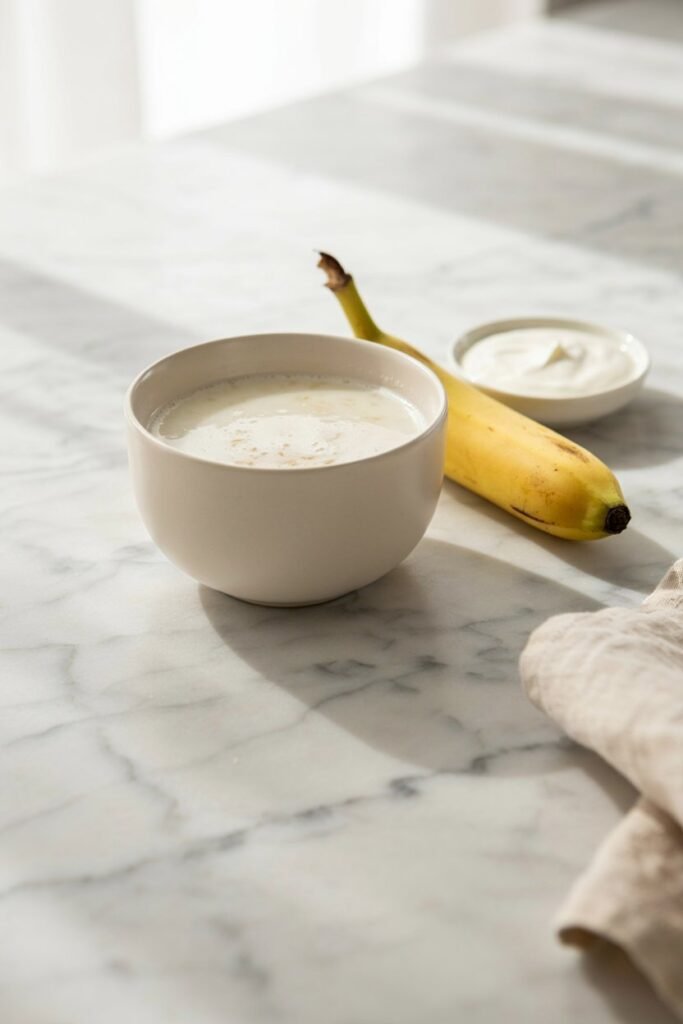
This is one area where I would take a little extra time when shopping.
Coconut milk products are not all the same. Some contain added sugar, sweeteners, flavorings, or other ingredients that you may not want to include in a homemade dog treat.
I look for plain coconut milk with a simple ingredient list.
I also avoid sweetened coconut milk. There is no reason to add unnecessary sugar to a treat that already contains naturally sweet banana.
If you are using canned coconut milk, remember that it can separate while sitting in the can. Give it a good stir before measuring it for the recipe.
You do not need to use a large amount. The goal is simply to create a smooth mixture that freezes nicely.
Can Dogs Eat Coconut?
Coconut itself is generally considered safe for dogs in moderate amounts, but that does not mean every coconut product is appropriate.
This is something I always keep in mind when preparing homemade treats.
Plain coconut flesh and unsweetened coconut products are very different from heavily processed coconut desserts or sweetened coconut snacks.
Coconut is also relatively high in fat, so I would keep these treats small and occasional.
Every dog is different. Some dogs may handle coconut without any problems while others may develop digestive upset after eating unfamiliar foods.
If coconut is new to your dog, introducing a small amount first is a sensible approach.
Can You Use Coconut Water Instead?
Yes, you can make a lighter version using plain coconut water instead of coconut milk.
The texture will be different because coconut water contains much less fat and does not have the same creamy consistency.
If I am looking for a creamy frozen treat, I prefer coconut milk.
If I want something lighter and more icy, coconut water can work well.
Just make sure the coconut water is plain and does not contain added sugar or unsuitable sweeteners.
Can You Make Them Without Banana?
Absolutely.
Banana is useful because it adds natural sweetness and gives the frozen mixture a smoother consistency, but it is not essential.
You can make a simpler coconut version using plain unsweetened coconut milk and an appropriate plain yogurt.
The texture may be slightly different, and the flavor will be less sweet.
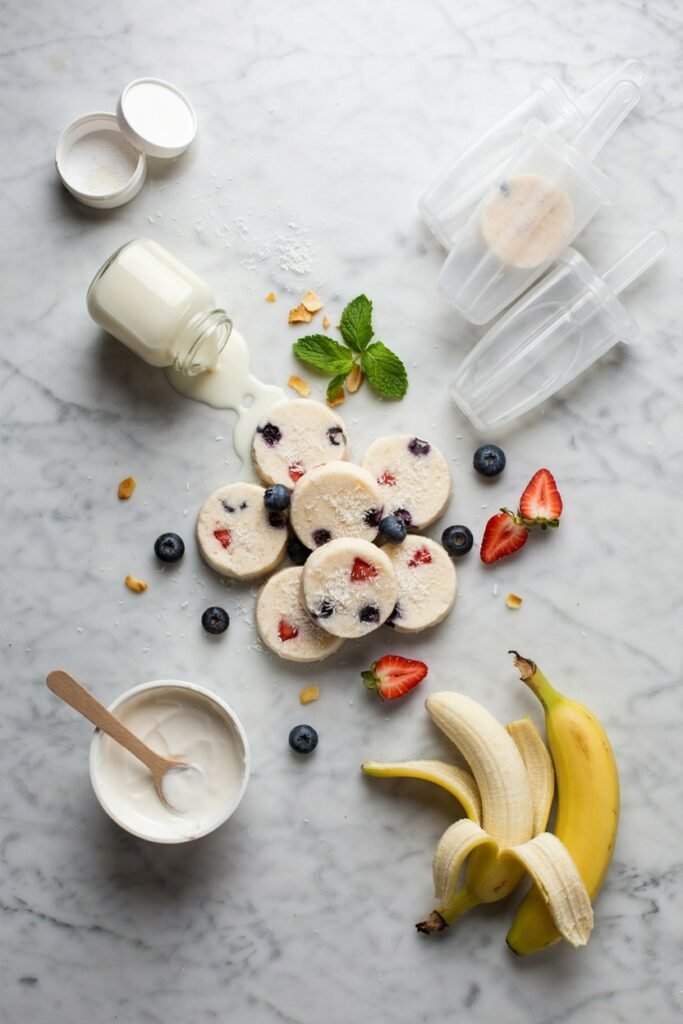
Another option is to add a small amount of dog friendly fruit such as blueberries or strawberries, provided your dog already tolerates those foods.
I personally like banana because it keeps the recipe simple and gives the treats a creamy texture without needing additional sweeteners.
Adding Fruit to Frozen Dog Treats
Fruit can be a fun way to change the recipe without making it complicated.
Some fruits commonly used in dog friendly homemade treats include blueberries, strawberries, watermelon without seeds, and apples without seeds or cores.
When I add fruit, I prefer using a small amount rather than turning the treat into a fruit heavy snack.
The fruit should complement the recipe rather than become the main ingredient.
I also introduce new foods separately whenever possible. That way, if my dog develops an upset stomach, I have a better idea of what caused it.
Frozen Coconut Treat Variations
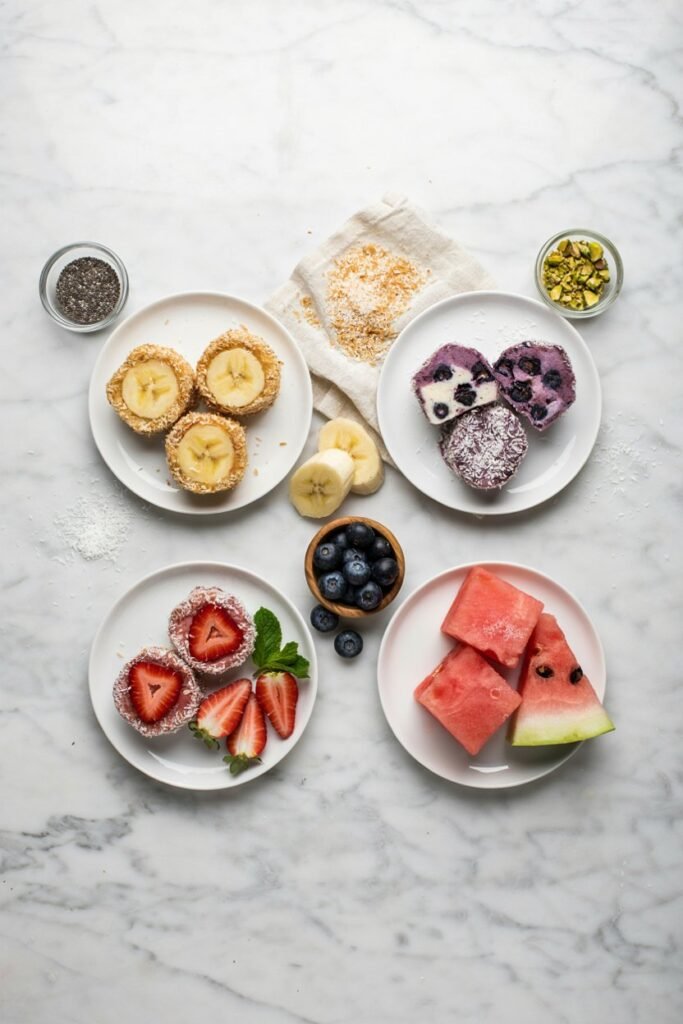
Once you have the basic recipe figured out, there are several simple ways to change it.
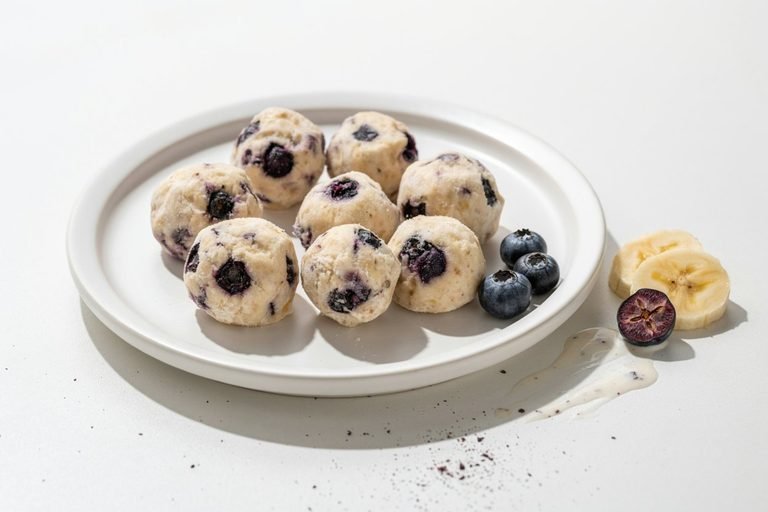
Coconut and Blueberry
Add a small amount of fresh blueberries to the mixture before freezing.
You can blend them completely or leave a few whole pieces for texture.
Coconut and Strawberry
A few chopped strawberries can give the treats a fresh summer flavor.
Make sure the strawberries are washed and the leafy tops are removed before adding them.
Coconut and Watermelon
For a lighter summer treat, blend a small amount of seedless watermelon with coconut water.
This creates a more icy treat rather than the creamy texture of the original recipe.
Coconut and Peanut Butter
If your dog already tolerates peanut butter, a small amount of natural peanut butter can add a richer flavor.
Always check the ingredient label and make absolutely sure the peanut butter does not contain xylitol.
I would also use peanut butter sparingly because it adds additional calories and fat.
What I Do When the Treats Are Too Hard
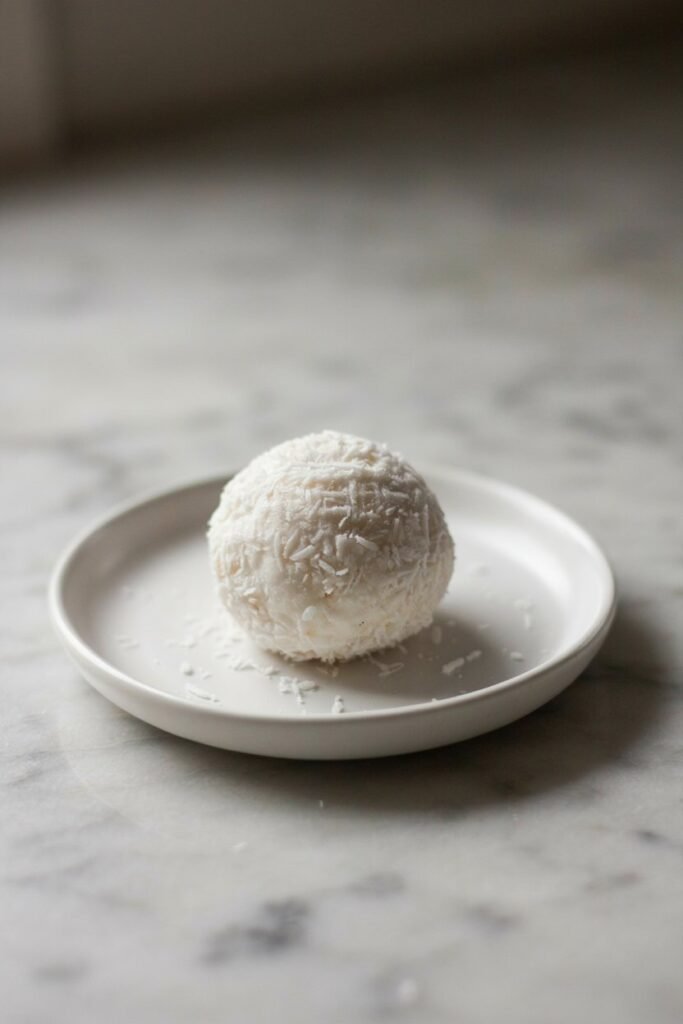
Sometimes homemade frozen treats come out harder than expected.
This is completely normal.
If the treat is rock hard straight from the freezer, I let it sit at room temperature for a few minutes before serving it.
I do not try to force my dog to bite through an extremely hard frozen piece.
Allowing it to soften slightly makes it easier for him to eat and reduces the chance of him trying to swallow a large piece whole.
This small step makes a noticeable difference, especially when the weather is hot and the treats have been sitting in the freezer for several hours.
How Long Can You Keep Them in the Freezer?
I prefer making smaller batches rather than filling the entire freezer with homemade treats.
For the best quality, I keep the treats in an airtight freezer safe container once they are fully frozen.
If the molds have lids, that makes storage even easier.
I also label the container with the date I made them. It is a simple habit, but it helps me keep track of what is in the freezer.
Homemade treats do not contain the same preservatives found in many commercial products, so I prefer making manageable quantities that we can use within a reasonable period rather than keeping them indefinitely.
How Many Frozen Treats Should Your Dog Have?
This depends on your dog’s size, age, activity level, normal diet, and individual nutritional needs.
I do not use the size of the mold as an indication of how many treats my dog should receive.
Instead, I think about the treat as part of his overall daily food intake.
A small dog may only need a small frozen piece, while a larger dog may be able to have a larger portion.
If your dog receives other treats during the day, those calories matter too.
For dogs that need a carefully controlled diet, it is worth discussing homemade treats with your veterinarian so the treats fit comfortably into their normal feeding routine.
When I Like to Give These Treats
I especially like giving these treats after my dog has spent some time outside and has come back indoors to relax.
I do not use frozen treats as a way to encourage a dog to stay outside in extreme heat.
Instead, I see them as a refreshing little snack once he is comfortably indoors.
They are also handy on particularly warm afternoons when my dog is looking for something interesting to do.
Sometimes I give him a frozen treat in a safe area where he can take his time with it. It turns a simple snack into a small enrichment activity.
Frozen Treats Are Not a Substitute for Water
This is important.
Even though these treats contain liquid and feel refreshing, they should never replace fresh drinking water.
During hot weather, I make sure my dog always has access to clean, fresh water.
I also keep an eye on his behavior when we are outside. If he seems unusually tired, weak, confused, excessively panting, or otherwise unwell in hot weather, I do not rely on a frozen treat to solve the problem.
Heat related illness can become serious very quickly, so unusual symptoms deserve prompt veterinary attention.
My Favorite Thing About This Recipe
For me, the best part is not that this is an elaborate homemade dog treat.
It is the opposite.
The recipe is simple enough that I can actually keep making it.
There are no complicated cooking techniques, no long ingredient list, and no need to spend an entire afternoon preparing treats.
I can make a batch, freeze it, and have something ready whenever my dog needs a little summer snack.
That practicality is what makes homemade recipes worth keeping in my kitchen.
Common Mistakes to Avoid When Making Frozen Dog Treats
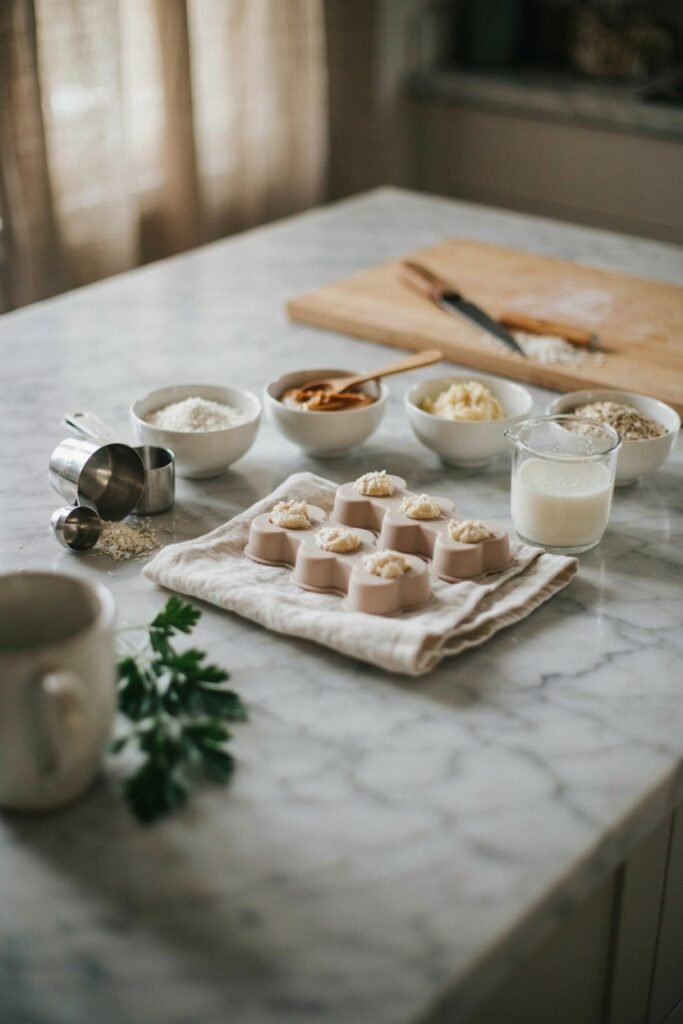
Making homemade frozen treats is simple, but there are a few mistakes I would avoid.
The biggest one is assuming that every ingredient that is healthy for people is automatically appropriate for dogs.
Dogs have different nutritional needs, and some foods that are perfectly normal in human recipes can be dangerous for them.
I always check every ingredient before adding it, especially when I am using packaged products such as yogurt, coconut milk, peanut butter, or other prepared ingredients.
Another mistake is making the treats too large.
I find smaller portions much easier to manage. They freeze faster, are easier for my dog to eat, and allow me to control how much he receives.
I also avoid giving a treat straight from the freezer when it is extremely hard. Letting it soften slightly makes the experience more comfortable.
Do Not Add Sugar
There is really no reason to add sugar to these treats.
The banana provides enough natural sweetness for this recipe, and dogs do not need added sugar in their treats.
Sweetened coconut milk, flavored yogurt, syrups, and dessert ingredients can turn a simple homemade dog treat into something much heavier than necessary.
When I make treats for my dog, I try to keep the ingredient list as short as possible.
That is one of the biggest advantages of making them yourself.
Never Use Xylitol
If you are using peanut butter, yogurt, coconut products, or another packaged ingredient, read the label carefully.
Xylitol is highly toxic to dogs and can cause a life threatening emergency.
I make it a habit to check ingredient labels rather than assuming a product is safe simply because it is marketed as natural or healthy.
If you are ever unsure about an ingredient, leave it out and choose a simpler alternative.
Make Smaller Portions for Small Dogs
Small dogs can enjoy frozen treats too, but portion size matters.
Instead of using a large ice cube tray, I prefer small molds when preparing treats for a smaller dog.
This allows you to give a tiny portion without having to break apart a large frozen treat.
It also makes it easier to keep treats within your dog’s normal daily calorie needs.
For very small dogs, even a single large frozen treat can be more food than you intended to give.
What If Your Dog Does Not Like Coconut?
Not every dog is going to love coconut.
That is completely fine.
If your dog turns his nose up at the treat, you do not need to force him to eat it.
You can use the same basic frozen treat idea with ingredients your dog already enjoys and tolerates.
For example, plain yogurt mixed with a small amount of banana can create another simple frozen snack.
You can also use dog safe fruits in small amounts.
The important thing is not the coconut itself. The goal is creating a simple frozen treat your dog enjoys while keeping the ingredients appropriate.
Can Puppies Have Frozen Coconut Treats?
Puppies have different nutritional requirements from adult dogs, so I would be more cautious about introducing homemade treats.
A puppy’s regular food should provide the nutrition needed for healthy growth.
If you want to give a homemade treat to a puppy, check with your veterinarian first, especially if the puppy is very young or has a sensitive stomach.
For an adult dog that already tolerates the ingredients, a small occasional treat is much simpler to incorporate into a normal routine.
Can Senior Dogs Have These Treats?
Senior dogs can have homemade treats in many cases, but their needs can be different from those of younger dogs.
Some older dogs have dental problems, digestive sensitivities, weight concerns, or medical conditions that affect what they should eat.
For a senior dog, I would keep portions especially small and make sure the texture is comfortable.
If the frozen treat is too hard, allow it to soften before giving it to your dog.
If your senior dog has dietary restrictions, ask your veterinarian before adding new foods.
A Simple Way to Store the Treats
Once the treats are completely frozen, I remove them from the molds and place them in a freezer safe airtight container.
If the treats stick together, separating them with a small piece of parchment paper can make it easier to remove one at a time.
I also like labeling the container with the recipe and date.
This sounds like a small detail, but when you have several different homemade treats in the freezer, it makes everything much easier to keep organized.
I would rather make a smaller batch that we can use regularly than make far more than my dog needs.
Making These Treats Part of a Summer Routine
I like having a few homemade dog treats ready before the hottest days arrive.
When I know a particularly warm afternoon is coming, I can prepare a batch in advance and leave them in the freezer.
That way, I am not trying to make something at the last minute.
My dog also seems to recognize the freezer routine now. When I open the freezer and take out one of his little treats, he knows exactly what is happening.
Those small routines are one of my favorite parts of having a dog.
It is not about giving him treats constantly. It is about creating simple moments that fit naturally into our everyday life.
How I Would Serve These at a Summer Gathering
If you have friends or family visiting with their dogs during the summer, these frozen treats can be a fun homemade option.
I would keep the treats in the freezer until you are ready to serve them.
Then give each dog an appropriate portion based on their size and normal diet.
However, I would not assume another person’s dog can safely eat the same ingredients as yours.
Some dogs have allergies, sensitive stomachs, or specific dietary restrictions.
If you are making these for another dog, ask the owner first.
It only takes a moment and can prevent an unnecessary problem.
A Simple Homemade Dog Treat Does Not Need to Be Complicated
There are so many elaborate homemade dog treat recipes online that it can sometimes feel like you need a fully stocked kitchen to make something special for your dog.
You really do not.
This frozen coconut recipe is proof that a homemade treat can be extremely simple.
A few dog appropriate ingredients, a bowl, a mold, and a freezer are enough.
I especially like recipes like this because they are realistic for everyday life.
I can make them while preparing our normal meals, clean everything up quickly, and forget about them until they are frozen.
My Tips for Better Frozen Coconut Dog Treats
Use plain unsweetened coconut products.
Choose plain yogurt without added sugar or unsafe sweeteners.
Use ripe banana for natural sweetness and texture.
Keep the portions small.
Use silicone molds when possible.
Let the treats soften slightly before serving if they are extremely hard.
Store finished treats in an airtight freezer safe container.
Introduce new ingredients gradually.
Keep fresh drinking water available at all times.
Treat these as occasional snacks rather than meal replacements.
If your dog has dietary restrictions, ask your veterinarian before introducing new ingredients.
Frequently Asked Questions
Are frozen coconut treats good for dogs?
They can be used as an occasional homemade treat for dogs that tolerate the ingredients. The portions should remain small, and the treats should not replace a balanced diet.
Can I use sweetened coconut milk?
I would avoid it. Plain unsweetened coconut milk is a better choice because there is no need to add unnecessary sugar.
Can I use coconut cream?
You can, but coconut cream is richer and higher in fat than coconut milk. I prefer keeping the recipe lighter and using a small amount.
Can I make these without yogurt?
Yes. You can leave the yogurt out and use coconut milk with banana for a simpler frozen treat.
How long should the treats freeze?
Small molds usually need several hours to freeze completely. I prefer making them ahead of time so they have plenty of time to become solid.
Can I give my dog frozen treats every day?
That depends on the ingredients, portion size, and your dog’s overall diet. Homemade treats still contribute calories, so moderation is important.
Can I use these treats to cool down an overheated dog?
No. A frozen treat should never be considered treatment for heatstroke or serious overheating. If your dog shows signs of heat related illness, contact a veterinarian immediately.
Final Thoughts
Easy frozen coconut dog treats have become one of those simple recipes I like having available during summer because they fit naturally into our routine.
I do not need special equipment or a long list of ingredients. I can prepare a batch quickly, freeze the treats, and have them ready whenever I want to give my dog a small homemade snack.
What I appreciate most is the control I have over the ingredients. I can choose plain products, avoid unnecessary sugar and additives, keep the portions small, and adjust the recipe depending on what my dog already tolerates.
I also think homemade dog treats are best when they remain simple. There is no need to turn every treat into a complicated project.
For me, a few basic ingredients, a freezer, and a little preparation are enough to create something my dog genuinely enjoys.
If you are looking for an easy summer dog treat that you can prepare ahead of time, these frozen coconut treats are definitely worth trying. Just remember to introduce new ingredients carefully, keep portions appropriate, and always prioritize your dog’s regular balanced diet and fresh water.

6 Comments