Puppy Crate Training Essentials for First Time Owners
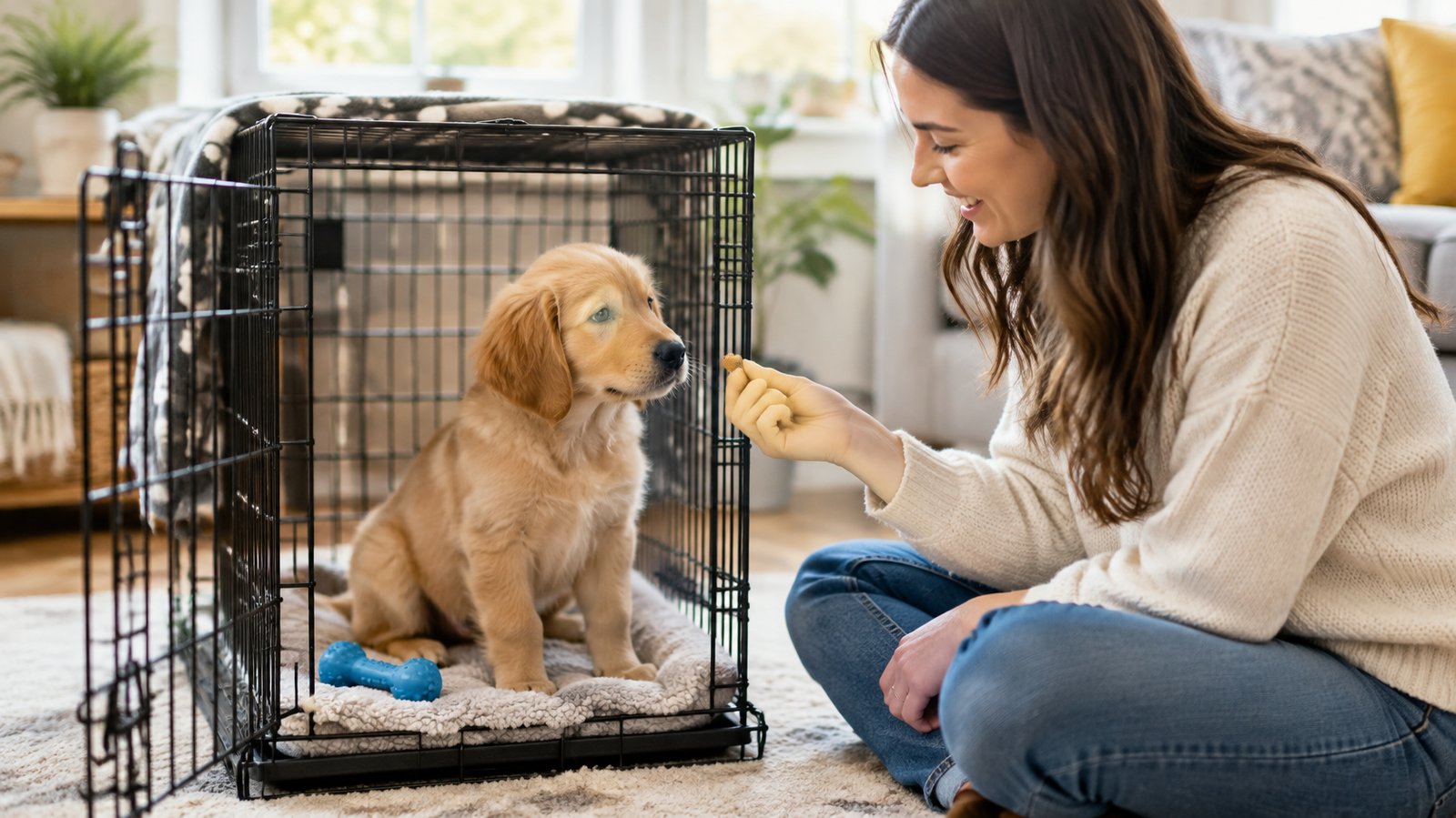
Crate training has a reputation problem. Some people picture a puppy locked in a cage, but a well introduced crate is the opposite.
It becomes your puppy’s den, a quiet, safe spot to nap, a tool that speeds up potty training, and a way to keep your puppy (and your shoes) out of trouble when you can’t watch them.
Dogs naturally like small, cozy spaces, and with the right approach most puppies learn to love theirs.

This guide walks you through everything a first time owner needs: choosing a crate, setting it up, a step by step introduction, nighttime and daytime routines, how long puppies can wait, and the mistakes to avoid.
Every puppy is different, so use your veterinarian and a qualified trainer for advice tailored to your dog. If your puppy just came home, pair this with my First Week with a New Puppy: A Day by Day Survival Schedule.
Why Crate Train?
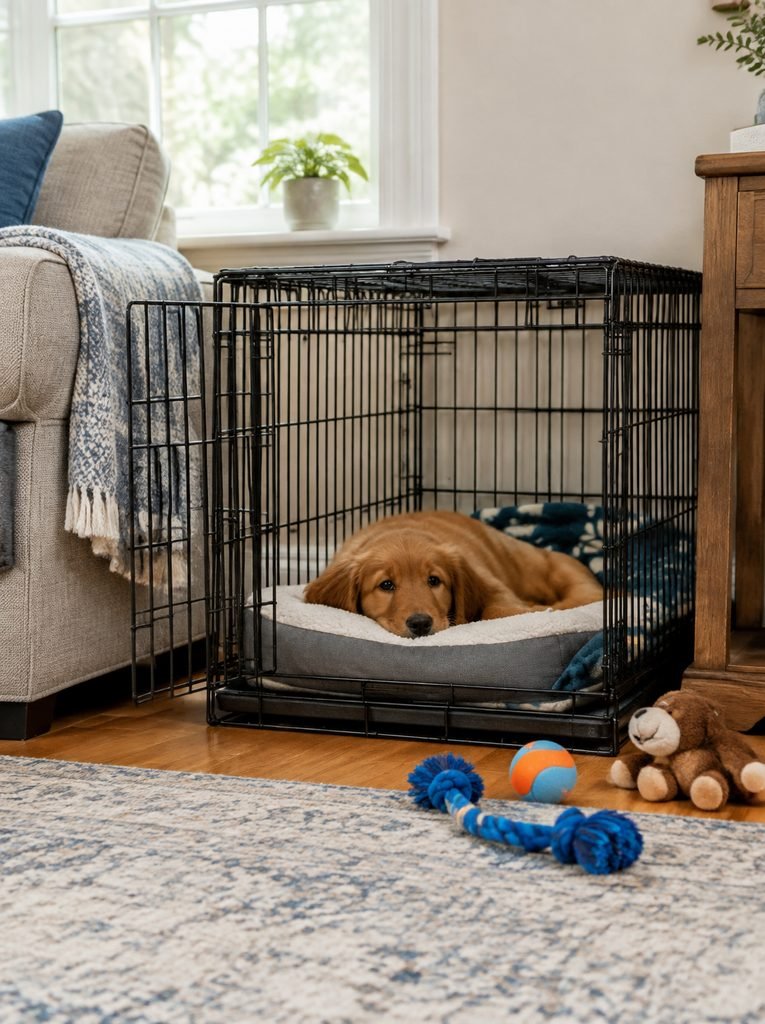
Faster potty training. Puppies don’t like to soil where they sleep, so a properly sized crate helps them learn to hold it.
Safety. A crate keeps your puppy away from cords, toxic foods, and other hazards when you can’t supervise.
A calm retreat. Every dog benefits from a place that’s theirs.
Easier travel and vet visits. A dog who’s comfortable in a crate handles car rides and clinic stays better.
Less destruction. Chewing is normal for puppies, and a crate prevents costly accidents.
Peace of mind. You can shower, cook, or take a call without worrying.
The Golden Rule: The Crate Is Never Punishment

Never use the crate as a place to send your puppy when you’re angry. If the crate becomes associated with punishment, your puppy will resist it. Keep every experience positive, with treats, praise, and calm.
Choosing the Right Crate
Wire crate. Good airflow, folds flat, and often includes a divider. A popular choice for growing puppies.
Plastic crate. Cozy and den like, and often airline approved. Good for travel.
Soft sided crate. Light and portable, but not suitable for chewers or escape artists.
Furniture style crate. Blends in with home decor, but check ventilation and durability.
Getting the Size Right
The crate should be big enough for your puppy to stand, turn around, and lie down comfortably, but not much bigger.
If it’s too large, your puppy may use one corner as a bathroom. For a growing puppy, buy a crate that fits their adult size and use a divider to shrink the space for now.
Safety Checks
- No sharp edges, gaps, or loose parts
- A secure latch your puppy can’t open
- Good ventilation
- A removable tray for easy cleaning
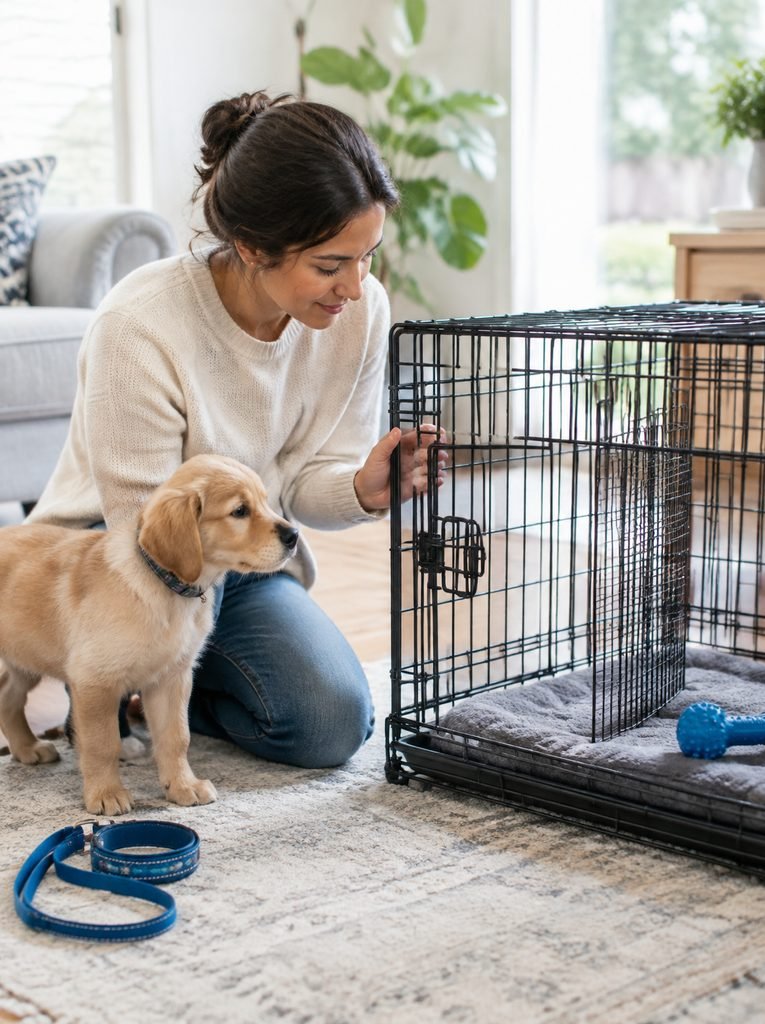
- No collars, tags, or leashes left on your puppy inside the crate, since they can snag
Setting Up the Crate

Pick a good spot. Choose a quiet, central area where your puppy can still see and hear the family. At night, near your bed helps a new puppy feel secure.
Add comfortable bedding. A washable pad or blanket works for most puppies. If your puppy chews or soils bedding, start with a bare floor or a very durable mat, and don’t leave anything they could swallow.
Offer safe chews. One or two sturdy, puppy appropriate toys keep your puppy busy. Supervise at first and remove anything that breaks into pieces. For ideas to keep your puppy mentally busy, see my Brain Games for a Smarter, Happier Dog.
Cover it, optionally. A light blanket over part of a wire crate makes it feel more like a den. Leave airflow, and keep fabric out of your puppy’s reach.
Keep it comfortable. Avoid direct sunlight, heaters, and drafts.
Step by Step: How to Crate Train Your Puppy
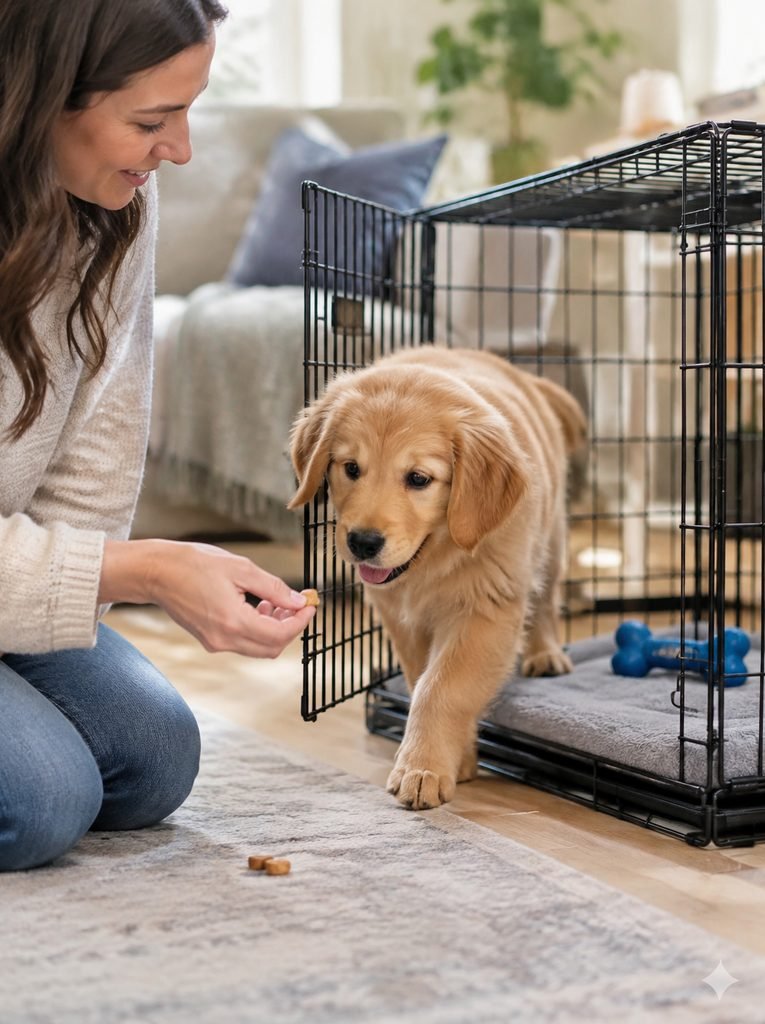
Go at your puppy’s pace. Rushing creates fear.
Step 1: Make the Crate Inviting
Leave the door open and toss in a few small treats. Let your puppy explore on their own. Praise calmly when they step inside.
Step 2: Feed Meals in the Crate
Put your puppy’s food bowl near the crate at first, then just inside, then at the back. Once they’re happy going in, close the door while they eat and open it as soon as they finish.
Step 3: Add a Cue
When your puppy goes in, say a cue like “crate” or “bed” in a cheerful voice and reward. Soon the word means something.
Step 4: Close the Door for Short Periods
Ask your puppy to enter, give a treat, close the door for a few seconds, and open it before they fuss. Gradually increase the time, staying close at first.
Step 5: Build Duration
Sit quietly beside the crate, then move around the room, then leave for a minute or two. Keep goodbyes and hellos calm and boring.
Step 6: Leave the Room
Once your puppy relaxes with you nearby, practice stepping out of sight for short periods, returning before they get upset.
Step 7: Leave the House
Start with very short absences, and increase gradually. Give a safe chew or stuffed toy as you leave.
Step 8: Practice Overnight
Place the crate near your bed for the first nights. Move it farther away gradually when your puppy sleeps well.
How Long Can a Puppy Stay in a Crate?

Young puppies have small bladders and limited control, so they can’t stay in a crate for long stretches.
A common guideline is that a puppy can hold it roughly one hour for each month of age, plus one, with a limit of a few hours even for older puppies.
Individual puppies vary, so ask your veterinarian what’s realistic for yours.
Overnight. Young puppies usually need a potty break once or twice a night at first.
Daytime. Don’t leave a young puppy crated for most of the day. If you work long hours, arrange for a midday break, a dog walker, or a pet sitter.
Total crate time. Puppies also need exercise, play, training, and social time out of the crate.
A Sample Crate Routine
Adjust times to your puppy’s age and your schedule.
- Wake up. Straight outside to potty
- Breakfast. Feed, then potty, then play
- Nap. Back in the crate with a chew
- Midmorning. Potty, play, and training, then nap
- Lunch. Potty, then lunch, then potty
- Afternoon. Short crate naps between play
- Dinner. Feed, then potty
- Evening. Calm play, then a last potty trip
- Bedtime. Crate with a calm, quiet routine
Handling Whining and Barking

Some fussing is normal at first.
Rule out needs first. If it’s been a while, your puppy may need to potty. Take them out quietly, with no play, then return to the crate.
Don’t reward demanding. Opening the door during loud barking teaches puppies that noise works. Wait for a brief pause, then open the door.
Check comfort. Is the crate too hot, too cold, or too small?
Increase exercise and enrichment. A tired, mentally satisfied puppy settles more easily.
Go back a step. If your puppy is very upset, you’ve moved too fast. Shorten the time and rebuild confidence.
Ask for help. Panic, frantic escape attempts, drooling, or injuries are signs of distress and separation anxiety. Contact your veterinarian or a qualified trainer. For common issues, see my Solve Dog Behavior Problems.
Food and Chews in the Crate

A crate is a great place for a special treat that your puppy only gets there.
Stuffed toys. A food toy filled with puppy appropriate food keeps your puppy busy. Use xylitol free ingredients only.
Safe chews. Choose size appropriate options, and supervise at first.
Don’t leave water bowls that tip. For short crate times, water isn’t always needed. Ask your veterinarian what’s right for your puppy, especially overnight.
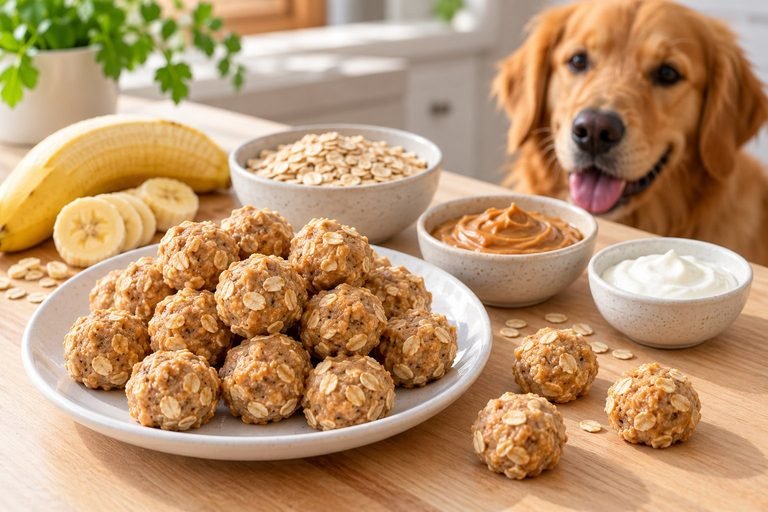
For soft, puppy friendly rewards, see my Cinnamon Roll Dog Treats and Applesauce Dog Treats, and ask your veterinarian before giving homemade treats to very young puppies.
Common Mistakes to Avoid
Using the crate as punishment. It teaches fear.
Leaving a puppy crated too long. Young puppies need frequent breaks.
Rushing the introduction. Slow progress creates a confident dog.
Choosing a crate that’s too big. Use a divider.
Giving in to barking. It rewards noise.
Making a big fuss at departures and returns. Keep it calm.
Skipping exercise. A puppy with pent up energy will protest.
Leaving collars or tags on. They can snag.
Ignoring signs of distress. Panic isn’t something to wait out.
Troubleshooting
My puppy won’t go in. Slow down, toss treats inside, and feed meals near or in the crate.
My puppy has accidents in the crate. The crate may be too large, the time too long, or your schedule too sparse. Take your puppy out more often and clean with an enzyme cleaner.
My puppy chews the bedding. Remove it and offer safe chews instead.
My puppy cries all night. Move the crate closer, make sure potty needs are met, and keep nighttime trips boring.
My puppy is fine at home but upset in the car. Practice short, positive car rides with the crate and ask your veterinarian about motion sickness.
When Crate Training Isn’t Working
Some dogs, such as those with a history of confinement or true separation anxiety, struggle with crates.
If your dog is panicking, injuring themselves, or refusing to settle after consistent, gentle training, stop and ask your veterinarian or a qualified trainer. Alternatives such as a playpen or a puppy proofed room may work better.
More Helpful Reads
- First Week with a New Puppy: A Day by Day Survival Schedule
- Solve Dog Behavior Problems
- Brain Games for a Smarter, Happier Dog
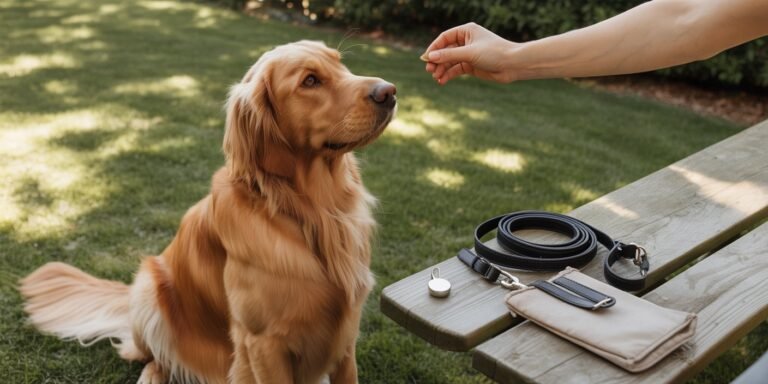
- At Home Dog Grooming Tools Worth Buying
- Cinnamon Roll Dog Treats (Easy Homemade Puppy Treat Recipe)
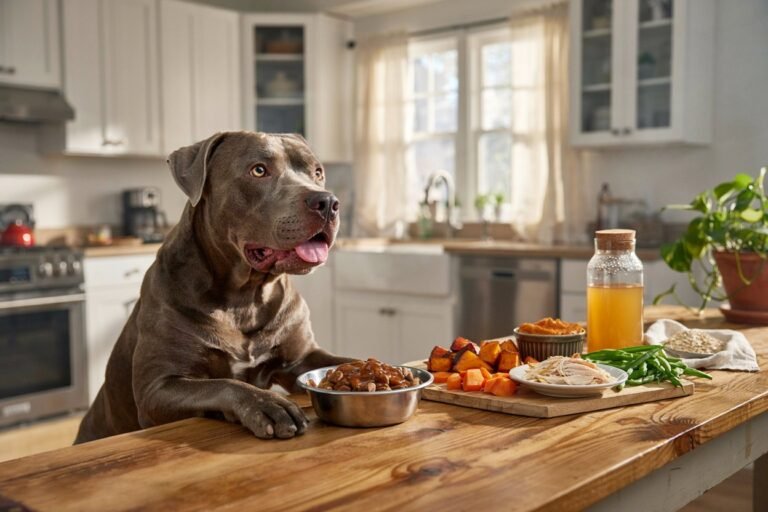
For a wider look at feeding your dog well, check out 7 Healthiest Homemade Dog Foods.
Frequently Asked Questions
When should I start crate training? As soon as your puppy comes home. Young puppies adapt quickly.
Should the crate be in my bedroom? For the first nights, it often helps. You can move it later.
Should I put water in the crate? Ask your veterinarian. Many puppies don’t need water during short crate periods, but hydration matters, especially in warm weather.
Is it cruel to crate a puppy? Not when it’s done positively and for reasonable periods. Many dogs see the crate as a safe space.
How long does crate training take? It varies. Some puppies adapt in days, others take weeks. Consistency matters.
Can I use a crate for an adult dog? Yes. The same principles apply.
Should I cover the crate? Many dogs like it, but make sure there’s airflow and no chewing risk.
What if my puppy has accidents in the crate? Check the crate size, adjust your schedule, and clean thoroughly. Ask your veterinarian if it keeps happening.
A Final Note on Crate Training
Crate training works best when it’s slow, positive, and consistent. Keep it calm, keep it short at first, and let your puppy build trust at their own pace.
If you hit problems, your veterinarian or a qualified trainer can help. Within a few weeks, many puppies are happily choosing their crate for naps all on their own.