Brain Games for a Smarter, Happier Dog
I didn’t realize how important mental stimulation was for my dog until one week when life just got busy.
Between getting the kids ready, running errands, and managing everything at home, our usual long walks turned into quick ones—and I started noticing little changes.
More restlessness, random barking, and that “I’m bored” energy that no amount of treats could fix.
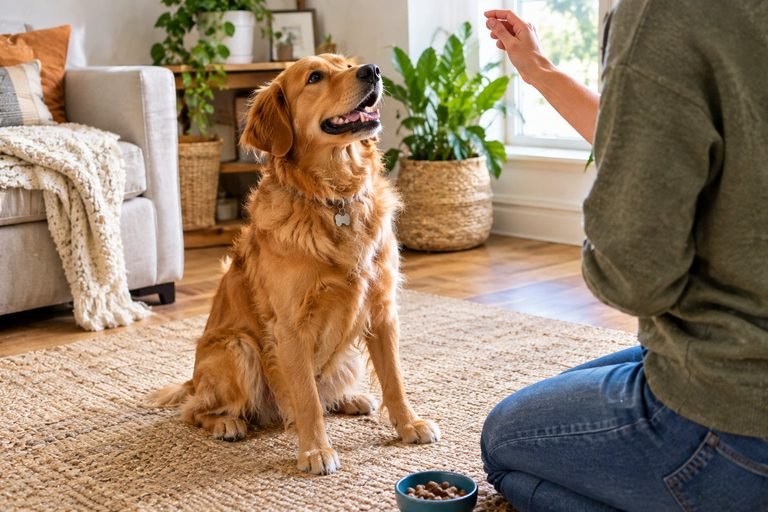
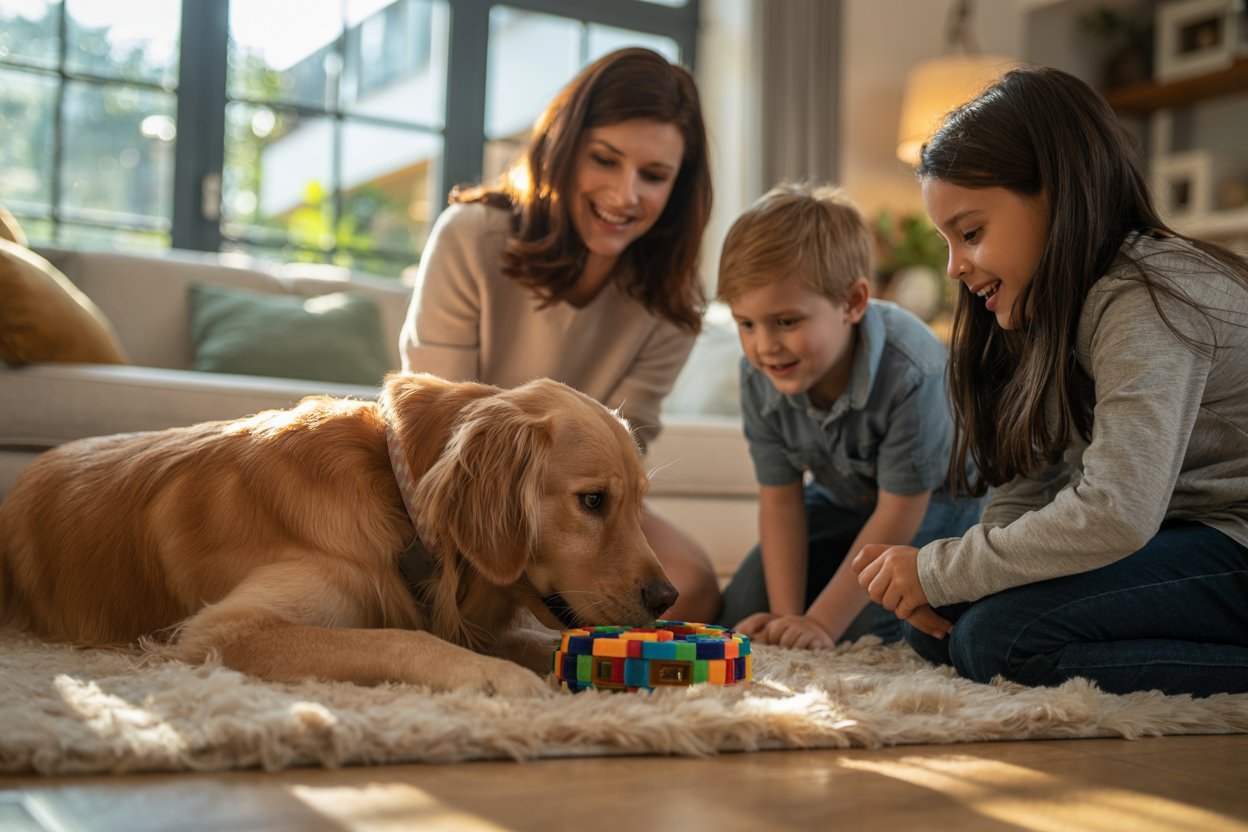
One evening, while we were all in the living room, my dog kept pacing back and forth while the kids were glued to their games.
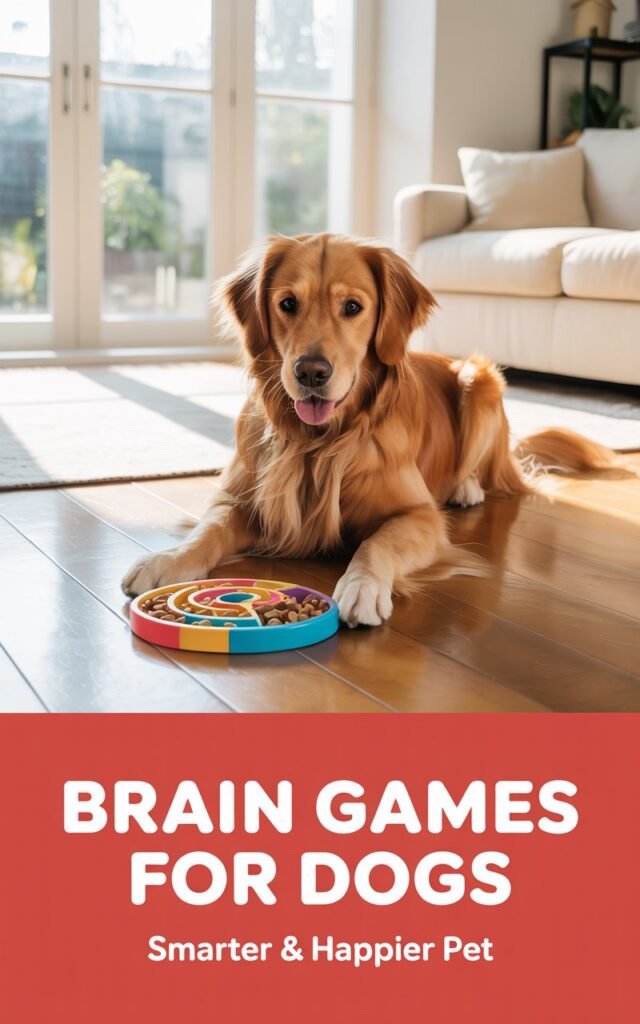
That’s when it clicked—physical exercise wasn’t enough. My dog didn’t just need to move, he needed to think.
So I started introducing simple brain games at home. Nothing complicated, just small activities using things we already had.
And honestly, the difference was almost immediate. He became calmer, more focused, and surprisingly… happier.
If you’ve ever felt like your dog has endless energy, gets bored easily, or just needs a little extra stimulation, these brain games are a simple way to keep them mentally engaged—and make your daily routine a lot more peaceful too.
Disclaimer: This post may contain affiliate links, which means I may earn a small commission at no extra cost to you. Always supervise your dog during playtime and choose toys appropriate for your dog’s size and chewing habits.
Amazon Shopping List: Brain Games for a Smarter, Happier Dog
- Interactive Dog Puzzle Toy (Treat Dispensing)
- Snuffle Mat for Dogs (Mental Stimulation Feeding Mat)
- Dog Training Clicker Set
- Treat Dispensing Ball Toy
- Hide-and-Seek Plush Dog Toy Set
- Slow Feeder Puzzle Bowl for Dogs
- Tug Rope Toy Set for Interactive Play
Before You Start: What to Know About Dog Brain Games
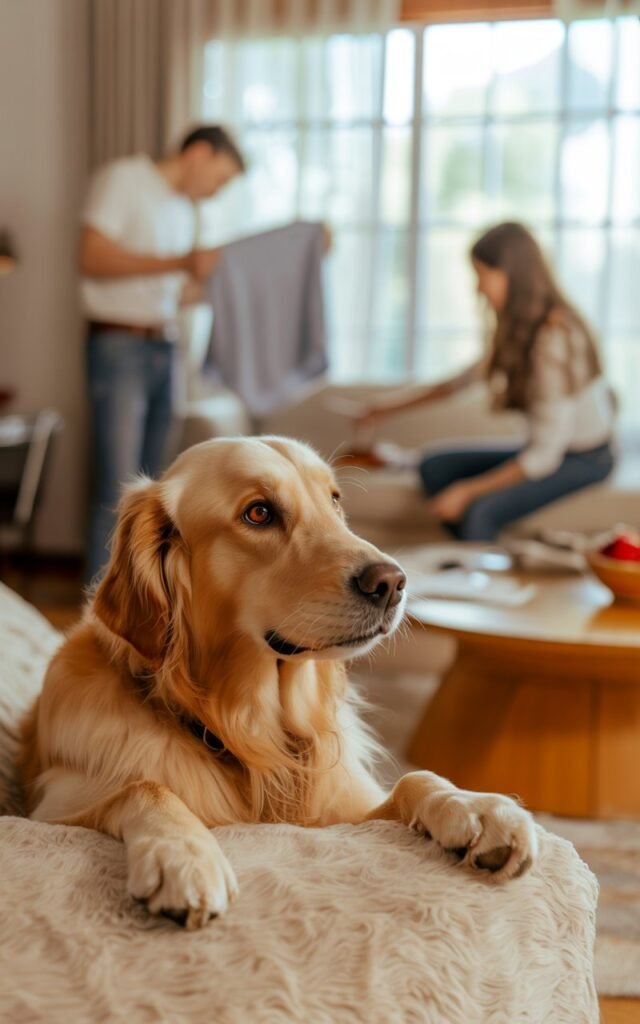
Before I jumped into trying different brain games with my dog, I had to adjust my mindset a little.
I used to think more walks or more playtime would fix everything—but mental stimulation works differently.
Brain games aren’t about tiring your dog out physically. They’re about challenging their mind in a simple, fun way.
Here are a few things I learned early on:
- Start simple
Don’t overcomplicate it. Even hiding treats around the room was enough to get my dog engaged at first. - Keep sessions short
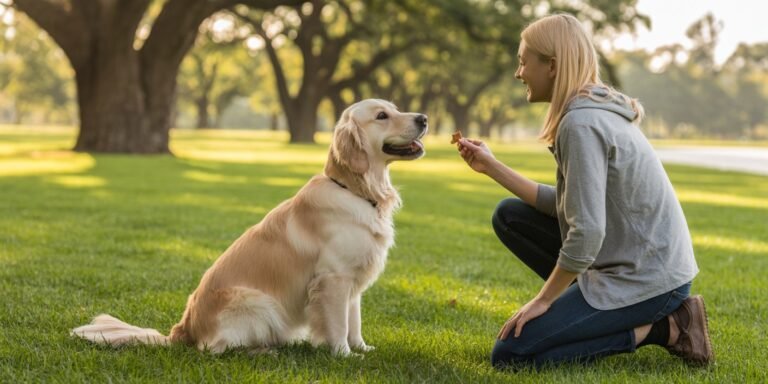
5–10 minutes is more than enough. I noticed my dog would get tired mentally much faster than with physical play. - Use rewards they love
This made a huge difference. Once I used his favorite treats, he stayed focused and excited. - Be patient
Some games took a little time to understand, and that’s okay. Let your dog figure things out at their own pace. - Make it part of your routine
I started doing it during quiet moments at home—like after dinner or while the kids were settling down—and it quickly became something we all looked forward to.
Once I understood this, everything felt easier. It wasn’t about doing more—it was about doing things smarter for my dog’s happiness.
Why I Enjoy the Process
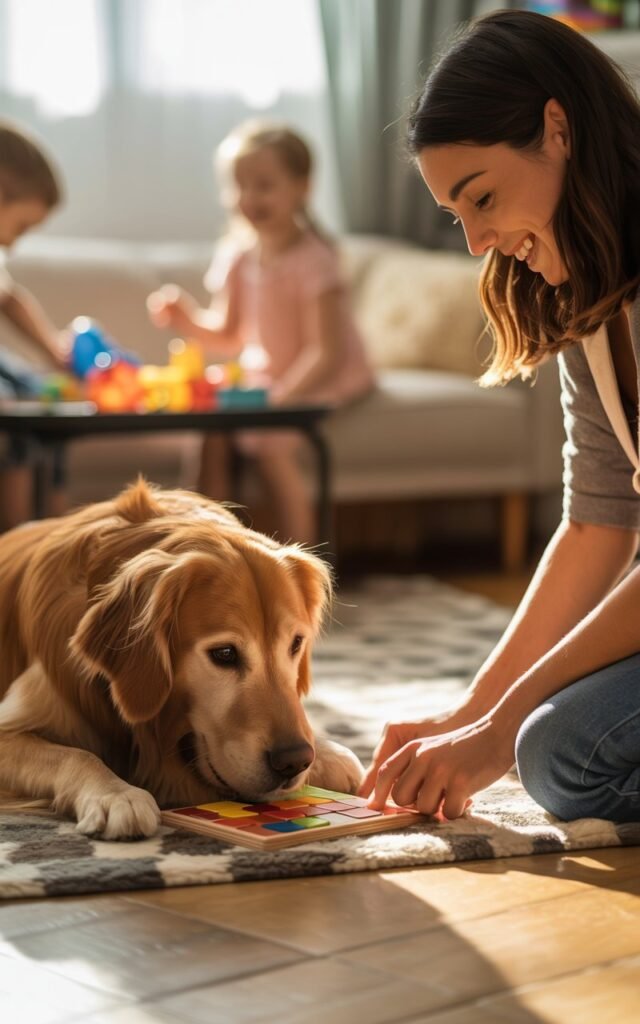
I didn’t expect to enjoy this as much as I do, but brain games with my dog quickly became one of those small daily moments I actually look forward to.
It’s not just about keeping him busy—it’s the way he lights up when he figures something out.
That little moment when he solves a game, looks up at me, and you can almost see the excitement in his eyes… it’s honestly the best part.
I also love that it naturally slowed things down for me. In the middle of busy days—kids, house, errands—this became a quiet, simple reset.
No rushing, no distractions, just a few minutes of focus and connection.
Even the kids started getting involved, turning it into a fun little activity we do together.
It’s one of those things that doesn’t cost much, doesn’t take much time, but adds something meaningful to our routine.
And if I’m being real, it made me feel like I was doing something right for my dog—not just the basics, but something that actually improves his mood and behavior.
It’s simple, it’s calming, and it brings a kind of joy that’s hard to explain until you experience it.
1. The “Find the Treat” Game (Simple but Powerful)
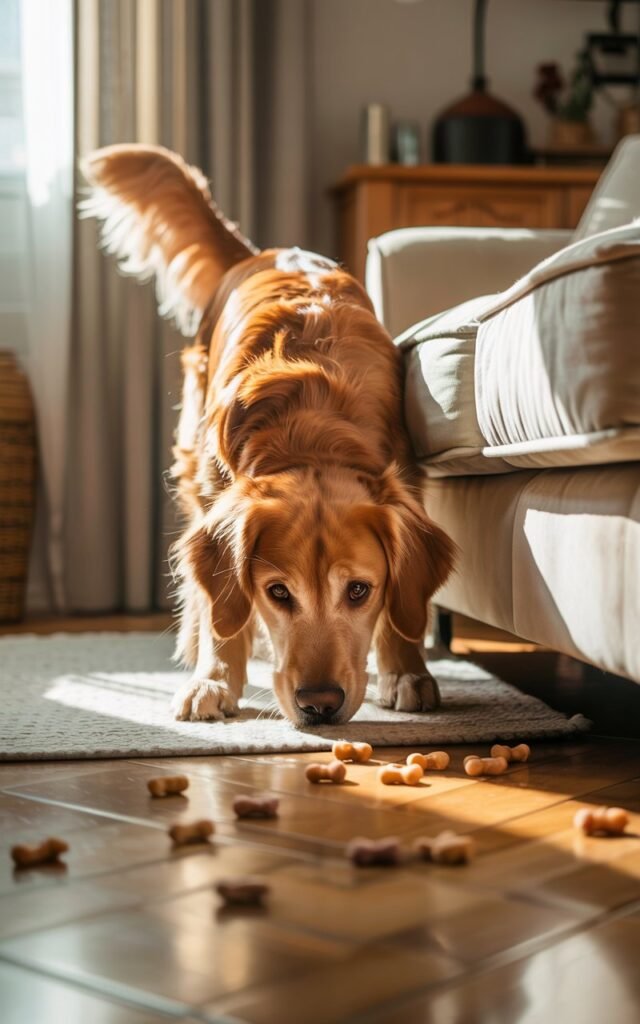
This was the very first brain game I tried—and honestly, it’s still one of our favorites because of how easy it is.
One evening, after dinner, while the kids were settling down and the house finally got quiet, I grabbed a few treats and decided to try something simple.
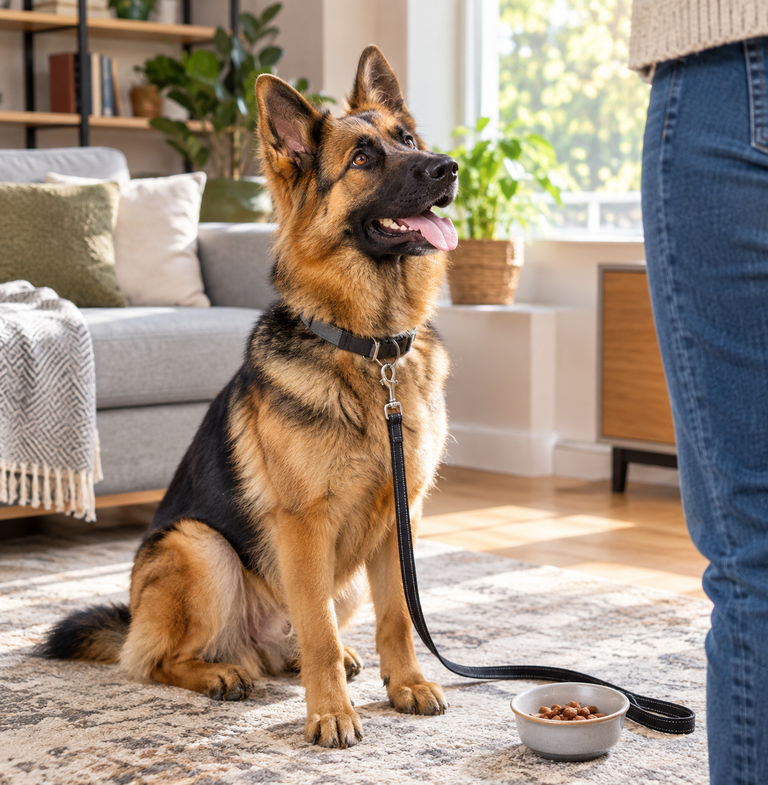
I told my dog to sit, walked into the next room, and hid a couple of treats in easy spots—nothing fancy, just behind a chair and near the table leg.
When I let him go and said “find it,” the excitement was instant.
At first, he didn’t fully get it. He sniffed around slowly, a little confused. But the moment he found the first treat, everything clicked.
After that, he was fully into it—tail wagging, focused, moving around like he had a mission.
How to Do It:
- Ask your dog to stay (or have someone hold them)
- Hide a few treats around the room
- Release them with a cue like “find it”
- Let them sniff and search at their own pace
Why It Works:
This game taps into your dog’s natural scent instincts. It’s mentally stimulating without needing any special tools, and it keeps them focused in a calm, controlled way.
Real-Life Tip:
Start easy. I made the mistake of hiding treats too well at first, and he lost interest. Once I kept it simple, he gained confidence—and now he’s much better at it.
It’s quick, fun, and perfect for those days when you don’t have the energy for a long walk but still want your dog to feel engaged and happy.
2. The Cup Game (Focus & Problem-Solving)
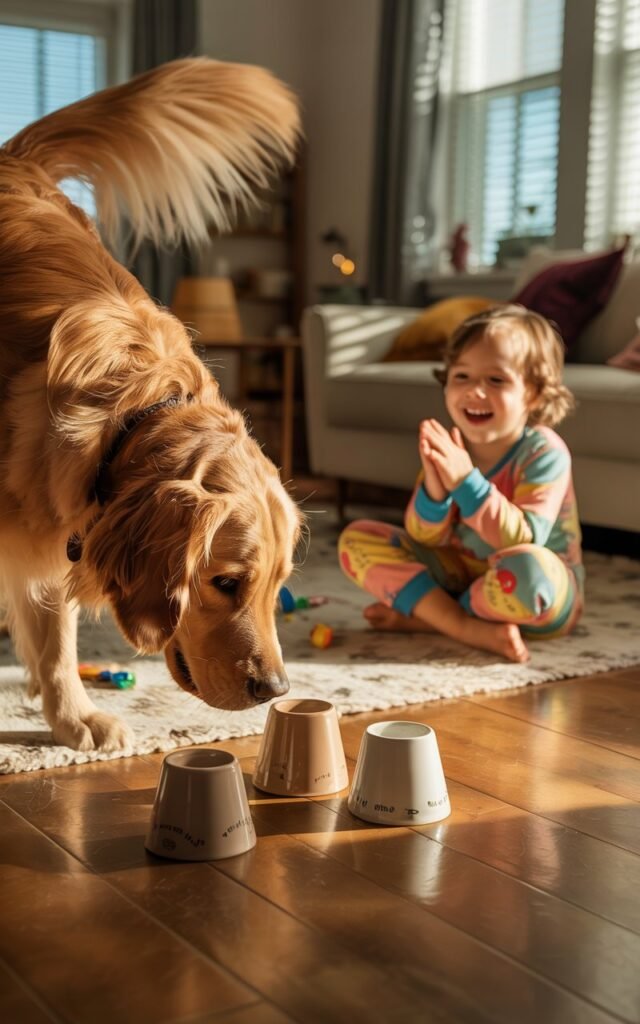
This one quickly became a favorite in our house—especially because the kids love getting involved.
The first time we tried it, we were all sitting in the living room, and I grabbed a few plastic cups from the kitchen. I placed a treat under one of them and slowly moved them around.
\My dog was watching so closely, head tilting side to side like he was trying to figure out my every move.
When I finally let him choose, he tapped the wrong cup at first—but once he got it right, the excitement was next level. After a few rounds, he started getting faster and more confident.
How to Do It:
- Take 2–3 cups and place them upside down
- Hide a treat under one cup while your dog watches
- Shuffle the cups slowly
- Let your dog pick a cup (paw or nose)
Why It Works:
This game builds focus, memory, and problem-solving skills. Your dog has to pay attention, track movement, and make a choice.
Real-Life Tip:
Start with 2 cups only and move them slowly. When I added too many cups too quickly, it got confusing.
Once he mastered the basics, we made it a bit more challenging.
It’s such a fun, interactive game—and honestly, watching them concentrate so hard is part of what makes it enjoyable for us too.
3. The Towel Puzzle Game (Easy DIY Brain Challenge)
This one saved me on a really busy day when I didn’t have time for anything complicated.
I had just finished cleaning up, the kids were asking for snacks again, and my dog was right there with that “what are we doing next?” energy.
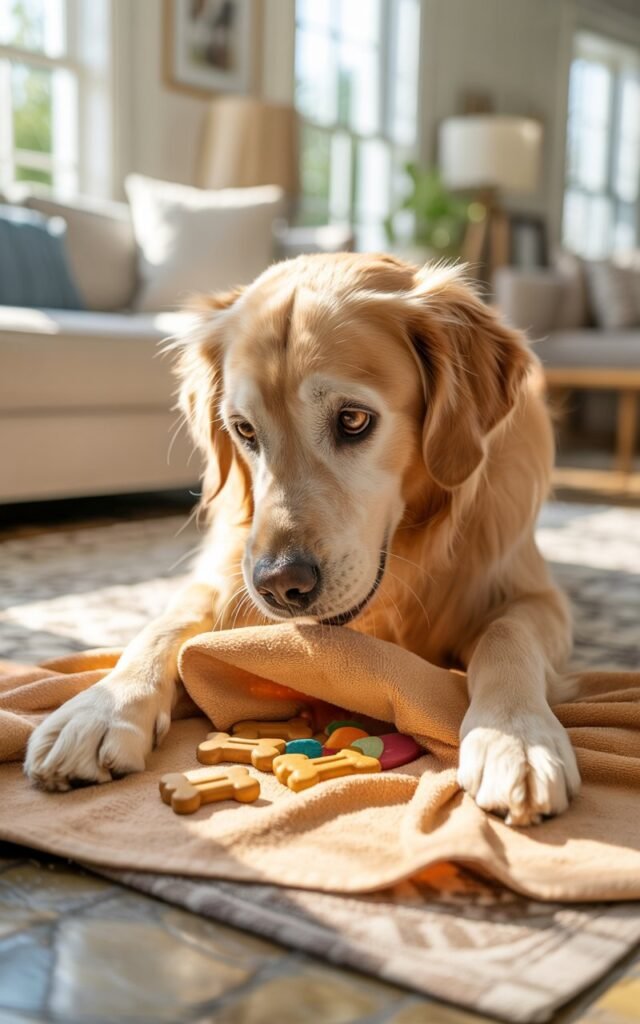
So I grabbed a towel, sprinkled a few treats on it, rolled it up, and gave it to him.
At first, he just sniffed it like… what is this? But within seconds, he started pawing, nudging, and unrolling it.
Once he figured out there were treats hidden inside, he was completely locked in.
How to Do It:
- Lay a towel flat
- Scatter a few treats across it
- Roll or fold the towel tightly
- Give it to your dog and let them figure it out
Why It Works:
This game encourages problem-solving and persistence. Your dog has to think through how to unroll or open the towel to get the reward.
Real-Life Tip:
Don’t roll it too tight at the beginning. I did that once, and he got frustrated. Start loose, then gradually make it more challenging as they get better.
It’s simple, requires nothing extra, and works perfectly during those real-life moments when you just need something quick—but still effective.
4. The “Which Hand?” Game (Focus & Scent Work)
This one is so simple, but it really sharpened my dog’s focus.
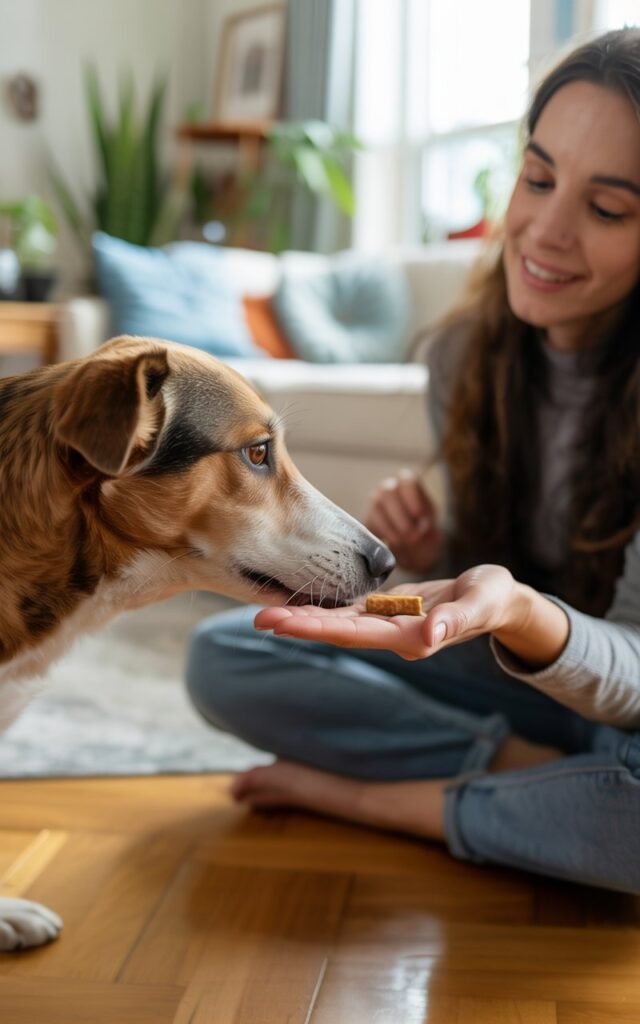
I started doing this while sitting on the couch one evening. I had a treat in one hand, closed both fists, and held them out in front of him.
He looked back and forth, sniffing, trying to figure out which one had the reward.
The first few tries were just guesses—but once he realized he could smell the answer, everything changed.
He slowed down, focused more, and started choosing correctly.
How to Do It:
- Hold a treat in one hand and close both fists
- Present both hands to your dog
- Let them sniff and choose (paw, nose, or nudge)
- Open the correct hand and reward
Why It Works:
This game builds focus, patience, and scent recognition. It teaches your dog to slow down and think instead of just guessing.
Real-Life Tip:
Keep your hands at the same level and avoid giving clues. I noticed when I moved slightly, he picked up on it—so staying neutral made the game more effective.
It’s quick, mess-free, and perfect for those quiet moments when you just want a simple way to engage your dog without setting anything up.
5. The “Hide & Seek” Game (Fun + Bonding)
This one turned into more of a family game than I expected—and it’s honestly one of the most fun.
We started doing this on a lazy afternoon at home. I asked my dog to stay while I went into another room and hid behind the door.
The kids were trying not to laugh, and my husband was already recording because he knew it would be funny.
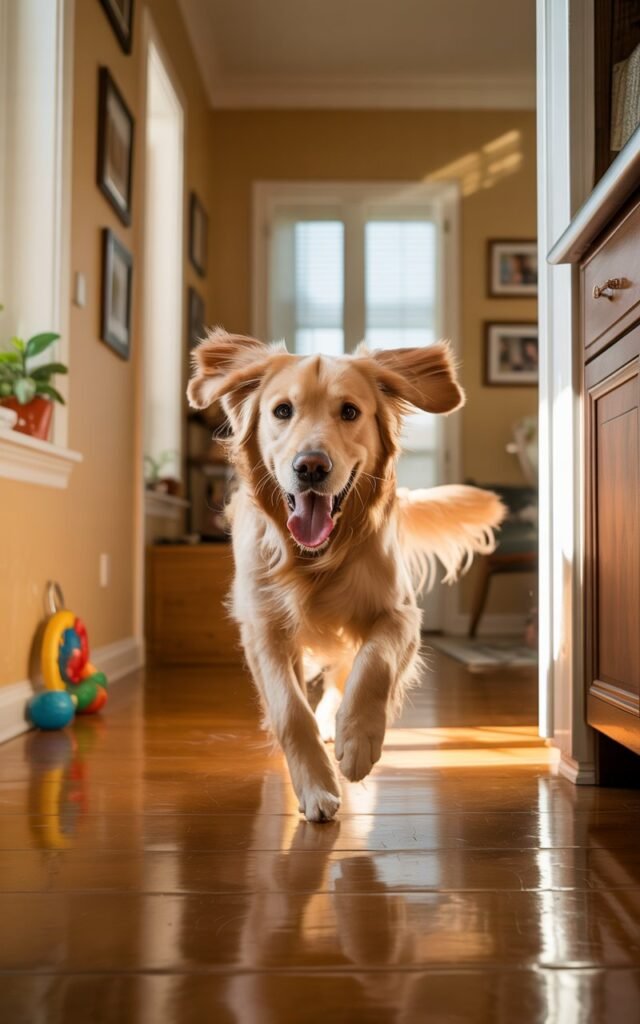
When I called his name, you could hear him running around trying to figure out where I was. The moment he found me, he was so excited—like he had just won something big.
How to Do It:
- Ask your dog to stay (or have someone hold them)
- Go hide somewhere in the house
- Call your dog’s name or say “come find me”
- Reward them when they find you (treats or praise)
Why It Works:
This game builds recall skills, listening, and problem-solving—while also strengthening your bond.
Real-Life Tip:
Start with easy hiding spots. I hid too well once, and he got confused. Once he understood the game, we made it more challenging and fun.
It’s playful, interactive, and perfect for involving the whole family—and those little moments of excitement make it totally worth it.
How to Make the Games More Fun
After a few days of doing the same brain games, I noticed something—my dog was still interested, but the excitement wasn’t as strong as the first time.
That’s when I realized it’s not just what you play, but how you play it.
Here’s what made a big difference for us:
- Use your voice and energy
I started getting more expressive—clapping, using a playful tone, hyping him up—and it instantly made the games feel more exciting. - Switch things up often
Instead of repeating one game too many times, I rotated between them. It kept everything feeling new and unpredictable. - Increase the challenge slowly
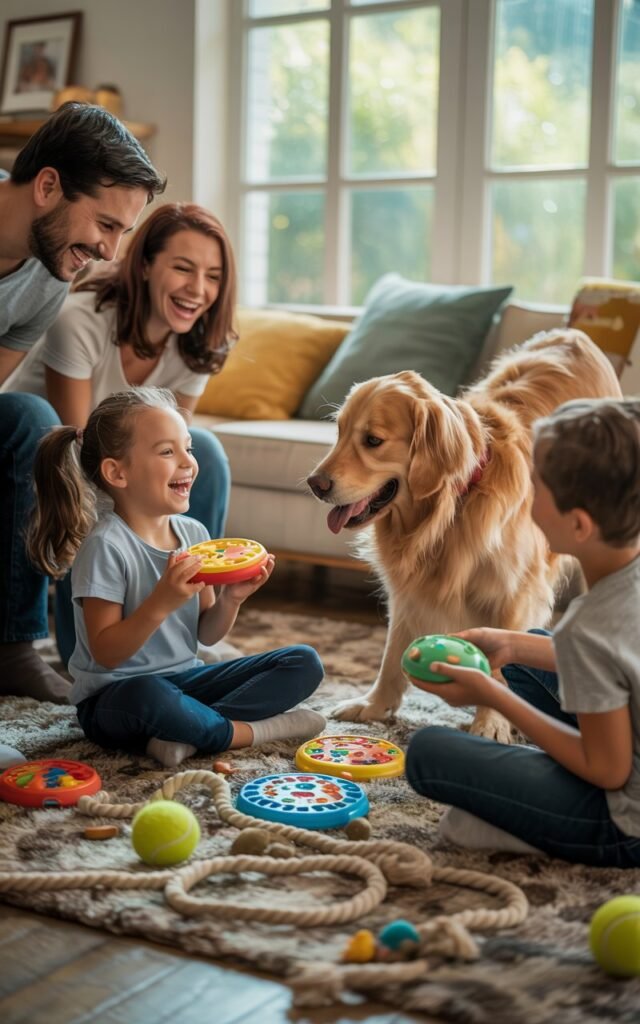
Once he got good at a game, I made it slightly harder—hiding treats better, adding more cups, or taking longer pauses. That kept him engaged without frustration. - Get the kids involved
This changed everything. The kids hiding treats or playing along made it more interactive and fun for everyone. - Reward more than just winning
I didn’t wait for perfect results. Even small efforts got praise or treats, which kept him motivated. - Keep it light and pressure-free
Some days he was more into it than others—and that’s okay. I learned not to force it. When it’s fun, they naturally stay engaged.
Once I started doing these little things, the games felt less like a routine and more like something we all genuinely enjoyed together.
FAQs About Brain Games for Dogs
1. How often should I play brain games with my dog?
You don’t need to do it all day. 5–15 minutes once or twice daily is enough. Short sessions work best because dogs focus intensely and get mentally tired faster than you’d expect.
2. Can brain games replace walks?
No. Brain games are a bonus, not a replacement. Dogs still need physical exercise, but mental stimulation helps reduce boredom, anxiety, and unwanted behaviors.
3. What age can dogs start brain games?
You can start as early as puppy stage, as long as the games are simple. Just keep it easy, fun, and not too frustrating for them.
4. What treats should I use for training games?
Use small, soft, healthy treats that your dog loves. You don’t want anything too big or heavy because you’ll be using a lot during training.
5. What if my dog doesn’t understand the game?
That’s normal at first. Start easier, guide them a little, and reward small progress. Dogs learn through repetition, not perfection.
6. Can brain games help with bad behavior?
Yes, in many cases. Boredom often leads to chewing, barking, or restlessness. Mental stimulation can help reduce those behaviors over time.
7. Do I need special toys for brain games?
Not at all. Most of the games I used were DIY—cups, towels, hands, and simple hiding games. You don’t need expensive toys to start.
8. What’s the best brain game to start with?
Start with “Find the Treat” or “Which Hand?” They are simple, quick, and easy for dogs to understand.
Final Thoughts
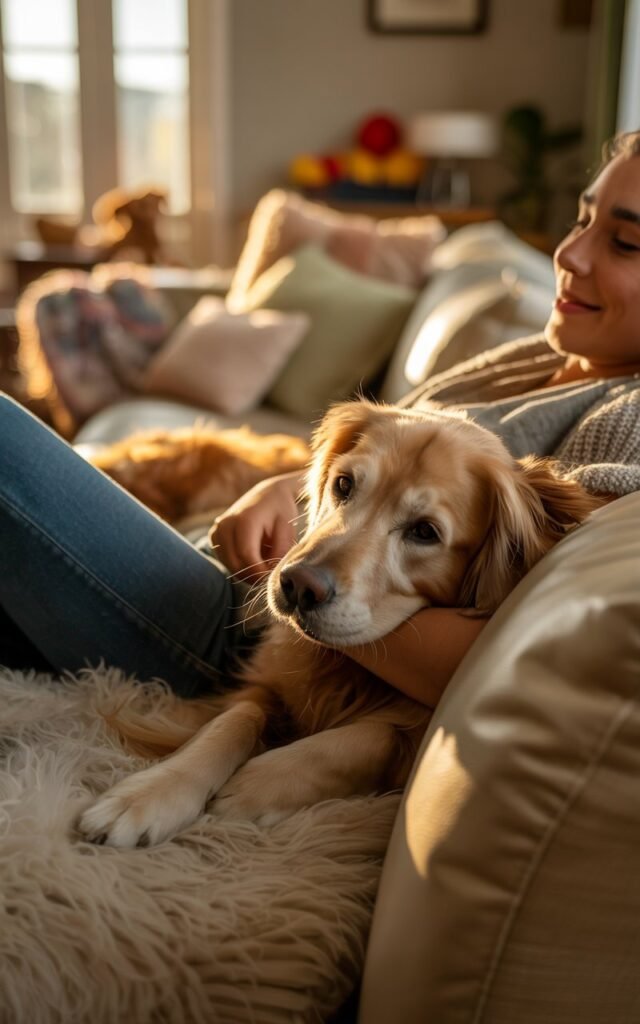
What started as a simple way to keep my dog busy on a hectic day has honestly turned into something much more meaningful for us.
These brain games didn’t just make him calmer and more focused—they created small moments of connection in the middle of our busy home life.
Between the kids, daily routines, and everything else going on, those few minutes of play became something we all started looking forward to.
I also realized something important: a happy dog isn’t just one that gets walked a lot, but one that feels mentally engaged, included, and understood.
And it doesn’t take expensive toys or complicated training to get there—just a little time, patience, and consistency.
Now, it’s part of our routine. Simple, fun, and surprisingly rewarding—for him and for us.