Long Lasting Homemade Dog Treat Recipes for Your Furry Friend
Some days call for a quick biscuit, and other days call for something that keeps a dog occupied for a good long while.
Long lasting treats are especially useful for busy afternoons, car rides, or any time you want to give your dog something satisfying to work on rather than something that disappears in a single bite.
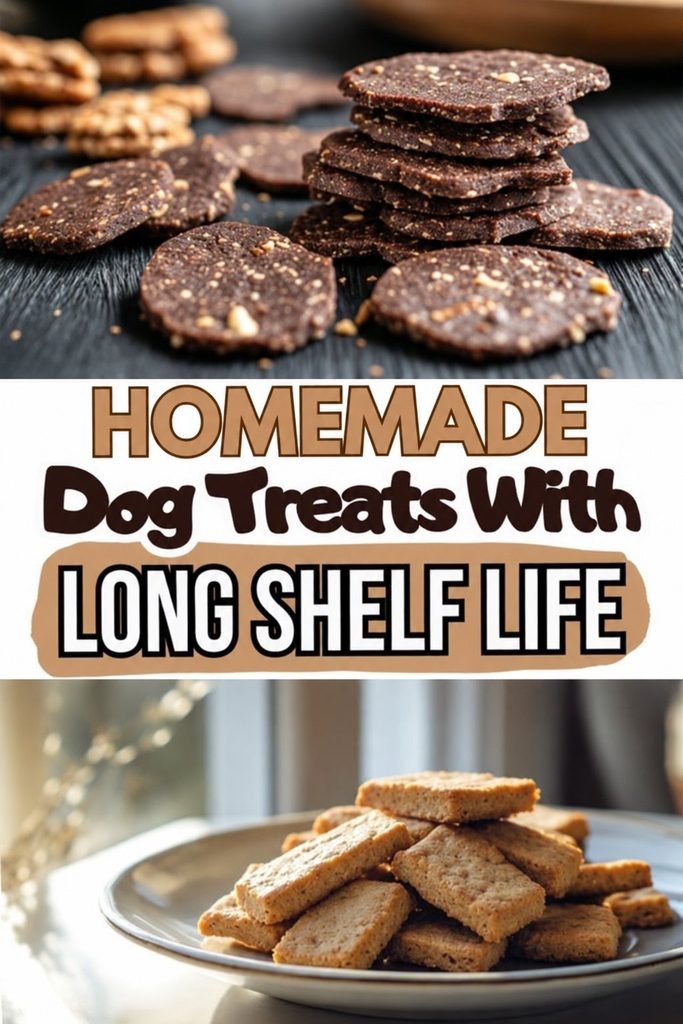
I’ve put together a roundup of the long lasting treats I make most often, along with a new chicken jerky recipe that’s become one of my go to options whenever I want something dense, chewy, and made entirely from ingredients I trust.
Why Long Lasting Treats Are Worth Making
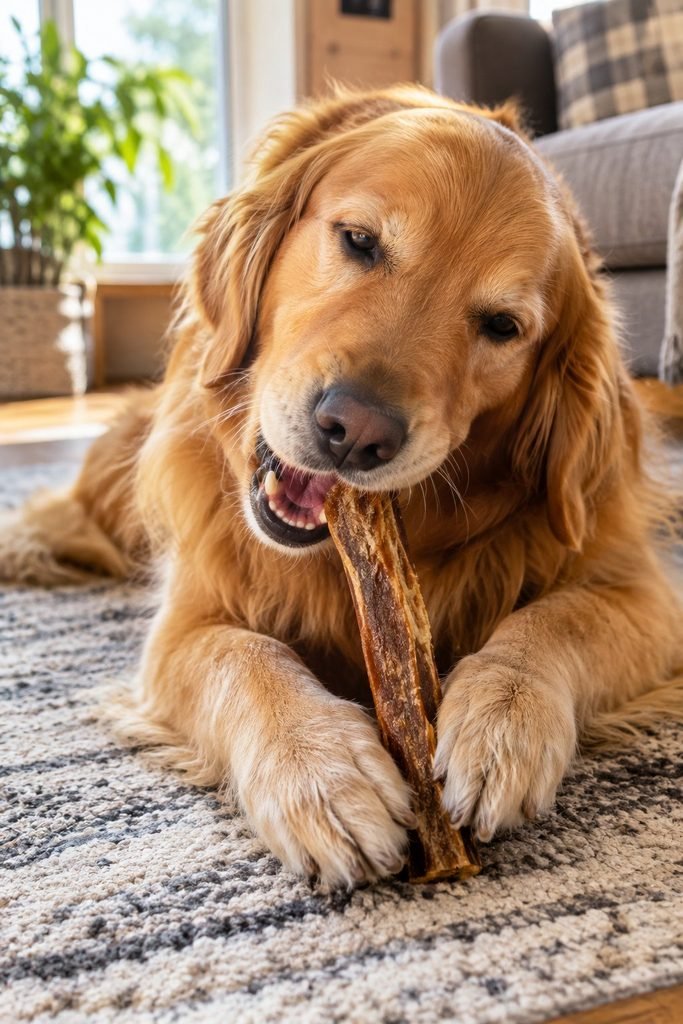
A few reasons these types of treats earn a permanent place in the freezer.
Keep dogs occupied. A dense, chewy treat takes longer to work through than a quick biscuit.
Great for independent time. Useful for busy afternoons or moments when your dog needs something to settle down with.
Made with real ingredients. Homemade versions let you skip the rawhide, additives, and processed fillers found in many store bought chews.
Freezer friendly. Most long lasting treats store well, so you can bake a batch ahead of time.
A Few Safety Notes for Long Lasting Chews
Because these treats are meant to be worked on rather than eaten quickly, a few general safety points apply across the board.
Always supervise your dog while they’re enjoying a long lasting chew, the same way you would with any dense treat or chew toy.
Size the treat appropriately for your dog, since a piece that’s too small for a large dog can pose a choking risk.
Watch for any softening or breakdown in a treat that’s been chewed on for a while, and remove it if it becomes small enough to swallow whole.
Long Lasting Treats Worth Trying

Here are a few long lasting recipes already on the site, each offering a different texture and flavor.
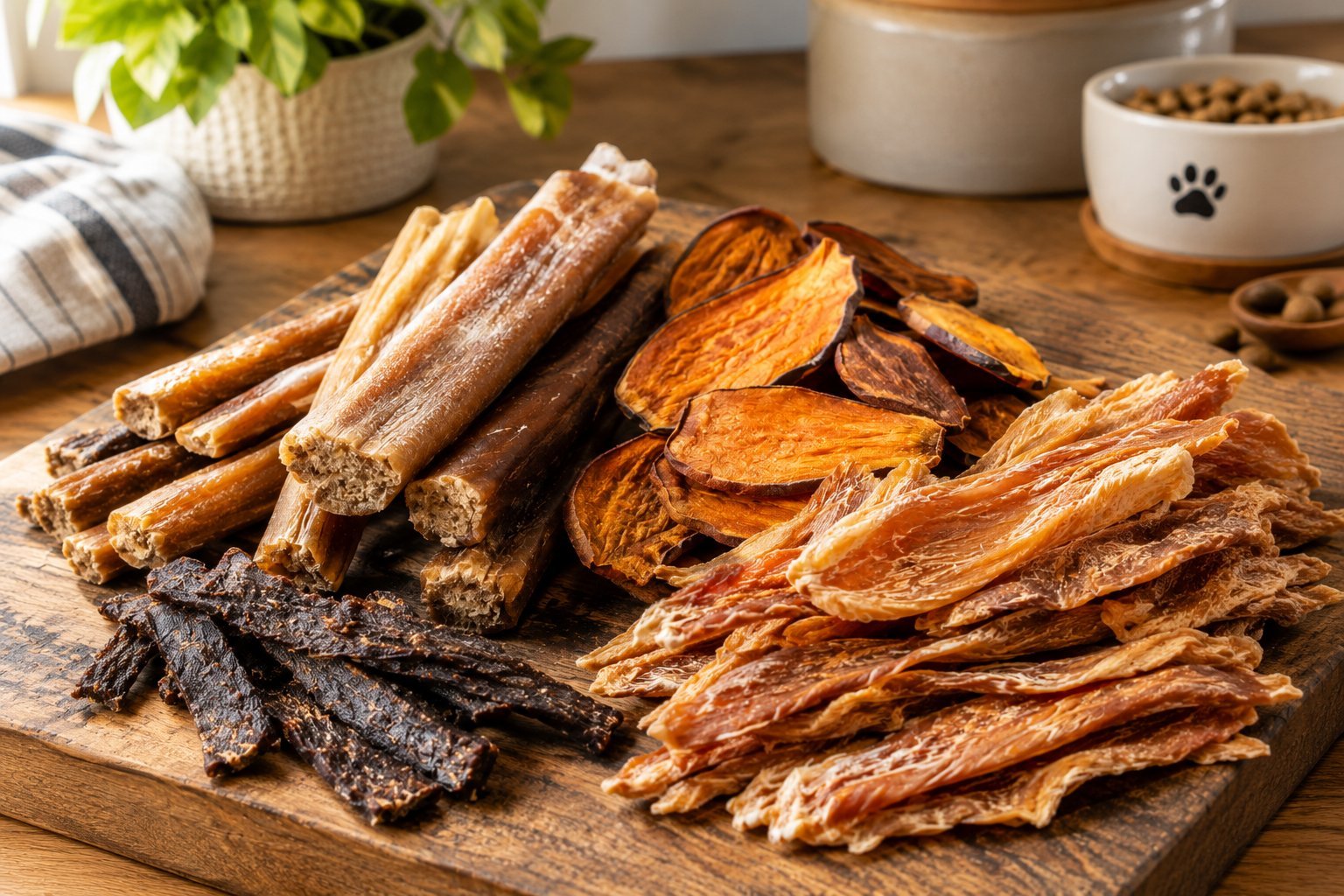
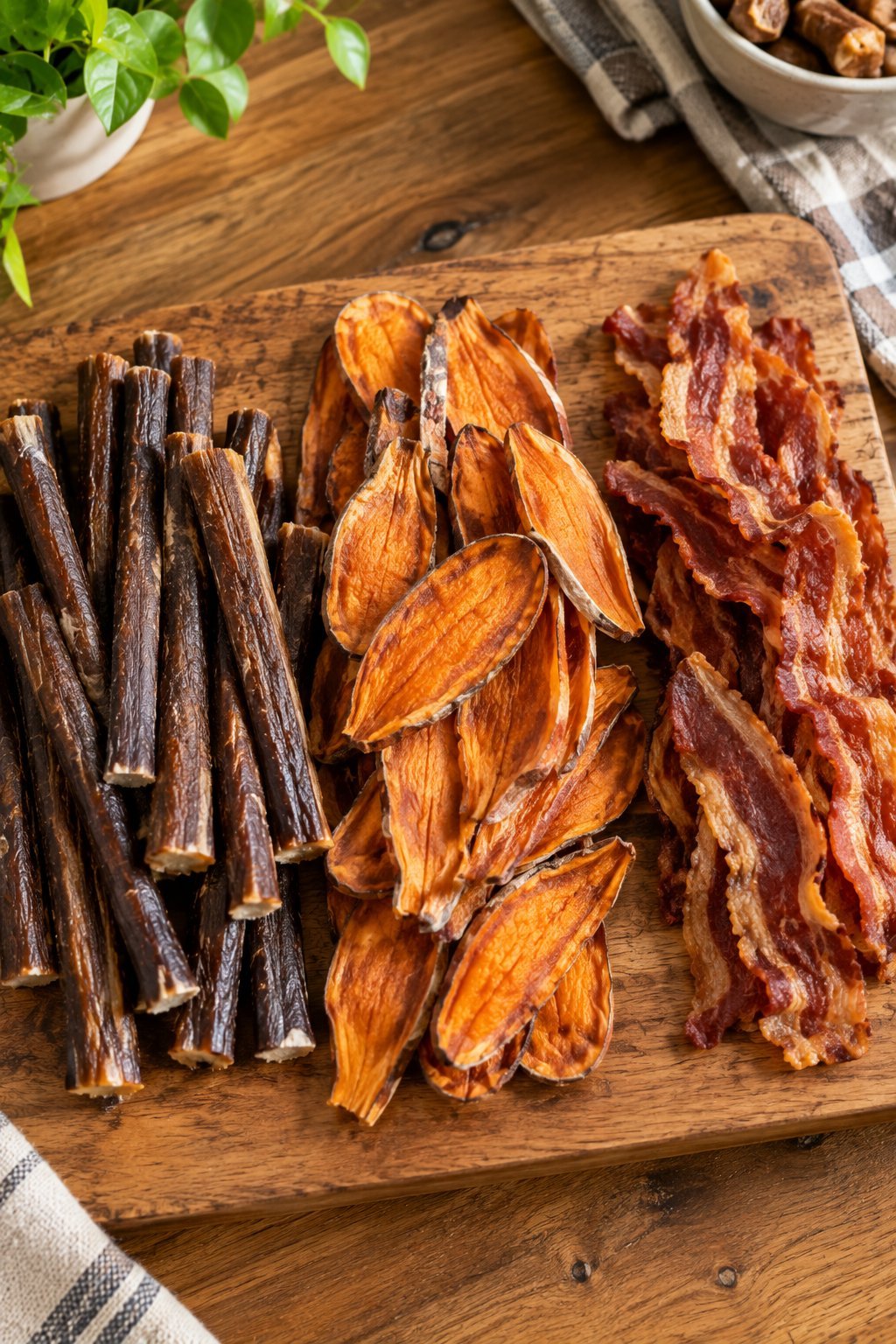
Homemade Beef and Vegetable Chew Sticks are made from lean ground beef and vegetables, slow baked until firm and dense for a satisfying, long lasting chew.
Easy Homemade Sweet Potato Dog Chews Recipe uses thinly sliced, slow dried sweet potato for a naturally sweet, chewy treat with just one ingredient.
Homemade Bacon Dog Treats, while not as long lasting as a dense chew, bake up firm enough to hold up well for a slower, more deliberate eater.
A New Recipe: Homemade Chicken Jerky Strips
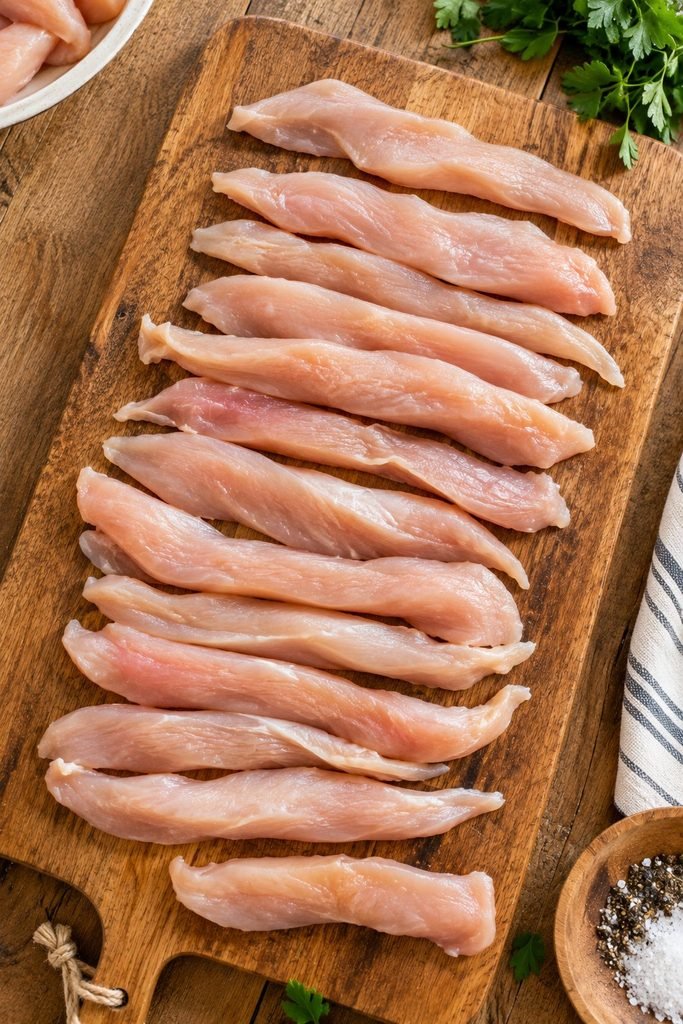
To round out this collection, here’s a simple dehydrated chicken jerky that makes a great long lasting chew on its own.
Is Chicken Jerky Safe for Dogs?
Homemade chicken jerky, made from plain, lean chicken breast with no seasoning, is generally considered a safe treat for most dogs.
Since jerky is dried rather than baked to a crisp, it’s naturally more chewy and long lasting than a typical biscuit.
Always cook chicken fully before dehydrating to reduce any food safety risk, and skip any seasoning, salt, or marinade.
Ingredients You’ll Need
- 1 pound boneless, skinless chicken breast, sliced thin
How to Make Homemade Chicken Jerky Strips
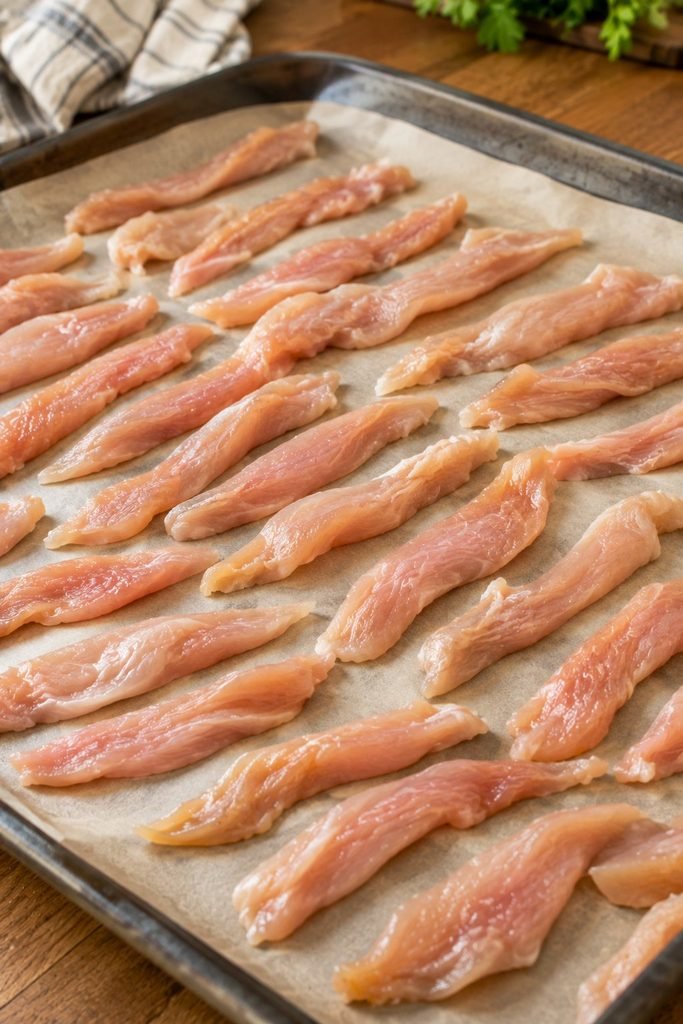
- Preheat your oven to its lowest setting, ideally around 200°F, and line a baking sheet with parchment paper or a wire rack.
- Slice the chicken breast into thin, even strips, about a quarter inch thick.
- Arrange the strips in a single layer on the prepared baking sheet, making sure they don’t overlap.
- Bake for 3 to 4 hours, flipping the strips halfway through, until they’re firm, dry, and no longer pink in the center.
- Use a meat thermometer to confirm the chicken has reached a safe internal temperature before removing it from the oven.
- Let the jerky cool completely on a wire rack before serving or storing, since it will firm up further as it cools.
Getting the Right Texture
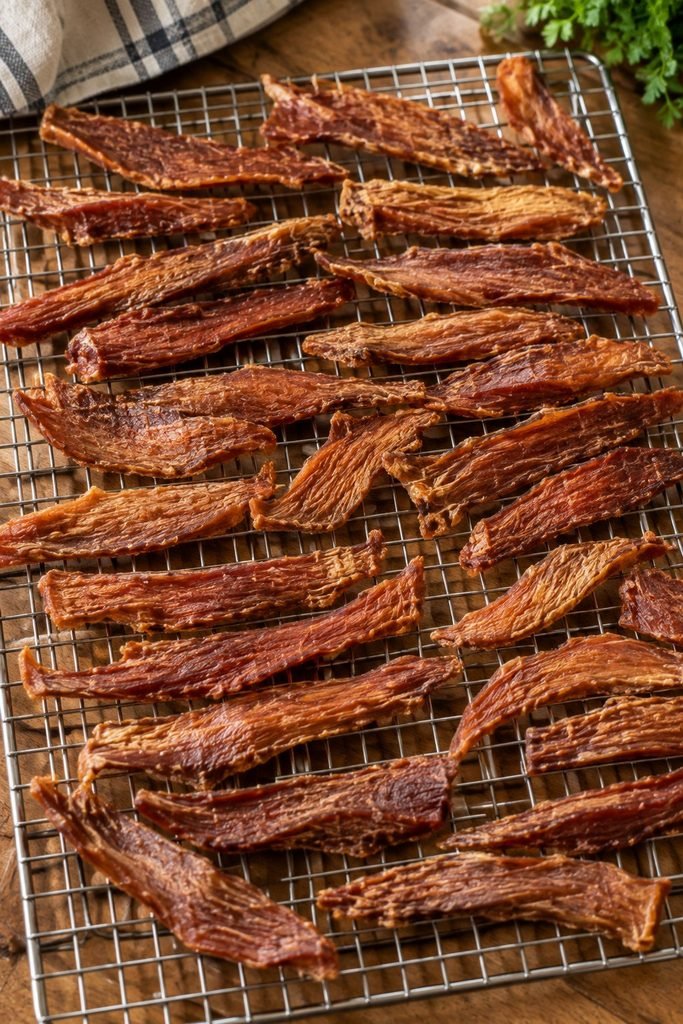
If the strips still feel soft or moist after the suggested time, continue baking in thirty minute increments, checking regularly, until they reach a firm, dry texture throughout.
Keep the strips a consistent thickness so they all dry out at roughly the same rate.
How to Store Homemade Chicken Jerky
Refrigerator. Store the jerky in an airtight container in the fridge for up to two weeks.
Freezer. For longer storage, freeze the jerky in a sealed bag or container for up to three months.
How Many Long Lasting Treats Can a Dog Have?
Since many long lasting treats are meat based and calorie dense, they’re best treated as an occasional chew rather than a daily habit, generally staying under about ten percent of your dog’s daily caloric intake overall.
One chew or a small handful of jerky strips, given under supervision, is a reasonable amount for most dogs on a given day.
Frequently Asked Questions
What makes a treat “long lasting”? Generally, a dense or dried texture that takes longer to chew through, compared to a quick biscuit that’s eaten in one or two bites.
Do long lasting treats need to be refrigerated? Most homemade versions, especially those made with meat, should be refrigerated or frozen rather than left at room temperature.
Can I make chicken jerky in a dehydrator instead of the oven? Yes, a food dehydrator works well for this recipe if you have one, following the manufacturer’s instructions for meat.
How long does homemade jerky last? Up to two weeks in the fridge and up to three months in the freezer when stored properly.
Should I supervise my dog with any long lasting chew? Yes, as with any dense treat, it’s best to supervise, especially for dogs who tend to break off and swallow large pieces.
Can puppies have long lasting chews? Check with your veterinarian first, and make sure the size and texture are appropriate for a puppy’s mouth and chewing habits.
Homemade Chicken Jerky Strips for Dogs
Ingredients
Equipment
Method
- Preheat the oven to 200°F (95°C) and line a baking sheet with parchment paper.
- Pat the chicken breast dry with paper towels. Place it on a clean cutting board and trim away any visible fat.
- For easier slicing, place the chicken in the freezer for about 20 to 30 minutes. It should become firm but not completely frozen.
- Slice the chicken into thin strips, aiming for roughly 1/8 to 1/4 inch thick. Try to keep the pieces similar in thickness so they cook evenly.
- Arrange the chicken strips in a single layer on the prepared baking sheet. Leave a little space between each piece.
- Place the baking sheet in the oven and bake for approximately 2 hours, turning the strips halfway through cooking.
- Continue cooking until the chicken is completely cooked through and the strips are firm and dried. Chicken should reach a safe internal temperature of 165°F (74°C).
- Remove the strips from the oven and allow them to cool completely before serving.
- Once cooled, cut larger pieces into smaller portions if needed.
- Storage: Because homemade meat jerky does not contain preservatives, store cooled strips in an airtight container in the refrigerator and use within a few days. Freeze extra portions for longer storage.
- Safety Tip: Chicken must be fully cooked before your dog eats it. Do not rely only on the appearance of the strips. A food thermometer is the safest way to verify that the chicken reaches 165°F (74°C).
- Thickness Tip: Keep the strips relatively thin and even. Very thick pieces can retain moisture in the center and will take longer to dry.
- Common Mistake to Avoid: Do not season the chicken with garlic, onion, salt, sauces, marinades, or spice blends. Plain chicken is all you need for this recipe.
- Serving: Break the jerky into smaller pieces for training rewards or smaller dogs. Treats should remain an occasional part of a complete and balanced diet.
A Final Note on Long Lasting Treats
Having a few long lasting options on hand has made a real difference on busy days, giving my dog something worthwhile to focus on while I get things done around the house.
Between the chew sticks, sweet potato chews, and this new jerky recipe, there’s now a nice rotation of dense, satisfying treats to choose from depending on what’s in the freezer.
More Homemade Treat Ideas
If you’re building out a rotation of long lasting treats, these recipes are worth adding too.
- Homemade Beef and Vegetable Chew Sticks
- Easy Homemade Sweet Potato Dog Chews Recipe
- Homemade Bacon Dog Treats
- Dog Treats with Sweet Potato and Bacon
For more ideas on feeding your dog well beyond treats, check out 7 Healthiest Homemade Dog Foods.