
Homemade Bacon Dog Treats
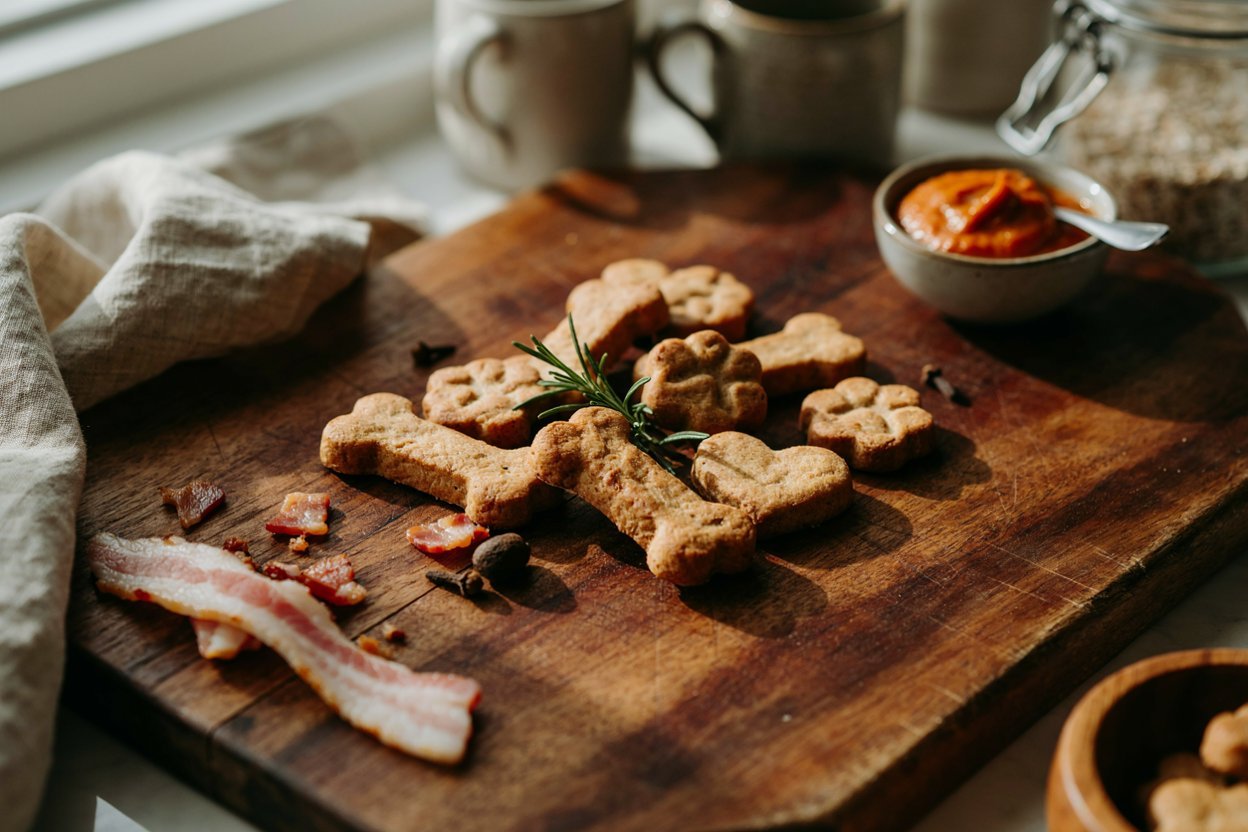
There’s no ingredient that gets my dog to the kitchen faster than bacon, and these treats put that reaction to good use.
They’re made with real cooked bacon, a simple oat based dough, and just enough pumpkin to hold everything together, so you get a treat that tastes indulgent while still being something you made yourself with ingredients you can see and control.

These have become my go to for special occasions, birthdays, or those days when a regular biscuit just isn’t going to cut it.
A little bacon goes a long way here, which keeps the recipe from tipping into “too rich” territory while still delivering the smoky flavor dogs go crazy for.
Why You’ll Love These Homemade Bacon Dog Treats
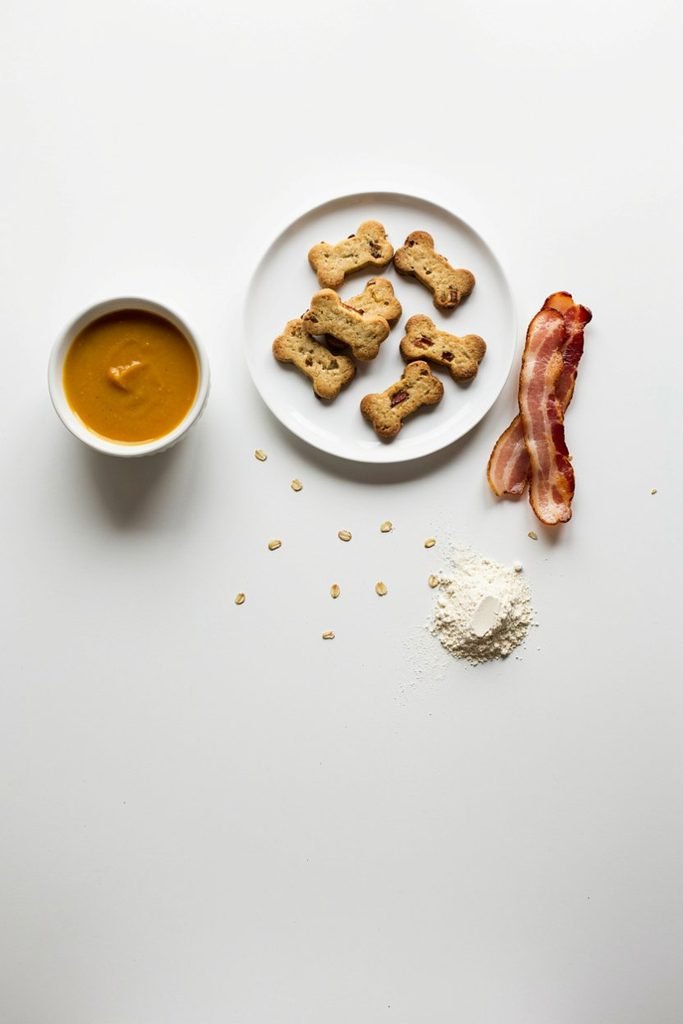
A few reasons these are worth the smoky kitchen smell.
Real bacon flavor. These use actual cooked bacon, not a bacon flavored seasoning packet.
Small amount goes a long way. Just a couple of slices flavor the entire batch, keeping the fat content in check.
Simple, short ingredient list. Nothing complicated, just pantry staples and a little bacon.
Great for special occasions. These feel like a bigger deal than an everyday treat, perfect for birthdays or a job well done.
Freezer friendly. A batch stores well, so you don’t need to make bacon treats from scratch every time.
Is Bacon Safe for Dogs?
Bacon is a topic worth handling carefully, since it’s a treat dogs love but one that comes with a few real considerations.
Fat content is the main concern. Bacon is high in fat, and rich, fatty foods have been linked to pancreatitis in dogs, particularly in dogs who are prone to digestive issues or who eat a large amount at once.
That’s exactly why this recipe uses a small amount of bacon spread across an entire batch of treats, rather than serving bacon on its own.
Sodium is another factor, since bacon is naturally salty. Blotting the cooked bacon well and using it in moderation helps keep the sodium in each treat reasonable.
Turkey bacon is a leaner alternative if you’d like to reduce the fat content further, and it works well in this recipe as a direct substitute for pork bacon.
Portion control matters most. These treats are meant to be an occasional reward, not a regular part of your dog’s diet, especially for dogs with a history of pancreatitis or other digestive sensitivities. If your dog has any known health conditions, it’s worth checking with your veterinarian before adding bacon based treats to their routine.
Ingredients You’ll Need
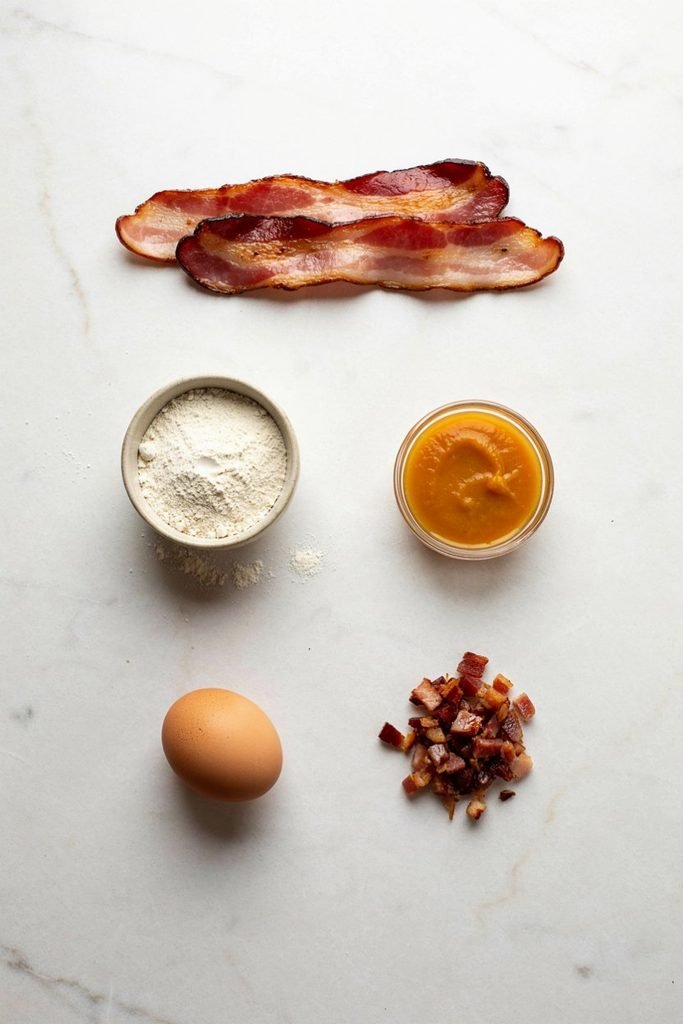
Here’s what goes into the dough and what each ingredient contributes.
Cooked bacon, chopped small, is the star of the recipe and provides that smoky flavor dogs can’t resist. Cook it until crisp and blot away as much grease as possible before adding it to the dough.
Oat flour forms the base of the dough and gives these treats a gentle, easy to digest structure.
Plain pumpkin puree helps bind the dough and adds a bit of moisture without needing extra egg or fat.
An egg adds structure and a bit of extra protein to the finished treats.
Ingredient List
- 2 slices bacon, cooked crisp and chopped small
- 2 cups oat flour, plus more if needed
- 1/2 cup plain pumpkin puree
- 1 egg
How to Make Homemade Bacon Dog Treats
- Preheat your oven to 350°F and line a baking sheet with parchment paper.
- Cook the bacon in a skillet until crisp, then transfer it to a paper towel lined plate to drain and cool. Once cooled, chop it into small pieces.
- In a large bowl, whisk together the pumpkin puree and egg until smooth.
- Add the oat flour and stir until a dough begins to form.
- Fold in the chopped bacon, distributing it evenly throughout the dough.
- If the dough feels too sticky to handle, add a bit more oat flour a tablespoon at a time until it firms up.
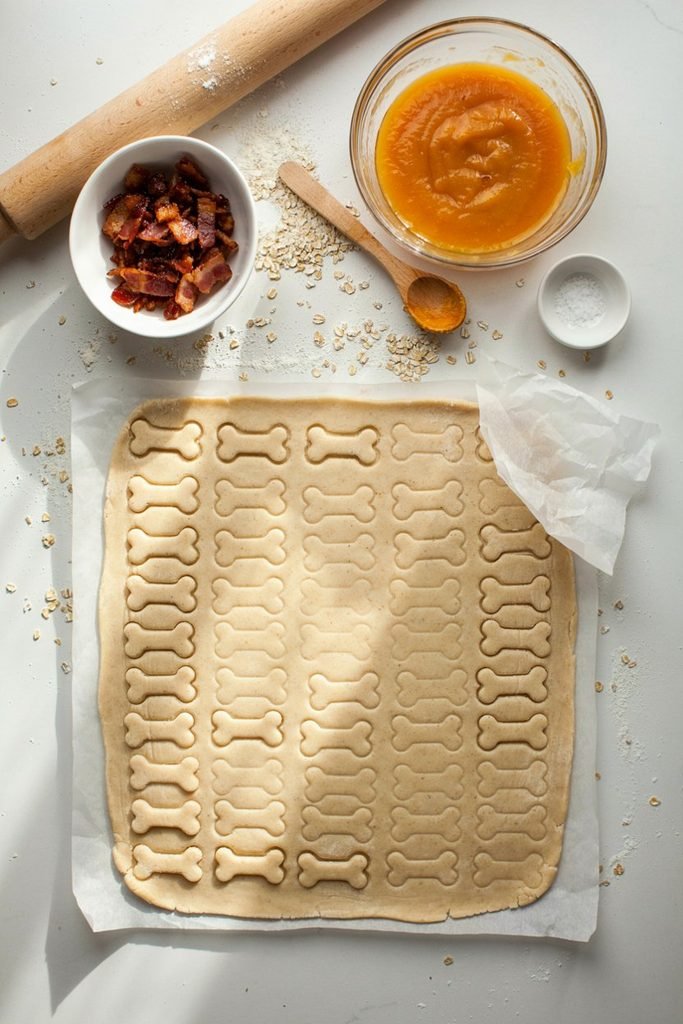
- Turn the dough out onto a lightly floured surface and roll it to about a quarter inch thickness.
- Cut into shapes using a cookie cutter or a knife, then place the treats on the prepared baking sheet.
- Bake for 18 to 20 minutes, until the treats feel firm and the edges look lightly golden.
- Let the treats cool completely on a wire rack before serving or storing.
Getting the Right Texture
A few notes on texture, since oat based dough can behave differently from wheat based dough.
If the dough feels too wet to roll, add oat flour gradually until it becomes workable, since pumpkin puree can vary slightly in moisture between brands.
If the dough feels dry and crumbly, add a small splash of water until it comes together smoothly.
For a firmer, more shelf stable treat, roll the dough a bit thinner and bake for the full time, allowing the treats to cool completely before storing.
Recipe Variations

Once you’ve made the base recipe, these variations are worth trying.
Bacon and cheddar treats. Fold in a tablespoon of finely shredded cheddar cheese along with the bacon for extra flavor.
Bacon and sweet potato treats. Swap the pumpkin for an equal amount of plain mashed sweet potato.
Mini bacon bites. Roll the dough thinner and cut smaller pieces for bite sized training treats.
Turkey bacon treats. Substitute turkey bacon for a leaner version of this recipe.
Keep any added ingredients to small amounts, since the goal is a treat flavored with bacon, not a rich, high fat biscuit.
Common Mistakes to Avoid
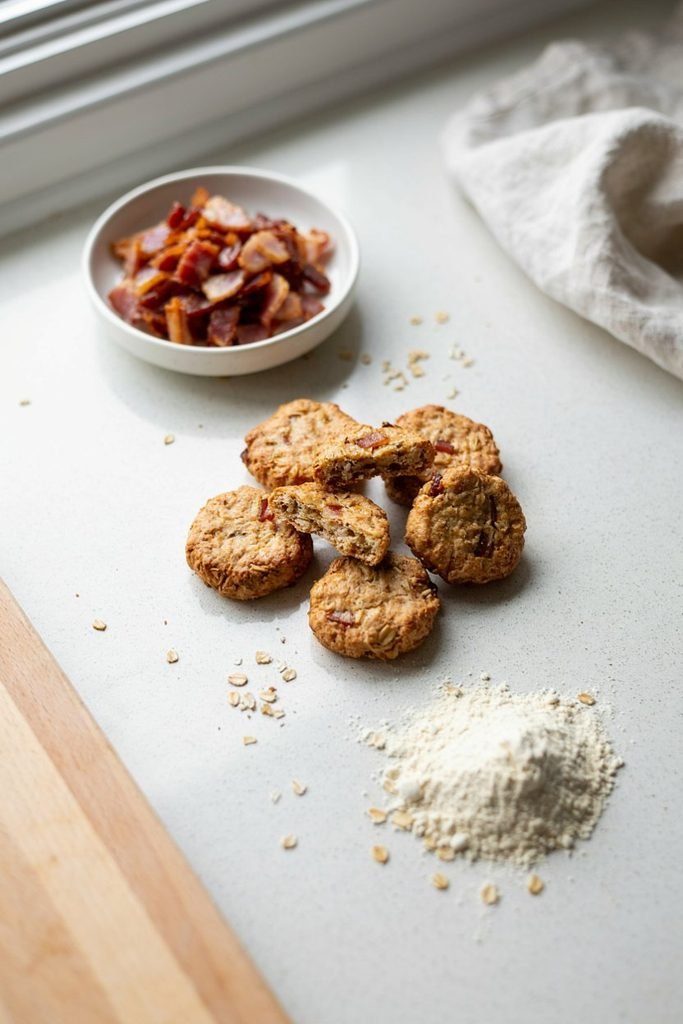
Using too much bacon. More isn’t better here. A couple of slices spread across a full batch is plenty of flavor without excess fat.
Skipping the draining step. Bacon that isn’t well drained adds extra grease to the dough, which can make the treats greasy and shorten their shelf life.
Using bacon with added seasoning. Stick to plain bacon, and avoid any variety cured with garlic, onion, or heavy seasoning blends.
Overbaking. Watch the treats during the final few minutes, since oat based dough can go from golden to overly hard quickly.
Storing warm treats. Let them cool fully before sealing them in a container to avoid trapping moisture.
How Many Treats Can a Dog Have?
Because these treats contain a small amount of fat from the bacon, it’s best to treat them as an occasional reward rather than a daily habit, generally staying under about ten percent of your dog’s daily caloric intake overall.
One treat is a reasonable serving for most dogs on a given day. Dogs with a history of pancreatitis or other digestive sensitivities should avoid bacon based treats altogether, or only have them with a veterinarian’s guidance.
How to Store Homemade Bacon Dog Treats
Refrigerator. Because these contain bacon, store them in an airtight container in the fridge rather than at room temperature, for up to five days.
Freezer. For longer storage, freeze the treats in a sealed bag or container for up to three months.
Always check treats before serving, and discard anything that smells off or shows signs of spoilage, since fat based ingredients like bacon can turn rancid faster than plain baked goods.
Can You Freeze These Treats?
Yes, and freezing is a great way to keep a batch on hand without worrying about spoilage.
- Let the treats cool completely before freezing.
- Arrange them in a single layer in a freezer safe container or bag.
- Separate layers with parchment paper if stacking.
- Label the container with the date.
- Thaw a few in the fridge for a couple of hours before serving.
Frequently Asked Questions
Is bacon safe for dogs? In small amounts, cooked bacon is generally considered safe as an occasional treat, though its high fat and sodium content means moderation matters. Dogs with pancreatitis history should avoid it.
Can I use turkey bacon instead of pork bacon? Yes, turkey bacon works well as a leaner substitute in this recipe.
Why is my dough greasy? This usually means the bacon wasn’t drained well enough before being added. Blot it thoroughly on paper towels after cooking.
Can I add cheese to this recipe? Yes, a small amount of shredded cheddar folded in along with the bacon adds extra flavor, though keep the amount modest.
How long do these treats last? Up to five days in the fridge and up to three months in the freezer, since the bacon content means they shouldn’t sit at room temperature.
Can puppies have these treats? In very small amounts, most puppies can try a bit of bacon, but check with your veterinarian first, especially for young or small breed puppies.
Can dogs with pancreatitis eat these treats? It’s best to avoid bacon based treats entirely for dogs with a history of pancreatitis, and to check with your veterinarian about safer treat options instead.
Recipe Card
Recipe name: Homemade Bacon Dog Treats
Summary: Crisp, oat based dog treats made with real cooked bacon and a touch of pumpkin, perfect for special occasions.
Servings: About 20 treats, depending on size
Prep time: 15 minutes
Cook time: 20 minutes
Total time: 35 minutes, plus cooling time
Estimated cost: Budget friendly
Course: Dog treat
Cuisine: Homemade pet food
Keywords: bacon dog treats, homemade dog treats, oat flour dog treats, pumpkin bacon treats, homemade dog biscuits
Equipment: Skillet, mixing bowl, rolling pin, baking sheet, parchment paper
Ingredients:
- 2 slices bacon, cooked crisp and chopped small
- 2 cups oat flour
- 1/2 cup plain pumpkin puree
- 1 egg
Instructions:
- Cook bacon until crisp, drain well, and chop small.
- Whisk pumpkin and egg together.
- Stir in oat flour until a dough forms.
- Fold in chopped bacon.
- Roll out and cut into shapes.
- Bake 18 to 20 minutes until golden.
- Cool completely before serving.
A Final Note on Serving These Treats
I like keeping a small stash of these for moments that feel a bit more special, whether that’s a birthday, a good report from the vet, or just a Tuesday that needs a little extra celebration.
A little bacon goes further than you’d think, and knowing exactly how much is in each treat makes it easy to spoil your dog without any guesswork.
More Homemade Treat Ideas
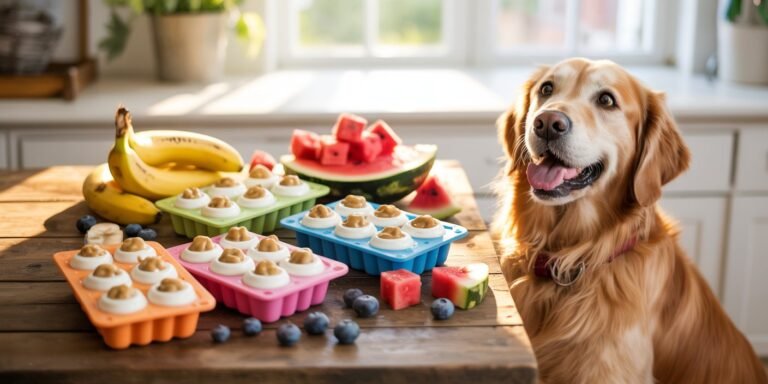
If your dog enjoyed these, these recipes are worth trying next.
- Pumpkin Peanut Butter Pretzel Dog Treats
- Cinnamon Roll Overs Dog Treats
- Oat and Apple Pretzel Dog Treats
- Simple Carrot Based Dog Treat Recipes for Beginners
- Easy Homemade Sweet Potato Dog Chews Recipe
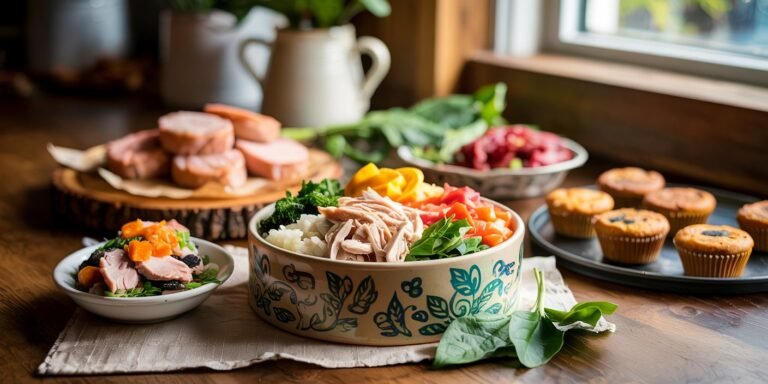
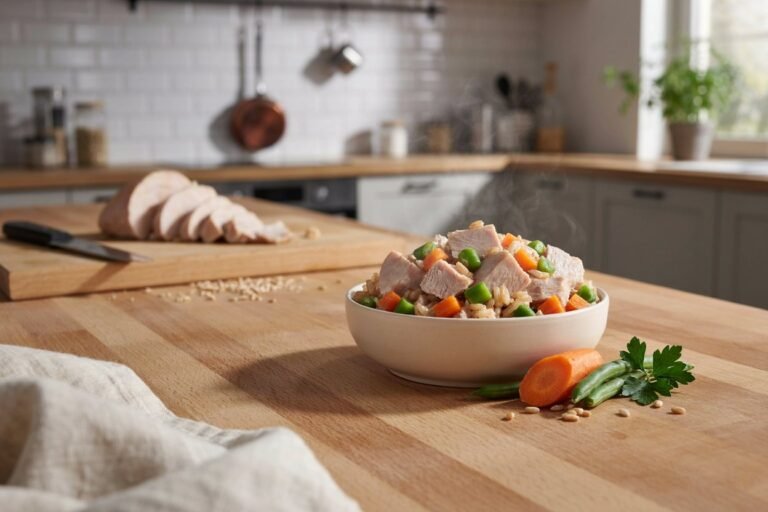
For more ideas on feeding your dog well beyond treats, check out 7 Healthiest Homemade Dog Foods.


4 Comments