Homemade Dog Recipes for Itchy Skin
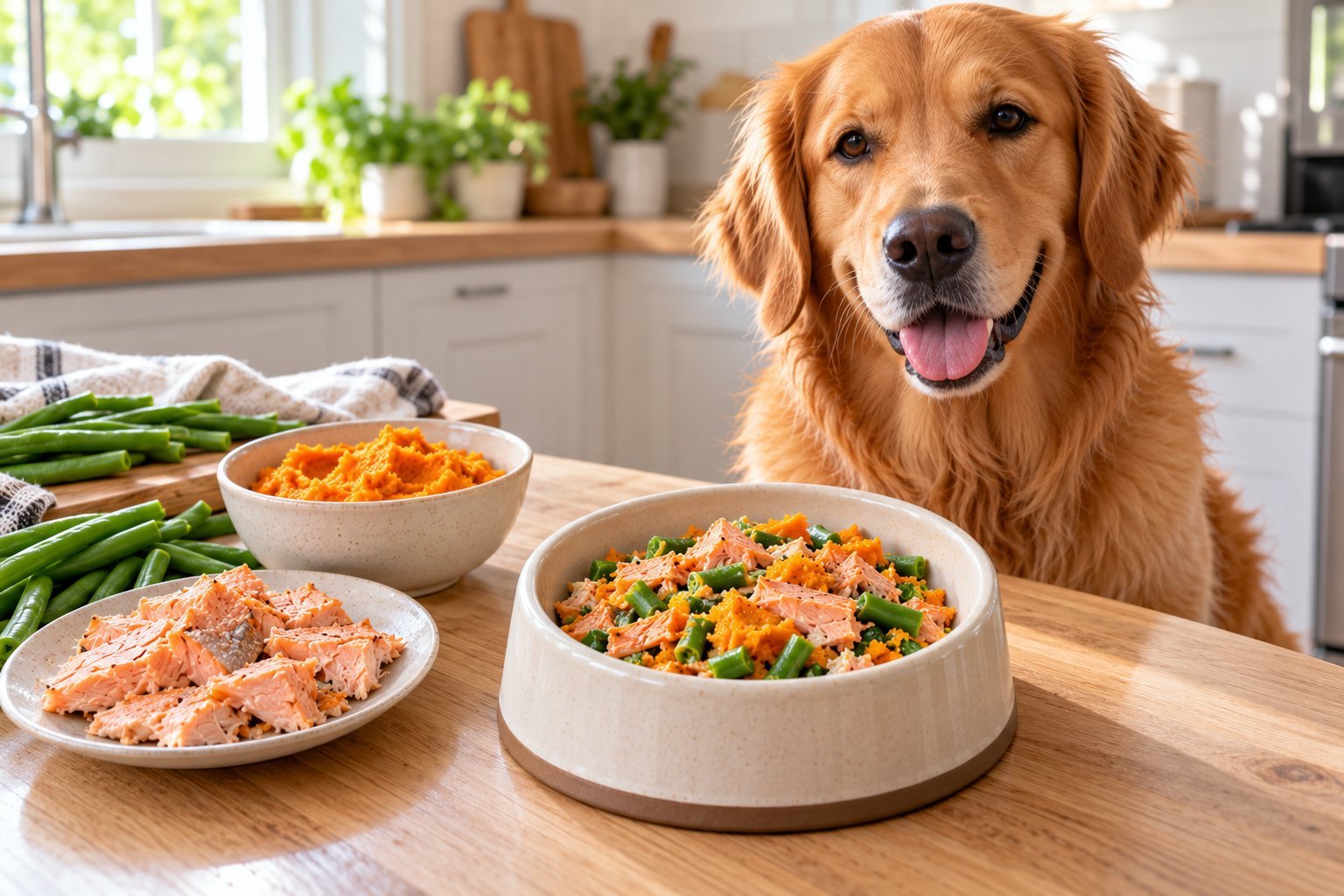
Watching your dog scratch, lick its paws, or rub its face against the carpet can be frustrating, especially when you are trying to find something that brings relief.
When I look at homemade food as part of a dog’s care routine, I think it is important to focus on simple ingredients, balanced nutrition, and understanding what might be causing the irritation in the first place.
Some dogs may benefit from a carefully selected diet, particularly when a food allergy has been identified, but itching can also come from fleas, environmental allergies, infections, or other skin problems.

That is why changing your dog’s meals should never replace proper veterinary care. Homemade dog recipes for itchy skin can be a useful starting point for pet parents who want to explore nutritious food options while paying closer attention to ingredients.
In this guide, I will share simple recipe ideas, explain how ingredients such as salmon, pumpkin, and suitable vegetables can fit into a dog’s diet, and cover the precautions that help keep homemade meals safe.
The goal is to support your dog’s overall well being without making unrealistic promises about curing itchy skin.
What Causes Itchy Skin in Dogs?
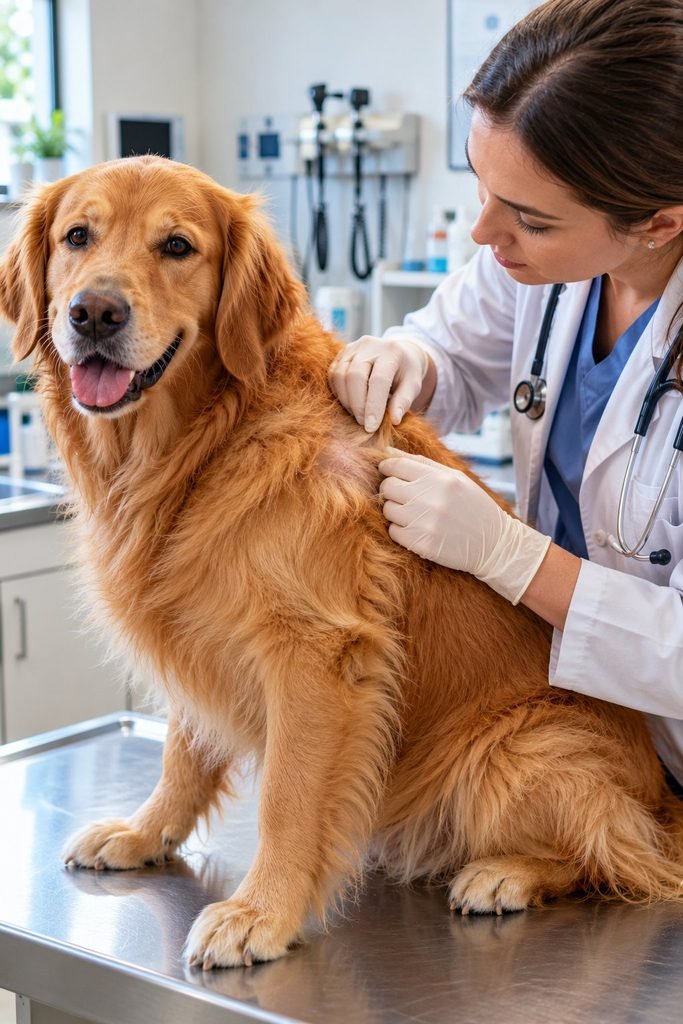
Before changing your dog’s food, it helps to understand why the itching might be happening. Scratching is a symptom rather than a diagnosis, and the right solution depends on its underlying cause.
Food can play a role in some cases, but it is only one possibility. I recommend paying attention to when the itching started, which areas your dog scratches most, and whether other symptoms are present.
1. Food Allergies
Some dogs develop an allergic reaction to particular food proteins. Commonly implicated ingredients include beef, chicken, dairy products, and other proteins, although any dietary protein can potentially trigger an allergy.
A food allergy may cause persistent itching, recurring ear problems, paw licking, or skin irritation. Digestive symptoms can occur too, but they are not always present.
If a food allergy is suspected, your veterinarian may recommend a strict elimination diet using an appropriate hydrolyzed veterinary diet or a carefully selected novel protein diet.
This usually requires several weeks, often around eight to twelve, with no unapproved treats, table scraps, or flavored supplements.
Simply switching to homemade salmon or rice does not establish whether your dog has a food allergy.
2. Fleas and Other Parasites
Fleas can cause intense itching, particularly around the lower back, tail base, and hindquarters. Some dogs are extremely sensitive to flea bites, so even a small number of fleas may cause significant irritation.
Mites and other parasites can also contribute to scratching, hair loss, and inflamed skin.
If your dog is persistently itchy, check its parasite prevention routine and ask your veterinarian whether an examination or skin testing is needed. Food changes will not eliminate a flea infestation or treat a mite problem.
3. Environmental Allergies
Dogs can react to environmental allergens such as pollen, dust mites, and certain molds. These allergies may become more noticeable during particular seasons or after exposure to specific environments.
Common signs include paw licking, rubbing the face, scratching the ears, and repeated skin irritation.
A nutritious diet can support general health, but it cannot reliably remove environmental allergens or replace appropriate allergy treatment.
4. Skin Infections and Other Conditions
Bacterial or yeast infections can develop on irritated skin and make itching much worse. Redness, an unpleasant smell, greasy skin, crusting, and recurring ear problems may indicate that your dog needs veterinary attention.
Hormonal disorders and other medical conditions can also affect the skin and coat.
If your dog has open sores, bleeding skin, rapidly spreading redness, significant hair loss, or persistent discomfort, arrange a veterinary examination rather than relying on homemade food alone.
Can Homemade Dog Food Help With Itchy Skin?
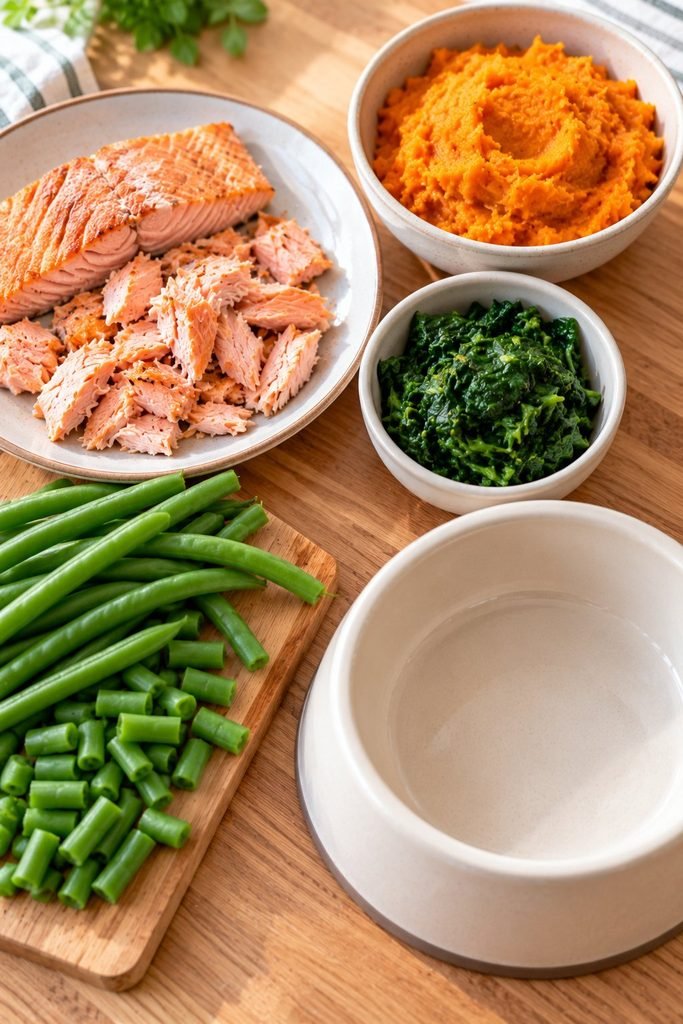
Homemade food may help you manage your dog’s ingredients more carefully, especially when a veterinarian has identified a dietary trigger. It can also provide variety and allow you to prepare meals using ingredients that suit your dog’s established dietary needs.
However, there is an important distinction between supporting skin health and treating an allergy.
A dog that is not getting adequate nutrition may develop a poor coat or other health problems. Protein, essential fatty acids, vitamins, minerals, and an appropriate balance of nutrients all contribute to normal skin function.
Salmon contains omega 3 fatty acids, while some vegetables provide fiber and other nutrients. These ingredients can be useful in a properly formulated diet, but adding them to a bowl does not guarantee relief from itching.
For dogs with a suspected food allergy, the priority is identifying the actual trigger through a veterinarian guided dietary trial.
For other dogs, the more appropriate approach may involve parasite control, treatment for infection, or management of environmental allergies.
I would treat homemade recipes as part of a broader care plan rather than a quick fix for scratching.
Ingredients to Consider in Homemade Dog Recipes for Itchy Skin
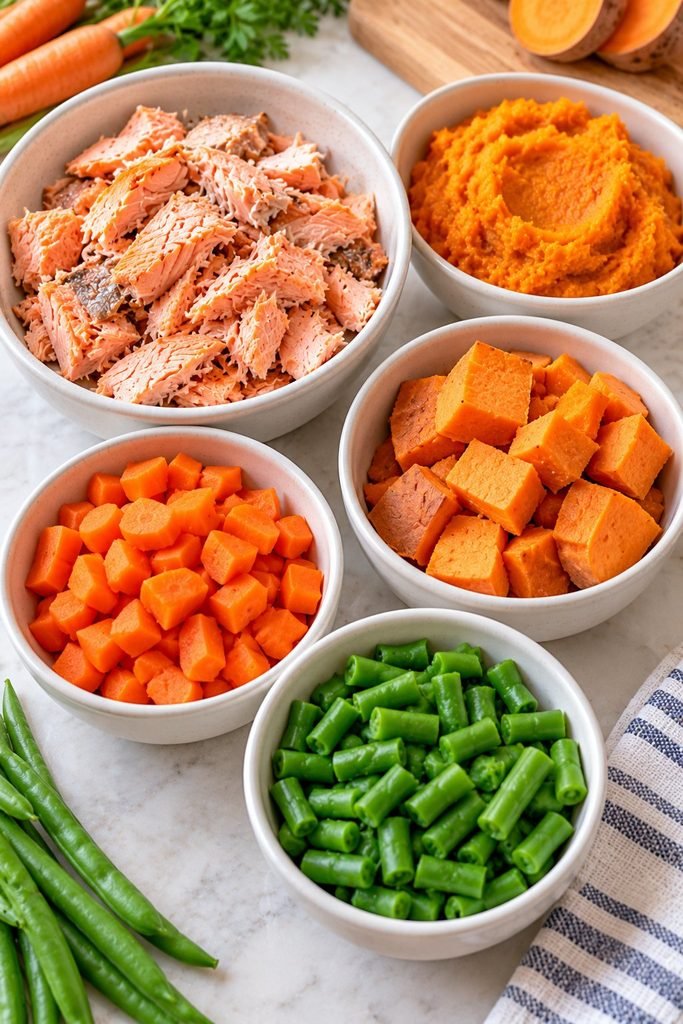
Choosing ingredients carefully is important, but every dog has different nutritional needs and potential sensitivities. The ingredients below may fit into suitable recipes for some dogs, provided they are prepared safely and the overall diet is appropriate.
1. Salmon
Salmon provides protein and omega 3 fatty acids, including EPA and DHA, which have roles in normal skin function and the body’s inflammatory response.
For homemade dog food, use plain salmon that has been cooked thoroughly and carefully checked for bones. Avoid smoked, cured, heavily salted, or seasoned fish.
Salmon is not automatically suitable for a dog with a food allergy. If fish is a suspected trigger, or your veterinarian is conducting an elimination diet, do not introduce it without professional guidance.
2. Pumpkin
Plain pumpkin provides fiber and can be included in many dog food recipes. Its soft texture also makes it easy to mix with cooked meat and other ingredients.
Use plain cooked pumpkin or canned pumpkin puree without added sugar, spices, or other ingredients. Avoid pumpkin pie filling.
Pumpkin is not a direct treatment for allergic itching, but it can be a useful ingredient in an appropriately planned meal.
3. Sweet Potato
Plain cooked sweet potato provides carbohydrates and fiber, along with nutrients such as beta carotene.
Cook it until soft, remove the skin if needed, and mash it without butter, salt, sugar, or seasoning.
Although sweet potato is suitable for many dogs, it is not hypoallergenic for every individual. It should not be introduced during a strict elimination diet unless the veterinarian has approved it.
4. Suitable Vegetables
Some dogs tolerate vegetables such as green beans and carrots. They can add texture, fiber, and variety when included in appropriate amounts.
Wash vegetables thoroughly, cook them until soft when necessary, and cut them into manageable pieces.
Avoid onions, garlic, and other ingredients that are unsafe for dogs. Remember that vegetables alone cannot provide all the nutrients required for a balanced canine diet.
5. Appropriate Protein Sources
Dogs need adequate dietary protein to maintain normal tissues, including skin and coat. Suitable protein sources vary depending on the individual dog’s health and food sensitivities.
Chicken, beef, fish, eggs, and other proteins may be appropriate for some dogs but unsuitable for others.
If your veterinarian suspects a food allergy, the best protein choice depends on your dog’s previous diet and the purpose of the elimination trial. A novel protein is only useful if the dog has not previously been exposed to it in a way that could trigger a reaction.
Recipe 1: Salmon, Pumpkin, and Green Bean Dog Food
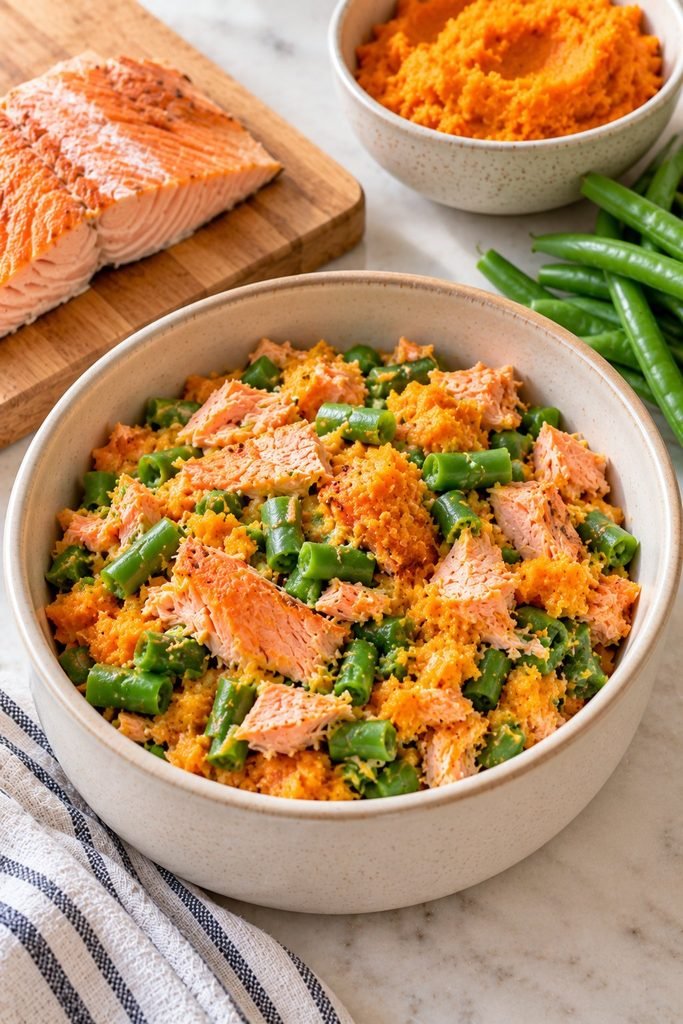
This simple recipe combines cooked salmon with plain pumpkin and green beans. It is intended as an occasional supplemental meal for a healthy adult dog, not as a complete diet or a proven treatment for itchy skin.
Ingredients
- 150 g plain boneless salmon fillet, weighed raw
- 100 g plain cooked pumpkin
- 40 g green beans
- A small amount of water, if needed
Use fresh or properly thawed salmon, and inspect it carefully for bones even if it is labeled boneless.
Instructions
Step 1: Cook the salmon.
Bake or poach the salmon without seasoning, sauces, or added salt. Cook it to an internal temperature of 145°F (63°C). Allow it to cool, then flake it carefully and check for remaining bones.
Step 2: Prepare the pumpkin.
Cook the pumpkin until soft and mash it with a fork. If using canned pumpkin, choose plain puree without added sugar or spices.
Step 3: Cook the green beans.
Wash the green beans, remove the ends, and cook them until tender. Chop them into small pieces appropriate for your dog’s size.
Step 4: Combine the ingredients.
Mix the cooked salmon, mashed pumpkin, and chopped green beans in a clean bowl. Add a little water if you want a softer texture.
Step 5: Cool before serving.
Allow the mixture to cool to a safe temperature. Offer only a small amount if your dog has not eaten these ingredients before, and watch for digestive upset.
Why These Ingredients Are Used
Salmon supplies protein and omega 3 fatty acids, pumpkin provides fiber, and green beans contribute additional fiber and other nutrients.
The recipe does not contain verified amounts of all essential nutrients dogs need for long term health. It should not replace a complete and balanced food unless a veterinary nutrition professional has formulated the entire diet for your dog.
If your dog is undergoing a food elimination trial, use this recipe only if your veterinarian has specifically approved every ingredient.
Recipe 2: Turkey, Sweet Potato, and Carrot Dog Food
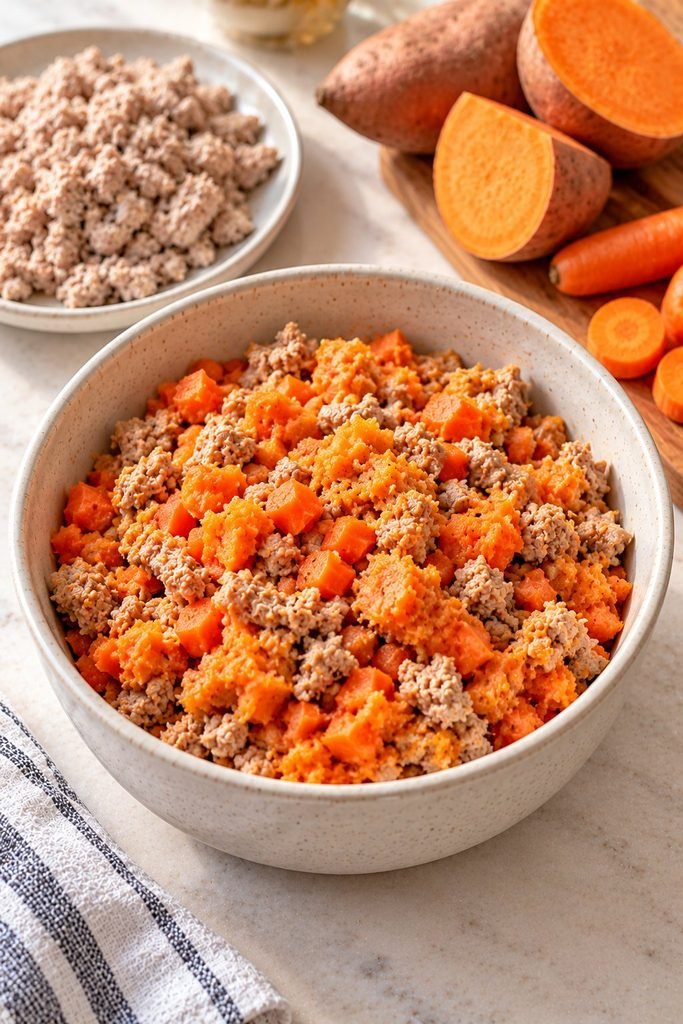
Turkey, sweet potato, and carrots can make a simple cooked mixture for dogs that tolerate these ingredients. This recipe is also intended as an occasional supplemental meal rather than a complete daily diet.
Ingredients
- 150 g plain lean ground turkey, weighed raw
- 100 g cooked sweet potato
- 40 g cooked carrot
- A small amount of water, if needed
Choose plain ground turkey without seasoning, marinades, or added flavorings.
Instructions
Step 1: Cook the turkey thoroughly.
Place the ground turkey in a clean pan and cook it until it reaches an internal temperature of 165°F (74°C). Break it into small pieces as it cooks, and drain excess fat if necessary.
Step 2: Prepare the sweet potato.
Cook the sweet potato until soft, then mash it. Do not add butter, salt, or seasoning.
Step 3: Cook the carrot.
Steam or boil the carrot until tender. Chop it finely so it mixes easily with the other ingredients.
Step 4: Mix the recipe.
Combine the cooked turkey, mashed sweet potato, and chopped carrot in a clean bowl. Add a small amount of water if needed to create a moist consistency.
Step 5: Cool and portion.
Allow the mixture to cool before serving a small portion appropriate for your dog’s size and dietary needs.
Why These Ingredients Are Used
Turkey provides protein, sweet potato contributes carbohydrates and fiber, and carrots add fiber and nutrients such as beta carotene.
However, turkey is not automatically a safe alternative for a dog with suspected food allergies. If your dog has previously eaten turkey or is following a veterinary prescribed elimination diet, check with your veterinarian before introducing it.
Both recipes should be treated as supplemental food unless professionally formulated for nutritional completeness. Dogs with persistent itching need an assessment of the underlying cause, not just a change in ingredients.
Recipe 3: Cod, Pumpkin, and Green Bean Dog Food
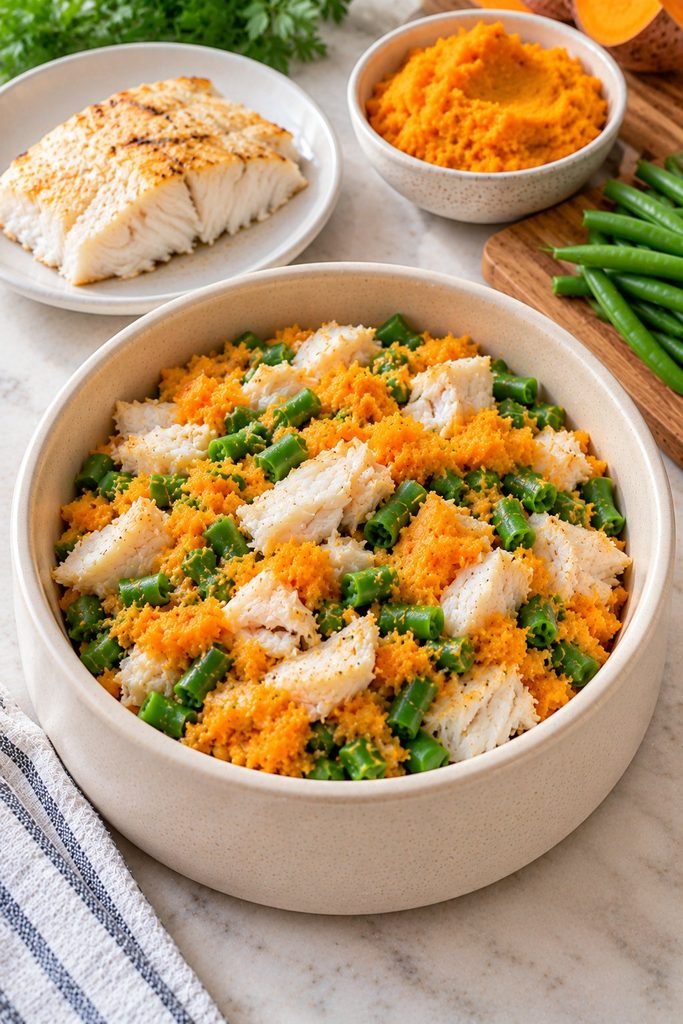
Cod is a relatively lean fish that provides protein. For dogs that tolerate fish, it can be an alternative to salmon in a simple homemade meal.
I would consider this recipe when looking for a straightforward fish based option, provided cod is suitable for the individual dog. If a food allergy is suspected, changing fish varieties without veterinary guidance can complicate the process of identifying the trigger.
Ingredients
- 150 g plain cod fillet, weighed raw
- 100 g plain cooked pumpkin
- 40 g cooked green beans
- A small amount of water, if needed
Choose boneless cod where possible, but inspect it carefully for remaining bones. Do not use battered, breaded, salted, or seasoned fish.
Instructions
Step 1: Cook the cod.
Bake or poach the cod without added seasoning. Cook it until the internal temperature reaches 145°F (63°C). Allow it to cool, then flake the fish carefully and check for bones.
Step 2: Prepare the pumpkin.
Cook the pumpkin until tender and mash it with a fork. Plain canned pumpkin puree is also suitable if it contains no added sugar or spices.
Step 3: Cook the green beans.
Wash the green beans, trim the ends, and cook them until soft enough to chop easily.
Step 4: Combine the ingredients.
Mix the cooked cod, pumpkin, and chopped green beans in a clean bowl. Add a little water if the mixture needs a softer consistency.
Step 5: Cool and serve.
Allow the food to cool completely to a safe serving temperature. Offer a small portion as a supplement to an otherwise complete and balanced diet.
Why These Ingredients Are Used
Cod supplies protein, pumpkin contributes fiber, and green beans provide additional fiber and other nutrients.
Although the recipe uses simple ingredients, it does not contain verified amounts of every nutrient a dog needs. It should not replace your dog’s regular food unless a veterinary nutrition professional has formulated it as a complete diet.
Recipe 4: Lean Beef, Pumpkin, and Carrot Dog Food
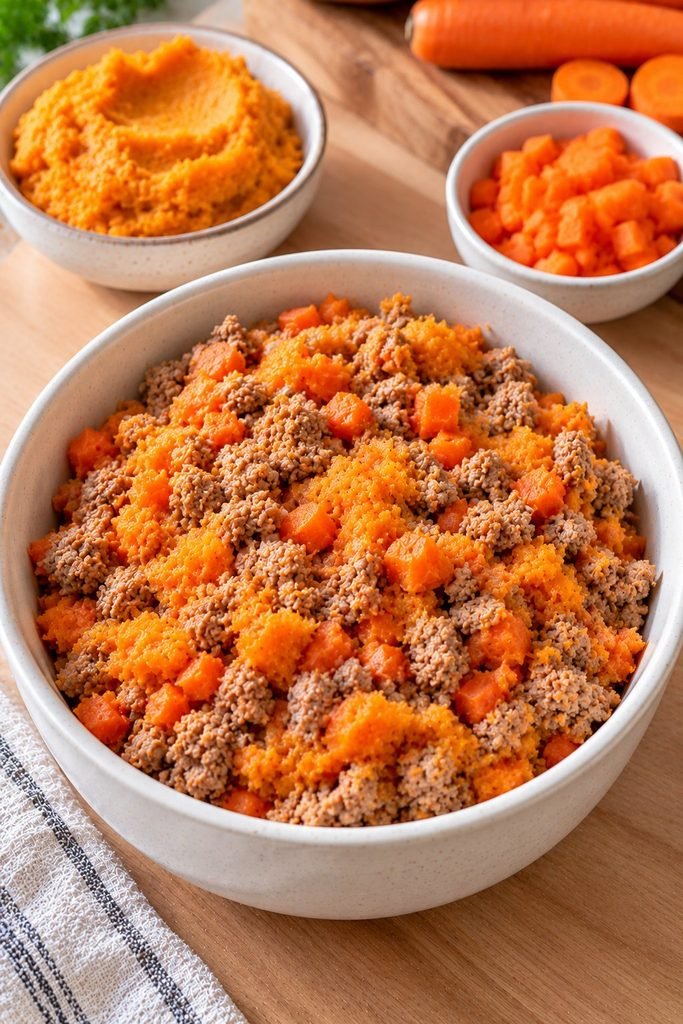
Lean beef can be a suitable protein source for dogs that tolerate it. Combined with plain pumpkin and cooked carrots, it creates a simple meal with a soft texture.
However, beef is also one of the proteins that can trigger food allergies in some dogs. If your veterinarian suspects a beef allergy, this recipe would not be an appropriate choice for a dietary trial.
Ingredients
- 150 g lean ground beef, weighed raw
- 100 g plain cooked pumpkin
- 40 g cooked carrot
- A small amount of water, if needed
Choose plain beef without seasoning, marinades, sauces, or added salt.
Instructions
Step 1: Cook the beef thoroughly.
Cook the ground beef in a clean pan until it reaches an internal temperature of 160°F (71°C). Break it into small pieces and drain excess fat if necessary.
Step 2: Prepare the pumpkin.
Cook the pumpkin until soft, then mash it into a smooth puree.
Step 3: Cook the carrot.
Steam or boil the carrot until tender. Chop it finely so it mixes evenly with the beef.
Step 4: Mix the ingredients.
Combine the cooked beef, pumpkin, and carrot in a clean bowl. Add a small amount of water if needed.
Step 5: Cool before serving.
Allow the mixture to cool before offering a small amount to your dog.
Why These Ingredients Are Used
Beef provides protein and nutrients such as iron and vitamin B12. Pumpkin contributes fiber, while carrots provide additional fiber and beta carotene.
The suitability of this recipe depends on your dog’s individual dietary needs. It is not a proven treatment for itching, and it is not nutritionally complete as written.
Recipe 5: Turkey, Pumpkin, and Green Bean Dog Food
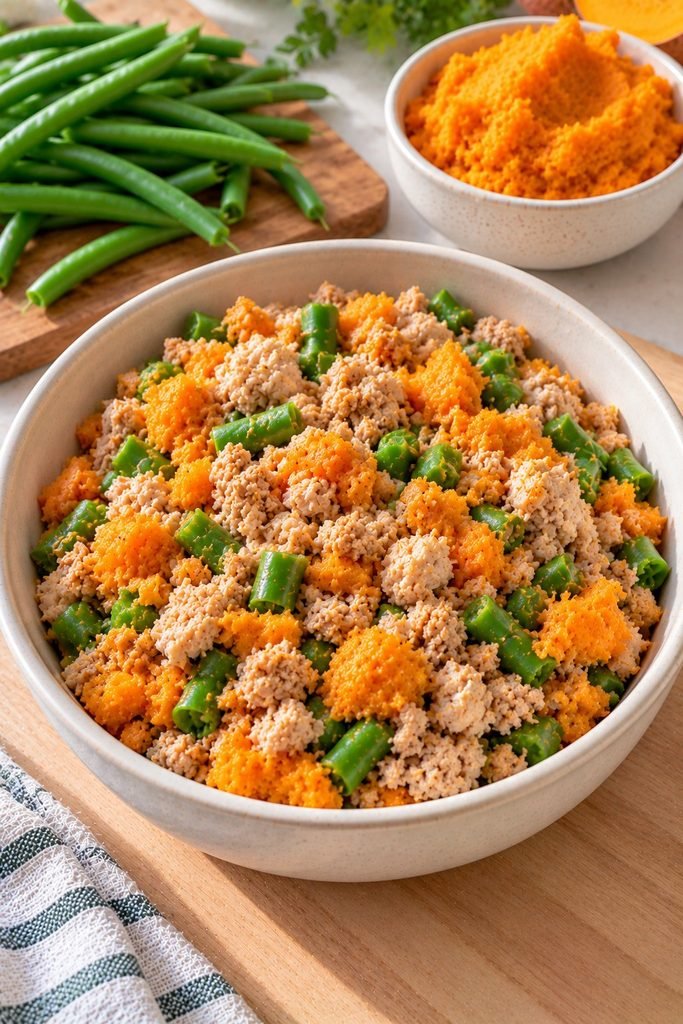
Turkey is another protein option for dogs that tolerate it. This recipe combines thoroughly cooked turkey with plain pumpkin and green beans for a simple, moist supplemental meal.
I like the flexibility of using a few recognizable ingredients, but I would always consider the dog’s previous diet before choosing a protein. A dog that has already eaten turkey may not be a good candidate for a turkey based elimination diet.
Ingredients
- 150 g plain ground turkey, weighed raw
- 100 g plain cooked pumpkin
- 40 g cooked green beans
- A small amount of water, if needed
Instructions
Step 1: Cook the turkey.
Cook the ground turkey until it reaches an internal temperature of 165°F (74°C). Break it into small pieces and ensure there are no undercooked portions.
Step 2: Prepare the pumpkin.
Mash plain cooked pumpkin until smooth.
Step 3: Cook the green beans.
Cook the green beans until tender, then chop them into small pieces.
Step 4: Combine everything.
Mix the cooked turkey, pumpkin, and green beans in a clean bowl.
Step 5: Cool and portion.
Allow the food to cool before offering a small serving appropriate for your dog’s needs.
Why These Ingredients Are Used
Turkey provides protein, pumpkin adds fiber, and green beans contribute additional fiber and nutrients.
These ingredients can fit into a suitable supplemental meal for some dogs. However, no protein is guaranteed to be hypoallergenic, and the recipe is not a substitute for a veterinarian guided food allergy trial.
How to Introduce Homemade Dog Food Safely
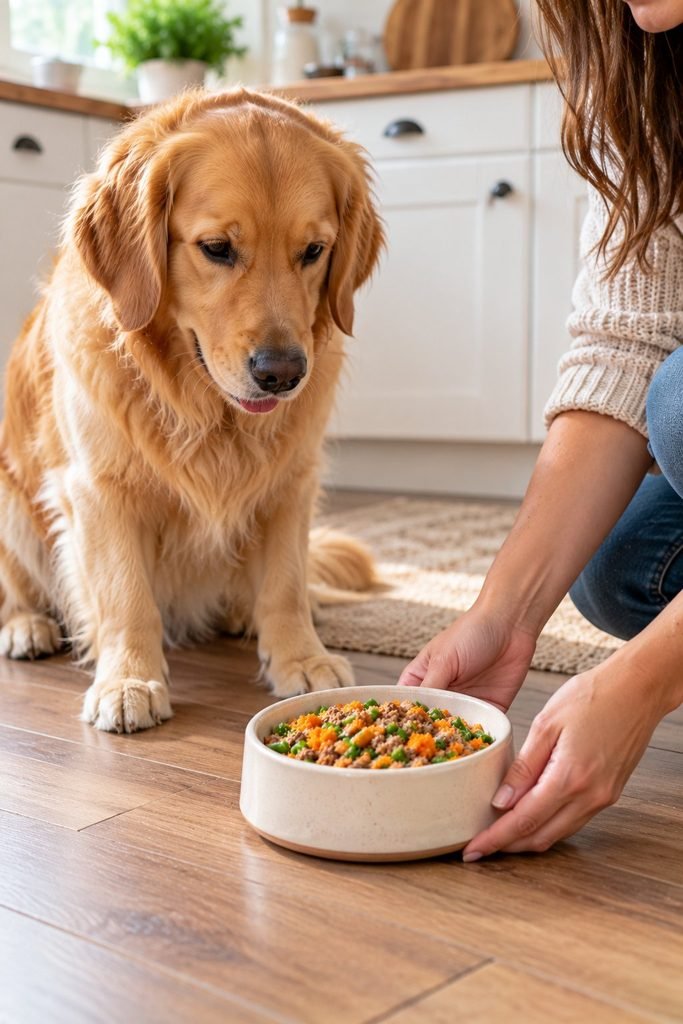
Even nutritious ingredients can cause digestive upset when introduced too quickly. This is particularly important if your dog usually eats the same food every day.
I recommend making changes gradually whenever your veterinarian has confirmed that a gradual transition is appropriate.
Start With a Small Amount
Offer a small taste of the new food and monitor your dog for changes in stool consistency, appetite, vomiting, or other unusual symptoms.
Do not introduce several new ingredients at the same time if you are trying to identify a possible food sensitivity.
Keep Track of Skin Symptoms
Write down when the itching occurs, which areas are affected, and whether your dog develops other symptoms such as ear irritation, paw licking, or digestive problems.
Photographs can also help you document changes in visible skin irritation between veterinary appointments.
However, an improvement or worsening after one meal does not establish whether a food allergy is present.
Do Not Interrupt an Elimination Diet
If your veterinarian has prescribed a strict elimination diet, do not add these homemade recipes, treats, table scraps, flavored medications, or supplements unless they have been approved.
Even a small amount of an unapproved ingredient can interfere with the trial and make the results difficult to interpret.
A veterinary elimination diet typically lasts around eight to twelve weeks, depending on the veterinarian’s instructions and the dog’s response.
How to Store Homemade Dog Food
Proper storage helps reduce the risk of foodborne illness, particularly when recipes contain cooked meat or fish.
Refrigerating Leftovers
Place leftover food in a clean, covered container and refrigerate it promptly.
Refrigerate cooked food within two hours of preparation, or within one hour if the surrounding temperature exceeds 90°F (32°C).
Keep the refrigerator at 40°F (4°C) or below. For these homemade meat and fish mixtures, use refrigerated leftovers within three to four days.
Discard any food that has been left out too long or that may have become contaminated.
Freezing Individual Portions
If you prepare more food than your dog can eat within a few days, freezing individual portions can make storage easier.
Allow the food to cool safely, divide it into suitable portions, and place each portion in a freezer safe container. Label the containers with the preparation date.
For best quality, aim to use frozen portions within approximately two to three months.
Thaw food in the refrigerator rather than leaving it on the counter for extended periods. Serve it at a safe temperature, and do not refreeze food that has been mishandled or left out too long.
Ingredients to Avoid When Making Homemade Dog Food
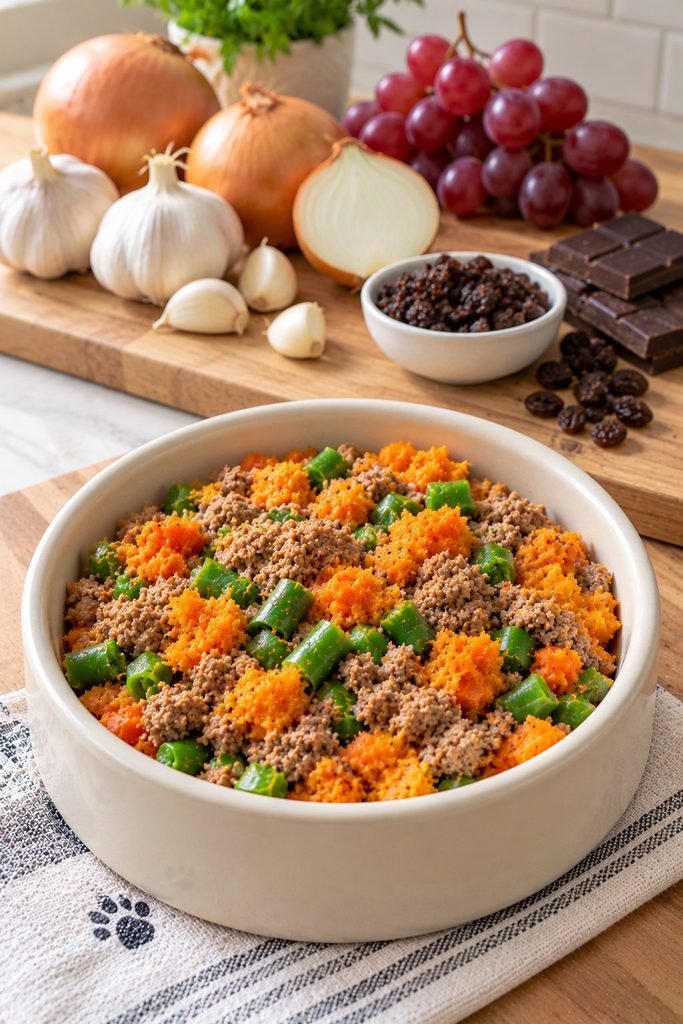
Choosing suitable ingredients is just as important as choosing nutritious ones. Some foods can be toxic to dogs, while others may cause digestive problems or add unnecessary salt, fat, or sugar.
Onions and Garlic
Onions and garlic can damage a dog’s red blood cells and should not be included in these recipes. Avoid onion powder, garlic powder, and seasoning blends that contain them.
Chocolate and Caffeine
Chocolate and caffeine containing products can be toxic to dogs. Keep them away from food preparation areas and never add them to homemade treats or meals.
Grapes and Raisins
Grapes and raisins can cause serious kidney injury in dogs. Do not use them as ingredients or offer them as snacks.
Xylitol
Xylitol is a sweetener found in some sugar free products and can cause dangerous low blood sugar and liver injury in dogs. Check ingredient labels carefully.
Excess Salt and Seasonings
Avoid heavily salted broths, seasoning cubes, sauces, and marinades. Plain water is generally the simplest liquid to use in these recipes.
Raw Meat and Fish
Raw animal products can carry harmful bacteria and parasites. Cook meat and fish thoroughly, use a food thermometer, and clean preparation surfaces carefully.
Common Mistakes to Avoid
1. Assuming Every Itchy Dog Has a Food Allergy
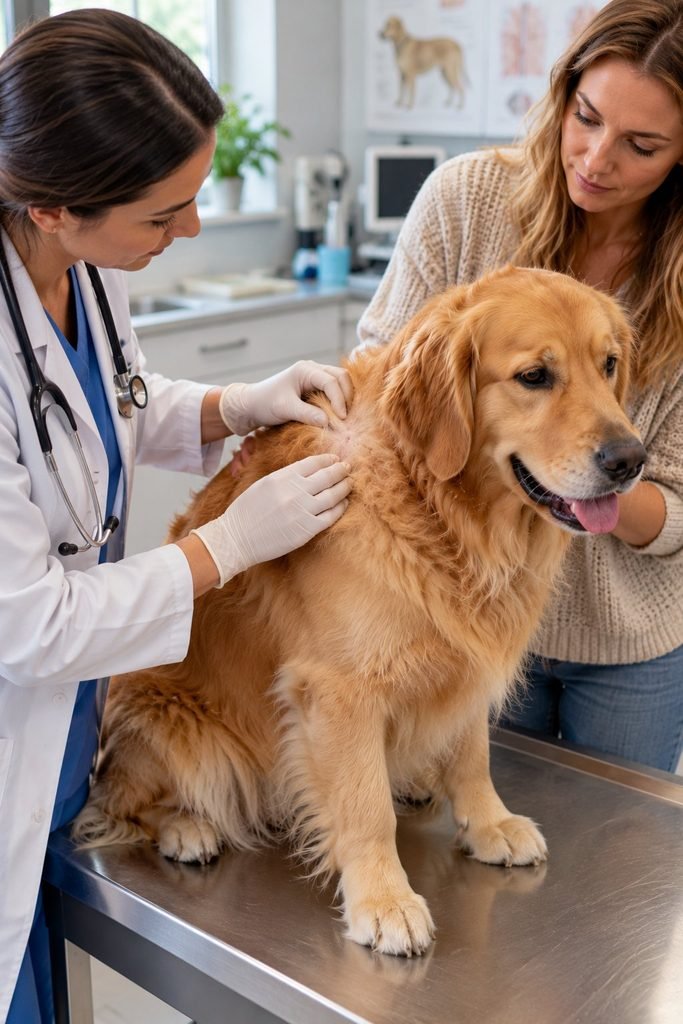
Fleas, environmental allergies, infections, and other conditions can all cause itching. A food change alone may not address the actual problem.
2. Changing Proteins Too Frequently
Switching from chicken to beef, then salmon, then turkey makes it harder to identify a possible food trigger. If a food allergy is suspected, follow a veterinarian guided plan rather than experimenting with multiple proteins.
3. Feeding Homemade Recipes as Complete Meals
The recipes in this article do not provide a verified balance of all essential nutrients. Feeding them as a dog’s sole diet over time can lead to nutritional deficiencies or excesses.
4. Adding Supplements Without Professional Guidance
Fish oil, vitamins, minerals, and other supplements can affect the balance of a dog’s diet. More is not always better, and some supplements may be inappropriate for dogs with particular medical conditions.
5. Expecting Immediate Relief
Even when diet is relevant to a dog’s itching, improvement may take weeks. Other causes may require specific veterinary treatment.
6. Ignoring Signs of Infection
Open sores, persistent redness, unpleasant odors, discharge, and painful skin should not be managed with food changes alone. Arrange a veterinary examination.
Frequently Asked Questions
What is the best homemade food for a dog with itchy skin?
There is no single best recipe for every itchy dog. The appropriate food depends on the cause of the itching, the dog’s nutritional needs, and any confirmed food sensitivities.
A veterinarian may recommend a complete and balanced diet or a strict elimination diet if food allergy is suspected.
Can salmon help dogs with itchy skin?
Salmon contains omega 3 fatty acids that play a role in normal skin function and inflammatory processes. However, eating salmon does not guarantee relief from itching, and some dogs may be allergic to fish.
Ask your veterinarian whether a salmon based diet or an appropriately formulated omega 3 supplement is suitable for your dog.
Is pumpkin good for dogs with skin allergies?
Plain pumpkin can provide fiber and may be a useful ingredient in an appropriate recipe. However, it is not a proven treatment for skin allergies and should not replace veterinary care.
Important Disclaimer
This article is for general educational purposes and is not a substitute for veterinary diagnosis, treatment, or individualized nutritional advice.
The recipes are intended as occasional supplemental foods for healthy adult dogs that tolerate the ingredients.
They are not complete and balanced diets and should not replace a dog’s regular food unless a qualified veterinary nutrition professional has formulated them to meet the dog’s nutritional needs.
If your dog has persistent itching, suspected food allergies, recurring ear infections, open sores, or other concerning symptoms, consult your veterinarian before changing its diet.
Dogs undergoing an elimination diet should receive only the foods and treats approved for that trial.
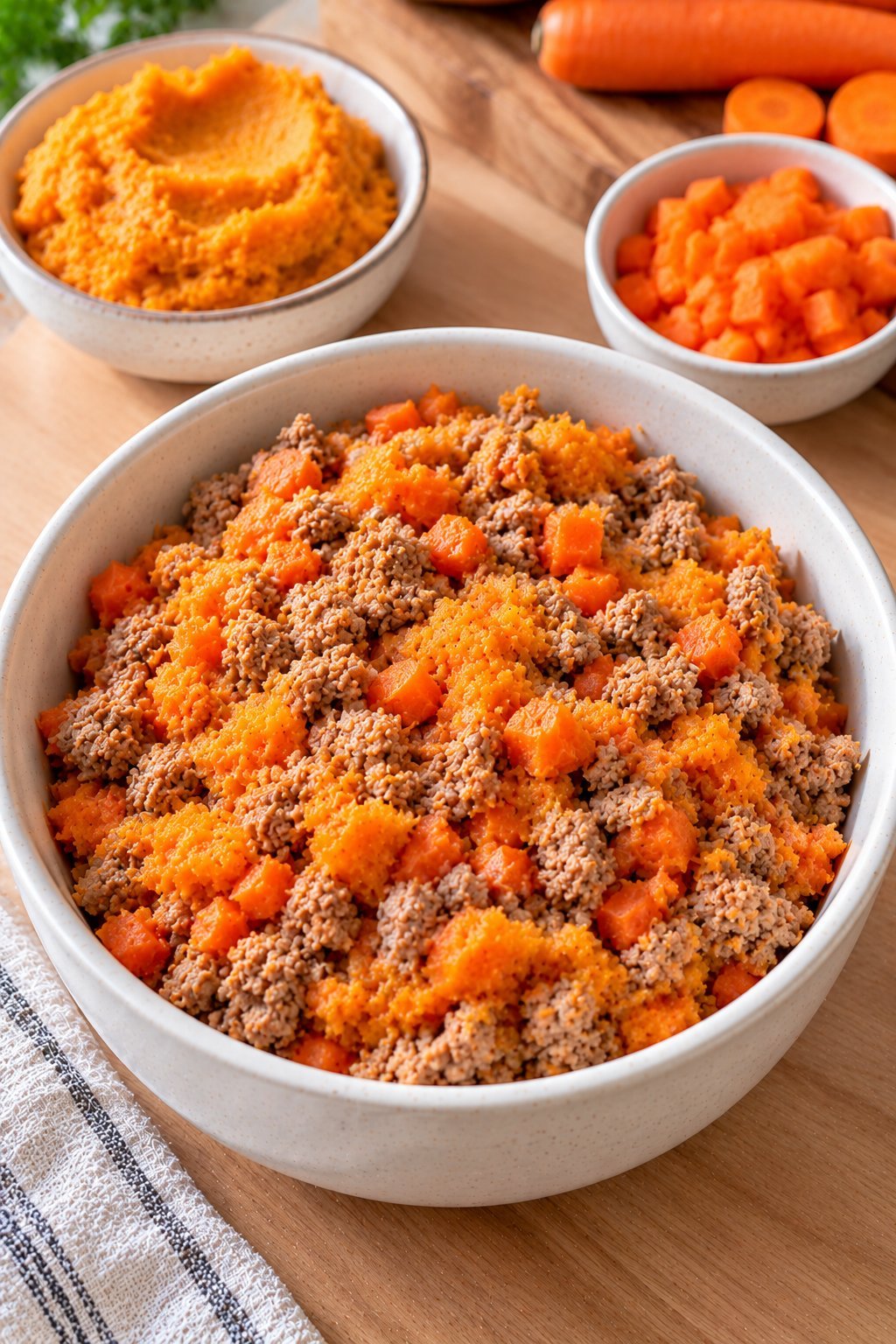
Homemade Dog Recipes for Itchy Skin
Ingredients
Equipment
Method
- Rinse the brown rice under cool running water.
- Add the rice and water to a large pot. Bring to a boil, then reduce the heat, cover, and simmer according to the package instructions until tender.
- Cook the salmon in a baking dish at 375°F (190°C) or in a clean skillet without added salt, sauces, or seasonings.
- Cook the salmon until it is fully cooked and flakes easily with a fork.
- Allow the salmon to cool slightly, then carefully remove every bone and flake the fish into small pieces.
- Wash and finely chop the carrot.
- Steam or boil the carrot until it is soft enough to mash easily with a fork.
- Add the cooked rice, salmon, carrot, and plain pumpkin puree to a mixing bowl.
- Stir until the ingredients are evenly combined. Add a little warm water if the mixture needs more moisture.
- Allow the food to cool completely before serving or dividing it into storage portions.
- Serve an appropriate portion based on your dog’s size and nutritional needs.
- Skin Health: Salmon provides protein and omega-3 fatty acids, but this simple recipe has not been shown to treat itchy skin. Persistent itching may require veterinary examination to identify the cause.
- Ingredient Tip: Use plain, fully cooked salmon and carefully remove all bones. Choose pumpkin puree without added sugar, spices, or pie filling ingredients.
- Allergy Tip: Do not assume that salmon is safe for every dog with suspected food allergies. A veterinary-guided elimination diet using an appropriate prescription diet or carefully selected ingredients is generally needed to identify a food allergy reliably.
- Storage: Refrigerate cooled portions promptly in airtight containers and use within 3 to 4 days. Freeze individual portions for longer storage and thaw them in the refrigerator before serving.
- Common Mistake to Avoid: Do not switch foods repeatedly or remove several ingredients without a plan. Unstructured diet changes can make it harder to identify the cause of itching and may leave nutritional gaps.
- Serving: This recipe is not formulated as a complete and balanced diet and should not replace your dog’s regular food long term without veterinary nutrition guidance. If your dog has persistent itching, red skin, recurring ear problems, hair loss, or sores, arrange a veterinary examination. Seek prompt care if the skin becomes painful, swollen, or infected.
Final Thoughts
Homemade dog recipes can be useful for pet owners who want to understand their dog’s ingredients and offer occasional variety.
Simple combinations of cooked protein, pumpkin, and suitable vegetables can provide supplemental food for dogs that tolerate them, but they should not be viewed as a cure for itchy skin.
I recommend starting by understanding what might be causing the irritation rather than trying one recipe after another.
Check that parasite prevention is up to date, watch for signs of infection, and speak with your veterinarian if the scratching continues.
If a food allergy is suspected, a properly managed elimination diet is much more informative than repeatedly changing ingredients.
If you want to feed homemade meals regularly, work with a veterinary nutrition professional to make sure the diet supplies everything your dog needs.
The goal is to support your dog’s overall health while taking the itching seriously enough to find the right solution.