Peanut Butter Cups for Dogs (No Bake Carob Cups, 3 Ingredients)
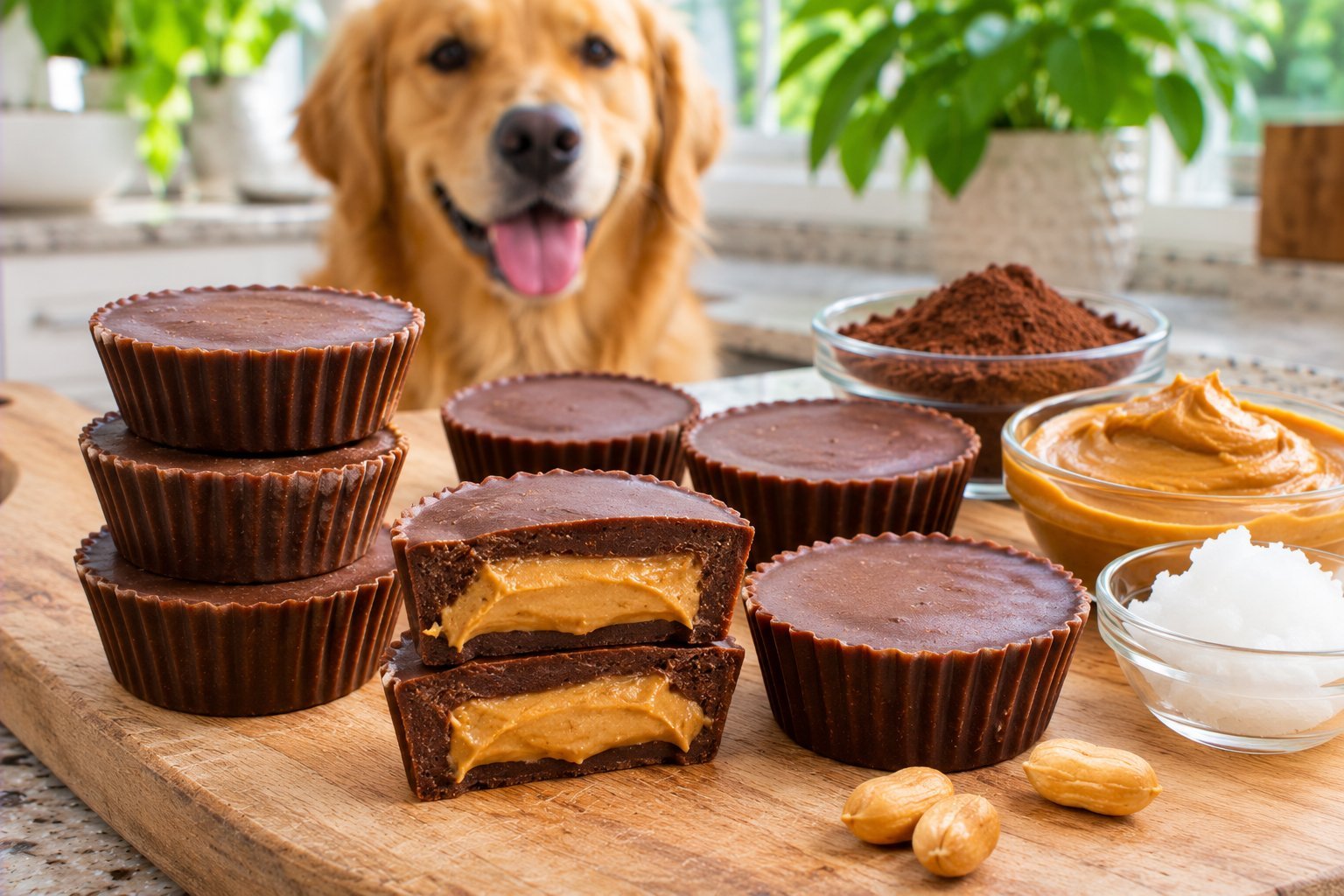
Peanut butter cups are a classic human candy, and they’re absolutely not safe for dogs, since they contain chocolate and sugar. But your dog can still have a version that looks and feels like a treat.
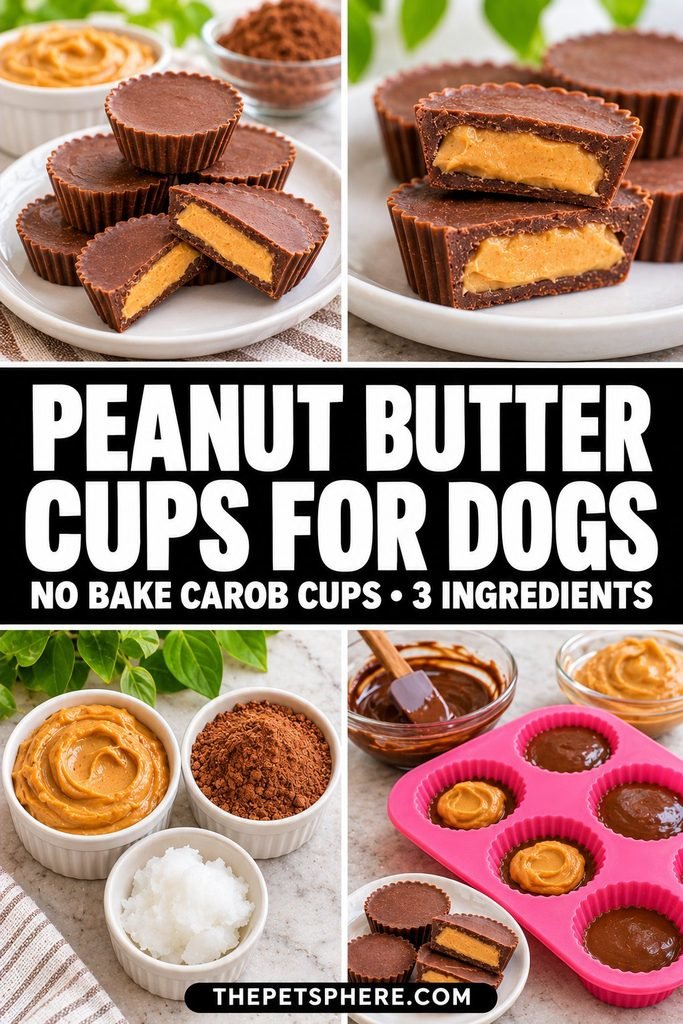
These dog safe peanut butter cups use carob, a naturally chocolate looking ingredient that doesn’t contain the compounds that make chocolate toxic, with a creamy peanut butter center.
They take about 15 minutes of hands on time, need no oven, and use just three ingredients.
I’ll be upfront about a few things. Carob doesn’t taste like chocolate, and this recipe has no added sugar, so the cups are mild, not sweet.
Peanut butter and coconut oil are also high in fat, so these are a small, occasional treat.
And the cups must stay cold, since coconut oil melts at room temperature. For other peanut butter treats, see my Homemade Peanut Butter Dog Treats, and for another frozen idea, my Peanut Butter Berry Pops for Dogs.
Why You’ll Love These Cups
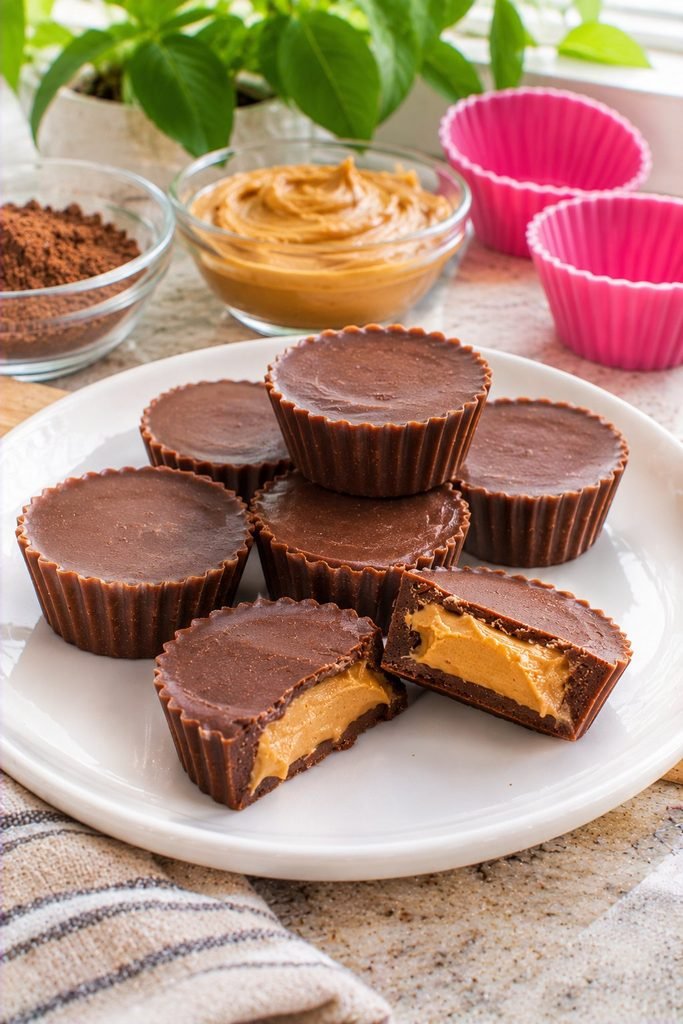
Only three ingredients. Carob powder, coconut oil, and peanut butter.
No bake. Melt, layer, and freeze.
No chocolate and no added sugar. Carob is a dog safe alternative.
Cute and festive. Perfect for birthdays, holidays, and special rewards.
Mini sized. Small cups keep portions sensible.
Easy to make ahead. Keep a batch in the freezer.
Before You Start: Important Safety Notes
Never use real chocolate. Chocolate and cocoa contain theobromine, which is toxic to dogs.
Carob doesn’t, but check labels carefully, since some “carob” products are mixed with chocolate or cocoa.
Choose plain, unsweetened carob powder. Many carob chips contain sugar, milk solids, or sweeteners.
If you use carob chips instead, read the full ingredient list, and avoid xylitol and added sugar.
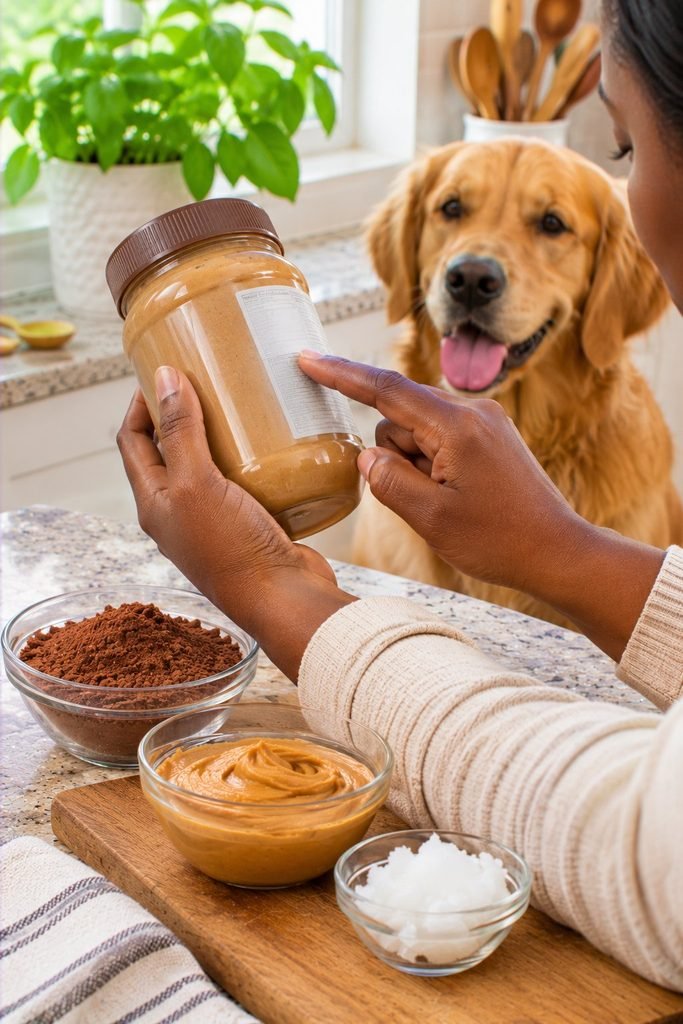
Check the peanut butter for xylitol. Xylitol, sometimes listed as birch sugar, is highly toxic to dogs and appears in some “sugar free” or specialty peanut butters.
Read the full ingredient list every time. If your dog eats anything containing xylitol, call your veterinarian or an emergency clinic immediately.
Mind the fat. Peanut butter and coconut oil are both high in fat, which can upset stomachs and trigger pancreatitis in susceptible dogs. Keep servings tiny.
Keep them cold. Coconut oil melts at room temperature, so serve straight from the freezer or fridge.
Supervise. Frozen treats should be served under supervision, in a size that suits your dog.
Watch for allergies. Stop feeding and call your veterinarian if you see itching, swelling, vomiting, or diarrhea.
Ask your veterinarian. Check first for puppies, seniors, and dogs with allergies, diabetes, pancreatitis, or weight concerns.
What Is Carob?
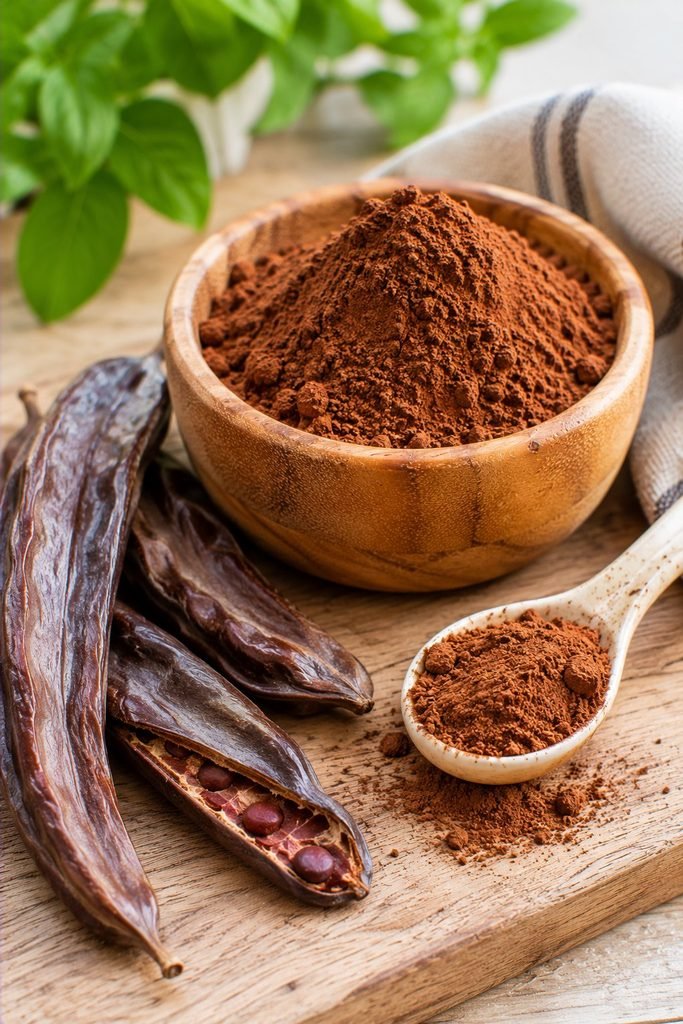
Carob comes from the pods of the carob tree. It’s ground into a brown powder that looks like cocoa, with a naturally mild, slightly sweet, earthy flavor.
Unlike chocolate, it doesn’t contain theobromine or caffeine, which is why it’s commonly used in dog treats.
Carob is still a treat ingredient, not a nutritional necessity, so use it in moderation.
Ingredients You’ll Need
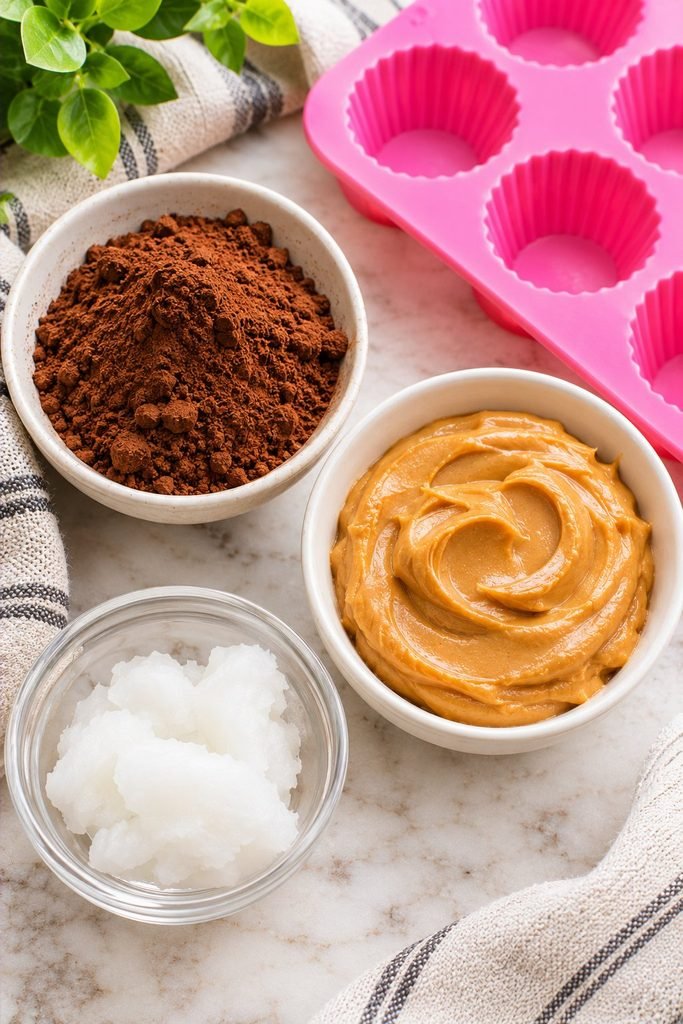
Unsweetened carob powder. Gives the cups their brown, chocolate like look.
Coconut oil. Melts easily and hardens when cold, which forms the shell. Use unrefined or refined, without added flavors.
Natural peanut butter. The creamy center. Plain, unsalted, and xylitol free.
Ingredient List
- 1/4 cup coconut oil
- 3 tablespoons unsweetened carob powder
- 1/4 cup natural, unsweetened, xylitol free peanut butter
How to Make Dog Safe Peanut Butter Cups
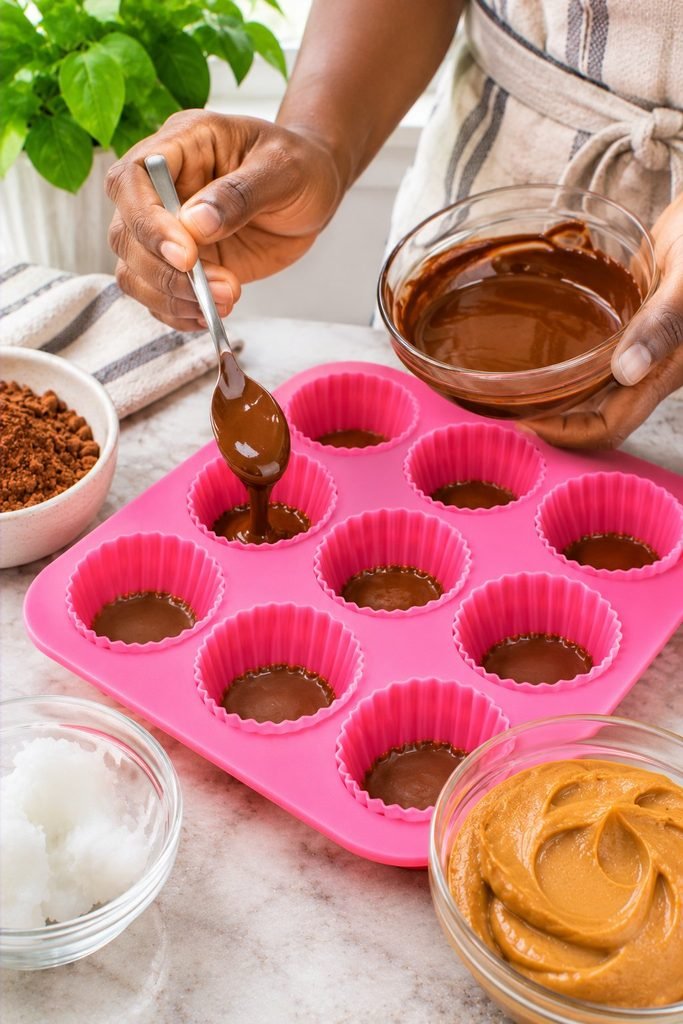
- Prepare the molds. Place mini silicone cupcake molds, or mini paper cupcake liners set in a mini muffin pan, on a tray that fits in your freezer. You’ll need about 12.
- Melt the coconut oil. Warm it gently in a microwave safe bowl for 20 to 30 seconds, until just melted. Don’t overheat.
- Mix the carob shell. Whisk the carob powder into the melted coconut oil until completely smooth, with no lumps.
- Make the first layer. Spoon about 1 teaspoon of the carob mixture into each mold, and tilt to coat the bottom. Freeze for 10 minutes until set.
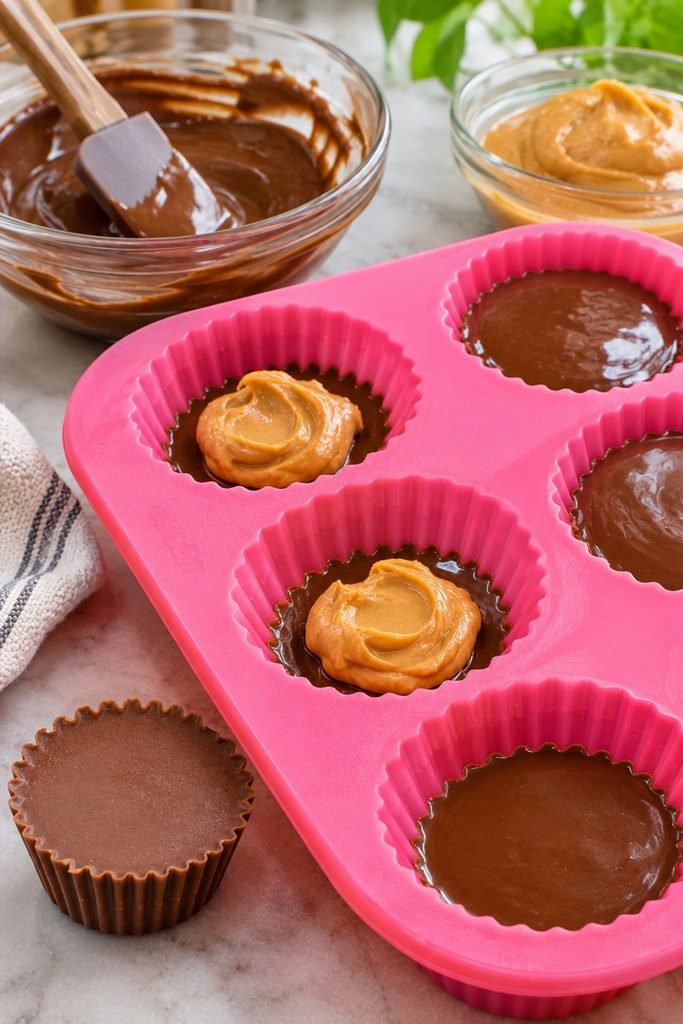
- Add the peanut butter. Warm the peanut butter for a few seconds so it’s soft. Spoon about 1/2 teaspoon into the center of each cup, leaving a small border around the edges.
- Cover. Spoon the rest of the carob mixture over the peanut butter, covering it completely. If the carob mixture has thickened, warm it for a few seconds and stir.
- Freeze. Freeze for at least 30 minutes, until completely firm.
- Remove and serve. Pop the cups out of the molds, remove any paper liners, and offer one cup, depending on your dog’s size.
Texture and Mold Tips
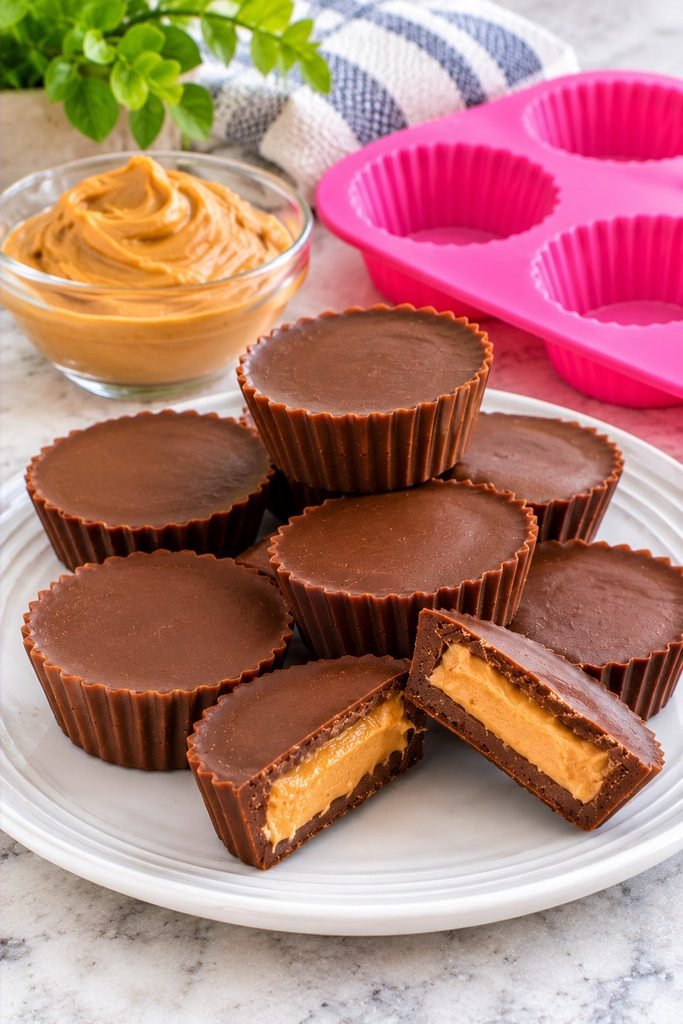
For clean layers. Freeze each layer until just set before adding the next.
For smooth carob. Whisk well, and sift the carob powder first if it’s lumpy.
For easy release. Silicone molds flex, and paper liners peel away.
If the carob separates. Whisk again just before pouring, since the powder can settle.
If the cups are crumbly. The carob layer may be too thin. Use slightly more.
If the shell is soft. Freeze longer, or use a little less coconut oil.
For smaller treats. Use mini ice cube trays, and make the cups tiny for small dogs.
Variations
Carob chip version. Melt 1/2 cup dog safe carob chips with 1 teaspoon coconut oil in place of the carob powder and coconut oil shell.
Read the ingredient list, and avoid chips with added sugar, milk, or xylitol.
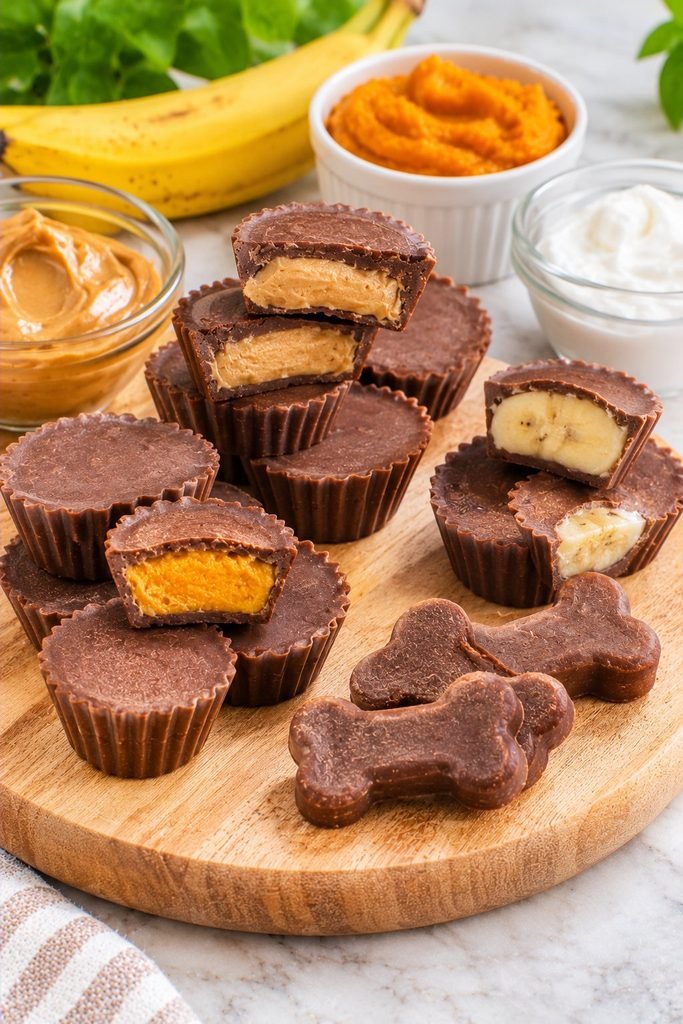
Peanut butter free. Fill with plain, unsweetened, xylitol free yogurt or plain pumpkin puree, and keep them in the freezer. Skip yogurt for lactose sensitive dogs.
Banana center. Mash a little ripe banana for the filling.
Mini bones. Use a bone shaped silicone mold.
Pumpkin carob cups. Mix a spoonful of plain pumpkin puree into the peanut butter. See my No Bake Peanut Butter and Pumpkin Dog Treats.
Sprinkles. Top with a little crushed freeze dried fruit. See my Sprinkle Frosting for Dog Treats, and check the label for added sugar, raisins, or grapes.
Common Mistakes to Avoid
Using real chocolate or cocoa. They’re toxic to dogs.
Using sweetened carob chips without checking. Read every label.
Using peanut butter with xylitol. Always check.
Leaving the cups out. They soften and melt.
Serving too many. They’re high in fat.
Making the shell too thick. It’s hard to chew and uses more fat.
Skipping the layer freeze. The peanut butter will mix into the shell.
Giving them to dogs with pancreatitis. Ask your veterinarian first.
How Many Can My Dog Have?
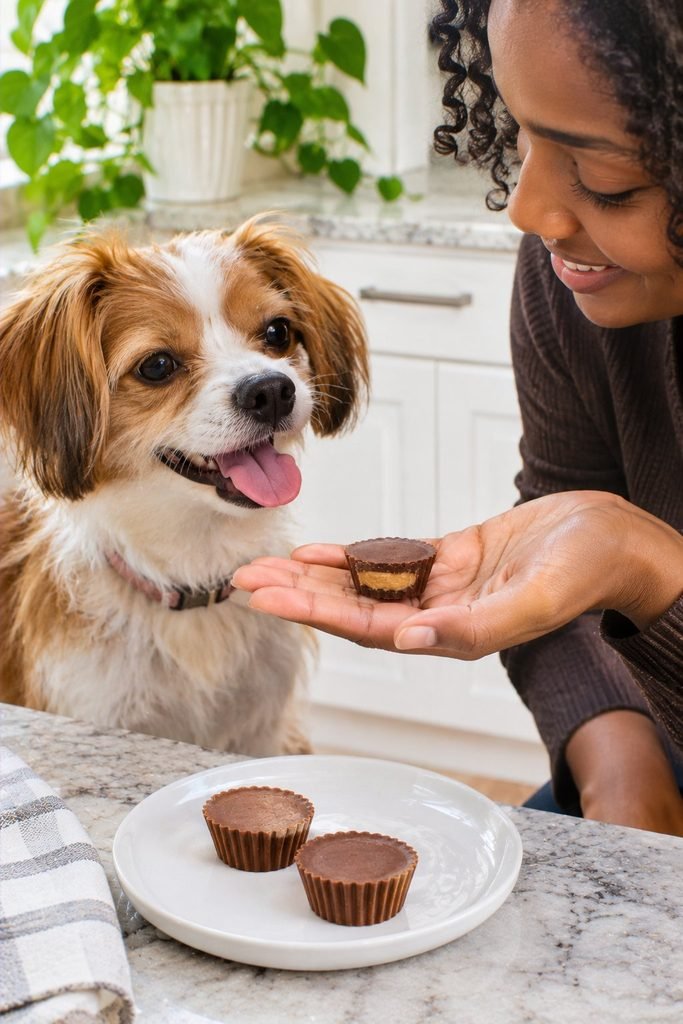
It depends on your dog’s size, weight, and diet. A mini cup is a lot for a small dog, so a quarter or half may be plenty, while a large dog may have one.
These are special occasion treats, not daily snacks. If you aren’t sure, ask your veterinarian.
Storage
Freezer. Store in an airtight container or freezer bag, with parchment between layers, for up to two to three months.
Refrigerator. The cups soften in the fridge, but they hold their shape for a day or two if the fridge is cold.
Serve cold. Take them out right before serving.
Don’t refreeze melted cups. Discard any that have melted and sat out.
Check before serving. Discard any cups with an off smell, mold, or unusual texture.
More Peanut Butter Dog Treat Ideas
- Homemade Peanut Butter Dog Treats
- Peanut Butter Berry Pops for Dogs
- No Bake Peanut Butter and Pumpkin Dog Treats
- Peanut Butter Popsicles for Dogs
- Frozen Peanut Butter Yogurt Bites
For a wider look at feeding your dog well, check out 7 Healthiest Homemade Dog Foods.
Frequently Asked Questions
Can dogs eat peanut butter cups? Not the candy. Peanut butter cups contain chocolate and sugar, which aren’t safe for dogs. Make a dog safe version with carob instead.
Is carob safe for dogs? Plain carob doesn’t contain theobromine and is commonly used in dog treats, but use it in moderation, and check labels for chocolate, sugar, and xylitol.
What’s the difference between carob and chocolate? Carob comes from a different plant and has a mild, earthy flavor. Chocolate contains theobromine, which is toxic to dogs.
Can I use carob chips? Only if the ingredient list shows no sugar, xylitol, milk, or chocolate. Carob powder is simpler.
Is coconut oil safe for dogs? In small amounts, it’s generally fine for many dogs, but it’s very high in fat. Ask your veterinarian, especially for dogs prone to pancreatitis.
Why are the cups so mild? There’s no added sugar, since dogs don’t need it. Carob is naturally mild.
Can puppies have these? Ask your veterinarian first, since puppies have sensitive stomachs.
Can I make these without coconut oil? Coconut oil is what makes the shell set. For an oil free option, try the yogurt filled version or a different frozen treat, such as my Blueberry Frozen Dog Treats.
Can I make them ahead? Yes. They keep well in the freezer.
Dog Safe Peanut Butter Cups Recipe Card
Prep time: 15 minutes
Freeze time: 40 to 50 minutes
Total time: About 1 hour
Yield: About 12 mini cups
Storage: Freezer, up to 2 to 3 months
Ingredients
- 1/4 cup coconut oil
- 3 tablespoons unsweetened carob powder
- 1/4 cup natural, unsweetened, xylitol free peanut butter
Instructions
- Place mini molds or liners on a tray.
- Melt the coconut oil, and whisk in the carob powder until smooth.
- Spoon a thin layer into each mold, and freeze for 10 minutes.
- Add about 1/2 teaspoon of warmed peanut butter to each center.
- Cover with the remaining carob mixture.
- Freeze for at least 30 minutes until firm.
- Pop out, remove any liners, and serve cold.
Notes
Never use real chocolate or cocoa. Check labels for xylitol, sugar, and milk. These are high in fat, so serve tiny portions, and skip them for dogs prone to pancreatitis unless your veterinarian says it’s fine. Keep them frozen, and supervise.
A Final Note on Dog Safe Peanut Butter Cups
A homemade carob cup is a sweet way to give your dog a “candy” moment without any of the dangers of the real thing.
Check your labels, keep the servings tiny, and keep everything cold. For more ideas, browse my Peanut Butter Dog Cake and my Homemade Dog Birthday Cake.