
10 Signs Your Dog Needs More Mental Stimulation
Most dog owners think a long walk is enough to keep their dog happy.
I used to think the same thing.
As long as my dog got outside, stretched his legs, and came home tired, I assumed I’d done everything he needed.
But after a while, I started noticing little things around the house that didn’t make sense.
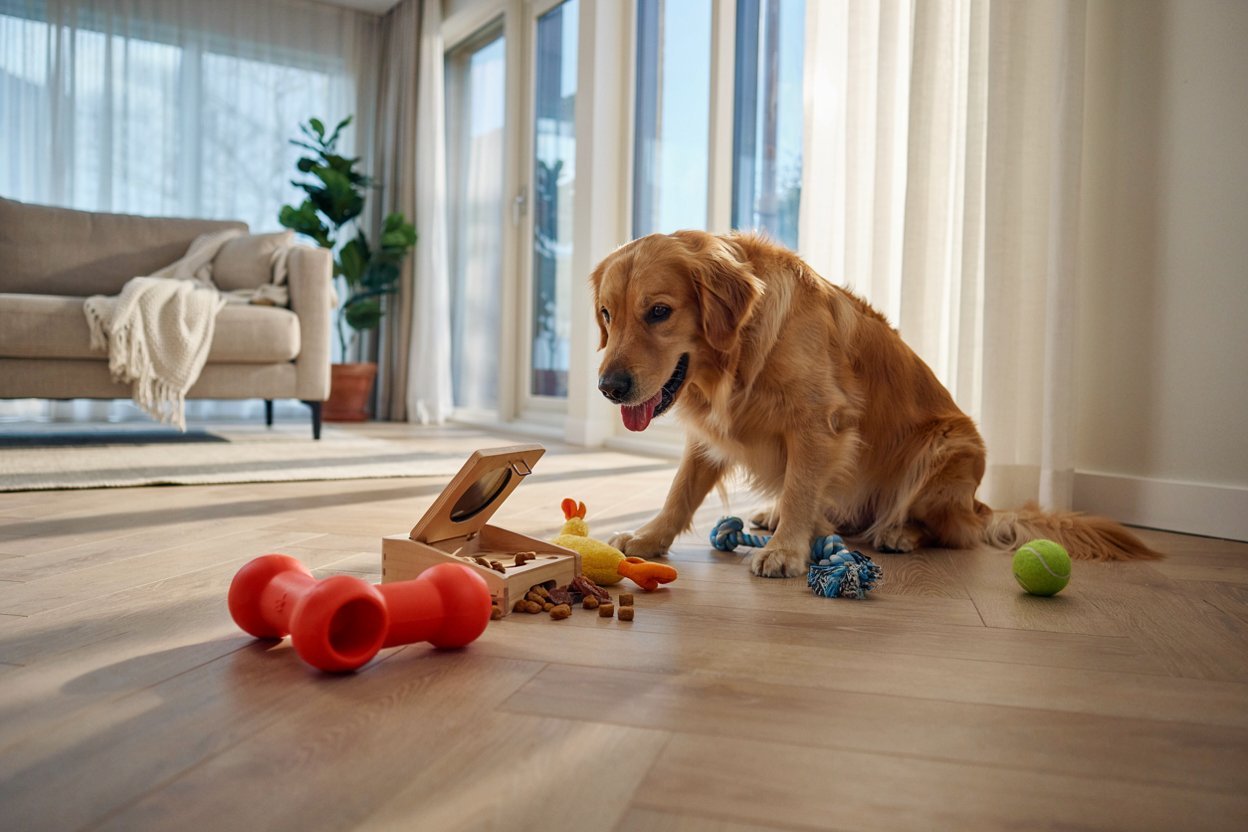
A missing sock here. A chewed-up cardboard box there. Toys scattered everywhere, yet my dog still looked like he was searching for something to do.
At first, I blamed it on boredom from being indoors or simply having a young, energetic dog.
It wasn’t until I started introducing simple brain games and enrichment activities that everything began to change.
He seemed calmer, more relaxed, and even more confident. The constant need for attention faded, and those random mischievous moments became much less frequent.
That experience completely changed how I think about caring for a dog.

Physical exercise is incredibly important, but so is giving your dog’s brain something meaningful to do.
Dogs are natural problem solvers. They love sniffing, searching, learning, exploring, and figuring things out.
Without those opportunities, many dogs create their own entertainment, and it’s not always the kind we want.
If you’ve ever wondered why your dog suddenly started chewing furniture, barking more than usual, or following you around all day, they may simply be asking for more mental stimulation.
In this guide, I’ll walk you through ten common signs that your dog needs more brain enrichment, explain why these behaviors happen, and share easy ways to help your dog feel happier, more relaxed, and mentally fulfilled.
What Is Mental Stimulation for Dogs?
When people hear the words mental stimulation, they often imagine complicated training sessions or expensive puzzle toys.
In reality, it’s much simpler than that.
Mental stimulation is anything that encourages your dog to think, solve problems, use their senses, or learn something new.
Dogs naturally experience mental exercise every day when they’re allowed to explore the world around them.
Every unfamiliar smell, sound, texture, or challenge gives their brain something to process.
Think about how excited your dog becomes during a walk when they stop to sniff almost every tree, patch of grass, or fire hydrant.
While we may see it as slowing down the walk, your dog sees it as gathering information.
Their nose is constantly collecting details about other animals, people, and the environment.
That sniffing is actually one of the most mentally enriching activities they can do.
Mental stimulation can come from many simple activities, including:
- Learning a new command
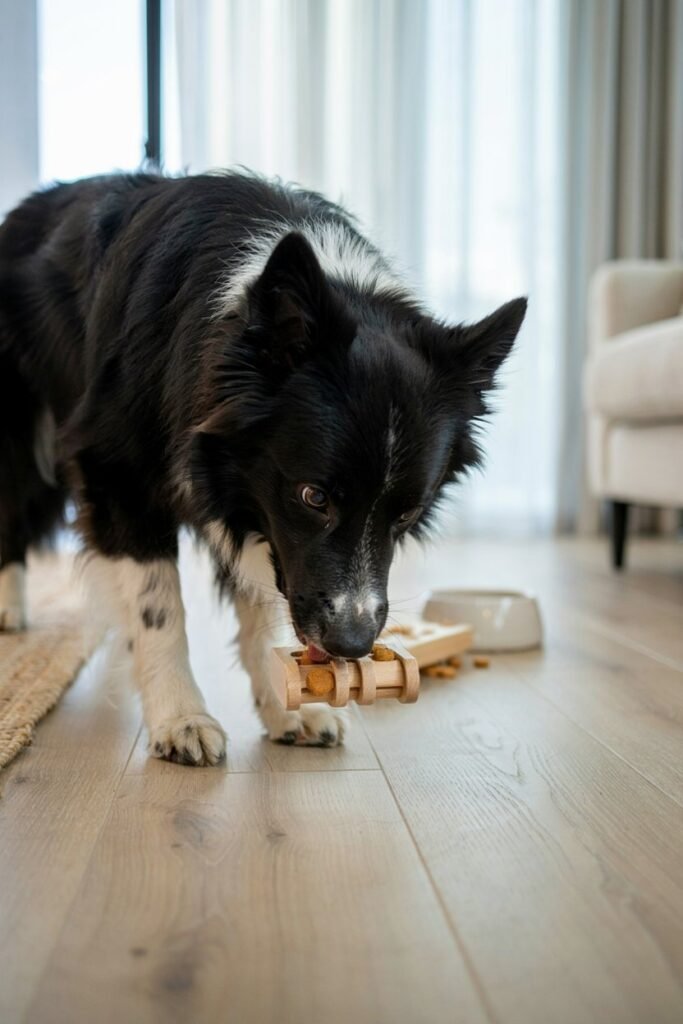
- Solving a puzzle feeder
- Searching for hidden treats
- Playing scent games
- Exploring a new walking route
- Using a lick mat
- Rotating different toys
- Practicing obedience for a few minutes each day
The goal isn’t to make every day feel like a training class.
It’s simply to give your dog’s brain opportunities to stay active in fun, rewarding ways.
Why Mental Exercise Is Just as Important as Physical Exercise
One lesson I learned with my own dog is that physical exercise doesn’t always equal a tired dog.
There were days we’d come home from a long walk, and within an hour, he was pacing through the house looking for something else to do.
That’s because his body had exercised, but his brain hadn’t been challenged very much.
Many high-energy breeds can walk for miles and still have plenty of energy left if they haven’t had a chance to think, solve problems, or satisfy their natural instincts.
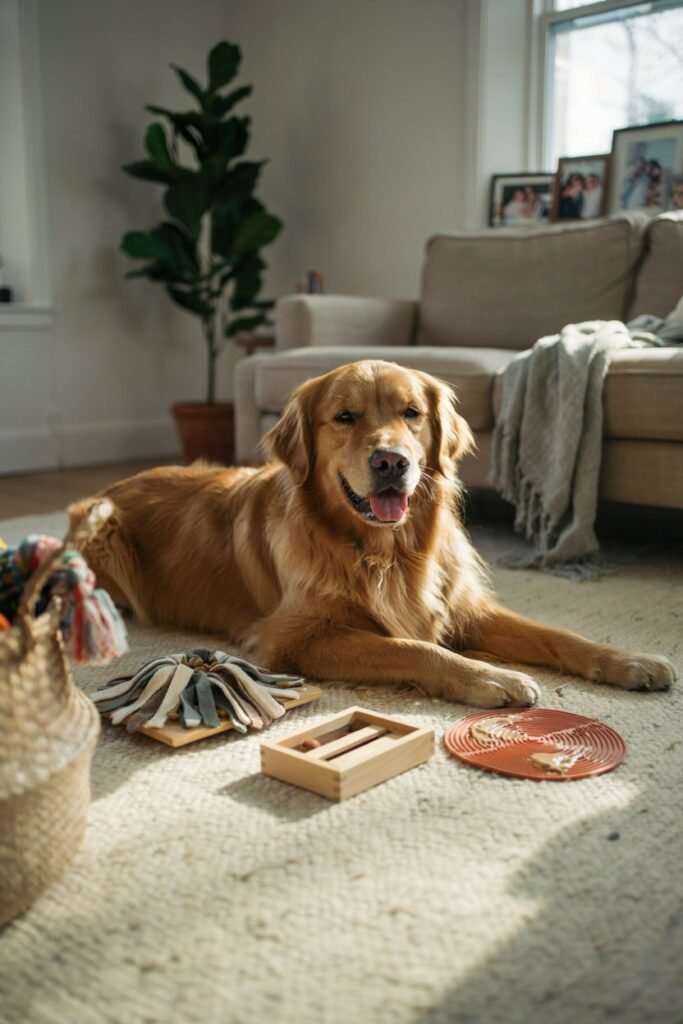
Once I started mixing short training sessions, food puzzles, and scent games into our routine, I noticed a huge difference.
Instead of constantly looking for entertainment, my dog would happily settle down and relax after completing an enrichment activity.
Mental exercise can help:
- Reduce boredom around the house
- Build confidence
- Encourage problem-solving skills
- Provide healthy outlets for natural instincts
- Strengthen your bond with your dog
- Make training more enjoyable
- Help many dogs settle more easily after playtime
You don’t have to spend hours every day doing enrichment activities.
Even ten to fifteen minutes of focused mental exercise can make a noticeable difference for many dogs.
Sign 1: Your Dog Constantly Chews Things They Shouldn’t
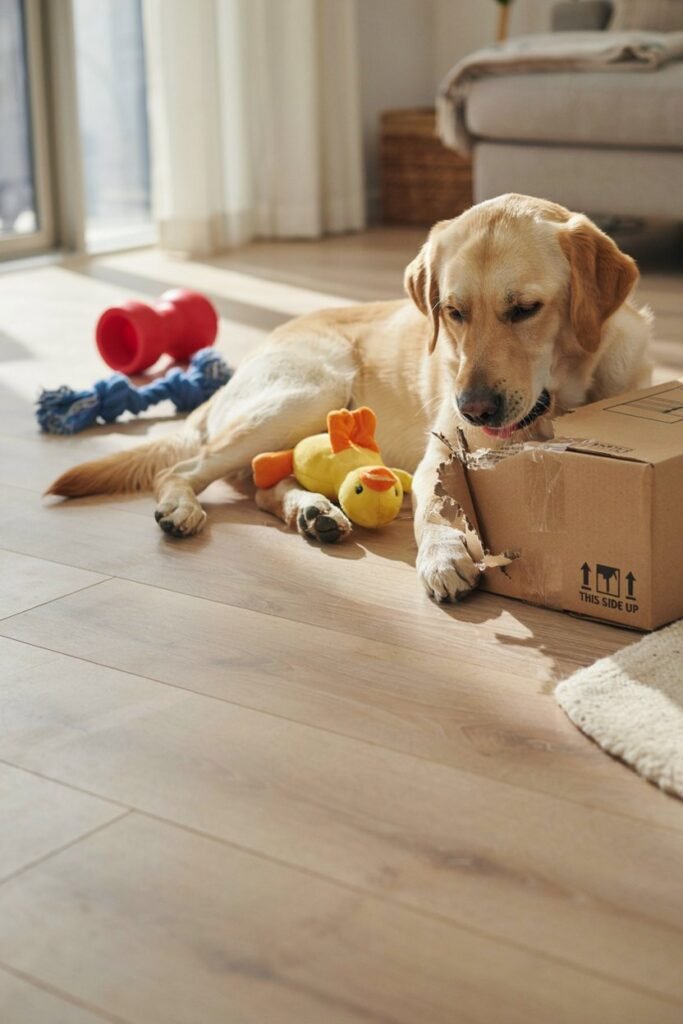
Every puppy goes through a chewing stage, but if an adult dog suddenly starts chewing furniture, shoes, pillows, cardboard boxes, or remote controls, boredom could be playing a role.
I remember walking into the living room one afternoon and finding tiny pieces of a cardboard delivery box scattered everywhere.
My dog looked incredibly proud of his work.
At first, I couldn’t understand why he ignored the basket full of toys sitting just a few feet away.
Then I realized the box gave him something his regular toys didn’t.
It offered a challenge.
He could rip it apart, investigate it, and satisfy his curiosity.
Dogs naturally enjoy using their mouths to explore the world. When they don’t have enough mentally engaging activities, they’ll often create their own projects around the house.
How to Help
Instead of simply taking the item away, try giving your dog a better outlet.
Some ideas include:
- Frozen stuffed Kong toys
- Durable chew toys
- Food puzzle toys
- Snuffle mats
- Cardboard box enrichment activities using hidden treats (while supervising)
- Short training sessions before leaving the house
Many dogs stop destructive chewing once their brains are getting the stimulation they were missing.
Sign 2: Excessive Barking
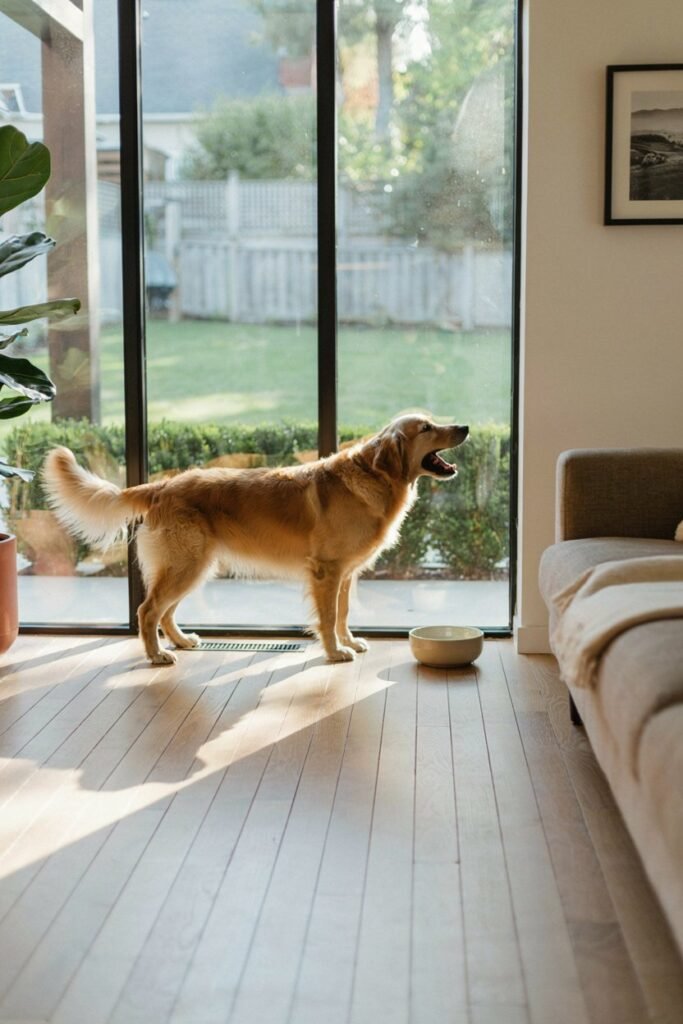
Dogs bark for many different reasons.
They may bark because they’re excited, alert, anxious, frustrated, or simply trying to communicate.
But if your dog seems to bark at every little sound throughout the day, it may be worth asking whether they’re mentally under-stimulated.
When dogs don’t have enough positive ways to use their energy, they often become hyperaware of everything happening around them.
A passing car.
A neighbor closing a gate.
A squirrel outside the window.
Even someone walking past the house.
Small events suddenly become exciting because there’s very little else competing for their attention.
I noticed this with my own dog during a week when bad weather kept us indoors.
Without our usual enrichment games, he seemed to react to every sound outside.
Once we returned to our regular routine of sniff walks and puzzle toys, the constant alert barking gradually settled down.
How to Help
Instead of trying to stop the barking alone, look at your dog’s daily routine.
Ask yourself:
- Has my dog had a chance to sniff and explore today?
- Have they worked for any of their meals?
- Have they learned something new this week?
- Have they had an opportunity to solve a problem instead of simply burning physical energy?
Sometimes, adding a few mentally engaging activities to your dog’s day can be just as important as adding another walk.
Sign 3: Your Dog Starts Digging Everywhere
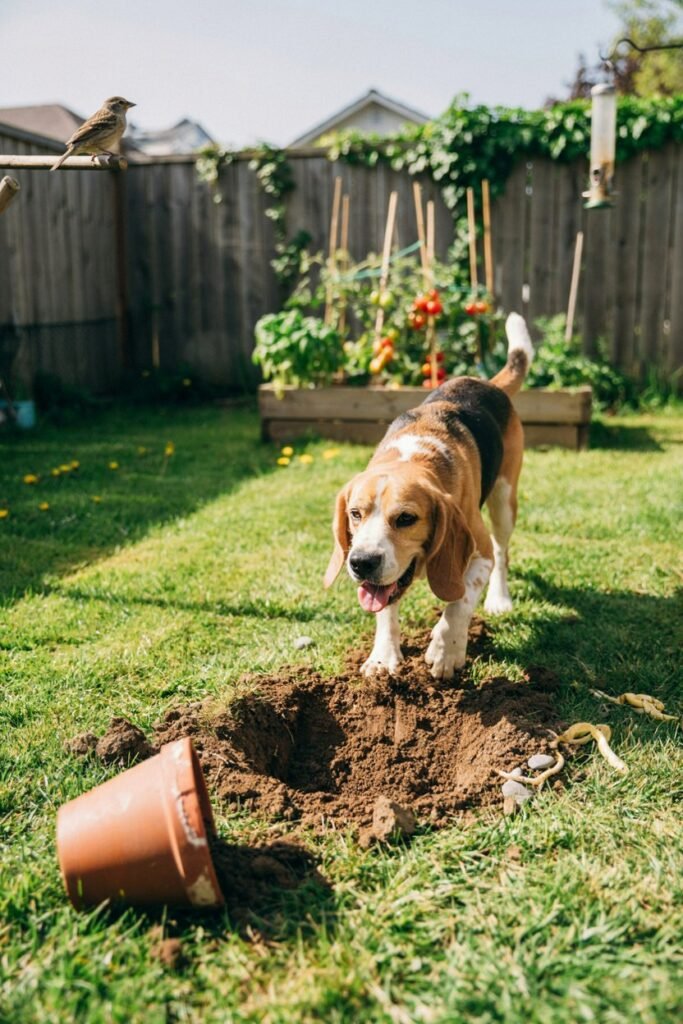
Some dogs are born diggers.
Terriers, Dachshunds, Beagles, and many working breeds have natural instincts that make digging incredibly rewarding.
But if your dog suddenly starts digging holes in the backyard, scratching at carpets, or trying to “dig” into blankets and couches, it may be their way of creating their own entertainment.
I remember watching my dog spend nearly fifteen minutes trying to dig into his favorite blanket before settling down for a nap.
At first, it looked funny, but it also reminded me that dogs have natural behaviors that need healthy outlets.
Digging isn’t always about being naughty.
Sometimes it’s simply your dog’s brain asking for something more interesting to do.
How to Help
Instead of getting frustrated, try giving your dog activities that satisfy those natural instincts.
Some great options include:
- Hide treats inside a snuffle mat.
- Scatter kibble in the grass for a sniffing game.
- Fill a digging box with sand or shredded paper and hide toys inside.
- Rotate enrichment toys every few days to keep them exciting.
Giving your dog an appropriate place to explore often reduces unwanted digging around the house.
Sign 4: Your Dog Seems Restless All Day
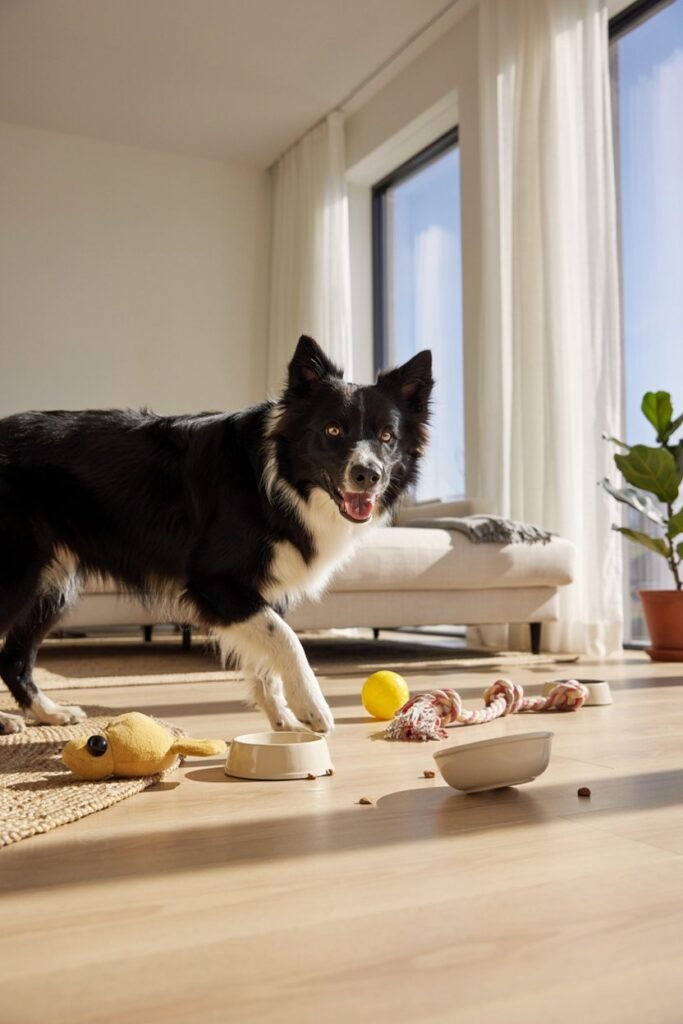
Have you ever watched your dog lie down for a minute, stand back up, walk into another room, come back, stare out the window, grab a toy, drop it, and then repeat the whole process?
I’ve seen this countless times.
My dog wasn’t asking for another meal or another walk.
He simply looked like he couldn’t settle.
Many dogs become restless when they haven’t had enough opportunities to use their brain.
Their body may not have much energy left, but their mind is still searching for something meaningful to do.
Restlessness often looks like:
- Walking from room to room
- Constantly looking out windows
- Picking up random objects
- Wandering the house without relaxing
- Frequently asking to go outside and then immediately wanting back inside
How to Help
Instead of automatically reaching for the leash, try adding a short enrichment activity.
Even ten minutes can make a surprising difference.
Some easy ideas include:
- Five minutes of obedience practice.
- Hide treats around one room.
- Teach a fun trick like spinning or shaking paws.
- Freeze food inside a Kong toy.
Many dogs relax much more easily once they’ve had a chance to think instead of simply move.
Sign 5: Your Dog Follows You Everywhere
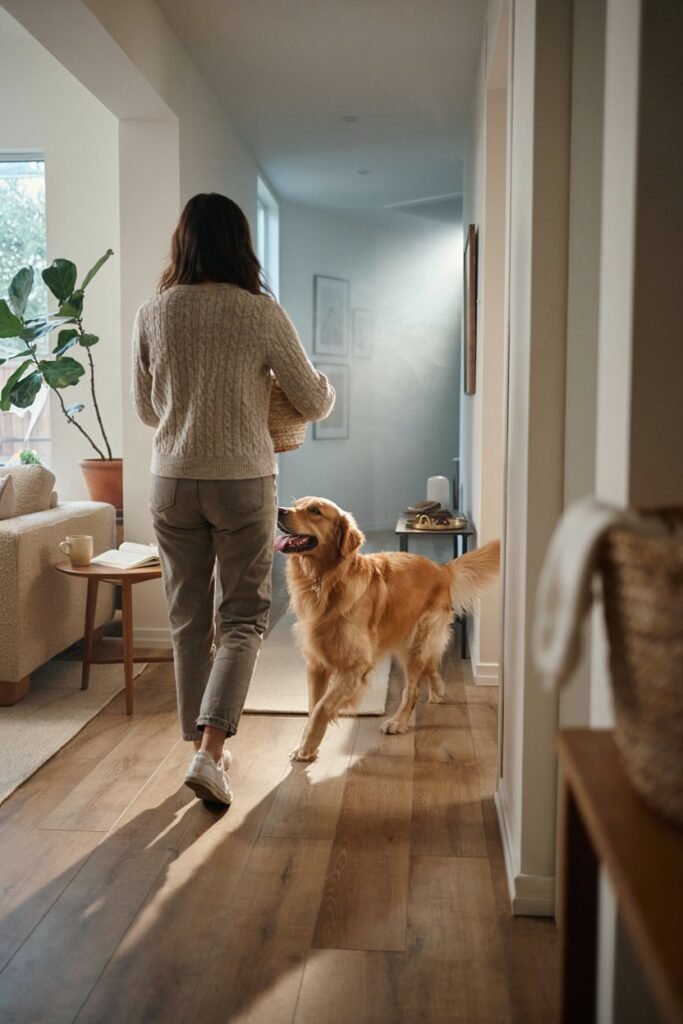
Most dogs enjoy being close to the people they love.
That’s completely normal.
But if your dog follows you from room to room every single minute of the day, constantly watches your every move, and seems unable to settle unless you’re actively interacting with them, boredom could be one piece of the puzzle.
There have been afternoons when I couldn’t even walk into the kitchen without my dog quietly following behind me.
Bathroom.
Laundry room.
Bedroom.
Back to the kitchen.
He wasn’t asking for food.
He wasn’t asking to go outside.
He was simply looking for something interesting to happen.
Once I started giving him short enrichment activities during the day, I noticed he became much happier relaxing on his own afterward.
How to Help
Encourage healthy independence.
Try offering:
- Frozen lick mats
- Puzzle feeders
- Safe chew toys
- Stuffed Kong toys
- Short scent games before you begin working
Giving your dog something rewarding to focus on helps them learn that they don’t need your constant attention every minute of the day.
Sign 6: Your Dog Keeps Stealing Household Items
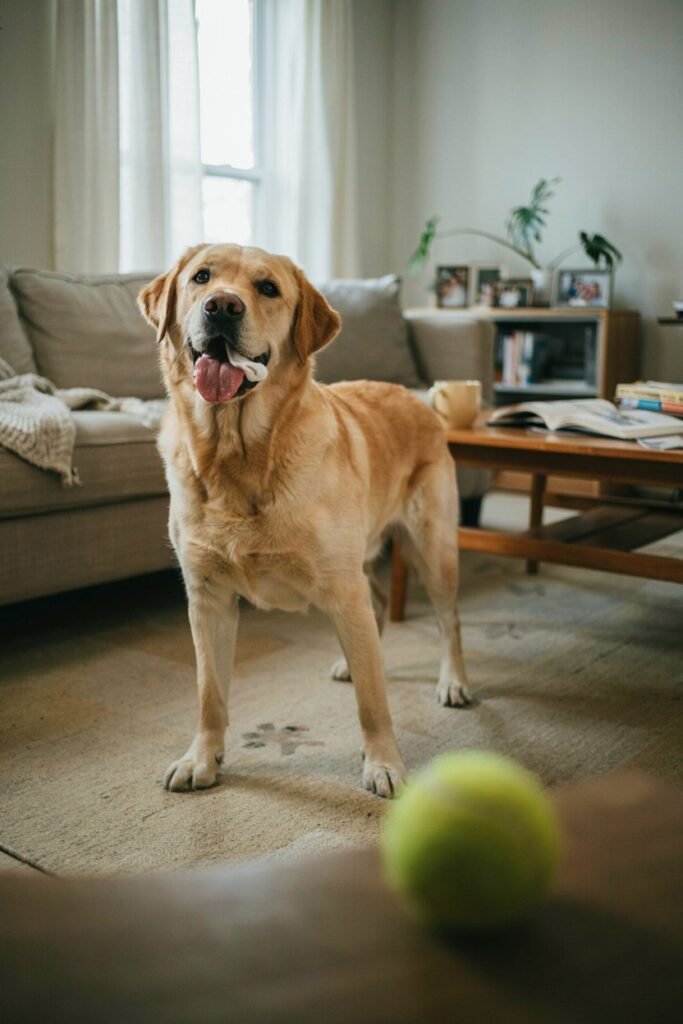
One missing sock isn’t usually a big deal.
But if your dog seems determined to collect shoes, towels, TV remotes, children’s toys, or anything left within reach, they may simply be creating their own game.
Dogs love discovering new objects.
Every unfamiliar texture, smell, or shape provides something new for their brain to investigate.
I learned this after wondering why my dog completely ignored expensive toys but proudly carried one of my old socks around the house like he’d found buried treasure.
The sock wasn’t valuable.
It was simply different.
That novelty made it exciting.
How to Help
Instead of chasing your dog every time they grab something, make appropriate toys more rewarding.
You can also:
- Rotate toys weekly so they feel new again.
- Teach a reliable “drop it” cue.
- Use food puzzle toys throughout the week.
- Keep household items out of easy reach.
Sometimes simply changing the available options makes a huge difference.
Sign 7: Your Dog Gets the Evening Zoomies Every Night
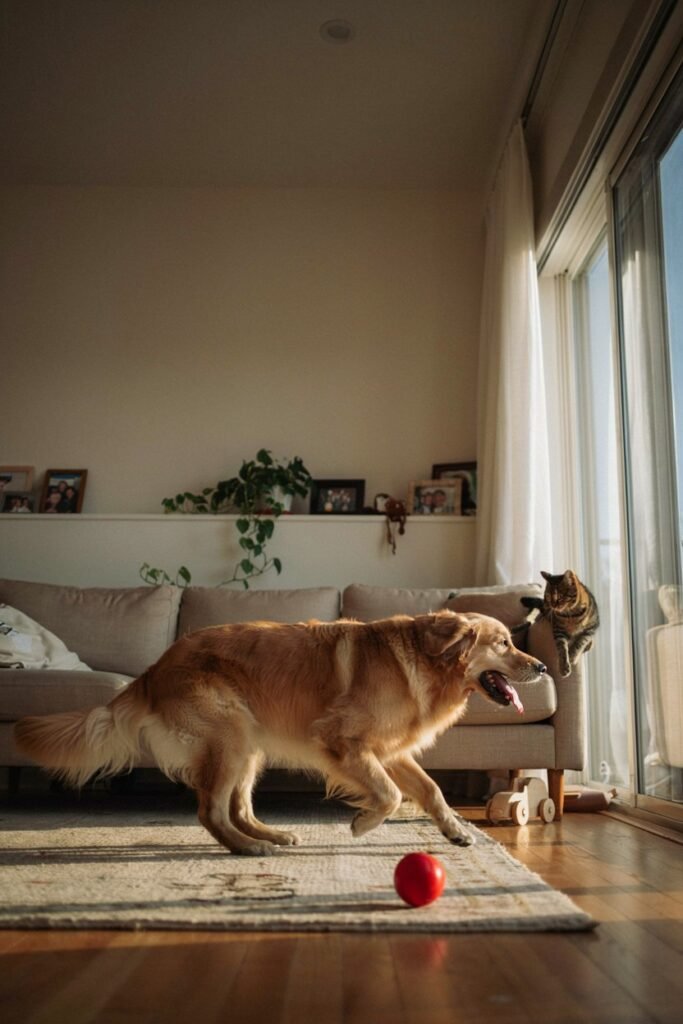
Most dogs experience the occasional zoomies.
Those sudden bursts of excitement where they race around the house or yard at full speed are perfectly normal.
But if your dog seems to explode with energy every single evening despite getting plenty of walks, it might be worth looking beyond physical exercise.
Their brain may still be looking for work.
I noticed this with my own dog.
We could go on a nice walk, come home, and everything seemed calm.
Then around dinner time, he’d suddenly sprint around the living room, grab a toy, race through the hallway, and look ready for another adventure.
Adding just fifteen minutes of scent work before dinner made a noticeable difference.
Instead of racing around the house, he’d settle down and relax afterward.
How to Help
Before the usual zoomie time, try offering:
- A sniff walk instead of a fast-paced walk.
- A frozen Kong.
- A food puzzle.
- Five to ten minutes of trick training.
- Hide-and-seek with treats.
Often, giving your dog’s brain something challenging can help satisfy the energy that physical exercise alone doesn’t always address.
Sign 8: Your Dog Loses Interest in Their Toys
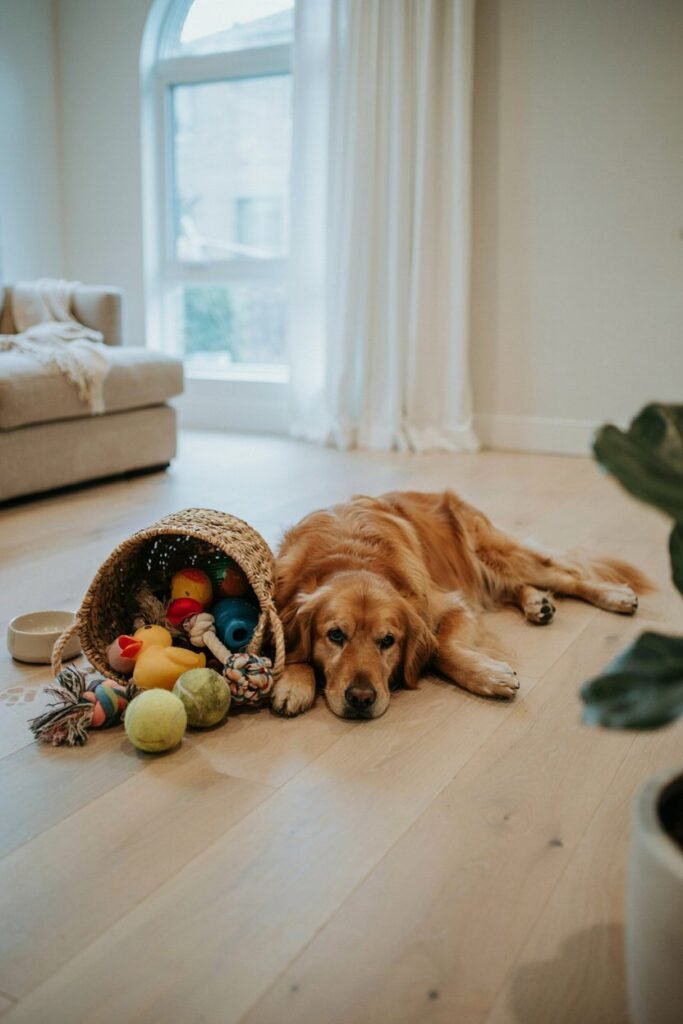
Have you ever bought your dog a brand-new toy, only for them to play with it for five minutes before completely ignoring it?
I’ve been there.
At one point, I realized we had an entire basket filled with toys, yet my dog still wandered around the house looking for something else to do. It wasn’t that he didn’t have enough toys. He had simply become too familiar with them.
Dogs enjoy novelty.
When the same toys are available every single day, they often become part of the furniture instead of something exciting.
I noticed a huge difference once I stopped leaving every toy out all the time.
Instead, I started rotating them every few days. Suddenly, toys my dog hadn’t touched in weeks felt brand new again.
How to Help
You don’t need to buy new toys every week.
Instead:
- Rotate toys every three to five days.
- Hide a few favorites and bring them back later.
- Pair toys with treats occasionally.
- Introduce puzzle toys alongside regular toys.
Keeping things fresh is often far more effective than simply buying more.
Sign 9: Your Dog Constantly Demands Your Attention

Dogs naturally enjoy spending time with their families.
But if your dog is constantly nudging your hand, dropping toys in your lap, pawing at you while you work, or staring at you every few minutes, they may be searching for something meaningful to do.
There were days when I couldn’t sit down with my laptop for more than ten minutes before my dog appeared beside me.
Sometimes he’d rest his head on my leg.
Sometimes he’d gently tap my arm with his paw.
Other times, he’d proudly drop a toy at my feet, hoping I’d stop everything for another game.
While those moments were adorable, I eventually realized he wasn’t just asking for attention.
He needed an activity that challenged his brain.
After introducing frozen Kongs, lick mats, and short scent games during the day, he became much more content entertaining himself for a while before coming back for cuddles.
How to Help
Try giving your dog independent enrichment activities such as:
- Stuffed Kong toys
- Frozen lick mats
- Snuffle mats
- Treat puzzles
- Safe long lasting chews
Teaching your dog how to enjoy independent activities is healthy for both of you.
Sign 10: Your Dog Gets Frustrated Easily
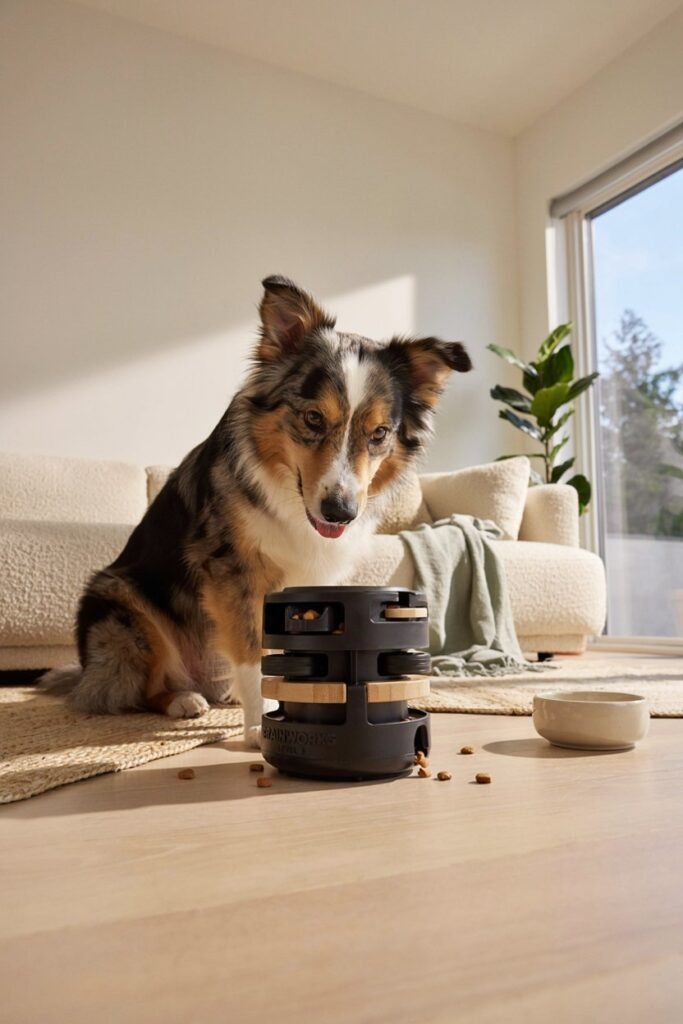
This was probably the most surprising sign for me.
Some dogs become impatient when things don’t go their way.
They may bark at a puzzle toy after only a few seconds.
They may paw at furniture.
They may whine during training.
They may even give up quickly when learning something new.
Sometimes this happens because the activity is too difficult.
Other times, it’s because the dog’s brain hasn’t had enough opportunities to practice solving small challenges.
Just like people, dogs become better problem solvers through regular practice.
I learned not to make enrichment activities too difficult at first.
Starting with simple successes helped build my dog’s confidence.
Over time, I could make games slightly more challenging, and watching him figure them out became one of my favorite parts of the day.
How to Help
Keep enrichment fun.
Start easy.
Celebrate success.
Gradually increase the difficulty as your dog’s confidence grows.
Remember that enrichment should feel rewarding, not frustrating.
Easy Ways to Give Your Dog More Mental Stimulation
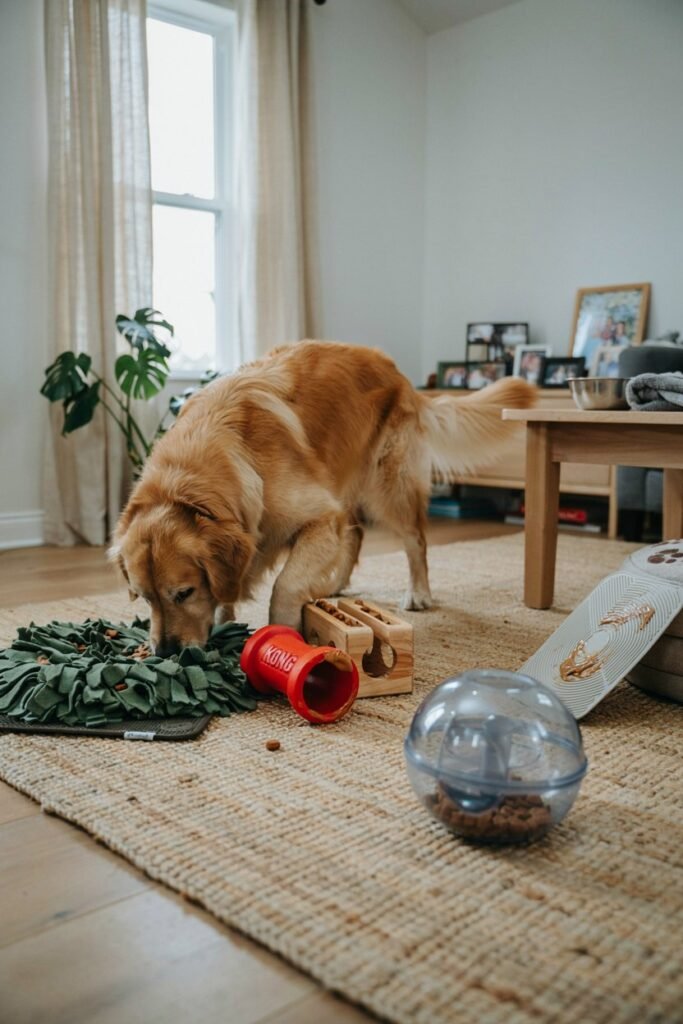
One thing I love about mental enrichment is that it doesn’t have to be expensive or time consuming.
Most activities only take a few minutes to prepare, yet they can keep your dog happily engaged long after a regular walk.
Here are some of my favorite ideas.
Let Your Dog Sniff More on Walks
Not every walk needs to be about covering distance.
Sometimes I intentionally slow down and let my dog investigate interesting smells.
Those extra sniffing opportunities provide far more mental exercise than simply walking faster.
Hide Treats Around the House
This game couldn’t be easier.
Hide small treats around one room and encourage your dog to find them using their nose.
Most dogs absolutely love the challenge.
Feed Meals in Puzzle Toys
Instead of always serving food in a bowl, occasionally let your dog work for their meal.
Puzzle feeders encourage natural problem solving while slowing down fast eaters.
Teach One New Trick Each Week
Learning doesn’t stop after puppyhood.
Even adult and senior dogs enjoy learning new skills.
Simple tricks like:
- Spin
- Shake
- Touch
- Roll over
- Weave through your legs
provide excellent mental exercise.
Rotate Toys
Keeping only a few toys available at once helps prevent boredom.
Every few days, swap them for different ones to make playtime feel exciting again.
My Favorite Enrichment Products
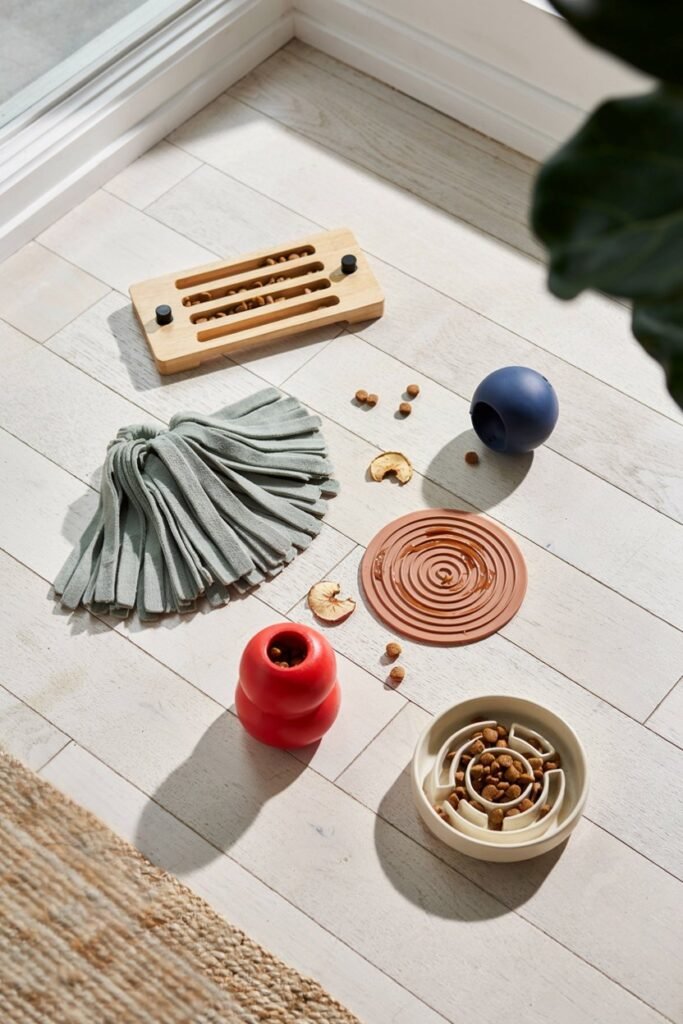
Some of the products that have made the biggest difference for my dog include:
- Interactive puzzle feeders
- Snuffle mats
- Frozen Kong toys
- Silicone lick mats
- Slow feeder bowls
- Treat dispensing balls
- Durable chew toys
- Hide and seek plush puzzles
I like products that encourage my dog to think instead of simply chew.
The goal isn’t to keep them busy.
It’s to give their brain a fun challenge.
Quick Daily Mental Stimulation Checklist
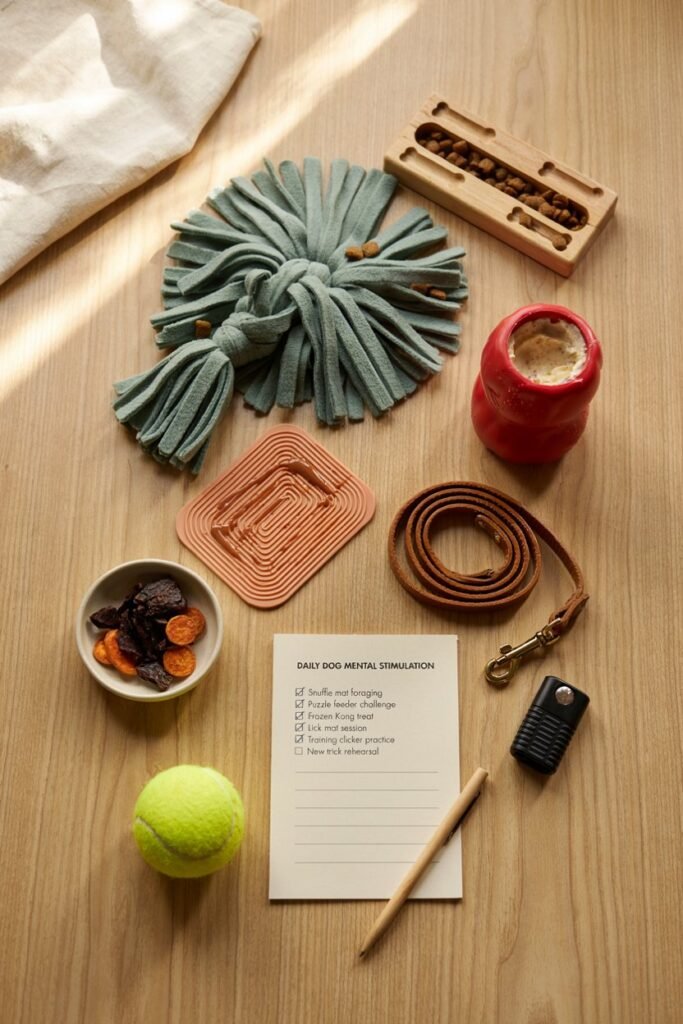
Whenever I’m unsure whether my dog has had enough enrichment, I ask myself these questions:
- Did my dog get to sniff during today’s walk?
- Did they solve at least one small problem today?
- Did they use their nose to search for food or treats?
- Did they learn or practice something new?
- Did they enjoy a toy that challenged their brain instead of just keeping them busy?
- Have I rotated their toys recently?
- Have they had one-on-one interaction that wasn’t just physical exercise?
If I answer “no” to several of these, I know it’s probably time to add a simple enrichment activity to our day.
Frequently Asked Questions
How much mental stimulation does a dog need each day?
Every dog is different, but many benefit from around 15 to 30 minutes of dedicated mental enrichment each day in addition to regular walks and playtime.
High-energy working breeds often enjoy even more.
Can mental stimulation tire a dog out?
Yes.
Many owners are surprised to discover that a short puzzle session or scent game can leave their dog just as satisfied as a much longer walk.
Mental exercise challenges the brain, which can be surprisingly tiring in a healthy way.
Are puzzle toys enough?
Puzzle toys are a great tool, but they’re only one part of enrichment.
Dogs also enjoy training, exploring new places, sniffing different environments, meeting new people, and learning new skills.
Variety keeps enrichment interesting.
What breeds need the most mental stimulation?
While every dog benefits from enrichment, highly intelligent and working breeds often need additional mental challenges.
Examples include:
- Border Collies
- Australian Shepherds
- German Shepherds
- Belgian Malinois
- Labrador Retrievers
- Golden Retrievers
- Poodles
- Australian Cattle Dogs
That said, even small companion breeds enjoy using their brains every day.
Can older dogs benefit from enrichment?
Absolutely.
Senior dogs may move a little slower, but gentle scent games, food puzzles, and short training sessions help keep their minds active while strengthening your bond together.
Final Thoughts
One of the biggest lessons my dog has taught me is that happiness isn’t measured only by how far we walk or how long we play fetch.
Some of his happiest moments happen when he’s figuring out a puzzle toy, searching for hidden treats around the house, or proudly learning a new trick.
Watching him work through a challenge with complete focus reminds me that dogs need opportunities to think just as much as they need opportunities to run.
Looking back, many of the behaviors I once found frustrating were actually my dog’s way of telling me he needed more mental engagement.
Once I started adding small enrichment activities into our daily routine, I noticed a calmer dog, fewer unwanted behaviors, and a stronger connection between us.
The best part is that mental stimulation doesn’t have to be complicated. A few minutes of sniffing, a simple training session, or hiding treats around the house can make a meaningful difference in your dog’s day.
If you’ve noticed some of these signs in your own dog, don’t feel discouraged. Think of them as helpful clues rather than bad behavior.
With a little creativity and consistency, you can give your dog the mental challenges they naturally crave and help them live a happier, more fulfilled life.
After all, a busy mind often leads to a happier dog, and that’s something every dog owner wants to see.