10 Mistakes to Avoid When Selling Homemade Dog Treats
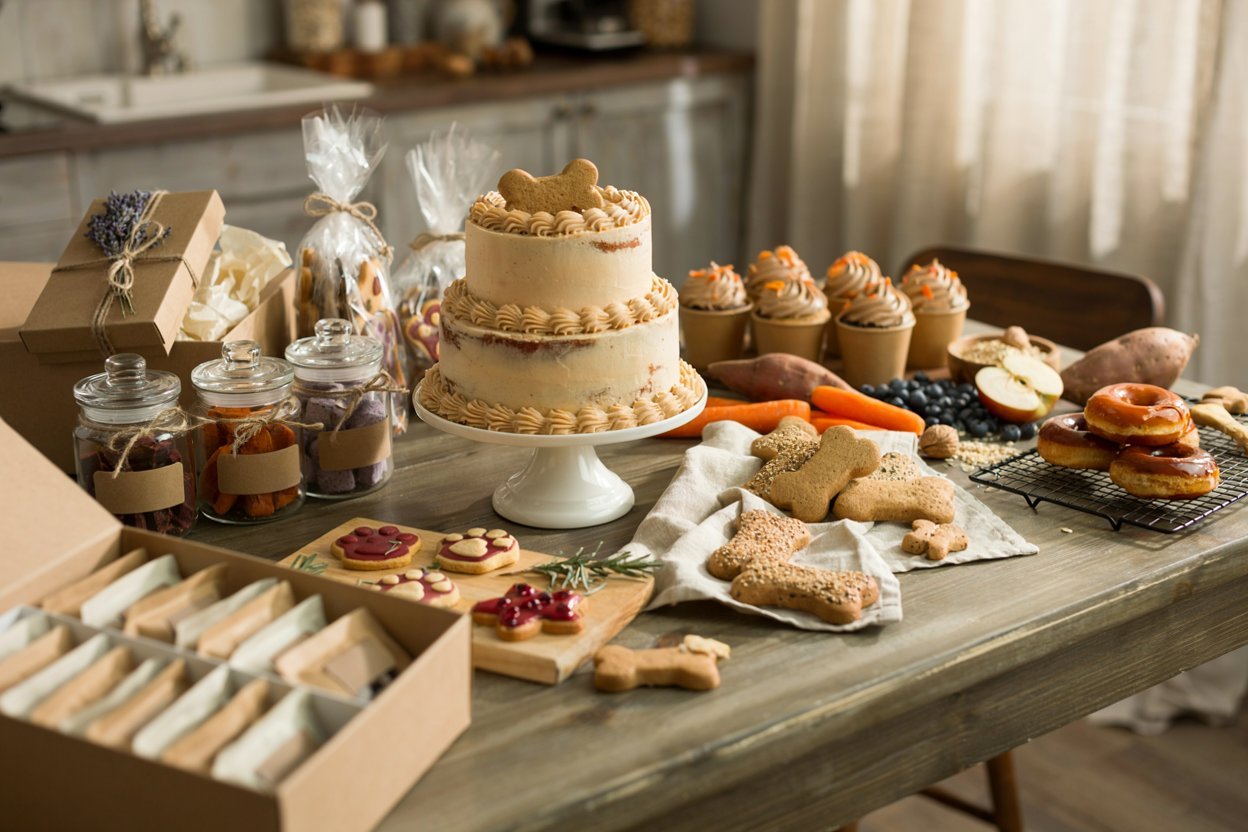
Starting a homemade dog treat business is exciting. You get to combine your love for baking with your passion for dogs while creating products that pet owners genuinely appreciate.
It sounds like the perfect business, and in many ways, it can be. But after researching successful dog bakeries and seeing how different small businesses grow, I noticed one common pattern.
The businesses that succeed are not always the ones with the fanciest treats or the biggest budgets. They are the ones that avoid the costly mistakes many beginners make.
It is easy to get caught up in designing cute packaging or dreaming about your first big sale, but building a successful business starts with having a solid foundation.
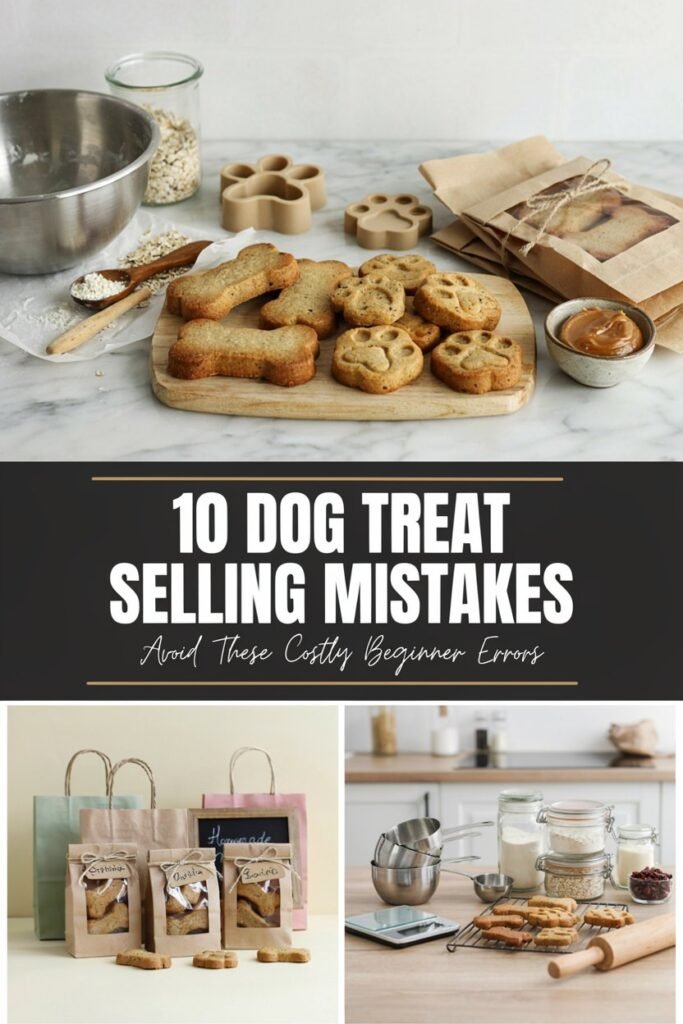
A few simple mistakes can lead to wasted ingredients, lost customers, or even legal issues that could have been avoided with a little planning.
The good news is that every mistake on this list is preventable.
Learning what to watch out for before you launch will save you time, money, and frustration, while helping you build a business that customers trust and recommend.
Whether you plan to sell at local farmers markets, online through Etsy, or on your own website, these are the mistakes you should avoid if you want your homemade dog treat business to grow.
Why Most Homemade Dog Treat Businesses Struggle at First
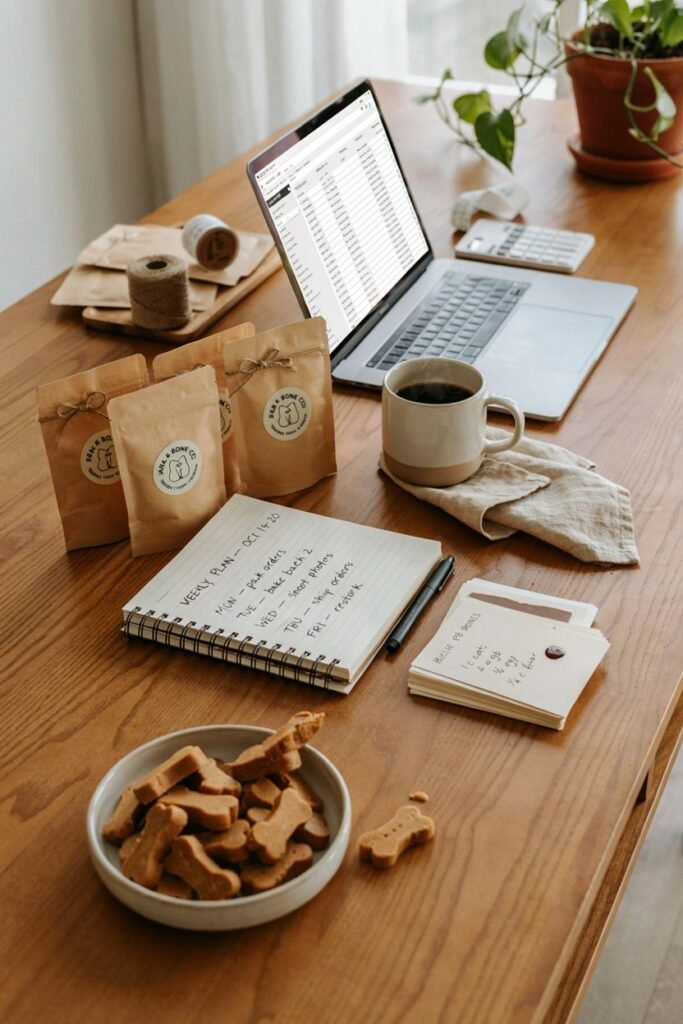
When people see a successful dog bakery, they usually notice the beautiful cookies, creative birthday cakes, and attractive packaging.
What they do not see are the months of recipe testing, marketing, budgeting, and learning that happened behind the scenes.
Most businesses do not struggle because the owner lacks talent. They struggle because of poor planning.
Many beginners make the same mistakes, including:
- Trying to sell too many products.
- Buying expensive equipment too early.
- Charging prices that are too low.
- Using inconsistent recipes.
- Forgetting about marketing.
- Ignoring customer feedback.
The encouraging part is that these problems can all be avoided.
One thing I have learned from studying small businesses is that progress matters more than perfection.
Your first product does not have to be perfect, but every batch should teach you something that helps improve the next one.
Instead of rushing to launch dozens of treats, focus on creating products people will remember for their quality.
Helpful Tip
Keep a notebook where you write down customer feedback, recipe changes, pricing ideas, and new product suggestions.
Those small notes often become your biggest improvements over time.
1. Ignoring Local Pet Food Laws

One of the biggest mistakes new business owners make is assuming they can bake dog treats in their kitchen and immediately start selling them.
Unfortunately, every country, state, or region has different rules regarding homemade pet food.
Some areas require:
- Business registration
- Product labeling
- Ingredient lists
- Food safety requirements
- Sales permits
- Inspections
- Liability insurance
Taking the time to understand your local requirements before making your first sale protects both your business and your customers.
How to Avoid This Mistake
Before launching your bakery:
- Research your local regulations.
- Contact the appropriate licensing office if needed.
- Keep records of every recipe and ingredient.
- Use accurate product labels.
- Stay informed if regulations change.
Starting legally gives customers confidence and helps your business grow on a solid foundation.
2. Using Unsafe Ingredients

One of the quickest ways to lose customer trust is by using ingredients that are unsafe for dogs.
Many foods that are perfectly fine for people can be harmful or even toxic to pets.
Always research every ingredient before adding it to a recipe.
Some ingredients to avoid include:
- Chocolate
- Grapes
- Raisins
- Xylitol
- Macadamia nuts
- Alcohol
- Excess salt
- Artificial sweeteners
- Nutmeg
Instead, focus on wholesome ingredients such as:
- Pumpkin
- Oats
- Peanut butter without xylitol
- Sweet potatoes
- Apples
- Carrots
- Blueberries
Helpful Tip
If you are unsure about an ingredient, leave it out until you have verified that it is safe for dogs.
Remember, your reputation depends on every treat you sell.
3. Underpricing Your Homemade Dog Treats
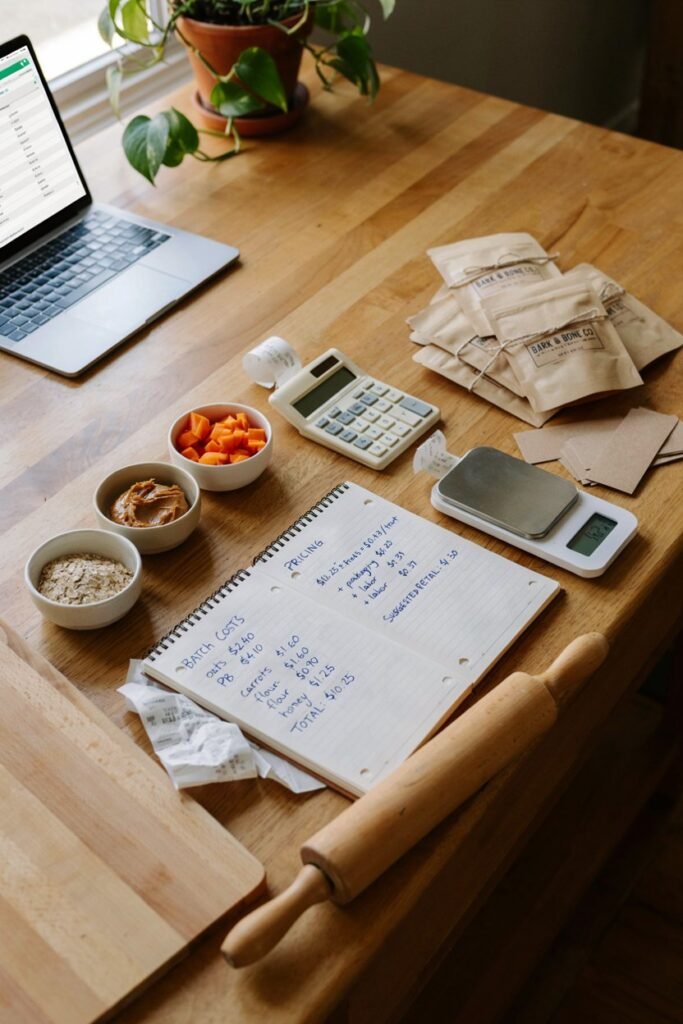
This mistake is far more common than most people realize.
Many beginners believe charging lower prices will attract more customers.
While that may increase sales in the beginning, it often leads to frustration because you are working long hours without making enough profit.
When pricing your treats, include every expense.
Think about:
- Ingredients
- Packaging
- Labels
- Electricity
- Baking supplies
- Website fees
- Payment processing fees
- Shipping materials
- Your time
Your time is valuable.
If it takes three hours to complete an order, your pricing should reflect that effort.
Mistake to Avoid
Never price your products simply by copying another bakery.
Your costs, recipes, packaging, and business goals are different.
Take time to calculate prices that allow your business to grow sustainably.
4. Using Poor Packaging That Doesn’t Protect Your Treats
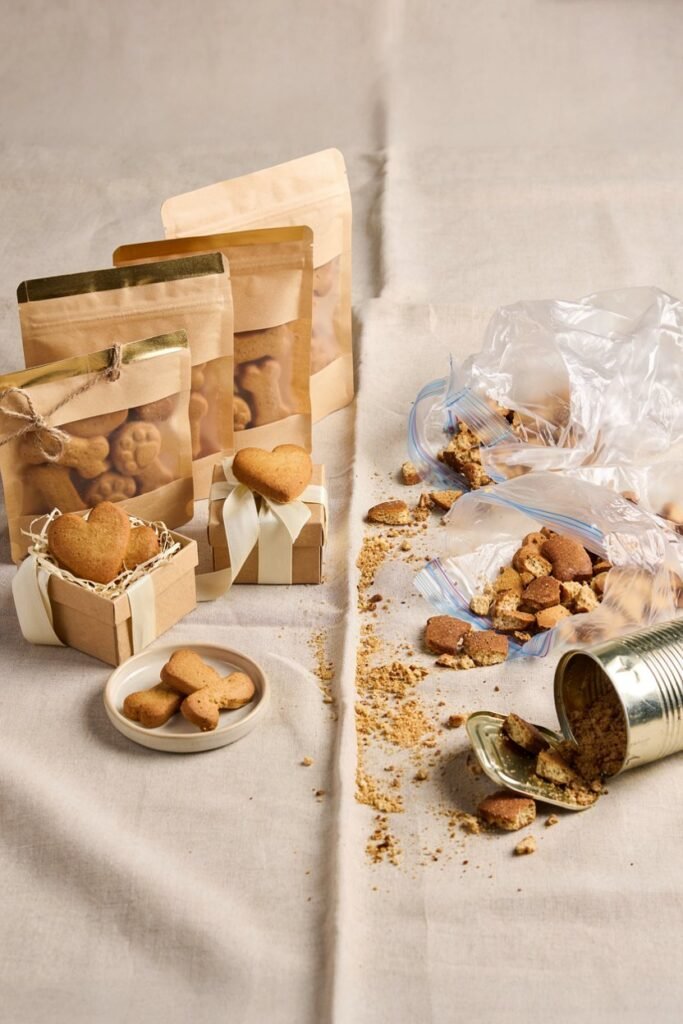
One thing I have noticed while browsing homemade dog treat shops is how much packaging influences a buying decision.
Even if your treats taste amazing, customers may hesitate to order again if they arrive broken, stale, or poorly presented.
Your packaging should do two things. First, it should protect your treats during storage and shipping.
Second, it should make your products look professional and worth the price you’re asking.
You do not need expensive custom boxes when you’re just starting.
Clean, attractive, and practical packaging will always leave a better impression than fancy packaging that doesn’t keep the treats fresh.
Choose Packaging That Fits Your Products
Different treats need different types of packaging.
For example:
Crunchy Dog Biscuits
- Resealable stand up pouches
- Clear cellophane bags
- Kraft paper bags with food safe lining
Decorated Dog Cookies
- Cookie boxes
- Bakery boxes with inserts
- Protective wrapping to prevent breakage
Dog Birthday Cakes
- Cake boxes
- Sturdy containers
- Secure lids for transport
Choosing the right packaging helps your products arrive in perfect condition.
Helpful Tip
Before selling online, package a few treats exactly as you would for a customer and mail them to yourself or a friend.
This simple test helps you see how well your packaging protects your products during shipping.
5. Skipping Professional Product Labels
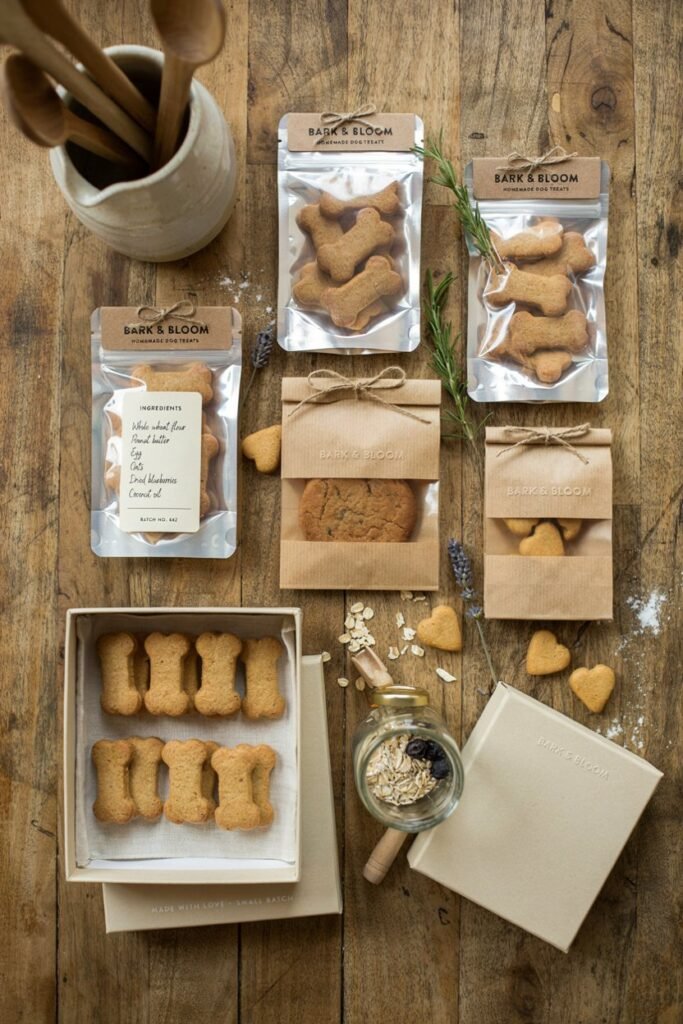
A surprising number of beginners overlook labels because they think customers only care about the treats inside.
In reality, labels help build trust.
When customers pick up your product, they want to know exactly what they’re buying.
A professional label also makes your bakery look more established.
Every Label Should Include
Depending on your local regulations, your labels may need to include:
- Business name
- Product name
- Ingredient list
- Net weight
- Best before date
- Storage instructions
- Feeding recommendations
- Contact information
Even if some of this information isn’t legally required where you live, providing it shows customers that you care about quality and transparency.
Keep Your Labels Easy to Read
Avoid overcrowding your labels with too much information or decorative designs.
Instead:
- Use readable fonts.
- Leave enough white space.
- Keep ingredient lists clear.
- Use consistent branding across every product.
Professional labels help customers recognize your bakery every time they see your products.
Helpful Tip
Print a few sample labels before ordering hundreds.
Seeing them on your packaging may help you notice small changes you’d like to make.
6. Trying to Sell Too Many Products Too Soon
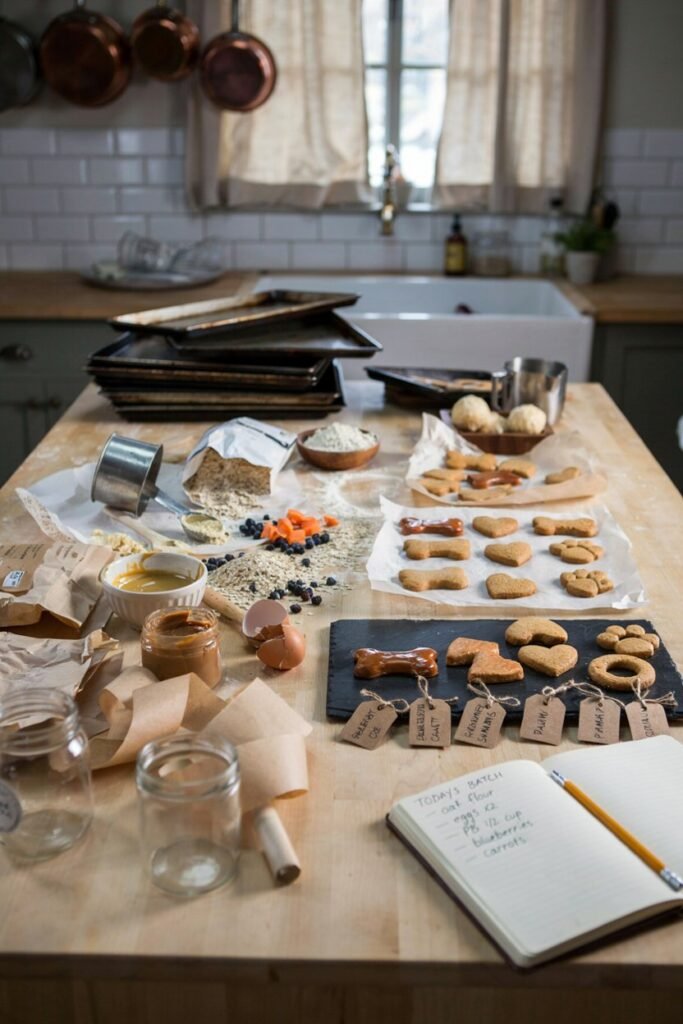
This is probably one of the biggest mistakes I see new bakery owners make.
They want to offer everything from birthday cakes and cookies to frozen treats, donuts, gift boxes, biscuits, cupcakes, and seasonal collections all at once.
While having variety sounds exciting, it often creates unnecessary stress.
Every new product requires:
- New ingredients
- New recipes
- More storage
- Additional packaging
- More preparation time
- Better inventory management
Instead of becoming known for one excellent product, you risk becoming average at everything.
Start Small and Build Slowly
If I were launching a dog bakery today, I would begin with just a few products.
For example:
- Peanut butter biscuits
- Pumpkin treats
- Training treats
- Birthday cookies
- Holiday gift box
Once those products are selling consistently, I would slowly introduce new items based on customer demand.
Growing your menu gradually allows you to maintain quality while reducing waste.
Listen to Your Customers
One advantage of starting small is that customers will often tell you what they want next.
Pay attention to questions like:
- Do you make grain free treats?
- Can you make birthday cakes?
- Do you have puppy treats?
- Do you offer holiday gift boxes?
These questions provide valuable ideas for future products.
Helpful Tip
Instead of guessing what customers want, let their feedback guide your product expansion.
You’ll save money and launch products that already have demand.
Helpful Tips Before Expanding Your Bakery
Before adding new recipes or investing in more supplies, ask yourself a few simple questions:
- Is this product something my customers have requested?
- Can I make it consistently?
- Will it remain fresh during storage and shipping?
- Does it fit my brand?
- Will it actually increase my profits?
If the answer is yes, it may be worth adding to your product line.
If not, focus on improving your current best sellers instead.
One thing I admire about successful dog bakeries is that they rarely rush.
They build their reputation one satisfied customer at a time, making small improvements as they grow.
A simple menu filled with exceptional products is often much more profitable than a large menu that is difficult to manage.
7. Taking Poor Product Photos
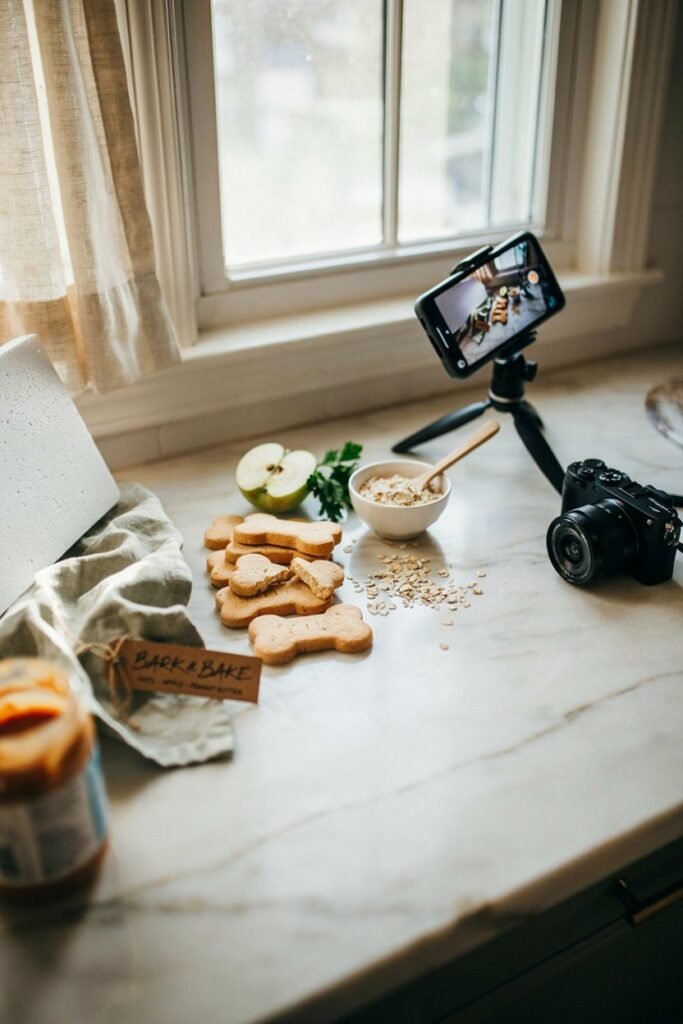
One of the first things customers notice when shopping online is your photos.
Before they read your product description or check the ingredients, they decide whether your treats look worth buying.
I have compared dozens of successful dog bakery websites and Etsy shops, and one thing they all have in common is high quality photography.
Their treats look fresh, clean, and professionally presented.
They make customers imagine opening the package and giving those treats to their own dog.
The good news is that you do not need an expensive camera to take beautiful product photos.
A modern smartphone and good natural lighting can produce amazing results.
Tips for Taking Better Product Photos
Here are a few simple ways to make your products stand out:
- Take photos near a large window using natural daylight.
- Use a clean white, wooden, or marble background.
- Keep the photo uncluttered.
- Show different angles of the product.
- Include close up shots to highlight texture and details.
- Add simple props like a rolling pin, cookie cutters, or fresh ingredients.
- Keep your branding consistent across all photos.
If you sell gift boxes or seasonal collections, photograph everything exactly as customers will receive it.
Mistakes to Avoid
Avoid:
- Dark or blurry images.
- Busy backgrounds.
- Poor lighting.
- Using too many filters.
- Cropping products awkwardly.
- Including distracting objects.
Clear, bright, professional photos build confidence and help increase sales.
Helpful Tip
Create a small photo station at home using a table near a sunny window, a white foam board as a backdrop, and a few simple props.
This gives every product photo a clean and consistent look.
8. Not Marketing Your Business Consistently
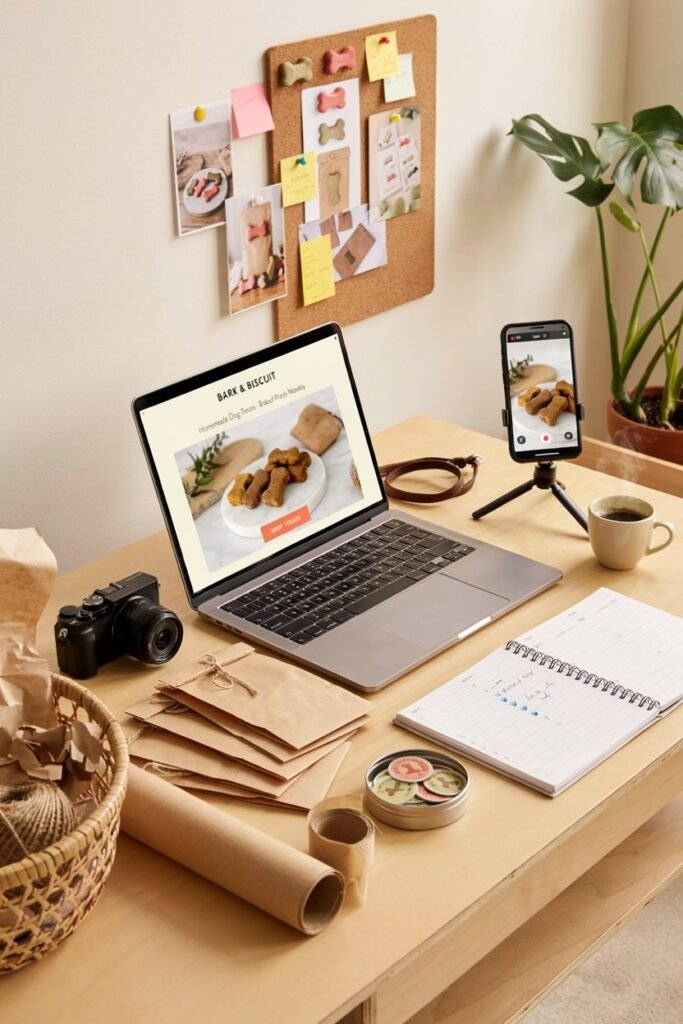
Many people believe customers will automatically find their products once they open an Etsy shop or launch a website.
Unfortunately, that rarely happens.
Marketing is what brings people to your business.
One thing I have learned while researching successful dog bakeries is that the owners who market consistently usually grow much faster than those who only post occasionally.
You do not need to spend hundreds of dollars on advertising. Instead, focus on showing up regularly where your customers already spend time.
Places to Market Your Dog Bakery
Some of the best platforms include:
- TikTok
- Etsy
- Your own blog
- Email newsletters
- Local community groups
The more people see your brand, the more familiar it becomes.
Content Ideas
Instead of constantly posting “Buy Now” messages, share content that provides value.
Ideas include:
- Behind the scenes baking.
- Decorating birthday cookies.
- Packaging customer orders.
- New flavor launches.
- Holiday collections.
- Happy customer reviews.
- Dogs enjoying your treats.
- Baking tips.
- Ingredient spotlights.
People enjoy supporting businesses they feel connected to.
Helpful Tip
Create a simple content calendar and schedule a few posts each week.
Consistency is much more effective than posting every day for one week and disappearing for the next month.
9. Ignoring Customer Feedback

Some of the best business ideas come directly from your customers.
Every review, suggestion, or question is an opportunity to improve your products.
If several customers mention that a treat is too hard, breaks during shipping, or they’d love a grain free version, pay attention.
Listening to your customers shows that you care about their experience.
Ways to Collect Feedback
After each order, encourage customers to share their thoughts.
You can ask questions like:
- Did your dog enjoy the treats?
- Which flavor was their favorite?
- How was the packaging?
- Did everything arrive safely?
- What products would you like to see next?
The answers often provide valuable ideas for future products.
Helpful Tip
Keep a notebook or spreadsheet of customer suggestions.
Over time, you’ll begin to notice patterns that can guide your next product launch.
10. Giving Up Too Soon
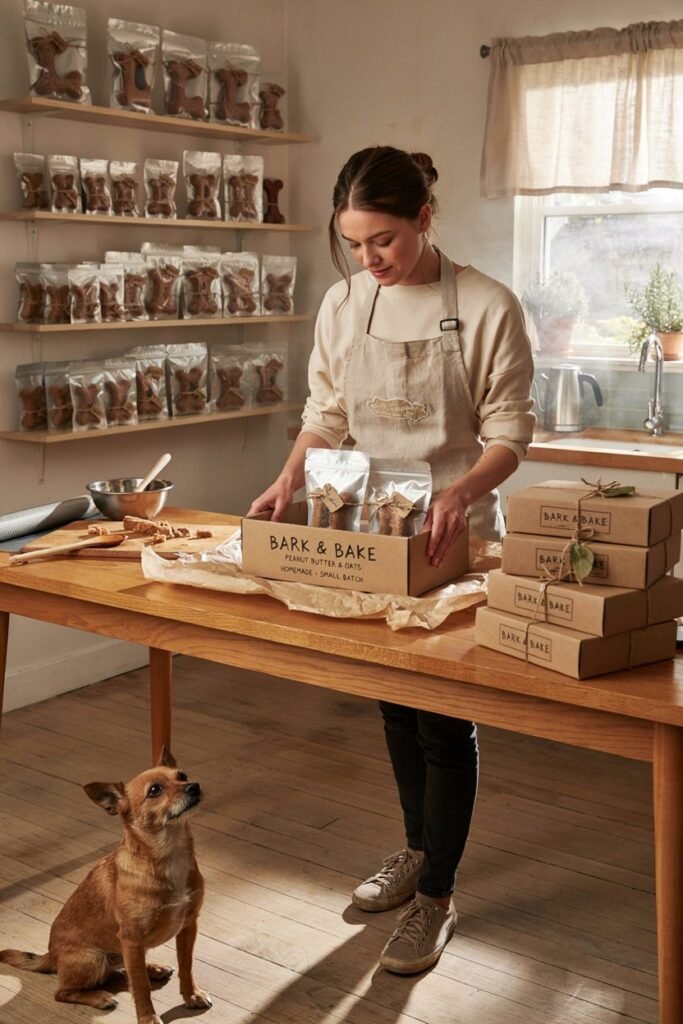
This is perhaps the biggest mistake of all.
Many small business owners expect immediate success.
When sales are slow during the first few weeks or months, they begin doubting themselves and eventually stop trying.
The truth is that most successful businesses grow gradually.
Building trust takes time.
Growing an audience takes time.
Learning what customers want takes time.
Instead of focusing only on sales, celebrate smaller milestones along the way.
For example:
- Your first order.
- Your first five star review.
- Your first repeat customer.
- Your first holiday collection.
- Your first wholesale inquiry.
- Your first profitable month.
Each milestone means you’re moving in the right direction.
Helpful Tip
Set realistic goals for your first year. Focus on improving your products, building relationships with customers, and learning something new every month.
Those small improvements often lead to long term success.
My Best Tips for Selling Homemade Dog Treats Successfully
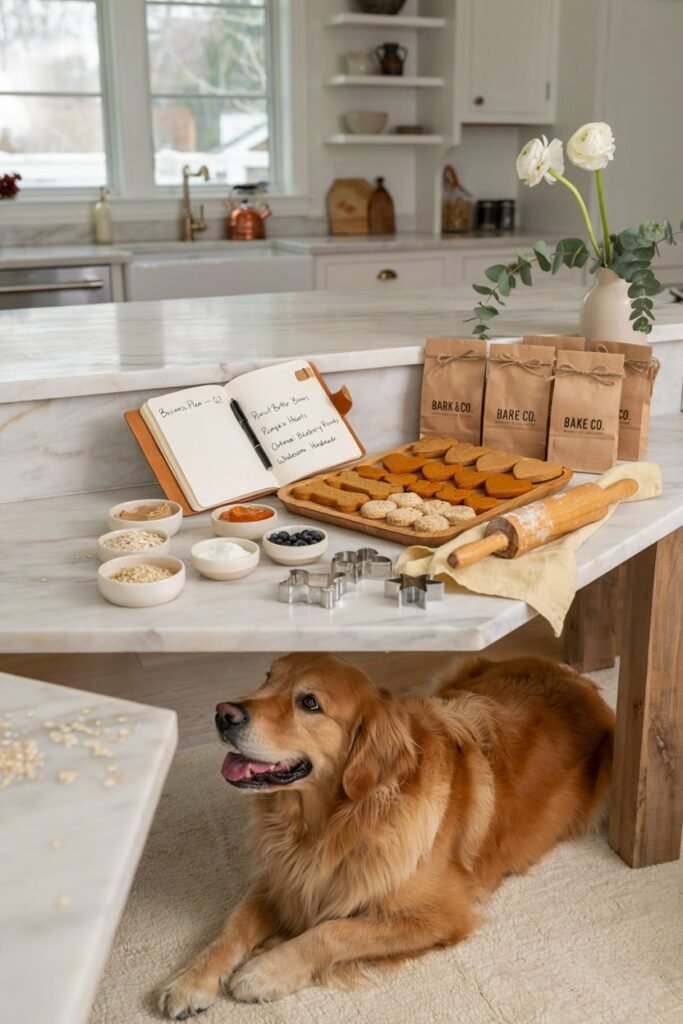
If I were starting a dog bakery today, these are the lessons I would keep in mind from day one:
- Start with a few excellent products instead of a large menu.
- Always use high quality, dog safe ingredients.
- Package every order neatly and professionally.
- Price your products for profit, not just sales.
- Invest time in learning photography and marketing.
- Build relationships with your customers.
- Keep improving your recipes based on feedback.
- Stay organized by tracking expenses and inventory.
- Be patient and consistent.
- Never stop learning about your industry.
A successful dog bakery isn’t built overnight. It grows through quality products, excellent customer service, and the trust you earn with every order.
Frequently Asked Questions
Can I start a homemade dog treat business with a small budget?
Yes. Many successful dog bakeries begin with basic kitchen equipment, a few reliable recipes, and simple packaging.
As your sales increase, you can reinvest your profits into better equipment and branding.
How do I know if my treats are good enough to sell?
Test your recipes several times and ask friends, family, or local dog owners for honest feedback. Focus on consistency, freshness, and using high quality ingredients.
What products sell the most?
Some of the most popular items include peanut butter biscuits, pumpkin treats, birthday cookies, grain free snacks, training treats, holiday gift boxes, and personalized dog cookies.
How can I encourage repeat customers?
Provide excellent customer service, maintain consistent quality, offer seasonal collections, and stay connected through email or social media.
Small touches like thank you notes and loyalty discounts also encourage customers to return.
Final Thoughts
Selling homemade dog treats can be an incredibly rewarding business, but success doesn’t happen by accident.
It comes from making thoughtful decisions, learning from mistakes, and putting your customers first every step of the way.
The businesses that last are not always the ones with the biggest budgets or the fanciest packaging.
They’re the ones that consistently deliver safe, high quality products, communicate honestly, and continue improving over time.
Don’t let the fear of making mistakes stop you from getting started. Every successful business owner has faced challenges along the way.
The difference is that they learned from those experiences and kept moving forward.
Take your time, focus on quality over quantity, and build your business one happy customer at a time.
Before long, you’ll have a loyal community of pet owners who trust your products and look forward to every new treat you create.