Essential Supplies for Bringing Home a New Kitten (First Time Owner Checklist)
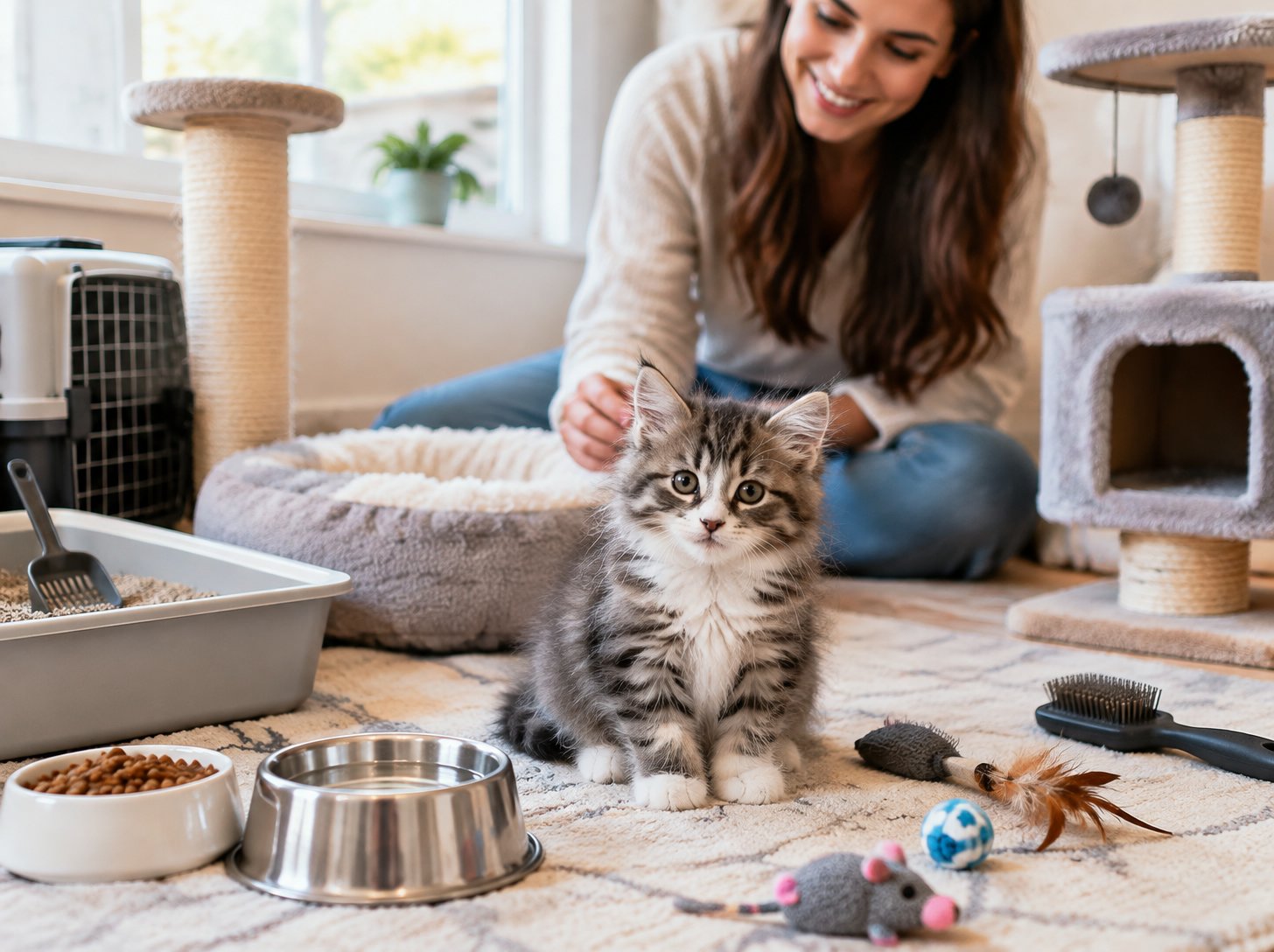
Bringing home a kitten is pure joy, and a little chaos. Kittens are tiny, curious, and fast, and they need a few key things in place before they walk through your door.
The good news is you don’t need a pile of gadgets.
A short list of well chosen essentials covers nearly everything, and the rest can wait until you learn your kitten’s personality.
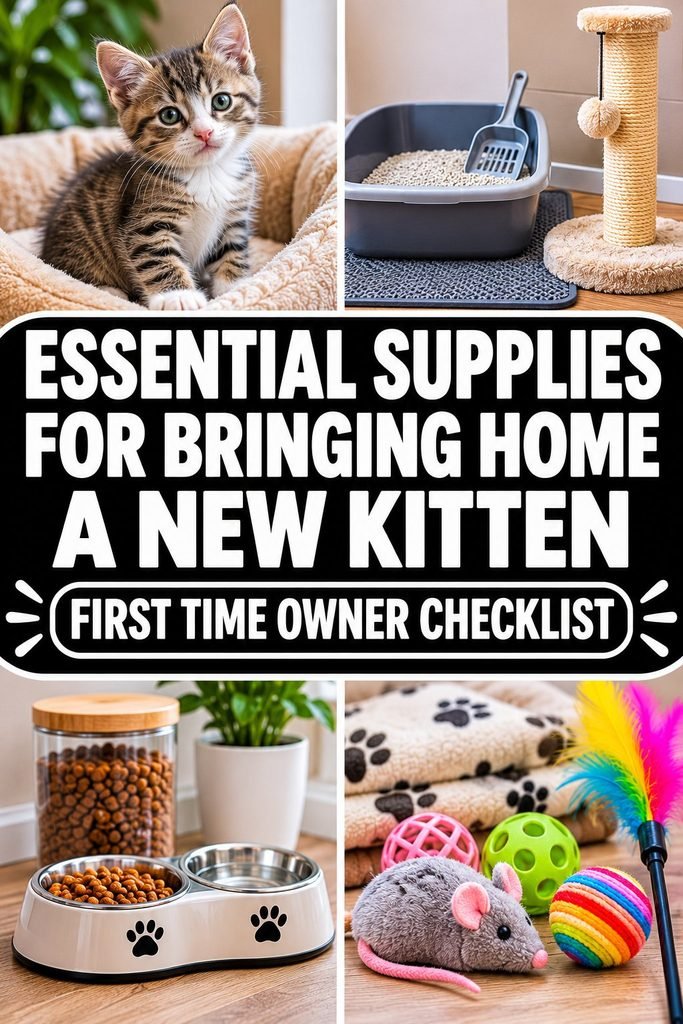
This checklist walks you through what to buy, what to look for in each item, how to kitten proof your home, and what to skip.
Every kitten is different, so ask your veterinarian, breeder, or shelter about your kitten’s age, health, and diet before you shop.
If you’re also planning homemade extras later, my Healthy Homemade Cat Treats are a fun place to start, once your veterinarian says your kitten is ready.
Before Your Kitten Comes Home
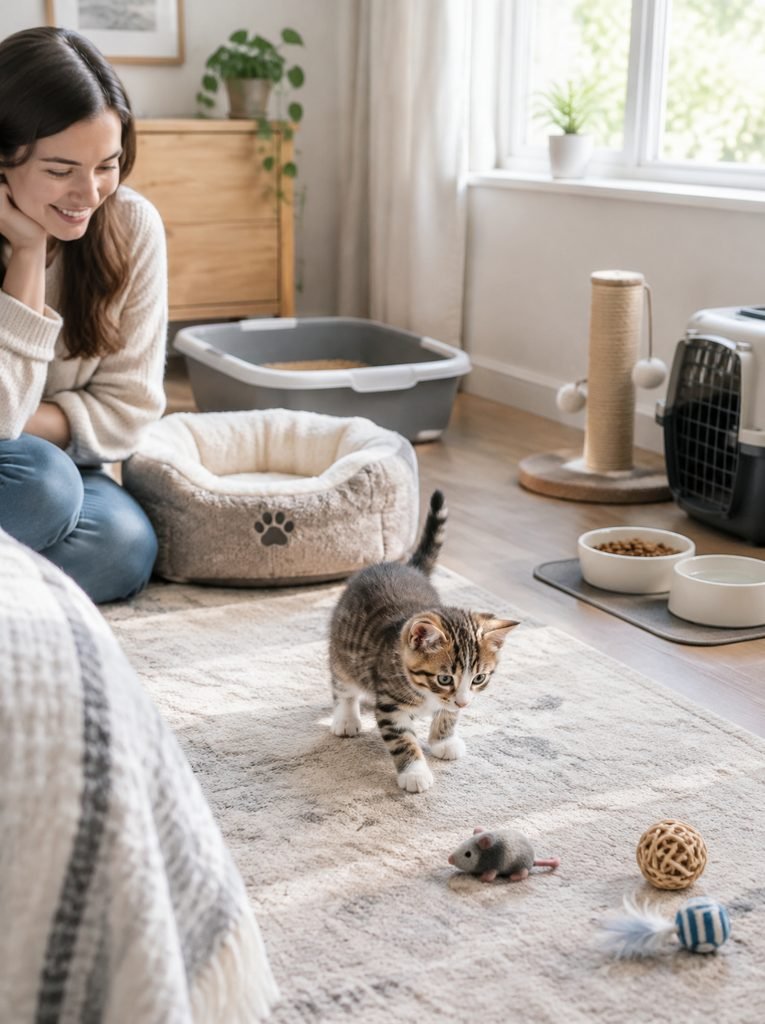
Pick a starter room. A quiet room with a door, such as a spare bedroom or bathroom, helps your kitten adjust. They can explore the rest of the house gradually.
Kitten proof first. Do this before the kitten arrives, using the safety checklist below.
Find a veterinarian. Book a first exam within the first few days, and bring any health records.
Ask what your kitten has been eating. Get the brand and feeding schedule, so you can keep it consistent at first.
Ask about litter. Find out what litter and box type your kitten already uses.
The Essential Supplies Checklist
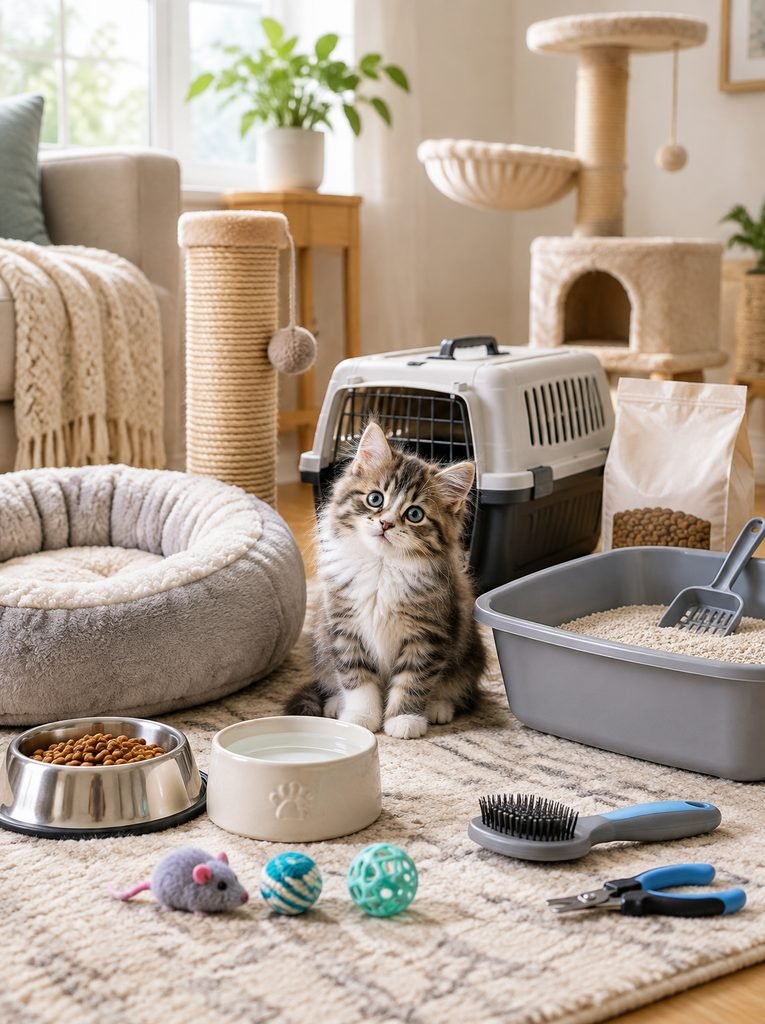
1. Kitten Food
Kittens need food made for growth, not adult cat food.
What to look for. A complete and balanced food labeled for kittens, or for all life stages, from a reputable manufacturer.
Wet, dry, or both. Many owners offer wet food for moisture and dry for convenience. Your veterinarian can advise on the right balance and amounts for your kitten’s age and weight.
Keep it consistent. Start with the food your kitten was already eating, and switch gradually over about a week if you change.
Skip the cow’s milk. Many cats are lactose intolerant. Fresh water and appropriate kitten food are what they need. Ask your veterinarian if you have questions about milk or kitten milk replacers.
2. Food and Water Bowls
Material. Stainless steel or ceramic is easy to clean and doesn’t hold odors the way some plastic does.
Shape. Shallow, wide bowls are more comfortable for many cats, since whiskers can feel crowded in deep, narrow ones.
Size. Small enough for a tiny kitten to reach comfortably.
Placement. Keep food and water apart from the litter box, and apart from each other if possible, since many cats prefer separate spots.
Fresh water. Provide it daily. Some cats enjoy a pet fountain, which encourages drinking.
3. A Litter Box and Litter

The box. Choose a low sided box so a small kitten can climb in easily. It should be large enough for the kitten to turn around.
The litter. Choose an unscented, clumping or non clumping litter. Avoid heavily perfumed litters, which some cats dislike.
Ask your breeder or shelter what your kitten is used to, and be careful with clumping litter for very young kittens who may eat it. Ask your veterinarian.
The scoop. A sturdy scoop makes daily cleaning easy.
Placement. Put the box in a quiet, easy to reach spot away from food and water. Don’t put it next to noisy appliances.
Number of boxes. A common guideline is one box per cat, plus one extra, as your household grows.
Cleaning. Scoop daily and clean the box regularly with mild, unscented soap. Avoid strong chemicals and ammonia.
4. A Safe Carrier
You’ll need a carrier for the trip home and every vet visit.
What to look for. A sturdy, well ventilated carrier with a secure latch and a removable top, which makes it easier to get a nervous kitten in and out.
Make it a friendly place. Leave it out with a soft blanket inside so your kitten gets used to it.
Never travel loose. A kitten should always be in a carrier in the car.
5. A Comfortable Bed or Hiding Spot
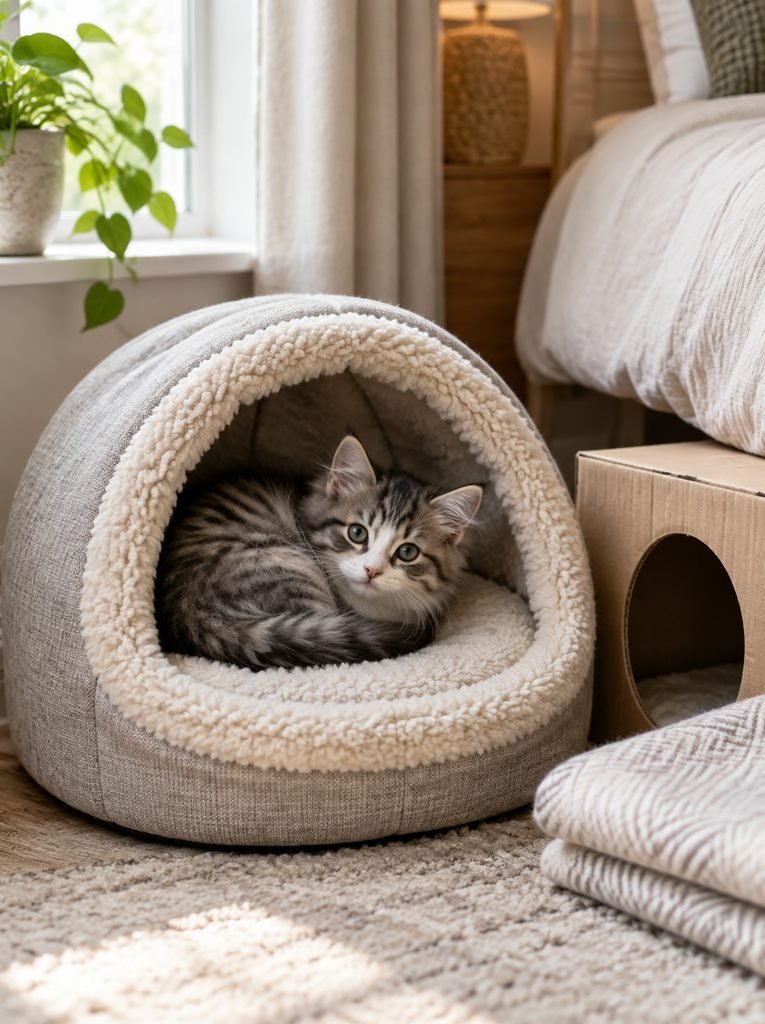
Kittens sleep a lot, and they like warm, enclosed spaces.
Bed. A small, soft, washable bed in a warm, draft free corner.
Hiding spots. A covered bed, cardboard box, or cat cave gives a shy kitten somewhere to retreat.
Blankets. Soft, washable blankets are cozy. Avoid anything with loose threads or strings.
Heat. Avoid heating pads or space heaters unless they’re specifically made for pets and used safely.
6. A Scratching Post
Scratching is normal, healthy cat behavior. Giving your kitten approved places to scratch protects your furniture.
What to look for. A tall, sturdy post that doesn’t wobble, covered in sisal rope or similar durable material.
Variety. Many cats like both vertical posts and horizontal scratchers, so offer both.
Placement. Put scratchers where your kitten spends time, such as near sleeping areas and by furniture they’ve started to scratch.
Encourage use. Reward your kitten with praise or small treats when they use it.
7. Safe Toys
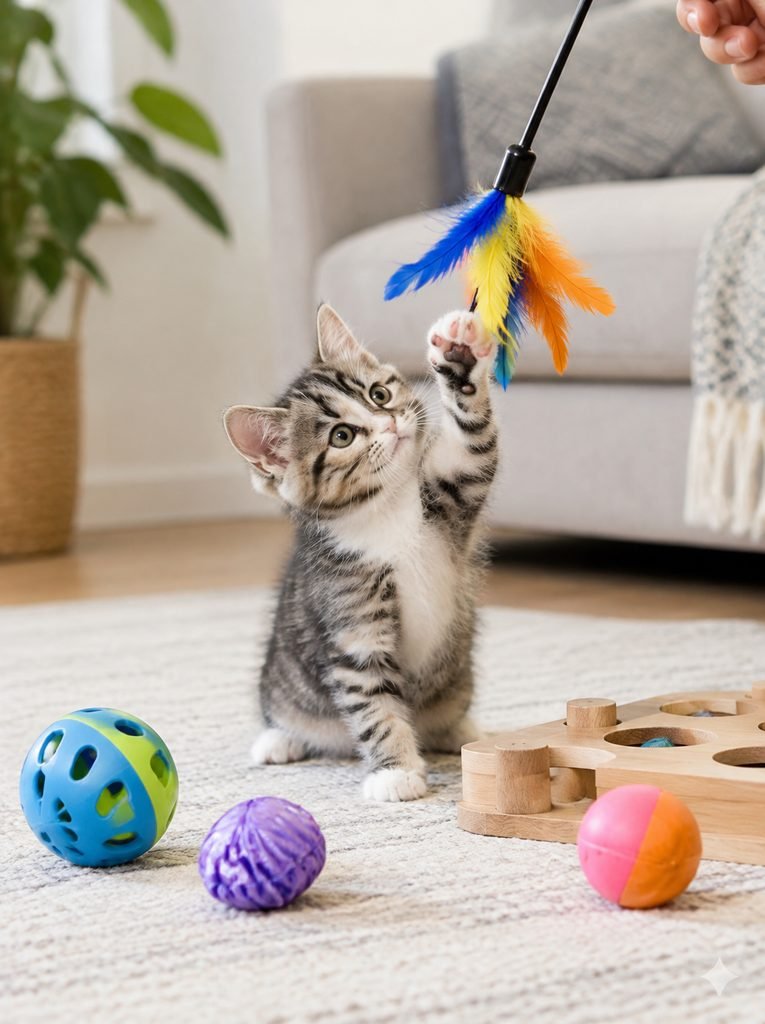
Play is essential for exercise, mental stimulation, and bonding.
Wand toys. Feathers or fabric on a wand, used under supervision and put away after play.
Small balls and crinkle toys. Choose sizes too big to swallow.
Puzzle and treat toys. Great for mental stimulation. See my 6 DIY Cat Toy Ideas Including a Slow Feeder You Can Make at Home for budget friendly options.
Safety. Never leave string, yarn, ribbon, or rubber bands with your kitten. Cats can swallow them, which can cause serious, life threatening problems. Put wand toys away after playtime.
8. A Collar with ID, and a Microchip
Breakaway collar. If you use a collar, choose a breakaway design that releases if it gets caught.
ID tag. Put your phone number on a tag.
Microchip. Ask your veterinarian about microchipping, and keep your registration details up to date.
9. Grooming Basics
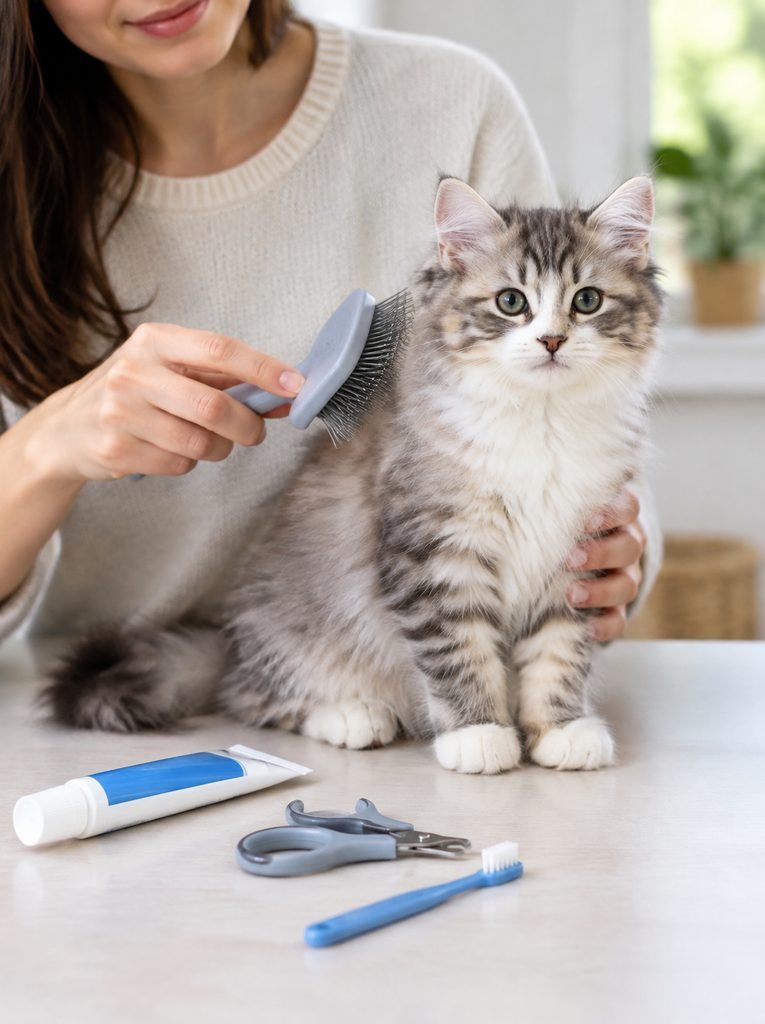
Brush. A soft brush or comb suited to the coat. Long haired kittens need regular brushing.
Nail clippers. Cat nail clippers, used gently, plus treats and patience. Ask your veterinarian to show you the technique.
Dental care. Ask your veterinarian about introducing tooth brushing early, with a cat safe toothpaste. Never use human toothpaste.
Ear and eye care. Check often, and call your veterinarian about discharge, redness, or odor.
10. Cleaning Supplies
Accidents happen.
Enzymatic cleaner. Breaks down odors so your kitten doesn’t return to the same spot.
Safe cleaners. Avoid cleaners with ammonia, and watch out for products containing phenols or essential oils, which can be harmful to cats. Check labels and ask your veterinarian.
Paper towels and gloves. For quick cleanup.
11. A Cat Tree or Climbing Space
Kittens love to climb. A small cat tree or shelf gives them a safe place to climb, perch, and watch the world.
Stability. It must be sturdy and not tip when a kitten leaps.
Height. Make sure it’s not so tall that a small kitten can’t get down safely.
Window perch. Many kittens love watching birds and passersby.
Kitten Proofing Your Home
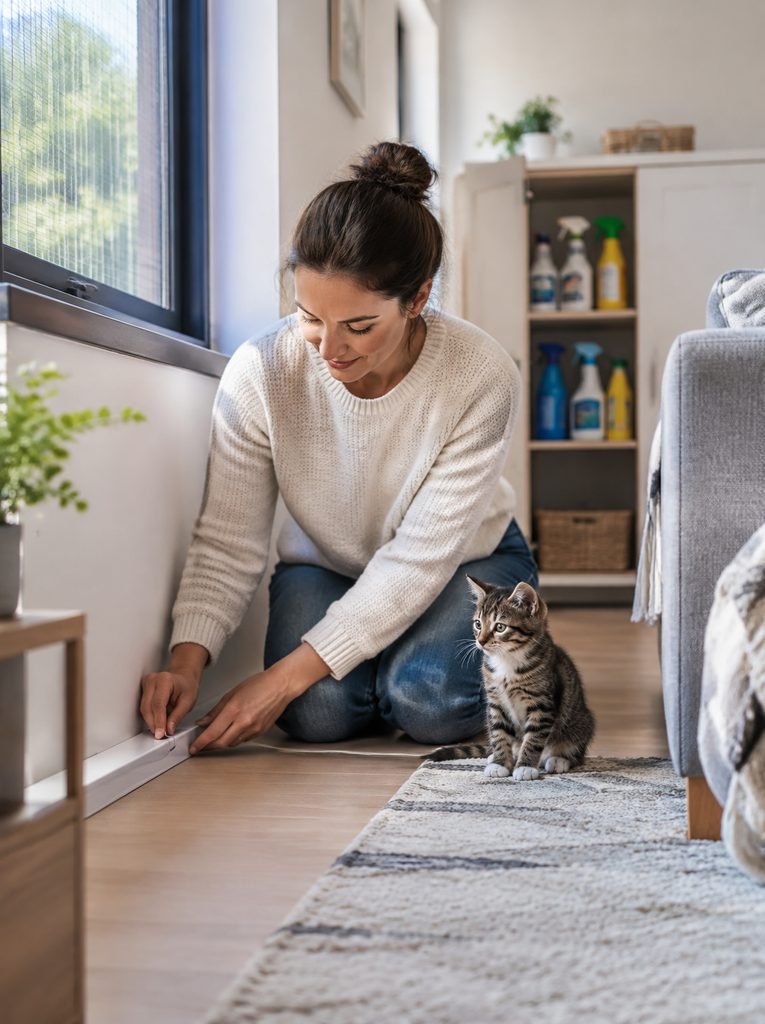
Kittens explore with their mouths and paws, so get down at their level.
Cords and cables. Hide, bundle, or cover them, since chewing can cause injury.
String, yarn, and ribbon. Store them securely.
Small objects. Rubber bands, hair ties, and tinsel are risky if swallowed.
Toxic plants. Lilies are especially dangerous to cats, and many other common plants are toxic too. Check any plant against a trusted list, such as the ASPCA’s, before keeping it, and ask your veterinarian.
Human foods. Keep onions, garlic, chocolate, grapes, raisins, alcohol, and xylitol sweeteners out of reach.
Medications and chemicals. Store them in secure cabinets. Never give a cat human medication.
Windows and balconies. Use secure screens.
Appliances. Check washers, dryers, and ovens before closing or turning them on.
Small spaces. Block access to behind appliances and into recliners and sofa beds.
Toilet lids. Keep them closed.
Essential oil diffusers. Many oils can be harmful to cats, so keep them away.
Bringing Your Kitten Home: The First Days

Start in the starter room. Set up the litter box, food, water, bed, and a hiding spot, and let your kitten explore at their own pace.
Stay calm and quiet. Loud noises and lots of visitors overwhelm a new kitten.
Show them the litter box. Place your kitten in it after meals and naps.
Keep a routine. Meals, play, and sleep at similar times help them settle.
Go slowly with other pets. Introduce them gradually, and never force interaction.
Handle gently. Short, positive sessions with petting, paw handling, and brushing build trust.
Watch for problems. Call your veterinarian about not eating, lethargy, vomiting, diarrhea, or trouble breathing, since kittens can get sick quickly.
What You Can Usually Skip
Fancy automatic gadgets. Wait until you know your kitten’s habits.
Heavily scented litter or air fresheners. Many cats dislike them, and some are irritating.
Too many toys at once. A few good ones, rotated, work better.
Declawing. It’s a painful surgery with long term consequences. Use scratching posts, nail trims, and training instead. Talk to your veterinarian.
Cow’s milk. Not needed and can cause upset stomach.
Large amounts of treats. Kitten food should supply nearly all of their nutrition.
Common Mistakes to Avoid

Giving the whole house at once. Start small.
Using adult cat food. Kittens need food formulated for growth.
Leaving string toys out. Always supervise and put them away.
Choosing a litter box that’s too tall. Small kittens need easy access.
Skipping the vet visit. Early checks, vaccines, and parasite prevention matter.
Using punishment. Redirect and reward instead.
Ignoring scratching needs. Provide scratchers before furniture gets damaged.
More Helpful Reads
- 6 DIY Cat Toy Ideas Including a Slow Feeder You Can Make at Home
- Healthy Homemade Cat Treats
- Easy Homemade Cat Treats with Pumpkin
- Bone Broth Recipe for Cats
- Homemade Lickable Cat Treats
For more ideas, browse my Homemade Cat Treats.
Frequently Asked Questions
What do I need for a new kitten? Kitten food, bowls, a litter box and litter, a carrier, a bed, a scratching post, safe toys, ID, grooming basics, and cleaning supplies.
How many litter boxes do I need? A common guideline is one per cat plus one extra, though a single box is fine for a single kitten to start.
When should I take my kitten to the vet? Within the first few days. Your veterinarian will check health, discuss vaccines and parasite prevention, and answer questions.
Can kittens drink milk? Many cats are lactose intolerant. Offer fresh water, and ask your veterinarian if you have questions about milk replacers for very young kittens.
Should my kitten wear a collar? Many owners use a breakaway collar with ID, plus a microchip. Ask your veterinarian.
How often should I feed a kitten? Young kittens often eat several small meals a day. Your veterinarian can advise on amounts and frequency.
Can I give my kitten treats? In small amounts, once your veterinarian says it’s fine. See my Easy Homemade Cat Treats with Pumpkin for a gentle idea to try later.
How do I stop my kitten from scratching furniture? Provide scratchers, place them in the right spots, and reward use.
A Final Note on Welcoming Your Kitten
A new kitten doesn’t need a lot of stuff, just the right basics, a safe space, and a patient routine. Set up thoughtfully, stay calm, and lean on your veterinarian whenever you’re unsure. Soon your kitten will be settled in and making your home theirs.