10 Surprising Facts About Tuxedo Cats (From Someone Who Lives With One)
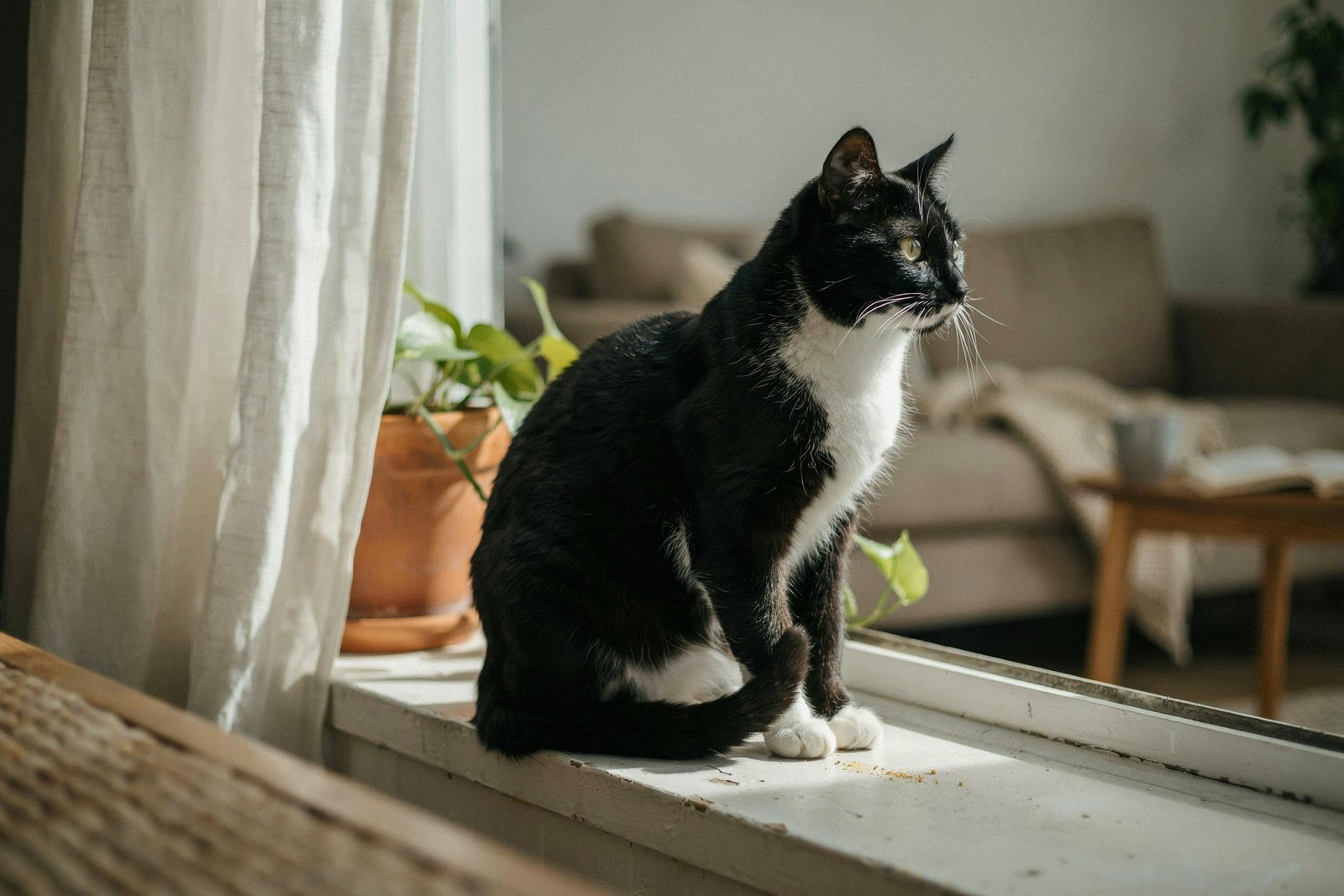
If you’ve ever shared your couch with a black and white cat who struts around like he owns a five star hotel, you already know tuxedo cats are a personality wrapped in a permanent formal outfit. I didn’t plan on falling for one.
My tuxedo boy, Milo, basically adopted me off a neighbor’s porch three winters ago, and he’s turned into the kind of cat who convinces you that “just one more fact about tuxedo cats” is a perfectly reasonable way to spend an evening.
Disclaimer
This post may contain affiliate links. As an Amazon Associate, I earn from qualifying purchases at no additional cost to you. I only recommend cat products that I genuinely believe can make life with your tuxedo cat easier and more enjoyable. The information in this article is for general informational purposes only. Every cat is unique, so personalities and behaviors may vary.
Amazon Shopping List You Need
- Interactive Cat Toy – I use this to keep my cat entertained and active.
- Cat Window Perch – My cat loves relaxing here and watching everything outside.
- Cat Tunnel – I always bring this out when my cat needs extra playtime.
- Stainless Steel Cat Water Fountain – I like how it encourages my cat to drink more water.
- Cat Scratching Post – I always keep one nearby to protect my furniture.
- Treat Puzzle Toy – I use this to keep my cat mentally stimulated.
- Cozy Cat Bed – One of my cat’s favorite places to curl up and nap.
How Milo Came Into My Life
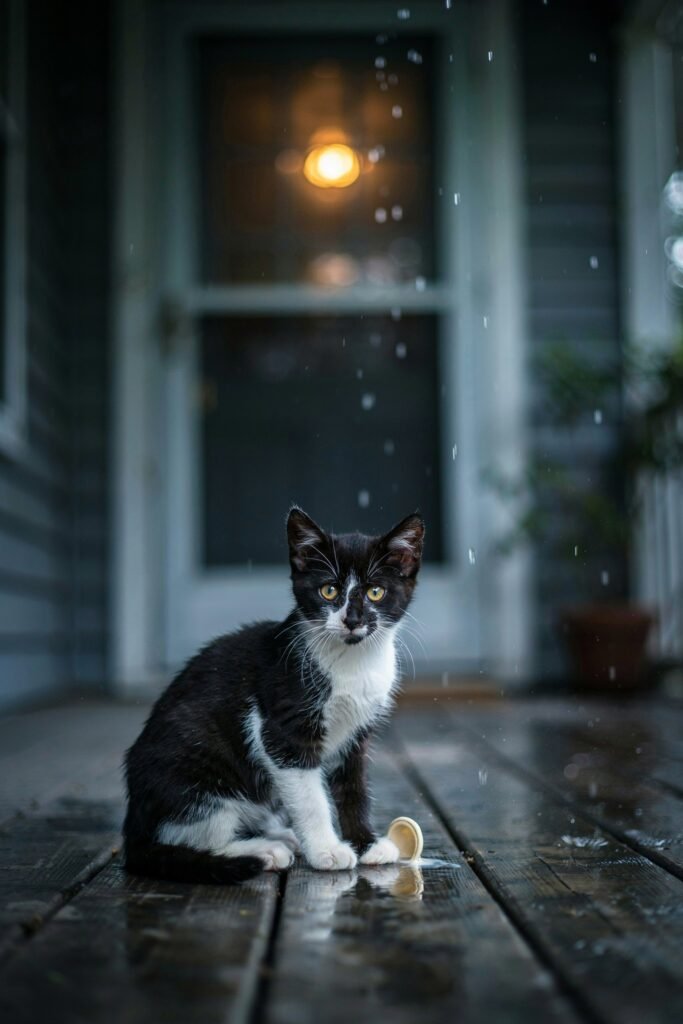
I still remember the first time I saw him. It was late January, freezing cold, and I heard scratching at my back door around 11pm.
When I opened it, there he was: a scrawny black and white kitten with a lopsided white patch over one eye, soaked and shivering, staring up at me like he’d been expecting me for weeks.
I told myself I was “just fostering him until I found his owner.” Nobody ever claimed him. Three years later, he’s asleep on my desk chair as I write this, and I can’t imagine my house without him.
That night kicked off my obsession with tuxedo cats. Here are ten facts I picked up along the way, all tested against real life with my own dramatic little tuxedo.
1. “Tuxedo” Describes a Pattern, Not a Breed
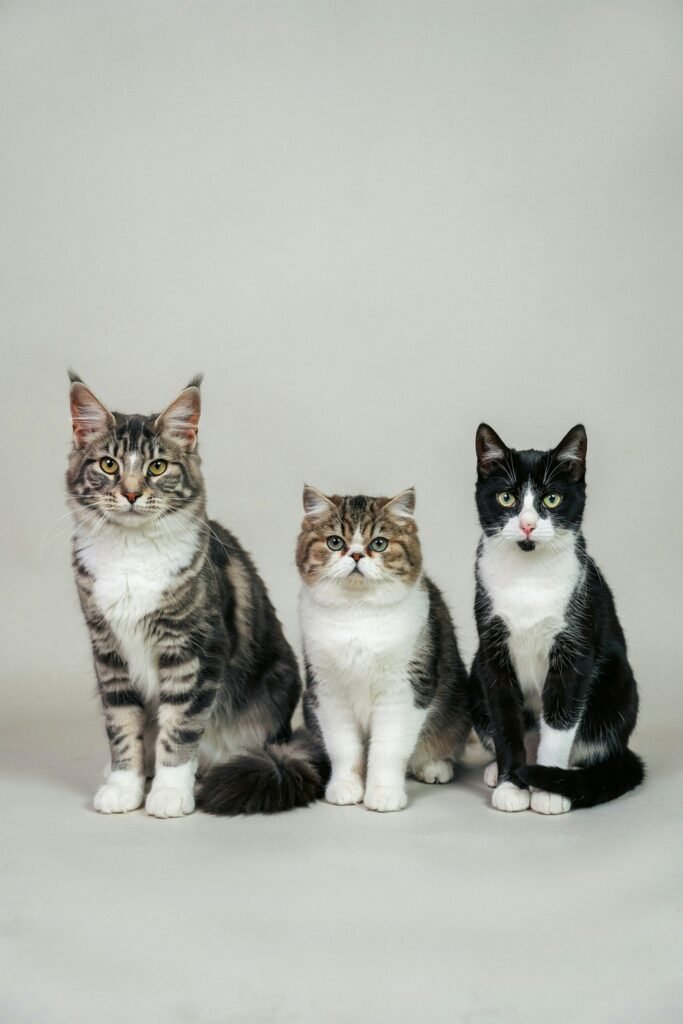
The single biggest misconception people have is that tuxedo is a breed of cat. It isn’t.
Tuxedo refers to a bicolor coat pattern, usually black with white on the chest, paws, and often the belly and chin, caused by a gene that limits pigment distribution during development.
This means you’ll find tuxedo markings on Maine Coons, Persians, British Shorthairs, and plain old domestic shorthairs like Milo.
When I first took him to the vet, I genuinely asked if “tuxedo” was his breed.
The vet laughed and explained it’s more like calling a dog brindle. The pattern is the star, not the lineage.
2. The Pattern Comes From a Gene That “Turns Off” Pigment
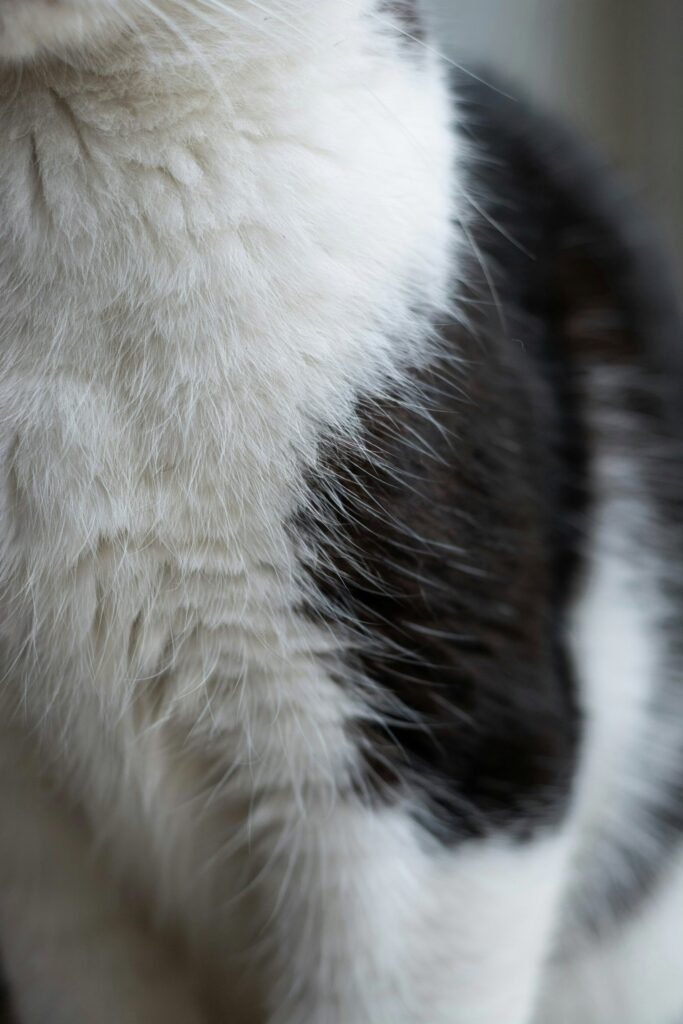
Tuxedo markings happen because of the white spotting gene, which affects how far melanocytes, the pigment producing cells, migrate across a kitten’s body while it’s still developing in the womb.
The less the pigment cells travel, the more white shows up, especially on the paws, chest, and face.
Milo’s white “bib” is almost perfectly symmetrical, which I later learned is actually the exception, not the rule. Most tuxedo patterns are wonderfully uneven.
3. No Two Tuxedo Cats Look Exactly Alike
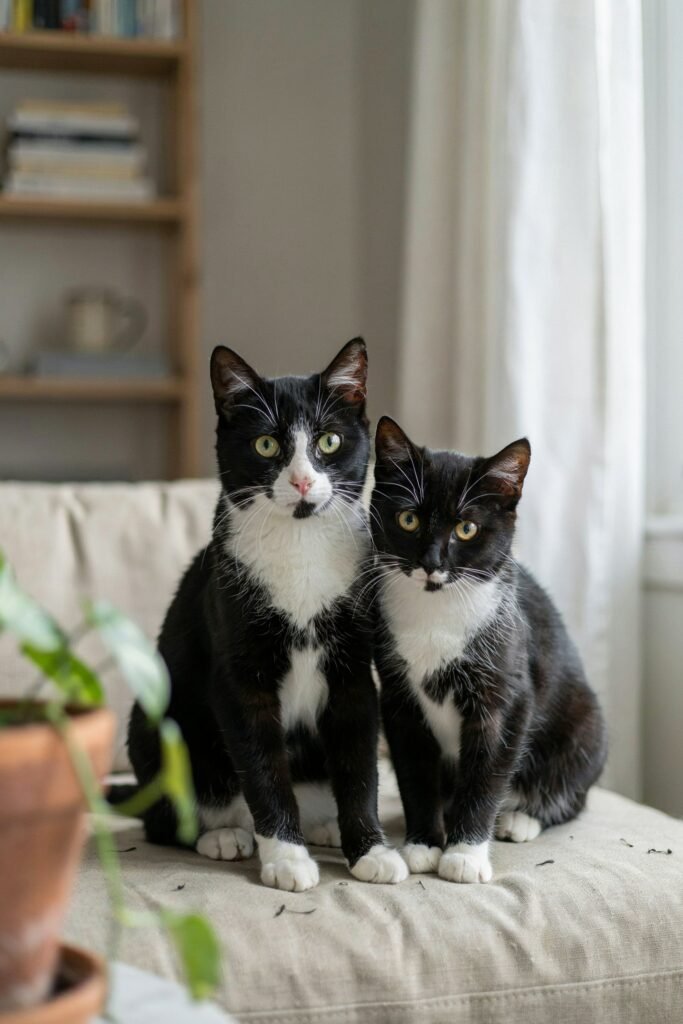
Because the white spotting gene doesn’t follow a fixed blueprint, every tuxedo cat’s pattern is essentially one of a kind.
Some have a full white bib and matching white boots. Others have a lopsided white patch over one eye, giving them a permanently skeptical expression, exactly what happened with Milo.
That one white eyebrow patch makes him look unimpressed by literally everything I do, including feeding him.
4. They’re Sometimes Nicknamed “Felix Cats” or “Jellicle Cats”
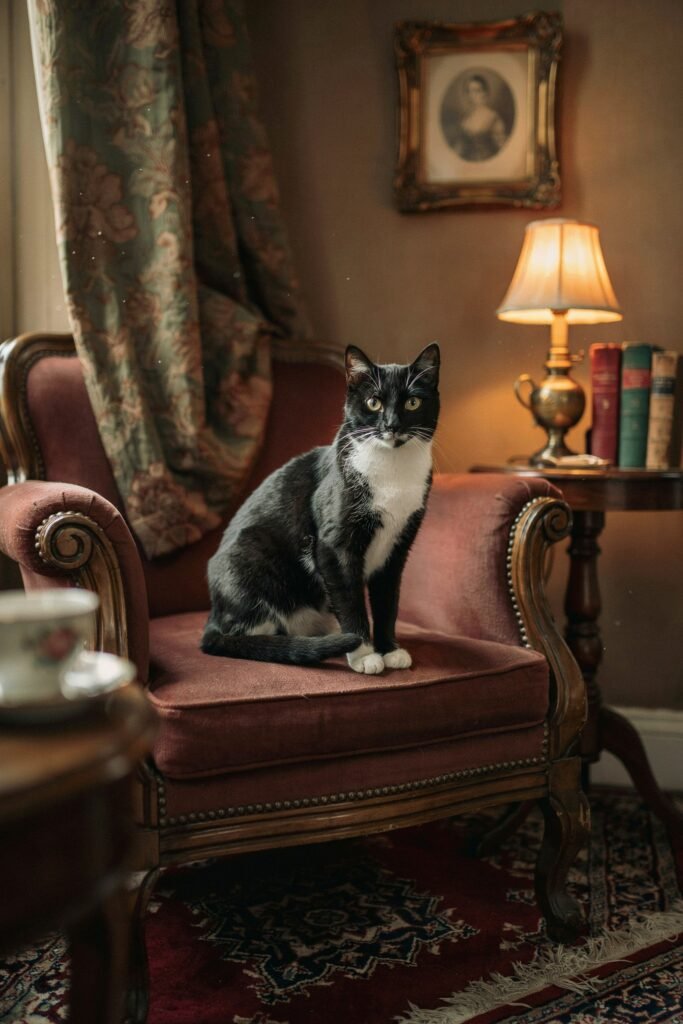
Depending on where you live, tuxedo cats go by a few different nicknames.
In parts of the UK, they’re sometimes called “Felix cats,” a nod to the classic black and white cartoon cat Felix the Cat.
Fans of the musical Cats will also recognize the term “Jellicle cats,” since several of the characters sport the same black and white pattern.
When I mentioned Milo’s markings to my grandmother, she immediately called him a “tuxedo tom,” apparently a term she grew up using decades ago.
The pattern has clearly had cultural staying power for a long time.
5. Tuxedo Cats Have a Reputation for Big Personalities

Ask around any online cat community and you’ll hear the same thing over and over: tuxedo cats are described as unusually social, vocal, and even a little bossy.
There’s no formal genetic link proving coat color determines temperament, but tuxedo owners consistently report cats who are curious, chatty, and demanding of attention.
Milo will physically stand on my keyboard if I ignore him for more than twenty minutes, and he has a specific meow he only uses when he thinks I’m working too late.
Whether that’s genetics or just tuxedo cats being confident in their sharp looks, the “diva in a dinner jacket” reputation is very real in my house.
6. Famous Tuxedo Cats Have Shaped Pop Culture
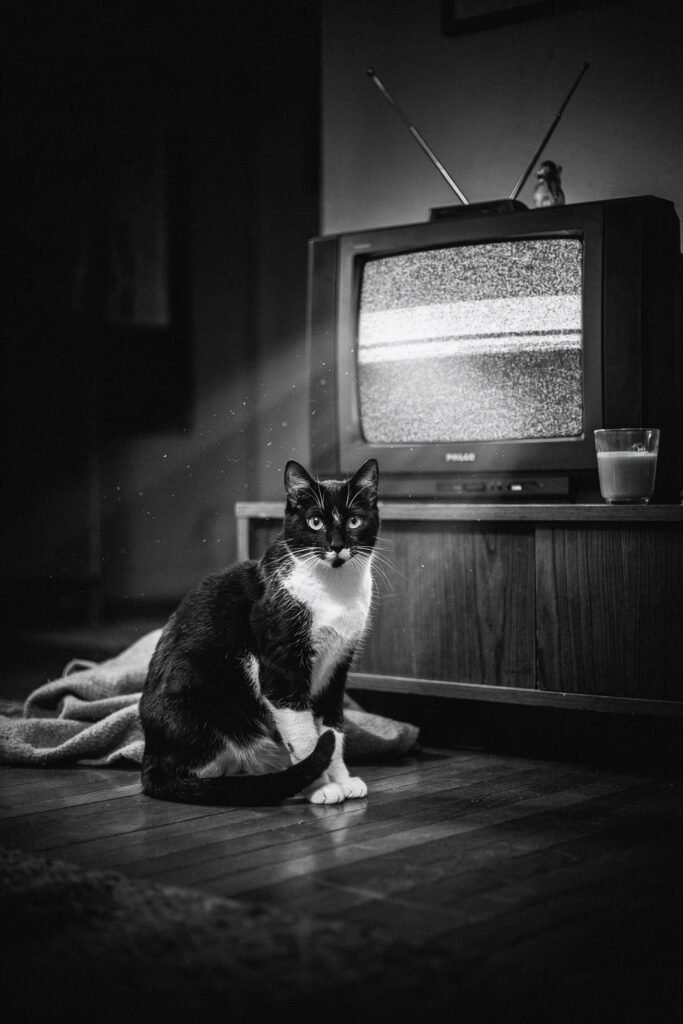
Tuxedo cats have had a surprisingly strong run in entertainment. Sylvester from Looney Tunes, Felix the Cat, and Socks, the beloved White House cat during the Clinton administration, are all tuxedo cats.
Even the viral internet “Business Cat” memes usually feature this pattern, probably because the black and white coloring already looks like a cat dressed for a boardroom meeting. Once I noticed this, I couldn’t unsee it.
Now every time a tuxedo cat pops up in a movie, I nudge whoever is next to me and point it out, much to my family’s mild annoyance.
7. They Tend to Show Up More Often in Certain Regions
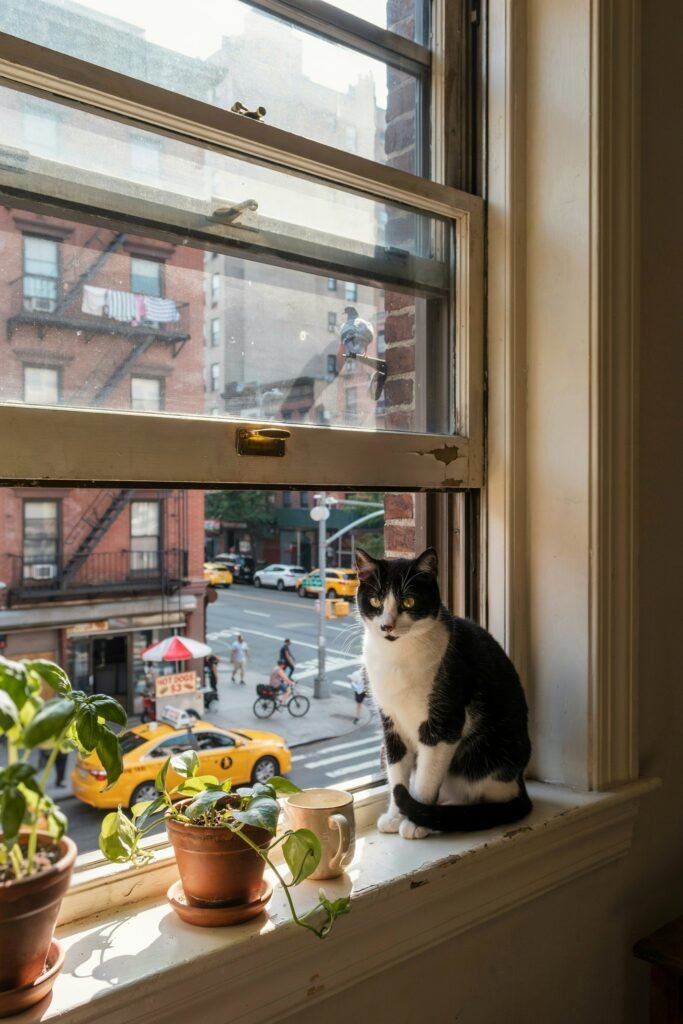
Interestingly, some feline geneticists have noted that tuxedo and other bicolor patterns appear more frequently in cat populations along the U.S.
East Coast and parts of Western Europe, likely tied to historical breeding populations carried over on ships and through early urban cat colonies.
It’s not a hard rule, but it partly explains why you’ll spot more tuxedos in some cities than others.
When I later found out Milo came from a litter with four tuxedo kittens out of five, it felt like a small statistical anomaly right in my own neighborhood.
8. Their White Paws Aren’t Just Cute, They’re a Genetic Marker Vets Watch
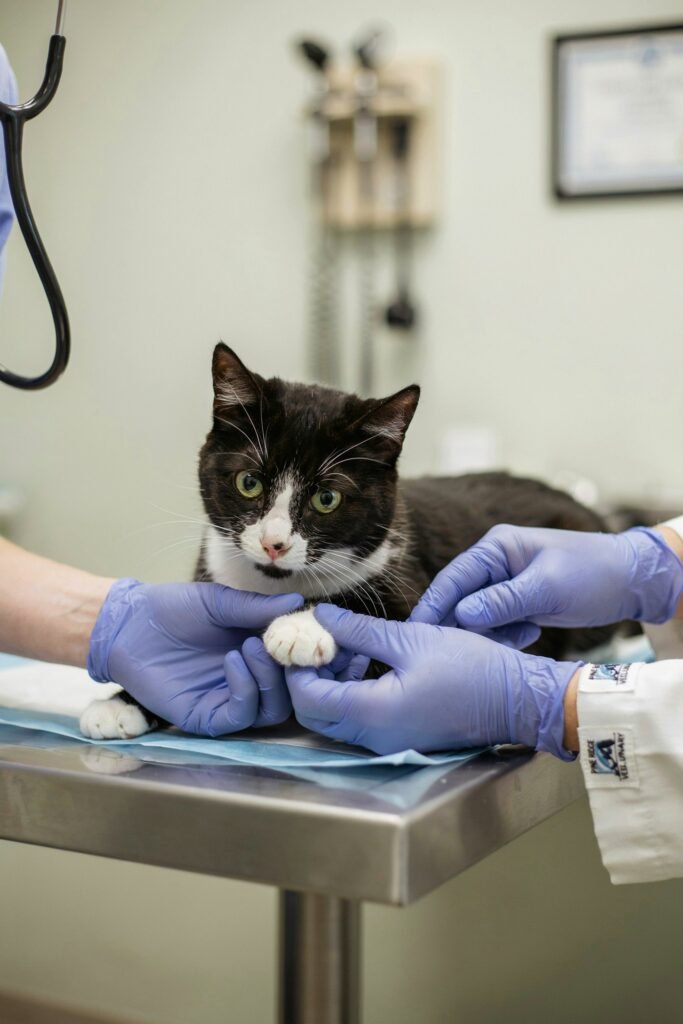
Veterinarians sometimes use the extent of white markings as a loose visual cue when discussing certain coat linked traits, since white spotting genes can occasionally be associated with other inherited characteristics in specific breeds.
This isn’t something to worry about with a typical mixed breed tuxedo cat, but it’s a reminder that coat patterns are more than decoration.
During checkups, my vet always jokes that she can “read” Milo’s white markings like a little birthmark map.
9. Grooming a Tuxedo Coat Has Its Own Quirks
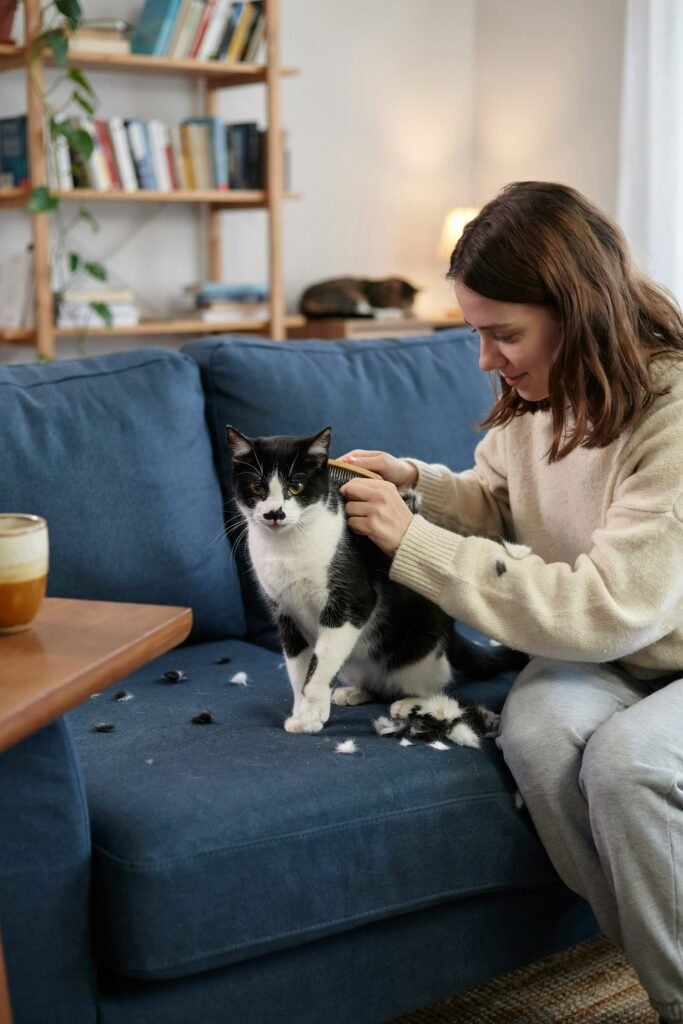
Because tuxedo cats have contrasting black and white fur, shedding season becomes very obvious very fast.
You’ll find both colors of fur on every dark and light surface in your home at the same time.
I learned this the hard way after buying a navy couch that now permanently looks dusted in salt and pepper.
Regular brushing helps, and it’s one of the small daily rituals I built into my routine after reading through general upkeep advice in our daily cat care routine guide, which changed how consistent I am about grooming, litter maintenance, and playtime with Milo.
10. Their Diet and Wellness Needs Are the Same as Any Other Cat’s
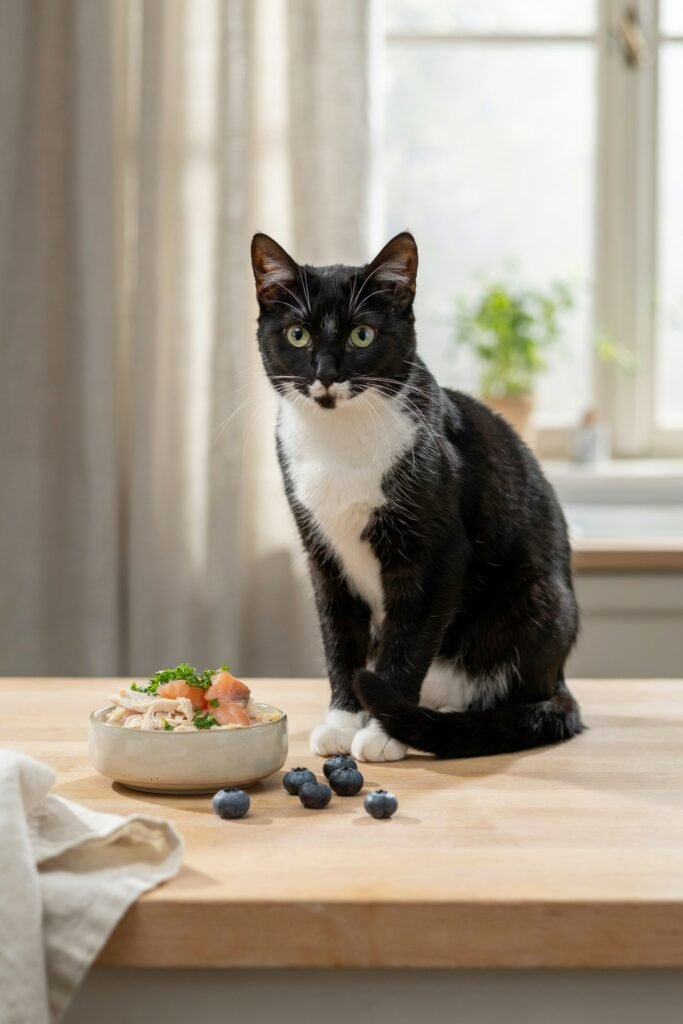
Despite the striking appearance, tuxedo cats don’t have special dietary requirements tied to their coat pattern, but like all cats, they benefit enormously from thoughtful nutrition and enrichment.
When Milo first came home, underweight and picky about everything, I leaned heavily on our superfoods for cats breakdown to build better feeding habits, and later used the tips in our happy, healthy cat tips post to fine tune his routine.
If you’re ever unsure which fruits are safe to share, our safe berries for cats post is one I still reference.
Milo has strong opinions about blueberries and will eat every single one off the counter if I let him.
Extra Tips for New Tuxedo Cat Owners
If you’re bringing home a tuxedo cat of your own, here are a few things I wish someone had told me when Milo first showed up on my porch.
Expect fur on everything, and plan for it early. The black and white contrast means shedding shows up on literally every surface in your home, dark or light.
I started brushing Milo weekly from the very beginning, and it’s made a noticeable difference.
If you’re building out a full care routine, our daily cat care routine guide is a good starting point for figuring out what to prioritize in those first few weeks.
Don’t assume the “diva” reputation is a bad thing. Tuxedo cats have a reputation for being vocal and demanding, and Milo is no exception, but I’ve found that channeling that energy into play and interaction actually makes for a much closer bond.
A few short, structured play sessions a day made a real difference in how settled he became.
Watch their weight closely in the first year. Milo came to me underweight, and it took a few months of consistent, quality feeding to get him to a healthy size.
I leaned on the superfoods for cats post heavily during that stretch, and it’s still something I reference when I want to add variety to his meals.
Keep an eye on litter box habits early on. Kittens, tuxedo or not, are still figuring things out.
I had exactly one accident on a rug that taught me to keep a solid cleaning solution on hand before I actually needed it, not after.
Our how to get rid of cat pee smell guide has been a lifesaver more than once.
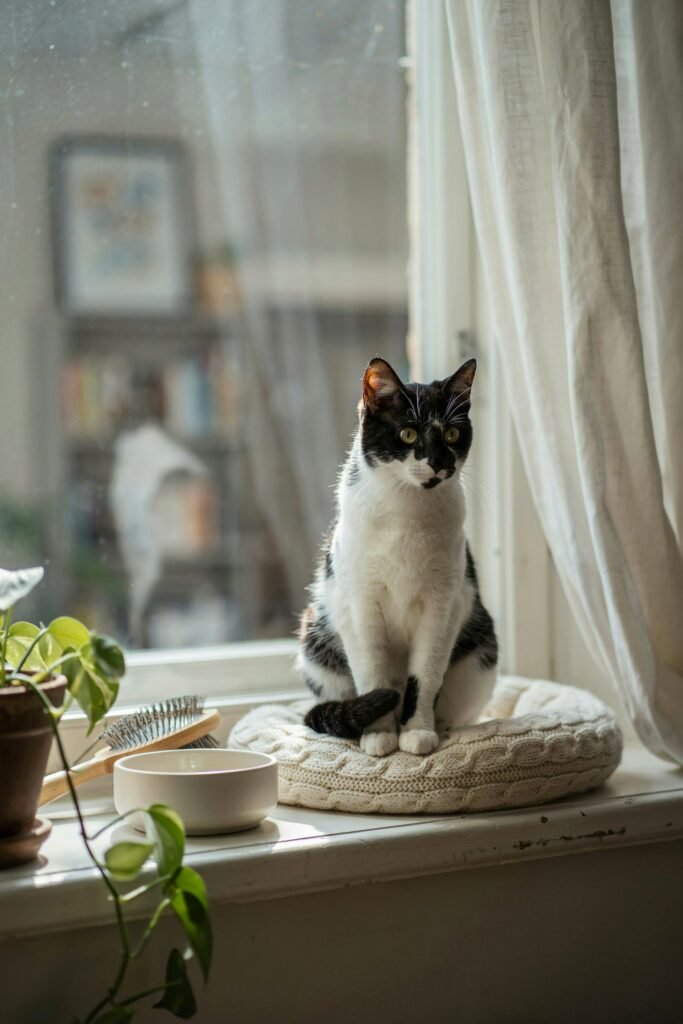
Give them a “throne.” This sounds silly, but Milo has always gravitated toward the highest, sunniest spot in any room, and once I gave him an actual windowsill perch, a lot of his more attention-seeking behavior calmed down.
Tuxedo cats seem to like feeling like they’re keeping watch over their space.
FAQ About Tuxedo Cats
Is a tuxedo cat a specific breed? No. Tuxedo describes a black and white bicolor coat pattern, not a breed.
It can appear in domestic shorthairs, Maine Coons, Persians, and many other breeds. Milo, for example, is a plain domestic shorthair with the tuxedo pattern.
Are tuxedo cats rare? They’re not considered rare overall, but the exact pattern of white markings on each individual tuxedo cat is unique, making no two tuxedos look identical.
Do tuxedo cats have different personalities than other cats? There’s no scientific proof that coat color determines temperament, but many owners, myself included, describe tuxedo cats as social, vocal, and confident, and this is echoed widely across cat owner communities.
What causes the tuxedo pattern? It’s caused by the white spotting gene, which limits how far pigment producing cells spread across a kitten’s body during early development, resulting in patches of white fur.
Do tuxedo cats need special food or care? No. Tuxedo cats have the same nutritional and wellness needs as any other cat of their breed, age, and size. Coat pattern doesn’t affect dietary requirements.
Why are tuxedo cats featured so often in movies and cartoons? Their sharp black and white contrast naturally resembles formal attire, making them visually striking and instantly recognizable characters, which is likely why they’ve become popular in animation and pop culture over the decades.
Final Thoughts
Three years in, here’s what I didn’t expect: Milo genuinely seems to know he looks sharp.
He has a habit of sitting bolt upright on the windowsill like he’s posing for a portrait, white paws tucked neatly together, watching the street like he’s guarding the block.
He’s also incredibly food motivated, which made behavior training surprisingly smooth, and a lot of what worked for us came straight out of the general feline enrichment ideas in our ways to make your cat’s life amazing post.
When the occasional litter box mishap happened during his kitten months, I was grateful I’d already bookmarked our how to get rid of cat pee smell guide. It saved a rug I still own today.
If there’s one thing that surprised me most about owning a tuxedo cat, it’s how much personality can hide behind a coat pattern that looks so formal and put together.
Milo is, without question, the most dramatic, opinionated, and oddly dignified cat I’ve ever lived with, and I wouldn’t trade the fur on my couch for anything.
If you’re thinking about adopting a tuxedo cat of your own, just know you’re not getting a pet. You’re getting a tiny, well dressed roommate with strong opinions.