DIY Farmer’s Cat Food Recipes at Home: Healthy, Affordable Meals Your Cat Will Love
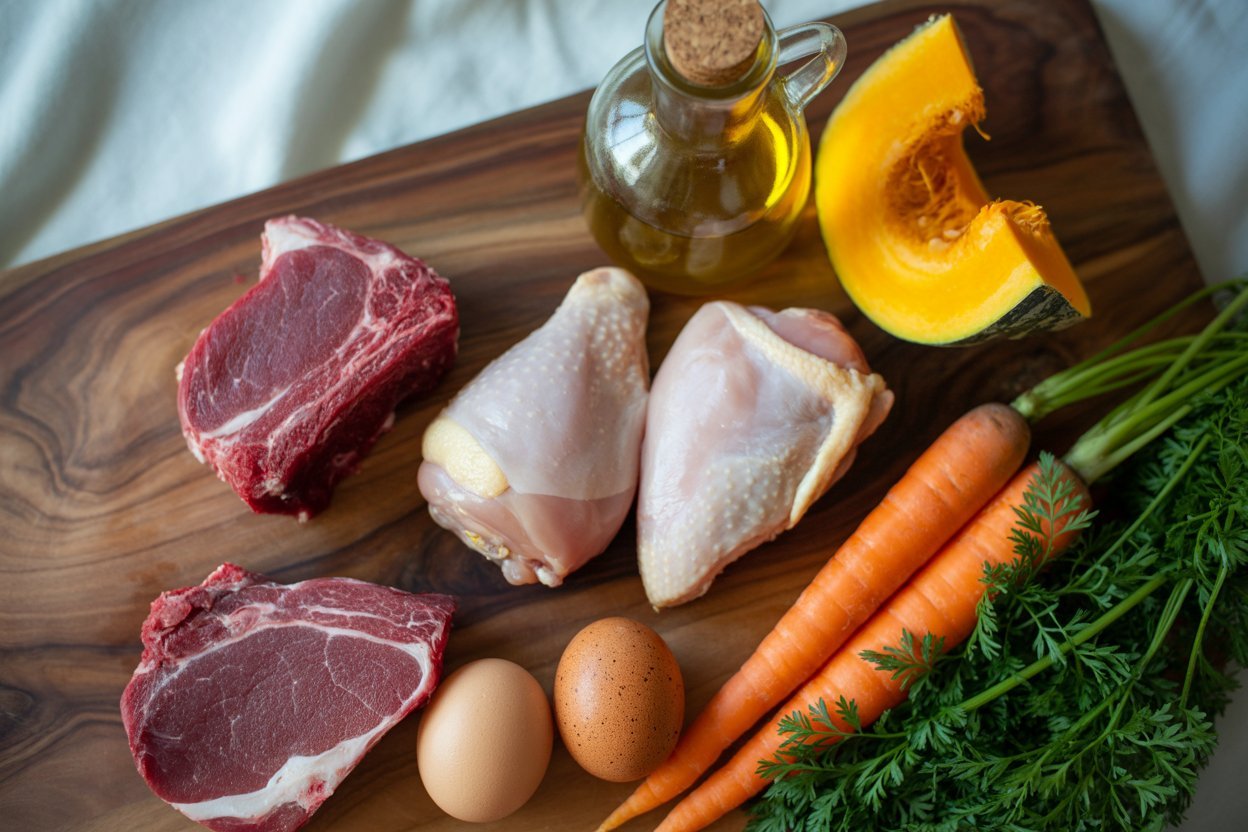
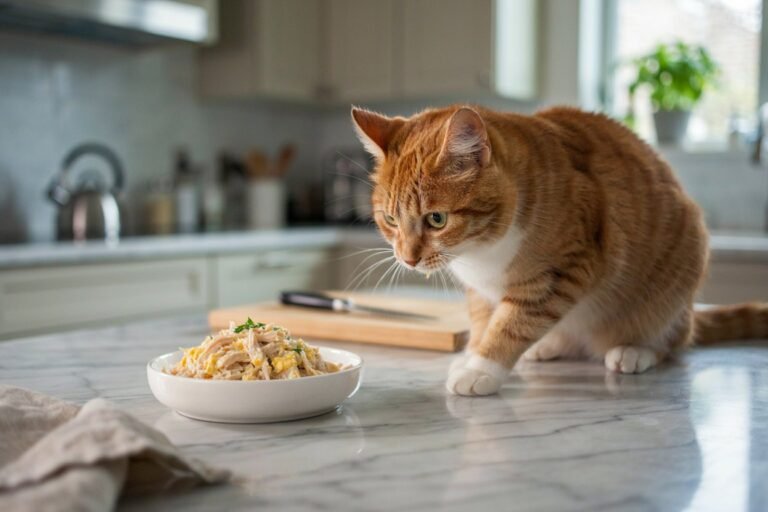
Making homemade food for your cat can be a practical way to add fresh ingredients and variety to their regular meals. Whether you care for one indoor cat or several farm cats, preparing food at home gives you more control over what goes into each bowl.
I also understand the appeal of having simple recipes that use affordable ingredients without requiring hours in the kitchen.
From tender chicken and turkey to fish, beef, and small amounts of liver, these recipes focus on straightforward preparation and ingredients cats may enjoy. You will also find helpful tips for preparing, storing, portioning, and introducing homemade meals gradually.
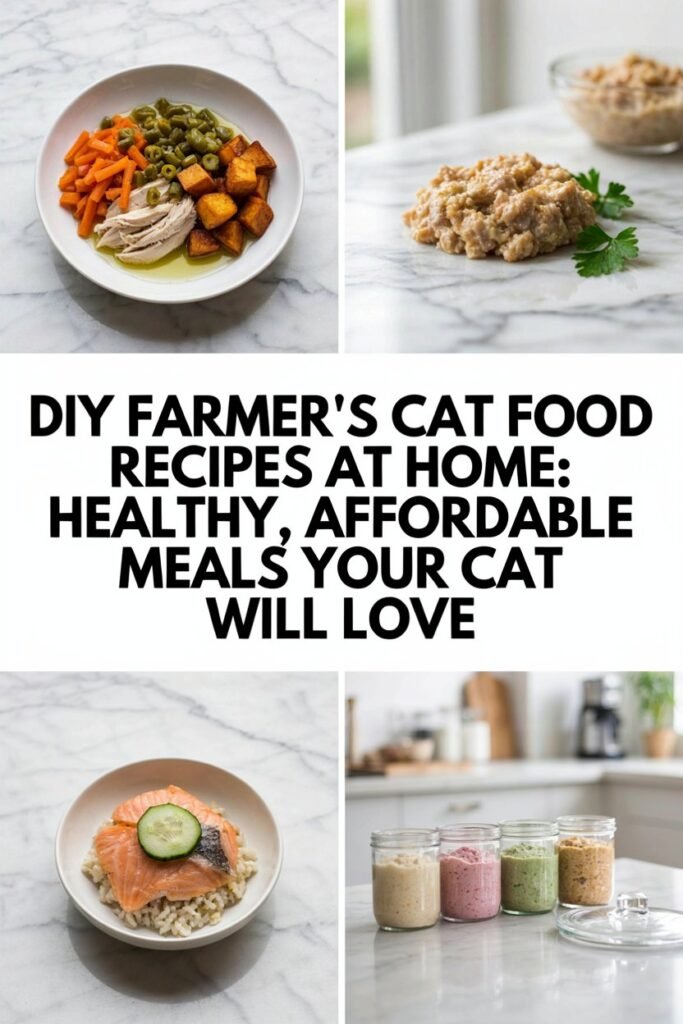
However, homemade cat food needs to be approached with nutrition in mind. Cats require specific nutrients that plain meat alone cannot provide, so these recipes are best treated as occasional meals or toppers unless they have been properly formulated as complete diets.
In this guide, you will find practical recipes designed to make homemade cat feeding simpler, safer, and more manageable.
Disclaimer: This post may contain affiliate links, which means I may earn a small commission at no extra cost to you. Always consult your veterinarian before preparing homemade cat food to help ensure it meets your cat’s nutritional needs and is safe for long-term feeding.
Amazon Shopping List: DIY Farmer’s Cat Food Recipes at Home
- Digital Kitchen Food Scale
- Nonstick Cooking Pot with Lid
- Glass Meal Prep Containers with Lids
- Stainless Steel Cat Food Bowls
- Airtight Pet Food Storage Container
- Silicone Freezer Portion Trays
- Cat Multivitamin Supplement Powder
Why More Cat Owners Are Making Homemade Cat Food
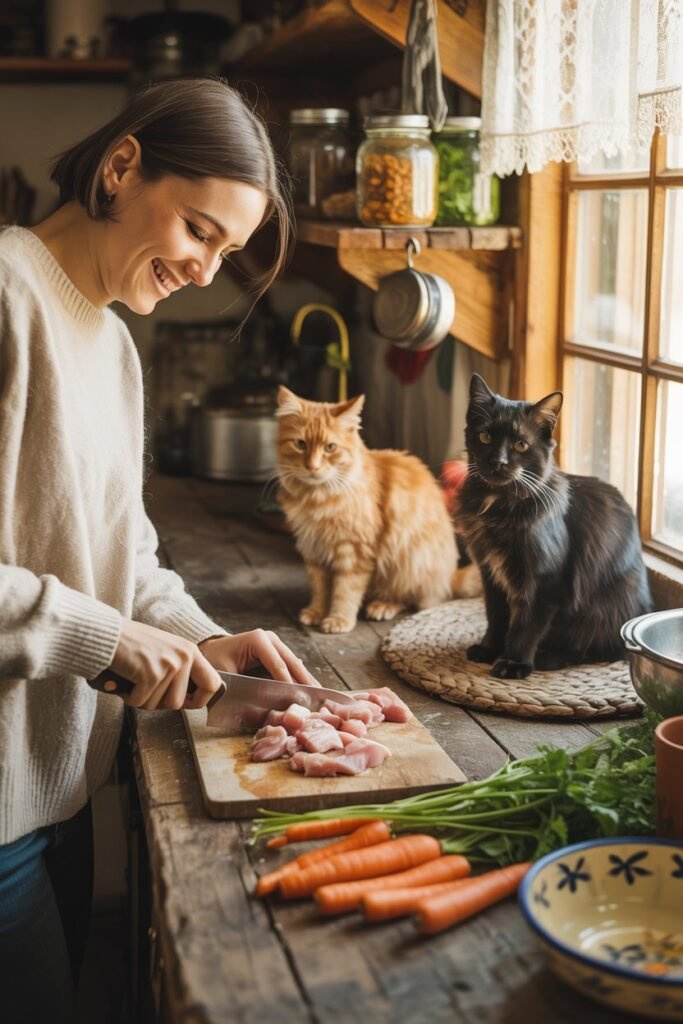
Making cat food at home is becoming increasingly popular for several reasons.
Farm families especially appreciate the ability to use fresh ingredients they already have available.
Better Ingredient Quality
Homemade cat food allows you to choose fresh meats, vegetables, and healthy fats instead of relying on processed ingredients.
You know exactly what your cat is eating every day.
More Affordable for Multi-Cat Homes
Farmers and rural pet owners often care for several cats at once.
Preparing meals in batches can sometimes reduce feeding costs compared to buying premium canned foods.
Helpful for Sensitive Cats
Some cats experience allergies or stomach issues from commercial foods.
Homemade meals may help owners identify ingredients that work best for their pets.
Encourages Healthy Eating Habits
Fresh meals can improve hydration, appetite, coat condition, and energy levels in many cats.
Understanding a Cat’s Nutritional Needs
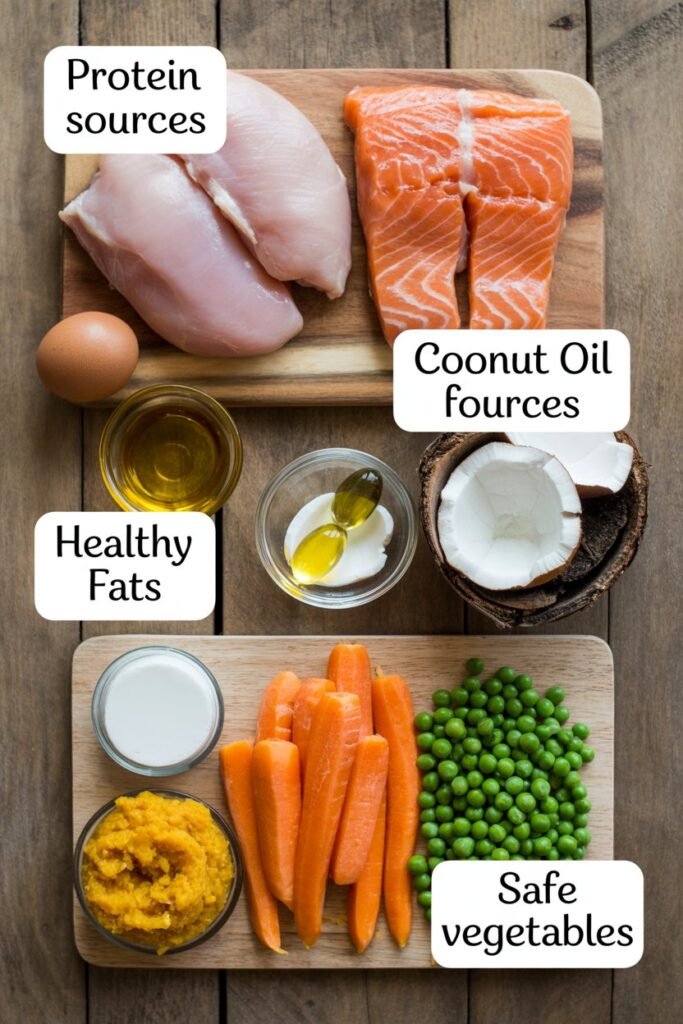
Before preparing homemade meals, it’s important to understand that cats are obligate carnivores.
This means they require nutrients found mainly in animal products.
A healthy homemade cat diet should include:
- High-quality animal protein
- Moderate healthy fats
- Small amounts of fiber
- Essential vitamins and minerals
- Plenty of moisture
Cats require nutrients such as:
- Taurine
- Vitamin A
- Vitamin D
- Calcium
- Omega fatty acids
- Amino acids
Without proper nutrition, cats can develop serious health issues over time. Balance is extremely important when preparing homemade food regularly.
Essential Ingredients for Homemade Cat Food
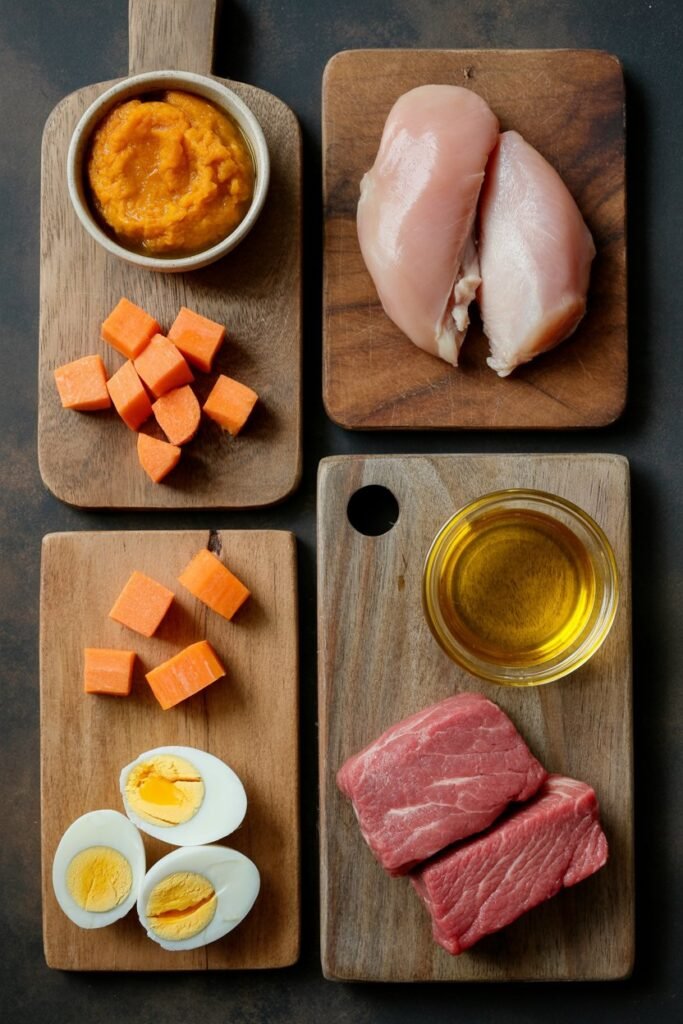
Protein Sources
Protein should make up the majority of your cat’s diet.
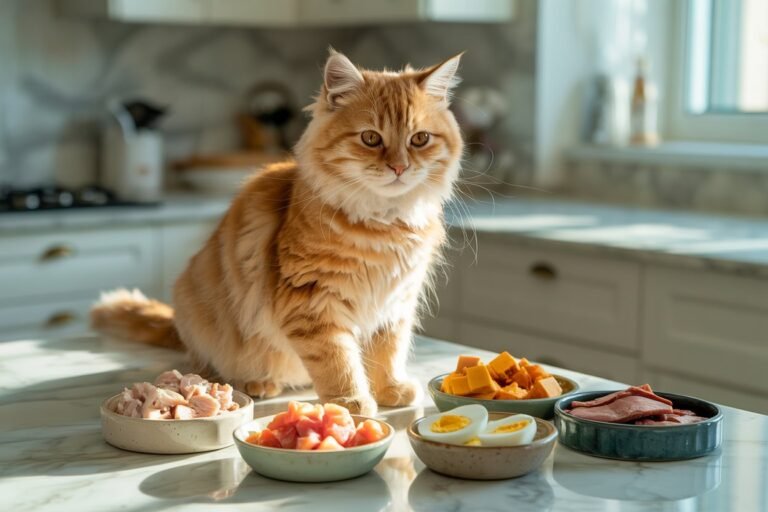
Good options include:
- Chicken
- Turkey
- Beef
- Rabbit
- Fish
- Duck
- Liver
- Eggs
Farm-raised meats can work wonderfully if prepared safely and thoroughly cooked.
Healthy Fats
Healthy fats help maintain shiny coats and support brain health.
Good fat sources include:
- Chicken fat
- Fish oil
- Salmon oil
- Egg yolks
Small Portions of Vegetables
Cats do not need large amounts of vegetables, but tiny portions may support digestion.
Safe vegetables include:
- Pumpkin
- Carrots
- Peas
- Spinach
Always cook vegetables before adding them.
Supplements
Homemade cat food may require supplements for complete nutrition.
Popular additions include:
- Taurine powder
- Calcium supplements
- Fish oil
- Cat-safe multivitamins
Consult a veterinarian before using supplements long-term.
Ingredients You Should Never Feed Cats
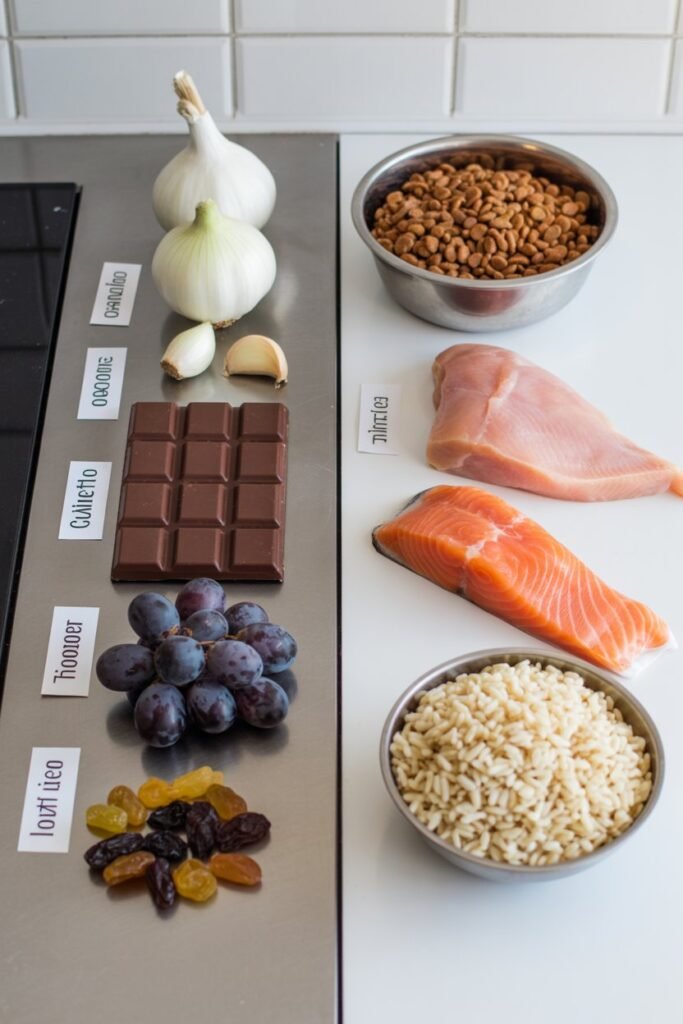
Some foods are dangerous or toxic to cats.
Avoid:
- Onions
- Garlic
- Chocolate
- Grapes
- Raisins
- Alcohol
- Caffeine
- Raw dough
- Excess salt
- Artificial sweeteners
- Cooked bones
Even small amounts of certain foods can harm cats.
DIY Farmer’s Cat Food Recipes at Home
Here are several easy homemade cat food recipes perfect for farm cats and house cats alike.
1. Simple Chicken Farm Cat Recipe
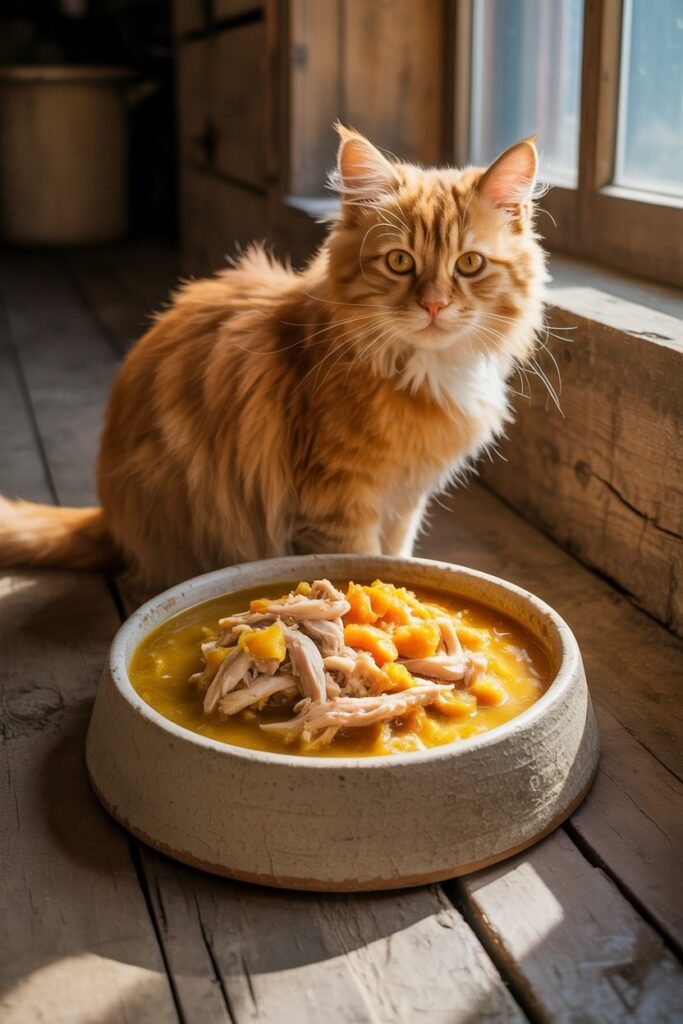
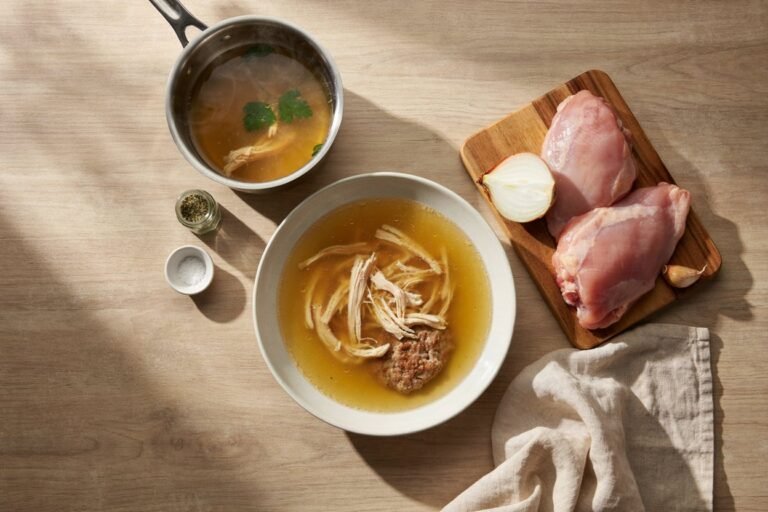
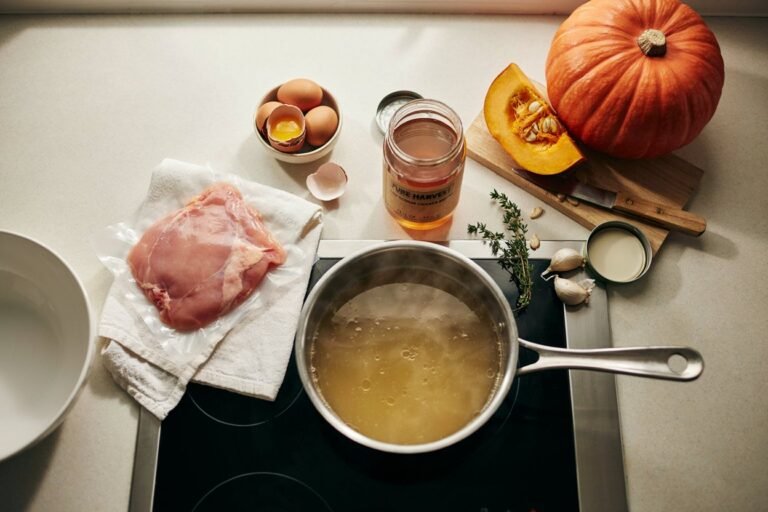
There is something comforting about making a simple homemade meal for your cat, especially when you know exactly what went into the bowl. This chicken recipe is one of those meals I like to keep uncomplicated. It uses plain chicken, a little pumpkin if desired, and cooking water to create a soft, moist meal that many cats find appealing.
I would not use this as a complete replacement for your cat’s regular nutritionally balanced food. Instead, think of it as an occasional homemade meal or topper. Cats have very specific nutritional requirements, and a long term homemade diet needs to be properly formulated.
Why Make This Chicken Meal for Your Cat?
This recipe is worth keeping in your homemade cat food collection because it is:
- Simple enough for busy days
- Made with a small number of familiar ingredients
- Easy to portion and refrigerate
- Free from unnecessary seasoning
- Moist and easy to adjust to your cat’s preferred texture
- A convenient way to add variety to an otherwise familiar meal
Ingredients
1 pound boneless, skinless chicken breast or chicken thighs
Chicken is the main ingredient and provides the animal protein that forms the foundation of this simple recipe. You can use breast meat if you prefer something leaner or chicken thighs for a softer, richer texture. Always choose plain chicken without marinades, brines, sauces, salt, or seasoning.
Remove the skin and any large pieces of visible fat before serving. Most importantly, never use cooked chicken bones in your cat’s meal.
1/4 cup plain pumpkin puree, optional
Pumpkin adds moisture and a soft texture to the recipe. If you use it, choose pure pumpkin puree with no added sugar, spices, salt, or other ingredients. Do not substitute pumpkin pie filling.
1/4 to 1/2 cup plain cooking water
A little cooking water helps loosen the shredded chicken and creates a moist consistency. Add it gradually rather than pouring it all in at once. Do not substitute seasoned broth or stock.
How to Make It
- Place the chicken in a saucepan and cover it with plain water.
- Bring the water to a gentle simmer and cook until the chicken reaches a safe internal temperature and is completely cooked through.
- Remove the chicken from the saucepan and allow it to cool.
- Carefully check the chicken for bones, cartilage, skin, or tough pieces.
- Finely shred or chop the chicken into small, manageable pieces.
- Add the pumpkin puree if using.
- Gradually mix in a little of the reserved cooking water.
- Stir until the mixture reaches a moist texture that your cat can easily eat.
- Allow the food to cool completely before serving.
Preparing Tips
A few preparation details can make a noticeable difference:
- Cook the chicken completely without seasoning.
- Chop the meat finely for cats that prefer smaller pieces.
- Add cooking water gradually to prevent the mixture from becoming too thin.
- Introduce homemade food slowly if your cat has never eaten it before.
- Prepare smaller batches so the food stays fresh.
- Always remove bones before serving.
- Avoid adding salt, pepper, garlic, onion, butter, sauces, or seasoning blends.
Storage and Serving Tips
Allow the finished chicken mixture to cool before transferring it to a clean airtight container. Refrigerate it promptly rather than leaving it at room temperature for an extended period.
For easier meal preparation, divide the recipe into small individual portions before refrigerating. This allows you to take out only what your cat needs instead of repeatedly opening the entire container.
When serving refrigerated food, you can allow the portion to come closer to room temperature before feeding. Some cats also prefer food that is gently warmed because the aroma becomes more noticeable. Never serve it hot.
Discard any portion that has been left out too long or shows noticeable changes in smell, texture, or appearance.
Recipe Card
Simple Chicken Farm Cat Recipe
Prep Time: 10 minutes
Cook Time: 15 to 20 minutes
Total Time: About 30 minutes
Servings: 4 to 6 small portions
Ingredients
- 1 pound boneless, skinless chicken breast or thighs
- 1/4 cup plain pumpkin puree, optional
- 1/4 to 1/2 cup plain cooking water
Instructions
- Place the chicken in a saucepan and cover with plain water.
- Simmer until the chicken is completely cooked.
- Remove the chicken and allow it to cool.
- Remove any bones, skin, cartilage, and excess fat.
- Finely shred or chop the chicken.
- Mix in the pumpkin puree if using.
- Add cooking water gradually until moist.
- Cool completely before serving.
Storage: Refrigerate leftovers promptly in an airtight container and use within a few days for best quality.
Serving: Serve a small portion alongside your cat’s normal complete and balanced diet unless a veterinarian or veterinary nutritionist has specifically formulated the homemade recipe as a complete diet.
Important Note: Plain chicken does not provide all of the nutrients a cat needs for long term health. This recipe should not be used as a sole long term diet without appropriate nutritional formulation.
2. Beef and Liver Energy Meal
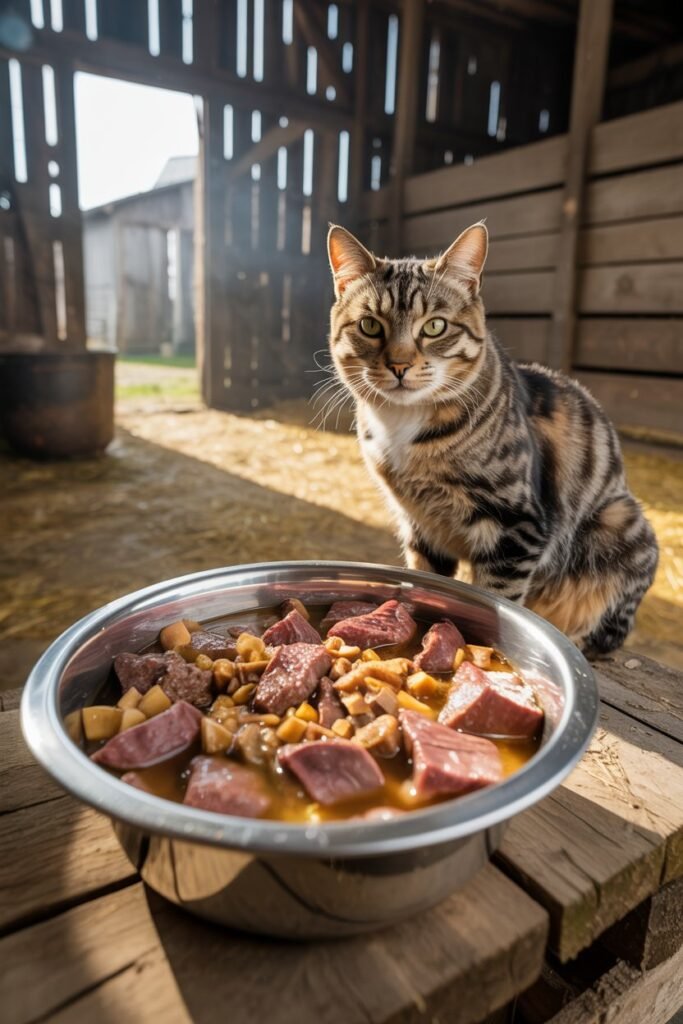
If your cat enjoys rich, meaty flavors, this beef and liver meal can be a useful recipe to keep in your homemade cat food collection. Beef provides a hearty source of animal protein, while a small amount of liver adds a stronger flavor and provides naturally occurring nutrients. I especially like recipes like this when I want to offer my cat something different from the usual chicken based meal without making the preparation complicated.
The key with liver is moderation. Liver is nutrient dense, so a little goes a long way. It should not make up the majority of the recipe, and this homemade meal should not replace a complete and balanced cat food unless it has been properly formulated for your cat.
Why Make This Beef and Liver Meal?
This recipe can be a good occasional option because it is:
- Made primarily with animal based ingredients
- Rich in natural meaty flavor
- Easy to prepare in one saucepan
- Simple to portion for individual servings
- Moist and easy to adjust to your cat’s preferred texture
- Useful for adding variety to an established feeding routine
Ingredients
8 ounces lean ground beef
Ground beef provides the main protein component of this recipe. Choose plain, unseasoned beef without sauces, marinades, salt, or spice blends. A moderately lean variety works well because it provides flavor without making the finished meal excessively greasy.
Before serving, the beef should be cooked thoroughly and broken into very small pieces. Drain excess rendered fat if necessary, particularly if your cat does better with leaner meals.
2 ounces chicken or beef liver
Liver gives this recipe its distinctive flavor and adds naturally occurring nutrients, including vitamin A. Because liver is extremely nutrient dense, it should be used in a modest quantity rather than treated as the primary ingredient.
Use fresh liver from a reliable source and cook it thoroughly. Never serve raw liver unless a veterinary professional has specifically advised you on safe preparation.
1/4 cup plain cooking water
Cooking water helps keep the beef mixture moist and easier for your cat to eat. Add it gradually until you reach a soft, spoonable consistency. Do not replace it with seasoned broth or stock.
1 teaspoon plain pumpkin puree, optional
A small amount of plain pumpkin can provide additional moisture and change the texture slightly. If using pumpkin, choose 100 percent pumpkin puree with no added sugar, spices, salt, or pie filling ingredients.
How to Make It
- Place the ground beef in a saucepan over medium heat.
- Break the beef into very small pieces as it cooks.
- Add the liver and cook both ingredients thoroughly.
- Once fully cooked, remove the mixture from the heat.
- Drain excess fat if needed and allow the meat to cool slightly.
- Finely chop the liver and beef into small pieces.
- Add the optional pumpkin puree.
- Gradually stir in the plain cooking water.
- Mix everything until moist and evenly combined.
- Allow the meal to cool completely before serving.
Preparing Tips
- Use completely plain beef and liver.
- Cook all meat thoroughly before feeding.
- Keep liver as a smaller component of the recipe.
- Avoid salt, pepper, garlic, onion, butter, sauces, and seasoning blends.
- Chop the finished meat finely for easier eating.
- Introduce new foods gradually.
- Make small batches rather than preparing a large quantity.
- Do not rely on this recipe as a complete long term diet unless it has been professionally formulated.
Storage and Serving Tips
Transfer cooled leftovers to a clean airtight container and refrigerate promptly. Portioning the meal into small containers makes serving easier and reduces repeated handling of the entire batch.
When ready to serve, remove only the amount your cat needs. Allow refrigerated food to come closer to room temperature before feeding, or gently warm it if your cat prefers a stronger aroma. Never serve the food hot.
Because this recipe contains cooked meat and liver, handle leftovers carefully and discard food that has been left at room temperature for an extended period or has developed an unusual smell or appearance.
Recipe Card
Beef and Liver Energy Meal for Cats
Prep Time: 10 minutes
Cook Time: 15 to 20 minutes
Total Time: About 30 minutes
Servings: 4 to 6 small portions
Ingredients
- 8 ounces lean ground beef
- 2 ounces chicken or beef liver
- 1/4 cup plain cooking water
- 1 teaspoon plain pumpkin puree, optional
Instructions
- Cook the ground beef in a saucepan, breaking it into small pieces.
- Add the liver and cook both meats thoroughly.
- Drain excess fat if necessary.
- Allow the meat to cool slightly.
- Finely chop the beef and liver.
- Stir in pumpkin if using.
- Add cooking water gradually until moist.
- Cool completely before serving.
Storage: Refrigerate leftovers promptly in an airtight container and use within a few days for best quality.
Serving: Serve a modest portion as an occasional homemade meal or topper alongside a complete and balanced cat food.
Important: Liver is highly nutrient dense and should be fed in moderation. This recipe is not nutritionally complete as written and should not be used as a cat’s sole long term diet without guidance from a veterinarian or veterinary nutritionist.
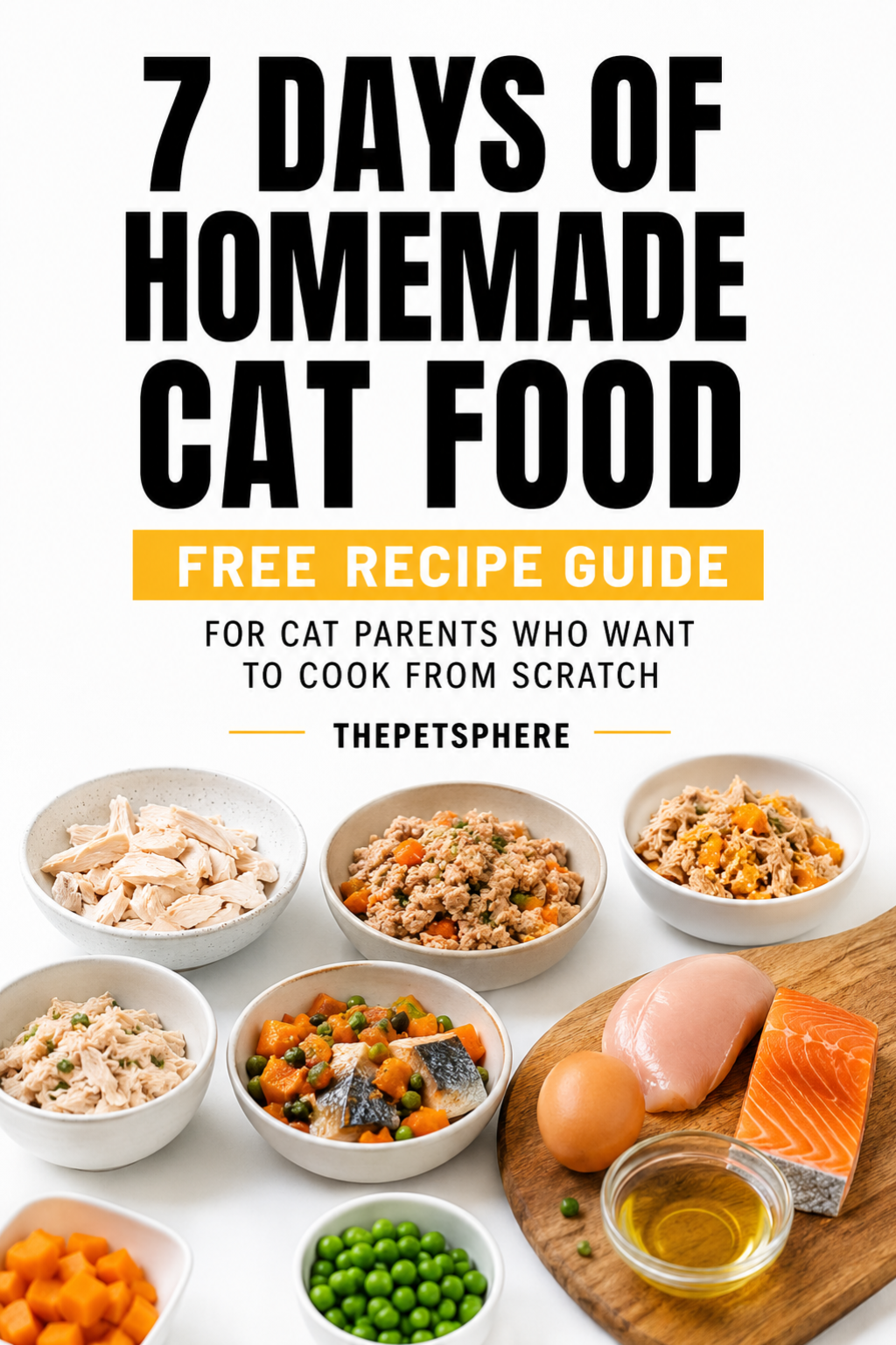
3. Homemade Fish Dinner for Cats
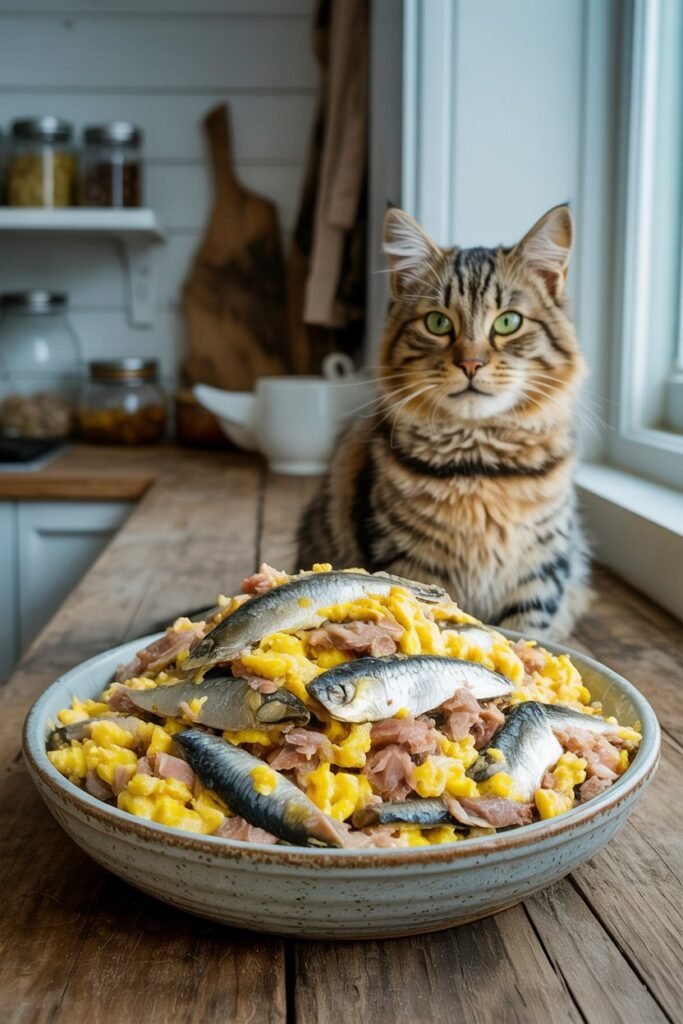
A simple homemade fish dinner can be a nice way to add variety to your cat’s usual meal routine. Many cats are naturally attracted to the smell of fish, so this recipe can be particularly useful when you want to offer something different without preparing a complicated meal.
I prefer keeping fish recipes simple because cats do not need heavy sauces, seasonings, or complicated ingredients to enjoy the natural flavor.
For this recipe, choose a plain fish such as salmon, cod, or another boneless fish that is suitable for cooking. The fish should always be thoroughly cooked and carefully checked for bones before it reaches your cat’s bowl. Avoid smoked, salted, canned fish packed with seasonings, or fish prepared with sauces.
This recipe is best treated as an occasional homemade meal or topper rather than a complete replacement for nutritionally balanced cat food. Cats require specific amounts of taurine, vitamins, minerals, fatty acids, and other nutrients that a simple fish recipe alone does not provide.
Why Make This Fish Dinner?
- Provides variety for cats that enjoy fish flavors
- Uses simple, recognizable ingredients
- Can be prepared without added salt or seasoning
- Creates a naturally moist meal
- Easy to portion and refrigerate
- Works well as an occasional topper
Ingredients
8 ounces boneless salmon or cod
Fish provides the main animal protein in this recipe. Salmon offers a richer texture, while cod is leaner and has a milder flavor. Choose fresh or properly frozen fish without marinades, sauces, salt, or seasoning.
1/4 cup plain cooking water
Cooking water helps keep the fish moist and makes it easier to create a soft texture. Use only water from cooking the plain fish. Avoid commercial broth or stock because it may contain salt, onion, garlic, or other ingredients that are unsuitable for cats.
1 teaspoon plain pumpkin puree, optional
Plain pumpkin can add moisture and a slightly softer texture. Use 100 percent pumpkin puree without sugar, spices, salt, or pie filling ingredients.
How to Make It
- Place the fish in a saucepan or steamer.
- Cook thoroughly until the fish flakes easily.
- Remove the fish from the heat and allow it to cool.
- Carefully inspect the fish for bones.
- Flake the fish into very small pieces.
- Add the optional pumpkin.
- Gradually mix in a little cooking water.
- Stir until the texture is moist and easy to eat.
- Allow the meal to cool completely before serving.
Preparing Tips
- Always use plain, unseasoned fish.
- Check carefully for small bones before serving.
- Never add salt, garlic, onion, butter, or sauces.
- Cook fish thoroughly.
- Remove the skin if it is excessively fatty.
- Flake the fish finely for easier eating.
- Introduce fish gradually if your cat does not regularly eat it.
- Keep portions modest because this is not a complete diet.
Storage and Serving Tips
Place cooled leftovers in an airtight container and refrigerate promptly. Prepare smaller portions so you can serve fresh amounts without repeatedly handling the entire batch.
When serving refrigerated fish, allow it to come closer to room temperature or gently warm it if your cat prefers warmer food. Never serve it hot.
Recipe Card
Homemade Fish Dinner for Cats
Prep Time: 5 minutes
Cook Time: 10 to 15 minutes
Total Time: About 20 minutes
Servings: 4 small portions
Ingredients
- 8 ounces boneless salmon or cod
- 1/4 cup plain cooking water
- 1 teaspoon plain pumpkin puree, optional
Instructions
- Cook the fish thoroughly.
- Cool and carefully remove all bones.
- Flake the fish into small pieces.
- Add pumpkin if desired.
- Add cooking water gradually.
- Mix and cool completely before serving.
Storage: Refrigerate promptly in an airtight container and use within a few days for best quality.
Serving: Offer as an occasional meal or topper alongside your cat’s regular complete and balanced food.
Important: Homemade fish alone does not provide all the nutrients required for long term feline nutrition. For regular homemade feeding, have the recipe properly formulated with guidance from a veterinarian or veterinary nutritionist.
4. Turkey and Pumpkin Farm Recipe
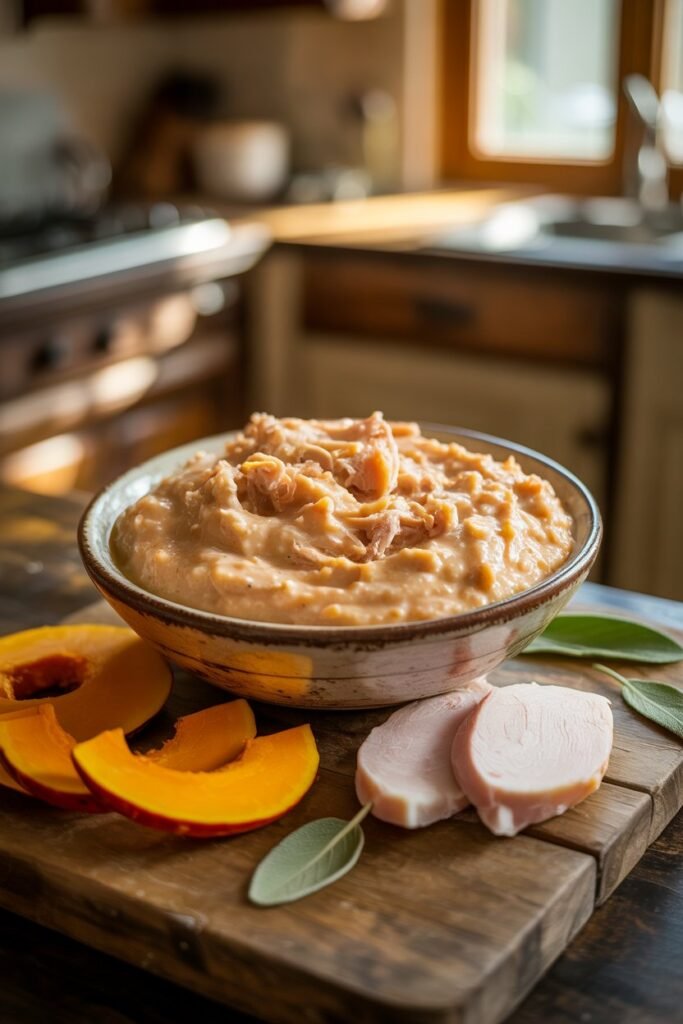
Turkey and pumpkin make a simple combination when you want to prepare a homemade meal with a soft texture and a mild flavor that many cats may enjoy.
I like this type of recipe for days when I want something different from the usual chicken without filling the kitchen with complicated ingredients. The turkey provides the main animal protein, while a small amount of plain pumpkin adds moisture and a smooth texture.
The most important thing when preparing this recipe is keeping everything plain. Cats do not need the salt, gravy, butter, garlic, onion, or seasoning that we might normally add to a human turkey dinner. Simple preparation also makes it easier to know exactly what your cat is eating.
As with the other homemade recipes in this collection, this meal should be considered an occasional food or topper unless it has been professionally formulated to provide complete and balanced feline nutrition.
Why Make This Turkey and Pumpkin Meal?
- Uses simple ingredients that are easy to prepare
- Provides animal based protein from turkey
- Has a soft texture that can be adjusted easily
- Pumpkin adds moisture and variety
- Contains no unnecessary seasoning when prepared correctly
- Can be made ahead and divided into convenient portions
Ingredients
8 ounces plain ground turkey
Ground turkey provides the primary source of animal protein in this recipe. Choose plain ground turkey without added salt, flavorings, marinades, or seasoning. A lean variety works well because it produces a less greasy finished meal.
Cook the turkey thoroughly and break it into very small pieces while it cooks. Once finished, drain excess fat if necessary and allow the meat to cool before combining the ingredients.
2 tablespoons plain pumpkin puree
Pumpkin adds moisture and gives the turkey a softer, smoother texture. Use 100 percent plain pumpkin puree rather than pumpkin pie filling. Pumpkin pie filling can contain sugar, spices, and other added ingredients that are not appropriate for this recipe.
You only need a small amount because pumpkin should complement the turkey rather than become the main ingredient.
1/4 cup plain cooking water
A little cooking water helps loosen the mixture and makes the finished meal more moist. Add it slowly until the consistency looks comfortable for your cat to eat. Avoid replacing water with seasoned broth or gravy.
How to Make It
- Place the ground turkey in a saucepan over medium heat.
- Break the turkey apart with a spoon as it cooks.
- Continue cooking until the turkey is completely cooked through.
- Drain excess fat if necessary.
- Allow the turkey to cool slightly.
- Finely chop any larger pieces.
- Stir in the plain pumpkin puree.
- Add cooking water gradually.
- Mix until everything is evenly combined and moist.
- Cool completely before serving.
Preparing Tips
- Use plain ground turkey without seasoning.
- Never add onion, garlic, salt, pepper, butter, or gravy.
- Cook the turkey thoroughly before serving.
- Finely break up larger pieces for easier eating.
- Use only plain pumpkin puree.
- Introduce the recipe gradually if your cat is trying it for the first time.
- Make small batches so leftovers are easier to manage.
- Keep your cat’s regular complete and balanced food as the nutritional foundation unless a veterinarian has formulated a homemade diet.
Storage and Serving Tips
Once the turkey has cooled, place the mixture in a clean airtight container and refrigerate it promptly. Dividing the food into individual portions can make serving much easier throughout the week.
Take out only the amount you plan to serve. If your cat dislikes cold food, allow the portion to come closer to room temperature or gently warm it. Avoid serving it directly from the refrigerator if your cat is sensitive to cold food, and never serve it hot.
Discard leftovers that have been sitting at room temperature for too long or that develop an unusual smell, color, or texture.
Recipe Card
Turkey and Pumpkin Farm Recipe for Cats
Prep Time: 10 minutes
Cook Time: 15 minutes
Total Time: About 25 minutes
Servings: 4 to 6 small portions
Ingredients
- 8 ounces plain ground turkey
- 2 tablespoons 100 percent plain pumpkin puree
- 1/4 cup plain cooking water
Instructions
- Cook the ground turkey thoroughly in a saucepan.
- Break the meat into small pieces as it cooks.
- Drain excess fat if needed.
- Allow the turkey to cool slightly.
- Mix in the pumpkin puree.
- Gradually add cooking water.
- Stir until moist and evenly combined.
- Cool completely before serving.
Storage: Refrigerate promptly in an airtight container and use within a few days for best quality.
Serving: Serve a small portion as an occasional homemade meal or topper alongside your cat’s regular complete and balanced food.
Important: Turkey and pumpkin alone do not provide every nutrient a cat needs for long term health. This recipe should not be used as the sole diet unless it has been properly formulated by a veterinarian or veterinary nutritionist.
5. Budget-Friendly Farm Cat Bulk Recipe
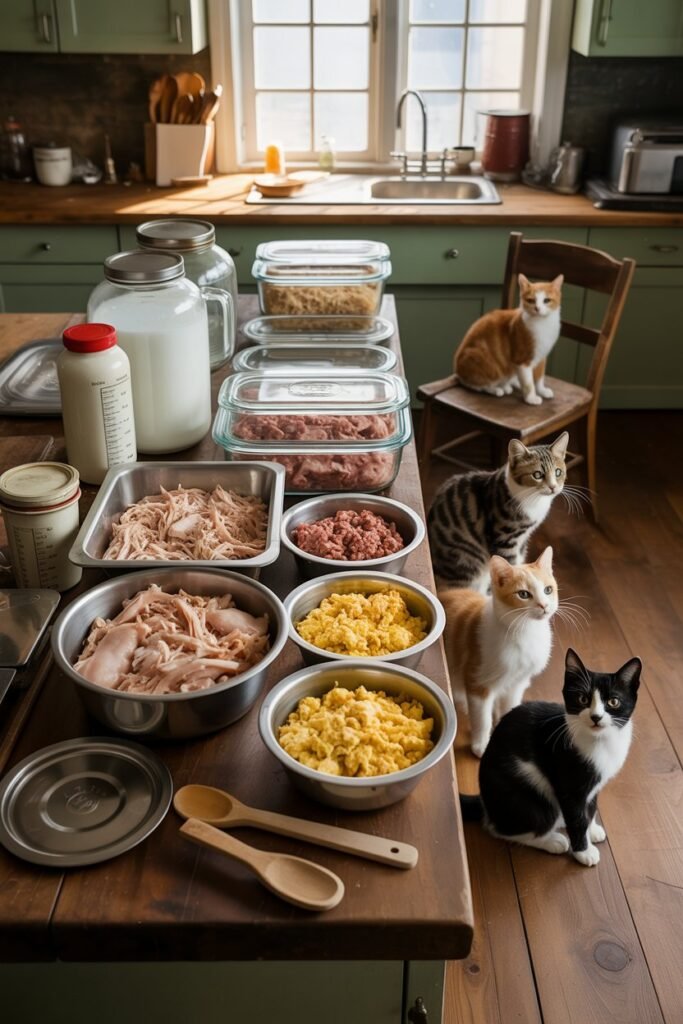
When you are feeding multiple cats or simply trying to keep homemade meals affordable, preparing a larger batch can save both time and money. This budget friendly farm cat recipe is designed around simple ingredients that are easy to cook in bulk and portion into several meals.
Instead of relying on expensive specialty ingredients, the recipe focuses on a straightforward animal protein with enough moisture to create a soft, easy to serve meal.
I find bulk preparation especially helpful on busy weeks because you can do the cooking once, divide everything into individual portions, and have several meals ready in the refrigerator. It also makes it easier to keep track of exactly what you are feeding.
However, inexpensive does not mean nutritionally complete. A homemade mixture of meat and other simple ingredients does not automatically provide all the taurine, calcium, vitamins, minerals, and essential fatty acids a cat requires. Use this recipe as an occasional meal or topper unless it has been professionally formulated as a complete diet.
Why Make This Budget Friendly Recipe?
- Uses affordable, straightforward ingredients
- Works well when preparing several portions at once
- Reduces the need for daily cooking
- Easy to divide into individual servings
- Provides animal based protein
- Can be adjusted to a soft texture with cooking water
Ingredients
2 pounds plain ground chicken or turkey
Ground chicken or turkey forms the main protein source and is usually convenient for preparing a large batch. Choose plain meat without added salt, broth, seasoning, marinades, or flavorings. Ground poultry is also easy to break apart while cooking, making it practical for cats that prefer smaller pieces.
1/2 cup plain pumpkin puree, optional
Plain pumpkin can add moisture and a softer texture to the finished mixture. Choose 100 percent pumpkin puree without sugar, spices, salt, or pie filling ingredients.
1 cup plain cooking water
Cooking water helps create a moist consistency and makes the batch easier to mix. Add it gradually because you may not need the entire amount. Do not substitute seasoned broth, gravy, or stock.
How to Make It
- Place the ground poultry in a large saucepan or pot.
- Cook thoroughly, breaking the meat into small pieces.
- Drain excess fat if necessary.
- Allow the cooked meat to cool slightly.
- Stir in the pumpkin puree if using.
- Add cooking water gradually.
- Mix thoroughly until the texture is evenly moist.
- Allow the entire batch to cool before portioning.
- Divide into individual servings.
- Refrigerate the portions you will use soon and freeze additional portions if appropriate for your storage plan.
Preparing Tips
- Buy larger packages of plain ground poultry when they offer better value.
- Avoid pre seasoned ground meat.
- Use a large pot to make cleanup easier.
- Portion the finished food before storing.
- Label containers with the preparation date.
- Keep the recipe simple and avoid human seasonings.
- Never add onion, garlic, salt, pepper, sauces, or gravy.
- Introduce homemade food gradually.
Storage and Serving Tips
Once cooled, transfer the food into clean airtight containers. Keep the portions you plan to use soon refrigerated and freeze additional portions if you have prepared more than you can safely use within a few days.
Thaw frozen portions in the refrigerator rather than leaving them on the counter. Before serving, allow chilled food to come closer to room temperature or gently warm it if your cat prefers warmer meals.
Recipe Card
Budget Friendly Farm Cat Bulk Recipe
Prep Time: 15 minutes
Cook Time: 20 to 25 minutes
Total Time: About 40 minutes
Servings: Approximately 10 to 12 small portions
Ingredients
- 2 pounds plain ground chicken or turkey
- 1/2 cup plain pumpkin puree, optional
- Up to 1 cup plain cooking water
Instructions
- Cook the ground poultry thoroughly.
- Break it into small pieces.
- Drain excess fat if needed.
- Cool slightly.
- Mix in pumpkin if using.
- Add cooking water gradually.
- Stir thoroughly.
- Cool completely.
- Divide into individual portions.
- Refrigerate or freeze according to your storage needs.
Storage: Refrigerate promptly in airtight containers and use within a few days for best quality. Freeze additional portions if needed and thaw them safely in the refrigerator.
Serving: Use as an occasional homemade meal or topper alongside complete and balanced cat food.
Important: This bulk recipe is not nutritionally complete as written. Feeding homemade food as a cat’s sole long term diet requires proper formulation to meet feline nutritional requirements. For regular homemade feeding, consult a veterinarian or veterinary nutritionist.
How Often Should You Feed Homemade Cat Food?
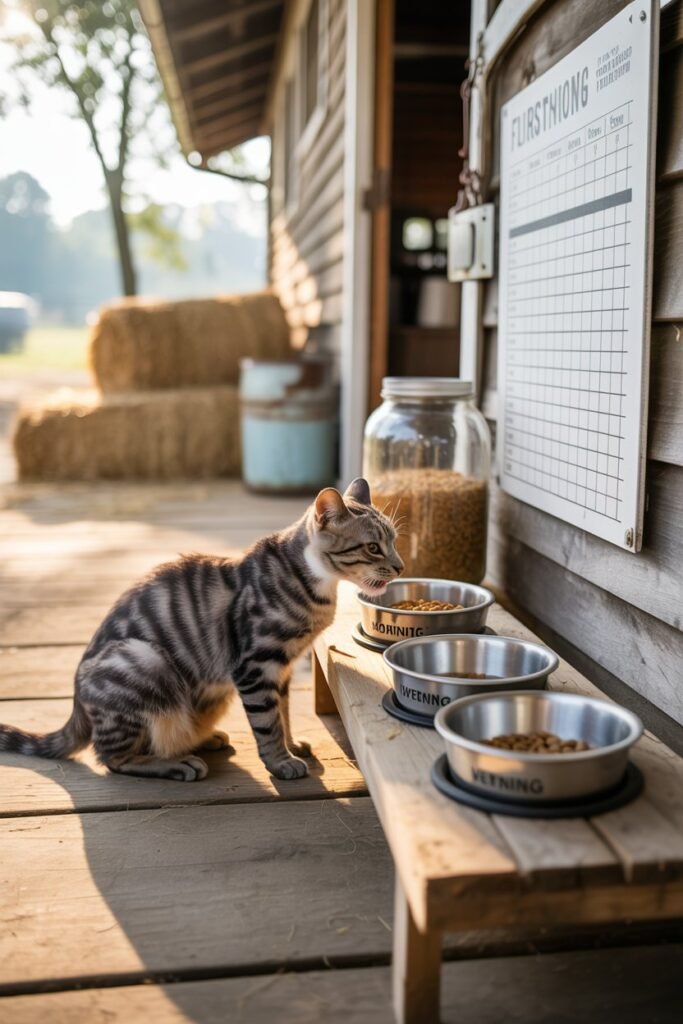
Feeding schedules depend on age, activity level, and health.
Kittens
- 3–4 meals daily
- Higher calorie needs
Adult Cats
- Usually 2 meals daily
Active Farm Cats
Outdoor cats may require extra calories because of hunting and roaming activities.
Monitor body weight regularly to avoid underfeeding or obesity.
Tips for Safely Preparing Homemade Cat Food
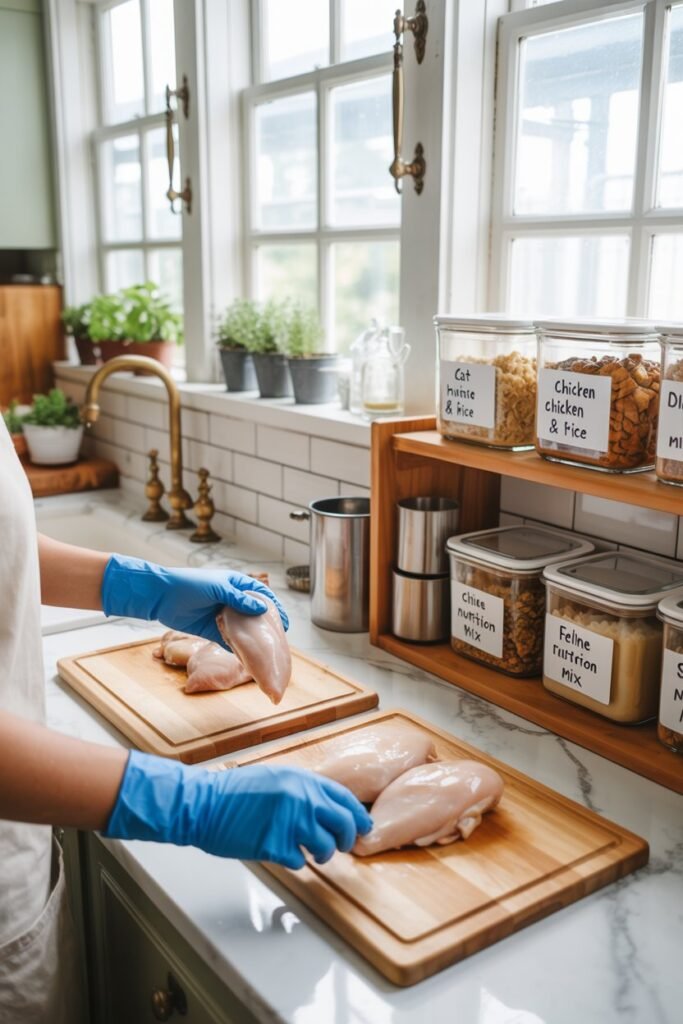
Food safety is critical when preparing meals for pets.
Wash Everything Thoroughly
Always clean:
- Cutting boards
- Knives
- Bowls
- Storage containers
Cook Meat Properly
Cooking kills harmful bacteria and parasites.
Store Food Correctly
- Refrigerate for up to 3 days
- Freeze extra portions
- Label containers with dates
Avoid Seasonings
Cats do not need salt, onions, garlic, or spicy ingredients.
Common Mistakes Beginners Make
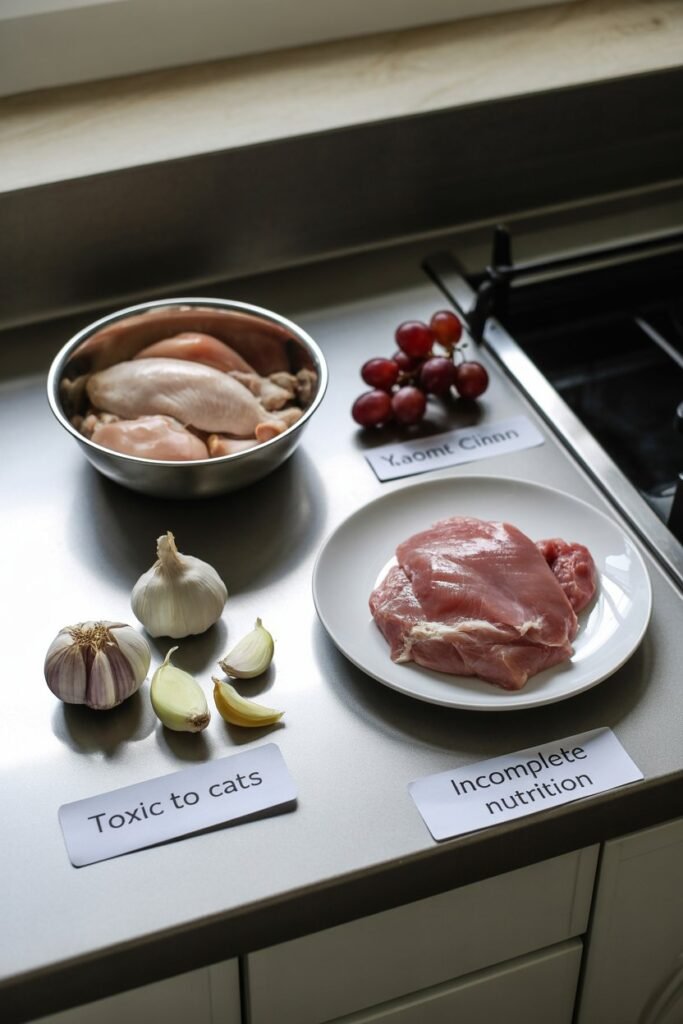
Making food at home can give you more control over the ingredients in your cat’s bowl, but it is also easy to assume that a bowl of fresh meat automatically provides everything a cat needs. Unfortunately, feline nutrition is more complicated than that. Before making homemade food a regular part of your cat’s diet, it is worth understanding the most common mistakes and how to avoid them.
Feeding Only Meat
Plain muscle meat can provide valuable animal protein, but it does not contain every nutrient a cat needs in the correct amounts. A diet made primarily from chicken, turkey, beef, or fish can become deficient in important nutrients such as calcium and certain vitamins and minerals. Homemade diets intended for regular feeding should be properly formulated rather than built from meat alone.
Forgetting Taurine
Taurine is an essential nutrient for cats, and they need to obtain adequate amounts through their diet. Insufficient taurine can contribute to serious health problems, including heart and eye disease. This is one reason simply combining different meats is not enough to create a nutritionally complete homemade diet. If you plan to feed homemade food regularly, discuss appropriate taurine and other nutritional requirements with your veterinarian or a veterinary nutritionist.
Using Unsafe Ingredients
Cats can be sensitive to ingredients that are perfectly ordinary in human cooking. Avoid foods and seasonings that can be harmful to cats, including onion, garlic, excessive salt, and certain other toxic foods. Never assume that an ingredient is safe simply because humans commonly eat it.
Making Sudden Diet Changes
Even safe foods can cause digestive upset when introduced too quickly. Instead of replacing your cat’s normal food overnight, transition gradually over approximately 7 to 10 days when appropriate. Start with a small amount of the new food and increase it slowly while reducing the previous food.
If your cat refuses food or develops significant vomiting, diarrhea, or other concerning symptoms, stop the transition and contact your veterinarian. A gradual approach is safer, gentler, and much more likely to result in a successful change.
How to Transition Your Cat to Homemade Food
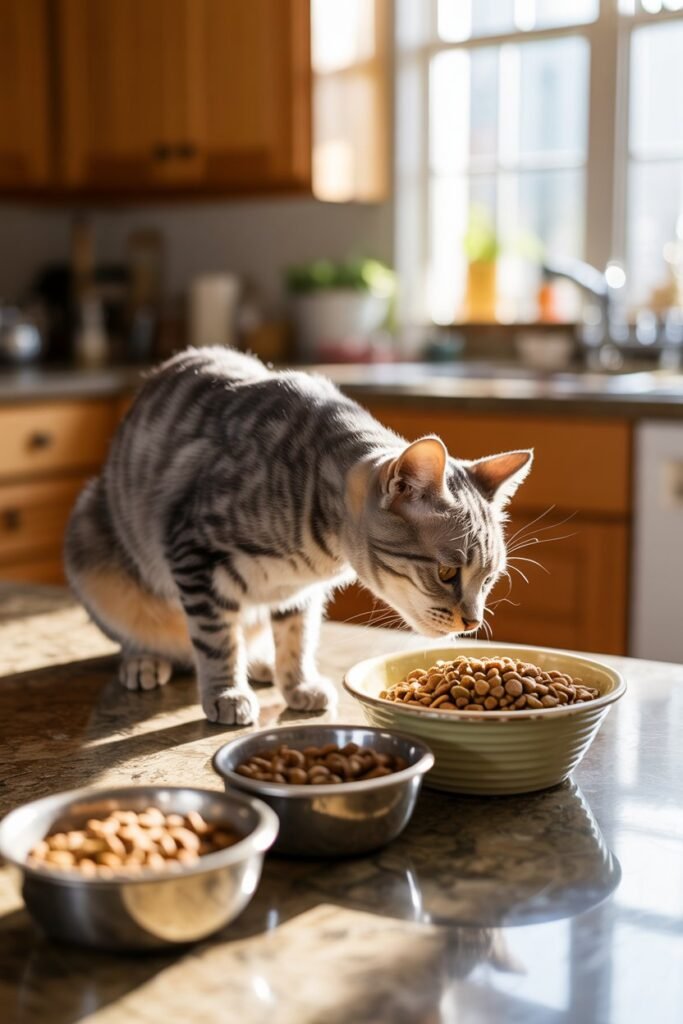
Many cats are creatures of habit, especially when it comes to food. Even if a homemade meal smells delicious to you, your cat may turn away from it simply because it looks or feels different from what they normally eat. I have found that making the transition slowly is much easier than changing everything in your cat’s bowl overnight.
Start Slowly
Begin with a very small amount of homemade food mixed into your cat’s regular food. You can start with just a teaspoon or another small portion, depending on the size of your cat and the amount they normally eat. The goal at this stage is simply to let your cat become familiar with the new smell and texture.
Increase Gradually
If your cat accepts the new food without digestive problems or refusing meals, gradually increase the homemade portion over several days. At the same time, slowly reduce the amount of their previous food.
There is no need to rush this process. Some cats may adjust within a few days, while others may need longer. Watch your cat’s appetite and digestion throughout the transition.
Be Patient
Cats can be surprisingly particular about texture, temperature, smell, and even the size of food pieces. If your cat refuses a recipe, it does not necessarily mean they dislike homemade food altogether. Try adjusting the texture by finely shredding the meat, adding a little moisture, or serving it closer to room temperature.
Most importantly, never intentionally starve a cat into accepting a new food. Cats need to eat regularly, and a cat that refuses food should be taken seriously. If your cat stops eating, develops vomiting or diarrhea, or seems unwell during a dietary change, stop the transition and contact your veterinarian.
A slow, patient approach gives your cat time to adjust while allowing you to discover which homemade recipes and textures they actually enjoy.
Best Kitchen Tools for Homemade Cat Food
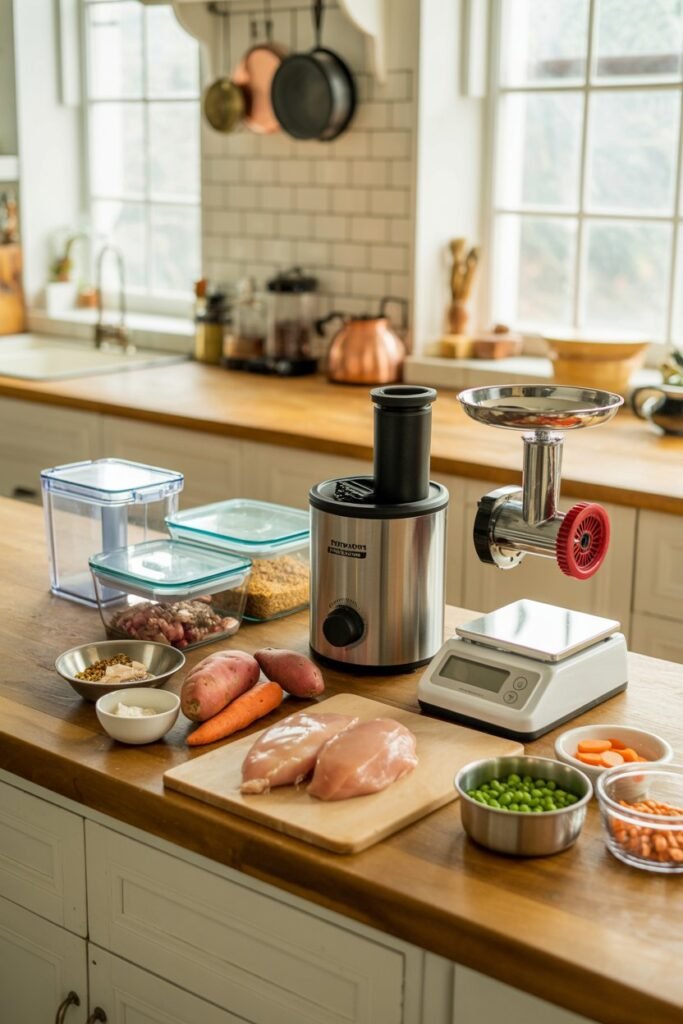
Preparing homemade meals becomes easier with the right tools.
Useful items include:
- Food processor
- Meat grinder
- Freezer containers
- Kitchen scale
- Slow cooker
- Silicone freezer trays
Batch cooking saves time and effort.
Frequently Asked Questions About Homemade Cat Food
Is homemade cat food healthier than store bought food?
Homemade cat food can be a good option when it is carefully formulated to meet a cat’s nutritional needs. The biggest advantage is that you know exactly which ingredients are being used and can avoid unnecessary flavorings, fillers, or ingredients your cat does not tolerate well. However, homemade does not automatically mean healthier. Cats require precise amounts of nutrients such as taurine, calcium, vitamin A, and essential fatty acids. A recipe made from meat alone can become deficient in important nutrients. For long term feeding, it is best to have a homemade diet formulated or reviewed by a veterinarian or veterinary nutritionist.
Can I feed my cat homemade food every day?
Yes, but only when the food is nutritionally complete and balanced for your cat’s age, size, and life stage. Simply rotating homemade meat recipes every day is not enough to meet all of a cat’s nutritional requirements. If you want homemade food to become your cat’s primary diet, work with a veterinary professional to ensure the recipe contains the appropriate nutrients and supplements.
Do cats need vegetables?
Cats do not require vegetables as a primary part of their diet. They are obligate carnivores and have nutritional requirements that are best met through animal based ingredients and properly formulated cat food. Some homemade recipes may include a small amount of plain pumpkin or another appropriate ingredient for texture or fiber, but vegetables should never replace the main animal protein component.
Can kittens eat homemade food?
Kittens have different nutritional requirements from adult cats because they are growing rapidly. They need carefully balanced amounts of energy, protein, calcium, phosphorus, and other essential nutrients. For that reason, I would not rely on an improvised homemade recipe for a growing kitten. If you want to prepare homemade food for a kitten, have the diet specifically formulated for growth by a veterinarian or veterinary nutritionist.
How long does homemade cat food last?
Proper storage is important because homemade food does not contain the same preservatives found in some commercial products.
As a general guideline:
- Refrigerated homemade cat food should be used within about 3 days for best quality and safety.
- Frozen portions are generally best used within about 3 months for quality.
- Store food in clean, airtight containers.
- Refrigerate or freeze food promptly after preparation.
- Thaw frozen portions in the refrigerator rather than on the counter.
- Discard food that has been left at room temperature for an extended period or develops an unusual smell, appearance, or texture.
Final Thoughts
Making homemade cat food can be a rewarding way to add variety to your cat’s meals and give you greater control over the ingredients you use. I especially like the flexibility of simple recipes because you can prepare smaller portions, adjust the texture, and make meals that suit your cat’s individual preferences.
At the same time, homemade feeding works best when nutrition remains the priority. A bowl filled with fresh meat may look wholesome, but cats need much more than protein alone. Essential nutrients such as taurine, calcium, vitamins, minerals, and fatty acids need to be supplied in the right amounts.
If you are just getting started, begin with small portions and introduce new recipes gradually. Pay attention to your cat’s appetite, digestion, energy, and overall response to any dietary change. Keep your cat’s regular complete and balanced food as the nutritional foundation unless a homemade diet has been professionally formulated.
With thoughtful preparation, safe ingredients, proper storage, and appropriate nutritional guidance, homemade cat food can be a useful addition to a responsible feeding routine rather than simply another recipe to add to the bowl.