
DIY Frozen Dog Treats Using Pantry Ingredients
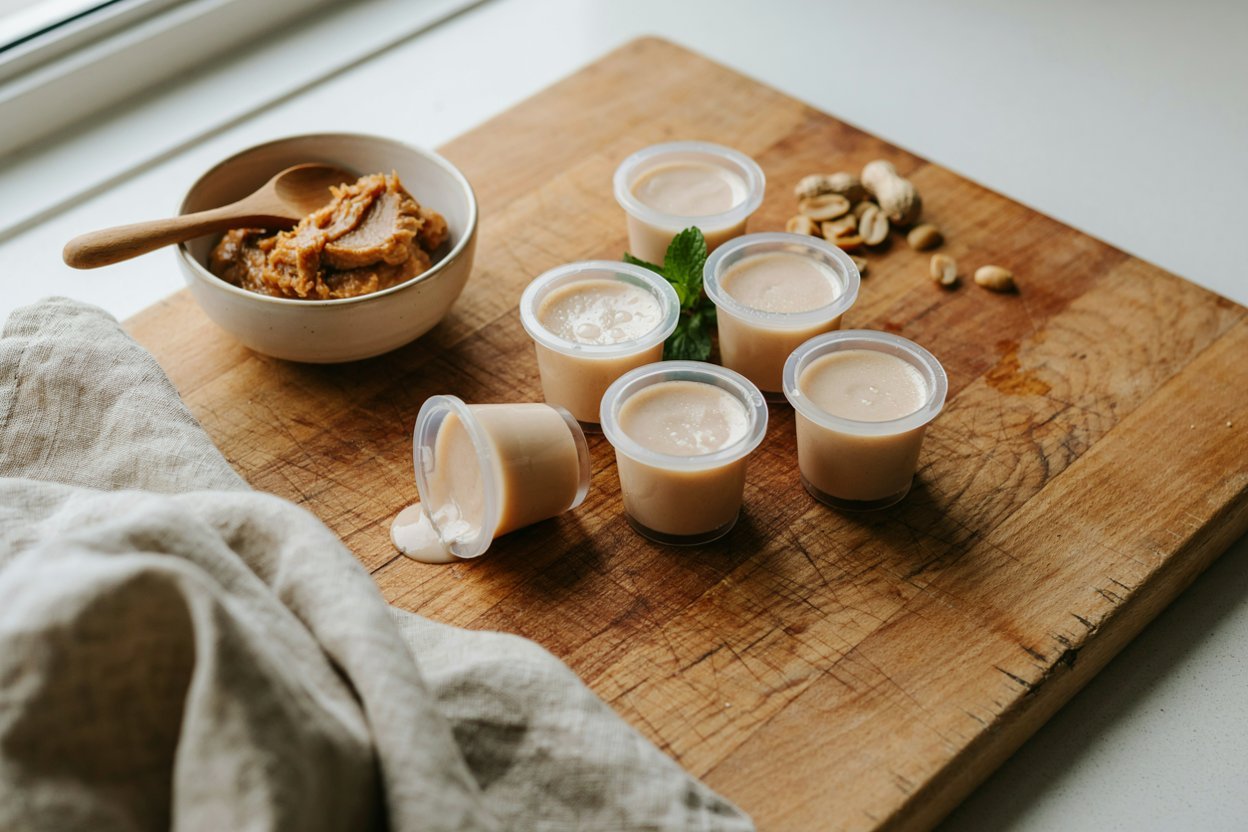
There is a specific kind of relief that comes from opening the freezer on a hot afternoon and pulling out something cool for your dog, watching them settle onto the kitchen floor to work through it happily instead of panting by the door.
Frozen treats solve two problems at once. They give dogs a satisfying, long lasting snack, and they do it using ingredients that are almost certainly already sitting in your kitchen right now.
Unlike baked treats, which require an oven, careful timing, and a fair amount of hands on effort, frozen treats are about as low effort as homemade dog treats get. This recipe comes together in under ten minutes of active prep, with the freezer doing the rest of the work.
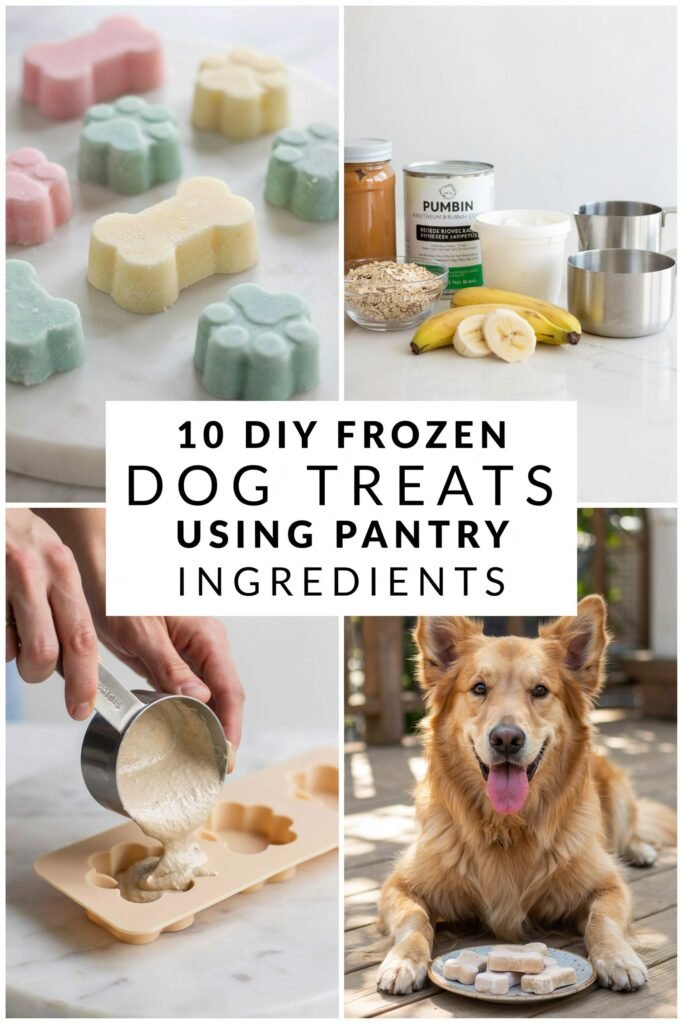
There is no risk of overbaking, no need to babysit a timer, and very little cleanup involved. That makes it one of the best entry points into homemade treat making, especially if you are short on time or new to cooking for your dog.
This guide walks through one simple, reliable recipe built entirely from pantry staples, meaning ingredients most dog owners already have on hand rather than specialty items you would need to make a special trip for.
You will find an explanation of why frozen treats are worth making, safety guidance, the full recipe with the reasoning behind each ingredient, storage tips, a feeding guide, common mistakes, a troubleshooting section, and answers to the questions dog owners ask most often about frozen treats.
Disclaimer
This post may contain affiliate links. As an Amazon Associate, I earn from qualifying purchases at no additional cost to you. The information in this article is for educational and informational purposes only. I only recommend products that I believe are relevant to this topic. Always use dog-safe ingredients and consult your veterinarian before introducing new foods or treats, especially if your dog has allergies or health conditions.
Amazon Shopping List You Need
- Silicone Dog Treat Molds
- KONG Classic Dog Toy (for stuffing with frozen treats)
- Stainless Steel Mixing Bowls Set
- Measuring Cups and Spoons Set
- BPA-Free Silicone Ice Cube Trays
- Glass Food Storage Containers with Lids
- Organic Natural Peanut Butter (Xylitol-Free)
Why Frozen Treats Are Worth Making
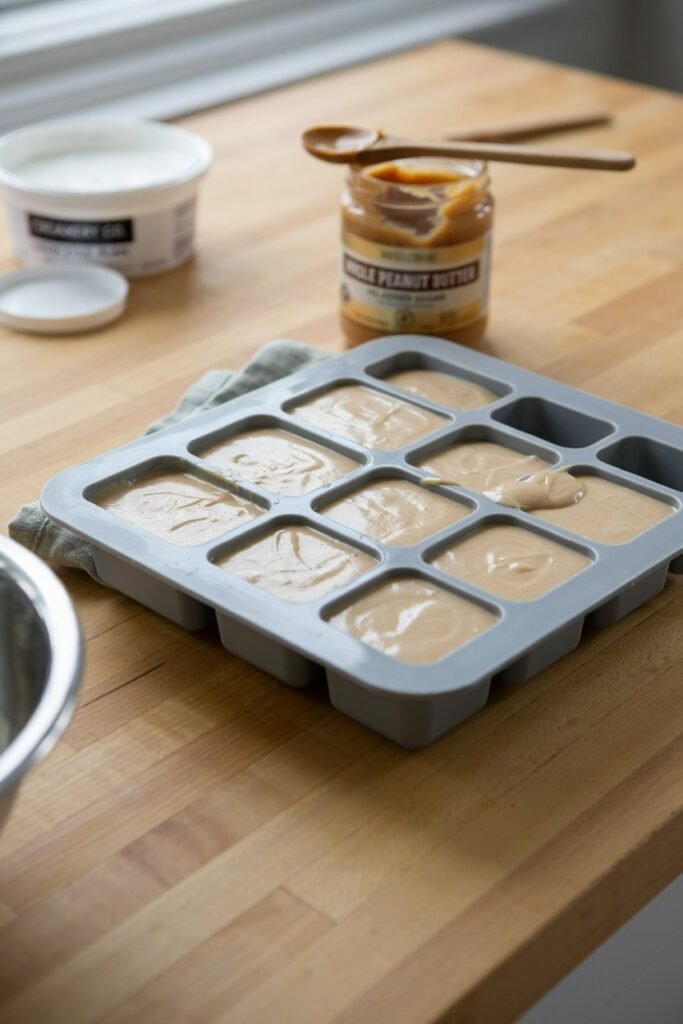
Frozen treats offer a few genuine advantages beyond simply being easy to make. Cold treats can be especially appealing to dogs during hot weather, offering a bit of natural cooling relief while they work through a longer lasting snack, which is part of why so many owners reach for frozen treats specifically in the warmer months.
The texture of a frozen treat also encourages slower eating compared to a soft baked biscuit that disappears in a single bite.
That slower pace can turn a quick snack into a longer lasting activity, which is especially useful if you are looking for a way to keep a dog occupied for a few extra minutes, whether that is during a busy afternoon at home or as a distraction during a nail trim or a bath.
Because this recipe relies on pantry staples, it also tends to be one of the most affordable treats you can make.
Plain yogurt and peanut butter are inexpensive, widely available ingredients that go a long way when portioned into small frozen cups, especially compared to the cost of specialty frozen treats sold at pet stores.
Finally, making treats at home gives you full control over the ingredients, which matters if your dog has a sensitivity to something commonly found in commercial treats, or if you simply want to know exactly what is going into every bite your dog takes.
Before You Start Freezing
This recipe is simple to make, but a few basic guidelines will help you avoid common issues, especially if this is your first time making frozen treats.
Always use plain, unsweetened yogurt rather than a flavored or sweetened variety, since many flavored yogurts contain added sugar or artificial sweeteners that are not appropriate for dogs.
Always double check your peanut butter label for xylitol, a sugar substitute that is highly toxic to dogs and is sometimes found in reduced sugar peanut butter brands.
If your dog has never had yogurt before, offer a small amount on its own first and watch for any digestive upset over the following day before making a full batch.
Frozen treats should be given under supervision, particularly for dogs who tend to chew aggressively or try to swallow large pieces without breaking them down first.
If your dog has a health condition that requires dietary management, such as a dairy sensitivity, a known food allergy, or a condition like pancreatitis that requires a low fat diet, check with your veterinarian before introducing this treat, even though it is made from otherwise dog safe pantry ingredients.
Kitchen Tools You Will Need
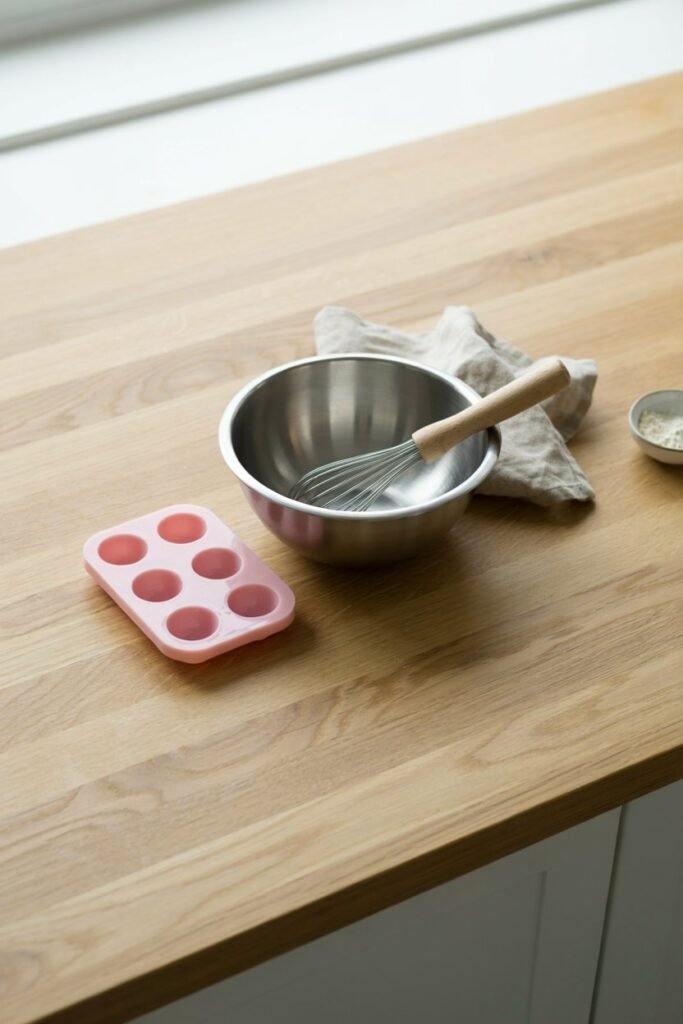
An ice cube tray or a small silicone mold, a mixing bowl, and a whisk or spoon are all you need.
Nothing here requires anything beyond what most kitchens already have on hand, which is part of what makes this such an accessible starting point.
Classic Peanut Butter and Yogurt Cups
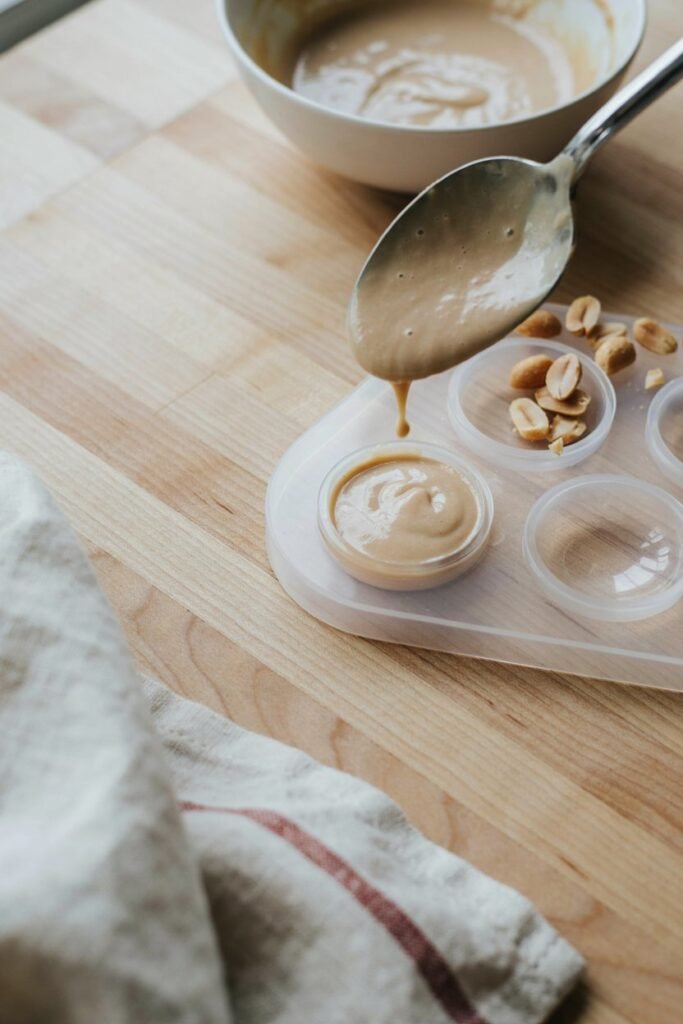
This is a simple, two ingredient frozen treat that uses only pantry staples most owners already have on hand.
Prep time: 10 minutes Freeze time: 3 hours Yield: About 12 small cups
Ingredients:
- 1 cup plain unsweetened yogurt: offers a creamy base along with probiotics that may support gut health in dogs who tolerate dairy well
- 2 tablespoons natural peanut butter, xylitol free: adds a flavor most dogs find highly rewarding along with a bit of healthy fat
Instructions: Warm the peanut butter slightly to loosen it, then whisk it into the yogurt until fully combined. Spoon the mixture into a silicone mold or ice cube tray. Freeze for at least three hours, until solid. Pop the cups out of the mold once frozen and store in the freezer.
Best for: First time frozen treat makers, thanks to its simple two ingredient formula. Swap idea: Sunflower seed butter can replace peanut butter for dogs with nut sensitivities, and mashed pumpkin or banana can replace the peanut butter entirely for a milder, fruit forward version.
Storage and Freezing Guidelines
This treat is meant to be stored frozen rather than refrigerated, since its texture depends on staying solid.
Once a batch is fully frozen and set, transfer the cups to a labeled freezer bag or airtight container to prevent freezer burn and keep them from picking up odors from other items in the freezer.
Stored this way, the treats keep well for about two months.
Unlike baked treats, frozen treats generally should not be thawed and refrozen, since repeated freezing and thawing can affect both texture and food safety.
Portion your batch into individual servings before freezing so you can pull out exactly what you need without needing to refreeze any leftovers.
How Many Frozen Treats Should Your Dog Have
As with any treat, frozen options should generally make up no more than about ten percent of your dog’s total daily calorie intake, with the rest coming from a complete and balanced diet.
Because each cup is quite small, one or two pieces is typically plenty for a small dog, while medium and larger dogs can usually enjoy two to four pieces without exceeding a reasonable calorie allowance.
Frozen treats are also a great option to offer as a distraction or enrichment activity rather than a straightforward snack, since the extra time it takes to work through a frozen treat can help stretch out the experience without necessarily increasing the portion size.
Common Mistakes to Avoid
Using flavored or sweetened yogurt instead of plain, unsweetened yogurt is one of the most common mistakes, since flavored varieties often contain added sugar or artificial sweeteners that are not appropriate for dogs. Always double check the label, even on products marketed as healthy or low sugar.
Forgetting to check peanut butter for xylitol is another serious and easy to make mistake, particularly with reduced sugar or natural branded peanut butters, some of which use this toxic sweetener as a sugar substitute.
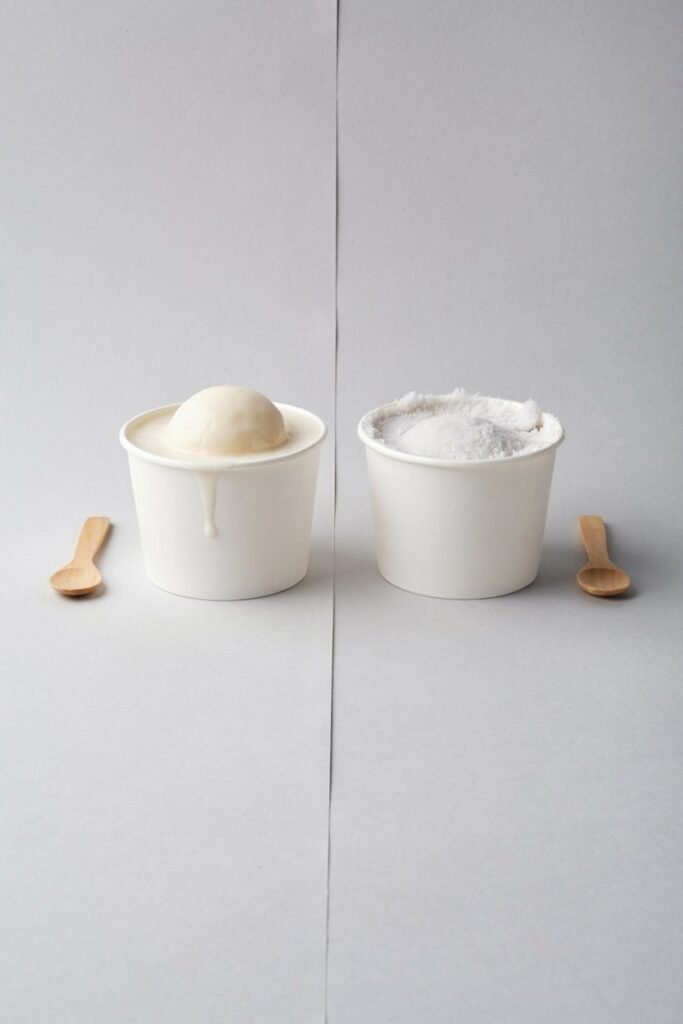
Using a mixture that is too watery can result in an icy texture rather than a creamy one. If your mixture seems thin, use a slightly thicker style yogurt or reduce how much you warm the peanut butter before mixing.
Refreezing treats that have already thawed is a mistake worth avoiding, both for texture and food safety reasons. Portion your batch appropriately from the start so you are not tempted to refreeze partially thawed leftovers.
Troubleshooting Texture Problems
If your treats come out too icy and hard rather than creamy, try using a thicker style plain yogurt next time for a creamier finished texture.
If your treats seem too soft even after the recommended freeze time, they likely need more time in the freezer, particularly if your mold has larger cavities. Return them to the freezer and check again after an additional hour.
If your treats stick stubbornly to the mold, run the outside of the mold under warm water for a few seconds, which helps loosen the frozen treat without melting it.
Frequently Asked Questions
Can dogs eat frozen treats safely, or is the cold bad for them? Most dogs tolerate cold treats very well, and many genuinely enjoy them, especially in warm weather. As with any firm treat, supervise your dog while they eat it, particularly if they tend to bite down hard rather than lick or nibble.
How long do these frozen treats last? Stored properly in the freezer, this recipe keeps well for about two months.
Can I use flavored yogurt if it says it is low sugar? It is safest to stick with plain, unsweetened yogurt, since many flavored and low sugar yogurts contain artificial sweeteners like xylitol, which is highly toxic to dogs even in small amounts.
Are frozen treats safe for puppies? Frozen treats can be given to puppies in moderation, though it is worth checking with your veterinarian about appropriate treats and textures for your puppy’s age.
Can I make this without dairy? Yes. Mashed pumpkin or banana can replace the yogurt for a dairy free version, and the peanut butter can be used on its own thinned slightly with a bit of water.
Why did my treats turn out icy instead of creamy? This usually happens when the yogurt used is on the thinner side. A thicker style plain yogurt typically results in a creamier, less icy texture once frozen.
Can I use this recipe on a lick mat instead of a mold? Yes, this mixture works well spread onto a lick mat and frozen flat instead of portioned into a mold, which can turn a quick treat into a longer lasting activity.
Is peanut butter safe for dogs in general? Yes, as long as it does not contain xylitol. Always check the ingredient label on any peanut butter before using it in a dog treat, since xylitol is sometimes used in reduced sugar or natural branded varieties.
How many of these treats can my dog have in a day? Treats, including frozen ones, should generally make up no more than about ten percent of your dog’s total daily calories, so one or two cups a day is typically plenty depending on your dog’s size.
Can I refreeze a treat that has partially thawed? It is best to avoid refreezing partially thawed treats, both for texture and food safety reasons. Portion your treats into individual servings before the initial freeze so you only need to thaw what you plan to use.
Final Thoughts
This treat proves that homemade dog treats do not need to involve an oven, a timer, or a long ingredient list to be worthwhile.
With two pantry staples you almost certainly already have on hand and a few hours in the freezer, you can put together an affordable, easy to customize snack your dog will genuinely enjoy working through.
Keep portions appropriate for your dog’s size, store the batch properly in the freezer, and enjoy having a go to treat ready whenever your dog could use a little cool, satisfying reward.
One Comment