Healthy Skin & Shiny Coat Dog Meals: Homemade Recipes That Support Your Dog’s Skin Health Naturally
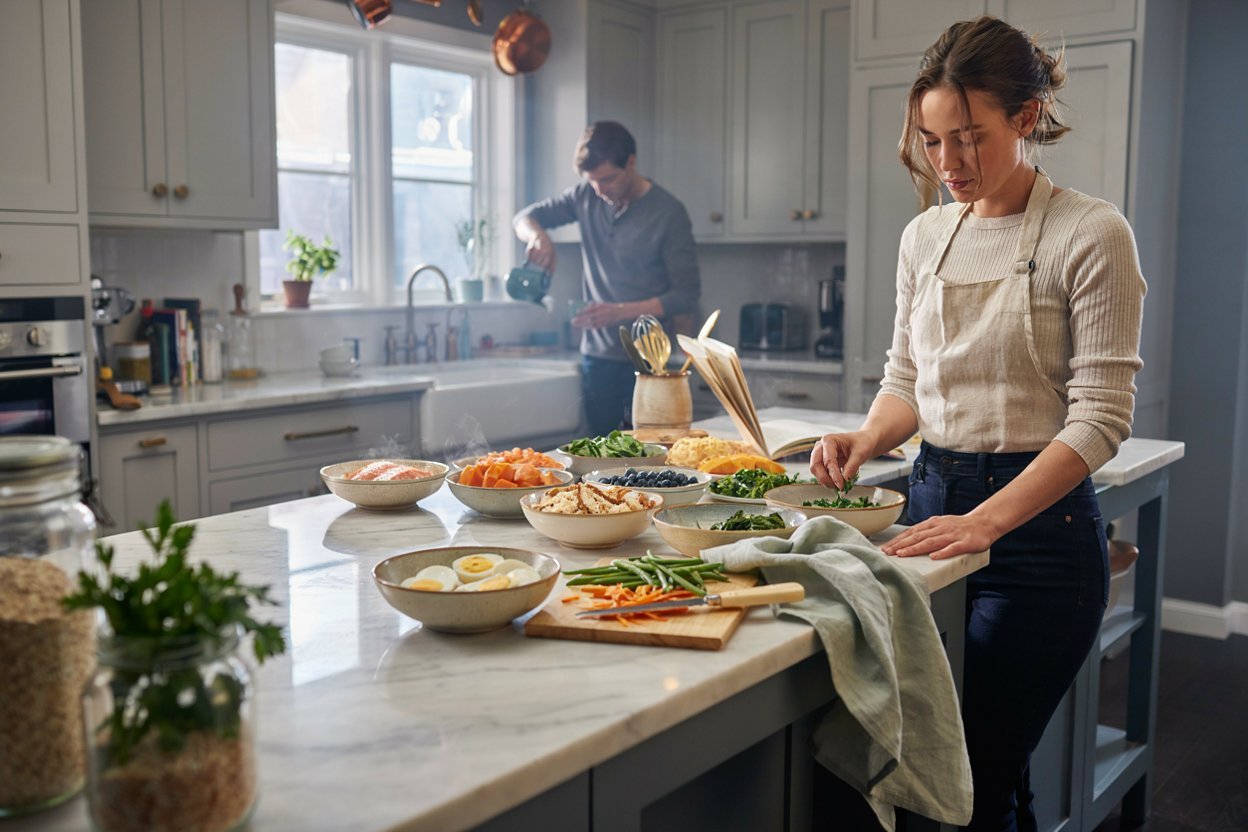
A healthy, soft, and shiny coat is often one of the clearest signs that a dog is getting the nutrition it needs.
While regular grooming certainly helps, I have always believed that what goes into a dog’s bowl has an even bigger impact on how their skin and coat look and feel.
Whenever I prepare homemade meals, I focus on using fresh, wholesome ingredients that provide quality protein, healthy fats, and important vitamins instead of relying on heavily processed foods.
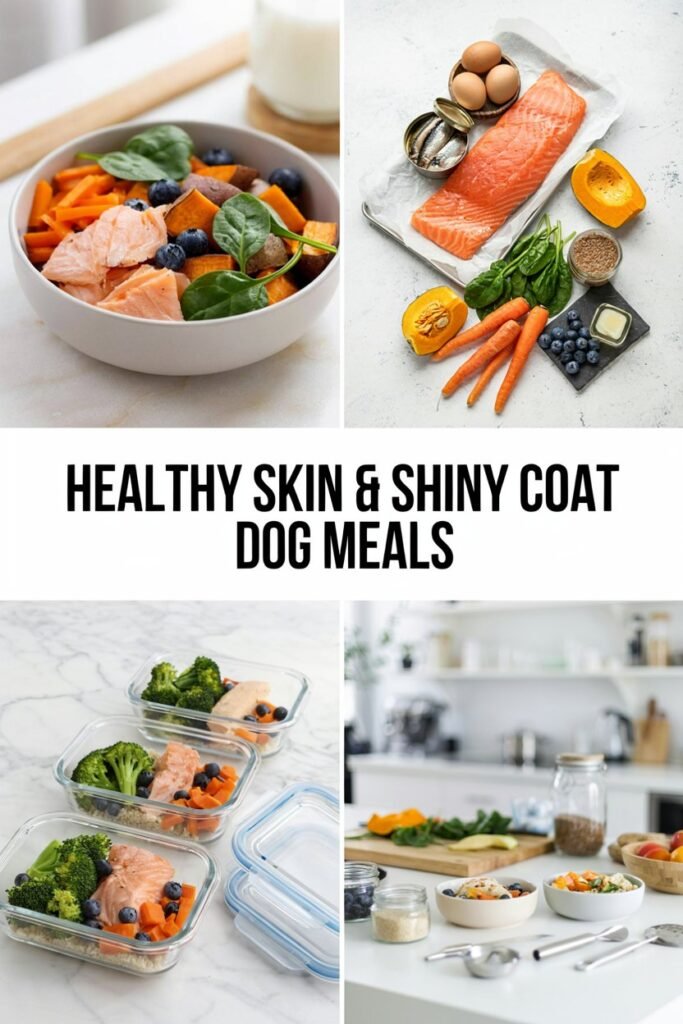
I have found that simple ingredients like salmon, eggs, sweet potatoes, carrots, and leafy greens can be combined into delicious meals that support healthy skin while giving dogs something they genuinely enjoy eating.
Every dog is different, and no single recipe works for every breed or health condition, but feeding balanced homemade meals has always been my favorite way to know exactly what is being served.
In this guide, I am sharing the meals and ingredients I personally love preparing, along with practical tips that can help you create nutritious recipes for your own dog.
As always, speak with your veterinarian before making major changes to your dog’s diet, especially if your dog has allergies or underlying health conditions.
Disclaimer: This post may contain affiliate links, which means I may earn a small commission at no extra cost to you. Always consult your veterinarian before changing your dog’s diet or introducing supplements into their routine.
Amazon Shopping List You Need
- Omega 3 Fish Oil Supplement for Dogs
- Salmon Oil Pump Bottle for Dogs
- Stainless Steel Dog Food Bowls
- Large Nonstick Cooking Pot with Lid
- Glass Meal Prep Containers with Lids
- Airtight Dog Food Storage Container
- Dog Skin & Coat Multivitamin Chews
Why Nutrition Plays a Big Role in Your Dog’s Skin and Coat
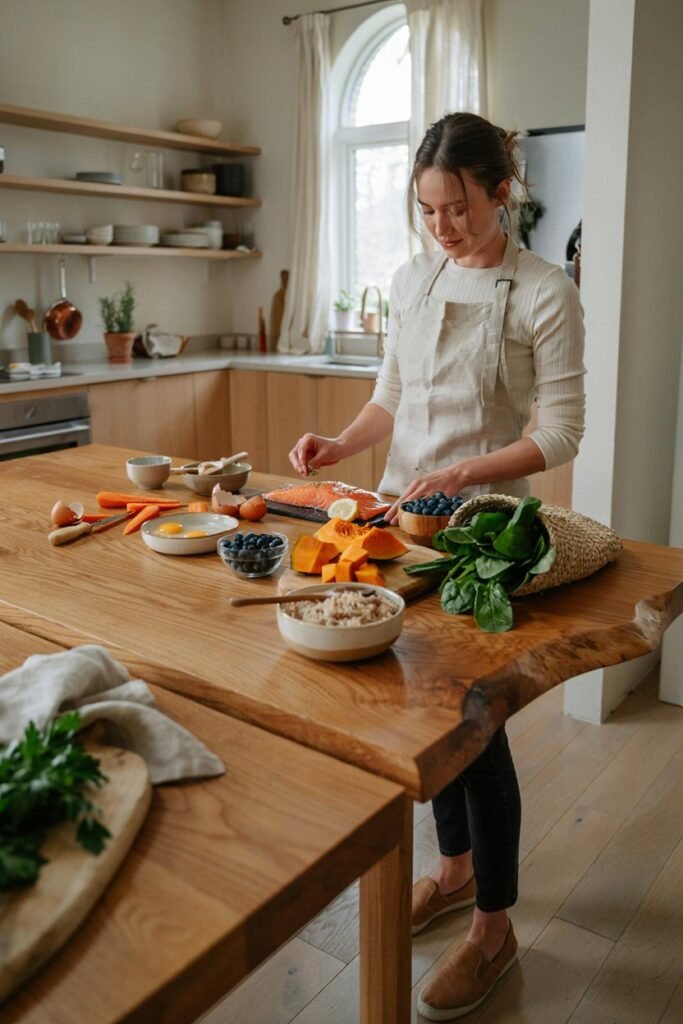
A dog’s skin is the largest organ in its body, and the coat acts as a protective barrier against dirt, harsh weather, insects, and environmental irritants.
When your dog eats a balanced diet filled with high quality nutrients, those nutrients help maintain healthy skin cells and strong hair follicles.
One thing I have noticed is that many owners focus on shampoos, conditioners, or supplements when their dog’s coat starts looking dull.
While grooming products certainly have their place, they cannot replace good nutrition.
Healthy skin begins from the inside, and every meal contributes to your dog’s overall condition.
A nutritious homemade meal can provide important nutrients that support healthy skin, including healthy fats, lean protein, vitamins, minerals, and antioxidants.
These nutrients work together to nourish the skin, reduce dryness, and encourage a naturally glossy coat.
That does not mean homemade food is a cure for every skin problem. Allergies, parasites, infections, hormonal disorders, and other medical conditions can also affect your dog’s skin.
If your dog develops persistent itching, hair loss, sores, or excessive redness, it is always best to consult your veterinarian for a proper diagnosis.
Signs Your Dog May Benefit From Better Nutrition

Sometimes the skin and coat can give early clues that your dog’s diet may need improvement.
Although these signs do not always point directly to nutrition, they are worth paying attention to.
Some common signs include:
- A dull looking coat that lacks shine
- Dry or flaky skin
- Excessive shedding throughout the year
- Constant scratching or licking
- Brittle or rough fur
- Slow hair regrowth after grooming
- Skin that appears irritated or inflamed
- Low energy alongside poor coat quality
Whenever I notice even small changes in a dog’s coat, I like to take a closer look at the overall diet before assuming the problem is only on the outside.
Sometimes adding more fresh ingredients and improving the nutritional balance can make a noticeable difference after several weeks of consistent feeding.
The Most Important Nutrients for Healthy Skin
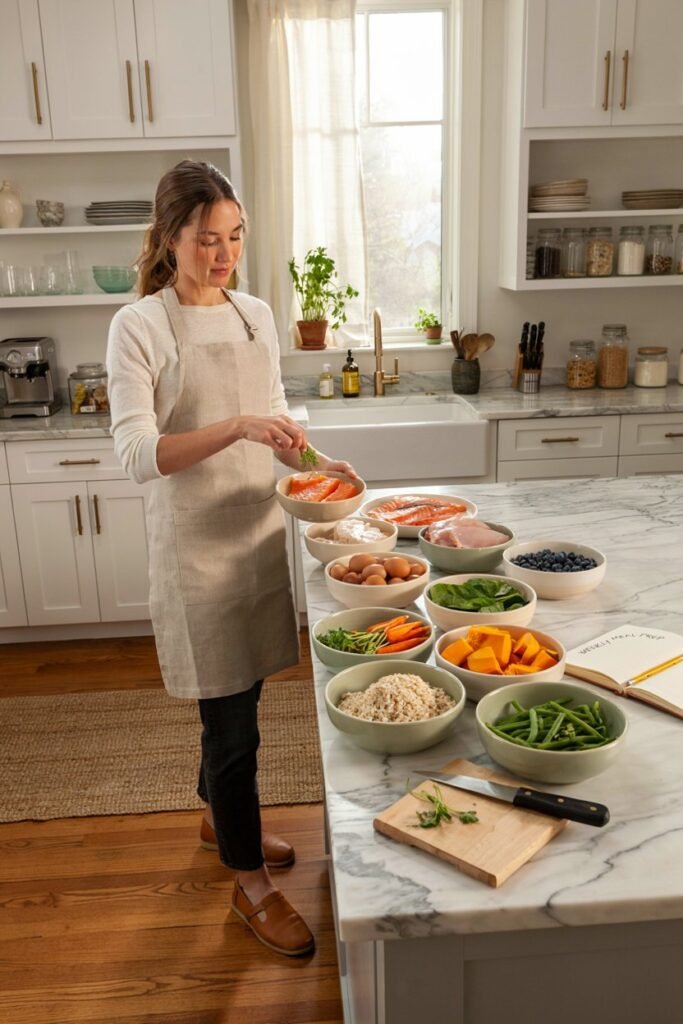
One thing I have learned while preparing homemade dog meals is that no single ingredient creates a beautiful coat on its own.
It is the combination of nutrients working together that supports healthy skin.
High Quality Protein
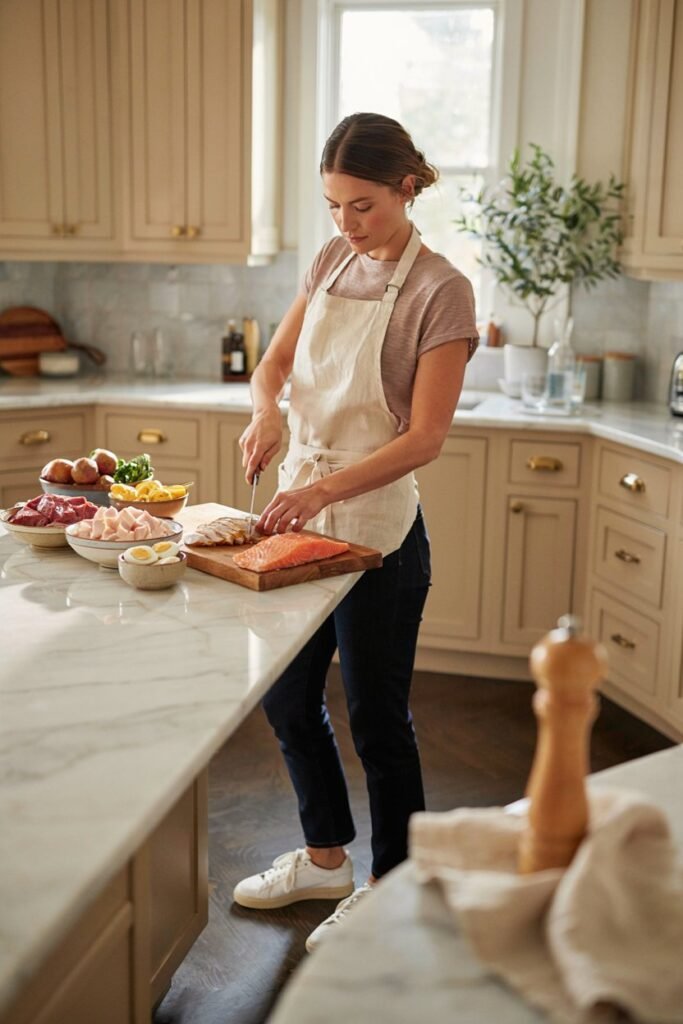
Protein is one of the most important building blocks for healthy skin and strong hair growth.
Since hair is made primarily of protein, dogs need enough high quality protein every day to maintain a healthy coat.
Some of my favorite protein choices include:
- Chicken
- Turkey
- Lean beef
- Salmon
- Sardines
- Eggs
I like rotating these proteins throughout the week because it keeps meals interesting while providing a wider variety of nutrients.
Healthy Fats

Healthy fats are another ingredient I never overlook.
They help keep the skin moisturized and support a softer, shinier coat.
Excellent healthy fat sources include:
- Salmon
- Sardines
- Fish oil recommended by your veterinarian
- Small amounts of olive oil
- Flaxseed in appropriate recipes
Healthy fats should always be served in moderation because too much fat can upset digestion or contribute to unnecessary weight gain.
Vitamin A
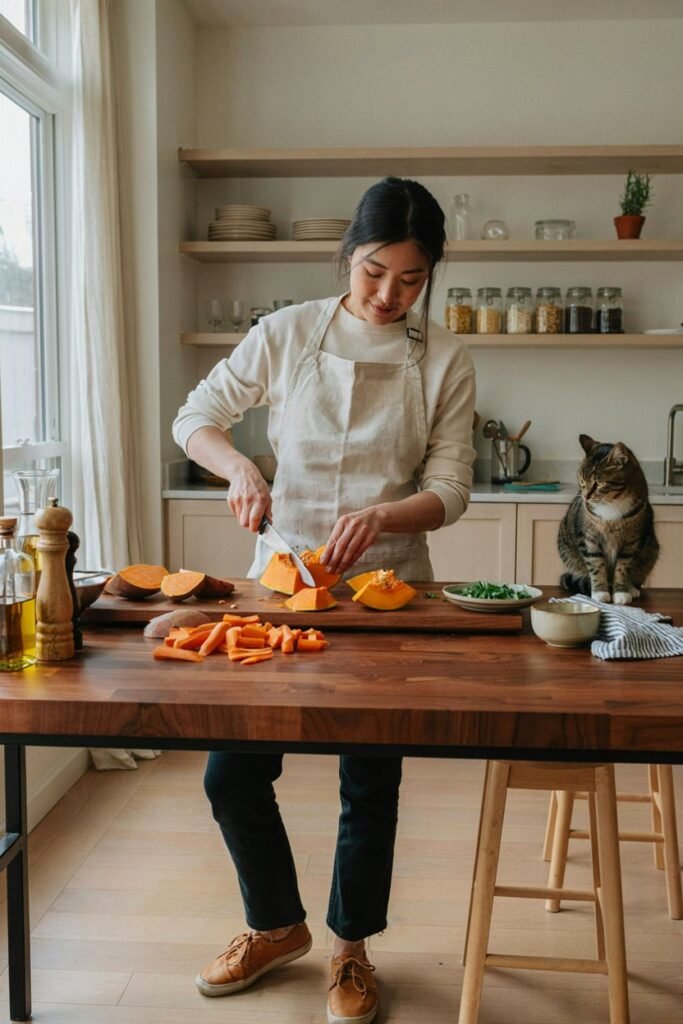
Vitamin A helps support healthy skin cells and contributes to normal skin repair.
Natural sources include:
- Carrots
- Sweet potatoes
- Pumpkin
These vegetables also provide fiber, making them excellent additions to balanced homemade meals.
Vitamin E
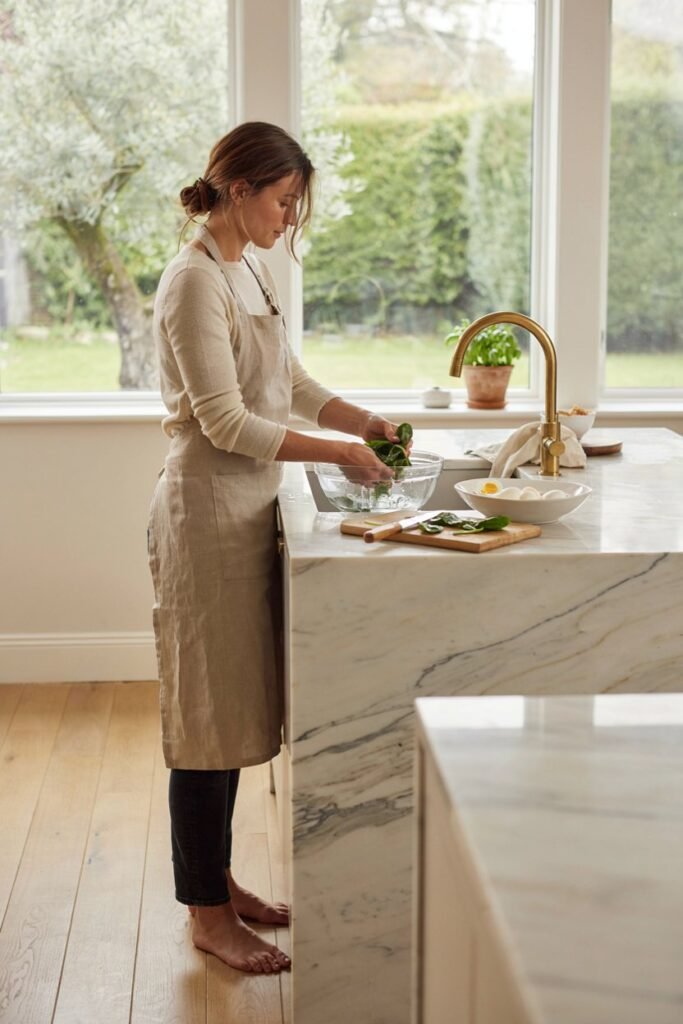
Vitamin E acts as an antioxidant that helps protect skin cells from damage while supporting healthy skin.
Good food sources include:
- Spinach
- Eggs
- Small amounts of sunflower seeds when appropriate
- Leafy green vegetables
Zinc
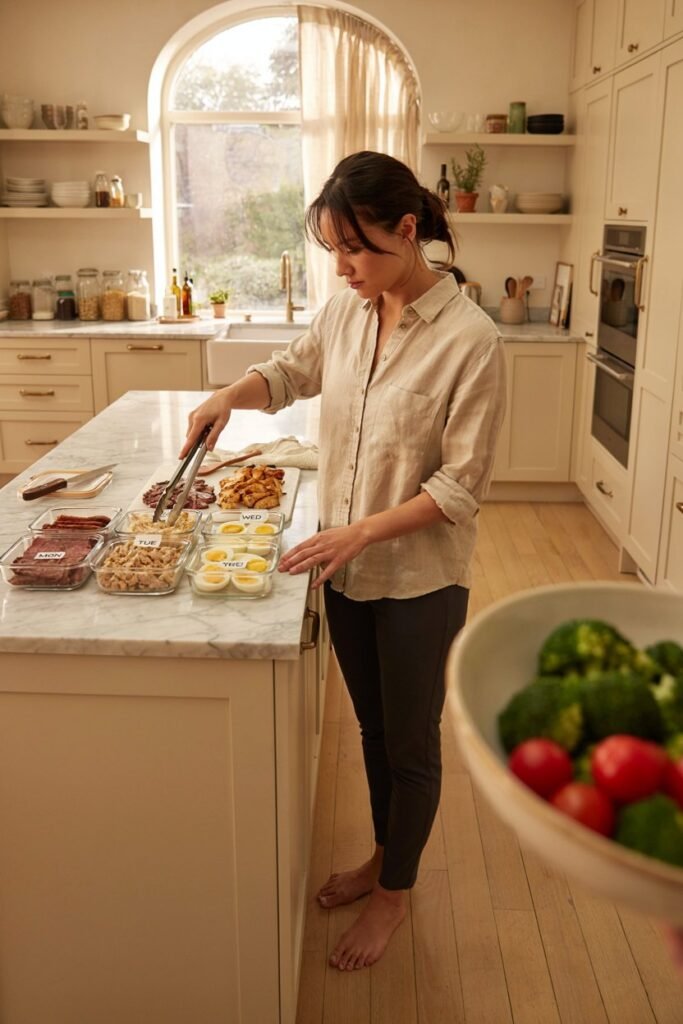
Zinc supports normal skin repair and healthy coat growth.
Natural food sources include:
- Beef
- Turkey
- Chicken
- Eggs
A balanced homemade diet should provide zinc through a variety of whole food ingredients rather than relying on a single source.
Omega Three Fatty Acids
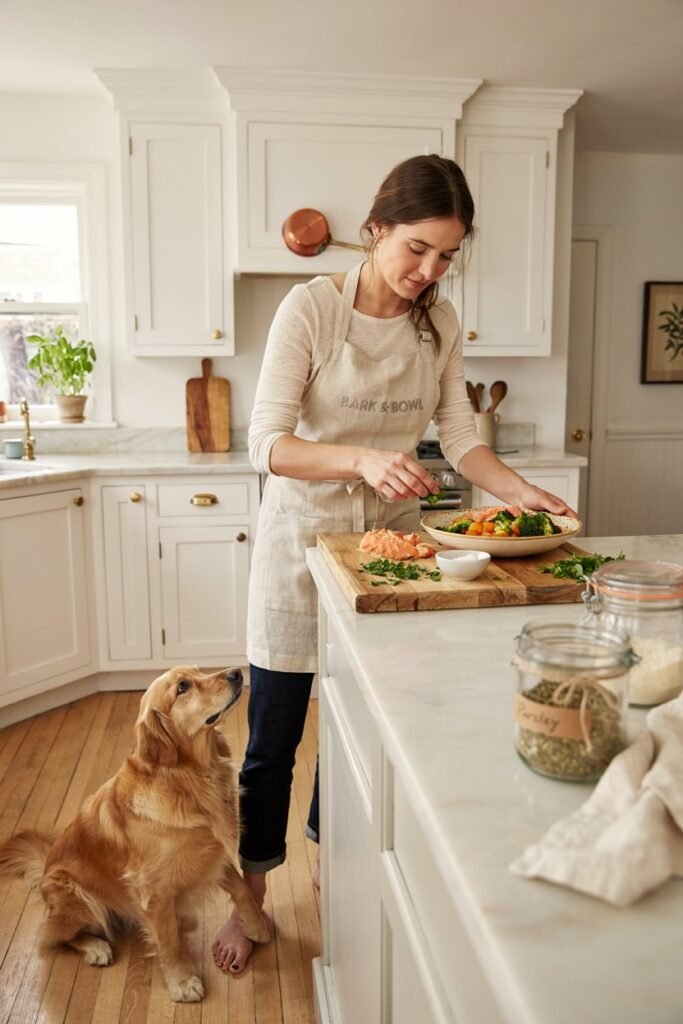
Omega three fatty acids deserve special attention because they are widely recognized for supporting healthy skin and coat health.
Ingredients like salmon and sardines naturally contain these beneficial fats and are some of my favorite additions to homemade recipes.
Ingredients I Always Keep on Hand for Healthy Skin and Shiny Coat Meals
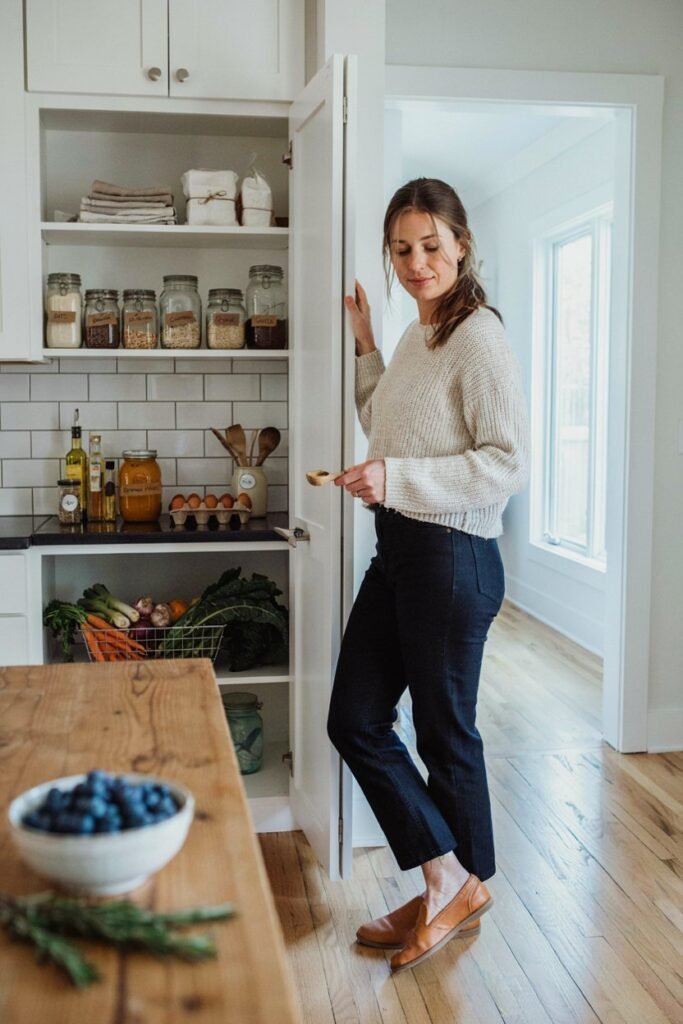
When I prepare homemade meals for dogs, I try to keep the ingredient list simple and nutritious.
I have found that using fresh, everyday ingredients makes meal preparation easier while giving me confidence that every bowl contains real food instead of unnecessary fillers.
Rather than buying specialty ingredients, I prefer choosing foods that are widely available, easy to cook, and naturally rich in nutrients that support healthy skin and a glossy coat.
These are the ingredients I reach for most often.
Salmon
Salmon is one of my favorite proteins because it provides high quality protein along with natural Omega Three fatty acids.
Whenever I include salmon in a meal, I know I am adding nutrients that help support healthy skin while promoting a softer, shinier coat.
I always cook salmon thoroughly and carefully remove every bone before serving it. I avoid adding butter, garlic, onions, or heavy seasonings since dogs do not need those ingredients.
Lean Chicken
Chicken is one of the easiest proteins to work with and is usually well tolerated by many dogs.
It provides essential amino acids that help maintain strong muscles while also supporting healthy hair growth.
I usually boil or bake skinless chicken breast and shred it into small pieces before mixing it with vegetables and healthy carbohydrates.
Turkey
Turkey is another lean protein that works well in homemade dog meals. It is filling, easy to digest for many dogs, and pairs well with vegetables like carrots, pumpkin, and green beans.
Ground turkey is often my choice because it cooks quickly and mixes evenly throughout each meal.
Eggs
Eggs are one ingredient I almost always have available.
They provide quality protein along with vitamins and healthy fats that help support skin health.
I always cook eggs before serving them because cooked eggs are safer and easier for dogs to digest than raw eggs.
Sweet Potatoes
Sweet potatoes add fiber, vitamins, and natural carbohydrates that provide lasting energy.
They are also rich in Vitamin A, which plays an important role in maintaining healthy skin.
I usually steam or bake sweet potatoes until they are soft before mashing them into the meal.
Pumpkin
Plain pumpkin is another ingredient I enjoy using because it supports healthy digestion while adding vitamins that benefit the skin.
I make sure to use plain cooked pumpkin or pure pumpkin puree without added sugar or spices.
Carrots
Carrots add natural sweetness, fiber, and antioxidants. They also contain beta carotene, which the body converts into Vitamin A.
I usually steam carrots until they become tender, then chop them into small pieces so they mix evenly with the rest of the meal.
Spinach
Spinach provides vitamins and minerals that contribute to overall health.
I only use small amounts because a little goes a long way, and I cook it before adding it to meals.
Brown Rice
Brown rice is one of my preferred carbohydrate sources because it is gentle on many dogs’ stomachs and helps create balanced meals.
I cook it until it is soft and fluffy so it blends well with the other ingredients.
Oats
Plain oats are another ingredient I like using occasionally.
They provide fiber and are especially useful for dogs that do well with grain based meals.
I always cook oats thoroughly and never add sugar, honey, or flavored ingredients.
Green Beans
Green beans are low in calories but high in fiber and nutrients.
They also add texture to homemade meals without contributing excessive calories.
I steam them until tender before chopping them into bite sized pieces.
Blueberries
Blueberries are one of my favorite fruits to include in moderation.
They contain antioxidants that help protect cells from everyday damage and make a healthy occasional addition to homemade meals.
Because they are naturally sweet, I only add a small handful to larger batches of food.
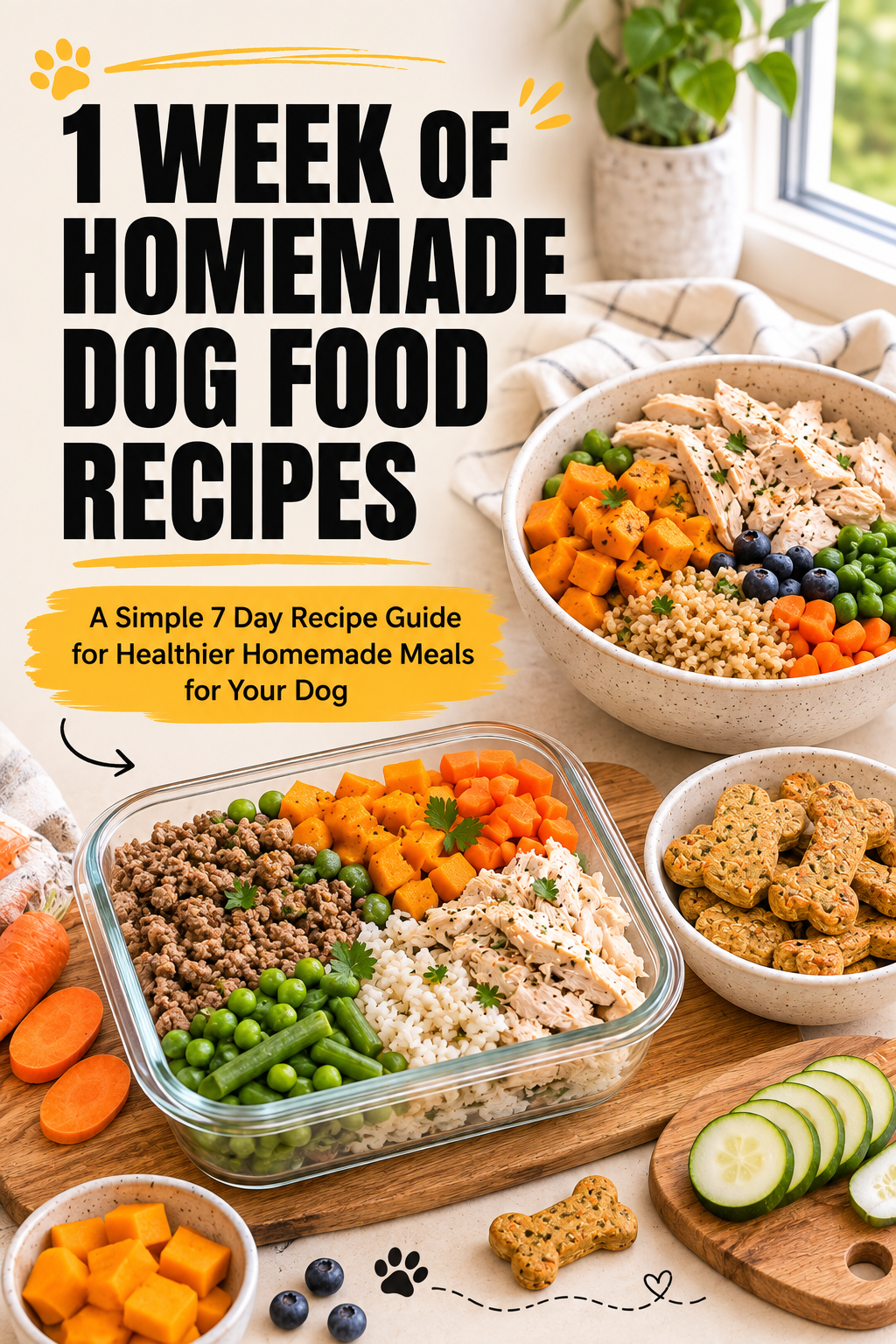
Homemade Healthy Skin and Shiny Coat Dog Meals
1. Salmon and Sweet Potato Skin Support Bowl
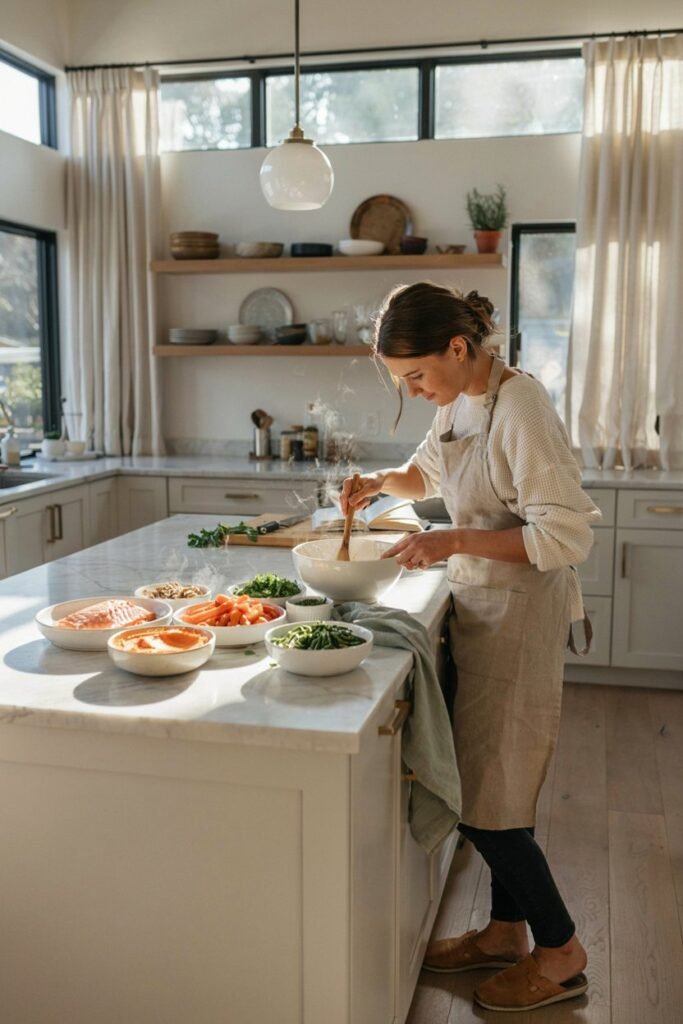
Whenever my dog starts shedding a little more than usual or his coat begins looking dull, this is one of the first recipes I make.
It is packed with wholesome ingredients that naturally support healthy skin while providing a balanced, satisfying meal.
The combination of salmon, sweet potato, and vegetables creates a recipe that’s rich in nutrients without being complicated to prepare, making it one I come back to throughout the year.
Prep Time: 15 minutes
Cook Time: 25 minutes
Storage: Refrigerate for up to 4 days or freeze for up to 3 months
Yield: Approximately 6 servings (depending on your dog’s size)
Ingredients
- 2 cups cooked salmon, all bones removed
- 2 medium sweet potatoes
- 1 cup green beans
- 1 cup carrots
- 1 tablespoon fresh parsley, finely chopped
Before You Start
Choose fresh or frozen salmon without added seasoning, and carefully inspect it for even the smallest bones after cooking.
Wash the vegetables thoroughly and peel the sweet potatoes if desired.
Chop the carrots and green beans into bite sized pieces so they mix evenly throughout the meal.
Step by Step Instructions
1. Cook the Salmon
Bake, steam, or poach the salmon until it flakes easily with a fork and reaches an internal temperature of 145°F (63°C).
Let it cool slightly before carefully removing every bone and any remaining skin.
2. Prepare the Sweet Potatoes
Bake or steam the sweet potatoes until they are fork tender.
Once cool enough to handle, mash them until mostly smooth.
They help bind the recipe together while adding natural sweetness and fiber.
3. Cook the Vegetables
Steam the carrots and green beans until they are tender but not mushy.
Overcooking can reduce both texture and nutritional value.
4. Combine Everything
Add the flaked salmon, mashed sweet potatoes, cooked carrots, green beans, and chopped parsley to a large mixing bowl.
Stir thoroughly until every ingredient is evenly distributed.
5. Cool Before Serving
Allow the mixture to cool completely before portioning it into your dog’s bowl or storage containers.
Why I Like This Recipe
This recipe combines high quality protein with healthy fats, fiber, and naturally occurring vitamins.
Salmon is an excellent source of Omega 3 fatty acids, which help support healthy skin and a shiny coat, while sweet potatoes and carrots provide Vitamin A for skin health and immune support.
Green beans add fiber for healthy digestion, and fresh parsley contributes extra nutrients while naturally freshening breath.
Storage Tips
- Refrigerate in airtight containers for up to 4 days.
- Freeze individual meal portions for up to 3 months.
- Thaw overnight in the refrigerator before serving.
- Serve at room temperature or slightly warmed, never hot.
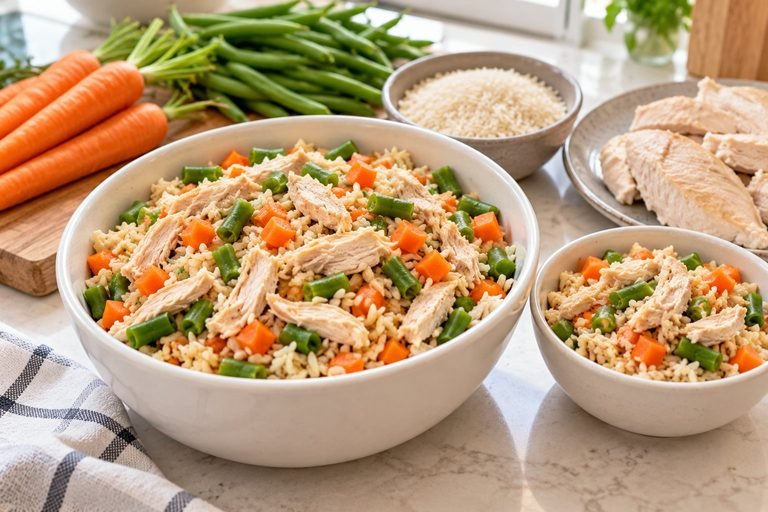
2. Chicken, Pumpkin, and Brown Rice Dinner
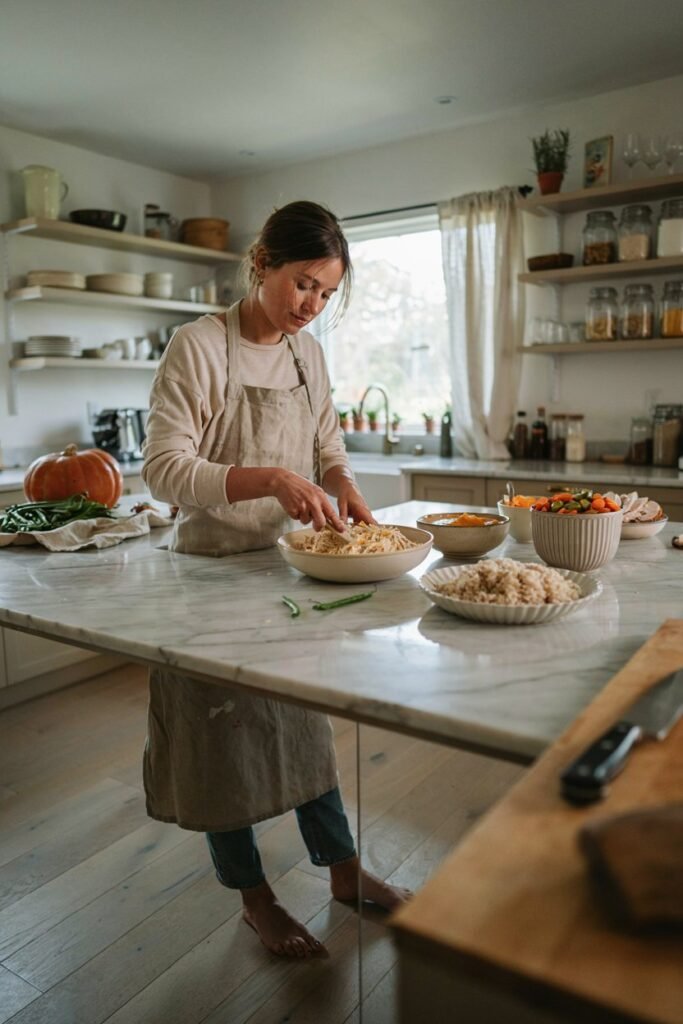
This is one of the recipes I make most often because it is simple, budget friendly, and made with ingredients that are easy to find in almost any grocery store.
It is especially helpful when I want a wholesome meal that’s gentle on my dog’s stomach while still providing plenty of nutrition.
The combination of lean chicken, fiber rich pumpkin, and brown rice creates a satisfying meal that many dogs happily eat every time.
Prep Time: 15 minutes
Cook Time: 30 minutes
Storage: Refrigerate for up to 4 days or freeze for up to 3 months
Yield: Approximately 6 servings (depending on your dog’s size)
Ingredients
- 2 cups cooked chicken breast, shredded
- 1½ cups cooked brown rice
- 1 cup plain cooked pumpkin or plain pumpkin puree
- 1 cup green beans, chopped
- ½ cup carrots, chopped
Before You Start
Use plain boneless, skinless chicken breast with no added seasoning.
If using canned pumpkin, make sure it is 100% plain pumpkin puree, not pumpkin pie filling, which contains added sugar and spices that are not safe for dogs.
Step by Step Instructions
1. Cook the Chicken
Boil, bake, or poach the chicken until fully cooked and it reaches an internal temperature of 165°F (74°C).
Allow it to cool slightly before shredding it into small, bite sized pieces.
2. Prepare the Rice
Cook the brown rice according to the package instructions until tender.
Let it cool slightly before mixing with the other ingredients.
3. Cook the Vegetables
Steam the green beans and carrots until they are tender but still hold their shape.
If using fresh pumpkin, cook it until soft enough to mash with a fork.
4. Combine the Ingredients
Place the shredded chicken, cooked brown rice, pumpkin, green beans, and carrots into a large mixing bowl. Stir well until everything is evenly combined.
5. Cool Before Serving
Allow the mixture to cool completely before serving or transferring it to storage containers.
Why I Like This Recipe
This meal is simple, balanced, and easy to prepare.
The chicken provides high quality lean protein to help maintain muscle, while pumpkin supplies natural fiber that supports healthy digestion.
Brown rice offers slow releasing carbohydrates for steady energy, and the vegetables contribute vitamins, minerals, and antioxidants that help support overall health.
Storage Tips
- Refrigerate in airtight containers for up to 4 days.
- Freeze individual meal portions for up to 3 months.
- Thaw frozen portions overnight in the refrigerator.
- Serve at room temperature or gently warmed before feeding.
3. Turkey and Vegetable Coat Care Bowl
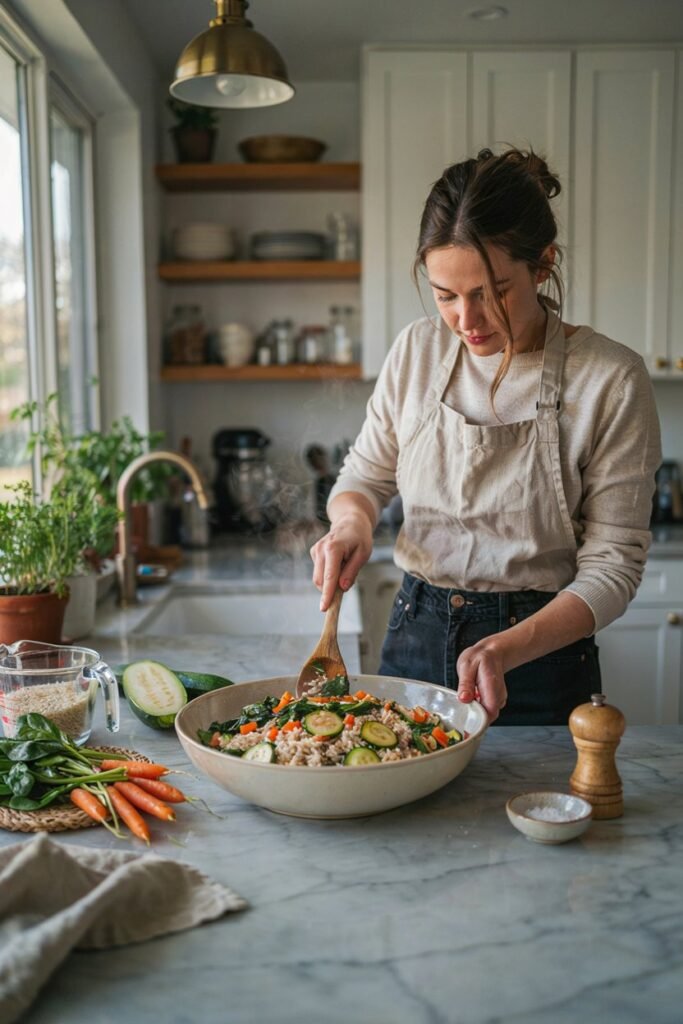
Whenever I have lean ground turkey in the refrigerator, this is one of the first recipes I make for meal prep.
It cooks quickly, uses simple ingredients, and creates a balanced meal that’s packed with lean protein and colorful vegetables.
It’s an easy recipe to prepare ahead of time, and my dog never seems to get tired of it.
Prep Time: 15 minutes
Cook Time: 25 minutes
Storage: Refrigerate for up to 4 days or freeze for up to 3 months
Yield: Approximately 6 servings (depending on your dog’s size)
Ingredients
- 2 cups lean ground turkey
- 1 cup cooked brown rice
- 1 cup spinach, chopped
- 1 cup carrots, chopped
- 1 cup zucchini, chopped
Before You Start
Choose lean ground turkey with no added seasonings or sodium.
Wash the vegetables thoroughly and chop them into small, bite sized pieces so they cook evenly and mix well throughout the meal.
Step by Step Instructions
1. Cook the Turkey
Place the ground turkey in a large skillet over medium heat.
Break it into small crumbles as it cooks and continue until it is fully browned with no pink remaining.
The internal temperature should reach 165°F (74°C).
2. Prepare the Rice
Cook the brown rice according to the package directions if it has not already been prepared. Allow it to cool slightly before mixing.
3. Steam the Vegetables
Steam the carrots and zucchini until they are tender but not mushy.
Add the chopped spinach during the last minute or two of cooking so it wilts without becoming overcooked.
4. Combine Everything
Transfer the cooked turkey, brown rice, and vegetables to a large mixing bowl.
Stir thoroughly until every ingredient is evenly distributed throughout the mixture.
5. Cool Before Serving
Allow the food to cool completely before serving or transferring it into meal sized storage containers.
Why I Like This Recipe
Lean turkey is an excellent source of high quality protein while remaining lower in fat than many other meats.
Spinach, carrots, and zucchini provide vitamins, minerals, antioxidants, and fiber that help support healthy skin, a shiny coat, good digestion, and overall wellness.
The brown rice supplies steady energy, making this a balanced meal that’s both filling and nutritious.
Storage Tips
- Refrigerate in airtight containers for up to 4 days.
- Freeze individual portions for up to 3 months.
- Defrost overnight in the refrigerator before serving.
- Serve at room temperature or gently warmed, never hot.
4. Beef, Spinach, and Carrot Nourish Bowl
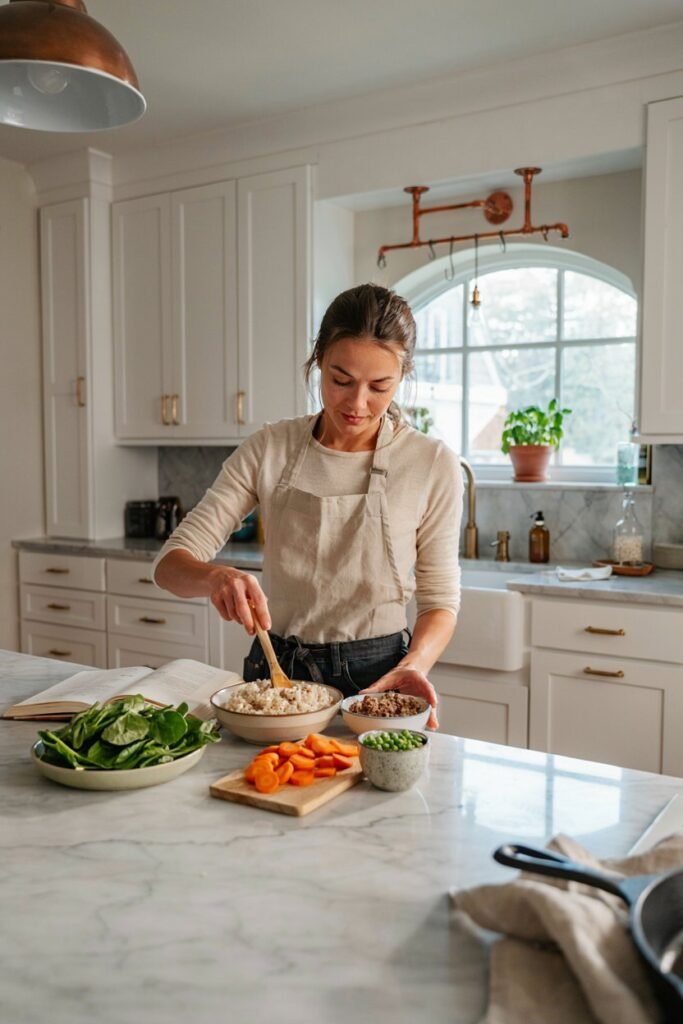
Whenever I want to prepare a heartier homemade meal, this is one of the recipes I reach for.
Lean ground beef makes the meal filling without being overly fatty, while the vegetables add plenty of color, nutrients, and natural flavor.
It is easy to make in larger batches, stores well, and has become one of the recipes my dog always seems excited to eat.
Prep Time: 15 minutes
Cook Time: 30 minutes
Storage: Refrigerate for up to 4 days or freeze for up to 3 months
Yield: Approximately 6 servings (depending on your dog’s size)
Ingredients
- 2 cups lean ground beef
- 1 cup cooked brown rice
- 1 cup spinach, chopped
- 1 cup carrots, chopped
- ½ cup green peas
Before You Start
Choose lean ground beef to reduce excess fat and avoid adding any seasonings while cooking.
Wash all vegetables thoroughly and chop them into small pieces so they cook evenly and are easy for your dog to eat.
Step by Step Instructions
1. Cook the Beef
Place the ground beef in a large skillet over medium heat. Break it into small crumbles as it cooks until it is completely browned and reaches an internal temperature of 160°F (71°C).
Drain off any excess fat before continuing.
2. Prepare the Rice
Cook the brown rice according to the package directions if it has not already been prepared. Set it aside to cool slightly.
3. Steam the Vegetables
Steam the carrots until tender, then add the peas and spinach during the final few minutes of cooking.
The spinach should wilt while the peas remain tender without becoming mushy.
4. Mix Everything Together
Transfer the cooked beef, brown rice, carrots, spinach, and peas into a large mixing bowl.
Stir thoroughly until all of the ingredients are evenly combined.
5. Cool Before Serving
Allow the mixture to cool completely before serving or dividing it into meal sized storage containers.
Why I Like This Recipe
Lean beef is naturally rich in high quality protein, iron, and zinc, nutrients that help support healthy skin, muscle maintenance, and coat growth.
Spinach, carrots, and peas provide vitamins, antioxidants, and fiber that contribute to overall health while adding texture and natural flavor.
Brown rice supplies slow releasing carbohydrates, making this a balanced meal that keeps dogs satisfied and energized.
Storage Tips
- Refrigerate in airtight containers for up to 4 days.
- Freeze individual portions for up to 3 months.
- Thaw frozen portions overnight in the refrigerator before serving.
- Serve at room temperature or gently warmed, never hot.
5. Egg and Oatmeal Breakfast Bowl

I like making this recipe as an occasional breakfast style meal because it comes together quickly and uses simple ingredients I almost always have on hand.
It’s a great option when I want something nutritious without spending much time in the kitchen.
The combination of eggs, oats, pumpkin, spinach, and blueberries creates a wholesome meal that’s gentle on the stomach while providing a variety of vitamins and minerals.
Prep Time: 10 minutes
Cook Time: 15 minutes
Storage: Refrigerate for up to 4 days or freeze for up to 2 months
Yield: Approximately 4 to 6 servings (depending on your dog’s size)
Ingredients
- 3 large eggs
- 1½ cups plain cooked oats
- ½ cup plain cooked pumpkin or pumpkin puree
- ½ cup spinach, finely chopped
- ½ cup fresh blueberries
Before You Start
Use plain rolled or old fashioned oats cooked only in water.
Avoid flavored instant oatmeal packets, as they often contain sugar, salt, or artificial flavorings that are not suitable for dogs.
If using canned pumpkin, make sure it is 100% plain pumpkin puree rather than pumpkin pie filling.
Step by Step Instructions
1. Cook the Eggs
Boil or scramble the eggs without butter, oil, milk, or seasoning until they are fully cooked.
Allow them to cool slightly before chopping them into small bite sized pieces.
2. Prepare the Oats
Cook the oats in plain water according to the package instructions until they are soft.
Let them cool for several minutes before combining them with the other ingredients.
3. Cook the Spinach
Lightly steam the chopped spinach until it wilts.
This softens the leaves and makes them easier to mix evenly throughout the meal.
4. Combine Everything
Place the chopped eggs, cooked oats, pumpkin, spinach, and blueberries into a large mixing bowl. Stir gently until all of the ingredients are evenly distributed.
The blueberries can be left whole for larger dogs or lightly mashed for smaller breeds.
5. Cool Before Serving
Allow the meal to cool completely before serving or storing any leftovers.
Why I Like This Recipe
Eggs provide complete, highly digestible protein along with healthy fats that help support muscle maintenance and a healthy coat.
Oats and pumpkin are excellent sources of fiber, helping to support healthy digestion, while spinach contributes vitamins and minerals.
Blueberries add natural antioxidants that help support the immune system and overall wellness, making this a nutritious meal with plenty of variety.
Storage Tips
- Refrigerate in airtight containers for up to 4 days.
- Freeze individual portions for up to 2 months.
- Defrost overnight in the refrigerator before serving.
- Serve at room temperature or slightly warmed, never hot.
6. Sardine and Vegetable Dinner
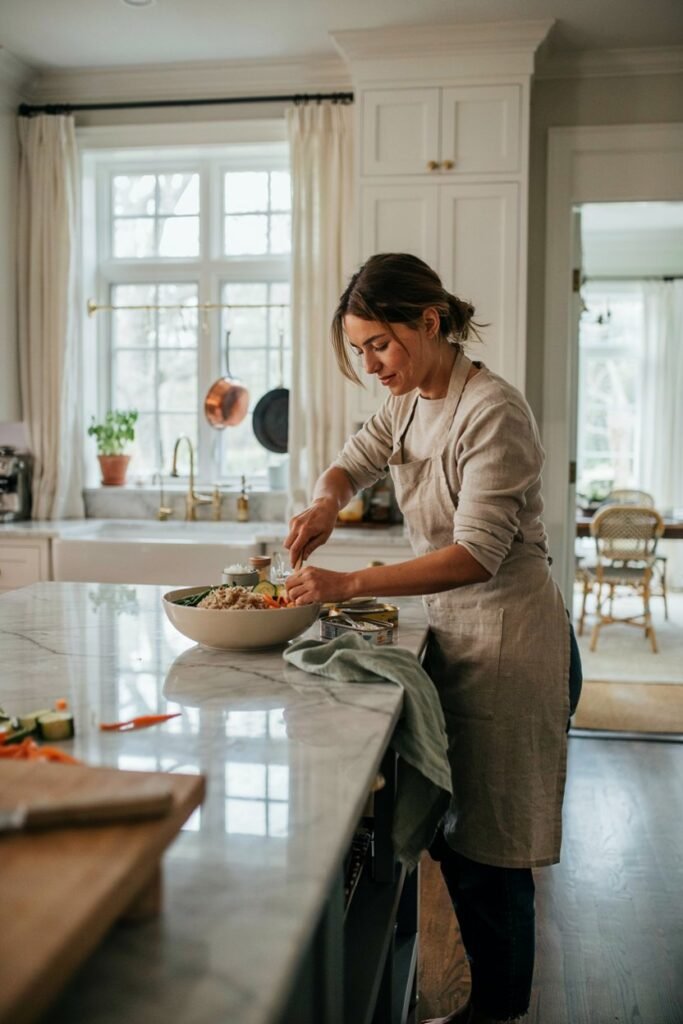
Whenever I want to naturally boost the healthy fats in my dog’s diet, this is one of the recipes I make.
Sardines are affordable, easy to keep in the pantry, and packed with nutrients that support healthy skin, a shiny coat, and overall wellness.
Combined with brown rice and fresh vegetables, they create a balanced meal that’s both simple to prepare and full of natural goodness.
Prep Time: 10 minutes
Cook Time: 20 minutes
Storage: Refrigerate for up to 4 days or freeze for up to 3 months
Yield: Approximately 5 to 6 servings (depending on your dog’s size)
Ingredients
- 2 cans sardines packed in water with no added salt
- 1½ cups cooked brown rice
- 1 cup zucchini, chopped
- 1 cup green beans, chopped
- ½ cup carrots, chopped
Before You Start
Choose sardines packed in plain water, not oil or flavored sauces.
Drain them well before using, and inspect them carefully for any larger bones.
While the small bones in canned sardines are usually soft and edible, removing any larger pieces is always a good precaution.
Wash and chop all vegetables into bite sized pieces before cooking.
Step by Step Instructions
1. Prepare the Sardines
Drain the canned sardines and gently break them into small flakes with a fork. Remove any large bones you find before adding them to the recipe.
2. Cook the Rice
Prepare the brown rice according to the package directions if it has not already been cooked. Allow it to cool slightly.
3. Steam the Vegetables
Steam the zucchini, green beans, and carrots until they are tender but still hold their shape.
Avoid overcooking them, as they should remain slightly firm.
4. Combine Everything
Place the flaked sardines, cooked brown rice, and steamed vegetables into a large mixing bowl.
Stir thoroughly until all of the ingredients are evenly distributed.
5. Cool Before Serving
Allow the mixture to cool completely before serving or portioning it into storage containers.
Why I Like This Recipe
Sardines are one of the best natural sources of Omega 3 fatty acids, which help support healthy skin, reduce inflammation, and promote a soft, shiny coat.
They also provide high quality protein, calcium, vitamin D, and other important nutrients.
The vegetables contribute fiber, vitamins, and antioxidants, while brown rice supplies steady energy, making this a well balanced homemade meal.
Storage Tips
- Refrigerate in airtight containers for up to 4 days.
- Freeze individual portions for up to 3 months.
- Thaw overnight in the refrigerator before serving.
- Serve at room temperature or gently warmed, never hot.
Foods That Help Promote Healthy Skin Naturally
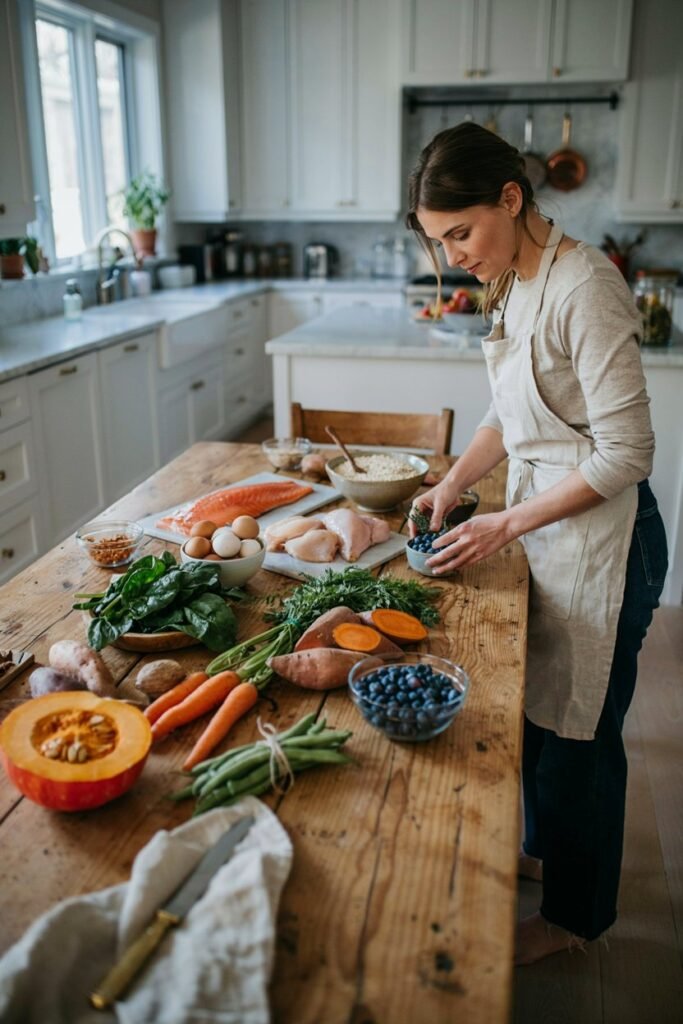
Although every balanced meal contributes to your dog’s health, there are certain ingredients I try to include regularly because they provide valuable nutrients for the skin and coat.
Some of my favorites include:
- Salmon
- Sardines
- Lean chicken
- Turkey
- Eggs
- Sweet potatoes
- Pumpkin
- Carrots
- Spinach
- Blueberries
- Brown rice
- Oats
- Green beans
- Zucchini
I like rotating these ingredients instead of feeding exactly the same recipe every day. Variety helps provide a broader range of nutrients while making meals more enjoyable.
Foods I Never Feed My Dog
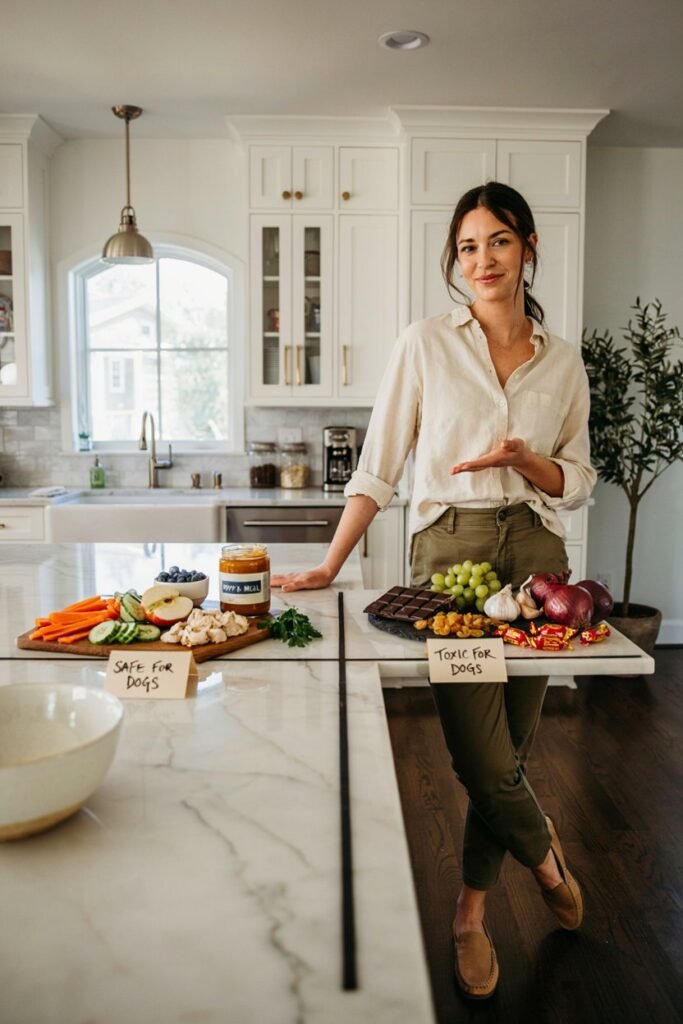
Preparing homemade food also means knowing which foods should never be included.
I always avoid:
- Chocolate
- Grapes
- Raisins
- Onions
- Garlic
- Macadamia nuts
- Alcohol
- Xylitol
- Excessively salty foods
- Highly seasoned leftovers
- Cooked bones
Even small amounts of some of these foods can be dangerous for dogs, so I make a habit of double checking every ingredient before cooking.
Tips for Transitioning to Homemade Meals
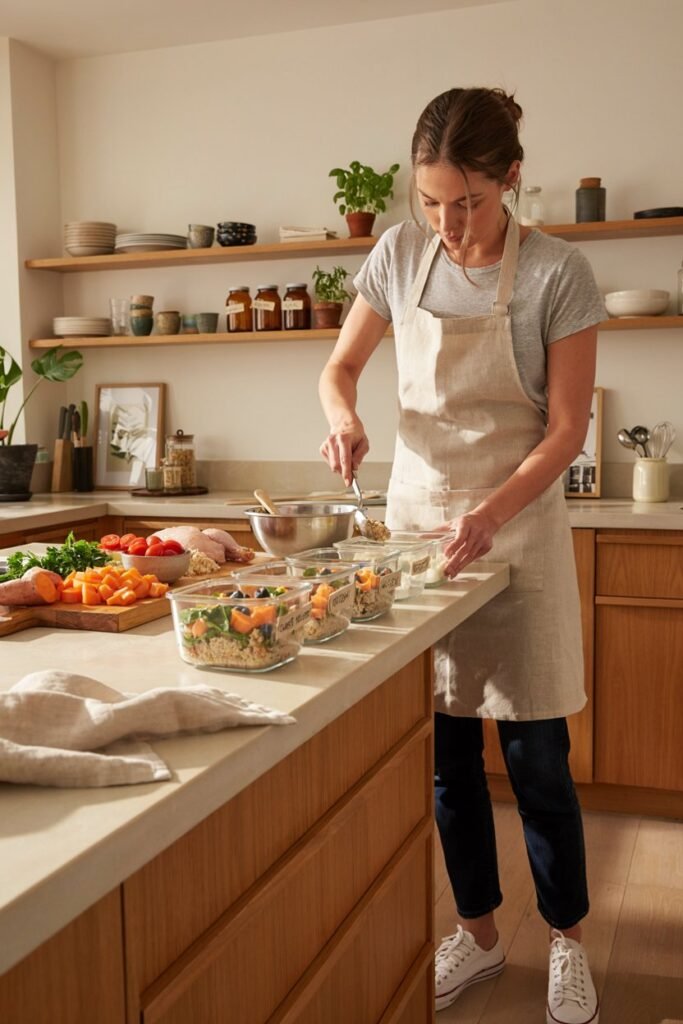
Whenever I introduce a new homemade recipe, I never switch everything overnight.
A gradual transition helps reduce digestive upset and gives me a chance to monitor how my dog responds.
Here are the steps I normally follow.
Begin by mixing a small amount of homemade food with your dog’s current food.
Increase the homemade portion gradually over seven to ten days.
Watch for changes in stool consistency or appetite.
Provide fresh drinking water at all times.
Introduce only one new recipe at a time.
Pay attention to your dog’s energy level, skin condition, and coat quality over the following weeks.
Taking things slowly has always worked better than making sudden dietary changes.
How Long Does It Take to See Healthier Skin and a Shinier Coat?
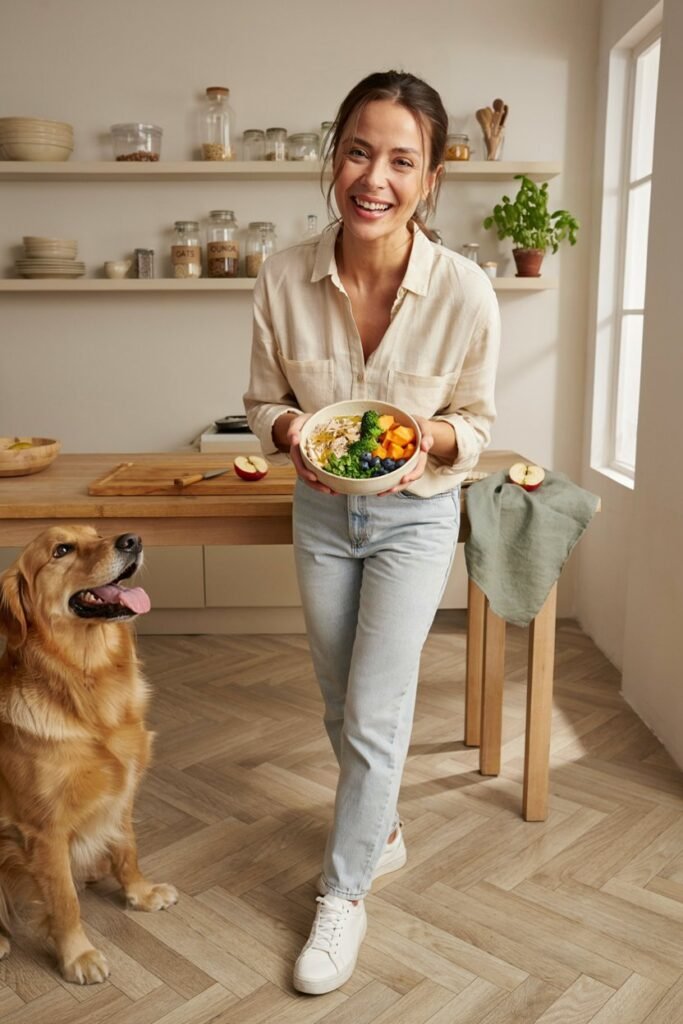
One question I hear often is how quickly nutrition can improve a dog’s appearance.
From my experience, noticeable improvements usually take several weeks rather than several days.
Healthy skin cells and new hair growth need time, so consistency is much more important than expecting instant results.
Many dogs begin showing small improvements within four to eight weeks of eating balanced meals regularly, although every dog is different.
Factors that influence results include:
- Age
- Breed
- Existing medical conditions
- Overall diet
- Grooming routine
- Activity level
Patience is important because lasting improvements happen gradually.
Common Mistakes to Avoid
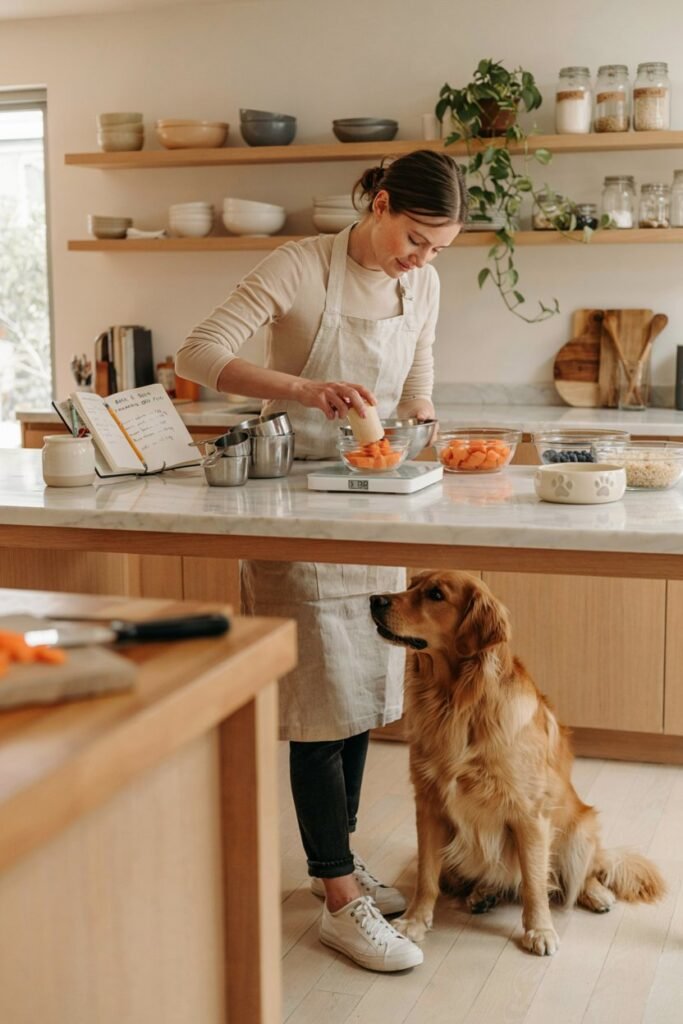
While homemade meals can be incredibly rewarding, there are a few mistakes I always try to avoid.
Feeding Too Much Fat
Healthy fats are beneficial, but excessive amounts may contribute to weight gain or digestive problems.
Forgetting Portion Sizes
Even healthy meals should be served in appropriate portions based on your dog’s size, age, and activity level.
Feeding the Same Recipe Every Day
Rotating ingredients helps provide a wider range of nutrients.
Ignoring Nutritional Balance
Protein, healthy fats, carbohydrates, vitamins, and minerals all work together. Focusing on only one ingredient can leave nutritional gaps.
Using Unsafe Ingredients
Always double check every ingredient before preparing homemade food.
Skipping Veterinary Advice
If your dog has allergies, kidney disease, liver disease, diabetes, or other medical conditions, speak with your veterinarian before changing the diet.
Frequently Asked Questions
Can homemade meals improve my dog’s coat?
A balanced homemade diet can support healthy skin and coat health by providing quality protein, healthy fats, vitamins, and minerals.
Results vary depending on the individual dog and any underlying medical conditions.
Which protein is best for healthy skin?
Salmon, sardines, chicken, turkey, lean beef, and eggs are all excellent choices because they provide high quality protein and important nutrients.
How often can I feed homemade meals?
That depends on your dog’s nutritional needs and the guidance of your veterinarian.
Some owners feed homemade meals daily, while others combine them with a complete commercial diet.
Can these recipes reduce shedding?
Healthy nutrition may help improve overall coat quality and reduce shedding related to poor nutrition.
However, normal seasonal shedding is still expected in many breeds.
Should I add fish oil supplements?
Some dogs may benefit from fish oil, but the correct amount depends on your dog’s size and health.
Your veterinarian can recommend an appropriate supplement if needed.
Can puppies eat these recipes?
Growing puppies have different nutritional requirements than adult dogs.
Homemade diets for puppies should only be fed under veterinary guidance to ensure they receive the nutrients needed for healthy development.
Final Thoughts
Preparing homemade meals has become one of my favorite ways to care for a dog’s overall health because I know exactly what goes into every bowl.
I enjoy using fresh ingredients that provide quality protein, healthy fats, and a variety of vegetables to create meals that are both nutritious and enjoyable to eat.
One thing I have learned is that a healthy, shiny coat is rarely the result of one special ingredient.
Instead, it comes from consistently feeding balanced meals, providing fresh water, maintaining regular grooming, and paying attention to your dog’s overall wellbeing.
Small improvements made every day often lead to noticeable changes over time.
Remember that every dog has unique nutritional needs.
Before making homemade food a regular part of your dog’s diet, speak with your veterinarian or a board certified veterinary nutritionist to ensure the meals are complete and balanced for your dog’s age, breed, size, and health.
With thoughtful planning and quality ingredients, homemade meals can be a rewarding way to support healthy skin, a soft shiny coat, and your dog’s long term health.