
Human Foods Dogs Can Safely Eat: 35 Healthy Options, Serving Tips & Foods to Avoid
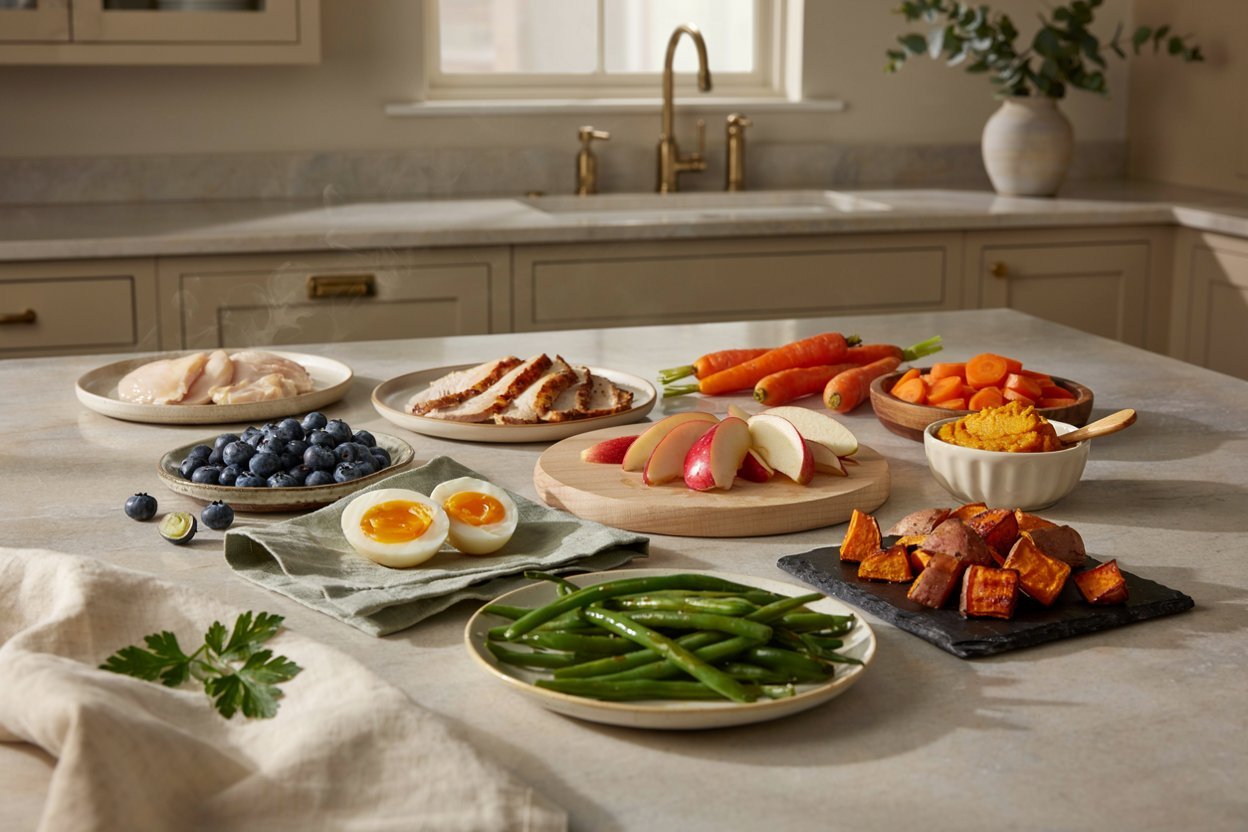
You’re preparing dinner, your dog is sitting nearby watching every bite, and suddenly you start wondering whether that little piece of chicken, carrot, apple, or scrambled egg is actually safe to share.
It’s one of the most common moments in dog ownership, and the honest answer is that some human foods make genuinely nutritious treats for dogs, while others can cause serious problems, sometimes in amounts smaller than you’d expect.
Sharing food with a dog isn’t inherently risky, but “natural” doesn’t automatically mean safe, and how a food is prepared often matters just as much as what the food actually is.
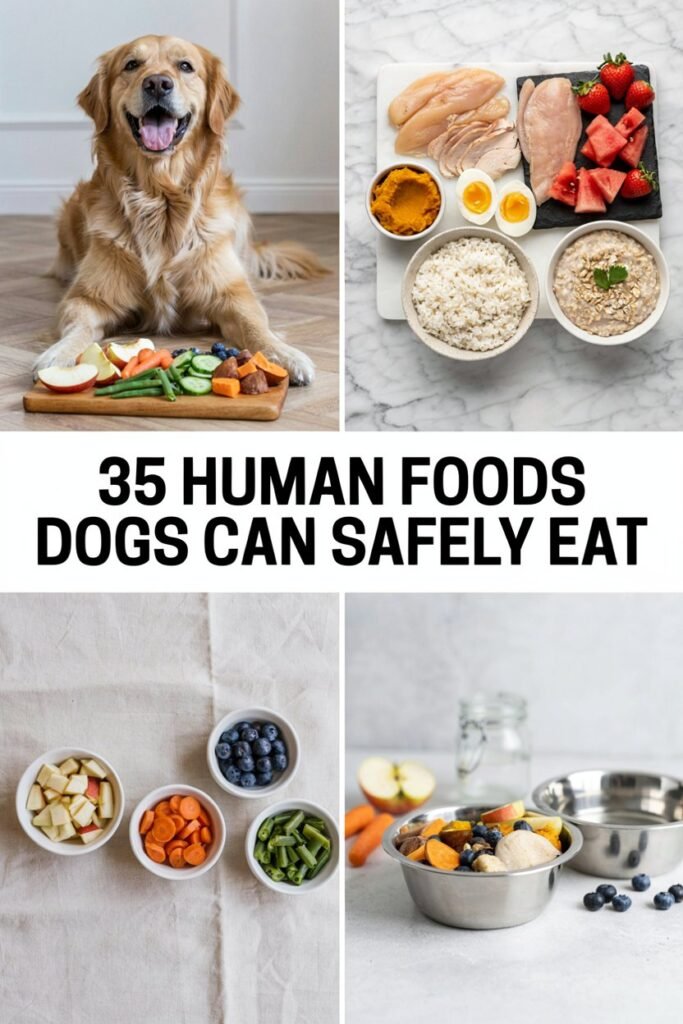
A plain, cooked piece of chicken and the same piece of chicken smothered in garlic butter sauce are two completely different situations for a dog’s body to handle.
Portion size matters too. Treats and extras should stay a small part of your dog’s day, not a replacement for a complete and balanced diet.
This guide covers 35 human foods dogs can safely eat, organized by category, along with preparation tips, portion guidance, a full list of foods to avoid entirely, and a simple checklist you can run through before sharing anything new.
Disclaimer: This post may contain affiliate links, which means I may earn a small commission at no extra cost to you. Always confirm foods are safe for dogs and consult your veterinarian before introducing new foods into your dog’s diet.
Amazon Shopping List You Need
- Stainless Steel Dog Food Bowls
- Digital Kitchen Food Scale
- Airtight Food Storage Containers
- Silicone Treat Molds for Homemade Dog Snacks
- Dog-Safe Peanut Butter (Xylitol-Free)
- Freeze-Dried Fruit & Vegetable Dog Treats
- Dog Multivitamin Supplement Powder
Quick Answer: What Human Foods Can Dogs Eat?
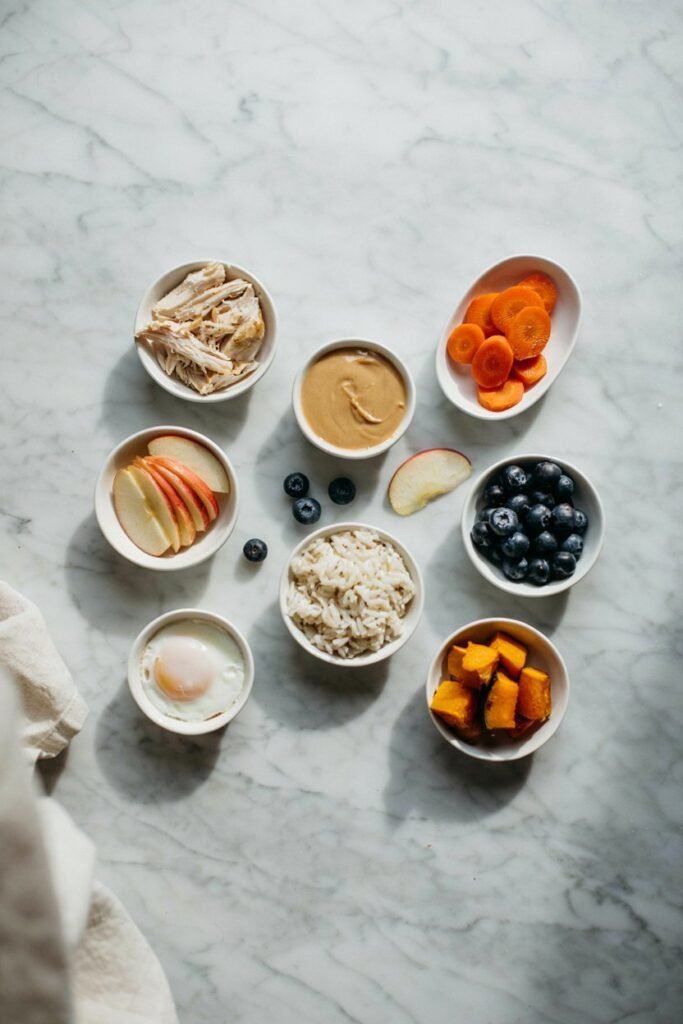
| Food | Safe for Dogs? | Best Preparation | Important Note |
|---|---|---|---|
| Chicken | Yes | Cooked, plain | Remove bones and seasoning |
| Carrots | Yes | Raw or cooked | Cut into manageable pieces |
| Apples | Yes | Seedless, sliced | Remove seeds and core |
| Blueberries | Yes | Fresh | Serve in moderation |
| Eggs | Yes | Fully cooked | Avoid added seasoning |
| Pumpkin | Yes | Plain cooked or canned | Avoid sweetened pie filling |
| Rice | Yes | Plain cooked | Small portions |
| Peanut butter | Usually | Plain | Must not contain xylitol |
| Grapes | No | Avoid entirely | Potentially toxic |
| Chocolate | No | Avoid entirely | Toxic to dogs |
35 Human Foods Dogs Can Safely Eat
Protein Rich Human Foods
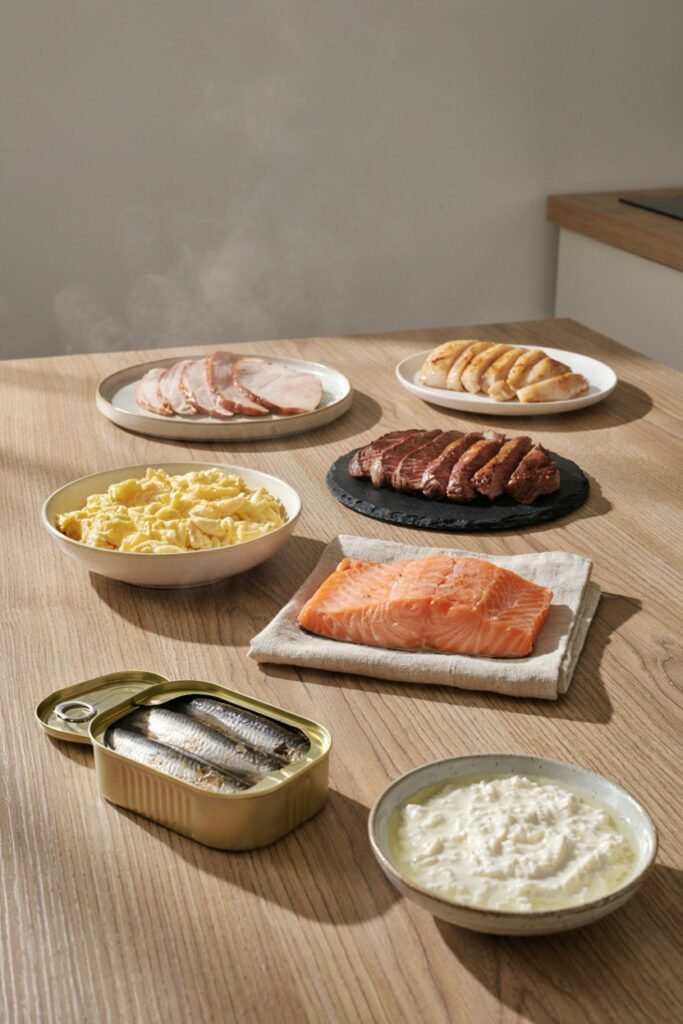
1. Cooked Chicken. Plain, fully cooked, boneless chicken is one of the most reliable treats you can offer. Boil or bake it with nothing added, and serve in small, bite sized pieces.
Chicken cooked with onions, garlic, heavy sauces, or a lot of salt is a completely different food and should be avoided.
Puppies can have small amounts once they’re eating solid food, and there’s nothing especially delicate about chicken that requires extra caution beyond the usual plain preparation.
2. Turkey. Similar to chicken in nutritional value and generally just as easy to digest. Skip the seasoned deli slices and pre stuffed holiday turkey, which are often loaded with salt, garlic, or onion based seasoning.
3. Lean Beef. Cooked plain, with visible fat trimmed, lean beef can be a good occasional protein boost. Avoid seasoned or marinated cuts, and never offer raw beef as a casual treat.
4. Cooked Eggs. Scrambled or hard boiled eggs, with nothing added, are an easy source of protein many dogs enjoy. Always cook eggs fully rather than serving them raw, since raw eggs carry a small risk of bacterial contamination.
5. Salmon. Cooked salmon offers omega fatty acids that support skin and coat health. It must be fully cooked and completely deboned, since raw or undercooked salmon can carry parasites dangerous to dogs.
6. Sardines. A smaller, easy to portion way to add omega fatty acids to your dog’s diet. Choose sardines packed in water rather than oil, sauce, or heavy salt.
7. Plain Cottage Cheese, If Tolerated. Some dogs handle dairy well in small amounts, and plain cottage cheese can be an easy occasional addition. Watch for any signs of digestive upset the first time you offer it.
8. Plain Cooked Pork, In Small Portions. Fully cooked, unseasoned pork can be fed occasionally, though it tends to be fattier than chicken or turkey, so smaller portions are appropriate.
Fruits Dogs Can Eat
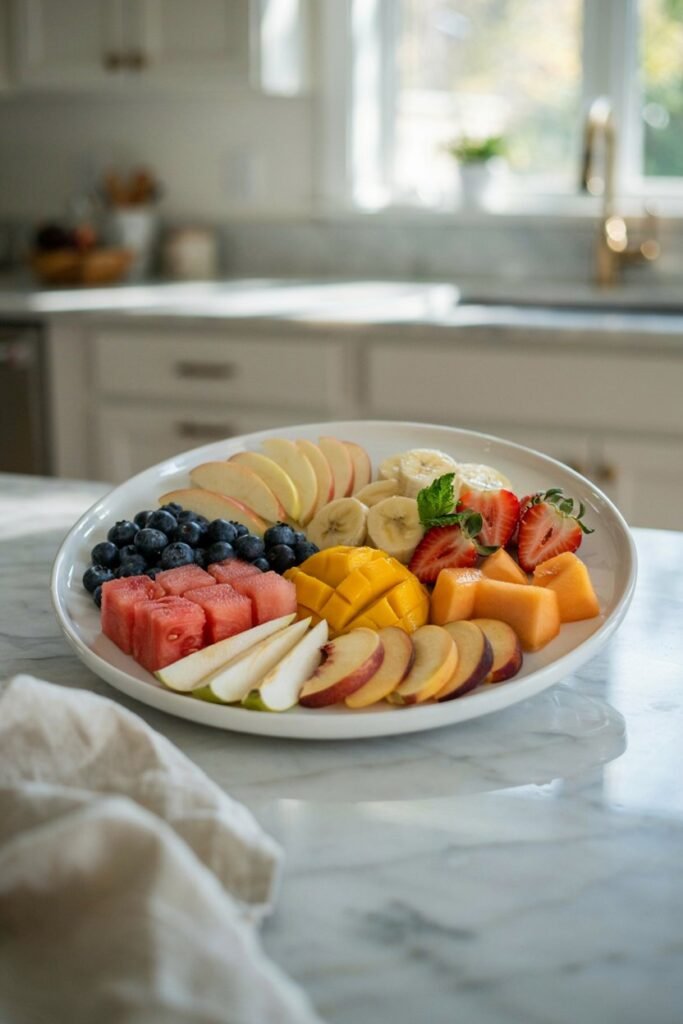
Preparation matters especially for fruit, since seeds, pits, cores, and choking hazards are common concerns here.
9. Apples. Remove the seeds and core first, since apple seeds contain trace amounts of a compound that’s harmful in larger quantities. Sliced apple is a crunchy, low calorie treat.
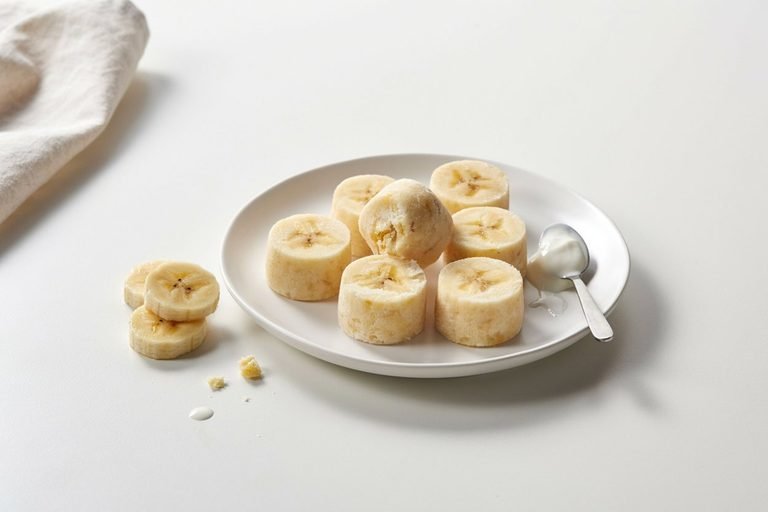
10. Bananas. A good source of potassium, though higher in natural sugar than most fruits on this list, so a small slice goes a long way.
11. Blueberries. Small, antioxidant rich, and easy to serve whole as a training treat or topper.
12. Strawberries. Slice to an appropriate size and serve in moderation, since strawberries do contain natural sugar.
13. Watermelon. Remove seeds and rind first. The high water content makes it a refreshing warm weather treat.
14. Cantaloupe. Remove the rind and seeds, and serve in small chunks given its natural sugar content.
15. Mango. Remove the pit and skin, and offer only the flesh in small pieces, since mango is fairly high in sugar.
16. Pears. Remove the seeds and core, similar to apples, and slice into manageable pieces.
17. Peaches, Without the Pit. The pit itself poses a choking hazard and contains compounds that aren’t safe, so only offer sliced, pitted peach flesh.
Vegetables Dogs Can Eat
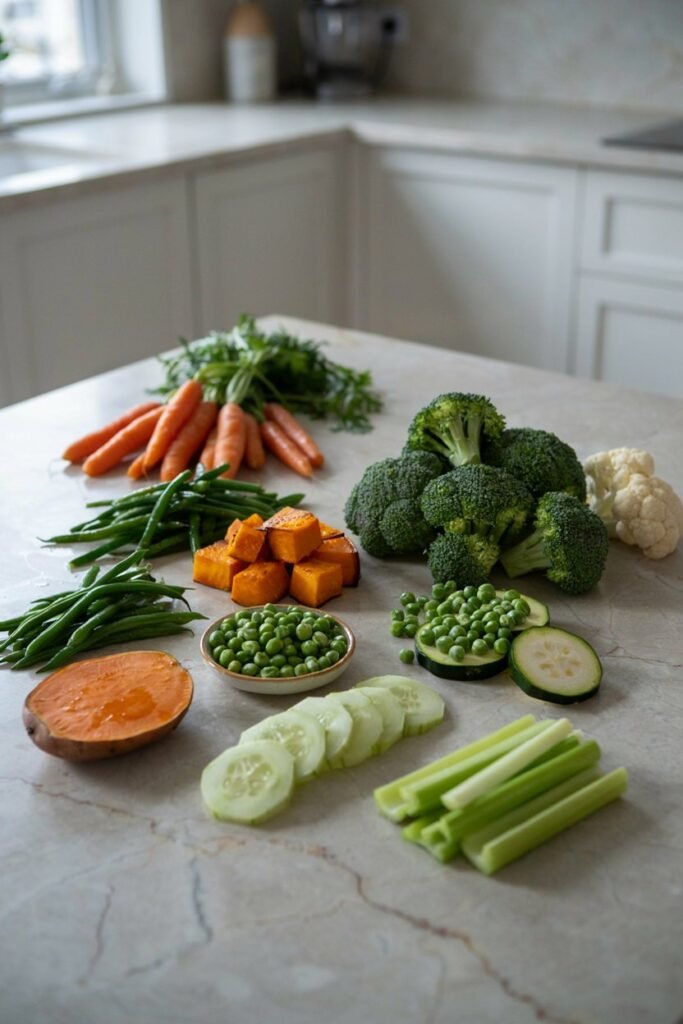
18. Carrots. Raw or cooked, carrots are a low calorie, crunchy option many dogs genuinely enjoy. Cut into appropriately sized pieces to avoid a choking hazard, especially for small dogs.
19. Green Beans. Steamed or raw, green beans are low in calories and a common addition to weight management routines.
20. Pumpkin. Plain cooked or canned pumpkin, never sweetened pie filling, can support digestion in small amounts.
21. Sweet Potatoes. Cooked plain, without added butter or sugar, sweet potato is a filling, nutrient dense treat.
22. Peas. Easy to mix into any meal and generally well tolerated in small amounts.
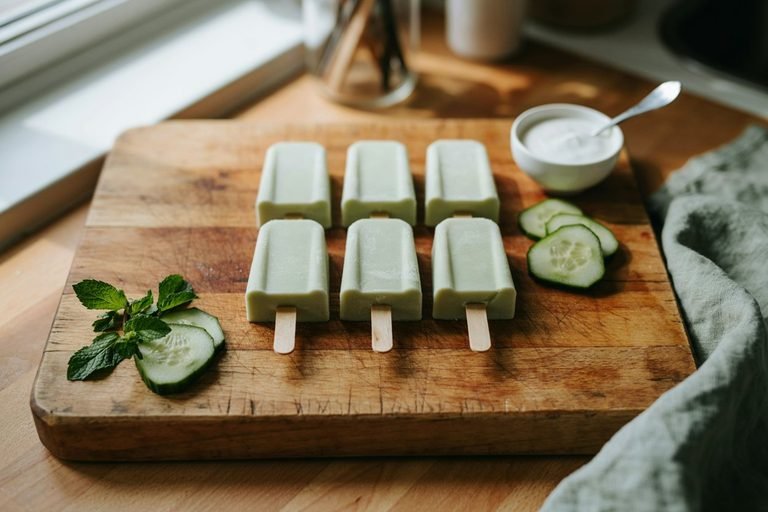
23. Cucumbers. Low calorie and hydrating, a good option for dogs who need to watch their weight.
24. Zucchini. Mild and easy to digest when steamed or served raw in small pieces.
25. Broccoli. Fine in small portions, but large amounts can cause gastrointestinal upset in some dogs, so keep servings modest.
26. Cauliflower. Similar to broccoli, safe in small quantities but not meant to be a large part of any meal.
27. Celery. Low calorie and crunchy, though the stringy fibers can be a minor choking risk for some dogs, so cut into smaller pieces.
Grains and Other Foods
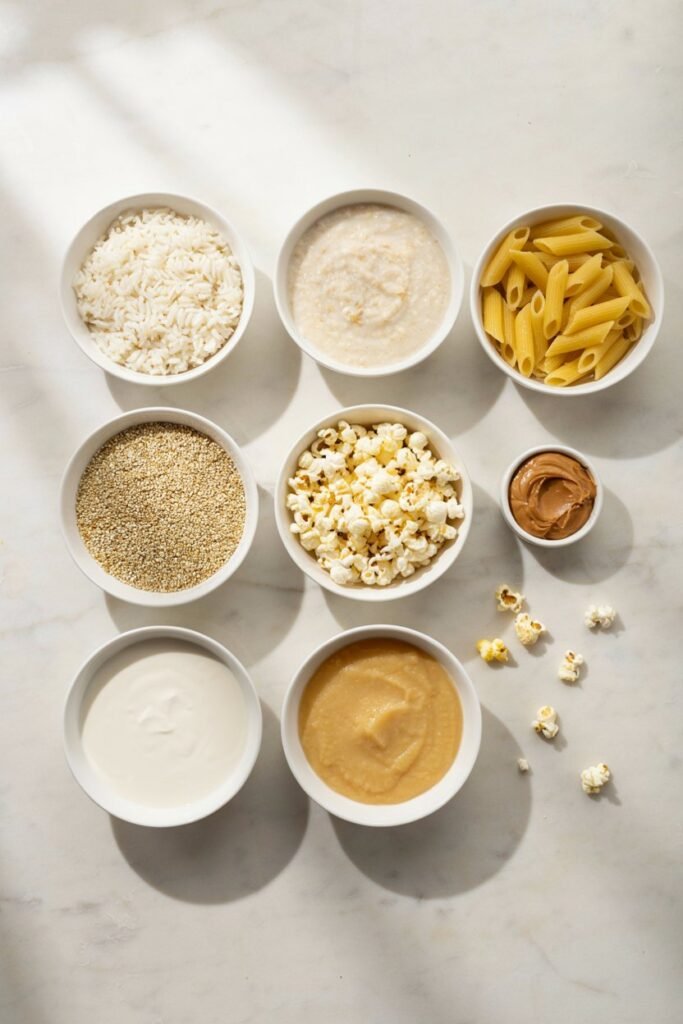
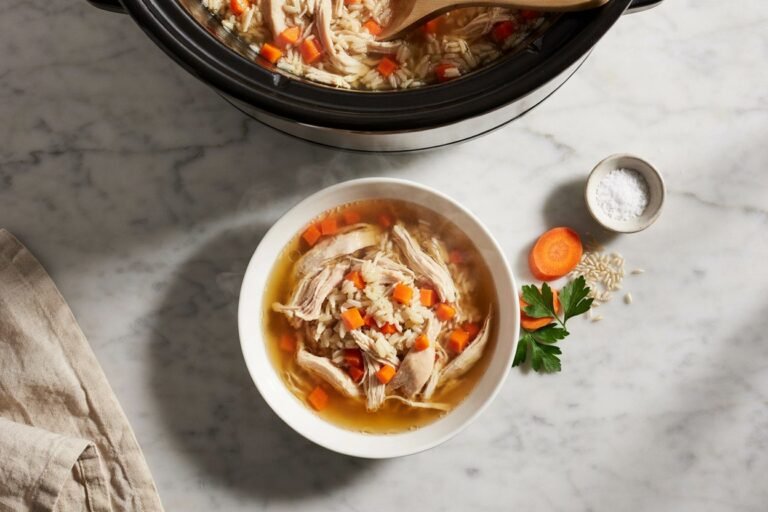
28. Plain Rice. Both white and brown rice are commonly used in homemade meals and treats alike, and are generally easy on the stomach.
29. Plain Oatmeal. Cooked with water, not milk or sugar, oatmeal can be a gentle source of fiber.
30. Plain Pasta. Cooked, unsalted, and unsauced pasta in small amounts is generally fine as an occasional addition.
31. Quinoa. A complete protein in its own right, quinoa should be rinsed thoroughly before cooking to remove its natural bitter coating.
32. Plain Popcorn. Air popped, with no butter or salt, popcorn can be an occasional low calorie snack, though it should always be given in moderation due to choking risk with unpopped kernels.
33. Unsweetened Peanut Butter. Look specifically for products without xylitol, and avoid versions loaded with added sugar or salt. Peanut butter is a favorite for stuffing puzzle toys or hiding pills.
34. Plain Yogurt, If Tolerated. Unsweetened, plain yogurt with live cultures can work for some dogs, though not all dogs handle dairy well.
35. Unsweetened Applesauce. Make sure it’s free of added sugar and spices like nutmeg, which isn’t safe for dogs in larger amounts.
How Much Human Food Can Dogs Eat?
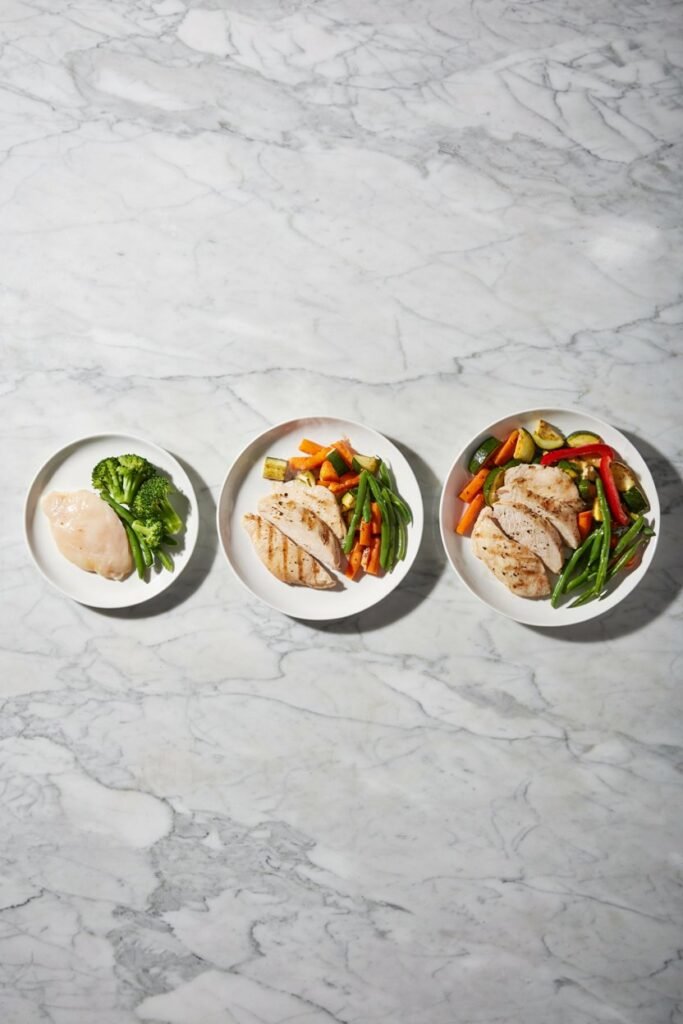
Treats and extras should generally stay a small portion of your dog’s overall daily calorie intake, rather than becoming a substitute for a complete and balanced diet.
Small dogs. A few small bites are often plenty, given how quickly extra calories add up relative to their size.
Medium dogs. A modest portion can be appropriate depending on the specific food and its calorie density.
Large dogs. A somewhat larger portion may be reasonable, though calorie density still matters more than the dog’s overall size might suggest.
There’s no single serving size that works for every dog, since a Chihuahua and a Great Dane have very different nutritional needs.
When introducing a new food, start small and watch for digestive upset such as vomiting, diarrhea, gas, or changes in stool before offering it again.
How to Prepare Human Food for Dogs
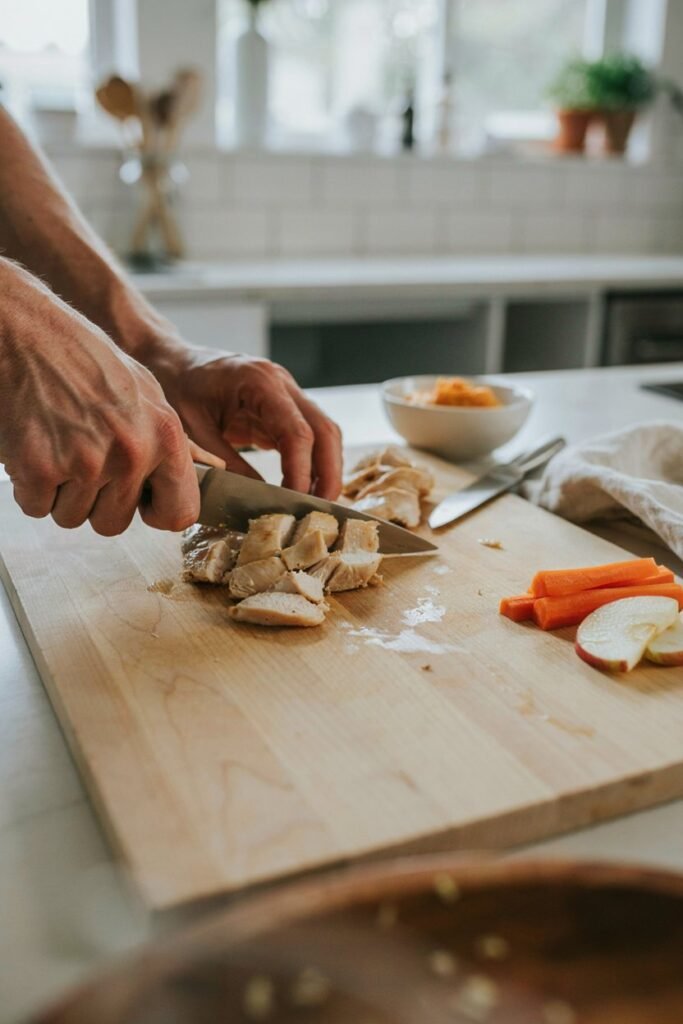
Keep it plain. Avoid garlic, onions, excess salt, heavy sauces, spicy seasonings, excess butter, greasy cooking methods, and sugar substitutes of any kind.
Remove dangerous parts. Depending on the food, that might mean bones, pits, seeds, cores, tough stems, or any large chunk that could present a choking hazard.
Cook animal proteins thoroughly. Raw meat or eggs aren’t automatically safer just because they’re unprocessed. Cooking reduces the risk of bacterial contamination that can affect dogs just as it can affect people.
Human Foods Dogs Should NEVER Eat
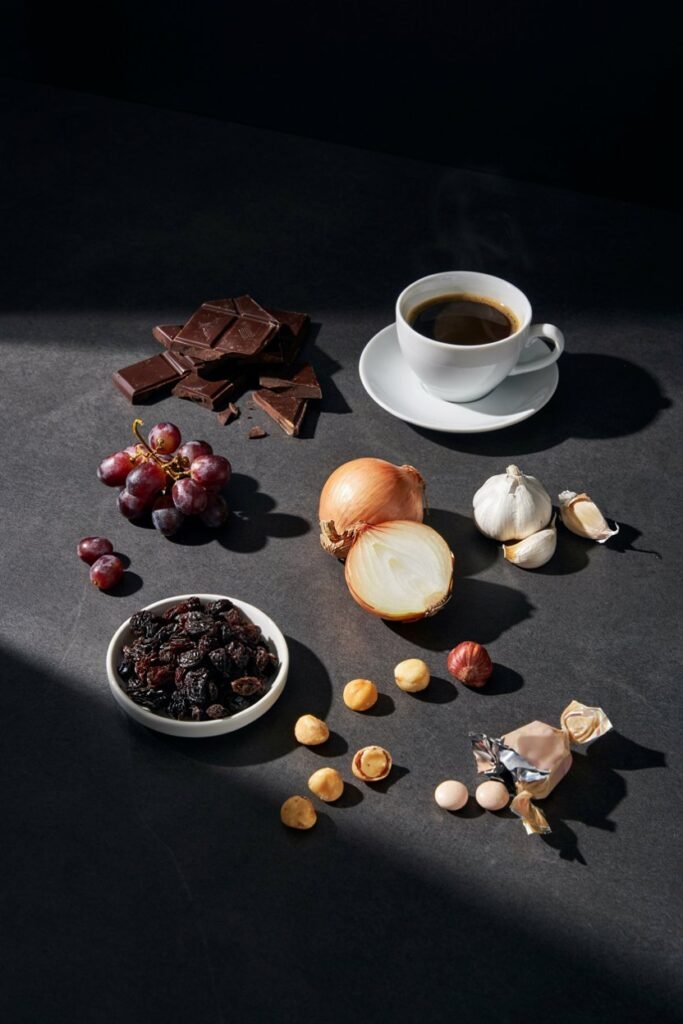
Chocolate. The level of risk depends on the type and amount of chocolate involved along with the dog’s size, but there’s no version of chocolate that’s genuinely safe to offer.
Grapes and raisins. These can cause serious kidney problems in dogs, and there’s no reliably safe amount, which is why they should be avoided entirely rather than offered in small quantities.
Xylitol or foods containing xylitol. This sugar substitute shows up in some sugar free gums, candies, baked goods, and even certain peanut butters, and it causes a rapid, dangerous drop in blood sugar.
Onions. Whether raw, cooked, or powdered, onions damage red blood cells and can lead to anemia.
Garlic. Part of the same plant family as onions, garlic carries a similar risk, even in small amounts used for flavoring.
Macadamia nuts. These can cause weakness, tremors, and elevated body temperature in dogs.
Alcohol. Dogs are far more sensitive to alcohol than humans, and even small amounts can cause serious problems.
Caffeinated drinks. Coffee, tea, and energy drinks affect a dog’s heart and nervous system in ways similar to chocolate.
Raw yeast dough. Dough containing yeast can continue to expand inside a dog’s stomach and produce alcohol as it ferments, creating two separate dangers at once.
Foods That Are Safe but Need Caution
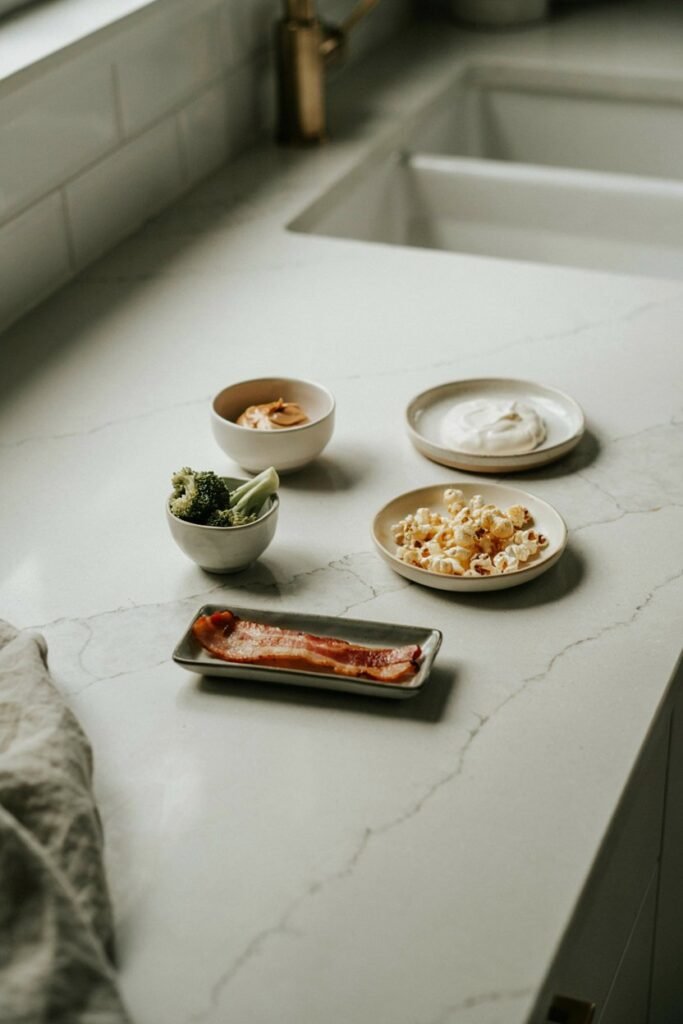
Peanut butter. Stick to plain products without xylitol, and skip versions with excessive added sugar or salt, since some peanut butter brands include sweeteners not originally intended for pets.
Dairy. Some dogs tolerate small amounts of plain dairy fine, while others develop digestive upset, so treat this as something to test carefully rather than assume.
Broccoli. Small portions are generally fine, but larger quantities can cause gastrointestinal discomfort.
Popcorn. Plain, air popped popcorn is a completely different food from heavily buttered or salted movie theater popcorn, and only the plain version belongs anywhere near your dog’s bowl.
Bacon. Technically meat, but its high fat and salt content makes it a poor everyday treat, even though an occasional small piece isn’t likely to cause harm on its own.
These foods sit in a gray area between “not poisonous” and “genuinely good everyday choice,” which is worth keeping in mind when deciding how often to offer them.
Can Puppies Eat Human Food?
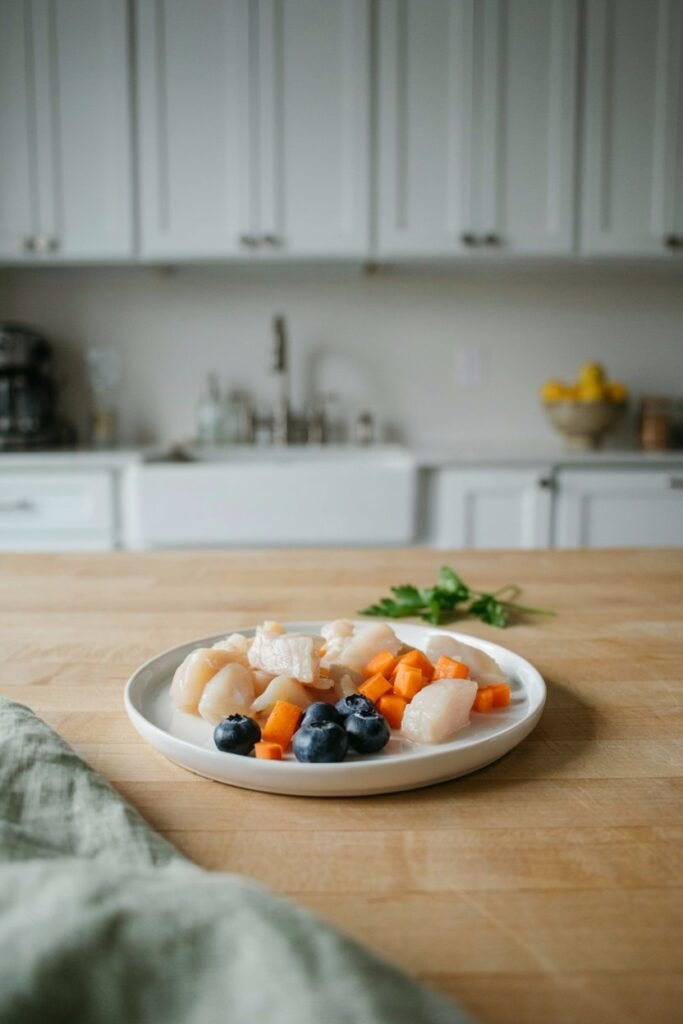
Puppies have different nutritional requirements than adult dogs because they’re actively growing, and treats shouldn’t displace their complete puppy food.
Small pieces of food can present a choking risk for young puppies especially, so cut anything offered into appropriately tiny sizes.
Introduce new foods gradually, one at a time, and never use human food as a substitute for a properly balanced puppy diet, since growing dogs have more specific calcium and calorie needs than adults.
Can Dogs With Sensitive Stomachs Eat Human Food?
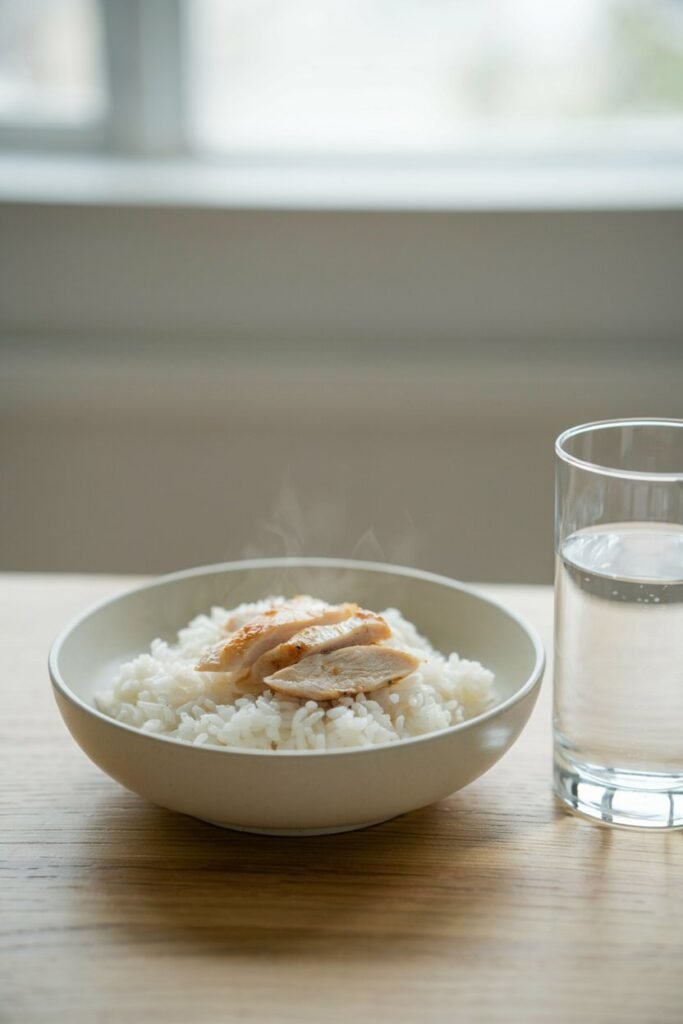
Often, yes, with some extra care. Introduce one new food at a time rather than several at once, starting with a tiny portion so you can watch for a reaction before offering more.
Pay attention to stool consistency over the following day or two, and steer clear of rich, fatty foods, which are more likely to trigger digestive upset than lean, plain options.
If vomiting or diarrhea persists beyond a short adjustment period, that’s a sign to check in with a veterinarian rather than keep experimenting on your own.
Best Human Foods for Training Treats
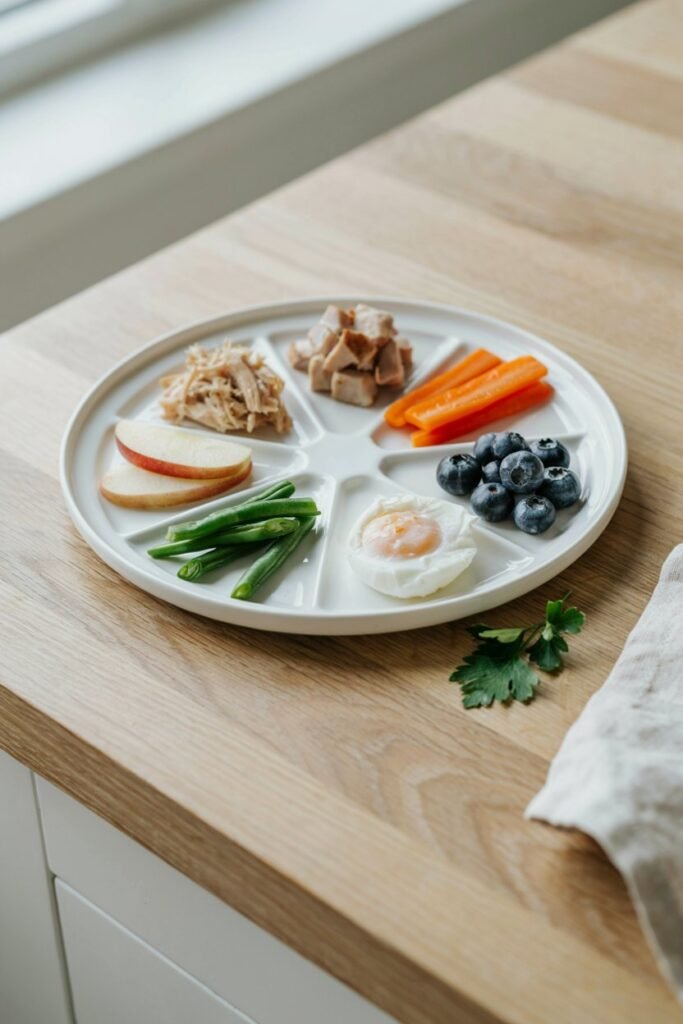
Small pieces of cooked chicken, turkey, carrot, apple, blueberries, green beans, or cooked egg all work well as training rewards, since they’re easy to portion and generally well tolerated.
Keep training treats genuinely tiny, since the frequency of rewards during a training session can add up to a surprising number of calories over the course of a day.
Human Foods That Can Be Added to Homemade Dog Food
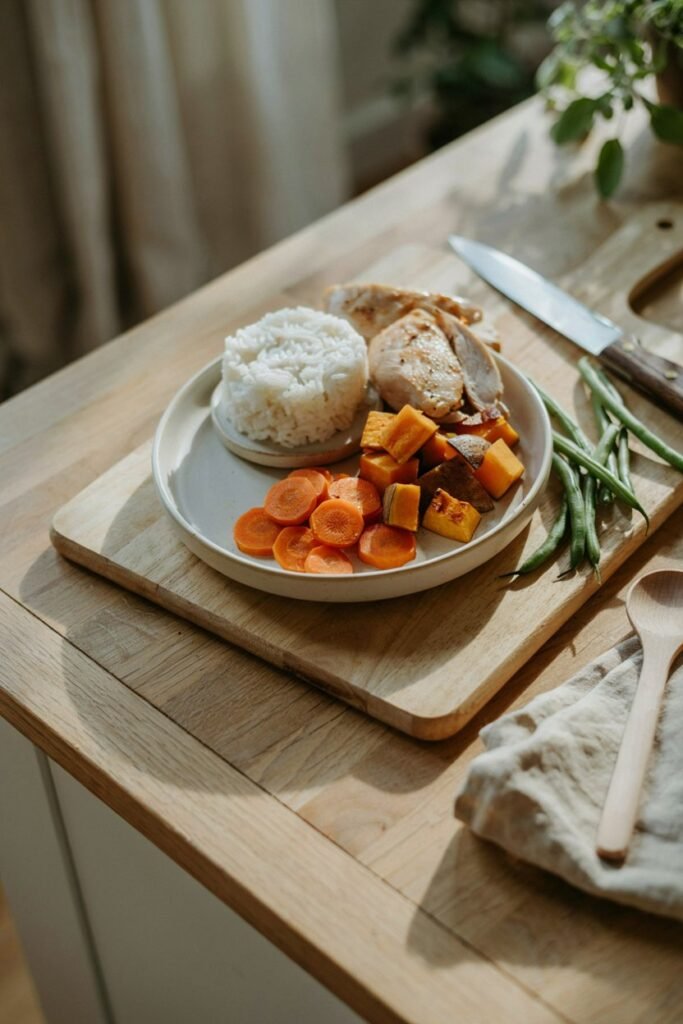
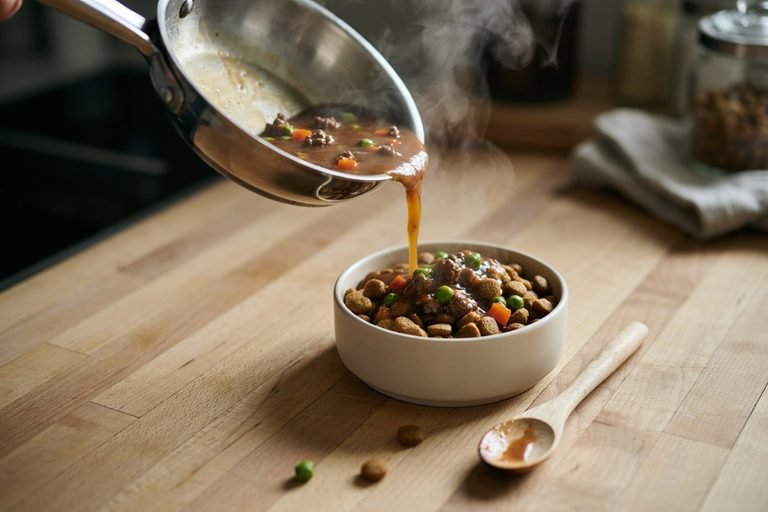
Many of the safe ingredients on this list, chicken, carrots, sweet potato, pumpkin, and rice among them, are also common building blocks in homemade dog meals.
It’s worth being clear that individual safe ingredients don’t automatically make a homemade diet nutritionally complete.
There’s a real difference between a homemade treat or topper made from a few safe ingredients and a fully complete homemade diet formulated to meet all of a dog’s nutritional needs long term.
If you’re interested in building actual balanced meals rather than just occasional additions, homemade dog food with vet approved ingredients and 7 high protein homemade dog food recipes both walk through what a properly balanced homemade meal actually requires, beyond just picking safe ingredients.
A Simple “Can My Dog Eat This?” Checklist
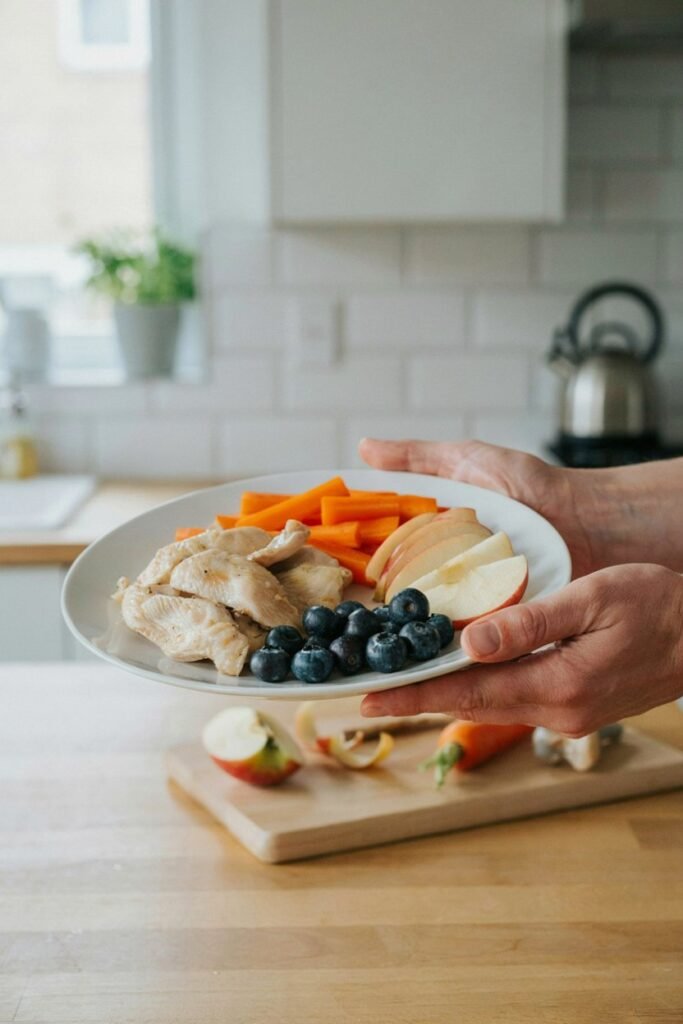
Before giving your dog a human food, run through these questions:
- Is the food itself considered safe for dogs?
- Does it contain onions or garlic?
- Could it contain xylitol?
- Does it have a pit, bone, seed, or hard core?
- Is it heavily salted or seasoned?
- Is it very fatty?
- Is the portion appropriate for my dog’s size?
- Has my dog eaten it before without any issues?
- Could my dog choke on this piece?
- Is this replacing part of a balanced diet rather than supplementing it?
What to Do If Your Dog Eats Something Dangerous

Don’t wait for symptoms to appear if you suspect the food may be toxic. Instead:
- Identify exactly what your dog ate
- Estimate how much was consumed
- Note when it happened
- Keep the packaging if it’s available, since ingredient information can help a vet assess the risk
- Contact your veterinarian or an appropriate animal poison control service right away for specific guidance
Don’t attempt to induce vomiting on your own unless a veterinary professional specifically instructs you to, since doing so incorrectly can sometimes cause more harm than good.
Frequently Asked Questions
What human foods are safe for dogs? Plain, properly prepared proteins like chicken and turkey, many fruits and vegetables including carrots, blueberries, and pumpkin, and plain grains like rice and oats are all generally safe in appropriate portions.
What is the healthiest human food for dogs? There’s no single answer, but lean proteins like cooked chicken and nutrient dense vegetables like pumpkin and carrots are consistently good, low risk choices.
Can dogs eat cooked chicken? Yes, as long as it’s plain, fully cooked, and free of bones and seasoning.
Can dogs eat eggs? Yes, fully cooked eggs with nothing added are a safe source of protein.
Can dogs eat rice? Yes, plain cooked rice is easy to digest and commonly used in bland meals for dogs recovering from an upset stomach.
What fruits can dogs eat? Apples, bananas, blueberries, strawberries, watermelon, cantaloupe, mango, pears, and pitted peaches are all safe in moderation, with seeds, pits, and cores removed first.
What vegetables can dogs eat? Carrots, green beans, pumpkin, sweet potatoes, peas, cucumbers, zucchini, broccoli, cauliflower, and celery are all generally safe in appropriate portions.
Can dogs eat peanut butter? Usually, yes, as long as it’s plain and free of xylitol, which is highly toxic to dogs even in small amounts.
What human foods are toxic to dogs? Chocolate, grapes, raisins, xylitol, onions, garlic, macadamia nuts, alcohol, caffeine, and raw yeast dough should all be avoided entirely.
Can puppies eat human food? In small, appropriate amounts, yes, but their nutritional needs during growth are more specific, so human food should never displace a complete puppy diet.
How much human food can I give my dog? Generally, treats and extras should make up a small portion of your dog’s total daily calories, adjusted for their size and any existing health conditions.
Can human food replace dog food? Not casually. Individual safe ingredients don’t automatically add up to a complete diet, so any full replacement of commercial food should be planned with veterinary guidance.
Final Thoughts
You don’t have to completely eliminate human food from your dog’s life.
You simply need to be intentional about what you share, how it’s prepared, and how much you offer.
Safe human foods are best treated as occasional additions to a complete and balanced diet, not replacements for one, and a little preparation before sharing goes a long way toward keeping mealtime, and every moment your dog spends staring at your plate, a genuinely safe one.
If you’re looking to turn some of these safe ingredients into real treats and meals, a few worth trying next include homemade banana dog treat recipes, simple carrot based dog treat recipes for beginners, 3 ingredient peanut butter dog gummies, and easy frozen coconut dog treats for summer.
For full homemade meals built around many of the proteins and vegetables covered here, take a look at 3 ingredient cooked dog food recipes, simple homemade dog food recipes for beginners, and the 7 healthiest homemade dog foods.

15 Comments