
Homemade Wet Cat Food Recipes Cats Actually Love (Easy Vet-Friendly Guide)
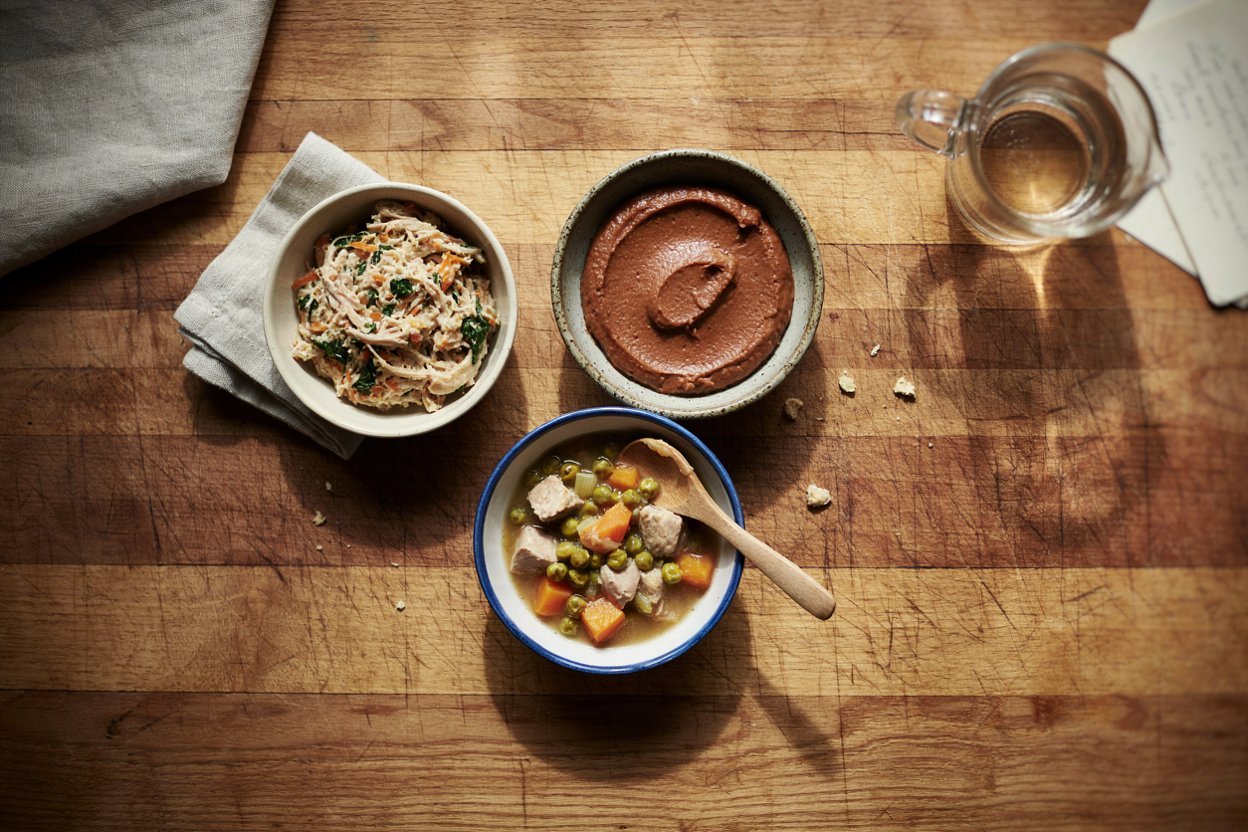
Anyone who has watched a cat sniff a bowl of food, glance up with an unimpressed expression, and walk away without taking a single bite knows how particular cats can be about what they eat. Wet food in particular seems to invite the strongest opinions.
Some cats will devour a certain texture and refuse anything smoother or chunkier. Others turn their nose up at a brand they loved for years, seemingly overnight.
If you have ever felt like you are constantly guessing what your cat will actually eat, homemade wet food offers something commercial cans rarely can: complete control over texture, flavor, moisture, and ingredients, so you can build meals around what your specific cat actually enjoys rather than hoping the next can on the shelf works out.
This guide focuses specifically on wet, moisture rich recipes, since hydration is one of the most overlooked pieces of feline health.
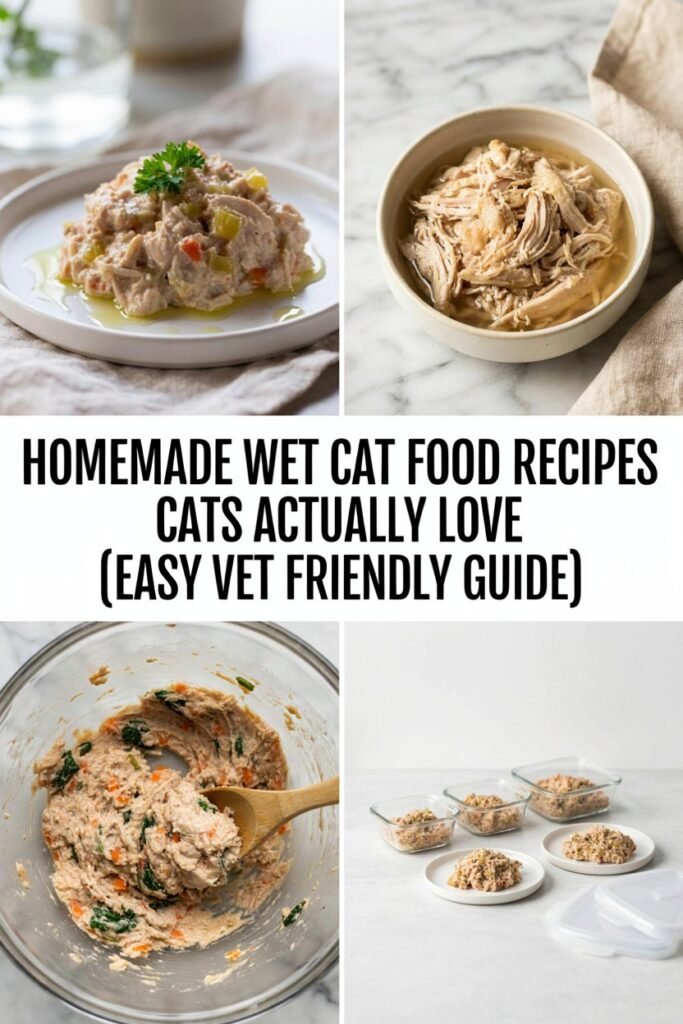
Cats evolved as desert animals with a naturally low thirst drive, which means they are built to get much of their water directly from food rather than from a water bowl.
Dry kibble simply cannot replicate that, no matter how good the ingredients are. Wet, home cooked meals solve that problem at the source.
Inside this guide you will find an explanation of why wet food matters so much for cats, a full breakdown of the nutrients every homemade recipe needs to include, a detailed ingredient guide, a list of foods that should never make it into the bowl, eight complete wet food recipes built around different textures and flavors, feeding guidance, storage instructions, common mistakes, and answers to the questions cat owners ask most often before making the switch to homemade.
Disclaimer: This post may contain affiliate links, which means I may earn a small commission at no extra cost to you. Always consult your veterinarian before introducing homemade meals or changing your cat’s diet to help ensure balanced nutrition.
Amazon Shopping List You Need
- Nonstick Cooking Pot with Lid
- Digital Kitchen Food Scale
- Glass Meal Prep Containers with Lids
- Stainless Steel Cat Food Bowls
- Airtight Pet Food Storage Container
- Immersion Hand Blender for Smooth Texture
- Cat Multivitamin Supplement Powder
Why Wet Food Matters So Much for Cats
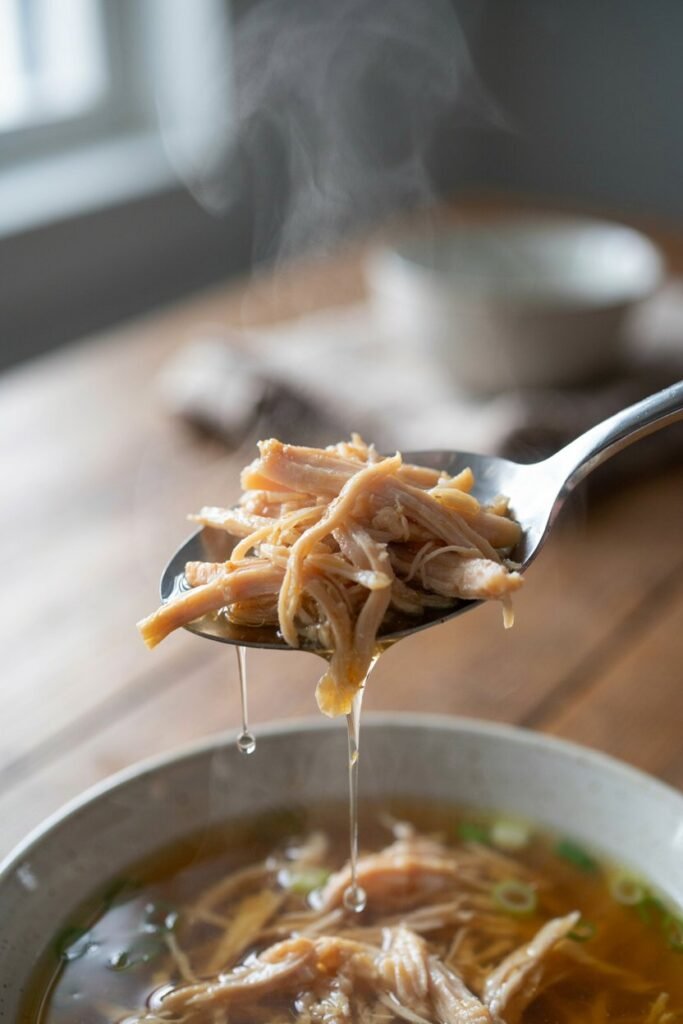
Cats are obligate carnivores descended from desert dwelling ancestors, and that history still shapes their biology today. In the wild, a cat’s prey is roughly seventy percent water, which means cats naturally evolved to get most of their hydration from what they eat rather than from actively seeking out water to drink.
Dry kibble, by contrast, typically contains only around ten percent moisture, which leaves a real gap between what a cat’s body expects and what a bag of dry food provides.
That gap matters because chronic mild dehydration has been linked to a higher risk of urinary tract issues and kidney strain over time, two of the most common health concerns cats face as they age. Wet food, whether homemade or store bought, closes that gap simply by containing far more water in every bite.
Beyond hydration, wet food tends to be more aromatic than dry kibble, which appeals to a cat’s strong reliance on smell when deciding whether something is worth eating.
This is part of why so many cats show a clear preference for wet food, and why homemade wet meals, served warm and fresh, often succeed with picky cats where dry food or refrigerator cold canned food falls short.
Before You Start Cooking
Homemade wet food can be a wonderful addition to your cat’s routine, but a few important guidelines will help you do it safely.
Talk with your veterinarian before making homemade food your cat’s primary diet, especially if your cat has any diagnosed health condition such as kidney disease, diabetes, or a urinary issue. These conditions often come with specific dietary requirements that a general recipe cannot account for.
If your cat has never eaten homemade food before, introduce it gradually over one to two weeks by mixing a small amount into their current food and slowly increasing the ratio, rather than switching all at once. This gives their digestive system time to adjust.
Homemade meals intended as a long term primary diet need to be nutritionally complete, which generally means including a reliable taurine source and, ideally, working with your veterinarian or a veterinary nutritionist to confirm the recipes meet your cat’s full nutritional needs over time, not just calorie needs on a given day.
Never feed your cat recipes designed for dogs. Cats have very different nutritional requirements, most notably a strict need for taurine and a much higher protein requirement than dogs, so a recipe that is perfectly safe for a dog is not automatically safe for a cat.
Nutrients Every Homemade Cat Recipe Needs
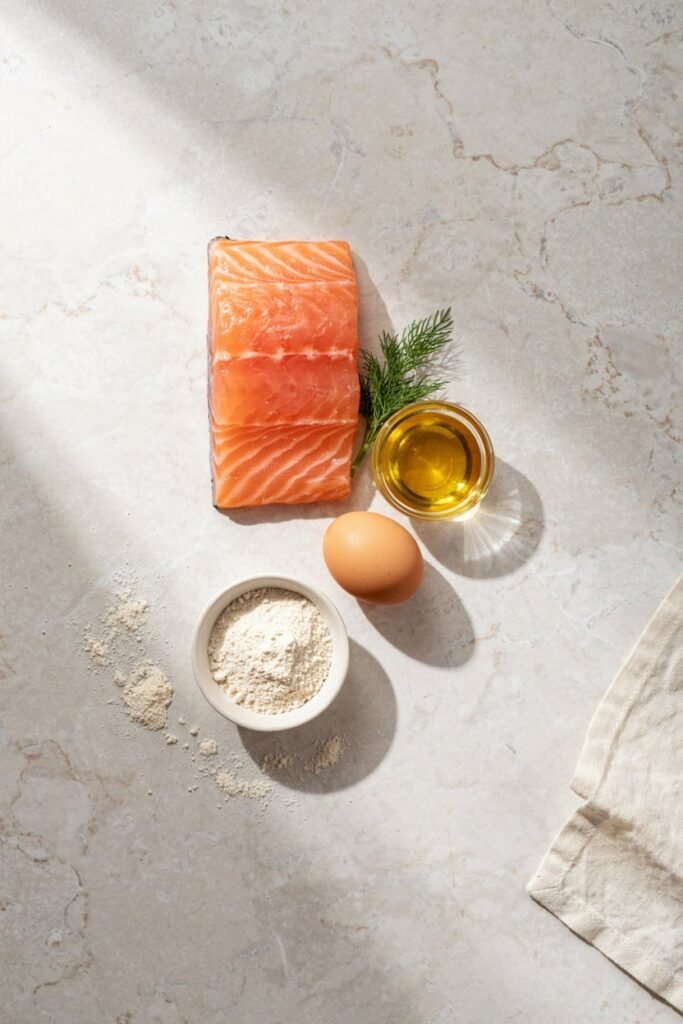
Taurine
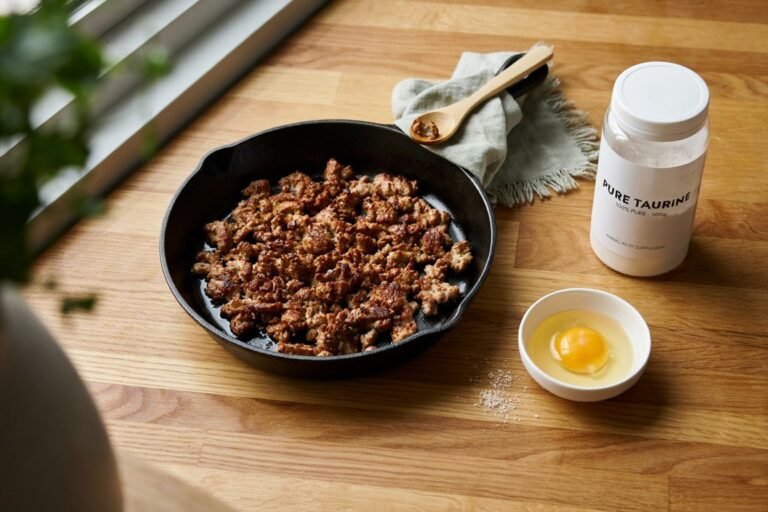
Taurine is a non negotiable nutrient for cats. Unlike many other animals, cats cannot produce enough taurine on their own and must get it from animal based protein or a dedicated supplement.
A taurine deficiency can lead to serious heart and eye problems over time, which is why every recipe in this guide relies on generous amounts of animal protein and, where noted, a taurine supplement for long term feeding.
High Quality Animal Protein
Cats need significantly more protein than dogs relative to their body weight, and that protein needs to come primarily from animal sources. Muscle meat, organ meat in small amounts, and fish all provide the amino acid profile a cat’s body is built to use efficiently.
Moisture
As covered above, moisture is the entire point of a wet food recipe. Broth, water, and the natural juices released during cooking all contribute to the final moisture content of each meal.
Fat
Fat provides concentrated energy and helps with the absorption of certain vitamins. Cats generally tolerate moderate fat well, and a bit of natural fat from ingredients like chicken thighs or salmon also improves palatability.
Calcium
Muscle meat alone is low in calcium relative to what a cat needs for long term feeding, so a calcium source, such as ground eggshell or a small amount of bone meal, is an important addition for any recipe intended to be a regular part of your cat’s diet rather than an occasional topper.
Ingredient Guide
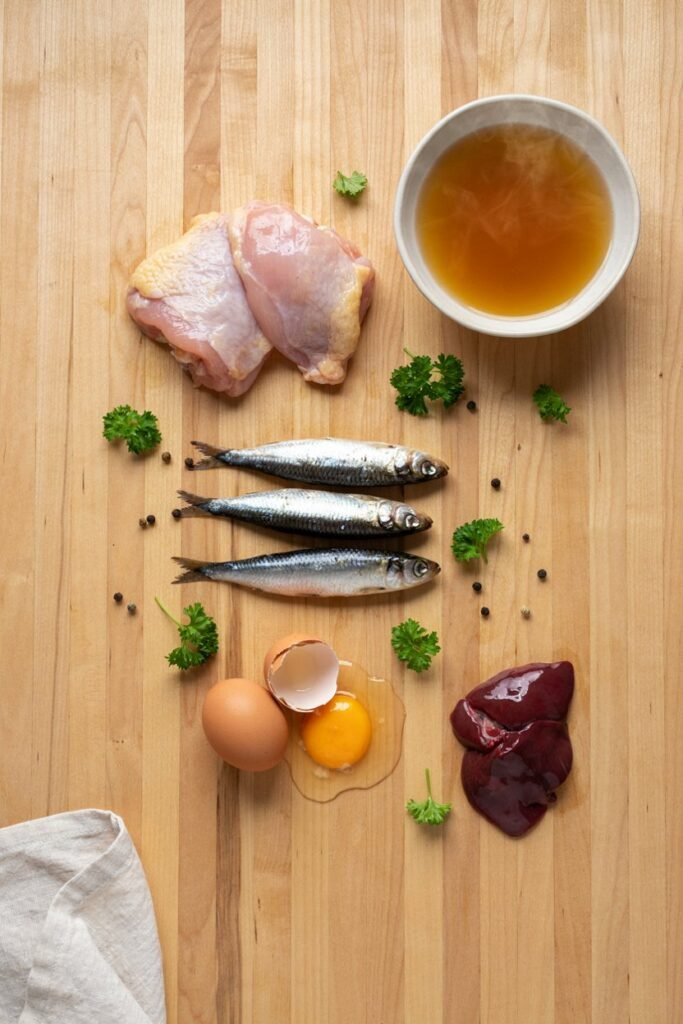
Proteins
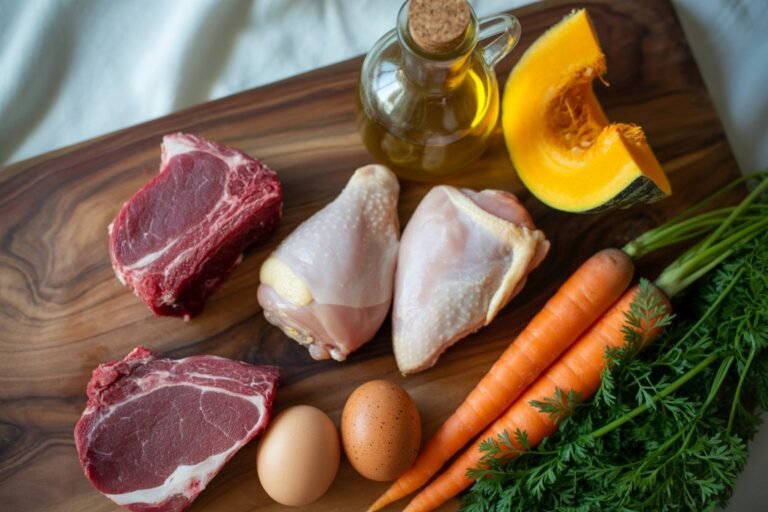
Chicken thighs provide an easily digestible protein with enough natural fat to keep the finished dish moist and appealing. Turkey offers a similar digestibility profile and is a good option for rotating flavors.
Salmon and sardines are excellent sources of omega 3 fatty acids in addition to protein, and their strong aroma tends to be very appealing to cats.
Beef, used occasionally, adds iron and a different flavor profile for variety. Eggs, fully cooked, provide gentle, complete protein and can help bind a recipe together. Chicken liver or beef liver, used sparingly, adds concentrated nutrients including natural taurine, vitamin A, and iron.
Liquids and Moisture Boosters
Low sodium chicken or beef broth, made without onion or garlic, is the easiest way to add both moisture and flavor to a homemade recipe. Plain water works as a neutral option when you want to control sodium closely. A small amount of the cooking liquid from poaching meat can also be reincorporated into the final dish to boost both moisture and aroma.
Supportive Additions
Plain pumpkin puree, used in small amounts, supports digestion. Ground eggshell, thoroughly cleaned and finely ground, is a simple, accessible source of calcium for homemade recipes intended for regular feeding. A small amount of salmon oil adds extra omega 3 fatty acids for skin, coat, and joint support.
What to Avoid
Onion and garlic in any form are toxic to cats and must never be used. Raw fish should generally be avoided, since an enzyme it contains can destroy thiamine, an essential nutrient for cats. Excess organ meat can lead to vitamin A toxicity if fed too often or in too large a quantity.
Added salt, sugar, and most dairy products should be avoided or kept to a very minimal, occasional amount, since many adult cats digest dairy poorly. Chocolate, grapes, raisins, and xylitol are all dangerous and should never appear in a cat’s food under any circumstances.
If you want a broader introduction to homemade feeding before diving into wet food specifically, our homemade cat food recipes guide is a helpful starting point, and our article on superfoods for cats explores several of the nutrient dense ingredients mentioned above in more depth.
Kitchen Tools You Will Need
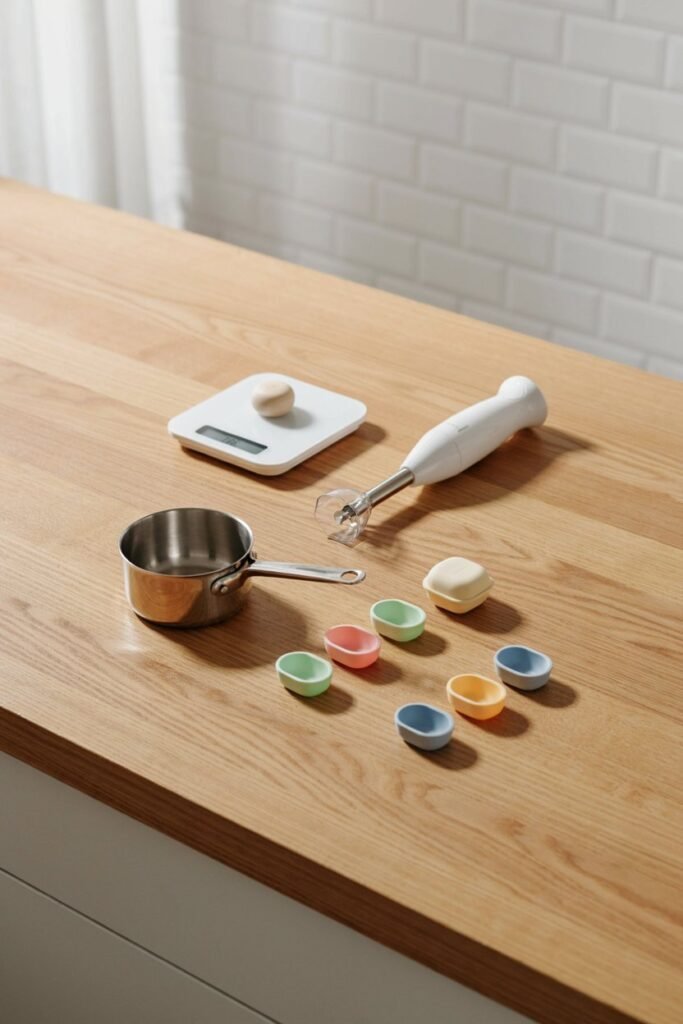
A small saucepan, a food processor or immersion blender for creating different textures, a kitchen scale for accurate portioning, small silicone molds or ice cube trays for freezing individual portions, and a meat thermometer to confirm proteins are fully cooked are all you need. None of the recipes in this guide require anything beyond a basic home kitchen setup.
The Recipes
Each recipe below is built specifically around moisture and texture, since those two factors matter most when trying to win over a cat who has strong opinions about wet food.
Portion sizes should be adjusted to your individual cat’s weight using the feeding guide further down this page.
Classic Chicken and Broth Shreds
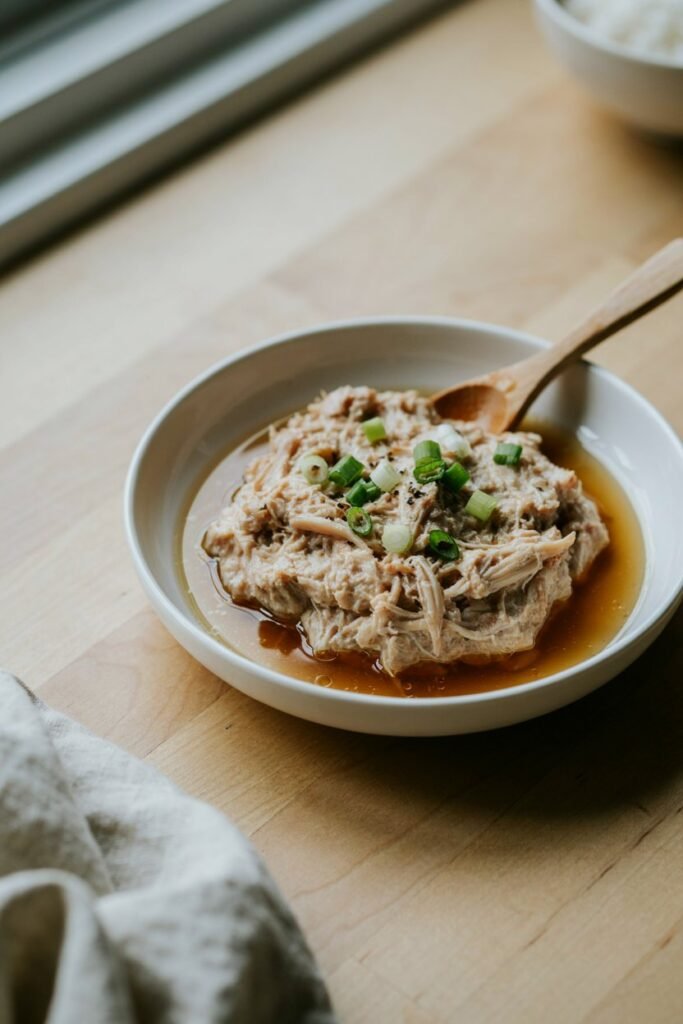
This is the recipe to start with if your cat has always preferred a shredded, pate style texture similar to a classic canned pate.
Prep time: 10 minutes Cook time: 20 minutes Yield: About 3 cups
Ingredients:
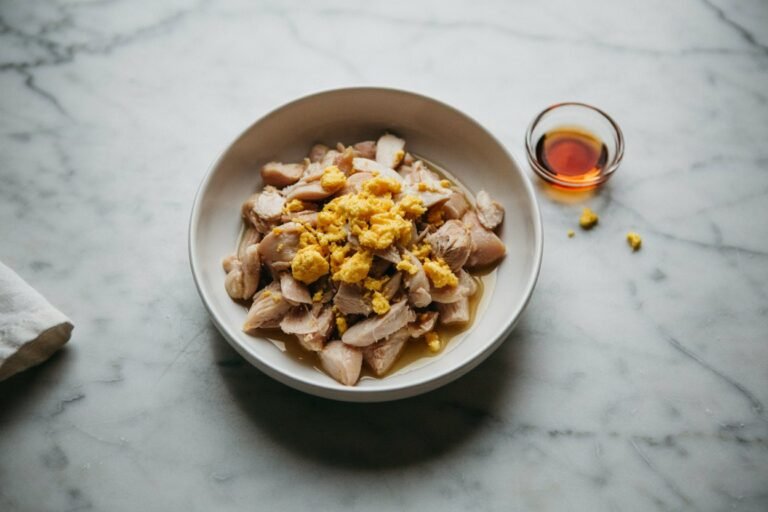
- 1 pound boneless, skinless chicken thighs: an easily digestible protein with enough natural fat to keep the finished texture moist and appealing
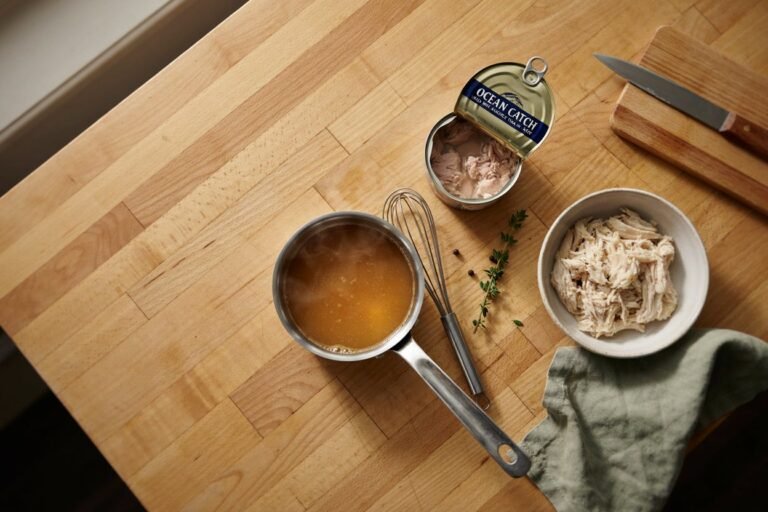
- 1 cup low sodium chicken broth, no onion or garlic added: provides the bulk of this recipe’s moisture and adds a savory aroma cats find very appealing
- 1 fully cooked egg: adds gentle protein and helps bind the finished texture
- 1/4 teaspoon ground eggshell, finely powdered: contributes calcium for recipes fed regularly over time
Instructions: Poach the chicken thighs in the broth until fully cooked, then remove and shred finely with two forks, reserving the poaching liquid. Chop the hard boiled egg finely and combine with the shredded chicken.
Stir in enough of the reserved broth to reach a moist, shreddy consistency similar to canned pate. Mix in the ground eggshell thoroughly before serving.
Storage: Refrigerate up to three days. Freezing: Freezes well up to two months in small portions. Best for: Cats who prefer a classic pate style texture. Swap idea: Turkey can replace chicken for variety.
Salmon and Bone Broth Flakes
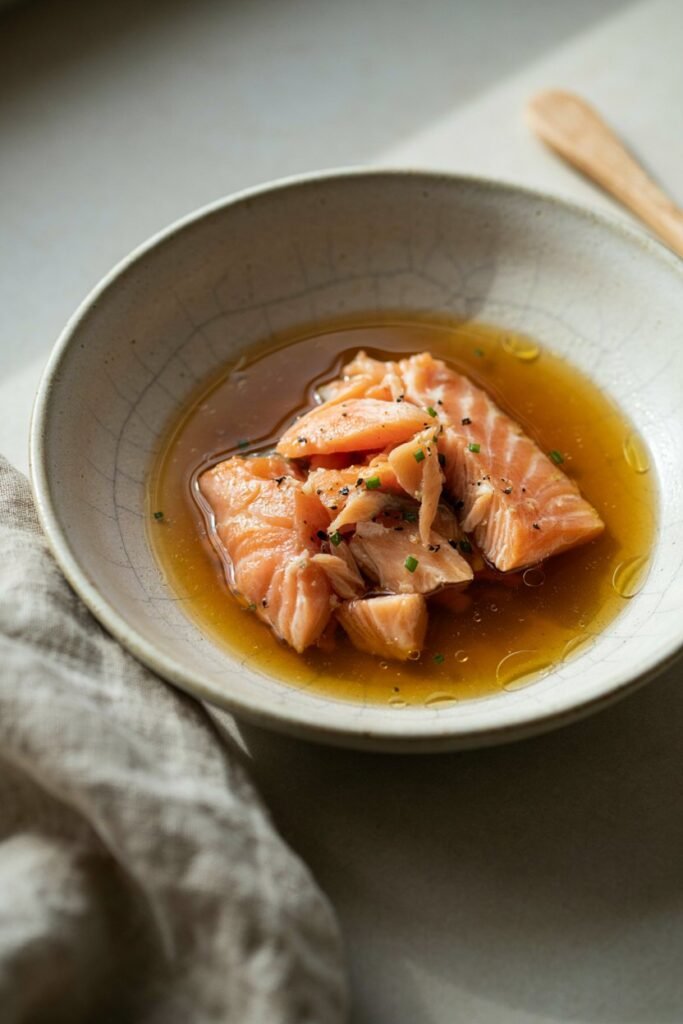
Built around the strong aroma of salmon, this recipe often works well for cats who are hesitant about new foods.
Prep time: 10 minutes Cook time: 15 minutes Yield: About 2.5 cups
Ingredients:
- 1 pound boneless, skinless salmon, checked carefully for bones: delivers omega 3 fatty acids and a naturally strong, appealing aroma
- 3/4 cup bone broth, no onion or garlic added: adds moisture and a rich, savory flavor along with a bit of natural collagen
- 1/4 teaspoon salmon oil: reinforces the omega 3 content of the finished dish
- 1/4 teaspoon ground eggshell: adds calcium for regular feeding
Instructions: Bake or poach the salmon until fully cooked, then flake it into small, even pieces, checking thoroughly for any remaining bones. Warm the bone broth gently and pour it over the flaked salmon, stirring to combine. Mix in the salmon oil and ground eggshell once the mixture has cooled slightly.
Storage: Refrigerate up to two days, since fish based recipes have a shorter fresh shelf life than poultry recipes. Freezing: Freezes well up to two months. Best for: Picky cats and cats who benefit from extra omega 3 fatty acids. Swap idea: Canned sardines in water can replace fresh salmon.
Turkey and Pumpkin Gravy Bowl
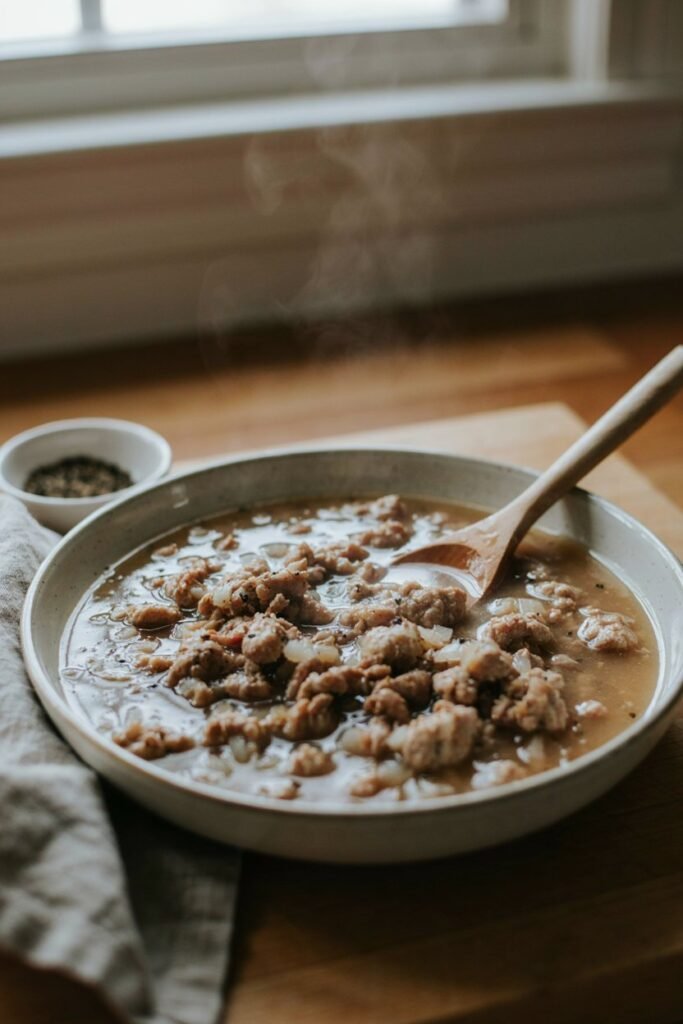
A gentle recipe with a soft, gravy like consistency that many cats find comforting.
Prep time: 10 minutes Cook time: 20 minutes Yield: About 3 cups
Ingredients:
- 1 pound ground turkey: a lean, mild protein that forms a gentle base for this softer style recipe
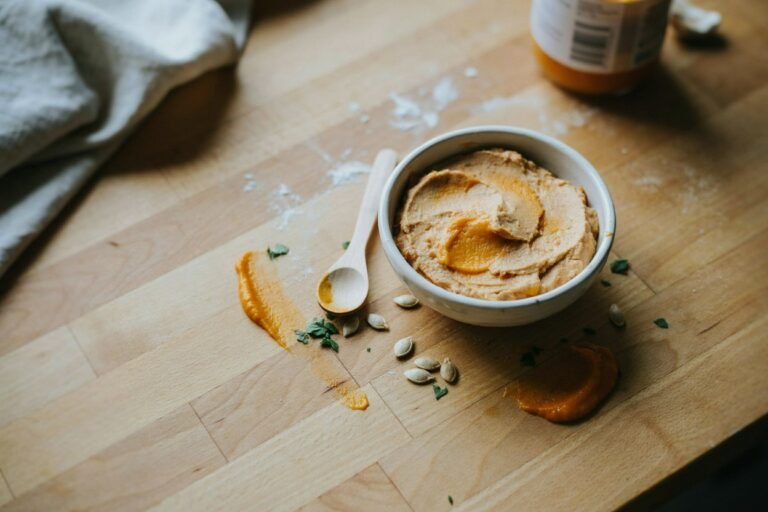
- 1/4 cup plain pumpkin puree: adds soluble fiber that supports digestion and thickens the gravy naturally
- 1 cup low sodium chicken broth, no onion or garlic added: creates the loose, gravy like texture this recipe is named for
- 1/4 teaspoon ground eggshell: contributes calcium for regular feeding
Instructions: Cook the ground turkey thoroughly in a skillet, breaking it into small pieces as it cooks. Add the broth and pumpkin puree and simmer for a few minutes, stirring until the mixture reaches a loose, gravy like consistency. Remove from heat, stir in the ground eggshell, and cool to a safe serving temperature before serving.
Storage: Refrigerate up to three days. Freezing: Freezes well up to two months. Best for: Cats who prefer a soft, saucy texture over a firmer pate. Swap idea: Chicken can replace turkey.
Beef and Liver Rich Blend
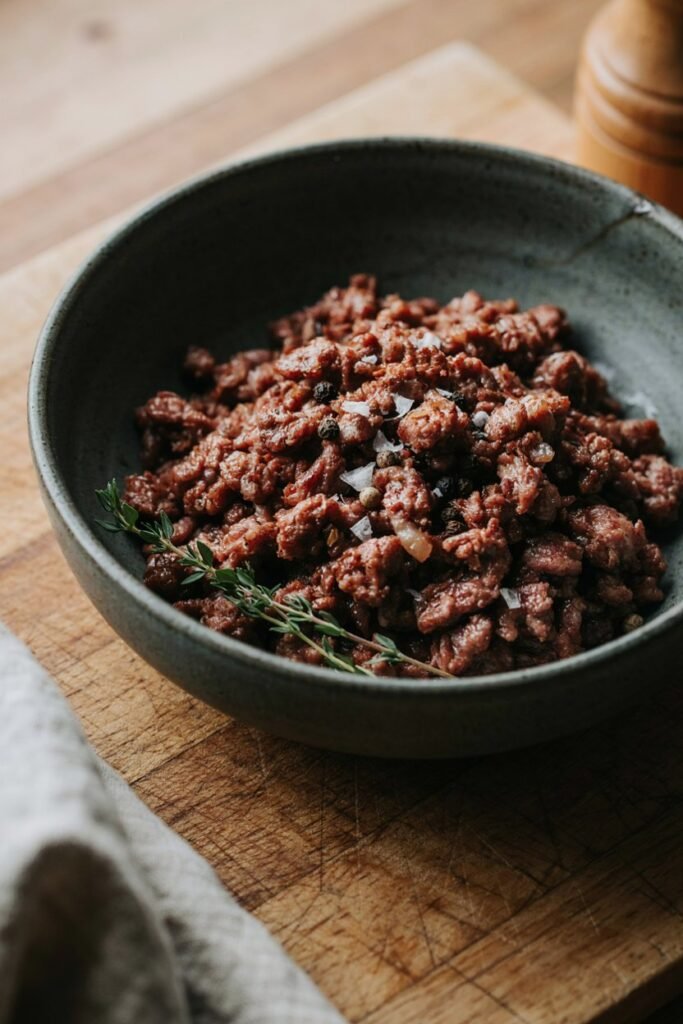
A more robust, nutrient dense recipe that works well as an occasional flavor rotation rather than an everyday staple.
Prep time: 10 minutes Cook time: 20 minutes Yield: About 3 cups
Ingredients:
- 1 pound lean ground beef: provides iron and a rich, savory flavor along with easily digestible protein
- 2 ounces beef liver, finely chopped: a concentrated source of natural taurine, vitamin A, and iron, used in a small amount to avoid excess vitamin A
- 1/2 cup water or low sodium beef broth: adjusts the mixture to a moist, wet food consistency
- 1/4 teaspoon ground eggshell: adds calcium for balance
Instructions: Cook the ground beef and finely chopped liver together in a skillet until both are fully cooked through, breaking the mixture into small pieces. Drain any excess fat, then stir in the water or broth to reach a moist consistency. Mix in the ground eggshell once cooled.
Storage: Refrigerate up to three days. Freezing: Freezes well up to two months. Best for: An occasional rich flavored meal rather than a daily staple, due to the concentrated liver content. Swap idea: Chicken liver can replace beef liver in the same small quantity.
Chicken and Egg Mousse
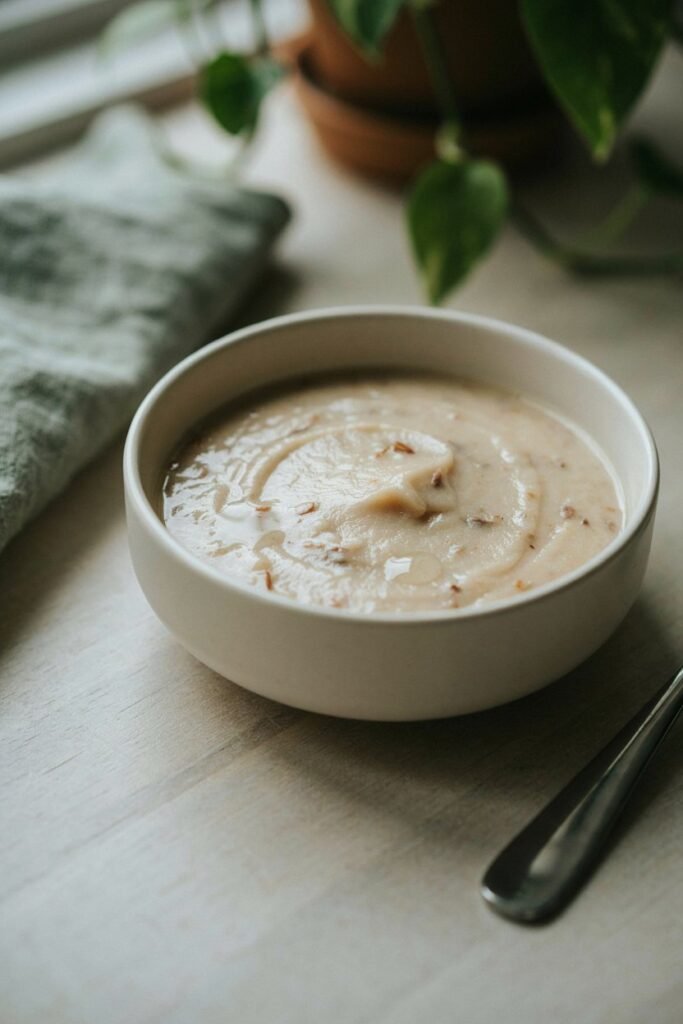
A very smooth, finely blended recipe designed for cats who prefer an ultra soft texture, or for cats recovering from dental work.
Prep time: 10 minutes Cook time: 20 minutes Yield: About 2.5 cups
Ingredients:
- 1 pound boneless, skinless chicken breast: a lean, mild protein that blends into a very smooth final texture
- 2 fully cooked eggs: adds gentle protein and contributes to the smooth, mousse like consistency
- 3/4 cup low sodium chicken broth, no onion or garlic added: provides the moisture needed to blend the mixture completely smooth
- 1/4 teaspoon ground eggshell: adds calcium for regular feeding
Instructions: Poach the chicken breast in the broth until fully cooked, then transfer to a food processor along with the hard boiled eggs and the poaching broth.
Blend until completely smooth, adding a bit more broth if needed to reach a soft, mousse like consistency. Stir in the ground eggshell once cooled.
Storage: Refrigerate up to three days. Freezing: Freezes well up to two months in small portions. Best for: Cats who prefer an ultra smooth texture or are recovering from a dental procedure. Swap idea: Turkey breast can replace chicken breast.
Sardine and Egg Quick Mix
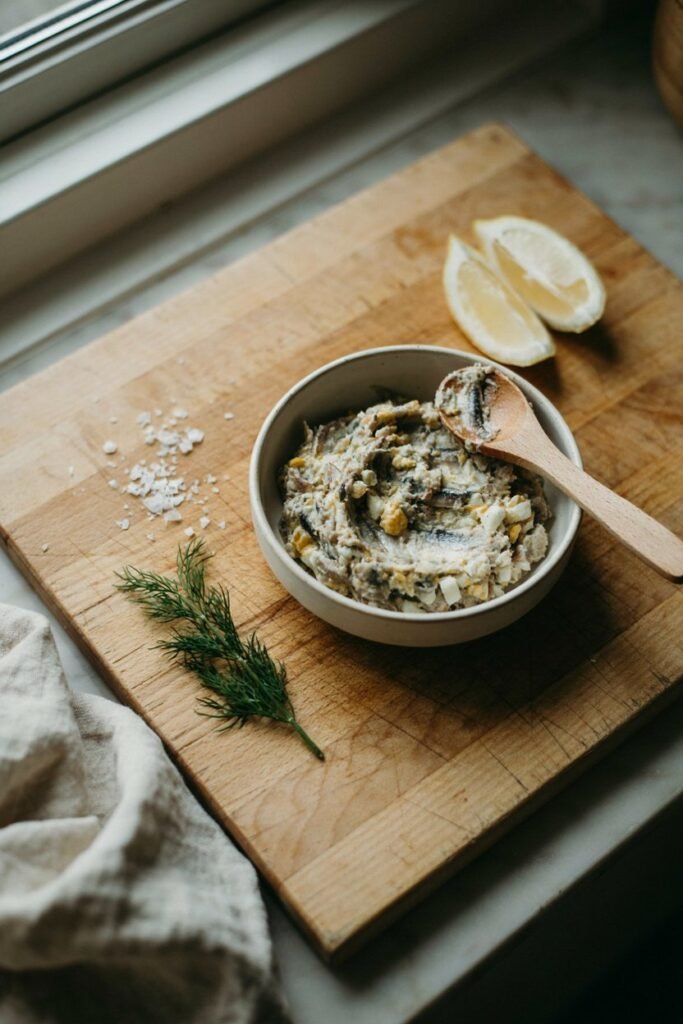
A no cook, budget friendly recipe that comes together in minutes, ideal for a fast meal or an appetite stimulating topper.
Prep time: 10 minutes Yield: About 1.5 cups
Ingredients:
- 1 can sardines packed in water, drained: an affordable, calcium rich source of omega 3 fatty acids that most cats find highly appealing
- 1 fully cooked egg: adds gentle protein and balances the richness of the sardines
- 1 tablespoon water: loosens the mixture to an easily lapped consistency
Instructions: Mash the drained sardines with a fork until finely broken apart. Chop the hard boiled egg finely and stir it into the sardines along with the water, mixing until evenly combined.
Storage: Refrigerate up to two days, since this no cook recipe has a shorter shelf life. Freezing: Not recommended, since the texture changes noticeably once thawed. Best for: A quick meal on busy days or as a topper to encourage a hesitant eater. Swap idea: Canned salmon in water can replace sardines.
Turkey and Broth Stew Chunks
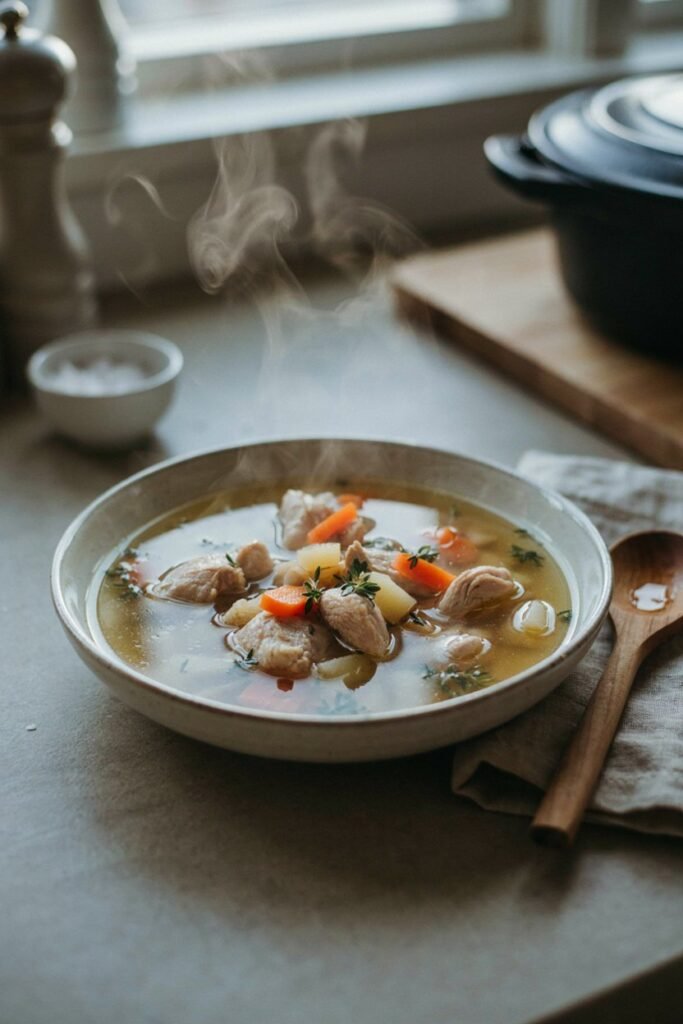
A heartier, chunkier texture for cats who enjoy something to actually chew rather than a smooth or shredded consistency.
Prep time: 15 minutes Cook time: 25 minutes Yield: About 3 cups
Ingredients:
- 1 pound turkey thighs, cut into small bite sized pieces: a slightly firmer cut that holds its shape well in a chunkier stew style recipe
- 1 cup low sodium chicken broth, no onion or garlic added: simmers the turkey pieces gently while building a flavorful base
- 1/4 teaspoon ground eggshell: adds calcium for regular feeding
Instructions: Simmer the turkey pieces in the broth over low heat until fully cooked through and tender, about twenty to twenty five minutes. Remove from heat and stir in the ground eggshell. Let the stew cool slightly before serving, keeping the pieces intentionally chunky rather than shredding them.
Storage: Refrigerate up to three days. Freezing: Freezes well up to two months. Best for: Cats who enjoy a firmer, chewable texture rather than a smooth or shredded one. Swap idea: Chicken thighs can replace turkey thighs.
Chicken Liver and Broth Pate
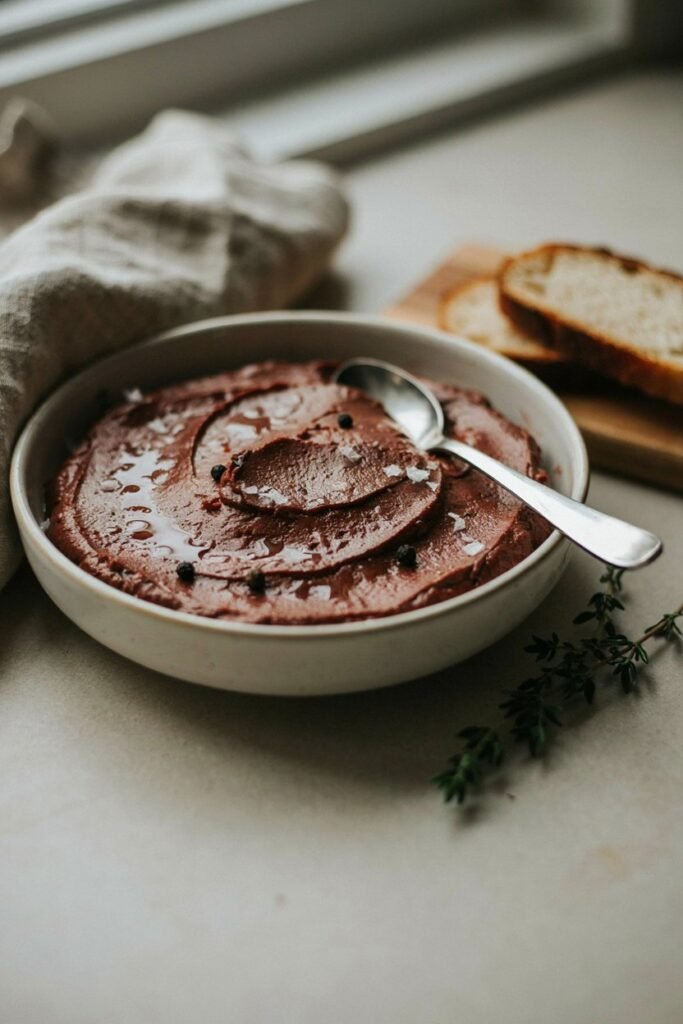
A rich, single note recipe built almost entirely around the appealing aroma of liver, useful as an occasional treat or a way to tempt a cat who is refusing to eat.
Prep time: 10 minutes Cook time: 15 minutes Yield: About 2 cups
Ingredients:
- 1/2 pound chicken liver: an intensely aromatic, nutrient dense ingredient that many cats find almost impossible to resist
- 1/2 cup low sodium chicken broth, no onion or garlic added: loosens the finished pate to a smooth, spoonable consistency
- 1/4 teaspoon salmon oil: adds a small amount of omega 3s to round out the recipe
Instructions: Gently cook the chicken liver in a skillet until fully cooked through, then transfer to a food processor with the broth and blend until completely smooth. Stir in the salmon oil once cooled.
Because this recipe is very rich, serve it in small amounts, either on its own occasionally or mixed into a small portion of a milder recipe from this guide.
Storage: Refrigerate up to two days. Freezing: Freezes well up to two months in very small portions. Best for: Tempting a cat who is refusing food or as an occasional rich treat, not a daily staple. Swap idea: Turkey liver can replace chicken liver.
If your cat needs extra encouragement at mealtime, our guide to healthy homemade cat gravy toppers for picky eaters has more ideas built specifically around winning over a hesitant eater.
Feeding Guide
How much wet food your cat needs depends on their weight, age, and activity level. As a general starting point, most adult cats need roughly 24 to 35 calories per pound of body weight per day, with kittens, very active cats, and underweight cats often needing more, and less active or overweight cats typically needing less.
| Cat Weight | Approximate Daily Amount |
|---|---|
| 6 pounds | 1/3 to 1/2 cup |
| 8 pounds | 1/2 to 2/3 cup |
| 10 pounds | 2/3 to 3/4 cup |
| 12 pounds | 3/4 to 1 cup |
| 15 pounds | 1 to 1.25 cups |
Split the daily total into two to four smaller meals rather than one large one, since most cats naturally prefer to eat several small meals throughout the day rather than a single large portion.
These numbers are a general starting reference, and your veterinarian can help fine tune portions based on your cat’s specific weight and health status.
Storage and Meal Prep
Batch cooking one or two recipes at the start of the week makes homemade wet food realistic to maintain long term. Portion the finished food into small containers or silicone molds sized for a single meal, refrigerate what you plan to use within the next two to three days, and freeze the rest in clearly labeled portions.
Because fish based recipes generally have a shorter safe refrigerator life than poultry or beef recipes, plan to use those within two days or freeze them promptly.
Thaw frozen portions in the refrigerator overnight rather than at room temperature. Warm each portion gently before serving, since cats are far more likely to eat food that is close to room temperature, mimicking the temperature of freshly caught prey, than food served cold straight from the refrigerator.
Always test the temperature carefully before offering it, and avoid microwaving in a way that creates uneven hot spots.
Common Mistakes to Avoid
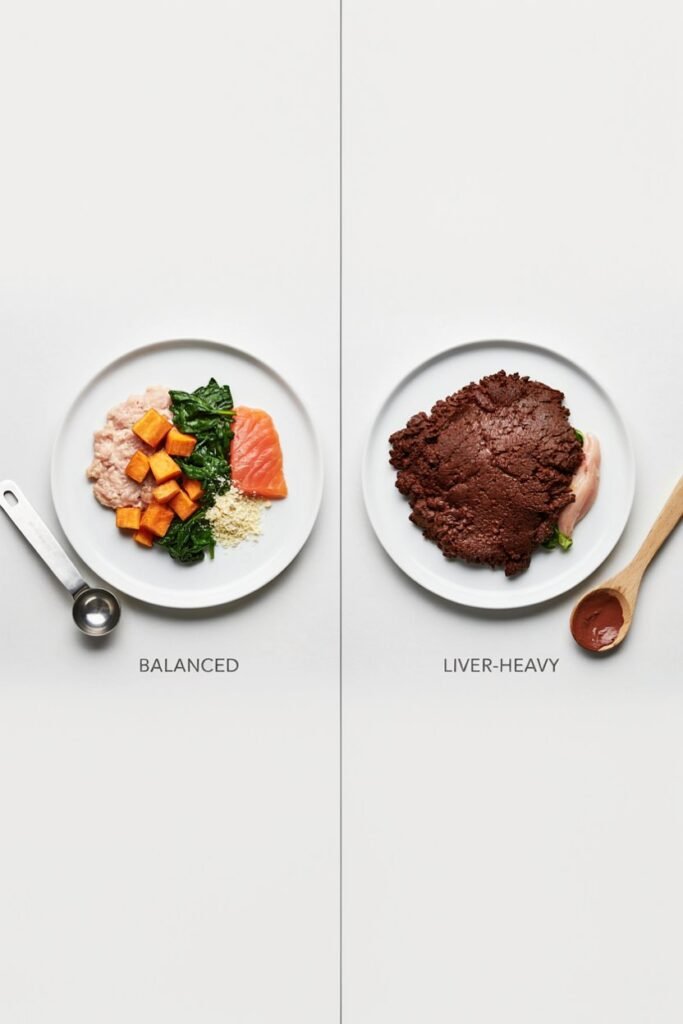
Skipping a taurine rich protein source is one of the most serious mistakes, since taurine deficiency can lead to significant heart and eye problems over time.
Feeding liver too frequently or in too large a quantity can cause vitamin A toxicity, even though a small, occasional amount is genuinely beneficial.
Forgetting a calcium source, such as ground eggshell, in recipes meant for regular feeding leaves an important nutritional gap. Switching a cat to homemade food too abruptly, without a gradual transition period, often leads to digestive upset and a cat who simply refuses the new food.
Serving food straight from the refrigerator without warming it slightly makes meals less aromatic and less appealing to a cat’s sense of smell.
Using raw fish instead of fully cooked fish risks a thiamine destroying enzyme that can lead to a serious deficiency over time.
Finally, assuming any homemade recipe automatically qualifies as nutritionally complete, without checking with a veterinarian for a cat eating it as a primary diet, is a mistake worth avoiding from the very beginning.
Frequently Asked Questions
Why is wet food better for cats than dry food? Wet food has a much higher moisture content than dry kibble, which supports hydration and may help reduce the risk of certain urinary and kidney issues over time, since cats naturally have a low thirst drive and rely heavily on food for hydration.
Can homemade wet food replace commercial cat food entirely? It can, but only if the recipes are nutritionally complete, including an adequate taurine source and proper calcium balance, ideally confirmed with guidance from your veterinarian or a veterinary nutritionist.
How long does homemade wet cat food last in the refrigerator? Most poultry and beef based recipes last about three days refrigerated, while fish based and no cook recipes are best used within two days due to their shorter shelf life.
Can homemade wet cat food be frozen? Yes, most recipes in this guide freeze well for up to two months, with the exception of the no cook sardine recipe, which changes texture noticeably after freezing.
My cat is very picky. Which recipe should I try first? Recipes built around strong, aromatic proteins like salmon or chicken liver tend to work well for hesitant eaters, since the smell is often what draws a picky cat in first.
Do I need to add a calcium supplement to homemade cat food? Yes, if the recipe is intended as a regular part of your cat’s diet. Muscle meat alone does not provide enough calcium, which is why ground eggshell appears in several recipes above.
Is it safe to feed my cat liver every day? No. Liver is very nutrient dense and should be fed only occasionally and in small amounts to avoid vitamin A toxicity over time.
Can kittens eat these recipes? Kittens have different, more intensive nutritional needs than adult cats. Talk with your veterinarian about appropriate homemade recipes and portions for a growing kitten before using any adult focused recipe.
What if my cat refuses homemade wet food at first? Try introducing it gradually alongside their familiar food, warming it slightly, or starting with a strongly aromatic recipe like the salmon or chicken liver options above.
How do I transition my cat from commercial food to homemade wet food? Mix a small amount of the new homemade food into your cat’s current food, gradually increasing the ratio over one to two weeks while watching for any digestive upset along the way.
More Homemade Cat Food Guides
If this guide has you ready to keep experimenting in the kitchen, these related posts offer more recipes and ideas to explore next.
- Homemade cat food recipes
- More homemade cat food recipes
- Easy chicken based homemade cat recipes
- Beginner friendly raw inspired cat food ideas
- Affordable homemade cat gravy food budget recipes
- Healthy homemade cat gravy toppers for picky eaters
- Homemade cat food for senior cats
- Cat weight gain meals
- Superfoods for cats
Final Thoughts
Winning over a cat at mealtime is rarely about finding one perfect recipe and sticking with it forever. It is about paying attention to texture, aroma, and temperature, and being willing to adjust based on what your specific cat responds to. Homemade wet food gives you that flexibility in a way a shelf full of commercial cans never quite can.
Start with one recipe that matches your cat’s known preferences, whether that is a smooth mousse, a chunky stew, or an aromatic liver pate, and build your rotation from there.
Keep portions appropriate for your cat’s weight, store everything properly, and loop your veterinarian in if homemade food is going to become a regular part of your cat’s diet.
Done thoughtfully, homemade wet food is one of the simplest ways to turn mealtime from a daily guessing game into something your cat genuinely looks forward to.

One Comment