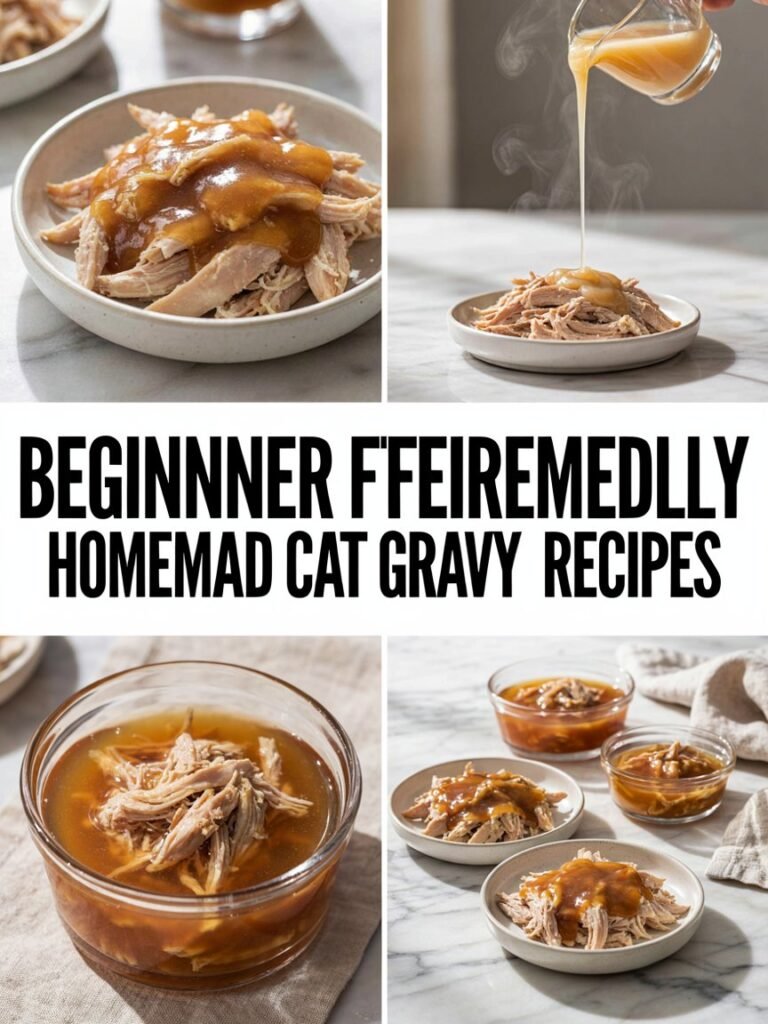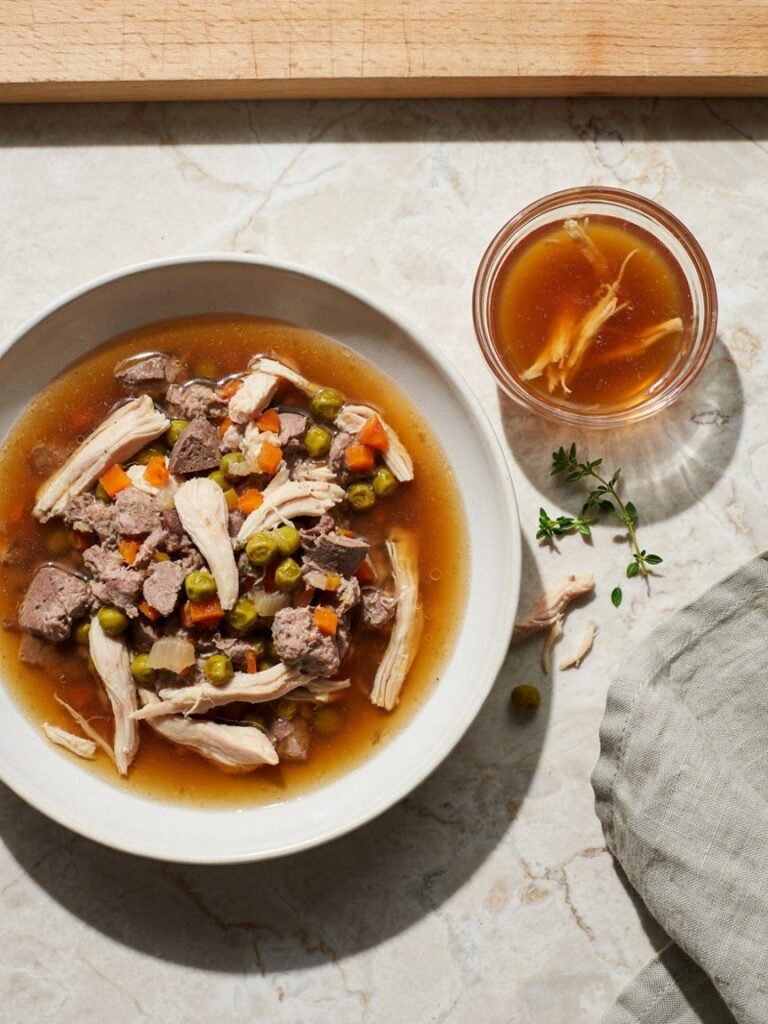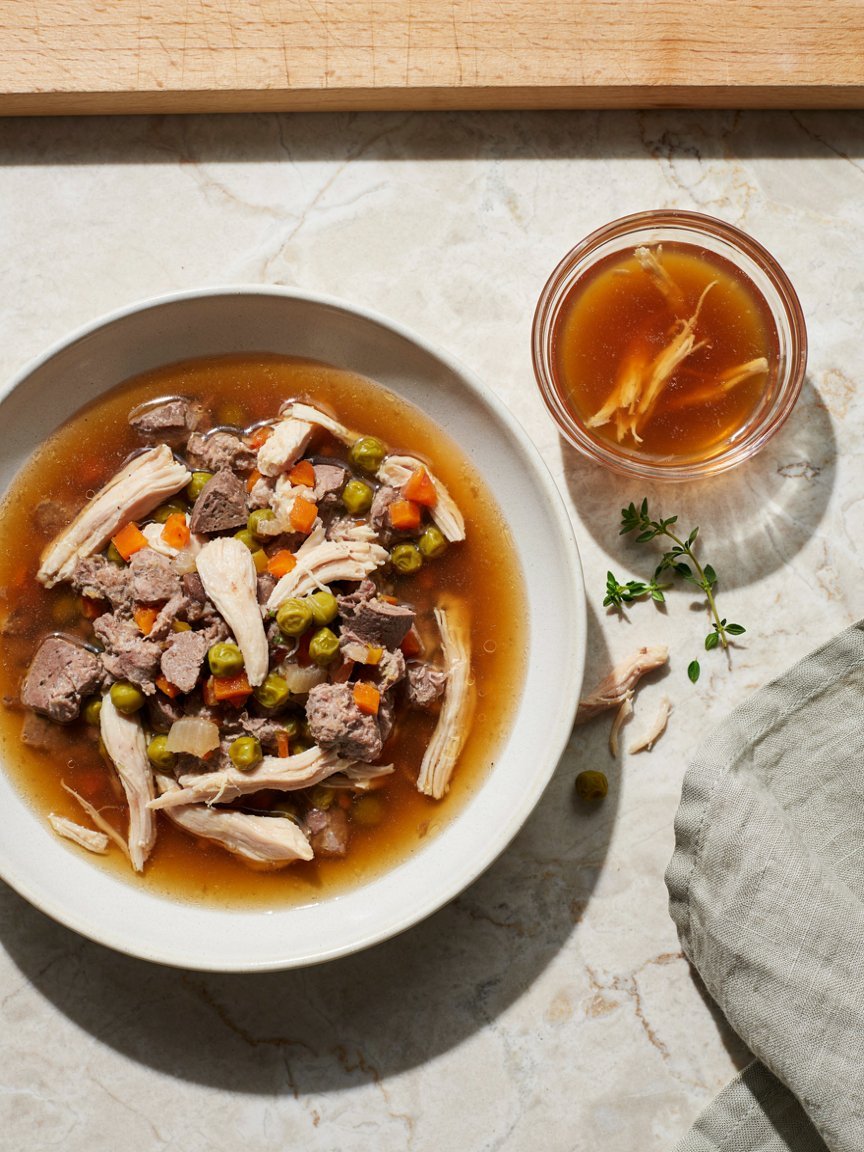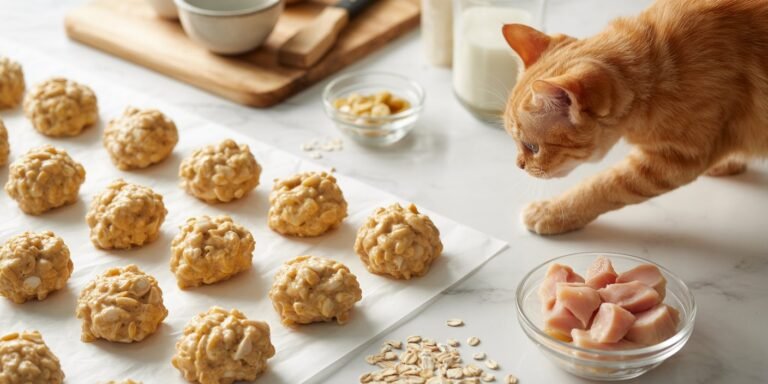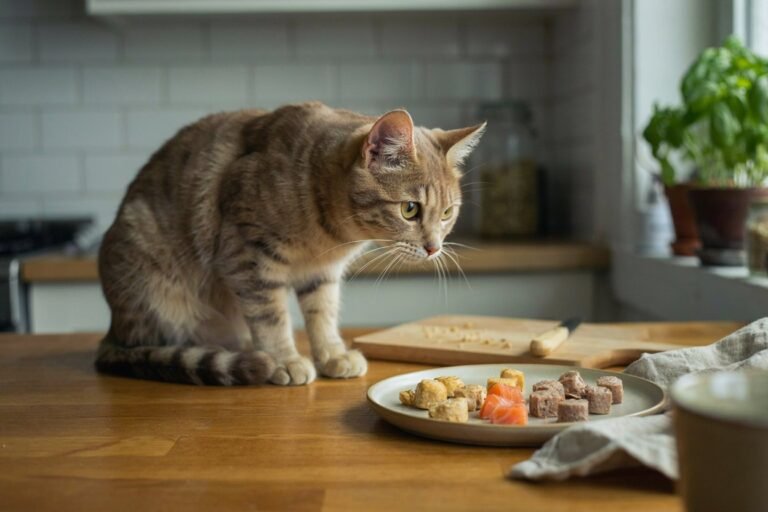
I never planned on making homemade cat gravy. It started as one of those small changes I tried when I wanted to make my cats’ regular meals a little more interesting without completely changing the food they were already used to.
Some days, they would sniff the bowl, walk away, and come back much later. Other times, they seemed interested in the food but would only eat a little. I started experimenting with simple toppers, and homemade gravy quickly became one of the easiest things to prepare.
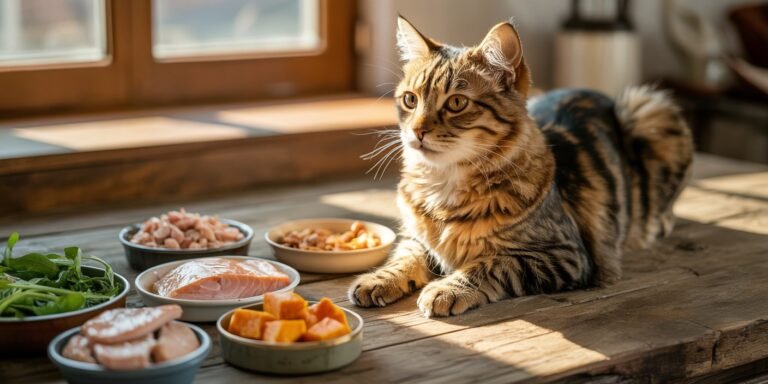
What I liked was that I could make a small amount using ingredients I already had in the kitchen. A little plain chicken, turkey, salmon, or suitable broth was often enough to create something flavorful without needing a complicated recipe.

I also noticed that adding a little warm gravy changed the entire meal. The aroma was stronger, the dry food became softer, and mealtime felt much more appealing. It was such a simple addition, but it made feeding feel easier.
Another reason I kept making it was the control it gave me. I could read every ingredient going into the gravy and avoid unnecessary salt, seasonings, onions, garlic, and other ingredients that do not belong in a cat’s diet.
Since then, homemade gravy has become one of those simple kitchen tricks I can turn to whenever I want to add moisture and variety to my cats’ regular food.
In this guide, I am sharing the easy homemade cat gravy recipes I actually find practical for everyday use, along with preparation tips, storage ideas, common mistakes to avoid, and important safety considerations.
Disclaimer: This post may contain affiliate links, which means I may earn a small commission at no extra cost to you. Always consult your veterinarian before introducing homemade meals or gravy recipes into your cat’s diet.
Amazon Shopping List: Beginner-Friendly Homemade Cat Gravy Recipes
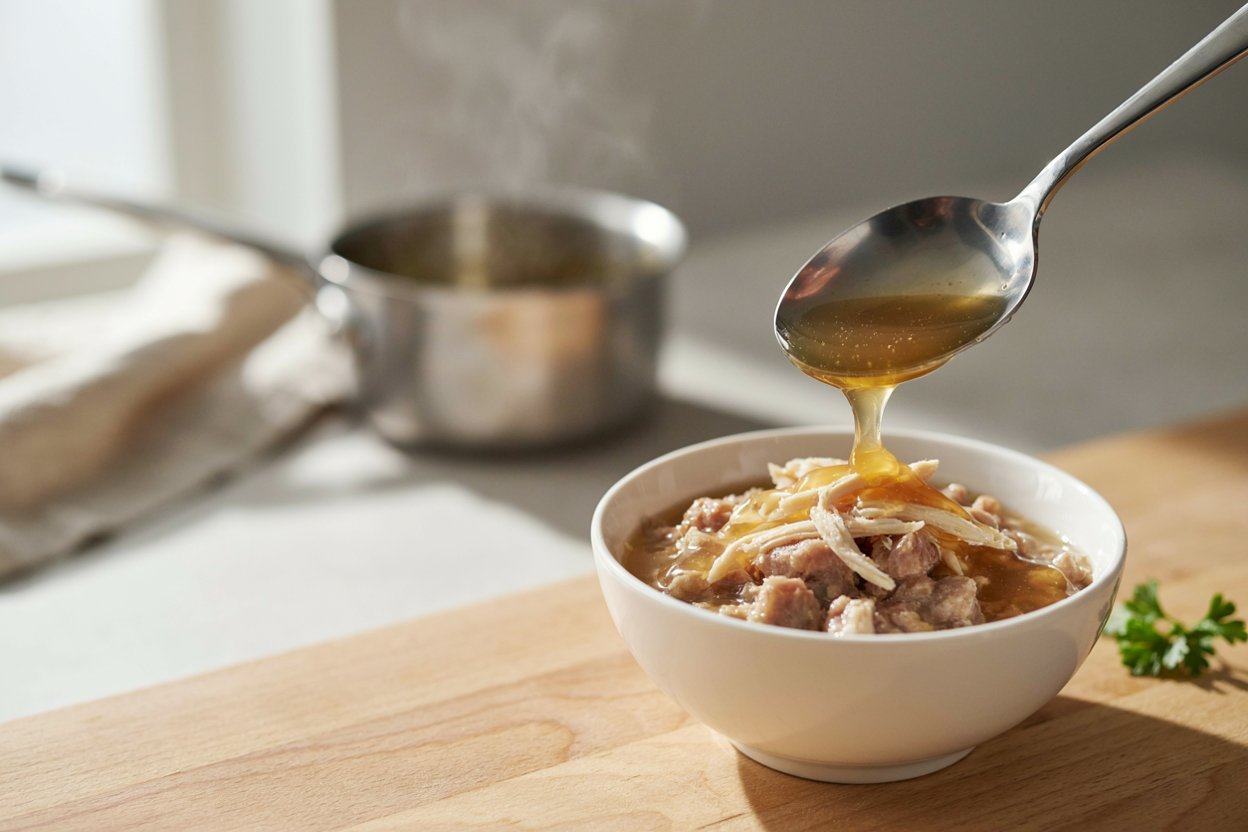
- Nonstick Saucepan with Lid
- Immersion Hand Blender for Smooth Gravy
- Stainless Steel Cat Food Bowls
- Glass Meal Prep Containers with Lids
- Silicone Freezer Portion Trays
- Airtight Pet Food Storage Container
- Cat Multivitamin Supplement Powder
Why Homemade Cat Gravy Became So Helpful for Me

One thing I noticed fairly quickly was that homemade gravy seemed to make my cats more interested in their meals. This was especially noticeable during hot days or whenever they seemed less interested in their usual dry food.
I did not need to completely change what I was feeding them. Adding a small amount of simple gravy was often enough to make the meal smell more appealing and give the food a softer texture.
It also helped me in a few practical ways:
- Added moisture to their meals: Mixing a little gravy into dry food gave the meal additional moisture.
- Made dry food more appealing: The extra aroma and softer texture made familiar kibble more interesting.
- Reduced food waste: When my cats were more interested in their meals, I found myself throwing away less untouched food.
- Gave me more control over ingredients: Making the gravy myself meant I could choose simple ingredients and avoid unnecessary seasonings or unsuitable additives.
- Helped me save money: Small homemade portions were more economical for me than constantly buying specialty store bought toppers.
I also liked knowing exactly what I was adding to their food. Instead of relying on a complicated ingredient list, I could prepare a simple topper using ingredients I recognized and trusted.
That said, I still treat homemade gravy as an addition to a complete and balanced cat food, rather than a replacement for it. The goal for me is simply to make regular meals more appealing and add a little extra moisture without unnecessarily changing my cats’ overall diet.
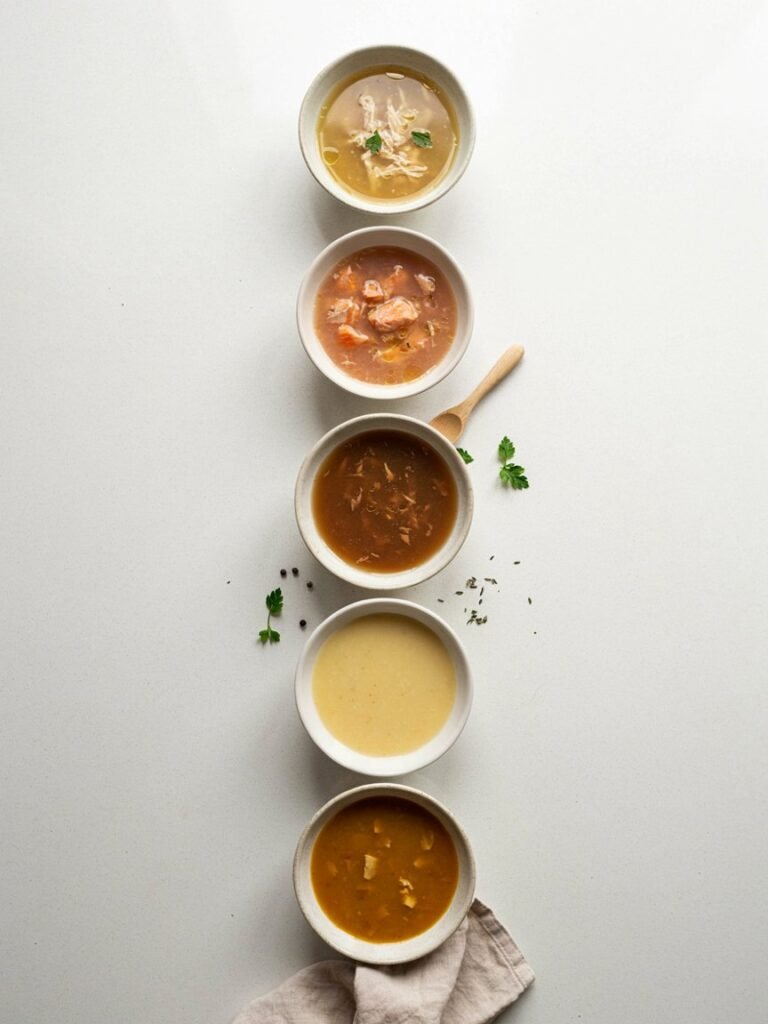
Here Are the Beginner-Friendly Homemade Cat Gravy Recipes My Cats Loved Most
These simple recipes helped make mealtime more exciting while adding extra flavor and moisture to my cats’ food.
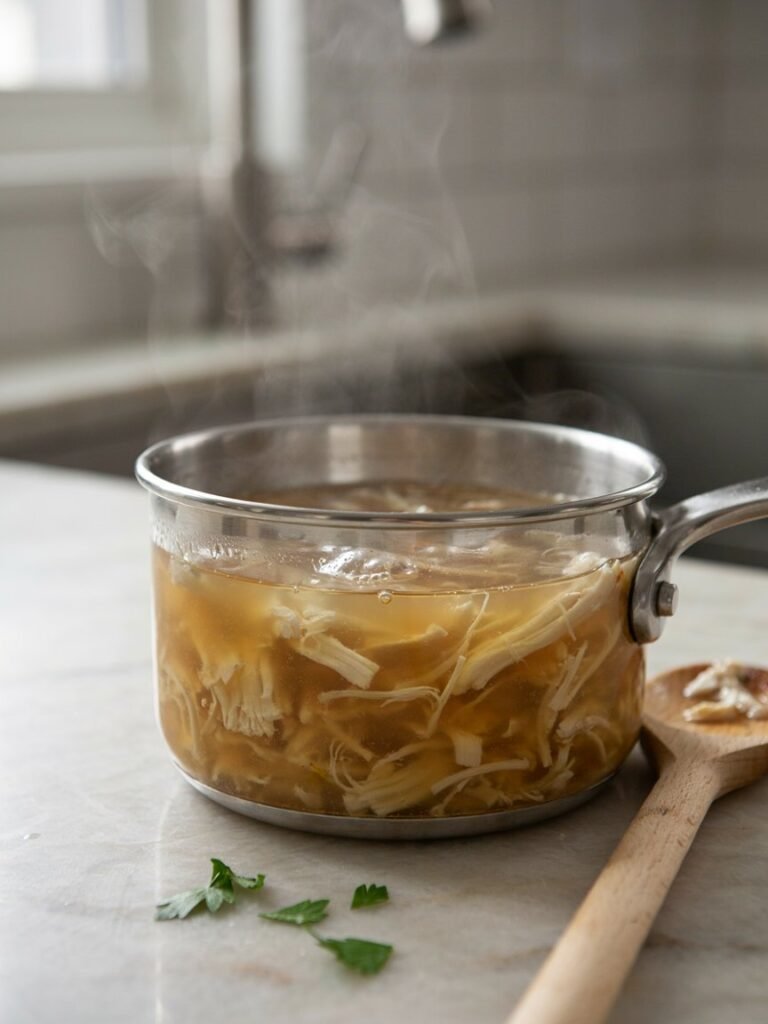
1. Simple Chicken Cat Gravy

This simple chicken gravy is one of my favorite homemade toppers when I want to make an ordinary cat meal a little more appealing. It uses just a few basic ingredients and takes only a few minutes to prepare, which makes it especially convenient when I have a picky cat refusing an otherwise familiar meal.
I like using it over both wet and dry food. The warm chicken aroma can make the meal more interesting, while the extra moisture gives dry kibble a softer texture.
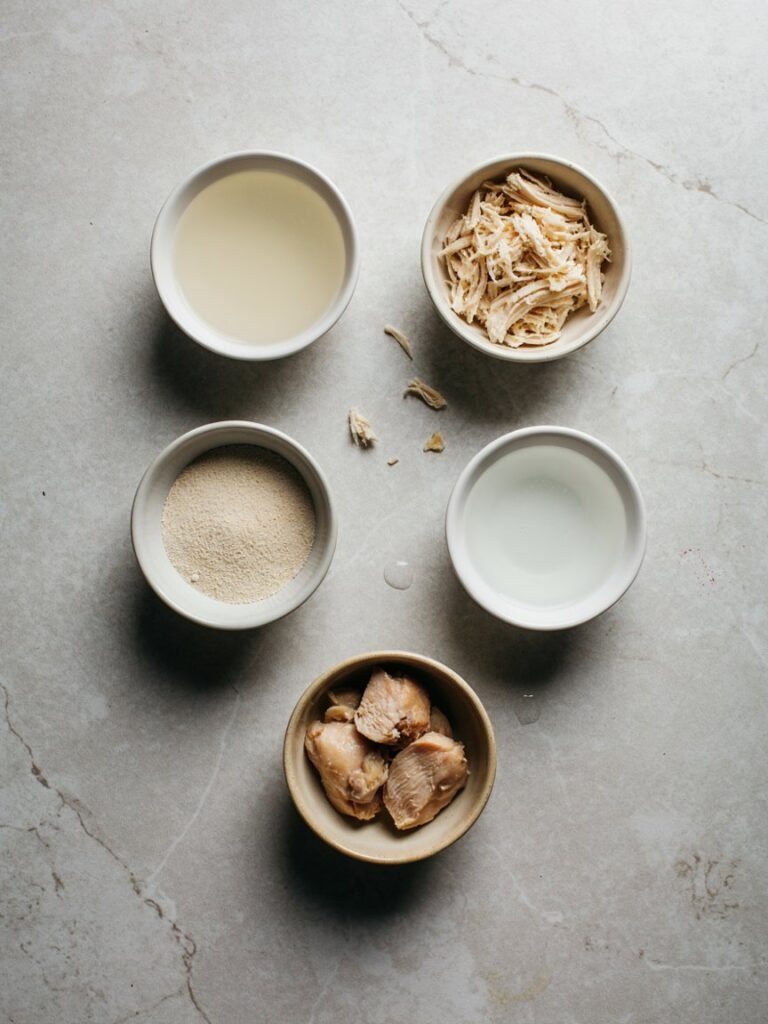
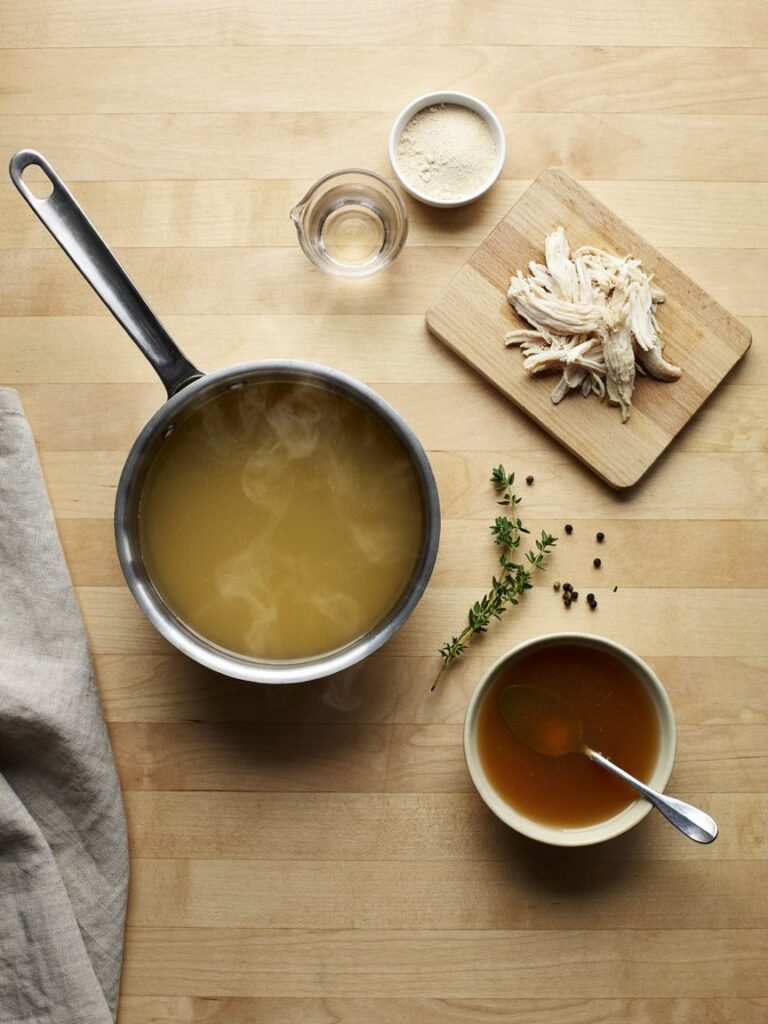
Ingredients
- 1 cup unsalted plain chicken broth: Choose broth with no onion, garlic, heavy seasoning, or excessive sodium. Plain water can also be used if you cannot find a suitable broth.
- ¼ cup shredded boiled chicken: Use fully cooked, plain chicken with the skin and bones removed. I prefer shredding it finely so it mixes easily into the gravy.
- 1 teaspoon cornstarch: Mix the cornstarch with a small amount of cool water before adding it to the broth. This helps prevent lumps and gives the gravy a light consistency.
How to Make It
- Pour the chicken broth into a small saucepan and warm it gently over low heat.
- In a separate small bowl, mix the cornstarch with a little cool water until completely smooth.
- Slowly pour the cornstarch mixture into the warm broth while stirring continuously.
- Add the shredded chicken and continue warming gently until the gravy becomes slightly thicker.
- Remove from the heat and allow it to cool to an appropriate serving temperature.
- Spoon a small amount over your cat’s regular food and mix lightly.
Why Cats May Enjoy It
Chicken has a familiar aroma that many cats find appealing, especially when the gravy is served slightly warm. The added moisture can also change the texture of dry food, making it softer and easier to eat.
I especially like this recipe when I want something simple rather than making an elaborate homemade meal. A small amount is usually enough to coat the food without completely soaking it.
My Helpful Tip
I like making a small batch and freezing it in tiny portions. Silicone ice cube trays work particularly well because each cube gives me a convenient amount to thaw when needed.
Always allow the gravy to cool before serving, and introduce any new topper gradually to make sure your cat tolerates it well.
Important Note
This chicken gravy should be treated as a food topper or occasional addition, not as a complete replacement for nutritionally complete cat food. Cats have very specific nutritional requirements, so homemade toppers should complement an appropriate overall diet rather than replace it.
2. Tuna Gravy for Cats

This tuna gravy is one of the easiest homemade cat toppers I like to make when a picky cat suddenly loses interest in a regular meal. The strong fish aroma can make an otherwise boring bowl much more tempting, while the added moisture gives dry food a softer consistency.
I especially like this option because it takes only a few minutes to prepare and does not require complicated ingredients. I use it as a topper rather than a complete meal, adding just enough to lightly coat the food.
Ingredients
- Water from 1 can of tuna packed in water: Choose plain tuna without added sauces, seasonings, or other flavorings. Avoid tuna packed in oil when making a simple gravy topper.
- 2 tablespoons warm water: This helps dilute the tuna flavor and creates a lighter, more pourable consistency.
- 1 teaspoon plain pumpkin puree: Use 100 percent plain pumpkin with no sugar, spices, or pumpkin pie filling added. This is optional and mainly helps give the gravy a slightly smoother texture.
How to Make It
- Pour the tuna water into a small bowl.
- Add the warm water and stir gently to combine.
- Add the pumpkin puree and mix until the gravy is smooth.
- If the mixture is thicker than you prefer, add a little more warm water until it becomes light and pourable.
- Spoon a small amount over your cat’s regular food and mix gently.
- Allow the food to reach a comfortable serving temperature before giving it to your cat.
Why Picky Cats May Like It
The natural fish aroma is usually the biggest attraction. Some cats that ignore plain food become much more interested when a small amount of tuna flavor is added.
I also like the texture because it can lightly coat dry kibble without turning the entire meal into a wet mixture. For cats that prefer stronger smelling foods, even a small amount can make a noticeable difference.
My Helpful Tip
I would use this topper occasionally rather than making tuna gravy part of every meal. Tuna can be useful for adding variety, but it should not replace a complete and balanced cat food.
If your cat has a sensitive stomach, introduce the topper gradually and watch for any changes in appetite, digestion, or stool.
Important Note
Always check the tuna label before using it. Avoid products containing added salt, sauces, spices, onion, garlic, or other ingredients that are not appropriate for cats.
This recipe is intended as an occasional topper, not a nutritionally complete homemade diet. Cats have specific nutritional requirements, so their primary food should provide the nutrients they need for long term health.
3. Turkey Gravy Recipe

This turkey gravy is a simple option when I want to give my cat a little variety without completely changing the meal. Turkey has a mild flavor, and when it is combined with warm liquid, the aroma can make regular food more appealing.
I especially like this recipe for cats that prefer soft, moist textures. It works well as a light topper over wet food or dry kibble and can be prepared in a small batch without much effort.
Ingredients
- ¼ cup plain cooked turkey: Use fully cooked, unseasoned turkey with the skin and bones removed. I prefer lean turkey because it produces a lighter gravy.
- ½ cup warm water or unsalted cat safe broth: Water keeps the recipe simple, while an appropriate broth can add more aroma. Always check the ingredients carefully and avoid onion, garlic, excessive salt, and seasoning.
- 1 teaspoon plain pumpkin puree: Use 100 percent pumpkin puree with no sugar, spices, or pumpkin pie filling. This is optional and helps create a slightly smoother texture.
- 1 teaspoon cornstarch mixed with cool water: This is optional if you want a lightly thickened gravy rather than a thin broth.
How to Make It
- Chop the cooked turkey into very small pieces.
- Add the turkey and warm water or suitable broth to a small saucepan.
- Warm everything gently over low heat. Avoid boiling the mixture aggressively.
- If you want a slightly thicker consistency, mix the cornstarch with a little cool water in a separate bowl.
- Slowly stir the cornstarch mixture into the warm turkey liquid.
- Continue stirring gently until the gravy becomes lightly thickened.
- Stir in the pumpkin puree if you are using it.
- Remove from the heat and allow the gravy to cool to an appropriate serving temperature.
- Spoon a small amount over your cat’s regular food and mix lightly.
Why Cats May Enjoy It
Turkey has a mild but appealing aroma, especially when gently warmed. The soft pieces of meat also add texture without making the topper difficult to mix into regular cat food.
I find that the extra moisture is particularly useful when adding this gravy to dry kibble. It softens the food slightly while making the bowl smell much more interesting.
My Helpful Tip
I like keeping the gravy fairly thin. Cat gravy should be easy to pour rather than thick like the gravy we prepare for human meals.
If your cat prefers smoother textures, you can blend the cooked turkey with the warm liquid before serving. For cats that enjoy small pieces of meat, simply finely shred the turkey instead.
How to Store It
If I make more than I need for one meal, I transfer the cooled gravy into a clean airtight container and refrigerate it promptly.
For longer storage, small portions can be frozen and thawed as needed. I prefer freezing individual portions because it prevents unnecessary waste and makes future meals much easier.
Important Note
This turkey gravy is intended as an occasional topper, not as a complete replacement for your cat’s regular nutritionally complete food.
Cats have specific nutritional requirements that homemade meat and gravy recipes do not automatically provide. Keep the topper portion modest so it complements your cat’s normal diet rather than replacing the balanced nutrition they need.
4. Salmon Cat Gravy

This salmon gravy is a great option when I want to give my cat something with a stronger aroma and a little more variety. Fish tends to have a naturally noticeable smell, which can be especially useful when a picky cat is showing less interest in an ordinary meal.
I like this recipe because it is simple, light, and easy to spoon over both wet and dry food. The extra moisture also gives dry kibble a softer texture without making the entire meal overly heavy.
Ingredients
- 1 small piece of fully cooked salmon: Use plain salmon with all bones carefully removed. Avoid salmon prepared with salt, butter, garlic, onion, sauces, or other seasonings.
- ½ cup warm water or suitable unsalted broth: Water keeps the recipe simple. If using broth, check the ingredient list carefully and avoid onion, garlic, excessive sodium, and seasoning.
- 1 teaspoon plain pumpkin puree: Use 100 percent plain pumpkin puree with no added sugar or spices. This is optional and helps give the gravy a slightly smoother consistency.
How to Make It
- Cook the salmon thoroughly without adding oil, butter, salt, or seasoning.
- Carefully inspect the cooked salmon and remove any bones you find.
- Flake the salmon into very small pieces.
- Add the salmon and warm water or suitable broth to a small saucepan.
- Warm gently over low heat while stirring occasionally.
- Add the pumpkin puree if you are using it and stir until everything is evenly combined.
- For a smoother gravy, blend the mixture briefly until it reaches the texture your cat prefers.
- Allow the gravy to cool to an appropriate serving temperature before adding a small amount to your cat’s regular food.
Why Cats May Enjoy It
Salmon has a naturally strong aroma that can make food more interesting to cats that are easily distracted or selective about their meals.
The soft texture also makes this gravy easy to mix into wet food or dry kibble. I particularly like using just enough to lightly coat the food rather than completely soaking it.
My Helpful Tip
If your cat prefers smooth food, blend the salmon thoroughly with the warm liquid. If your cat enjoys texture, leave a few tiny flakes of salmon in the gravy.
I would also keep the portions modest. Salmon can be a flavorful addition, but it should complement your cat’s regular complete and balanced food rather than become the main part of the diet.
Storage
If I make extra, I let the gravy cool appropriately before transferring it into a clean airtight container.
For convenience, you can also freeze small portions in silicone molds or ice cube trays. Once frozen, transfer the portions to a freezer safe container and thaw only what you need.
Important Note
This salmon gravy is intended as an occasional food topper, not a complete homemade diet.
Cats have very specific nutritional requirements, and a simple fish based gravy does not provide everything a cat needs for long term nutrition. Keep the amount small enough that it complements your cat’s normal complete and balanced food rather than replacing it.
5. Creamy Bone Broth Cat Gravy

This creamy bone broth gravy is one of my favorite options when I want to add extra moisture and a gentle savory smell to my cat’s regular food. It has a softer consistency than a plain broth, so it mixes particularly well with dry kibble.
I like this recipe for busy days because it takes only a few minutes to prepare and can be made in small portions. The key is choosing a bone broth that is completely plain and suitable for cats.
Ingredients
- ½ cup plain bone broth: Choose a broth with no onion, garlic, added salt, spices, or seasoning. A simple unsalted homemade broth can work well.
- ¼ cup warm water: This helps create a lighter consistency and keeps the gravy from becoming too concentrated.
- 1 tablespoon plain cooked chicken: Use fully cooked, unseasoned chicken with the skin and bones removed. Shred it very finely so it blends easily into the gravy.
- 1 teaspoon plain pumpkin puree: Use 100 percent pumpkin with no added sugar, spices, or pumpkin pie filling. This is optional and helps give the gravy a slightly creamy consistency.
How to Make It
- Pour the plain bone broth and warm water into a small saucepan.
- Add the finely shredded cooked chicken and warm everything gently over low heat.
- Stir in the pumpkin puree if you are using it.
- Continue stirring until the ingredients are evenly combined and the gravy reaches a light, pourable consistency.
- Remove the saucepan from the heat and allow the mixture to cool to an appropriate serving temperature.
- Spoon a small amount over your cat’s regular food and mix gently.
Why Cats May Enjoy It
The warm savory aroma can make an ordinary meal more interesting, while the additional moisture can soften dry kibble.
I particularly like the texture of this gravy because it is creamy without being overly thick. If your cat prefers smoother food, you can blend the mixture briefly before serving.
My Helpful Tip
The most important part of this recipe is the bone broth itself. Do not assume every store bought bone broth is safe for cats.
Check the ingredient label carefully and avoid products containing onion, garlic, excessive sodium, heavy seasoning, or other ingredients that are inappropriate for cats.
I also prefer making the gravy fairly thin. Cats do not need a thick human style gravy, and a lighter consistency is easier to mix with their normal food.
How I Store It
If I make more than I need, I allow the gravy to cool appropriately and transfer it to a clean airtight container.
For convenient portioning, you can freeze small amounts in silicone molds or ice cube trays. Once frozen, store the portions in a freezer safe container and thaw only what you need.
Important Note
This bone broth gravy is intended as an occasional topper, not as a replacement for your cat’s complete and balanced food.
Bone broth, chicken, and pumpkin alone do not provide all of the nutrients cats require for long term health. Keep the serving size modest so the gravy adds variety and moisture without displacing the nutritionally complete food your cat normally relies on.
Simple Tips for Making Homemade Cat Gravy

Making homemade cat gravy doesn’t have to be complicated.
After trying different recipes at home, I found that keeping things simple usually worked best for both me and my cats.
These small tips helped the gravy turn out better, stay safer for cats, and make mealtime much easier overall.
Keep Ingredients Simple
I noticed my cats enjoyed simple gravies more than overly complicated recipes.
Basic ingredients like plain chicken, tuna, salmon, or unsalted broth worked perfectly without needing extra additions.
Simple recipes were also easier to prepare quickly during busy days.
Always Use Unsalted Broth
One of the most important things I learned was to avoid heavily salted broths or seasonings. Many store-bought broths contain too much sodium for cats.
Whenever possible, I used homemade broth or checked labels carefully for low-sodium or unsalted options.
Serve the Gravy Slightly Warm
My cats always seemed more interested in their food when the gravy was slightly warm instead of cold straight from the refrigerator.
Warming it gently also helped release the smell, which made meals more appealing for picky eaters.
Make Small Fresh Batches
Fresh gravy usually worked best in my house because it stayed flavorful and didn’t sit in the fridge too long.
I started making smaller portions every few days instead of preparing huge batches at once.
Store Leftovers Properly
I kept leftover gravy in airtight containers inside the refrigerator and used it within a few days.
This helped keep everything fresh and safe while reducing food waste.
Avoid Unsafe Ingredients
I always stayed away from ingredients that aren’t safe for cats, including:
- Onions
- Garlic
- Excess salt
- Spicy seasonings
- Heavy cream or rich sauces
Keeping the recipes plain and cat-friendly was the safest option.
Use Gravy as a Food Topper
One thing that helped most was pouring a little gravy over dry food instead of replacing meals entirely.
It added moisture and flavor while encouraging my cats to finish their food more consistently.
Test New Recipes Slowly
Whenever I tried a new gravy recipe, I introduced small amounts first to make sure my cats liked it and handled it well.
This helped avoid upsetting their stomachs or wasting ingredients if they weren’t interested.
Common Homemade Cat Gravy Mistakes

Homemade cat gravy is simple, but a few small details can make a big difference. These are the mistakes I try to avoid whenever I prepare a batch.
Using Salty Broth
Always choose unsalted broth whenever possible. If you are buying broth, check the ingredient label carefully rather than assuming it is safe just because it says chicken or bone broth.
I prefer using plain water when I cannot find a suitable broth because it keeps the recipe simple and avoids unnecessary sodium.
Serving It Too Hot
Always let the gravy cool before adding it to your cat’s food.
I usually make the gravy first and give it a few minutes to cool while I prepare the rest of the meal. It should be comfortably warm or at room temperature rather than hot.
Adding Unsafe Ingredients
Keep the recipe plain. Avoid onions, garlic, excessive salt, sauces, seasoning blends, and heavily seasoned ingredients.
Cats do not need human style seasoning to enjoy their food. A simple broth with an appropriate protein is usually enough to create an appealing aroma.
Making Portions Too Large
I found that making smaller batches worked best for me. Homemade gravy is easier to manage when I only prepare what I expect to use within a short period.
For extra convenience, you can freeze small portions in silicone molds or ice cube trays. That way, you can thaw one portion at a time instead of making a large batch that may go to waste.
The simpler I keep the preparation, the easier it becomes to make homemade gravy part of a practical feeding routine.
Benefits of Homemade Cat Gravy

Homemade cat gravy can be a simple way to make regular meals more appealing while adding extra moisture. I especially like it when a cat is picky about texture or seems less interested in dry food.
1. Adds Extra Moisture
One of the biggest benefits is the additional moisture. Adding a small amount of gravy to dry kibble can make the meal softer and easier to eat while increasing the overall moisture content of the meal.
2. Makes Meals More Appealing
Warm chicken, turkey, or fish based gravy can release a stronger aroma that may encourage a selective cat to investigate its food.
I have found that sometimes a cat does not necessarily need a completely different meal. A little extra smell and moisture can make familiar food much more interesting.
3. Softens Dry Kibble
If your cat prefers softer textures, gravy can make dry food easier to chew. I usually add just enough to lightly coat the kibble rather than completely soaking it.
4. Gives You More Ingredient Control
Making gravy at home lets you choose exactly what goes into the topper. You can use plain cooked chicken, turkey, or appropriate fish with water or a suitable unsalted broth instead of relying on heavily seasoned prepared sauces.
5. Provides More Variety
Cats can sometimes become very particular about what they want to eat. Rotating simple toppers can give meals some variety without completely changing their regular food.
I like having several basic options available so I can switch between flavors occasionally rather than relying on the same topper every day.
6. Can Be Prepared in Small Portions
Another benefit is convenience. You do not need to prepare a large batch every time.
I prefer making small amounts and freezing leftovers in tiny portions. That makes it easy to thaw only what I need for one meal.
7. Can Make Homemade Feeding More Practical
For me, the biggest advantage is how easy homemade gravy is to incorporate into an existing feeding routine. It does not require complicated cooking or expensive ingredients, and most recipes take only a few minutes to prepare.
An Important Reminder
Homemade cat gravy should generally be treated as a topper or occasional addition, not a complete replacement for nutritionally complete cat food.
Even ingredients that are individually safe for cats do not automatically provide all the nutrients cats need. Keeping the gravy portion modest helps ensure it complements your cat’s regular balanced diet rather than displacing it.
FAQ: Homemade Cat Gravy
Can Cats Eat Homemade Gravy?
Yes, cats can have homemade gravy as an occasional topper when it is made with cat safe ingredients and does not contain harmful seasonings.
I keep homemade gravy simple and use it to add moisture and flavor to my cat’s regular food rather than treating it as a complete meal. Avoid ingredients such as onions, garlic, excessive salt, sauces, and strong seasonings.
How Long Does Homemade Cat Gravy Last?
I usually keep homemade gravy refrigerated in a clean airtight container for 2 to 3 days.
I prefer making smaller batches because they are easier to use while fresh. If I know I will not use everything within that time, I freeze the extra gravy in small portions instead.
Always check the gravy before serving and discard it if the smell, appearance, or texture seems unusual.
Can I Freeze Homemade Cat Gravy?
Yes. Freezing is one of the easiest ways to save extra gravy without wasting it.
I like using small silicone molds or ice cube trays so I can freeze individual portions. Once frozen, transfer the portions to a freezer safe container and thaw only what you need.
This is especially convenient when you want to add a small amount of gravy to a meal without preparing a fresh batch every time.
What Ingredients Should Cats Avoid?
Keep homemade cat gravy very simple and avoid ingredients that can be harmful to cats.
Some of the main ingredients I avoid include:
- Onions
- Garlic
- Excessive salt
- Spicy seasonings
- Heavily seasoned broths
- Sauces containing ingredients that are unsafe for cats
Always check packaged broth and other prepared ingredients carefully because potentially unsuitable ingredients can be hidden in products that otherwise seem harmless.
Can I Pour Gravy Over Dry Cat Food?
Yes. Homemade gravy can work particularly well as a topper for dry cat food.
I like adding a small amount and mixing it through the kibble rather than completely soaking the food. The extra moisture can soften the texture while the aroma makes the meal more appealing.
If your cat is not used to homemade toppers, introduce the gravy gradually rather than changing the entire meal at once.
Final Thoughts
Making homemade cat gravy turned out to be much easier than I expected. Once I started keeping the ingredients simple, preparing small batches, and freezing extra portions, it became a practical addition to our normal mealtime routine.
What I like most is being able to add a little extra moisture, flavor, and variety without needing complicated ingredients or expensive specialty products.
The chicken, turkey, tuna, salmon, and bone broth recipes all give you different ways to make an ordinary meal a little more interesting. I would start with one simple recipe, use a small amount, and see how your cat responds before trying several different options.
Just remember that homemade gravy is best used as a topper or occasional addition, not as a replacement for a complete and balanced cat food. Keeping that distinction in mind makes these recipes much easier to incorporate into a healthy feeding routine.