
Kitten Care Tips Every First Time Owner Should Know

Bringing home a kitten is one of the most exciting moments a person can experience.
That tiny, curious bundle of fur will quickly become a cherished member of your family, but caring for a kitten properly requires more than just love and cuddles.
From feeding schedules to litter box training, health checkups to safe play, first time kitten owners often feel overwhelmed by how much there is to learn in such a short amount of time.
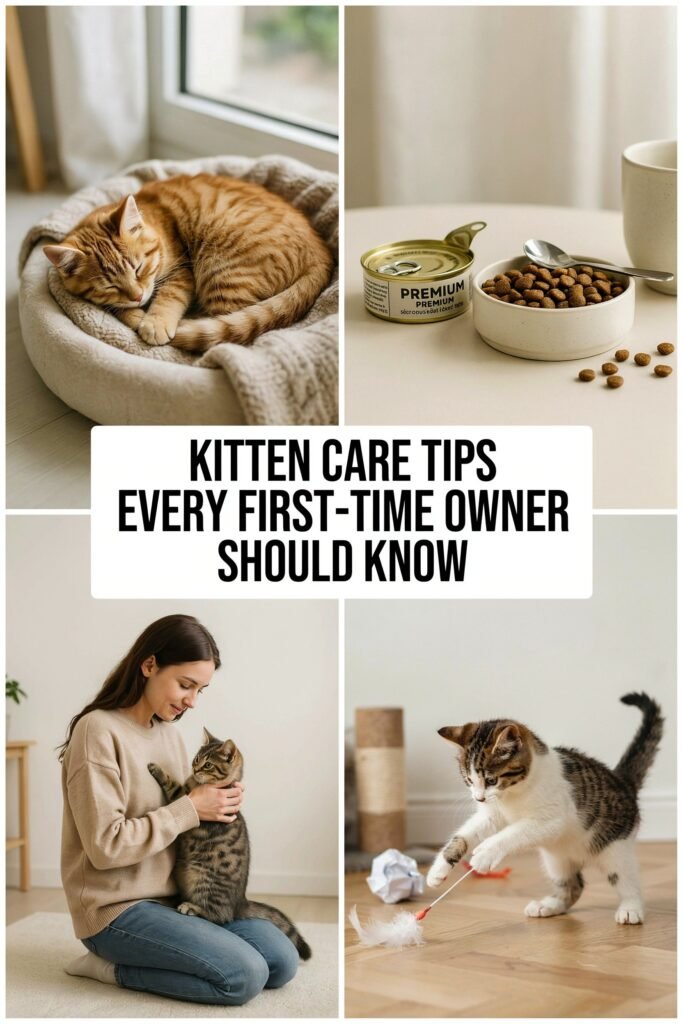
This guide breaks down everything you need to know to raise a happy, healthy, and well adjusted kitten.
Whether you just adopted your first cat or you are preparing to welcome one soon, these practical tips will help you build a strong foundation for years of companionship.
Preparing Your Home Before Your Kitten Arrives

Kittens are naturally curious and love to explore every corner of their new environment.
Before your new furry friend comes home, it is important to kitten proof your space just as you would baby proof a home for a toddler.
Start by walking through each room and looking for potential hazards.
Electrical cords should be tucked away or covered since kittens love to chew on anything that moves.
Small objects like rubber bands, hair ties, and coins should be kept out of reach because kittens can easily swallow them, leading to serious health issues.
Certain houseplants are toxic to cats, including lilies, aloe vera, and pothos.
If you have any of these in your home, either remove them or place them somewhere your kitten cannot access.
It is also wise to check that windows and balconies are secure, since kittens are agile climbers and can slip through small gaps.
Set up a quiet, cozy space where your kitten can retreat when feeling overwhelmed.
A soft bed, a few toys, and access to food, water, and a litter box in that designated area will help your kitten feel safe during the first few days of adjustment.
Choosing the Right Food for Your Kitten

Nutrition plays a huge role in a kitten’s growth and development.
Kittens have different dietary needs compared to adult cats because their bodies are growing rapidly and require more calories, protein, and essential nutrients.
Look for kitten specific food that is labeled complete and balanced for growth.
These formulas are designed to support healthy bone development, brain function, and immune system strength.
Wet food, dry kibble, or a combination of both can work well, but always check with your veterinarian to determine what suits your kitten’s specific needs.
Feeding schedules matter too.
Young kittens under six months typically need to eat three to four small meals a day since their stomachs are too small to handle large portions at once.
As they grow older, you can gradually transition to two meals a day, similar to adult cats.
Fresh water should always be available.
Some kittens prefer running water, so a pet water fountain might encourage them to stay hydrated, which is especially helpful for kittens that mostly eat dry food.
Avoid feeding your kitten table scraps or human food, as many common ingredients like onions, garlic, chocolate, and grapes are toxic to cats.
Stick to food formulated specifically for kittens to ensure they are getting everything they need to thrive.
Litter Box Training Made Simple

One of the biggest concerns for first time kitten owners is litter box training.
The good news is that most kittens instinctively know how to use a litter box, and the process is usually easier than expected.
Start by placing the litter box in a quiet, low traffic area of your home.
Kittens prefer privacy when using the bathroom, so avoid placing the box near loud appliances or high foot traffic zones.
Choose a box with low sides so your kitten can climb in and out easily, especially if you have a very young kitten still building coordination and strength.
After meals or naps, gently place your kitten in the litter box so they associate that space with bathroom time. Most kittens will naturally start digging and covering their waste on their own.
If accidents happen outside the box, avoid scolding your kitten, since punishment can create anxiety and worsen the behavior.
Instead, clean the area thoroughly to remove any lingering scent and continue guiding them back to the box.
Scoop the litter box daily and change the litter completely every week or two, depending on the type used.
Cats are naturally clean animals and may avoid using a dirty box, which can lead to accidents around the house.
Scheduling Veterinary Care

Regular veterinary visits are essential for keeping your kitten healthy from the very beginning.
Within the first few weeks of bringing your kitten home, schedule an initial wellness check to ensure they are in good health and to discuss a vaccination plan.
Kittens typically need a series of vaccines starting around six to eight weeks of age, with boosters continuing every three to four weeks until they reach about sixteen weeks old.
These vaccines protect against common but serious illnesses such as feline distemper and respiratory infections.
Your veterinarian will also discuss deworming and flea prevention, since kittens are especially vulnerable to parasites.
Spaying or neutering is another important conversation to have early on, as this procedure is typically recommended around five to six months of age and offers long term health and behavioral benefits.
Keep an eye out for signs that something might be wrong, including lethargy, loss of appetite, vomiting, diarrhea, or difficulty breathing.
Kittens can decline quickly if they become ill, so do not hesitate to contact your veterinarian if you notice anything unusual.
Encouraging Healthy Play and Socialization
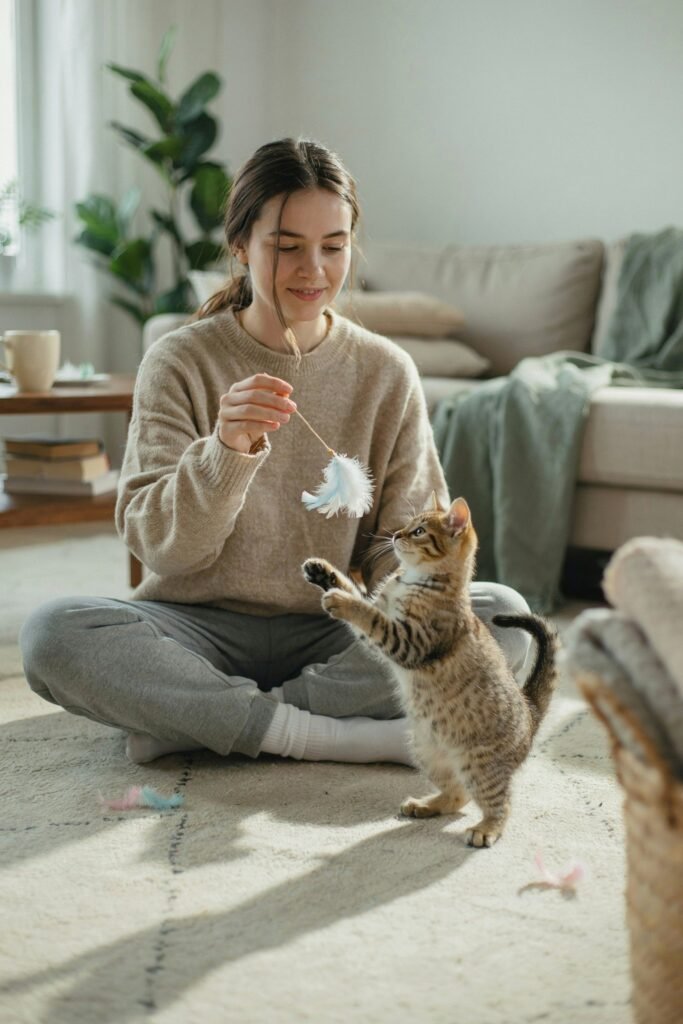
Play is not just fun for kittens, it is a vital part of their physical and mental development.
Through play, kittens learn coordination, build muscle strength, and develop important social skills they will carry into adulthood.
Interactive toys like feather wands, small balls, and puzzle feeders are excellent choices because they mimic natural hunting behaviors.
Rotating toys every few days can help keep your kitten engaged and prevent boredom.
Set aside dedicated playtime each day, ideally in short sessions of ten to fifteen minutes a few times daily.
This not only strengthens your bond but also helps burn off excess energy, which can reduce unwanted behaviors like scratching furniture or biting during play.
Socialization is equally important during the early months of a kitten’s life.
Gently expose your kitten to new sounds, people, and gentle handling to help them grow into a confident, well adjusted cat.
If you have other pets at home, introduce them slowly and under supervision, giving your kitten time to adjust at their own pace.
Avoid using your hands or feet as toys during play.
While it might seem harmless when they are small, this can encourage biting and scratching habits that become problematic as they grow larger.
Grooming and Basic Hygiene

Kittens are generally excellent self groomers, but they still benefit from a little help, especially when it comes to building positive associations with handling and touch.
Brushing your kitten a few times a week helps reduce shedding, prevents matting, and allows you to check for any skin issues, lumps, or parasites.
Short haired kittens may only need brushing once a week, while long haired breeds often require more frequent attention to prevent tangles.
Nail trimming is another important part of grooming. Kitten claws grow quickly, and keeping them trimmed helps protect your furniture and skin from accidental scratches.
If you are unsure how to trim your kitten’s nails safely, ask your veterinarian or a professional groomer for a demonstration.
Dental health should not be overlooked either.
Introducing tooth brushing early, using a cat specific toothbrush and toothpaste, can help prevent dental disease later in life.
Many kittens accept this routine more easily than adult cats since they are still forming habits.
Bathing is rarely necessary for kittens unless they get into something messy or have a specific medical need, since regular grooming usually keeps their coat clean and healthy.
Understanding Kitten Behavior
Kittens go through several developmental stages, and understanding their behavior can help you respond appropriately and strengthen your relationship with them.
Between two and seven weeks old, kittens are in a critical socialization period where they learn how to interact with humans and other animals.
If you adopted your kitten during or shortly after this stage, be patient as they continue adjusting to their new environment.
Playful biting and pouncing are normal behaviors rooted in natural hunting instincts.
Redirecting this energy toward appropriate toys rather than punishing your kitten will help them learn boundaries without creating fear or anxiety.
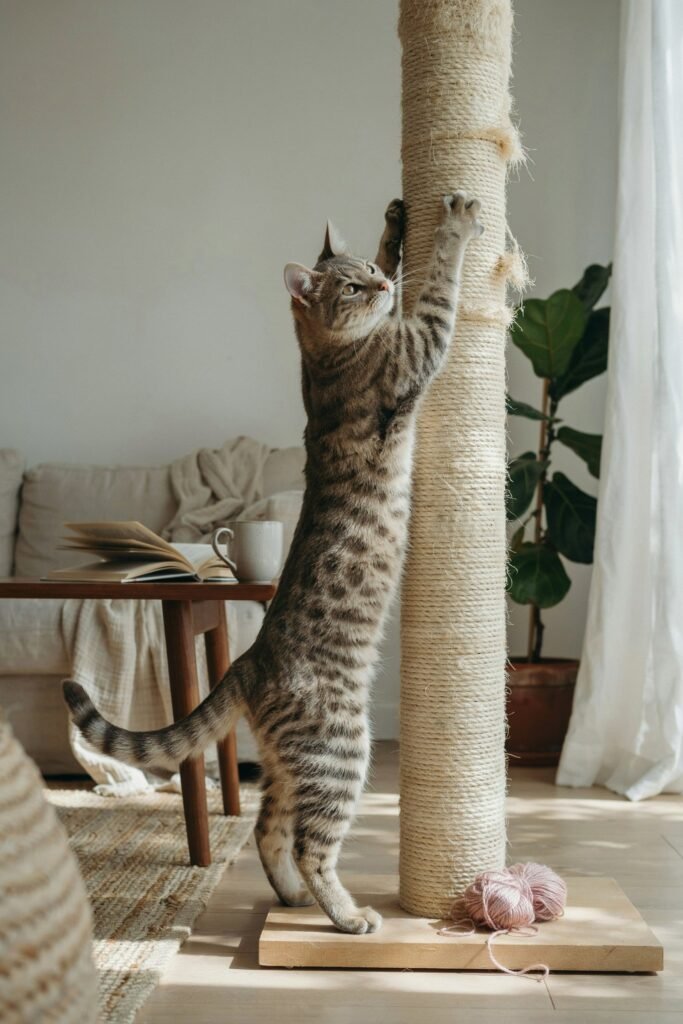
Scratching is another natural behavior that helps kittens stretch their muscles and maintain healthy claws.
Providing a variety of scratching posts, in different textures and orientations, can help protect your furniture while satisfying this instinct.
If your kitten seems unusually withdrawn, aggressive, or anxious, it may be worth discussing with your veterinarian, as these behaviors can sometimes indicate stress, discomfort, or an underlying health issue.
Common Mistakes First Time Owners Should Avoid
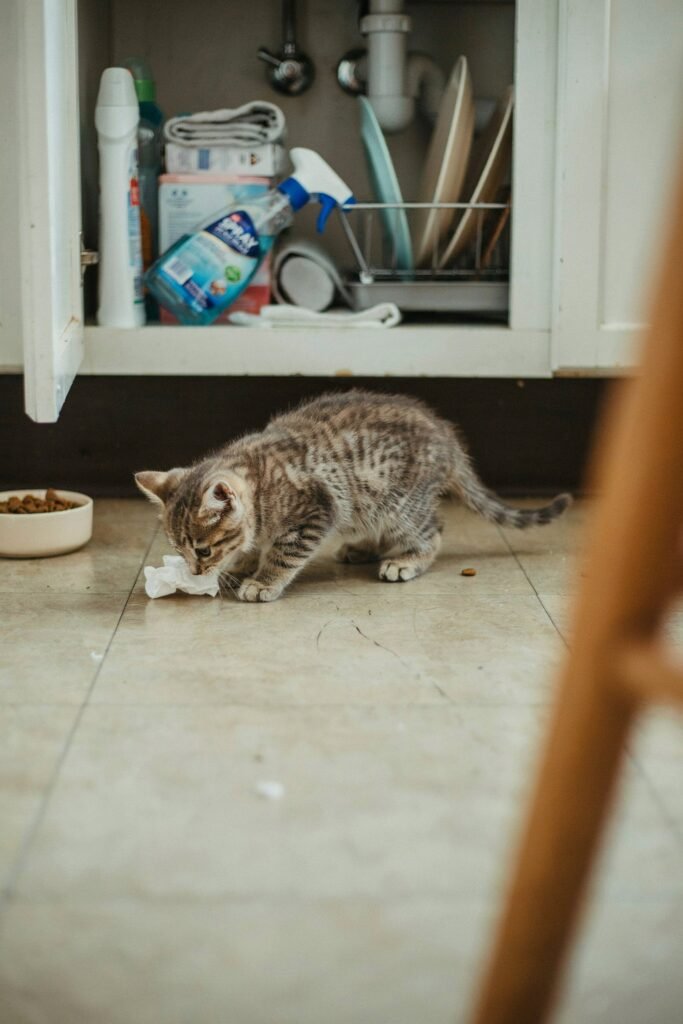
Even with the best intentions, first time kitten owners often make a few common mistakes.
Being aware of these can help you avoid unnecessary stress for both you and your new companion.
One common mistake is introducing too many changes at once.
Kittens thrive on routine, so try to keep feeding times, playtime, and sleeping arrangements as consistent as possible during the first few weeks.
Another mistake is skipping regular veterinary visits after the initial round of vaccines.
Preventative care should continue throughout your cat’s life, not just during kittenhood, to catch potential health issues early.
Overfeeding is also a common issue, especially since kittens have hearty appetites and owners want to make sure they are eating enough.
Stick to portion recommendations from your veterinarian to avoid unnecessary weight gain as they grow.
Finally, many new owners underestimate how much supervision young kittens need, especially in the first few months.
Keeping a close eye on your kitten as they explore will help prevent accidents and give you the chance to correct unsafe behaviors before they become habits.
Building a Lifelong Bond With Your Kitten

The first few months with your kitten set the tone for your relationship in the years to come.
Patience, consistency, and gentle guidance will help your kitten grow into a confident, affectionate companion who trusts you completely.
Spend quality time simply being present with your kitten, even during quiet moments.
Talking softly, offering gentle pets, and allowing them to approach you on their own terms builds trust naturally over time.
Remember that every kitten is different. Some may be outgoing and adventurous from day one, while others take longer to warm up.
Respecting your kitten’s individual personality and pace will go a long way in creating a strong, lasting bond.
Frequently Asked Questions
How often should I feed my kitten? Kittens under six months typically need three to four small meals a day, gradually transitioning to two meals daily as they approach adulthood.
When should my kitten get vaccinated? Vaccinations usually begin around six to eight weeks of age, with booster shots continuing every three to four weeks until about sixteen weeks old.
How do I stop my kitten from biting during play? Redirect biting behavior toward appropriate toys instead of your hands or feet, and avoid using your body as a play object to prevent reinforcing the habit.
Is it normal for my kitten to sleep a lot? Yes, kittens sleep between sixteen and twenty hours a day since their bodies are using significant energy to grow and develop.
When should I spay or neuter my kitten? Most veterinarians recommend spaying or neutering around five to six months of age, though this can vary depending on your kitten’s individual health and breed.
Final Thoughts
Caring for a kitten for the first time can feel like a big responsibility, but it is also an incredibly rewarding experience.
By preparing your home, choosing the right nutrition, staying consistent with litter training, scheduling regular veterinary care, and dedicating time to play and socialization, you are setting your kitten up for a happy and healthy life.
Every small effort you make now, from a gentle grooming session to a patient litter box training moment, contributes to the strong bond you will share with your cat for years to come.
Enjoy this special chapter, because watching your kitten grow into a confident, loving companion is truly one of life’s simple joys.