The Right Way to Bond With Your Dog
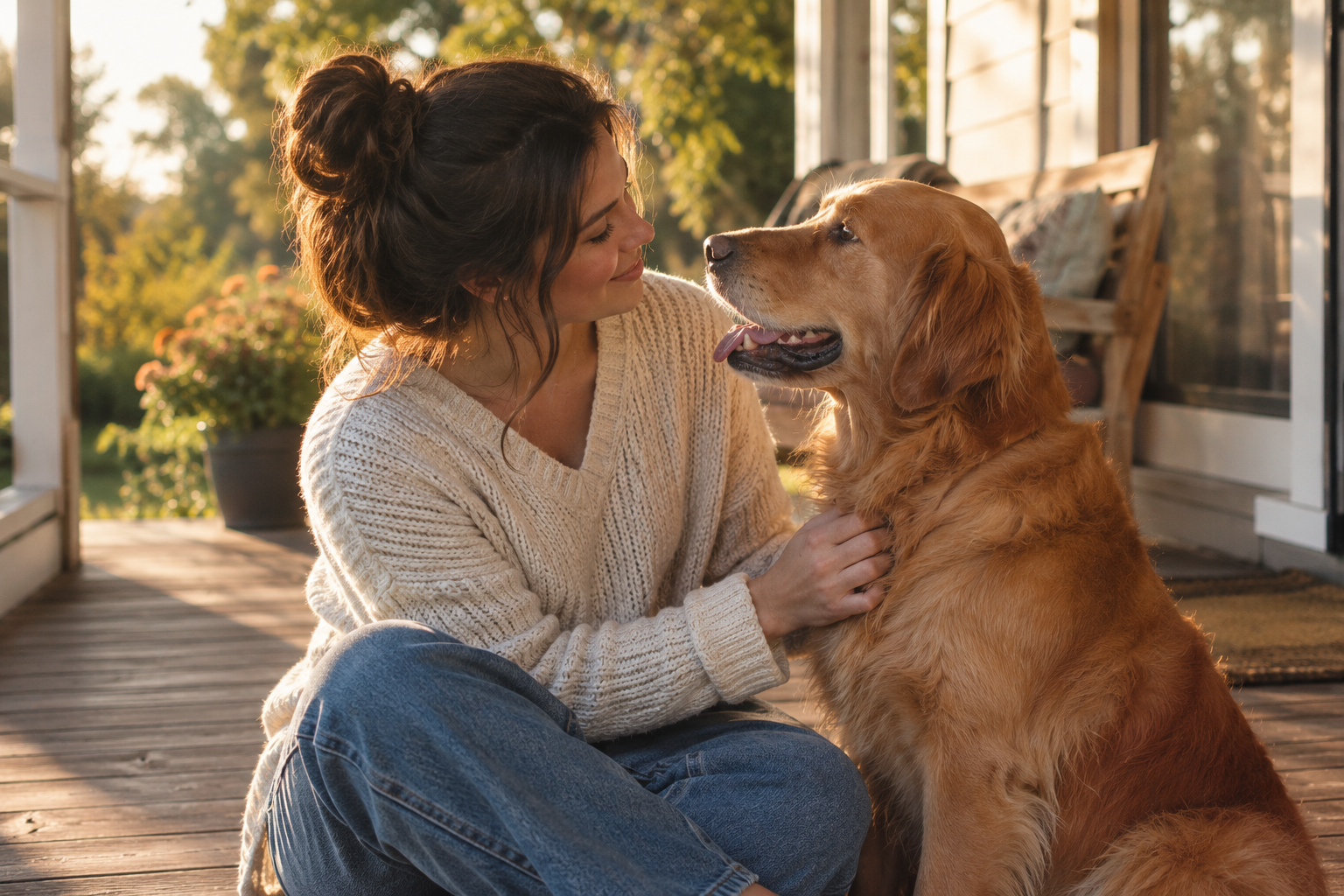
A strong bond with your dog is not something that happens automatically just because you share a home.
It is built through small, repeated moments of trust, communication, and consistency. Some of those moments look like training sessions, and others look like nothing more than sitting quietly together on the floor.
What matters most is that your dog learns, over time, that you are calm, predictable, and safe to be around.
This guide walks through what actually builds a bond, what tends to weaken it without owners realizing, and how the process looks different depending on your dog’s age or background.
What Bonding With Your Dog Actually Means
Bonding is not the same thing as your dog simply tolerating you or following your rules. A true bond means your dog looks to you for guidance, feels secure in your presence, and chooses to engage with you rather than only complying out of habit.
It shows up in small signs, such as your dog checking in with you in new environments, relaxing fully when you are nearby, or seeking you out for comfort.
This kind of connection tends to grow through consistency rather than intensity. A dog who can predict how you will react in different situations feels far more secure than one whose owner is warm one moment and frustrated the next.
Learn to Read Your Dog’s Body Language
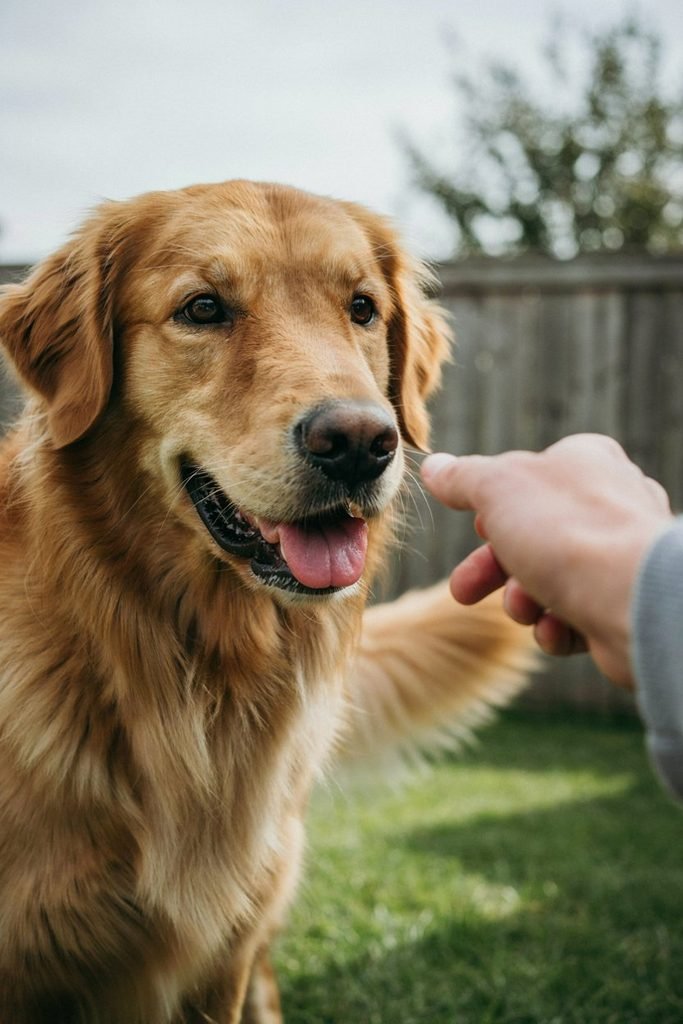
Understanding what your dog is communicating is one of the most powerful ways to build trust.
A relaxed dog usually has a loose body, soft eyes, and a gently wagging tail, while a stressed dog may show a lowered head, tucked tail, or ears pinned back.
Growling and barking are also forms of communication rather than automatic signs of aggression, and they deserve attention rather than punishment.
When you respond appropriately to what your dog is telling you, whether that means giving them space or offering reassurance, your dog learns that you are paying attention and that their signals matter.
Use Positive Reinforcement in Everyday Moments
Bonding does not only happen during formal training sessions. Every interaction is a chance to reinforce trust. Reward calm behavior, gentle greetings, and moments of relaxation, not just commands.
Avoid punishment based methods, since fear based training can damage trust even when it produces short term compliance.
Consistency matters here as well. A dog who is rewarded for the same behaviors every day learns to predict outcomes, which builds confidence in the relationship.
Make Training a Bonding Activity, Not Just a Command Drill
Training is often treated as a separate chore, but it is actually one of the richest bonding opportunities available.
Teaching your dog new skills gives them mental stimulation, builds trust through clear communication, and creates a pattern where your dog looks to you for direction.
Keep sessions short, upbeat, and reward heavy so your dog associates learning with your presence in a positive way, rather than something stressful to get through.
Build a Predictable Daily Routine
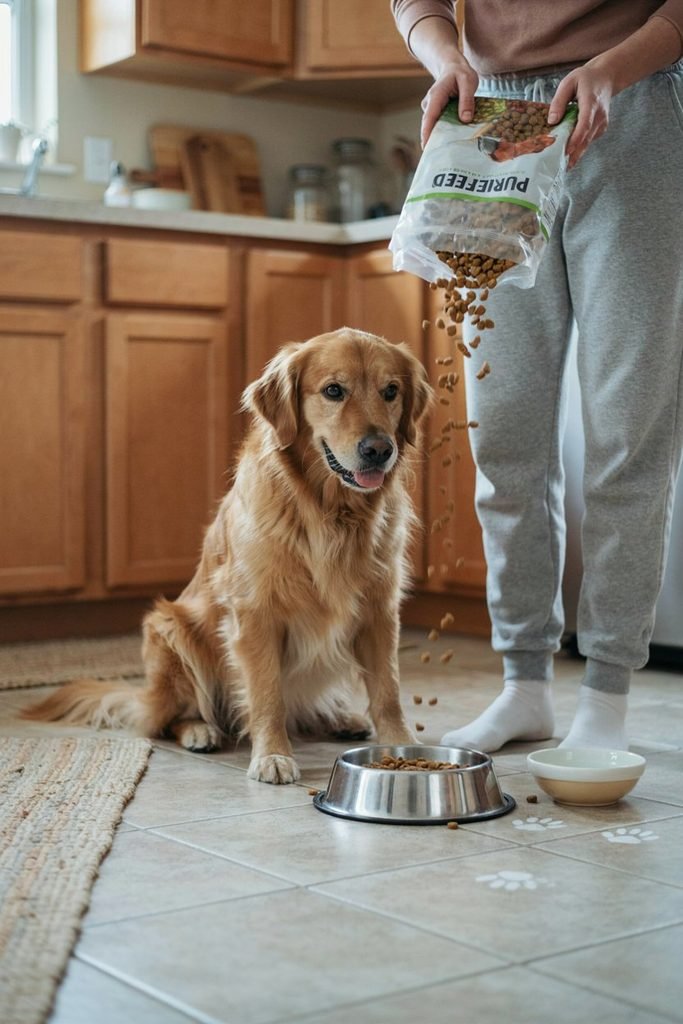
Dogs are creatures of habit, and a predictable routine reduces anxiety significantly. Feeding times, walks, play sessions, and bedtime do not need to be identical every day, but a general rhythm helps your dog feel secure.
When a dog knows roughly what to expect, they spend less energy on uncertainty and more energy engaging comfortably with you.
Give Your Dog Quality One on One Time
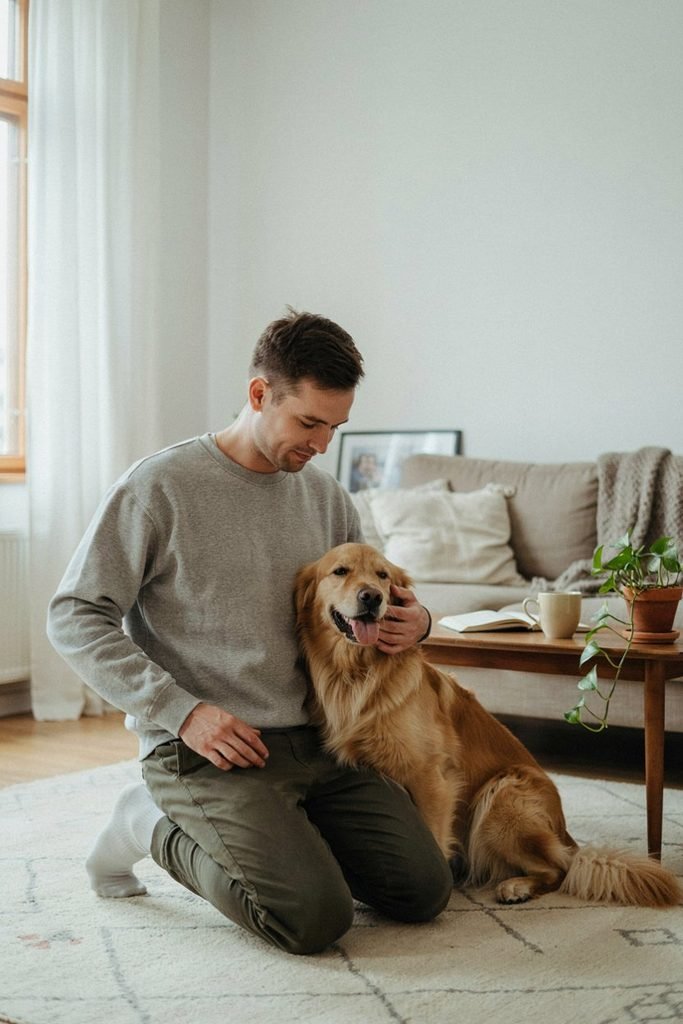
Not all bonding needs to involve activity. Sitting on the floor together, allowing your dog to rest near you while you read, or simply being present without demanding attention all reinforce your role as a source of comfort.
Dogs do not require constant engagement to feel connected. Often, simply being nearby is enough to reinforce a sense of safety.
Respect Your Dog’s Individual Personality
Not every dog bonds the same way. Some dogs are naturally social and crave physical affection, while others are more independent and prefer quieter forms of connection.
Pay attention to what your individual dog enjoys rather than assuming every dog wants the same interactions. Forcing affection on a dog who prefers space can actually work against the bond you are trying to build.
Physical Affection Done Right
Physical touch can be a meaningful bonding tool when it matches what your dog is comfortable with. Gentle petting, especially around the chest and shoulders, is often more welcome than patting the top of the head.
Watch your dog’s body language during contact, and stop if they lean away, stiffen, or show signs of discomfort. Affection should always be something your dog opts into, not something imposed on them.
Shared Activities and Adventures

New experiences, whether that means a hike, a new walking route, or trying a dog sport like scent work or agility, give you and your dog a chance to explore the world together.
Shared novelty tends to create strong memories and reinforces your presence as a source of interesting experiences rather than only routine care.
Grooming as Bonding Time
Regular brushing, ear checks, and nail care are more than maintenance tasks. Done gently and patiently, grooming sessions become quiet, hands on bonding time that also builds tolerance for handling, which pays off during vet visits and everyday life.
Go slowly at first, especially with a dog who is not used to being handled, and pair each session with calm praise or a favorite treat so the experience stays positive rather than something to be endured.
Mental Stimulation Strengthens the Bond Too
Physical exercise matters, but mental stimulation is just as important for a dog’s overall wellbeing and for your relationship with them.
Puzzle feeders, scent games, and short problem solving exercises give your dog a healthy outlet for their natural instincts and reduce boredom based behaviors like chewing or excessive barking.
A mentally satisfied dog is generally calmer and more available to connect with you, since their needs are already being met.
Common Mistakes That Weaken the Bond
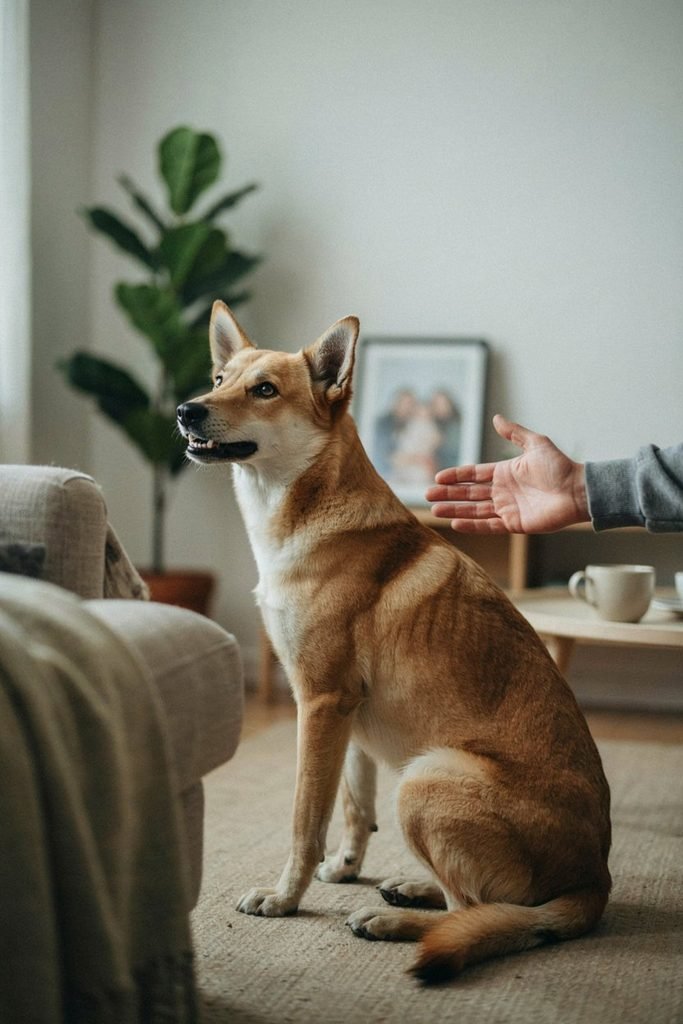
- Relying heavily on punishment or corrections instead of reward based guidance
- Being inconsistent, so your dog cannot predict how you will react
- Forcing physical affection when your dog is showing signs of discomfort
- Only interacting with your dog during training or feeding, without any relaxed time together
- Expecting instant closeness rather than allowing trust to build gradually
- Ignoring body language signals your dog is already giving you
How Long Does It Take to Bond With a Dog?
There is no fixed timeline. Some dogs settle in and connect within days, while others, especially those with a difficult history, may take weeks or months to fully trust a new environment and person. What matters most is consistency during that period, not speed.
Bonding With a Newly Adopted or Rescue Dog
A new dog benefits from a slow, structured introduction rather than being overwhelmed with attention right away.
Set up one quiet space with their bed, food, water, and a toy, and let them settle there before gradually introducing the rest of your home.
Avoid crowding them with affection before they are ready, and let them approach you on their own terms as trust builds.
Bonding With a Puppy vs an Adult Dog
Puppies bond quickly through frequent, gentle handling, short training sessions, and calm exposure to new experiences.
Adult dogs, particularly those with an established history, may need more patience, especially if past experiences have made them cautious.
Both benefit from the same core approach: predictable routines, positive reinforcement, and respect for their individual comfort level.
Frequently Asked Questions
What is the fastest way to bond with a new dog? There is no shortcut that replaces time, but a calm environment, a predictable routine, and consistent positive reinforcement speed up the process considerably.
Does training really help you bond with your dog? Yes. Training builds clear communication and mutual trust, which are core elements of any strong bond, beyond simply teaching commands.
How can I tell if my dog is bonded to me? Signs include your dog checking in with you in new places, relaxing fully in your presence, and seeking you out for comfort rather than only for food or play.
Can you bond with an older or rescue dog the same way as a puppy? Yes, though it may take longer. The same principles of patience, consistency, and respecting body language apply regardless of age or background.
Is physical affection necessary for bonding? It helps for many dogs, but it should always match what your individual dog is comfortable with rather than being forced.
Related Reads
Positive reinforcement plays a role in almost every part of the bonding process, and having the right rewards on hand makes a real difference.
Take a look at our guide to 11 vet friendly frozen dog treat recipes for healthy, homemade treats your dog will genuinely work for.
If your household includes a cat as well, our post on how to make cat gravy is a simple way to show your feline some extra love too.