Carrot Crunchy Chips for Dogs: Easy Homemade Treats
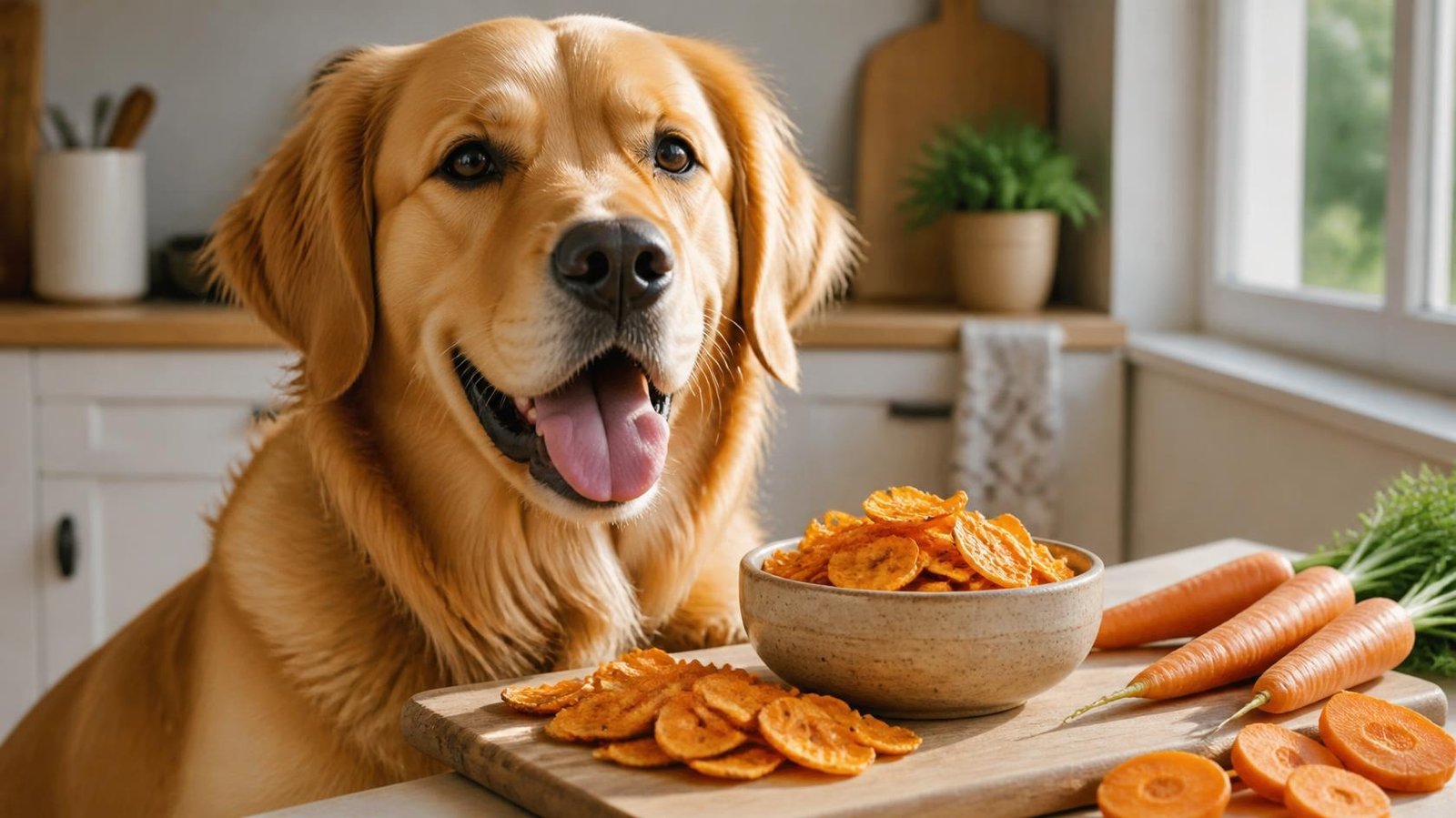
If your dog loves crunchy snacks, homemade carrot chips are a simple treat worth trying. They use an affordable ingredient, require only a little preparation, and can be made without added salt, sugar, or complicated seasonings.
Whether you have a playful puppy or an adult dog that enjoys a satisfying snack, properly prepared carrots can add a little variety to your pet’s treat routine.
What I like about making homemade dog treats is that you control the ingredients. Instead of wondering what went into a packaged snack, you can prepare carrot chips using fresh carrots and a straightforward cooking method.
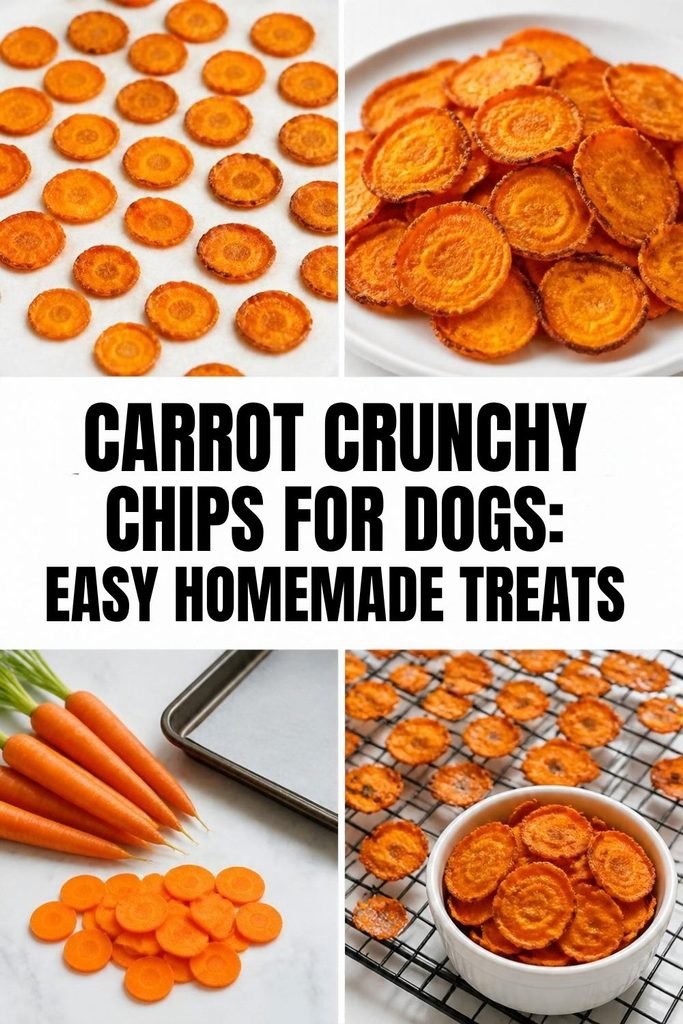
You can bake thin slices until they become lightly crisp, or make a gentler, chewy version if your dog prefers a softer texture.
The key is to prepare the carrots properly, avoid ingredients that are unsafe for dogs, and choose a texture that suits your pet.
Not every homemade carrot chip will turn out like a human potato chip, especially without oil, but you can still create a tasty snack your dog may enjoy.
In this guide, I will show you how to make crunchy carrot chips for dogs, explain the ingredients and baking process, and share practical tips for storage, serving sizes, and keeping homemade treats safe.
Are Carrot Chips Safe for Dogs?
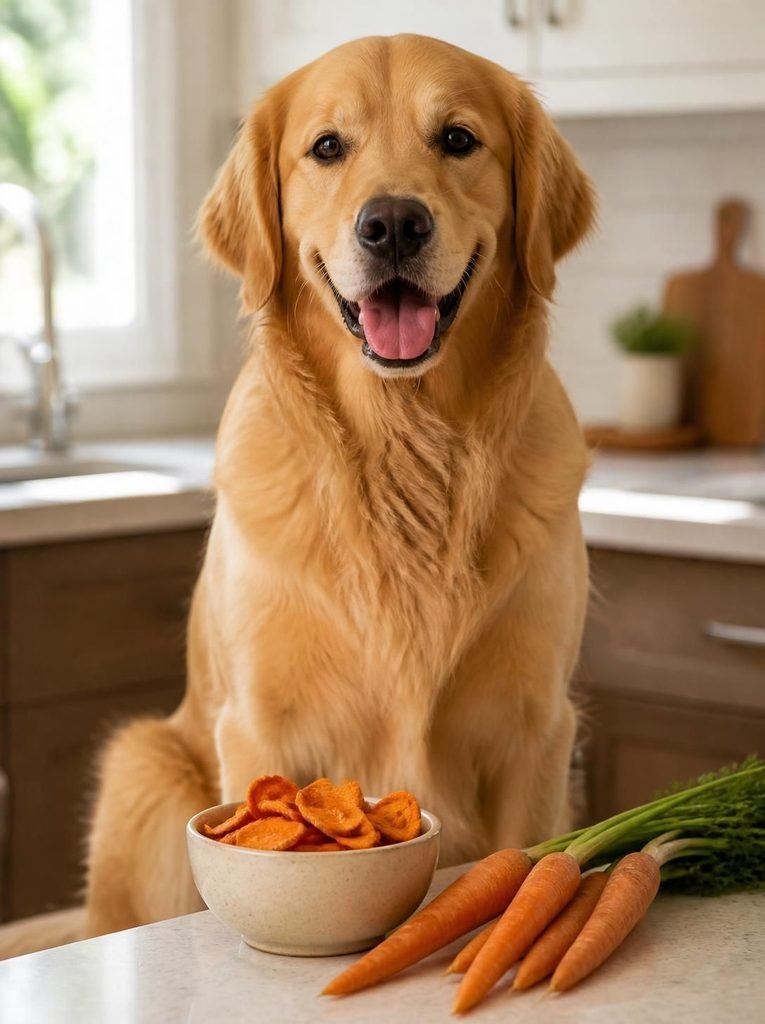
Yes, plain carrots are generally safe for most dogs when prepared appropriately and served in moderation.
They contain fiber and nutrients, including beta-carotene, which the body can convert into vitamin A.
Carrots can be offered raw or cooked, but the safest preparation depends on your dog’s size, chewing habits, and dental health.
Large raw carrot pieces can be difficult for some dogs to manage, while smaller, appropriately prepared pieces may be easier to eat.
For homemade carrot chips, thin slices are useful because they cook more evenly than thick pieces.
However, do not assume that every chip needs to become extremely hard to count as crunchy.
Very hard, brittle treats may not be suitable for dogs with dental problems or those that tend to swallow food without chewing.
Here are a few reasons plain carrot treats can be a useful occasional snack:
- Simple ingredients: You can make them using fresh carrots without unnecessary additives.
- Naturally flavorful: Carrots have a mild sweetness that many dogs find appealing.
- Versatile preparation: You can bake them until lightly crisp or leave them softer.
- Easy to portion: Small chips can be offered individually as occasional rewards.
- Budget-friendly: Fresh carrots are often an economical ingredient for homemade treats.
Keep in mind that carrots are not a replacement for your dog’s regular complete and balanced food. Treats and other extras should generally account for no more than 10% of your dog’s daily calories.
If your dog has diabetes, a prescribed diet, digestive sensitivities, or another medical condition that affects food choices, ask your veterinarian whether carrot treats are appropriate.
Ingredients for Homemade Carrot Crunchy Chips
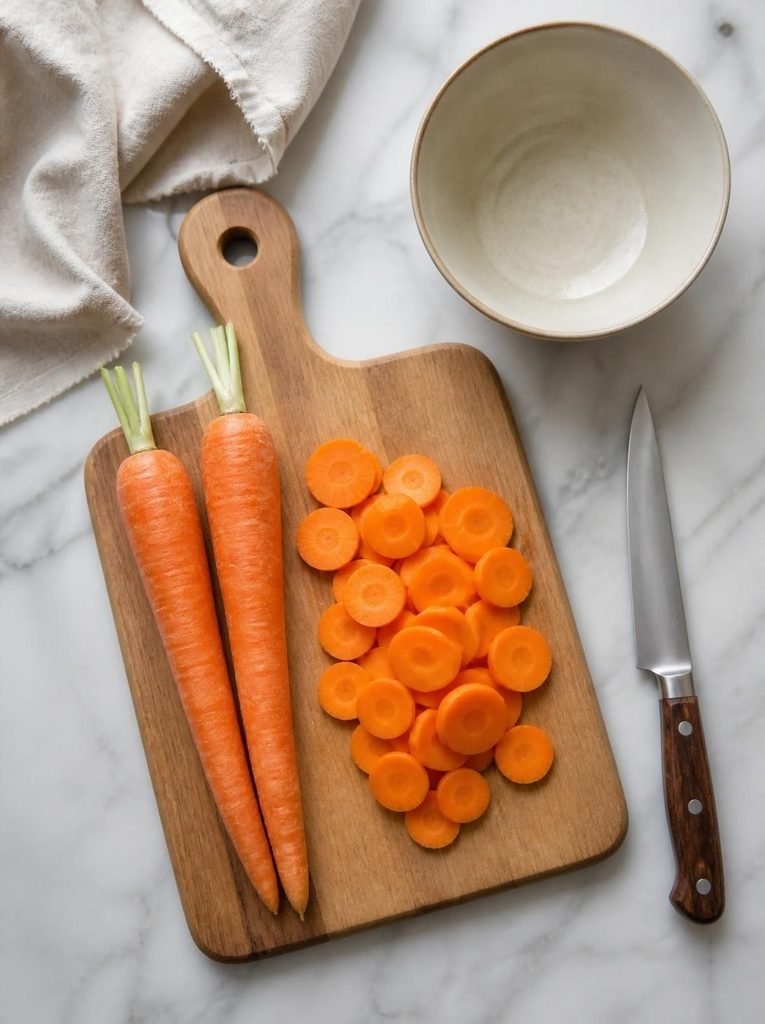
One of the best things about this recipe is that you do not need a long shopping list. Fresh carrots are the main ingredient, and a little water can help with washing and preparation.
What You Will Need
- 2 medium fresh carrots: Choose firm carrots without mold, soft spots, or unpleasant odors.
- A small amount of water: Use this to wash the carrots before slicing.
- Optional: a tiny amount of dog-safe cooking oil: This is not necessary, but a light coating may help with browning. Plain carrot slices can be baked without it.
I recommend starting with the carrots alone. You do not need salt, sugar, butter, garlic, onion powder, or seasoning to make a dog-friendly snack.
Avoid adding spices or flavorings just because they are common in human vegetable chips. Dogs have different dietary needs, and some ingredients used in everyday cooking can be harmful to them.
How to Choose the Best Carrots
Look for fresh, firm carrots that are easy to slice evenly. Medium-sized carrots are convenient because they are manageable to handle and can produce several small chips.
Wash them thoroughly under running water to remove dirt. Peeling is optional if the carrots are clean and the skin is in good condition, although peeling can help produce a more uniform texture.
If you use baby carrots, you can slice them lengthwise into thin pieces. Avoid leaving any pieces so small or hard that your dog might swallow them whole or struggle to chew them safely.
How to Make Carrot Crunchy Chips for Dogs
<text color=”secondary” size=”sm”>Prep time: 10 minutes | Baking time: approximately 1 to 2 hours | Difficulty: Easy</text>
The following method uses an oven to gradually dry thin carrot slices. Actual cooking time depends on the thickness of the slices, the moisture content of the carrots, and your oven.
Step 1: Wash and Prepare the Carrots
Wash the carrots thoroughly and remove any damaged areas. Peel them if desired, then pat them dry with a clean towel.
Trim off the ends and prepare a clean cutting board. Since the carrots will be sliced thinly, take your time and use a stable cutting surface.
Step 2: Slice the Carrots Thinly
Cut the carrots into thin, even rounds using a sharp knife or a suitable mandoline slicer.
Aim for slices approximately 2 to 3 millimeters thick. Uniform slices help the carrots cook more evenly, reducing the chance that some pieces burn while others remain moist.
If you use a mandoline, follow its safety instructions and use the hand guard. Never hold a small piece of carrot directly against the blade with your fingers.
Step 3: Preheat the Oven
Preheat your oven to approximately 250°F (120°C).
A low temperature helps the carrot slices dry gradually instead of browning too quickly. If your oven tends to run hot, use an oven thermometer to check the actual temperature.
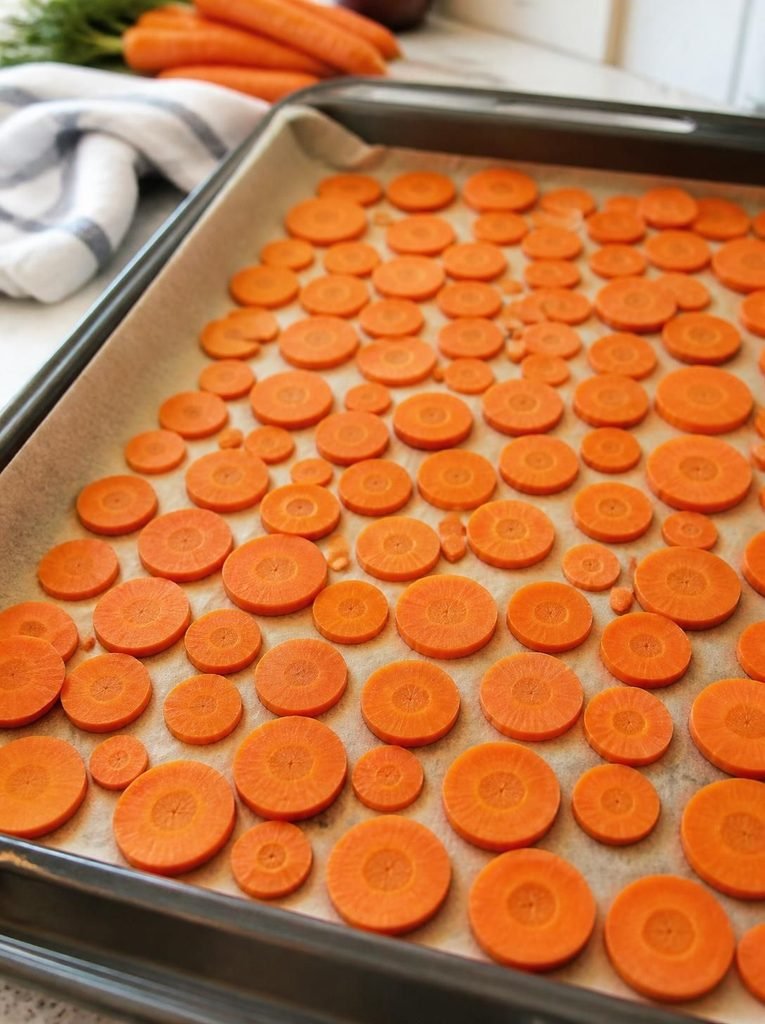
Line a baking tray with parchment paper suitable for the oven.
Step 4: Arrange the Carrot Slices
Spread the carrot rounds across the prepared tray in a single layer. Leave a little space between them so moisture can escape.
Avoid piling the slices on top of one another. Overlapping pieces tend to steam rather than dry, which can leave you with soft chips.
If you choose to use a little cooking oil, apply only a very light coating. It is optional, and using no oil can make storage simpler.
Step 5: Bake Until Dry
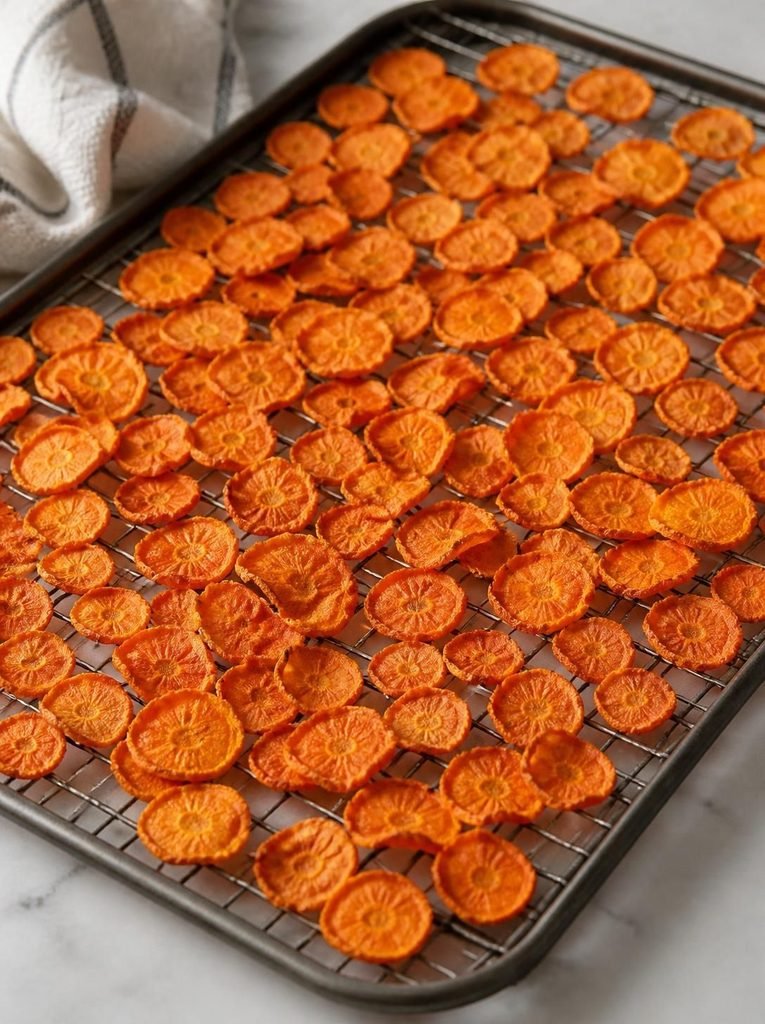
Place the tray in the preheated oven and bake for approximately 60 to 120 minutes, checking the slices regularly.
Turn the chips halfway through cooking to encourage even drying. Thin slices may finish sooner, while thicker or wetter pieces may need more time.
Remove any pieces that become too dark before the others finish. The goal is to reduce moisture without burning the carrots.
Do not leave the oven unattended for long periods, and keep pets away from the hot tray.
Step 6: Cool Completely Before Serving
Remove the tray from the oven and allow the carrot chips to cool completely.
The chips may become firmer as they cool, so check the texture before serving. They should not be dangerously hard or have sharp, brittle edges.
Offer one small piece first and watch your dog while they eat. If your dog struggles to chew it comfortably, choose a softer version next time.
Important: Homemade carrot chips may not become as crisp as commercial potato chips. That is normal. Drying time and final texture vary, and a slightly chewy carrot treat can be a better choice for some dogs.
Tips for Getting a Better Crunch
If your first batch comes out soft, there are several ways to improve the texture without adding unnecessary ingredients.
- Slice evenly: Consistent thickness helps the chips dry at a similar rate.
- Use a low oven temperature: Gradual drying can reduce moisture without quickly burning the edges.
- Avoid overcrowding: A single layer allows better airflow around the carrot slices.
- Turn the slices during baking: This helps both sides dry more evenly.
- Cool before judging the texture: Warm chips may feel softer than they do after cooling.
- Check frequently near the end: Thin carrot slices can darken quickly once most of their moisture has evaporated.
Do not increase the oven temperature dramatically just to finish the recipe faster. High heat can burn the outside before enough moisture has escaped from the center.
If you want a softer snack, reduce the drying time and remove the slices while they remain flexible. Always let them cool and check that the texture is suitable for your dog.
Can You Make Carrot Chips for Dogs in an Air Fryer?
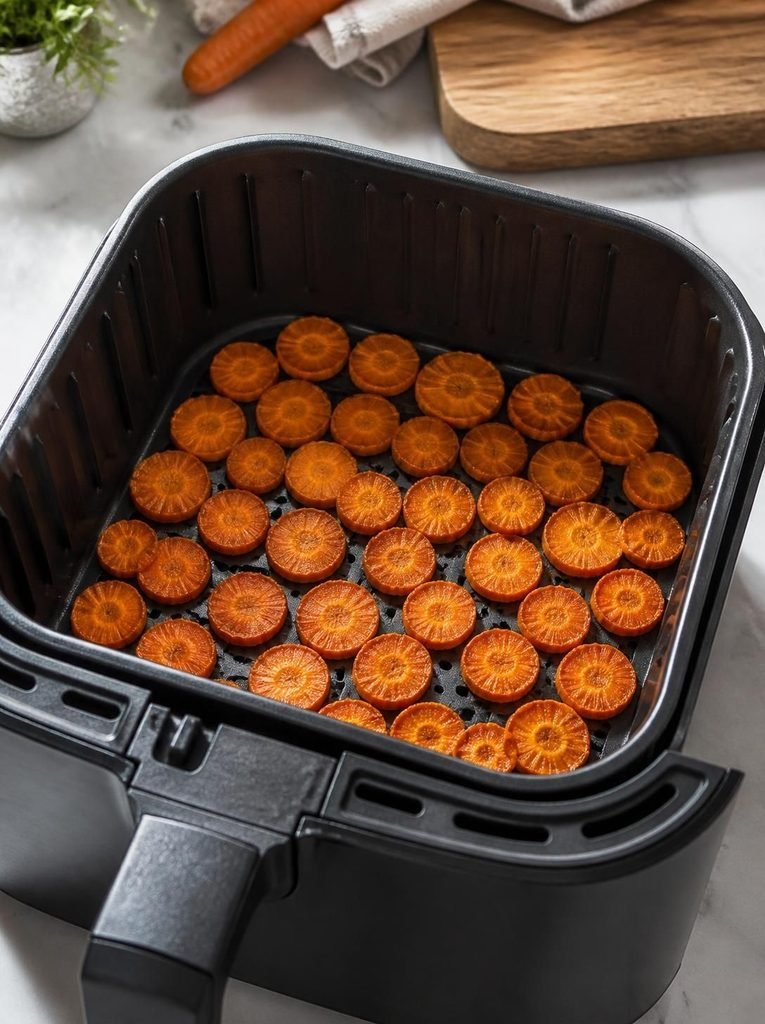
Yes, you can make carrot chips in an air fryer, although the results may be slightly different from oven-baked chips.
An air fryer circulates hot air around the slices, which can help them dry and brown. The main challenge is preventing thin carrot pieces from becoming too dark before they dry sufficiently.
If you want to try this method, keep the slices thin and evenly cut.
Ingredients
- 2 medium carrots
- A small amount of water for washing
- Optional: a very light coating of dog-safe cooking oil
Instructions
- Wash the carrots thoroughly and peel them if desired.
- Slice them into even rounds approximately 2 to 3 millimeters thick.
- Preheat the air fryer to around 250°F (120°C), if your model supports that temperature.
- Arrange the slices in a single layer in the basket, leaving space for airflow.
- Cook for approximately 20 to 40 minutes, checking frequently and turning the slices as needed.
- Remove thinner pieces as they finish, since they may dry faster than thicker ones.
- Allow the chips to cool completely before checking their final texture.
Cooking times vary significantly between air fryer models. If your appliance cannot operate at a low temperature, use its lowest appropriate setting and inspect the carrots frequently to prevent burning.
My tip: Make a small test batch before preparing a larger quantity. Carrots contain a lot of water, so they may become browned or chewy rather than truly crisp in an air fryer. Never leave the appliance unattended while drying the chips.
How to Make Softer Carrot Chips for Puppies and Senior Dogs
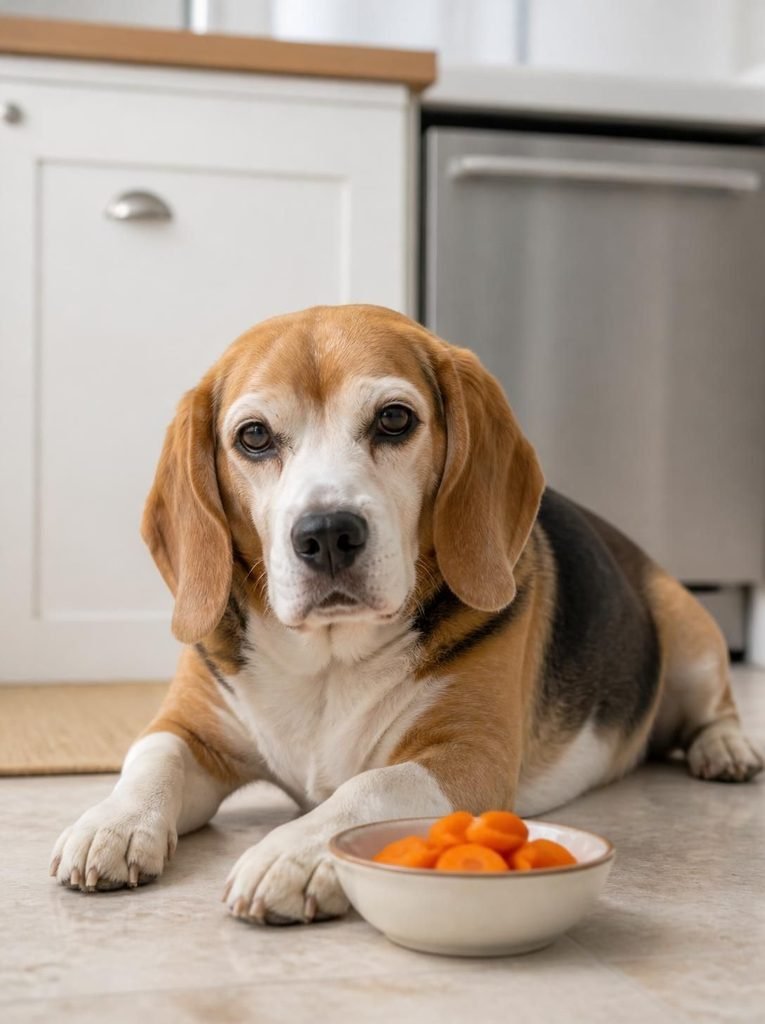
Not every dog needs a crunchy treat. Puppies, older dogs, and pets with sensitive teeth may find softer carrot slices easier to manage.
You can make a gentler version by lightly steaming the carrots instead of drying them until crisp.
Ingredients
- 2 medium carrots
- Water for steaming
Instructions
- Wash and peel the carrots if needed.
- Slice them into thin, even rounds.
- Steam the slices until tender.
- Allow them to cool completely.
- Cut them into smaller, manageable pieces if appropriate for your dog.
- Offer a small amount under supervision.
These softer carrot treats will not have the same crunch as dried chips, but they can be a useful alternative when a hard texture is unsuitable.
For very young puppies, dogs with swallowing difficulties, or dogs with significant dental problems, ask your veterinarian about the safest texture and size. Even soft foods can pose a choking risk if they are served in inappropriate pieces.
How Many Carrot Chips Can Dogs Eat?
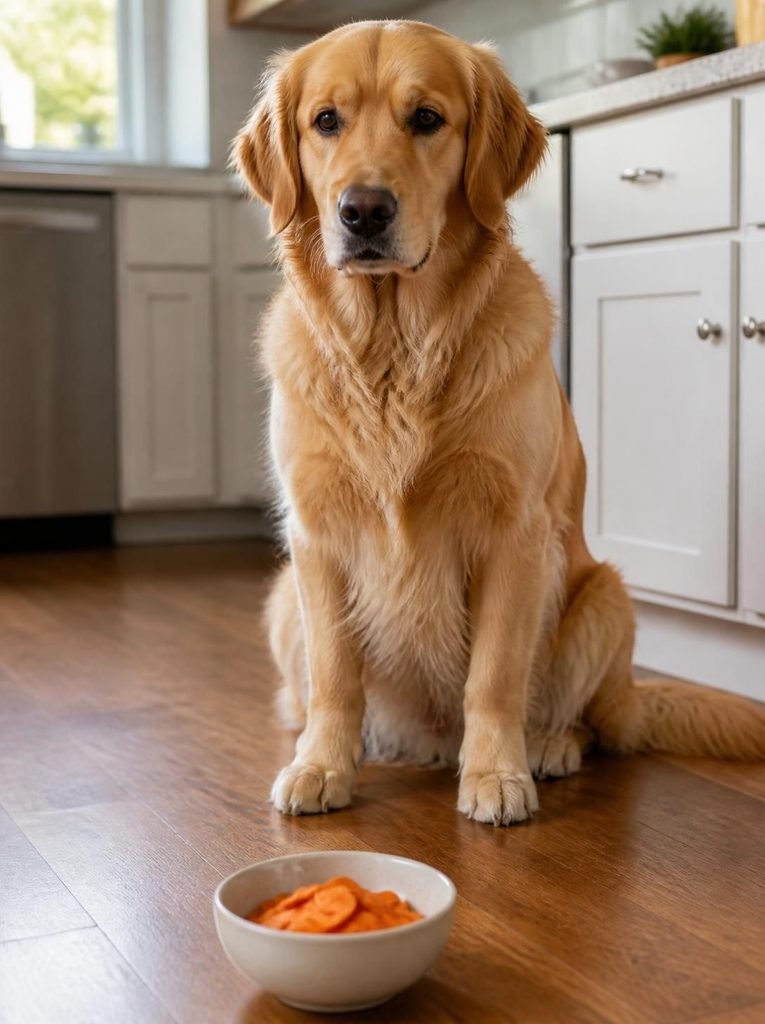
The right amount depends on your dog’s size, daily calorie needs, overall diet, and tolerance for carrots. There is no single serving size that suits every dog.
For a small dog, one or two small chips may be enough to start. A larger dog may tolerate a few more, but you should still consider the total amount of treats your pet eats throughout the day.
A sensible approach is to:
- Start with one small, appropriately prepared piece.
- Watch for digestive changes after introducing carrots.
- Offer treats in moderation rather than allowing unrestricted snacking.
- Count the calories from homemade treats as part of your dog’s daily intake.
- Reduce other treats if necessary to maintain a balanced diet.
Treats and other extras should generally provide no more than 10% of your dog’s daily calories, with the remaining calories coming from a complete and balanced diet.
Carrots contain fiber and natural carbohydrates. Although plain carrots are suitable for many dogs, large amounts can contribute to digestive upset or unnecessary calorie intake.
If your dog has a medical condition requiring dietary control, consult your veterinarian before making carrot chips a regular snack.
How to Store Homemade Carrot Chips for Dogs
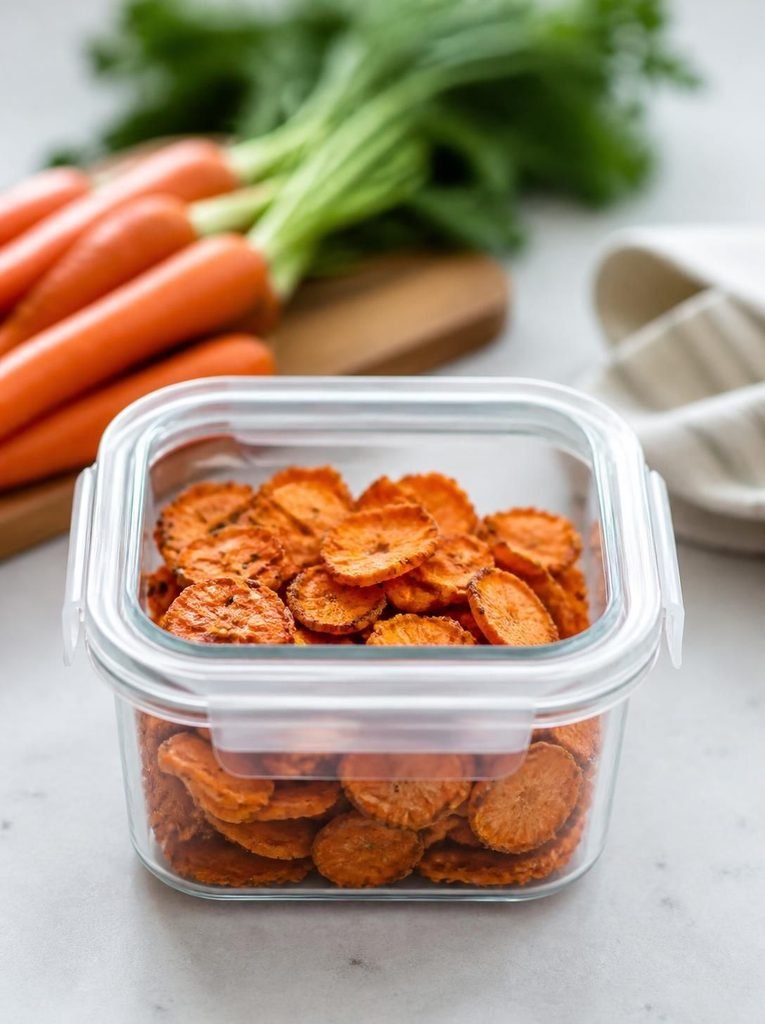
Storage depends on how thoroughly the carrot slices have dried. Homemade chips often retain more moisture than commercially produced dehydrated treats, so do not assume that they are shelf-stable just because they look dry.
For Softer or Chewy Carrot Chips
If the chips are still flexible or contain noticeable moisture, place them in a clean, airtight container and refrigerate them promptly.
Use them within a few days, and discard any pieces that develop an unusual smell, visible mold, or a slimy texture.
For Thoroughly Dried Carrot Chips
If the slices have been dried thoroughly, cooled completely, and contain very little residual moisture, store them in a clean, dry, airtight container. However, home ovens do not always dry food uniformly, so refrigeration is the more cautious choice when you are uncertain.
For longer storage, freeze portions in a suitable freezer-safe container. Thaw only what you need and inspect the treats before serving.
Storage Mistakes to Avoid
- Do not seal warm chips in a container, because trapped steam can create moisture.
- Do not leave moist carrot chips at room temperature for extended periods.
- Do not mix a fresh batch with older treats.
- Do not serve treats that show signs of spoilage.
- Do not rely on appearance alone to determine whether the chips are dry enough for long-term storage.
If you are preparing carrot chips for the first time, make a small batch rather than preparing several weeks’ worth. This makes it easier to manage storage and reduce waste.
Common Mistakes to Avoid When Making Carrot Chips
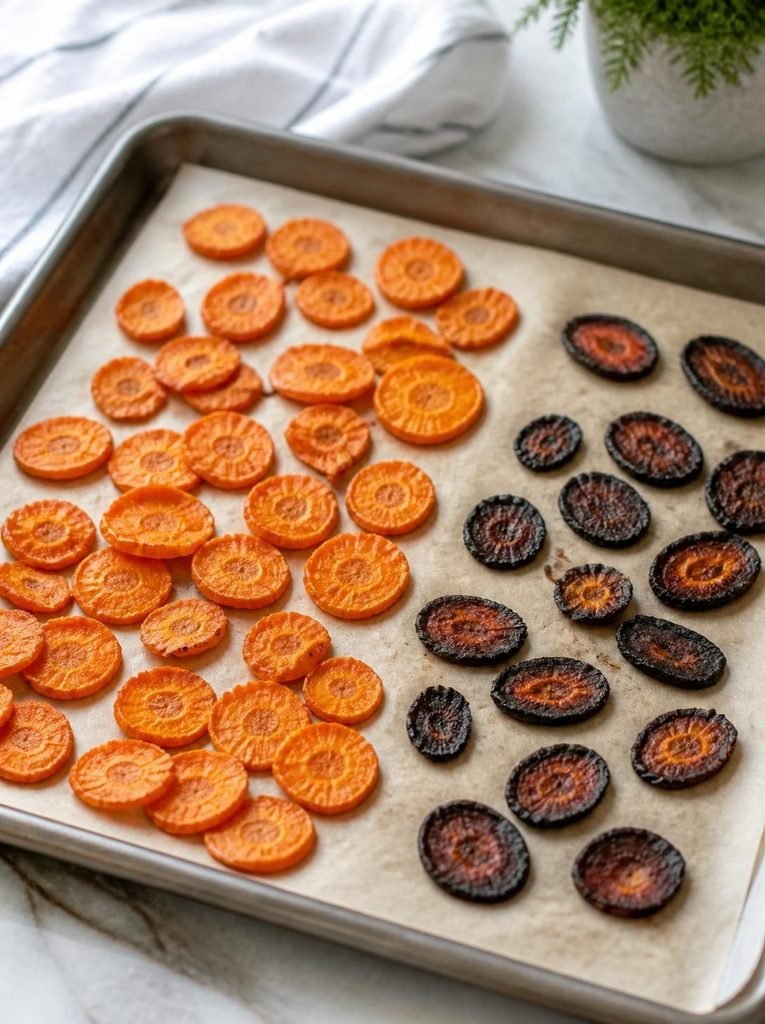
Homemade dog treats are simple, but a few mistakes can affect the texture, quality, and safety of your finished batch.
1. Cutting the Carrots Too Thick
Thick carrot slices take longer to dry and may remain moist in the middle. This can lead to uneven results.
Use a consistent thickness and check the slices regularly during cooking.
2. Using Too Much Oil
A large amount of oil is unnecessary for this recipe. Excess oil can make the chips greasy and add calories your dog does not need.
Start with plain carrots. If you choose to use oil, apply only a minimal amount.
3. Adding Salt or Seasonings
Dogs do not need salt, sugar, butter, garlic, onion powder, or spicy seasonings on their carrot chips.
Plain carrots are sufficient for this recipe, and avoiding additional ingredients makes it easier to keep the treat simple.
4. Baking at Too High a Temperature
High heat can burn the edges before the carrot slices dry properly. It can also produce very hard or brittle pieces.
Use a low oven temperature and check the chips frequently toward the end of cooking.
5. Serving the Chips Before They Cool
Carrot slices retain heat after leaving the oven or air fryer. Always let them cool completely before offering them to your dog.
Check the texture with your fingers, and do not serve pieces that are excessively hard or sharp.
6. Ignoring Your Dog’s Chewing Habits
Some dogs chew their treats carefully, while others swallow them quickly. A hard, thin chip may not be appropriate for a dog that gulps food or has difficulty chewing.
Choose a softer texture when necessary and supervise your dog during every treat session.
Other Dog-Friendly Ways to Serve Carrots
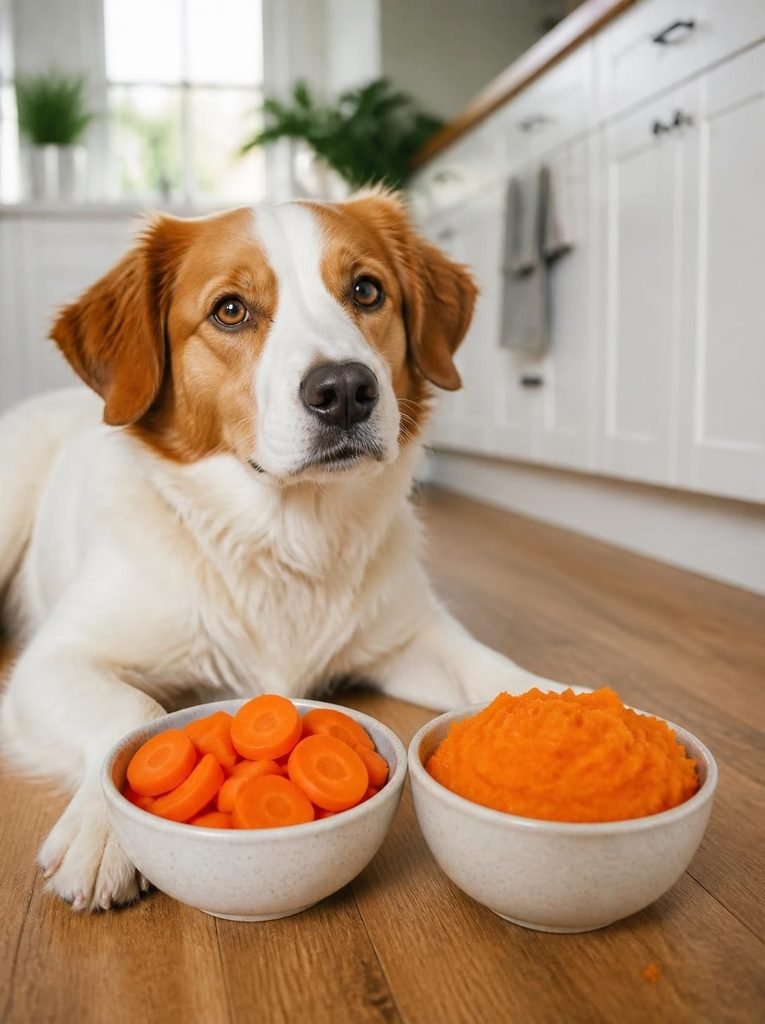
If your dog enjoys carrots, you do not have to make crunchy chips every time. There are several other ways to prepare this vegetable.
Plain Cooked Carrots
Steam or boil carrots until tender, allow them to cool, and cut them into suitable pieces. Do not add salt, butter, or seasoning.
Mashed Carrots
Cook the carrots until soft, then mash them with a fork. You can serve a small amount as an occasional addition to your dog’s regular meal, provided it suits their diet.
Carrot and Pumpkin Treats
Combine a small amount of cooked, mashed carrot with plain pumpkin puree. Spread a thin layer on a suitable lick mat or serve a small portion in a bowl.
Carrot Training Rewards
Cook carrots until tender and cut them into tiny pieces that are appropriate for your dog’s size. Small portions can work as occasional rewards during training.
Whatever preparation method you choose, introduce new foods gradually and keep treats within your dog’s daily calorie allowance.
Frequently Asked Questions
Can dogs eat homemade carrot chips every day?
Some healthy dogs can enjoy small amounts of plain carrot regularly, but daily treats should fit into their overall diet. Keep portions moderate, and ask your veterinarian if your dog has special dietary needs.
Do carrot chips need oil?
No. Carrots can be baked without oil. Leaving it out keeps the ingredient list simple and avoids adding unnecessary fat and calories.
Why are my homemade carrot chips chewy instead of crunchy?
Carrots contain substantial moisture, and home ovens vary in their ability to dry thin slices. Thicker pieces, crowded trays, and shorter drying times can also produce chewy chips. They may become firmer as they cool, but they will not always turn completely crisp.
Are carrot chips suitable for puppies?
Plain carrots can be suitable for many puppies when prepared appropriately, but very hard or brittle chips may not be a good choice. Offer a soft texture and suitable pieces, supervise closely, and ask your veterinarian if you are unsure.
Can I use baby carrots?
Yes. Wash them thoroughly and slice them evenly. Because baby carrots are small and rounded, take care when cutting them, and avoid feeding hard pieces that your dog could swallow whole.
Can dogs eat carrot chips with the skin on?
Yes, the skin can generally remain if the carrots are washed thoroughly and the skin is in good condition. Peeling is optional.
How do I know when carrot chips are ready?
They should be cooked through and cooled before you judge the final texture. Some batches become lightly crisp, while others remain chewy. Avoid serving pieces that are burned, excessively hard, or brittle.
Carrot Crunchy Chips for Dogs
Ingredients
Equipment
Method
- Preheat the oven to 250°F (120°C) and line a baking sheet with parchment paper.
- Wash and peel the carrots, then trim off the ends.
- Slice the carrots into thin, even rounds, approximately 1/8 inch thick, so they cook at a similar rate.
- Place the carrot slices in a mixing bowl and add the olive oil.
- Toss gently until the slices are lightly coated. Avoid adding salt, spices, or seasoning.
- Arrange the carrot slices in a single layer on the prepared baking sheet without overlapping them.
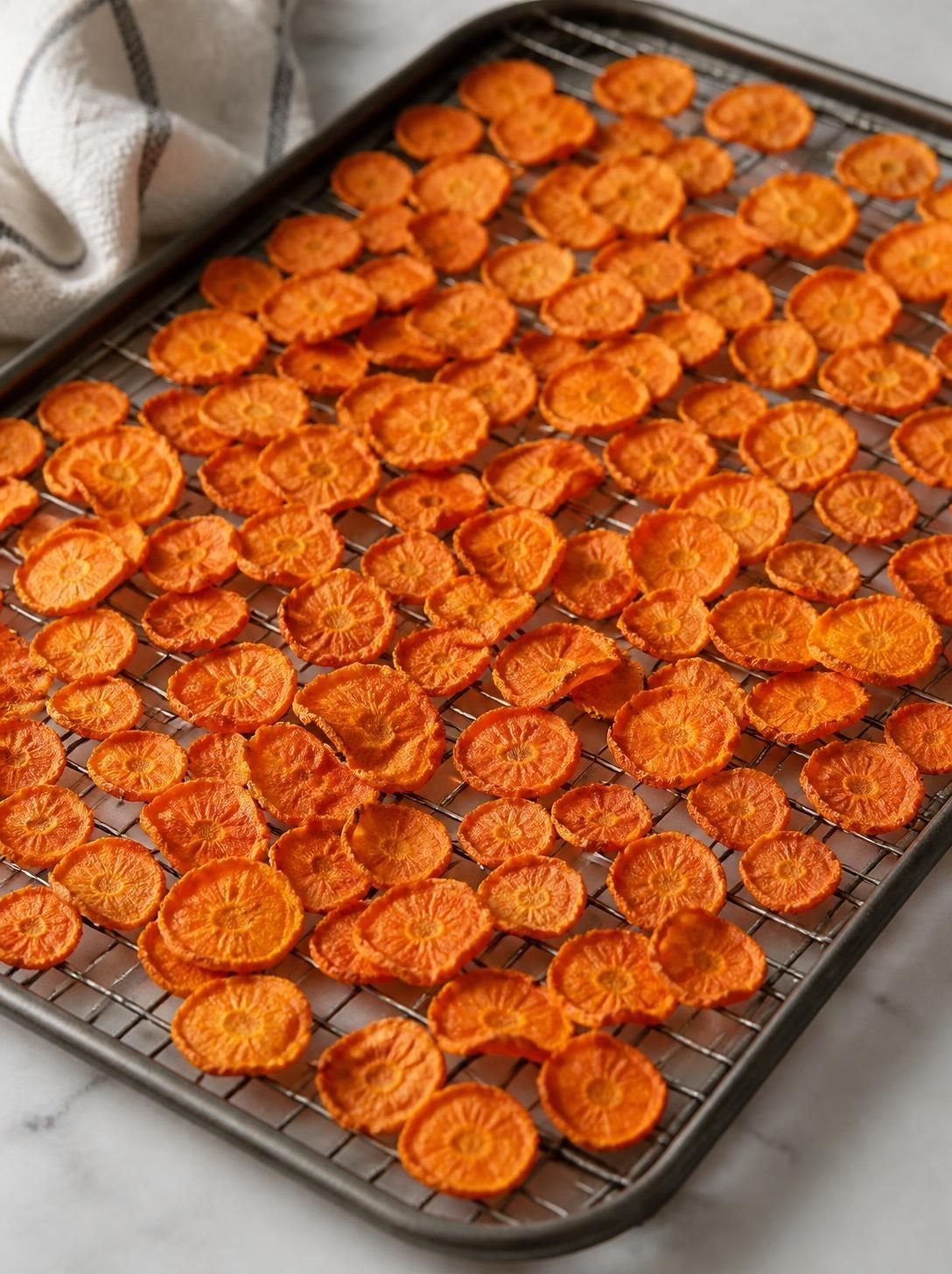
- Bake for approximately 40 to 45 minutes, turning the slices halfway through cooking.
- Check the chips regularly near the end of the cooking time. Remove thinner slices earlier if they begin to brown too much.
- Turn off the oven and allow the chips to cool completely. Keep in mind that they may firm up slightly as they cool.
- Check the texture before serving. If any chips are too hard or brittle, break them into smaller pieces or discard them.
- Carrot Safety: Wash the carrots thoroughly and cut the chips into appropriately sized pieces for your dog. Very hard, brittle chips may pose a choking risk, particularly for small dogs or dogs that swallow treats quickly.
- Slicing Tip: Slice the carrots evenly so thinner pieces do not burn while thicker pieces remain soft.
- Texture Tip: Homemade carrot chips may become chewy rather than completely crunchy because carrots contain natural moisture. Avoid baking them until they become excessively hard.
- Storage: Allow the chips to cool completely before storing. Refrigerate in an airtight container and use within 3 to 4 days. Discard any chips that develop mold, unusual odors, or signs of spoilage.
- Common Mistake to Avoid: Do not overcrowd the baking sheet. Overlapping slices trap moisture and prevent the carrots from drying evenly.
- Serving: Offer a few appropriately sized pieces as an occasional snack. Introduce carrots gradually if your dog is not accustomed to them, and remember that treats should complement, rather than replace, your dog’s complete and balanced diet.
Final Thoughts
Homemade carrot crunchy chips for dogs are a straightforward treat made with a simple, affordable ingredient.
With fresh carrots, even slices, and a little patience, you can prepare a batch without relying on added salt, sugar, or complicated seasonings.
The most important thing is to choose a texture your dog can eat comfortably. Bake thin slices at a low temperature, check them regularly, and allow them to cool before serving.
If your dog prefers softer treats, lightly steamed carrots are an easy alternative.
Keep portions small, store the treats appropriately, and supervise your dog while eating.
Homemade carrot chips can be a useful occasional addition to your pet’s treat routine, alongside a complete and balanced diet.