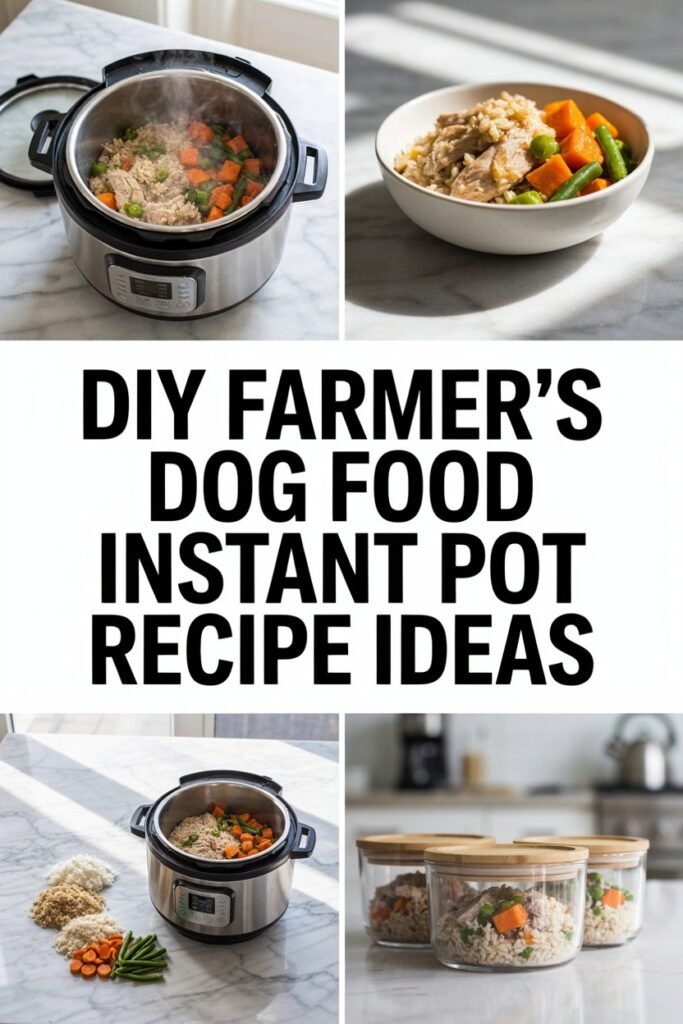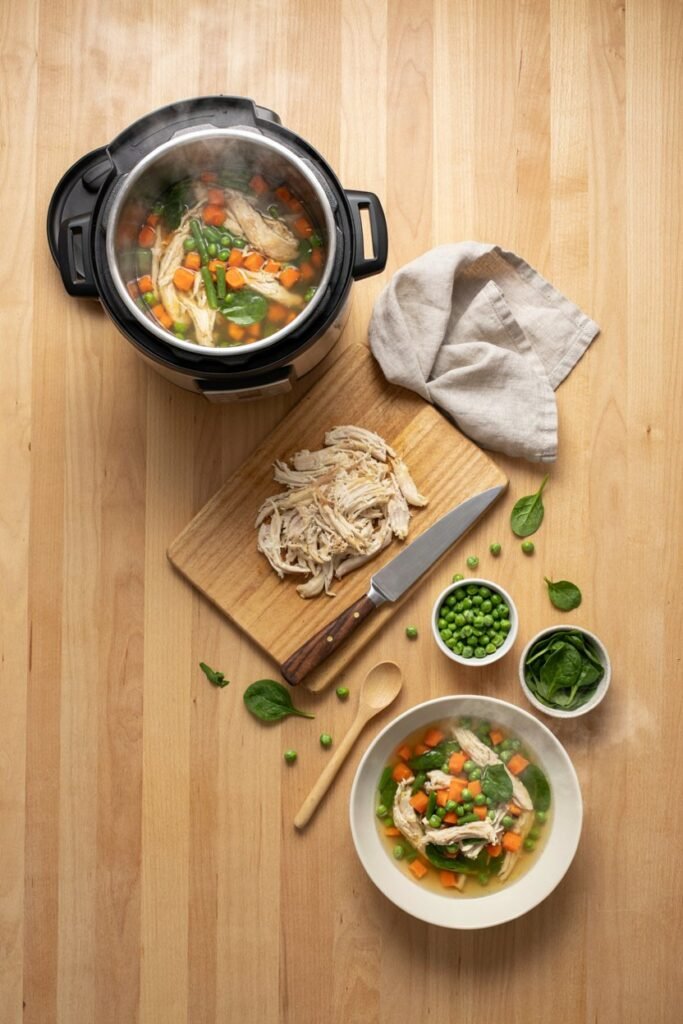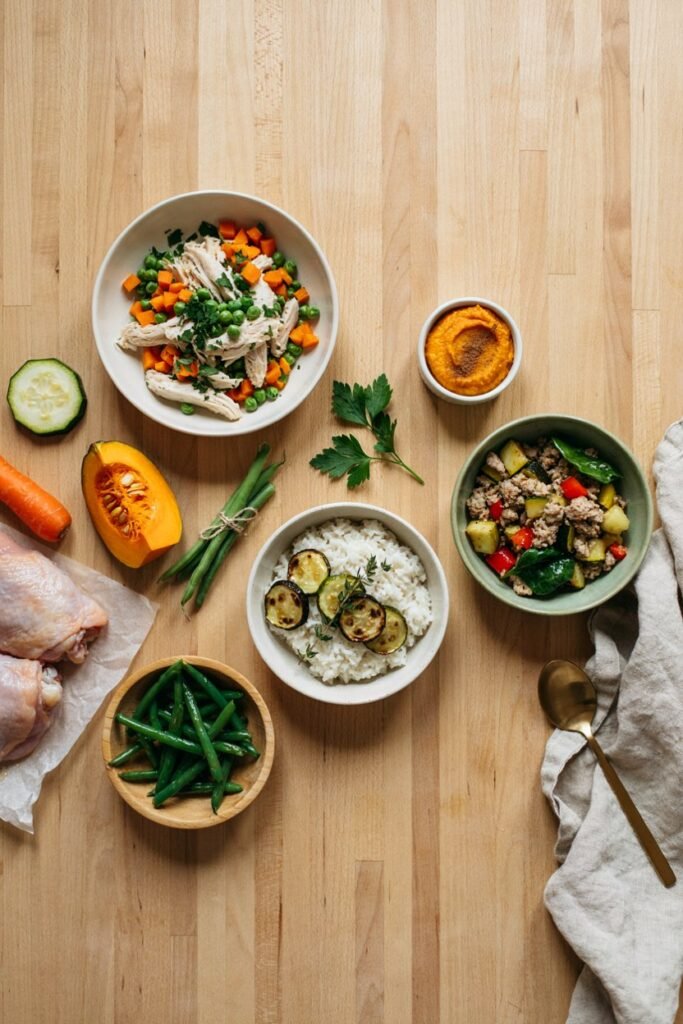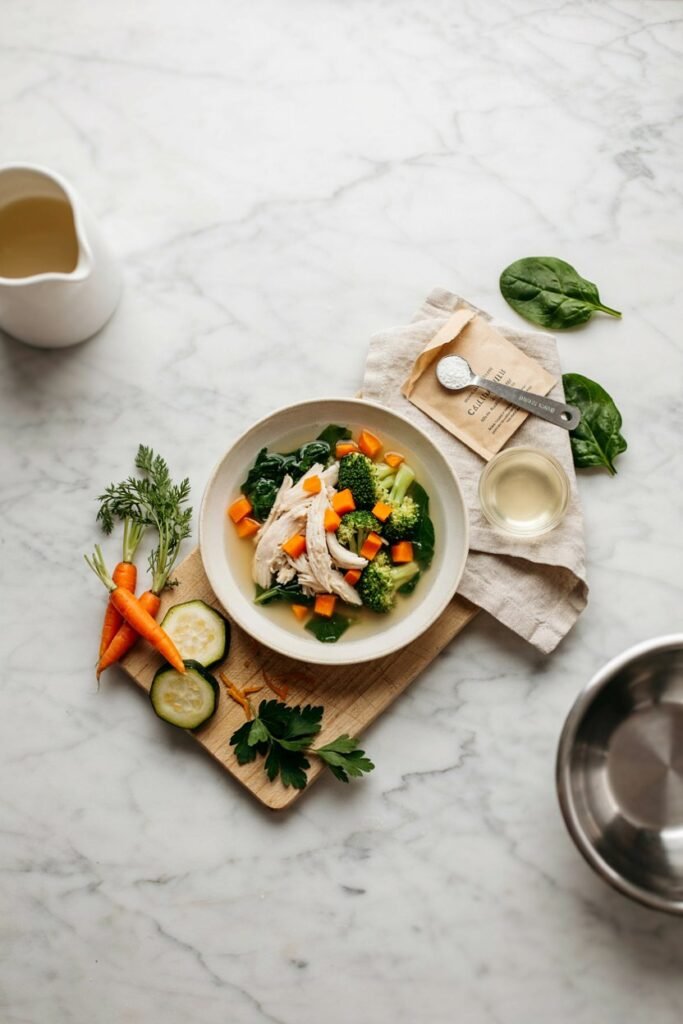
DIY Farmer’s Dog Food Instant Pot Recipe Ideas

Making homemade dog food can sound like a lot of work when you picture hours of chopping, cooking, and cleaning every few days.

I used to think the same thing, especially when I wanted to prepare fresher meals without spending a fortune on subscription dog food.

Using the Instant Pot changed how I approached it. I could combine simple ingredients in one pot, let everything cook until tender, and prepare enough food for several portions at once. It made homemade meals feel much more manageable for busy weeks.

What I especially like about these DIY Farmer’s Dog inspired recipes is the flexibility. You can work with simple proteins such as turkey, beef, or chicken and combine them with vegetables and carbohydrate sources your dog can safely eat.

I also found that batch cooking made it much easier to portion meals, refrigerate what I would use soon, and freeze the rest.

In this guide, I’m sharing 10 easy Instant Pot dog food recipe ideas inspired by the fresh food concept, along with ingredient suggestions, preparation tips, storage advice, and important nutrition considerations. These recipes are intended as practical homemade meal ideas, not a substitute for a professionally formulated complete and balanced canine diet.

If you are new to homemade dog food, start with one recipe, introduce it gradually, and pay attention to how your dog responds. Once you find a routine that works for both of you, preparing homemade meals can become much simpler than it initially seems.

Amazon Shopping List: DIY Farmer’s Dog Food Instant Pot Recipe Ideas
Why I Started Making DIY Farmer’s Dog Food at Home

Making homemade dog food used to feel much more overwhelming to me than it actually turned out to be. I assumed it would mean hours in the kitchen, expensive ingredients, and having to prepare another batch every few days just to keep up.

Once I started using my Instant Pot, that changed completely.

I originally decided to try homemade meals because I was tired of reading ingredient labels and seeing long lists of ingredients I did not recognize. I wanted to understand exactly what I was putting in my dog’s bowl without spending a fortune on fresh subscription meals every month.

After trying a few different combinations, I eventually found a simple routine that worked much better for our schedule. The recipes were filling, easy to portion, and practical enough that I could actually keep making them consistently.

What I appreciated most was being able to see the ingredients clearly. I could choose the protein, vegetables, and carbohydrate sources myself instead of wondering what was included in a complicated prepared meal.

The Instant Pot made the biggest difference. I could prepare a large batch in one pot, let everything cook together, and then portion the finished food once it had cooled.

That meant less time standing in the kitchen and far less cleanup afterward.

I also quickly realized that batch cooking was the key to making homemade meals sustainable. Instead of thinking about what my dog would eat every single day, I could prepare several portions at once, refrigerate what I planned to use soon, and freeze the rest.

That simple change made homemade feeding feel much more realistic for my normal routine.

One important lesson I learned along the way is that homemade dog food is not automatically nutritionally complete just because the ingredients are fresh. If you plan to replace your dog’s regular complete and balanced food with homemade meals, the recipe should be properly formulated or reviewed by a veterinarian or qualified veterinary nutrition professional.

For me, the goal was never to make cooking complicated. I wanted a practical routine that gave me more control over the ingredients while fitting into everyday life. The Instant Pot helped make that possible.

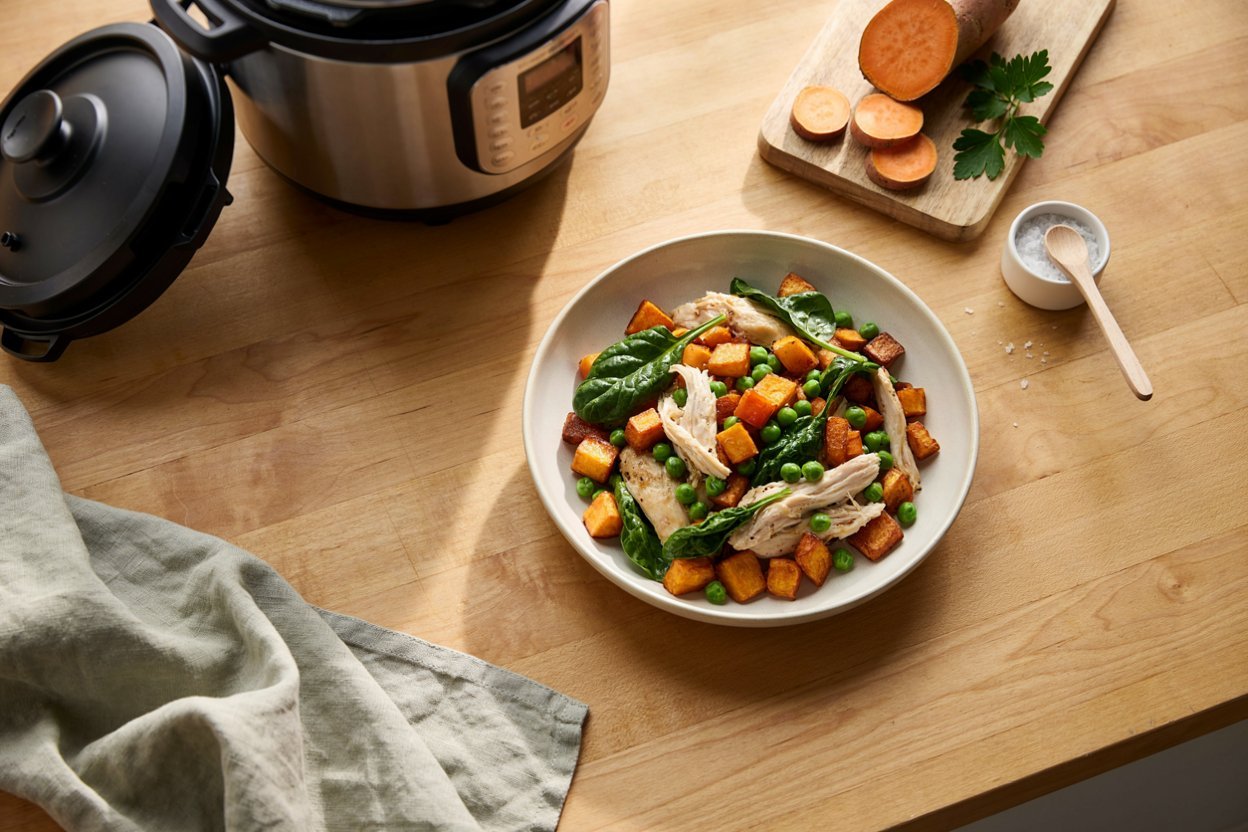
1. Chicken and Sweet Potato Instant Pot Dog Food

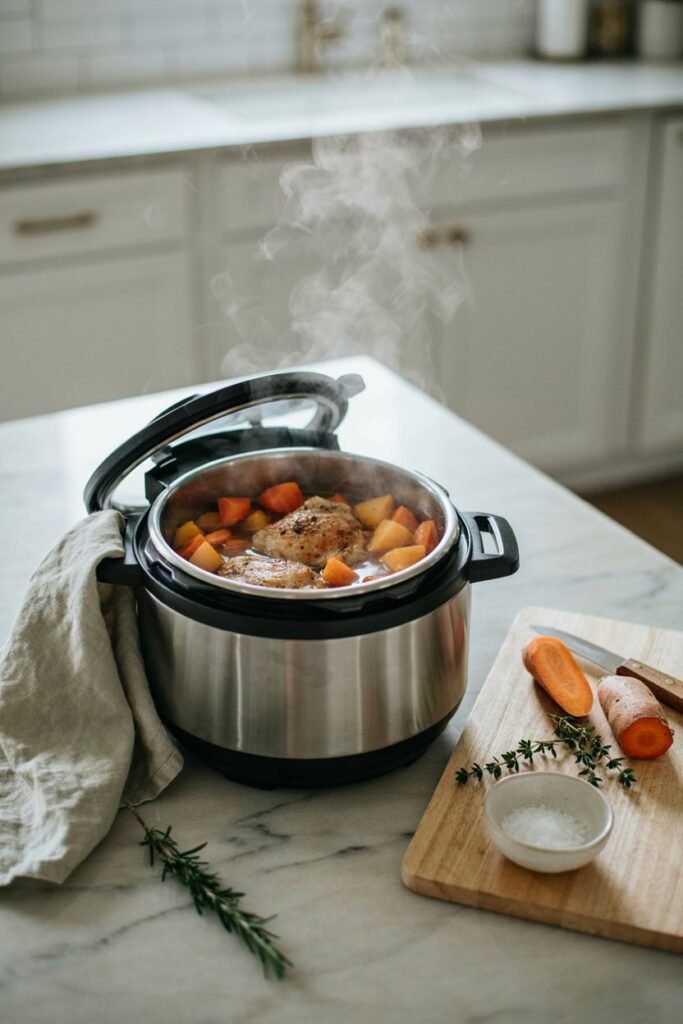
This is one of the easiest homemade dog food recipes to prepare when you want a simple meal made with familiar ingredients. I especially like using the Instant Pot for recipes like this because everything can cook together with very little hands on preparation.

I often make a batch during busy weeks because the finished mixture is easy to portion and freeze. The chicken becomes tender, the sweet potato softens into the mixture, and the vegetables and rice create a hearty texture that is easy to serve.

One important thing I keep in mind with homemade dog food is that a recipe like this should not automatically be considered nutritionally complete just because it contains meat, vegetables, and grains.

If you plan to feed homemade food as your dog’s primary diet, work with your veterinarian or a board certified veterinary nutritionist to make sure the recipe meets your dog’s specific nutritional requirements.

Ingredients

  • 2 pounds chicken thighs: I prefer boneless, skinless chicken thighs because they become tender during pressure cooking and are easy to shred afterward. Avoid adding seasoned or marinated chicken.
  • 1 large sweet potato: Wash, peel if desired, and cut into manageable pieces. Sweet potato softens considerably during cooking and helps give the finished food a thicker texture.
  • 1 cup carrots: Fresh carrots work well here. I cut them into smaller pieces so they cook evenly with the other ingredients.
  • 1 cup green beans: Use plain green beans without added salt, butter, sauces, or seasoning. Fresh or frozen can work depending on what you have available.
  • 1 cup brown rice: Rinse the rice before adding it to the pot. It helps make the finished mixture more substantial and absorbs some of the cooking liquid.
  • 4 cups water or appropriate low sodium broth: Water is the simplest option. If using broth, check the ingredient list carefully and avoid products containing onion, garlic, heavy seasoning, or excessive salt.

How I Make It

  1. I rinse the brown rice and prepare the vegetables by washing and cutting them into smaller pieces.
  2. I place the chicken thighs, sweet potato, carrots, green beans, brown rice, and water or appropriate broth into the Instant Pot.
  3. I secure the lid and cook according to the appliance’s appropriate pressure cooking settings. I follow the manufacturer’s instructions for the amount of liquid and pressure release.
  4. Once the cooking cycle is complete, I allow the pressure to release safely according to the manufacturer’s instructions.
  5. I carefully open the pot and check that the chicken is fully cooked.
  6. I remove the chicken and shred it thoroughly, checking carefully for any unwanted bones or hard pieces if bone in chicken was used.
  7. I return the shredded chicken to the pot and stir everything together while the mixture is still warm.
  8. I allow the food to cool before portioning it into individual containers.

Why I Like This Recipe

The biggest advantage for me is how convenient it is. Everything cooks together, so there are fewer dishes to wash and very little active preparation.

The sweet potato and cooked rice also help create a soft, hearty texture, while the shredded chicken distributes throughout the mixture instead of leaving large pieces in the bowl.

I usually portion the finished food into individual servings before refrigerating or freezing it. That makes busy days much easier because I can take out exactly what I need instead of reheating the entire batch.

Freezer Tip

This recipe freezes well when divided into individual portions. I let the cooked food cool appropriately before packaging it in freezer safe containers.

I label each container with the preparation date so I can keep track of what I have stored. When I need a portion, I thaw it safely and serve it at a comfortable temperature rather than giving it directly from the freezer.

Important Nutrition Note

Although this recipe contains chicken, vegetables, rice, and sweet potato, it should not automatically be treated as a complete and balanced long term diet for a dog.

Dogs need specific amounts of vitamins, minerals, essential fatty acids, amino acids, and other nutrients. The nutritional requirements can also vary based on age, size, activity level, and health status.

If you want to replace your dog’s regular commercial food with homemade meals, I strongly recommend having the recipe evaluated by your veterinarian or a veterinary nutrition professional rather than relying on this ingredient combination alone.

For occasional homemade meals or as directed by your veterinarian, this type of recipe can be convenient, but nutritional completeness matters when homemade food becomes a major part of a dog’s diet.

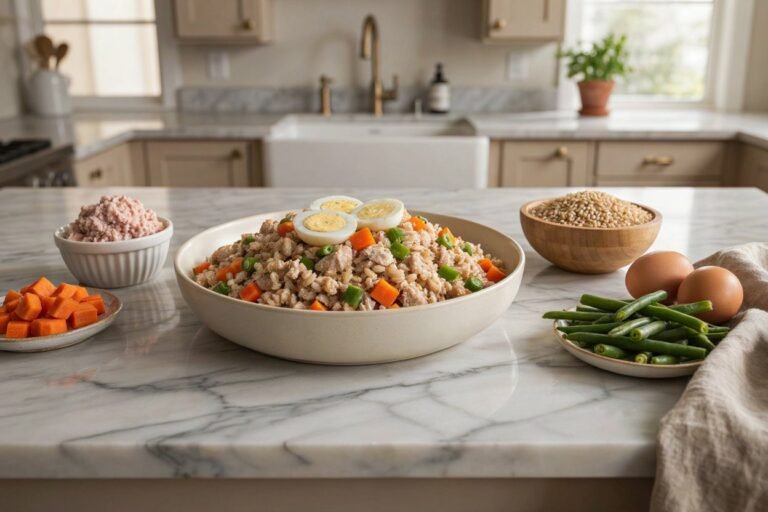
2. Turkey and Brown Rice Farmer’s Dog Copycat Recipe

This is another homemade dog food recipe I like for meal prepping because the ingredients are simple and the finished mixture stays soft after refrigeration.

It reminds me of the fresh dog food subscription meals that can become quite expensive when purchased regularly, but making a batch at home gives me more control over the ingredients and portions.

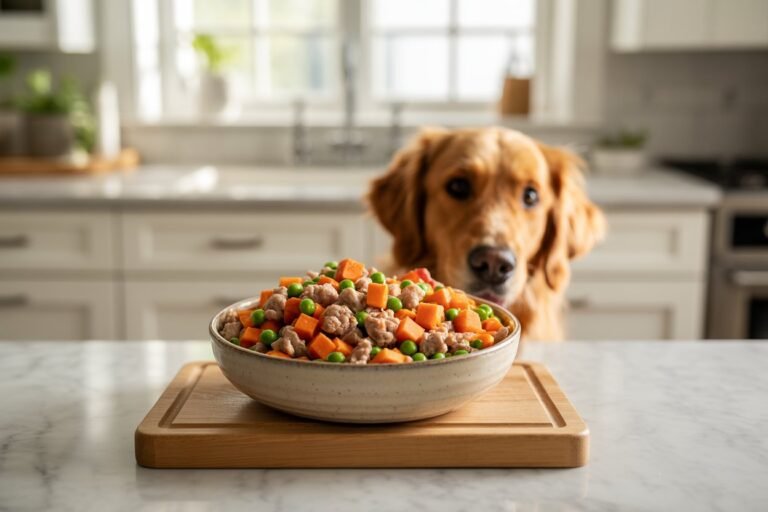
I also like the texture of this recipe. The ground turkey breaks apart easily while cooking, and the rice absorbs some of the cooking liquid without making the finished food dry. That makes it easy to scoop and portion throughout the week.

Ingredients

  • 2 pounds ground turkey: Choose plain ground turkey without added seasoning, marinades, or flavorings. I prefer a leaner option for a recipe like this so the finished mixture is not unnecessarily greasy.
  • 1 cup brown rice: Rinse the rice before adding it to the Instant Pot. Brown rice helps make the meal more substantial and absorbs some of the cooking liquid as everything cooks together.
  • 1 cup peas: Plain fresh or frozen peas work well. Avoid canned peas containing added salt or seasoning.
  • 1 cup chopped carrots: Wash and chop the carrots into small pieces so they cook evenly and become soft enough to mix throughout the finished food.
  • 1 zucchini: Wash the zucchini thoroughly and chop it into small pieces. There is no need to add salt, oil, butter, or seasoning.
  • 4 cups water: Water keeps the recipe simple and provides the liquid needed for pressure cooking. I prefer water when I want complete control over the ingredients.

How I Make It

  1. I rinse the brown rice thoroughly and prepare the vegetables by washing and chopping them into small pieces.
  2. I add the ground turkey, brown rice, peas, carrots, zucchini, and water to the Instant Pot.
  3. I secure the lid and cook according to the pressure cooking instructions for the specific Instant Pot model I am using.
  4. Once cooking is complete, I follow the manufacturer’s instructions for releasing the pressure safely.
  5. I carefully open the pot and stir everything together while the mixture is still warm.
  6. I check that the turkey is completely cooked and that the rice and vegetables have softened properly.
  7. I allow the mixture to cool to an appropriate temperature before portioning it into individual containers.

Why I Like This Recipe

This recipe is particularly convenient when I am preparing several meals at once. The ground turkey distributes evenly throughout the rice and vegetables, so each serving is easy to scoop.

I also like that the finished texture remains relatively soft after refrigeration. Some homemade meals become noticeably drier once they have been stored overnight, but the moisture from the cooking liquid helps this mixture stay easy to portion.

My Meal Prep Tip

I like portioning the food into individual containers as soon as it has cooled appropriately. That way, I am not opening one large container several times throughout the week.

If I am freezing portions, I use freezer safe containers and label them with the preparation date. I thaw portions safely before serving and avoid repeatedly thawing and refreezing the same food.

Important Nutrition Note

Although this recipe contains meat, rice, vegetables, and water, it should not automatically be considered a complete and balanced long term diet for a dog.

A homemade diet needs the right amounts of essential nutrients, including vitamins, minerals, fatty acids, and amino acids. Simply combining meat and vegetables does not guarantee that all of those nutritional requirements are being met.

If you plan to feed homemade food as your dog’s primary diet, I recommend having the recipe formulated or reviewed by your veterinarian or a qualified veterinary nutrition professional. Your dog’s age, size, activity level, and health can all affect their nutritional requirements.

For me, the biggest benefit of recipes like this is the convenience of preparing simple homemade food in batches. The nutritional side is just as important, so I would not use a recipe like this as a complete diet without appropriate professional guidance.

3. Beef and Pumpkin Homemade Dog Food

This is a hearty homemade dog food recipe that I like when I want something with a richer savory flavor and a softer texture. Pumpkin is easy to find and blends naturally into the cooked ingredients, while the beef gives the meal a stronger aroma that can be especially appealing to dogs that are selective about their food.

I also find this recipe quite filling, so I prefer starting with sensible portions rather than putting too much into the bowl at once.

Ingredients

  • 2 pounds lean ground beef: Choose plain lean ground beef without salt, seasoning, sauces, or marinades. I prefer lean beef because it produces less excess grease during cooking.
  • 1 cup plain pumpkin puree: Use 100 percent plain pumpkin puree with no added sugar, spices, salt, or pumpkin pie seasoning. Pumpkin pie filling is not a substitute for plain pumpkin puree.
  • 1 cup spinach: Fresh spinach can be washed thoroughly and chopped before adding it to the pot. I keep the amount moderate rather than making leafy vegetables the main component of the recipe.
  • 1 cup carrots: Wash and chop the carrots into small pieces so they soften properly during cooking.
  • 1 cup plain oats: Use plain oats without sugar, flavoring, sweeteners, or added seasoning.
  • 3 cups water: Water provides the cooking liquid and keeps the recipe simple without introducing unnecessary salt or seasoning from commercial broth.

How I Make It

  1. I wash and prepare the carrots and spinach, making sure everything is cut into manageable pieces.
  2. I add the ground beef, carrots, spinach, oats, pumpkin puree, and water to the Instant Pot.
  3. I secure the lid and cook according to the appropriate pressure cooking settings for the specific appliance.
  4. Once cooking is complete, I follow the manufacturer’s instructions for safely releasing the pressure.
  5. I carefully open the pot and stir everything together while it is still warm.
  6. I check that the beef is completely cooked and that the vegetables and oats have softened properly.
  7. I allow the mixture to cool to an appropriate serving temperature before portioning it into individual containers.

What Makes This Recipe Different

The pumpkin gives the finished food a softer, thicker texture and helps the ingredients come together nicely. The oats also absorb some of the moisture, which makes the mixture easy to scoop once it has cooled.

The beef gives this recipe a noticeably stronger aroma than chicken or turkey based meals. If you have a dog that tends to ignore milder foods, that savory smell may make mealtime more interesting.

I also find this recipe quite satisfying, so I prefer serving sensible portions rather than assuming that more food is better.

My Pumpkin Tip

Always check the label before adding pumpkin to homemade dog food.

I use plain 100 percent pumpkin puree without added sugar, spices, salt, or other flavorings. Pumpkin pie filling is not the same thing and should not be substituted.

Meal Prep and Storage

Once the food has cooled appropriately, I divide it into individual portions. This makes feeding much easier during busy days because I can take out one container at a time instead of repeatedly opening one large batch.

For longer storage, portions can be placed in freezer safe containers and labeled with the preparation date. Thaw frozen portions safely before serving and avoid repeatedly thawing and refreezing the same food.

Important Nutrition Note

This recipe contains several nutritious ingredients, but it should not automatically be considered a complete and balanced diet for long term feeding.

A dog needs specific amounts of essential nutrients, including vitamins, minerals, amino acids, and fatty acids. The correct balance also depends on the individual dog’s age, size, activity level, and health.

If you plan to replace your dog’s regular complete and balanced food with homemade meals, have the recipe evaluated by your veterinarian or a qualified veterinary nutrition professional. This is particularly important for puppies, pregnant or nursing dogs, and dogs with medical conditions.

For occasional homemade meals or when used as directed by your veterinarian, recipes like this can be a convenient option. The key is making sure homemade food fits appropriately into your dog’s overall nutritional plan.

4. Chicken Bone Broth Instant Pot Dog Meal

This is one of the recipes I like when I want a softer, more moist homemade meal for my dog. The bone broth adds plenty of flavor without requiring heavy seasoning, while the chicken, rice, vegetables, and sweet potato create a hearty mixture that is easy to portion.

I also like this recipe for meal prepping because the broth helps the food stay moist after refrigeration. If your dog prefers softer food, that texture can make homemade meals more appealing.

Ingredients

  • 2 pounds chicken thighs: Choose plain chicken thighs without seasoning, sauces, or marinades. I prefer boneless, skinless thighs for easier preparation and serving.
  • 4 cups unsalted bone broth: Choose a plain broth with no onion, garlic, excessive salt, or added seasonings. I always check the ingredient label carefully before using store bought broth.
  • 1 cup rice: Plain rice works well in this recipe and absorbs some of the cooking liquid, helping create a soft texture.
  • 1 cup carrots: Wash and chop the carrots into smaller pieces so they cook evenly and become soft.
  • 1 cup peas: Use plain fresh or frozen peas without added salt, butter, sauces, or seasoning.
  • 1 sweet potato: Wash and cut the sweet potato into smaller pieces before cooking. It becomes soft and blends naturally into the finished mixture.

How I Make It

  1. I prepare the vegetables by washing them thoroughly and cutting the carrots and sweet potato into smaller pieces.
  2. I place the chicken thighs, rice, carrots, peas, sweet potato, and unsalted bone broth into the Instant Pot.
  3. I secure the lid and cook according to the appropriate pressure cooking settings for the specific appliance.
  4. Once cooking is finished, I follow the manufacturer’s instructions for releasing the pressure safely.
  5. I carefully open the pot and check that the chicken is completely cooked and tender.
  6. I shred the chicken thoroughly and stir it back into the rice, vegetables, and broth.
  7. I allow the mixture to cool to an appropriate serving temperature before dividing it into portions.

Why This Recipe Works

The bone broth keeps the finished mixture moist, even after it has been refrigerated. That makes it particularly convenient if your dog prefers softer food or does not enjoy dry textures.

The sweet potato also helps create a naturally soft consistency as it breaks down during cooking. The chicken provides the main protein source, while the rice and vegetables make the finished mixture hearty and easy to portion.

I also like the stronger savory aroma from the broth. It gives the meal plenty of flavor without needing salt, spices, sauces, or other seasonings.

My Meal Prep Tip

I usually divide this recipe into individual portions once it has cooled appropriately. That makes it much easier to manage during busy weeks.

The portions can be refrigerated for short term use or placed into freezer safe containers for longer storage. I label the containers with the preparation date and thaw frozen portions safely before serving.

Important Bone Broth Check

Bone broth is not automatically safe for dogs simply because it is called bone broth. Some commercial products contain ingredients that are not appropriate for dogs.

Before using it, I check the label carefully and choose a broth that is unsalted or very low in sodium and free from onion, garlic, and heavy seasoning.

If I cannot find a suitable broth, plain water is a simple alternative.

Important Nutrition Note

Although this recipe contains chicken, rice, vegetables, sweet potato, and broth, it should not automatically be considered a complete and balanced long term diet for a dog.

Homemade dog food needs carefully calculated amounts of essential nutrients, including vitamins, minerals, fatty acids, and amino acids. Those requirements can also vary considerably depending on the dog’s age, size, activity level, and health.

If you want to feed homemade food as your dog’s primary diet, have the recipe evaluated by your veterinarian or a qualified veterinary nutrition professional. This is especially important for puppies and dogs with medical conditions.

For me, the biggest advantage of this recipe is its soft texture, simple preparation, and convenience for meal prepping. The nutritional balance still needs to be considered separately if homemade food will make up a significant part of your dog’s diet.

5. Salmon and Rice Homemade Dog Food Recipe

This is one of the recipes I like to rotate into homemade meal prep when I want to give my dog a different protein source. Salmon has a naturally rich flavor and contains omega 3 fatty acids, which are important nutrients in a dog’s overall diet.

I usually make a smaller batch of this recipe because fish has a stronger smell and I prefer preparing it fresh rather than keeping a large amount in the refrigerator. It also gives me an easy way to add variety without relying on the same protein every time.

Ingredients

  • 2 salmon fillets: Choose plain salmon without marinades, sauces, salt, butter, or seasoning. I carefully check for bones before serving because even small bones can be a problem if overlooked.
  • 1 cup rice: Plain rice provides carbohydrates and helps give the finished meal a soft, filling texture.
  • 1 cup spinach: Wash the spinach thoroughly and use plain spinach without oil, salt, or seasoning.
  • 1 cup peas: Fresh or frozen plain peas can work well. Avoid canned varieties containing added salt or seasoning.
  • 1 chopped carrot: Wash the carrot thoroughly and chop it into small pieces so it cooks evenly with the other ingredients.
  • 3 cups water: Water keeps the recipe simple and provides the liquid needed for cooking without adding unnecessary salt or seasoning.

How I Make It

  1. I rinse the rice and prepare the vegetables by washing and chopping the carrot.
  2. I add the rice, spinach, peas, carrot, and water to the Instant Pot.
  3. I cook the ingredients according to the appropriate settings for my particular Instant Pot, following the manufacturer’s instructions.
  4. I prepare the salmon separately or add it according to a safe cooking method that ensures it is completely cooked.
  5. Once the salmon is cooked, I carefully check it for bones and remove any I find.
  6. I flake the salmon into small pieces and mix it thoroughly with the cooked rice and vegetables.
  7. I allow everything to cool to an appropriate serving temperature before portioning.

My Experience With This Recipe

The smell is definitely stronger than my chicken or turkey recipes, but that can actually be a good thing if your dog enjoys fish. Salmon has a naturally distinctive aroma, and some dogs become particularly interested as soon as they smell it cooking.

I normally make smaller batches because I prefer not to keep fish based meals in the refrigerator for too long. Smaller portions also make it easier to freeze what I will not use immediately.

I like rotating this recipe into my meal preparation occasionally because variety can make homemade meals more interesting. I would still make sure that any long term feeding plan remains nutritionally complete rather than simply switching between different homemade recipes.

My Salmon Tip

Always check the salmon carefully for bones before serving. I like breaking the cooked fish into smaller flakes with my fingers because it gives me a chance to feel for anything I might have missed.

I also keep the recipe completely plain. There is no need for lemon, garlic, onion, butter, salt, pepper, or other seasonings commonly used when preparing salmon for people.

Storage

Because this recipe contains cooked fish, I prefer making a manageable batch rather than preparing more than I can use safely.

I portion the cooled food into individual containers and refrigerate or freeze portions as appropriate. I label frozen containers with the preparation date and thaw them safely before serving.

Important Nutrition Note

Salmon provides protein and omega 3 fatty acids, but this recipe should not automatically be considered a complete and balanced long term diet for dogs.

A homemade diet needs carefully calculated amounts of essential nutrients, and simply rotating chicken, turkey, beef, and salmon recipes does not guarantee that nutritional requirements are being met.

If homemade food is going to replace your dog’s regular complete and balanced food, I recommend having the diet formulated or reviewed by your veterinarian or a qualified veterinary nutrition professional. Your dog’s nutritional needs depend on factors such as age, size, activity level, and health.

For me, this recipe is most useful as an occasional homemade meal or as part of a properly formulated feeding plan.

6. Turkey and Green Bean Instant Pot Dog Food

This is one of the simplest homemade dog food recipes I like to keep in my meal prep rotation. The ingredient list is short, the preparation is straightforward, and most of the ingredients are inexpensive staples that I can usually find in my kitchen or freezer.

I also like the texture after cooking. The turkey mixes evenly with the rice and vegetables, while the small amount of olive oil adds some moisture without making the finished food feel overly greasy.

Ingredients

  • 2 pounds ground turkey: Use plain ground turkey without added seasoning, sauces, or marinades. I prefer lean ground turkey so the finished mixture is not unnecessarily oily.
  • 1 cup green beans: Fresh or frozen plain green beans work well. If using canned green beans, choose a variety without added salt or seasoning.
  • 1 cup carrots: Wash and chop the carrots into small pieces so they soften properly during cooking and distribute evenly throughout the finished food.
  • 1 cup brown rice: Rinse the rice before cooking. It absorbs some of the cooking liquid and helps give the meal a soft, hearty texture.
  • 1 tablespoon olive oil: I use a small amount rather than adding a large quantity. It is an optional ingredient and can be left out if your veterinarian has recommended a lower fat diet for your dog.
  • 4 cups water: Water keeps the recipe simple and provides the liquid needed for cooking without adding unnecessary sodium or seasonings.

How I Make It

  1. I rinse the rice and prepare the carrots and green beans by washing and chopping them into smaller pieces.
  2. I add the ground turkey, rice, carrots, green beans, and water to the Instant Pot.
  3. I secure the lid and cook according to the appropriate settings for my particular Instant Pot, following the manufacturer’s instructions.
  4. Once the cooking cycle is finished, I release the pressure safely according to the manufacturer’s instructions.
  5. I carefully open the pot and stir everything together, making sure the turkey is completely cooked and the rice and vegetables are tender.
  6. Once the mixture has cooled appropriately, I stir in the olive oil if I am using it.
  7. I allow the food to cool further before dividing it into individual portions.

Why I Keep Making It

The ingredient list is short, which is one of the biggest reasons this recipe works well for busy meal prep. I do not need a long shopping list, and the basic ingredients are easy to find.

I also like how evenly everything combines after cooking. The turkey breaks apart throughout the rice and vegetables, so each portion is easy to scoop without having to separate ingredients.

The finished texture also holds up well after refrigeration. I find that it reheats without becoming excessively dry or greasy, which makes it convenient when I am preparing meals ahead of time.

My Meal Prep Tip

I prefer portioning the food into individual containers once it has cooled appropriately. That way, I can simply take out one serving when needed instead of repeatedly opening and reheating the entire batch.

If I am not going to use everything within a short period, I freeze individual portions in freezer safe containers and label them with the preparation date.

Important Olive Oil Note

Olive oil is not necessary for this recipe, so I would not add it simply because the recipe includes it.

If your dog already receives enough fat from their regular diet, or your veterinarian has recommended limiting dietary fat, you can leave the olive oil out.

Important Nutrition Note

Although this recipe contains a protein source, vegetables, rice, and fat, it should not automatically be considered a complete and balanced diet for long term feeding.

Homemade dog food needs carefully calculated amounts of essential nutrients, including vitamins, minerals, amino acids, and fatty acids. Simply combining nutritious ingredients does not guarantee that a dog’s nutritional requirements are being met.

If you intend to use homemade food as your dog’s primary diet, I recommend having the recipe formulated or reviewed by your veterinarian or a qualified veterinary nutrition professional. Individual requirements can vary depending on your dog’s age, size, activity level, and health.

For me, the main advantage of this recipe is its simplicity and convenience. It is an easy meal prep option, but nutritional completeness should always be considered when homemade food makes up a significant part of a dog’s diet.

7. Beef and Carrot One-Pot Dog Food

This is one of the heartier recipes I like to make when I want something filling and easy to prepare in a larger batch.

The beef gives the meal a rich savory aroma, while the carrots and rice soften nicely during cooking and create a texture that is easy to portion.

I especially like this recipe for freezer meal prep because the ingredients hold their texture well after cooking. If I am preparing several portions at once, this is one of the recipes I tend to reach for.

Ingredients

  • 2 pounds lean beef: Use plain lean beef without seasoning, sauces, marinades, or added salt. I prefer a leaner cut or lean ground beef so the finished mixture does not become excessively greasy.
  • 2 cups carrots: Wash and chop the carrots into smaller pieces before cooking. They soften beautifully in the Instant Pot and absorb some of the savory beef flavor as everything cooks together.
  • 1 cup brown rice: Rinse the rice thoroughly before adding it to the pot. It helps make the finished mixture more substantial while absorbing some of the cooking liquid.
  • 1 cup peas: Use plain fresh or frozen peas without added salt, butter, sauces, or seasoning.
  • 4 cups appropriate broth: Choose a plain low sodium or unsalted broth that contains no onion, garlic, or heavy seasoning. Plain water can also be used if you cannot find a suitable broth.

How I Make It

  1. I rinse the rice and prepare the carrots by washing and chopping them into smaller pieces.
  2. I add the beef, brown rice, carrots, peas, and appropriate broth to the Instant Pot.
  3. I secure the lid and cook according to the appropriate settings for my specific Instant Pot, following the manufacturer’s instructions.
  4. Once the cooking cycle is complete, I release the pressure safely according to the manufacturer’s instructions.
  5. I carefully open the pot and stir everything together.
  6. I check that the beef is completely cooked and that the rice and vegetables are soft.
  7. I allow the mixture to cool to an appropriate temperature before dividing it into individual portions.

What I Notice About This Recipe

The carrots soften beautifully during pressure cooking and take on some of the natural beef flavor. That makes the finished mixture smell richer without needing seasonings or sauces.

I also like how easy this recipe is to scale for meal preparation. When I want to make a larger batch for freezing, the ingredients are simple to measure and the finished texture remains easy to portion.

Rather than storing everything in one large container, I prefer dividing the cooled food into individual portions. It makes daily feeding much easier and reduces the need to repeatedly thaw and reheat the same batch.

My Freezer Tip

If I am making this specifically for meal prep, I portion the cooled food into freezer safe containers and label each one with the preparation date.

I thaw individual portions safely before serving and warm them only as needed. I avoid repeatedly thawing and refreezing the same portion because it is much easier to maintain good food handling practices when each serving is separated from the beginning.

Important Broth Check

Broth requires extra attention when preparing homemade food for dogs. A product that looks plain on the front of the package can still contain onion, garlic, excess sodium, or seasoning.

I always check the ingredient list carefully before adding it. If I cannot find a suitable broth, plain water is a perfectly simple alternative for the cooking liquid.

Important Nutrition Note

This recipe contains several nutritious ingredients, but it should not automatically be considered a complete and balanced long term diet for a dog.

A homemade diet requires the correct amounts of essential nutrients, including vitamins, minerals, fatty acids, and amino acids. The appropriate balance also depends on the individual dog’s age, size, activity level, and health.

If you plan to use homemade food as your dog’s primary diet, have the recipe formulated or reviewed by your veterinarian or a qualified veterinary nutrition professional.

For me, the biggest strengths of this recipe are its simple ingredient list, hearty texture, and suitability for batch cooking. If homemade food will make up a significant part of your dog’s diet, nutritional completeness should be addressed separately.

8. Chicken and Oatmeal Homemade Dog Meal

This is one of the softer homemade dog food recipes I like to make when I want something different from the usual chicken and rice combination. The oats create a naturally creamy texture as they cook, while the sweet potato adds softness and helps bring the ingredients together.

I also like this recipe because most of the ingredients are simple pantry or refrigerator staples. I started making versions like this when I wanted to rely more on ingredients I already had at home instead of buying specialty ingredients every week.

Ingredients

  • 2 pounds chicken thighs: Choose plain chicken thighs without seasoning, marinades, sauces, or added salt. I prefer boneless, skinless thighs because they are easier to prepare and shred after cooking.
  • 1 cup plain oats: Use regular plain oats without added sugar, flavorings, sweeteners, or seasoning. The oats soften considerably during cooking and help create the creamy texture that makes this recipe different from rice based meals.
  • 1 sweet potato: Wash and cut the sweet potato into smaller pieces so it cooks evenly and becomes soft enough to mix throughout the finished food.
  • 1 cup spinach: Wash the spinach thoroughly and use it plain without butter, oil, salt, or seasoning.
  • 1 cup carrots: Wash and chop the carrots into small pieces so they soften during pressure cooking.
  • 4 cups water: Water keeps the recipe simple and provides the liquid needed for cooking without introducing unnecessary sodium or seasoning.

How I Make It

  1. I wash and prepare the sweet potato and carrots, cutting them into smaller pieces.
  2. I rinse the oats briefly and add them to the Instant Pot along with the chicken thighs, sweet potato, spinach, carrots, and water.
  3. I secure the lid and cook according to the appropriate settings for my specific Instant Pot, following the manufacturer’s instructions.
  4. Once the cooking cycle is finished, I release the pressure safely according to the manufacturer’s instructions.
  5. I carefully open the pot and check that the chicken is completely cooked and tender.
  6. I remove the chicken and shred it thoroughly before returning it to the pot.
  7. I stir everything together while it is still warm. The cooked oats and sweet potato should help create a softer, creamier consistency.
  8. I allow the food to cool to an appropriate temperature before dividing it into individual portions.

Why This Recipe Feels Different

The oats give this recipe a noticeably creamier texture than rice based homemade dog food. Once they absorb the cooking liquid, they become soft and help bind the chicken and vegetables together.

That makes this recipe particularly convenient if your dog prefers softer food. You can also mash the sweet potato slightly more after cooking if you want an even smoother consistency.

I also like the practicality of the ingredient list. Chicken, oats, carrots, sweet potato, and spinach are all relatively easy to find, so I do not have to rely on specialty ingredients every time I want to prepare a homemade meal.

My Meal Prep Tip

This recipe is best portioned after it has cooled appropriately. I like using individual containers so I can refrigerate or freeze servings separately.

If I am making a larger batch, I label the containers with the preparation date. Frozen portions should be thawed safely before serving rather than being repeatedly thawed and refrozen.

Important Ingredient Note

Make sure the oats are completely plain. I would not use flavored instant oatmeal or products containing sugar, sweeteners, spices, chocolate, or other added ingredients.

The same applies to the chicken and vegetables. I keep everything completely plain because there is no need for salt, garlic, onion, butter, sauces, or seasoning when preparing food specifically for dogs.

Important Nutrition Note

Even though this recipe contains protein, carbohydrates, vegetables, and other nutritious ingredients, it should not automatically be considered a complete and balanced long term diet for a dog.

Homemade diets need carefully calculated amounts of essential nutrients, including vitamins, minerals, fatty acids, and amino acids. Those requirements vary between individual dogs.

If you intend to use homemade food as your dog’s primary diet, I recommend having the recipe formulated or reviewed by your veterinarian or a qualified veterinary nutrition professional.

For me, the main appeal of this recipe is the creamy texture, simple ingredients, and easy preparation. It is a practical homemade option, but nutritional completeness still needs to be addressed if it will replace your dog’s regular food.

9. Lamb and Sweet Potato Dog Food Recipe

This is a nice option when you want to rotate away from the usual chicken or turkey based homemade meals. Lamb has a naturally richer aroma and flavor, so I find this recipe useful when my dog seems less interested in milder proteins.

I do not make this one every week because lamb can be more expensive than chicken or turkey. Instead, I like using it occasionally when I want to add some variety to our meal prep routine.

Ingredients

  • 2 pounds ground lamb: Choose plain ground lamb without added seasoning, sauces, marinades, salt, or other flavorings. Because lamb can be relatively rich, I prefer a leaner option when available.
  • 1 sweet potato: Wash and cut the sweet potato into small pieces so it softens properly during pressure cooking. It also gives the finished meal a naturally soft texture.
  • 1 cup peas: Use plain fresh or frozen peas without added salt, butter, sauces, or seasoning.
  • 1 cup carrots: Wash and chop the carrots into small pieces so they cook evenly and become tender.
  • 1 cup rice: Rinse the rice before adding it to the Instant Pot. It absorbs some of the cooking liquid and helps make the finished mixture more substantial.
  • 4 cups water: Water keeps the recipe simple and avoids unnecessary sodium or seasoning that can be found in some commercial broths.

How I Make It

  1. I rinse the rice and prepare the sweet potato and carrots by washing and chopping them into smaller pieces.
  2. I add the ground lamb, rice, sweet potato, peas, carrots, and water to the Instant Pot.
  3. I secure the lid and cook according to the appropriate settings for my particular Instant Pot, following the manufacturer’s instructions.
  4. Once the cooking cycle is complete, I release the pressure safely according to the manufacturer’s instructions.
  5. I carefully open the pot and stir everything together.
  6. I check that the lamb is completely cooked and that the rice and vegetables have softened properly.
  7. If there is excess fat on the surface, I allow the mixture to settle and remove excess grease as appropriate.
  8. I let the food cool to an appropriate serving temperature before dividing it into individual portions.

What I Like About It

The lamb gives this recipe a stronger aroma than many chicken or turkey based meals. That can be useful for dogs that are selective about milder flavors.

The sweet potato also helps create a softer texture, while the rice absorbs some of the cooking liquid and makes the finished food easy to scoop.

I especially like using this as an occasional rotation meal rather than relying on it constantly. It gives me another protein option without making my regular grocery budget stretch too far.

My Lamb Tip

Lamb can be richer than some other protein choices, so I pay attention to the fat content when purchasing it. If your dog has previously had problems with rich foods or has been advised to follow a lower fat diet, check with your veterinarian before using lamb as a homemade meal ingredient.

Meal Prep and Storage

Once the food has cooled appropriately, I divide it into individual portions. I refrigerate the amount I plan to use soon and freeze the remaining portions in freezer safe containers.

I label each container with the preparation date and thaw frozen servings safely before feeding. Separating the portions from the beginning also makes it easier to avoid repeatedly thawing and refreezing the same food.

Important Nutrition Note

Although this recipe contains lamb, rice, vegetables, and sweet potato, it should not automatically be considered a complete and balanced long term diet for a dog.

Changing the protein source does not guarantee that a homemade recipe meets all of a dog’s nutritional requirements. Dogs need appropriate amounts of essential vitamins, minerals, fatty acids, amino acids, and other nutrients.

If homemade food will replace your dog’s regular complete and balanced diet, I recommend having the recipe formulated or reviewed by your veterinarian or a qualified veterinary nutrition professional. Your dog’s individual nutritional needs depend on factors such as age, size, activity level, and health.

For me, the biggest advantage of this recipe is the variety. It is a flavorful alternative to chicken based meals and can be useful as an occasional rotation when prepared and portioned appropriately.

10. Instant Pot Dog Stew with Vegetables

This is one of those homemade dog meals I like when I want something warm, soft, and hearty without making the recipe overly complicated. The vegetables become tender in the Instant Pot, while the meat creates a rich savory smell that can make the finished stew especially appealing to dogs.

I also like this recipe for meal prep because the stew stays moist after refrigeration. That makes it easy to portion and serve, especially if your dog prefers softer food rather than dry meals.

Ingredients

  • 2 pounds lean ground beef or turkey: Use plain meat without added salt, seasoning, sauces, or marinades. I usually choose whichever lean protein I already have available.
  • 1 large sweet potato: Wash and cut into small pieces. Sweet potato becomes soft during pressure cooking and helps give the stew a naturally thicker consistency.
  • 1 cup carrots: Wash and chop the carrots into bite sized pieces so they cook evenly.
  • 1 cup green beans: Use plain fresh or frozen green beans without butter, salt, sauces, or seasoning.
  • 1 cup peas: Fresh or frozen plain peas work well. Avoid seasoned or heavily salted canned varieties.
  • 1 cup brown rice: Rinse the rice before adding it. It absorbs some of the cooking liquid and makes the finished stew more substantial.
  • 4 cups water: I prefer plain water because it keeps the ingredient list simple. If you use broth instead, check the label carefully and avoid onion, garlic, and excessive sodium.

How I Make It

  1. I wash and prepare all of the vegetables, cutting the sweet potato and carrots into smaller pieces.
  2. I rinse the brown rice thoroughly and add it to the Instant Pot.
  3. I add the meat, sweet potato, carrots, green beans, peas, and water.
  4. I secure the lid and cook according to the appropriate settings for my specific Instant Pot, following the manufacturer’s instructions.
  5. Once the cooking cycle is finished, I release the pressure safely according to the manufacturer’s instructions.
  6. I carefully open the pot and stir everything together.
  7. I check that the meat is completely cooked and that the rice and vegetables are soft.
  8. I allow the stew to cool to an appropriate serving temperature before dividing it into portions.

Why I Like This Dog Stew

The biggest advantage for me is the texture. Everything becomes soft during pressure cooking, so the finished stew is easy to scoop and mix into a dog’s regular food when appropriate.

The combination of meat and vegetables also creates a naturally appealing aroma without needing salt, spices, sauces, or other flavorings.

I especially like making this when I have several meals to prepare at once. Once the stew has cooled, I can divide it into individual portions and store them for later.

My Vegetable Tip

I keep the vegetables plain. There is no need to add butter, salt, garlic, onion, seasoning blends, or sauces to make homemade dog food more appealing.

I also chop harder vegetables into smaller pieces before cooking. This helps them soften properly and makes the finished stew easier to portion.

Meal Prep and Storage

Once the stew has cooled appropriately, I divide it into individual containers.

I keep the portions I plan to use soon refrigerated and freeze the rest in freezer safe containers. I label each container with the preparation date and thaw frozen portions safely before serving.

I prefer individual portions because I only need to warm or serve what my dog needs rather than repeatedly reheating the entire batch.

Important Nutrition Note

Although this stew contains meat, rice, vegetables, and sweet potato, it should not automatically be considered a complete and balanced long term diet for a dog.

Homemade dog food requires carefully calculated amounts of essential nutrients, including vitamins, minerals, amino acids, and fatty acids. A recipe can contain healthy ingredients and still be nutritionally incomplete.

If you plan to use homemade food as your dog’s primary diet, have the recipe formulated or reviewed by your veterinarian or a qualified veterinary nutrition professional. Individual nutritional requirements vary depending on factors such as age, size, activity level, and health.

For me, the main appeal of this stew is its soft texture, simple preparation, and convenience for meal prepping. It is an easy homemade option, but it should fit into an appropriate overall feeding plan rather than automatically replacing a complete and balanced dog food.

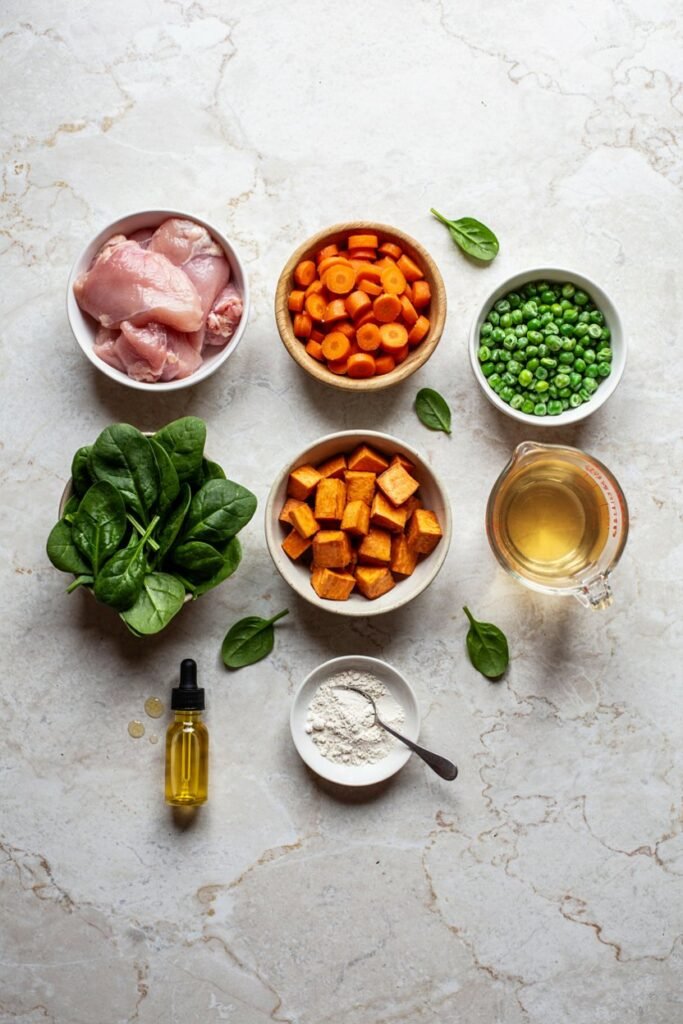
Extra Ingredients You’ll Need

Here are the ingredients I usually reach for when making this homemade dog stew. I like this combination because it is simple, affordable, and easy to adjust based on what I already have available.

  • 2 pounds lean ground turkey or ground beef: Use plain meat without added seasoning, sauces, marinades, salt, onion, or garlic. Turkey keeps the stew lighter, while lean beef gives it a richer flavor.
  • 1 cup brown rice: Rinse the rice before cooking. It helps make the stew more filling and absorbs some of the cooking liquid as it softens.
  • 1 large sweet potato: Wash and chop into small pieces. Sweet potato becomes soft during cooking and gives the finished stew a naturally thicker texture.
  • 1 cup carrots: Chop the carrots into small pieces so they cook evenly and become tender.
  • 1 cup green beans: Fresh or frozen plain green beans work well. Avoid varieties prepared with salt, butter, sauces, or seasoning.
  • ½ cup peas: Use plain fresh or frozen peas without added salt or seasoning.
  • 1 tablespoon olive oil: This is optional. I use only a small amount, and I would leave it out if your dog needs a lower fat diet or your veterinarian has recommended limiting added fats.
  • 4 cups low sodium chicken broth or water: Water is the simplest option. If using chicken broth, check the ingredient label carefully and make sure it contains no onion, garlic, or heavy seasoning.
  • 1 egg, optional: If you want to include egg, use a fully cooked plain egg without butter, salt, oil, or seasoning. I treat this as an optional ingredient rather than something every dog needs.

Ingredient Swaps I Use

One thing I appreciate about this stew is how flexible the basic ingredient list can be. If I am missing one vegetable, I do not necessarily make a special grocery trip just for that ingredient.

For example, I can use turkey instead of beef, or beef instead of turkey. Fresh or frozen carrots and green beans can also work, as long as they are plain and free from added seasonings.

I still keep the swaps sensible and avoid ingredients that are unsafe for dogs. The goal is to make the recipe convenient without turning it into a completely different meal.

A Note About Homemade Dog Food

Even though these ingredients are commonly used in homemade dog food, this recipe should not automatically be considered a complete and balanced long term diet.

If you plan to feed homemade food as your dog’s primary diet, it is important to have the recipe formulated or reviewed by your veterinarian or a qualified veterinary nutrition professional. Dogs need specific amounts of vitamins, minerals, amino acids, fatty acids, and other nutrients that cannot be guaranteed simply by combining meat, rice, and vegetables.

Best Protein Options for Homemade Dog Food

When I am preparing homemade dog food, these are some of the protein options I tend to keep in rotation:

  • Ground turkey: Mild, easy to cook, and simple to mix with rice and vegetables.
  • Lean beef: A richer option that can add a stronger aroma for dogs that prefer more flavorful meals.
  • Chicken thighs: Tender and easy to shred after cooking, especially when prepared in the Instant Pot.
  • Ground chicken: A lighter option that works well in recipes where I want the protein to distribute evenly throughout the meal.

I personally rotate between turkey and beef most often because they are easy to find, affordable compared with some other proteins, and cook well in the Instant Pot. Rotating proteins can also make meal preparation feel less repetitive, although I would not use protein rotation as a substitute for making sure a homemade diet is nutritionally complete.

When choosing any of these proteins, I keep them plain and avoid products containing added salt, onion, garlic, sauces, marinades, or seasoning.

Vegetables That Work Well in Dog Food

For the vegetable portion of homemade dog food, I usually keep the choices simple and stick with ingredients that are easy to prepare and mix into the finished meal.

  • Carrots: Easy to chop and cook, with a naturally mild flavor.
  • Sweet potatoes: Add a soft texture and work especially well in Instant Pot recipes.
  • Pumpkin: Plain pumpkin puree can blend easily into homemade meals.
  • Spinach: I use a modest amount and keep it completely plain.
  • Green beans: Fresh or frozen plain green beans are convenient for meal prep.
  • Peas: Plain fresh or frozen peas are another easy option for adding variety.

I avoid heavily seasoned vegetables and never add vegetables cooked with garlic or onions. I also skip butter, salty sauces, seasoning blends, and other ingredients that can turn an otherwise simple homemade meal into something unsuitable for dogs.

When preparing vegetables for my dog’s meals, I prefer cooking them until they are soft enough to mix easily with the meat and other ingredients. This also makes portioning much easier when I am preparing several meals at once.

Step-by-Step Instant Pot Instructions

This is the basic method I use when I want to prepare a homemade dog food batch without spending a lot of time at the stove. Once the ingredients are chopped and measured, the Instant Pot does most of the work.

1. Add Everything to the Instant Pot

Place the ground meat, rinsed rice, chopped vegetables, and appropriate broth or water into the Instant Pot.

There is no need to brown the meat first. I usually skip that step when I am trying to keep meal prep quick and simple. If you prefer a deeper flavor, you can brown the meat first, but it is not necessary for the basic preparation.

Make sure you do not add onion, garlic, heavy seasoning, or salty sauces.

2. Pressure Cook

Secure the lid and cook according to the appropriate settings for your specific Instant Pot and recipe.

The original method uses HIGH pressure for about 20 minutes, followed by a natural pressure release for approximately 10 minutes. Because Instant Pot models and ingredient quantities can vary, I always follow the appliance manufacturer’s instructions for safe operation and pressure release.

3. Stir and Shred

Once the pressure has been released safely, carefully open the lid and stir everything together.

The vegetables should be tender and the rice should be fully cooked. If I am using chicken thighs instead of ground meat, I remove the cooked chicken, shred it carefully, check for bones, and then mix it back into the food.

If the mixture seems thicker than I want, I can add a little appropriate cooking liquid to reach a softer consistency.

4. Cool Completely

This is a step I never like to rush.

I allow the cooked food to cool appropriately before transferring it into storage containers. Portioning food while it is still extremely hot can make handling difficult and can create unnecessary food safety concerns.

I also prefer dividing the batch into individual portions because it makes feeding much easier throughout the week.

5. Store Properly

Once cooled appropriately, I transfer the food into clean airtight containers.

For practical meal prep, I use the following storage approach:

Refrigerator: Keep refrigerated portions for a short period and use them promptly.

Freezer: Freeze portions that will not be used soon. I like freezing individual servings so I only thaw what I need.

I usually freeze about half of a larger batch immediately. That way, I have convenient portions available later instead of trying to use the entire batch within a few days.

Always use good food handling practices and discard food that develops an unusual smell, appearance, or texture.

Simple Add Ins I Sometimes Use

Depending on the recipe and what I already have available, I sometimes add a small amount of an appropriate extra ingredient for variety.

Plain Pumpkin Puree

Plain 100 percent pumpkin puree can add moisture and a softer texture. I make sure it contains no added sugar, spices, or pumpkin pie seasoning.

Cooked Oats

Plain cooked oats can create a softer, creamier consistency in some recipes. I avoid flavored or sweetened oatmeal products.

Chopped Spinach

A modest amount of plain cooked spinach can be mixed into some homemade recipes for variety.

Scrambled Egg

A fully cooked plain egg can be added to a meal when appropriate. I prepare it without butter, salt, seasoning, onion, or garlic.

Sardines in Water

Plain sardines packed in water can provide another protein option, but I use them sparingly and check the label carefully for added salt, seasoning, or other ingredients.

One Important Reminder

These add ins can make homemade meals more varied, but adding healthy ingredients does not automatically make a homemade dog food recipe complete and balanced.

If homemade food is going to replace your dog’s regular complete and balanced diet, the overall recipe should be formulated or reviewed by your veterinarian or a qualified veterinary nutrition professional. Your dog’s nutritional requirements depend on factors such as age, size, activity level, and health.

Common Mistakes to Avoid

Adding Too Much Seasoning

Dogs do not need the same seasoning humans use. I avoid:

  • garlic
  • onions
  • excessive salt
  • spicy ingredients

Making Portions Too Large

Homemade food can be very filling. Start with smaller portions and adjust gradually.

Forgetting Balanced Nutrition

Homemade meals should include:

  • protein
  • vegetables
  • healthy carbohydrates
  • healthy fats

If homemade meals become your dog’s full-time diet, it’s smart to discuss long-term nutritional balance with a veterinarian.

Why the Instant Pot Makes Homemade Dog Food Easier

The Instant Pot honestly changed everything for me with homemade pet meals.

Instead of standing over the stove cooking multiple ingredients separately, I can throw everything into one pot, press a button, and move on with my day while it cooks.

That convenience made me consistent with homemade feeding instead of giving up after one week.

Budget Tips That Help Me Save Money

A few things helped lower the cost:

  • buying ground turkey in bulk
  • using frozen vegetables
  • freezing leftovers immediately
  • rotating affordable proteins
  • using seasonal vegetables

Homemade dog food became much more manageable once I stopped trying to make it “perfect.”

Frequently Asked Questions About Homemade Dog Food

Can I Freeze Homemade Dog Food?

Yes. Freezing is one of the easiest ways I have found to make homemade dog food more practical for busy weeks.

I usually divide the cooled food into individual portions and freeze anything I will not use within the next few days. That way, I only thaw what I need instead of repeatedly warming the entire batch.

I prefer thawing portions in the refrigerator rather than leaving them sitting at room temperature.

Is Rice Necessary in Homemade Dog Food?

No. Rice is only one possible carbohydrate source.

Depending on the recipe and your dog’s individual nutritional needs, ingredients such as oats, quinoa, or sweet potatoes may be used instead.

However, changing rice for another ingredient does not automatically make a recipe nutritionally equivalent.

If you are preparing homemade food as your dog’s primary diet, ingredient substitutions should be considered as part of the overall nutritional formulation.

Can Puppies Eat Homemade Dog Food?

Puppies have different nutritional requirements from adult dogs because they are growing rapidly.

I would not switch a puppy completely to an improvised homemade diet without speaking with a veterinarian first. Growing puppies need carefully balanced amounts of energy, protein, calcium, phosphorus, and other essential nutrients.

For puppies, nutritional balance is especially important because deficiencies or excesses can affect healthy development.

How Much Homemade Dog Food Should I Feed My Dog?

There is no single portion size that works for every dog.

The amount your dog needs depends on factors such as:

  • Age
  • Body weight
  • Activity level
  • Breed size
  • Current body condition
  • Overall health
  • The calorie density of the food

I prefer starting with an appropriate portion and paying attention to my dog’s body condition, energy, appetite, and weight rather than assuming that every dog needs the same amount.

If homemade food is replacing a complete commercial diet, I would also discuss portion sizes with a veterinarian because the calorie and nutrient content can vary considerably between recipes.

Final Thoughts

Making homemade dog food in the Instant Pot has become one of the easiest ways for me to simplify meal preparation. I do not need to spend hours standing over the stove, and batch cooking means I can prepare several portions at once.

What I like most is the flexibility. I can work with ingredients I already have at home, prepare everything in one pot, and portion the finished food for later.

At the same time, I have learned that simple ingredients do not automatically equal a complete diet. That is probably the most important point I would give another dog owner considering homemade feeding.

If you are using these recipes as occasional meals, toppers, or part of a broader feeding plan, keep portions appropriate and introduce changes gradually.

If homemade food will become your dog’s primary diet, work with your veterinarian or a qualified veterinary nutrition professional to make sure the complete diet meets your dog’s individual nutritional requirements.

For me, that balance makes homemade cooking much more realistic. The goal is not to make every meal complicated. It is to create a routine that is practical, safe, and appropriate for the dog you are actually caring for.

Leave a Comment

Your email address will not be published. Required fields are marked *

Scroll to Top