Frozen Bone Broth Dog Treats for Better Hydration
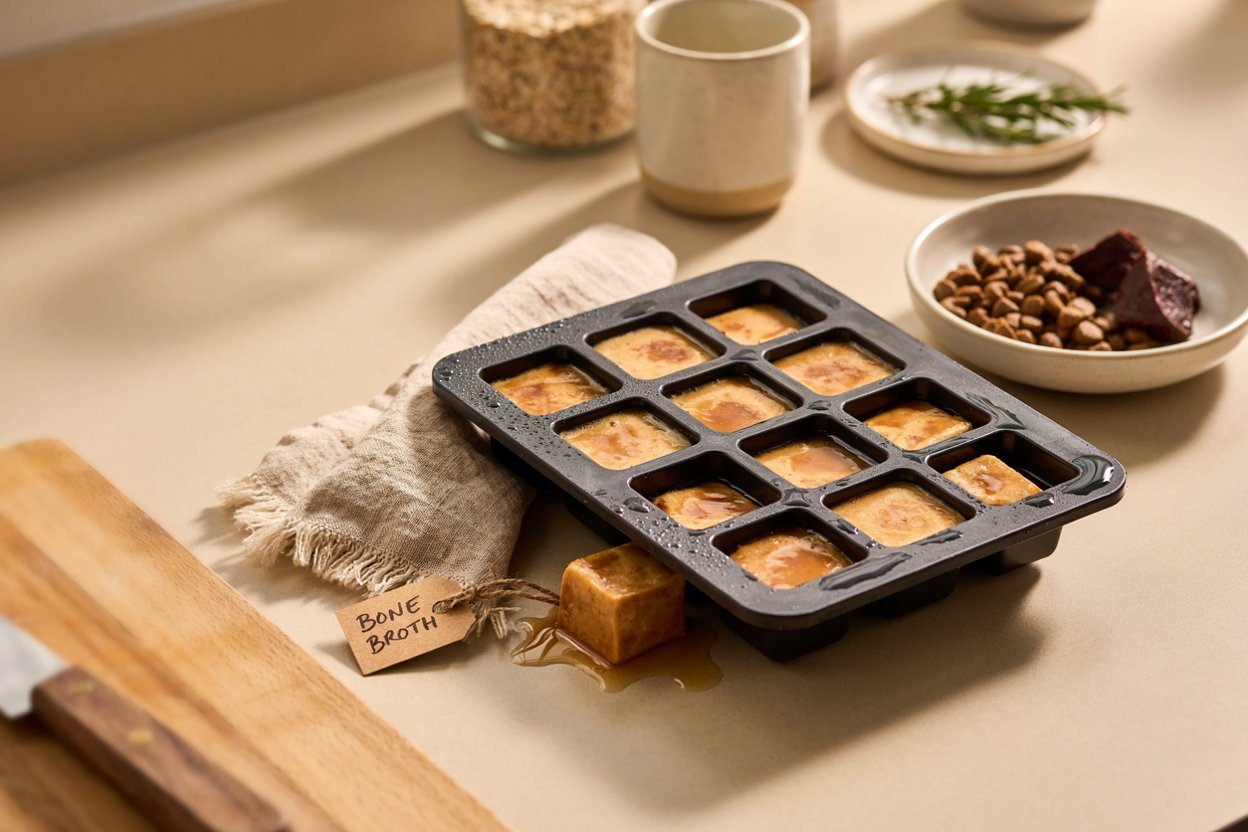
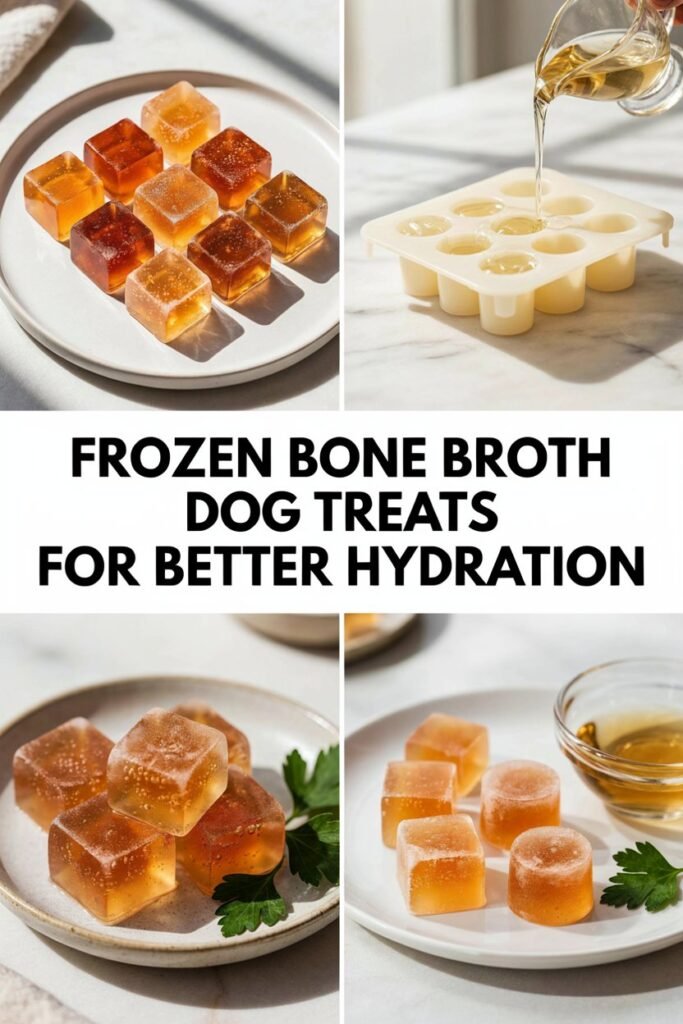
I started freezing bone broth into cubes for my dog almost by accident. I’d made a batch for myself, had way more left over than I needed, and instead of letting it go to waste in the back of the fridge, I poured the extra into an ice cube tray and handed my dog one on a whim.
He acted like I’d just handed him the best thing he’d ever tasted, and honestly, it made sense — bone broth is salty-savory, mostly water, and cold on a hot afternoon. It checked every box he cares about.
Since then it’s become one of my go-to ways to get more fluid into him, especially in summer or after a long hike when I know he hasn’t been drinking as much from his bowl as he should. It’s also become one of the easiest “treats” I make, since there’s almost no actual recipe to it beyond pouring liquid into a mold.
If you’re looking to build out a broader rotation of homemade options, a few other guides on the site pair well with this one.
11 vet-friendly frozen dog treat recipes covers fruit and veggie-based frozen treats if you want more variety beyond broth, and 9 easy frozen dog snacks for first-time dog owners is a good starting point if this is your first time freezing anything for your dog at all. If you’d rather go the chewy, gummy route instead of a solid cube, homemade beef bone broth gummies for dogs uses the same base ingredient in a completely different texture.
Disclaimer: This post may contain affiliate links, which means I may earn a small commission at no extra cost to you. Frozen treats can be a refreshing snack, but they should be offered in moderation as part of a balanced diet. Always use dog-safe ingredients and consult your veterinarian if your dog has allergies, dietary restrictions, or health concerns.
Amazon Shopping List You Need
- Silicone Dog Treat Molds (Bone & Paw Shapes)
- Silicone Ice Cube Tray Set
- Low-Sodium Dog-Safe Bone Broth
- Stainless Steel Mixing Bowl Set
- Measuring Cups and Spoons Set
- Airtight Freezer Storage Containers
- Reusable Freezer Bags for Treat Storage
Why Bone Broth Helps with Hydration
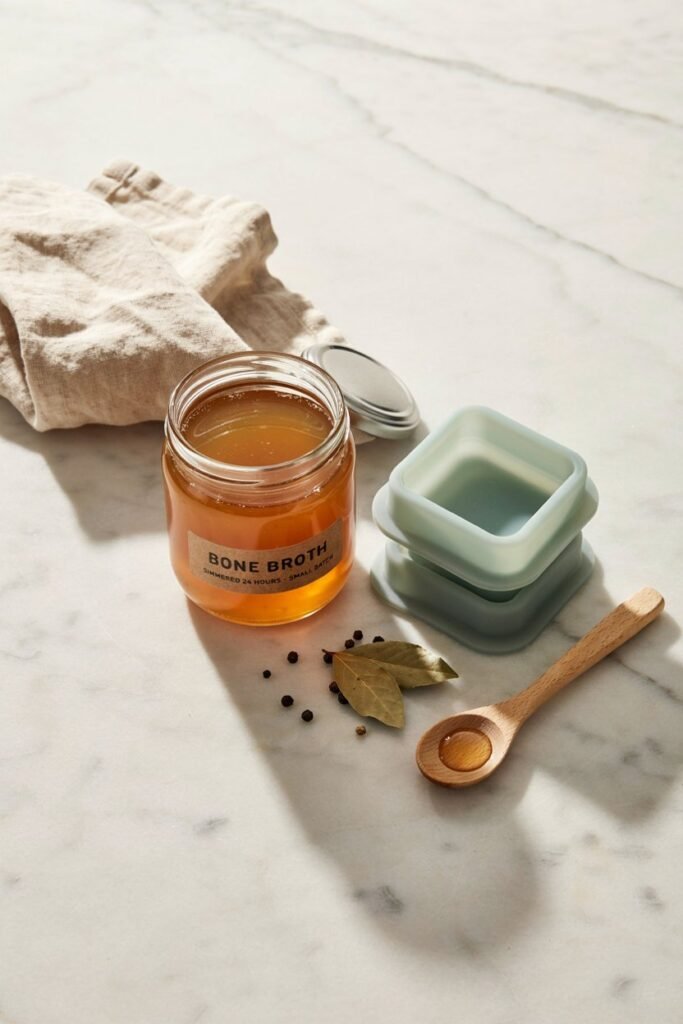
Dogs don’t always drink enough plain water on their own, especially picky drinkers, seniors, or dogs recovering from an upset stomach.
Bone broth is mostly water to begin with, but it also carries flavor, collagen, and gelatin along with it, which tends to make dogs more willing to actually finish it instead of walking past a full water bowl.
Freezing it slows down how quickly a dog can get through it, which turns a quick gulp into a longer licking session — more time spent taking in fluid, and a bit of mental enrichment on top of it.
That combination is really the whole appeal of this recipe: it’s hydration disguised as a reward.
Ingredients I Feel Comfortable Using
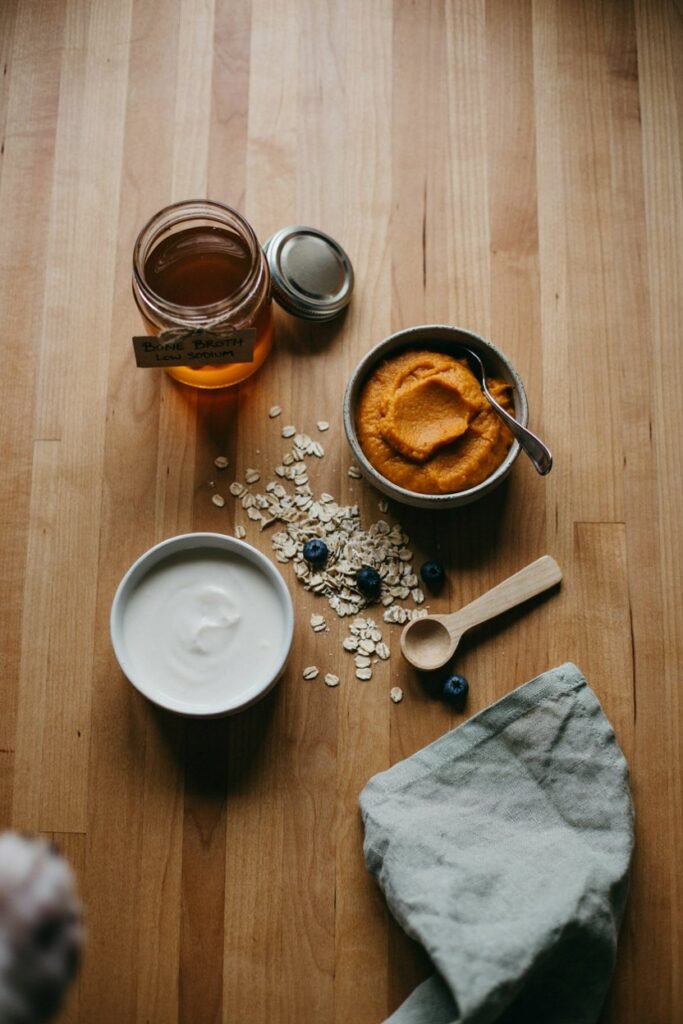
Low sodium bone broth. Plain, unsalted or low sodium, and completely free of onion and garlic. This is the one ingredient where the label genuinely matters — a lot of “plain” broths on grocery shelves aren’t actually plain once you read the fine print.
Plain pumpkin puree, optional. A spoonful adds fiber and a bit of body to the texture without changing the point of the recipe.
Plain unsweetened yogurt, optional. Stirred in, it turns the cubes a little creamier and softer once thawed slightly, which some dogs prefer.
If you’re unsure what else belongs in a homemade rotation, human foods dogs can safely eat is worth keeping open as a general reference, since it covers a lot of ground beyond just broth.
Ingredients I Avoid
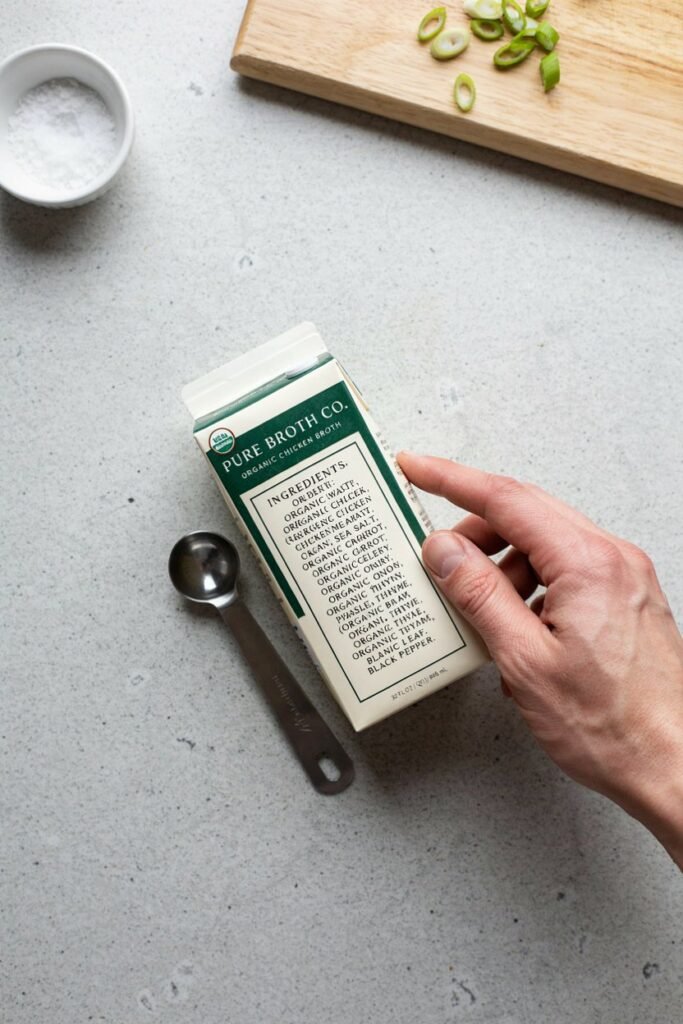
Any broth containing onion or garlic, even in small amounts, is off the table entirely — both are toxic to dogs regardless of quantity.
I also skip anything labeled “bouillon” unless I’ve confirmed it’s sodium-free, since bouillon cubes and concentrates are often loaded with salt.
Store-bought broths marketed for human cooking are the most common place I’ve caught hidden onion powder, so I read every label, every time, even ones I’ve bought before.
Frozen Bone Broth Dog Treats
This is genuinely one of the simplest things I make for my dog, and it’s the one I reach for most often when the weather turns hot or he’s just not drinking as much as I’d like.
Ingredients
- 2 cups low sodium bone broth, onion and garlic free
- 2 tablespoons plain pumpkin puree, optional
- 2 tablespoons plain unsweetened yogurt, optional
Instructions
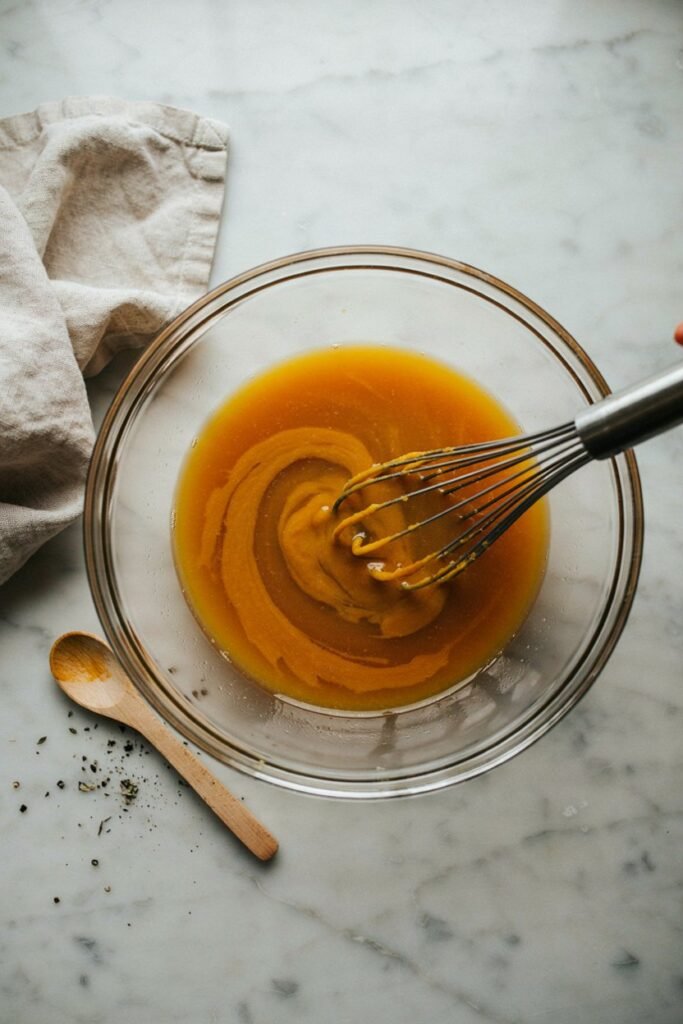
- If using pumpkin or yogurt, whisk them into the broth until smooth and evenly combined.
- Pour the mixture into a silicone ice cube tray or small treat molds.
- Freeze for at least 4 hours, or until completely solid.
- Pop the cubes out and serve one or two straight from the freezer, or offer them slightly thawed if your dog prefers a softer bite.
How Much to Give Your Dog One or two cubes are plenty for most dogs, especially on a hot day or alongside a regular meal.
Larger dogs can have a couple more, but this should still be treated as a hydration boost, not a meal replacement.
Storage Once frozen, transfer the cubes into a freezer-safe bag or airtight container.
They’ll keep well for up to 1 to 2 months, though broth-based treats tend to pick up freezer odors faster than fruit-based ones, so keep them away from strongly scented foods.
My Tip I make a double batch whenever I’ve already got broth simmering for dinner, so the treats basically make themselves with almost no extra effort or dishes.
If you want a chewier alternative that holds together instead of melting into liquid the moment it thaws, 3 ingredient peanut butter dog gummies uses gelatin to set into something more like a soft candy than an ice cube.
Signs Your Dog Could Use More Hydration
- Dry or tacky gums instead of moist, pink ones
- Noticeably reduced energy or interest in normal activities
- Skin that’s slow to spring back after a gentle pinch test
- Panting that seems heavier than usual for the temperature and activity level
If you’re seeing several of these at once, a frozen treat is not a substitute for a vet visit — offer fresh water and reach out to your vet, especially if it’s paired with vomiting, diarrhea, or lethargy.
Common Problems When Making These
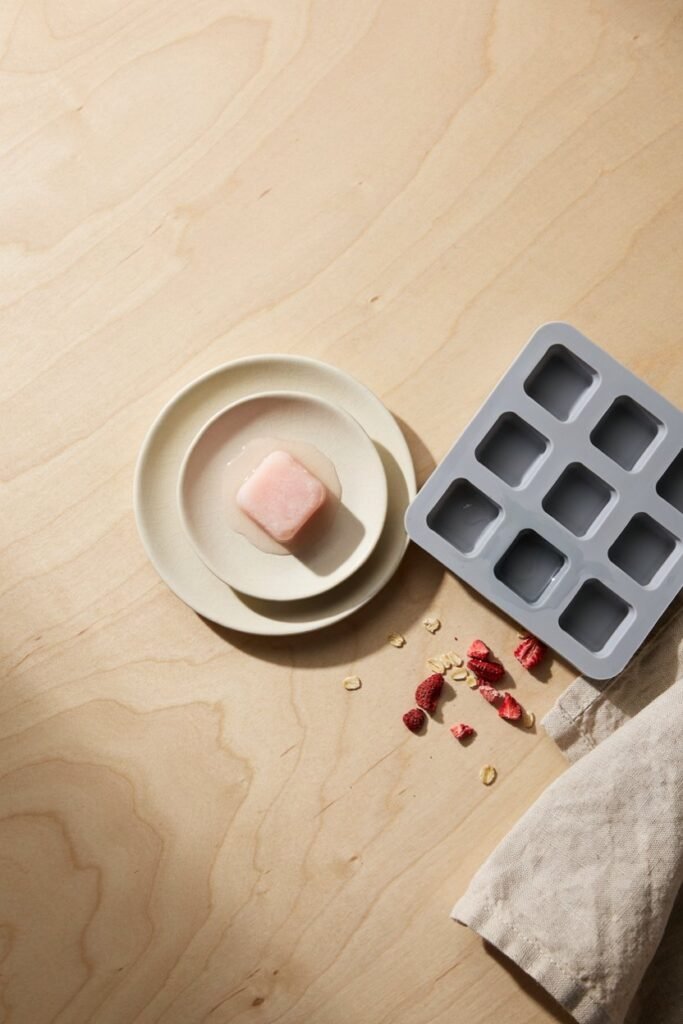
Why are my cubes cloudy or icy instead of smooth? This usually just comes down to the broth’s fat content. A little separation is normal and doesn’t affect safety, though giving the mixture a good whisk before pouring helps.
Can I use chicken broth instead of bone broth? Yes, as long as it’s plain, low sodium, and free of onion and garlic — the swap works fine and doesn’t change the method at all.
Why won’t the cubes pop out of the mold? Let the tray sit at room temperature for a minute or run the underside briefly under lukewarm water to loosen them.
Can puppies have these? In small amounts, generally yes, though a partially thawed cube is easier on young teeth than one straight out of the freezer. Check with your vet first if your puppy has any health concerns.
Is bone broth the same as feeding a bone? No — this recipe never involves an actual bone, only the strained liquid. Cooked bones can splinter and are dangerous for dogs, so they should never be given directly.
For a broader look at building homemade meals around ingredients like this one, homemade dog food with vet approved ingredients and 7 high protein homemade dog food recipes are both worth a look if you’re trying to move beyond treats and into full meals.
Final Thoughts
This is about as low-effort as homemade dog treats get, and that’s exactly why it’s stayed in my regular rotation. No baking, no cutting, no cookie cutters — just broth, a mold, and a few hours in the freezer standing between you and a treat that actually does something useful for your dog beyond being tasty.
Start with plain broth the first time, see how your dog responds, and build from there with pumpkin or yogurt once you know it agrees with him.
Recipe Card
Frozen Bone Broth Dog Treats for Better Hydration
A simple, vet-friendly frozen treat made from low sodium bone broth, designed to help dogs take in more fluid on hot days or when they’re not drinking enough on their own.
| Prep Time | 5 minutes |
| Freeze Time | 4 hours |
| Total Time | 4 hours 5 minutes |
| Yield | 12 small cubes |
| Category | Dog Treats |
| Method | Freezing, No-Bake |
| Suitable For | Adult dogs; ask your vet first for puppies, seniors, or dogs with kidney or sodium-restricted diets |
Ingredients
- 2 cups low sodium bone broth (onion and garlic free)
- 2 tablespoons plain pumpkin puree (optional)
- 2 tablespoons plain unsweetened yogurt (optional)
Instructions
- Whisk the pumpkin and yogurt into the broth, if using, until smooth.
- Pour into a silicone ice cube tray or small treat molds.
- Freeze for at least 4 hours, until solid.
- Pop out and serve 1–2 cubes at a time, straight frozen or slightly thawed.
Notes
- Always confirm the broth is free of onion, garlic, and added salt before using.
- Store frozen in an airtight container for up to 1–2 months.
- Treat as a hydration boost, not a meal replacement.
Nutrition (per cube, approximate) Calories: 5–10 | Sodium: varies by broth — choose the lowest available | Fat: minimal
More From The Pet Sphere
- 11 Vet-Friendly Frozen Dog Treat Recipes You Can Trust
- 9 Easy Frozen Dog Snacks for First-Time Dog Owners
- Homemade Beef Bone Broth Gummies for Dogs
- 3 Ingredient Peanut Butter Dog Gummies
- Easy Frozen Coconut Dog Treats for Summer
- Homemade Dog Food With Vet Approved Ingredients
- Human Foods Dogs Can Safely Eat