Winter Pet Care Must Haves Every Pet Owner Should Have
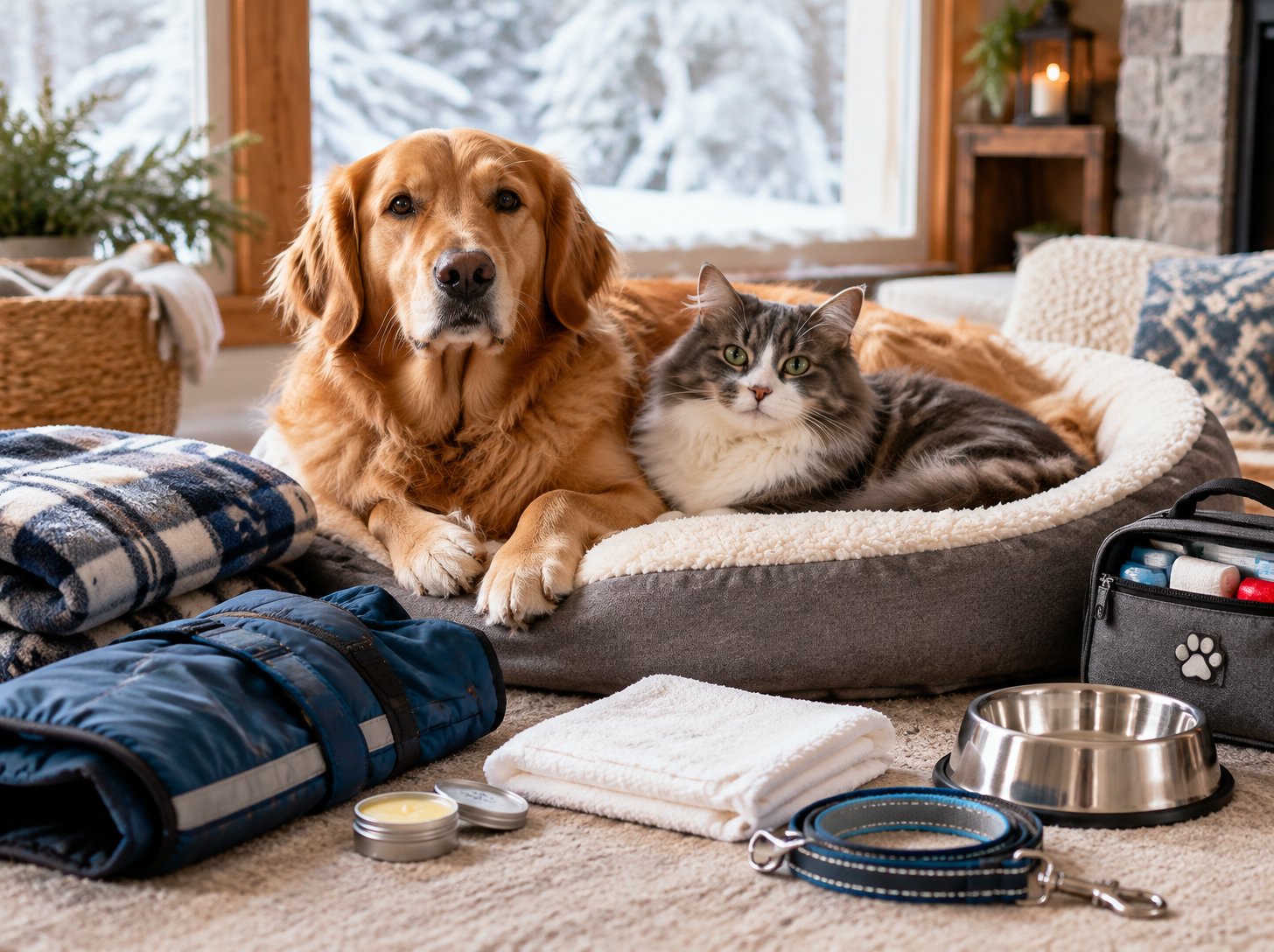
Winter changes everything for pets. Days get shorter, floors get colder, walks get icy, and the hazards multiply, from antifreeze in the driveway to space heaters in the living room.
A handful of well chosen supplies, plus a few habits, will keep your dog, cat, or other pet safe and comfortable all season.

This checklist covers the winter must haves for the whole household: warmth, paw and skin care, safe heating, hydration, visibility, an emergency kit, and the cold weather hazards to watch for.
If you’re focused on dog walks specifically, my Essential Winter and Rainy Weather Gear Every Dog Owner Needs goes deeper on coats, boots, and raincoats.
Every pet is different, so ask your veterinarian about your pet’s age, health, and breed, especially for puppies, kittens, seniors, and pets with medical conditions.
First: Does Your Pet Feel the Cold?
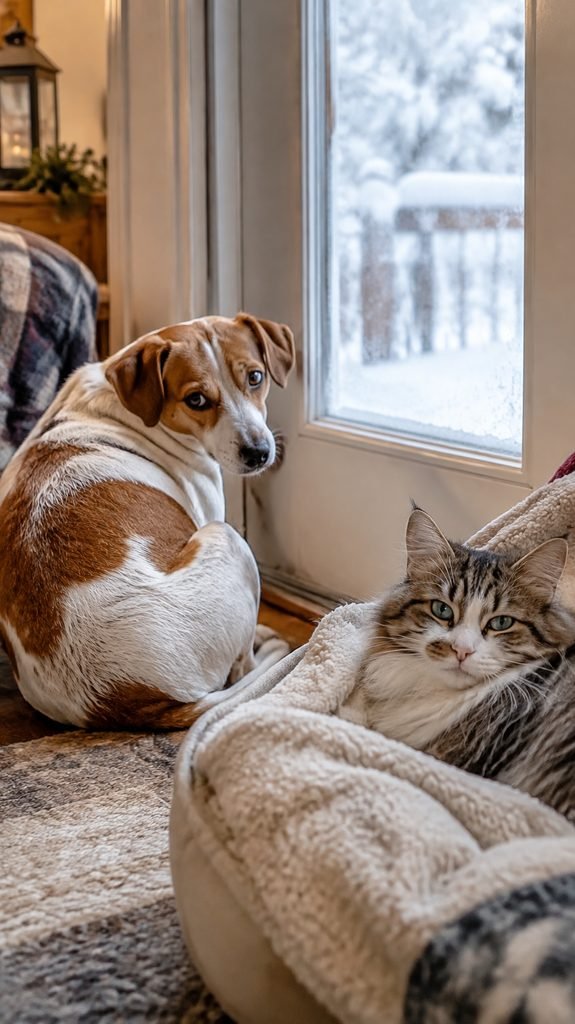
Not every pet handles winter the same way.
Short coated and thin coated pets. They chill quickly.
Small pets. Small dogs and cats lose body heat faster.
Puppies, kittens, and seniors. They struggle to regulate body temperature.
Pets with health conditions. Arthritis, heart disease, diabetes, and kidney disease can make cold harder to handle.
Lean pets. Less body fat means less insulation.
Pets not used to cold. Acclimation matters.
Signs your pet is too cold include shivering, whining, lifting paws, slowing down, seeking warmth, and trying to go back inside. If you’re unsure, bring them in.
Must Have One: A Warm, Draft Free Bed
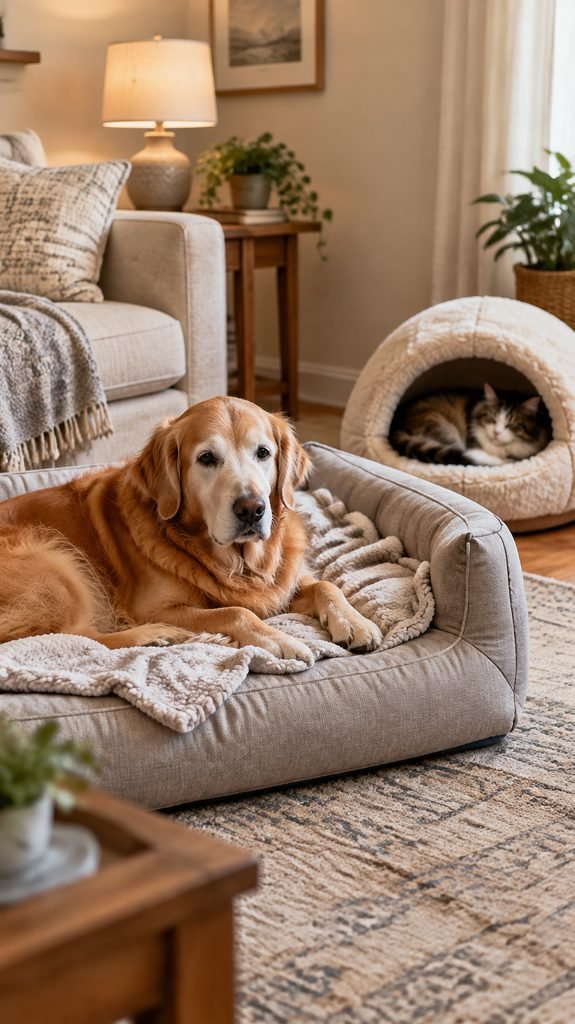
Cold floors drain body heat and make joints ache.
What to look for. A raised or insulated bed, away from windows, doors, and drafts, with soft, washable blankets for burrowing.
Senior pets. Supportive padding helps stiff joints. See my Best Orthopedic Dog Beds for Senior Dogs for what to look for.
Cats. Many cats love enclosed beds, covered cubbies, and sunny window perches.
Safety. Avoid heating pads and space heaters near pets unless they’re made for pets and used exactly as directed.
Must Have Two: Safe Heating
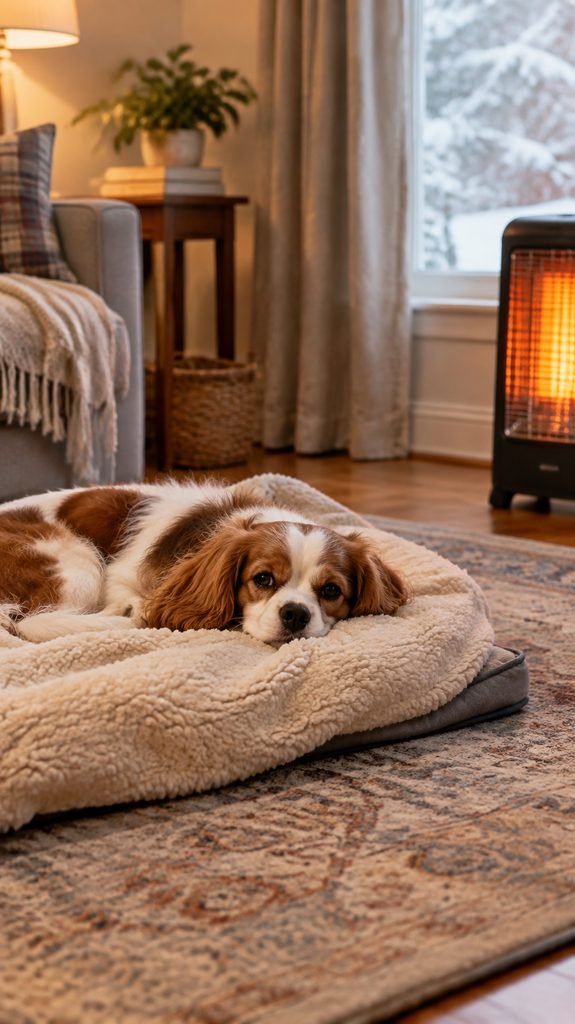
Pets love warm spots, and that’s where accidents happen.
Pet safe heating pads. Choose ones made for pets, with chew resistant cords and automatic shut off, and follow the instructions.
Space heaters. Keep them out of reach and never leave them unattended with pets. Tip hazards and burns are real risks.
Fireplaces and wood stoves. Use a sturdy screen, and never leave a pet alone near an open flame.
Warm, not hot. Pets with reduced sensation, such as seniors, can burn without noticing.
Candles and heaters. Keep open flames out of reach.
Must Have Three: Paw Care Supplies
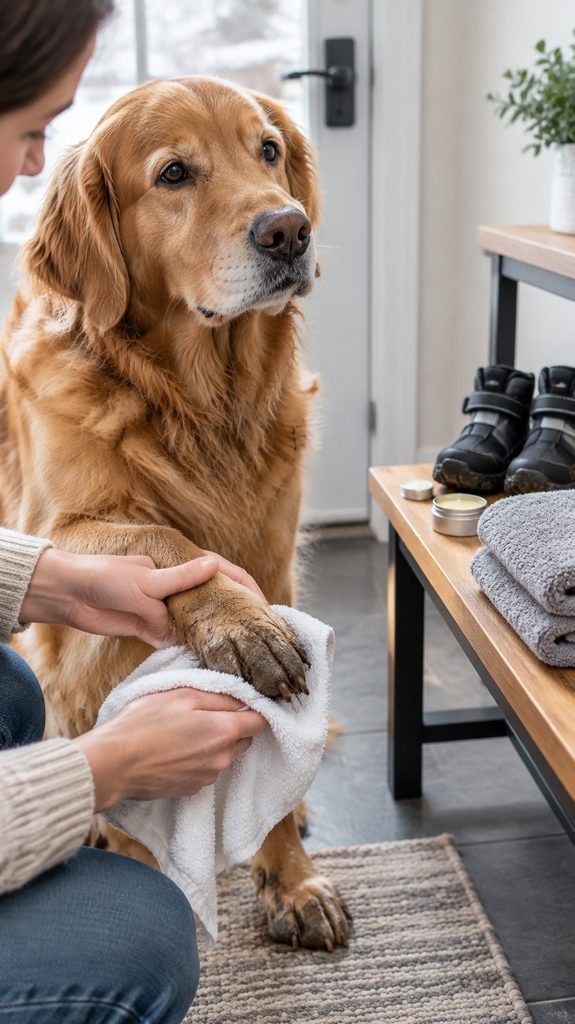
Ice, salt, and chemicals are hard on paw pads.
Paw balm. Choose a balm made for dogs, with ingredients that are safe if licked.
Towels by the door. Wipe paws after every walk to remove salt, de-icers, and chemicals before your pet licks them off.
Boots. Many dogs benefit from them, but introduce them slowly with treats.
Trim fur between the toes. It helps prevent ice balls.
Pet safe ice melt. If you use de-icer at home, choose a product labeled pet safe, and follow the directions.
Check pads. Cracked, red, or bleeding pads need veterinary attention.
Must Have Four: Coats and Sweaters (When Needed)
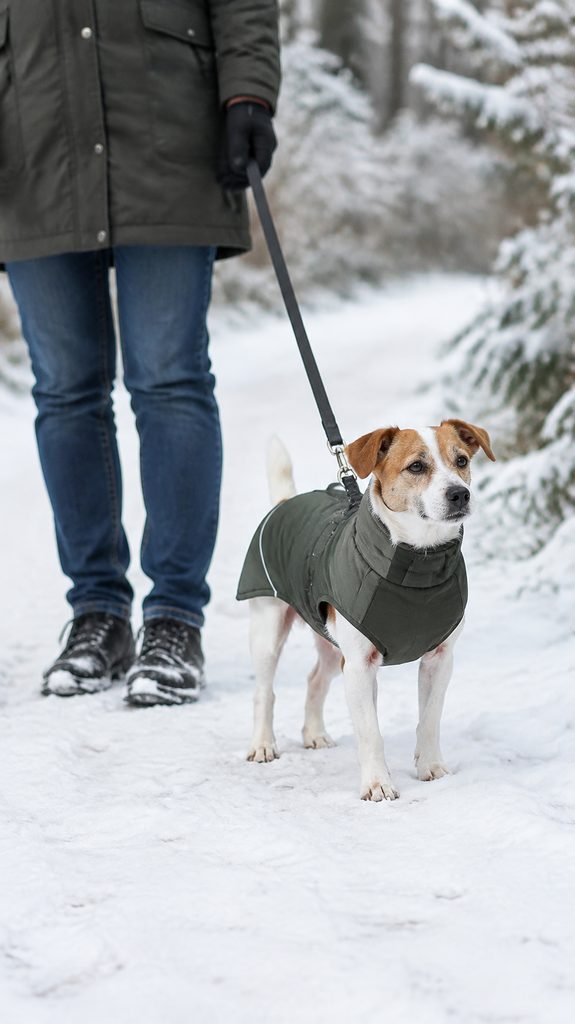
Not every pet needs one, but some do.
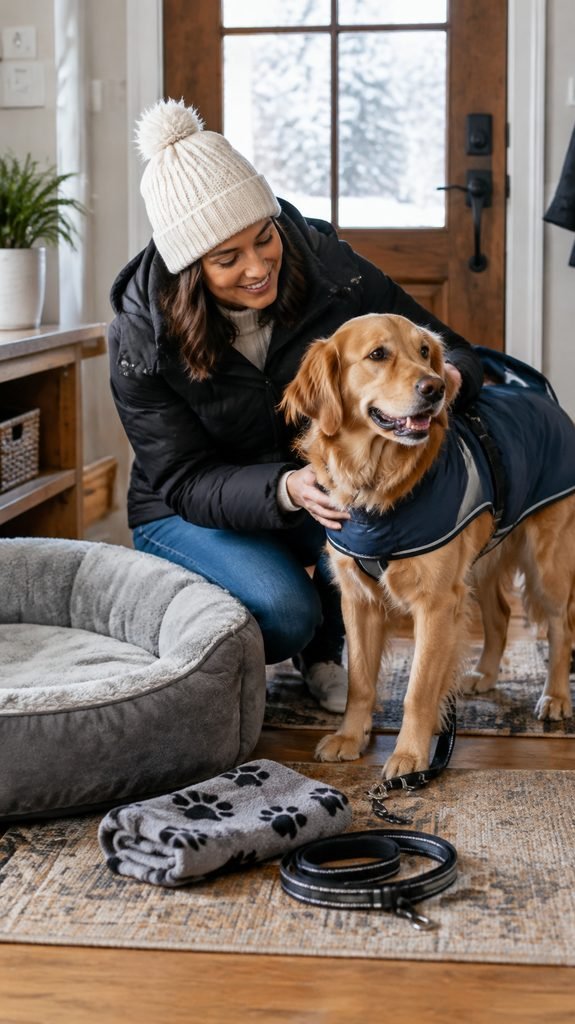
Who benefits. Small, short coated, young, old, and sick pets, and dogs with little body fat.
Fit matters. It should be snug but not tight, with room to move, sit, and potty comfortably.
Safety. Choose designs without dangling cords or small parts, and take the coat off indoors, since pets can overheat. Never leave a pet alone in clothing.
Skip it for thick coated, cold loving breeds. They often don’t need one.
Must Have Five: Fresh, Unfrozen Water
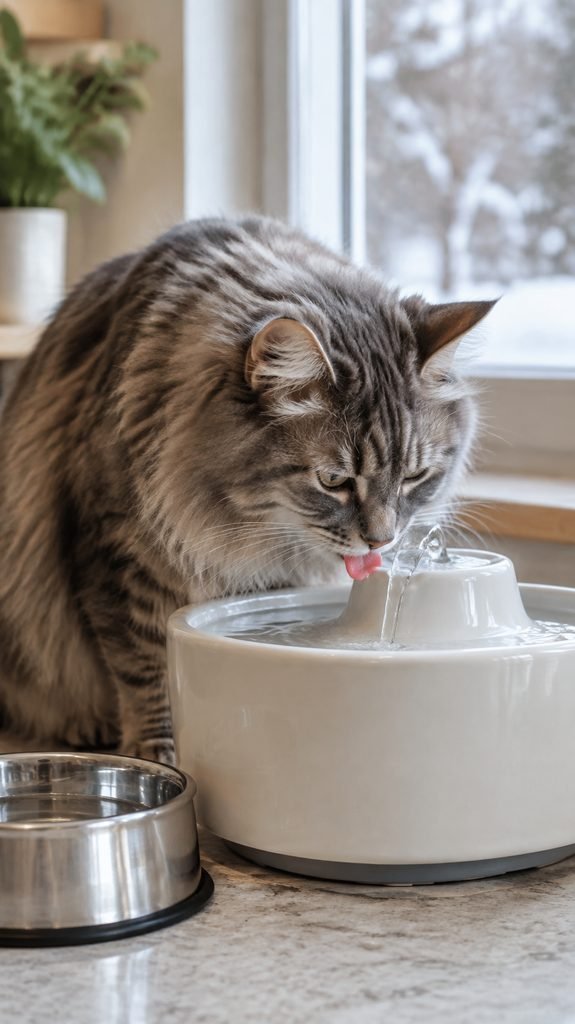
Pets still need plenty of water in winter, and dry indoor air can dehydrate them.
Check outdoor bowls. Water freezes quickly, so check often.
Heated bowls. Pet safe heated bowls help for outdoor pets, with chew proof cords.
Indoor hydration. Keep fresh water available, and consider a fountain for cats, which many prefer.
Moisture rich meals. Wet food, or warm, plain broth added to meals, adds moisture.
My How to Make Carrot Frozen Bone Broth for Dogs shows a safe homemade version with no onion, garlic, or salt, and my Bone Broth Recipe for Cats does the same for cats.
Ask your veterinarian first, especially for pets with kidney disease or other conditions.
Must Have Six: The Right Food
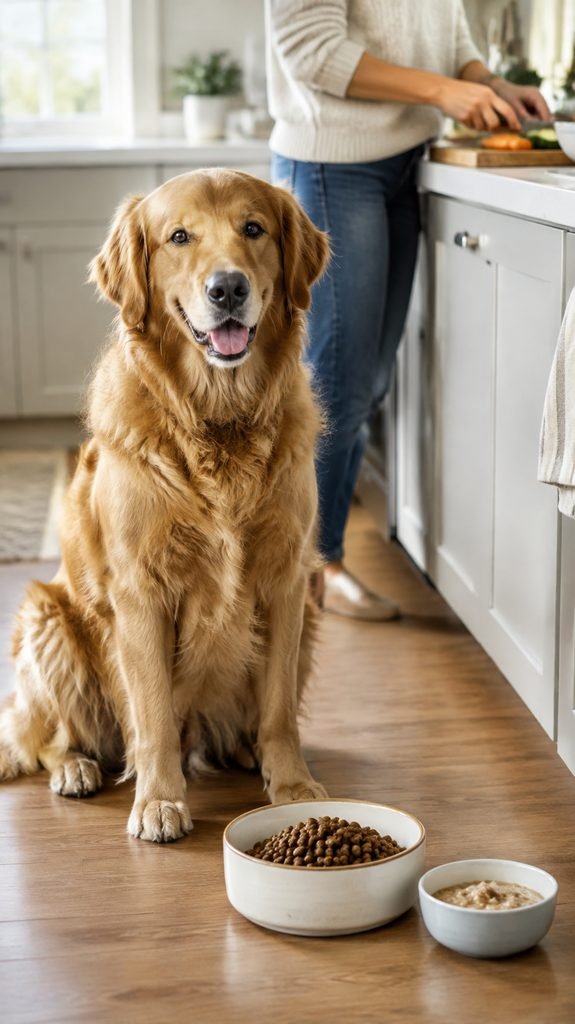
Some pets need more calories in winter, and some need fewer if they’re less active.
Ask your veterinarian. Outdoor and very active pets may need more food, while indoor pets who move less may need less.
Don’t overfeed. Winter weight gain is common, and extra weight strains joints.
Warm meals. A warm, plain topper on a cold day is a welcome treat. See my 30 Minute Stovetop Homemade Dog Food for a gentle, homemade meal option once your veterinarian approves.
Watch the holiday treats. Chocolate, grapes, raisins, onions, garlic, xylitol, alcohol, cooked bones, and rich, fatty leftovers are dangerous.
Must Have Seven: Visibility Gear
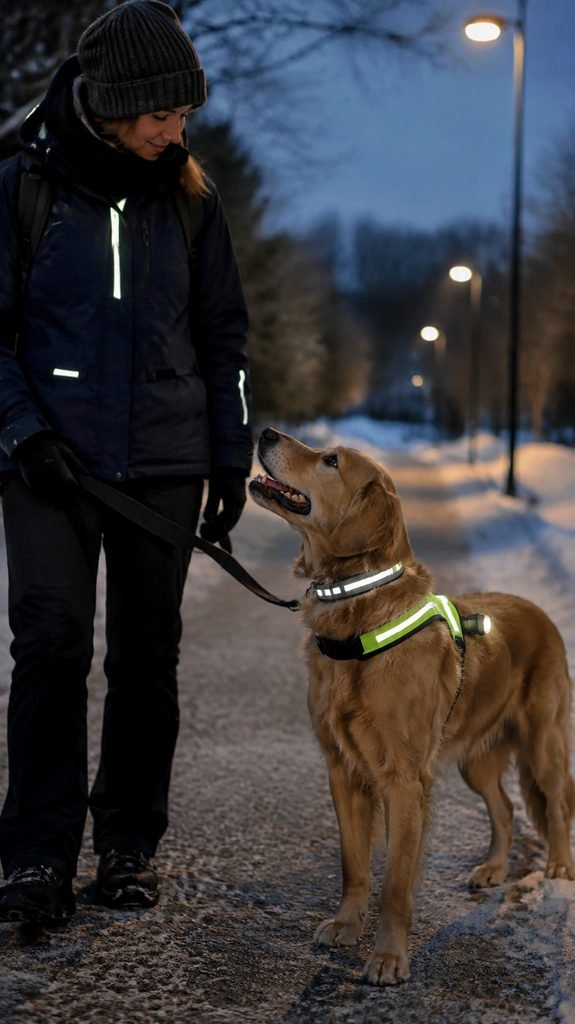
Shorter days mean more walks in the dark.
Reflective collars, leashes, and vests. Drivers can see your pet from farther away.
Clip on lights. A small LED light adds visibility.
Wear reflective gear yourself. It helps drivers see you both.
Stay on lit, shoveled paths. And keep your dog leashed, since snow hides hazards and scents.
Must Have Eight: Identification
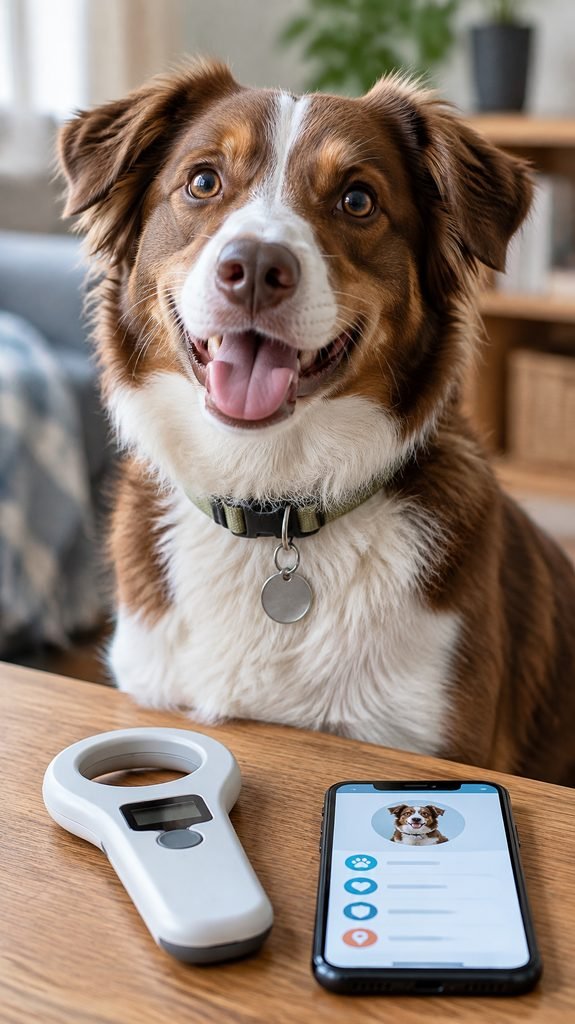
Snow and ice change how things smell, and pets can get lost easily.
ID tags. Make sure your phone number is current.
Microchip. Check that your registration details are up to date.
Recent photos. Keep a clear photo of each pet on your phone.
Must Have Nine: An Emergency Kit
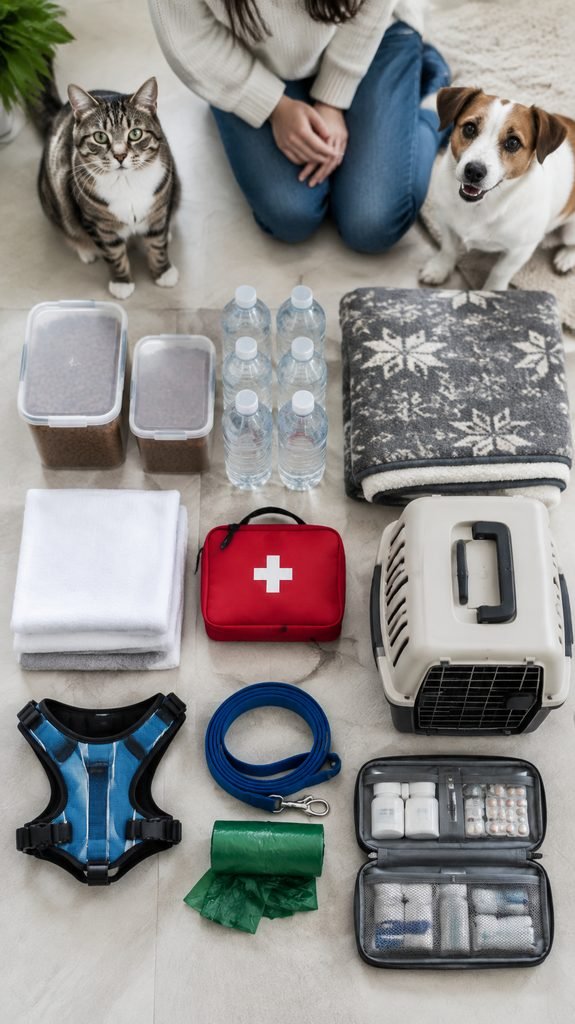
Storms and power outages happen.
Food and water. At least several days’ worth.
Medications. Keep a supply, along with a list of doses and your veterinarian’s contact information.
Medical records. Copies of vaccination and health records.
Carrier or crate. One for each cat and small pet. For crate ideas, see my Puppy Crate Training Essentials for First Time Owners.
Leash, harness, and waste bags.
Blankets and towels.
Litter and a box. For cats.
A first aid kit. Ask your veterinarian what to include.
A plan. Know where you’d go if you had to leave, and which shelters or hotels accept pets.
Must Have Ten: Indoor Enrichment
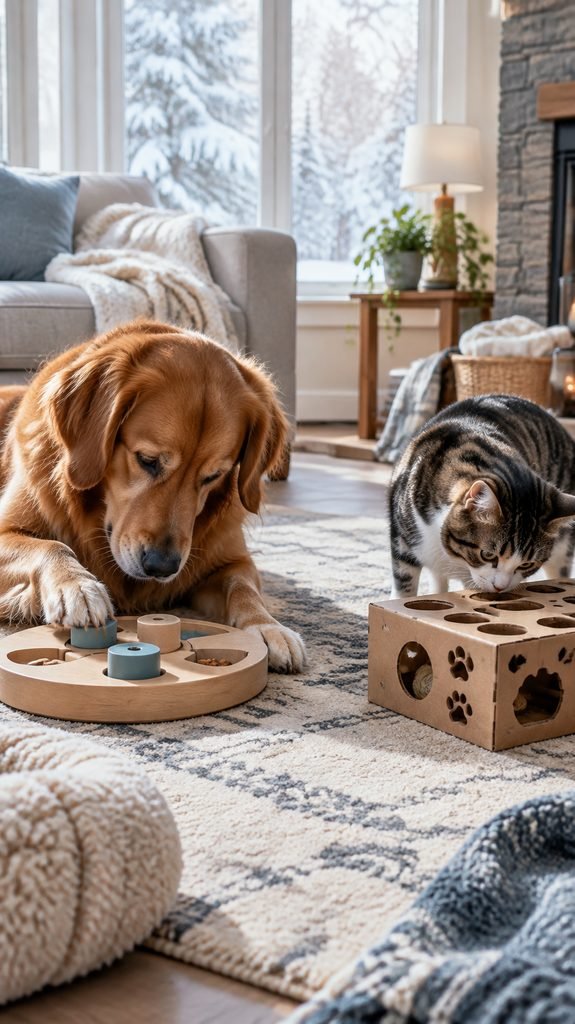
Cold weather means more time indoors, and bored pets get into trouble.
Puzzle feeders and games. They burn mental energy. See my Brain Games for a Smarter, Happier Dog for dogs, and my 11 Easy DIY Cat Toys for cats.
Short, frequent walks. They’re better than one long walk in extreme cold.
Window perches. Cats love watching birds and snow.
Indoor play. Hide and seek, gentle fetch, and training sessions all help.
Winter Hazards to Watch For
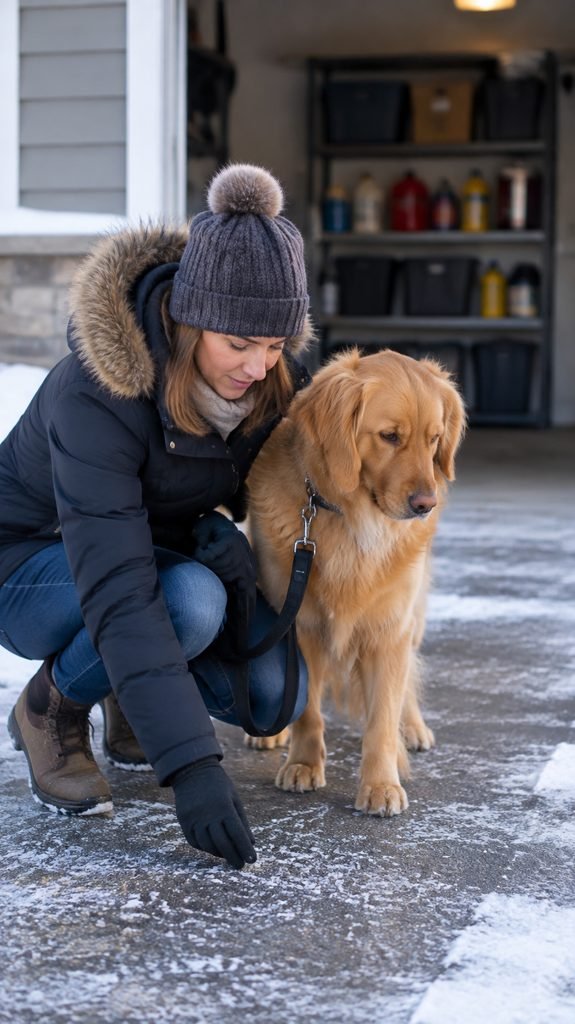
Antifreeze. Antifreeze, or ethylene glycol, tastes sweet but is highly toxic to pets. Wipe up spills, store it securely, and call a veterinarian or emergency clinic immediately if your pet may have licked any.
De-icers and salt. They can irritate paws and upset stomachs if licked.
Frozen ponds and lakes. Keep pets off thin ice.
Cold cars. Never leave a pet in a parked car, since it can become dangerously cold.
Cats in engines. Outdoor and neighborhood cats sometimes shelter near warm car engines. Bang on the hood and wait a moment before starting your car.
Space heater and fireplace hazards. See the heating section above.
Holiday plants and decorations. Poinsettias, mistletoe, holly, lilies, and tinsel can be harmful. Check any plant before bringing it home, and keep decorations out of reach.
Candles and cords. Chewing and tipping are real risks.
Hypothermia and frostbite. Weakness, pale or gray skin, stiffness, and extreme lethargy need emergency care. Ears, tails, and paws are most at risk.
Outdoor and Community Cats
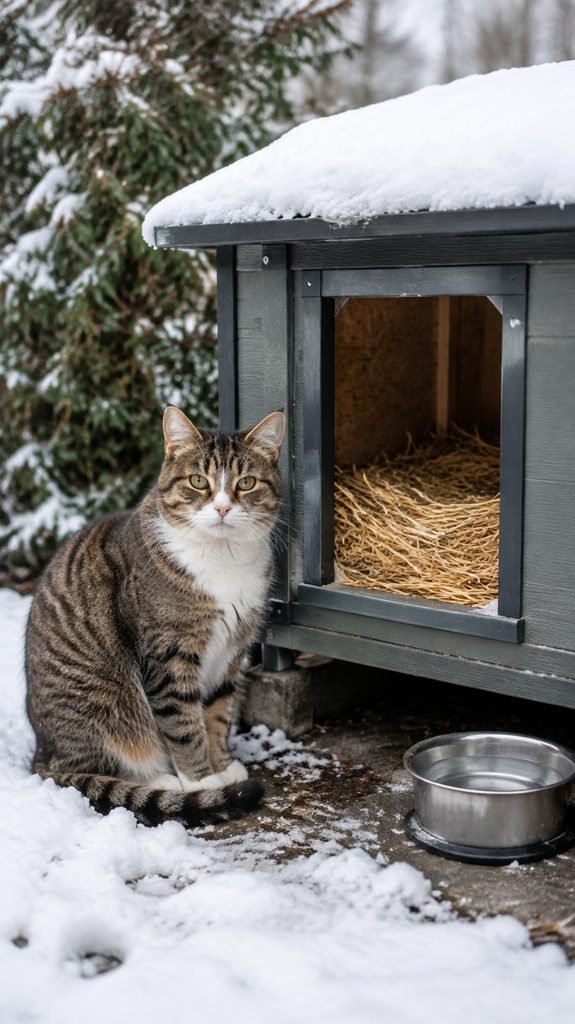
If outdoor cats are part of your life, they need extra care.
Shelter. A small, insulated, dry shelter, raised off the ground, with straw rather than blankets, which can hold moisture.
Water. Check regularly, and use a heated bowl if you can.
Check under cars and hoods. Before you start your car.
Ask your veterinarian. Or a local animal organization for advice on helping community cats safely.
Small Pets, Birds, and Reptiles
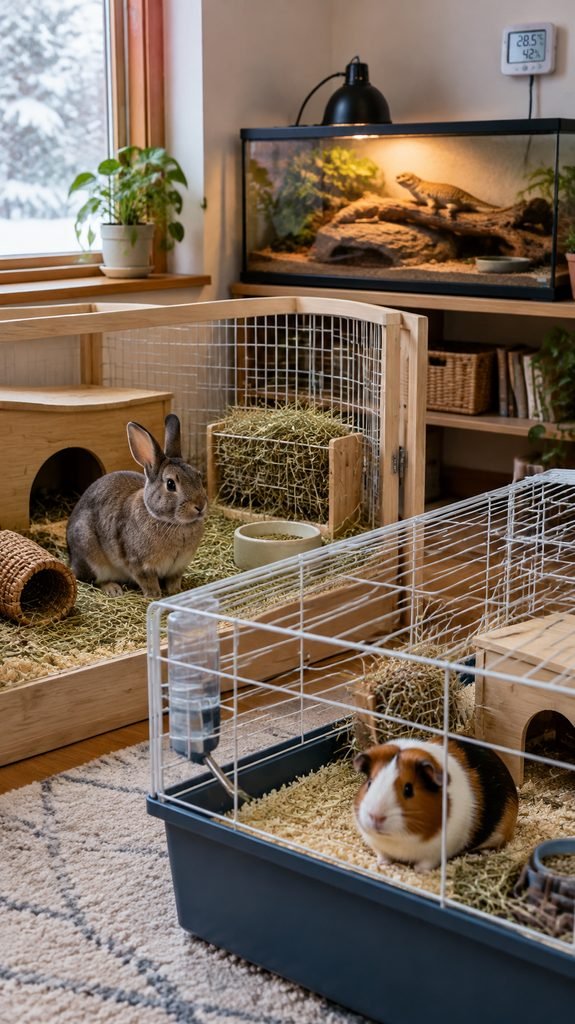
Small animals have specific needs, so ask your veterinarian for advice about your species.
Keep them indoors. In general, small pets shouldn’t be left in unheated outdoor spaces without veterinary guidance.
Avoid drafts. And sudden temperature changes.
Check heat sources. Heat lamps and heating pads must be set up safely, with guards and thermostats, as directed.
Watch for signs of illness. Changes in eating, droppings, or behavior.
Common Mistakes to Avoid
Leaving pets outside too long. Even tough pets can get cold.
Ignoring paw care. Salt and ice cause irritation.
Using unsafe heaters. Heat sources can burn and start fires.
Forgetting antifreeze. It’s a serious poison.
Overdressing. Pets can overheat in coats indoors.
Skipping the vet. Check in about arthritis, weight, and cold sensitivity.
Neglecting exercise. Short, frequent activity keeps pets healthy.
Assuming breed alone decides. Age, health, and size matter too.
More Helpful Reads
- Essential Winter and Rainy Weather Gear Every Dog Owner Needs
- Best Orthopedic Dog Beds for Senior Dogs
- 11 Easy DIY Cat Toys You Can Make for Your Kitty Today
- How to Make Carrot Frozen Bone Broth for Dogs
- Bone Broth Recipe for Cats
For a wider look at feeding your dog well, check out 7 Healthiest Homemade Dog Foods.
Frequently Asked Questions
What temperature is too cold for pets? It depends on the pet. Small, short coated, young, old, and sick pets can struggle in cool temperatures, while thick coated breeds tolerate more. Watch your pet’s behavior, and ask your veterinarian.
Do all dogs need coats in winter? No. Small, short coated, young, and senior dogs often benefit, while thick coated breeds usually don’t need one.
Should indoor cats have winter supplies? Yes. Warm beds, fresh water, enrichment, and a safe heat setup matter for indoor cats too.
Are heated pet beds safe? Only products made for pets, used as directed, and with chew resistant cords. Ask your veterinarian first, especially for seniors and pets with reduced sensation.
How do I protect my pet’s paws? Wipe paws after walks, use a pet safe balm, consider boots, and avoid areas treated with de-icers when possible.
Can pets get dry skin in winter? Yes, dry indoor air can irritate skin. Ask your veterinarian before using supplements or new products.
What should I do if my pet licks antifreeze? Call your veterinarian or an emergency clinic immediately. It’s an emergency.
Do pets need more food in winter? Some do, especially outdoor and very active pets, while indoor pets may need less. Ask your veterinarian.
A Final Note on Winter Pet Care
You don’t need a lot of gear to keep pets safe in winter, just the right basics and a watchful eye.
Keep them warm, dry, hydrated, and visible, store hazards out of reach, and call your veterinarian with any concerns.
A cozy, well prepared home makes winter something your whole household can enjoy.