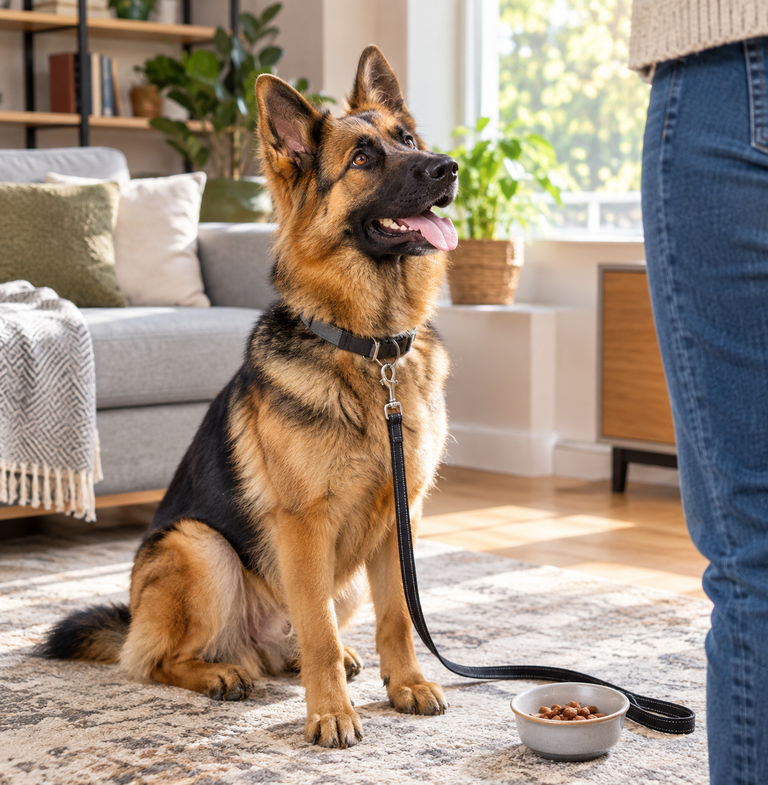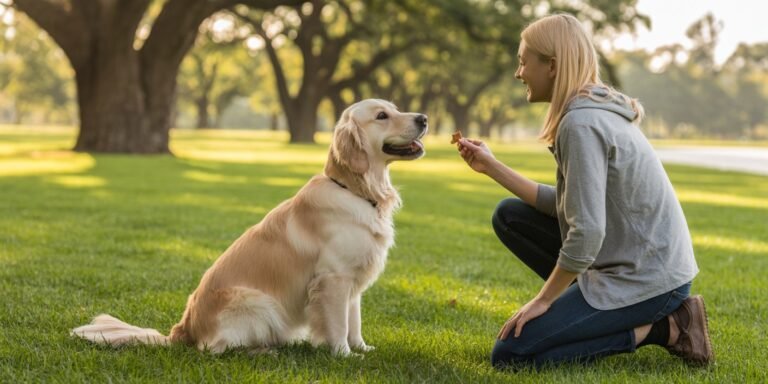
Impulse Control Games for Dogs: Teaching Self Control
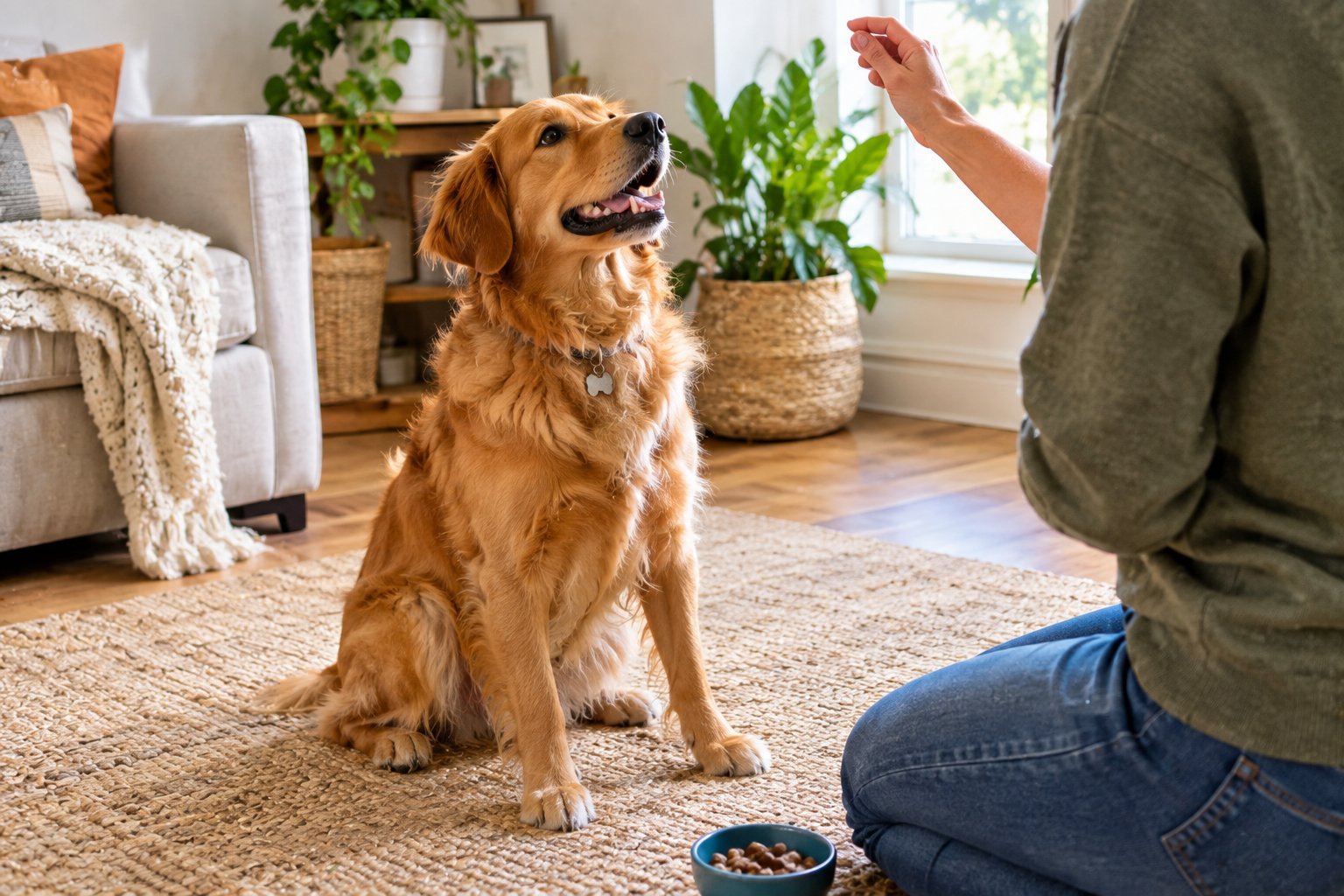
Teaching a dog self control is one of those things that makes everyday life noticeably easier.
A dog that can pause, wait, listen, and think before reacting is easier to manage around food, toys, visitors, other dogs, doors, and exciting outdoor situations.
I have found that impulse control is not really about making a dog sit perfectly for long periods.
It is about helping the dog learn that calm behavior gets rewarded and that rushing does not automatically get them what they want.
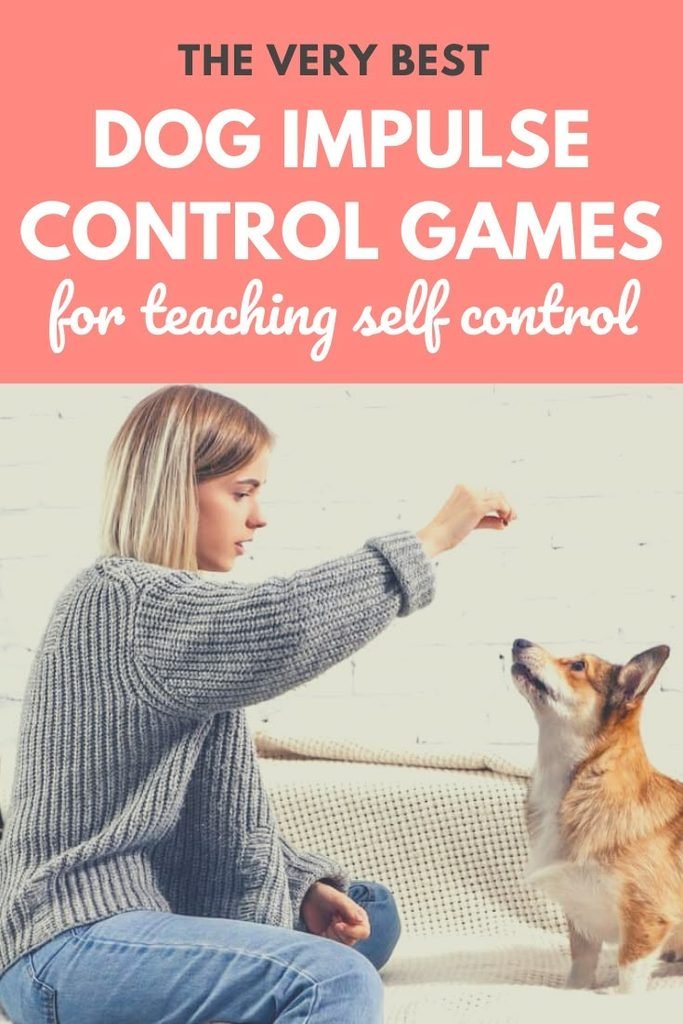
The good part is that you do not need complicated equipment or hours of formal training.
Short impulse control games can be worked into normal routines at home, during walks, and even when your dog is waiting for dinner.
These exercises give your dog something useful to focus on while gradually building patience and better decision making.
In this guide, I am sharing the impulse control games that are practical to teach, how I approach them, the mistakes that can make training harder, and simple ways to increase the difficulty as your dog improves.
Why Impulse Control Matters for Dogs
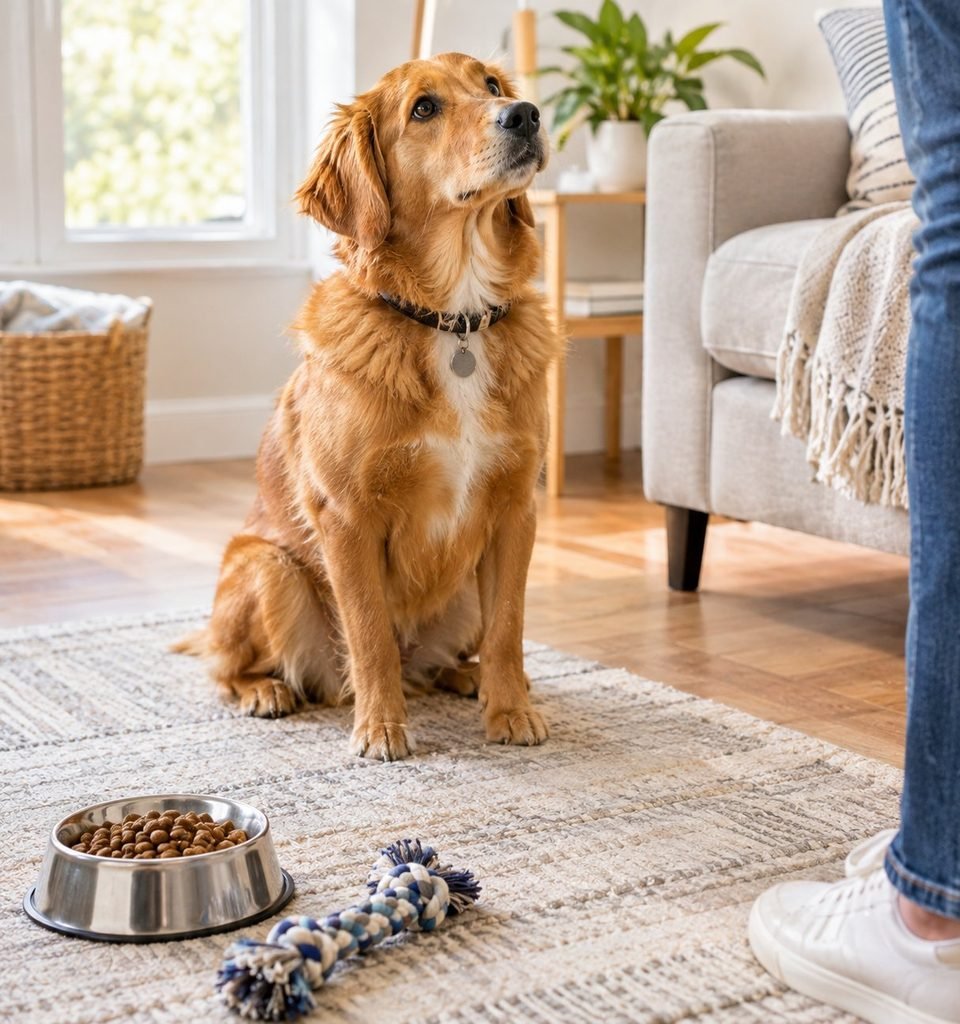
Impulse control is the ability to pause and make a better choice instead of immediately reacting to excitement, frustration, movement, food, toys, or another distraction.
A dog does not automatically understand that jumping on a person, grabbing food, charging through a doorway, or snatching a toy is undesirable. These behaviors can be incredibly rewarding from the dog’s perspective. Training gives your dog another option.
I like to think about impulse control as a skill that supports almost every other part of obedience training. A dog that can wait for a release cue will usually have an easier time learning polite greetings, loose leash walking, waiting at doors, and settling around distractions.
It is also important to keep expectations realistic. Self control develops gradually. A young, energetic dog may only manage a few seconds of calm behavior at first. That is not failure. Those few seconds are the foundation you build on.
How I Approach Impulse Control Training
I keep these exercises short and predictable. I would rather finish a session while the dog is still engaged than keep pushing until frustration takes over.
The basic pattern is simple:
Calm behavior → wait → reward
At the beginning, the reward needs to come quickly. As your dog understands the game, you can slowly increase the amount of time, distance, or distraction.
One mistake I try to avoid is making the exercise unnecessarily difficult. If your dog keeps breaking position or rushing toward the reward, the challenge is probably too high. I make the next attempt easier, reward the correct choice, and build back up gradually.
The goal is not to test how long your dog can resist temptation. The goal is to teach your dog that waiting and making a calm choice works.
1. The Treat In Your Closed Hand Game
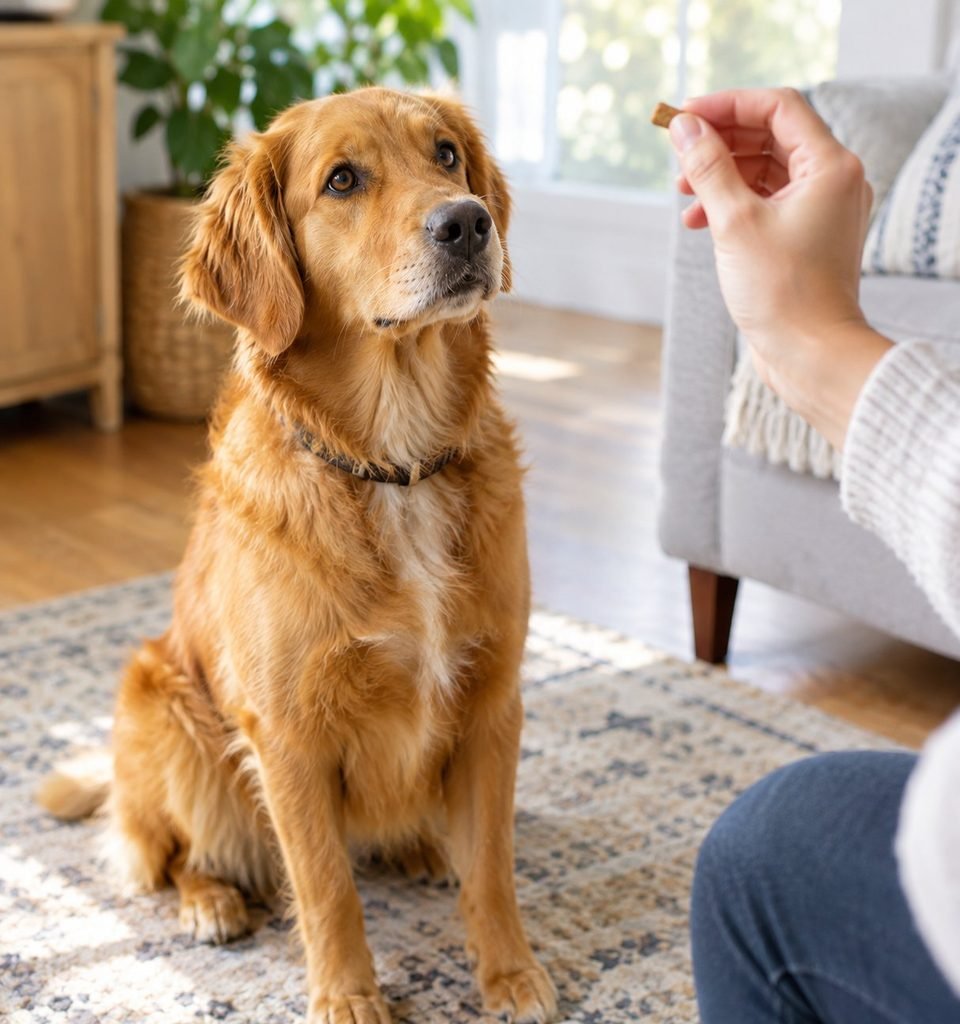
This is one of the simplest impulse control games to start with because you can practice it almost anywhere.
Place a treat inside your closed hand and let your dog investigate it. Your dog may sniff, lick, paw, or nudge your hand.
Do not open your hand while your dog is trying to get the treat.
The moment your dog pauses, moves away slightly, or stops trying to get the treat, mark that calm behavior and give the treat.
The important lesson is that persistence does not make the reward appear. Calm behavior does.
Once your dog understands the idea, you can progress by holding the treat in an open palm. If your dog tries to grab it, simply close your hand again. When your dog waits, reward.
Keep the sessions brief. A few successful repetitions are much more useful than turning the exercise into a frustrating battle.
2. Leave It With Food
The traditional leave it exercise is excellent for developing self control because it teaches your dog to ignore something tempting.
Start with a low value item rather than your dog’s favorite food.
Place the item on the floor and keep your dog close enough that you can prevent them from grabbing it. Give your leave it cue once.
When your dog chooses not to move toward the item, reward with something better from your hand.
This distinction matters. You are not simply teaching the dog that the object is forbidden. You are teaching them that responding to you produces a worthwhile alternative.
As your dog improves, gradually introduce more tempting items and more movement around the exercise.
Never rush this stage by placing an extremely exciting item directly in front of a dog that is still learning the basics.
3. Wait For The Food Bowl
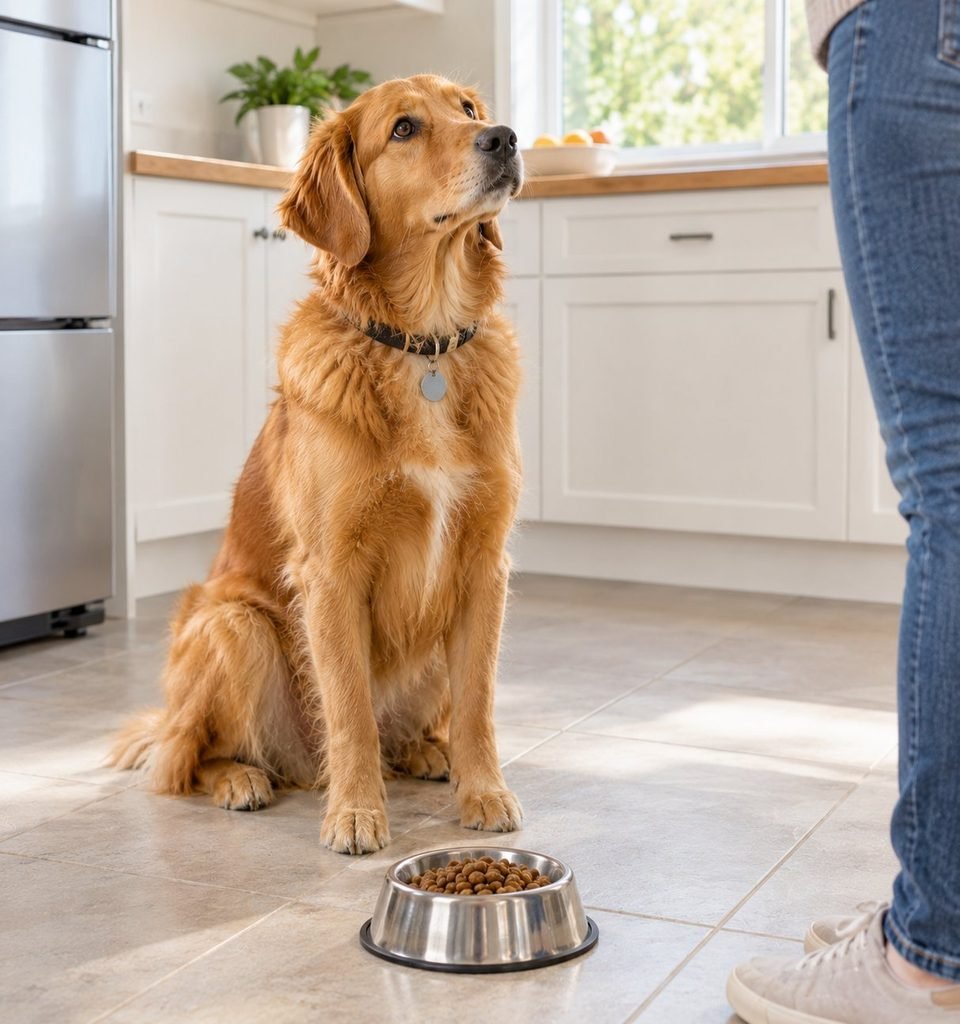
Mealtime gives you a natural opportunity to practice impulse control every day.
Prepare your dog’s food normally and ask for a simple behavior such as sitting. Lower the bowl toward the floor.
If your dog gets up and rushes toward it, raise the bowl again.
When your dog settles back into position, continue lowering it.
Eventually, your dog learns that staying calm is what makes the food bowl reach the floor.
I do not expect a long wait. Even a couple of calm seconds can be enough when you are starting.
Once the bowl is down, use a release cue so your dog understands exactly when they are allowed to eat.
This small routine can become one of the easiest ways to practice self control without adding another formal training session to your day.
4. Doorway Waiting Game
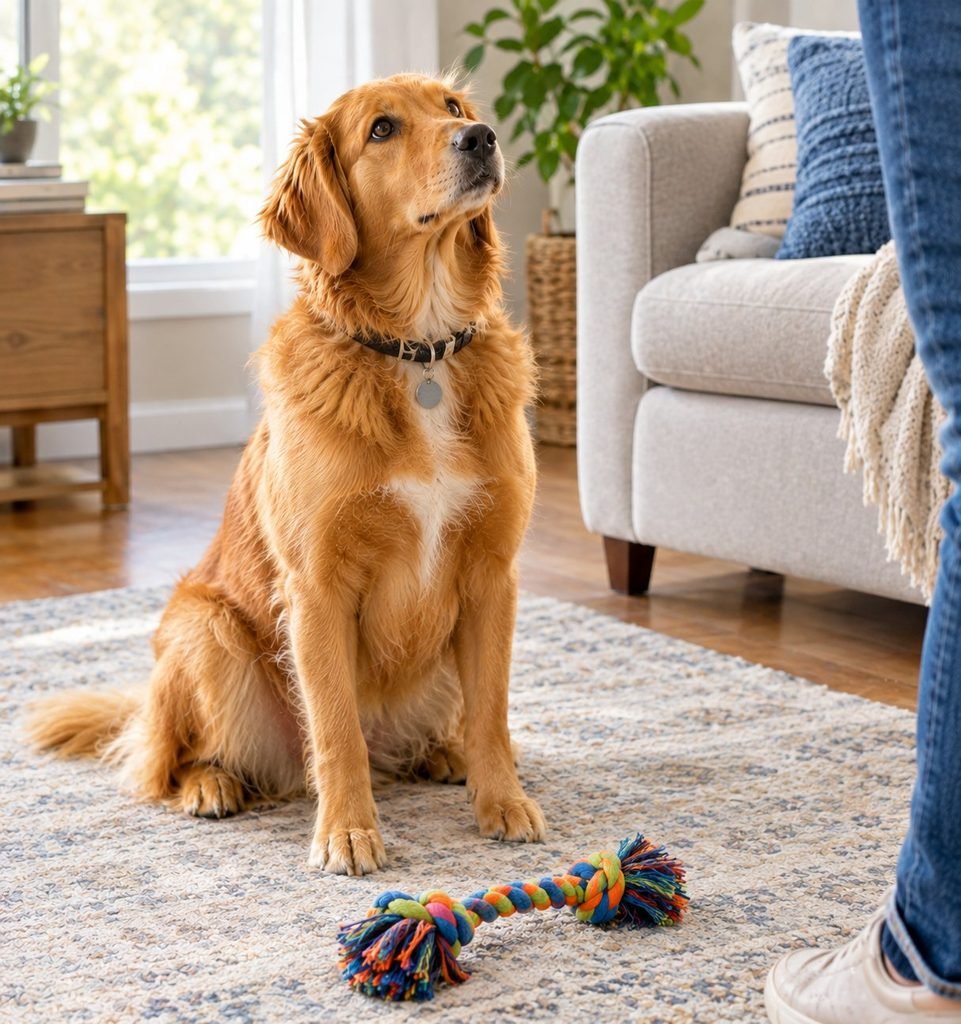
Doors create plenty of excitement for dogs, especially when they know a walk or outdoor adventure is coming.
Instead of allowing your dog to rush through the doorway, turn the moment into a short training exercise.
Ask your dog to wait while you reach for the door.
Open it slightly.
If your dog moves forward, close it again without making the interaction dramatic.
When your dog stays back, open the door farther.
Eventually, you should be able to open the door completely while your dog remains in place until you give your release cue.
Start indoors with a quiet door before practicing at the front door. This makes it easier for your dog to understand the exercise before adding outdoor distractions.
5. Toy Release Game
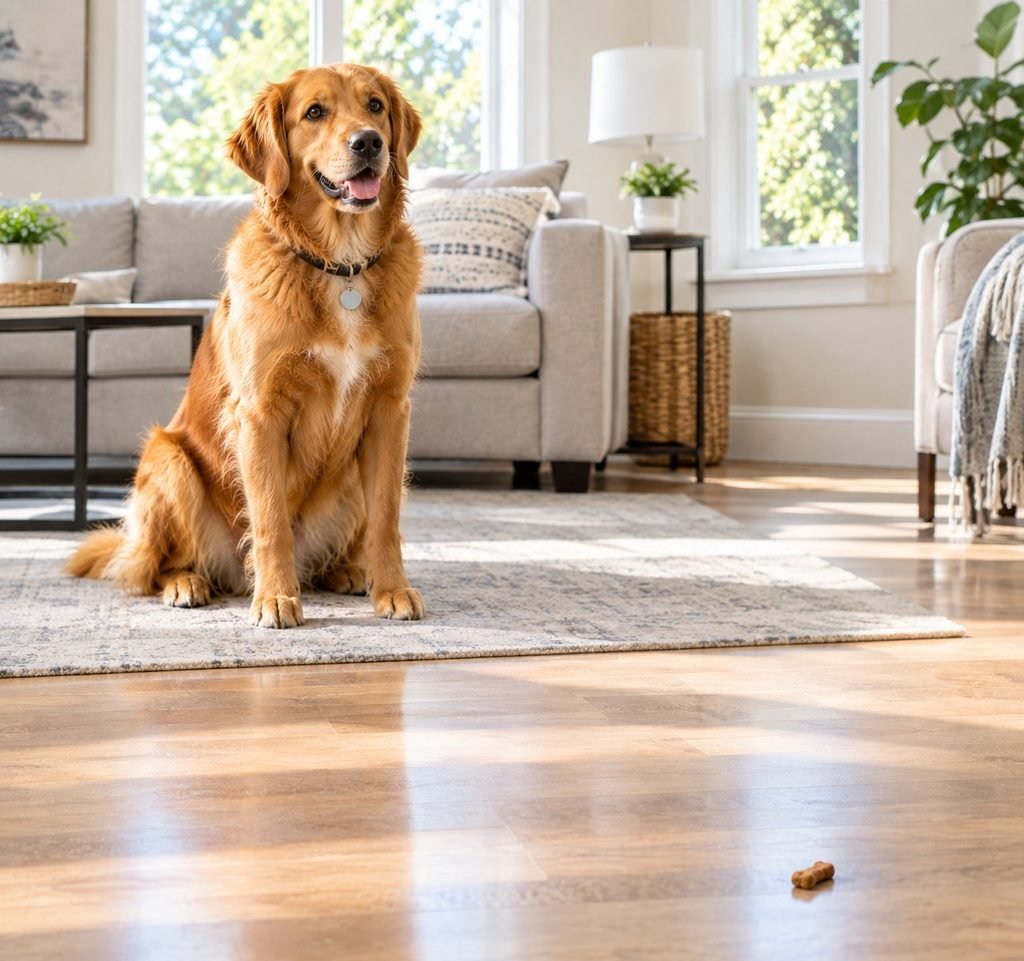
Toys are excellent training tools because many dogs become extremely excited when play starts.
During a game of tug or fetch, pause and wait for your dog to release the toy when you give your cue.
Once the toy is released, reward your dog by starting the game again.
This teaches an important lesson: giving something up does not always mean the fun is over.
That can make future training much easier because your dog learns that listening to you does not necessarily remove access to something enjoyable.
Keep the game playful. Impulse control should not make your dog’s favorite activities feel like punishment.
Building Better Self Control Without Overdoing It
The biggest improvement usually comes from gradually increasing difficulty rather than trying to make every training session challenging.
Once your dog understands an exercise, change only one factor at a time.
Increase the duration slightly.
Add a little distance.
Introduce a mild distraction.
Move into a different room.
Practice outside.
Then return to an easier version if your dog struggles.
This approach gives your dog plenty of opportunities to succeed while still moving the training forward.
A dog that can wait for three seconds calmly today may be able to wait for ten seconds after several successful sessions. Those small improvements are exactly what you want to build on.
More Impulse Control Games for Dogs
The best impulse control training does not have to feel like formal obedience work.
I like using situations that already happen throughout the day because the dog gets repeated practice without becoming mentally exhausted.
The key is to make the correct choice easy enough to understand and then slowly make the situation more challenging.
6. The Treat Toss Game
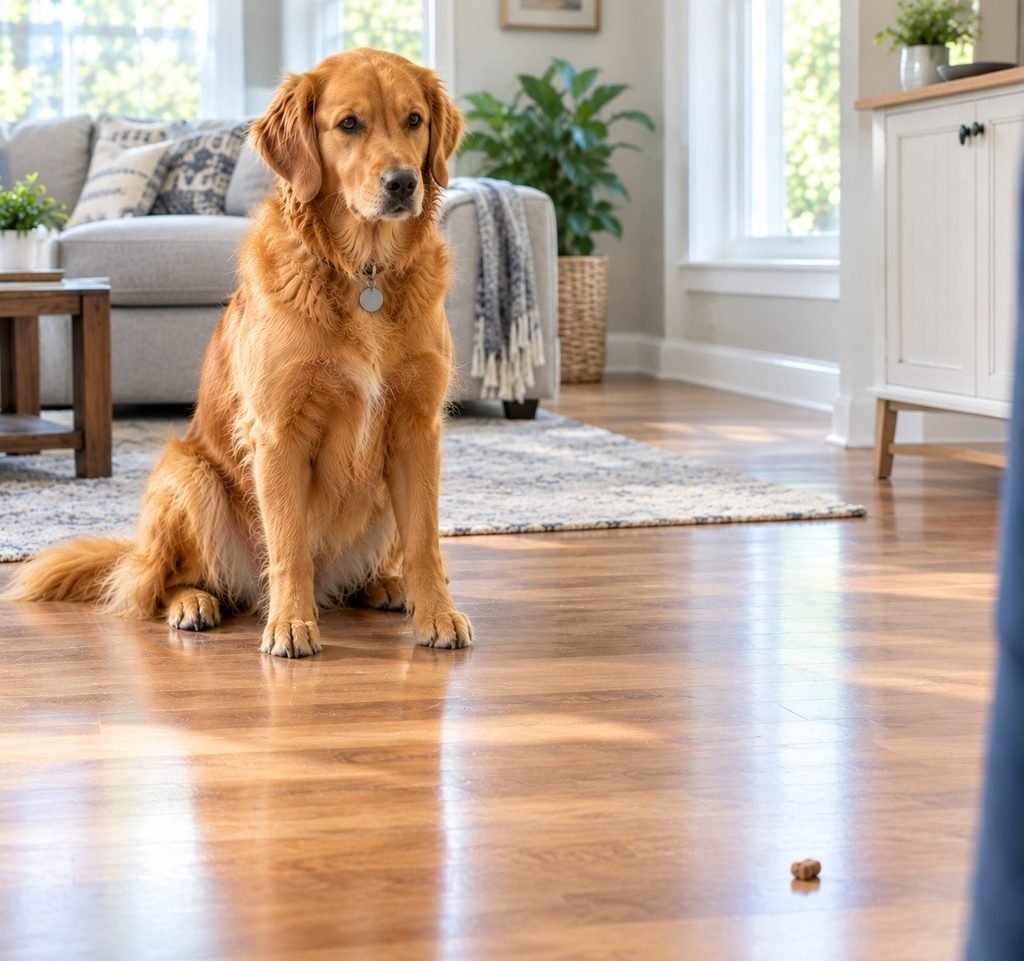
This is a simple way to teach your dog that seeing food move does not mean they should immediately chase it.
Ask your dog to sit or stand calmly beside you. Hold a small treat and toss it a short distance away. When your dog starts toward it, give your release cue and allow them to get the treat.
Once your dog understands the game, occasionally toss the treat and ask them to wait instead. Reward the waiting with another treat from your hand before giving the release cue.
Keep the distance short at first. The goal is not to create a race. It is to teach your dog to wait for information from you before reacting to movement.
This can become especially useful for dogs that become overly excited whenever something suddenly moves.
7. The Open Door Challenge
Once your dog understands basic doorway manners, you can make the exercise slightly harder.
Ask your dog to wait while you open the door. Take one step through while your dog remains behind you.
Return to your dog and reward the calm behavior.
Then gradually increase the distance you move away from the doorway.
I prefer progressing slowly here because moving through an open doorway can be extremely exciting for some dogs. If your dog repeatedly breaks position, shorten the distance again rather than repeatedly correcting them.
Eventually, your dog learns that an open door is not automatically an invitation to bolt outside.
8. Calm Greetings
Greeting people is one of the most useful places to practice impulse control.
Many dogs become so excited when someone approaches that they jump, spin, bark, or rush toward the person.
Instead of allowing the greeting to continue while your dog is overly excited, create a simple rule: calm behavior makes the greeting happen.
Ask your dog for a sit or simply wait for four paws to remain on the floor.
The person can approach when your dog is calm.
If your dog jumps, the person steps back and waits.
Once the dog settles, the greeting resumes.
Everyone involved needs to follow the same rule. If one person rewards jumping with attention while another person ignores it, the dog receives mixed information.
You do not need a long greeting exercise. A few calm repetitions can teach your dog that keeping their feet on the floor gets them closer to the person they want to meet.
9. The Toy On The Floor Game
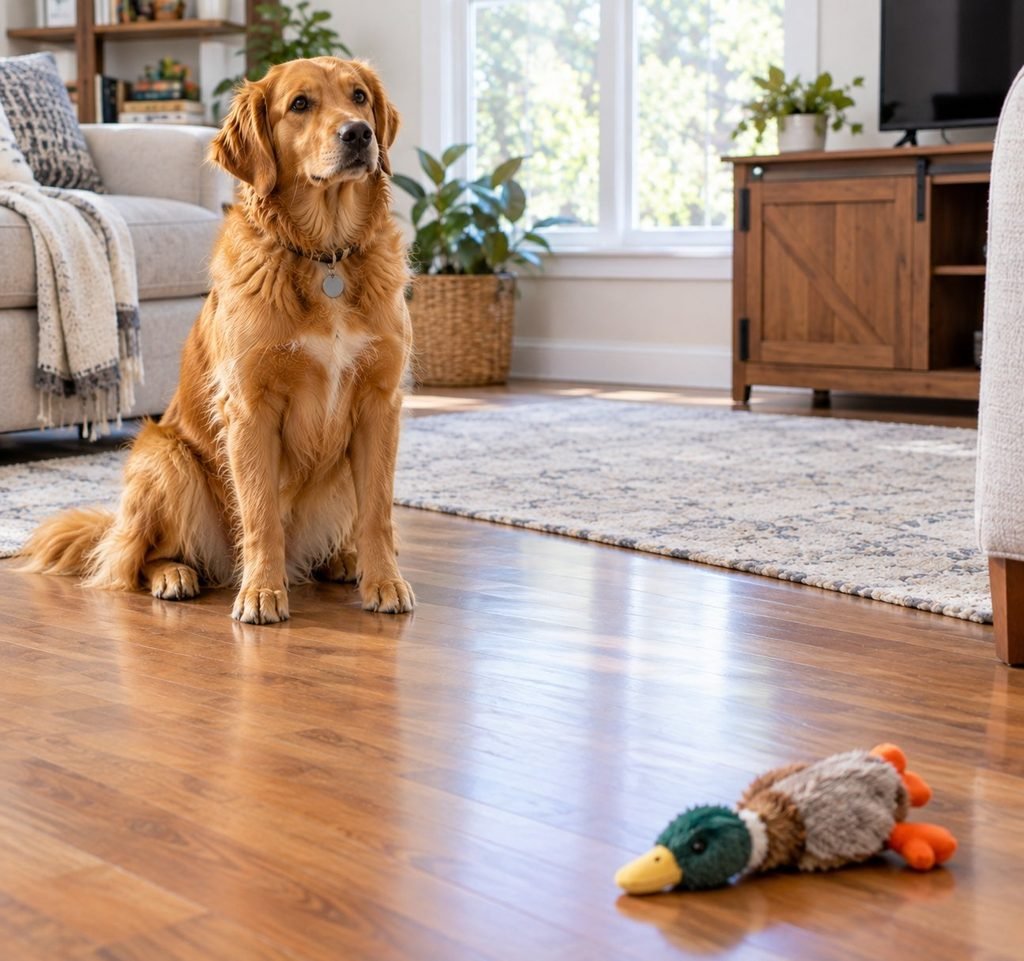
Place one of your dog’s favorite toys on the floor while keeping your dog beside you.
Ask your dog to wait.
If they immediately move toward the toy, calmly reset them.
When they remain still, reward them.
After a short wait, give your release cue and allow your dog to grab the toy.
As your dog improves, increase the time before the release.
You can eventually move the toy slightly, roll it a short distance, or place it near your dog while asking them to remain still.
Do not increase all of these challenges at once. A toy that suddenly moves can be much harder for a dog to ignore than a toy sitting completely still.
10. Waiting Before Getting Out Of The Car
Getting out of the car is another excellent opportunity for impulse control training.
Before opening the door, ask your dog to wait.
Open the door slightly.
If your dog tries to jump out, close it again.
When your dog waits calmly, open the door farther.
Once the door is fully open and your dog is still waiting, give your release cue.
This is particularly useful because dogs can become extremely excited when they recognize that they have arrived somewhere interesting.
I like practicing this in a quiet location before trying it somewhere busy. A calm driveway or parking area gives your dog a chance to understand the routine without overwhelming distractions.
11. The Name And Attention Game
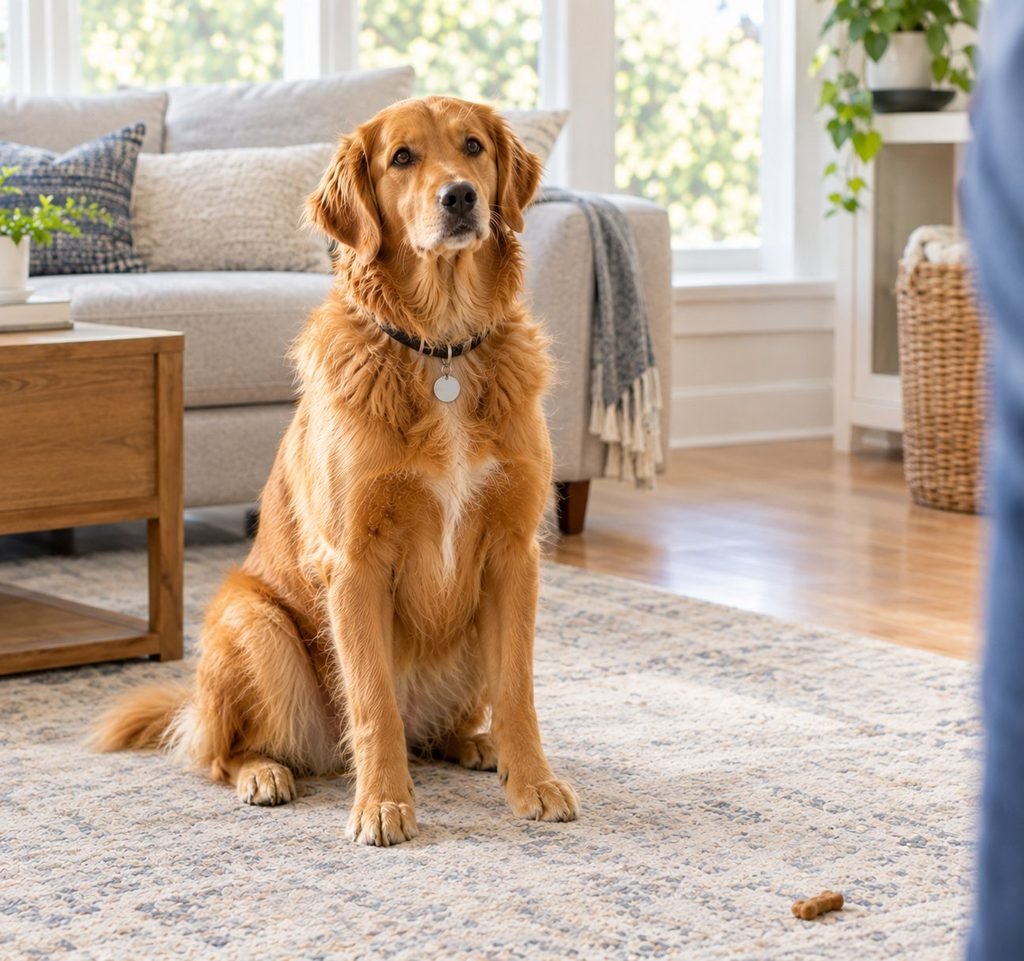
Impulse control becomes much easier when your dog has learned to check in with you.
Say your dog’s name in a calm voice.
When they look toward you, immediately reward.
Repeat this several times in a quiet room.
Then practice while your dog is mildly distracted.
For example, you might place a toy nearby or have someone walk through the room.
The moment your dog hears their name and chooses to look toward you, reward them.
This game is valuable because it creates a habit of reconnecting with you before reacting to whatever has caught their attention.
12. Waiting For The Release Cue
One of the most important concepts I teach is that a behavior does not automatically end just because the dog feels like moving.
Ask your dog to sit.
Wait briefly.
Then give a clear release cue.
The release cue tells your dog that they are finished and can move again.
Practice this with sits, downs, waiting at doors, and other stationary behaviors.
At first, keep the duration very short. You want your dog to understand the meaning of the release cue rather than becoming frustrated while waiting.
Over time, you can gradually extend the duration.
13. The Distraction Walk
You can bring impulse control into your regular walk without turning the entire walk into a training session.
Start somewhere relatively quiet.
When your dog notices a person, bicycle, dog, bird, or another distraction, create enough distance for your dog to remain capable of listening.
Ask for a simple behavior such as looking at you.
When your dog chooses to focus on you, reward.
Then continue walking.
The important part is managing the distance. Asking a highly excited dog to maintain perfect focus while standing directly beside an overwhelming distraction is usually much harder than giving the dog enough space to make a good decision.
14. Waiting For The Bowl To Be Moved
Once your dog can wait for their food bowl to reach the floor, add another small challenge.
Place the bowl down.
Ask your dog to remain in position.
Pick the bowl back up.
Put it down again.
Wait briefly.
Then release your dog.
This teaches your dog that the appearance of the food bowl does not automatically mean they should rush forward.
Keep the repetitions short so mealtime does not become frustrating.
15. The Settle On A Mat Game
A mat can become a useful signal that it is time to relax.
Place the mat somewhere comfortable.
Reward your dog for stepping onto it.
Then reward calm standing.
Then sitting.
Then lying down.
You do not need to force your dog into a long stay immediately.
I prefer rewarding the small moments of relaxation because the dog gradually learns what behavior earns reinforcement.
Once your dog understands the idea, you can place the mat near the kitchen while you prepare food, near the couch while you relax, or in another area where your dog normally becomes excited.
The objective is not simply teaching a dog to lie on a particular mat. It is teaching the dog how to switch from excitement into a calmer state.
How Long Should Impulse Control Sessions Be?
Short sessions usually work better than exhausting your dog with repetitive training.
For many dogs, several brief sessions throughout the day can be more productive than one long session.
You can practice while preparing meals, before opening a door, before starting a walk, during playtime, and when greeting visitors.
Watch your dog’s behavior rather than focusing only on the clock.
If your dog becomes frustrated, starts guessing behaviors, loses interest, or repeatedly fails the exercise, make it easier or take a break.
Good impulse control training should gradually build confidence and understanding.
What To Do When Your Dog Keeps Failing
Repeated mistakes usually mean the exercise needs to be adjusted.
Ask yourself whether the distraction is too strong, whether you increased the duration too quickly, whether the reward is valuable enough, or whether your dog is simply too tired or excited to learn at that moment.
I find it much more productive to make the exercise easier and get several successful repetitions than to keep repeating a cue that the dog cannot currently follow.
Training becomes clearer when the dog gets plenty of chances to understand exactly which behavior you are rewarding.
Putting Impulse Control Into Everyday Life
Impulse control becomes much more useful when it moves beyond individual games and becomes part of your dog’s normal routine.
I do not want training to feel like something that only happens for ten minutes in the living room. The moments that naturally create excitement are some of the best opportunities to practice.
A dog can learn to pause before going outside, wait for food, settle while you are busy, release a toy, greet someone politely, and check in with you around distractions. These small habits add up and can make daily life considerably easier.
Create A Simple Daily Impulse Control Routine
You do not need to schedule a complicated training program. I prefer attaching impulse control practice to things your dog already enjoys.
Before breakfast, practice waiting for the food bowl.
Before opening the door, practice waiting.
Before starting a walk, ask for a calm pause.
During play, practice releasing the toy.
When you come home, reward calm behavior before giving your dog attention.
Before getting out of the car, practice waiting for the release cue.
These small moments give your dog repeated opportunities to practice self control without making the entire day feel like a training session.
Increase Difficulty Gradually
Once your dog can perform an exercise consistently, you can make it slightly harder.
There are several ways to increase the challenge.
Increase the duration.
Increase the distance.
Add movement.
Introduce a mild distraction.
Change the location.
Increase the value of the reward they are being asked to ignore.
I recommend changing only one factor at a time.
For example, if your dog can wait for five seconds in the kitchen, do not suddenly ask for thirty seconds outside while another dog walks past. Move from five seconds to seven or eight seconds first. Then change the environment later.
This makes it much easier to understand why your dog succeeds or struggles.
Common Mistakes That Can Slow Progress
Expecting Too Much Too Soon
A dog that has only practiced waiting for a few seconds cannot immediately be expected to remain calm for several minutes around exciting distractions.
Build duration gradually.
Repeating The Cue
If you constantly say “wait, wait, wait” while your dog is already moving, the cue can lose meaning.
Give the cue clearly and then help your dog succeed.
Making Training Too Difficult
An exercise can look easy to us but be extremely difficult for a dog.
A toy rolling across the floor, another dog approaching, or a visitor entering the house can completely change the difficulty level.
Lower the challenge when necessary.
Rewarding Excitement By Accident
Timing matters.
If your dog jumps toward the food and immediately receives the treat, the dog may learn that jumping gets results.
Wait for the behavior you actually want and reward that behavior.
Training Only When Your Dog Is Calm
Quiet rooms are useful for teaching the basics, but your dog eventually needs practice around normal distractions.
Once the foundation is strong, gradually introduce more realistic situations.
Turning Every Exercise Into A Long Stay
Impulse control is broader than asking a dog to sit still.
Your dog should also learn to release objects, disengage from distractions, wait for access to something exciting, and choose to check in with you.
How To Know If Your Dog Is Improving
Progress does not always look dramatic.
You might notice your dog waiting an extra few seconds before taking food.
Your dog may stop rushing through the doorway.
They may look at you when another dog appears.
They may release a toy more easily.
They may settle faster after play.
They may pause instead of immediately jumping on a visitor.
These small changes are meaningful because they show your dog is beginning to make a different choice.
I also pay attention to how quickly a dog recovers after becoming excited. Perfect calmness is not realistic in every situation. Being able to return to a calmer state after excitement is an important part of self control too.
What If Your Dog Is Extremely Excitable?
Some dogs need much smaller steps than others.
If your dog becomes overly excited around food, toys, people, or other animals, begin with situations where they can still think and respond to you.
Distance can be extremely helpful.
For example, if your dog cannot focus when another dog is ten feet away, move farther away and practice there. Once your dog can remain calm at that distance, you can gradually decrease it.
Do not measure progress by how close your dog can get to a distraction. Measure it by whether your dog can remain capable of making good choices.
Combine Impulse Control With Obedience
Impulse control works particularly well alongside basic obedience skills.
Sit can teach your dog to pause.
Down can encourage calmness.
Stay can build duration.
Leave it teaches disengagement.
Drop it teaches release.
Recall teaches your dog to move away from distractions and return to you.
Place or mat training teaches your dog how to settle.
These skills support each other. You do not need to teach them completely separately.
A Simple Weekly Practice Plan
You can rotate the games throughout the week rather than trying to practice everything every day.
Monday: Closed hand treat game, food bowl waiting, name and attention.
Tuesday: Doorway waiting, toy release, short mat session.
Wednesday: Leave it, treat toss, calm greeting practice.
Thursday: Car door waiting, name and attention, mat training.
Friday: Toy on the floor, food bowl waiting, release cue practice.
Saturday: Distraction walk and calm greeting practice.
Sunday: Review the exercises your dog finds easiest and hardest.
Keep individual sessions short and end after successful repetitions whenever possible.
Final Thoughts
Impulse control is not about suppressing a dog’s personality or expecting them to remain perfectly still all day.
It is about teaching them how to pause, think, listen, and choose a calmer response when something exciting happens.
The most useful progress usually comes from consistency rather than complicated training techniques. A few minutes of practice before meals, walks, playtime, and outdoor activities can create countless opportunities for your dog to develop better self control.
I also like keeping expectations realistic. Some days your dog will make excellent choices, while other days excitement will win.
That is normal. Go back to an easier version of the exercise, reward the behavior you want, and build up again.
The goal is not a dog that never gets excited. The goal is a dog that can become excited and still learn how to pause when you ask.
That skill can make everything from everyday routines to more advanced obedience training easier to manage.