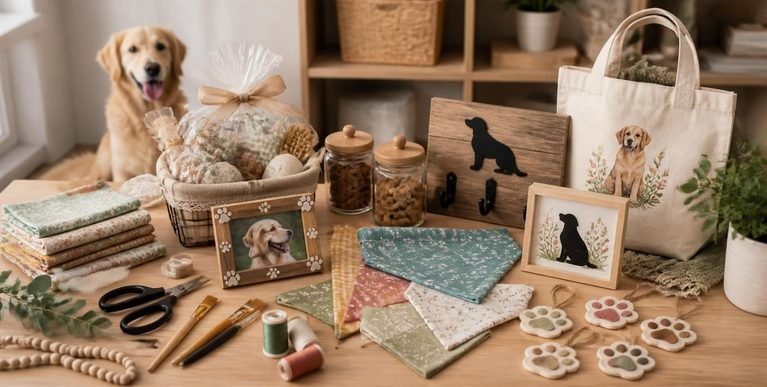
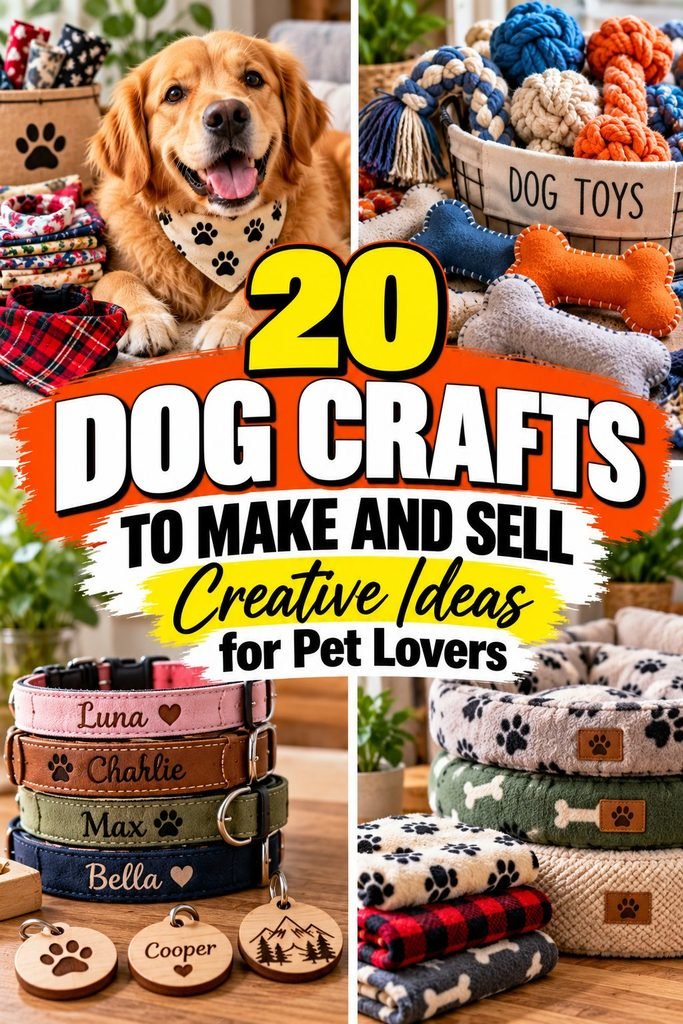
20 Dog Crafts to Make and Sell: Creative Ideas for Pet Lovers
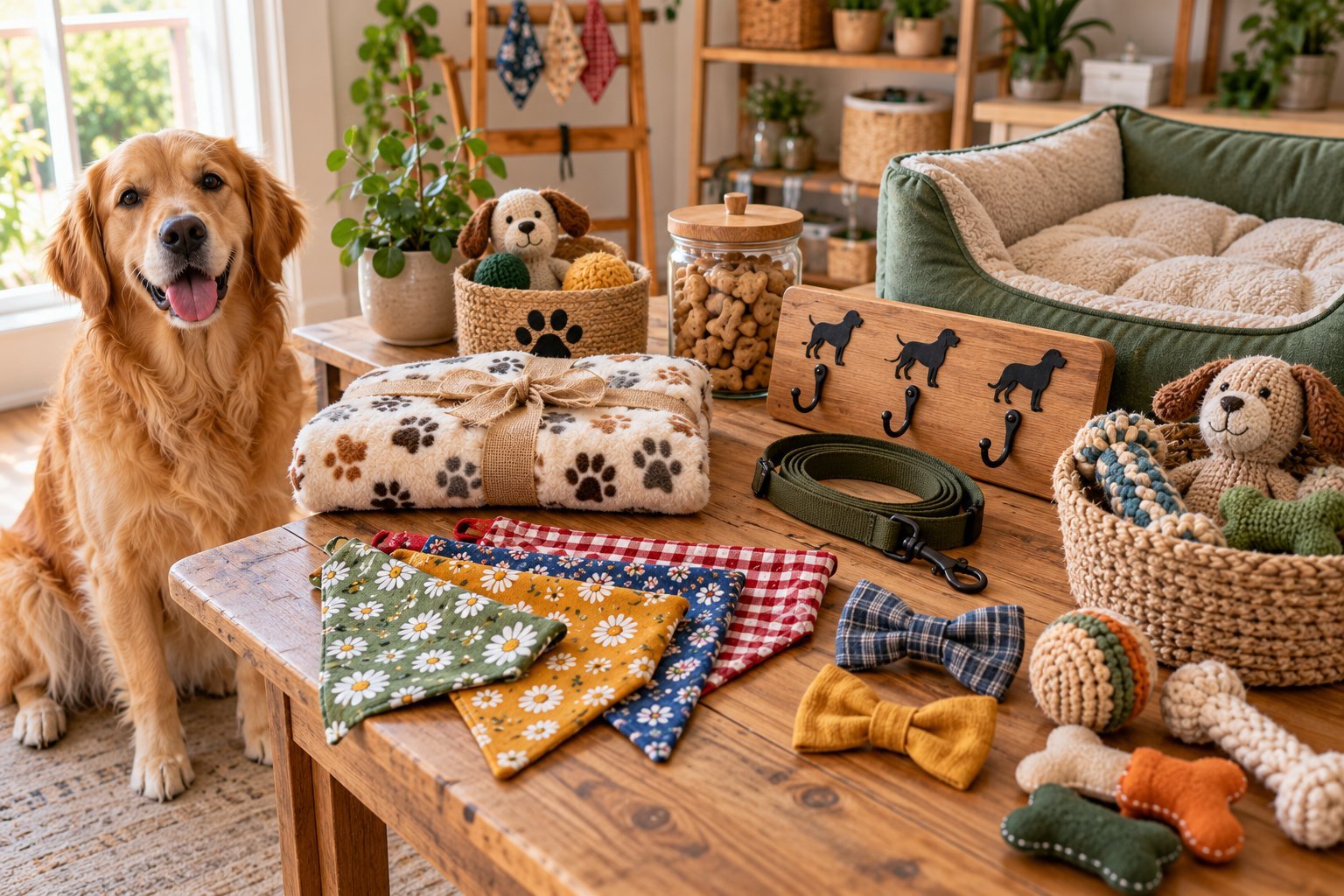
If you enjoy making things by hand and love dogs, turning your crafting skills into a small business can be a rewarding way to earn extra income.
Dog owners spend money on accessories, personalized gifts, comfortable pet products, and items that make their dogs feel like part of the family.
That creates opportunities for creative people who want to make something useful, attractive, or meaningful.
What I like about dog crafts is that you do not necessarily need an expensive workshop or advanced crafting skills to get started.
Some products can be made with basic sewing supplies, fabric scraps, or simple tools you already have at home.
Other ideas, such as personalized dog portraits or custom feeding stations, may require more experience but can help you offer something distinctive.
The key is to choose crafts that people genuinely want to buy, make them well, and price them so your time and materials are covered.
You can start with a few products, see what customers respond to, and expand your collection as your skills and business grow.
In this guide, I will share dog crafts to make and sell, including beginner-friendly projects, personalized gifts, practical accessories, and creative products you can offer online or at local markets.
Why Dog Crafts Can Be a Good Small Business Idea
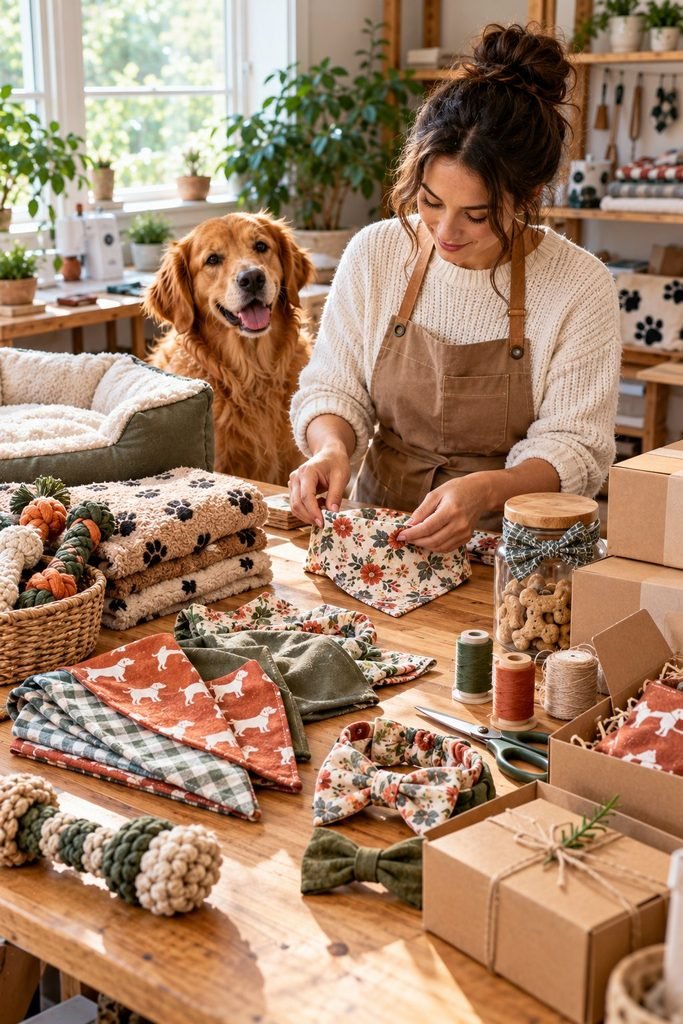
Dog-themed crafts appeal to different types of buyers. Some people want attractive accessories for their own pets, while others are searching for birthday presents, holiday gifts, or personalized keepsakes for fellow dog lovers.
You can also serve different budgets by offering a mix of simple, affordable products and more detailed handmade items.
For example, a fabric bandana can be a relatively inexpensive purchase, while a custom pet portrait may justify a higher price because it takes more time and skill to create.
Before choosing your products, consider three things:
- Your crafting skills: Start with projects you can make consistently and confidently.
- Your material costs: Calculate fabric, packaging, tools, shipping supplies, and the time required to finish each item.
- Your target customers: Decide whether you want to sell everyday dog accessories, personalized gifts, pet enrichment products, or seasonal crafts.
Remember that a product being inexpensive to make does not automatically mean it will sell. Test a few designs, gather feedback, and pay attention to what customers actually order.
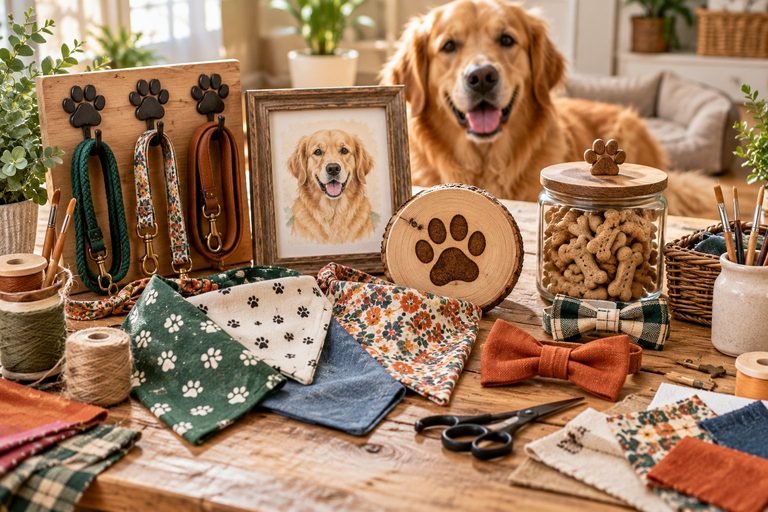
1. Handmade Dog Bandanas
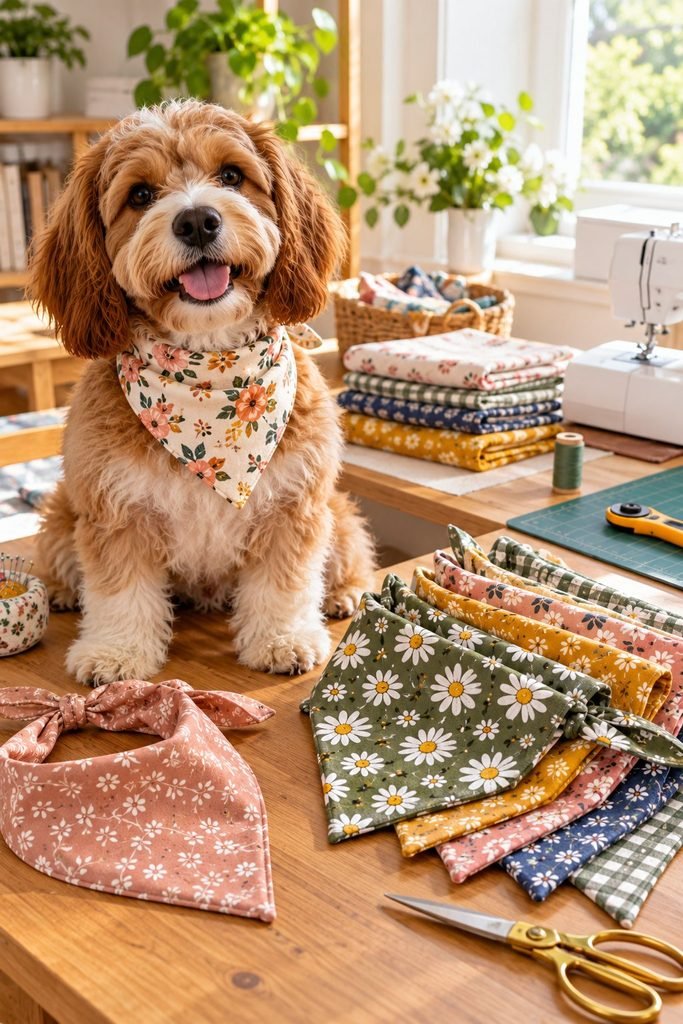
Dog bandanas are a practical starting point if you enjoy sewing or working with fabric. They come in different colors, patterns, and sizes, making it easy to create a collection that appeals to different tastes.
You can make classic triangular bandanas, over-the-collar designs, or reversible styles that give customers two looks in one accessory. Floral prints, neutral patterns, seasonal colors, and festive designs can help you build a varied product range.
Personalization can make your bandanas more appealing. Depending on your equipment and skills, you could offer embroidered names or suitable fabric lettering. Customers may also appreciate size options for small, medium, and large dogs.
Materials you may need:
• Cotton fabric or another suitable washable textile
• Sewing machine, thread, and scissors
• Measuring tape and a reusable pattern
• Optional embroidery or fabric personalization supplies
Start with a few standard sizes and test the fit before listing your products for sale. Make sure the finished bandana does not restrict breathing, movement, or normal head and neck movement. Avoid small detachable decorations that a dog could swallow.
You can sell individual bandanas or create matching seasonal collections. Photograph each design on a dog only when the accessory fits comfortably, and include clear sizing and washing instructions in your listing.
2. DIY Dog Snuffle Mats
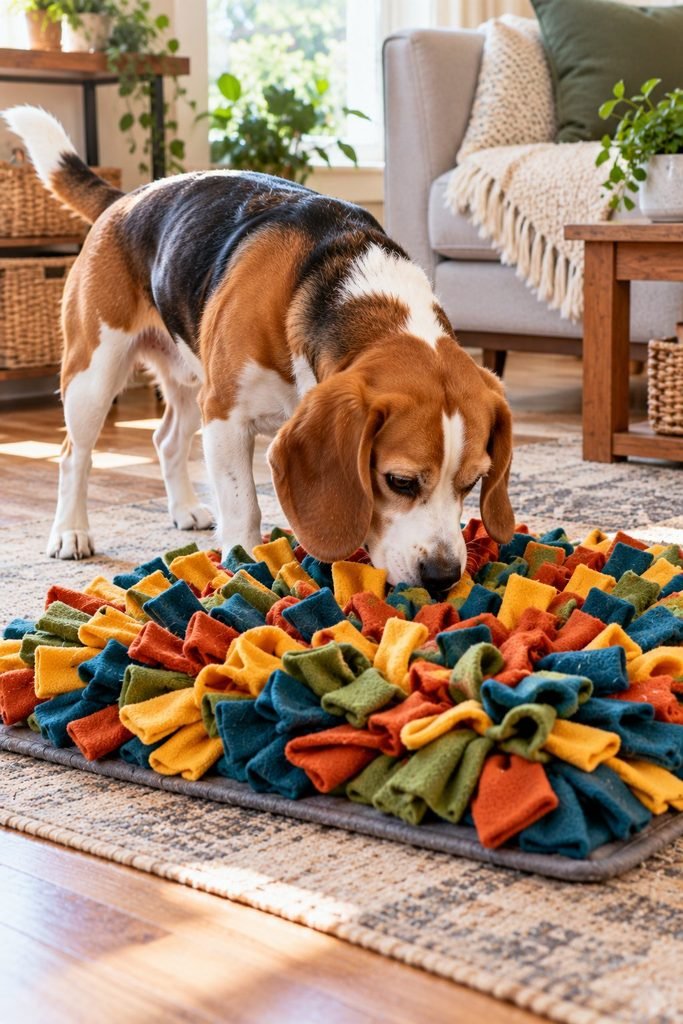
A snuffle mat is an enrichment product that encourages dogs to search for hidden food or treats using their noses. It can be an appealing handmade product for owners who want to add simple scent-based activities to their dogs’ routines.
The basic idea involves attaching strips of fabric securely to a suitable base so that small pieces of food can be tucked between the folds. Dogs then sniff through the material to find the rewards.
You can experiment with different colors, shapes, and mat sizes to create products that look attractive while remaining practical. Neutral colors may appeal to customers who prefer understated pet accessories, while brighter combinations can make the mats stand out in product photographs.
Materials you may need:
• Suitable fleece or another durable, washable fabric
• A sturdy, appropriately sized base
• Fabric-cutting scissors
• Materials and tools suitable for securing the fabric firmly
Safety should come before appearance. Check every attachment carefully, because loose strips, damaged fabric, and small components can become choking or ingestion hazards. Choose materials that are suitable for supervised pet use, and provide clear cleaning instructions.
Snuffle mats should be used under supervision and inspected regularly for damage. They are not indestructible chew toys, and dogs that pull apart fabric may need a different enrichment option.
For selling, consider offering a few sizes and simple color combinations rather than making every mat completely different. Standard designs can make production easier and help you understand which options customers prefer.
3. Personalized Dog Christmas Stockings
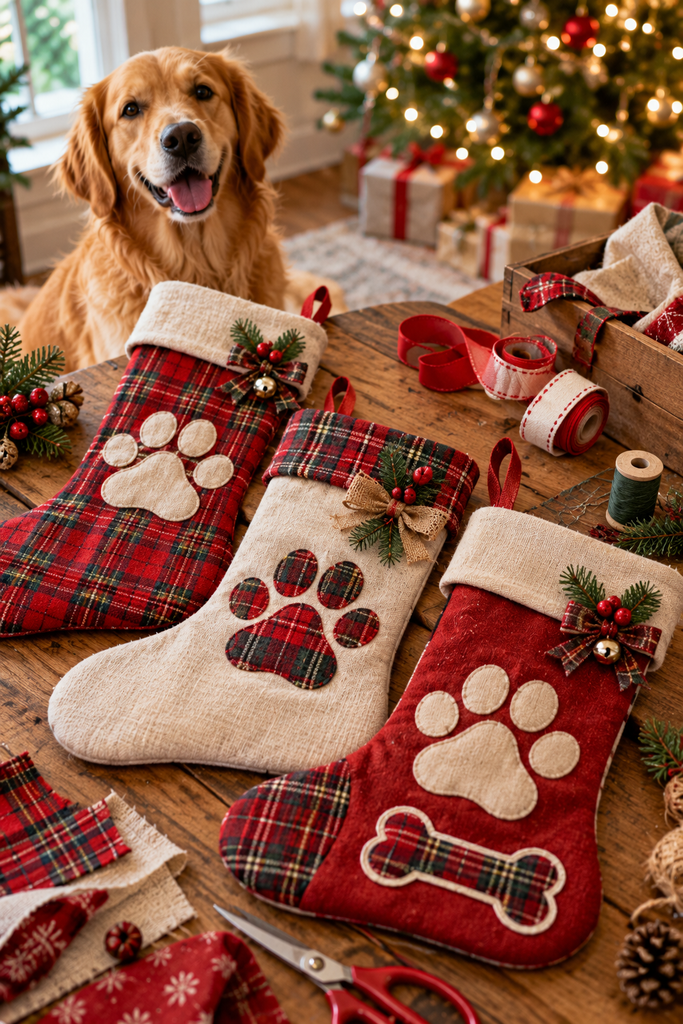
Personalized dog stockings are a lovely seasonal craft for pet owners who include their dogs in holiday celebrations. They can also make thoughtful gifts for friends and family members who treat their pets as part of the household.
You can create traditional stocking shapes, paw-inspired designs, or simple fabric stockings with a decorative cuff. Add the dog’s name using embroidery, suitable fabric lettering, or another secure personalization method.
Different fabrics can create different looks. Plaid cotton, felt, canvas, and festive printed textiles can work well for decorative stockings, depending on the design and intended use.
Materials you may need:
• Fabric or felt
• Thread and sewing supplies
• A stocking pattern
• Suitable decorative trim and personalization materials
• A hanging loop made from secure, appropriate materials
The main selling opportunity is customization. Customers may want a particular name, color combination, or design that matches their holiday decorations. You can offer a few standard styles and charge an additional fee for more involved personalization.
Make it clear that the stocking is decorative and intended to hold gifts rather than be worn by the dog. Keep small decorations, loose ribbons, buttons, and other swallowable components away from pets.
Because this is a seasonal product, prepare samples and photographs well before the holiday shopping period. You can also offer matching decorative gift bags or personalized ornaments to create coordinated gift sets.
4. Handmade Dog Beds and Cushions
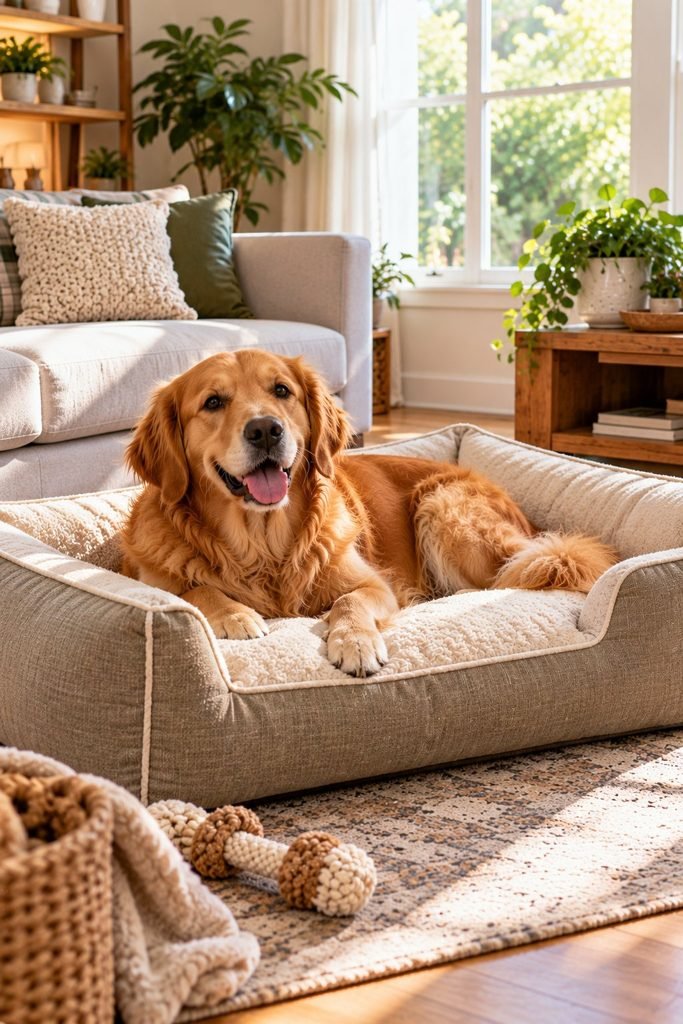
Dog beds are a more substantial craft project, but they can appeal to customers looking for comfortable resting places that suit their homes. If you are confident with sewing and measuring, you can create simple cushions, removable bed covers, or padded mats in different sizes.
Start with a design that is easy to assemble and clean. A rectangular cushion with a removable cover is often a practical option because customers can wash the cover without needing to clean the entire bed every time.
Choose durable fabrics that feel comfortable and can withstand regular use. Neutral canvas, washable cotton blends, and upholstery fabrics may suit different styles, but the best material depends on the product’s intended use and care requirements.
Materials you may need:
• Durable washable fabric
• Appropriate filling material
• A sewing machine and strong thread
• A suitable closure for a removable cover
• Measuring tools and a reusable pattern
Offer clear dimensions so customers know how much sleeping space the bed provides. Consider measuring the usable sleeping surface rather than relying only on the outside dimensions.
Construction quality matters. Reinforce seams, inspect closures, and avoid exposed components that could be chewed or swallowed. The finished product should be checked regularly by its owner for damage, especially if the dog likes to chew bedding.
You can offer different sizes, fabrics, and cover styles without creating an entirely new pattern for every order. This makes the product easier to manufacture while still giving buyers some choice.
5. Reversible Dog Scarves
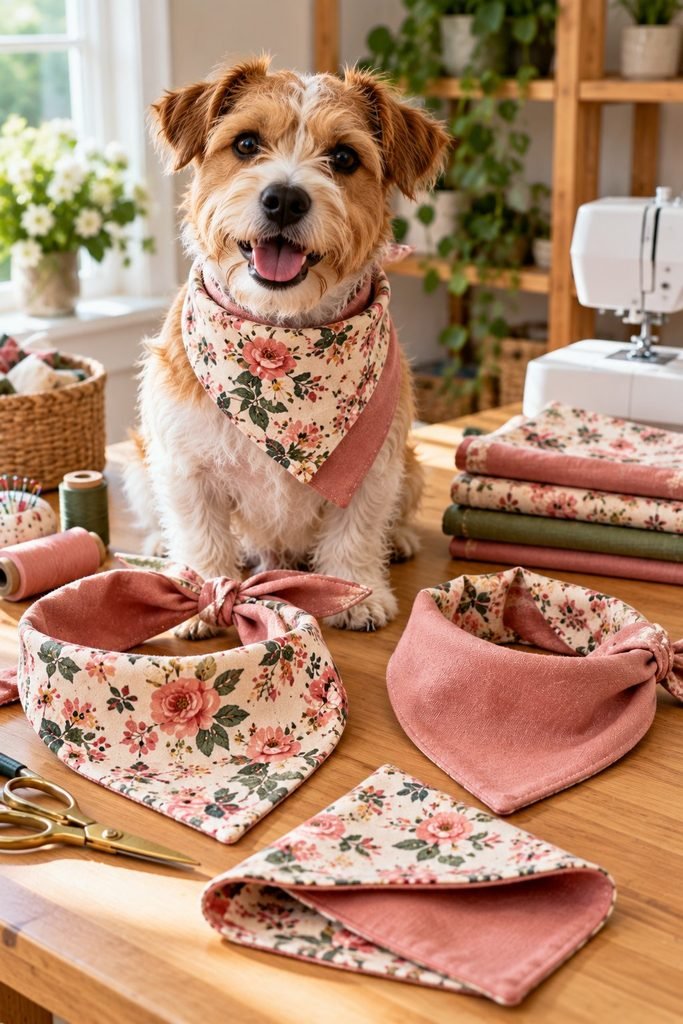
Reversible dog scarves are another fabric-based craft that can be sold throughout the year. They are similar to bandanas but can have a different shape or styling, allowing you to offer another product without completely changing your production process.
For example, one side could feature a simple solid color while the other has a seasonal print. Customers get two looks from one accessory, and you can use compatible fabric combinations to create coordinated collections.
You can also design scarves around specific occasions, such as birthdays, autumn walks, winter photographs, or holiday gatherings. Neutral designs are useful for customers who prefer something they can use regularly rather than only for special events.
Materials you may need:
• Two complementary pieces of washable fabric
• A sewing machine and suitable thread
• A pattern and measuring tape
• Scissors and an iron, if appropriate for the fabric
Focus on a comfortable fit and a secure, practical design. The scarf should not be tight around the dog’s neck, and it should not include long loose ties or detachable decorations that could become hazards.
Provide accurate sizing guidance and washing instructions with every order. If you sell online, photograph both sides of the scarf so customers can clearly see the reversible design.
This craft is especially useful if you already make bandanas because you can share some materials and production tools between the two products. Just make sure each listing explains the difference so buyers understand what they are purchasing.
6. Handmade Denim Dog Toys
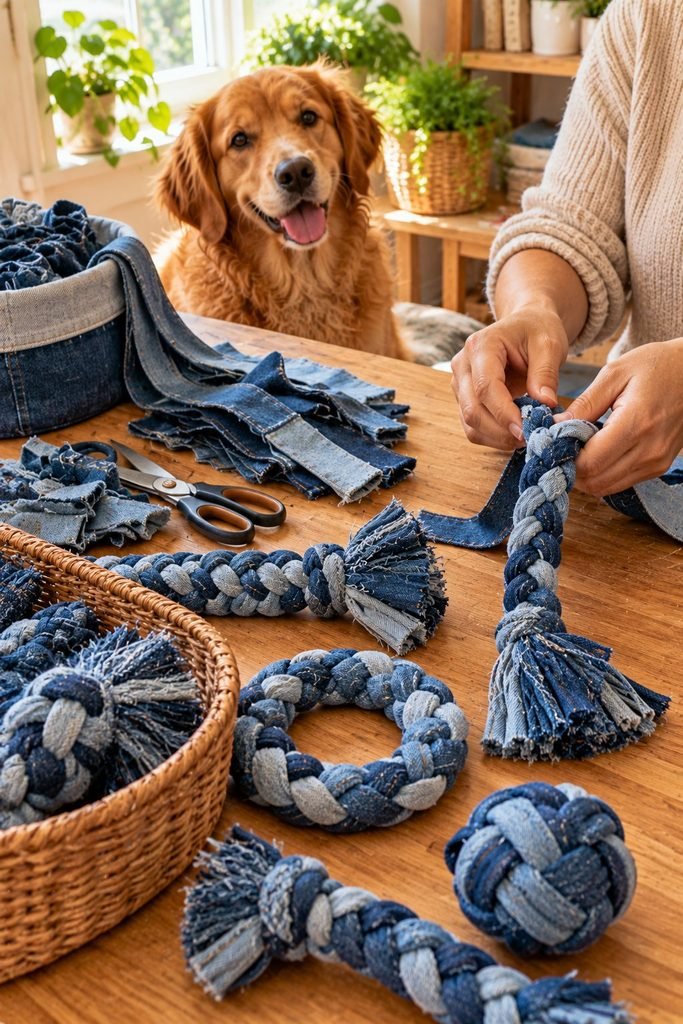
Upcycling old denim into dog-themed products can be an appealing idea if you enjoy sewing and want to make use of leftover fabric. Denim has a sturdy feel, and its different shades can create an attractive handmade appearance.
However, a dog toy must be designed for its intended use rather than simply looking durable. Seams, fabric strength, and construction all matter, and no textile toy is suitable for every dog.
If you choose to make fabric toys for sale, begin with simple shapes and use materials that are appropriate for the intended purpose. Avoid buttons, plastic eyes, loose decorations, exposed squeakers, or other small parts that dogs could swallow.
Materials you may need:
• Clean, suitable denim fabric
• Strong thread and sewing equipment
• A reusable pattern for simple shapes
• Appropriate toy construction materials, if needed
Inspect every finished item carefully for weak seams, loose threads, and exposed filling. Clearly describe the product’s intended use and advise customers to supervise play and remove damaged toys.
Some dogs gently carry fabric toys, while others tear through them quickly. Make sure your listing does not promise that a toy is indestructible or suitable for aggressive chewers unless you have appropriate evidence to support that claim.
If you are new to making pet products, decorative denim dog-themed items for humans may be a lower-risk starting point than products designed for chewing. You can still use your creativity while building experience with sewing and product construction.
7. Wooden Dog Bowl Stands
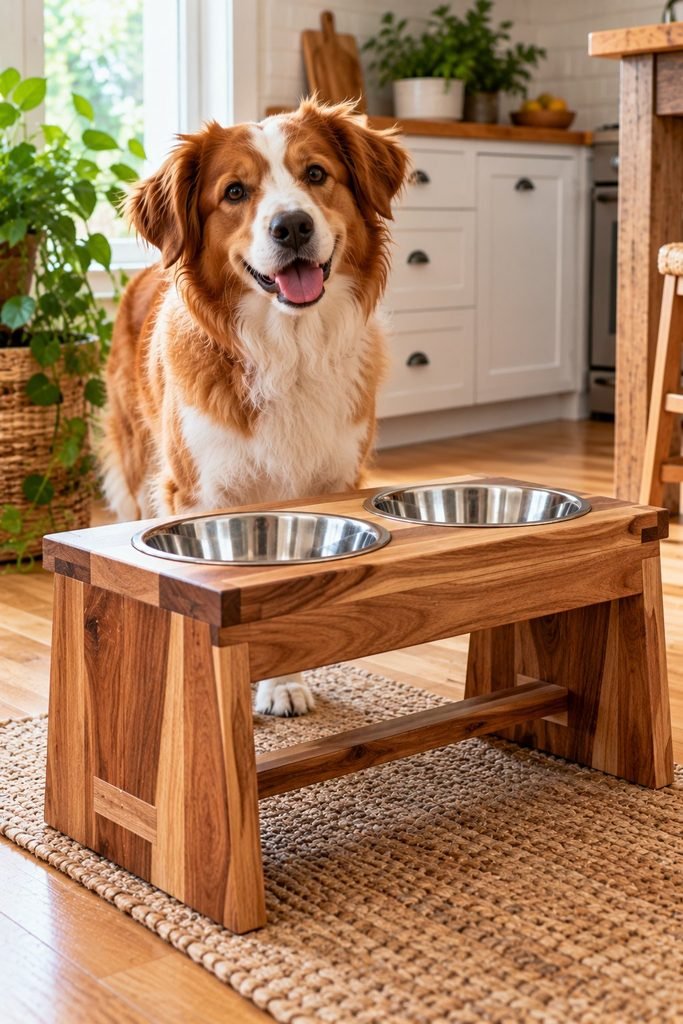
If you enjoy woodworking, a raised feeding station can be an attractive addition to a dog owner’s home. You can create simple wooden stands designed to hold food and water bowls while matching a customer’s preferred interior style.
Some buyers prefer minimalist natural wood, while others may like painted finishes or personalized details. You can offer a few standard designs and different sizes to accommodate common bowl dimensions.
Materials you may need:
• Suitable wood
• Measuring and cutting tools
• Sandpaper
• Appropriate fasteners
• A finish suitable for the intended use
• Bowls that fit the finished stand
Measure carefully so the bowls sit securely and the stand remains stable. Smooth rough edges, remove splinters, and make sure there are no exposed fasteners or sharp corners. Any finish should be fully cured according to the manufacturer’s instructions before the product is used.
Do not assume that elevated feeding is beneficial for every dog. Some dogs may need a different feeding arrangement, and owners should seek veterinary advice if they are considering raised feeding because of a medical concern.
For a small business, customization can help differentiate your products. You could offer different widths, bowl openings, or simple engraved names, provided you can produce each design accurately and safely.
Because wooden stands are heavier and more expensive to ship than fabric accessories, consider local sales, collection, or carefully calculated delivery costs when setting your prices.
8. Removable Dog Bed Covers
Removable dog bed covers are useful for customers who want to keep their pets’ sleeping areas clean without replacing the entire bed. They are also a practical sewing project if you want to offer a product that can be customized by size and fabric.
The basic design is a fitted cover that can be removed for washing. Depending on your sewing skills, you can use a suitable zipper, overlapping fabric panels, or another closure designed to stay secure during normal use.
Materials you may need:
• Durable washable fabric
• A suitable closure
• Measuring tape
• Sewing machine and strong thread
• A pattern based on the intended bed dimensions
Before making a custom cover, ask customers to measure the actual cushion or bed. A cover that is too small may strain the seams, while one that is too large may bunch up and become uncomfortable.
Choose fabric based on the customer’s needs. A smooth washable material may be easier to clean, while a heavier fabric may offer a different texture and appearance. Include washing instructions so buyers can care for the product properly.
Make sure the closure is covered or positioned to reduce access by a chewing dog. Inspect seams and zippers carefully, and explain that damaged covers should be removed from use.
You can make this product more appealing by offering coordinated patterns, neutral colors, or matching blankets. The removable-cover design also gives customers a reason to purchase a replacement when they want to refresh the look of their dog’s sleeping area.
9. Personalized Dog Treat Jars
Personalized dog treat jars are a lovely option for people who want to keep their pet’s favorite snacks organized while adding a little personality to their home. They can also make thoughtful gifts for birthdays, adoption anniversaries, Christmas, and other occasions.
I would start with simple glass or food-safe plastic containers with secure lids. You can decorate the outside with a dog’s name, paw-print designs, or a small illustration of the dog’s breed. Vinyl lettering, waterproof labels, and permanent decorative details can help create a professional finish.
To make these jars more appealing, consider offering different styles, such as minimalist designs, colorful patterns, or seasonal decorations. You could also sell matching sets with a scoop or a small storage label.
Ways to make your treat jars stand out:
- Offer personalization with the dog’s name.
- Create gift-ready packaging for pet lovers.
- Provide different sizes for small and large households.
- Sell matching jars for treats, food toppers, and training rewards.
Keep decorations on the outside of the container, away from the food. Make sure the container is easy to clean and that the lid closes securely. If you sell the jars with dog treats included, you will also need to consider applicable food safety, ingredient labeling, and local business requirements.
10. Handmade Dog Blankets
Dog blankets are another craft worth considering because they serve a practical purpose while giving pet owners plenty of opportunities to personalize their purchases.
Some people want a soft blanket for their dog’s bed, while others need a washable covering for the sofa, car seat, or travel crate. This gives you several product options without requiring an entirely different production process for each one.
Fleece is a useful starting material because it is soft and generally easy to work with. You can also experiment with durable, washable fabrics that suit different seasons and household needs.
I would begin with a few standard sizes rather than making every blanket to order. Once you understand which sizes and patterns customers prefer, you can expand your collection.
Ideas for handmade dog blankets include:
- Reversible blankets with two complementary fabrics.
- Personalized blankets featuring a dog’s name.
- Lightweight blankets for travel and car journeys.
- Cozy blankets for small dogs and puppies.
- Matching blanket and bed-cover sets.
Choose fabrics that can withstand frequent washing. Secure seams carefully, avoid loose decorations that a dog could chew off, and provide clear washing instructions. If you offer personalized products, double-check spelling and sizing before completing each order.
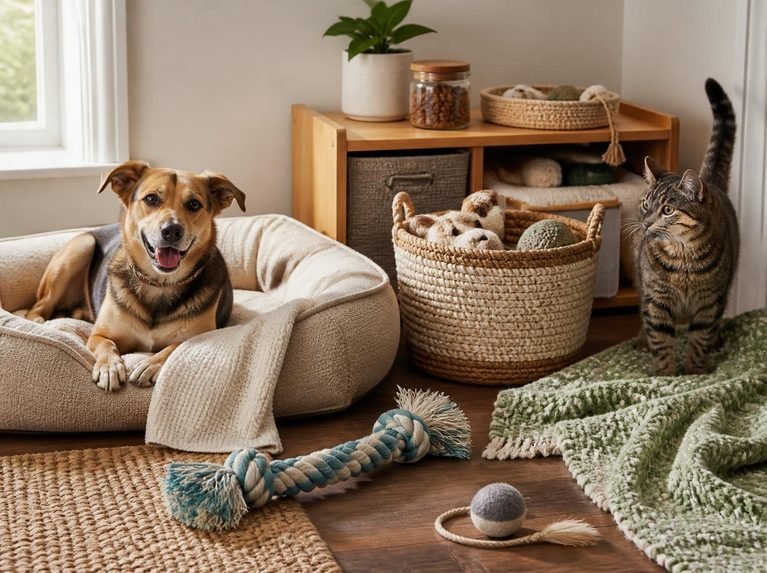
11. DIY Dog Toy Storage Baskets
Dog owners often accumulate balls, ropes, plush toys, and training equipment. A dedicated storage basket gives those items a home and helps keep living spaces organized.
This is a particularly appealing craft if you enjoy sewing, weaving, or working with fabric. You could make soft fabric bins, rope baskets, or structured storage containers that coordinate with common home decor styles.
I would focus on creating baskets that are attractive enough to leave in a living room while remaining practical for everyday use.
You can offer neutral colors for modern homes, bright patterns for playful spaces, or personalized versions featuring the dog’s name.
Ways to customize dog toy baskets:
- Add a removable fabric liner.
- Offer small, medium, and large sizes.
- Use washable materials where possible.
- Create coordinated designs with dog blankets or bed covers.
- Include a simple label identifying the basket as toy storage.
Make sure the basket is stable and does not have sharp edges, exposed staples, or small decorative parts that could come loose. It should be sold as a storage product, not as a dog toy. Clear product photographs showing the basket in a real home can help buyers understand its size and purpose.
12. Handmade Dog Leash Holders
A dog leash holder is a useful item for households that want to keep leads, collars, and walking accessories together near the front door.
If you enjoy woodworking, you can create a simple wall-mounted board with sturdy hooks. If woodworking is not your specialty, you could explore other designs using suitable pre-made bases and decorative finishes.
Personalization can make these holders more attractive. Consider adding a dog’s name, a paw-print pattern, or a short phrase that suits the owner’s style.
Product ideas include:
- Minimalist wooden leash holders.
- Personalized holders for homes with multiple dogs.
- Entryway organizers with hooks for leads and harnesses.
- Decorative holders with a small shelf for lightweight accessories.
- Matching leash holders and key racks.
Pay attention to construction quality. Hooks must be securely attached, mounting hardware should suit the intended wall surface, and the finished product should support the stated weight. Include clear installation instructions and avoid making unsupported claims about how much weight a holder can carry.
These products can work well as gifts for new dog owners, making them suitable for online marketplaces, craft fairs, and pet-themed gift collections.
13. Dog-Themed Tote Bags
Not every dog craft needs to be made for the dog to wear or use. Many pet lovers enjoy showing their affection for animals through clothing, bags, and everyday accessories.
Tote bags are a good option because they can be practical, easy to package, and relatively straightforward to personalize. You can use original illustrations, paw-print patterns, playful dog-related sayings, or breed-inspired artwork.
If you do not sew, you can begin with plain tote bags and apply your own designs using suitable fabric-printing or transfer methods. Test your process before selling anything so you know how the design holds up after washing.
Design ideas worth exploring:
- Minimalist dog silhouettes.
- Colorful illustrations of popular dog breeds.
- Funny sayings about life with dogs.
- Custom bags featuring a customer’s pet.
- Matching tote bags for dog walkers and pet sitters.
Original artwork is especially valuable here. Avoid using copyrighted characters, another artist’s illustrations, or brand logos without permission. If you offer custom pet portraits, make the ordering process simple by explaining what kind of photograph customers should submit and how many revisions are included.
You can also create themed collections for birthdays, holidays, adoption celebrations, and gifts for dog lovers.
14. Personalized Pet Memory Boxes
Pet memory boxes are designed to help owners preserve meaningful keepsakes, such as photographs, identification tags, collars, adoption papers, and small mementos.
Although this category requires a thoughtful approach, it can offer a meaningful product for customers who want a dedicated place to keep reminders of a beloved companion.
A memory box can be made from wood, sturdy cardboard, or another suitable material. You can decorate it with the pet’s name, a photograph, or a simple paw-print design.
I would keep the design elegant rather than overcrowded. A clean finish and carefully chosen personalization can make the box feel special without adding unnecessary production costs.
Possible features include:
- A personalized nameplate.
- A space for a favorite photograph.
- Compartments for small keepsakes.
- A simple message printed inside the lid.
- Gift packaging for pet remembrance occasions.
Use durable materials and make sure the box closes properly. If you include inserts or compartments, ensure that they are securely fitted and appropriate for the intended keepsakes.
Because these products can be emotionally significant, customer service matters. Give buyers clear personalization options, realistic production times, and accurate photographs of the finished product.
15. Handmade Dog Bow Ties
Dog bow ties can be a fun addition to a handmade pet accessory shop. They are especially popular as potential products for birthday photographs, weddings, holiday pictures, and other special occasions.
You can make them from cotton, linen, or other suitable fabrics, using simple shapes and a range of colors. Offer several attachment styles, such as a design that fits securely around a compatible collar.
Start with a small collection of classic patterns before expanding into seasonal designs. Plaid, floral patterns, solid colors, and festive prints can give customers enough choice without requiring you to stock dozens of materials.
Ideas for selling dog bow ties include:
- Matching bow ties for dogs and their owners.
- Wedding and special-event accessories.
- Seasonal collections for Christmas and other holidays.
- Personalized color combinations for photographs.
- Coordinated bow ties and bandanas.
The attachment should fit the intended collar securely without creating a choking or entanglement risk. Do not make the accessory so tight that it restricts movement or causes discomfort. Give customers clear sizing guidance, and advise them to supervise their dogs while wearing decorative accessories.
Matching sets can increase the appeal of your collection, but keep the designs simple enough to produce consistently.
16. Custom Pet Portraits and Illustrated Prints
If you enjoy drawing, painting, digital illustration, or photography, custom pet portraits can become a distinctive product in your dog craft business.
Customers may want a portrait of their current dog, a gift for a friend, or a special illustration to remember a pet. This allows you to sell something personal without needing to manufacture a physical pet accessory.
You could offer traditional paintings, digital illustrations, framed prints, or personalized artwork printed on suitable products.
Ways to offer custom portraits:
- Digital files customers can print themselves.
- Printed portraits in different sizes.
- Simple line-art illustrations.
- Colorful portraits based on customer photographs.
- Custom artwork paired with a memory box or tote bag.
Before accepting orders, explain what customers receive, whether framing is included, how long production takes, and whether revisions are available. Ask customers to submit clear photographs with good lighting so you can capture the pet’s features accurately.
If you sell digital files, specify the permitted usage. For physical prints, calculate printing, packaging, and shipping costs before setting your prices.
Custom artwork can take more time than producing a standard item, so make sure your pricing reflects the work involved.
17. DIY Dog Treat Pouches for Walks
Training treat pouches are practical accessories for dog owners who reward their pets during walks and training sessions.
A well-designed pouch can keep small treats accessible without forcing the owner to carry an open bag in a pocket. If you enjoy sewing, you can experiment with compact designs that attach to a belt or bag.
Consider washable fabric, secure closures, and a simple interior that is easy to clean. You could also create a separate compartment for waste bags or a small pocket for keys, provided the finished design remains practical.
Features customers may appreciate include:
- A secure closure that helps prevent treats from spilling.
- An easy-to-clean lining.
- A belt clip or suitable attachment.
- Compact dimensions for everyday walks.
- Coordinated colors and personalized details.
Avoid materials or closures that are likely to break during ordinary use. Test each design before selling it, especially the attachment and closure, and provide realistic instructions for cleaning.
This product can fit naturally into a wider dog-walking collection that includes leash holders, bandanas, and other accessories.
18. Handmade Dog-Themed Christmas Ornaments
Seasonal crafts can help you create products for customers who want to celebrate their pets during the holidays. Dog-themed Christmas ornaments are a natural fit because they can be personalized and packaged as gifts.
You could make ornaments shaped like paw prints, dog bones, dog houses, or simple dog silhouettes. Personalized versions can include a pet’s name or a year, while photo ornaments can feature a favorite picture.
Depending on your skills, you can work with wood, felt, clay, or other suitable craft materials.
Ideas for holiday ornaments include:
- Personalized wooden dog ornaments.
- Felt paw-print decorations.
- Custom photo ornaments.
- Breed-inspired silhouettes.
- First-Christmas ornaments for new puppies.
Plan seasonal production early enough to account for personalization, packaging, and shipping. Make it clear when customers must order to receive their products before a holiday.
If the ornaments are intended for display, keep them out of reach of pets. Avoid fragile pieces, dangling components, and small parts that could become choking hazards if an animal chews or swallows them.
You can also offer ornaments as part of a holiday gift bundle with a bandana or treat jar.
19. Custom Dog Gift Baskets
Dog gift baskets bring several small products together into one coordinated present. They can be appealing for puppy showers, adoption celebrations, birthdays, and holidays.
Instead of producing every item yourself, you can combine your handmade crafts into a carefully presented collection. For example, a basket might include a bandana, a toy storage accessory, a personalized treat jar, and a dog-themed item for the owner.
I would begin with two or three clearly defined packages rather than offering unlimited combinations. This makes it easier to estimate costs, photograph the products, and prepare orders.
Gift basket themes might include:
- A welcome-home gift for a newly adopted dog.
- A birthday gift for a dog and its owner.
- A practical starter set for new puppy owners.
- A holiday gift collection.
- A personalized gift for a dog-loving friend.
Be transparent about exactly what each package contains. Use packaging that protects the items during shipping, and check that every product is suitable for its intended purpose.
If you include edible treats, pay attention to ingredient information, storage, labeling, and applicable local requirements. Never imply that a product is suitable for every dog when individual allergies and dietary needs can differ.
Gift bundles can also help you sell slower-moving products alongside your bestsellers, provided the combined price remains attractive and profitable.
20. Handmade Dog Collar Flowers and Decorative Accessories
Some dog owners enjoy dressing their pets for photographs, celebrations, or special occasions. Removable collar flowers and other decorative accessories can meet that demand when they are designed with comfort and safety in mind.
You might make fabric flowers, simple decorative bows, or lightweight seasonal accents that attach to a compatible collar. These products work best when they are easy to put on, remove, and clean.
Product ideas include:
- Fabric flowers for special occasions.
- Simple seasonal collar decorations.
- Matching accessories for wedding photographs.
- Lightweight birthday accessories.
- Coordinated decorations for dog-and-owner photo sessions.
Use secure construction and avoid beads, buttons, bells, or other small components that can detach and be swallowed. The attachment must not interfere with the collar’s normal function, and the accessory should never restrict breathing or movement.
Because dogs have different sizes, coat types, and temperaments, provide accurate product measurements and recommend supervision while decorative accessories are being worn.
How to Start Selling Your Dog Crafts
You do not need to launch all twenty products at once. Starting with a small collection gives you the opportunity to test demand, understand your costs, and improve your designs before investing in more materials.
Choose Three Products to Start With
Select products that match your existing skills and budget. If you enjoy sewing, bandanas, blankets, and bow ties may be a practical starting point. If you prefer woodworking, leash holders and bowl stands might suit you better.
Choose items you can make consistently rather than products that require complicated equipment you do not already have.
Calculate Your Costs Before Setting Prices
One of the easiest mistakes to make in a handmade business is charging only for materials.
Your selling price needs to account for the full cost of producing and delivering the product. Consider:
- Materials and supplies.
- Packaging and labels.
- Time spent making each item.
- Marketplace or payment processing fees.
- Shipping materials and any shipping costs you cover.
- A reasonable allowance for mistakes, waste, and replacements.
For example, if a bandana costs $3 in materials and packaging, that does not mean selling it for $5 will necessarily be profitable. You also need to account for labor, fees, and other expenses.
Keep a simple spreadsheet for each product. Record the material cost, time required, selling price, and actual profit. Review the figures as you gain experience.
Make Samples Before Accepting Many Orders
Create one finished sample of each product and test its appearance, construction, and practicality.
For fabric accessories, check the stitching and fit. For wooden products, inspect the finish, stability, and hardware. For storage products, check their dimensions and how easily they can be cleaned.
Take photographs of the actual finished items. Clear photos from several angles help customers understand what they are buying and reduce confusion about size, color, and included accessories.
Sell Through Suitable Channels
You can explore several sales channels depending on your products, budget, and location.
Online marketplaces: Handmade marketplaces and general online selling platforms can help you reach customers who are already looking for personalized gifts and pet accessories. Check each platform’s eligibility rules, fees, and shipping requirements before opening a shop.
Social media: Instagram, Facebook, TikTok, and Pinterest can help you display your work and reach pet owners. Use original product photographs, useful descriptions, and links that lead customers to your product listings.
Local craft fairs: In-person events let people see the quality of your work and ask questions. They can also help you discover which designs attract the most interest.
Pet-related businesses: Groomers, dog walkers, trainers, and independent pet shops may be interested in suitable handmade accessories. Approach them with clear pricing and a professional sample of your work.
If you are selling from Nigeria or another market where some international platforms have restrictions, verify seller eligibility, payment options, shipping availability, and fees before investing in inventory.
Use Pinterest to Showcase Your Products
Pinterest can be useful for handmade businesses because people use it to discover craft ideas, gift inspiration, pet accessories, and home organization products.
Create a separate, attractive image for each product. For example, you could photograph a handmade dog bandana on a dog, show a personalized treat jar on a kitchen shelf, or display a leash holder near an entryway.
Use descriptive titles and natural keywords that explain what the product is and who might want it. A pin for a personalized dog bandana could target searches related to handmade dog accessories, custom pet gifts, or dog birthday outfits.
Link each pin to the relevant product page rather than sending every pin to the same general homepage. This makes it easier for interested visitors to find the exact item they saw.
Avoid publishing misleading product photographs. Customers should be able to recognize the actual product, including its colors, dimensions, and finish.
Create Product Bundles
Once you know which products customers prefer, try pairing complementary items together.
For example, a dog-walking bundle could include a bandana and a treat pouch. A new-puppy gift set could combine a personalized treat jar with a blanket and a small storage basket.
Bundles can make shopping easier for customers and help you increase the value of an order. However, calculate the combined production costs carefully before offering a discount.
Keep Quality and Safety Consistent
Pet products need to be designed with the animal’s comfort and safety in mind. A craft that looks beautiful in a photograph still needs to hold up during ordinary use.
Before shipping an order, check the seams, fasteners, edges, closures, and any personalized details. Remove loose threads and inspect the finished item for defects.
Be especially careful with dog toys, wearable accessories, and products that may come into contact with food. Explain intended use, cleaning instructions, sizing, and any supervision requirements.
For products such as treats, shampoos, or other items intended for direct use on animals, additional safety, ingredient, labeling, and regulatory considerations may apply. Research the relevant requirements before selling them.
Common Mistakes to Avoid When Selling Dog Crafts
A handmade dog craft business can be enjoyable, but a few avoidable mistakes can make it harder to earn a profit.
Making too many products at once. Start with a small collection and expand when you have evidence of customer interest.
Ignoring labor costs. A product can sell frequently and still lose money if it takes too long to make at the price you charge.
Using poor-quality materials. Cheap materials may reduce your initial expenses but can lead to disappointing results, returns, and negative reviews.
Offering unclear personalization options. Specify what customers can customize, how they should submit details, and whether changes are possible after production begins.
Taking misleading photographs. Use accurate images and show the product’s size, details, and finish.
Overlooking safety. Check that accessories fit properly, decorations are secure, and products are suitable for their stated purpose.
Ordering too much inventory too early. Test a small batch before buying large quantities of materials or packaging.
Forgetting seasonal deadlines. Holiday products need extra planning for production and delivery, especially when customers want personalized gifts.
Frequently Asked Questions About Dog Crafts to Make and Sell
What are the easiest dog crafts to make and sell?
Dog bandanas, simple bow ties, fabric blankets, treat jars, and toy storage baskets can be approachable starting points, depending on your existing skills. Choose a product you can make neatly and consistently with materials you can afford.
What dog crafts can I sell from home?
You can make and sell personalized pet accessories, dog-themed tote bags, leash holders, handmade blankets, memory boxes, seasonal ornaments, and other suitable products from a home workspace. Your options depend on your equipment, available space, local requirements, and preferred selling channels.
Do I need sewing skills to start a dog craft business?
No. Sewing is useful for products such as bandanas, blankets, and bow ties, but it is not necessary for every type of dog craft. You could start with decorated treat jars, wooden leash holders, gift baskets, or original pet-themed artwork.
How much money can I make selling dog crafts?
Your earnings depend on the products you sell, your pricing, production time, expenses, customer demand, and sales volume. There is no guaranteed income. Track the actual profit on each product instead of judging success only by the number of orders.
Where can I sell handmade dog crafts?
Potential options include online marketplaces, your own website, social media, local craft fairs, and partnerships with suitable pet-related businesses. Research fees, seller eligibility, payment methods, and delivery requirements before choosing a platform.
How can I make my dog crafts stand out?
Focus on a clear style, careful construction, useful features, accurate photographs, and thoughtful personalization. You can also develop coordinated collections so customers can purchase matching accessories or gift sets.
Are dog crafts expensive to start making?
Not necessarily. The initial cost depends on your product choices and the tools you already own. Starting with a few simple designs and small quantities of materials can help you test demand without spending heavily on inventory.
What should I consider before selling handmade dog toys?
Consider the materials, durability, construction, and intended use. Avoid loose parts that could be swallowed, and do not assume that a handmade toy is safe for every dog. Clearly explain how the product should be used and whether supervision is necessary.
Final Thoughts
Dog crafts to make and sell offer plenty of opportunities for creative people who enjoy making useful, attractive products for pet lovers. You can start with something as simple as a personalized bandana or treat jar and gradually build a collection that reflects your skills and customers’ preferences.
I would focus on a few well-made products first, calculate the costs carefully, and pay attention to the items people actually want to buy. Personalization, practical designs, good photographs, and reliable customer service can help distinguish your products from mass-produced alternatives.
You do not have to create an entire store in one weekend. Make a few samples, share them with potential customers, learn from their feedback, and improve your designs as you go. With patience, careful planning, and consistent quality, a small dog craft project can develop into a business worth growing.