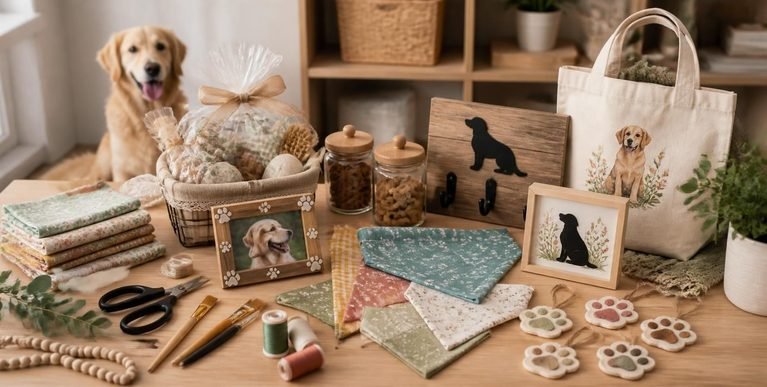
How to Build a Profitable Dog Bakery Business From Home: The Complete Beginner’s Guide
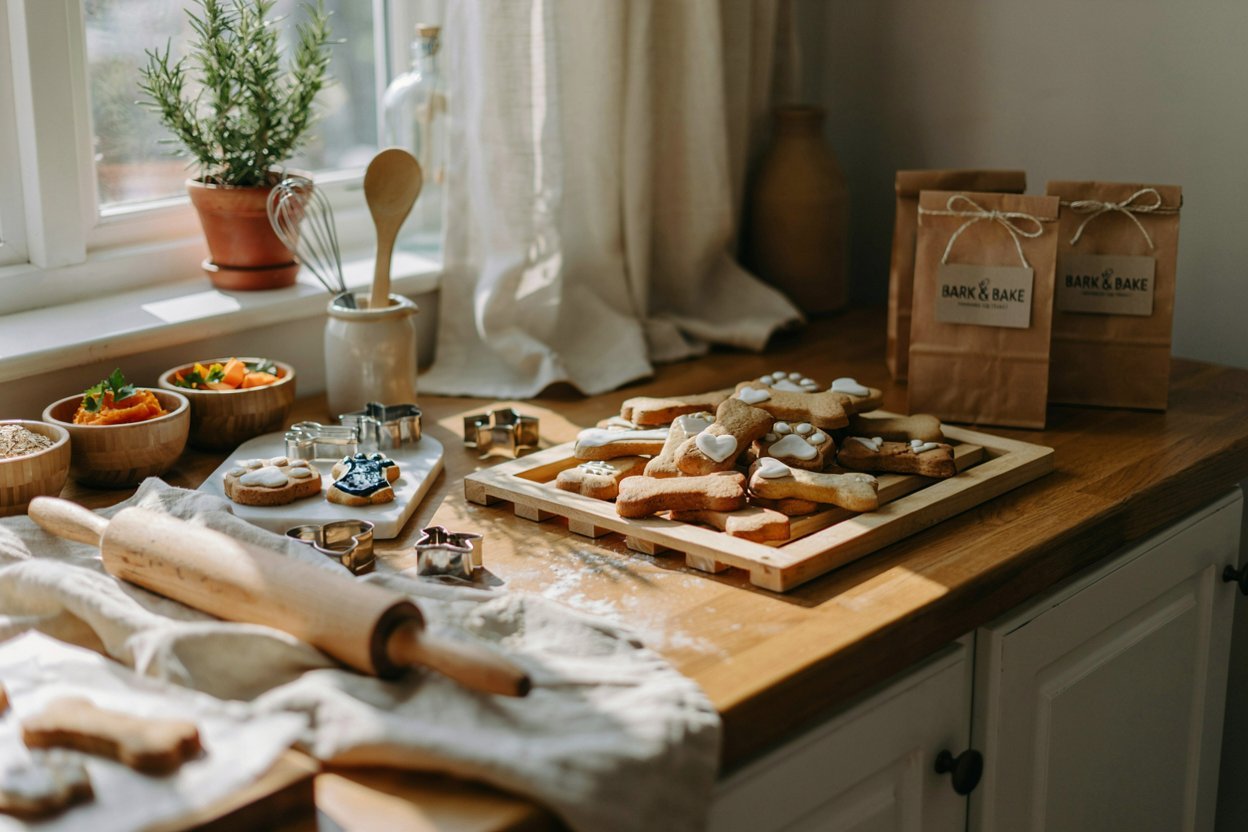
A few years ago, I noticed something that completely changed the way I looked at the pet industry.
Everywhere I went, from local farmers markets to small online shops, people were happily buying homemade dog treats, birthday cakes, and gift boxes for their pets.
It wasn’t just about spoiling their dogs. More owners were looking for treats made with simple, natural ingredients they could actually trust.
That got me curious. I started researching successful dog bakeries, learning what made customers come back, how owners priced their products, and why some small businesses quickly grew into full time incomes while others struggled to make consistent sales.
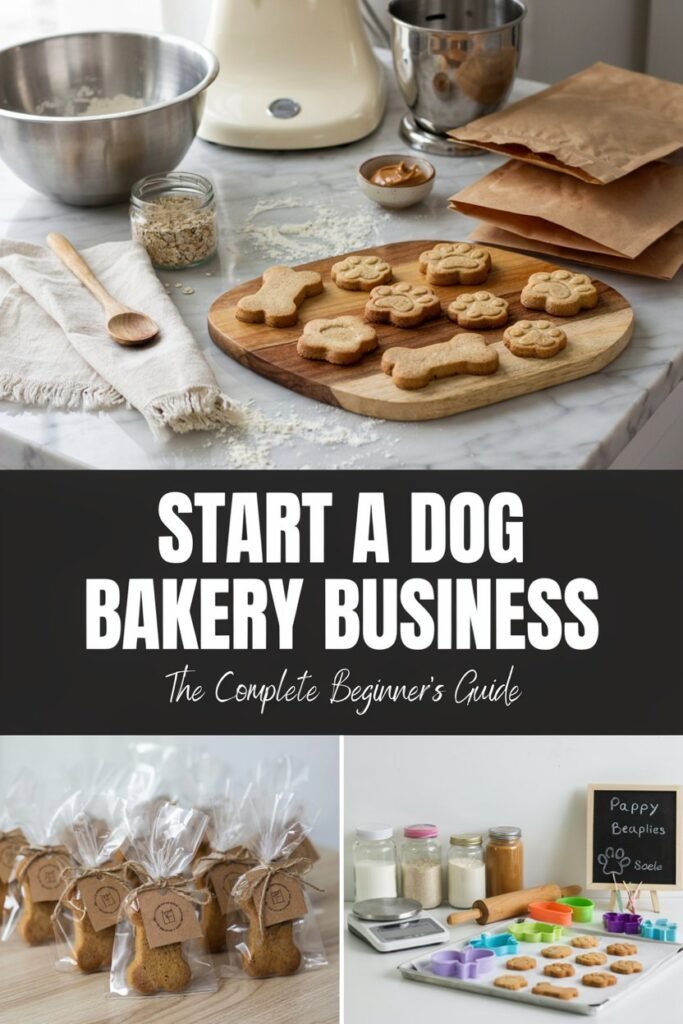
One thing became clear very quickly. A profitable dog bakery is about much more than baking cute biscuits.
Success comes from choosing the right niche, creating recipes that dogs love, building a memorable brand, and making smart business decisions from the very beginning.
If you’ve been thinking about turning your love for dogs and baking into a home business, you’re in the right place.
This guide will walk you through every step, from planning your bakery and creating irresistible treats to finding customers, pricing your products for profit, and growing a business that can generate income for years to come.
Disclaimer
This post may contain affiliate links. As an Amazon Associate, I earn from qualifying purchases at no additional cost to you. I only recommend products and tools that I genuinely believe can help you start and grow a home based dog bakery. The information in this article is for general informational purposes only. Always follow local food safety regulations and use only dog safe ingredients.
Amazon Shopping List You Need
- Silicone Dog Treat Molds – I use these to make professional looking dog treats at home.
- Stand Mixer – I love how much time it saves when making large batches.
- Digital Kitchen Scale – I always use one for accurate recipes.
- Dog Treat Packaging Bags – I like packaging treats in these for a polished look.
- Custom Thank You Stickers – I use these to give every order a personal touch.
- Airtight Food Storage Containers – I keep my ingredients fresh and organized.
- Label Printer – I always use one to create clean, professional product labels.
Before You Start: Is a Dog Bakery Business Right for You?
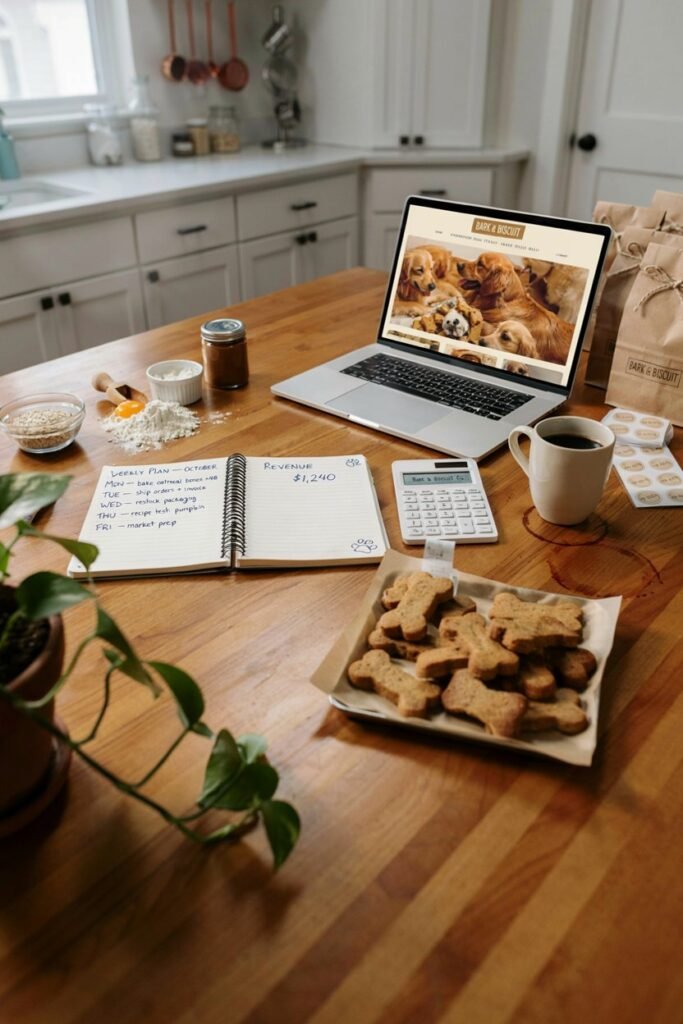
One of the biggest mistakes I see beginners make is jumping straight into baking hundreds of treats before asking themselves whether this business actually fits their lifestyle.
A dog bakery can absolutely become profitable, but like every business, it requires planning, patience, and consistency.
Before buying equipment or ordering packaging supplies, ask yourself these questions.
Do you enjoy baking?
This may sound obvious, but you will spend many hours testing recipes, measuring ingredients, decorating treats, cleaning your workspace, and packaging orders.
If baking feels like a chore, running a bakery may become stressful instead of enjoyable.
Are you willing to learn?
Owning a dog bakery involves much more than baking.
You will also need to learn about:
- Marketing
- Photography
- Customer service
- Product pricing
- Food safety
- Shipping
- Social media
- Basic bookkeeping
The good news is that you do not need to master everything overnight. Learning one skill at a time is often the fastest path to long term success.
Can you stay consistent?
Many people become excited after making their first few sales but lose motivation when business slows down.
Successful bakery owners continue improving their products, marketing regularly, and serving customers even during slower months.
Consistency almost always beats perfection.
What Makes a Dog Bakery So Profitable?
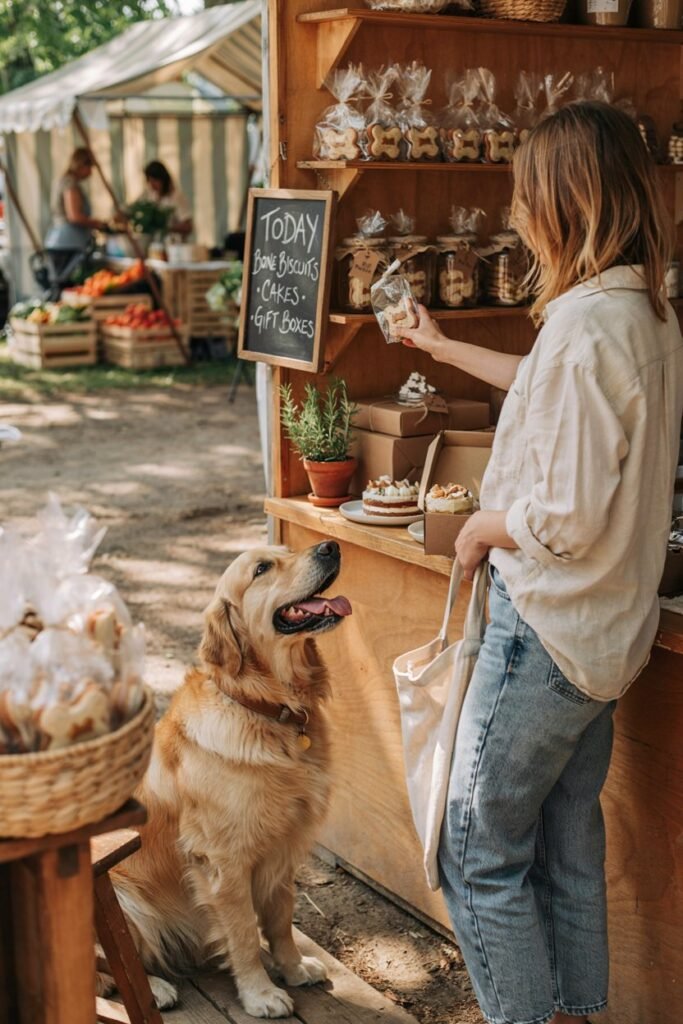
One reason I love this business idea is because customers rarely buy only once.
When someone’s dog enjoys your treats, they usually come back for more.
Many customers also purchase treats for:
- Dog birthdays
- Christmas gifts
- Puppy adoption celebrations
- Gotcha Day parties
- Halloween
- Valentine’s Day
- Easter baskets
- Training rewards
- Pet photo shoots
That creates opportunities for repeat business throughout the entire year instead of relying on one holiday season.
Another advantage is that many treats are inexpensive to make but can sell for several times the ingredient cost when packaged professionally.
What You Can Sell Besides Dog Biscuits
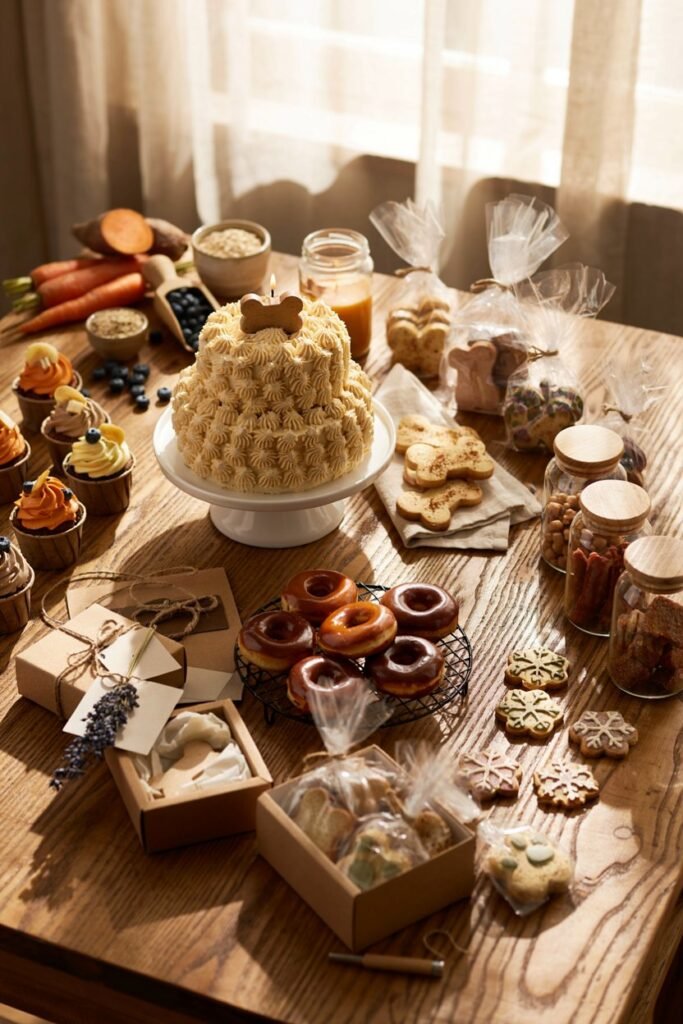
One thing I discovered while researching successful dog bakeries is that the highest earning businesses rarely sell just one product.
Instead, they build an entire collection.
Some ideas include:
- Birthday cakes for dogs
- Personalized dog cookies
- Grain free biscuits
- Organic treats
- Training treats
- Puppy starter boxes
- Senior dog treats
- Holiday cookie collections
- Dog donuts
- Pupcakes
- Frozen summer treats
- Gift boxes
- Subscription treat boxes
- Celebration bundles
Offering different products gives customers more reasons to shop with you throughout the year.
1. Choose a Profitable Niche Instead of Selling Everything
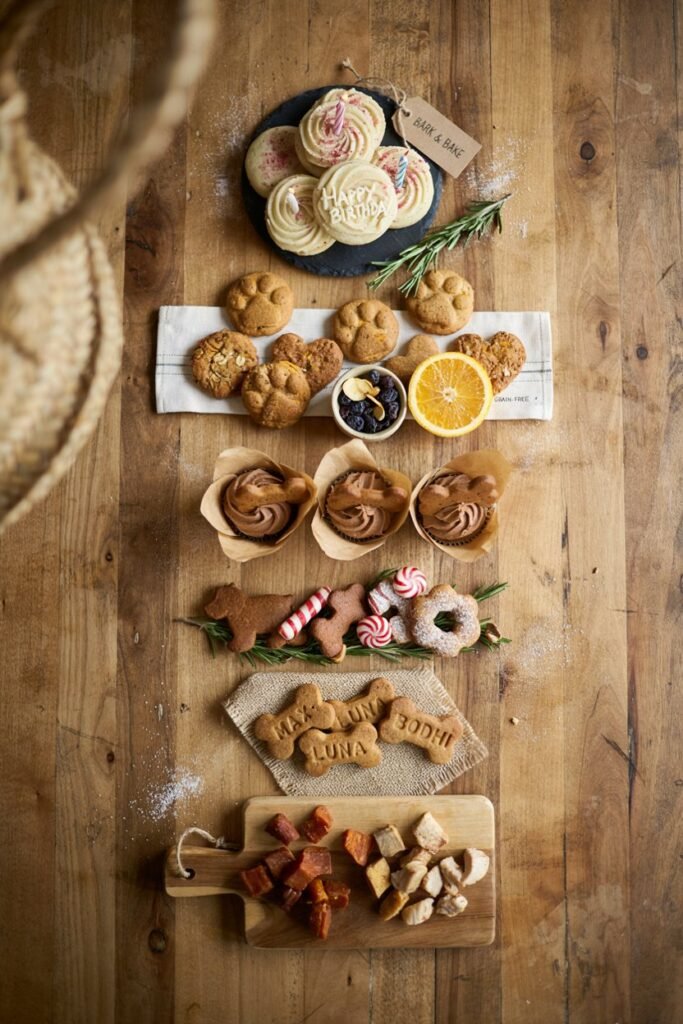
When I first looked at dog bakeries online, I noticed something interesting.
The businesses that stood out all had one thing in common.
They were known for something specific.
One specialized in allergy friendly treats.
Another focused on beautifully decorated birthday cookies.
Another became famous for luxury gift boxes.
Meanwhile, many struggling shops tried to sell everything at once.
Trying to serve everyone often means standing out to no one.
Choosing a niche helps customers immediately understand why they should buy from you instead of another bakery.
Popular Dog Bakery Niches
Some of the most profitable niches include:
- Organic dog treats
- Grain free treats
- Wheat free recipes
- Limited ingredient treats
- Birthday cakes
- Puppy treats
- Senior dog snacks
- Holiday collections
- Luxury gift boxes
- Custom decorated cookies
- Training treats
- Seasonal gift baskets
My Advice
If I were starting today, I would begin with only three to five excellent products instead of twenty average ones.
A small collection allows you to:
- Perfect every recipe
- Keep ingredient costs lower
- Reduce waste
- Build a recognizable brand
- Simplify production
Customers usually remember quality much longer than quantity.
Common Beginner Mistakes
Avoid these mistakes:
- Trying to copy every popular bakery
- Offering too many products too soon
- Ignoring customer feedback
- Using low quality ingredients
- Changing recipes every week
2. Learn Your Local Rules Before Selling Your First Treat

This is probably the least exciting part of starting a dog bakery, but it is one of the most important.
Every country, state, or region has different rules about producing and selling pet food.
Taking time to understand these requirements now can save you expensive problems later.
Although regulations vary, many home bakeries need some combination of the following:
- Business registration
- Cottage food approval where applicable
- Sales tax registration
- Product labels
- Ingredient lists
- Safe food handling practices
- Liability insurance
- Local permits or inspections
Never assume that because treats are made for dogs, there are no regulations.
Create a Simple Business Checklist
Before making your first sale, I recommend checking off these essentials:
- Choose your business name.
- Register your business if required.
- Open a separate business bank account.
- Keep records of your recipes and ingredients.
- Create professional labels.
- Research shipping requirements if you plan to sell online.
- Save receipts for all business expenses.
Helpful Tip
One habit that separates successful business owners from hobby bakers is organization.
Create a folder for every recipe, supplier invoice, packaging order, and customer receipt.
Good records make taxes, inventory, and future growth much easier to manage.
Remember, your goal is not simply to bake delicious treats. It is to build a business that customers trust enough to recommend to their friends.
3. Create Healthy Dog Treat Recipes That Customers Will Trust
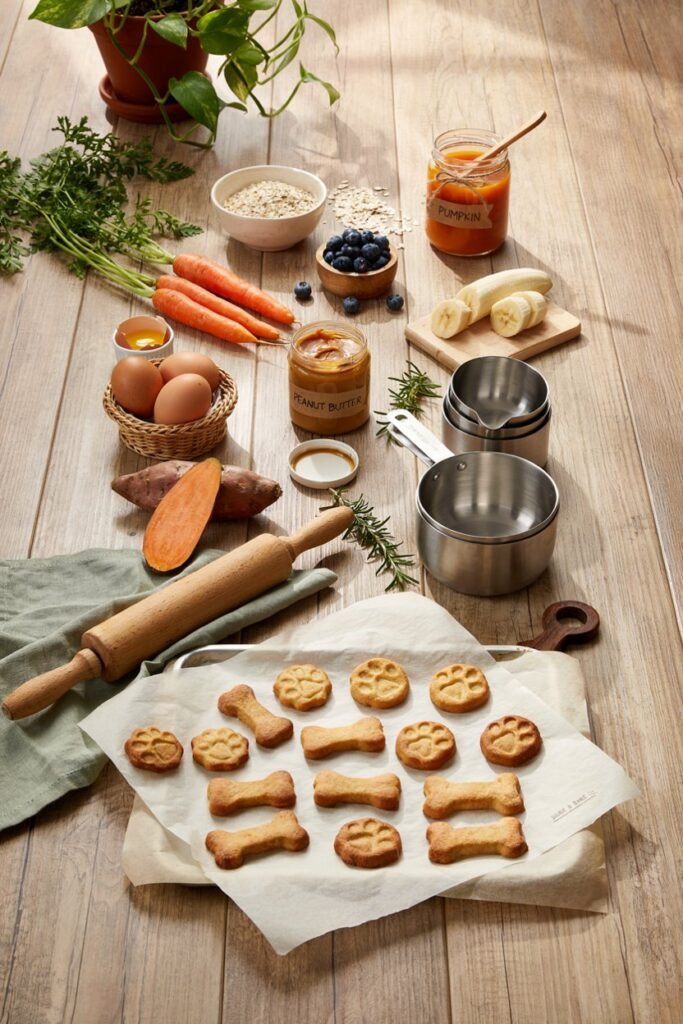
One thing I noticed while researching successful dog bakeries is that the businesses with the most loyal customers rarely compete on price.
Instead, they build trust by using quality ingredients and creating recipes that pet owners feel good about feeding their dogs.
If I were starting a dog bakery today, I would spend more time perfecting a handful of recipes than trying to launch dozens of products.
A small menu of delicious, consistent treats is much easier to manage and gives customers confidence that every purchase will be just as good as the last.
Remember, your customers are not just buying treats. They are trusting you with a member of their family.
Start With Simple, Healthy Ingredients
Choosing the right ingredients is one of the most important decisions you will make. Many dog owners carefully read labels before buying treats, so using wholesome ingredients can become one of your biggest selling points.
Some beginner friendly ingredients include:
- Pumpkin puree
- Natural peanut butter without xylitol
- Oats
- Sweet potatoes
- Apples
- Blueberries
- Bananas
- Carrots
- Eggs
- Brown rice flour
- Whole wheat flour if suitable
- Coconut flour
- Plain Greek yogurt for certain recipes
These ingredients are affordable, easy to find, and popular in homemade dog treats.
Ingredients You Should Never Use
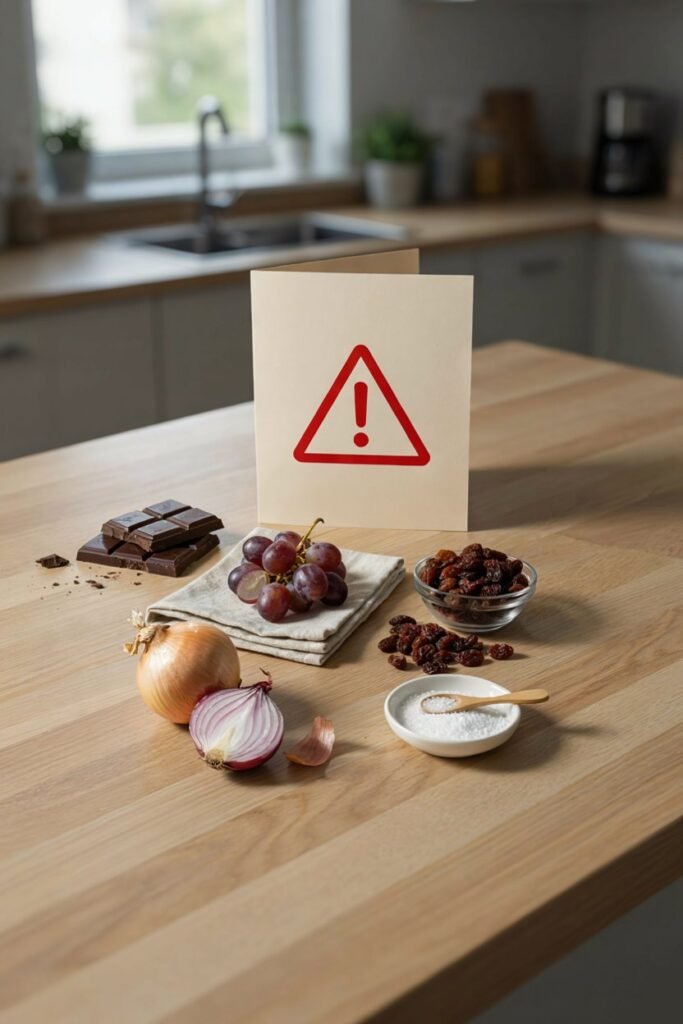
One mistake can seriously damage your reputation, so always double check every ingredient before testing a new recipe.
Never use:
- Chocolate
- Xylitol or birch sugar
- Grapes
- Raisins
- Onions
- Garlic in unsafe amounts
- Macadamia nuts
- Alcohol
- Nutmeg
- Excess salt
- Excess sugar
- Artificial sweeteners
If you are unsure whether an ingredient is safe, research it thoroughly before adding it to your recipes.
Test Every Recipe Before Selling
One lesson I learned from talking to small bakery owners is that your first recipe is rarely your best recipe.
Test every product several times before offering it for sale.
Ask yourself:
- Does the treat bake evenly?
- Does it hold its shape?
- Will it survive shipping?
- How long does it stay fresh?
- Is it easy to package?
- Do dogs actually enjoy eating it?
Invite friends, neighbors, or family members with dogs to try your treats and ask for honest feedback.
Sometimes a small adjustment, like baking a few minutes longer or changing the thickness, can make a huge difference.
Helpful Tip
Create a notebook or spreadsheet where you record every recipe, baking time, ingredient supplier, customer feedback, and shelf life. This makes it much easier to maintain quality as your business grows.
4. Invest in Equipment That Makes Your Business Easier
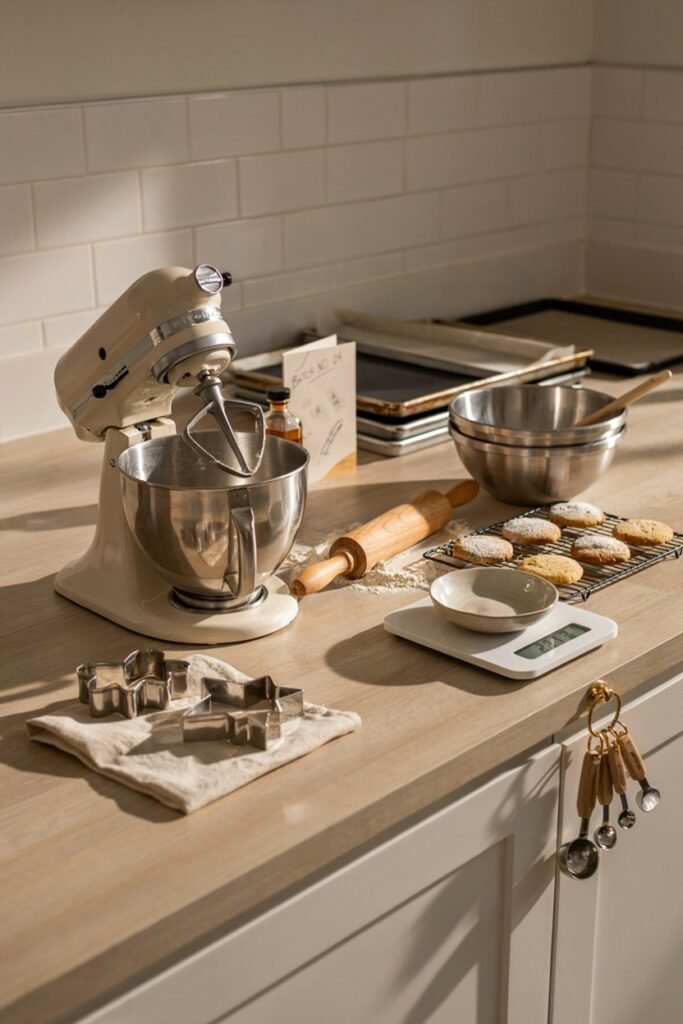
One thing many beginners get wrong is spending hundreds or even thousands of dollars before making their first sale.
You do not need a commercial bakery to build a successful business. In fact, many profitable dog bakeries started with basic kitchen equipment and upgraded over time.
When I plan any small business, I like to separate purchases into three groups: what you need now, what can wait, and what is completely unnecessary in the beginning.
Equipment Every Beginner Should Buy
Start with reliable essentials like:
- Mixing bowls
- Measuring cups and spoons
- Baking trays
- Cooling racks
- Rolling pin
- Silicone baking mats
- Bone shaped cookie cutters
- Digital kitchen scale
- Airtight ingredient containers
- Large spatulas
- Parchment paper
These tools will handle most recipes without a huge investment.
Equipment Worth Buying Later
Once your orders begin increasing, consider upgrading to:
- Stand mixer
- Food processor
- Food dehydrator
- Vacuum sealer
- Label printer
- Heat sealer
- Large storage bins
- Commercial baking trays
Buying these items with your profits instead of your savings helps reduce financial risk.
Equipment You Can Skip at First
Many new business owners spend money on equipment they barely use.
I would avoid buying:
- Commercial ovens
- Industrial mixers
- Expensive display cases
- Large inventory shelving
- Fancy packaging machines
Focus on making sales before expanding your equipment.
Helpful Tip
Check restaurant supply stores, local marketplaces, or small business auctions. You can often find excellent equipment at a fraction of the original price.
5. Build a Brand That Pet Owners Will Remember
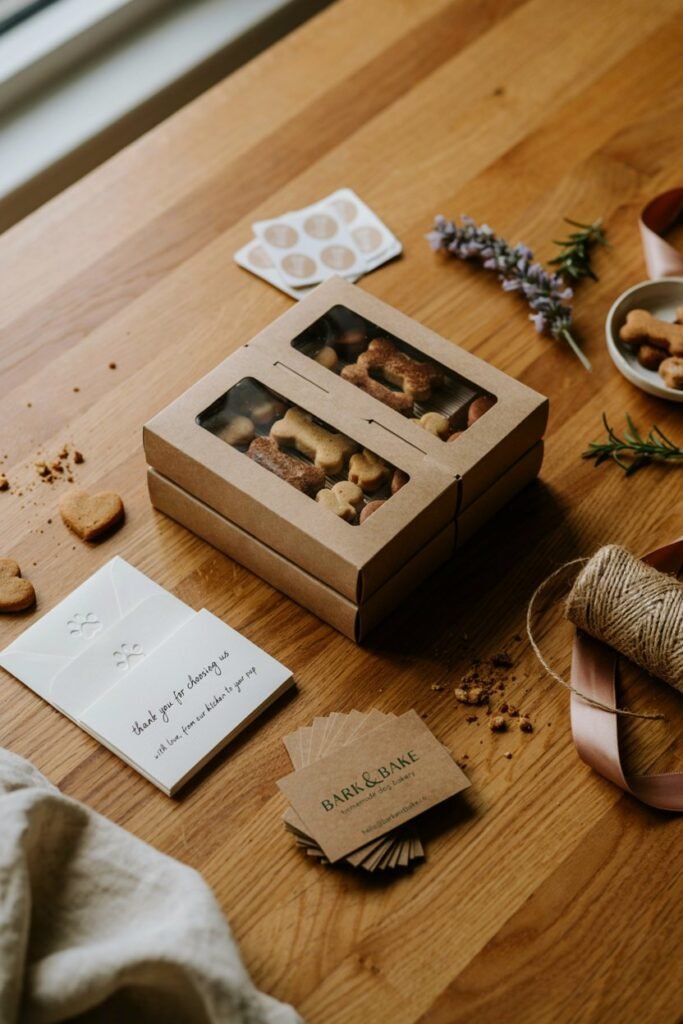
Customers rarely remember the cheapest business.
They remember the one that made them smile.
Your brand is what makes someone choose your treats over dozens of similar products online.
Think beyond your logo.
Ask yourself:
- What do I want customers to feel?
- What makes my bakery different?
- Why should someone recommend my business?
The answers become the foundation of your brand.
Choose a Memorable Business Name
A great name should be:
- Easy to pronounce
- Easy to spell
- Related to dogs or baking
- Available as a website domain
- Available on social media
Avoid names that are difficult to remember or impossible to spell.
Tell Your Story
People enjoy buying from businesses with personality.
Share why you started your bakery.
Maybe your own dog inspired your recipes.
Maybe you wanted healthier treats than those available in stores.
Maybe baking has always been your favorite hobby.
Your story helps customers connect with your business on a personal level.
Create Consistent Branding
Try to keep your branding consistent across:
- Website
- Packaging
- Social media
- Business cards
- Stickers
- Thank you cards
- Farmers market displays
Consistency makes your business look more professional and easier to recognize.
Helpful Tip
Take time to create a simple brand style guide with your logo, colors, fonts, and tone of voice. It will save you countless hours later when creating packaging or marketing materials.
Helpful Tips Before Moving On
Before you worry about making your first hundred sales, focus on building a business that customers trust.
Here are a few habits that successful dog bakery owners often have in common:
- They keep recipes consistent.
- They buy quality ingredients instead of the cheapest ones.
- They package products neatly.
- They answer customer questions quickly.
- They continue improving instead of chasing perfection.
- They ask for customer feedback after every sale.
- They treat every customer like someone who could become a repeat buyer.
One satisfied customer can become your biggest source of referrals, while one poor experience can spread just as quickly.
Taking the time to build a strong foundation now will make marketing, selling, and growing your bakery much easier in the future.
6. Package Your Dog Treats Like a Premium Brand
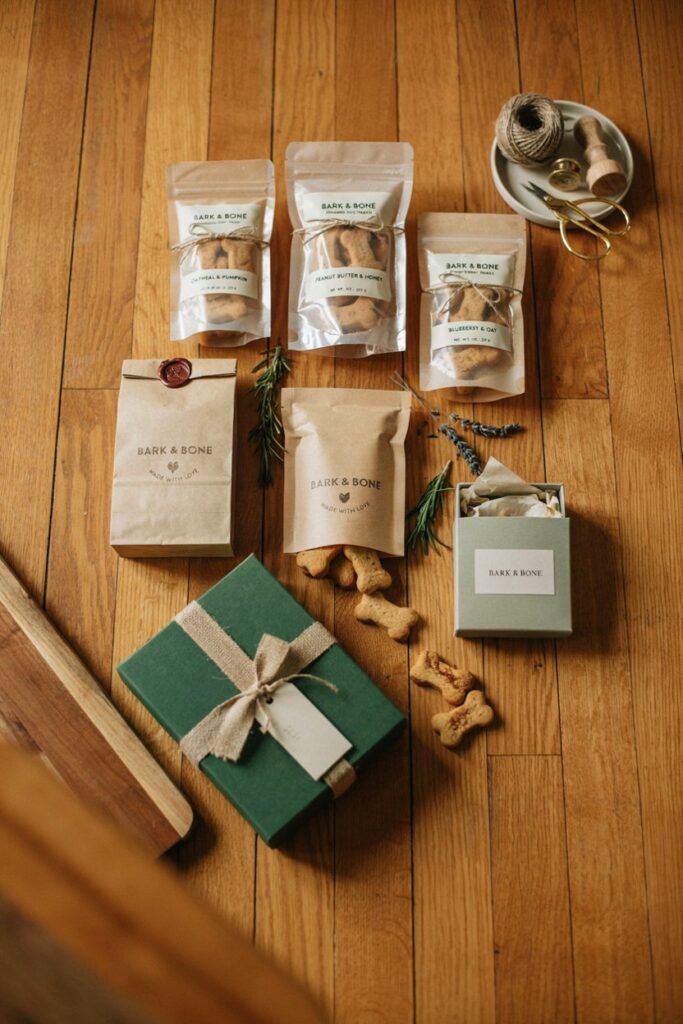
When I shop at local markets or browse online stores, I often notice something interesting.
Two businesses can sell almost the same dog treats, yet one attracts far more customers simply because the packaging looks clean, professional, and trustworthy.
Packaging is more than just putting treats in a bag. It is often the first impression customers have of your business, and first impressions matter.
Beautiful packaging can make a homemade product feel like a premium gift, especially during holidays and special occasions.
You do not need expensive custom boxes when you’re starting. Simple, neat, and consistent packaging is much more important than fancy designs.
Choose Packaging That Matches Your Brand
Think about the image you want your bakery to have.
For example:
Natural and Organic Bakery
- Kraft paper pouches
- Earth tone labels
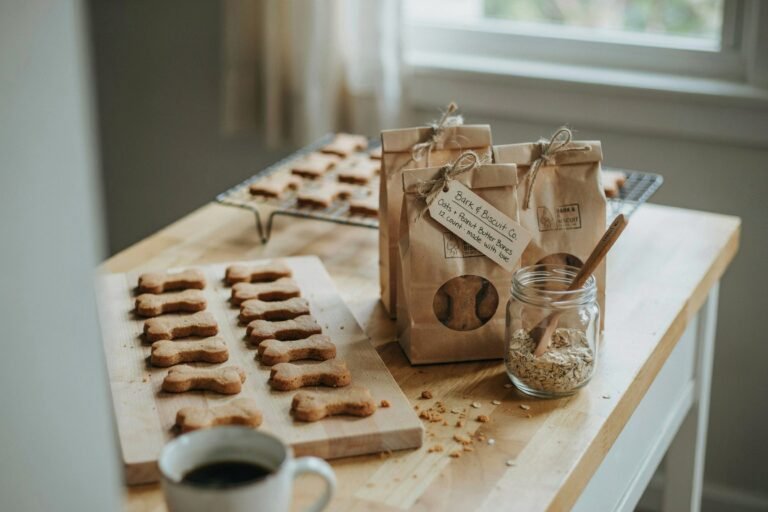
- Twine or jute ribbon
- Recyclable packaging
Luxury Dog Bakery
- Clear treat bags
- Premium boxes
- Satin ribbon
- Gold or silver stickers
- Elegant branding
Fun and Colorful Bakery
- Bright labels
- Seasonal ribbons
- Bone shaped gift tags
- Cheerful packaging designs
The goal is to create a memorable experience every time someone opens your package.
What Every Package Should Include
Professional packaging should always contain:
- Business name
- Product name
- Complete ingredient list
- Net weight
- Storage instructions
- Best before date
- Feeding recommendation
- Contact information
- Website or social media
If your local regulations require additional information, make sure every package meets those standards.
Add Small Touches Customers Remember
One thing I love seeing from successful small businesses is the attention to detail.
Simple additions can make customers feel appreciated without costing much.
Ideas include:
- Handwritten thank you notes
- A discount coupon for the next order
- A free sample of another flavor
- A holiday greeting card
- A branded sticker
- Care instructions
These small gestures often encourage repeat purchases and positive reviews.
Helpful Tip
Order packaging supplies in bulk once you know which products sell best.
Buying in larger quantities usually lowers your cost per package and increases your profit margin.
7. Price Your Dog Treats for Profit, Not Just Sales

Pricing is one of the biggest reasons many home bakeries fail.
I have seen talented bakers spend hours creating beautiful treats only to charge so little that they barely cover their expenses.
Remember this:
Selling more products does not automatically mean making more money.
If your prices are too low, you will work harder while earning less.
Calculate Every Cost
Before setting your prices, calculate everything that goes into each batch.
Include costs such as:
- Ingredients
- Packaging
- Labels
- Electricity or gas
- Water
- Shipping supplies
- Baking paper
- Transaction fees
- Website fees
- Your time
Many beginners only count the ingredients and forget everything else.
Do Not Forget to Pay Yourself
Your time has value.
Ask yourself:
- How long did shopping take?
- How long did mixing take?
- How long did baking take?
- How long did decorating take?
- How long did packaging take?
Every hour you spend working should be reflected in your pricing.
Otherwise, you are paying yourself less every time you make a sale.
Research Your Competitors
Spend some time looking at:
- Etsy shops
- Local pet bakeries
- Farmers markets
- Boutique pet stores
Notice:
- Product sizes
- Packaging quality
- Prices
- Best sellers
Do not copy their prices exactly.
Instead, use them to understand what customers are already willing to pay.
Increase Your Average Order Value
One strategy I noticed successful bakeries use is encouraging customers to buy more than one item.
Ideas include:
- Buy three bags and save ten percent.
- Birthday bundle packages.
- Holiday gift boxes.
- Monthly subscription boxes.
- Mix and match flavors.
- Free shipping above a certain amount.
These offers increase your average sale without requiring many new customers.
Common Pricing Mistakes
Avoid these common mistakes:
- Pricing based on emotion.
- Charging what friends suggest.
- Forgetting packaging costs.
- Forgetting your hourly wage.
- Competing only on price.
- Offering constant discounts.
Customers who only shop because you are the cheapest rarely become loyal customers.
8. Start Selling Online and Locally
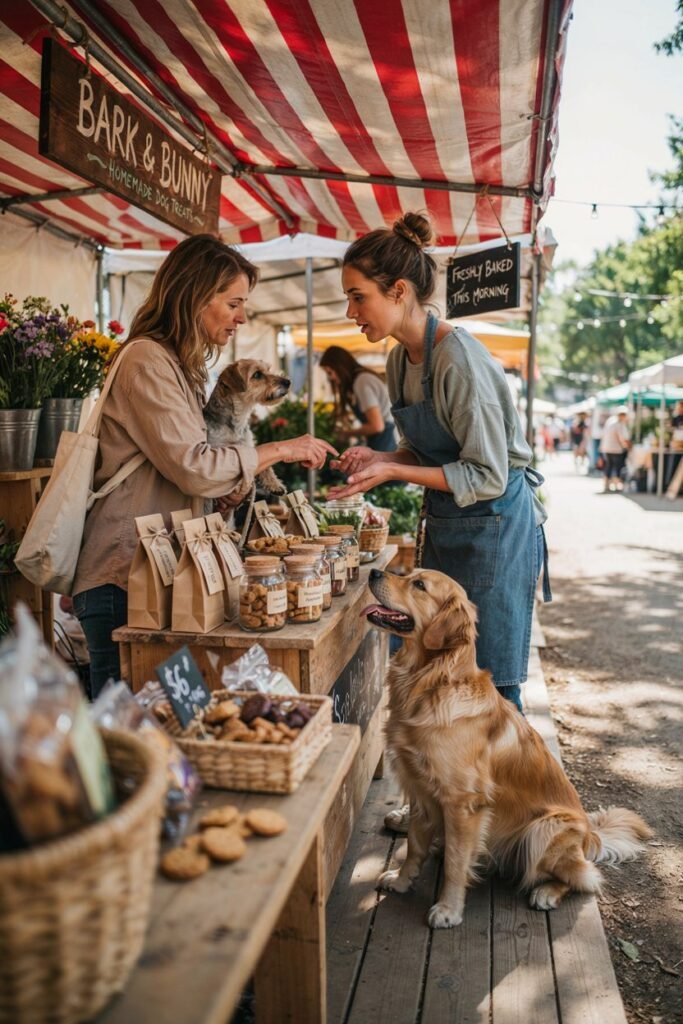
One of the biggest surprises during my research was discovering that many successful dog bakeries do not rely on just one place to sell.
Instead, they combine several sales channels to reach more customers.
If one source slows down, another often keeps the business growing.
Sell Through Your Own Website
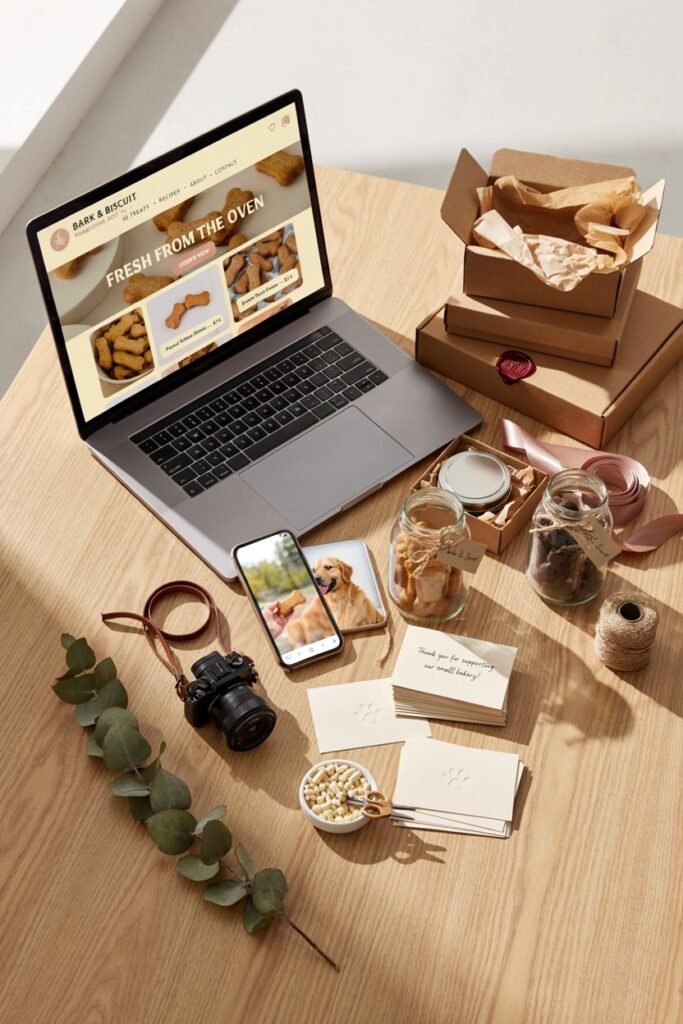
Having your own website makes your business look more professional.
Benefits include:
- Full control over your branding.
- No marketplace competition beside your listings.
- Better customer relationships.
- Email list building.
- Higher long term profits.
Your website should include:
- About page
- Product pages
- Ingredient information
- Frequently asked questions
- Contact page
- Customer reviews
Open an Etsy Shop
Etsy is an excellent platform for beginners because millions of shoppers already search there for handmade products.
Products that perform well include:
- Birthday cookies
- Holiday gift boxes
- Personalized treats
- Puppy welcome gifts
- Seasonal collections
Use clear product photos and keyword rich descriptions to help customers find your listings.
Attend Farmers Markets
Farmers markets allow customers to meet you in person and see your products before buying.
Bring:
- Attractive displays
- Business cards
- Samples if allowed
- Price signs
- Gift packaging
- Mobile payment options
Many repeat customers begin at local markets.
Partner With Local Businesses
Reach out to:
- Pet groomers
- Dog trainers
- Veterinarians
- Pet boutiques
- Boarding facilities
- Dog daycare centers
Offer wholesale pricing or referral partnerships.
These businesses already serve your ideal customers.
Helpful Tip
Instead of asking a pet shop to stock ten different products, start with your three best sellers.
A smaller selection is easier for store owners to test and reorder.
My Best Advice Before You Start Selling
Many people believe they need hundreds of products before launching.
In reality, I would rather have:
- Five excellent products
- Professional packaging
- Beautiful photos
- Great customer service
- Positive reviews
than
- Fifty average products with inconsistent quality.
Customers remember businesses that consistently deliver excellent products.
As your confidence grows, you can always expand your menu with seasonal treats, holiday collections, birthday cakes, and personalized gifts.
9. Market Your Dog Bakery and Attract Loyal Customers

One of the biggest lessons I learned while researching successful dog bakeries is this: the best treats in the world will not sell if no one knows they exist.
Many beginners spend weeks perfecting recipes but only a few minutes thinking about marketing. In reality, marketing should become part of your daily routine.
You do not need a huge advertising budget. You simply need to show your products to the right people consistently.
The goal is not to convince everyone to buy from you. It is to build trust with dog owners who appreciate homemade, high quality treats.
Start With Social Media
Social media is one of the easiest and most affordable ways to introduce your bakery to potential customers.
Instead of posting only product photos, share content that tells a story.
Ideas include:
- Behind the scenes baking videos
- Decorating dog cookies
- Packaging customer orders
- Dogs enjoying your treats
- Holiday collections
- New recipe launches
- Customer testimonials
- Birthday orders
- Ingredient spotlights
People love seeing the care that goes into handmade products.
Helpful Tip
Use natural lighting whenever possible. Bright, clear photos make your treats look fresher and more professional without expensive camera equipment.
Use Pinterest to Drive Long Term Traffic
Pinterest is often overlooked, but it can become one of your best marketing tools.
Unlike social media posts that disappear after a day or two, Pinterest Pins can continue bringing visitors to your website for months.
Create Pins for topics like:
- Healthy homemade dog treats
- Dog birthday ideas
- Christmas dog gifts
- Puppy treats
- Grain free dog biscuits
- Dog bakery inspiration
- Valentine’s Day treats for dogs
- Easter dog cookies
Each Pin should lead readers to a helpful blog post or product page.
Helpful Tip
Create several Pins for the same product using different images and headlines. This gives you more opportunities to reach new audiences.
Build an Email List From Day One
One thing many successful bakery owners wish they had done earlier is collecting email addresses.
Social media algorithms change all the time, but your email list belongs to you.
Offer something valuable in exchange for an email address.
Ideas include:
- Ten percent off the first order
- Free shipping
- A printable dog birthday checklist
- Early access to holiday collections
Send emails regularly with:
- New product launches
- Holiday specials
- Birthday reminders
- Customer stories
- Limited edition treats
Keeping in touch helps turn first time buyers into repeat customers.
Encourage Customer Reviews
Reviews build trust faster than almost anything else.
After every order, politely ask customers to leave a review on your website, Etsy shop, or social media page.
Positive reviews help new customers feel confident buying from your business.
Helpful Tip
Feature customer photos whenever possible. Seeing real dogs enjoying your treats creates powerful social proof.
10. Grow Your Dog Bakery Into a Full Time Business
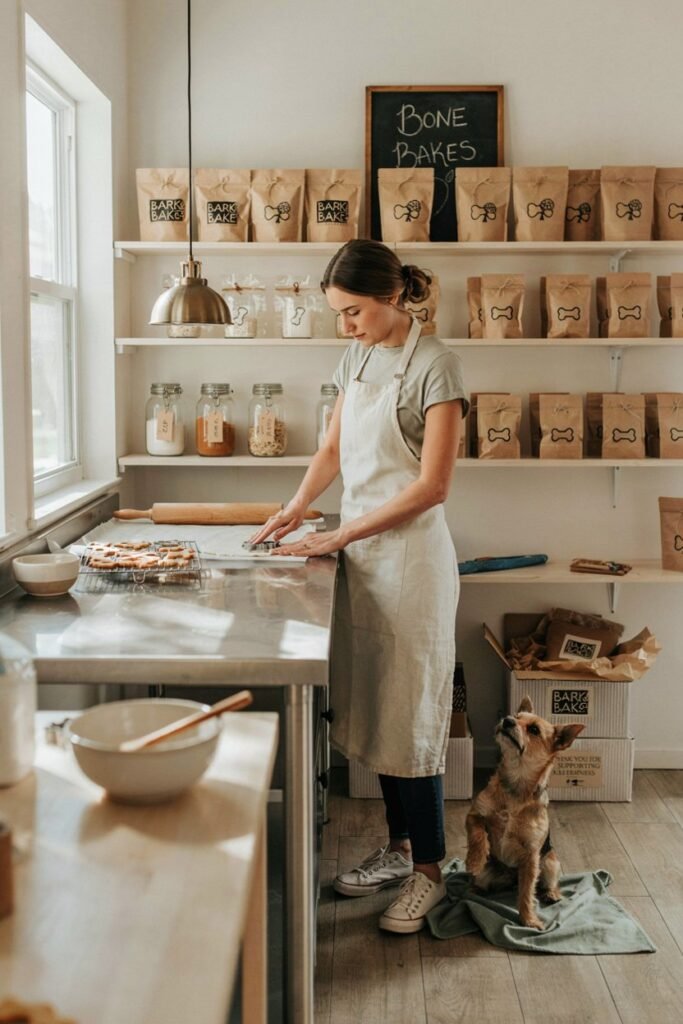
Starting small is smart, but it helps to think about where you want your business to be in a few years.
Many successful bakery owners began with only a handful of products and slowly expanded as demand increased.
Growing too quickly can become overwhelming, so focus on steady improvements instead.
Expand Your Product Line
Once your best selling treats are established, consider adding:
- Birthday cakes
- Celebration boxes
- Holiday gift sets
- Personalized cookies
- Seasonal flavors
- Puppy welcome boxes
- Senior dog treats
- Frozen summer treats
Introducing new products throughout the year keeps customers excited and gives them reasons to return.
Create Subscription Boxes
Subscription boxes provide predictable monthly income and encourage long term customer loyalty.
For example, customers could receive:
- Three new treat flavors every month
- Seasonal toys
- Birthday surprises
- Healthy chew options
- Personalized thank you notes
Even a small number of subscribers can provide steady revenue each month.
Sell Wholesale
Another way to grow is by supplying local businesses.
Potential wholesale partners include:
- Independent pet stores
- Grooming salons
- Dog daycares
- Veterinary clinics
- Gift shops
- Pet friendly cafés
Before approaching businesses, prepare:
- A wholesale price list
- Product catalog
- Sample treats
- Business cards
- Order forms
Professional presentation increases your chances of securing partnerships.
Hire Help When Needed
Many business owners wait too long before asking for help.
As orders increase, consider outsourcing tasks such as:
- Packaging
- Shipping
- Customer service
- Graphic design
- Bookkeeping
This gives you more time to focus on creating products and growing your business.
Sample Startup Budget

One question I see often is, “How much money do I need to start?”
The answer depends on how large you want to begin, but here’s a realistic example.
Budget Friendly Start (Around $300)
This budget can cover:
- Basic baking tools
- Ingredients
- Cookie cutters
- Packaging supplies
- Labels
- Business cards
This is enough to begin selling locally or at small markets.
Mid Range Start (Around $750)
In addition to the basics, you could also purchase:
- Stand mixer
- Professional packaging
- Website
- Better photography equipment
- Farmers market display
Premium Start (Around $1,500)
With a larger budget, you might invest in:
- Food dehydrator
- Heat sealer
- Label printer
- Commercial shelving
- Larger inventory
- Marketing campaigns
Remember, you do not need to spend thousands of dollars on day one. Let your profits help fund future upgrades.
Common Mistakes That Can Hurt Your Business
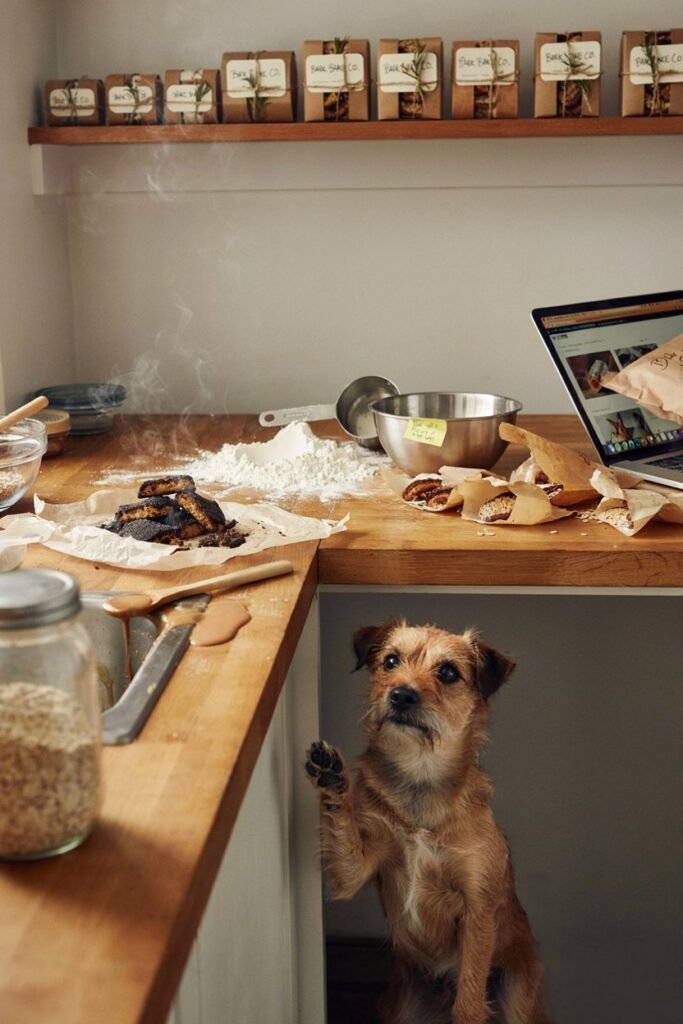
Even the best ideas can struggle if you make avoidable mistakes.
Here are some of the most common ones:
- Selling too many products too soon
- Buying expensive equipment before making sales
- Using poor quality ingredients
- Forgetting to calculate all business expenses
- Inconsistent packaging
- Poor product photos
- Ignoring customer feedback
- Not collecting customer emails
- Posting on social media only when you have something to sell
- Giving up after a slow month
One thing I have learned from studying successful small businesses is that consistency almost always wins.
Keep improving your products, keep showing up, and keep learning from your customers.
Frequently Asked Questions
How much can a dog bakery make?
Income varies depending on pricing, marketing, and sales channels.
Some home bakeries earn a few hundred dollars each month, while established businesses generate full time incomes through online sales, local markets, and wholesale partnerships.
Do I need professional baking experience?
No. Strong recipes, attention to detail, and a willingness to learn are far more important than formal baking experience.
Can I start from my home kitchen?
Many people do, but always check your local regulations before selling homemade pet treats.
What are the best selling dog treats?
Popular options include peanut butter biscuits, pumpkin treats, birthday cookies, grain free snacks, training treats, and holiday gift boxes.
How do I attract repeat customers?
Focus on excellent products, attractive packaging, outstanding customer service, and consistent communication through email and social media.
Final Thoughts
Starting a dog bakery business is about more than baking treats.
It is about creating products that pet owners trust, building meaningful relationships with customers, and growing a brand that reflects your passion for dogs.
One thing I appreciate most about this business is that it can start small. You do not need a commercial kitchen or a huge investment to begin.
What you do need is a commitment to quality, a willingness to keep learning, and the patience to grow one satisfied customer at a time.
If I were starting today, I would focus on mastering a few exceptional recipes, creating professional packaging, and delivering an experience that customers would happily recommend to friends.
Word of mouth remains one of the most powerful marketing tools any small business can have.
With thoughtful planning, consistent effort, and genuine care for the pets you’re serving, your dog bakery can become much more than a side hustle.
It has the potential to grow into a rewarding business that brings joy to dogs, peace of mind to their owners, and a reliable source of income for you.
The most important step is the first one. Choose a recipe, create your plan, and start building the dog bakery you’ve been dreaming about. Every successful business began with a single batch, and yours can too.