4 Best Recipes for Dogs Diarrhea
Diarrhea can leave your dog feeling uncomfortable, tired, and less interested in food. When it happens, choosing simple, gentle meals may help your dog tolerate food while their digestive system settles.
The right ingredients matter, especially when your dog has loose stools, a sensitive stomach, or a temporary digestive upset.
In this guide, I’m sharing four simple recipes for dogs with diarrhea that use familiar ingredients and straightforward preparation methods.
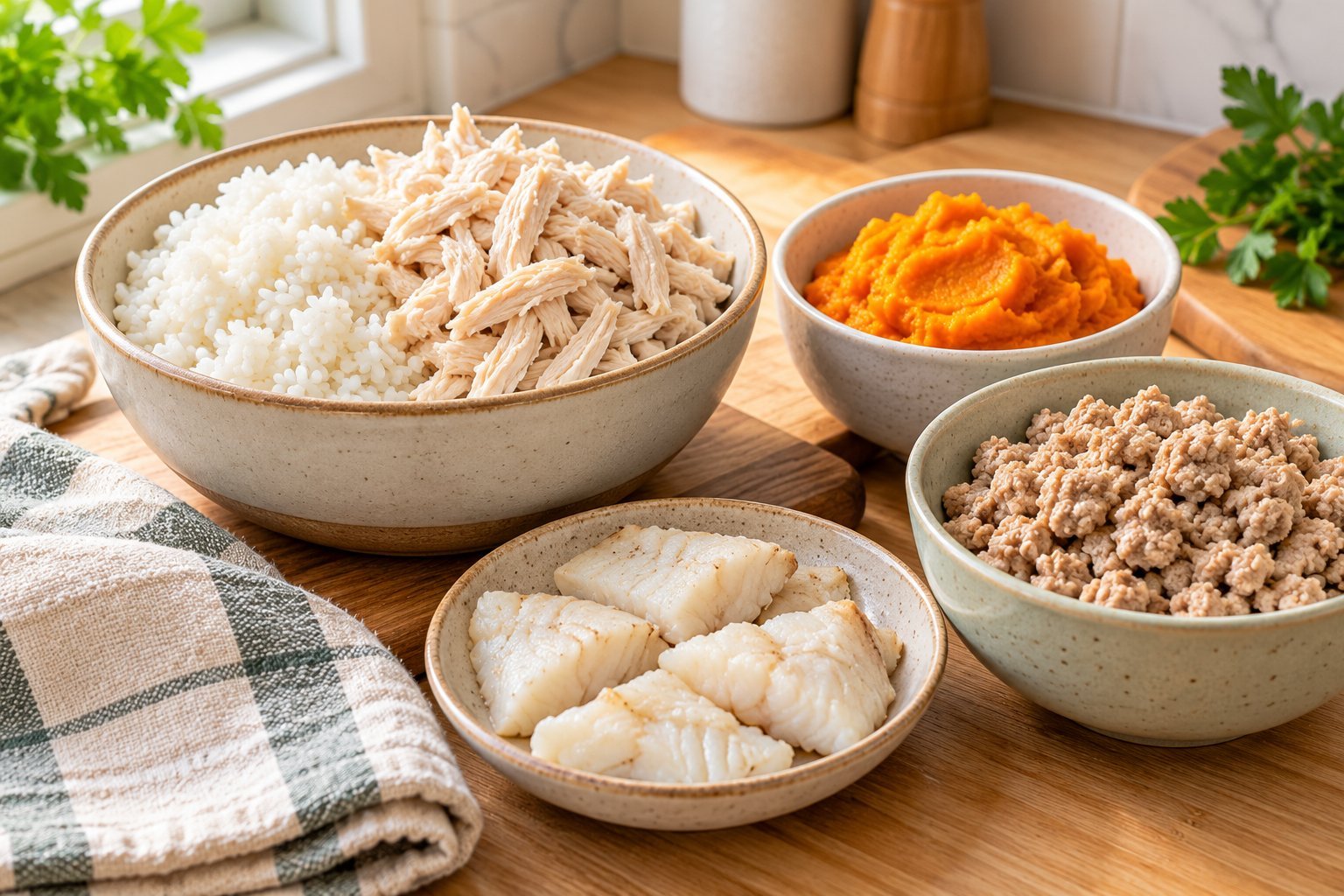
These recipes focus on gentle options such as plain boiled chicken, white rice, lean protein, and plain pumpkin, depending on your dog’s needs and tolerance.
Each recipe includes practical preparation instructions, serving guidance, and tips for avoiding ingredients that may make digestive symptoms worse.
However, homemade food is not a guaranteed treatment for diarrhea, and not every dog will benefit from the same meal. Sudden dietary changes, food intolerances, infections, parasites, and other medical conditions can all cause digestive problems.
A bland diet may be appropriate for some otherwise healthy adult dogs with mild, short-lived symptoms, but puppies, senior dogs, and dogs with existing health conditions need extra care.
Before preparing a meal, make sure your dog has access to fresh water and avoid adding salt, butter, oils, rich sauces, or seasonings.
Contact your veterinarian if diarrhea is severe, persistent, or accompanied by vomiting, blood in the stool, weakness, abdominal pain, or signs of dehydration.
Very young puppies and medically fragile dogs should receive prompt veterinary advice rather than relying on home remedies.
Let’s look at four simple recipe options, how to prepare them safely, and when your dog may need more than a change in diet.
1. Plain Boiled Chicken and White Rice
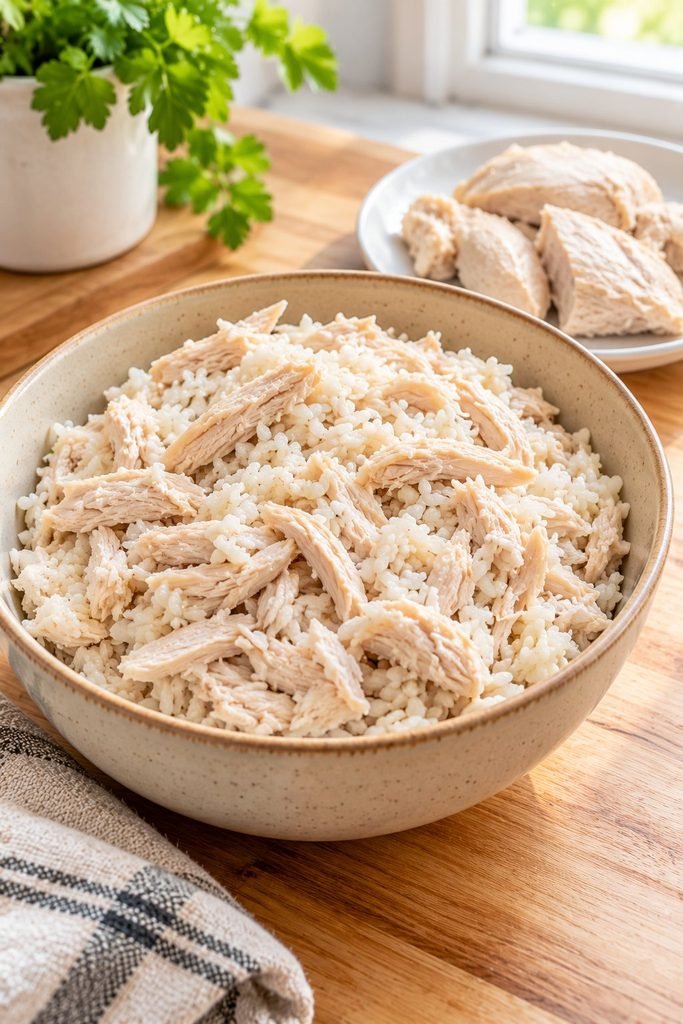
Plain boiled chicken and white rice is a commonly used short-term bland meal for dogs experiencing mild digestive upset.
Chicken provides easily digestible protein for many dogs, while thoroughly cooked white rice offers a simple carbohydrate.
This combination is easy to prepare and allows you to avoid rich ingredients that could further upset a sensitive stomach.
Ingredients
- 1 boneless, skinless chicken breast
- 1 cup plain white rice
- Water for boiling
Instructions
- Boil the chicken in plain water until fully cooked, with no pink remaining in the center.
- Cook the white rice separately until soft and tender.
- Remove the chicken from the water, allow it to cool, and shred it into small pieces.
- Mix the chicken with the cooked rice, using a modest amount of rice water if needed to soften the mixture.
- Let the food cool completely before serving.
Serving tips
Offer a small portion rather than a large meal, and observe your dog’s response. If your dog tolerates it, your veterinarian may recommend continuing small, frequent meals for a short period.
This combination is not nutritionally complete for long-term feeding, so it should not replace a balanced diet indefinitely.
Avoid chicken skin, bones, seasonings, stock cubes, onion, and garlic. If your dog has a known chicken allergy or a medical condition requiring a special diet, ask your veterinarian about a suitable alternative.
2. Lean Ground Turkey and White Rice
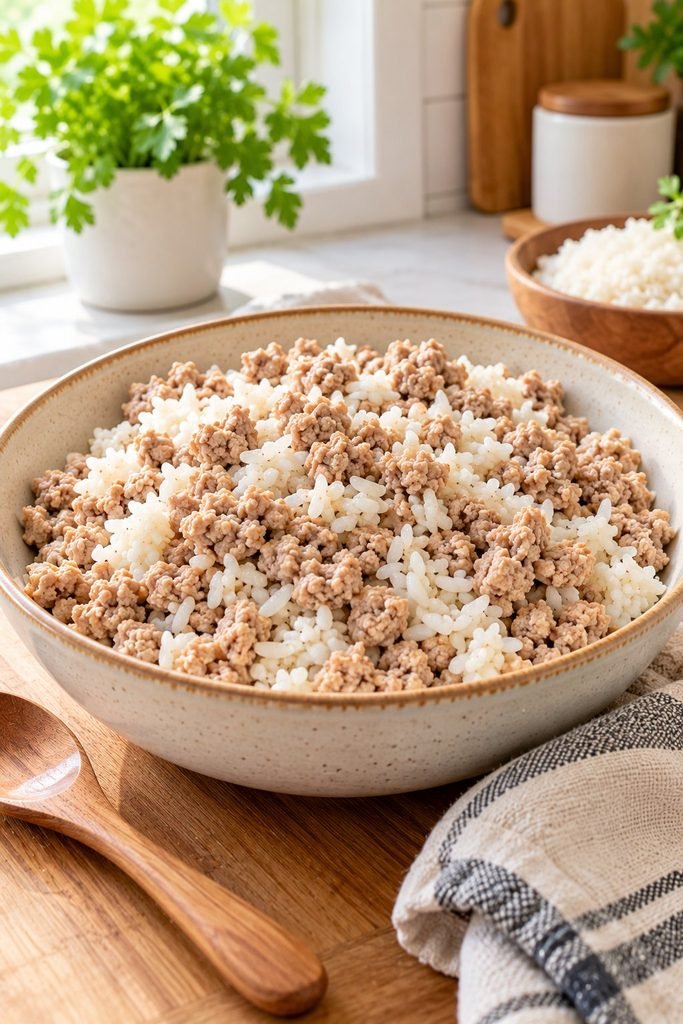
Lean ground turkey and white rice can be another simple option for dogs that tolerate turkey well.
Turkey provides protein, and white rice keeps the meal relatively plain. Choosing lean meat and draining excess fat helps prevent an unnecessarily rich meal from aggravating digestive discomfort.
Ingredients
- 1/2 pound lean ground turkey
- 1 cup white rice
- Water as needed
Instructions
- Cook the white rice in water until soft.
- Place the ground turkey in a clean pan and cook it thoroughly without oil, butter, or seasoning.
- Break the turkey into small pieces as it cooks.
- Drain excess fat and allow the meat to cool.
- Combine the turkey with the cooked rice and mix thoroughly.
- Serve only after the meal has cooled to a safe temperature.
Serving tips
Start with a small amount and monitor your dog for worsening diarrhea, vomiting, or reduced appetite. This recipe is intended as a short-term bland-food option, not a complete everyday diet.
Do not use seasoned turkey, deli turkey, processed meat, or turkey containing onion or garlic. If your dog has a history of food sensitivities, check with your veterinarian before introducing a different protein.
3. Plain Boiled Chicken With Pumpkin
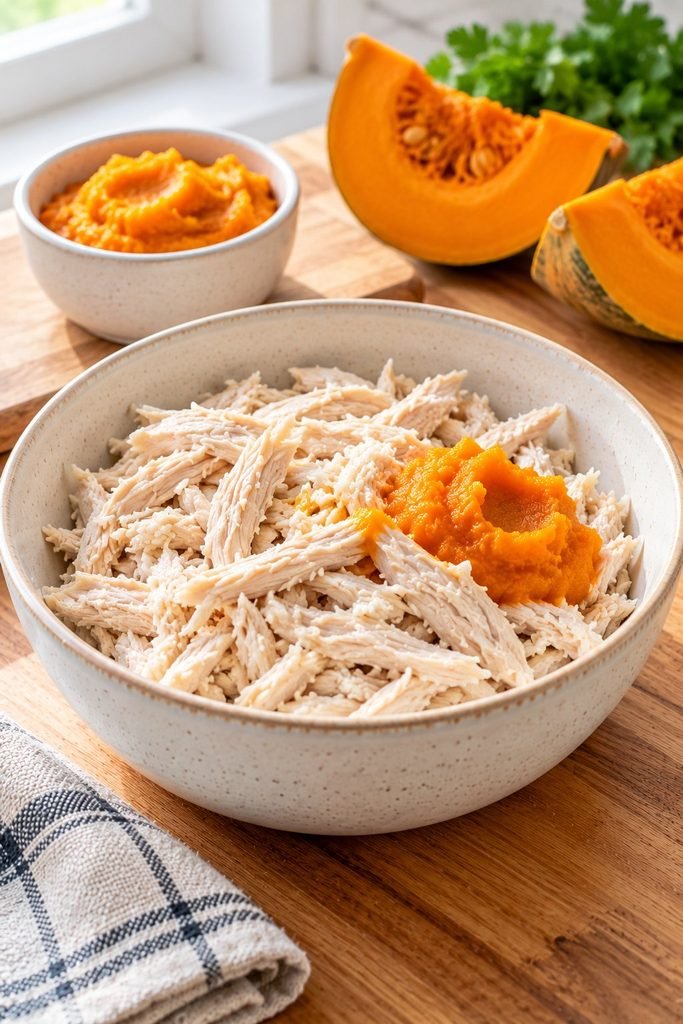
Plain chicken with a small amount of plain pumpkin is another option some dogs tolerate during mild digestive upset.
Pumpkin contains fiber, which can influence stool consistency, but the response varies between dogs. Too much fiber or an ingredient your dog does not tolerate may make symptoms worse, so moderation is important.
Ingredients
- 1 boneless, skinless chicken breast
- 1 to 2 teaspoons plain cooked pumpkin to start
- Water for boiling
Instructions
- Boil the chicken in plain water until it is fully cooked.
- Allow the chicken to cool before shredding it into small pieces.
- Prepare plain pumpkin by cooking it until soft, or use canned pumpkin that contains only pumpkin.
- Mix a small amount of pumpkin into the shredded chicken.
- Serve a small portion and watch how your dog responds.
Serving tips
Begin with a little pumpkin rather than adding a large amount immediately. Pumpkin is not a universal remedy for diarrhea, and dogs with certain dietary restrictions may need a different approach.
Never use pumpkin pie filling, sweetened pumpkin products, or mixtures containing spices or artificial sweeteners. If your dog’s symptoms continue or worsen, stop experimenting with recipes and contact your veterinarian.
4. Plain White Fish and White Rice
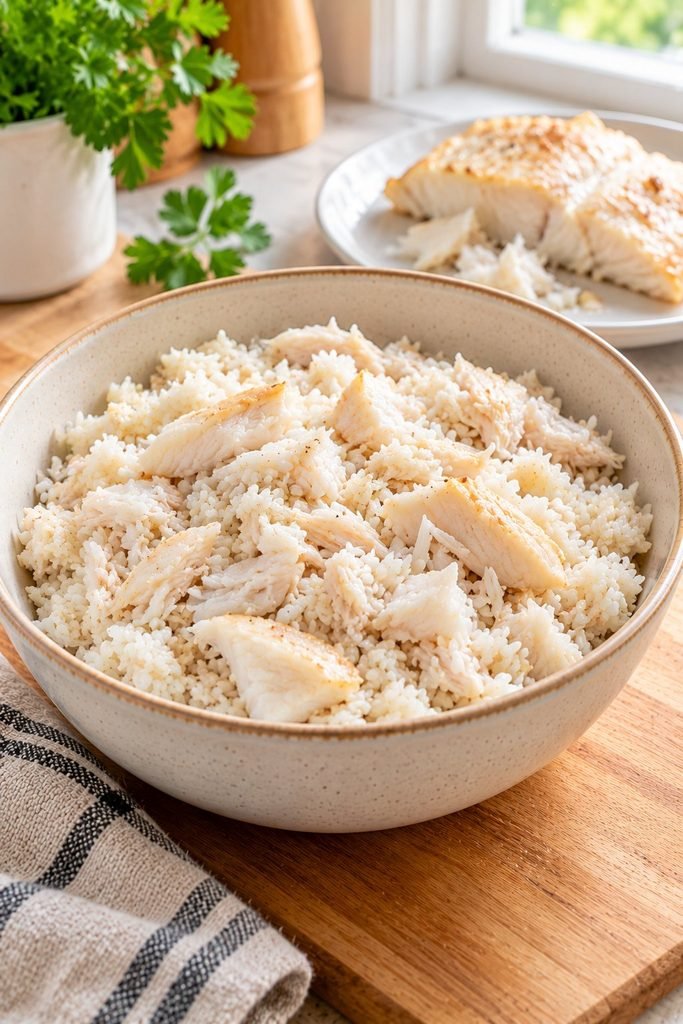
Plain white fish and white rice can provide an alternative for dogs that tolerate fish and need a simple meal. Mild fish such as cod or pollock can be prepared without rich sauces or added fats.
This option may be useful when chicken is unsuitable, but it is not appropriate for dogs with fish allergies or other dietary restrictions.
Ingredients
- 1 boneless white fish fillet, such as cod
- 1 cup cooked white rice
- Water for cooking
Instructions
- Steam or poach the fish in plain water until it is fully cooked and flakes easily.
- Inspect it carefully and remove every bone.
- Cook the white rice separately until soft.
- Flake the fish into small pieces and combine it with the rice.
- Allow the mixture to cool completely before offering a small serving.
Serving tips
Use plain, unseasoned fish rather than smoked, salted, battered, or fried fish. Avoid fish prepared with garlic, onion, butter, or sauces. Introduce only a small portion and monitor your dog’s response.
As with the other recipes, this meal is intended only as a temporary option. If diarrhea continues, your dog needs veterinary assessment rather than repeated changes between homemade foods.
Important Reminder
These four recipes are not substitutes for veterinary care. Diarrhea can lead to dehydration, and its cause may require specific treatment.
Seek veterinary guidance promptly for puppies, senior dogs, dogs with underlying health conditions, or any dog with blood in the stool, repeated vomiting, marked lethargy, abdominal pain, or other concerning symptoms.
Do not withhold food or give human anti-diarrhea medication unless your veterinarian specifically advises you to do so.
How to Feed a Dog With Diarrhea
When your dog has diarrhea, feeding smaller meals and keeping fresh water available can help you manage the situation while monitoring symptoms.
The best approach depends on your dog’s age, health, appetite, and the severity of the diarrhea.
For an otherwise healthy adult dog with mild symptoms, your veterinarian may recommend a temporary bland diet. Offer small portions instead of one large meal, and avoid introducing several new ingredients at once. This makes it easier to identify foods your dog tolerates.
Keep these practical tips in mind:
- Offer fresh water frequently. Diarrhea can cause fluid loss, so make sure your dog can drink freely.
- Serve food in small portions. Smaller meals may be easier to tolerate than a large serving.
- Avoid rich foods. Fatty meat, table scraps, dairy products, and oily treats may aggravate digestive upset.
- Keep meals simple. Avoid salt, spices, sauces, onion, garlic, and artificial sweeteners.
- Monitor bowel movements. Pay attention to stool frequency, consistency, color, and any blood or mucus.
- Transition back carefully. Once your dog improves, ask your veterinarian how to gradually reintroduce a complete and balanced dog food.
Do not force your dog to eat. A refusal to eat, particularly alongside diarrhea or vomiting, deserves veterinary advice.
Foods to Avoid When Your Dog Has Diarrhea
While preparing a temporary bland meal, avoid ingredients that can worsen digestive symptoms or pose a health risk.
Fatty foods: Greasy meat, bacon, fried foods, and oily leftovers can aggravate digestive problems and may contribute to pancreatitis.
Dairy products: Milk, cream, and some cheeses can cause digestive upset in dogs that have difficulty digesting lactose.
Seasoned foods: Onion, garlic, heavily salted foods, and spicy sauces are unsuitable for dogs. Onion and garlic can be toxic.
Sugar-free products: Some products contain xylitol, an artificial sweetener that is highly toxic to dogs.
Raw meat and fish: Raw ingredients can carry harmful bacteria or parasites. Fully cook protein ingredients and remove all bones.
Pumpkin pie filling: This may contain sugar, spices, and other ingredients that are inappropriate for a dog with digestive upset. Use plain pumpkin only if it suits your dog’s needs.
When Should You Call a Veterinarian?
A mild episode of diarrhea may resolve quickly, but it is important not to assume that food alone will solve the problem. Diarrhea can result from parasites, infections, dietary indiscretion, medication reactions, or more serious medical conditions.
Contact a veterinarian promptly if your dog experiences any of the following:
- Blood in the stool or black, tarry stool.
- Repeated vomiting or an inability to keep water down.
- Significant weakness, unusual sleepiness, or collapse.
- A painful or swollen abdomen.
- Signs of dehydration, such as sticky gums or reduced urination.
- Frequent, profuse, or worsening diarrhea.
- Refusal to eat or drink, especially when accompanied by other symptoms.
Puppies, elderly dogs, and dogs with chronic illnesses should receive veterinary advice early because they can become dehydrated or deteriorate more quickly.
If diarrhea persists beyond 24 hours, contact your veterinarian even if your dog otherwise seems comfortable; seek help sooner if symptoms worsen.
Do not give human anti-diarrhea medicines, antibiotics, or other medications unless a veterinarian specifically directs you to use them.
Frequently Asked Questions
What is the best homemade food for a dog with diarrhea?
Plain boiled chicken and white rice is a commonly recommended short-term bland-food option for some otherwise healthy adult dogs.
However, it is not suitable for every dog, and a veterinarian can help determine whether it is appropriate for your pet.
Can I give my dog pumpkin for diarrhea?
Plain pumpkin may help some dogs because it contains fiber, but results vary. Start with a small amount if your veterinarian agrees, and never use sweetened pumpkin pie filling.
How often should I feed my dog when it has diarrhea?
For some dogs with mild symptoms, small, frequent meals may be easier to tolerate than large meals. Your veterinarian can recommend a suitable feeding schedule based on your dog’s size, age, and condition.
Can I feed my dog chicken and rice for several days?
Chicken and rice is not nutritionally complete for long-term feeding. Use it only as a short-term option under appropriate veterinary guidance, and follow advice on when and how to return to a complete, balanced diet.
Should I stop feeding my dog until the diarrhea goes away?
Do not automatically withhold food. Feeding recommendations depend on your dog’s age, health, symptoms, and the underlying cause.
Puppies and medically fragile dogs need particular care, so ask your veterinarian for individualized advice.
Final Thoughts
Simple homemade meals can be useful in some cases of mild digestive upset, but choosing the right recipe is only one part of caring for a dog with diarrhea.
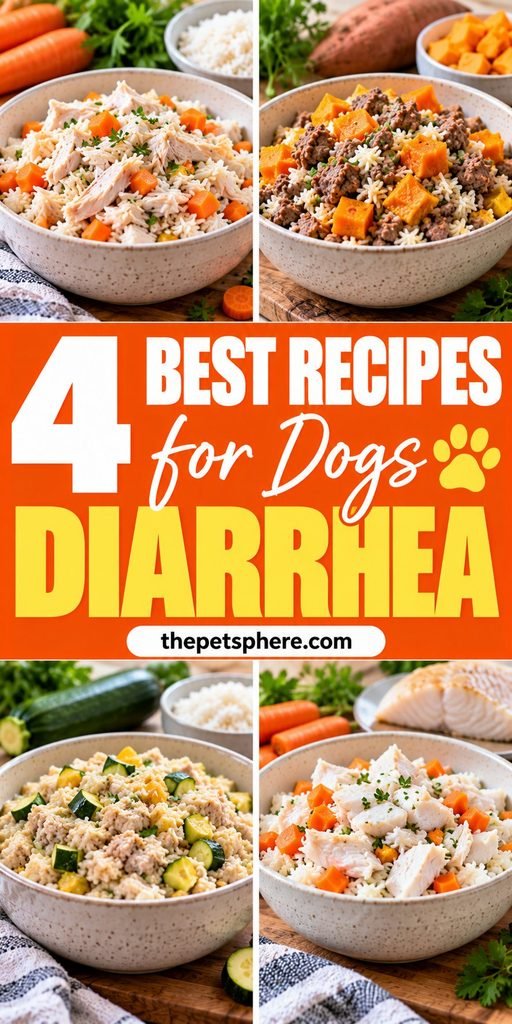
Plain chicken and rice, lean turkey and rice, chicken with a little plain pumpkin, and white fish with rice are four options that may suit certain dogs when prepared without seasonings or excess fat.
Keep portions modest, provide fresh drinking water, and monitor your dog’s condition closely.
Most importantly, do not let homemade remedies delay veterinary care when symptoms are severe, persistent, or accompanied by warning signs.
Your dog’s safety comes first. When in doubt, speak with your veterinarian before changing their diet or trying a new remedy.