
Cooling Dog Treats for Summer Days: Keep Your Pup Happy, Hydrated, and Refreshed
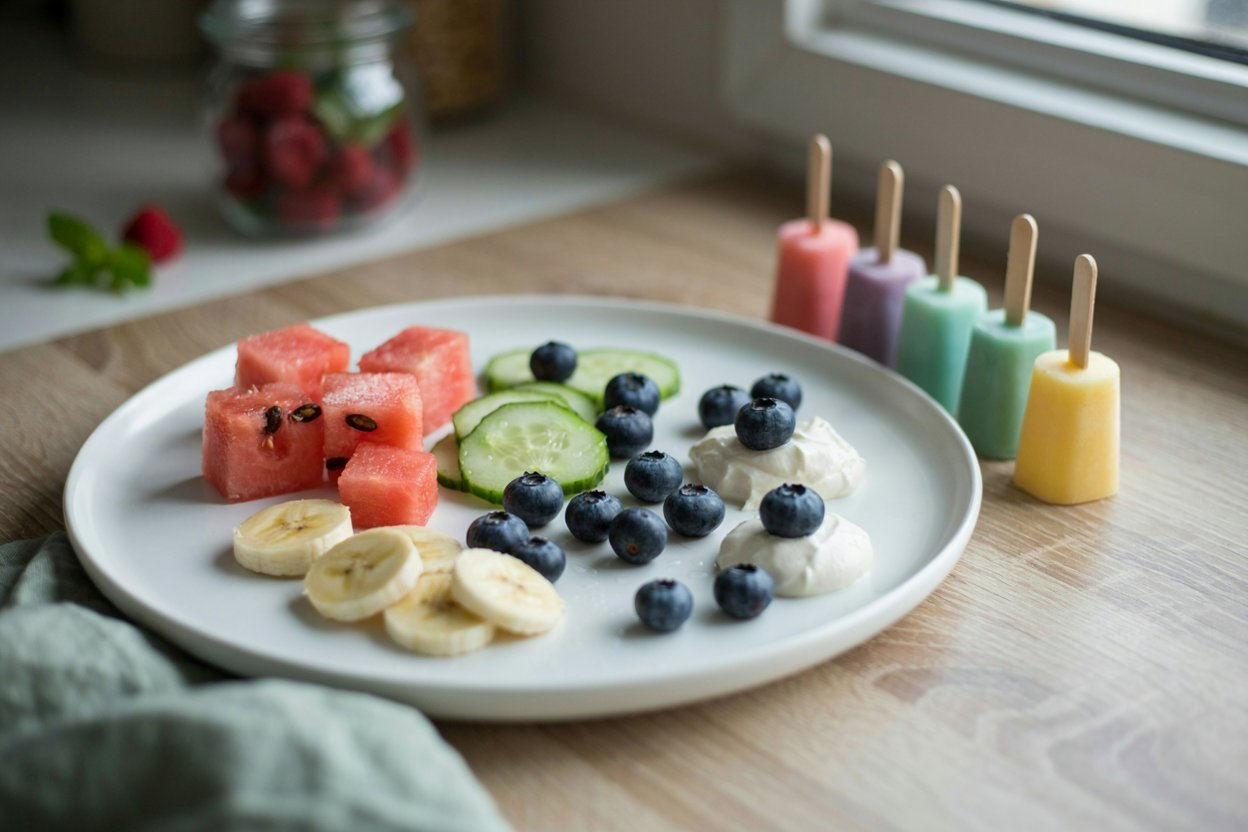
By the time the afternoon heat really sets in, my dog has usually parked himself in front of the freezer door like he already knows exactly what’s in there.
Summer is the one season where I actually plan ahead on treats, mostly because a bowl of kibble just doesn’t compete with something cold on a ninety degree day, and because I’ve learned the hard way that heat and dogs are a combination that deserves a bit more attention than people usually give it.
A frozen treat isn’t just a fun afternoon distraction. Done right, it’s a small, genuinely useful tool for helping a dog stay comfortable and hydrated when the temperature climbs, especially for dogs who don’t drink as much water on their own as they probably should.
These eleven recipes are the ones I keep coming back to, built around simple, hydrating ingredients that hold up well in the freezer, don’t require any special equipment beyond a few silicone molds, and actually help on the hottest days rather than just being a novelty.
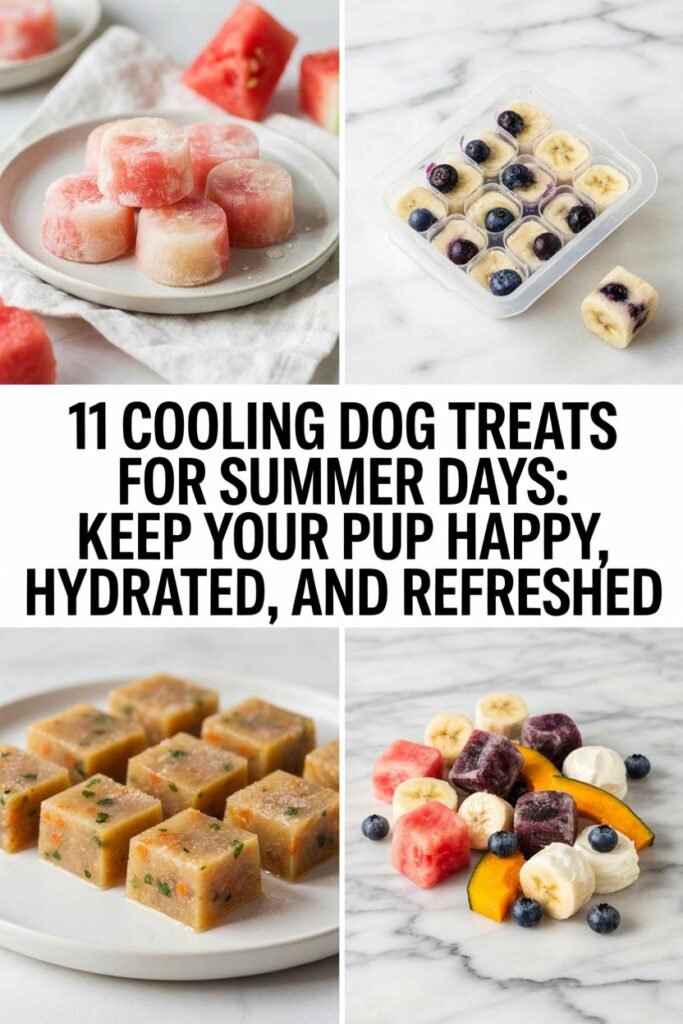
Along the way, I’m going to walk through exactly why each ingredient earns its place in these recipes, not just what to buy, because understanding the reasoning behind an ingredient makes it so much easier to swap things around, troubleshoot a recipe that isn’t turning out right, or simply feel confident about what you’re actually giving your dog.
If you want to build out a wider treat rotation beyond these eleven, a few related guides are worth having open alongside this one.
11 vet friendly frozen dog treat recipes and easy frozen coconut dog treats for summer offer more frozen options in the same spirit as this guide, homemade banana dog treat recipes and simple carrot based dog treat recipes for beginners round out your everyday treat rotation, 3 ingredient peanut butter dog gummies, peanut butter banana gummies for dogs, and homemade beef bone broth gummies give you a few more gelatin based options for the rest of the year, and human foods dogs can safely eat and homemade dog food with vet approved ingredients are worth a look for the bigger picture of feeding safely at home.
Disclaimer: This post may contain affiliate links, which means I may earn a small commission at no extra cost to you. Always use dog-safe ingredients and supervise your dog when offering frozen treats. Consult your veterinarian if your dog has allergies, sensitivities, or special dietary needs.
Amazon Shopping List You Need
- Silicone Dog Treat Molds (Paw & Bone Shapes)
- Silicone Ice Cube Tray Set
- Dog-Safe Peanut Butter (Xylitol-Free)
- Plain Greek Yogurt (Unsweetened)
- Stainless Steel Mixing Bowl Set
- Airtight Freezer Storage Containers
- Dog Treat Freezer Bags for Storage
Why Cooling Treats Actually Matter in Summer
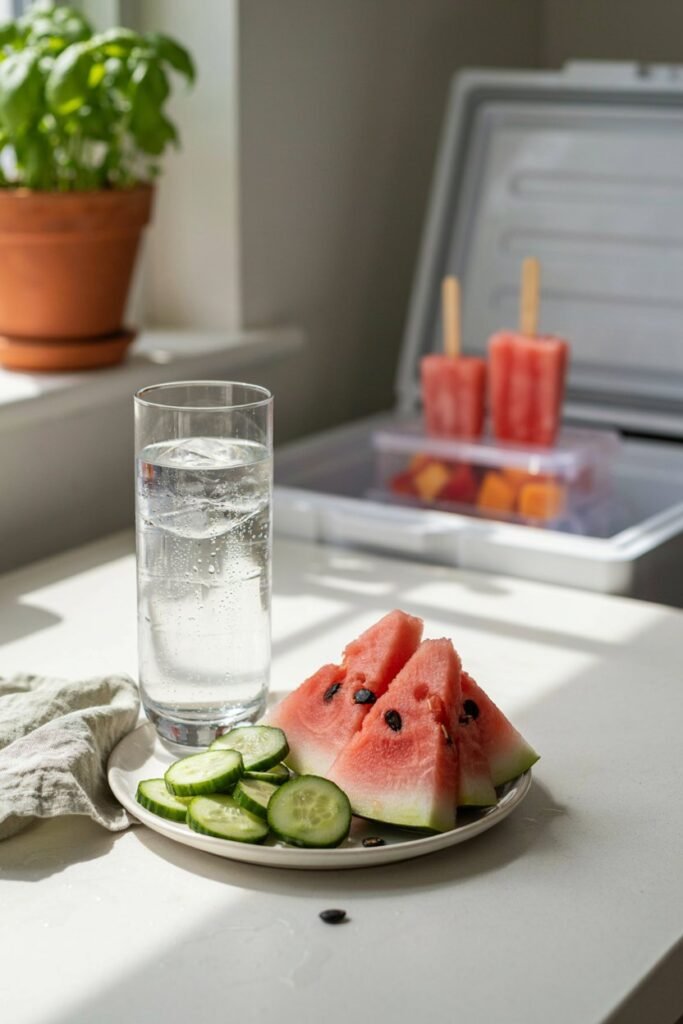
Dogs don’t regulate heat the way people do. They rely primarily on panting, along with a smaller amount of sweating through their paw pads, which means they lose excess heat far less efficiently than we do.
That difference matters more than most owners realize, especially for flat faced breeds, senior dogs, overweight dogs, and dogs with thick double coats, all of whom are at higher risk of overheating even on days that don’t feel unbearably hot to a person standing in the same yard.
A cooling treat isn’t a substitute for shade, air conditioning, or fresh water, and it should never be used as the primary way to cool down a dog who’s already showing signs of overheating, such as heavy panting, drooling, weakness, or disorientation, all of which call for immediate action and, if severe, a call to your veterinarian rather than a frozen treat.
What a good cooling treat can do is make an already comfortable dog a little more comfortable, encourage a dog who isn’t drinking enough water to take in some extra moisture, and give you an easy, safe way to reward your dog during outdoor time without adding heat generating activity like a long walk or an intense game of fetch in the middle of the afternoon.
Recognizing the Difference Between Warm and Overheated

A dog who’s simply warm from being outside will typically pant at a steady, even pace, seek out shade or a cool floor on their own, and settle down once they’re back in a comfortable environment.
A dog heading toward heat exhaustion or heatstroke often shows a different pattern: panting that’s noticeably faster or more labored than usual, thick or excessive drooling, gums or tongue that look brighter red than normal or, in more severe cases, pale or bluish, along with stumbling, weakness, vomiting, or a general glassy eyed look.
If you notice any of that combination of signs, especially after exercise or extended time outside on a hot day, move your dog to a cool area immediately, offer small amounts of water, and contact your veterinarian, since heatstroke can progress quickly and become a genuine emergency.
What Makes a Good Cooling Summer Treat?
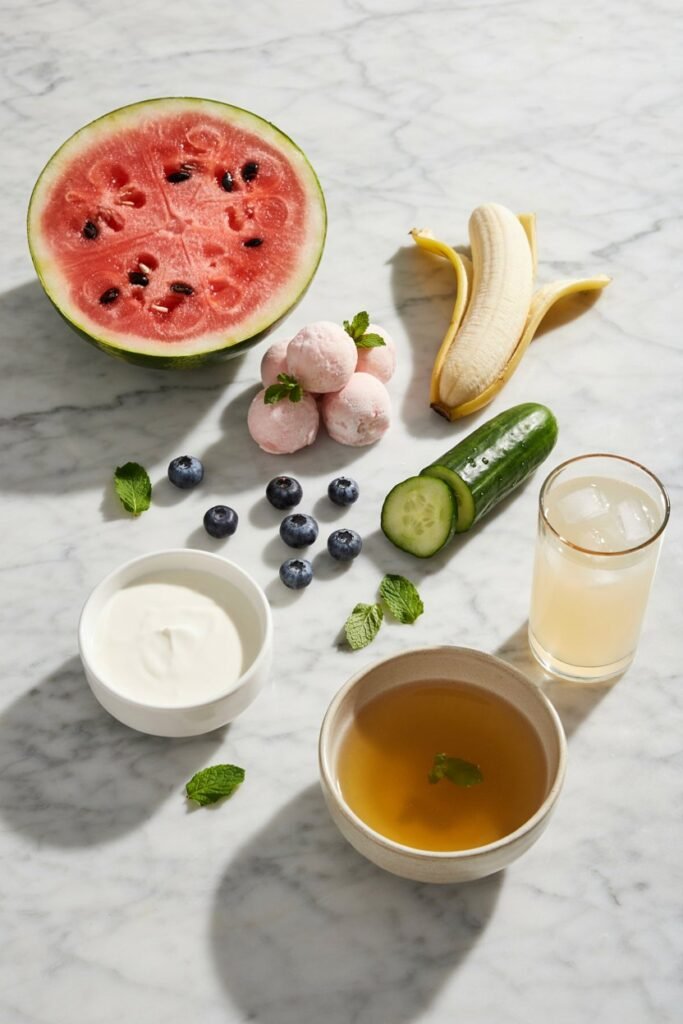
The best summer treats do two things at once: they help with hydration, and they actually stay appealing once frozen, rather than turning into a rock hard block that your dog loses interest in halfway through.
Watermelon, cucumber, plain yogurt, coconut water, and low sodium broth all work particularly well because they’re naturally high in moisture and genuinely safe for dogs in appropriate amounts, while still freezing into something with a texture dogs actually enjoy working through.
Before You Start
As with any treat, portion size matters. These are meant to supplement hydration and comfort on a hot day, not replace fresh water access, which should always be available to your dog regardless of how many frozen treats they get through in an afternoon.
Cooling Dog Treat
Yield: About 8 to 10 small treats, depending on mold size Prep Time: 5 to 10 minutes Freeze Time: At least 4 hours Storage: Freeze up to 1 to 3 months, depending on the ingredients used
Ingredients
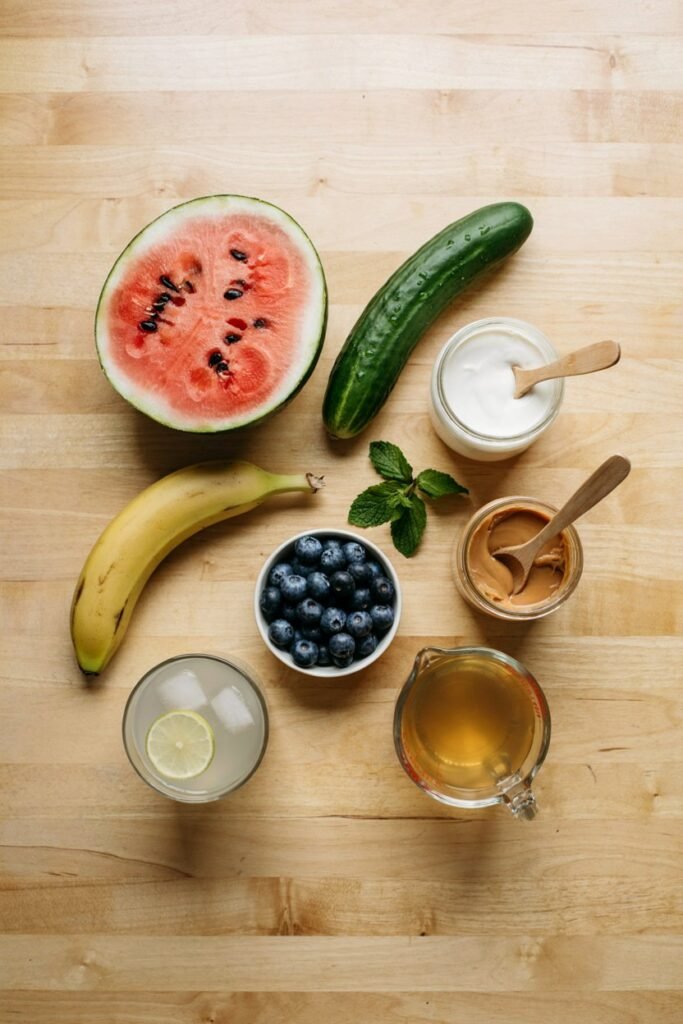
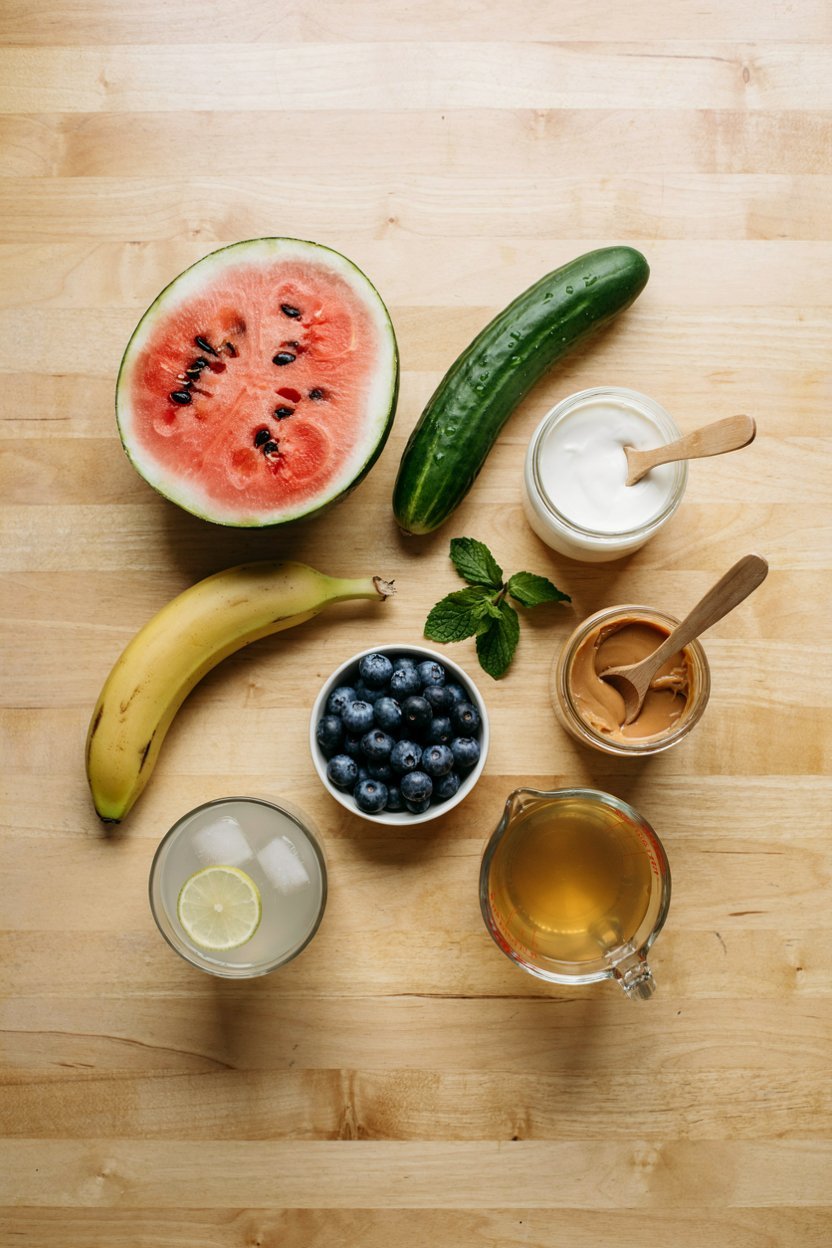
- 1 cup high moisture base of your choice. Watermelon, seeded and diced, offers roughly 90 percent water content and natural sweetness with no added sugar needed. Cucumber, peeled and diced, is similarly hydrating with almost no natural sugar, making it a good choice for a dog watching their weight. Plain unsweetened yogurt brings protein and a creamy, cooling texture. Low sodium broth, onion and garlic free, adds a savory option for dogs who prefer flavor over sweetness.
- 2 tablespoons flavor booster, optional. A ripe banana adds natural sweetness and a smooth texture. A small handful of blueberries adds antioxidants and a burst of flavor. A spoonful of plain peanut butter, checked carefully for xylitol, adds richness for an occasional treat.
- 2 tablespoons water, as needed. Helps loosen a thicker base like yogurt or mashed banana into a pourable consistency for the mold.
How to Make It
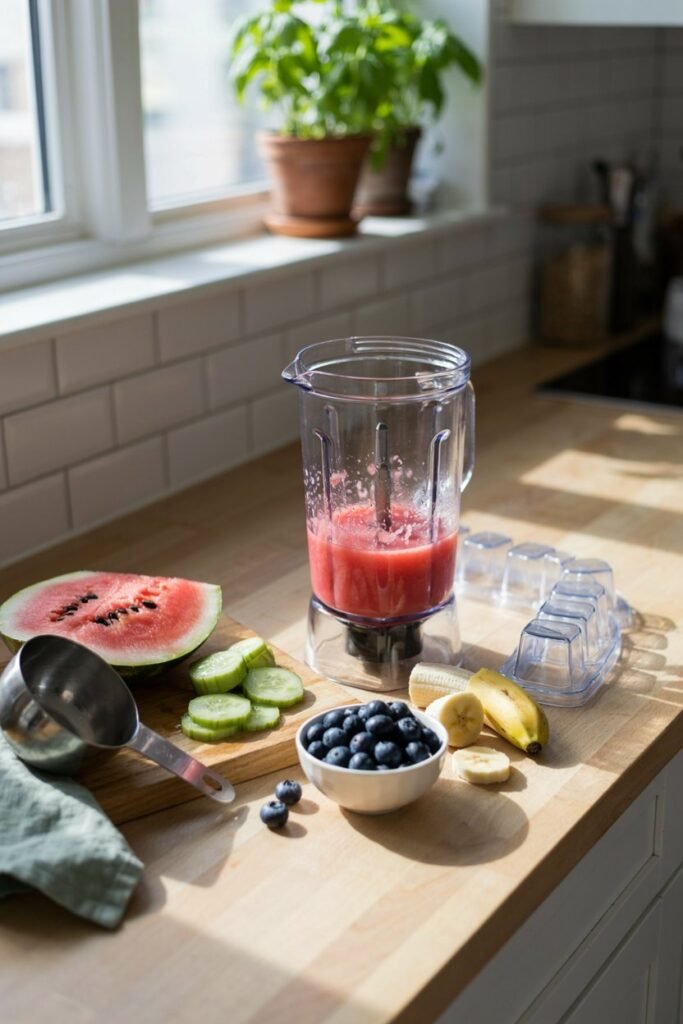
- Prepare your base. If using watermelon or cucumber, remove seeds first, then puree in a blender for a smooth pop or dice finely by hand if you’d rather have a chunkier texture your dog can chew through. If using yogurt, simply measure it out, since it’s already the right consistency to work with directly. If using broth, warm it very slightly on the stove or in the microwave, just enough to dissolve any fat that may have solidified, then let it cool back down before moving on.
- Mix in your flavor booster. Mash the banana with a fork until smooth, lightly crush the blueberries so they release a bit of juice into the mixture, or stir the peanut butter in a spoonful at a time until fully dissolved with no clumps remaining. Combine whichever booster you’re using directly into the base from step one.
- Check the consistency before pouring. The mixture should be pourable but not watery, similar to a thin smoothie. If it’s too thick to move easily off a spoon, add water one tablespoon at a time, stirring well after each addition, until it loosens up. If you’re using a base that’s already thin, like broth, you likely won’t need to add any water at all.
- Fill your mold. Pour the mixture into small silicone molds for the cleanest release later, or into a standard ice cube tray if that’s what you have on hand. Fill each cavity about three quarters full rather than all the way to the top, since the mixture will expand slightly as it freezes.
- Freeze until fully solid. Place the mold on a flat surface in the freezer for at least 4 hours, though leaving it overnight guarantees a fully solid treat all the way through the center, which matters most for thicker mixtures like yogurt or peanut butter based versions.
- Release and store. Once solid, pop the treats out of the mold, transferring any you’re not serving right away into an airtight freezer bag or container so they don’t pick up odors from other food in the freezer.
How to Adjust This Recipe
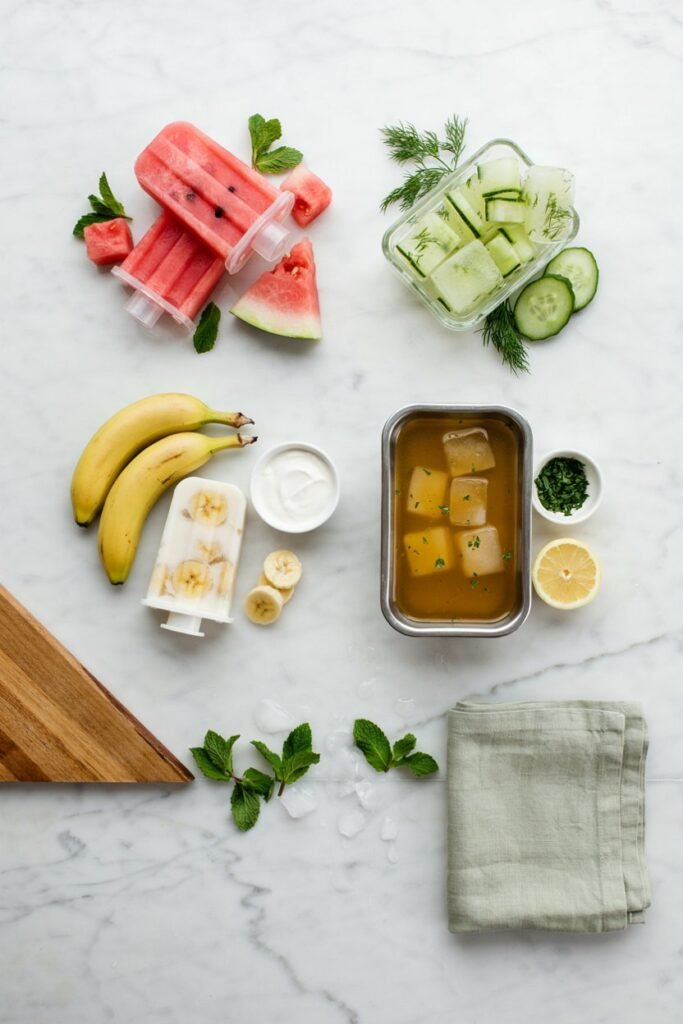
For maximum hydration. Use watermelon or cucumber as the base with nothing else added, keeping the recipe as close to pure water content as possible.
For a protein boost. Use plain yogurt as the base, optionally combined with mashed banana for sweetness.
For a savory option. Use low sodium broth as the base, which tends to appeal to dogs who prefer flavor over sweetness and works especially well for dogs who need encouragement to drink more.
For an occasional richer treat. Add a spoonful of peanut butter or a small amount of unsweetened coconut, keeping the portion smaller than the lighter, fruit or vegetable based versions given the added calories.
How Many Treats Should a Dog Have?
Treats should stay a small part of your dog’s overall diet even in summer, and it’s easy to lose track of that when you’re handing out something cold every time your dog looks a little overheated.
A commonly used guideline in veterinary nutrition is keeping all treats combined to no more than about 10 percent of a dog’s total daily calories, with the rest of their nutrition coming from a complete and balanced regular diet.
Base the amount you offer on your dog’s size, activity level, and overall calorie needs, and remember that hydration should always come primarily from fresh water, not frozen treats, no matter how hot it gets outside.
Storage
Freezer. Store in an airtight container or bag for 1 to 3 months, with fruit and vegetable based versions on the shorter end of that range and broth or yogurt based versions holding up a bit longer.
Serving. Offer straight from the freezer, or let it sit for a minute or two if your dog prefers a slightly softer texture.
Tools That Make This Easier
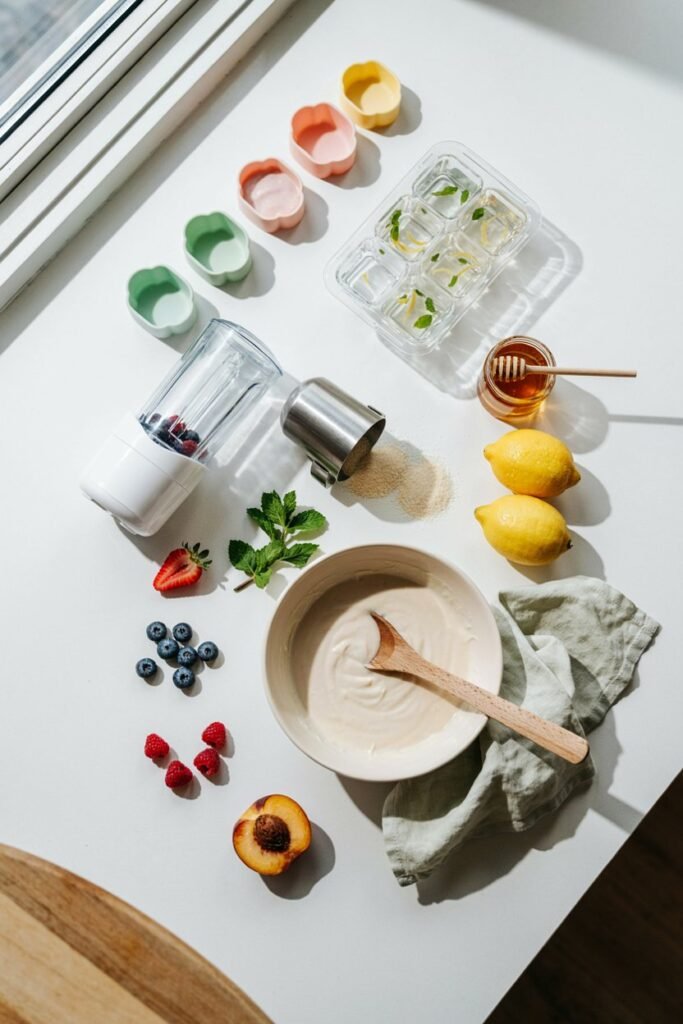
Small silicone molds. These are probably the single most useful thing for this kind of treat, since they flex enough to release treats cleanly without needing to pry them out, and they come in a range of small, dog appropriate sizes that make portion control almost automatic.
An ice cube tray. For the simplest versions of this recipe, like plain watermelon or broth, a regular ice cube tray works perfectly well and is probably already sitting in your kitchen.
A blender or food processor. Not strictly necessary, but genuinely helpful for creating a smoother, more consistent texture than mashing everything by hand.
How to Tell If Your Dog Needs More Water
Beyond obvious heat related symptoms, a few everyday signs can point toward a dog who isn’t drinking quite enough on a hot day.
Dry or tacky gums, reduced skin elasticity that doesn’t spring back quickly when gently pinched, lower energy than usual, or noticeably darker urine can all suggest mild dehydration.
None of these are emergencies on their own, but they’re a good reminder to make water more accessible, whether that means adding a second water bowl in a shaded spot, refreshing the water more often so it stays cool and appealing, or leaning on the broth or watermelon version of this treat as an easy way to sneak in a bit of extra hydration alongside their normal water intake.
Common Problems When Making This Treat
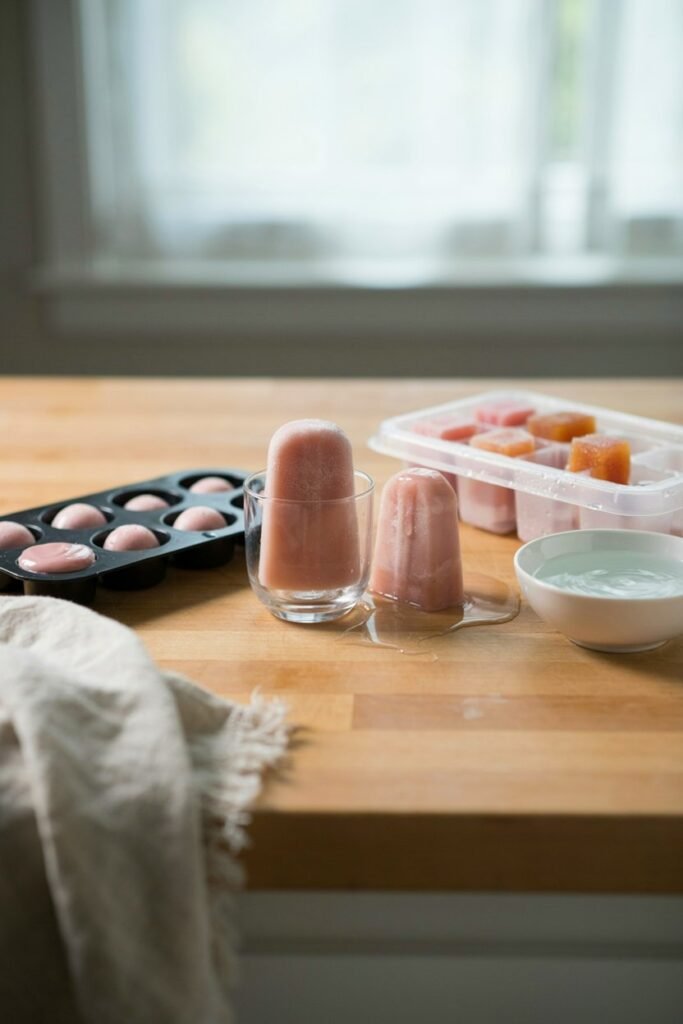
Why is my treat too hard? Ingredients with less water content freeze harder overall. Adding a small splash of water to the mixture before freezing usually softens the final texture.
Why won’t the treat come out of the mold? Let the mold sit at room temperature for a minute or two, or run the outside briefly under lukewarm water, both of which loosen the treat enough to release it cleanly without melting the whole thing.
Why does my dog seem uninterested in this treat? Some dogs genuinely prefer a treat that’s been out for a few minutes and has softened slightly, rather than one served rock solid straight from the freezer. It’s worth trying that adjustment before assuming the recipe itself is the issue.
Good Ingredients to Look For in Summer Dog Treats
High moisture fruits and vegetables. Watermelon and cucumber both bring genuine hydration value along with flavor.
Plain, unsweetened yogurt. A reliable base that adds protein and a cooling, creamy texture without added sugar.
Low sodium, onion and garlic free broth. Adds flavor and hydration at the same time, and works well as a base for savory frozen treats.
Nothing artificial. No added sugar, sweeteners, or seasoning belong in any treat meant to cool your dog down safely.
Frequently Asked Questions
Are frozen treats safe for dogs in summer? Generally, yes, when made with appropriate ingredients and given in reasonable portions. Very hard, large frozen pieces can be a concern for aggressive chewers, so size and texture genuinely matter.
How often can I give my dog cooling treats in summer? A few times a week is reasonable for most healthy adult dogs, adjusted for their size, activity level, and overall diet, keeping in mind that all treats combined should stay a small portion of daily calories.
Can dogs eat frozen fruit? Yes, most dog safe fruits can be frozen without an issue, as long as seeds, pits, and cores are removed first and portions stay appropriately small.
Can dogs have plain ice cubes? Yes, plain water ice cubes are a completely safe and simple cooling option on their own, and a good default if you don’t have any other ingredients on hand.
Is coconut water good for dogs? Plain, unsweetened coconut water in small amounts is generally fine and offers some hydration and electrolyte benefit, though it shouldn’t replace fresh water as a dog’s primary source of hydration.
Can puppies have frozen summer treats? In small amounts, generally yes, though very hard frozen treats may be too much for young teeth, so a partially thawed version is often better for puppies specifically.
How do I know if my dog is overheating rather than just enjoying a treat? Heavy or rapid panting, excessive drooling, weakness, disorientation, or a bright red tongue and gums are all signs of overheating that go beyond normal warm weather behavior and warrant immediate cooling and, if severe, an urgent call to your veterinarian.
Can these treats replace fresh water on a hot day? No. A frozen treat can add a bit of extra moisture, but fresh, clean water should always be available to your dog, especially in warmer weather, and treats are meant to supplement that access, not stand in for it.
Can I mix ingredients across the variations in this recipe? Yes, as long as you’re staying within the list of dog safe ingredients covered here and keeping overall portion sizes reasonable. Substituting blueberries for banana, or yogurt for broth, generally works fine and is a good way to keep the rotation feeling fresh.
Are these treats appropriate for senior dogs? Most versions are, though senior dogs with dental sensitivity may do better with the softer, yogurt or banana based version rather than a firmer, more solidly frozen watermelon or broth cube.
Cooling Dog Treats for Summer Days
Ingredients
Equipment
Method
- Wash the blueberries thoroughly and add them to a blender.
- Add the plain Greek yogurt and water.
- Blend until the mixture is smooth and creamy.
- Pour the mixture into small silicone molds.
- Place the molds in the freezer and freeze for at least 4 hours, or until completely firm.
- Remove a treat from the mold and allow it to soften slightly before giving it to your dog.
- Use plain, unsweetened Greek yogurt that does not contain xylitol or other artificial sweeteners. Introduce new treats gradually and serve them in moderation.
- These treats can provide a refreshing snack, but they should not be relied upon as a way to prevent or treat heatstroke. Make sure your dog has access to fresh drinking water and a cool place during hot weather.
Final Thoughts
Keeping one simple, flexible cooling treat in the freezer rotation has made summer noticeably easier around here, both for my dog and for me.
It takes only a few minutes of actual prep, and having something cold and appropriate ready to go means I’m not tempted to reach for whatever’s in my own freezer instead and hand it over out of convenience.
Start with whichever base ingredient matches what’s already in your kitchen, pay attention to which version your own dog responds to most, and keep fresh water available right alongside every single treat, since the whole point is to help on a genuinely hot day, not to replace the basics that matter most.