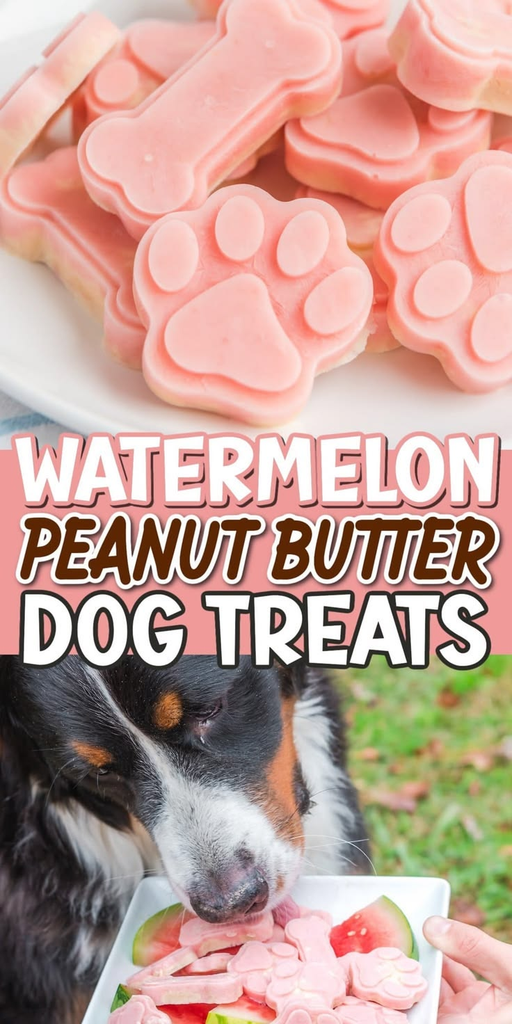
Watermelon Peanut Butter Dog Treats
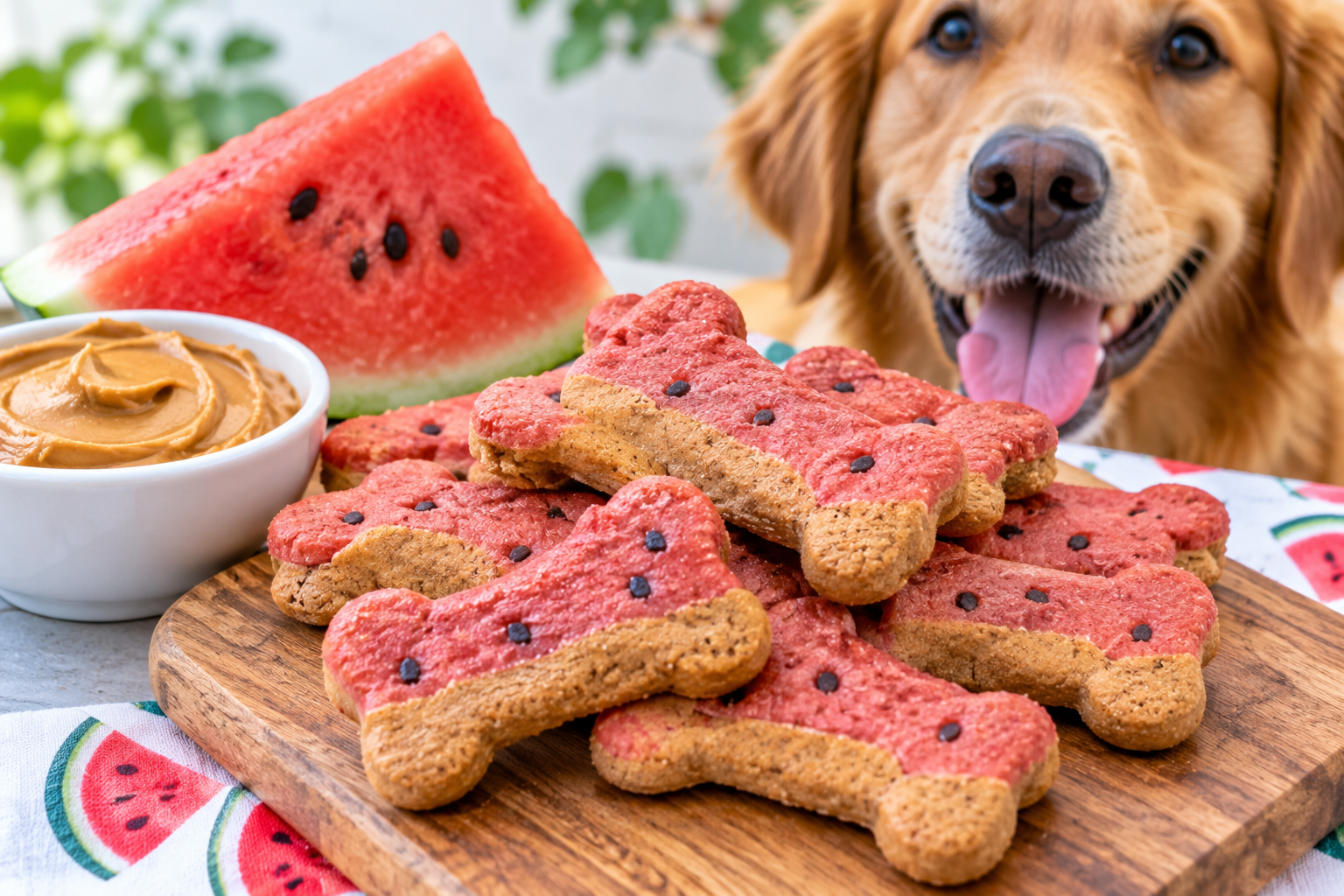
Watermelon and peanut butter aren’t an obvious pairing at first glance, but the contrast actually works well in a frozen treat.
Watermelon brings a light, hydrating sweetness, while peanut butter adds richness and depth that keeps the treat from feeling like just flavored ice.
This guide walks through one simple recipe combining the two, along with how to balance them so neither one overwhelms the other and a few ways to adjust the texture.
If you want to build out your frozen treat rotation beyond this one recipe, a few related guides are worth having open alongside this one.
Watermelon pupsicles covers a lighter, watermelon only version if you’d rather skip the peanut butter, frozen pumpkin peanut butter dog treats offers another peanut butter forward frozen option, cucumber frozen dog treats gives you a different hydrating alternative, peanut butter and banana dog treats and 3 ingredient peanut butter dog gummies round out your peanut butter based treats, frozen blueberry banana dog treats and easy homemade dog ice cream offer more frozen variety, and human foods dogs can safely eat rounds out the bigger picture of safe food sharing.
Why I Like These Watermelon Peanut Butter Dog Treats
When I make homemade dog treats, I prefer recipes that keep the ingredient list short and make sense for everyday life. This recipe checks both boxes.
Watermelon provides plenty of water and can be a refreshing occasional treat for dogs when prepared properly. Peanut butter adds a creamy texture and a flavor that many dogs love.
I also like that these treats can be made in small silicone molds or an ice cube tray. That makes it easy to create portions that are appropriate for your dog instead of making one large frozen treat.
There is no oven to heat up, no complicated preparation, and very little cleanup afterward. I can prepare everything in just a few minutes and let the freezer do the rest of the work.
Is Watermelon Safe for Dogs?
Yes, watermelon flesh can be a safe occasional treat for dogs when it is prepared correctly.
The important part is removing the rind and seeds before using it in this recipe. Watermelon is about 92 percent water, but it still contains natural sugar, so moderation matters.
I always cut the watermelon into manageable pieces first and remove the rind completely. If I am using a watermelon with seeds, I take the time to remove them rather than assuming the seeds will be harmless.
The rind is difficult for dogs to digest, while seeds can create choking concerns and may contribute to intestinal blockage if a dog consumes enough of them.
Is Peanut Butter Safe for Dogs?
Peanut butter can be used in dog treats, but checking the ingredient label is one step I would never skip.
The biggest concern is xylitol, sometimes also called birch sugar. Xylitol is toxic to dogs and can cause a dangerous drop in blood sugar. Some peanut butter products may contain it, so always check the label before using peanut butter in a homemade dog treat.
I prefer a simple peanut butter with no xylitol and no unnecessary sweeteners. It is also worth remembering that peanut butter is relatively high in fat, so a little goes a long way when making treats.
Ingredients You Need
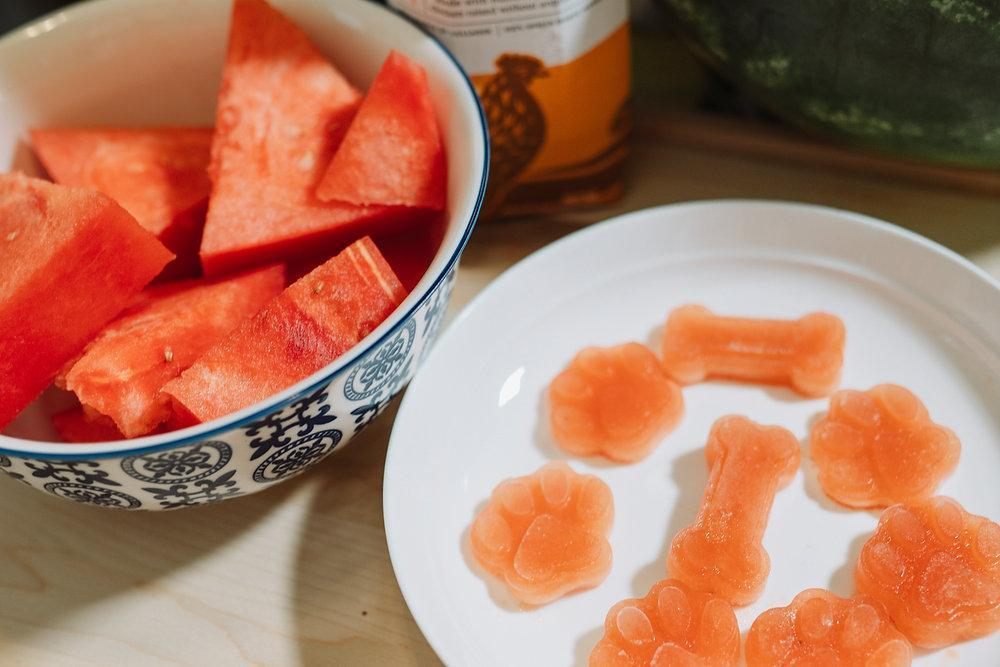
Watermelon
I use fresh watermelon that has been completely separated from the rind and seeds. The sweet, juicy fruit gives these treats their refreshing base.
Xylitol free peanut butter
I use a small amount of peanut butter for flavor and creaminess. Always check the ingredient label before using it for your dog.
Optional water
A small amount of water can help the mixture blend smoothly if the watermelon is not particularly juicy.
How to Prepare the Watermelon
Start by cutting the watermelon away from the rind. I find it easiest to cut the fruit into smaller chunks because they blend more smoothly and make it easier to spot and remove any remaining seeds.
If your watermelon contains black seeds, remove them carefully before blending. Even with seedless watermelon, I still look through the pieces before putting them into the blender.
Once the watermelon is prepared, place the pieces into a blender or food processor and blend until smooth.
I prefer a completely smooth mixture for frozen molds because it freezes evenly and produces a treat that is easy to portion.
How to Make Watermelon Peanut Butter Dog Treats
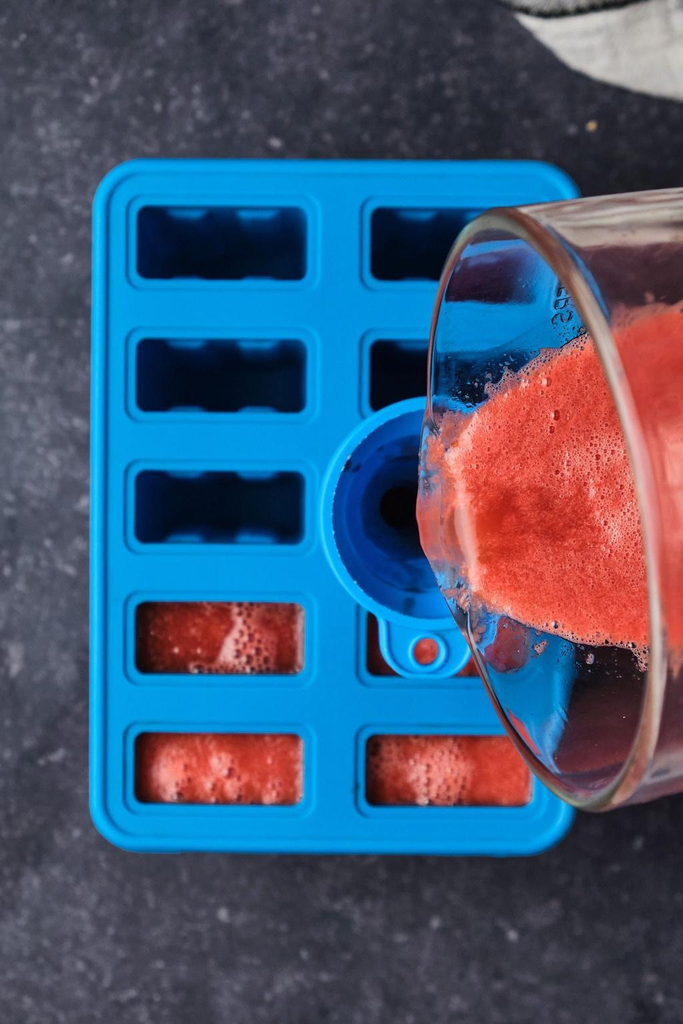
Pour the watermelon puree into a bowl and stir in a small amount of xylitol free peanut butter.
You can mix the peanut butter completely into the watermelon for a smooth treat, or swirl it through the mixture so the finished treats have little ribbons of peanut butter throughout.
Spoon or pour the mixture into silicone molds or an ice cube tray.
Place the molds flat in the freezer and freeze until the treats are completely firm.
Once frozen, pop the treats out of the molds and transfer them to a freezer safe container or bag.
I like keeping them stored in the freezer so I can take out only what I need rather than thawing the entire batch.
How to Serve Watermelon Peanut Butter Dog Treats
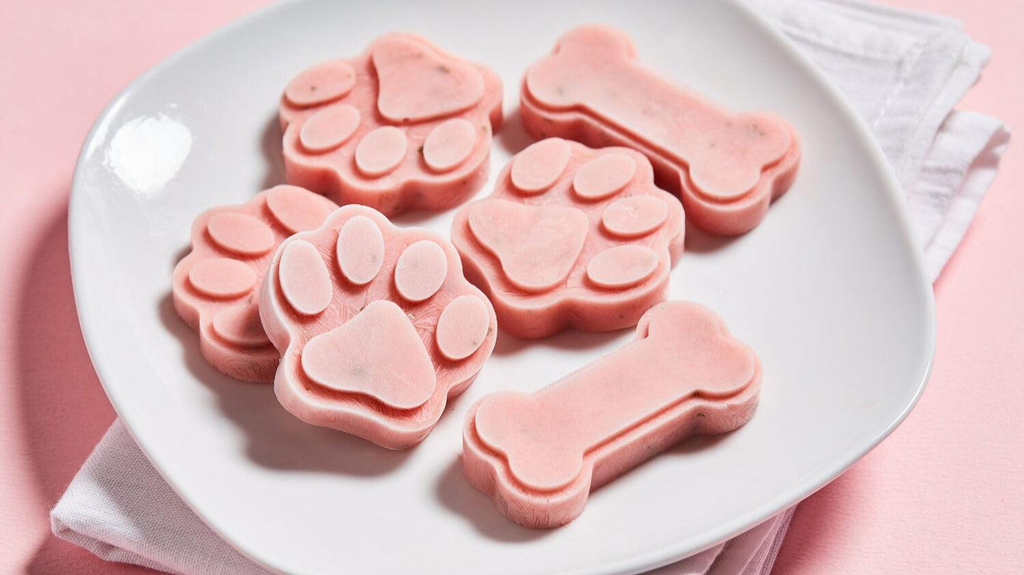
Once the treats are completely frozen, they are ready to serve. I usually take one treat out of the freezer and let it sit for a short time before giving it to my dog. This takes away some of the extreme hardness while keeping the treat cool and refreshing.
The right portion depends on your dog’s size, daily diet, and overall calorie needs. These treats are meant to be an occasional snack rather than a replacement for a balanced dog food.
For smaller dogs, I prefer using tiny molds so each treat is naturally portioned. Larger dogs can have a larger piece, but I still keep the serving modest because watermelon contains natural sugar and peanut butter adds fat and calories.
I also watch my dog the first time I introduce any new treat. Every dog is different, and ingredients that are perfectly suitable for one dog may not agree with another.
Can I Make These Treats Without Peanut Butter?
Yes. If your dog cannot have peanut butter or simply does not tolerate it well, you can leave it out.
The watermelon mixture can be frozen on its own and still makes a refreshing frozen treat. You can also blend watermelon with another dog friendly ingredient that your veterinarian has already approved for your dog.
I actually like making a few plain watermelon treats alongside the peanut butter version. It gives me an easy option when I want something lighter.
Can I Use Other Fruit?
You can experiment with other dog friendly fruits, but I recommend keeping the recipe simple.
Small amounts of banana can create a creamier texture, while blueberries can add color and another flavor. If you change the fruit, make sure it is safe for dogs and prepare it appropriately.
I would avoid adding grapes, raisins, cherries with their pits, or any fruit that has not been confirmed as safe for dogs.
Watermelon remains my favorite choice for this recipe because its high water content makes it particularly refreshing when frozen.
How to Store Homemade Dog Treats
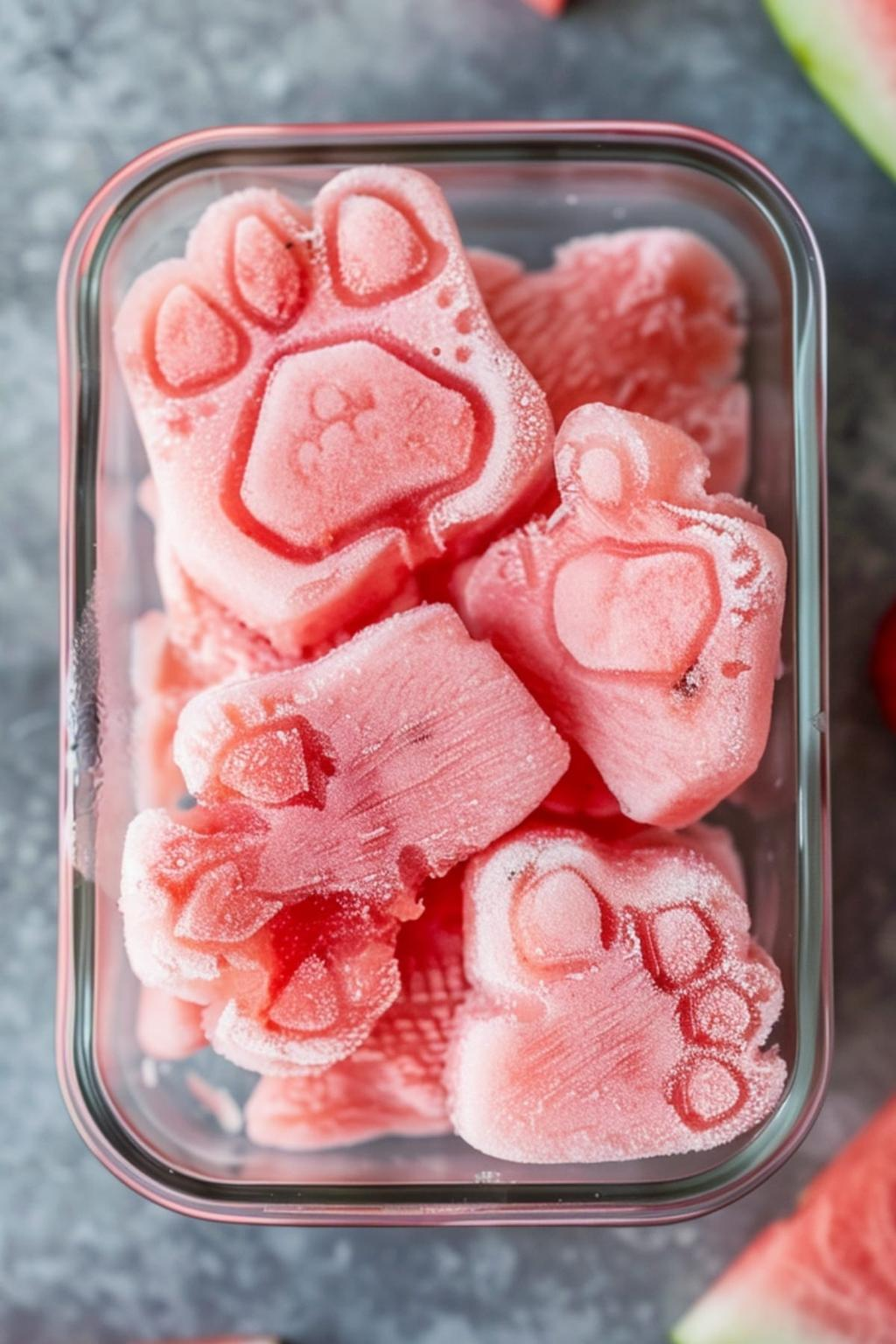
After the treats have frozen completely, I remove them from the molds and place them in a freezer safe airtight container or freezer bag.
Keeping them covered helps prevent freezer odors from affecting the treats and makes it easier to keep the freezer organized.
I prefer making smaller batches instead of filling the freezer with months’ worth of treats. That way, I can make a fresh batch when needed and keep track of the ingredients and preparation date.
If the treats develop freezer burn, an unusual smell, or any other sign of spoilage, I would discard them rather than serving them.
How Long Do Watermelon Peanut Butter Dog Treats Last?
Because this recipe contains fresh fruit, I prefer treating these as a freezer snack rather than keeping them for an extended period.
For the best texture and quality, I make a batch that my dog can reasonably enjoy within a few weeks. I label the container with the preparation date so I know when they were made.
The exact storage life can vary depending on the freshness of the ingredients, freezer temperature, and how well the treats are sealed.
Common Mistake to Avoid
The biggest mistake I would avoid with this recipe is using peanut butter without checking the ingredients.
Do not assume every peanut butter is suitable for dogs. Read the label carefully and avoid products containing xylitol. If you are unsure about a particular product, choose a different peanut butter rather than taking a chance.
I would also avoid making the treats too large. A homemade treat can look small to us but provide quite a few calories for a small dog.
Another common mistake is leaving watermelon rind or seeds in the mixture. I take a few extra minutes to prepare the fruit properly before blending it.
Expert Tips for Better Frozen Dog Treats
Use ripe watermelon. A naturally sweet watermelon gives the treats plenty of flavor without needing added sweeteners.
Keep the peanut butter amount modest. You only need enough to provide flavor and a creamy texture.
Use small silicone molds. Small portions make it much easier to control serving sizes.
Freeze the molds on a flat surface. This prevents the liquid mixture from tipping before it freezes.
Make a plain batch too. If your dog prefers watermelon or needs a lighter option, plain frozen watermelon treats are easy to prepare.
Introduce new ingredients gradually. If your dog has never eaten watermelon or peanut butter before, start with a small amount and watch for digestive problems or other unusual reactions.
Frequently Asked Questions
Can puppies eat watermelon peanut butter treats?
Puppies can have certain fruits and treats, but their nutritional needs are different from adult dogs. If you want to introduce homemade treats to a young puppy, it is best to check with your veterinarian first.
Can I use crunchy peanut butter?
I prefer smooth peanut butter for this recipe because it blends more evenly. More importantly, check the ingredient list carefully and make sure the product does not contain xylitol.
Can I use frozen watermelon?
Yes, but I usually prefer fresh watermelon when making the mixture because it blends easily. Frozen watermelon can work if you allow it to soften slightly before blending.
Can I make these treats without a blender?
You can mash very soft watermelon thoroughly with a fork, although the finished treats may have a less smooth texture. A blender or food processor makes the mixture much easier to prepare.
Are these treats suitable for every dog?
No single homemade treat is suitable for every dog. Dogs with food allergies, dietary restrictions, diabetes, digestive sensitivities, or other nutritional concerns may need a different option. When in doubt, check with your veterinarian before introducing a new treat.

Watermelon Peanut Butter Dog Treats
Ingredients
Equipment
Method
- Prepare the watermelon
- Cut the watermelon into small pieces and remove any seeds or rind. Measure 2 cups of watermelon.
- Blend the watermelon
- Add the watermelon pieces to a blender and blend until completely smooth.
- Add the peanut butter
- Add the peanut butter and blend again until the mixture is smooth and evenly combined.
- Fill the molds
- Pour the mixture into silicone dog treat molds, leaving a little room at the top for expansion while freezing.
- Freeze the treats
- Place the molds flat in the freezer and freeze for at least 2 hours, or until the treats are completely firm.
- Remove and serve
- Pop the frozen treats out of the molds and serve one to your dog as an occasional treat. Let the treat sit for a minute or two if it is very hard.
- Use xylitol-free peanut butter only. Xylitol is toxic to dogs. Check the ingredient label carefully before using peanut butter.
- Remove watermelon seeds and rind before blending. Serve these treats in moderation because watermelon contains natural sugar and too much can cause digestive upset.
- Store the frozen treats in an airtight freezer-safe container or freezer bag for up to 2 weeks for the best quality.
Final Thoughts
These watermelon peanut butter dog treats are one of those recipes I like because they keep homemade dog treats simple.
There is no baking, complicated preparation, or long ingredient list, and the freezer does most of the work.
The combination of refreshing watermelon and a little peanut butter makes a fun occasional treat, especially on warm days.
I also like that the recipe can easily be portioned into small molds, making it easier to serve an appropriate amount.
The most important part is choosing dog safe ingredients, removing the watermelon rind and seeds, checking the peanut butter label for xylitol, and keeping treats in moderation. With those steps in place, you have an easy homemade frozen snack to keep in the freezer for your dog.