
Healthy Homemade Farmer’s Dog Food Copycat Recipes for Dogs
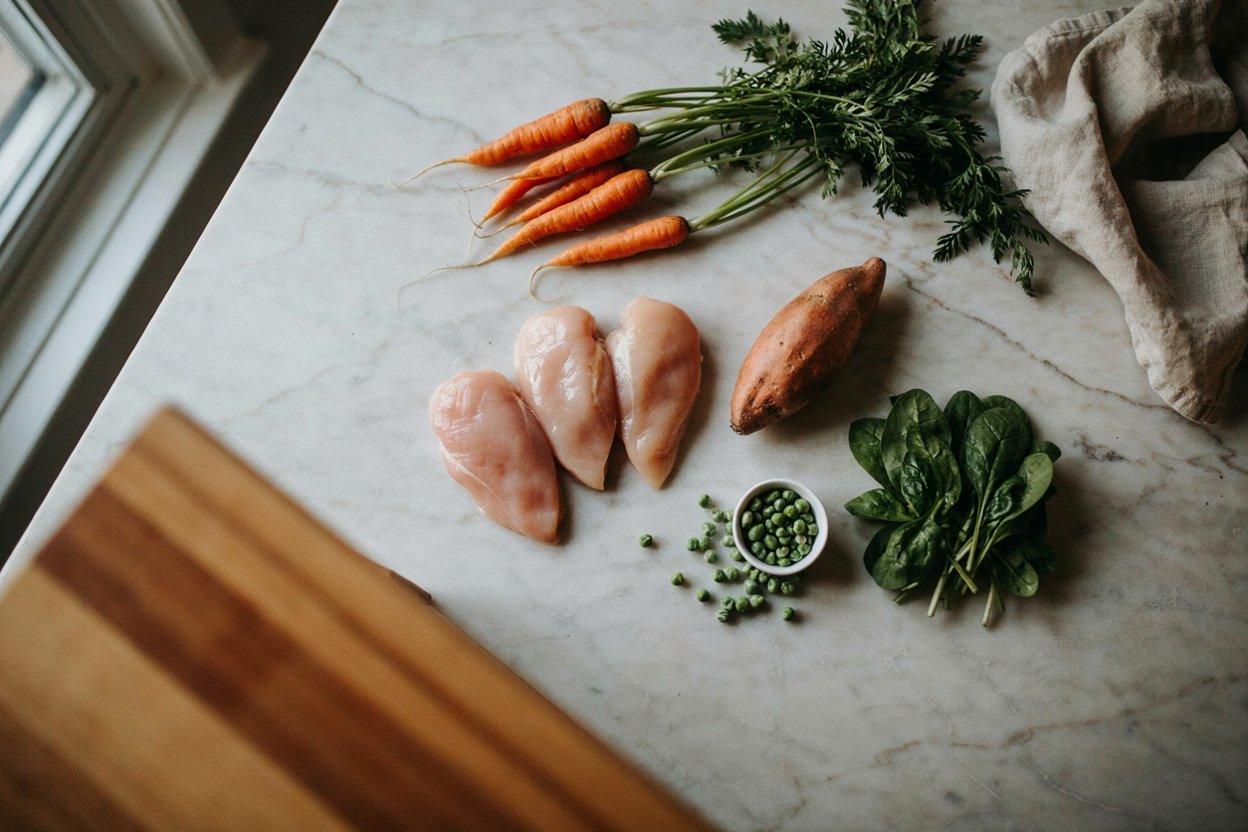
Fresh food delivery services built around human-grade ingredients and gently cooked meals have changed a lot of people’s expectations for what dog food can actually look like.
Before those services existed, most homemade dog food advice leaned toward rougher, simpler recipes, chicken and rice with whatever vegetables were on hand.
The fresh delivery approach raised the bar in a genuinely useful way, focusing on real, identifiable ingredients cooked gently enough to preserve nutrients, portioned specifically for the individual dog.
This guide walks through one recipe built in that same spirit, something you can make at home using the same underlying philosophy, without needing a subscription or a delivery box.
A quick note before diving in: this recipe is inspired by the general style of fresh, gently cooked dog food popularized by delivery services, not an official or replicated recipe from any specific brand.
Think of it as homemade cooking that borrows the same philosophy, real ingredients, gentle cooking, thoughtful portioning, rather than a copy of a proprietary formula.

If you want to build out your homemade cooking rotation beyond this one recipe, a few related guides are worth having open alongside this one.
Homemade dog food with vet approved ingredients covers what a fully balanced diet needs beyond just picking good ingredients, 3 simple farmer’s dog food recipes and DIY farmer-style dog food recipe I trust with my own home offer more recipes in this same general style, ground turkey dog food recipe for beginners is a good simpler starting point, healthy homemade dog meals you can make at home covers how to adjust a meal for specific health goals, simple homemade dog meals you can freeze pairs well with the portioning approach used here, budget friendly homemade dog food for busy pet parents is worth a look if cost is a bigger factor than it is for a typical delivery subscription, and human foods dogs can safely eat is a good reference for what’s safe to share from your own kitchen more broadly.
Disclaimer: This post may contain affiliate links, which means I may earn a small commission at no extra cost to you. Always consult your veterinarian before changing your dog’s diet, especially when introducing homemade meals.
Shop on Amazon With 50% Discount On Your Orders
- Mighty Tuff Airtight Dog Food Storage Container with Scoop
- Glass Meal Prep Containers with Lids (Set)
- Stainless Steel Dog Bowls Set
- Digital Kitchen Food Scale
- Dog Multivitamin Supplement Powder
- Omega 3 Fish Oil Supplement for Dogs
- Silicone Dog Food Freezer Molds
What Makes This Style of Dog Food Different
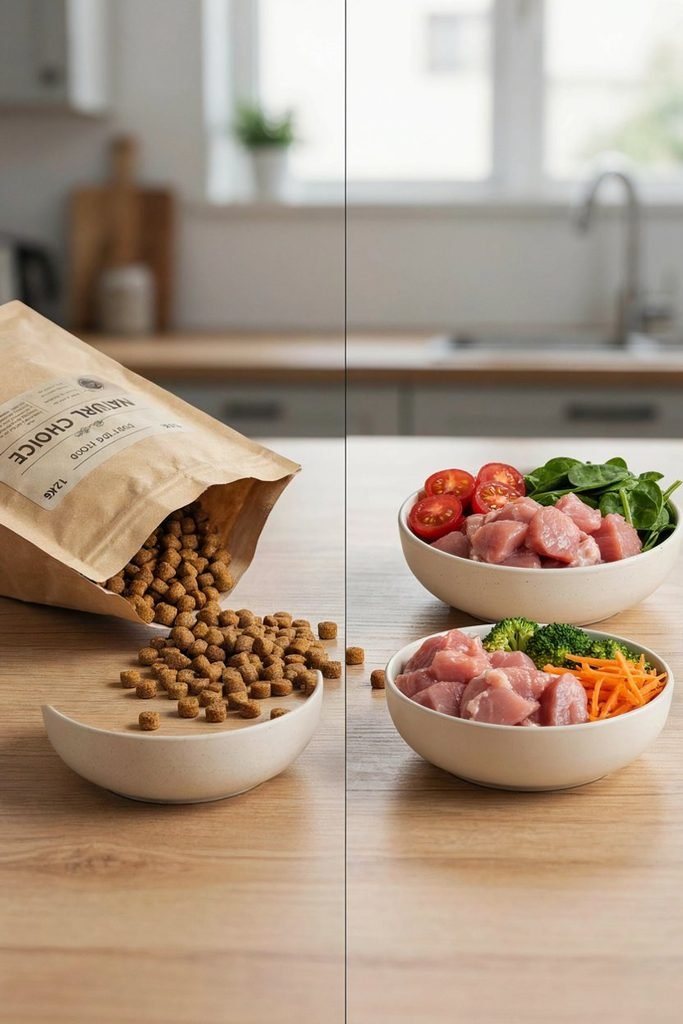
Fresh food delivery services generally build their recipes around a few core principles: human-grade ingredients, meaning food that meets the same quality and safety standards as food made for people, gentle cooking methods that avoid the high heat and extended processing used in kibble production, and portioning calculated specifically for an individual dog’s weight, age, and activity level rather than a generic serving size on a bag.
Replicating all of that exactly at home isn’t fully possible without professional formulation, but the underlying philosophy, real ingredients, cooked gently, thoughtfully portioned, absolutely is something you can bring into your own kitchen.
Before You Start
As with any homemade recipe, it’s worth being upfront that this recipe isn’t automatically a complete, nutritionally balanced diet suitable for daily, long term feeding just because it uses high quality, gently cooked ingredients.
Fresh food delivery services employ veterinary nutritionists specifically to formulate their recipes down to precise vitamin, mineral, and calcium levels, something a home cook genuinely can’t replicate without the same level of formulation expertise.
Dogs need appropriate amounts of protein, fat, carbohydrates, calcium, phosphorus, essential fatty acids, vitamins, minerals, and a range of trace nutrients, all in specific proportions. This meal works well as a regular addition, an occasional full meal, or a foundation you build on with proper supplementation.
If you’re planning to replace your dog’s complete commercial or delivery based diet entirely with a homemade version, working with a veterinarian or a board certified veterinary nutritionist is genuinely the only reliable way to close that formulation gap.
Understanding the Ingredients
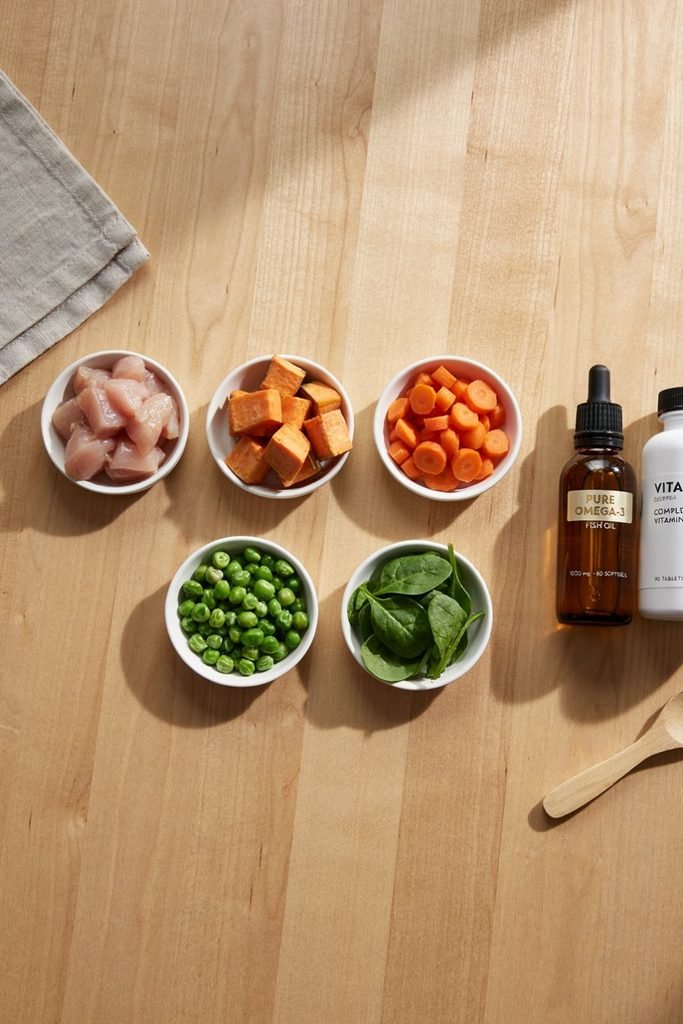
Human-grade chicken, turkey, or lean beef. The starting point for this style of cooking is choosing meat you’d feel comfortable preparing for yourself, not necessarily a different cut, but the same attention to quality and freshness. Any of the three work well, and rotating between them adds variety the way a fresh food delivery service often does across different recipe options.
Sweet potato. A common carbohydrate choice in this style of recipe, sweet potato offers fiber and a naturally appealing flavor, cooked gently enough to preserve more of its nutritional value than a heavily processed carbohydrate source would.
Carrots and peas. Both are frequently used in fresh food delivery recipes specifically because they hold their nutritional value well through gentle cooking and contribute genuine vitamins and fiber rather than just bulk.
Spinach, in a small amount. Leafy greens show up in a lot of fresh food recipes for their iron and micronutrient content, though they should stay a smaller component given how concentrated some of their properties are relative to a dog’s needs.
Fish oil. A common addition in this style of cooking, contributing omega fatty acids that support skin, coat, and joint health, added after cooking to help preserve the fat’s integrity.
A complete vitamin and mineral supplement, or individual calcium and other supplements as recommended by your vet. This is the piece that’s easiest to skip and most important not to.
Fresh food delivery recipes are formulated with precise supplementation built in from the start, and replicating that at home requires intentionally adding it back in rather than assuming the whole food ingredients cover everything on their own.
Ingredients I Avoid
Onion, garlic, chives, excessive salt, seasoning blends, rich sauces, xylitol, grapes, raisins, chocolate, and cooked bones have no place in this recipe, the same as any other homemade dog food.
It’s worth being just as careful here as with a simpler recipe, since the higher quality framing of this style of cooking doesn’t change the basic safety rules at all.
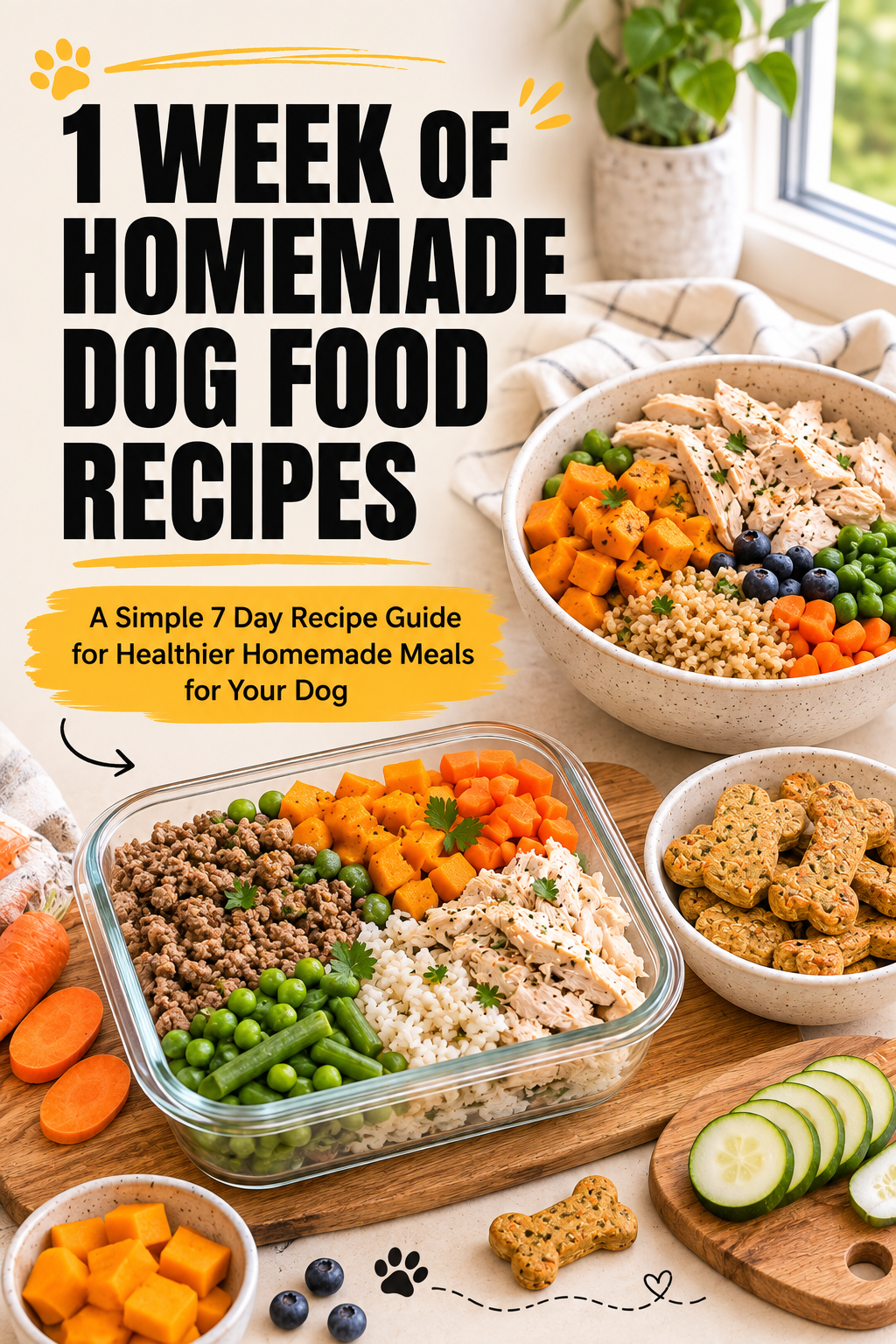
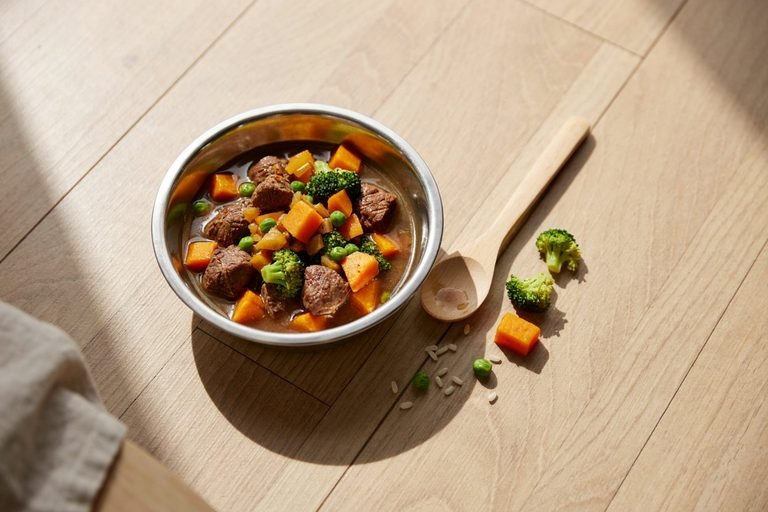
Healthy Farmer’s Dog Food Copycat Recipe
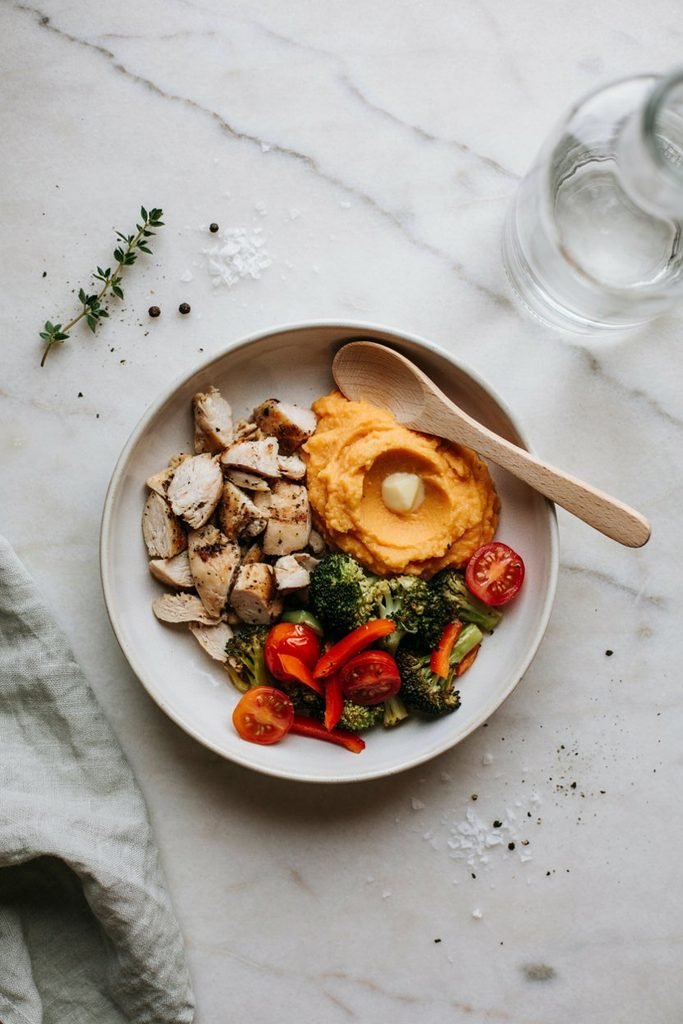
Yield: About 8 to 10 servings, depending on your dog’s size Prep Time: 15 minutes Cook Time: 25 to 30 minutes Total Time: About 45 minutes Storage: Refrigerate up to 4 days, freeze up to 3 months
Ingredients
- 2 pounds chicken, turkey, or lean beef, cooked and diced or shredded. Choose whichever protein you’d feel comfortable serving yourself, and consider rotating between options across batches for variety.
- 1.5 cups sweet potato, cooked and mashed. A gently cooked carbohydrate base that holds up well nutritionally compared to heavily processed alternatives.
- 1 cup carrots, chopped and steamed. Contributes fiber and beta carotene.
- 1/2 cup peas, steamed. A small addition that rounds out the vegetable content.
- 1/4 cup spinach, lightly steamed and finely chopped. Used in a modest amount for its iron and micronutrient content.
- 1 teaspoon fish oil, added after cooking. Supports the fatty acid profile of the finished meal.
- A vet recommended complete supplement or individual calcium supplement, added according to your veterinarian’s specific guidance.
How to Make It
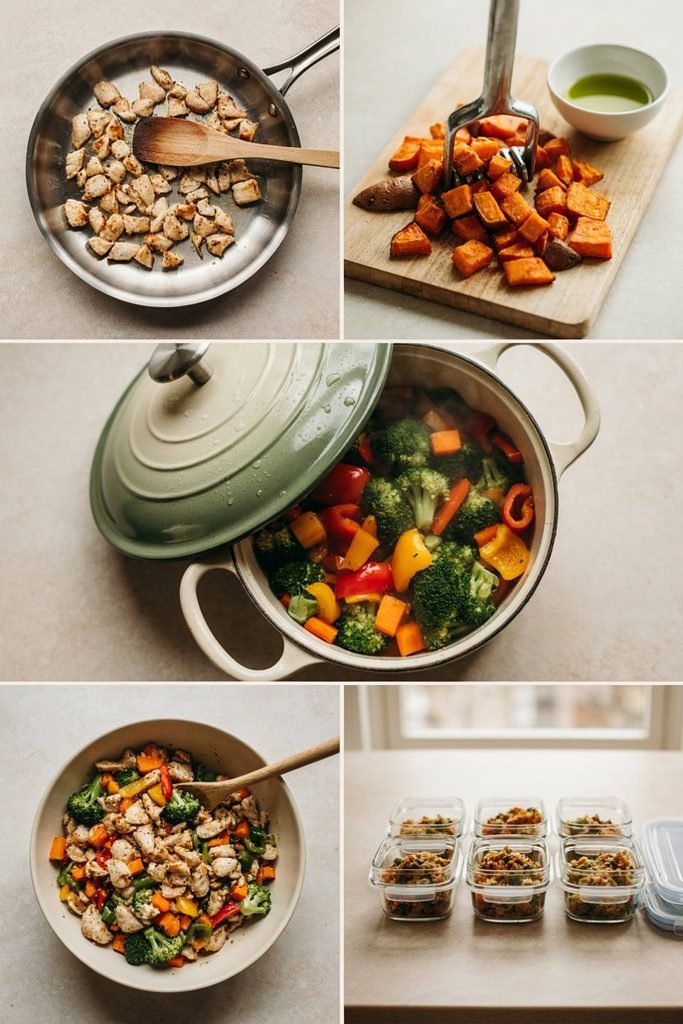
- Cook your chosen protein gently, at a moderate rather than high heat, with nothing added, until fully cooked through. Gentle cooking here means avoiding a hard sear or extended high heat exposure, which helps preserve more of the meat’s natural nutritional profile.
- Boil or steam the sweet potato until soft, then mash.
- Steam the carrots, peas, and spinach separately, keeping the cook time as short as possible while still reaching a safe, tender texture, since shorter cooking times generally preserve more nutrients in vegetables.
- Dice or shred the cooked protein into small, dog appropriate pieces.
- Combine the protein, sweet potato, and vegetables in a large bowl once everything has cooled to room temperature.
- Stir in the fish oil and supplement once the mixture is fully cooled.
- Portion into individual servings before refrigerating or freezing.
How to Portion This Recipe Like a Delivery Service Would
One of the more useful habits to borrow from this style of feeding is precise, individual portioning rather than a general scoop.
Rather than eyeballing a serving, weigh out portions specifically calculated for your dog’s weight and activity level, ideally with input from your veterinarian on the right daily calorie target.
Portioning this way, into clearly labeled, individually weighed containers, mirrors the exact serving approach these services are known for and takes a lot of the guesswork out of daily feeding once it’s set up.
How Much Should You Serve?
There’s no single serving size that works for every dog, and feeding amounts depend on your dog’s weight, age, activity level, body condition, and the rest of their diet.
As a general starting point, most adult dogs eat somewhere between 2 and 3 percent of their body weight in food per day, split across two meals, though this shifts for puppies, seniors, or dogs with specific health conditions.
Working with your veterinarian to calculate a more precise calorie target, the same way a fresh food delivery service does when you sign up, is the most reliable way to get portions right.
Storage
Refrigerator. Store in a clean, airtight container and use within about 4 days.
Freezer. Portion the mixture into individual servings before freezing, which makes future meals far more convenient and mirrors how a lot of delivery services ship pre-portioned frozen packs. Most portions hold their quality for up to 3 months in the freezer.
Thawing. Thaw frozen portions in the refrigerator overnight rather than leaving them out at room temperature.
Reheating. Warm gently if desired, and always check that the food isn’t too hot before serving it.
How to Transition Your Dog to This Recipe
Don’t replace your dog’s regular food with this recipe all at once, the same recommendation you’d get from any fresh food delivery service during their own onboarding process.
A gradual transition over about a week gives their digestive system time to adjust. Start with a small amount mixed into their regular food, gradually increasing the proportion over several days while watching for loose stool, vomiting, excessive gas, or reduced appetite.
If symptoms are significant or persistent, slow the process down or contact your veterinarian rather than pushing through.
Good Ingredients to Look For
Human-grade named proteins. Chicken, turkey, and beef all tell you exactly what’s going into the pot, and choosing quality you’d eat yourself is really the whole spirit behind this style of cooking.
Gently cooked vegetables. Carrots, peas, and spinach all hold their nutritional value better with shorter, gentler cooking rather than prolonged high heat.
Digestible carbohydrates. Sweet potato provides steady energy and fiber in a form that’s easy for most dogs to digest.
A proper supplement, not an afterthought. This is genuinely the most important ingredient category in this entire recipe, since it’s the piece that turns a good tasting, high quality meal into one that’s actually complete for regular feeding.
Common Mistakes to Avoid
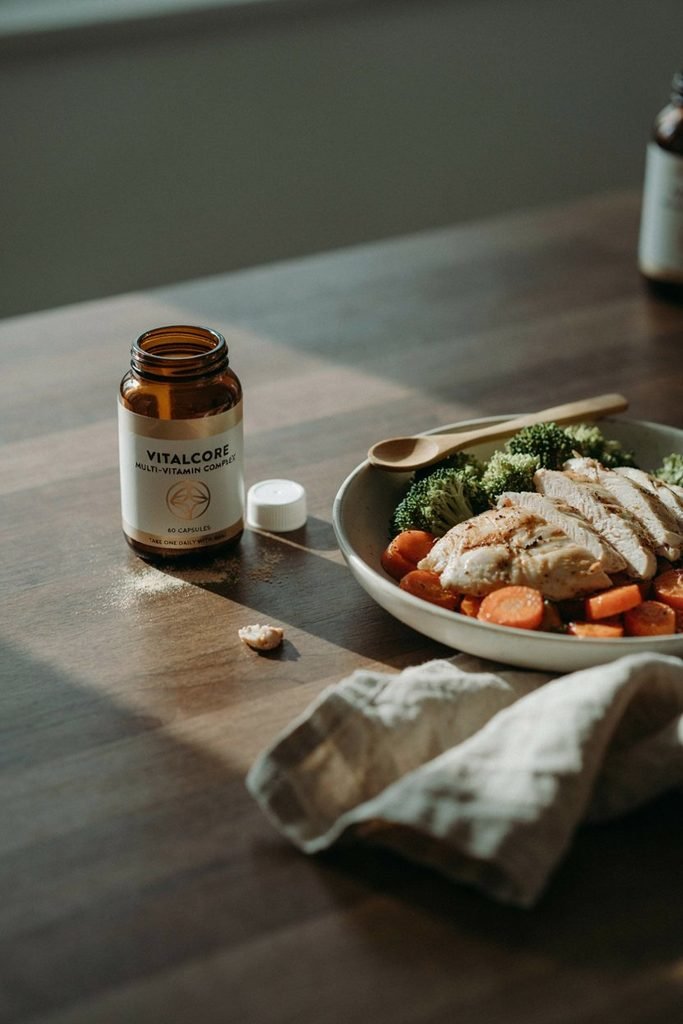
Skipping the supplement because the ingredients seem high quality enough on their own. This is the single biggest gap between a homemade copycat recipe and an actual professionally formulated delivery service meal, and it’s worth taking seriously rather than assuming good ingredients alone are sufficient.
Overcooking the vegetables out of habit. Gentle cooking is part of the philosophy behind this style of food specifically because it helps preserve more nutritional value, so it’s worth resisting the instinct to cook vegetables until they’re very soft if a shorter cook time would still make them safely digestible.
Eyeballing portions instead of weighing them. Precise portioning is one of the defining features of this style of feeding, and skipping it undercuts a big part of what makes the approach genuinely useful.
Assuming “copycat” means identical. This recipe borrows the philosophy and general style of fresh, gently cooked dog food, not an exact proprietary formula, and it’s worth approaching it with that expectation rather than assuming it replicates a specific commercial product precisely.
Skipping the transition period. Switching too quickly from a dog’s regular food to this recipe is one of the most common causes of digestive upset when starting homemade feeding.
Frequently Asked Questions
Is this an official recipe from a fresh dog food delivery brand? No, this recipe is inspired by the general style and philosophy of fresh, gently cooked, human-grade dog food popularized by delivery services, not an official or replicated recipe from any specific company.
Can I feed this recipe every day? With a proper vet recommended supplement added regularly, yes, it can work well as a daily meal. Without that supplement, it works better as an occasional meal or topper rather than a full replacement for a complete diet.
Is homemade “copycat” food as nutritionally complete as an actual delivery service meal? Not automatically. Delivery services employ veterinary nutritionists to formulate their recipes precisely, and closing that gap at home requires intentional supplementation and, ideally, guidance from your own veterinarian.
What makes “human-grade” ingredients different? Human-grade means the ingredients meet the same quality and safety standards used for food made for people, generally implying fresher, more carefully sourced ingredients than what’s typically used in conventional pet food manufacturing.
Why does this recipe use gentle cooking instead of just boiling everything together? Gentler cooking methods and shorter cook times help preserve more of the natural nutritional content in both the protein and vegetables, which is part of the underlying philosophy behind this style of food.
How long does this recipe last in the refrigerator? Generally about 4 days when stored in a clean, airtight container.
Can I freeze this recipe? Yes, portioning it into individual servings before freezing makes future meals much easier to manage, and it holds up well for up to 3 months frozen.
Can puppies eat this recipe? Puppies have different nutritional requirements because they’re actively growing, so this recipe shouldn’t become a puppy’s regular diet without a veterinarian reviewing it first.
Is this style of cooking more expensive than a typical homemade recipe? It can be, mainly due to the emphasis on higher quality ingredients, though it’s still generally more affordable than an ongoing delivery subscription if you’re doing the sourcing and cooking yourself.
What’s the single most important thing to get right if I want this to actually be complete? The supplement. High quality, gently cooked ingredients are a great foundation, but the vitamin, mineral, and calcium formulation is what actually closes the gap between a good meal and a nutritionally complete one, and it shouldn’t be treated as optional if this becomes a regular part of your dog’s diet.
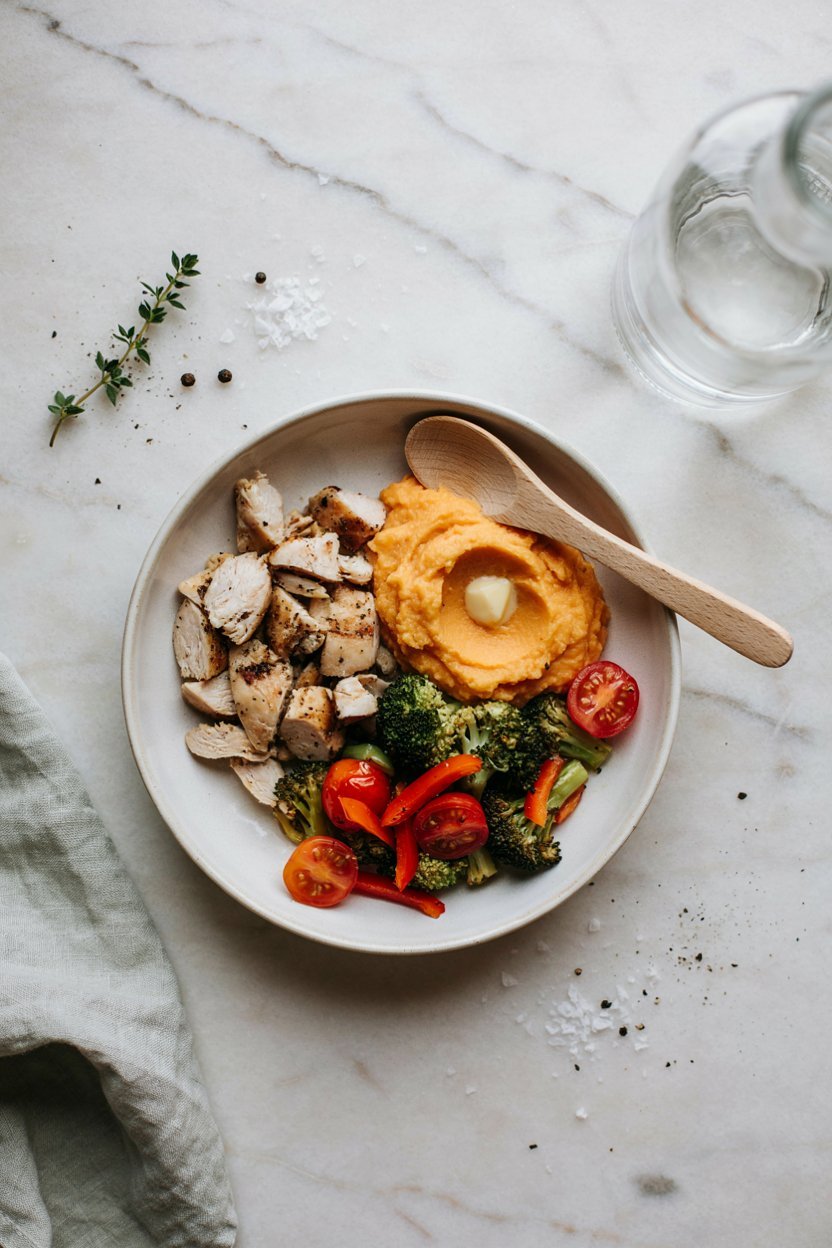
Healthy Homemade Farmer’s Dog Food Copycat Recipe
Ingredients
Equipment
Method
- Cook the ground turkey thoroughly in a large skillet over medium heat. Do not add salt, onion, garlic, oil, or seasonings.
- Cook the eggs separately until fully set. Allow them to cool and chop them into small pieces.
- Cook the brown rice until tender.
- Steam or boil the carrots and green beans until soft.
- Add the cooked turkey, brown rice, carrots, green beans, pumpkin, and eggs to a large mixing bowl.
- Stir gently until everything is evenly combined.
- Allow the food to cool completely before serving.
- Divide into individual portions based on your dog’s size and dietary needs.
- This is a copycat inspired recipe, not an official recipe from The Farmer’s Dog.
- Although the ingredients are wholesome, this basic recipe should not be assumed to be complete and balanced for long term feeding. Dogs require specific amounts of vitamins, minerals, essential fatty acids, and other nutrients that cannot be guaranteed by a simple ingredient list.
- If you plan to feed homemade food regularly, have the recipe properly formulated for your dog’s individual nutritional requirements by a veterinarian or veterinary nutritionist.
- Avoid onion, garlic, excessive salt, seasoning blends, and cooked bones.
Final Thoughts
The real value in this style of cooking isn’t a secret ingredient or a proprietary technique, it’s the underlying philosophy: real, high quality ingredients, gentler cooking, and precise, individual portioning.
Bringing that mindset into your own kitchen, supplement included, gets you genuinely close to the spirit of what fresh food delivery services offer, even without the subscription or the branded packaging.
Start with this recipe, take the supplement step seriously, and build a rotation that fits your dog’s actual needs and your own kitchen routine.


3 Comments