
Beginner Homemade Cat Soup Recipes for Hydration: A Complete Pet Care Guide
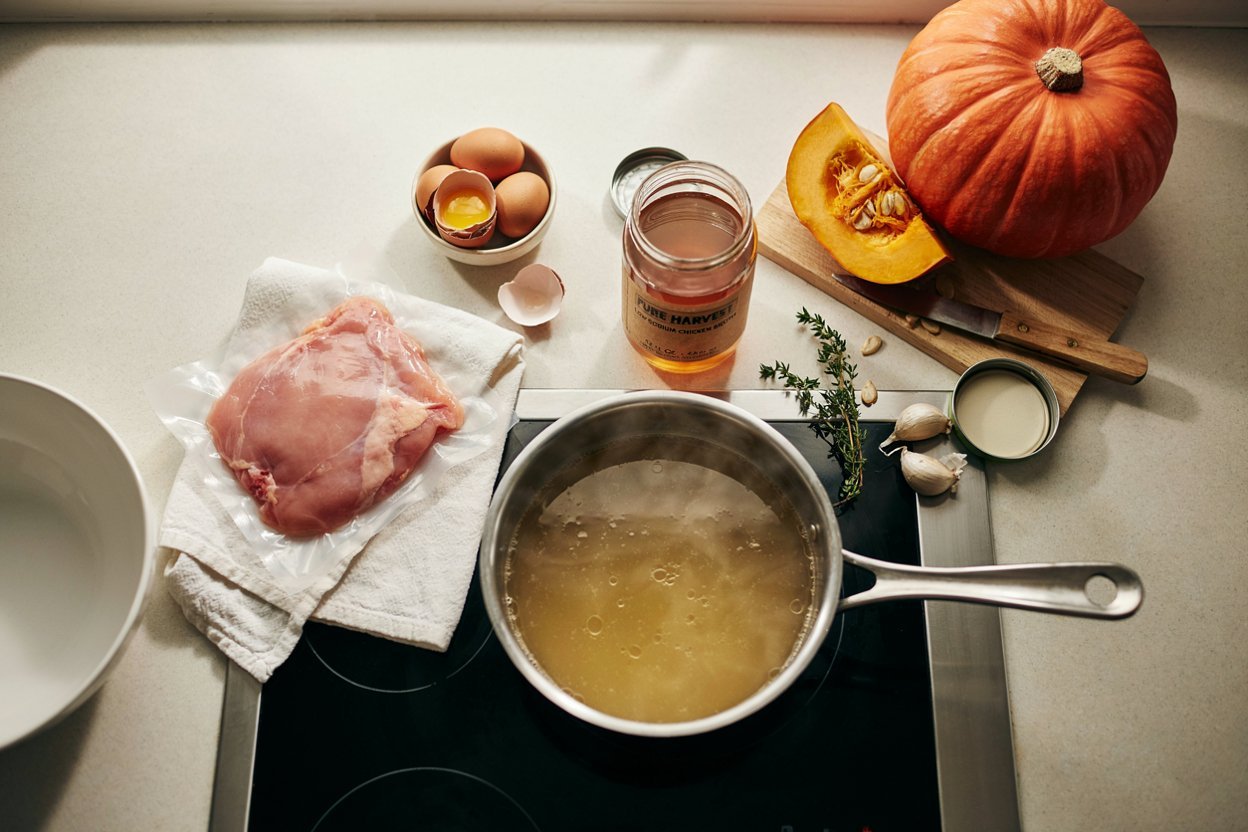
Cats are notoriously bad at drinking enough water on their own, and it’s not really their fault.
As descendants of desert dwelling animals, cats evolved to get most of their moisture from prey rather than from standing water, which means the modern house cat’s instinct to sip from a bowl a few times a day often just isn’t enough, especially for a cat eating mostly dry food.
That gap between what a cat naturally seeks out and what their body actually needs is exactly the problem homemade cat soup is built to solve.
This guide covers ten simple, beginner friendly cat soup recipes built specifically around hydration, along with a real explanation of why each ingredient earns its place, how much is genuinely appropriate to serve, and the safety details that matter more with cats than with almost any other pet, since cats are considerably more sensitive to certain ingredients than dogs are.
If you want to build out your homemade cooking rotation beyond just soup, a few related guides are worth having open alongside this one.
Homemade chicken cat food recipe and beginner friendly raw inspired cat food ideas walk through building full meals with fully known ingredients, easy chicken based homemade cat recipes, homemade cat food recipes, and homemade cat food recipes, part two offer more variety, homemade cat food for senior cats and cat weight gain meals cover feeding for specific life stages, healthy homemade cat gravy toppers for picky eaters and affordable homemade cat gravy food budget recipes are worth a look if your cat responds well to a wet topper, cat food ingredients to avoid is a good companion for label reading in general, chicken and catnip homemade treats for cats and 10 easy homemade cat treats round out the treat side of things, and daily cat care routine and happy healthy cat tips cover the broader picture of caring for a cat well.
Disclaimer: This post may contain affiliate links, which means I may earn a small commission at no extra cost to you. Always consult your veterinarian before introducing homemade soups or changing your cat’s diet, especially to ensure proper hydration and nutrition balance.
Amazon Shopping List You Need
- Nonstick Saucepan with Lid
- Immersion Hand Blender (Smooth Soup Texture)
- Stainless Steel Cat Food Bowls
- Glass Meal Prep Containers with Lids
- Measuring Cups and Spoons Set
- Fine Mesh Strainer (For Smooth Broth)
- Airtight Pet Food Storage Container
Why Hydration Matters So Much for Cats
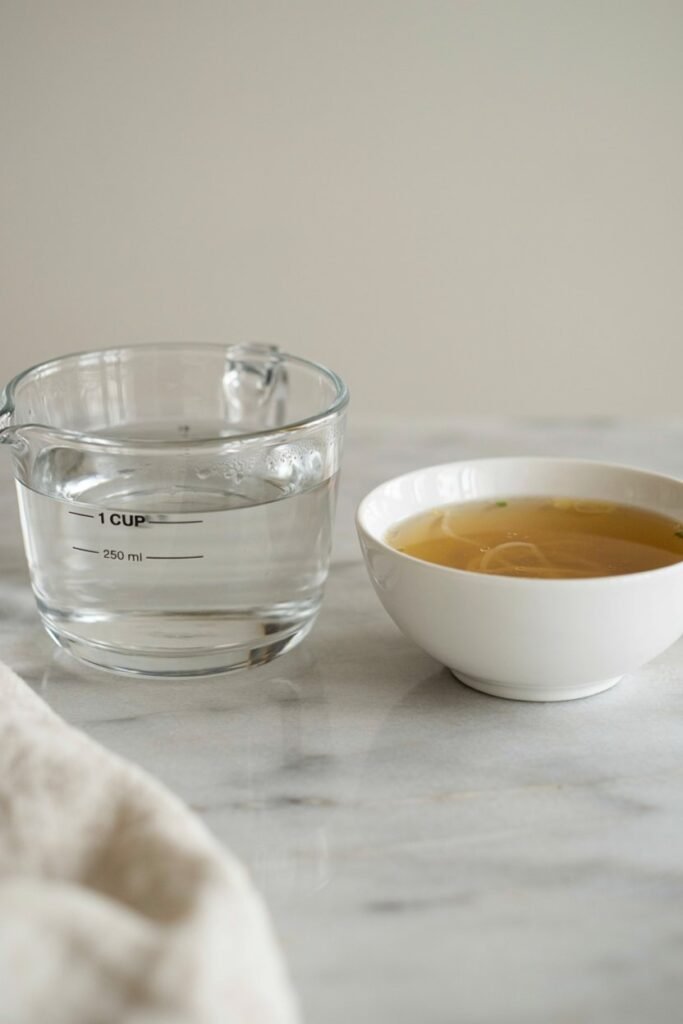
Cats have a naturally low thirst drive compared to dogs, which traces back to their wild ancestors, desert dwelling cats who got the vast majority of their water from the moisture content of prey rather than from drinking.
A cat eating mostly dry kibble, which typically contains only around 10 percent moisture, has to actively seek out and drink significantly more water to make up the difference compared to a cat eating a wet or fresh diet with a much higher natural moisture content.
Many cats simply don’t compensate for that gap on their own, which is part of why chronic mild dehydration is so common and so easy to miss in an otherwise seemingly healthy cat.
Adequate hydration supports kidney function, helps prevent the concentrated urine associated with urinary tract issues and certain types of bladder crystals, and generally supports overall organ health over the long term.
None of that means a bowl of soup is a substitute for veterinary care or a properly balanced diet, but it does mean that finding easy, appealing ways to get more moisture into a cat’s daily routine is a genuinely worthwhile thing to focus on, particularly as cats get older and become more prone to kidney related concerns.
Is Homemade Soup Actually Good for Cats?
Yes, when made correctly, a simple, plain broth or soup can be a genuinely useful way to add moisture to a cat’s diet, either served on its own as a sipping treat or poured over their regular food to encourage a bit of extra water intake with every meal.
It’s worth being clear that these recipes are meant to supplement hydration and appetite, not replace a cat’s complete and balanced diet, and none of them should be treated as a cat’s primary source of nutrition on their own.
Before You Start
A few ground rules apply across every recipe in this guide. Everything must be cooked plain, with absolutely nothing added beyond what’s listed, since cats are considerably more sensitive to onion and garlic than dogs are, and even small amounts can cause serious harm.
Bones should never be included in any broth or soup, even ones that seem soft after cooking, since they can still pose a choking or internal injury risk.
And if your cat has a diagnosed kidney condition, urinary issue, or any other medical condition affecting fluid or mineral balance, it’s worth discussing any new addition to their diet, homemade soup included, with your veterinarian before making it a regular habit, since some conditions call for very specific fluid and mineral management that a general recipe can’t account for.
Key Ingredients Explained

Plain, boneless, skinless chicken. Chicken forms the protein base of most recipes in this guide. It should always be fully cooked, with all bones and skin removed, and shredded or diced into pieces small enough for a cat to eat comfortably.
Low sodium chicken or turkey broth. Broth is the backbone of every recipe here, providing the bulk of the moisture. It’s essential that whatever broth you use, whether homemade or store bought, is completely free of onion, garlic, and excessive salt, all of which are common in broth made for human consumption but unsafe for cats. Making your own broth at home by simmering plain chicken with nothing added gives you the most control over what actually goes into it.
Eggs. A small amount of fully cooked egg adds protein and a bit of extra substance to an otherwise very light broth, making it feel more like an actual meal rather than just a drink.
Salmon. Fully cooked and completely deboned, salmon adds a different flavor and a dose of omega fatty acids that chicken based broths don’t provide, and its strong aroma tends to be especially appealing to cats who are reluctant to drink much on their own.
Plain pumpkin puree. Used in small amounts, pumpkin adds a bit of fiber and a smooth texture, and it’s gentle enough to be a good addition for a cat with a slightly sensitive stomach.
White rice. A small amount of well cooked, soft white rice can bulk out a soup slightly for a cat who needs a bit more substance, though it should stay a minor component relative to the protein and broth.
Chicken liver. Used sparingly, liver adds a concentrated dose of nutrients and a strong aroma that can help encourage a reluctant eater, though it should never make up a large portion of any recipe given how nutrient dense it is.
Catnip. A small pinch of catnip can make a soup more enticing for a cat who’s hesitant about trying something new, though it’s worth remembering that not every cat responds to catnip, and that’s completely normal.
Ingredients I Avoid
Onion, garlic, chives, excessive salt, any seasoning blend, milk or cream in large amounts, xylitol, and any bones have no place in a cat soup recipe.
Cats are notably more sensitive to onion and garlic toxicity than dogs are relative to body size, which makes checking every broth label a genuinely important step rather than an optional precaution, even for broth marketed as plain or simple.
10 Beginner Homemade Cat Soup Recipes
1. Plain Chicken Broth Sipping Soup
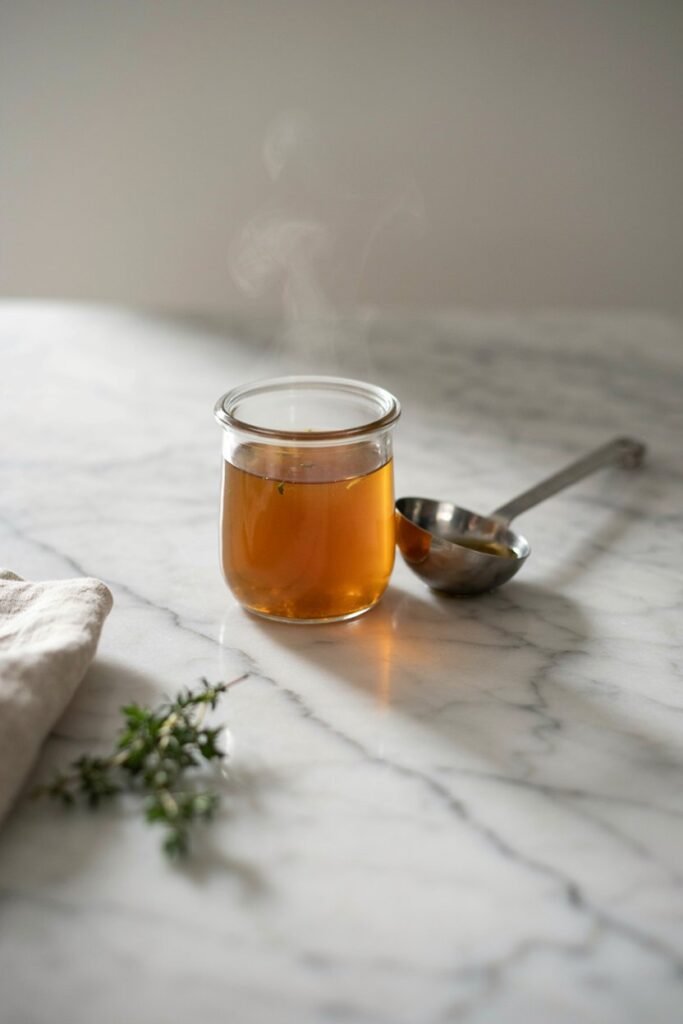
Ingredients
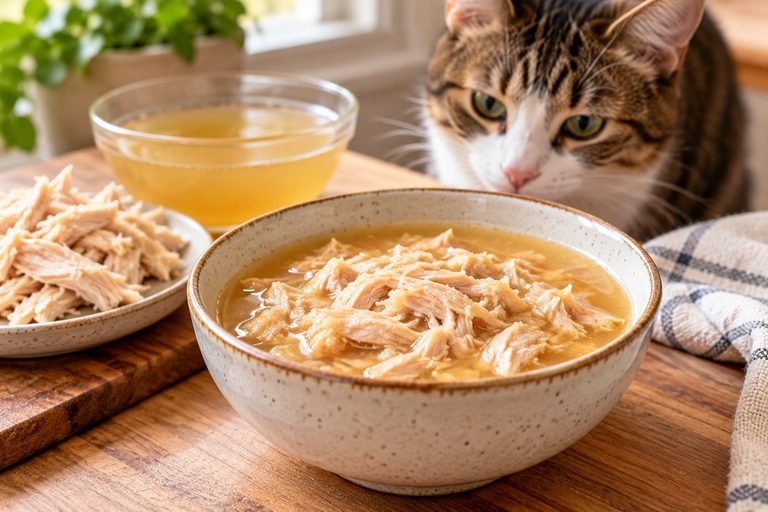
- 2 cups low sodium chicken broth, onion and garlic free. This is the entire recipe, and the simplicity is the point. Plain broth alone offers meaningful hydration value with essentially no preparation required.
Instructions
- Warm the broth gently on the stove or in the microwave until just lukewarm, never hot.
- Pour into a shallow dish or your cat’s regular water bowl.
How Much to Serve A small amount, a few tablespoons, offered once or twice a day works well as a hydration boost alongside your cat’s regular water access.
Storage Refrigerate for up to 3 days.
My Tip I keep a small batch of homemade broth in the fridge specifically for this recipe, since it’s the easiest one to reach for on a day I don’t have much time.
2. Chicken and Egg Hydration Soup
Ingredients
- 1.5 cups low sodium chicken broth, onion and garlic free. Broth provides the bulk of the hydration in this recipe.
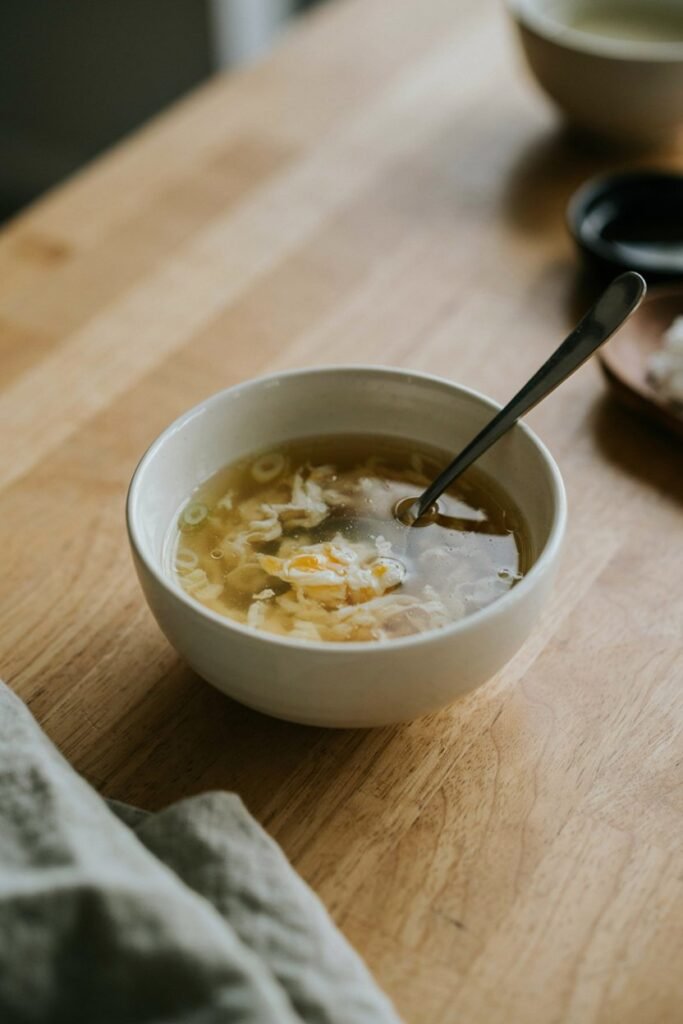
- 1 egg, fully cooked and finely chopped. Egg adds protein and a bit of substance, turning a simple sipping broth into something closer to an actual small meal.
Instructions
- Warm the broth gently.
- Stir in the finely chopped, fully cooked egg.
- Let cool to a safe, lukewarm temperature before serving.
How Much to Serve A small serving, a few tablespoons, works well as an occasional meal topper or standalone treat.
Storage Refrigerate for up to 2 days, given the egg content.
My Tip Chopping the egg very finely makes it easier for a cat to eat comfortably alongside the thin broth, rather than leaving large pieces that sink to the bottom of the bowl.
3. Salmon Bone Broth Soup
Ingredients
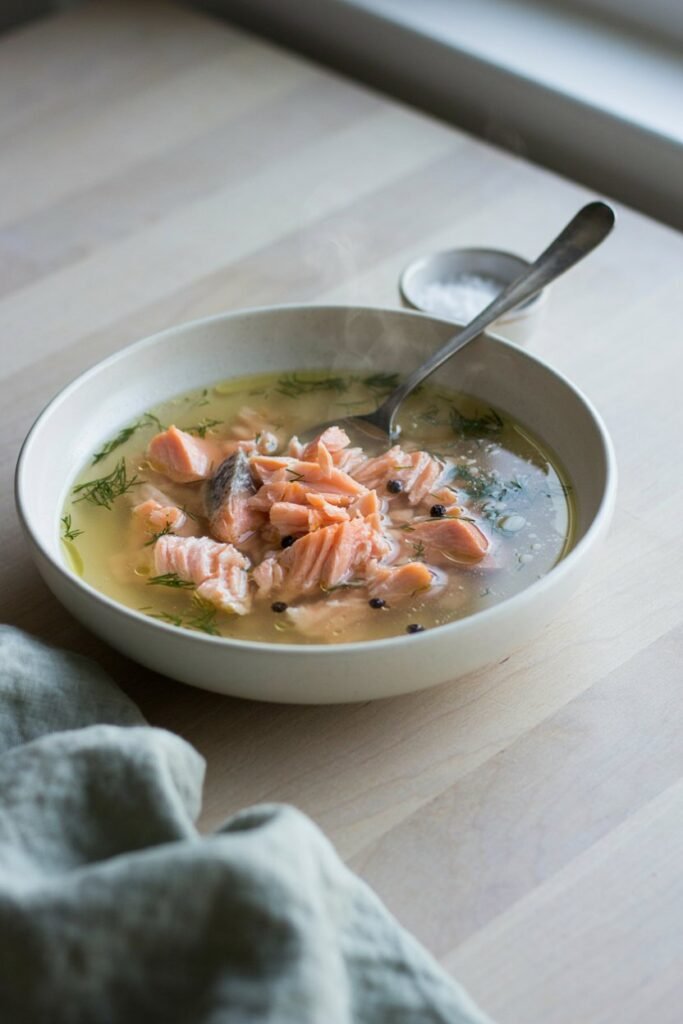
- 1 cup salmon, fully cooked and deboned, flaked finely. Salmon’s strong aroma makes this one of the more enticing recipes for a cat who’s reluctant to eat or drink much.
- 1.5 cups low sodium broth, onion and garlic free. Broth ties the flaked salmon together into a genuinely sippable soup.
Instructions
- Bake or poach the salmon fully, then remove every bone carefully before flaking.
- Warm the broth gently.
- Stir the flaked salmon into the warmed broth.
- Let cool to a safe temperature before serving.
How Much to Serve A small serving works well, particularly as an occasional treat rather than a daily staple given salmon’s richness.
Storage Refrigerate for up to 2 days.
My Tip Deboning the salmon thoroughly takes real patience, but it’s worth doing slowly and carefully every single time rather than rushing through it.
4. Turkey and Pumpkin Soup
Ingredients
- 1 cup turkey, cooked and finely shredded. Turkey offers a milder alternative to chicken, useful for variety in your cat’s rotation.
- 1.5 cups low sodium turkey or chicken broth, onion and garlic free. Broth provides the base moisture for this soup.
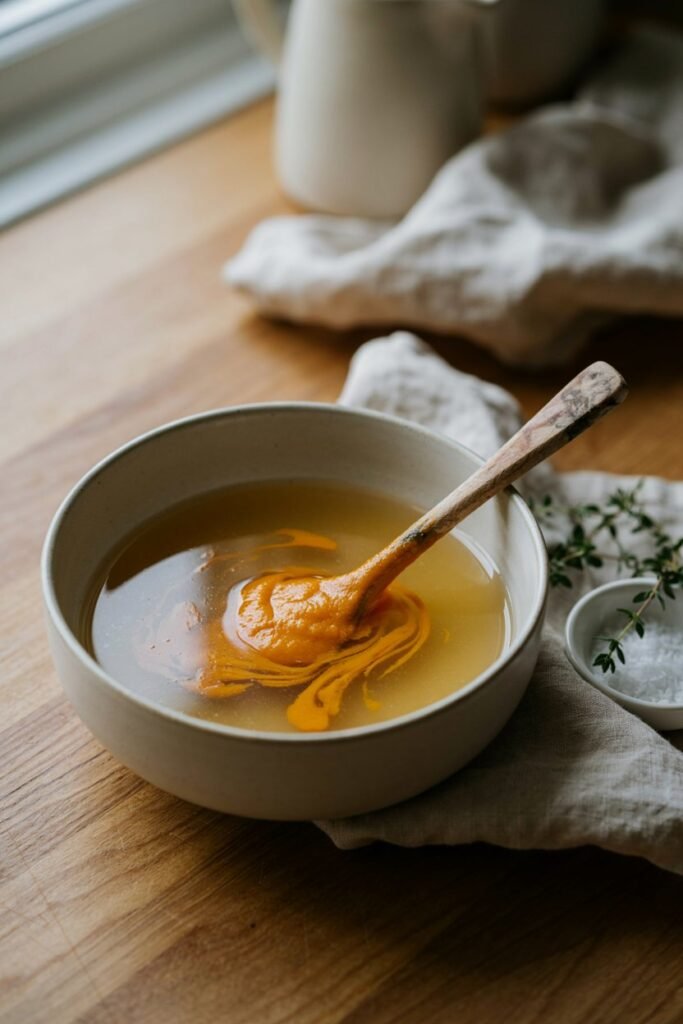
- 2 tablespoons plain pumpkin puree. Pumpkin adds a bit of fiber and a smooth texture, and it’s a gentle addition for a cat with a sensitive stomach.
Instructions
- Cook the turkey thoroughly, then shred very finely.
- Warm the broth gently.
- Stir in the shredded turkey and pumpkin puree.
- Let cool to a safe temperature before serving.
How Much to Serve A small serving works well as an occasional meal or topper.
Storage Refrigerate for up to 2 days.
My Tip Confirm the pumpkin is plain puree, never pie filling, since pie filling contains added sugar and spices that aren’t appropriate for cats.
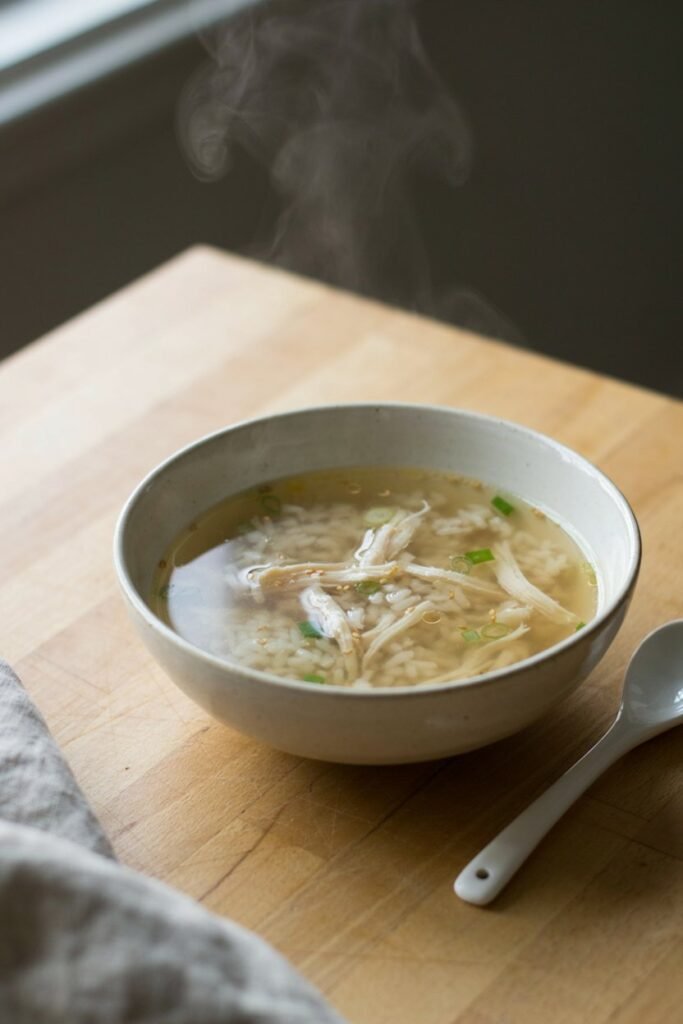
5. Chicken and Rice Recovery Soup
Ingredients
- 1 cup chicken, cooked and finely shredded. A gentle, familiar protein that most cats tolerate well even during a rough stomach day.
- 2 cups low sodium chicken broth, onion and garlic free. A larger proportion of broth relative to solids makes this a genuinely light, easy to digest option.
- 2 tablespoons white rice, cooked very soft. A small amount of soft rice adds a bit of bulk without making the soup heavy.
Instructions
- Cook the chicken thoroughly, then shred very finely.
- Cook the rice until very soft.
- Warm the broth gently.
- Stir in the shredded chicken and rice.
- Let cool to a safe temperature before serving.
How Much to Serve A small amount, offered gently, works well as a bland, easy option during a period of reduced appetite, though persistent appetite loss should always prompt a call to your veterinarian rather than relying on home remedies alone.
Storage Refrigerate for up to 2 days.
My Tip I make this one specifically on days my cat seems a little off her food, since the lighter ratio of broth to solids feels gentler than a heartier recipe.
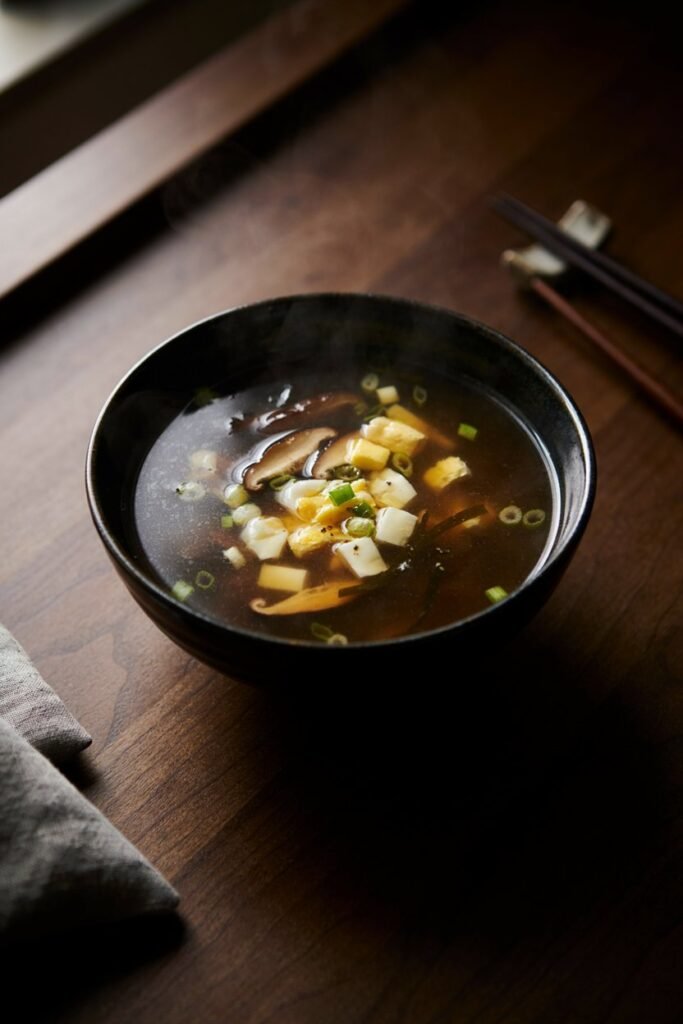
6. Beef Broth and Egg Soup
Ingredients
- 1.5 cups low sodium beef broth, onion and garlic free. Beef broth offers a different flavor profile from the chicken based recipes throughout this guide.
- 1 egg, fully cooked and finely chopped. Egg adds protein and substance to round out the soup.
Instructions
- Warm the beef broth gently.
- Stir in the finely chopped, fully cooked egg.
- Let cool to a safe temperature before serving.
How Much to Serve A small serving works well as an occasional variation from the chicken based recipes.
Storage Refrigerate for up to 2 days.
My Tip Beef broth can be harder to find without onion or garlic already added compared to chicken broth, so this is one where checking the label carefully matters even more than usual.
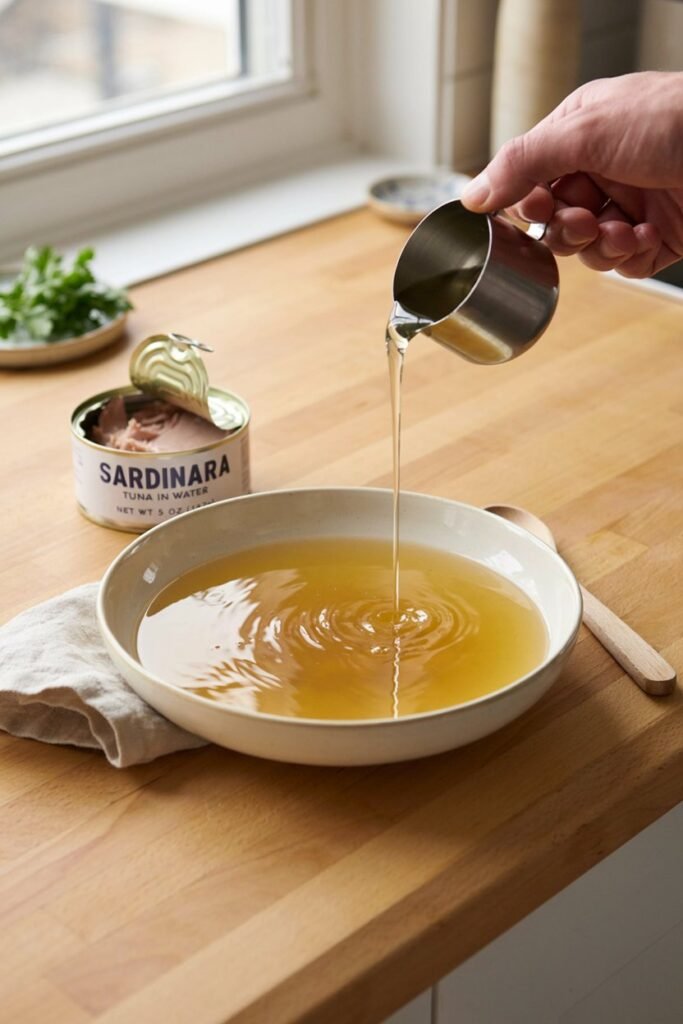
7. Tuna Water Hydration Soup
Ingredients
- 1 small can tuna packed in water, drained, water reserved. The reserved tuna water carries a strong scent cats respond to strongly, making it a useful occasional hydration booster.
- 1 cup low sodium broth, onion and garlic free. Broth dilutes the tuna water slightly and adds additional volume and moisture.
Instructions
- Drain the tuna, reserving the water it was packed in.
- Combine the reserved tuna water with the broth.
- Warm gently before serving.
How Much to Serve A small amount, offered occasionally rather than daily, since tuna shouldn’t become a regular dietary staple.
Storage Refrigerate for up to 2 days.
My Tip I save this one specifically for days I want to encourage extra drinking, since the tuna scent tends to work faster than almost anything else in this guide.
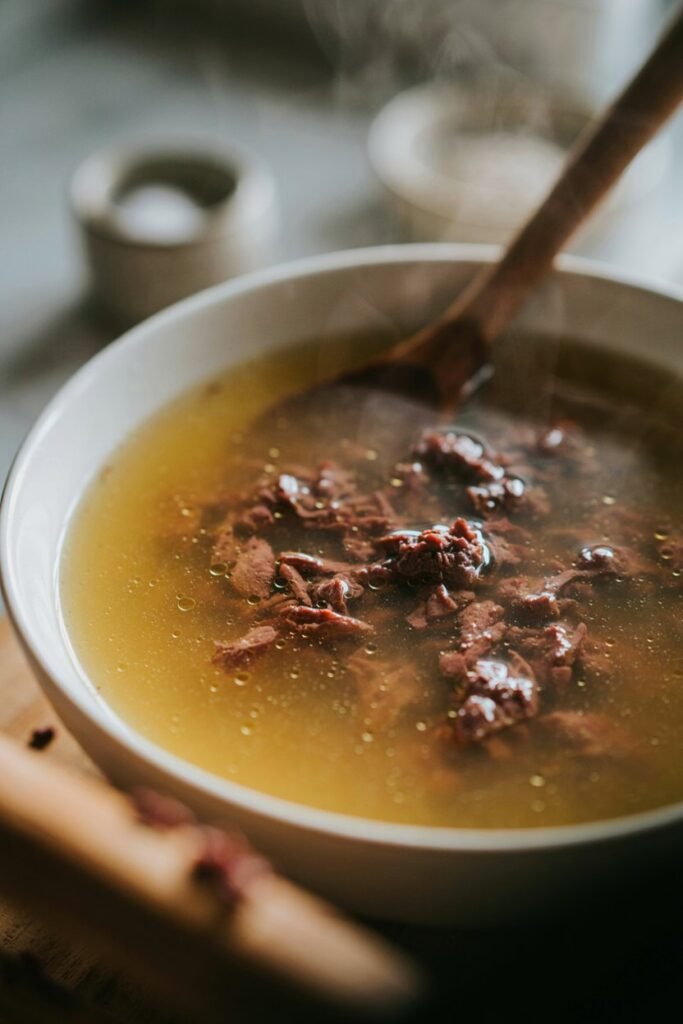
8. Chicken Liver Broth Boost Soup
Ingredients
- 1.5 cups low sodium chicken broth, onion and garlic free. Broth provides the base of this soup.
- 1 ounce chicken liver, cooked and very finely chopped. A small amount of liver adds a concentrated dose of nutrients and a strong aroma that can help encourage a reluctant eater, though it should stay a small addition given how nutrient dense liver is.
Instructions
- Cook the liver thoroughly, which cooks much faster than muscle meat, then chop very finely once cooled.
- Warm the broth gently.
- Stir in the chopped liver.
- Let cool to a safe temperature before serving.
How Much to Serve A small amount, offered occasionally rather than daily, since liver is meant to be a booster rather than a primary ingredient.
Storage Refrigerate for up to 2 days, since liver has a shorter shelf life than muscle meat.
My Tip I only make this one every week or two, specifically because the liver is meant to add a nutritional boost rather than become a regular staple.
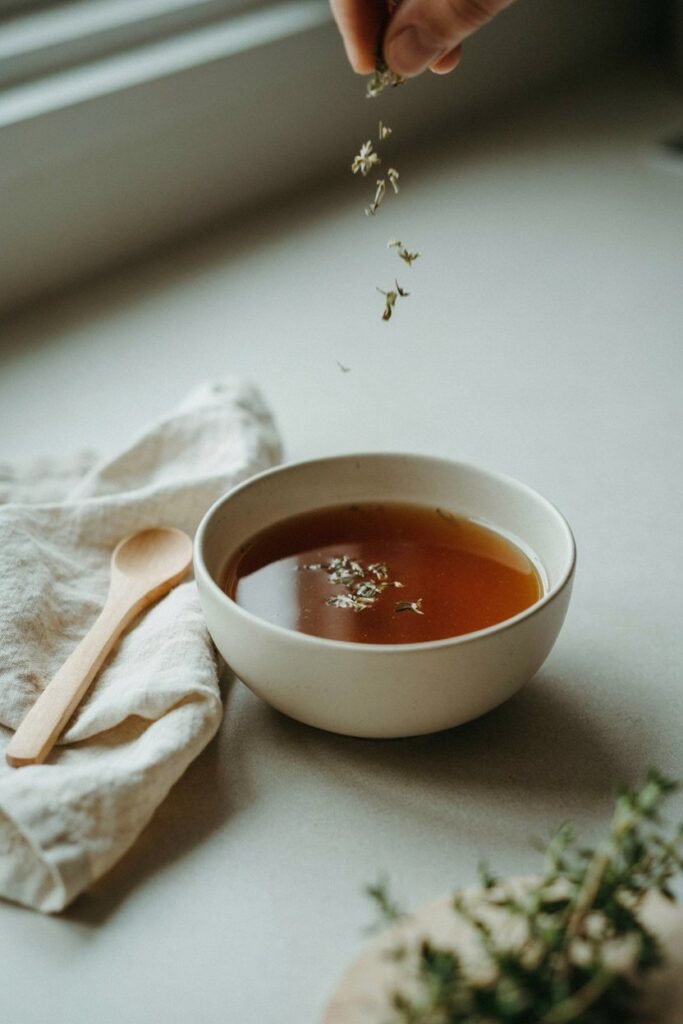
9. Bone Broth and Catnip Soup
Ingredients
- 1.5 cups low sodium chicken bone broth, onion and garlic free. Bone broth, simmered longer than a standard broth, often has a richer flavor that some cats find especially appealing.
- A small pinch of dried catnip. Catnip adds an extra layer of interest for a cat who’s hesitant to try something new.
Instructions
- Warm the bone broth gently.
- Stir in a small pinch of catnip.
- Let cool to a safe temperature before serving.
How Much to Serve A small serving works well specifically as an enticing option for a picky eater, offered occasionally rather than as a daily staple.
Storage Refrigerate for up to 3 days.
My Tip Not every cat responds to catnip, and that’s completely normal. If your cat shows no interest, the bone broth alone is still a perfectly good soup on its own.
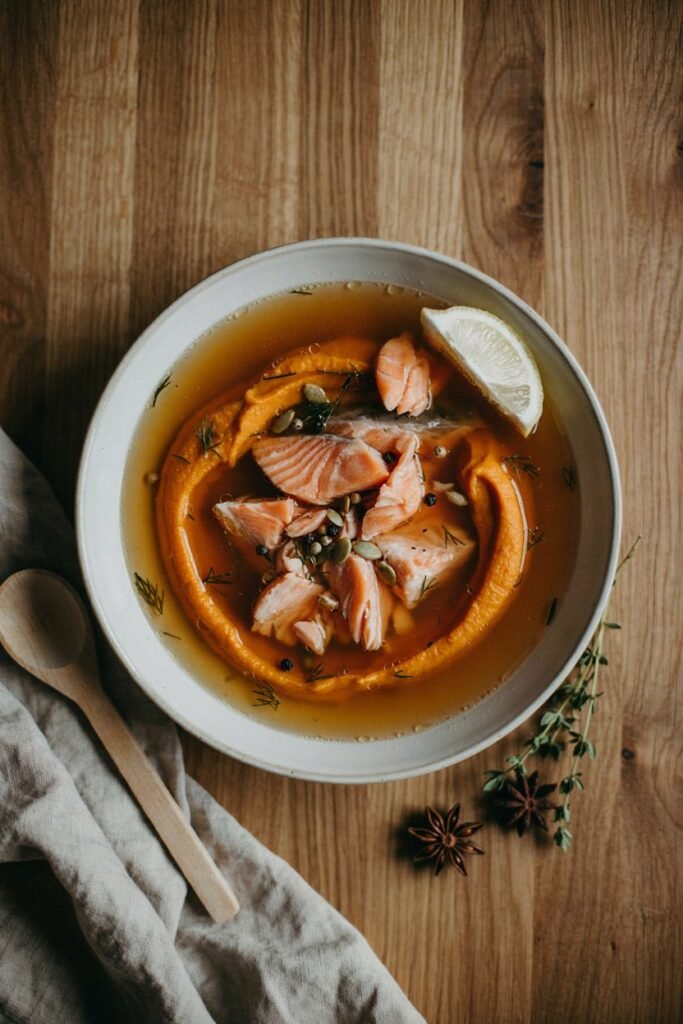
10. Salmon and Pumpkin Soup
Ingredients
- 1 cup salmon, fully cooked and deboned, flaked finely. Salmon provides both flavor and a dose of omega fatty acids.
- 1.5 cups low sodium broth, onion and garlic free. Broth ties the recipe together into a sippable soup.
- 2 tablespoons plain pumpkin puree. Pumpkin adds fiber and a smooth texture that pairs surprisingly well with the richness of salmon.
Instructions
- Bake or poach the salmon fully, then remove every bone carefully before flaking.
- Warm the broth gently.
- Stir in the flaked salmon and pumpkin puree.
- Let cool to a safe temperature before serving.
How Much to Serve A small serving works well as an occasional richer variation.
Storage Refrigerate for up to 2 days.
My Tip This is the combination I reach for when I want something that feels a bit more like a full meal than a simple sipping broth, without making it heavy.
Recipe Comparison at a Glance
| Recipe | Main Ingredient | Best For | Storage |
|---|---|---|---|
| Plain Chicken Broth Sipping Soup | Chicken broth | Everyday hydration | 3 days fridge |
| Chicken and Egg Hydration Soup | Chicken and egg | Light meal topper | 2 days fridge |
| Salmon Bone Broth Soup | Salmon | Enticing reluctant eaters | 2 days fridge |
| Turkey and Pumpkin Soup | Turkey and pumpkin | Digestive support | 2 days fridge |
| Chicken and Rice Recovery Soup | Chicken and rice | Reduced appetite days | 2 days fridge |
| Beef Broth and Egg Soup | Beef broth | Flavor variety | 2 days fridge |
| Tuna Water Hydration Soup | Tuna water | Occasional hydration boost | 2 days fridge |
| Chicken Liver Broth Boost Soup | Chicken liver | Occasional nutrient booster | 2 days fridge |
| Bone Broth and Catnip Soup | Bone broth | Picky eaters | 3 days fridge |
| Salmon and Pumpkin Soup | Salmon and pumpkin | Richer occasional meal | 2 days fridge |
How Much Soup Should You Give Your Cat?
There’s no single universal amount, since it depends on your cat’s size, overall diet, and how much water they’re already getting from their regular food and drinking habits. A cat already eating a fully wet diet needs less additional hydration support than a cat eating mostly dry kibble. As a general starting point, a few tablespoons offered once or twice a day, either on its own or poured over regular food, is a reasonable amount for most adult cats, adjusted based on your specific cat’s needs. If your cat has a diagnosed kidney condition or another issue affecting fluid balance, it’s worth asking your veterinarian for more specific guidance rather than relying on a general estimate.
How to Store Homemade Cat Soup
Refrigerator. Most recipes here keep for 2 to 3 days in an airtight container, with egg and liver based recipes on the shorter end given their higher perishability.
Freezer. Broth based recipes without egg freeze reasonably well in small portions, generally for up to 1 to 2 months, though the texture of any egg or rice component may shift slightly after thawing.
Serving temperature. Always serve lukewarm, never hot and never straight from the refrigerator, since extremes in either direction can be uncomfortable or off putting for a cat.
Common Problems When Making Cat Soup
Why won’t my cat try the soup? Some cats are naturally cautious about new foods. Warming the soup slightly, which releases more aroma, or trying one of the more strongly scented recipes like the salmon or tuna water versions, often helps more than a plain broth alone.
Why does my broth taste bland even to me? That’s actually the goal. A broth made without salt, onion, or garlic will taste noticeably plainer than anything made for human consumption, but that plainness is exactly what makes it safe.
Can I use store bought broth instead of making my own? Yes, as long as you check the label carefully for onion, garlic, and excessive sodium. Many store bought broths, even ones marketed as simple or natural, contain onion powder as a flavoring agent, so this step genuinely can’t be skipped.
My cat drank the soup but seems uninterested in eating the solid pieces. Is that a problem? Not necessarily. If the primary goal is hydration, the broth itself is doing the most important work, and solid pieces can simply be removed or offered separately if your cat isn’t interested in them.
Good Ingredients to Look For in Cat Soup
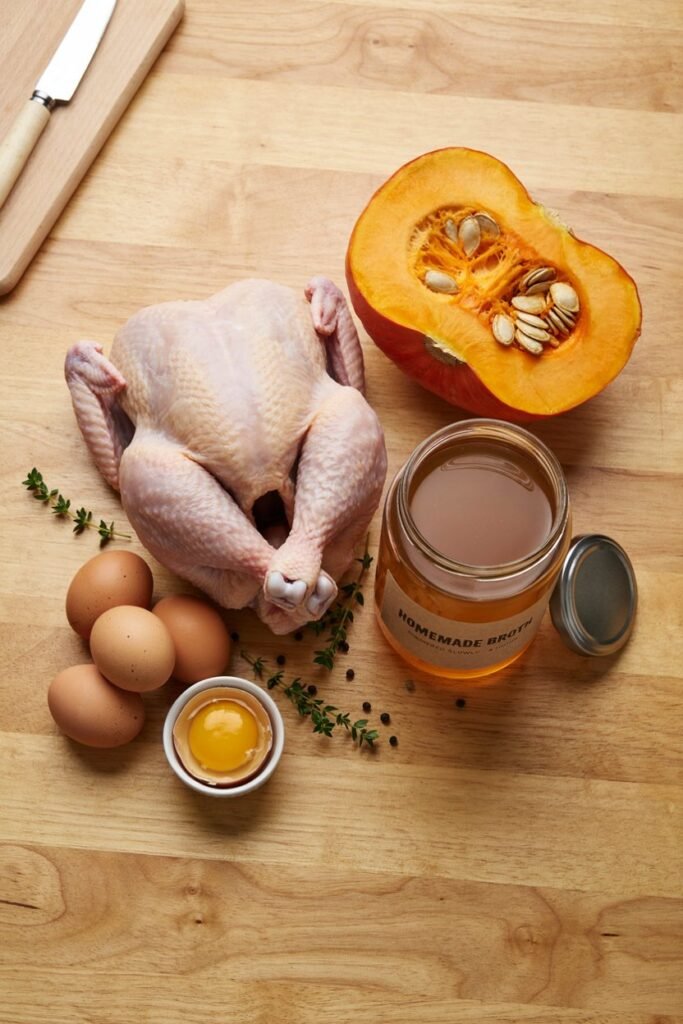
Plain, low sodium broth. The foundation of every recipe in this guide, and worth checking carefully every single time you buy a new brand, even one you’ve used before.
Named, specific animal proteins. Chicken, turkey, salmon, and egg all tell you exactly what’s going into the bowl.
Small amounts of fiber rich additions. Plain pumpkin puree in modest amounts supports digestion without overwhelming the simplicity of the recipe.
Nothing artificial. No added salt, seasoning, or flavor enhancers belong in a soup meant specifically to be gentle and hydrating.
Common Mistakes to Avoid
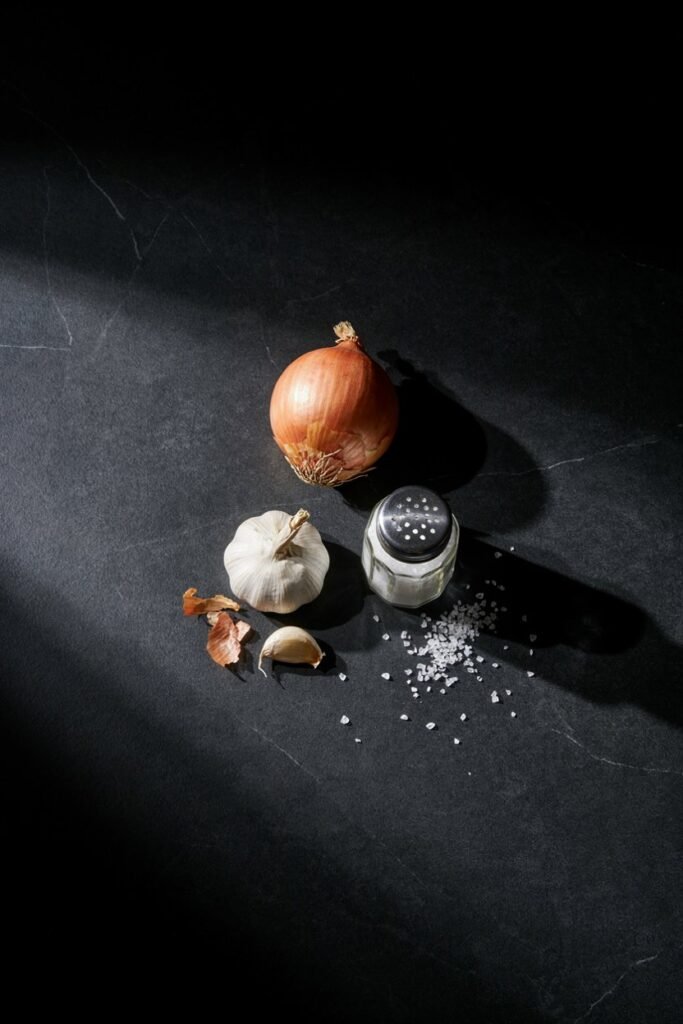
Using broth with hidden onion or garlic. This is the single most important mistake to avoid across every recipe in this guide, and it’s worth double checking even on broth you’ve used before.
Serving soup too hot. Always let it cool to a safe, lukewarm temperature before offering it, since a hot soup can burn a cat’s mouth and discourage them from trying it again.
Leaving bones in any broth or soup. Even bones that feel soft after cooking can still pose a genuine risk and should never be included.
Relying on soup as a substitute for veterinary care. If your cat is showing signs of reduced appetite, lethargy, or other symptoms beyond simply needing a bit more water, that calls for a veterinary visit rather than a homemade recipe.
Overdoing richer ingredients like liver or salmon. These work well as occasional additions, not as the base of every soup in a regular rotation.
Frequently Asked Questions
Can I give my cat soup every day? A small amount of plain broth or a simple soup daily is generally fine as a hydration supplement, though richer recipes involving liver or salmon are better used occasionally rather than as a daily staple.
Is homemade broth safer than store bought for cats? Homemade broth gives you complete control over the ingredients, which some owners prefer, though a carefully checked store bought broth free of onion, garlic, and excess sodium works just as well.
Can kittens have cat soup? In small amounts, generally yes, though a kitten’s overall diet should be reviewed with a veterinarian given their more specific growth related nutritional needs.
Can senior cats benefit from these recipes? Often, yes, particularly since older cats are more prone to kidney related concerns where extra hydration support genuinely matters, though any senior cat with a diagnosed condition should have dietary changes reviewed by their vet first.
Is bone broth better than regular broth for cats? Bone broth is often richer in flavor and may contain a bit more collagen and minerals from the longer simmering process, but regular broth still provides meaningful hydration value and works just as well for most cats.
Can I use these soups to help hide medication? Some cats do better taking medication mixed into a strongly scented soup like the salmon or liver versions, though it’s worth checking with your veterinarian first, since some medications shouldn’t be mixed with certain foods.
How do I know if my cat needs more hydration support? Signs like reduced litter box output, drier looking gums, or noticeably infrequent drinking can all be indicators, though any concern about hydration or kidney health should be discussed directly with your veterinarian rather than diagnosed at home.
Can I freeze these soups in ice cube trays for portioning? Yes, freezing broth based recipes in small ice cube portions is a genuinely convenient way to thaw exactly the amount you need for a single serving.
Will my cat get enough nutrition from soup alone? No, these recipes are meant to supplement hydration and appetite alongside a complete and balanced diet, not replace one.
What’s the best soup for a cat who refuses to drink water? The salmon based recipes and the tuna water soup tend to be the most effective at encouraging a reluctant drinker, thanks to their strong, appealing aroma.
Final Thoughts
A simple bowl of homemade soup won’t solve every hydration challenge a cat faces, but it’s a genuinely easy, low risk way to add a bit more moisture into a routine that might otherwise rely entirely on a water bowl your cat doesn’t visit often enough. Start with the plain chicken broth if you want the simplest possible entry point, or reach for one of the more strongly scented options if your cat needs a bit more convincing, and keep an eye on how they respond so you can build a rotation that genuinely fits into their preferences and your own kitchen routine.


5 Comments