
Easy Chicken-Based Homemade Cat Recipes: Healthy, Affordable Meals Your Cat Will Love
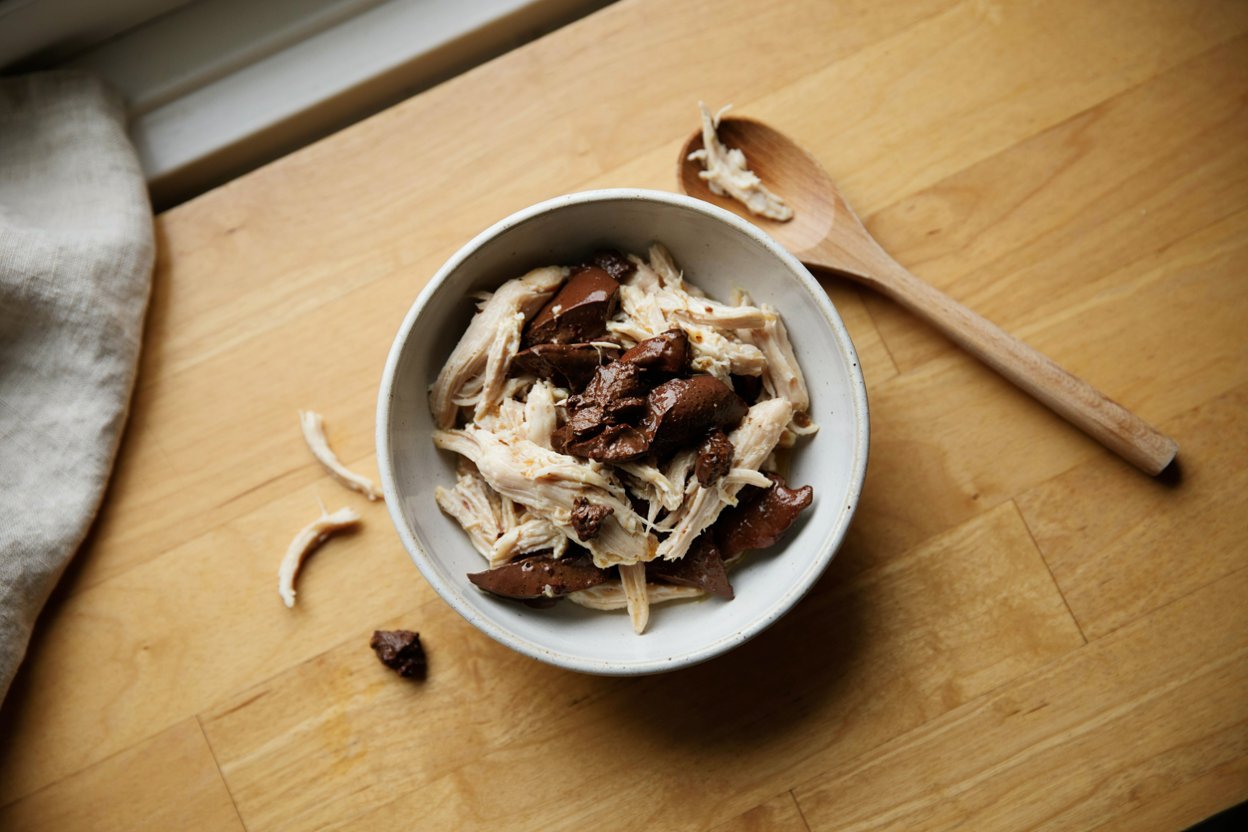
Chicken is usually the first ingredient I recommend to anyone starting out with homemade cat food, and there is a simple reason for that.
It is affordable, easy to find, gentle on most cats’ stomachs, and it happens to be one of the proteins cats go absolute crazy for.
If you have a picky eater at home, chicken is often the ingredient that finally gets them to walk over to the bowl.
This post walks through one complete, easy chicken based recipe from start to finish, the kind you can make in under thirty minutes with almost nothing beyond a pot and a cutting board.
If you want a wider spread of recipes to rotate through afterward, my full homemade cat food recipes guide and my homemade wet cat food recipes post both build on the same basic method shown here.
Disclaimer: This post may contain affiliate links, which means I may earn a small commission at no extra cost to you. Homemade cat food should be nutritionally balanced for your cat’s specific needs. Always consult your veterinarian before making significant changes to your cat’s diet.
Amazon Shopping List You Need
- Digital Kitchen Food Scale
- Nonstick Cooking Pot with Lid
- Glass Meal Prep Containers with Lids
- Stainless Steel Cat Food Bowls
- Airtight Pet Food Storage Container
- Silicone Freezer Portion Trays
- Cat Multivitamin Supplement Powder
Why Chicken Is Such a Reliable Base for Homemade Cat Food
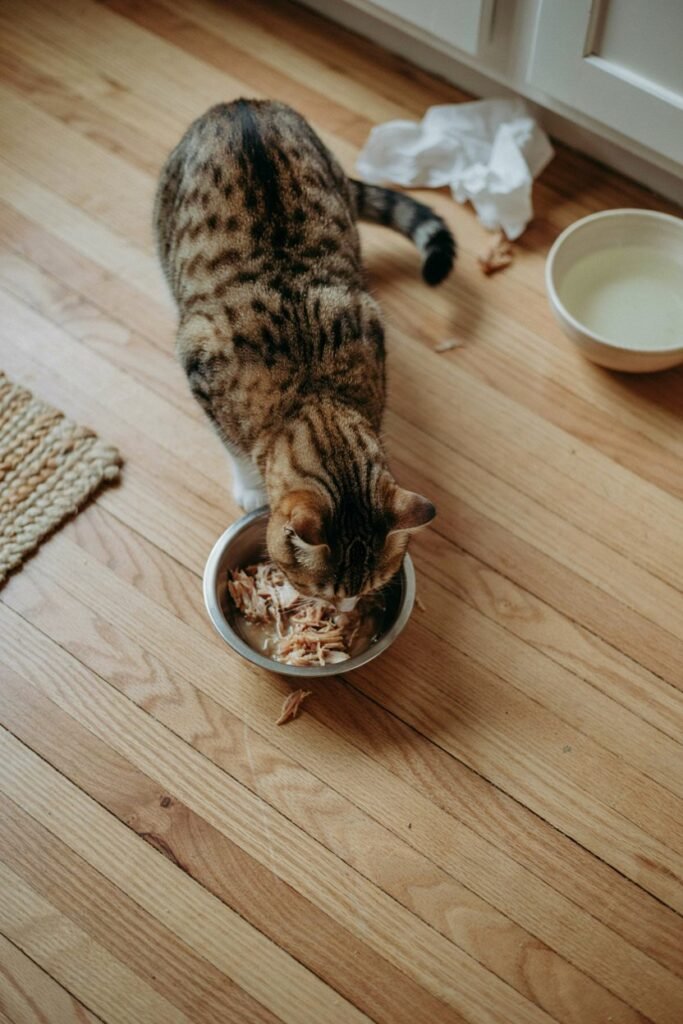
Chicken is lean, easy to digest, and mild enough that most cats accept it without hesitation, even ones who are usually suspicious of anything new in their bowl.
It is also a complete protein source, which matters a great deal for an obligate carnivore.
The one thing chicken cannot do on its own is provide everything a cat needs long term.
Muscle meat alone is low in calcium and a few other nutrients, so a small amount of organ meat and a calcium source rounds the recipe out. That is exactly what the recipe below is built around.
If your cat needs a saucier texture to get interested, a spoonful of gravy poured over the top works well here too. My cat gravy recipes post has a few versions worth trying alongside this dish.
Ingredients You’ll Need
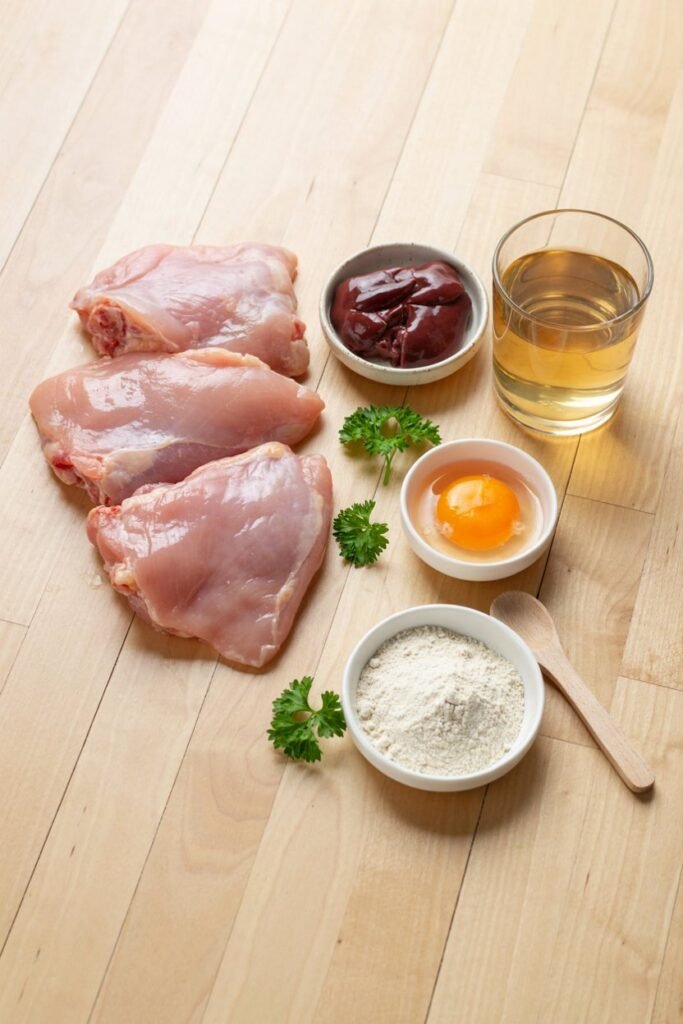
1 lb boneless, skinless chicken thighs
Thighs are the better choice over breast meat here because they hold more natural moisture and fat, which keeps the finished texture soft rather than dry and crumbly once cooled.
They’re also usually cheaper per pound than breast, which makes this an easy recipe to make regularly without it becoming expensive.
Look for plain, unseasoned thighs, and skip anything pre marinated, since store bought marinades often contain onion, garlic, or excess sodium.
2 oz chicken liver, finely chopped
This is the ingredient that quietly does the most nutritional work in the recipe. Liver is naturally rich in taurine, an amino acid cats cannot produce enough of on their own and must get from their diet, along with vitamin A, iron, and B vitamins.
Muscle meat alone falls short on these, so even a small amount of organ meat closes that gap.
Keep the portion small though, since liver is also high in vitamin A, and too much fed too often can cause an imbalance over time. If chicken liver isn’t available, chicken hearts are a reasonable substitute and offer a similar nutritional boost.
1 cup low sodium chicken broth, no onion or garlic
The broth is what keeps this dish moist enough to qualify as a true wet food rather than a dry, shredded topper.
It also carries flavor and aroma, which matters more than people expect, since scent is usually what convinces a hesitant cat to actually approach the bowl.
Always read the label carefully. Onion and garlic are common broth additives for human recipes and both are toxic to cats, so plain, unseasoned broth or a homemade version is the safest choice.
1 egg yolk
Egg yolk adds extra protein along with a naturally soft, binding texture that helps the shredded chicken and liver hold together better in the bowl.
It also contributes small amounts of healthy fats and vitamins that complement the rest of the recipe. Use a fresh, fully raw or lightly cooked yolk, and separate it carefully so no eggshell fragments end up in the mixture.
1/4 teaspoon ground eggshell, finely powdered
This is the calcium source that muscle meat and organ meat alone cannot provide.
Cats fed homemade meals regularly need a reliable calcium source to keep their diet balanced over time, and finely ground eggshell is one of the simplest, most affordable ways to add it.
To make your own, bake clean eggshells at a low temperature until fully dry, then grind them into a fine powder using a spice grinder or mortar and pestle. The powder should feel like fine sand with no sharp fragments remaining.
Optional: a small splash of fish oil for extra omega 3s
Fish oil isn’t required, but it’s a nice addition if you want to support your cat’s skin and coat health, since it provides omega 3 fatty acids that a plain chicken based recipe doesn’t naturally include.
A few drops is plenty. Look for a fish oil made specifically for pets, since human grade versions sometimes include added flavoring or other ingredients that aren’t appropriate for cats.
How to Make It: Step by Step
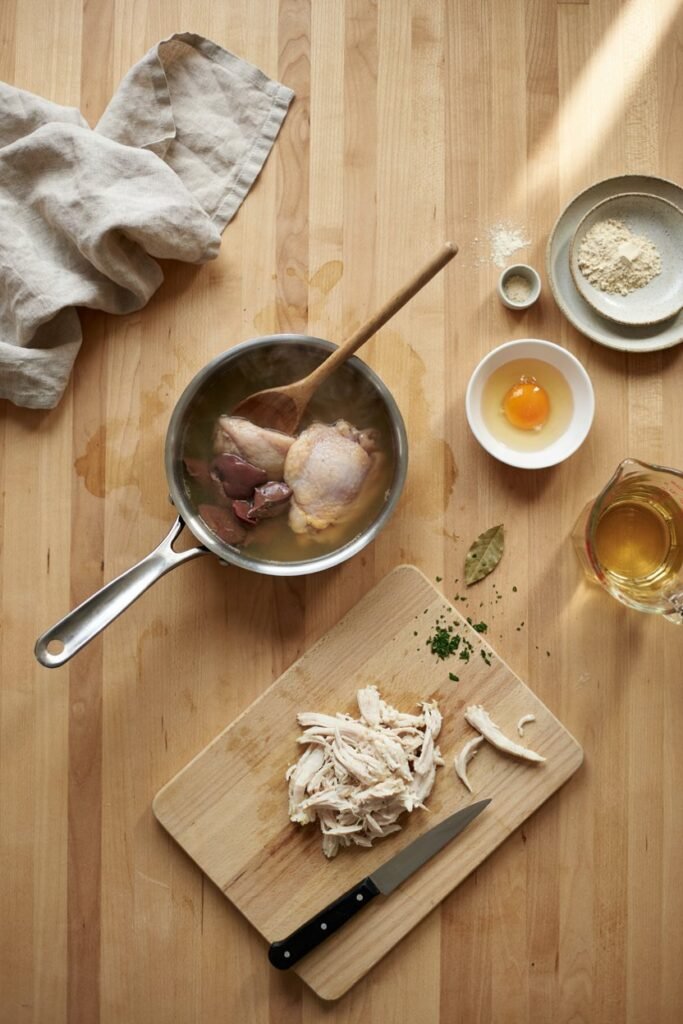
Step 1. Cook the chicken. Add the chicken thighs to a saucepan with the broth. Bring to a gentle simmer and cook until fully cooked through, about 15 to 18 minutes.
Step 2. Cook the liver. During the last 3 to 4 minutes, add the chopped chicken liver to the same pot so it cooks through alongside the chicken.
Step 3. Shred or chop. Once everything is cool enough to handle, shred the chicken and liver together, or chop finely depending on the texture your cat prefers.
Step 4. Blend if needed. For a smoother texture, transfer everything to a food processor along with a few tablespoons of the reserved broth and blend until soft and spoonable.
Step 5. Add the egg yolk and calcium. Stir in the raw egg yolk and ground eggshell once the mixture has cooled to a safe temperature.
Step 6. Cool and portion. Divide into single meal portions once fully cooled.
Step 7. Serve or store. Serve right away, or refrigerate and freeze the rest for later use.
Storage and Feeding Tips
Refrigerate for up to three days, or freeze individual portions in a silicone tray for up to two months. Thaw overnight in the fridge and warm gently before serving.
Cats are far more likely to eat a meal that smells warm and fresh than one served cold straight from the fridge.
Most adult cats need roughly 24 to 35 calories per pound of body weight each day, spread across two to four meals.
If you are cooking for an older cat, my homemade cat food for senior cats guide covers portioning and texture adjustments worth reading before making this part of a regular routine.
Easy Ways to Change This Recipe Up
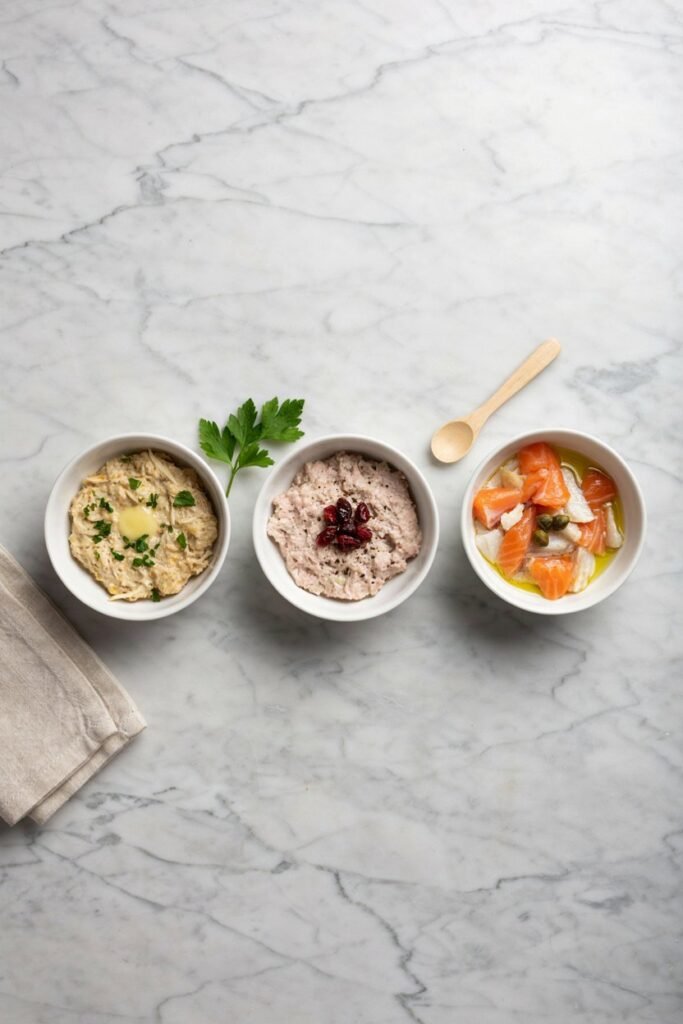
Swap the protein. Ground turkey works well in place of chicken if you want to rotate proteins. My ground turkey cat food recipe has its own ratios if you want a turkey first version.
Add more moisture. If your cat needs extra hydration support, thin the mixture with more broth, or serve it alongside something from my beginner cat soup recipes for hydration guide.
Change the aroma. For cats who respond better to a stronger smell, a fish based meal can help. My easy fish meals for cats post has a few good options to try in rotation with this one.
Common Mistakes to Avoid
Skipping the organ meat or calcium source. Chicken muscle meat alone is not a complete meal on its own over time.
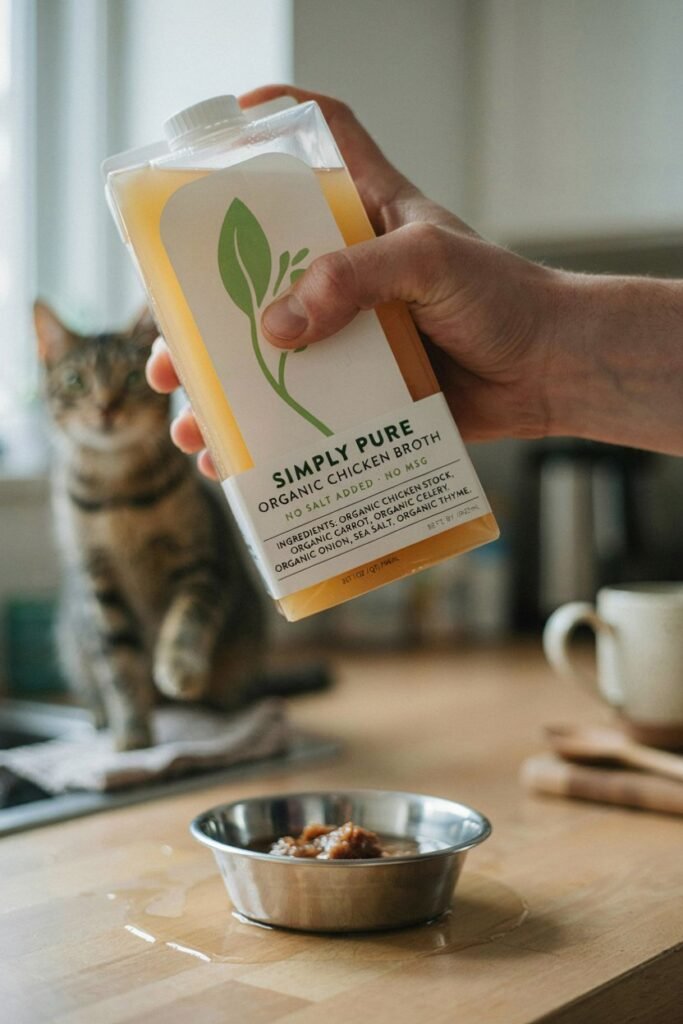
Using seasoned or store bought broth with onion or garlic. Both are toxic to cats, so always check the label.
Serving it cold. Cats respond far better to food that smells warm and fresh. Switching too quickly.
Introduce this gradually alongside your cat’s current food over one to two weeks. Overcooking the liver. A few extra minutes can make the texture tough and less appealing.
Frequently Asked Questions
Can I use chicken breast instead of thighs? Yes, though thighs stay moister and blend more easily. If using breast, add a bit more broth to keep the texture soft.
Is raw egg yolk safe for cats? A small amount of egg yolk is generally well tolerated by most cats and adds useful nutrients, but talk to your vet if your cat has any health conditions before adding it regularly.
Is this recipe nutritionally complete on its own? It works well as a regular meal or topper, but for full time feeding, it is worth confirming the balance of taurine, calcium, and other nutrients with your veterinarian.
My cat isn’t interested, what should I try? Warm the portion slightly more, or stir in a spoonful of the reserved broth right before serving. A stronger smelling option, like the fish recipes linked above, can also help with picky eaters.
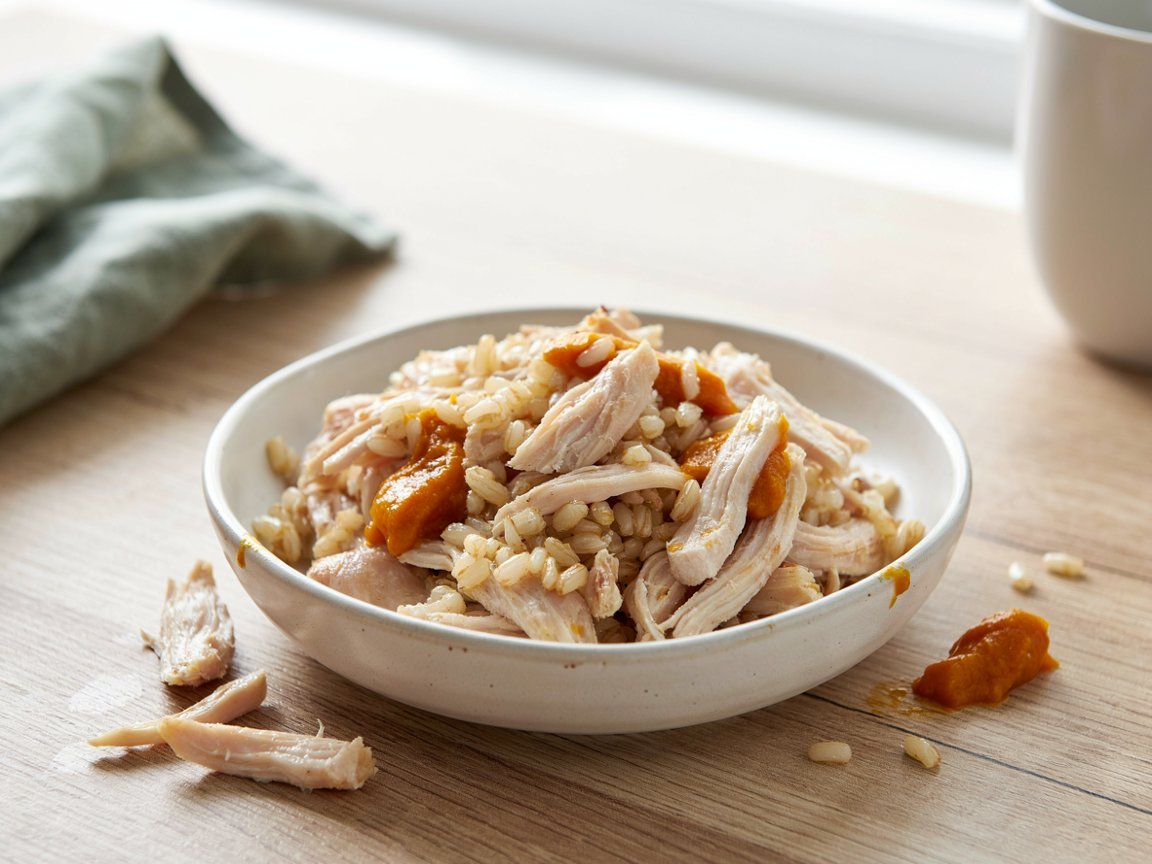
Easy Homemade Chicken Cat Food
Ingredients
Equipment
Method
- Cook the chicken thoroughly without adding salt, oil, onion, garlic, or seasonings.
- Allow the chicken to cool slightly, then remove any skin, bones, or excess fat and shred it into small pieces.
- Prepare the pumpkin and rice separately, making sure both are completely plain and free from seasonings.
- Add the cooked chicken, pumpkin, and rice to a mixing bowl.
- Pour in the warm water and gently mix until the ingredients are evenly combined.
- Allow the mixture to cool completely before serving.
- Recipe Notes
- This homemade recipe should be used as an occasional meal or topper unless it has been properly formulated to meet a cat’s nutritional requirements. Cats have specific nutritional needs, so a simple homemade chicken recipe should not automatically be considered a complete long term diet.
- Avoid onion, garlic, salt, seasoning blends, cooked bones, and other ingredients that may be unsafe for cats.
Final Thoughts
Chicken is one of the easiest and most reliable places to start when it comes to homemade cat food.
This recipe keeps things simple while still covering the basics your cat needs, and it gives you a solid foundation to build from as you explore other proteins and textures.
Start here, watch how your cat responds, and use it as your entry point into the rest of the recipes linked throughout this post.

4 Comments