Beginner-Friendly Raw-Inspired Cat Food Ideas: Simple, Safe & Nutritious Homemade Meals for Cats
Raw feeding tends to come up a lot in cat owner communities, usually framed as either the gold standard of feline nutrition or something to avoid entirely, without much room in between for a beginner to actually figure out where they stand. This guide takes a more measured approach.
It walks through one simple, raw-inspired meal, built around real food safety practices rather than treating “raw” as automatically safe just because it’s closer to what a cat might eat in the wild, along with the genuine risks involved and how to reduce them if you decide this feeding style is right for your household.
If you want to compare this approach against fully cooked homemade options, a few related guides are worth having open alongside this one.
Homemade chicken cat food recipe and simple homemade cat food with ground turkey offer fully cooked starting points, easy chicken based homemade cat recipes covers an affordable cooked option in more depth, homemade wet cat food recipes cats actually love and easy fish meals for cats round out your rotation with more cooked variety, cat food ingredients to avoid is worth a look for label reading in general, homemade cat food for senior cats and cat weight gain meals cover feeding for specific life stages, and beginner homemade cat soup recipes for hydration and healthy homemade cat gravy toppers for picky eaters are useful companions regardless of which feeding style you choose.
Disclaimer: This post may contain affiliate links, which means I may earn a small commission at no extra cost to you. Raw-inspired and homemade cat diets should be carefully balanced to meet a cat’s nutritional requirements. Always consult your veterinarian or a board-certified veterinary nutritionist before making significant changes to your cat’s diet.
Amazon Shopping List You Need
- Digital Kitchen Food Scale
- Stainless Steel Mixing Bowl Set
- Glass Meal Prep Containers with Lids
- Stainless Steel Cat Food Bowls
- Airtight Pet Food Storage Container
- Silicone Freezer Portion Trays
- Feline Nutritional Supplement (Veterinarian-Approved for Homemade Diets)
What “Raw-Inspired” Actually Means Here
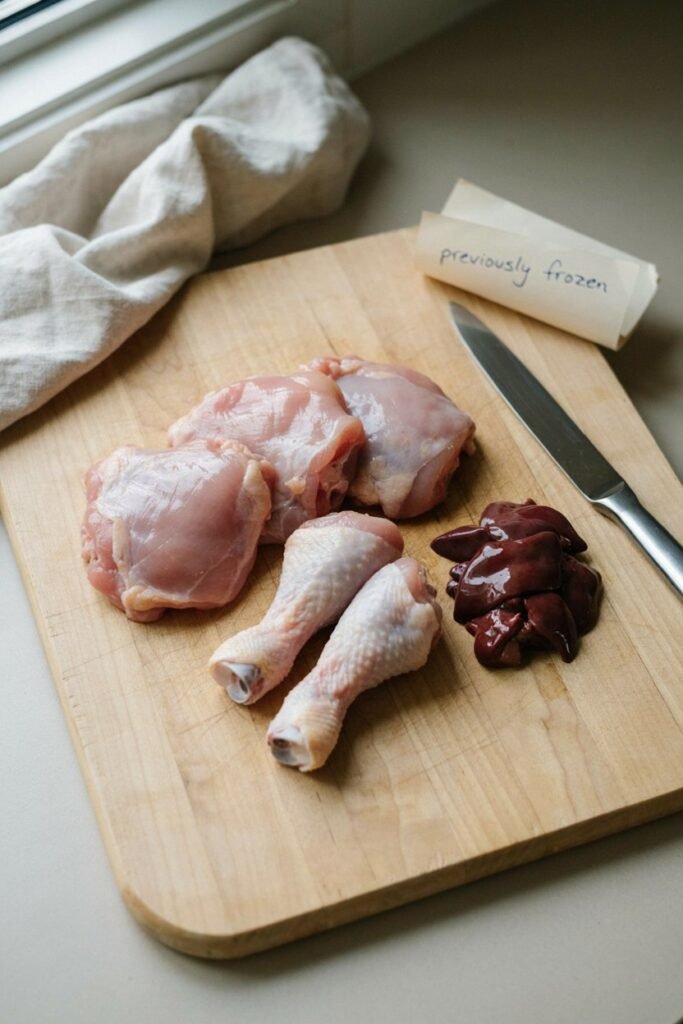
This recipe isn’t a fully raw diet built from whole prey or a complex mix of muscle meat, organ, and bone in exact proportions, which is what most established raw feeding protocols actually involve.
It’s a simpler, beginner oriented version that leans on raw or minimally handled ingredients while incorporating the food safety practices that reduce the real risks involved, and it’s meant as an introduction to the idea rather than a complete, from scratch raw diet.
If this approach genuinely interests you long term, working with a veterinarian familiar with raw feeding, or a board certified veterinary nutritionist, is worth pursuing before making it your cat’s exclusive diet.
Why Some Owners Choose Raw or Raw-Inspired Feeding
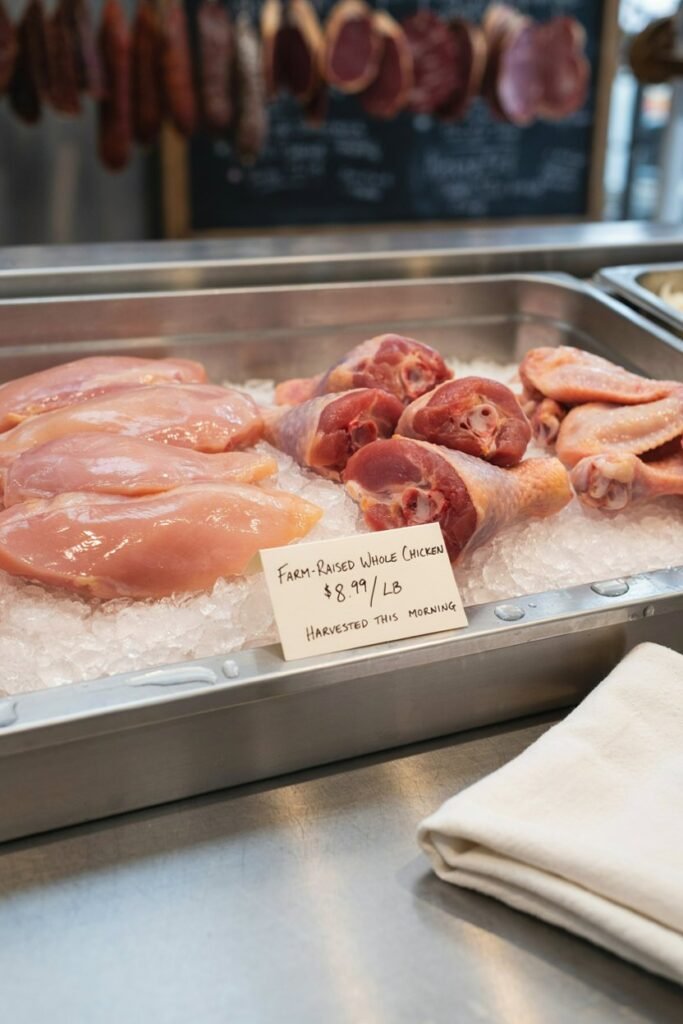
Cats are obligate carnivores, and their digestive systems are built around processing raw animal tissue efficiently, which is the core argument in favor of raw feeding.
Some owners report improvements in coat condition, stool quality, and overall energy after switching, though it’s worth noting that individual results vary considerably and aren’t universal.
Raw feeding also, at least in theory, avoids the processing and additives found in some commercial food, since you control every ingredient directly.
The Real Risks Worth Understanding First
This is the part that gets skipped in a lot of raw feeding content, and it shouldn’t be.
Bacterial contamination is a genuine concern. Raw meat, particularly poultry, can carry salmonella, campylobacter, and other pathogens.
Cats are somewhat more resistant to these than humans due to their shorter, more acidic digestive tract, but they aren’t immune, and they can also shed these bacteria in their stool even without showing symptoms themselves, creating a genuine exposure risk to people in the household, particularly anyone immunocompromised, pregnant, very young, or elderly.
Parasites are a real possibility depending on the source. Freezing meat at a sufficiently low temperature for an extended period, generally at least a few weeks, can reduce parasite risk, though it doesn’t eliminate bacterial risk the way cooking does.
Nutritional balance is even more demanding than with cooked homemade food. A raw diet needs taurine, calcium, phosphorus, and a full range of vitamins and minerals in proper proportion, and getting this wrong is arguably an even bigger risk with raw feeding than with cooked homemade food, since raw feeding advocates sometimes rely on whole prey or bone content to supply calcium in a way that’s easy to get wrong without real experience or guidance.
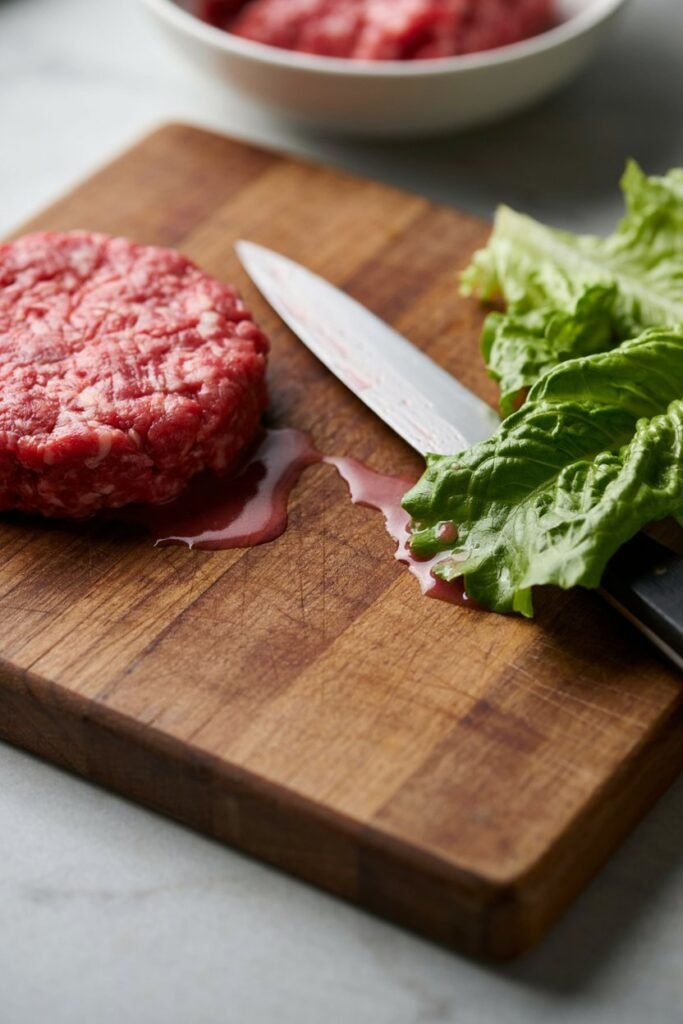
Kitchen hygiene needs to be genuinely rigorous. Separate cutting boards, thorough handwashing, sanitizing every surface the raw meat touches, and washing your cat’s food bowl after every raw meal all matter considerably more here than with cooked food.
None of this means raw feeding is inherently reckless, but it does mean it deserves more careful handling than a quick internet search often suggests, and it’s genuinely not the right choice for every household, particularly ones with young children, elderly family members, or anyone with a compromised immune system.
An Important Note Before You Start
As with any homemade recipe, this one isn’t automatically a complete and balanced diet just because it’s built around raw, whole ingredients.
Cats need adequate taurine, calcium, essential fatty acids, and a full range of vitamins and minerals, all in specific proportions that a simple recipe doesn’t fully provide on its own.
This is even more true for raw feeding than for cooked homemade food, since some nutrients behave differently and some safety considerations, like calcium sourcing, work differently without cooking involved.
Used as an occasional meal or a genuine introduction to the concept, this recipe is a reasonable starting point. Used as your cat’s exclusive, everyday diet, it needs a properly formulated plan developed with a veterinarian, ideally one experienced specifically with raw feeding.
Beginner-Friendly Raw-Inspired Cat Food
Yield: About 4 to 6 small servings Prep Time: 15 minutes, plus food safety steps Total Time: About 20 minutes active time Storage: Refrigerate up to 1 to 2 days, freeze up to 1 month
Ingredients

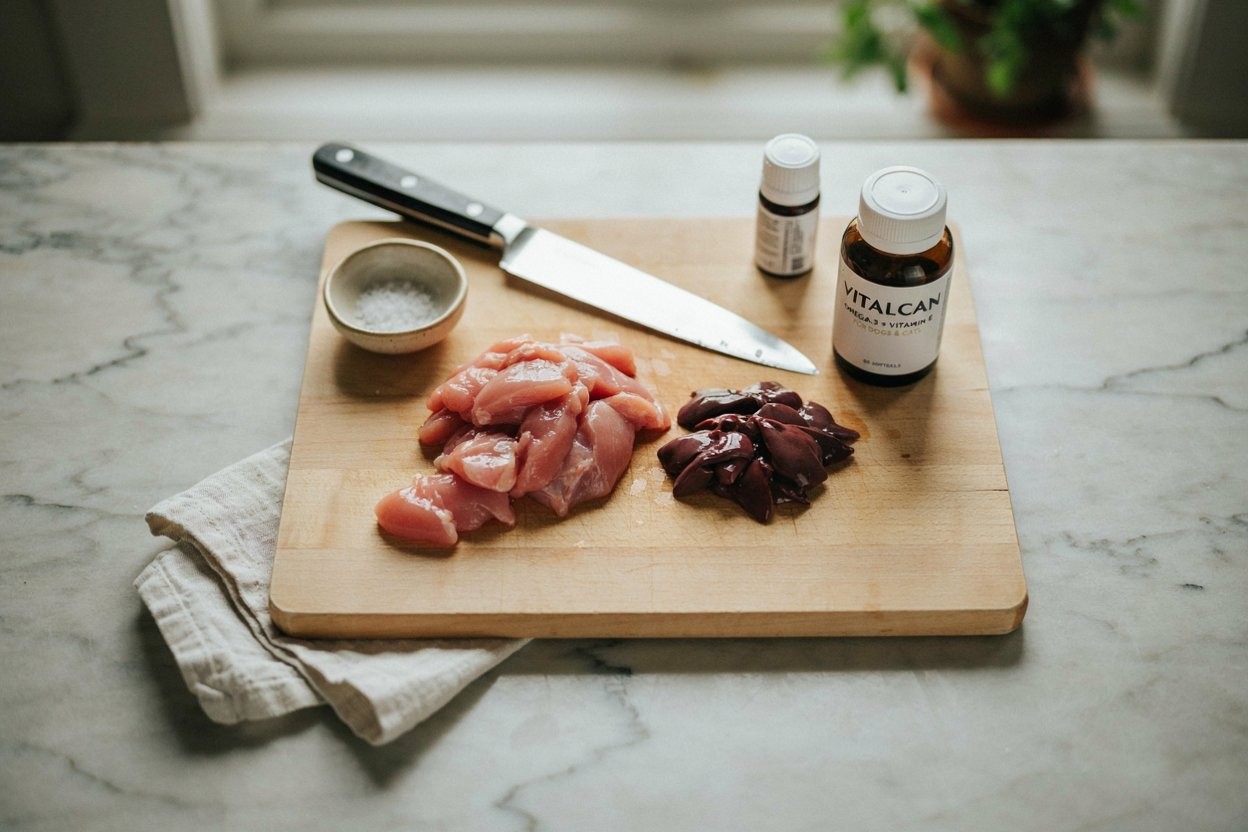
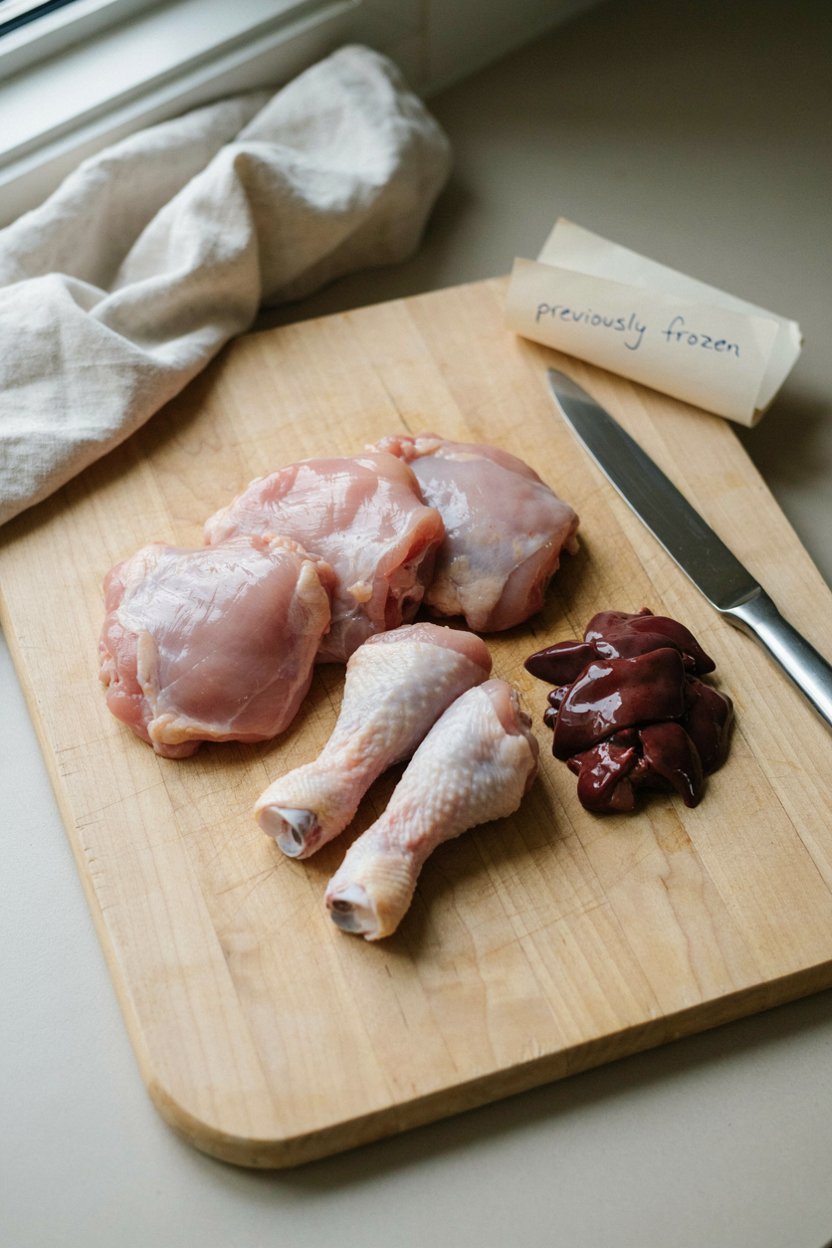
- 1 pound boneless, skinless chicken thigh, sourced from a reputable supplier and previously frozen for at least 2 to 3 weeks to help reduce parasite risk. Chicken forms the protein base of this meal, and thigh meat carries a bit more natural fat than breast, which suits a raw or minimally handled preparation well.
- 1 ounce chicken liver, sourced the same way as the chicken. A small amount of liver adds concentrated vitamin A, iron, and B vitamins that muscle meat alone doesn’t provide, though it should stay a small addition given how nutrient dense it is.
- A vet recommended taurine and calcium supplement, or a ground eggshell or bone meal supplement formulated specifically for raw feeding. This is not optional. Muscle meat and organ alone don’t provide adequate calcium or reliably sufficient taurine, and a properly sourced supplement is essential for this meal to be nutritionally appropriate, even occasionally.
- 1 tablespoon water, added at serving time. A small amount of water helps with hydration, since raw meat alone doesn’t provide the same moisture boost that broth adds to a cooked recipe.
How to Prepare It Safely
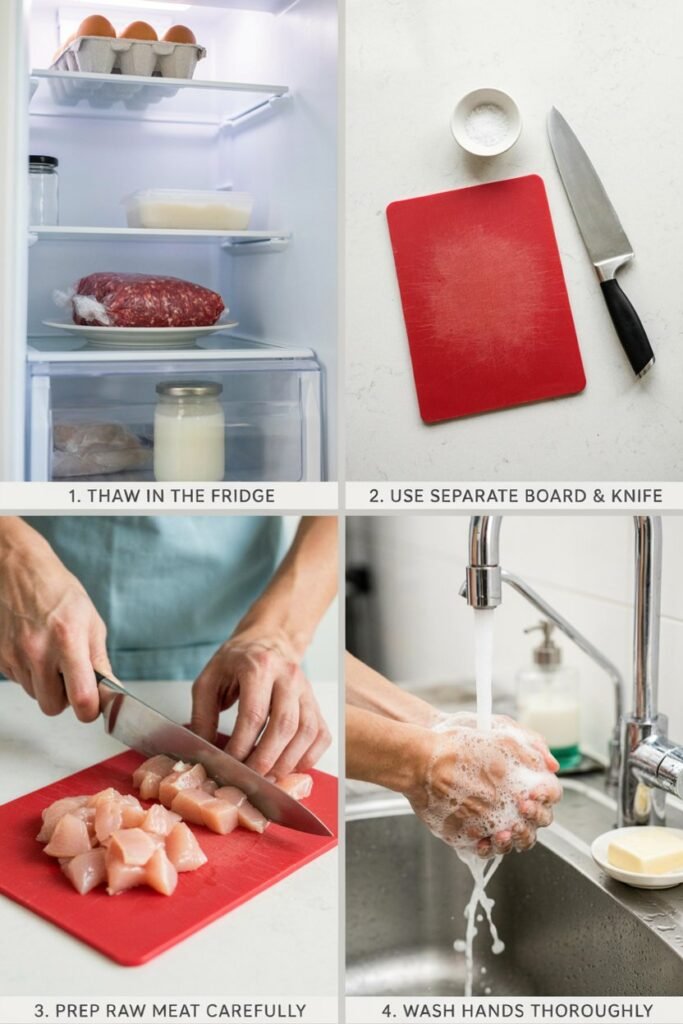
- Thaw the previously frozen chicken and liver in the refrigerator, never at room temperature, allowing several hours to overnight depending on the size of the portion.
- Set up a dedicated cutting board and knife used only for raw pet food preparation, separate from anything used for human food.
- Dice the chicken and liver into small, cat appropriate pieces.
- Combine the diced chicken and liver in a clean bowl, keeping the liver portion modest relative to the chicken.
- Stir in the supplement according to the product’s instructions or your veterinarian’s specific guidance.
- Add the water just before serving.
- Thoroughly wash your hands, the cutting board, the knife, and any surface the raw meat touched with hot, soapy water immediately after preparation.
- Portion into small servings, refrigerating what you’ll use within a day or two and freezing the rest.
How Much to Serve
A few tablespoons per meal is appropriate for most adult cats, adjusted for their size and overall diet.
Because this is a raw-inspired introduction rather than a fully established raw diet, it’s worth using it as an occasional addition rather than a full daily meal replacement, at least until you’ve worked out a more complete plan with your veterinarian if you want to continue with this feeding style long term.
Storage
Refrigerator. Store in a clean, airtight container and use within 1 to 2 days, since raw meat spoils considerably faster than cooked food and carries more risk if left too long.
Freezer. Portion into small, individual servings before freezing, generally holding quality for up to a month. Thaw only what you need in the refrigerator, never on the counter.
Serving. Only put out the amount your cat is likely to finish in one sitting, and wash the food bowl thoroughly with hot, soapy water after every meal rather than simply rinsing it.
Food Safety Habits That Matter Most
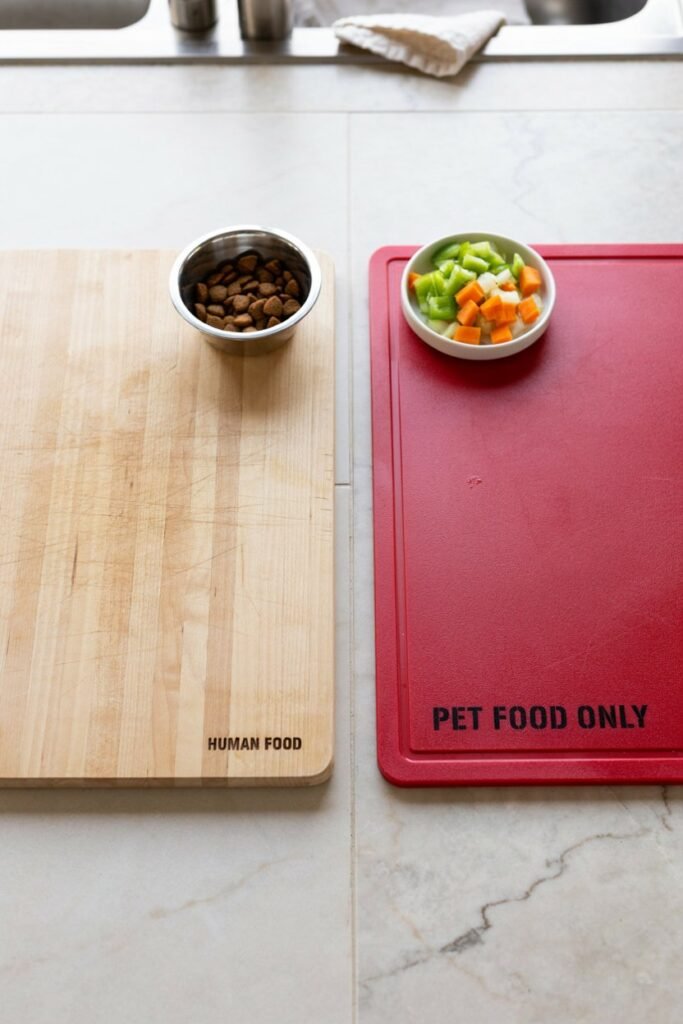
Dedicated equipment. Keep a cutting board, knife, and set of containers used only for raw pet food, separate from anything touching human food.
Immediate cleanup. Wash your hands, all surfaces, and any utensils immediately after handling raw meat, using hot water and soap rather than a quick rinse.
Careful sourcing. Buy meat specifically intended for consumption, from a reputable source, and consider a supplier or product marketed specifically for raw pet feeding, which sometimes carries additional handling standards.
Freezing before use. Freezing meat for at least a few weeks before feeding it raw can reduce, though not eliminate, certain parasite risks, and it’s a widely recommended step among raw feeding advocates for exactly that reason.
Household consideration. If anyone in your home is immunocompromised, pregnant, very young, or elderly, discuss the household risk specifically with your doctor or veterinarian before introducing raw feeding, since the exposure risk extends beyond just the cat.
How to Transition Your Cat to This Recipe
Introduce raw or raw-inspired food gradually, starting with a very small amount alongside your cat’s regular food rather than switching all at once.
Some cats take to raw food immediately given its strong aroma and texture, while others need a more gradual introduction.
Watch for any digestive upset, and if your cat refuses the new food outright, don’t force it by withholding their regular meals, since cats that stop eating for an extended period can develop serious health problems.
Persistent appetite loss or any signs of illness after introducing raw food warrant a call to your veterinarian.
Common Mistakes to Avoid
Skipping the supplement. This matters even more with raw feeding than with cooked homemade food, since calcium sourcing in particular works differently without proper formulation.
Treating “previously frozen” as optional. Freezing for the recommended period is a genuine, evidence based way to reduce certain risks, not an extra precaution that can be skipped for convenience.
Using the same cutting board or utensils for human food. Cross contamination is one of the most common and most preventable risks in raw pet food preparation.
Leaving raw food out for extended periods. Raw meat spoils and becomes unsafe faster than cooked food, so promptly refrigerating or discarding uneaten portions matters more here than with any other feeding style in this guide.
Assuming raw is automatically healthier. Quality depends entirely on sourcing, handling, and nutritional completeness, not simply on whether the food is raw.
Frequently Asked Questions
Is raw food actually safe for cats? It can be, when handled with genuine care around sourcing, freezing, and hygiene, though it carries real risks that cooked food doesn’t, both for the cat and for the humans handling it.
Can raw food make my cat sick? Yes, cats can experience bacterial illness from contaminated raw meat, even though they’re somewhat more resistant than humans, so proper sourcing and handling matter considerably.
Is raw cat food safe for households with young children or elderly family members? This deserves real caution, since cats can shed bacteria from raw food in their stool without showing symptoms themselves, creating a household exposure risk beyond the cat’s own health.
Do I need a supplement even for an occasional raw meal? Yes, particularly for calcium and taurine, since muscle meat and organ alone don’t reliably provide adequate amounts of either.
Can kittens eat raw food? Kittens have more specific and demanding nutritional needs during growth, and the risks of getting a raw diet wrong are higher during this stage, so this should only be attempted with direct veterinary guidance for kittens.
How long should I freeze meat before feeding it raw? Generally at least 2 to 3 weeks at a sufficiently low freezer temperature is commonly recommended to help reduce certain parasite risks, though this doesn’t address bacterial contamination the way cooking does.
Can I mix raw and cooked food in my cat’s diet? Yes, many owners do exactly this, treating raw as an occasional addition rather than an exclusive diet, which is a reasonable way to introduce the concept without committing to full time raw feeding right away.
What if my cat won’t eat raw food? Some cats simply prefer cooked food, and that’s a completely reasonable outcome. There’s no requirement to push a raw diet if your cat isn’t interested, and a fully cooked homemade recipe can provide similar benefits with a lower handling risk.
Is raw feeding cheaper or more expensive than cooked homemade food? It varies by sourcing, but reputable raw meat suppliers and proper supplements often cost more than plain, cooked grocery store chicken, so raw feeding isn’t automatically the more budget friendly option.
Should I talk to my vet before starting raw feeding? Yes, this is worth doing before making raw feeding a regular or exclusive part of your cat’s diet, both to confirm the nutritional plan is complete and to discuss any household specific risk factors.
Beginner Friendly Raw Inspired Cat Food
Ingredients
Equipment
Method
- Cook the chicken thoroughly without adding salt, onion, garlic, oil, or seasonings.
- Allow the chicken to cool slightly, then remove any remaining skin, fat, or bones.
- Finely chop or shred the cooked chicken into small pieces suitable for your cat.
- Add the chicken, pumpkin, and cooked zucchini to a clean mixing bowl.
- Add the warm water and gently mix until the ingredients are evenly combined and moist.
- Allow the food to cool completely before serving.
- This recipe is raw inspired but uses fully cooked ingredients. Cooking the meat helps reduce the food safety risks associated with feeding raw animal products.
- This recipe should not be considered a complete and balanced long term diet unless it has been properly formulated for feline nutritional requirements. Cats require specific nutrients, including taurine and appropriate amounts of vitamins and minerals, that are not reliably provided by meat and vegetables alone.
- Avoid onion, garlic, salt, seasoning blends, cooked bones, and other ingredients that may be unsafe for cats.
Final Thoughts
Raw-inspired feeding sits in genuinely different territory than a fully cooked homemade recipe, with real benefits some owners report alongside real risks that deserve honest attention rather than being glossed over.
This recipe is meant as a careful, beginner oriented introduction, not a complete raw feeding protocol, and if it’s something you want to pursue more seriously, bringing your veterinarian into the conversation early is the safest way to make sure both the nutrition and the handling are genuinely right for your specific cat and household.