Naturally Sweet Blueberry Peanut Butter Twists (Dog-Safe Recipe)

Blueberry and peanut butter make a genuinely good pair, tart and sweet against rich and savory, and twisting the dough into a simple braided shape turns an ordinary baked treat into something that looks a little more special without adding any real complexity to the process.
This guide walks through one simple recipe for these twists, along with the shaping technique and how to adjust the texture depending on what your dog prefers.
If you want to build out your treat rotation beyond this one recipe, a few related guides are worth having open alongside this one.

Pumpkin peanut butter dog cookies and peanut butter and banana dog treats offer other peanut butter forward options, sweet potato and blueberry chews for dogs covers another blueberry based recipe with a different texture, easy homemade dog chew sticks with peanut butter and best DIY dog biscuits that last for weeks give you firmer, longer lasting alternatives, 3 ingredient peanut butter dog gummies offers a completely different texture, dog icing recipe that hardens pairs well if you want to dress these up further, and human foods dogs can safely eat rounds out the bigger picture of safe food sharing.
Disclaimer
This post may contain affiliate links. As an Amazon Associate, I earn from qualifying purchases at no additional cost to you. I only recommend dog-safe ingredients and kitchen tools that I genuinely find useful for making homemade dog treats. Always use xylitol-free peanut butter, fresh or frozen blueberries without added sugar, and avoid unsafe ingredients such as chocolate, grapes, raisins, and nutmeg. Consult your veterinarian before introducing new treats.
Amazon Shopping List You Need
- Fresh Blueberries – I use fresh blueberries to add natural sweetness and fruity flavor to these homemade dog treats.
- Xylitol-Free Peanut Butter – I use dog-safe peanut butter to add a creamy texture and rich flavor to the twists.
- Whole Wheat Flour – I use this as a simple base to create a dough that is easy to shape into twists.
- Silicone Baking Mat – I use one to keep the twists from sticking to the baking sheet and make cleanup easier.
- Stainless Steel Mixing Bowls – I use these whenever I prepare homemade dog treat dough because they are sturdy and easy to clean.
- Silicone Spatula – I use a flexible spatula to combine the ingredients and scrape the bowl clean.
- Digital Kitchen Scale – I use this to measure ingredients accurately for consistent batches and portions.
Why Blueberry and Peanut Butter Work So Well Together
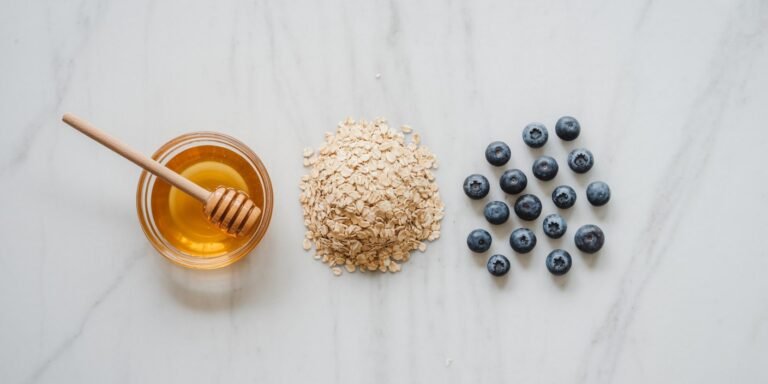
Blueberries bring a bright, slightly tart flavor along with genuine antioxidant content, and they’re small enough to fold directly into a dough without much prep.
Peanut butter balances that tartness with richness and the kind of flavor most dogs get genuinely excited about, and it also helps hold the dough together without needing much additional binding.
Neither ingredient needs added sugar to taste appealing, which makes this combination naturally sweet in a way that doesn’t rely on anything you’d need to think twice about.
Before You Start
A few ground rules apply here as with any homemade treat.
Check your peanut butter label every time you buy a new jar, not just the first time, since xylitol, an artificial sweetener extremely dangerous to dogs even in small amounts, has appeared in some peanut butter products without much warning.
Use fresh or plain frozen blueberries, thawed and drained if frozen, since excess liquid can throw off the dough’s consistency. And introduce this treat gradually the first time, watching for any signs of digestive upset.
Understanding the Ingredients
Oat flour. Forms the base structure of the dough, offering a gentle, easily digestible carbohydrate that most dogs tolerate well, including those with sensitivities to other grains.
Natural peanut butter, xylitol free. Adds richness and flavor while also helping bind the dough together.
Blueberries. Fresh or plain frozen, blueberries add natural sweetness, a bit of tartness, and antioxidants, folded directly into the dough or mashed lightly first depending on the texture you want.
Egg. Helps bind the dough a bit more firmly and adds a small protein boost, giving the twisted shape enough structure to hold together through baking.
Water, as needed. Used to adjust the dough’s final consistency if it feels too dry to work with.
Ingredients I Avoid
Added sugar, salt, xylitol, and any seasoning blend have no place in this recipe. It’s worth checking the peanut butter label specifically every time, even on a brand you’ve used before, since formulations can change without much warning.
Blueberry Peanut Butter Twists
Yield: About 14 to 16 twists, depending on size Prep Time: 15 minutes Cook Time: 20 to 25 minutes Total Time: About 40 minutes Storage: Refrigerate up to a week, freeze up to 3 months
Ingredients
- 2 cups oat flour, plus more as needed. Forms the structure of the dough.
- 1/3 cup natural peanut butter, xylitol free. Adds richness and helps bind the dough.
- 1/2 cup blueberries, fresh or plain frozen and thawed, lightly mashed. Adds natural sweetness and antioxidants.
- 1 egg. Helps bind the dough and gives the twisted shape structure.
- 2 to 4 tablespoons water, as needed. Adjusts the final dough consistency.
How to Make It
- Preheat your oven to 350°F (175°C) and line a baking sheet with parchment paper.
- In a mixing bowl, combine the oat flour and peanut butter, mixing until it forms coarse crumbs.
- Add the lightly mashed blueberries and egg, stirring until the mixture starts to come together.
- Add water a tablespoon at a time, mixing after each addition, until the dough forms a firm ball that isn’t sticky.
- Divide the dough into small portions and roll each one into a thin rope, about 6 inches long.
- Fold each rope in half and twist the two strands around each other a few times, pinching the ends together to hold the twist in place.
- Place the twists on the lined baking sheet, leaving space between each one.
- Bake for 20 to 25 minutes, until firm to the touch and lightly golden.
- Let the twists cool completely on the baking sheet before handling or storing, since they firm up further as they cool.
How to Shape the Twists
Rolling each portion of dough into an even rope before folding makes the twisting step considerably easier, so take a moment to smooth out any lumps first.
Fold the rope in half, then hold both ends and twist the two strands around each other two or three times, similar to twisting a rope or braiding two strands together.
Pinching the ends firmly afterward keeps the shape from unraveling as it bakes. If a twist looks a little uneven, that’s completely fine. These are meant to look homemade rather than perfectly uniform.
How to Adjust This Recipe
For a softer twist. Bake for closer to 18 minutes, which produces a chewier texture suited to a dog with dental sensitivity or a senior dog who prefers something easier to eat.
For a firmer, longer lasting twist. Bake for the full 25 minutes, or slightly longer, checking that the twists feel firm throughout, which produces a texture that holds up a bit longer in storage.
For a simpler shape. If twisting feels fussy, simply roll the dough into small balls or flatten into rounds instead. The flavor stays the same either way.
For a decorated version. Once fully cooled, drizzle a thin line of a dog safe hardening icing over the top for a special occasion presentation.
How Many Twists Can a Dog Have?
Treats should stay a small part of your dog’s overall diet, generally no more than about 10 percent of their total daily calories.
One or two twists make a reasonable serving for most dogs, adjusted for their size, and given how calorie dense peanut butter is relative to some other treat ingredients, it’s worth erring on the smaller side rather than treating these as an everyday, unlimited snack.
Storage
Refrigerator. Store in an airtight container for up to a week.
Freezer. Freeze in a single layer first, then transfer to a freezer safe container or bag, where they’ll hold their quality for up to 3 months.
Room temperature. The firmer version can be stored at room temperature in an airtight container for several days given its lower moisture content, though refrigeration remains the safer default if you’re unsure how a particular batch turned out.
Common Problems When Making These Twists
Why is my dough too sticky to roll into ropes? Blueberries and peanut butter both carry moisture. Add more oat flour a tablespoon at a time until the dough firms up enough to handle without sticking excessively.
Why do my twists come apart during baking? This usually means the ends weren’t pinched firmly enough before baking. Press the ends together more firmly on your next batch, and consider tucking them slightly underneath the twist for extra hold.
Why did my twists turn out too hard? This usually means they baked a bit longer than intended, or your oven runs slightly hot. Checking a batch a few minutes before the suggested time helps prevent this on the next attempt.
Can I use whole blueberries instead of mashing them first? Yes, though mashing them lightly first helps distribute the flavor more evenly through the dough and makes the ropes easier to twist without whole berries popping out.
Good Ingredients to Look For
Plain oat flour. A gentle, recognizable source of structure and fiber that most dogs tolerate well.
Plain, single ingredient peanut butter. Just peanuts, and maybe a touch of salt, with nothing else on the label, especially no xylitol.
Fresh or plain frozen blueberries. No added sugar or syrup, just the fruit itself.
Nothing artificial. No added sugar, sweeteners, or seasoning belong in a treat meant for your dog.
Common Mistakes to Avoid
Skipping the peanut butter label check. Worth repeating across every recipe that uses peanut butter, since it’s a genuinely important safety step.
Using frozen blueberries without draining excess liquid. Frozen blueberries release moisture as they thaw, which can make the dough too wet if not accounted for.
Not pinching the twist ends firmly enough. This is the most common reason the shape falls apart during baking, so take an extra moment to press the ends together securely.
Making the twists too large. Smaller pieces make portion control easier and are more appropriate for a treat than something sized like a full snack.
Storing a warm batch. Let the twists cool completely before sealing them into a container, since trapped warmth and moisture can shorten shelf life.
Frequently Asked Questions
Can dogs eat blueberries and peanut butter together? Yes, both are commonly used dog safe ingredients, and they combine well in a simple baked treat like this one.
Are blueberries good for dogs? Yes, blueberries are considered a safe, antioxidant rich treat for dogs in appropriate amounts.
Can I use a different fruit instead of blueberries? A small amount of diced apple, cored and seeded, or mashed banana can work as substitutes, though the moisture content may differ slightly, so adjust the flour as needed.
Can puppies eat these twists? In small amounts, generally yes, though the softer texture version is likely a better fit for young teeth than the firmer, longer baked one.
How long do these twists last? About a week refrigerated, or several days at room temperature for the firmer version, and up to 3 months if frozen.
Do I really need to twist the dough, or can I skip that step? The twisting is purely for presentation. Rolling the dough into simple balls or flattened rounds instead works just as well if you’d rather skip the extra shaping step.
Can I use almond butter instead of peanut butter? Yes, as long as it’s plain and free of xylitol, almond butter works as a direct substitute.
Why did my twists spread out flat while baking? This usually means the dough was a bit too soft. Adding more oat flour and making sure the twist is firmly shaped before baking helps it hold its form.
Are these twists high in calories? The peanut butter does add meaningful calories, so it’s worth keeping portions modest rather than treating these as a low calorie, unlimited snack.
Can I freeze the raw dough instead of baking it right away? It’s better to bake first and then freeze, since freezing raw dough can affect how evenly it bakes later.
Final Thoughts
A simple twist shape turns an ordinary peanut butter and blueberry treat into something that feels a little more intentional, without adding much actual effort to the process.
Roll, fold, twist, and pinch, and you’ve got a treat that looks homemade in the best way.
Start with the standard bake if you’re not sure which texture your dog will prefer, and don’t worry if the twists come out a little uneven. That’s part of the charm.