How to Sedate a Cat Naturally: What Actually Worked for My Cat (and What Didn’t)
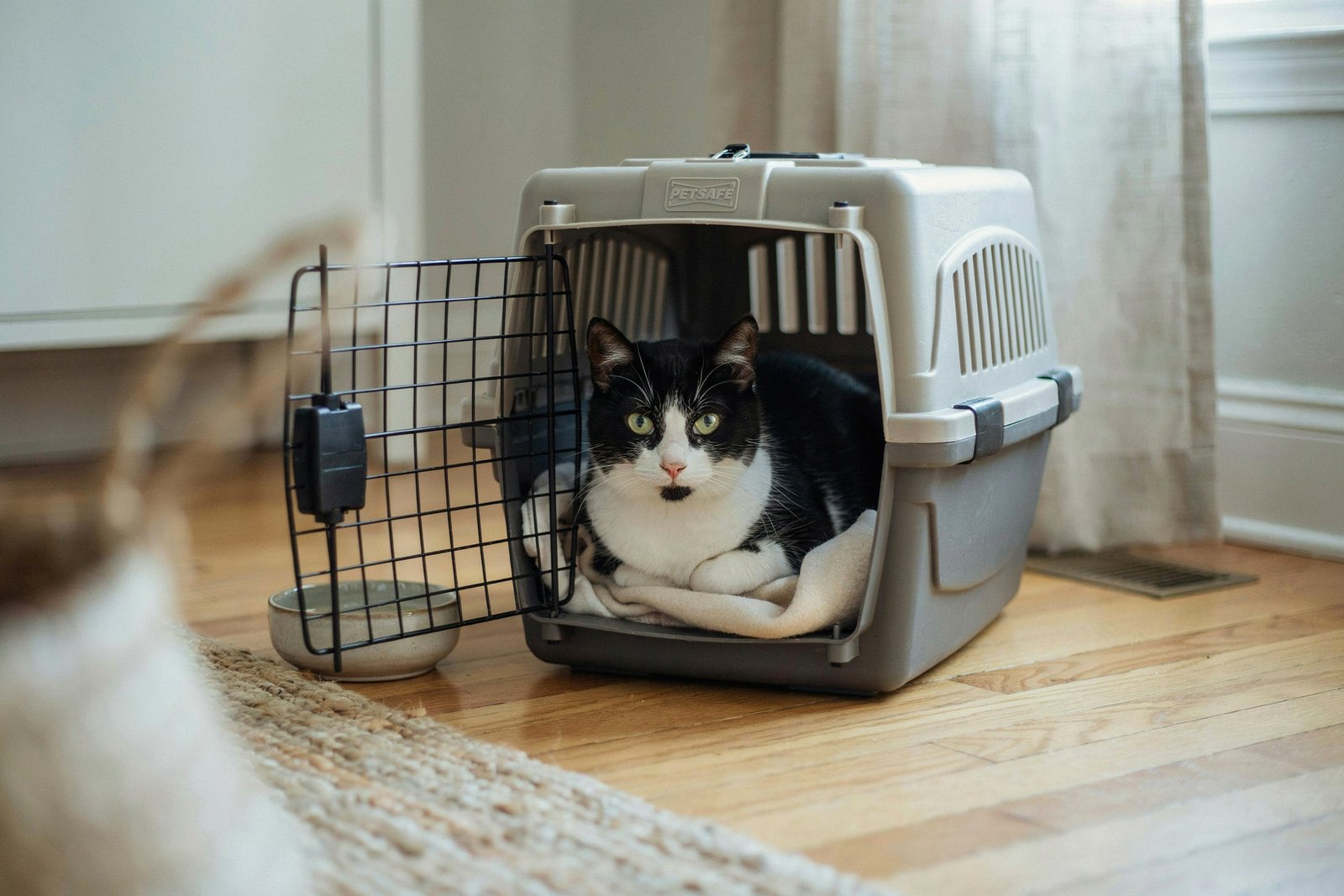
The first time I had to get Milo, my tuxedo cat, into a carrier for a vet visit, it was a full contact sport.
Claws out, yowling, hiding under the bed the second he heard the carrier zipper.
Since then, I’ve tested nearly every natural calming method out there, some that worked shockingly well, and a few that did nothing at all.
Here’s what I actually use, and a quick note before we start: “sedating” a cat naturally doesn’t mean knocking them out.
It means calming their nervous system enough that a stressful moment becomes manageable. True sedation should only ever come from your veterinarian.
Why Cats Get So Stressed in the First Place
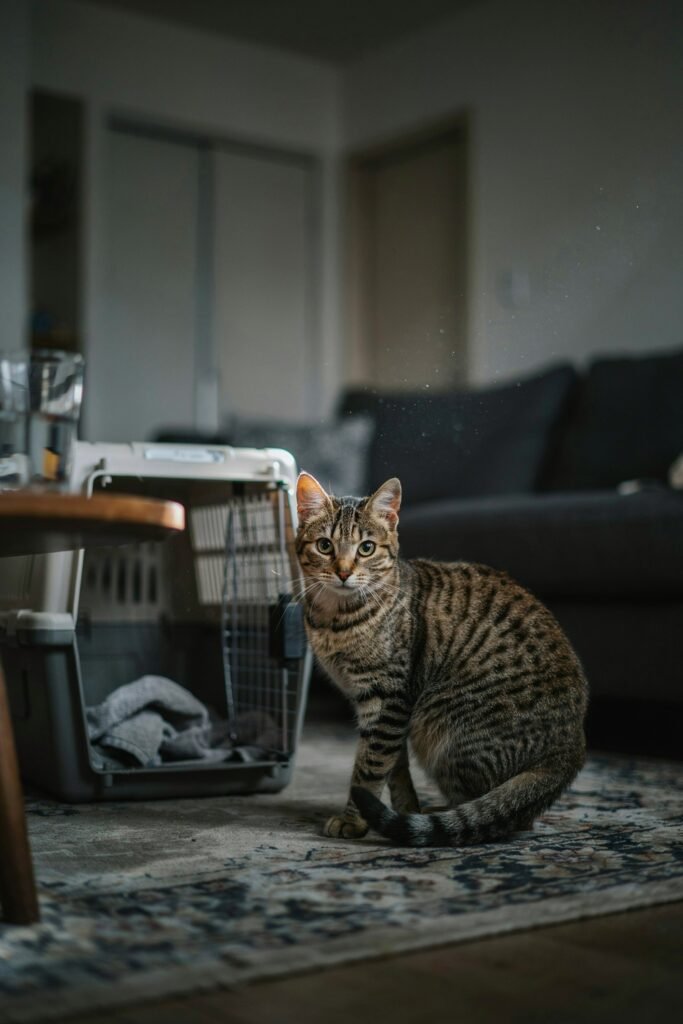
Cats are territorial by nature, and anything that disrupts their environment, a car ride, a stranger’s hands, a loud noise, tells their brain something is wrong.
Milo is generally a confident cat, but the second his carrier comes out of the closet, his whole body language changes. Ears back, tail low, pupils huge.
Understanding that this is a genuine stress response, not stubbornness, changed how I approached calming him down.
1. Start With the Environment, Not the Cat
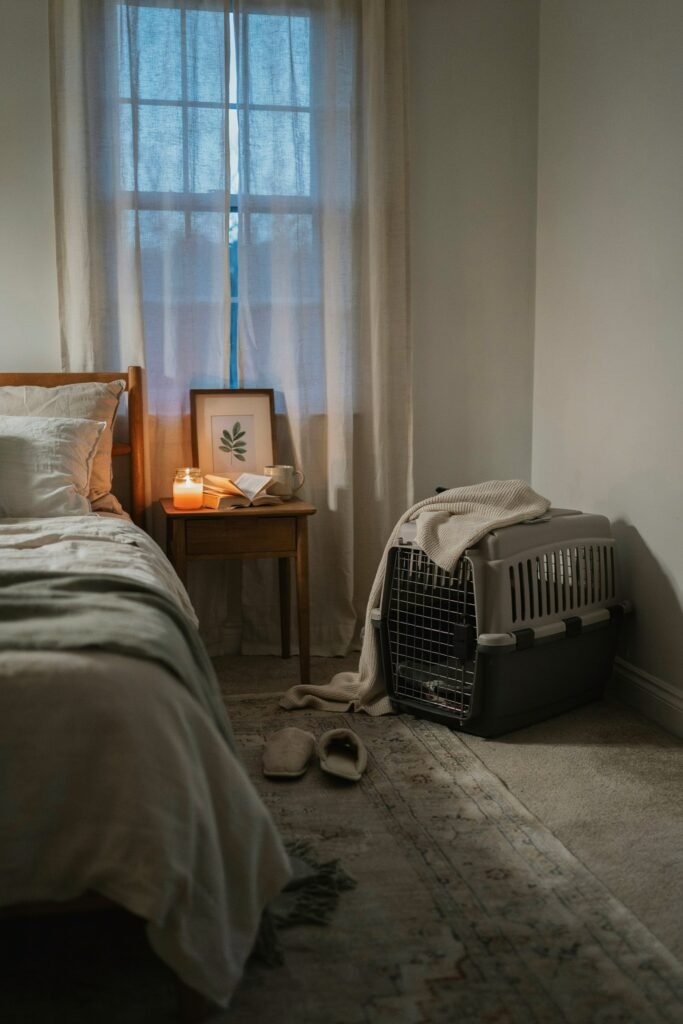
Before trying any calming product, I learned that the environment itself does a lot of the heavy lifting.
A quiet, dim room with familiar bedding is far more effective than trying to calm a cat in a chaotic space.
When I know a stressful event is coming, I set up Milo’s carrier in a quiet room at least a day early, with his own blanket inside, so it smells familiar instead of like a scary plastic box that only appears before bad things happen.
If you’re working on a broader calm cat foundation, this pairs really well with the basics covered in our daily cat care routine guide, which helped me build a more predictable, low stress rhythm for Milo overall.
2. Try Feline Pheromone Products
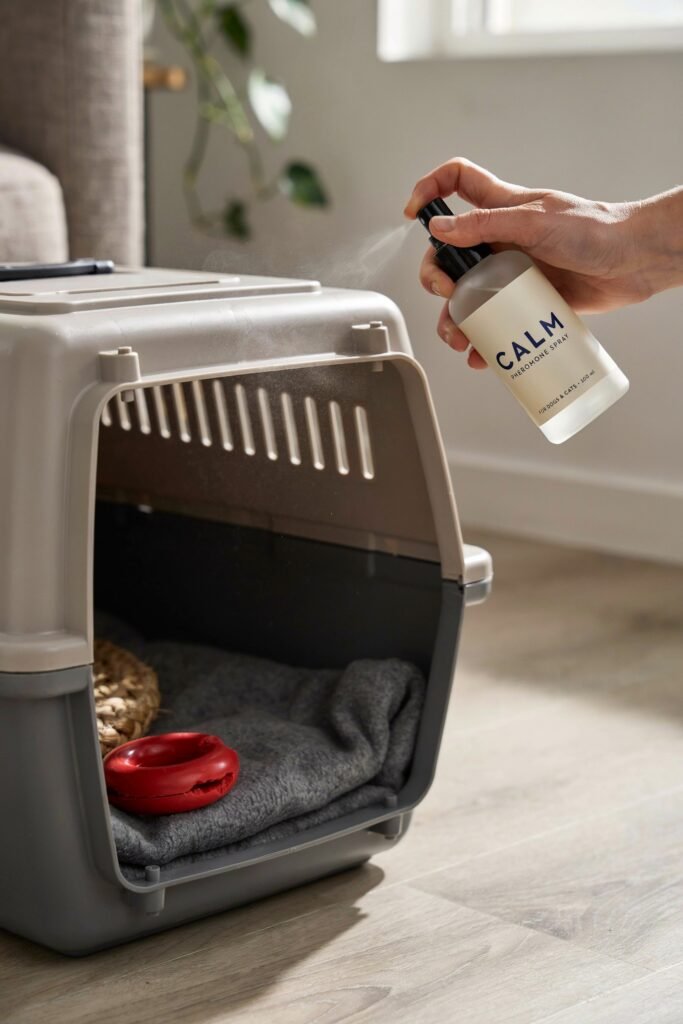
This was the single biggest game changer for us. Synthetic feline facial pheromone sprays and diffusers mimic the scent cats naturally release when they rub their face on furniture, a scent that signals “this space is safe.”
I spray a small amount inside Milo’s carrier about fifteen minutes before we leave, and the difference in his stress level is noticeable almost every time. It’s not magic, but it takes the edge off.
3. Offer Calming Treats With Natural Ingredients
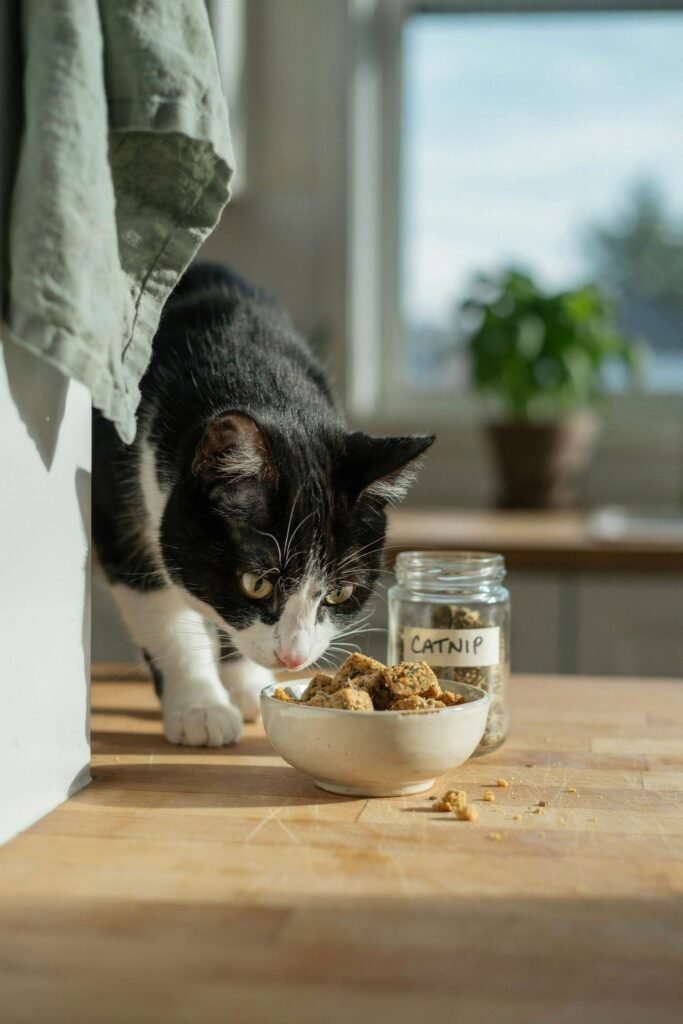
There are a handful of natural ingredients that have a genuinely calming effect on cats, including L-theanine (found in green tea), tryptophan, chamomile, and valerian root.
Milo isn’t a fan of valerian, funnily enough, it seems to make him more hyper rather than calmer, but the L-theanine chews have worked well for us.
Every cat reacts differently, so I’d recommend trying a small amount well before the stressful event to see how your own cat responds.
For general feeding guidance beyond treats, our superfoods for cats post is a good place to start.
Always check with your vet before introducing any new calming supplement, especially if your cat is on other medication or has an existing health condition.
4. Let Them Self-Soothe With Catnip or Silvervine
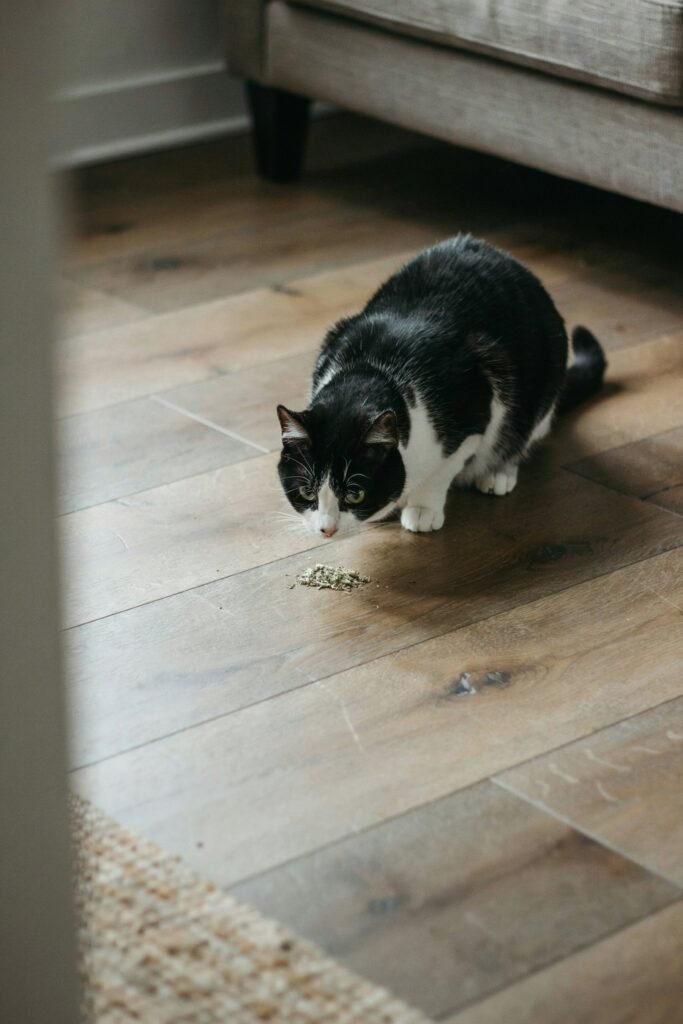
Catnip gets a lot of attention for making cats hyper and playful, but in smaller doses, especially in the hour before a stressful event, it can actually help some cats release pent-up nervous energy so they settle down faster afterward.
Silvervine works similarly and is a good alternative for cats who don’t respond to catnip.
Milo gets a small pinch about an hour before any car ride, and it noticeably takes the jumpiness out of him.
If you’re curious about other cat-safe foods and plants worth keeping on hand, our safe berries for cats post covers a few surprising options.
5. Try a Calming Wrap or Compression Vest
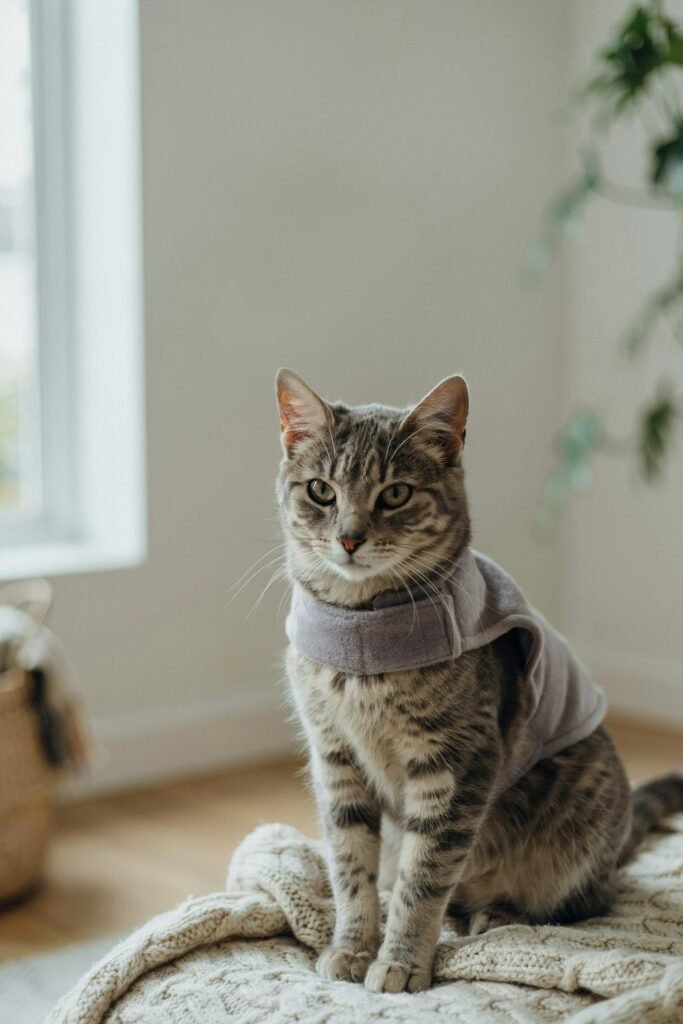
Gentle, consistent pressure has a calming effect on a lot of animals, cats included.
A snug calming wrap or vest mimics the feeling of being held, which can lower a cat’s heart rate during stressful moments.
I was skeptical the first time I tried this with Milo, but within a few minutes of putting it on before a nail trim, his whole posture visibly softened.
6. Play Calming Music or White Noise
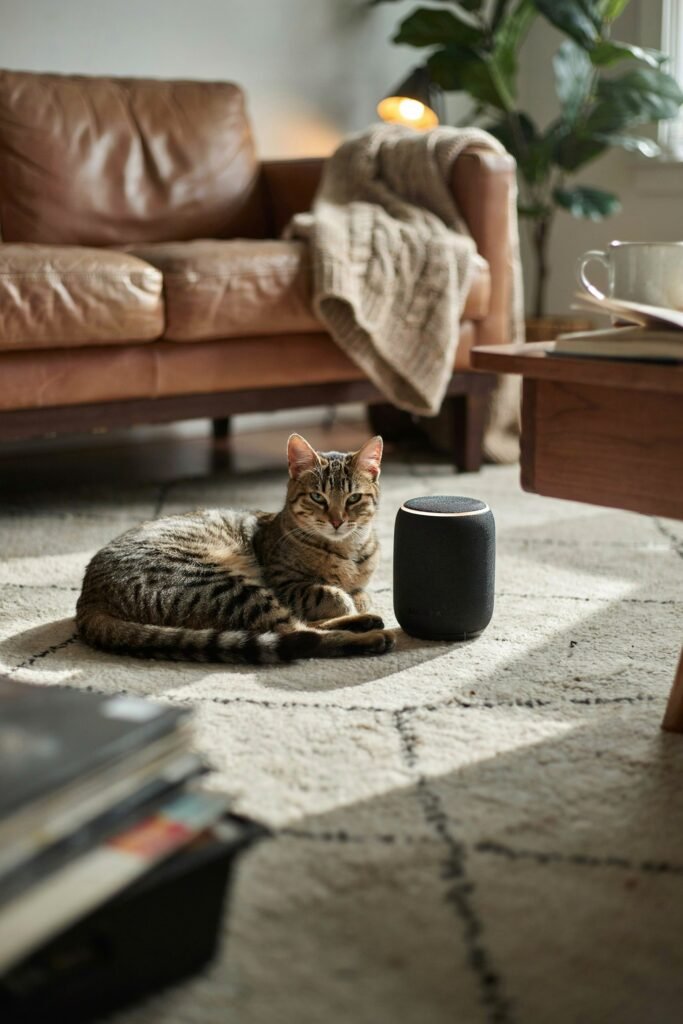
This one surprised me the most. There’s actual research showing cats respond well to music composed specifically with feline hearing ranges and natural purring frequencies in mind, much more than they respond to regular human music.
I keep a playlist of cat-specific calming music ready to play in the car, and it’s become part of our pre-vet-visit routine.
Even something as simple as white noise can help mask sudden, startling sounds.
7. Practice Carrier Training Ahead of Time
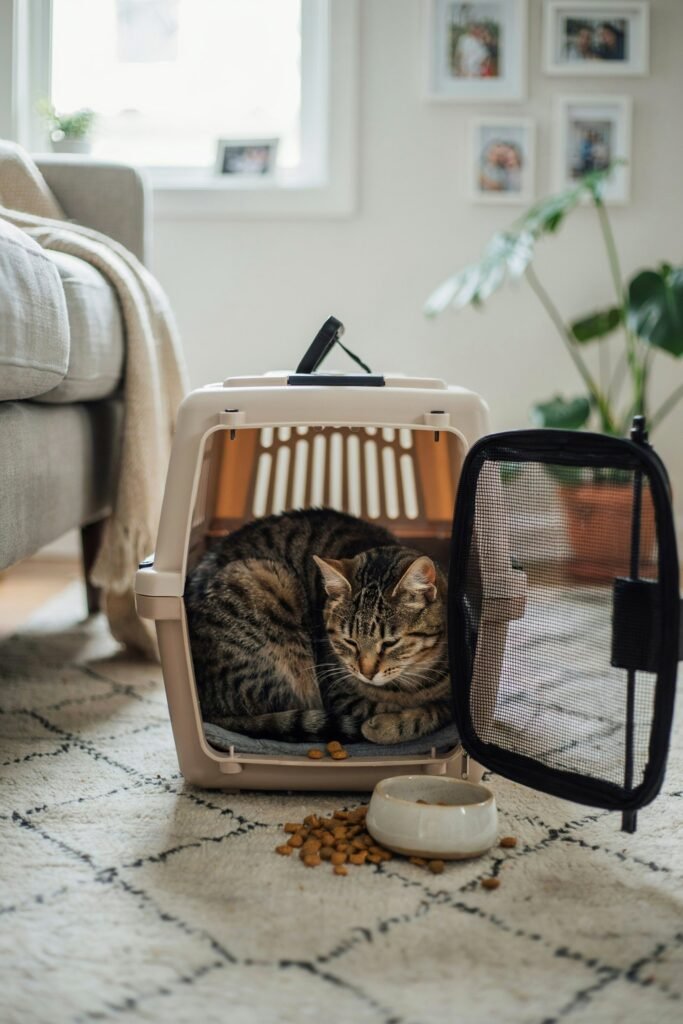
Most of a cat’s carrier stress comes from association, not the carrier itself.
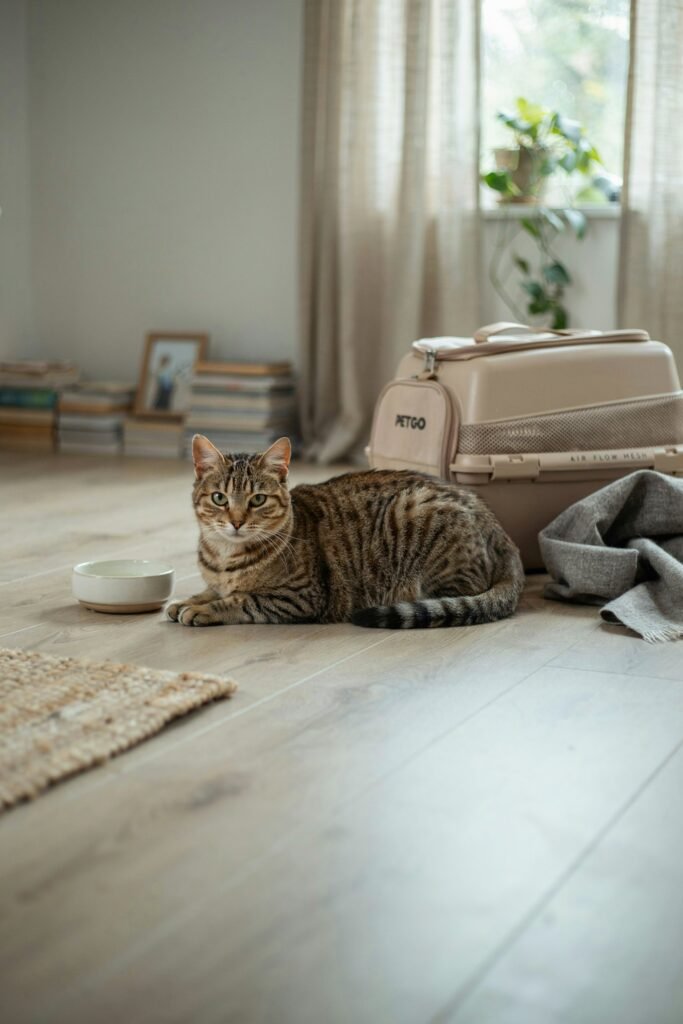
I started leaving Milo’s carrier out in the living room permanently, with treats and his favorite blanket inside, so it became just another piece of furniture instead of a signal that something scary was coming.
It took a few weeks, but now he actually naps in it sometimes, which felt like a genuine milestone.
If you’re also working through other behavior patterns, the training approach we used here overlaps a lot with the tips in our ways to make your cat’s life amazing post, which focuses heavily on building trust through consistency.
8. Give Them Control Where You Can
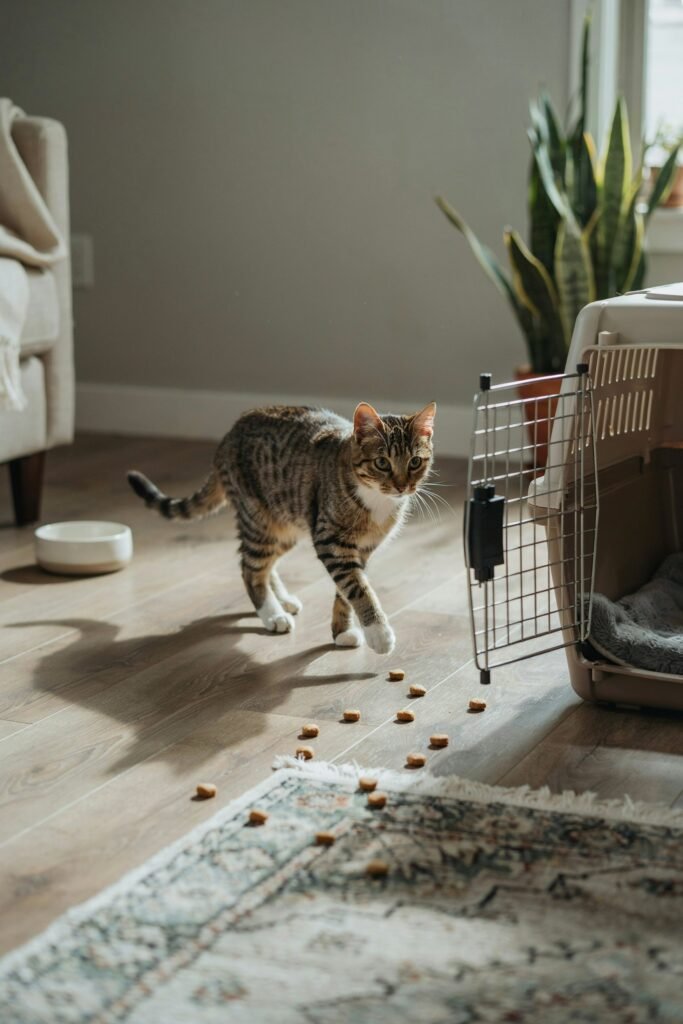
Stress is often about a loss of control, and giving your cat small choices can help.
Letting Milo walk into his carrier on his own, rather than being physically pushed in, dramatically reduced his resistance.
I place treats in a trail leading into the carrier and let him choose to follow them at his own pace, even if it takes a few extra minutes.
9. Avoid Common Mistakes That Make Stress Worse
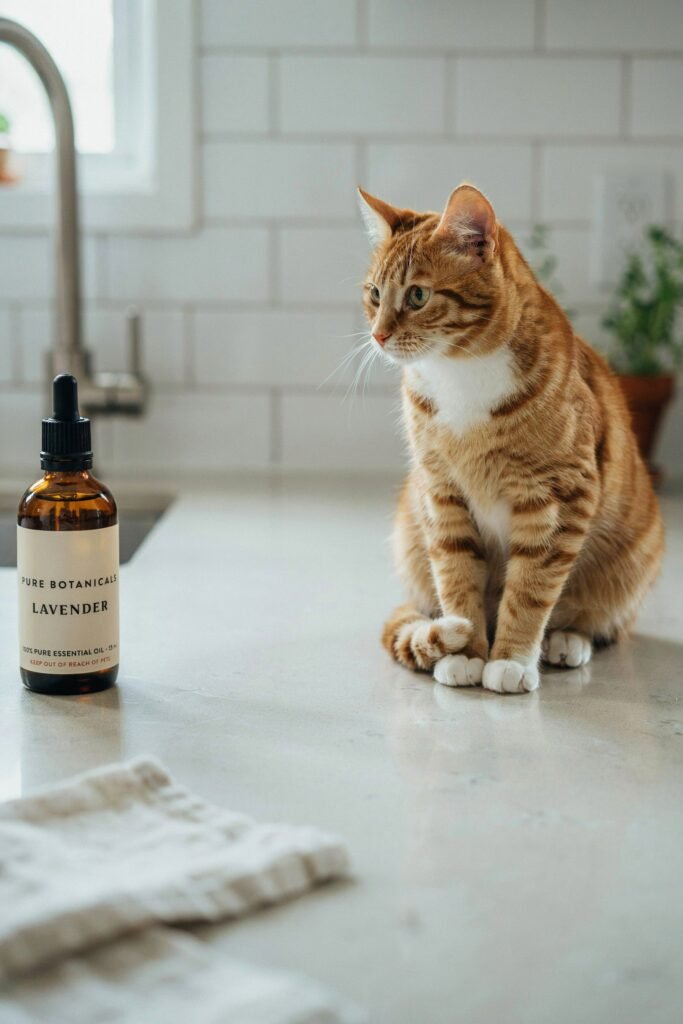
A few things I learned the hard way. Never use essential oils around cats, many are toxic to them even in small amounts, including lavender and tea tree oil, despite these being marketed as calming for humans.
Never give a cat any human medication, including over-the-counter sedatives or antihistamines, without explicit veterinary guidance and dosing instructions. And avoid rushing the process.
The one time I tried to force Milo into his carrier five minutes before we needed to leave, it went worse than every other calm, prepared attempt combined.
10. Know When to Call Your Vet Instead
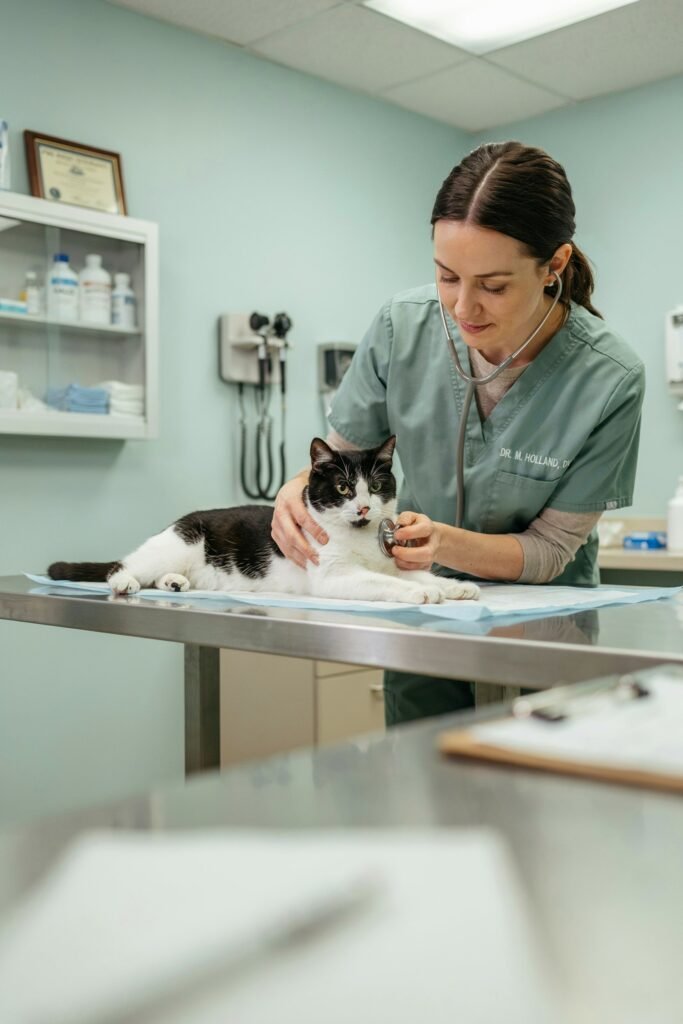
Natural calming methods work well for everyday stress, vet visits, travel, or the occasional thunderstorm, but they’re not a substitute for medical sedation when it’s genuinely needed.
If your cat has severe anxiety, a history of aggressive stress responses, or an upcoming procedure that requires true sedation, talk to your vet about safe, prescribed options.
Milo’s vet has been upfront with me about which situations call for a mild prescribed option instead of relying purely on natural methods, and that honesty has made a real difference in how I plan for his high stress days.
Extra Tips for Naturally Calming a Stressed Cat
A few smaller things that made a bigger difference than I expected.
Stick to one new method at a time. When I tried introducing pheromone spray, a calming wrap, and new treats all in the same week, I couldn’t tell what was actually helping Milo.
Testing one method at a time made it much easier to figure out what worked.
Keep a consistent daily routine, even on calm days. Cats settle faster into stressful situations when their baseline routine is already predictable.
Our happy, healthy cat tips post covers a lot of the small daily habits that helped Milo feel more secure overall, which made the stressful days easier by comparison.
Reward calm behavior, not just compliance. I started giving Milo a treat any time he stayed relaxed near his carrier, not just after we made it through a vet visit.
It reinforced the idea that the carrier itself isn’t something to fear.
Watch for signs it’s working. Slower blinking, a relaxed tail, and settling into a loaf position are all good signs a calming method is actually helping, rather than just masking stress.
FAQ About Naturally Calming a Cat
What is the fastest natural way to calm a stressed cat? Feline pheromone spray combined with a quiet, familiar environment tends to work the fastest for most cats, often within fifteen to twenty minutes.
Can I give my cat human sedatives like Benadryl to calm them down? You should never give your cat any human medication without direct guidance from a veterinarian.
Dosing is highly specific to a cat’s weight and health status, and some ingredients in human medications can be dangerous for cats.
Are essential oils safe for calming cats? No. Many essential oils, including lavender, tea tree, and eucalyptus, are toxic to cats even in small amounts.
Stick to products specifically formulated and labeled safe for feline use.
How long before a stressful event should I start calming my cat? Ideally, start the day before with environmental setup, and use pheromone sprays or calming treats about fifteen to sixty minutes before the actual event, depending on the product.
Is catnip a good natural sedative for cats? Catnip typically causes excitement rather than sedation, but in small doses given before a stressful event, some cats use that energy release to settle down more quickly afterward. Not all cats respond the same way.
When should I see a vet instead of trying natural methods? If your cat shows severe anxiety, aggression, or extreme stress responses, or if they need sedation for a medical procedure, talk to your vet about safe prescribed options rather than relying solely on natural methods.
Final Thoughts
I won’t pretend every method here worked instantly. It took months of trial and error to figure out what actually calms Milo down versus what just sounded good on paper.
But the combination of carrier training, pheromone spray, and a quiet pre-departure routine turned our vet visits from a two person wrestling match into something that’s honestly almost boring now, in the best way possible.
If you’re in the middle of your own trial and error phase, know that it does get easier, and that a calmer cat is absolutely worth the patience it takes to get there.